

Living with chronic back pain can make even simple activities, like commuting or running errands, a significant challenge. Daily driving can become uncomfortable and aggravate existing conditions if a vehicle does not provide adequate support for the spine.
Choosing the right vehicle is critical because the wrong seat design, suspension system, or cabin layout can lead to increased pain, fatigue, and even long-term spinal issues. People with lumbar problems require seats that offer firm yet adaptive support, adjustable lumbar positioning, and cushioning that reduces pressure points. Vehicles with well-engineered seating and smooth suspension can make a remarkable difference in the quality of life for those who spend substantial time behind the wheel.
Ergonomics plays a central role in mitigating discomfort. Seats that allow height adjustment, tilt control, and lumbar support customization can prevent slouching and uneven weight distribution. Moreover, vehicles with low vibration and minimal road feedback can reduce the risk of aggravating spinal conditions.
Suspension systems designed to absorb shocks from potholes and uneven roads help to maintain a stable and comfortable posture. Drivers with chronic back pain should also consider entry and exit ease, as straining while getting into a vehicle can exacerbate discomfort over time. Interior layout, door height, and seat position relative to pedals all contribute to comfort and must be considered carefully.
Beyond seat design, vehicle size and drivability also matter. SUVs, crossovers, and minivans often provide higher seating positions that reduce strain on the lower back during entry and exit. On the other hand, some sedans with ergonomic seats offer precise lumbar adjustments and superior cushioning for long-distance travel.
Safety features, including automatic braking, adaptive cruise control, and lane assist, reduce the need for sudden movements that can stress the back. Choosing a vehicle with intelligent driver assistance can also lower fatigue by minimizing repetitive strain and awkward posture over time. Additionally, climate control and seat heating or cooling options can provide relief for sore muscles, contributing to a more comfortable drive.
Technology integration can also enhance comfort. Vehicles with memory seating allow multiple drivers to store preferred seat configurations, ensuring consistent lumbar support. Advanced suspension settings that adjust according to road conditions can further reduce the impact of bumps and uneven surfaces.
Interior materials that offer breathability and cushioning help prevent pressure accumulation during long drives. The combination of these factors ensures that people with chronic back pain can maintain a healthy posture, reduce pain, and enjoy longer trips without unnecessary discomfort.
Considering all these elements, selecting the right vehicle is more than just choosing a brand or model. It involves evaluating seating ergonomics, suspension quality, accessibility, and integrated comfort features. People with lumbar needs require vehicles that prioritize both support and ease of use.
In the following sections, ten vehicle models have been carefully selected based on their ability to provide relief, support, and comfort for drivers with chronic back pain. These vehicles demonstrate a balance of engineering, ergonomics, and practical features that make daily driving safer and less painful. By understanding their strengths, potential buyers can make informed decisions that contribute positively to spinal health and well-being.
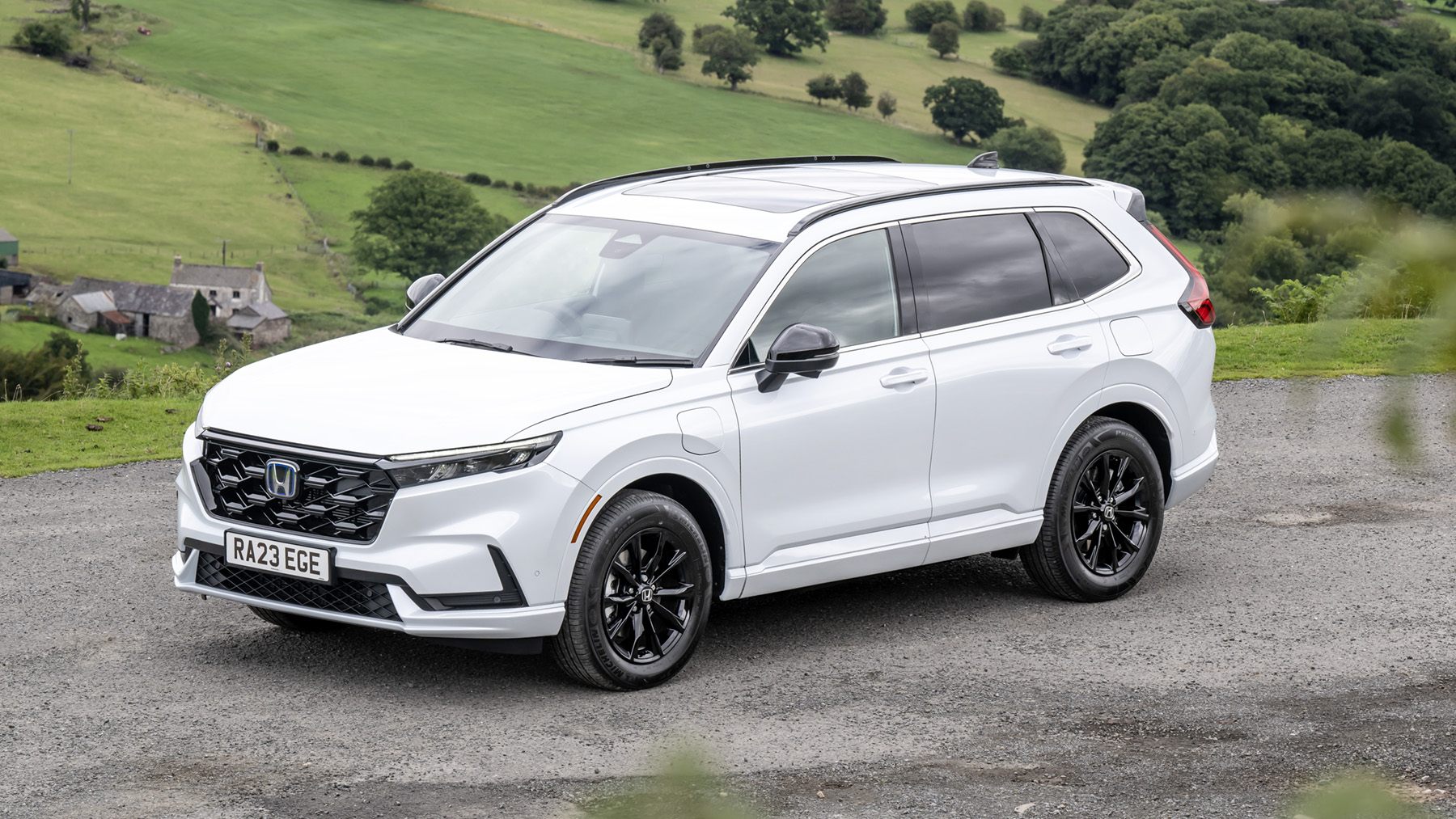
1. Honda CR-V
The Honda CR-V is known for its well-cushioned seats that provide excellent support for the lower back. The adjustable lumbar support allows drivers to customize the seat to their exact needs, which is essential for preventing pain during long drives. Its suspension system is tuned for smooth handling, reducing the impact of bumps and potholes on the spine. Additionally, the cabin layout offers plenty of legroom, reducing the need for awkward postures during travel.
Ergonomics in the CR-V extend beyond the seat design. The steering wheel, pedals, and controls are positioned to minimize strain on the shoulders and lower back. High seating position allows easier entry and exit, a feature particularly beneficial for individuals with mobility limitations. Heated seats provide relief for stiff muscles in colder climates, while ventilated options help prevent sweating and discomfort during long trips.
The CR-V’s interior materials enhance comfort. Soft-touch surfaces and supportive cushioning help maintain posture and distribute weight evenly. Adjustable headrests provide additional neck and upper back support, reducing the risk of strain. Combined with ample shoulder room, this makes the vehicle ideal for drivers of varying sizes and body types.
Driver-assistance technology adds another layer of comfort. Adaptive cruise control and lane-keeping assistance reduce the need for constant steering corrections and abrupt movements. The quiet cabin also minimizes vibrations and road noise, creating a more relaxing driving experience.
In long-term use, the CR-V’s ergonomics and supportive features make it a reliable choice for those with chronic back pain. Its combination of adjustable seats, smooth suspension, and intelligent layout helps reduce daily strain. People with lumbar needs can benefit from both short commutes and extended road trips. It offers a balance of practicality, comfort, and support that few compact SUVs can match.
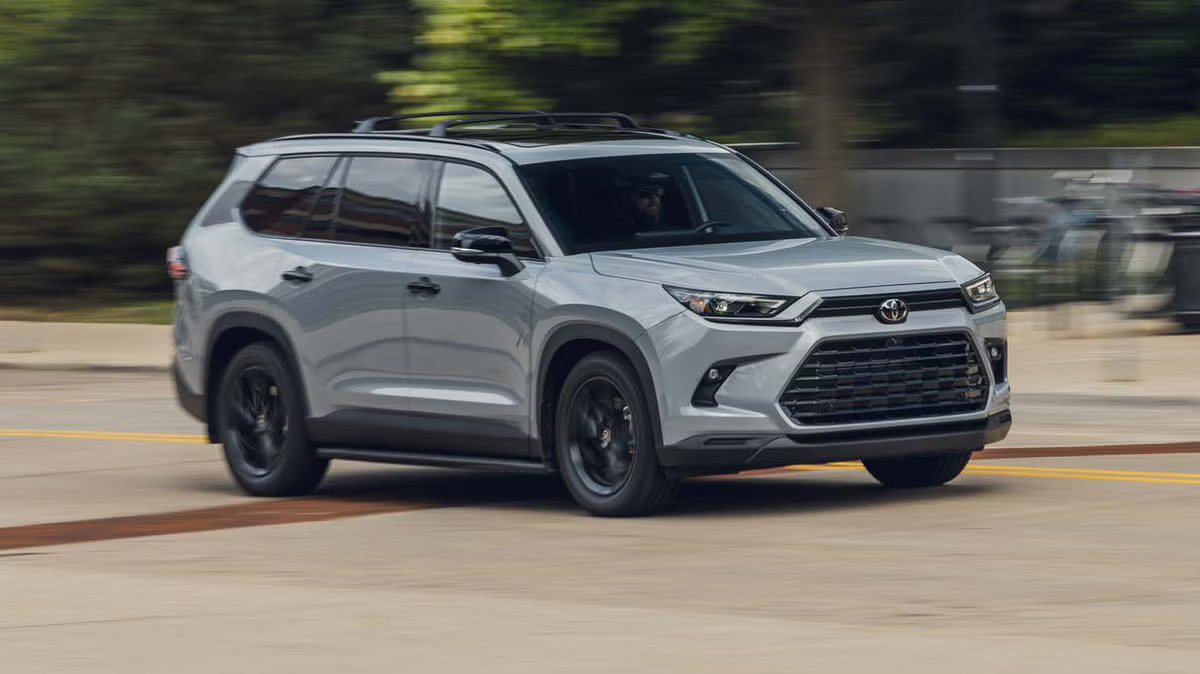
2. Toyota Highlander
The Toyota Highlander features seats with extensive lumbar adjustments, allowing drivers to find the most comfortable posture. Its supportive cushioning reduces lower back pressure during extended drives. The SUV’s suspension system is tuned to absorb shocks from rough roads, minimizing spinal stress. Ample cabin space allows for proper leg positioning, further enhancing comfort for drivers with chronic pain.
Highlander seats are designed with ergonomics in mind. Adjustable seat height and tilt allow drivers to maintain a neutral spine alignment, preventing slouching. Heated and ventilated seat options provide relief for sore muscles and stiff joints. The headrest and side bolsters also offer lateral support, reducing strain during cornering or sudden movements.
Entry and exit from the Highlander are made easier by the elevated seating position. This reduces the need to bend or twist the lower back, which can aggravate pain. Additionally, large doors and well-positioned handles assist with mobility limitations. The cabin design allows the driver to reach essential controls without leaning or stretching, reducing stress on the back and shoulders.
The Highlander’s ride quality is smooth, even on uneven surfaces. Shock absorption minimizes vibrations transmitted to the driver, and a quiet cabin reduces fatigue. Technology features such as adaptive cruise control, blind-spot monitoring, and parking assistance enhance safety while reducing physical strain during extended travel.
For people with lumbar needs, the Toyota Highlander provides an ideal combination of supportive seating, smooth ride quality, and ergonomic design. Its interior layout, combined with customizable features, ensures that drivers can maintain proper posture and comfort. The Highlander proves that a mid-size SUV can be both practical and health-conscious for back pain sufferers.

3. Subaru Outback
The Subaru Outback offers a well-balanced combination of seat support and road handling that benefits individuals with chronic back pain. Its ergonomically designed seats feature adjustable lumbar support and cushioning that conforms to the spine.
The suspension system smooths out rough terrain, making the ride less jarring for drivers with sensitive backs. Additionally, the Outback’s interior space provides room to stretch legs and maintain a neutral posture.
Subaru emphasizes driver comfort with multi-way adjustable seats that allow for personalized positioning. Heated seating options help ease stiffness, while ventilated surfaces prevent overheating during warmer months. The headrest and armrest positioning is designed to reduce tension in the neck and shoulders, enhancing comfort.
Entry and exit are convenient due to the vehicle’s moderate ride height. This reduces strain on the lumbar region when getting in or out of the car. The cabin layout ensures that essential controls, including climate and audio, are easily accessible without requiring awkward twisting or leaning.
The Outback’s suspension system is tuned for stability and comfort. Shock absorption reduces the impact of bumps, while all-wheel-drive capability ensures smooth handling on uneven terrain. Minimal road noise and vibration contribute to a relaxing driving experience, essential for those managing back pain.
The Subaru Outback offers a practical, comfortable, and supportive environment. Its combination of ergonomic seating, smooth suspension, and spacious interior makes it suitable for individuals with chronic lumbar issues. Both daily commutes and longer road trips can be undertaken with reduced discomfort and stress on the back.
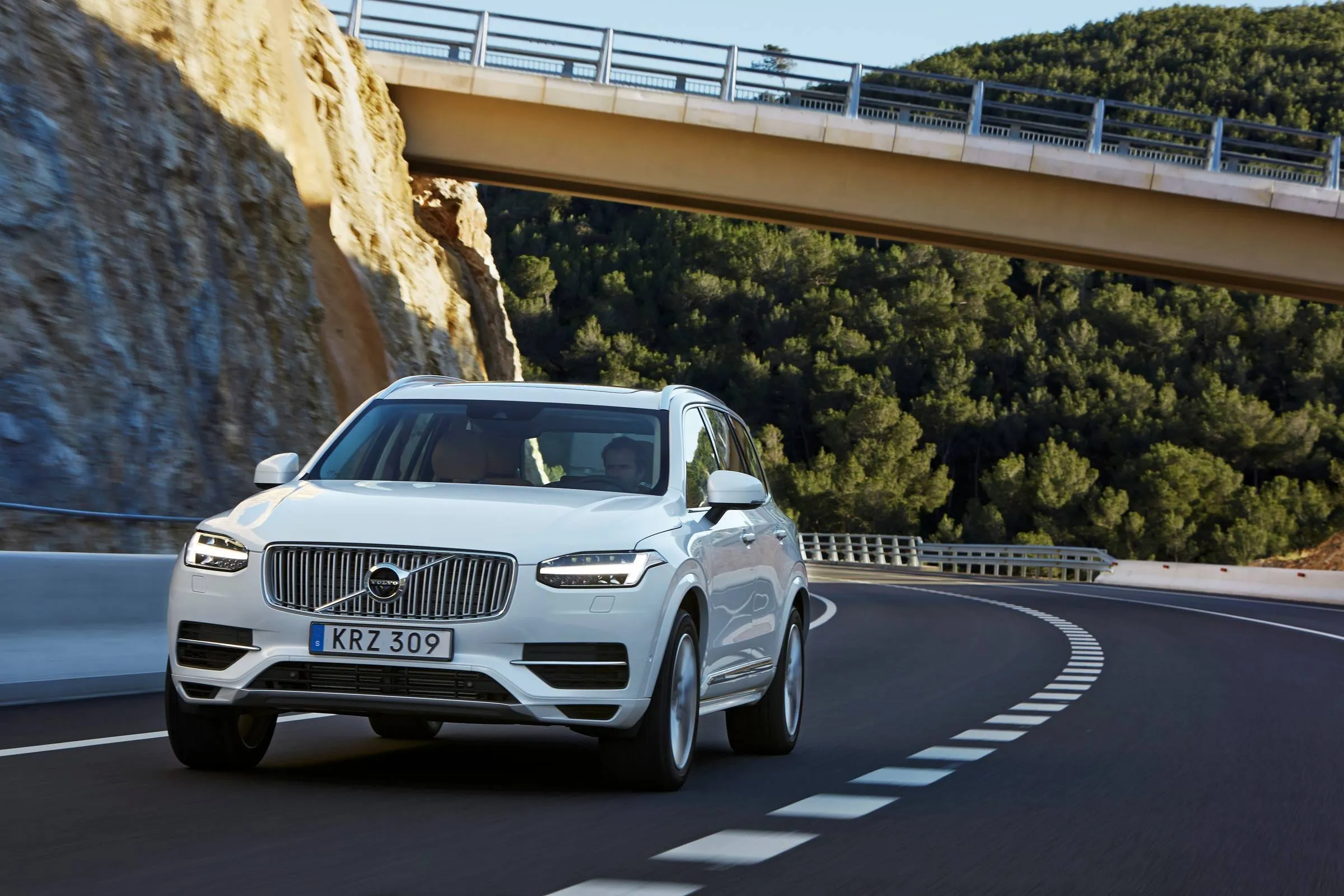
4. Volvo XC90
The Volvo XC90 is renowned for its emphasis on ergonomic seating and advanced lumbar support. Seats feature multiple adjustment options and firm cushioning that maintains proper spinal alignment. The ride quality is smooth, thanks to a suspension system that absorbs road imperfections effectively. Cabin layout prioritizes driver comfort, ensuring legs and arms remain in relaxed positions during driving.
Volvo’s commitment to safety also complements back health. Adaptive cruise control, lane-keeping assistance, and collision mitigation reduce the need for sudden movements that can aggravate spinal pain. Heated and ventilated seats further enhance comfort during long journeys. Headrests, bolsters, and armrests are carefully designed to support posture and minimize fatigue.
Entry and exit are facilitated by the XC90’s elevated seating and wide doors. Reduced bending and twisting help protect the lumbar region. Controls are positioned intuitively, allowing drivers to maintain proper alignment without reaching or stretching excessively. Cabin materials are soft and cushioned, distributing weight evenly and providing consistent support.
The suspension system ensures a balanced ride on both highways and city streets. Shock absorption reduces vibrations transmitted to the spine. Quiet cabin design minimizes sensory fatigue and enhances focus during driving. These features together create an environment conducive to back comfort.
For people with chronic back pain, the Volvo XC90 offers an ideal combination of support, safety, and comfort. Its ergonomic design ensures that lumbar support, seat customization, and ride quality work together to reduce strain. Both daily use and longer trips can be undertaken with reduced discomfort, making it one of the top choices for drivers with spinal concerns.
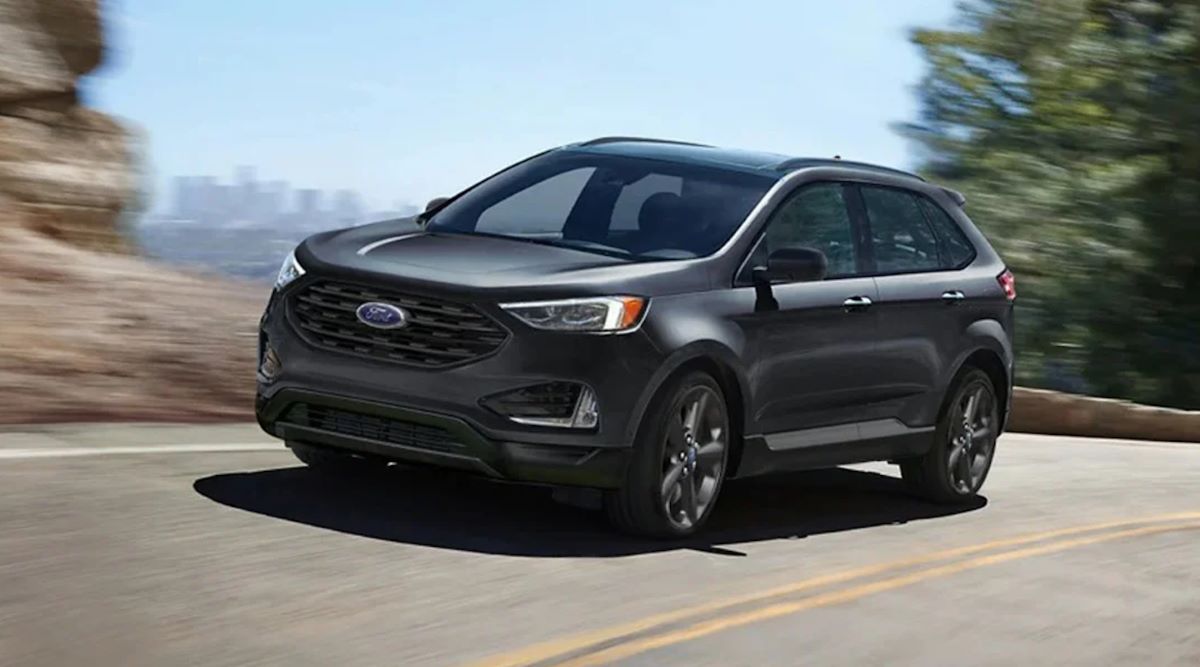
5. Ford Edge
The Ford Edge offers seats with excellent lumbar support, helping to relieve pressure on the lower back during long drives. Its multi-way adjustable front seats allow drivers to find the ideal position for spinal alignment. Firm yet comfortable cushioning ensures that the lumbar curve is supported throughout commutes and extended trips. The cabin is spacious, giving ample legroom to prevent cramping and awkward postures.
Ford has designed the Edge’s interior to enhance ergonomic comfort. The steering wheel and pedals are aligned to reduce strain on the back and shoulders, while controls are within easy reach. Heated and ventilated seat options provide relief for tight muscles and maintain comfort in all weather conditions. The headrest and side bolsters add lateral support, especially useful on longer drives or uneven roads.
The Edge’s ride quality is smooth and stable. Its suspension absorbs shocks from potholes, bumps, and uneven surfaces, reducing vibrations transmitted to the lumbar region. The cabin design emphasizes a quiet experience, with minimal noise and reduced harsh feedback from road imperfections. This combination of comfort and refinement makes it suitable for drivers with chronic back pain.
Entry and exit are facilitated by the SUV’s elevated seating, making it easier to avoid twisting or bending the lower back. Large doors and well-positioned grab handles reduce the risk of strain during vehicle entry. Additionally, the cabin layout ensures proper arm and leg positioning while driving, allowing the driver to maintain a neutral posture. These factors contribute significantly to reducing long-term discomfort.
Advanced driver-assistance features further support spinal health. Adaptive cruise control, lane-keeping assistance, and automatic braking reduce sudden movements that can aggravate back conditions.
By minimizing abrupt steering and braking, the Edge allows drivers to maintain a relaxed posture during both city and highway driving. It offers a blend of ergonomics, ride quality, and supportive features ideal for individuals with lumbar needs.
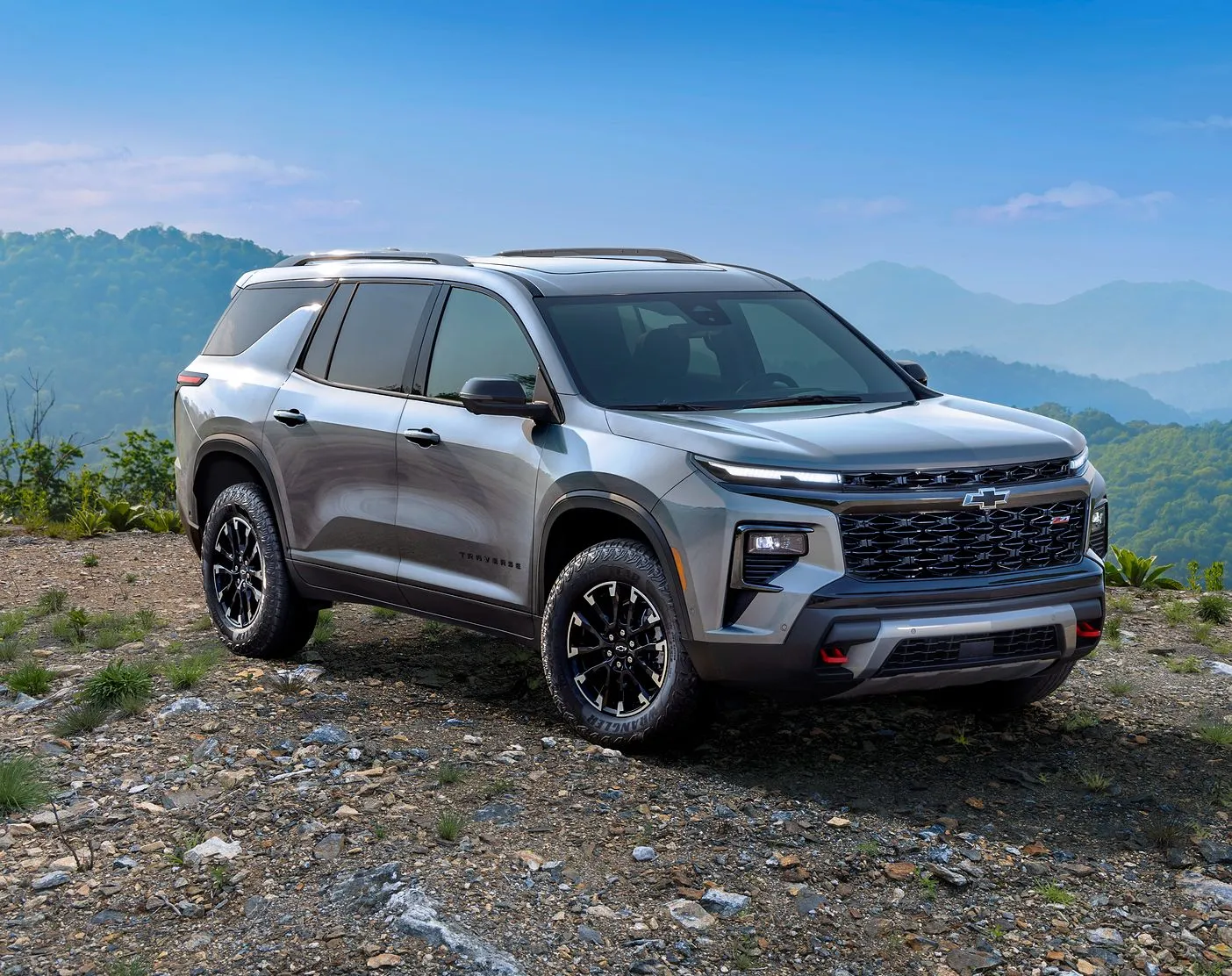
6. Chevrolet Traverse
The Chevrolet Traverse stands out for its generous cabin space and supportive seating designed to relieve lower back stress. Front seats feature adjustable lumbar support and cushioned bolsters that adapt to individual body shapes. The suspension system is tuned to provide a smooth ride, absorbing shocks from rough or uneven terrain. Its spacious interior allows drivers and passengers to maintain proper posture without feeling cramped.
Traverse seats offer multi-way adjustments, including tilt, recline, and height settings. Heated and ventilated options provide additional relief for stiff muscles. The armrests, headrests, and side supports are strategically positioned to reduce tension in the upper and lower back. Ergonomic seat placement allows a natural alignment with pedals and steering wheel, minimizing unnecessary strain.
Entry and exit are convenient due to the vehicle’s elevated seating. Drivers can avoid excessive bending or twisting of the lumbar region, which is especially helpful for people with mobility concerns. The interior layout keeps frequently used controls within easy reach, allowing the driver to maintain a stable posture while driving. This reduces repetitive strain on the back and shoulders over time.
The Traverse’s suspension is designed to absorb shocks and maintain stability on a variety of road surfaces. Vibrations from rough pavement are minimized, which is important for individuals managing chronic back pain. Combined with a quiet cabin, the vehicle creates a relaxing environment that reduces fatigue during longer drives.
Driver-assistance technology contributes to both safety and comfort. Features like adaptive cruise control, lane-keeping assist, and parking sensors reduce abrupt movements and awkward postures. With these capabilities, drivers can focus on maintaining a healthy spinal alignment while traveling. The Traverse is a practical option for anyone seeking comfort, support, and ease of driving for lumbar concerns.
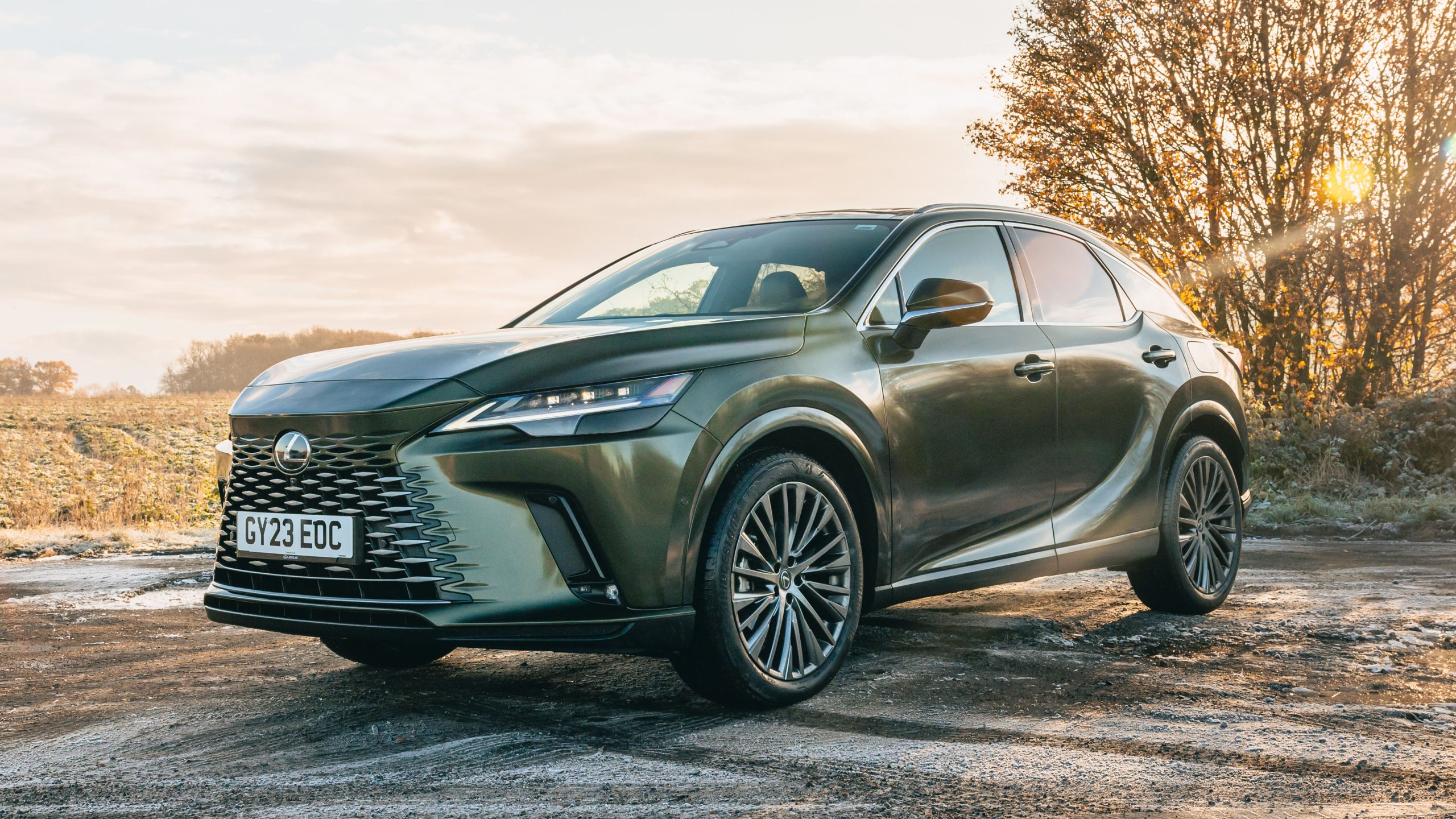
7. Lexus RX
The Lexus RX is a luxury SUV known for its attention to ergonomic seating and lumbar support. The front seats are highly adjustable, offering multiple lumbar settings and cushioned surfaces that relieve pressure on the lower back. The smooth suspension system absorbs bumps and uneven roads, reducing discomfort during long journeys. Ample legroom ensures that drivers and passengers can maintain proper posture without restriction.
Lexus places great emphasis on seat design. Heated and ventilated options, along with adjustable bolsters, help maintain comfort throughout trips. Headrests and side supports reduce tension in the neck, shoulders, and back, supporting a neutral spine alignment. Ergonomic placement of controls ensures minimal reaching or twisting, reducing strain over extended drives.
Entry and exit are facilitated by the elevated seating and wide door openings, which prevent excessive bending or lumbar twisting. This feature is particularly helpful for drivers with mobility challenges or chronic back pain. The cabin layout allows for relaxed positioning of arms and legs, contributing to comfort during commutes and road trips alike.
Ride quality is exceptional in the RX. The suspension system softens road imperfections, and the quiet cabin reduces vibrations and noise that could otherwise exacerbate back discomfort. Smooth handling and stability provide confidence while driving, ensuring that the driver can maintain posture and reduce fatigue.
Advanced driver-assistance features support both safety and comfort. Adaptive cruise control, lane-keeping assist, and blind-spot monitoring reduce sudden movements, helping maintain spinal alignment. Memory seat functions allow multiple drivers to store preferred positions, ensuring consistent lumbar support. For individuals with chronic back pain, the Lexus RX combines luxury, ergonomics, and comfort seamlessly.
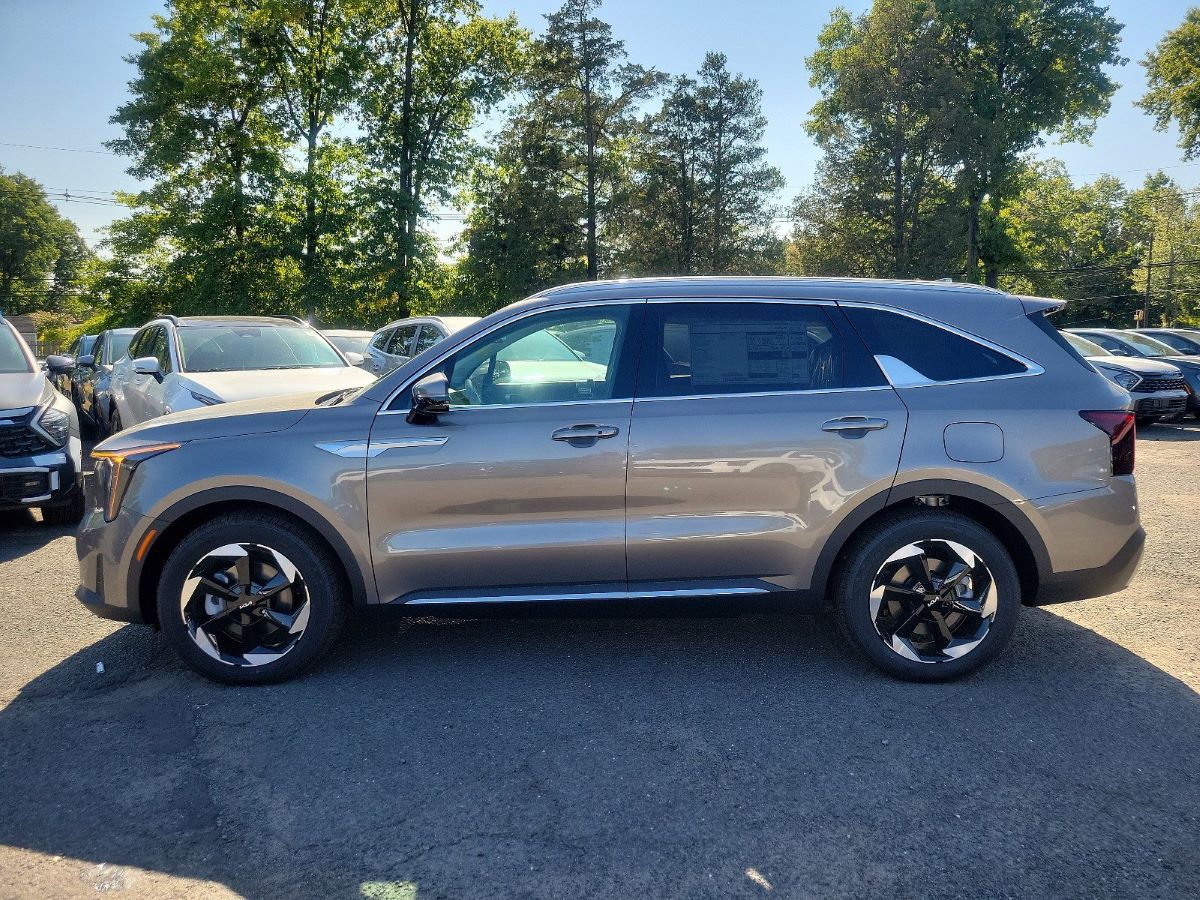
8. Kia Sorento
The Kia Sorento provides supportive seating with adjustable lumbar cushions, making it a strong option for individuals with chronic back pain. Its front seats are designed to offer firm yet comfortable support to the lower back. The suspension system smooths out road imperfections, minimizing vibrations transmitted to the spine. Cabin space allows proper leg and arm positioning, promoting neutral posture during extended drives.
Sorento’s ergonomic features include multi-way adjustable seats, heated and ventilated options, and side bolsters for lateral support. Headrests are designed to support the upper spine and neck, reducing tension in long commutes. Seat height and tilt adjustments allow drivers to maintain an optimal driving position, which is essential for lumbar health.
Entry and exit are made easier with the SUV’s elevated seating. This design reduces the strain on the lumbar region when entering or leaving the vehicle. Wide doors and supportive handles further aid mobility, making the Sorento accessible to individuals with back challenges. Controls are placed intuitively, allowing drivers to maintain posture without reaching or twisting.
The Sorento’s ride is smooth and stable, with shock-absorbing suspension that reduces bumps and vibrations. Road noise is minimal, contributing to a relaxing driving environment. These qualities are critical for drivers who need to minimize spinal stress during commutes or longer trips.
Driver-assistance systems enhance comfort and safety. Adaptive cruise control, lane-keeping assist, and parking aids reduce sudden movements that can strain the back. Memory seat functionality and customizable controls ensure that drivers can maintain consistent lumbar support. The Kia Sorento offers a balance of ergonomics, ride quality, and practical features that benefit individuals with chronic back pain.
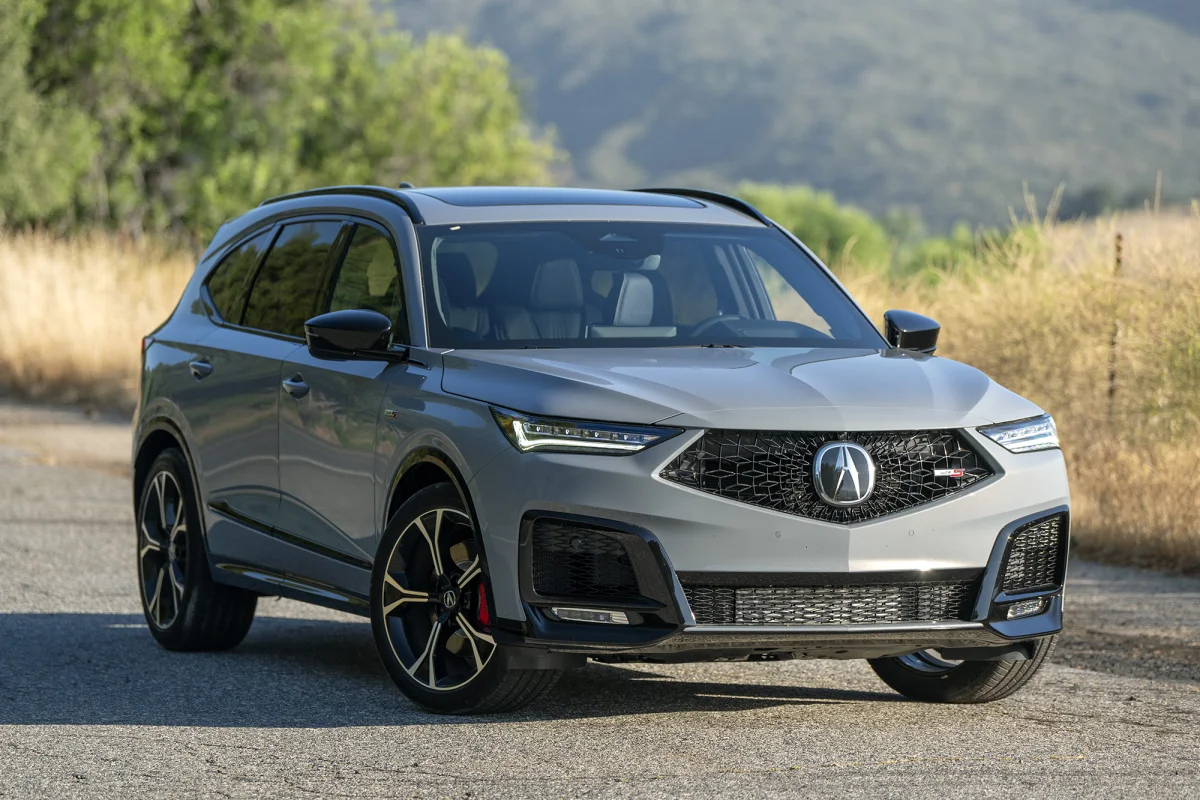
9. Acura MDX
The Acura MDX features well-cushioned and adjustable seats designed for lumbar support and comfort. Front seats offer multi-way adjustments including tilt, height, and lumbar support to reduce lower back strain.
Its suspension system softens the impact of uneven roads, helping to prevent aggravation of chronic back conditions. Spacious interior allows ample legroom and encourages proper posture during extended drives.
Acura emphasizes driver comfort with heated and ventilated seat options that alleviate stiffness and discomfort. Side bolsters and headrests provide additional support for the spine and shoulders. Controls are placed within easy reach, minimizing twisting and bending while driving. Ergonomic design of the steering wheel, pedals, and dashboard further reduces strain on the lower back.
Entry and exit from the MDX are convenient due to moderate ride height and wide doors. This reduces the risk of straining the lumbar area during vehicle ingress or egress. Cabin layout promotes neutral spine alignment, ensuring that drivers can maintain proper posture without twisting or overreaching for controls.
Ride quality is smooth, with a suspension system that absorbs bumps and uneven surfaces. Minimal road vibration and quiet cabin environment contribute to less fatigue during long drives. These characteristics are essential for individuals managing chronic back pain who spend significant time behind the wheel.
Advanced technology features improve comfort and safety. Adaptive cruise control, lane-keeping assist, and collision mitigation reduce abrupt steering or braking that could worsen back conditions. Memory seat functions allow drivers to maintain consistent lumbar support, while seat heating and ventilation maintain muscle comfort. The Acura MDX combines ergonomic design, smooth ride, and supportive features for drivers with spinal needs.

10. BMW X5
The BMW X5 is a luxury SUV that prioritizes seat ergonomics and lumbar support. Its front seats offer multiple adjustments, including height, tilt, and firm lumbar cushioning. The suspension system provides a smooth and stable ride, absorbing bumps and road imperfections to reduce stress on the lower back. Spacious legroom and cabin layout promote neutral posture during extended drives.
BMW integrates ergonomic design throughout the cabin. Heated and ventilated seating, adjustable side bolsters, and supportive headrests enhance comfort for drivers with chronic back pain. Controls are placed intuitively to avoid excessive twisting or reaching, reducing spinal strain. Seat memory functions ensure that lumbar support remains consistent across multiple drivers.
Entry and exit are facilitated by the X5’s elevated seating and wide doors, minimizing bending and twisting of the lower back. Handles and step placement assist in mobility, making it easier to enter and leave the vehicle safely. Interior design encourages proper arm and leg positioning, promoting neutral spine alignment during driving.
Ride quality is exceptional, with smooth handling and a suspension system that absorbs road vibrations. The cabin is quiet and insulated, reducing sensory fatigue and allowing drivers to focus on posture and comfort. This combination of ride stability and quiet interior is particularly beneficial for long-distance travel.
Driver-assistance systems enhance both safety and comfort. Adaptive cruise control, lane-keeping assist, and parking aids reduce abrupt steering and braking movements.
These features allow drivers to maintain a relaxed and supported posture throughout commutes and extended trips. The BMW X5 offers a premium blend of ergonomic seating, advanced features, and smooth ride quality that caters specifically to lumbar needs.
