
When your car needs service, the cost of labor at a dealership can come as a real shock. Dealership labor rates vary dramatically from brand to brand, and for luxury or performance vehicles, those rates can climb to jaw-dropping levels. Unlike independent mechanics, dealerships charge a premium for their technicians, specialized tools, and factory-certified expertise. These costs are passed directly to the customer in the form of raised hourly labor rates.
Understanding why certain brands charge more than others helps car owners make smarter decisions about where to service their vehicles. Some brands justify high rates through complex engineering and proprietary technology. Others command a premium simply because of their elite status and the expectation of white-glove service.
In the United States, labor rates at franchised dealerships are tracked closely by automotive research firms and consumer groups. The rates discussed here reflect average dealership labor charges across major US metropolitan markets. They account for routine maintenance, diagnostics, and general mechanical work.
Whether you own one of these vehicles or are considering purchasing one, knowing the labor cost world is essential. It can mean the difference between a manageable ownership experience and a painfully expensive one. Here are the seven brands with the highest dealership labor rates in America today.
1. Mercedes-Benz, Approximately $200–$250 per Hour
Mercedes-Benz has long been synonymous with precision engineering and luxury. It is no surprise, then, that their dealership labor rates consistently rank among the highest in the United States. Owners of Mercedes vehicles can expect to pay anywhere between $200 and $250 per hour at authorized dealerships, depending on the region and the complexity of the service.
The brand’s vehicles are built with sophisticated technology that demands highly trained technicians. Every Mercedes-Benz mechanic must complete rigorous certification programs through the manufacturer’s own training systems. These programs take years to complete and require continuous education as new models and technologies are introduced.
Mercedes-Benz dealerships also invest heavily in specialized diagnostic equipment. Tools such as the proprietary XENTRY diagnostic system are unique to Mercedes and are not available to independent shops. This exclusivity ensures that customers must return to authorized service centers for anything beyond basic maintenance.
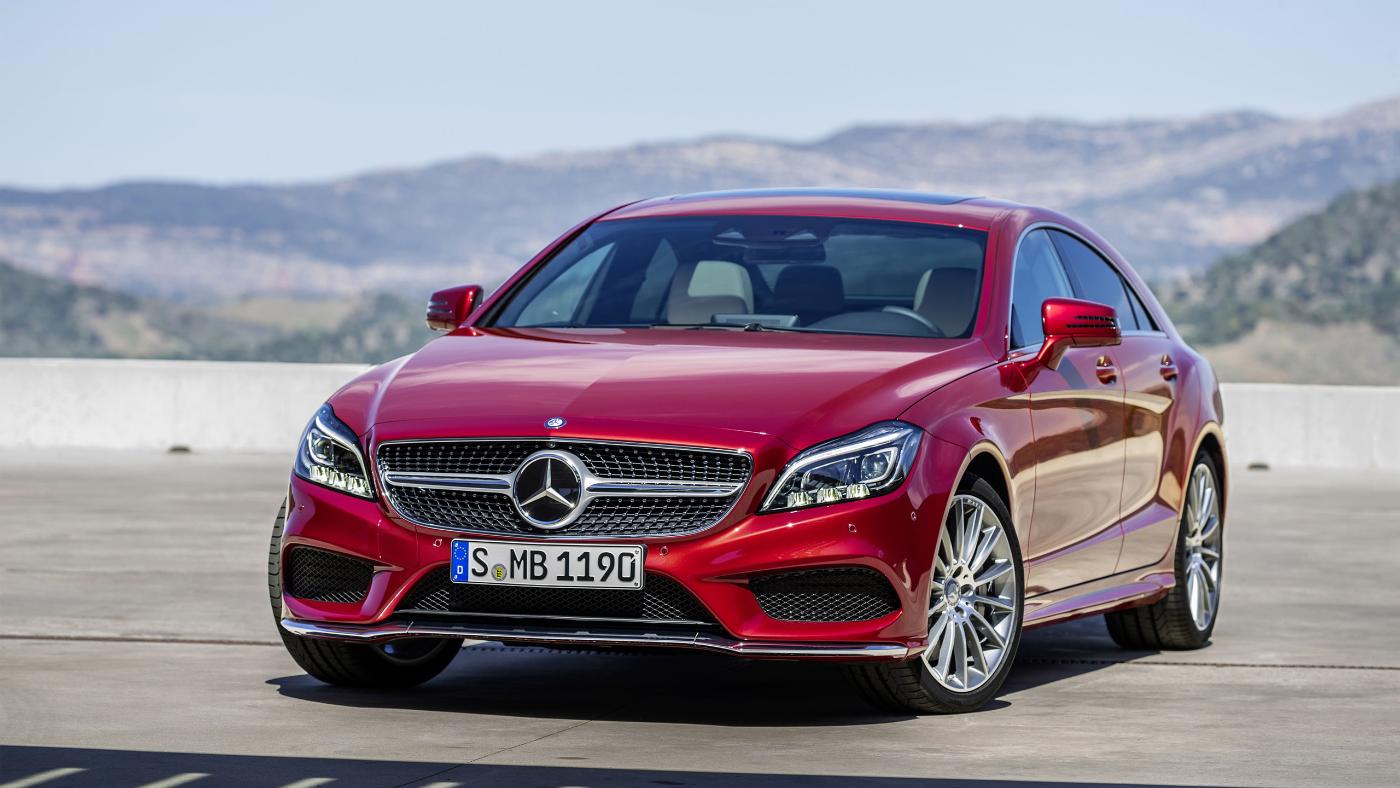
The complexity of modern Mercedes vehicles contributes significantly to labor costs. Systems like the 4MATIC all-wheel drive, the AIRMATIC suspension, and the complex MBUX infotainment platform require deep knowledge to service correctly. A single job that appears simple on the surface can quickly become multi-hour work once the layers of integrated systems are addressed.
Mercedes-Benz has also invested in creating a premium service environment. Waiting lounges resemble hotel lobbies. Loaner vehicles are often provided as a matter of course. This commitment to the ownership experience is baked into the service costs customers pay.
The brand’s AMG performance division commands even higher labor rates. AMG-certified technicians hold separate, more advanced certifications than standard Mercedes technicians. Work on a C63 or GT vehicle often runs at the top of the dealership’s rate card.
Warranty work and recall services are performed at these dealerships at no cost to the owner. However, once a vehicle is out of warranty, even minor jobs can generate surprising bills. A basic diagnostic scan, for example, often carries a flat fee of $150 or more before any actual repair work begins.
Owners who choose Mercedes-Benz understand that the cost of ownership extends well beyond the sticker price. Service costs are part of the brand’s ecosystem. The labor rate reflects not just the time of the technician, but the entire infrastructure of expertise and equipment supporting every visit.
2. BMW, Approximately $185–$250 per Hour
BMW dealerships are known for charging some of the steepest labor rates in the American automotive market. Hourly rates typically range from $185 to $250 across the United States, with urban markets like New York, Los Angeles, and Miami often hitting the higher end of that spectrum. The brand’s engineering philosophy directly drives these costs upward.
BMW vehicles are designed with extreme precision, using components that interact in highly specific ways. The brand’s twin-turbocharged engines, complex xDrive all-wheel-drive systems, and adaptive M suspension setups require technicians who understand the entire vehicle ecosystem. A BMW technician must be able to think holistically about the vehicle rather than addressing components in isolation.
Factory training for BMW technicians is mandatory and intensive. The BMW Group offers a multi-tier technician certification program through its own STEP (Service Training and Education Program).
Technicians progress through levels from associate to master each requiring exams, hands-on testing, and documented vehicle hours. A BMW Master Technician is among the most rigorously credentialed mechanics in the automotive industry.
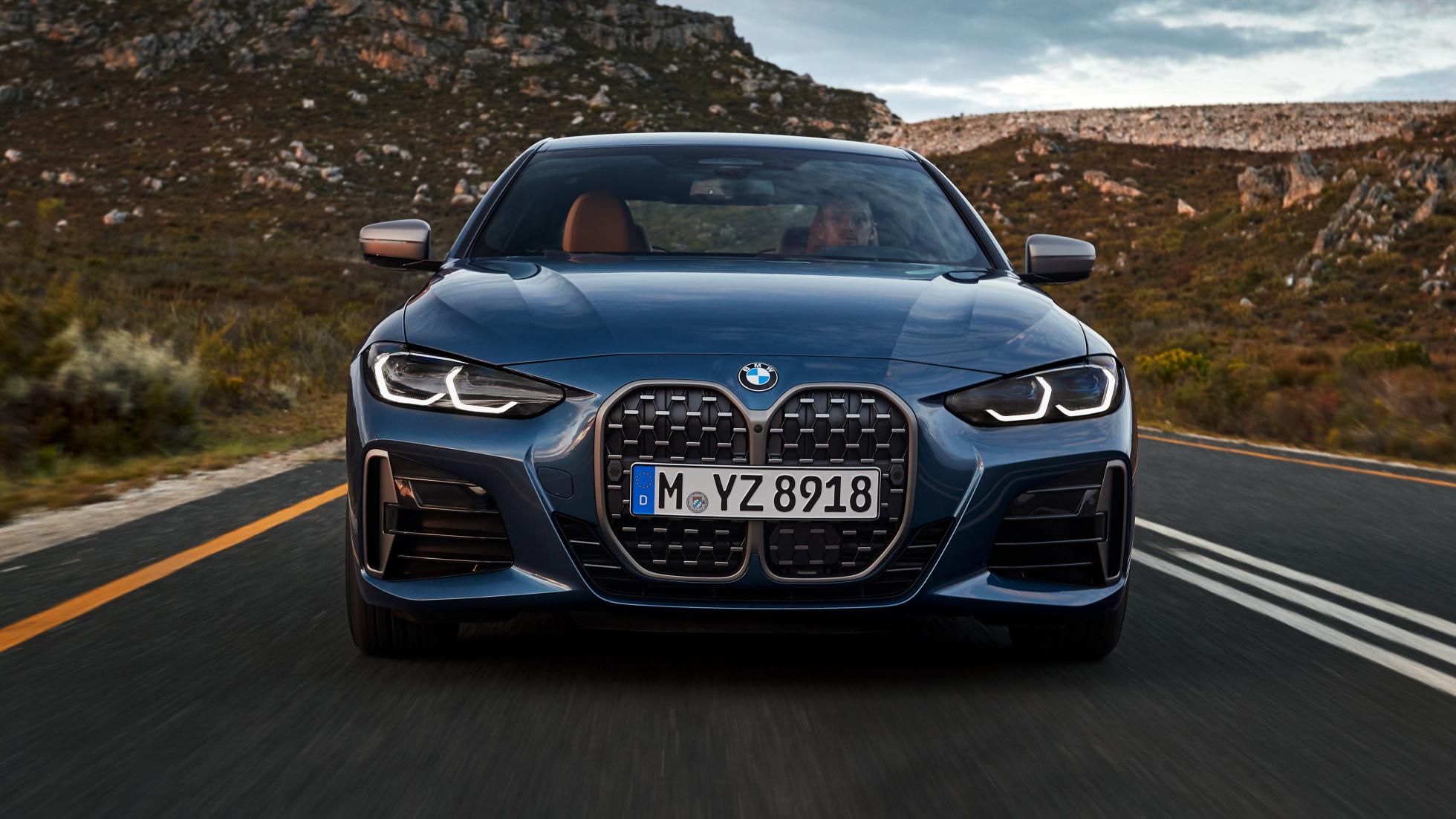
The M performance lineup significantly impacts labor rate discussions. M3, M5, and M8 vehicles feature bespoke engines, carbon fiber components, and performance-tuned systems that require additional certification to service. Dealerships serving a high volume of M-series owners often charge at the top of the BMW rate band.
BMW’s iDrive infotainment and safety system integration also creates complexity for technicians. What appears to be a simple repair can trigger cascading recalibrations across multiple systems. Advanced driver assistance systems like Lane Departure Warning, Active Cruise Control, and Parking Assistant all require recalibration after certain repairs. This adds billable labor time that customers may not anticipate.
The brand also has a reputation for tight engine bays that make straightforward access difficult. Replacing components that are simple on other vehicles can take twice as long on a BMW due to the dense packaging of parts. Technicians often must remove substantial sub-assemblies just to reach the component being serviced.
BMW’s Ultimate Service maintenance program, included free for the first few years of ownership, masks the true cost of service initially. Once that coverage expires, owners are often shocked at how quickly labor bills accumulate. A routine brake job, for instance, can easily run $800 to $1,200 once parts and labor are combined.
The brand’s commitment to engineering excellence is genuine. But that same excellence is what makes servicing a BMW a premium experience both in quality and in cost.
3. Porsche, Approximately $200–$260 per Hour
Porsche occupies a unique position in the automotive world it is simultaneously a performance brand, a luxury brand, and an engineering benchmark. This three-way identity drives dealership labor rates that consistently exceed even some of its luxury competitors. Rates at Porsche dealerships typically range from $200 to $260 per hour across US markets.
The brand’s engineering heritage demands specialized knowledge from every technician. Porsche’s flat-six and flat-four engines, along with their turbocharged variants, use configurations uncommon in the broader automotive industry. Technicians cannot simply apply general automotive knowledge to a 911’s engine. They must learn Porsche-specific procedures that often differ fundamentally from industry norms.
Porsche Approved Technician training is an extensive program that blends classroom learning with intensive hands-on work. Porsche’s training curriculum covers everything from basic service to the intricacies of the Porsche Ceramic Composite Brake (PCCB) system a brake technology found on high-performance models that itself commands exceptionally high replacement costs. Knowing how to properly service PCCB adds a significant layer of certification requirement.
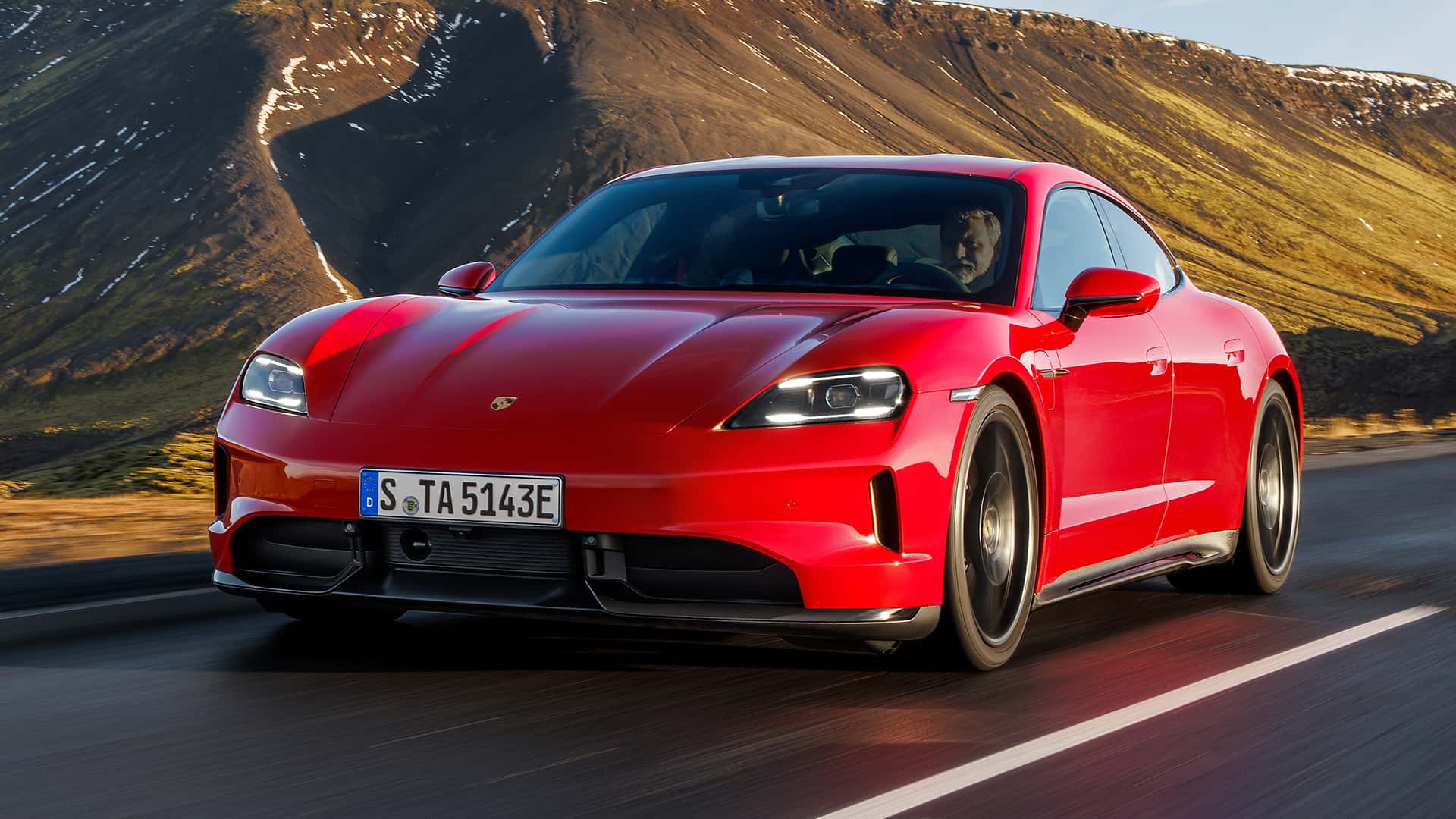
The Taycan electric vehicle lineup has added a new dimension to Porsche dealership service requirements. High-voltage safety certification is now mandatory for any technician working on Taycan vehicles. This adds cost to dealership operations and is reflected in the labor rate. Electric vehicle servicing requires entirely different tools, safety protocols, and diagnostic approaches.
Porsche’s PDK dual-clutch transmission is another area of significant labor investment. While the PDK is a marvel of engineering efficiency on the road, it is a complex unit to service and repair. Clutch replacements, software updates, and adaptation resets all require specialized training and equipment.
The Porsche Design Studio aesthetic philosophy extends into the service department. Dealerships are designed to the brand’s visual standards, and the customer experience is carefully managed from the moment a car arrives for service. Service advisors are trained to provide detailed explanations of all work performed. This level of customer engagement is part of what the labor rate supports.
The 911, Cayman, Boxster, Cayenne, and Macan each have distinct service profiles. Technicians working at a Porsche dealership must be fluent across this diverse lineup. The breadth of knowledge required to serve all Porsche models competently is a significant reason for the premium labor rate.
Porsche ownership is understood by its buyers as a total performance investment. Service costs are viewed as part of maintaining that performance standard. The labor rate reflects this expectation of excellence.
4. Land Rover, Approximately $185–$240 per Hour
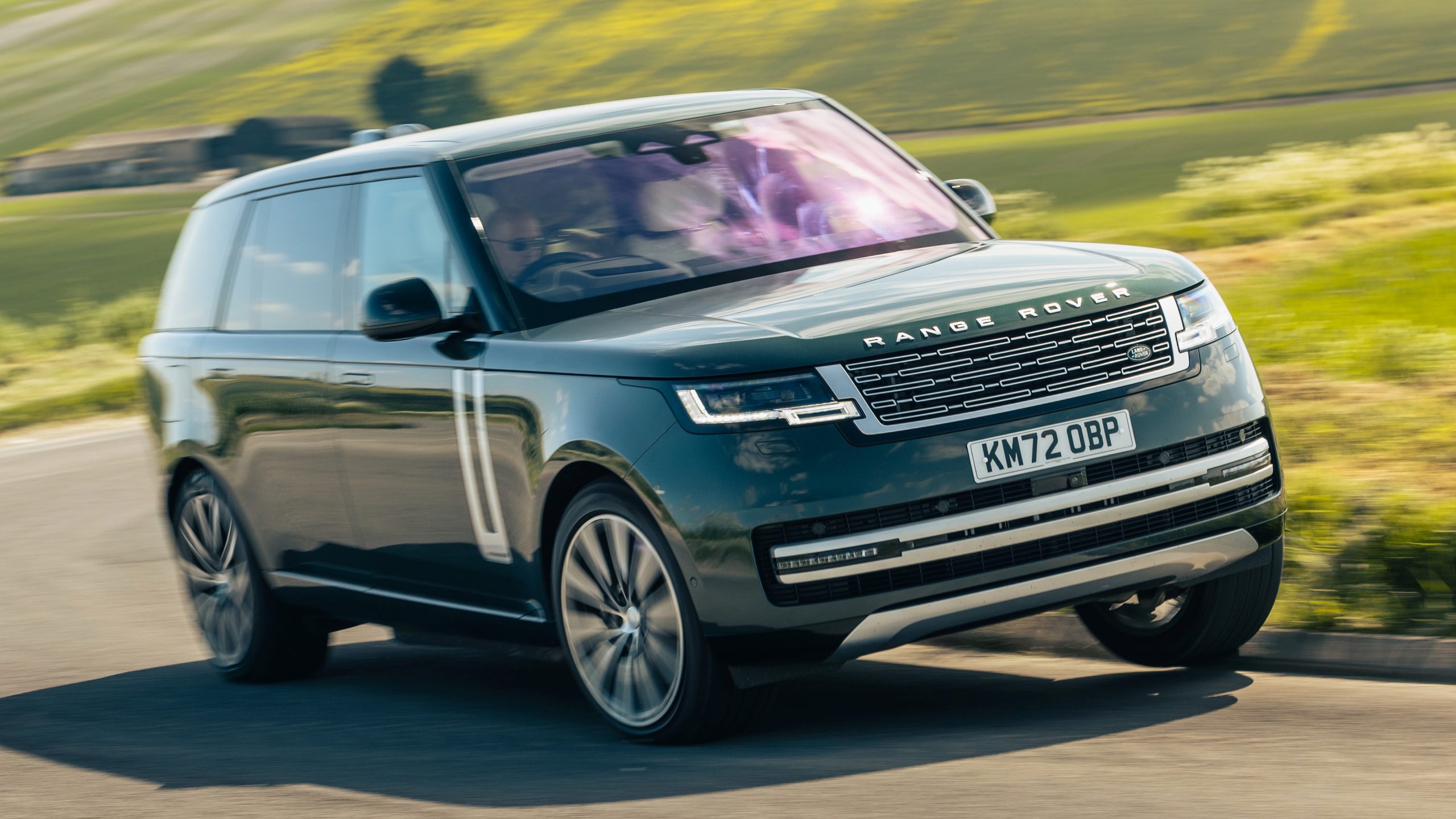
Land Rover dealerships in the United States charge labor rates that typically fall between $185 and $240 per hour. The brand’s combination of luxury appointments and serious off-road engineering creates a unique service complexity that drives these raised rates. Land Rover vehicles are not just premium SUVs they are sophisticated all-terrain machines with proprietary technology baked into nearly every system.
The Terrain Response system, which is central to the Land Rover experience, requires specialized calibration and servicing. This system adjusts the vehicle’s drivetrain, suspension, and traction control settings based on terrain selection.
Diagnosing and servicing Terrain Response issues requires the brand’s own diagnostic tools and technician training. General automotive diagnostic equipment cannot fully interact with this system.
Land Rover’s air suspension system is another major driver of service complexity. Found across the Range Rover and Discovery lineups, the pneumatic suspension allows for variable ride height and load leveling.
While this system delivers exceptional ride quality and versatility, it is notably sensitive and requires careful servicing. A failed air spring or compressor can be an expensive repair when labor time is factored in.
Jaguar Land Rover technician training is conducted through a joint certification program. Technicians earn tiered qualifications from Associate to Master across both brands. Achieving the higher tiers requires extensive documented vehicle hours, written exams, and practical assessments. This investment in training infrastructure is reflected in the hourly rates charged to customers.
Land Rover’s electrical architecture is notably complex. Modern Range Rover models feature dozens of electronic control units communicating across multiple networks. A seemingly minor electrical fault can require hours of diagnostic work to trace across these interconnected systems. The diagnostic time alone, before any physical repair begins, can generate substantial labor charges.
The brand’s premium positioning also means that customers expect a high level of service quality. Dealerships are designed and staffed to deliver an experience consistent with the luxury segment. Service advisors, loaner vehicle programs, and premium waiting environments all have operating costs that contribute to the labor rate.
Land Rover vehicles tend to have well-documented reliability concerns in certain model years. This means that repeat service visits are not uncommon among owners. While this generates significant labor revenue for dealerships, it also means that the total service cost of Land Rover ownership can be very high over a typical ownership period.
Owners of Range Rover Sport and Range Rover HSE models should be particularly prepared for raised labor costs. These vehicles combine the greatest number of complex systems and carry the highest labor time estimates for many common service procedures.
Also Read: 8 Off Lease Luxury Sedans That Are Absolute Bargains in 2026
5. Audi, Approximately $175–$230 per Hour
Audi dealerships across the United States charge labor rates ranging from approximately $175 to $230 per hour. The brand’s commitment to technological sophistication particularly in its quattro all-wheel-drive system, virtual cockpit electronics, and advanced turbocharged engines, creates a service environment requiring highly trained technicians working with proprietary tools. These requirements are reflected directly in the hourly rate customers pay.
Audi’s EA888 and EA839 turbocharged engine families, found across the A4, A6, Q5, and Q7 lineups, are technologically advanced but also known for specific service-intensive components.
Carbon buildup on intake valves, for example, is a common issue on direct-injection Audi engines. Addressing this problem requires specialized equipment and considerable labor time. The procedure alone can take several hours and generate a bill of $500 to $1,000 or more.
The quattro system deserves significant attention when discussing Audi labor costs. This all-wheel-drive platform takes several forms across Audi’s lineup, including Haldex-based transverse setups and Torsen-based longitudinal configurations.
Technicians must understand both systems and know which one is present on the specific vehicle being serviced. Servicing the wrong way can cause serious mechanical damage, reinforcing the need for brand-specific expertise.
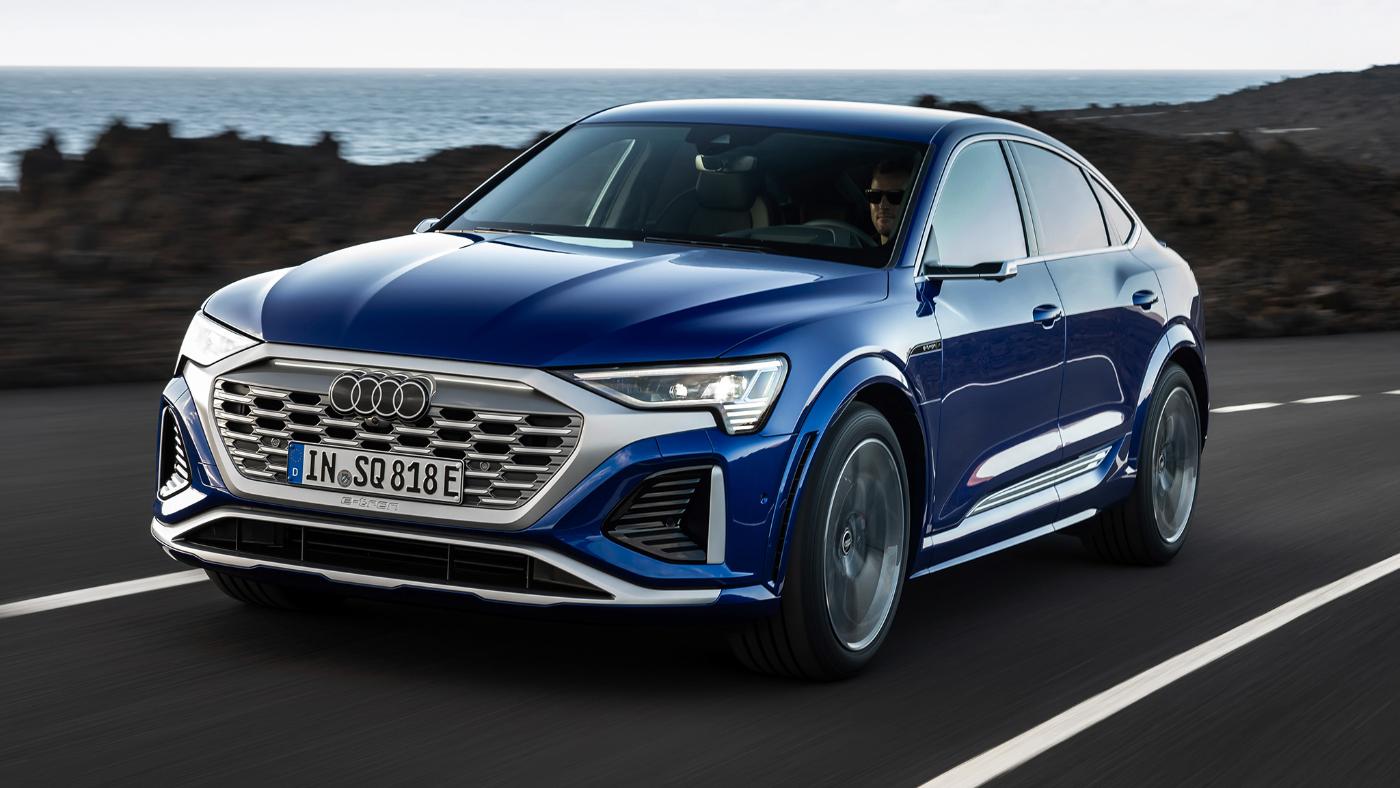
Audi Virtual Cockpit and the MMI infotainment system are also significant factors. These systems are deeply integrated into vehicle operation, and software updates, sensor recalibrations, and component replacements often require dealer-level diagnostic tools. The Audi’s own ODIS diagnostic platform used exclusively by authorized technicians is central to servicing modern Audi vehicles correctly.
Audi’s S and RS performance lines represent the upper end of the brand’s labor rate spectrum. RS3, RS7, and RS e-tron GT models feature components that require additional specialized knowledge. Technicians working on RS vehicles must complete supplemental certification beyond their standard Audi qualifications. This added expertise commands higher compensation and higher billable rates.
The brand’s progressive shift toward electrification also plays a role. The e-tron and e-tron GT lineup requires high-voltage certified technicians. Battery diagnostics, thermal management system service, and charging system repairs all require specific protocols and equipment. As Audi’s electric lineup grows, the certification and tooling investment continues to climb.
Audi customer experience standards at dealerships are high, with the brand consistently investing in facility upgrades, customer lounges, and digital service tracking systems. These operational investments contribute to dealership overhead. That overhead is ultimately distributed into the labor rates charged to customers.
6. Lexus, Approximately $175–$220 per Hour
Lexus dealerships charge labor rates typically between $175 and $220 per hour, placing the brand firmly in the upper tier of automotive service costs in the United States. As Toyota’s luxury division, Lexus benefits from Toyota’s legendary reliability engineering. However, the brand’s premium positioning, sophisticated V8 and hybrid powertrains, and meticulous fit-and-finish standards create a distinct service environment that justifies raised rates.
Lexus is widely recognized for delivering one of the best dealership experiences in the automotive industry. The brand consistently ranks at or near the top of customer satisfaction surveys conducted by J.D. Power and similar organizations.
This reputation is not accidental. Lexus invests heavily in technician training, service bay equipment, and customer-facing service culture. The Lexus Multi-Stage Hybrid system, found in the RX 450h, ES 300h, and UX 250h, is among the most advanced hybrid drivetrains in the consumer automotive market.
Servicing hybrid components, including the high-voltage battery pack, hybrid transaxle, and regenerative braking system requires specialized certification. Technicians must complete Toyota’s hybrid safety training in addition to standard Lexus certification.
The brand’s naturally aspirated V8 engines, found in the LS 500 and LC 500, represent a different type of service complexity. These engines use sophisticated variable valve timing, dual overhead cam configurations, and direct injection systems that demand careful attention. While V8 engines are not novel technology, the precision required by Lexus specifications means that shortcuts are not acceptable during service.
Lexus’s Mark Levinson premium audio systems and the Lexus Interface infotainment platform add electronic complexity to servicing. Component replacements, software updates, and fault diagnosis across these systems require dealer-level diagnostic tools. Independent shops generally cannot access the full depth of Lexus’s electronic architecture.
One area where Lexus stands out is in the transparency of its service pricing. The brand has worked to standardize service menus and provide upfront pricing at many of its dealerships. While the labor rate is still high, customers generally know what to expect before authorizing work. This pricing clarity contributes to the brand’s customer satisfaction scores.
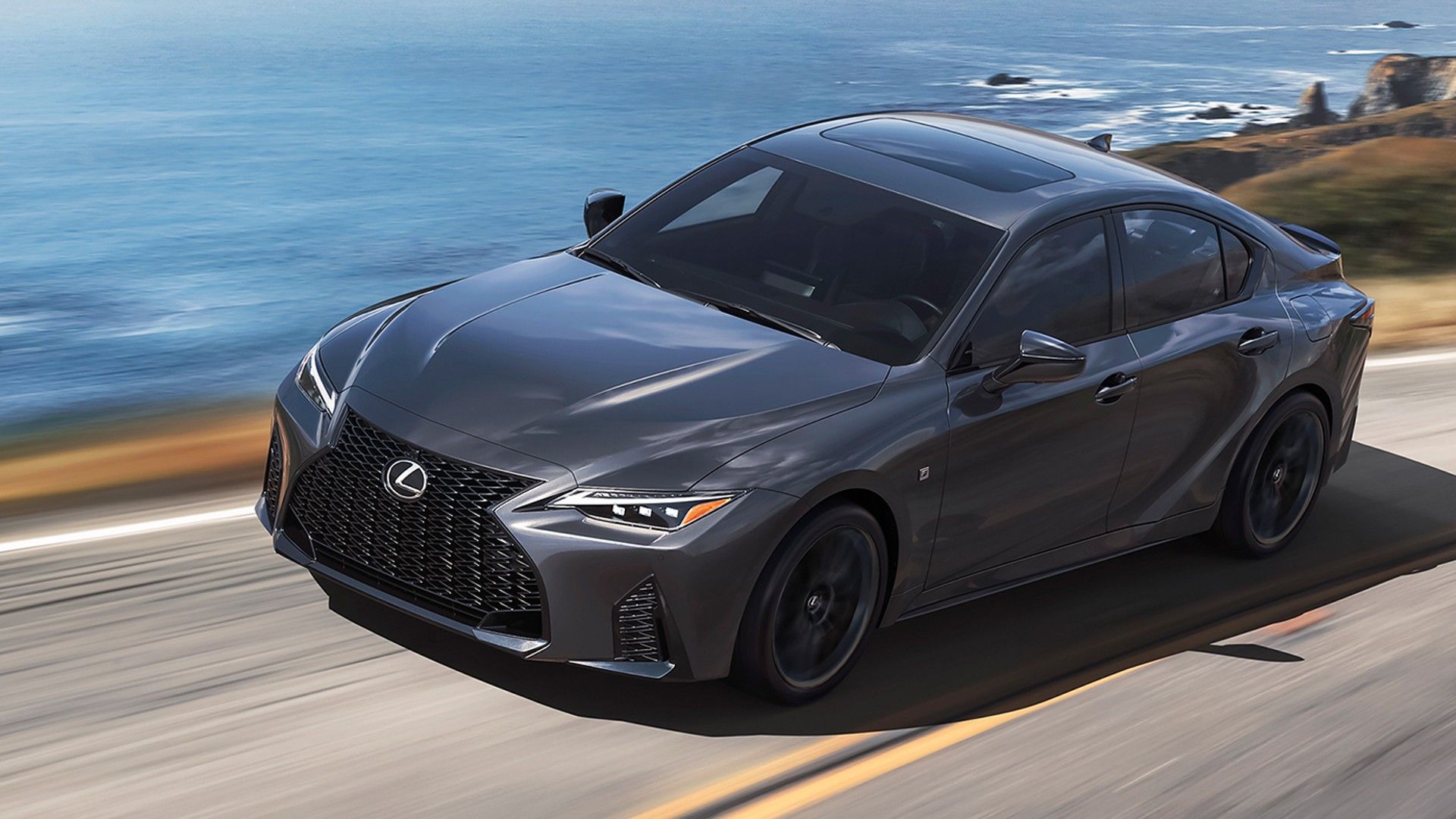
Lexus’s F performance lineup, including the IS 500 F Sport Performance and LC 500 F represents the most labor-intensive segment of the brand’s service profile. These vehicles use performance-tuned suspensions, Brembo brake systems, and track-optimized drivetrains that benefit from F-specialist technicians. Dealerships with significant F model volume often staff technicians with dedicated performance certifications.
For owners who value reliability and a premium service experience, Lexus delivers strong value relative to comparable European brands. The labor rate is high, but the service quality and vehicle reliability tend to mean fewer unexpected visits.
7. Cadillac, Approximately $165–$210 per Hour
Cadillac dealerships round out this list with labor rates typically ranging from $165 to $210 per hour. As General Motors’ flagship luxury brand, Cadillac occupies a unique position delivering American luxury with an increasingly technological edge.
The introduction of the Blackwing performance lineup, the LYRIQ electric vehicle, and the brand’s advanced Super Cruise driver assistance system have all pushed service complexity and, therefore, labor rates significantly higher in recent years.
Cadillac’s Blackwing lineup, headlined by the CT4-V Blackwing and CT5-V Blackwing, represents the brand’s performance pinnacle. These vehicles feature hand-built supercharged V8 and turbocharged inline-six engines, track-focused suspension systems, and Magnetic Ride Control 4.0.
Servicing these components requires Cadillac Performance-certified technicians who have undergone training beyond standard Cadillac qualification. The additional certification level naturally commands a higher hourly rate.
The LYRIQ and upcoming CELESTIQ electric vehicles require high-voltage certified technicians. The CELESTIQ, in particular, is a hand-assembled ultra-luxury electric vehicle with an expected price exceeding $300,000. Service on a CELESTIQ will involve some of the highest labor rates in the Cadillac network, reflecting the extreme level of care and expertise required for a vehicle of its rarity and cost.
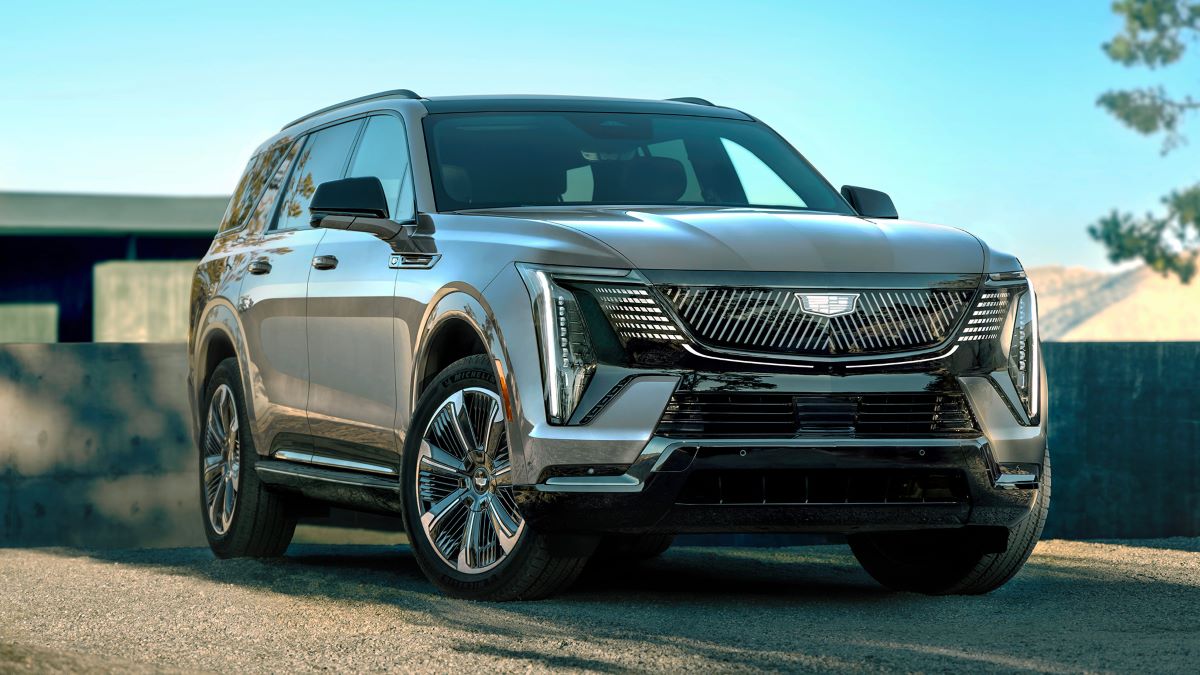
Super Cruise, Cadillac’s hands-free driver assistance system, is a major driver of diagnostic and recalibration labor time. This system uses LIDAR map data, forward-facing cameras, radar, and a driver attention monitoring system working together.
After any repair that affects the front of the vehicle from a simple bumper replacement to a windshield swap the entire suite of cameras and sensors must be recalibrated. This recalibration process takes significant time and requires specialized targets and diagnostic software.
Cadillac’s CT6 flagship sedan, though discontinued, remains a challenging vehicle to service for dealerships still encountering it. The CT6 Platinum’s twin-turbocharged V8 and advanced Super Cruise integration make it a labor-intensive vehicle. Parts availability has also become a concern as the model ages, which can extend labor time as technicians deal with sourcing delays.
General Motors’ diagnostic software Global Diagnostic System 2 (GDS2) and the newer MDI 2 interface is used across Cadillac servicing. While this software is more accessible than some brand-specific European diagnostic tools, it still requires authorized dealer access for the full range of Cadillac-specific functions. Key programming, module replacement, and advanced calibration all require dealer-level tool access.
Cadillac dealerships have been undergoing a significant transformation under the brand’s Project Pinnacle initiative. This program segments dealerships by sales volume and requires higher-tier dealers to maintain raised facility standards, staff certifications, and customer experience protocols. These investments raise operating costs, which flow into the labor rates charged to service customers.
Despite being the most affordable brand on this list from a labor rate standpoint, Cadillac’s direction under General Motors indicates that rates will continue to climb as the vehicle lineup grows more technologically complex. The combination of performance engineering, electrification, and advanced driver assistance technology is a powerful recipe for continued labor cost escalation.
Also Read: 10 Cars With Such High Resale Value That Buying Used Is a Mistake
