

When it comes to sedans, most drivers focus on comfort, fuel efficiency, and style. However, for those living in areas with extreme heat, a crucial but often overlooked feature is the cooling system. A car’s radiator is its primary defense against engine overheating, especially during sustained high-temperature conditions.
Some sedans are engineered with overbuilt radiators that allow the engine to perform reliably even when the ambient temperature reaches 110 degrees Fahrenheit. These systems are not just larger in size, but they are constructed with high-quality materials, enhanced flow dynamics, and advanced cooling technologies.
This ensures that the engine maintains optimal operating temperatures, preventing damage to vital components. For drivers who experience prolonged traffic in scorching weather, these overbuilt radiators provide a layer of confidence that the car can endure without compromising performance.
Automakers understand that overheating can lead to catastrophic engine failure, decreased fuel efficiency, and increased repair costs. In response, certain sedans, especially higher-end models, integrate radiators with larger surface areas, multiple cooling channels, and high-capacity fans.
This combination improves heat dissipation and allows the engine to operate at peak efficiency, even under stress. While most cars begin to struggle when temperatures approach triple digits, sedans with overbuilt radiators maintain steady cooling, providing a balance between performance and reliability.
This feature is particularly valuable for vehicles that regularly carry heavy loads or tow small trailers, as the added heat generated during such activities requires a stronger cooling system.
Drivers in desert regions or areas with frequent heat waves often notice the difference between standard cooling systems and overbuilt radiators. In extreme conditions, a standard radiator may struggle to release heat, causing the engine to run hotter than intended.
Sedans designed with reinforced cooling systems use larger cores, high-flow water pumps, and sometimes dual fans to mitigate heat buildup. This attention to thermal management ensures that the engine does not suffer from prolonged stress, which can shorten its lifespan. The result is a car that performs consistently and avoids common overheating issues, allowing drivers to rely on their vehicle regardless of weather conditions.
Overbuilt radiators are not only about surviving heat but also about enhancing long-term reliability. Engines that run cooler tend to have fewer breakdowns, improved lubrication, and lower risk of warping or cracking internal components.
Automakers that prioritize thermal performance invest in high-grade materials, such as aluminum or reinforced composites, to construct radiator cores. These materials provide excellent thermal conductivity, resist corrosion, and maintain structural integrity even under extreme heat. For consumers, this translates into a sedan that not only handles 110-degree heat but also offers peace of mind for everyday driving.
In this article, we will highlight ten sedans known for their exceptional cooling systems. Each of these vehicles incorporates an overbuilt radiator designed to thrive in high-temperature environments. We will examine the features that make these radiators stand out, including size, construction, and airflow efficiency.
By the end, readers will have a clear understanding of which sedans are best suited for extreme heat, whether they prioritize reliability, daily commuting, or long road trips. This guide serves as a resource for anyone seeking a sedan that remains resilient under the harshest conditions, demonstrating that thoughtful engineering can make a significant difference in vehicle performance.
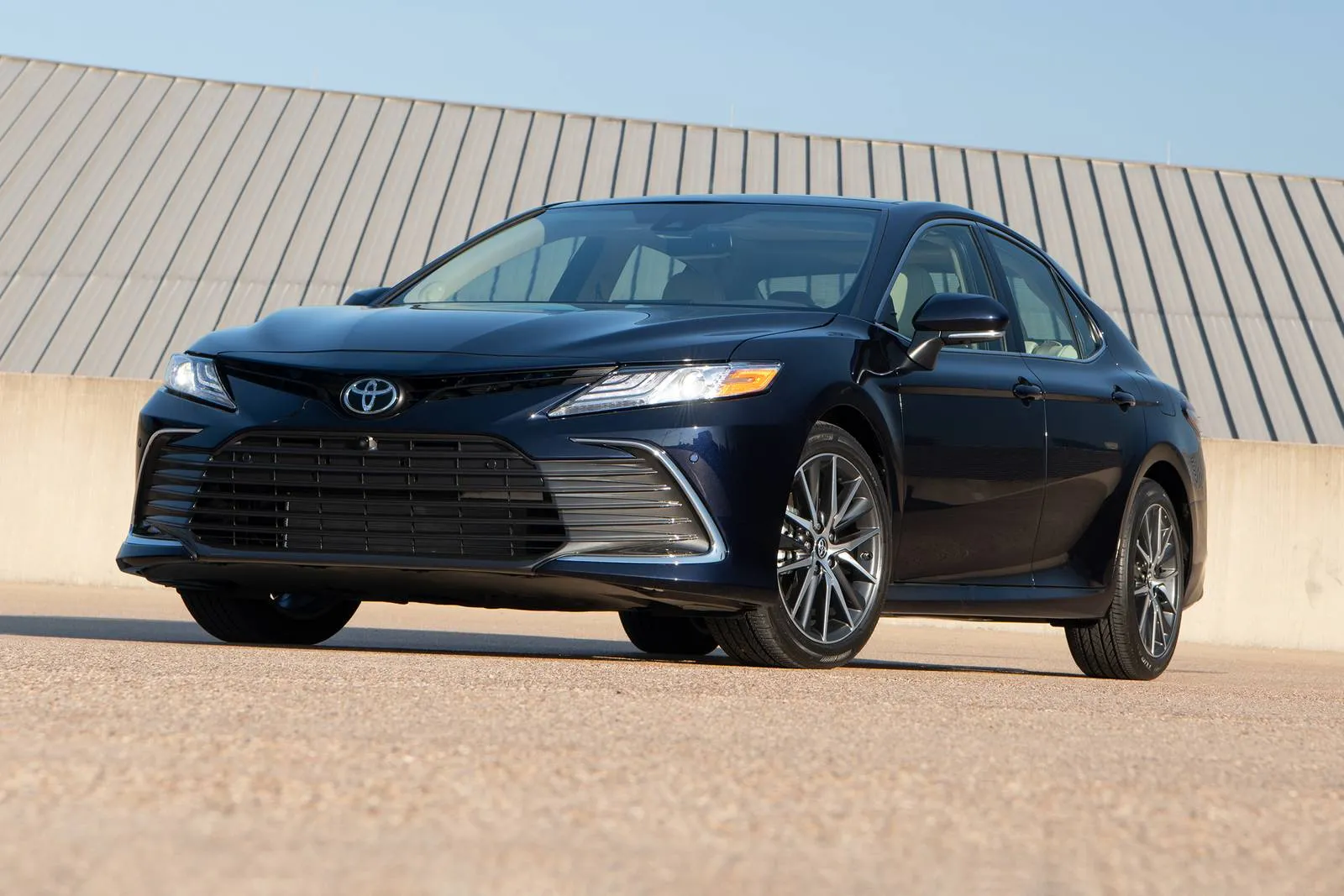
1. Toyota Camry XSE
The 2024 Toyota Camry XSE comes equipped with a radiator that exceeds standard cooling requirements. Its large aluminum core improves heat dissipation, keeping the engine within safe operating temperatures even during extended exposure to high heat.
The radiator is paired with a high-capacity electric fan that activates based on coolant temperature, ensuring the engine never overheats. Additionally, the cooling system includes a reinforced water pump that maintains consistent flow under stress. This combination allows the Camry to operate reliably in regions where temperatures often surpass 110 degrees Fahrenheit.
Toyota designed the Camry’s radiator to handle prolonged idling without sacrificing efficiency. In heavy traffic or stop-and-go conditions, the fan and coolant system work together to prevent heat buildup.
The radiator’s multiple channels increase surface area, which accelerates the cooling process. This ensures that the engine remains at optimal temperature without putting undue strain on internal components. Drivers benefit from a smoother ride and fewer concerns about heat-induced performance issues.
The materials used in the Camry’s cooling system reflect Toyota’s focus on durability. The aluminum radiator resists corrosion, which is crucial when operating in areas with high heat and humidity. Reinforced hoses and fittings complement the radiator, creating a complete thermal management system.
This attention to detail minimizes the risk of leaks or component failure. It also extends the lifespan of the engine, reducing the likelihood of costly repairs over time.
Beyond its technical specifications, the Camry XSE’s radiator is a key factor in driving confidence. Owners can expect reliable performance during summer road trips or daily commutes through sun-baked cities.
The cooling system supports not just the engine but also the vehicle’s air conditioning, allowing for a comfortable cabin environment even under extreme heat. Toyota’s design ensures that both performance and comfort are maintained simultaneously.
Finally, the Camry’s cooling system demonstrates how practical engineering can prevent overheating. The overbuilt radiator, high-flow pump, and electric fan form a comprehensive solution that balances size, efficiency, and reliability. Drivers in hot climates can rely on the Camry XSE to maintain consistent performance without worrying about engine stress. This makes it one of the top sedans for managing 110-degree temperatures effectively.
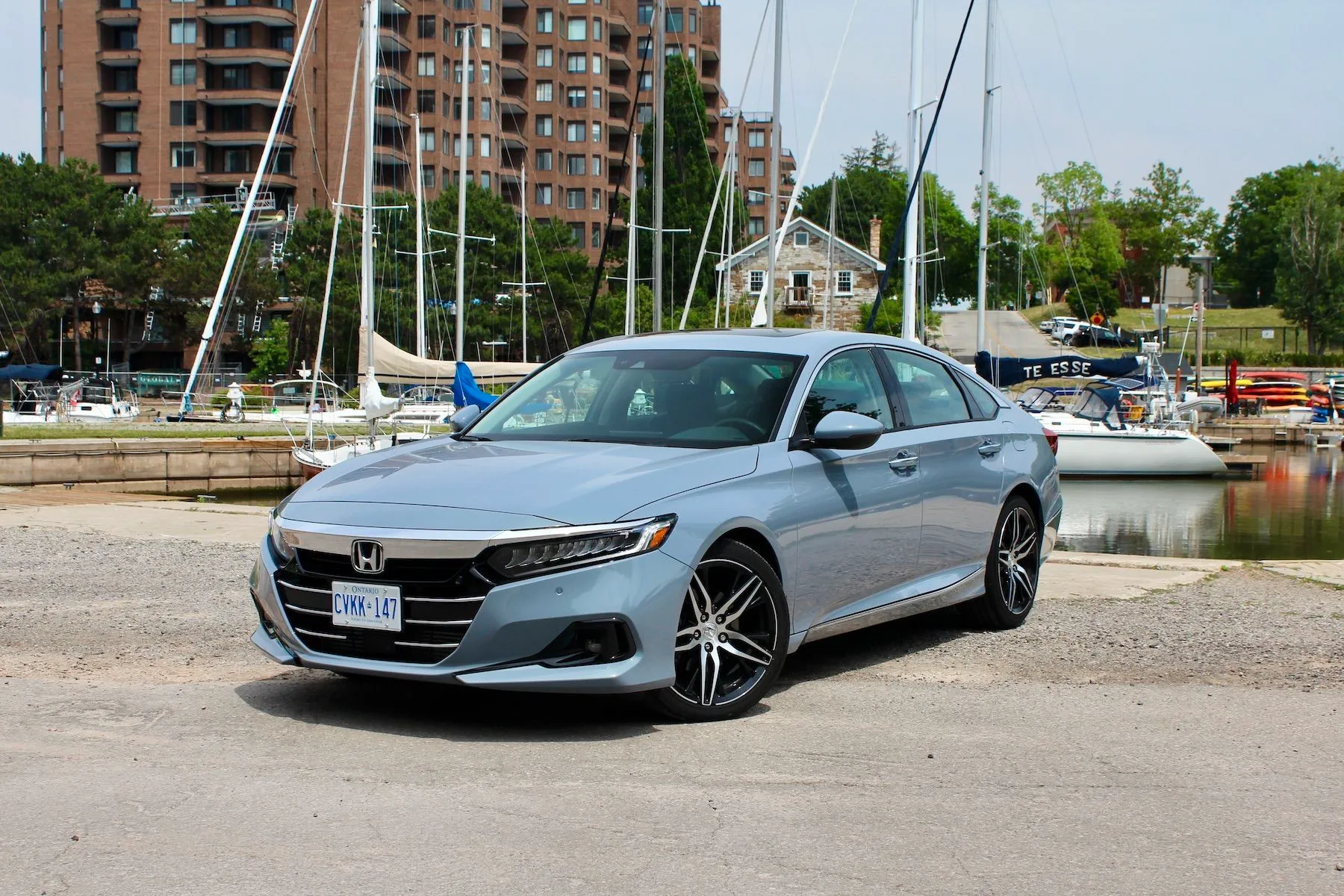
2. Honda Accord Touring
The 2024 Honda Accord Touring features an oversized radiator designed to manage extreme heat with remarkable efficiency. Its dual-pass aluminum core increases the contact area between coolant and airflow, accelerating heat transfer. The radiator works in tandem with a variable-speed electric fan, which adjusts intensity depending on engine temperature.
This allows the Accord to sustain performance during long drives on scorching highways or in urban traffic jams that frequently push temperatures beyond 110 degrees. Additionally, Honda engineered the cooling system to maintain pressure stability, preventing boil-over and ensuring consistent circulation even under severe stress.
One of the Accord Touring’s key design elements is its high-flow water pump, which circulates coolant through multiple channels quickly. This rapid circulation ensures that heat is evenly distributed and dissipated before it accumulates in hotspots. The radiator’s fin design is optimized for both passive airflow while moving and active airflow when stationary.
This combination prevents the engine from overheating, even during prolonged idling or heavy acceleration in hot climates. For drivers, this means the car remains responsive and reliable without compromise.
Durability is another focus of Honda’s cooling system. The radiator’s aluminum construction resists corrosion and warping caused by high temperatures, while reinforced plastic end tanks prevent leaks and maintain structural integrity.
Hoses and clamps are rated for extreme thermal cycles, allowing the system to handle repeated heating and cooling without deterioration. This makes the Accord Touring particularly resilient for regions with harsh sun exposure or extreme seasonal changes. Owners can expect longevity and minimal maintenance concerns due to these robust materials and thoughtful engineering.
In addition to mechanical reliability, the Accord’s cooling system contributes to engine efficiency. By keeping the engine closer to its optimal temperature, fuel consumption remains stable and emissions are minimized. This thermal management reduces stress on internal components such as the cylinder head, pistons, and valve train.
The result is an engine that not only withstands heat but continues to operate at peak performance, providing smooth acceleration and consistent power output. This makes the Accord Touring a practical choice for drivers who require dependability under harsh conditions.
Finally, Honda’s attention to cooling performance enhances the driving experience. The radiator, fan system, and coolant flow work harmoniously to prevent overheating while maintaining cabin comfort through efficient air conditioning.
This thoughtful design ensures that occupants remain comfortable even on the hottest days. With its overbuilt radiator, the Accord Touring stands out as a sedan that can thrive in extreme temperatures, making it a top contender for anyone living in regions where high heat is a daily challenge.
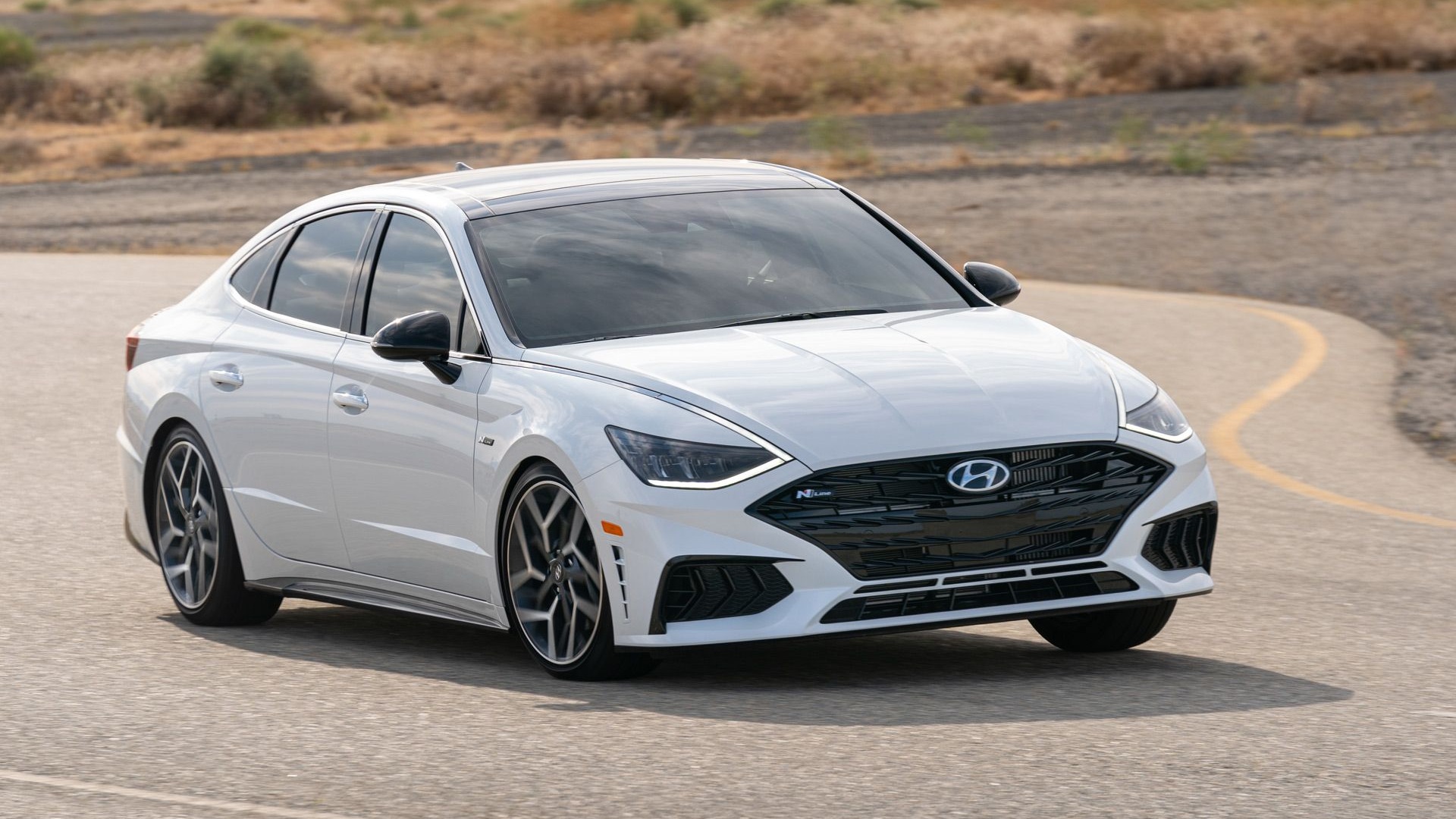
3. Hyundai Sonata N Line
The 2024 Hyundai Sonata N Line incorporates an advanced radiator that excels in high-temperature environments. Its core is larger and thicker than standard models, allowing more coolant to circulate and heat to dissipate efficiently.
Paired with a high-capacity dual electric fan system, the radiator ensures that the engine remains within safe operating temperatures even when outside temperatures exceed 110 degrees. Hyundai’s engineers designed the radiator with precise fin spacing to maximize airflow while minimizing aerodynamic drag, creating a balance between cooling efficiency and fuel economy. This combination makes the Sonata N Line especially reliable in desert or urban heat scenarios.
The Sonata’s radiator supports a high-performance turbocharged engine, which generates more heat than naturally aspirated models. To compensate, the cooling system includes a reinforced water pump and a larger reservoir, enabling rapid coolant circulation under heavy load conditions.
This prevents hotspots from forming in the engine block or cylinder head, which could otherwise lead to reduced efficiency or damage. For drivers who enjoy spirited driving in hot climates, the Sonata N Line offers peace of mind that engine temperature will remain stable.
Material choice plays a significant role in the Sonata’s cooling performance. The aluminum radiator core is lightweight yet highly conductive, ensuring rapid heat transfer. End tanks and mounting points are constructed from heat-resistant composites, reducing the risk of warping or failure.
Coupled with high-quality hoses and clamps rated for extreme conditions, the radiator forms a complete system capable of enduring repeated exposure to 110-degree heat. Hyundai’s focus on material integrity extends the system’s lifespan while reducing maintenance frequency, which is especially important for daily commuters in hot regions.
The Sonata N Line’s cooling system also contributes to engine efficiency and reliability. By preventing thermal stress, the radiator helps maintain consistent oil viscosity and prevents overheating of critical engine components. This stability reduces wear on pistons, camshafts, and bearings, enhancing engine longevity.
Furthermore, the cooling system supports other vehicle systems, including air conditioning, which allows occupants to remain comfortable during long drives in sweltering conditions. This integration underscores Hyundai’s commitment to performance and resilience.
The Hyundai Sonata N Line demonstrates how an overbuilt radiator enhances both performance and durability. The combination of a large core, dual fans, and reinforced circulation components ensures that the sedan operates safely and efficiently under extreme heat.
Whether navigating city traffic or cruising on the highway, drivers can rely on the Sonata N Line to maintain engine integrity while delivering a refined, responsive driving experience in environments exceeding 110 degrees.

4. BMW 530i
The 2024 BMW 530i comes with a sophisticated radiator system designed for extreme heat endurance. Its multi-layered aluminum core provides maximum surface area for heat exchange, while the precision-engineered coolant channels ensure uniform temperature distribution.
High-capacity fans automatically adjust based on thermal load, maintaining optimal engine temperatures even when outside temperatures reach 110 degrees. This design prevents engine knock and ensures smooth operation during prolonged high-temperature driving conditions. BMW’s focus on thermal efficiency reflects the brand’s commitment to combining luxury with practical engineering.
BMW incorporated a high-pressure water pump to complement the 530i’s radiator, ensuring rapid and consistent coolant flow. This feature is especially important during stop-and-go city traffic, which can otherwise strain standard cooling systems.
By maintaining consistent coolant circulation, the 530i prevents localized overheating in engine zones that typically face stress during high-demand operations. Drivers benefit from improved reliability and extended engine life, even in the harshest environmental conditions.
Material durability is a key consideration in the 530i’s radiator design. The aluminum core resists corrosion and maintains structural integrity under prolonged heat exposure, while reinforced plastic end tanks prevent leaks and deformations.
High-quality hoses and clamps are rated for extreme thermal cycles, ensuring the system withstands repeated heating and cooling without failure. BMW’s attention to material resilience enhances long-term performance, reducing the likelihood of costly repairs and maintaining the car’s reputation for reliability.
The cooling system’s performance extends beyond heat management, contributing to the efficiency of the 530i. By keeping the engine near its optimal operating temperature, the radiator ensures fuel efficiency and reduces stress on internal components such as pistons, camshafts, and valve trains.
Heat management also supports the turbocharged engine, preventing power loss due to elevated operating temperatures. The result is a luxury sedan that performs consistently while protecting its mechanical integrity.
Finally, the BMW 530i’s radiator system enhances comfort and confidence for both driver and passengers. Efficient cooling allows the air conditioning system to operate at peak performance even in high ambient heat.
By integrating robust thermal management with luxury features, BMW ensures that the 530i is both safe and enjoyable to drive in regions with intense heat. The overbuilt radiator confirms that this sedan is capable of handling extreme conditions while maintaining its refined character.

5. Audi A6 55 TFSI
The 2024 Audi A6 55 TFSI incorporates an overbuilt radiator that prioritizes performance and reliability in extreme heat. Its large aluminum core is paired with a dual-fan system that adapts to the engine’s thermal demands. This allows the radiator to efficiently remove heat even during prolonged exposure to 110-degree temperatures.
The engine cooling system is engineered for precision, maintaining optimal operating temperatures under heavy acceleration and continuous city traffic. Audi’s design philosophy emphasizes that thermal control is essential for both engine longevity and driving confidence.
The A6’s radiator works in combination with a high-flow water pump to ensure consistent circulation of coolant. The pump’s variable-speed design prevents overheating by regulating flow according to thermal load. Additionally, the radiator features multiple coolant channels, distributing heat evenly across the engine block.
This prevents localized hotspots that could compromise engine performance or lead to premature wear. The A6’s cooling system reflects Audi’s commitment to delivering both power and durability under extreme environmental conditions.
Durability is enhanced by the materials used in the radiator construction. The aluminum core provides superior heat transfer while resisting corrosion, and the reinforced composite end tanks minimize the risk of warping or leakage under thermal stress.
Hoses and connectors are rated for high temperatures, ensuring long-term stability of the entire cooling system. These design elements allow the A6 to handle frequent exposure to high temperatures without sacrificing reliability or requiring excessive maintenance.
Efficient cooling contributes to engine efficiency and longevity. By maintaining optimal operating temperature, the A6 reduces strain on pistons, camshafts, and the turbocharged engine components. Consistent thermal management also improves fuel efficiency and prevents performance degradation in high heat. Audi’s engineers recognized that a robust radiator is essential for preserving the car’s performance, particularly when operating in desert climates or during summer heat waves.
The Audi A6 55 TFSI delivers confidence to drivers who face extreme heat on a daily basis. Its overbuilt radiator, combined with precise thermal management components, allows the vehicle to perform reliably under stress.
This cooling system supports not only the engine but also cabin comfort, ensuring air conditioning efficiency even during intense heat. The result is a luxury sedan capable of maintaining performance, durability, and comfort in some of the most demanding driving conditions.

6. Mercedes-Benz E 350
The 2024 Mercedes-Benz E 350 is equipped with a radiator designed to handle extreme heat with consistent performance. Its extensive aluminum core provides a high-capacity heat exchange surface, while multi-channel design ensures rapid coolant flow.
High-performance electric fans adjust dynamically to prevent overheating in ambient temperatures above 110 degrees. The E 350’s radiator supports both city and highway driving, allowing the engine to maintain optimal temperature without performance loss. Mercedes-Benz engineered this cooling system to ensure reliability and longevity in challenging conditions.
The cooling system includes a high-flow water pump and strategically routed coolant passages, which evenly distribute heat throughout the engine. This prevents the formation of hotspots in critical areas, which can cause wear or efficiency loss.
By maintaining steady thermal regulation, the E 350 ensures that internal components, such as pistons, camshafts, and valves, remain within their ideal operating range. The result is improved engine durability and consistent power output even under sustained high temperatures.
Durable materials play a critical role in the E 350’s radiator design. The aluminum core maximizes heat transfer while resisting corrosion, and reinforced composite end tanks maintain structural integrity under extreme heat. Heat-resistant hoses and clamps support reliable coolant circulation, ensuring the system functions effectively even during extended periods of thermal stress. Mercedes-Benz designed these components for long-term stability, reducing maintenance requirements and enhancing reliability.
Effective cooling also enhances engine efficiency. Maintaining optimal operating temperature ensures proper lubrication and minimizes energy loss from overheating. This contributes to fuel efficiency, sustained performance, and protection against thermal-induced engine wear.
The radiator works in conjunction with other vehicle systems, including the air conditioning system, maintaining cabin comfort while preventing engine stress in high temperatures.
Finally, the E 350’s radiator system provides peace of mind for drivers in hot climates. Its overbuilt design allows the sedan to operate safely under extreme conditions without compromising performance or comfort. Mercedes-Benz’s engineering ensures that both mechanical reliability and driver experience are preserved, making the E 350 a dependable choice for those who face high temperatures on a regular basis.
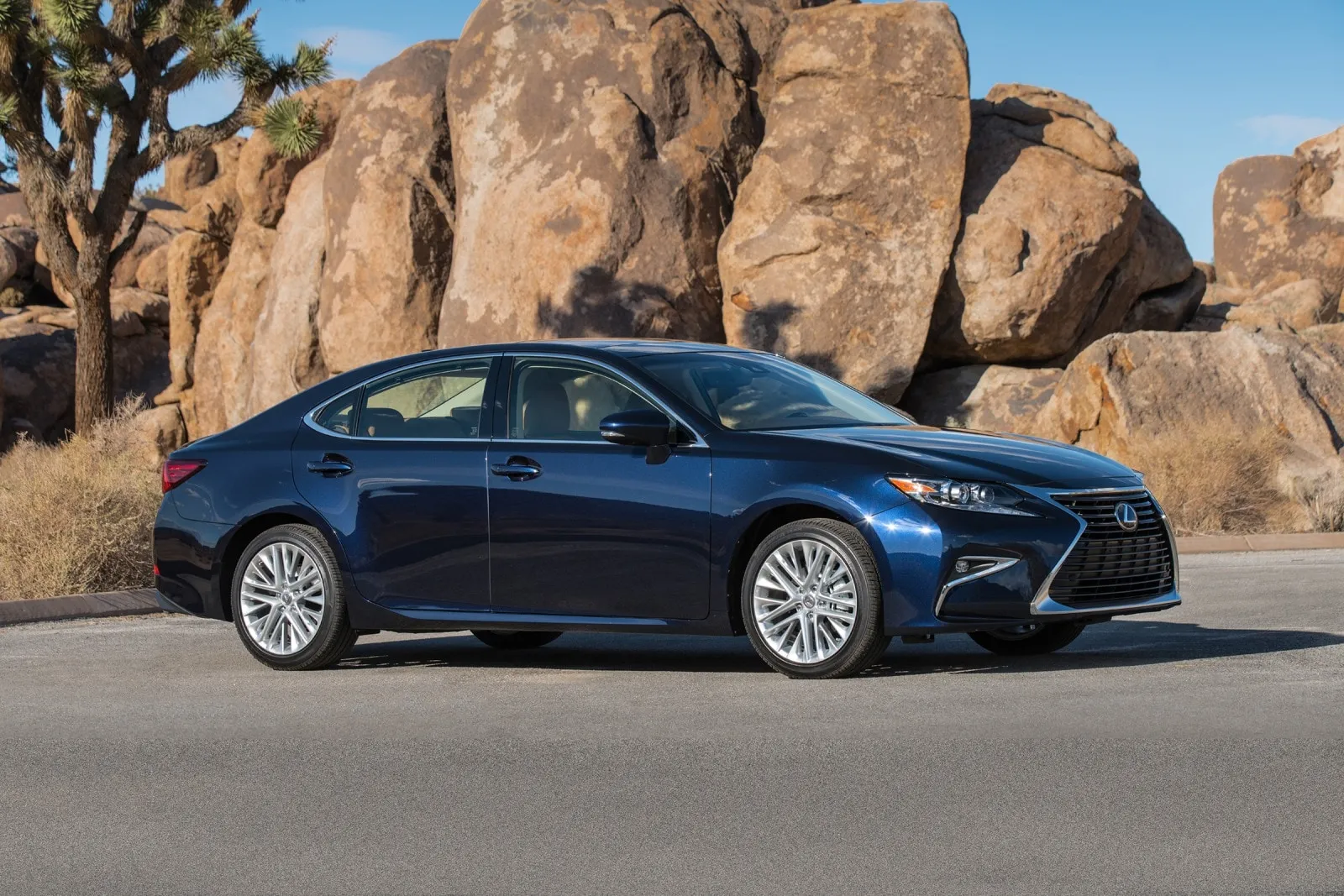
7. Lexus ES 350
The 2024 Lexus ES 350 is engineered with a radiator that exceeds standard cooling capacity, making it ideal for extreme heat conditions. Its wide aluminum core allows for greater heat dissipation, and the radiator is paired with a high-capacity dual-fan system.
These fans operate according to coolant temperature, ensuring the engine remains stable even when external temperatures reach 110 degrees. Lexus focused on a balance between cooling efficiency and vehicle performance, allowing the ES 350 to maintain power output while keeping the engine safe from overheating.
The radiator works alongside a reinforced water pump that maintains steady coolant flow throughout the engine. This is especially beneficial in slow-moving traffic or long uphill climbs, where heat tends to accumulate rapidly.
The coolant passages are designed for optimal flow, preventing hotspots in the engine block or cylinder heads. This system allows the ES 350 to operate at peak performance, maintaining consistent power and reliability regardless of external heat.
Durability is a key feature of Lexus’s cooling system. The radiator core uses high-grade aluminum for excellent thermal conductivity and corrosion resistance, while the end tanks are made of reinforced composites.
Heat-resistant hoses and secure clamps complete the system, ensuring stable operation even under repeated cycles of extreme heating and cooling. This design reduces the risk of leaks or component failure, enhancing long-term reliability for drivers in hot climates.
The overbuilt radiator also contributes to engine efficiency and longevity. By keeping the engine close to its ideal operating temperature, the ES 350 reduces stress on internal components such as pistons, valves, and bearings. This thermal stability minimizes wear and tear, preserves fuel efficiency, and supports smooth acceleration under demanding conditions. The cooling system’s effectiveness ensures that the engine performs consistently, even during extended high-heat exposure.
Finally, the Lexus ES 350 combines luxury with dependable thermal management. The radiator’s overbuilt design ensures both engine safety and cabin comfort by supporting the air conditioning system during extreme heat.
This allows occupants to enjoy a smooth, comfortable ride while the vehicle maintains optimal performance. Lexus’s thoughtful engineering makes the ES 350 a standout choice for drivers in regions where high temperatures are a constant challenge.
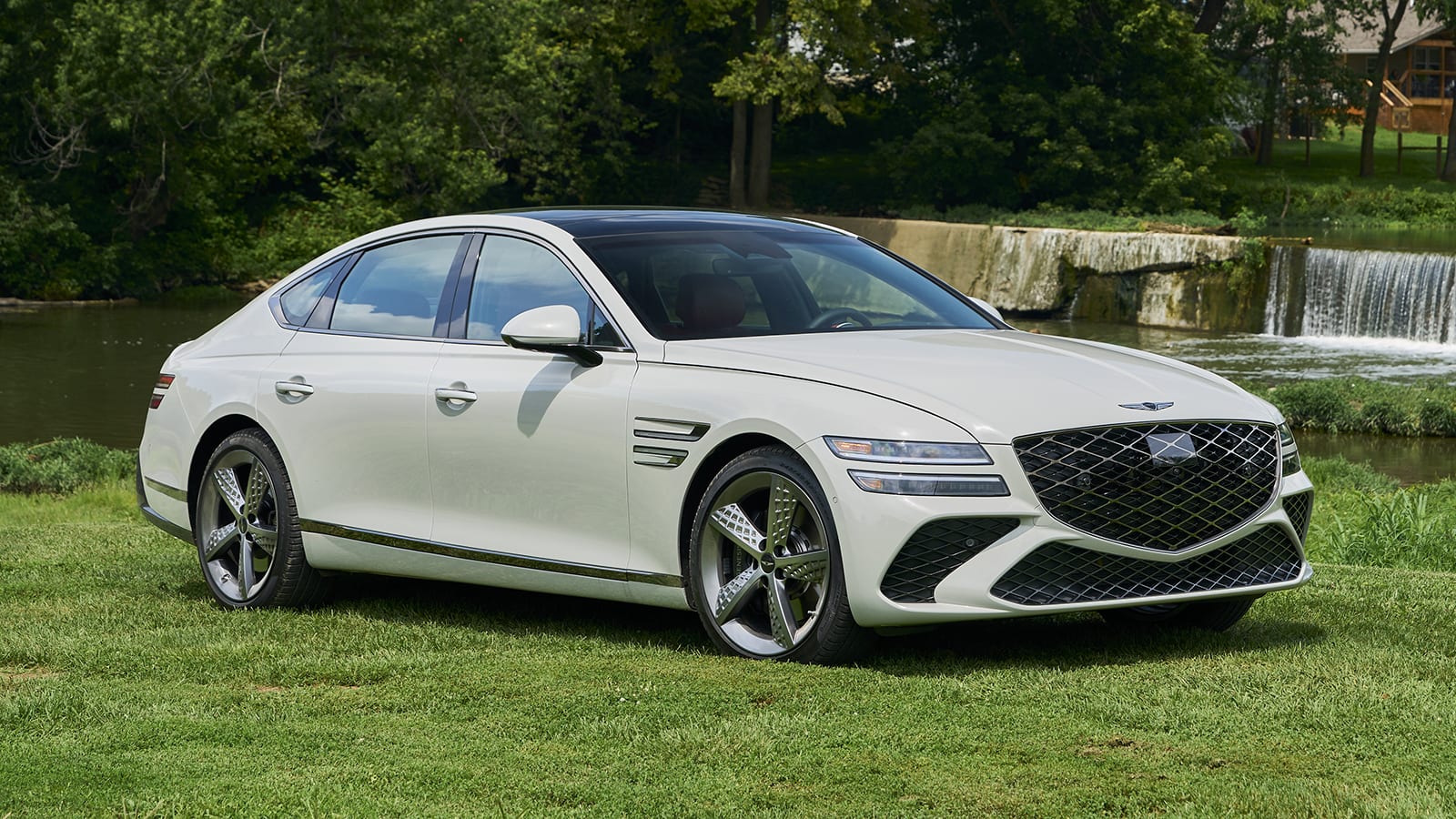
8. Genesis G80 3.5T
The 2024 Genesis G80 3.5T features an overbuilt radiator capable of handling high-temperature conditions without compromising engine performance. Its large aluminum core maximizes heat dissipation, while a dual-fan system ensures effective airflow even in stop-and-go traffic.
The radiator is complemented by a high-capacity water pump, which circulates coolant consistently to prevent hotspots. This system allows the engine to operate efficiently even when ambient temperatures reach 110 degrees, making the G80 3.5T highly reliable for hot climates and long-distance drives.
The radiator’s design includes multiple coolant channels, improving circulation and ensuring uniform heat removal. This prevents localized overheating that could otherwise damage engine components or reduce performance.
Combined with the variable-speed fans, the system adapts to driving conditions, allowing the G80 3.5T to maintain optimal temperatures under both heavy acceleration and extended idling. The result is consistent engine performance and enhanced reliability in challenging thermal environments.
Material selection emphasizes durability and long-term performance. The radiator core is constructed from high-grade aluminum, providing excellent thermal conductivity and resistance to corrosion.
Composite end tanks reinforce structural integrity, while hoses and clamps are rated for repeated exposure to high temperatures. This ensures the cooling system functions reliably even under extreme heat cycles, reducing maintenance requirements and protecting engine longevity.
The overbuilt radiator also improves engine efficiency. Maintaining optimal temperatures prevents excessive wear on pistons, camshafts, and other vital components. It also helps sustain fuel efficiency and minimizes the risk of overheating during prolonged highway driving or heavy urban traffic. By keeping the engine stable, the G80 3.5T delivers smooth, responsive power without interruption.
Finally, Genesis combined performance with comfort through its thermal management system. The radiator ensures that both the engine and cabin remain at optimal operating conditions, supporting air conditioning efficiency during extreme heat.
Drivers experience peace of mind knowing their sedan is equipped to handle temperatures exceeding 110 degrees without sacrificing luxury or performance. The G80 3.5T exemplifies thoughtful engineering for high-heat reliability.
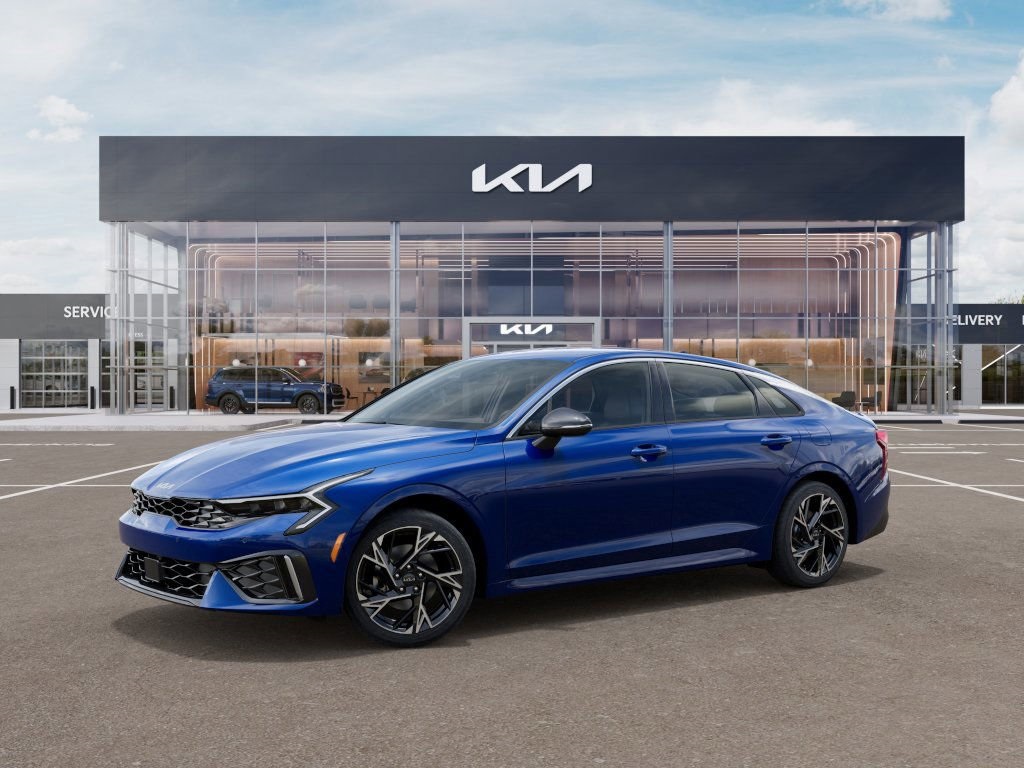
9. Kia K5 GT
The 2024 Kia K5 GT features a radiator built for extreme heat tolerance, making it suitable for hot climates. Its large aluminum core enhances cooling efficiency, while the dual electric fans provide adaptive airflow based on engine temperature.
This ensures the K5 GT can maintain optimal operating conditions even when ambient temperatures reach 110 degrees. Kia engineered this cooling system to support both daily driving and spirited performance, allowing the turbocharged engine to function reliably without overheating.
The radiator works with a reinforced water pump that circulates coolant efficiently through multiple channels. This design prevents localized hotspots and ensures the engine block and cylinder heads remain at safe temperatures. The variable fan speeds allow the K5 GT to manage heat during prolonged stops or heavy acceleration, keeping performance consistent. Drivers benefit from improved reliability and reduced stress on critical engine components, even under extreme conditions.
Durability is a significant focus for Kia’s cooling system. The aluminum radiator resists corrosion and provides excellent thermal conductivity, while reinforced plastic end tanks maintain structural integrity under high heat.
Heat-resistant hoses and secure fittings ensure that the system operates reliably throughout repeated heating and cooling cycles. This engineering attention minimizes the risk of leaks, improves longevity, and reduces long-term maintenance costs.
Thermal stability also enhances engine performance and efficiency. Maintaining consistent operating temperatures protects pistons, valves, and other engine components from excessive wear. It preserves fuel efficiency and ensures smooth acceleration under extreme conditions. The K5 GT’s radiator allows the engine to perform at peak levels without compromise, even in environments with sustained high heat.
Finally, the Kia K5 GT demonstrates the balance between sportiness and reliability. The overbuilt radiator ensures engine safety while supporting cabin comfort and air conditioning performance. Drivers can enjoy a responsive, high-performance sedan without worrying about overheating, making the K5 GT a strong option for those in regions where extreme heat is a regular challenge.
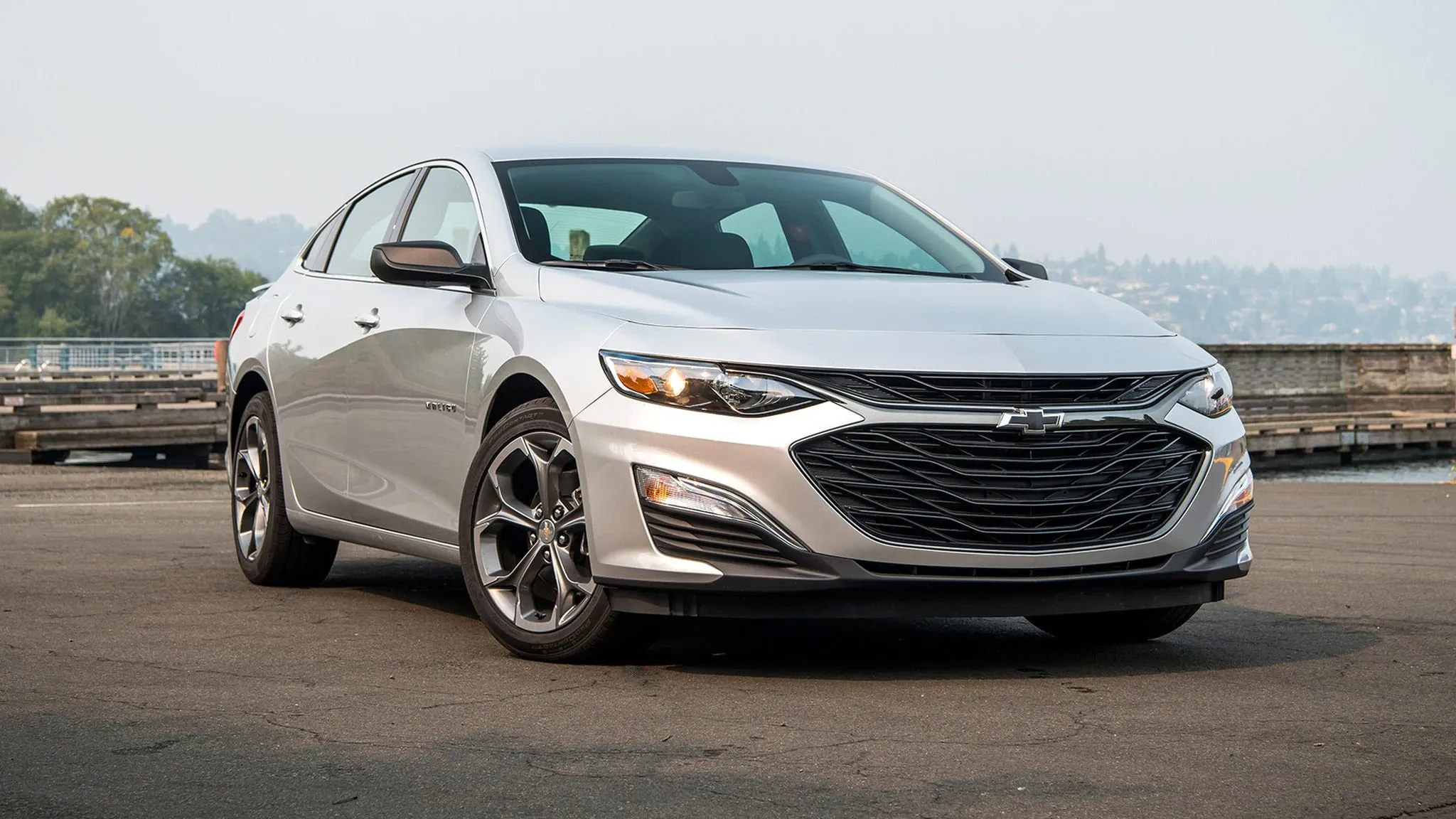
10. Chevrolet Malibu RS
The 2024 Chevrolet Malibu RS incorporates a radiator designed to manage extreme heat effectively. Its large aluminum core maximizes heat dissipation, while the high-capacity electric fan adjusts dynamically based on engine temperature.
This ensures that the Malibu RS can handle ambient temperatures reaching 110 degrees without risk of overheating. The radiator’s design also supports smooth engine performance during prolonged city traffic or high-speed highway driving, making it ideal for drivers in hot climates.
The radiator works with a high-flow water pump to maintain consistent coolant circulation through multiple channels. This prevents the formation of hotspots that could compromise engine components or performance. The dynamic fan system and optimized coolant flow allow the Malibu RS to maintain steady thermal conditions under both light and heavy engine loads. Drivers can rely on consistent power delivery even under extreme heat stress.
Durable materials enhance the radiator’s reliability. The aluminum core provides excellent thermal conductivity and resists corrosion, while reinforced end tanks and high-temperature hoses ensure structural integrity.
This combination of materials allows the radiator to endure repeated heating and cooling cycles without leaks or failures. Chevrolet’s design focuses on long-term durability and low maintenance, ensuring dependable performance in hot environments.
Thermal management also contributes to engine efficiency and component longevity. Keeping the engine within its optimal temperature range reduces stress on pistons, valve trains, and other critical parts. Fuel efficiency is maintained, and the risk of performance degradation due to overheating is minimized. The Malibu RS is therefore well-suited for drivers seeking a reliable sedan in extreme temperatures.
Finally, the overbuilt radiator improves driving comfort and confidence. The system supports both engine and cabin cooling, ensuring that air conditioning performs efficiently even in 110-degree heat. Chevrolet’s engineering ensures that the Malibu RS remains reliable, responsive, and comfortable, making it a strong choice for midsize sedan buyers in high-temperature regions.
