
Modern engines are increasingly designed to balance efficiency, performance, and emissions standards. One of the challenges in contemporary direct-injection engines is carbon buildup on intake valves.
This buildup occurs because fuel in direct injection engines sprays directly into the combustion chamber, bypassing the intake valves, which removes the natural cleaning effect of gasoline. Over time, carbon deposits can lead to reduced performance, rough idling, misfires, and even long-term engine damage. Manufacturers have been seeking ways to address this problem without compromising fuel efficiency or power.
Port fuel injection is an older but still highly effective technology where fuel is sprayed into the intake port, coating the intake valves and helping to keep them clean. Some modern cars combine direct injection with port injection, often referred to as dual injection systems.
This approach allows drivers to enjoy the efficiency benefits of direct injection while minimizing carbon buildup risks. It also extends engine life and reduces maintenance costs. Car enthusiasts and everyday drivers alike appreciate engines that maintain reliability and performance over time.
The integration of simple port injection in modern vehicles does not necessarily require complex engineering or high costs. Many manufacturers have implemented this system in small, turbocharged engines, which are particularly prone to carbon accumulation due to high combustion pressures.
By introducing a small, timed dose of fuel through the intake ports, the engine can self-clean the valves naturally. This method reduces the need for chemical cleaning or intensive mechanical maintenance. As a result, vehicles maintain smoother performance and consistent fuel delivery.
For buyers interested in long-term vehicle ownership and lower maintenance costs, choosing engines with port injection offers practical benefits. It is a simple solution with profound effects on engine health and reliability.
While direct injection technology remains important for fuel efficiency and emissions control, the combination with port injection provides a balanced approach. This design ensures that drivers do not have to compromise on performance, fuel economy, or engine longevity.
This article highlights ten modern vehicles that incorporate simple port injection systems to prevent carbon buildup. These cars span different classes and budgets, showcasing that efficient engines with long-term reliability are widely available.
From compact sedans to performance-oriented models, manufacturers continue to use this approach to safeguard engines. By understanding which vehicles use this technology, buyers can make informed decisions and enjoy the benefits of a clean, well-functioning engine.

1. Toyota Camry
The Toyota Camry has long been a favorite among midsize sedans for its reliability and efficiency. Recent models offer a combination of direct and port injection, particularly in their four-cylinder engines. This combination prevents carbon buildup while maintaining fuel economy. It ensures smooth acceleration and consistent performance under various driving conditions.
Owners report that the Camry’s port-injected engines experience fewer issues with rough idling. Intake valves remain cleaner over time, reducing the need for chemical cleaning or manual intervention. The system is simple yet effective, requiring minimal maintenance for long-term reliability.
The 2.5-liter four-cylinder engine in the Camry uses a precisely timed port injection system. Fuel is sprayed onto the intake valves during certain operating conditions. This keeps the valves clean and prevents sticky deposits from forming during extended city driving.
Toyota has a reputation for designing engines that last over 200,000 miles. Incorporating port injection supports this legacy. Drivers can expect a consistent driving experience and fewer mechanical issues. The system works in harmony with other engine components to enhance performance.
The Camry demonstrates that a mainstream sedan can combine efficiency, performance, and reduced maintenance. The port injection system contributes significantly to engine longevity. Buyers looking for low-maintenance vehicles will appreciate this thoughtful design choice.

2. Honda Accord
The Honda Accord features engines that balance efficiency and power. Its turbocharged four-cylinder engine includes a simple port injection system to combat carbon buildup. This ensures the intake valves remain clean over thousands of miles. Drivers benefit from consistent engine response and reduced maintenance needs.
Honda’s approach integrates port injection seamlessly with direct injection. The system injects fuel in small amounts onto intake valves during regular driving. This prevents sticky deposits from forming and maintains engine efficiency. The cleaning effect occurs automatically without requiring intervention from the owner.
The Accord’s engines have a strong reputation for reliability. Carbon buildup is a known issue in many direct-injected engines, but Honda minimizes this risk. Port injection protects the engine from the long-term effects of deposits. Regular driving is enough to keep the valves clean.
Performance is smooth across city and highway driving. The port injection system ensures that fuel delivery remains consistent. Acceleration is predictable, and engine noise is minimal. The integration does not sacrifice fuel economy or emissions standards.
For drivers who want a dependable daily vehicle, the Accord offers a practical solution. Its engine technology balances cleanliness, efficiency, and power. This demonstrates Honda’s commitment to designing engines that last.

3. Hyundai Sonata
The Hyundai Sonata has become a popular choice for midsize sedans. Its engines feature a dual-injection setup combining direct and port injection. The goal is to maintain intake valve cleanliness without compromising performance. Drivers benefit from a smooth and reliable driving experience.
Hyundai has focused on turbocharged engines for efficiency. Turbo engines are more prone to carbon buildup due to higher pressures. Port injection prevents sticky deposits and helps maintain optimal airflow in the intake system. This contributes to better fuel efficiency and consistent power.
The 1.6-liter turbocharged engine sprays fuel into intake ports during certain load conditions. This process keeps valves clean and prevents carbon buildup over time. Minimal maintenance is required for long-term reliability. Hyundai’s system is simple yet effective, benefiting everyday drivers.
Owners report that the Sonata’s engines run smoothly even after extended city driving. The combination of port and direct injection ensures reliable starting, responsive acceleration, and stable idle. Fuel economy remains competitive with other midsize sedans.
For those seeking longevity and minimal maintenance, the Sonata is an excellent choice. Its port injection system protects engine performance. Hyundai demonstrates that modern sedans can combine efficiency, reliability, and cleaner operation.

4. Kia K5
The Kia K5 shares many engine features with the Hyundai Sonata. It also incorporates a dual-injection system to prevent carbon buildup. This system is particularly helpful in the turbocharged 1.6-liter and 2.5-liter engines. Drivers enjoy reliable performance with minimal maintenance needs.
Kia’s design focuses on smooth operation and long-term reliability. Port injection delivers fuel to the intake valves when necessary. This natural cleaning process reduces the risk of deposits that cause rough idling or misfires.
The K5’s engine technology provides consistent performance in city and highway driving. Port injection supports smooth throttle response. Fuel economy is not compromised, and emissions standards remain achievable. Drivers notice fewer issues over long-term ownership.
Maintenance costs remain lower thanks to cleaner intake valves. Owners avoid frequent chemical cleaning or manual interventions. This feature is particularly beneficial for turbocharged engines prone to buildup.
The K5 demonstrates that performance and efficiency can coexist with reliability. Port injection ensures the engine stays clean and smooth. It reinforces Kia’s focus on creating user-friendly, low-maintenance vehicles.

5. Subaru Legacy
The Subaru Legacy features engines that combine reliability with technology to prevent carbon buildup. Its turbocharged four-cylinder models use port injection alongside direct injection. This helps maintain clean intake valves and stable engine performance.
Subaru’s flat-four engines are compact and efficient. Port injection ensures that fuel sprays onto intake valves when needed. This keeps valves free from deposits that can affect performance and emissions over time. Drivers notice smoother idling and consistent power delivery.
The Legacy’s dual-injection system protects the engine during both city and highway driving. Carbon buildup is minimized even with frequent stop-and-go traffic. The system works automatically without requiring maintenance from the driver.
Owners report long-term reliability and minimal engine issues. The cleaning effect of port injection reduces service frequency. Subaru combines technology and practicality to improve ownership experience.
For drivers interested in longevity and smooth performance, the Legacy provides a strong choice. Its engines remain clean, efficient, and reliable. Port injection plays a key role in maintaining this balance.

6. Ford Escape
The Ford Escape has gained popularity as a compact SUV that combines versatility and efficiency. Recent models feature a 1.5-liter turbocharged engine with a dual-injection system. The combination of direct and port injection ensures that intake valves remain clean while maintaining strong fuel economy and reliable performance. This system is especially valuable for drivers who frequently encounter city traffic, where carbon buildup can accelerate without proper valve cleaning.
Ford engineered the Escape’s port injection system to work automatically during specific operating conditions. It sprays fuel directly onto the intake valves at controlled intervals, helping to prevent sticky carbon deposits.
This approach reduces the risk of engine misfires and rough idling while preserving the advantages of a direct injection system. The design emphasizes simplicity and effectiveness, keeping maintenance minimal over time.
Owners of the Escape report smoother performance even after extended use in urban environments. Turbocharged engines are generally more prone to carbon accumulation due to higher combustion pressures, but the port injection system mitigates these issues. Consistent airflow is maintained through the intake, ensuring steady power delivery and improved throttle response during daily driving.
Additionally, the Escape’s system supports long-term reliability by reducing the need for chemical cleaning or mechanical valve service. The technology integrates seamlessly with other engine management systems, such as variable valve timing and turbo boost control, ensuring that performance and fuel efficiency remain balanced. Drivers benefit from predictable handling and engine operation under diverse conditions.
By combining modern turbocharging technology with simple port injection, the Escape demonstrates that small SUVs can offer low-maintenance performance. This design choice ensures that drivers experience reliable acceleration, cleaner engines, and fewer unexpected service costs over the vehicle’s lifetime.
7. Mazda CX-5
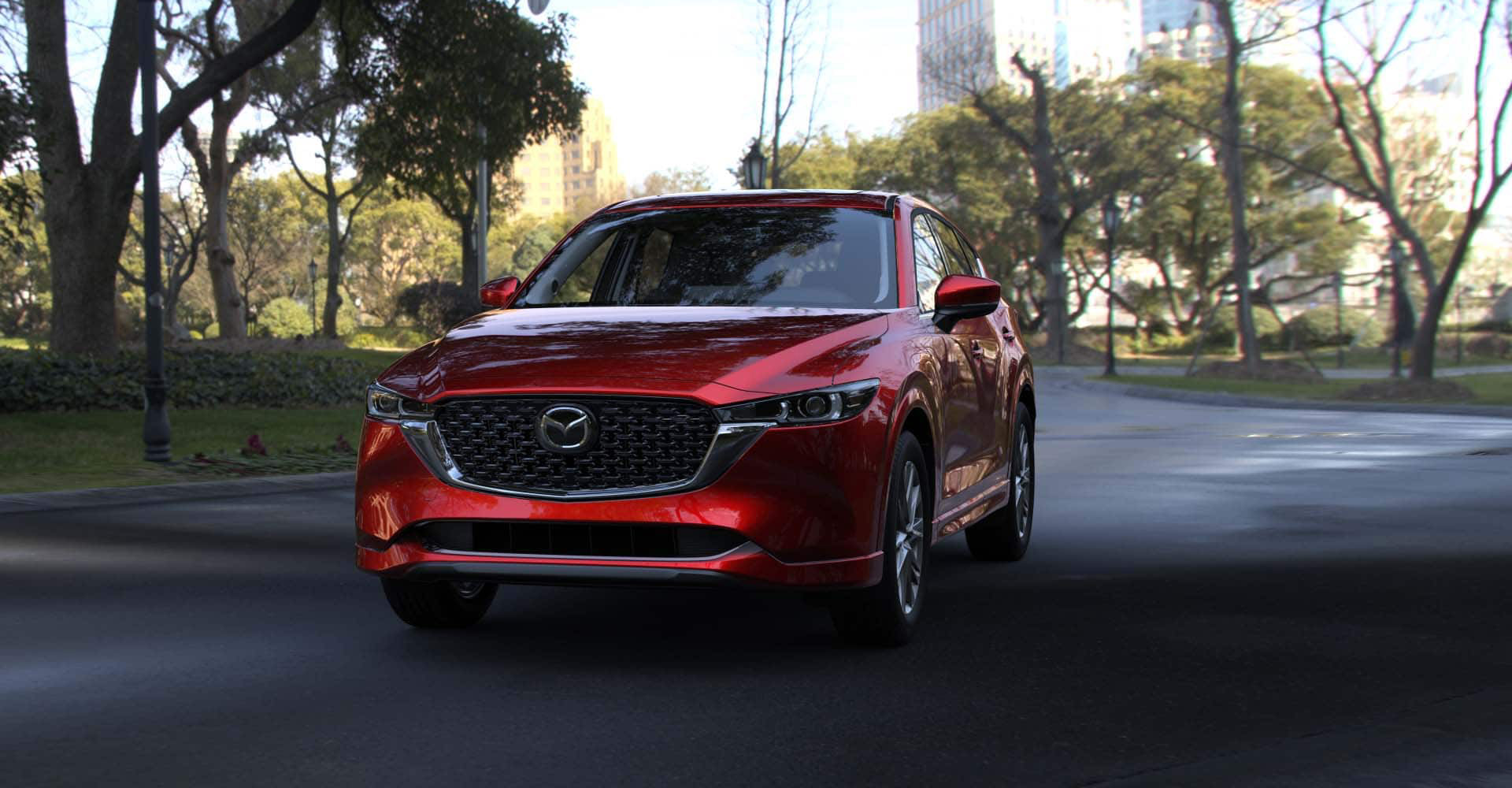
The Mazda CX-5 is well-known for its responsive driving experience and refined engine design. Its SKYACTIV-G engines incorporate both direct and port fuel injection. This combination prevents carbon buildup on intake valves, a common problem in modern turbocharged engines. The result is smoother acceleration, more consistent fuel economy, and fewer mechanical issues for long-term owners.
Mazda’s engineers designed the port injection system to operate during both low and high load conditions. By spraying fuel directly onto the intake valves, deposits are washed away before they can accumulate. This keeps airflow efficient and prevents rough idle or hesitation during acceleration. The system is subtle yet highly effective, enhancing the driving experience without adding complexity for the owner.
The 2.5-liter turbocharged engine in the CX-5 is particularly sensitive to carbon buildup due to its direct injection architecture. Port injection protects the valves while allowing the engine to maintain high compression ratios and improved thermal efficiency. Drivers notice immediate benefits in engine responsiveness and smoother operation, even during long highway drives or stop-and-go city traffic.
Owners praise the CX-5 for its long-term reliability and minimal maintenance demands. Unlike engines that rely solely on direct injection, the dual system reduces the need for frequent chemical cleaning or mechanical service of the intake valves. This improves cost of ownership and keeps the engine running efficiently for years.
By combining elegant engine design with practical maintenance benefits, the Mazda CX-5 provides an ideal example of modern automotive engineering. It demonstrates that compact SUVs can offer both performance and durability while avoiding common issues associated with carbon buildup in direct-injected engines.

8. Volkswagen Golf
The Volkswagen Golf, a popular compact hatchback, offers a range of engines that use both direct and port injection. This dual-injection setup helps prevent carbon buildup on intake valves, a common concern in turbocharged small engines. Port injection is particularly effective in ensuring long-term engine health while maintaining the Golf’s characteristic fuel efficiency and responsive performance.
VW designed the system so that fuel is delivered to the intake valves during specific operating scenarios, such as low RPMs or light throttle conditions. This washing action keeps the valves clean and prevents sticky carbon deposits from accumulating over time. As a result, the engine maintains stable idle, smooth acceleration, and consistent fuel delivery throughout the life of the vehicle.
The Golf’s 1.4-liter and 2.0-liter turbocharged engines benefit from this setup, reducing maintenance requirements. Carbon buildup is a known issue in small turbo engines, but the port injection system mitigates this problem effectively. Drivers can enjoy predictable performance with fewer service interventions, which enhances the ownership experience.
In addition, the Golf’s dual-injection technology works alongside other systems, such as variable valve timing and electronic boost control. This ensures the engine remains efficient and responsive under a variety of driving conditions, from city commuting to highway cruising. The synergy between these systems helps maintain both performance and longevity.
For buyers seeking a reliable and efficient compact vehicle, the Golf demonstrates that thoughtful engineering can prevent common engine problems. Port injection helps maintain engine cleanliness, reduces maintenance costs, and supports Volkswagen’s reputation for durable, high-quality engines.

9. Chevrolet Malibu
The Chevrolet Malibu, a mid-size sedan, offers engines that combine direct and port injection to address carbon buildup. Its 1.5-liter turbocharged engine benefits from this system, which ensures intake valves remain clean over time. This allows the engine to deliver consistent performance and smooth acceleration, even after extended use in urban traffic or highway driving.
Chevrolet designed the Malibu’s port injection system to work automatically during specific driving conditions. Fuel is sprayed directly onto intake valves at strategic times to prevent sticky carbon deposits. This simple approach reduces the need for intensive cleaning and supports the engine’s longevity, enhancing both reliability and driver confidence.
Owners report that the Malibu’s engines maintain steady performance with minimal issues over long periods. Turbocharged engines are particularly susceptible to carbon buildup, but the combination of direct and port injection mitigates these concerns. Smooth idling, efficient combustion, and responsive acceleration are maintained under diverse driving conditions.
Additionally, the Malibu’s system contributes to better fuel efficiency. By keeping the intake valves clean, airflow is optimized, and combustion remains consistent. Drivers experience predictable throttle response and fewer engine interruptions, which improves drivability and long-term satisfaction.
For those seeking a reliable, low-maintenance sedan, the Malibu offers a compelling solution. Port injection ensures that the engine remains clean and efficient, extending its lifespan while maintaining the performance expected from modern mid-size vehicles.

10. Nissan Altima
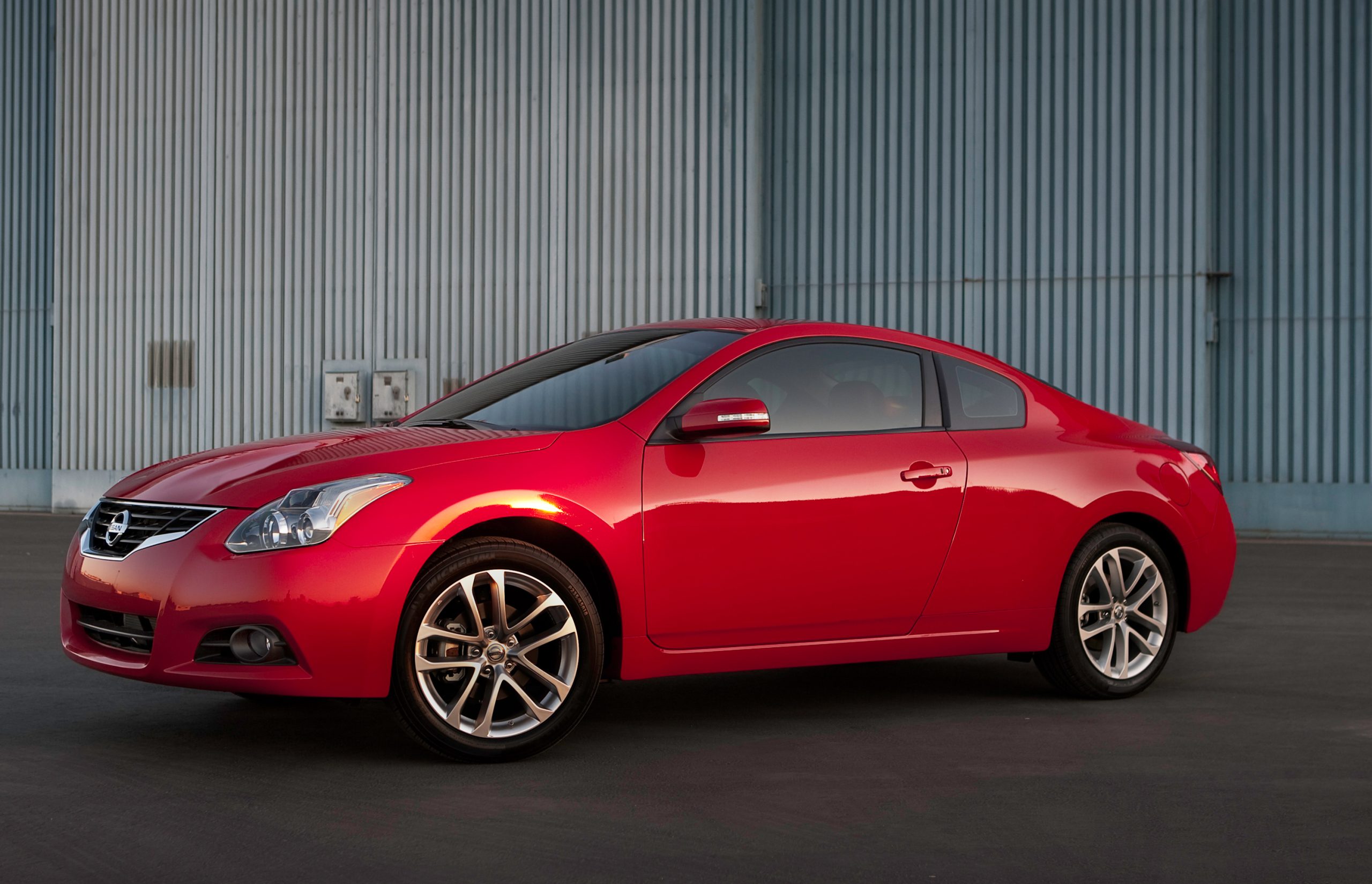
The Nissan Altima features engines that integrate port injection alongside direct injection to prevent carbon buildup. Its 2.5-liter and 2.0-liter turbo engines benefit from this system, keeping intake valves clean and ensuring smooth operation. Drivers experience improved acceleration, stable idling, and minimal long-term maintenance needs due to the preventive design.
Nissan designed the port injection system to spray fuel onto the intake valves during regular driving cycles. This natural cleaning process washes away carbon deposits before they accumulate. As a result, the engine avoids common issues such as rough idling, hesitation, or power loss caused by valve deposits.
The Altima’s dual-injection system enhances fuel efficiency while maintaining performance. By keeping the valves clean, the engine achieves more complete combustion. Drivers notice consistent acceleration and reduced risk of engine knock or misfire, which supports both reliability and driver confidence.
Owners praise the Altima for its long-term durability and low maintenance requirements. Unlike engines that rely solely on direct injection, this dual system reduces the frequency of chemical cleaning and mechanical servicing. This practical engineering approach ensures a cleaner engine and a more predictable ownership experience.
By combining modern efficiency with reliable engine maintenance, the Nissan Altima demonstrates that port injection remains a valuable technology in contemporary vehicles. Drivers benefit from cleaner engines, smoother performance, and lower long-term maintenance costs, making it an attractive choice for daily commuting and long-term ownership.
