
There are certain vehicles that earn a reputation not just for performance or comfort but for sheer durability on rough roads. In the United States, a common issue that drivers face year after year is potholes that wreak havoc on tires, suspensions, and especially wheel bearings.
When wheel bearings are strong, they cushion impacts, maintain smooth rotation of wheels, and resist premature wear even under constant stress. Poor bearings lead to noise, vibration, costly repairs, and safety concerns. That is why many drivers, especially those living in regions with harsh winters and rough infrastructure, seek cars known for enduring the worst road conditions.
Reliable wheel bearings are part of an engineering focus on ruggedness and longevity. Automakers that understand the importance of this durability often incorporate high‑quality materials, precision assembly processes, and suspension geometry that reduce strain on components at every turn.
One of the most important indicators of a vehicle’s endurance is how well its wheel bearings handle impacts from irregular pavement without developing play or grinding sounds. Some manufacturers even design their wheel hubs and bearings as sealed, long‑life units requiring little maintenance, which is desirable for everyday drivers who simply want peace of mind.
Others go further by reinforcing suspension arms, using robust ball joints, and tuning chassis dynamics to direct shock loads away from sensitive parts. Cars that excel in this area tend to hold value over time since lower repair bills and stronger reliability ratings appeal to used car buyers.
Enthusiasts and everyday commuters alike notice when a vehicle resists bearing failure in cities like Detroit, Chicago, or Boston where potholes appear after freeze‑thaw cycles.
This article focuses on ten specific cars that have earned good reputations for wheel bearing durability on American roads. These cars span from compact models to SUVs, covering a range of budgets and lifestyles. They are examples of thoughtful engineering, quality manufacturing, and real feedback from owners who have logged miles on rough surfaces.
You will find that some vehicles from this list are praised in owner forums and reliability surveys while others stand out in long‑term fleet use by rental companies or commercial drivers. The goal is not just to name models but to explain why these particular cars tend to survive the challenges of poor pavement without premature bearing wear.
Each choice includes context on design features, suspension systems, and user experiences that support their place in this list. For drivers concerned about potholes, understanding these practical differences can make a real impact on long‑term ownership satisfaction.
With that foundation laid, let’s examine the ten cars with robust wheel bearings that withstand American potholes with resilience and reliability. Each example reflects specific strengths in engineering and real world performance that give drivers confidence in tough conditions.
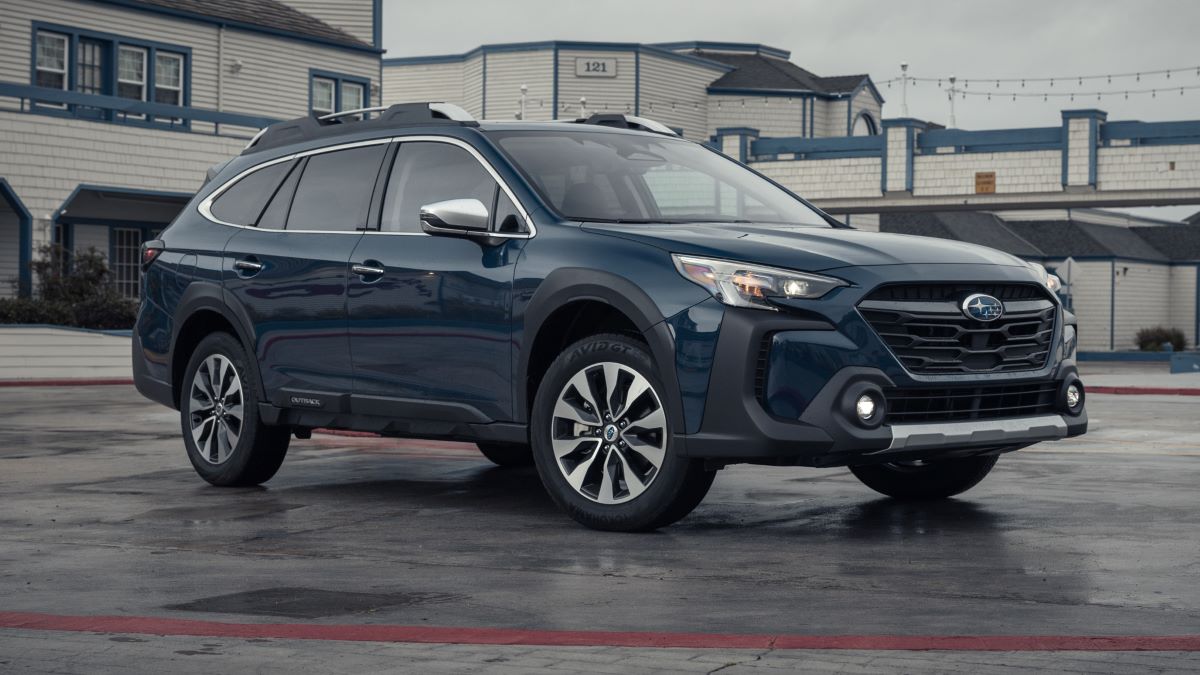
1. Subaru Outback
The Subaru Outback has built a reputation among drivers who cover long distances on varied terrain, including broken and pothole-ridden roads. Its standard all‑wheel drive system provides balanced traction and stability that helps distribute shock forces when striking uneven patches on pavement.
Because wheel bearings constantly absorb and react to road impacts, the Outback’s engineered suspension geometry and reinforced hubs ease strain and reduce wear over time.
Owners frequently point out that the Outback’s larger wheel bearings and strong knuckle assemblies tolerate conditions that might shorten the lifespan of parts in other vehicles. The combination of symmetrical all‑wheel drive and rugged underbody protection means that stones and debris also pose less risk of damage near the wheel wells.
Subaru’s commitment to longevity across model years shows in service records and community feedback. Many owners report high mileage without bearing noise.
Another factor that helps the Outback’s wheel bearings is its suspension tuning, which is designed to handle not only smooth highways but also gravel and back roads.
The shock absorbers and strut mounts work with bushings that resist deterioration from repeated impacts. For drivers in colder states where potholes form after winter freezes, the Outback continues to provide smooth rotation at each tire contact patch. Preventive maintenance is straightforward, and regular inspection reveals wear long before failure.
In addition to durability, the Outback offers predictable steering feedback and confidence in corners even when road surfaces are compromised. This balanced handling reduces sudden stress loads on wheel assemblies. The engineering philosophy for this vehicle emphasizes endurance under real conditions rather than soft comfort at the expense of long‑term robustness.
Owners who maintain proper tire pressure and alignment find that the Outback’s wheel bearings often outlast many competing models in the same class. This hardiness contributes to high resale values and strong owner satisfaction over multiple years of ownership.
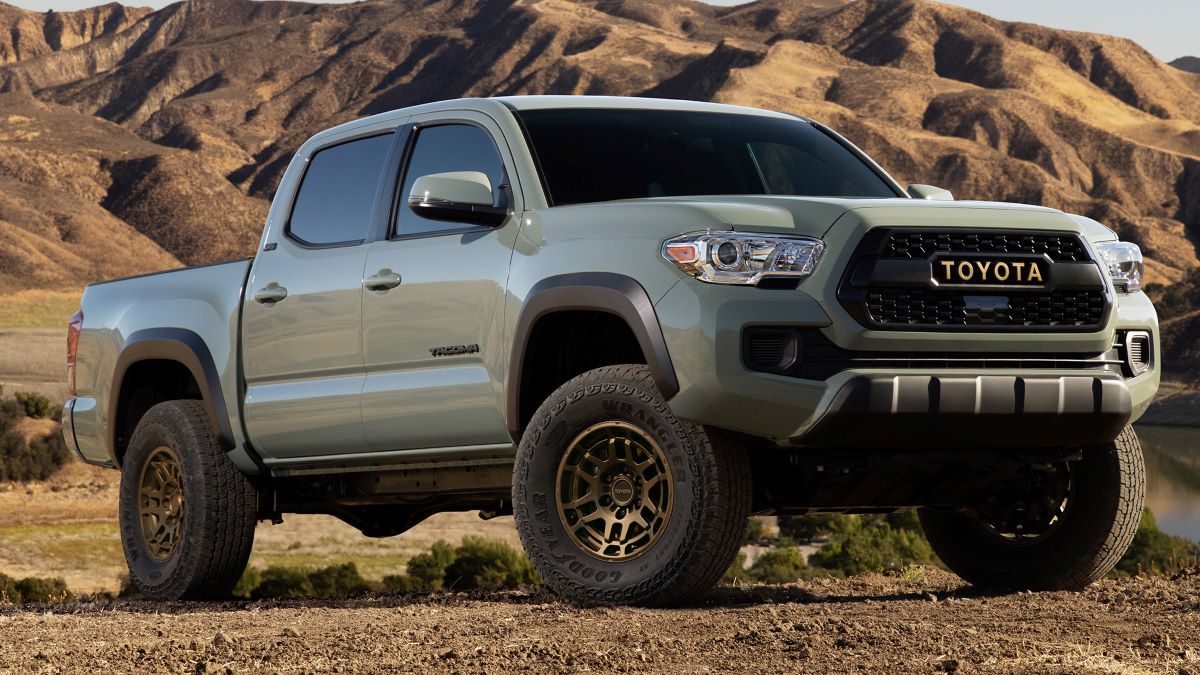
2. Toyota Tacoma
The Toyota Tacoma is a midsize pickup truck known for its hard work and dependable mechanical systems. Pickup trucks like the Tacoma encounter rough surfaces frequently, whether on construction sites, off‑road trails, or city streets filled with potholes. Wheel bearings on trucks endure significant loads, yet the Tacoma’s components are engineered to handle repeated stress without early failure.
Its frame and suspension components are built with durability in mind. Many Tacoma owners drive in environments where impacts from uneven roads are routine, and the truck’s wheel bearings continue to perform reliably after many thousands of miles. Reinforced wheel hubs and heavy‑duty bearings are part of why this model sees fewer premature bearing replacements than some competitors. Also, Tacoma’s high ground clearance reduces the angle and intensity of impacts compared to lower vehicles.
The truck’s suspension tuning is geared for resilience, using sturdy control arms and bushings that keep forces away from bearings when encountering potholes. Owners with older models often cite minimal bearing complaints, even after years of rough use. Toyota’s reputation for dependable parts and widespread service networks further encourages owners to maintain their trucks well. Proper factory torque specifications and quality materials contribute to consistent performance.
Tacoma’s wheel bearings are also less likely to be compromised by water intrusion or debris, thanks to effective seals and robust hub designs. Many vehicles experience premature wear when components are exposed, but the Tacoma is relatively resistant. Frequent tire rotations and scheduled inspections help, but even without extraordinary maintenance, the wheel bearings tend to last.
Drivers who navigate mixed driving conditions, from highways to rural backroads, appreciate the Tacoma’s capability to keep rolling without developing grinding noise or play at the wheels. This sustained endurance makes the Tacoma a strong choice for anyone who values reliability in challenging road environments.
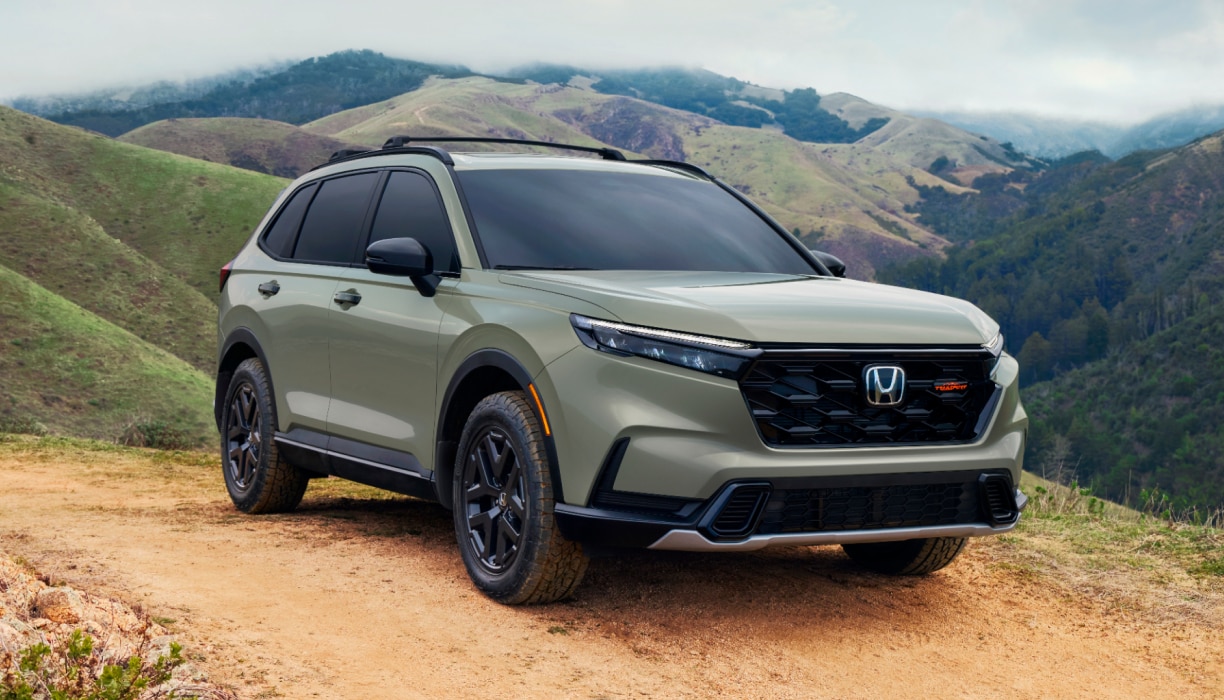
3. Honda CR‑V
The Honda CR‑V is one of the most popular compact SUVs in America, and part of this popularity comes from its dependable mechanical systems suited to daily driving on pavement that can be less than perfect. Wheel bearings must handle dynamic loads every time a tire passes over a rough surface, and the CR‑V’s design helps absorb shocks before they reach critical rotating parts. This leads to fewer premature issues even in regions with frequent potholes.
Honda engineered the steering knuckles and hubs with precision and quality materials, giving the CR‑V a reputation for reliability that consistently appears in owner surveys and reliability ratings. Bearings in this SUV are sealed units that resist contamination and maintain smooth operation over long distances. Combined with a balanced suspension layout, this prevents harsh impacts from directly damaging sensitive components.
Owners often remark that their CR‑Vs remain quiet and smooth through potholes that might cause noise in other compact SUVs. Tire alignment and proper maintenance go a long way, but the intrinsic ruggedness of the bearing assemblies makes a difference. Well‑crafted strut towers, springs, and shock absorbers further protect wheel bearings by reducing excessive load spikes at the tire contact patches.
The CR‑V’s suspension geometry spreads impact forces in ways that avoid concentration at a single point, helping the wheel bearings manage the stresses of uneven roads. Along with reliable brakes and steering, this contributes to a predictable, safe driving experience year round. Indeed, many CR‑V owners report hitting mileage milestones without ever needing to replace wheel bearings.
Combined with good fuel efficiency and interior comfort, the CR‑V’s durability in rough conditions makes it a smart choice for drivers in cities and rural areas alike. Reliability concerns that burden many vehicles are less pronounced here, especially when dealing with the everyday challenge of potholes.
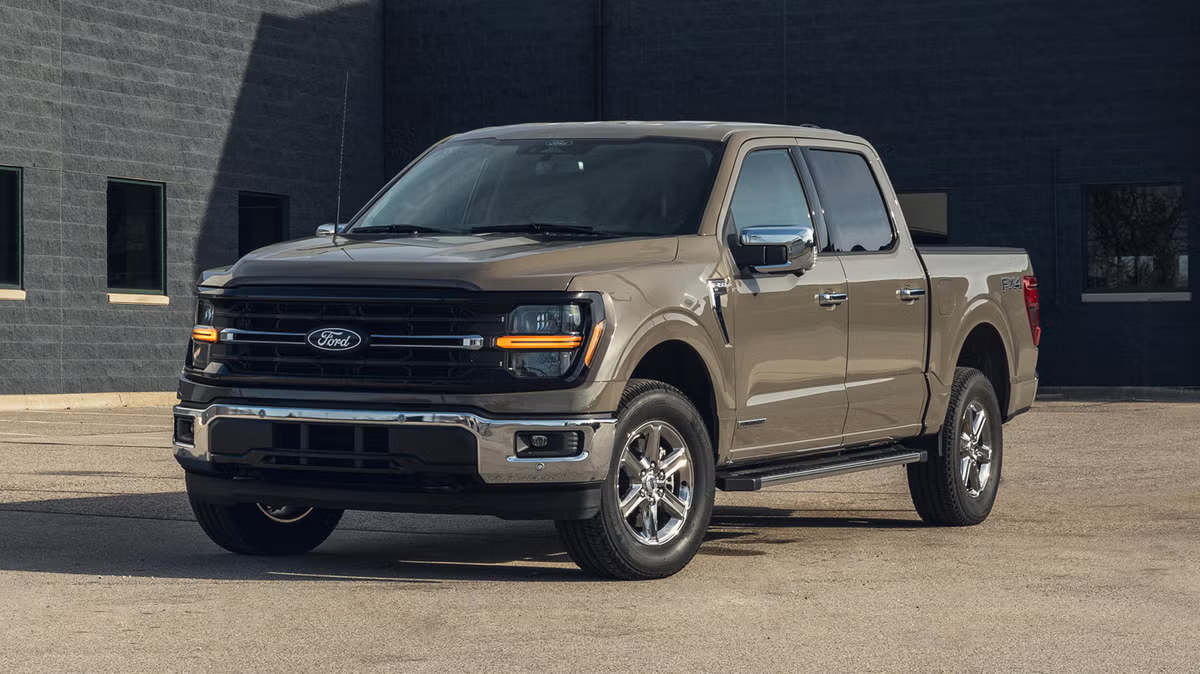
4. Ford F‑150
The Ford F‑150 is one of the best‑selling trucks in the United States, in part because of its reputation for enduring tough work and rough roads. Wheel bearings in pickup trucks are especially important, since these vehicles often carry heavy loads and are driven where pavement quality is below ideal. The F‑150’s wheel assemblies are designed to withstand repetitive impacts without losing performance or prematurely wearing out.
Long‑time owners and fleet vehicles alike have demonstrated that the F‑150 can accumulate high mileage even in environments with frequent potholes. The truck’s suspension system, including robust control arms and well‑tuned dampers, helps minimize forces transmitted to bearings. Trucks with four‑wheel drive or off‑road packages include additional reinforcements that further protect wheel components from severe jolts.
Another element contributing to the durability of the F‑150’s wheel bearings is the use of heavy‑duty hubs and grease seals that prevent contaminants from entering the bearing surfaces. This reduces corrosion and wear caused by water and dirt, which are common enemies of smooth wheel rotation. Bearings that stay well lubricated naturally last longer and deliver quieter operation.
Despite its size, the F‑150 offers confident handling even when pavement quality deteriorates. The balance between stiffness and compliance in its suspension helps maintain traction while reducing stress on rotating parts. Many drivers report that after regular service intervals and inspections, their wheel bearings still show minimal wear.
The F‑150’s proven engineering, quality construction, and consistent performance under rough conditions make it a strong choice for anyone looking for a vehicle that keeps going through a variety of road surfaces.
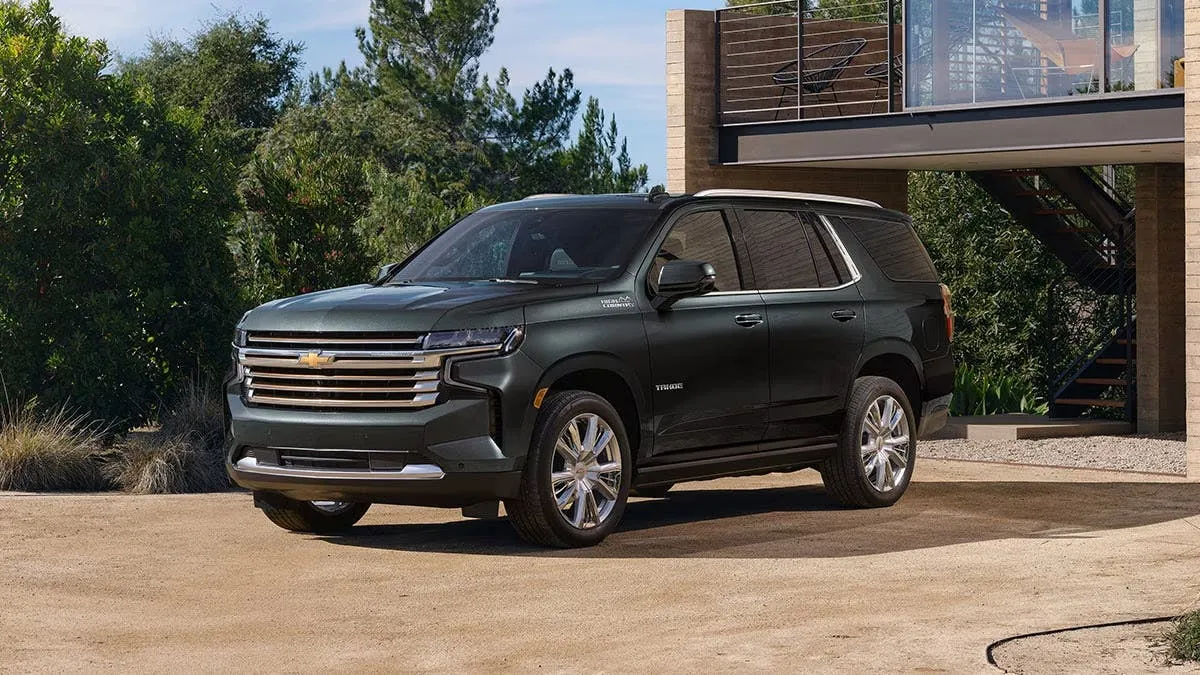
5. Chevrolet Tahoe
The Chevrolet Tahoe is a full‑size SUV that combines rugged capability with passenger comfort. Its suspension and wheel systems are built to tolerate considerable impacts, including repeated encounters with deep potholes. Because wheel bearings are a pivotal part of how tires rotate under load, the Tahoe’s reinforced hubs and carefully engineered bearing assemblies help prevent early fatigue.
Large SUVs like the Tahoe benefit from substantial bearing housings and thicker hub materials that resist bending or cracking. Owners who travel in areas with poor pavement often note that their Tahoes continue to feel stable and quiet even after many miles of rough roads. The combination of high mass and well‑engineered suspension mitigates the severity of bumps felt at the wheels.
In addition, the Tahoe’s four‑wheel drive and advanced traction systems distribute forces across all tires, helping wheel bearings share stresses more evenly. This reduces the likelihood of localized overloading that contributes to premature failure. Companion components such as ball joints and tie rod ends also tend to be robust, adding to longevity.
Routine maintenance, including checking alignment and bearing lubrication condition, further enhances the Tahoe’s resilience. However, even without extraordinary upkeep, the SUV’s design often outlives comparable models in its class. Drivers who have owned their Tahoes for many years frequently comment on the stubborn durability of wheel bearings and related parts.
Because this vehicle was engineered with heavy use in mind, many families and commercial owners alike regard the Tahoe as a reliable choice for those who drive on challenging roads without wanting frequent repairs.
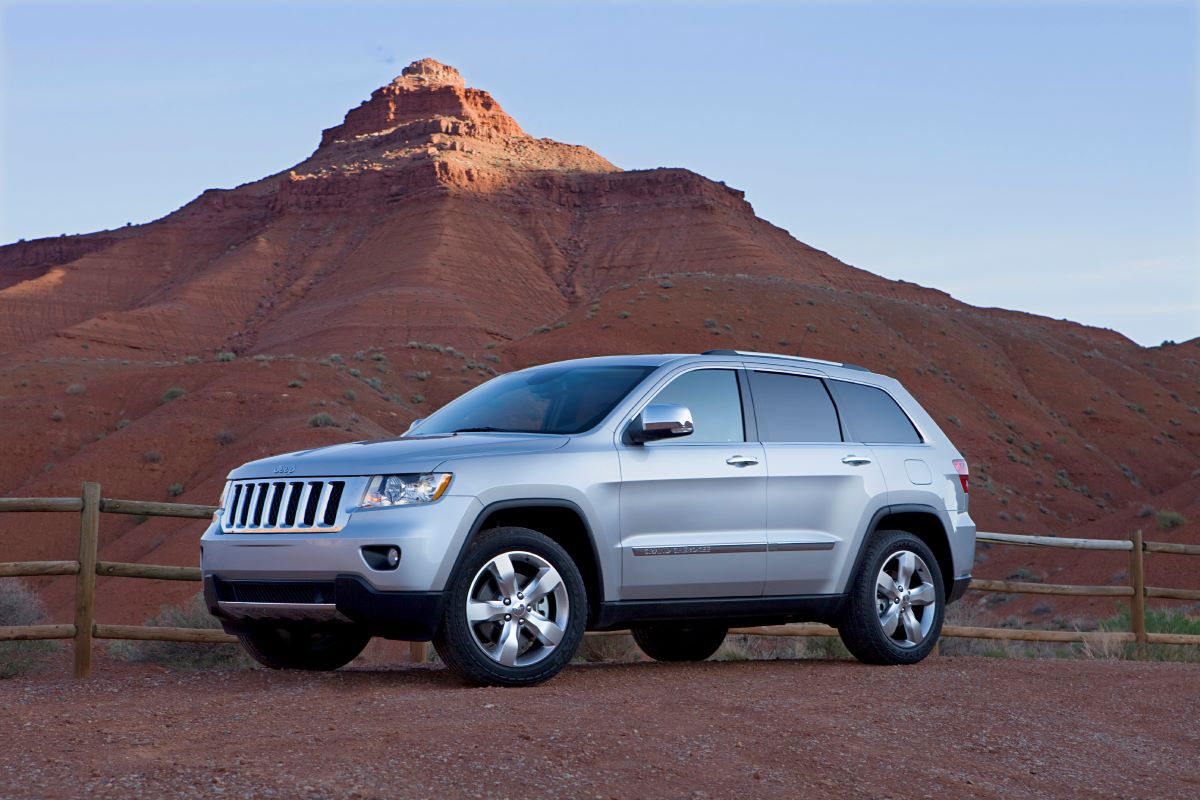
6. Jeep Grand Cherokee
The Jeep Grand Cherokee is renowned for its combination of off‑road capability and comfortable daily driving. Wheel bearings in this SUV are especially important since many drivers take them on uneven surfaces, pothole‑ridden streets, or rural roads.
The Grand Cherokee’s design prioritizes durability, with reinforced hubs, precision‑machined bearing surfaces, and durable suspension components that absorb shocks before they stress rotating parts.
Its independent front and rear suspension systems are tuned to reduce impact concentration on wheel assemblies. Shock absorbers, springs, and control arms work together to dissipate forces efficiently. This means that the wheel bearings are less likely to experience sudden load spikes that could accelerate wear or cause premature failure. Even in urban environments with recurring potholes, the Grand Cherokee maintains consistent performance.
Owners often report that Grand Cherokees maintain smooth wheel rotation long after the vehicle has crossed tens of thousands of miles. This is partly due to robust sealing of the bearings, which prevents dirt, water, and road debris from entering the bearing assembly. Contamination is a leading cause of bearing failure in vehicles, so these protective measures play a critical role in longevity.
Additionally, the vehicle’s weight distribution and chassis stiffness contribute to reducing stress on wheel bearings. When the SUV corners, brakes, or accelerates, forces are transmitted more evenly, allowing bearings to operate in an optimal range of load and reducing friction and heat buildup. Drivers notice minimal noise or vibration, even after years of exposure to imperfect pavement.
The Grand Cherokee’s long‑term reliability is further enhanced by quality materials and strict manufacturing tolerances. Bearings in particular benefit from hardened steel surfaces and precise assembly, reducing internal wear. For drivers who frequently encounter rough roads, this combination of engineering features makes the Grand Cherokee a dependable option.
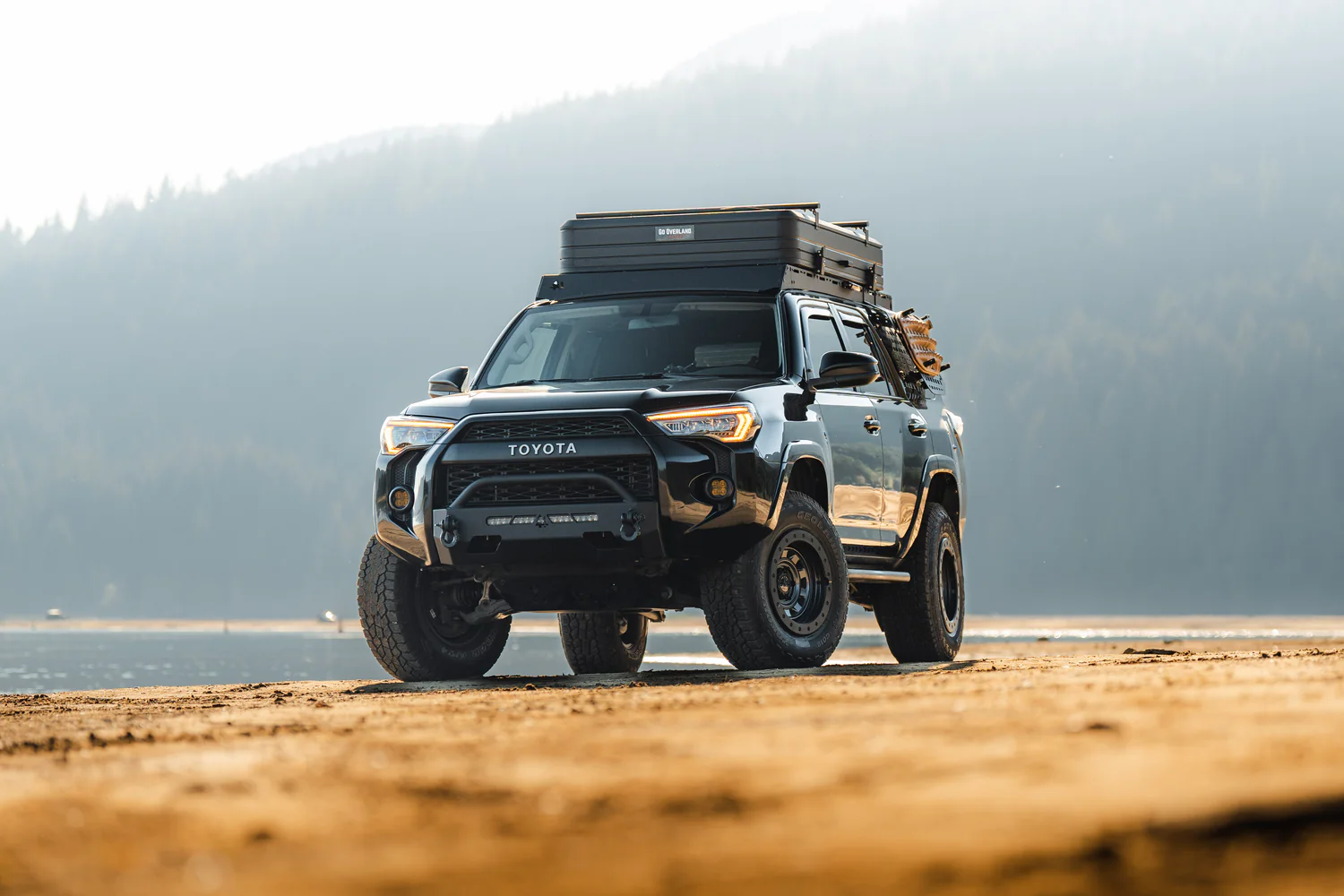
7. Toyota 4Runner
The Toyota 4Runner is a midsize SUV engineered for endurance, whether on city streets or rugged trails. Its wheel bearings are part of a system designed to withstand repeated exposure to rough surfaces. Unlike some vehicles where bearings are a weak point, the 4Runner’s assemblies are reinforced and sealed, allowing the wheels to rotate smoothly under high stress without producing noise or excessive play.
The body-on-frame design of the 4Runner contributes to its wheel bearing longevity. By separating the cabin from the frame, impact energy from potholes is absorbed primarily by the suspension, reducing direct stress on hubs and bearings. The front and rear suspensions feature durable struts, control arms, and bushings that help isolate shocks.
Owners frequently highlight the 4Runner’s ability to endure years of pothole‑ridden urban streets or gravel backroads without bearing issues. The bearings themselves are made of high-strength steel and are precisely engineered to handle repeated lateral and axial forces. The use of long-life grease and protective seals prevents premature deterioration, even in wet or dirty conditions.
Tire alignment and regular inspections remain essential, but the 4Runner’s robust engineering often allows the vehicle to surpass other SUVs in bearing lifespan. The suspension geometry and load distribution ensure that stress is shared effectively among components, which reduces fatigue and keeps rotation smooth.
For anyone who prioritizes reliability under challenging road conditions, the Toyota 4Runner offers a combination of toughness and thoughtful design. Its wheel bearings are just one part of a system built to survive long-term wear, giving owners confidence in a variety of driving environments.
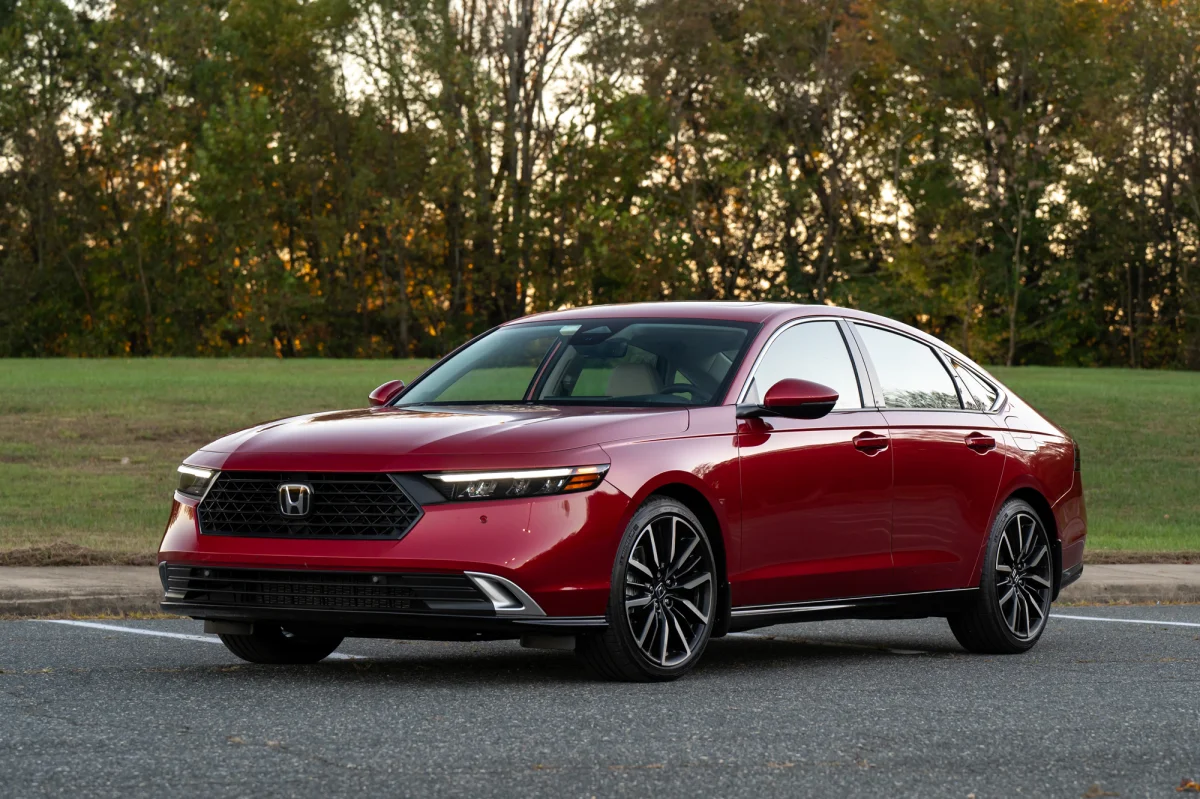
8. Honda Accord
The Honda Accord has long been praised for its balance of performance, comfort, and durability. Although it is a sedan rather than an SUV or truck, its wheel bearings are engineered to withstand daily stresses from potholes, speed bumps, and uneven asphalt. The design incorporates sealed bearing units, robust hub assemblies, and well-tuned suspension components to absorb shocks efficiently.
The Accord’s MacPherson strut front suspension and multi-link rear setup help distribute forces evenly, preventing localized stress that could accelerate bearing wear. High-quality materials, including hardened steel and precision machining, ensure that the bearing races and balls maintain their integrity even after extensive use.
Owners frequently comment on the lack of vibration or grinding, even after tens of thousands of miles. Bearings remain smooth because the vehicle’s suspension is designed to isolate road imperfections from wheel assemblies. The combination of proper alignment, quality bushings, and well-calibrated shock absorbers reduces the chance of premature wear or noise.
Routine maintenance, such as wheel rotations and periodic inspections, enhances longevity, but the Accord’s design already provides inherent resilience. The vehicle’s geometry ensures that load is shared between the tires, bearings, and suspension arms in a way that reduces concentrated stress and minimizes friction-related wear.
Sedan drivers in cities with rough roads, such as Chicago or Philadelphia, find that the Honda Accord continues to deliver reliable, quiet performance over years of pothole exposure. Its wheel bearings exemplify thoughtful engineering that balances durability with everyday comfort.
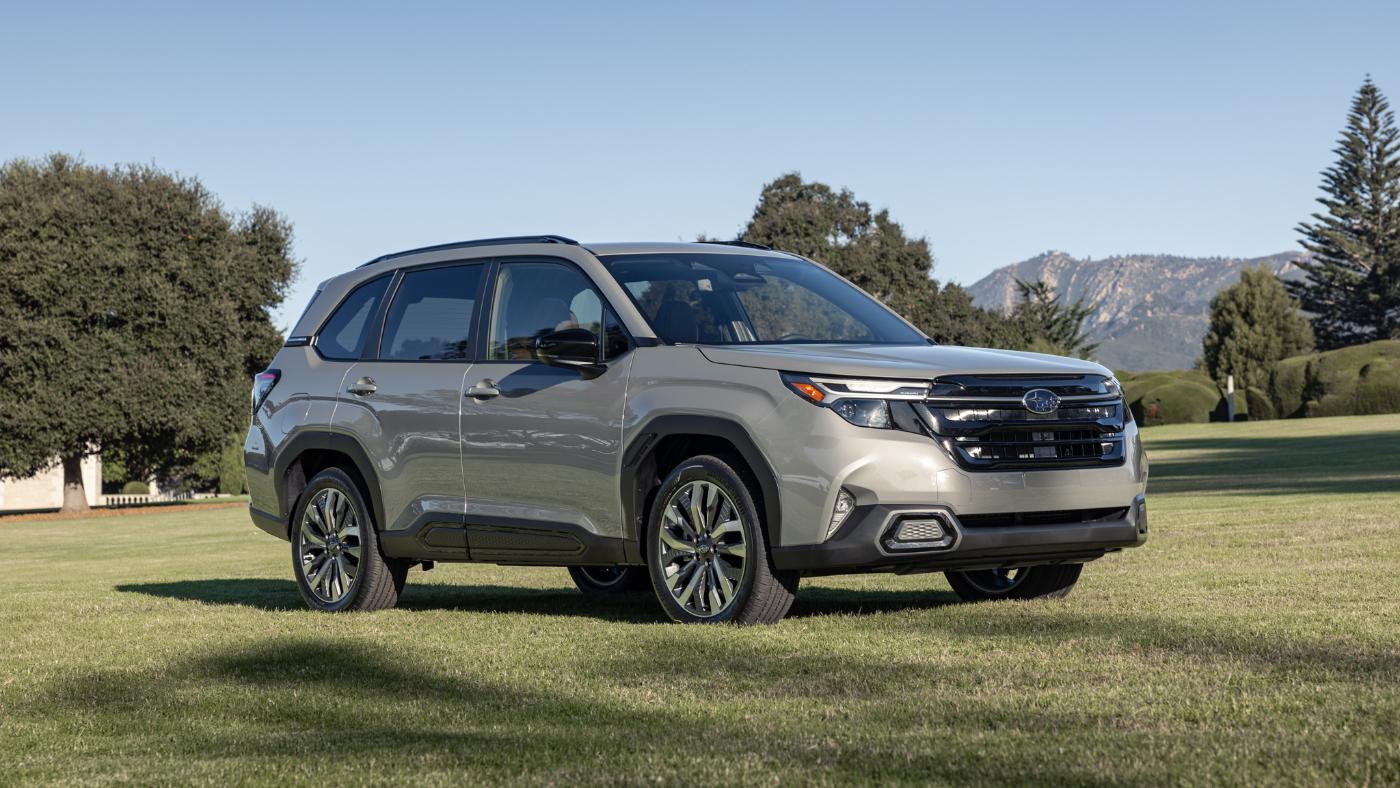
9. Subaru Forester
The Subaru Forester is another vehicle recognized for its toughness and reliability on challenging roads. Its wheel bearings are built to endure repetitive impacts from potholes, gravel, and rough asphalt. Like the Outback, the Forester benefits from a symmetrical all-wheel drive system that helps distribute forces more evenly, preventing excessive stress on any single bearing.
Reinforced knuckles, durable hub assemblies, and well-sealed bearing units make the Forester resistant to water, dirt, and road debris. Owners frequently report driving over poor roads without experiencing grinding, vibration, or the need for early bearing replacement. The longevity of these components reflects Subaru’s commitment to durability and real-world usability.
The Forester’s suspension layout, including struts, control arms, and bushings, is designed to cushion shocks before they reach wheel bearings. This minimizes wear and helps the vehicle maintain consistent handling. Even after long drives on rough pavement, bearings remain smooth, demonstrating the effectiveness of engineering choices in distributing forces.
Frequent tire rotation and alignment checks help maintain optimal bearing function, but the Forester’s design inherently reduces stress through balanced weight distribution and responsive suspension dynamics. The combination of sealed units, precision assembly, and quality materials provides extended service life.
For drivers concerned about long-term reliability on pothole-prone roads, the Subaru Forester remains a strong contender. Its wheel bearings exemplify a durable system that supports confident driving under everyday and rugged conditions.
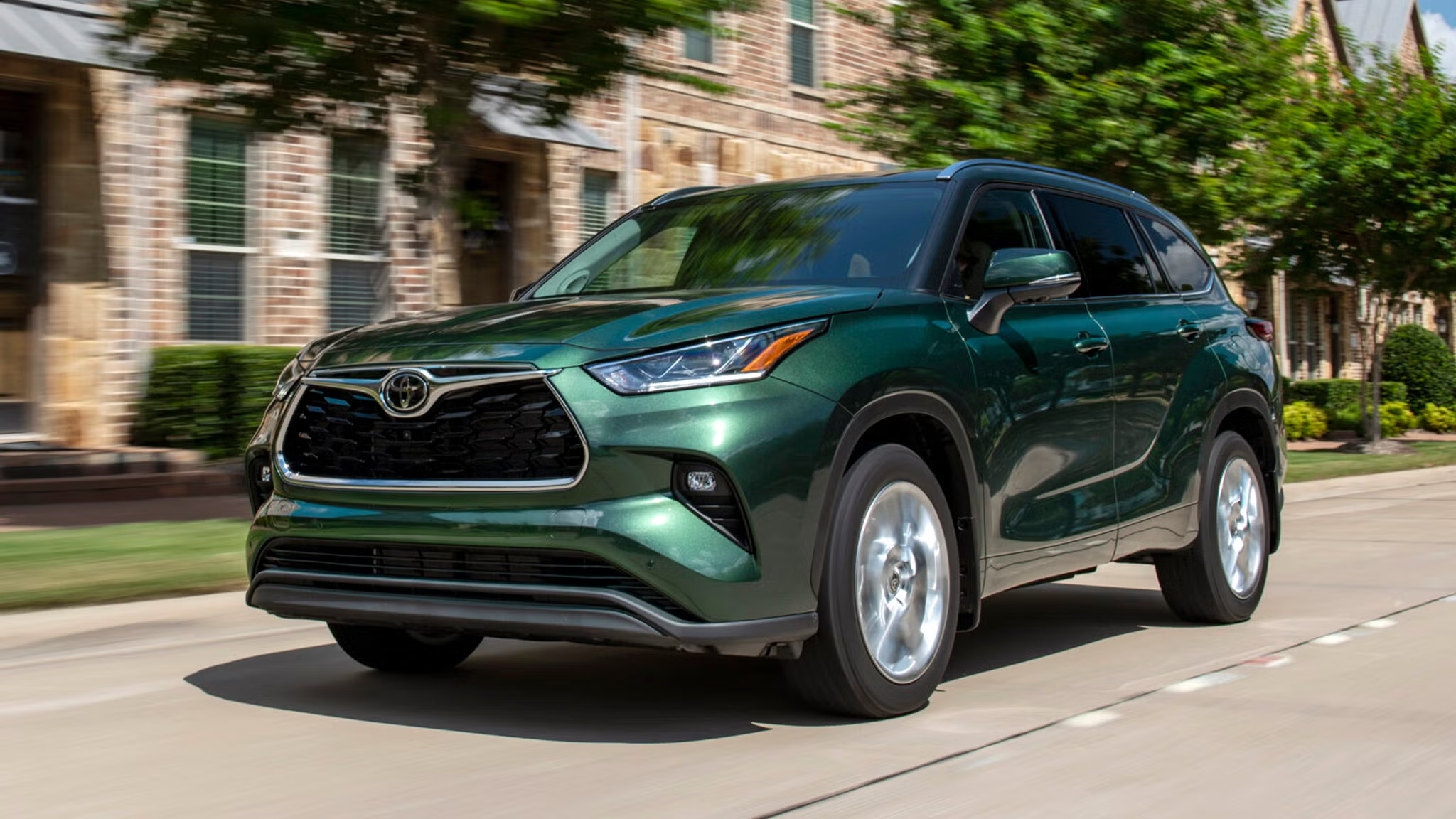
10. Toyota Highlander
The Toyota Highlander is a mid-size SUV valued for comfort, reliability, and durability. Its wheel bearings are engineered to endure daily impacts from potholes and imperfect pavement. Bearing assemblies feature reinforced hubs, sealed units, and high-quality steel to reduce wear and prevent early failure under load.
The Highlander’s independent front suspension and multi-link rear setup are designed to manage forces from road irregularities. Shock absorbers, struts, and bushings work together to prevent excessive force from reaching wheel bearings, preserving smooth rotation over long distances. Owners often report quiet, reliable operation after years of driving on pothole-laden streets.
Wheel bearings are also protected from contamination, which is a primary cause of early deterioration. Sealed units keep grease inside and dirt and water outside, ensuring consistent lubrication and minimal friction. This contributes to a lifespan that frequently exceeds competitors in the same class.
The Highlander’s suspension geometry ensures even load distribution, reducing stress on wheel bearings and related components. Proper alignment and periodic maintenance enhance longevity, but the vehicle’s robust design minimizes the likelihood of premature failure.
For families and commuters navigating cities or rural areas with rough pavement, the Toyota Highlander provides confidence. Its engineering supports durable wheel bearings and stable handling, making it a dependable choice for those who prioritize long-term reliability.
