
Forest rangers and park staff in the United States play a critical role in maintaining the country’s vast natural landscapes, from dense forests to national parks. These professionals face unique challenges, including rugged terrain, remote locations, and unpredictable weather conditions.
Their work involves patrolling vast areas, performing search and rescue operations, transporting supplies, responding to emergencies, and monitoring wildlife.
Standard vehicles are often insufficient for these tasks, as they lack the durability, off-road capability, and specialized features necessary to support the demanding nature of the work.
As a result, agencies such as the United States Forest Service, the National Park Service, and state park authorities rely on vehicles specifically designed or modified to meet the rigorous needs of park management and forest protection.
These vehicles often feature reinforced suspensions, enhanced engine performance, specialized lighting, all-terrain tires, and storage compartments for essential equipment.
They are also tailored to ensure the safety of personnel while facilitating rapid response to incidents such as forest fires, floods, or injured visitors. The development and procurement of these vehicles are guided by strict operational requirements and environmental considerations.
Many are capable of navigating steep trails, narrow roads, and unpaved paths while carrying gear ranging from firefighting tools to medical supplies. The interior layouts are often customized to store equipment efficiently while allowing multiple staff members to operate comfortably over long shifts.
Some vehicles are even modified with communication systems, GPS navigation, and emergency alert technologies to maintain contact in areas with limited connectivity. In addition, fuel efficiency and maintenance considerations are crucial due to the remote locations in which these vehicles operate.
Agencies prioritize reliability to reduce downtime and ensure consistent coverage of critical areas. The design of these vehicles reflects a balance between power, functionality, and adaptability. Different types of vehicles serve various purposes, including patrols, utility transport, emergency response, and firefighting.
Vehicles used by rangers in desert regions, for example, might focus on cooling systems and dust filtration, while those used in forested mountainous areas emphasize traction and load-bearing capabilities.
This combination of specialized engineering and practical design makes these vehicles indispensable for the men and women tasked with protecting America’s natural resources.
Understanding the specific vehicles used by forest rangers and park staff offers insight into the operational strategies, technological adaptations, and logistical planning required to maintain these landscapes.
In this article, we will discuss ten vehicles that have been built or modified specifically for the needs of forest rangers and park personnel, highlighting their unique features, capabilities, and contributions to conservation and public safety efforts.
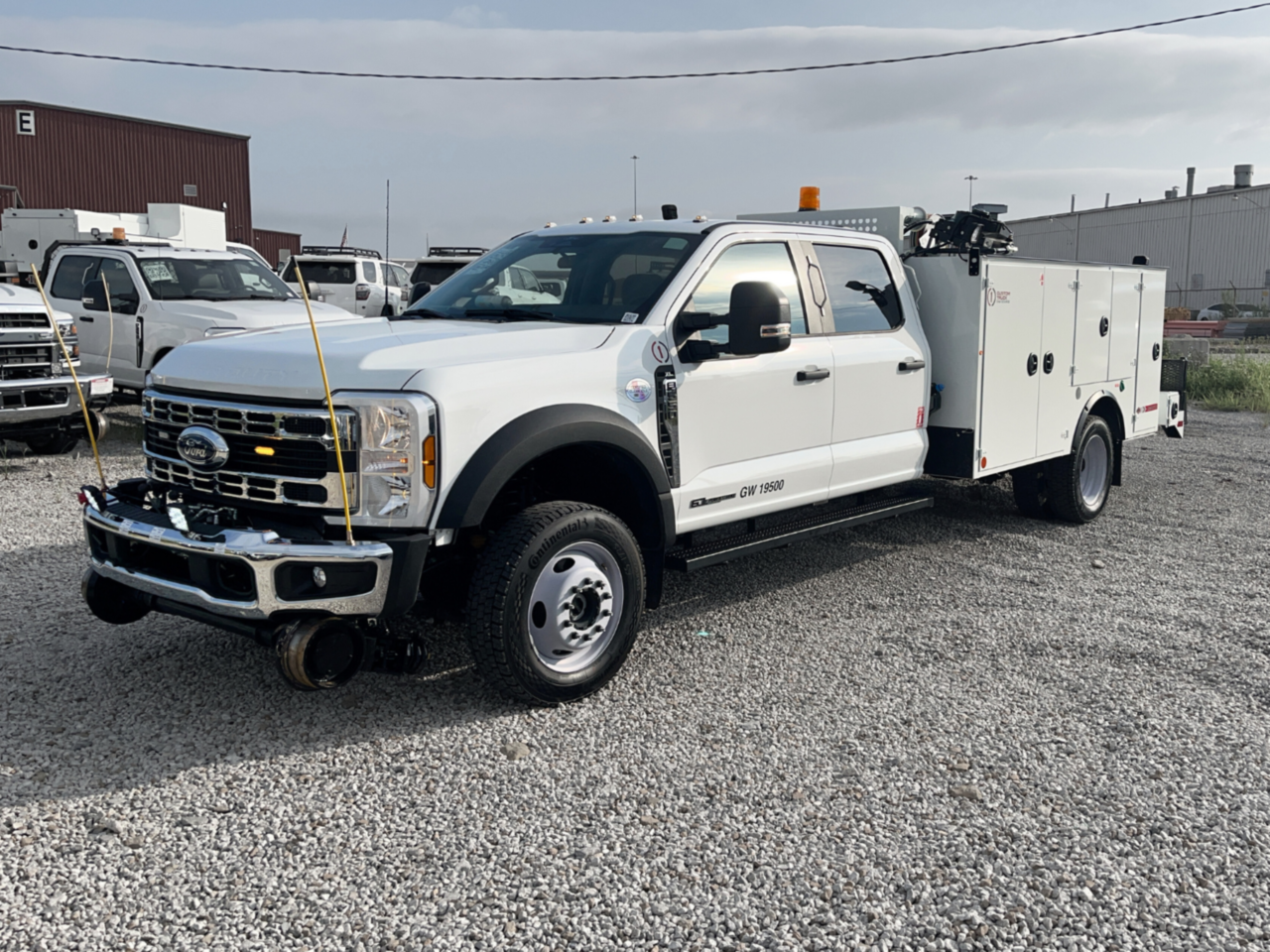
1. Ford F-550 Forest Service Truck
The Ford F-550 is one of the most versatile and widely used trucks by US forest service personnel. Its heavy-duty design allows it to carry large loads of equipment and personnel over challenging terrain.
The vehicle is often outfitted with off-road suspension, reinforced tires, and protective skid plates to handle rocky or muddy trails. Additionally, the truck is capable of towing trailers, water tanks, or specialized firefighting equipment to remote locations where access is limited.
The F-550 is frequently equipped with custom utility beds that allow forest rangers to store chainsaws, shovels, and emergency supplies efficiently. These modifications ensure that critical tools are readily available during wildfire response, trail maintenance, or rescue missions.
The cabin is spacious enough to accommodate a small crew while providing ergonomic seating for long hours of operation. Advanced climate control systems help personnel endure extreme weather conditions, from scorching summer heat to winter snow.
Safety is a major focus for the F-550, which often comes with reinforced bumpers, winches, and lighting systems. These features enable staff to navigate low-visibility conditions, pull vehicles out of difficult situations, and signal for assistance when needed.
The truck’s robust frame and high ground clearance prevent damage from obstacles commonly found in forested areas. Engine options include powerful V8 configurations that allow the vehicle to climb steep inclines and maintain performance under heavy loads.
Communication systems are often integrated into these trucks, allowing forest rangers to stay connected with command centers and coordinate with firefighting teams.
GPS navigation and radio systems are standard features in many F-550 models, ensuring that personnel can quickly locate resources and respond to incidents. The combination of durability, power, and utility makes the F-550 a mainstay for forest and park operations across the country.
Ford F-550 trucks are also used as mobile command units during large-scale emergencies. They can carry personnel, equipment, and communication tools in a single vehicle, reducing the need for multiple trips.
Their adaptability to both urban and remote forest environments demonstrates the importance of engineering vehicles to meet specialized operational requirements.
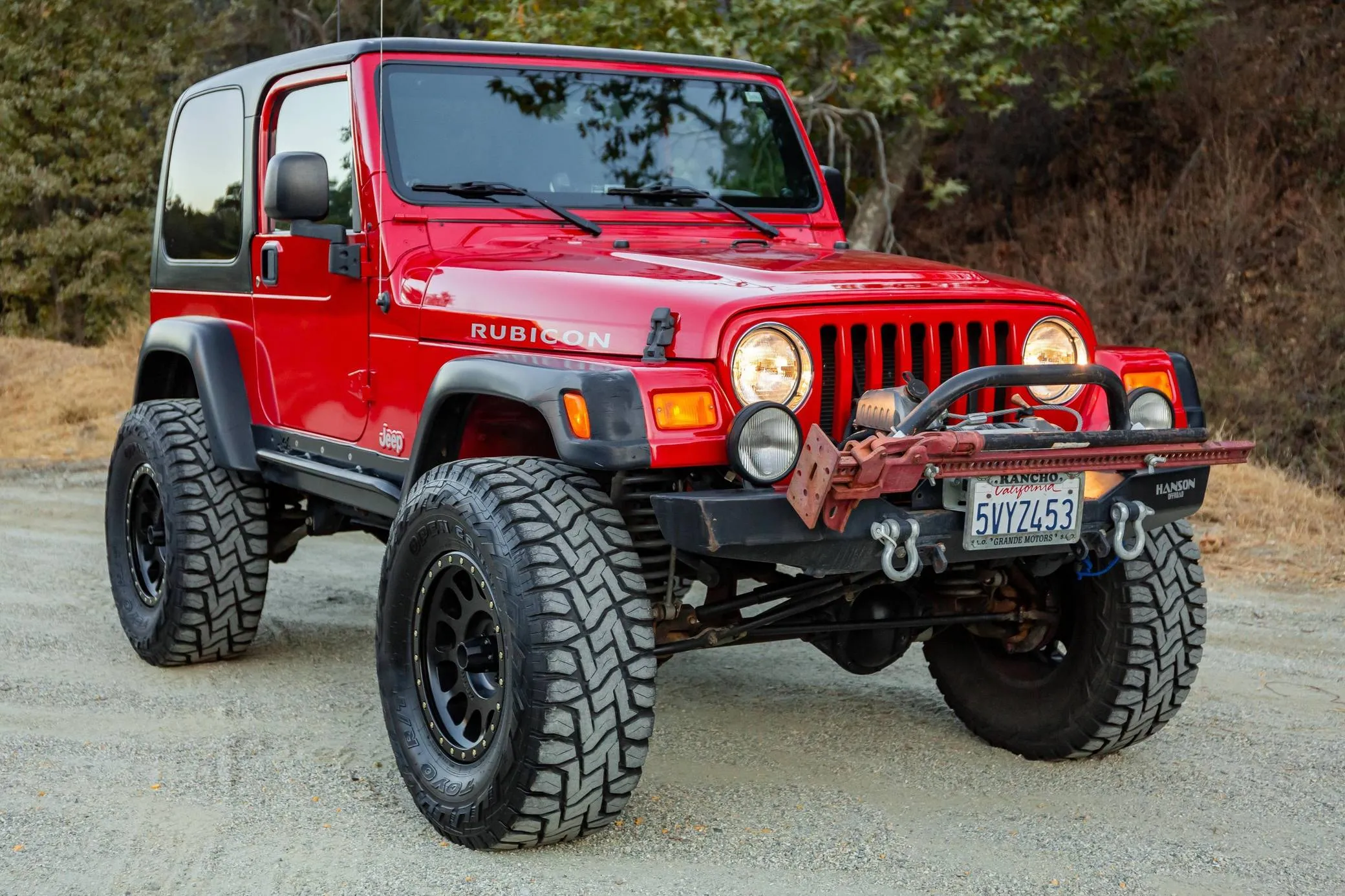
2. Jeep Wrangler
The Jeep Wrangler is a favorite among park staff for its off-road capabilities and compact design. Its 4×4 drivetrain and high clearance allow it to traverse rugged trails, steep inclines, and uneven terrain without significant modifications. This makes it particularly useful for patrolling national parks and forest roads that are inaccessible to larger trucks.
Rangers often equip Jeep Wranglers with roof racks, utility boxes, and storage solutions for first aid kits, navigation equipment, and wildlife monitoring tools.
The vehicle’s removable top and doors allow personnel to adapt quickly to weather conditions and facilitate better visibility during wildlife observation or search and rescue missions. It is also lightweight enough to be transported in trailers if necessary, providing flexibility for multi-location operations.
The Wrangler is known for its durability, capable of withstanding harsh conditions over extended periods. Its suspension system and shock absorbers reduce the impact of uneven terrain on personnel and equipment.
In addition, advanced braking and traction control systems improve safety in steep or slippery conditions, ensuring the vehicle can operate effectively even under adverse weather conditions.
Many Wranglers used by forest rangers are outfitted with auxiliary lighting, winches, and protective guards to handle off-road hazards.
These modifications enhance operational efficiency and provide the necessary support for fieldwork in remote locations. The vehicle’s size allows rangers to access narrow trails that are otherwise unreachable by larger trucks, making it ideal for patrols and rapid response.
Fuel efficiency and ease of maintenance are additional benefits that make the Wrangler suitable for extended use in national parks.
Its reliability and flexibility have made it a trusted choice for forest service agencies, allowing staff to conduct daily operations, monitor wildlife, and provide visitor assistance across various terrains.
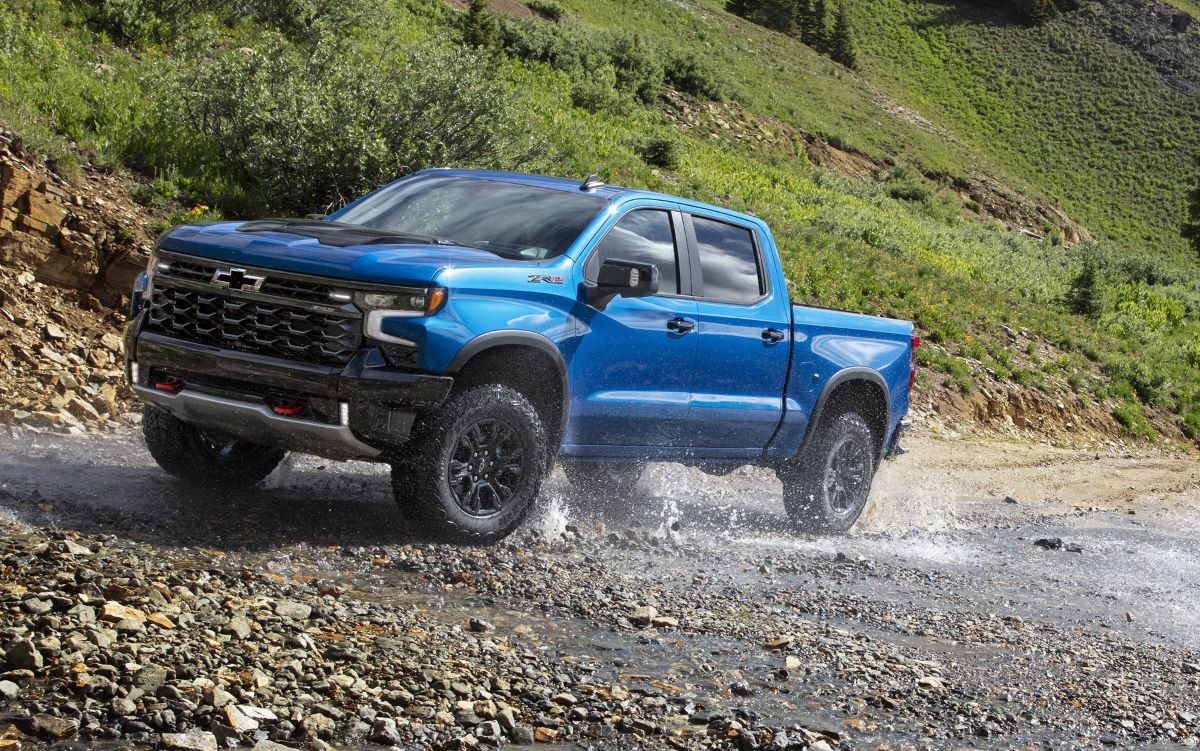
3. Chevrolet Silverado ZR2
The Chevrolet Silverado ZR2 is a specialized off-road truck often utilized by park staff and forest rangers in remote areas. Its advanced suspension system, reinforced frame, and high ground clearance make it ideal for navigating rocky trails and forest roads.
The truck is frequently modified with utility beds and storage compartments for firefighting equipment, medical supplies, and trail maintenance tools.
ZR2 models are known for their powerful engines, which enable them to haul heavy loads over challenging terrain.
The vehicle can tow equipment trailers, portable water tanks, and emergency response gear, making it an essential tool for remote operations. Its off-road tires and skid plates reduce the risk of damage from rocks, logs, and debris commonly encountered in forested areas.
The truck’s interior is designed for comfort and functionality during long hours in the field. Ergonomic seating, climate control, and durable materials ensure personnel can operate efficiently without fatigue.
Many Silverado ZR2 trucks are equipped with modern navigation and communication systems, allowing staff to coordinate effectively with other teams during emergencies or patrol operations.
Auxiliary features often include LED light bars, winches, and reinforced bumpers, which enhance the vehicle’s capability to operate safely in low-light or adverse conditions.
These trucks also have multiple storage configurations that allow staff to transport essential equipment securely while maintaining accessibility during fieldwork.
The Chevrolet Silverado ZR2’s combination of off-road capability, payload capacity, and utility features makes it a vital asset for forest and park agencies.
It is particularly useful in areas where traditional vehicles cannot reach, supporting operations ranging from wildlife management to emergency response.
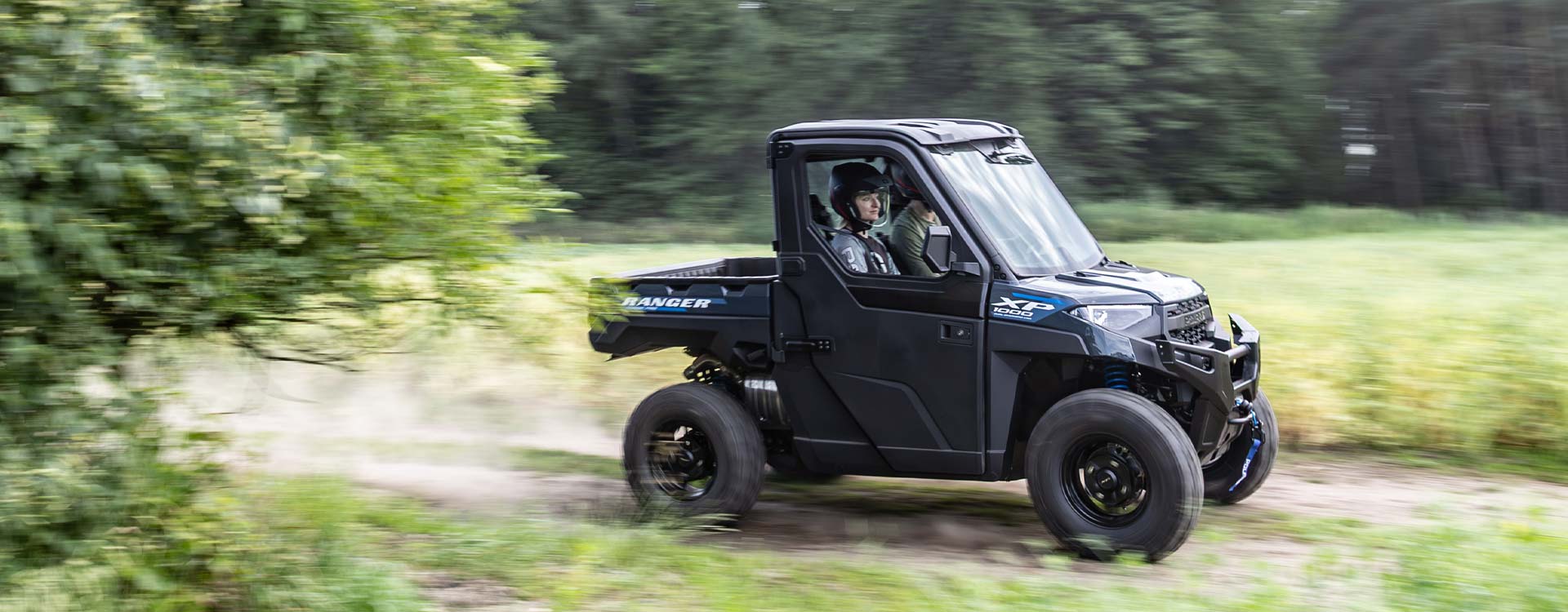
4. Polaris Ranger XP 1000 Side-by-Side
The Polaris Ranger XP 1000 is a compact side-by-side utility vehicle frequently used in parks and forests for patrolling trails and transporting small teams.
Its design emphasizes maneuverability, allowing staff to navigate narrow paths, dense forests, and rugged terrain. Despite its smaller size, the Ranger can carry heavy loads, including equipment, supplies, and rescue gear.
These vehicles are often outfitted with storage racks, cargo beds, and reinforced frames to support fieldwork operations.
Personnel can transport tools such as chainsaws, fire suppression equipment, or medical kits without compromising safety or efficiency. Its low weight and high clearance allow it to cross streams, rough trails, and uneven surfaces without getting stuck.
The Ranger XP 1000 also provides safety features like roll cages, seatbelts, and advanced suspension systems that protect occupants from jolts and impacts.
Its four-wheel-drive system ensures traction on slippery or unstable ground, which is essential during emergency response or wildlife monitoring. The vehicle’s compact design enables staff to operate in areas inaccessible to larger trucks or SUVs.
Communication systems and GPS technology can be integrated into the Ranger, allowing teams to stay connected and navigate efficiently in remote areas.
This is particularly valuable during search and rescue missions or coordinated patrols over large national park regions. The vehicle’s speed and agility make it suitable for rapid response when time-sensitive situations arise.
Maintenance and fuel efficiency are key advantages of the Ranger XP 1000. Its relatively low operating costs and durable design make it a practical choice for agencies with limited resources. Its versatility and reliability have cemented its role as a standard vehicle for forest rangers and park staff nationwide.
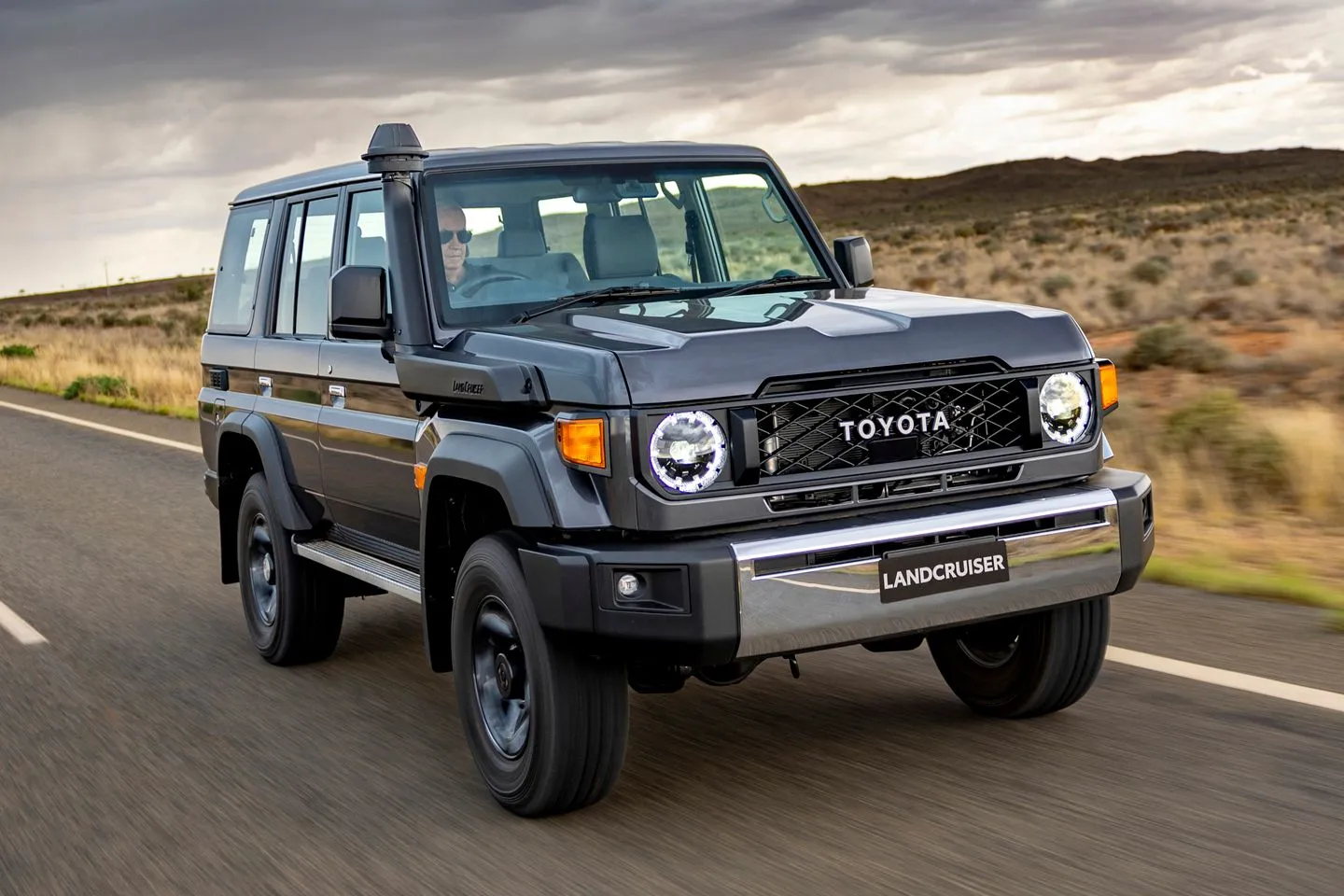
5. Toyota Land Cruiser 70 Series
The Toyota Land Cruiser 70 Series is a durable and highly reliable off-road vehicle favored by many forest service agencies.
Its rugged construction, strong chassis, and all-terrain capabilities make it suitable for long-term operations in remote forests and mountainous regions. The Land Cruiser can carry heavy loads of personnel and equipment while navigating challenging trails.
Rangers often use these vehicles for long-distance patrols and supply transport, as the Land Cruiser combines comfort with heavy-duty performance.
It can be modified with storage racks, utility beds, and roof-mounted cargo carriers to accommodate essential equipment. Its diesel engine options provide excellent torque and fuel efficiency, which is critical for extended missions in areas far from refueling stations.
The vehicle is equipped with reinforced suspensions, skid plates, and all-terrain tires to prevent damage and ensure stability on rugged surfaces.
High ground clearance and a strong four-wheel-drive system allow it to cross streams, rocky slopes, and soft soil without getting stuck. Many Land Cruisers also have integrated lighting systems for night patrols and emergency operations.
Safety and reliability are prioritized in this model. The Land Cruiser is designed to handle extreme conditions, from heavy snow to extreme heat, ensuring the well-being of both staff and equipment. Its interior is configured for long-duration missions, with space for multiple occupants and easy access to necessary tools.
The Toyota Land Cruiser 70 Series remains a trusted choice for agencies requiring dependable performance over diverse terrains. Its combination of durability, payload capacity, and adaptability makes it suitable for a variety of operations, including wildfire response, park maintenance, and wildlife monitoring.
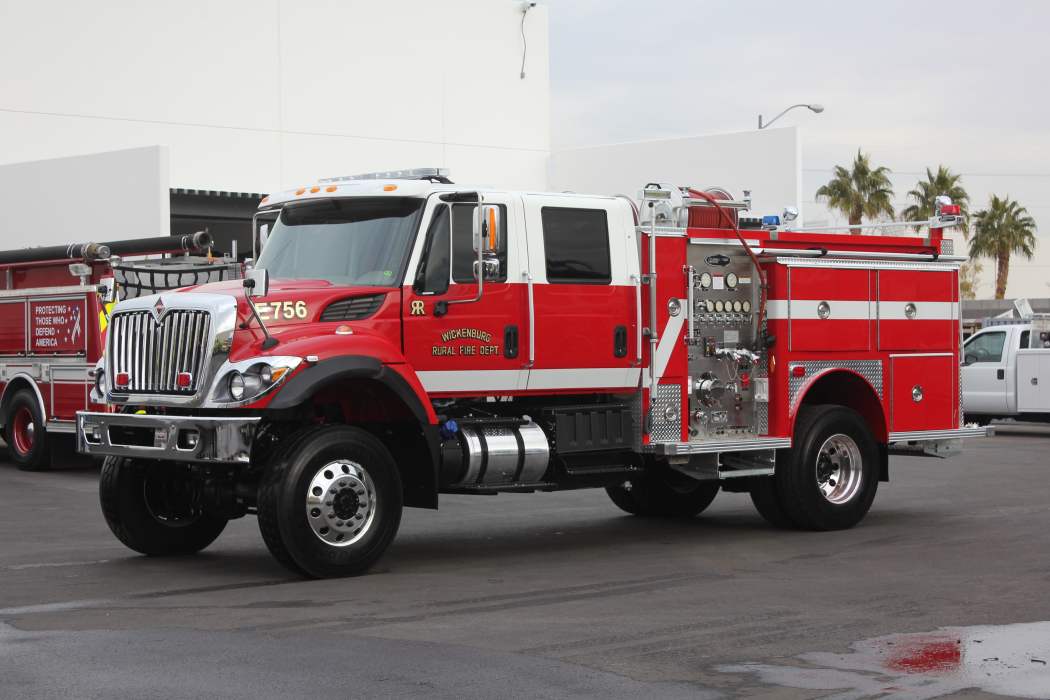
6. International 7400 Fire and Rescue Truck
The International 7400 series is a heavy-duty truck designed for demanding forestry and park operations, particularly in wildfire response.
This vehicle is frequently used by forest rangers and fire management teams for its ability to transport large quantities of water, firefighting foam, and essential firefighting equipment directly to remote locations.
Its reinforced frame and all-terrain suspension allow it to operate on steep, uneven forest trails while carrying significant weight without compromising stability or performance.
The truck’s high ground clearance and durable tires enable it to traverse rocky surfaces, mud, and areas affected by recent forest fires, where other vehicles might become immobilized or sustain damage.
Inside the cabin, operators find ergonomically designed seating and controls that reduce fatigue during long hours of travel in high-stress conditions. The International 7400 is also equipped with integrated communication systems, GPS, and emergency alert features, ensuring that the crew remains in constant contact with command centers.
These technologies are critical when responding to rapidly changing fire conditions or coordinating with multiple teams across expansive national parks. Additionally, the vehicle’s lighting systems, including high-intensity LED bars and spotlights, allow it to operate safely during nighttime deployments or in smoke-heavy conditions where visibility is severely reduced.
The truck’s utility extends beyond firefighting. Agencies often modify the 7400 series for disaster relief operations, transporting emergency supplies, tools, and even personnel in response to floods, storms, or other natural events.
Customizable beds and storage compartments allow staff to carry chainsaws, shovels, first aid kits, and survival gear, ensuring that crews are fully equipped for prolonged field operations.
Its ability to maintain performance under extreme loads, combined with its robust construction, makes it indispensable in regions where operational demands exceed the capabilities of standard trucks.
Maintenance and reliability are essential features for the International 7400. Forest service agencies prioritize vehicles that can endure extended missions with minimal downtime, and the 7400’s modular design allows for easier replacement of parts and field repairs.
Its diesel engines provide both high torque and fuel efficiency, enabling longer operational range in remote forested areas where refueling stations may be sparse. These qualities ensure that the truck remains a dependable tool for forest rangers and firefighting teams year after year.
Finally, the International 7400 supports specialized equipment, such as mounted pumps, hose reels, and water cannons, transforming it into a mobile firefighting unit capable of containing fires before they spread further.
Its combination of power, versatility, and safety features exemplifies how specialized vehicles are engineered to meet the exacting requirements of forest and park operations, highlighting the balance between practical functionality and robust engineering necessary for field success.
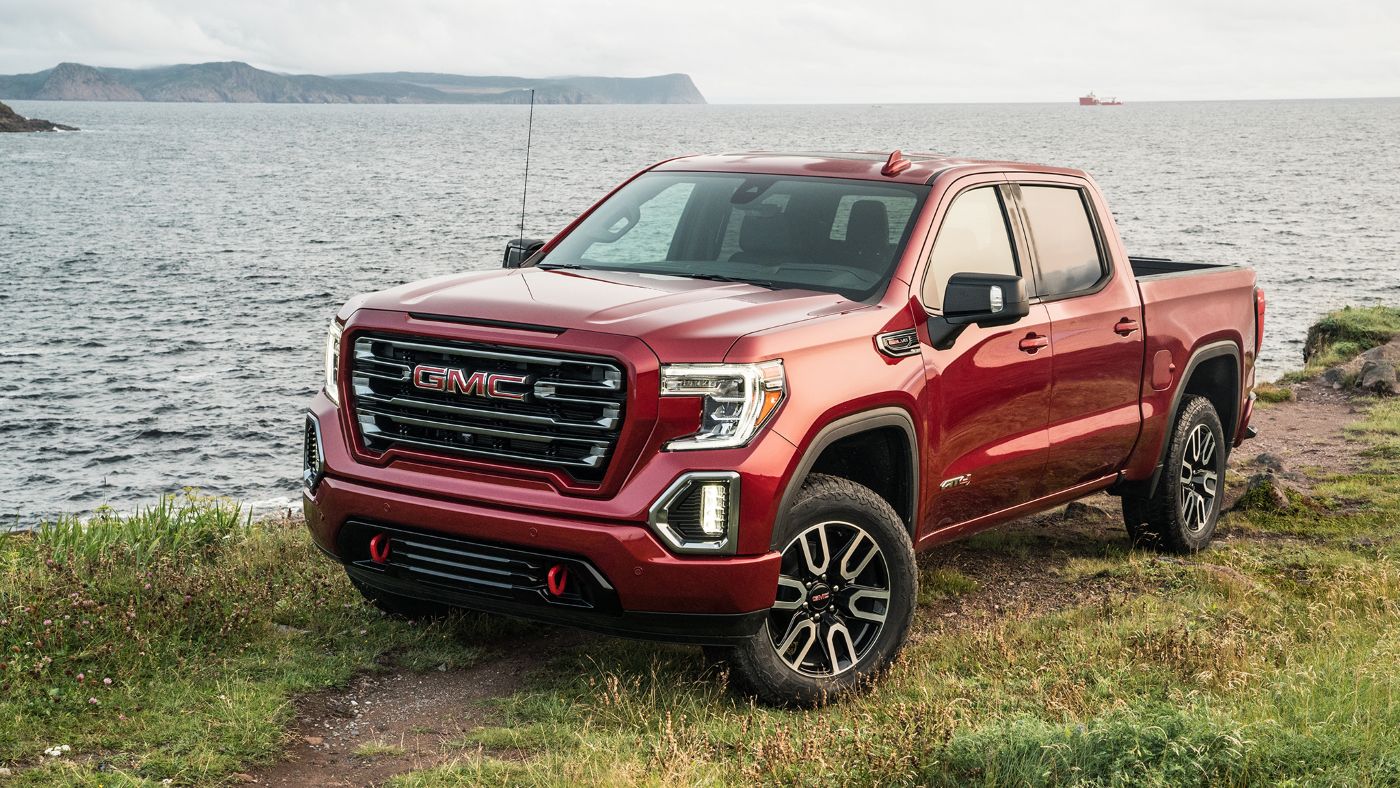
7. GMC Sierra AT4 All-Terrain Truck
The GMC Sierra AT4 is a highly capable off-road vehicle that has become a staple for forest rangers and park maintenance staff.
Its design emphasizes both durability and versatility, allowing it to handle rough trails, mountainous terrain, and forest service roads that standard vehicles cannot traverse.
The AT4 features a reinforced frame, off-road suspension, skid plates, and high-clearance capabilities that prevent damage when driving over rocks, roots, or other natural obstacles.
These features make it particularly useful for emergency response, patrols, and transport missions in remote or difficult-to-access park areas.
Many Sierra AT4 vehicles used by forest rangers are customized with utility beds, tool racks, and storage boxes. These additions allow teams to carry firefighting tools, medical supplies, wildlife monitoring equipment, and trail maintenance gear efficiently.
The interior is spacious enough to accommodate multiple staff members, and advanced climate control ensures comfort in both extreme heat and cold. Additionally, the cabin is designed with ergonomic controls to minimize fatigue during extended operations over rough terrain.
The vehicle’s engine performance is a key strength, providing the power necessary to tow trailers, water tanks, or heavy equipment in rugged environments.
The Sierra AT4’s traction control, locking differentials, and four-wheel-drive system enhance its ability to navigate slippery mud, steep inclines, and loose gravel while maintaining stability and safety for personnel.
The truck’s off-road lighting, mounted winches, and reinforced bumpers further extend its capability, enabling crews to respond quickly to emergencies, rescue operations, or wildfire containment efforts.
Integration of modern technology ensures that the Sierra AT4 remains connected and navigable in isolated areas. GPS systems, communication radios, and emergency tracking devices are commonly installed, allowing forest rangers to coordinate with other teams and maintain situational awareness in large park areas.
These features reduce response times and improve operational efficiency, which is critical during high-stakes missions like evacuations or fire suppression efforts.
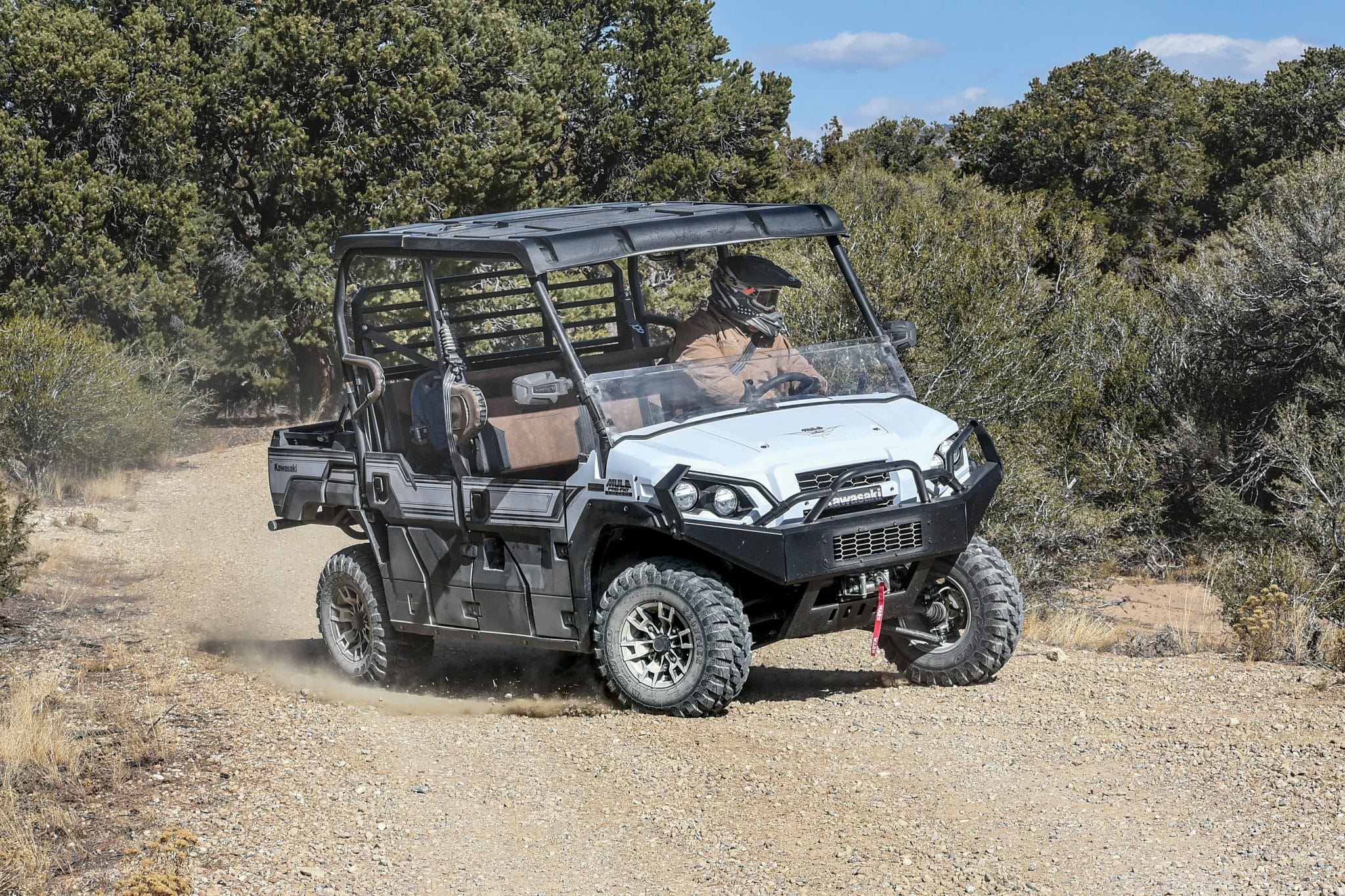
8. Kawasaki Mule Pro-FXT Utility Vehicle
The Kawasaki Mule Pro-FXT is a side-by-side utility vehicle specifically designed for forest rangers and park maintenance teams requiring agility and speed in dense forest environments. Its compact design allows it to maneuver through narrow trails, densely wooded areas, and rough terrain where larger trucks cannot pass.
Despite its size, the Mule Pro-FXT is capable of carrying multiple passengers and substantial cargo, including firefighting tools, medical supplies, and maintenance equipment.
Its high ground clearance, independent suspension, and four-wheel-drive system allow it to tackle uneven trails and soft ground without compromising stability or safety.
The vehicle’s cargo bed is modular, allowing park staff to transport equipment efficiently and securely. Rangers frequently use this vehicle to patrol remote areas, deliver supplies, and assist in wildlife management operations.
Its versatility also supports search and rescue missions, enabling teams to reach injured visitors or staff quickly while carrying necessary medical gear. Safety features, including reinforced roll cages, seatbelts, and protective doors, provide additional security during off-road travel.
The Mule Pro-FXT is engineered for extended field use, with engines optimized for fuel efficiency and reliability under sustained operations. Its simple maintenance requirements allow teams to perform repairs in remote locations without specialized tools.
Many models also include auxiliary lighting, winches, and communication systems to enhance operational effectiveness during low-visibility conditions or challenging environments.
The vehicle’s maneuverability is particularly advantageous during wildfire response, trail monitoring, or habitat surveys.
Rangers can navigate steep inclines, shallow water crossings, and dense undergrowth with ease, reducing response times and improving accessibility. Its compact design does not compromise load capacity, allowing essential equipment to be carried efficiently without sacrificing mobility.
The Kawasaki Mule Pro-FXT exemplifies the utility, agility, and safety required for forest and park operations. Its combination of adaptability, rugged performance, and cargo capacity ensures that personnel can complete complex missions efficiently, making it a trusted vehicle in the toolkit of forest rangers nationwide.
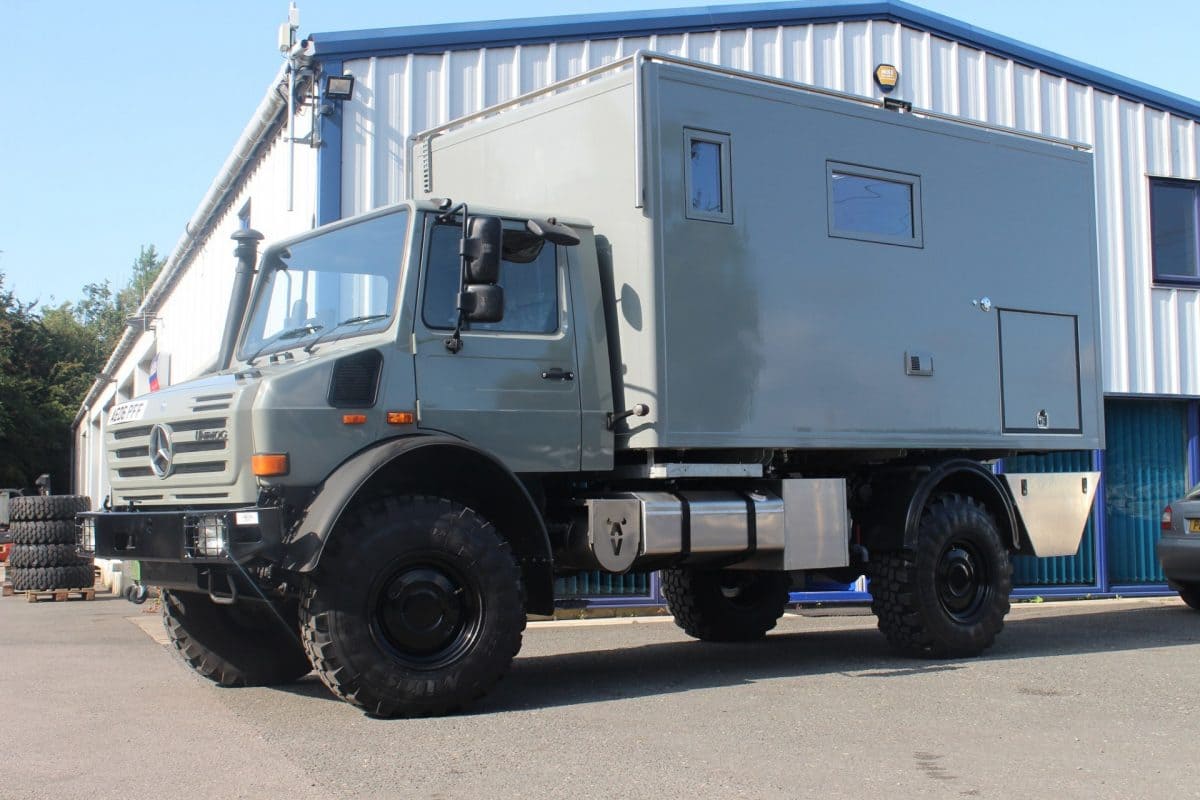
9. Mercedes-Benz Unimog U5000
The Mercedes-Benz Unimog U5000 is a specialized all-terrain vehicle that has been adapted for US forest service and park operations, particularly in areas with extreme terrain or conditions. Its unique design allows it to cross rivers, climb steep hills, and navigate deep snow while carrying heavy equipment.
The Unimog is often deployed for wildfire suppression, emergency response, and infrastructure maintenance in remote areas. Its versatility stems from modular attachments such as water tanks, crane lifts, snow plows, and forestry tools.
The vehicle’s off-road capabilities are exceptional, featuring a flexible frame, high ground clearance, and a powerful diesel engine that allows it to traverse terrain where conventional vehicles would fail.
It can carry multiple personnel alongside a significant payload of firefighting equipment or supplies, enabling teams to operate independently for extended periods in remote locations. Reinforced axles and specialized tires prevent punctures and maintain traction on loose or rocky surfaces.
Inside, the Unimog is configured for functionality and comfort during long field operations. Ergonomic seating, climate control, and ample storage space allow crews to remain productive while operating in extreme environments.
Many models are equipped with communication systems, GPS, and emergency signaling technology to maintain contact with command centers and coordinate multi-vehicle operations efficiently.
The Unimog’s modularity is another major advantage. It can be outfitted with firefighting pumps, water tanks, or tool storage systems depending on the mission, making it highly adaptable to changing operational needs.
Agencies frequently use it for trail repair, vegetation management, and transporting supplies to otherwise inaccessible regions. Its versatility reduces the need for multiple vehicles, consolidating resources into a single, highly capable platform.
Due to its durability, off-road performance, and adaptability, the Mercedes-Benz Unimog U5000 has earned a reputation as one of the most reliable vehicles for challenging forest and park operations.
It embodies the combination of engineering excellence and functional design necessary to meet the unique demands of forest rangers and park staff across the United States.
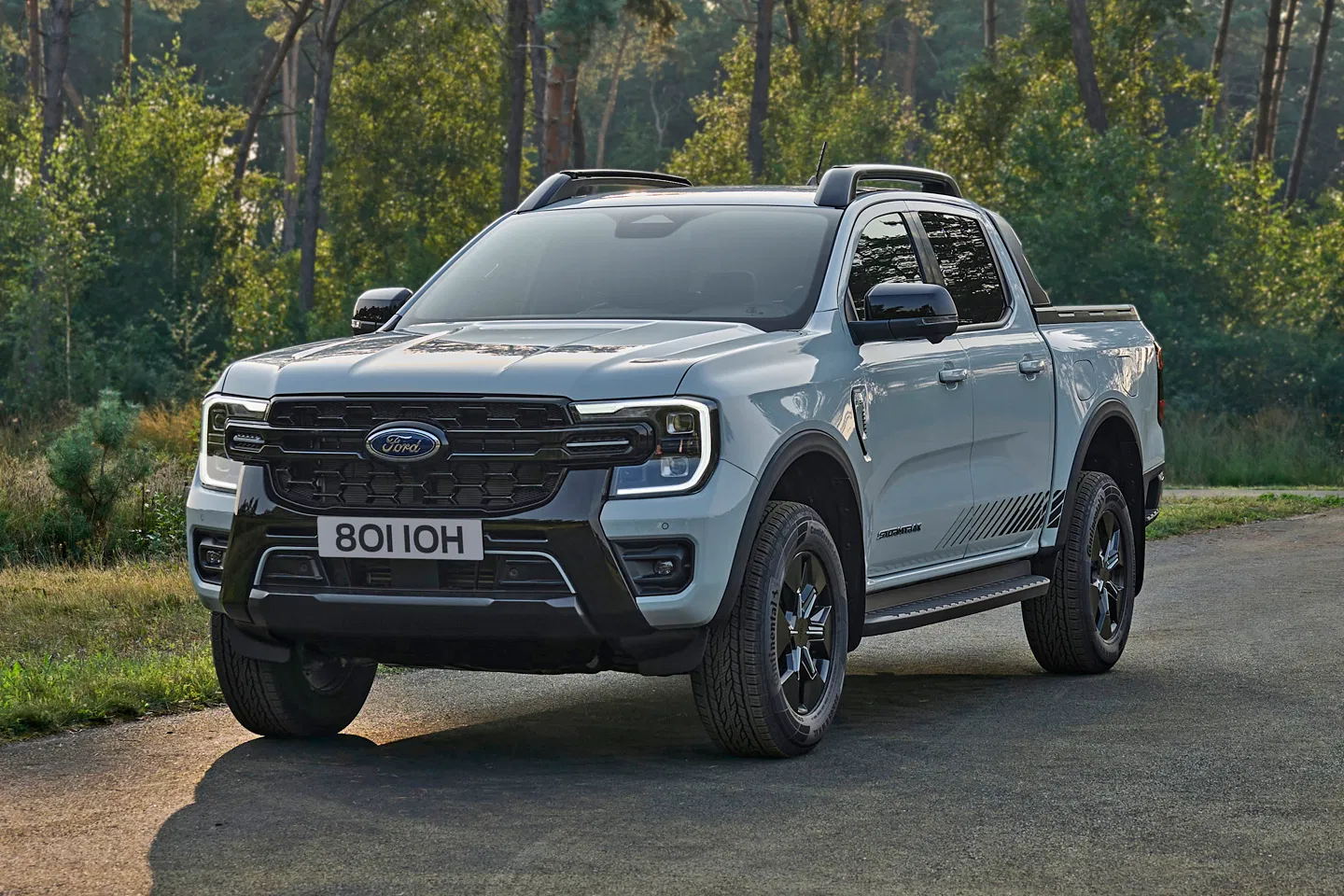
10. Ford Ranger EV
The Ford Ranger EV is an innovative addition to forest service and park vehicle fleets, providing a zero-emissions alternative for areas where environmental protection is a high priority.
Electric vehicles like the Ranger EV are particularly valuable in national parks and sensitive ecosystems, where reducing carbon emissions and noise pollution is essential.
Despite being electric, the Ranger EV maintains off-road capabilities suitable for moderate trails, light hauling, and patrol operations.
Its compact size and maneuverability allow staff to navigate narrow forest roads efficiently, making it ideal for daily park management and wildlife monitoring tasks.
The Ranger EV can be equipped with custom storage solutions, including utility racks, compartments for first aid and emergency equipment, and spaces for trail maintenance tools.
Its quiet operation allows rangers to approach wildlife without disturbance, which is beneficial for research, observation, and ecological monitoring programs. Battery-powered vehicles also reduce fuel costs and minimize reliance on remote refueling logistics, which can be a challenge in large, isolated park regions.
Performance is tailored for utility rather than high-speed operations. Its electric motors provide instant torque, which is advantageous for climbing steep inclines, carrying equipment, or towing lightweight trailers.
The Ranger EV is also designed with a durable chassis and reinforced suspension to withstand uneven terrain and moderate off-road obstacles. Safety features, including seatbelts, integrated lighting, and stability control, ensure that personnel can operate confidently in remote areas.
Charging infrastructure can be deployed in park headquarters or maintenance facilities, supporting sustainable operations without compromising efficiency.
The vehicle’s low maintenance requirements, including fewer moving parts compared to internal combustion engines, make it cost-effective for long-term service. Many agencies have integrated the Ranger EV as part of broader efforts to reduce environmental impact while maintaining operational capabilities.
The Ford Ranger EV represents a shift toward sustainable fleet management for forest rangers and park staff.
By combining practical utility with environmentally friendly design, it provides a solution that balances ecological responsibility with operational needs, demonstrating the potential of electric vehicles in specialized government and conservation applications.
