
Delivery services in the United States have grown significantly due to the rise of e-commerce and on-demand logistics. Companies rely heavily on drivers to transport packages efficiently, and the choice of vehicle can greatly affect productivity, fuel economy, and maintenance costs.
Delivery drivers need vehicles that are reliable, fuel-efficient, and capable of handling frequent stops, tight city streets, and long hours on the road.
Vehicles must also offer sufficient cargo space to accommodate a variety of package sizes and weights, ensuring that deliveries are completed without unnecessary trips back to distribution centers.
Reliability in vehicles is not just about avoiding breakdowns; it also involves consistent performance, ease of maintenance, and longevity under heavy usage.
Modern delivery operations require vehicles that balance power and efficiency. Gasoline, diesel, hybrid, and electric powertrains each provide advantages depending on the route, climate, and delivery schedule.
Urban routes may favor compact vans with tight turning radii and high maneuverability, while suburban and rural routes may benefit from larger vehicles with higher payload capacity.
Additionally, technological features like rearview cameras, parking sensors, and telematics systems help drivers navigate safely and track performance metrics.
Maintenance costs play a critical role, as vehicles that require fewer repairs or are easier to service reduce downtime and operational expenses.
The most reliable vehicles are often models with a strong reputation for durability, backed by consistent manufacturer support and readily available replacement parts.
Safety is another essential factor for delivery vehicles. Drivers frequently encounter stop-and-go traffic, pedestrians, and other hazards, so vehicles with strong safety ratings and advanced driver assistance systems are preferred. Comfort is also important, as drivers spend long hours behind the wheel, and ergonomic seating and intuitive controls reduce fatigue.
Fuel economy directly affects operational costs, especially for fleets covering hundreds of miles per week. Vehicles that combine a reliable engine, efficient fuel consumption, and low maintenance requirements provide a strong return on investment for delivery companies.
Many drivers choose models known for their longevity and the ability to maintain performance even after extensive use, making these vehicles valuable assets for daily operations.
Another consideration is adaptability. Delivery vehicles often require modifications, such as shelving, refrigeration units, or cargo racks, depending on the goods being transported. The ability to customize a vehicle without compromising performance or safety increases its utility and reliability.
Manufacturers frequently offer commercial versions of passenger vehicles, designed specifically for delivery purposes. These models provide reinforced suspension, larger cargo areas, and heavy-duty cooling systems to withstand repeated use.
Reliability is not only a reflection of the vehicle’s components but also the manufacturer’s commitment to durability and customer support. For drivers, choosing the right vehicle can mean the difference between a smooth delivery schedule and constant mechanical interruptions.
Finally, the resale value of a vehicle is an important factor for delivery drivers and fleet managers. Vehicles that retain value over time reduce long-term costs, while models with a reputation for reliability are more likely to remain in service for years.
Proper maintenance, combined with a vehicle designed to handle rigorous delivery demands, ensures that drivers experience minimal downtime and maintain high levels of productivity.
This article highlights ten of the most reliable vehicles utilized by modern US delivery drivers, offering a guide to models that combine durability, efficiency, and practical design. These vehicles have earned their place through consistent performance and the ability to meet the demanding needs of daily delivery operations.
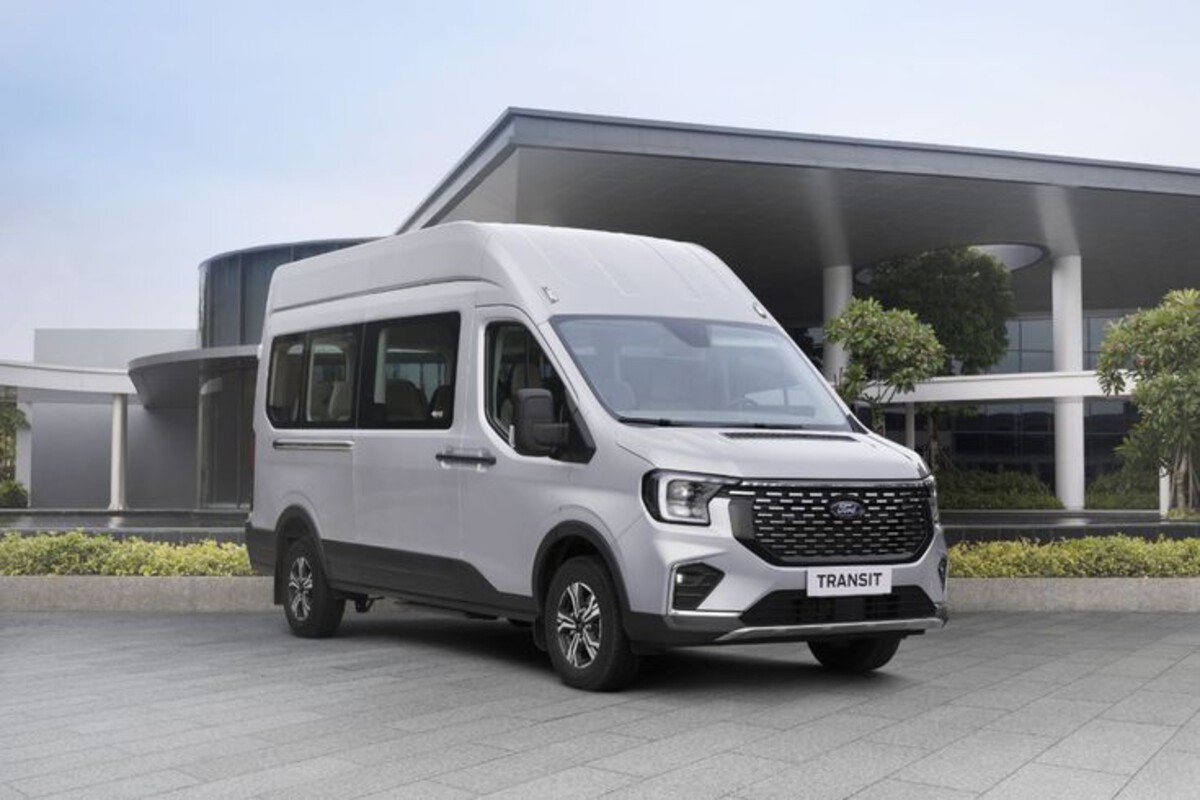
1. Ford Transit
The Ford Transit has become one of the most popular vehicles for delivery drivers in the United States. Its wide range of configurations allows drivers to choose between low-roof, medium-roof, and high-roof models depending on cargo requirements.
This versatility makes it suitable for both urban routes with frequent stops and long suburban trips. Many delivery companies appreciate its ability to carry large loads while maintaining manageable maneuverability on city streets.
The Transit is powered by reliable engines that provide a balance of power and fuel efficiency. Gasoline, diesel, and even hybrid options are available, giving drivers flexibility based on fuel costs and route demands.
The vehicle’s smooth handling and comfortable cabin reduce driver fatigue, which is essential for long delivery shifts. Safety features such as stability control, backup cameras, and collision warning systems make it a dependable choice.
Maintenance and repair costs for the Transit are reasonable due to widespread availability of parts and service centers. Many fleets report that these vehicles maintain their performance well beyond 200,000 miles.
The vehicle’s durability is enhanced by heavy-duty suspension options, allowing it to carry heavy cargo without excessive wear. This longevity makes it a cost-effective investment for both individual drivers and fleet operators.
Ford has also designed the Transit with practical interior layouts. Its cargo area can accommodate shelving units, pallet racks, or insulated compartments.
This adaptability is crucial for drivers transporting diverse goods, including groceries, packages, or specialized products. The high roof versions allow drivers to stand inside, making loading and unloading faster and more ergonomic.
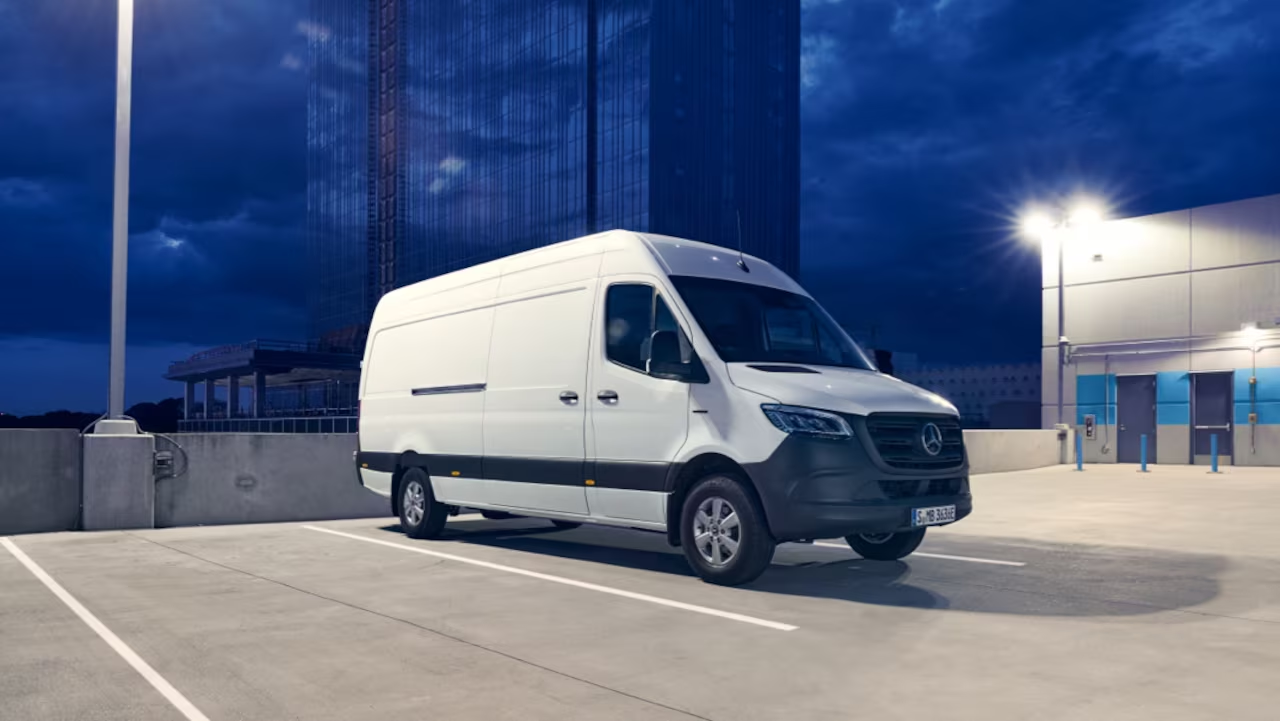
2. Mercedes-Benz Sprinter
The Mercedes-Benz Sprinter is recognized for its durability and premium design, often favored by delivery drivers handling high-volume routes. Its multiple wheelbase options allow businesses to select models tailored to their operational needs.
The Sprinter is available in cargo and passenger versions, offering flexibility for transporting goods and teams. Its reputation for reliability is enhanced by a strong emphasis on build quality and precision engineering.
Sprinter engines are known for their longevity and fuel efficiency. Diesel variants are particularly popular for long-haul deliveries, while gasoline options provide smooth performance in urban environments.
The vehicle’s handling is stable even when fully loaded, giving drivers confidence on highways and city streets alike. Safety systems, including lane-keeping assist and crosswind assist, enhance control under challenging conditions.
Maintenance for the Sprinter is straightforward, with many service centers familiar with its mechanical components. The vehicle’s design emphasizes modularity, making repairs and replacements less disruptive.
High-mileage durability is a key factor for fleet operators who need vehicles that withstand rigorous schedules. Components such as reinforced suspensions and robust cooling systems contribute to its long-term reliability.
Cargo capacity is one of the Sprinter’s strongest features. High-roof models provide ample vertical space, while extended wheelbase versions allow for maximum payload.
Drivers can install shelving, bins, or refrigeration units without compromising vehicle performance. Its adaptability makes it suitable for courier services, medical supply deliveries, and e-commerce operations requiring frequent loading and unloading.
Mercedes-Benz Sprinters maintain strong resale value due to their high-quality construction and widespread demand. Businesses view them as long-term investments that continue to deliver consistent performance.
For drivers, the combination of comfort, safety, and cargo flexibility makes the Sprinter a dependable choice in demanding delivery environments.
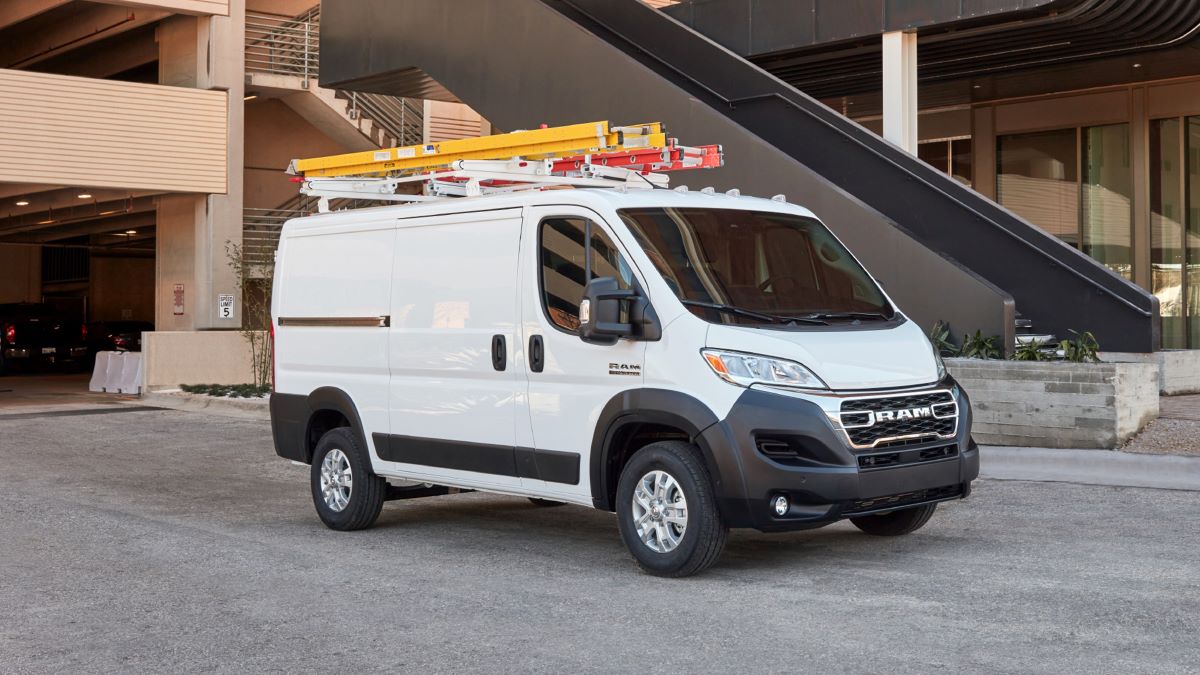
3. Ram ProMaster
The Ram ProMaster is designed with practicality and efficiency in mind, making it a favorite among delivery professionals. Its front-wheel-drive system provides excellent traction, particularly in urban areas with tight streets and frequent turns.
The vehicle’s low load floor improves accessibility, reducing strain during loading and unloading tasks. Its wide cargo area allows drivers to transport a variety of package sizes efficiently.
Engine performance in the ProMaster focuses on fuel efficiency and reliability. Gasoline and diesel options are engineered for consistent operation under heavy use.
Drivers benefit from responsive handling, even when carrying maximum payloads. Safety features such as electronic stability control, traction control, and advanced braking systems contribute to its dependable performance on all routes.
Maintenance for the ProMaster is straightforward, with commonly available parts and service centers across the United States.
Fleet operators often report minimal downtime due to its durable mechanical design. Components such as reinforced suspension, heavy-duty brakes, and reliable engine systems ensure longevity even under rigorous schedules.
Cargo space is highly adaptable, with options for shelving, racks, and organizational systems. High-roof versions allow drivers to stand while accessing goods, improving ergonomics and speed during deliveries.
The ProMaster’s interior is spacious, ensuring that both the driver and cargo are accommodated efficiently. Its design supports diverse delivery needs, from parcels to bulkier items.
The resale value of the Ram ProMaster remains competitive due to its reputation for reliability. Businesses seeking cost-effective vehicles with long service lives frequently choose this model. Its combination of fuel efficiency, cargo flexibility, and durable construction makes it a practical choice for modern delivery operations.
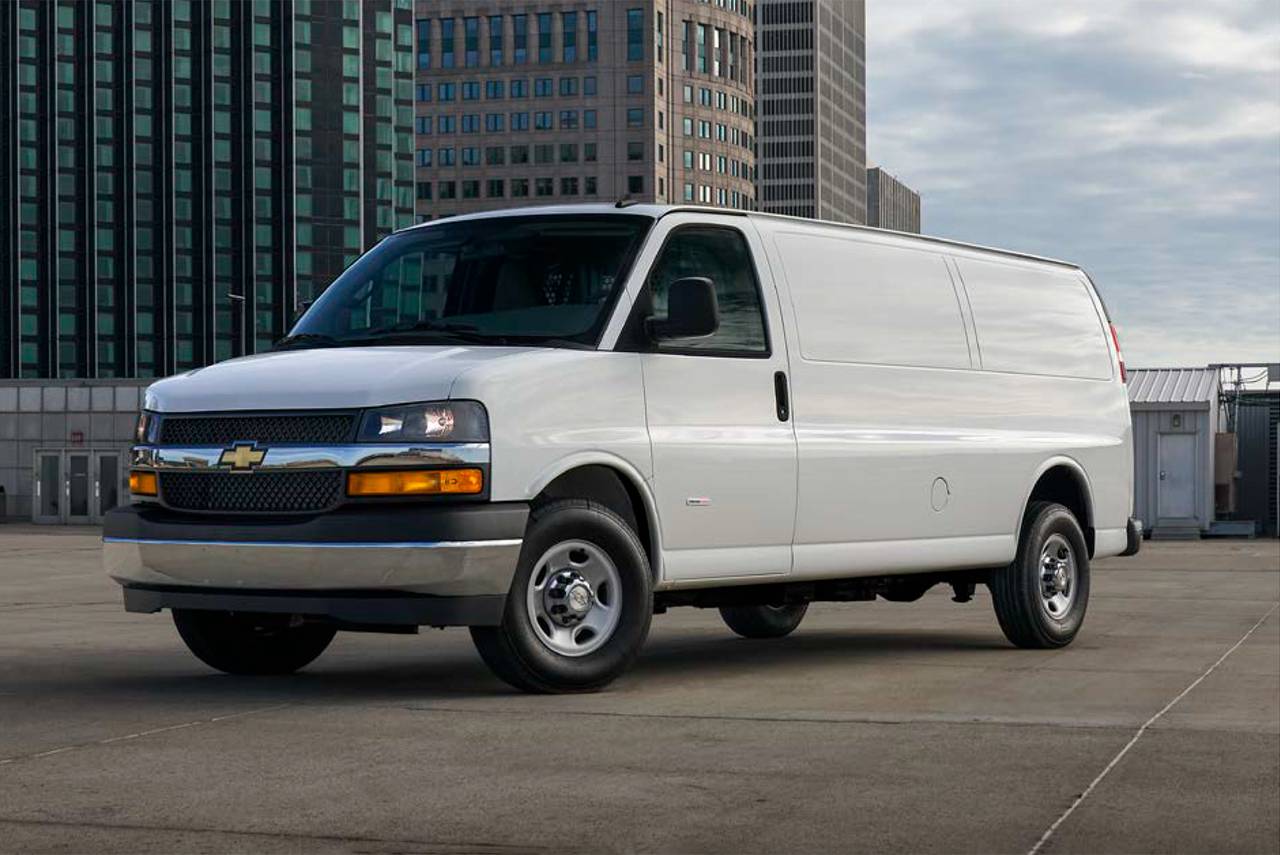
4. Chevrolet Express
The Chevrolet Express has been a long-standing choice for delivery drivers due to its proven reliability and simple design. Its body-on-frame construction provides durability, especially for heavy-duty applications and long-term use.
Many businesses prefer this model because it has remained consistent over the years, allowing for easy maintenance and familiarity. It performs well in both urban and highway conditions, making it a versatile option.
Engine options in the Express are known for their strength and dependability. The V6 and V8 engines provide ample power for carrying heavy loads without compromising performance.
Drivers often report that the engine remains stable even after extensive mileage. This makes it particularly suitable for routes that require hauling bulk shipments or equipment.
Maintenance is one of the strongest advantages of the Chevrolet Express. Its straightforward mechanical design allows for quick repairs and lower service costs.
Parts are widely available, and many mechanics are experienced with this vehicle. This reduces downtime and ensures that delivery schedules are not disrupted frequently.
Cargo capacity in the Express is generous, allowing drivers to carry large volumes of packages. The interior can be customized with racks, shelving, and storage compartments. Its wide rear doors make loading and unloading efficient, which is essential for high-frequency delivery routes.
The resale value of the Express remains steady due to its reputation for durability. Businesses often keep these vehicles for extended periods because they continue to perform reliably. For drivers seeking a dependable and easy-to-maintain vehicle, the Chevrolet Express remains a strong option.
5. Nissan NV Cargo
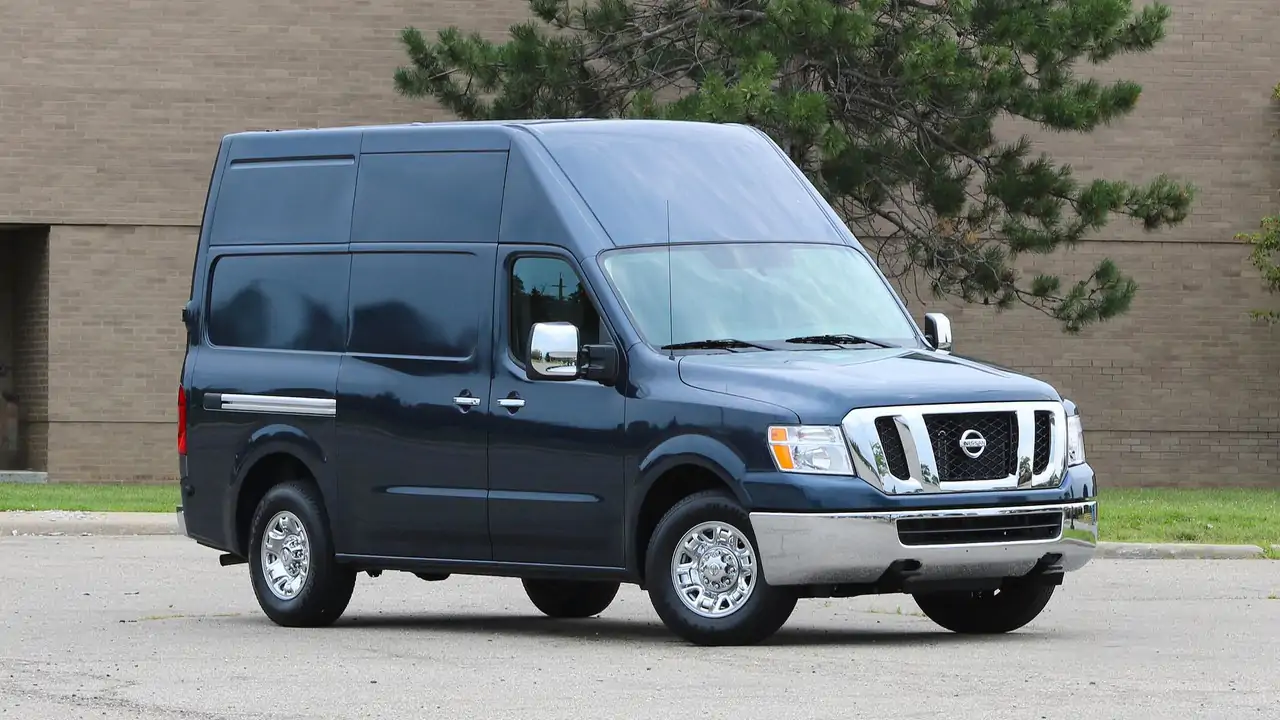
The Nissan NV Cargo is designed with durability and practicality, making it a reliable choice for delivery drivers. Its sturdy construction and powerful engine options allow it to handle demanding workloads.
The vehicle’s design focuses on providing ample cargo space while maintaining driver comfort. It is well-suited for both small businesses and larger fleet operations.
Engine performance in the NV Cargo is consistent and dependable. The V6 and V8 engines deliver strong power, ensuring that the vehicle can handle heavy loads without strain. Drivers appreciate its smooth acceleration and stable handling, even when fully loaded. This reliability makes it a trusted option for long delivery routes.
Maintenance requirements for the NV Cargo are relatively low, contributing to its cost-effectiveness. The vehicle’s components are designed for durability, reducing the need for frequent repairs. Service centers across the country are familiar with Nissan’s commercial vehicles, making maintenance accessible.
The cargo area is spacious and easy to customize, allowing drivers to install shelving systems or storage units. The high roof design improves accessibility and efficiency during loading. This adaptability makes the NV Cargo suitable for a wide range of delivery tasks, from parcels to specialized goods.
Resale value remains solid due to its reliability and strong performance history. Businesses often consider it a dependable long-term investment. Its combination of power, durability, and cargo flexibility makes it a valuable asset for delivery operations.

6. Ford E-Series Cutaway
The Ford E-Series Cutaway is widely used for specialized delivery applications due to its robust platform. It is commonly adapted into box trucks and larger delivery vehicles, providing increased cargo capacity.
This model is particularly useful for businesses that require customized vehicle bodies. Its durability makes it suitable for heavy-duty operations.
The engine options in the E-Series Cutaway are designed for reliability and power. These engines can handle significant weight, making them ideal for transporting large shipments.
Drivers benefit from consistent performance, even under demanding conditions. The vehicle’s design ensures that it can operate efficiently over long distances.
Maintenance is manageable due to the vehicle’s long-standing presence in the market. Parts are readily available, and many technicians are experienced with its systems. This reduces repair time and ensures that vehicles remain operational. Its sturdy construction also minimizes wear and tear over time.
Cargo customization is one of the key strengths of this model. Businesses can design the cargo area according to their specific needs, including refrigeration or specialized storage. This flexibility allows the E-Series Cutaway to serve a variety of industries.
Resale value is maintained through its reputation for durability and adaptability. Companies often rely on this vehicle for years due to its consistent performance. It remains a dependable option for large-scale delivery operations.
7. Toyota Hiace
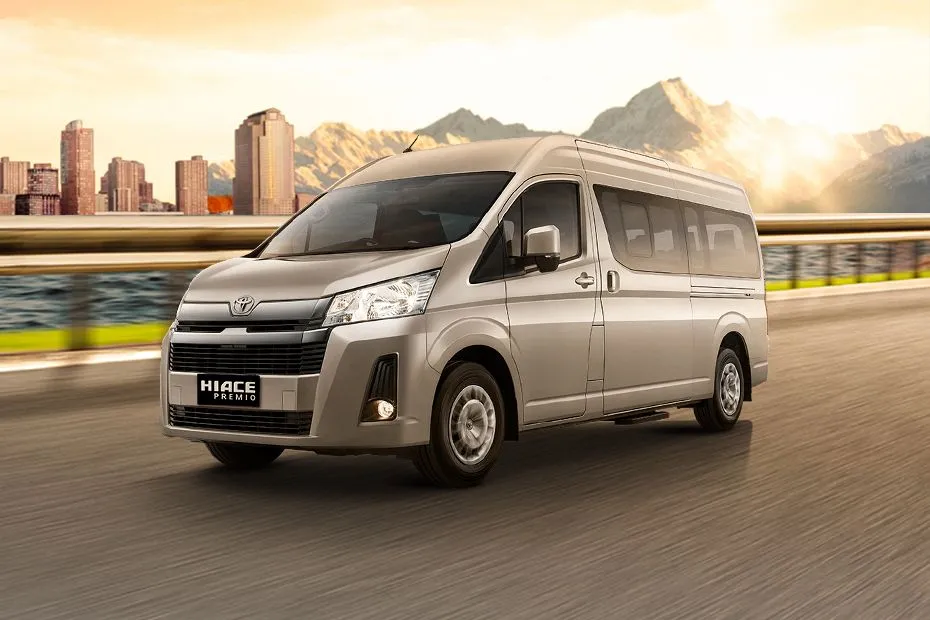
The Toyota Hiace is known globally for its reliability and long lifespan, making it a trusted choice for delivery drivers.
Although less common in the US compared to other models, it is highly valued in markets where it is available. Its reputation for durability comes from Toyota’s engineering standards. Drivers often rely on it for consistent daily performance.
Engine efficiency and reliability are key strengths of the Hiace. It offers smooth operation and dependable performance under various conditions.
The vehicle handles both city and highway driving with ease, making it versatile for delivery routes. Drivers benefit from its fuel efficiency and low maintenance requirements.
Maintenance is straightforward due to the vehicle’s simple and durable design. Components are built to last, reducing the need for frequent servicing. This reliability contributes to lower operational costs over time.
Cargo space is designed for practicality, with ample room for packages and goods. The interior can be configured to suit different delivery needs. Its accessibility ensures that loading and unloading tasks are efficient.
The resale value of the Hiace remains high due to its global reputation. Businesses view it as a long-term investment that delivers consistent performance. Its reliability and efficiency make it a dependable choice.
8. Chevrolet City Express
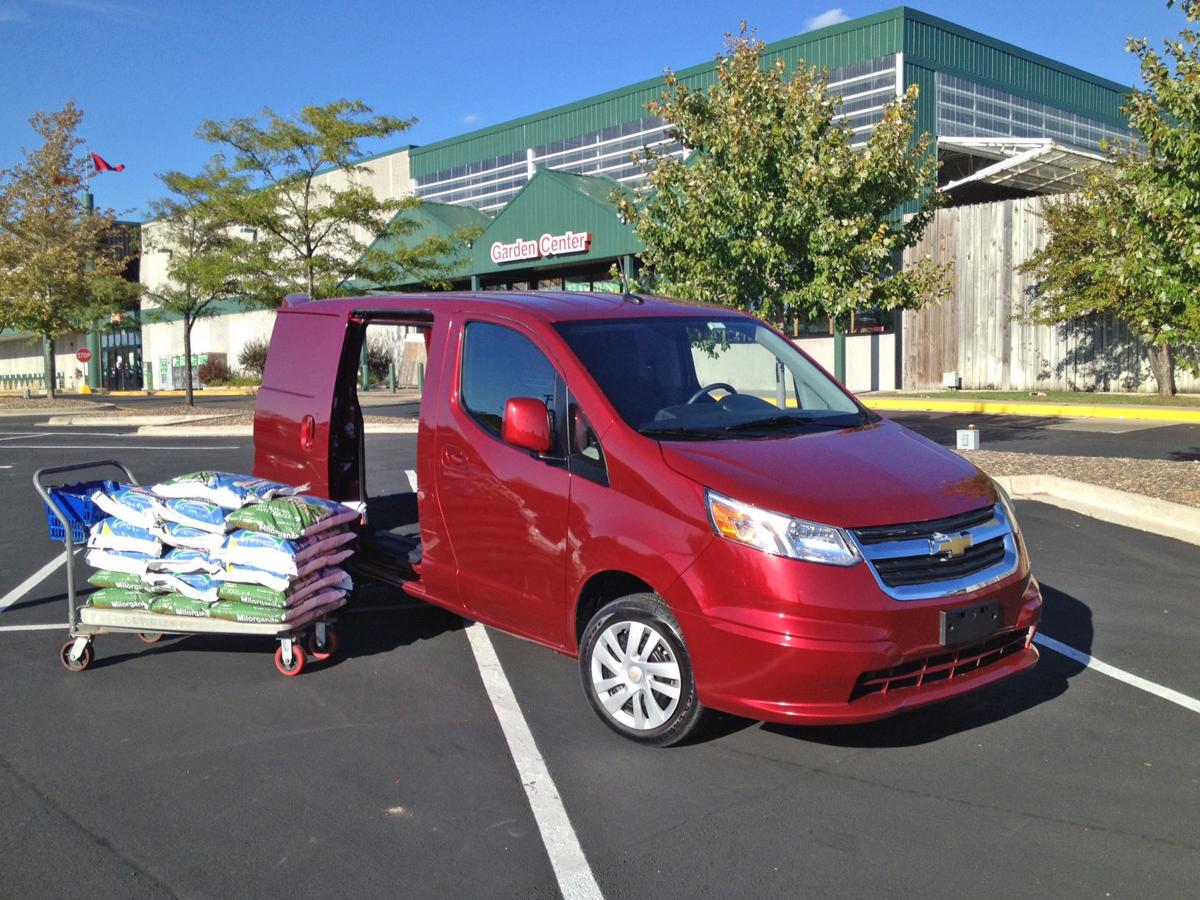
The Chevrolet City Express is a compact van designed for urban delivery routes. Its smaller size allows drivers to navigate tight streets and crowded areas with ease. This makes it ideal for last-mile delivery services. Despite its compact design, it offers practical cargo space.
The engine provides efficient performance, making it suitable for frequent stop-and-go driving. Drivers benefit from its fuel economy, which helps reduce operating costs. Its handling is responsive, improving maneuverability in busy environments.
Maintenance costs are relatively low, making it a budget-friendly option. The vehicle’s design emphasizes simplicity and reliability. Service and repairs are accessible, ensuring minimal downtime.
Cargo capacity is optimized for smaller loads, with flexible storage options. The interior layout allows for organized package placement. This improves efficiency during deliveries.
Resale value remains stable due to its practicality and reliability. Businesses focused on urban deliveries often choose this model. Its compact size and efficiency make it a strong choice.
9. GMC Savana
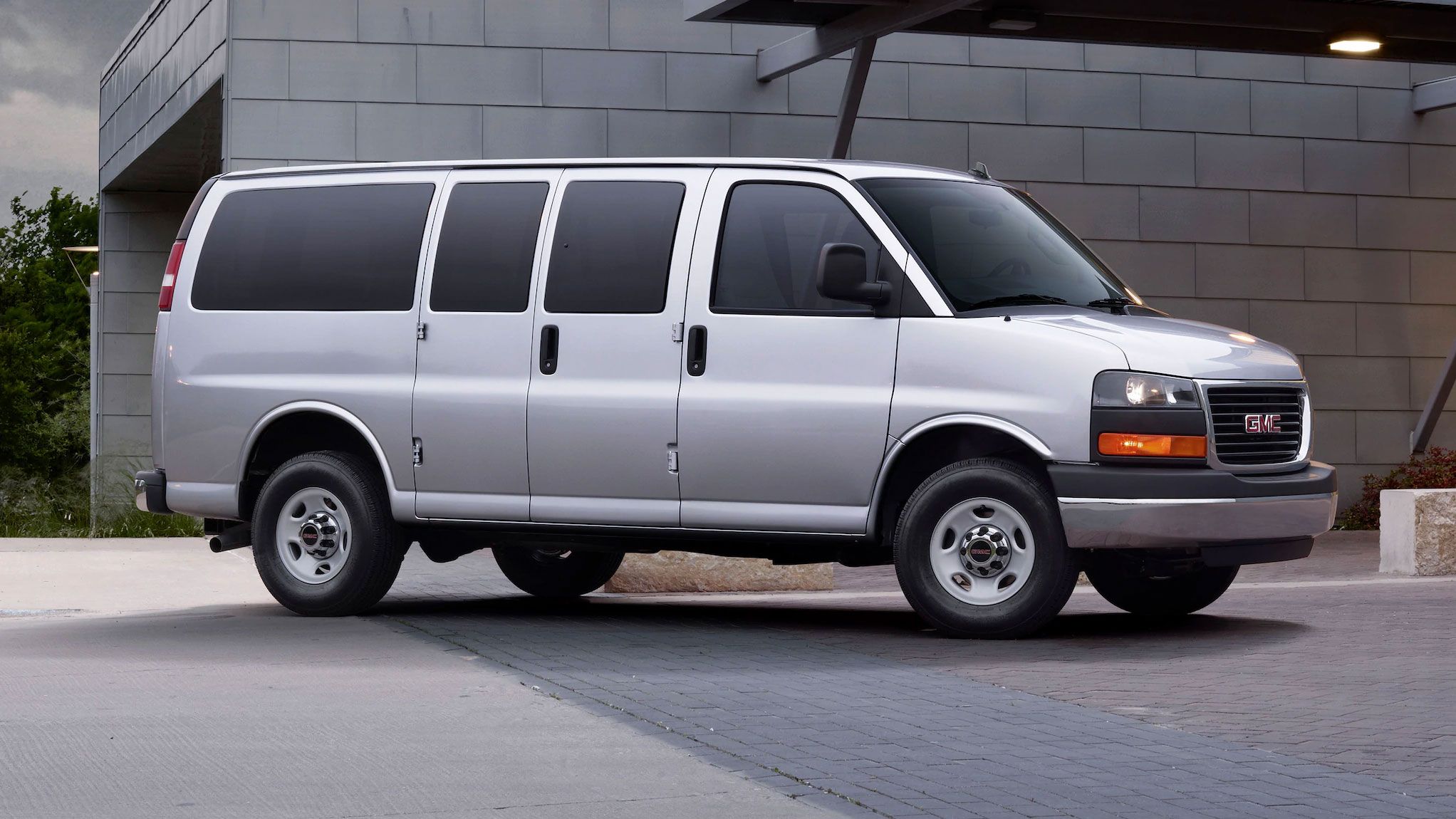
The GMC Savana shares many characteristics with the Chevrolet Express, offering durability and consistent performance. It is widely used in delivery operations due to its strong construction. The vehicle performs well under heavy use, making it a reliable option.
Engine options provide sufficient power for transporting goods. Drivers benefit from its stable performance, even with heavy loads. The Savana is designed to handle demanding delivery schedules.
Maintenance is straightforward, with widely available parts and service options. Its simple design ensures that repairs are quick and cost-effective. This contributes to reduced downtime.
Cargo space is generous, allowing for efficient transport of packages. The interior can be customized to meet specific needs. This flexibility enhances its usability.
Resale value is supported by its reputation for reliability. Businesses often keep these vehicles for long periods. The Savana remains a dependable choice for delivery drivers.

10. Rivian Electric Delivery Van
The Rivian Electric Delivery Van represents the shift toward electric delivery solutions. Designed specifically for delivery use, it offers advanced technology and efficient performance. Its electric powertrain reduces emissions and operating costs. Many companies are adopting this model for sustainability.
The vehicle provides smooth and quiet operation, improving driver comfort. Its instant torque ensures responsive performance in urban environments. Drivers benefit from reduced fuel costs and lower maintenance requirements.
Maintenance is simplified due to fewer moving parts in the electric system. This reduces the likelihood of mechanical issues. The vehicle is designed for long-term reliability in delivery operations.
Cargo space is optimized for efficiency, with built-in shelving and organization systems. The design focuses on improving workflow for drivers. This enhances productivity during daily routes.
Resale value is expected to grow as demand for electric vehicles increases. Businesses view it as a forward-looking investment. Its reliability and efficiency make it a strong contender in modern delivery fleets.
