
Selecting the right vehicle becomes increasingly important as drivers age, especially when considering entry and exit comfort. Many seniors face challenges with mobility, and the height of a vehicle’s step‑in can make a significant difference in daily use.
Vehicles with higher step‑in heights may appeal to those who prefer an elevated seating position or feel safer when seated above traffic. On the other hand, vehicles designed for easier entry ensure minimal strain on knees, hips, and lower back.
Understanding these differences is crucial not only for comfort but also for safety, as frequent bending and climbing can increase the risk of falls. Manufacturers now provide a variety of options, and it is possible to balance the desire for a higher vantage point with the need for accessible entry.
In addition, vehicle technology has advanced, offering features such as running boards, low step‑in SUVs, and seats that slide outward to simplify entry. These adaptations can significantly enhance the driving experience for seniors, making trips longer or more frequent without discomfort.
While some may prioritize cargo space or towing capacity, others may value the ability to get in and out with minimal effort.
Step‑in height is often overlooked, but it directly affects quality of life, independence, and confidence in driving. Choosing the right vehicle requires evaluating personal needs, including height, flexibility, and frequency of use.
In this article, we will explore ten vehicles in detail, five with higher step‑in heights and five designed for easier entry. Each section will highlight practical considerations, seating design, and usability. By comparing these two groups, seniors and caregivers can make informed choices about comfort, safety, and convenience.
Understanding these differences also helps anticipate daily challenges, such as entering driveways, navigating parking lots, or climbing curbs. By the end of this article, readers will have a clear understanding of which vehicles align best with their mobility preferences and lifestyle needs.
This guide aims to provide a balanced perspective on vehicle design, helping seniors maintain independence while enjoying driving. We will also consider modern features that support mobility and comfort.
While a higher step‑in might seem inconvenient, it can offer benefits like improved road visibility and easier access to storage areas.
Similarly, vehicles with low step‑in may provide effortless entry but require additional adaptations for comfort and support on long trips.
Choosing wisely ensures seniors maintain control over their mobility, reduce discomfort, and enjoy safer travel experiences. The following sections break down each category with detailed examples and analysis.
5 Vehicles With High Step‑In Heights for Seniors
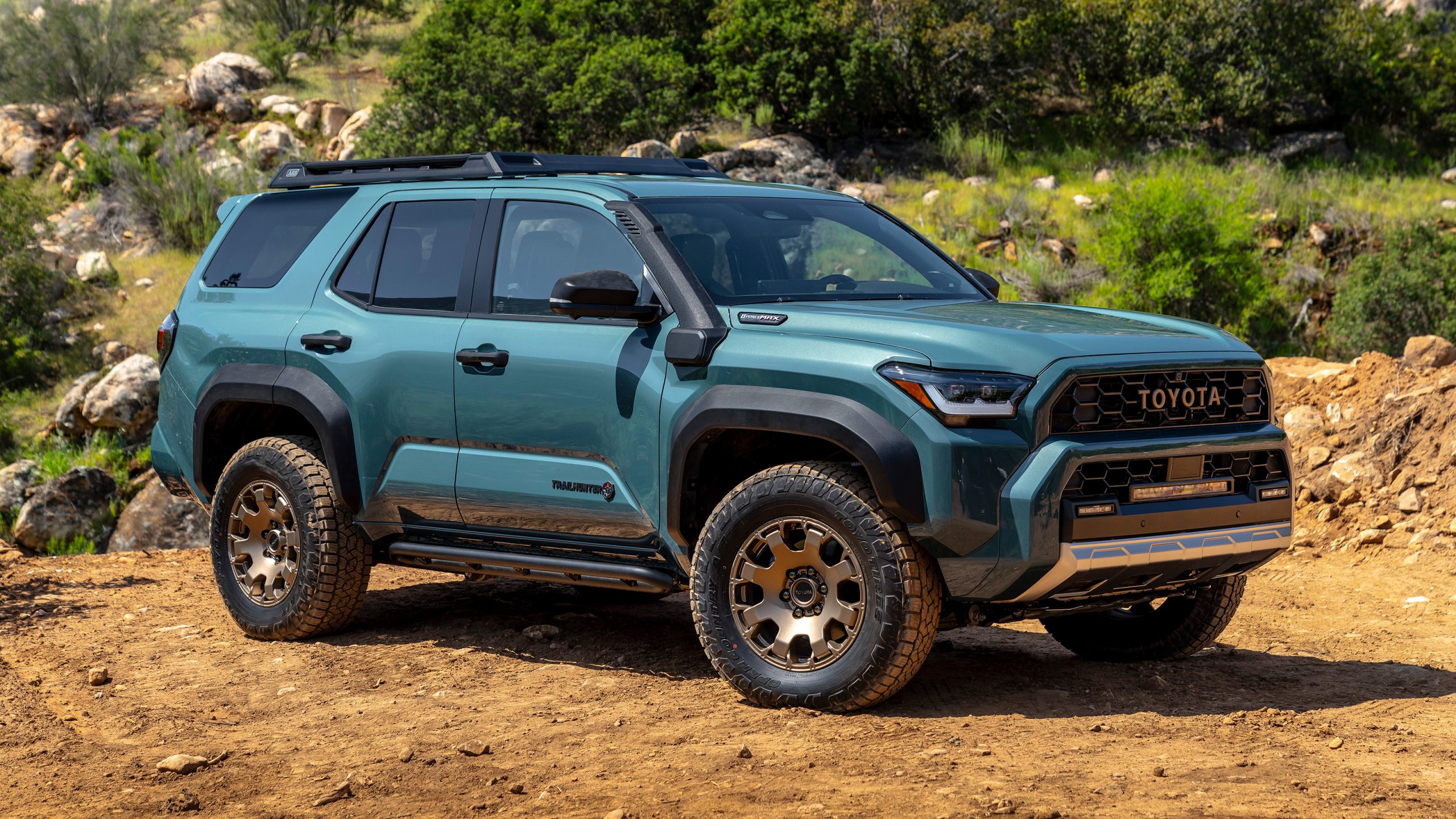
1. Toyota 4Runner
The Toyota 4Runner has long been recognized for its rugged build and elevated ride height. Its higher step‑in can provide a commanding view of the road, which some seniors find reassuring.
The seating position is firm, offering solid support during long trips. While the entry may require a slight lift, running boards are often included, reducing strain. The 4Runner also benefits from durable construction, making it suitable for uneven terrain or off‑road excursions.
The second row provides ample legroom, ensuring comfort even on extended drives. Its high step‑in can be challenging initially, but the assistive handles installed near the doors help stabilize entry. Cargo space is generous, and the height allows for easy loading of luggage and groceries.
For seniors who enjoy weekend adventures, the 4Runner’s configuration balances elevation with practicality. Steering and dashboard controls are ergonomically arranged to minimize twisting when entering or exiting. The high step‑in can also be useful for people who prefer sitting above the typical car height.
Despite its elevation, the ride remains stable, thanks to a strong suspension system. Seniors with mild mobility issues can find the high entry manageable with slight practice.
For those prioritizing road visibility and robust construction, the 4Runner is a compelling option. Maintenance is straightforward, and Toyota’s reputation for reliability ensures long‑term usability. It combines a higher step‑in with practical amenities that support comfort and safety.
The 4Runner also offers optional features like power seats that adjust height, further assisting entry. Heated seats and lumbar support can reduce discomfort associated with climbing into a higher cabin. The SUV’s wide door openings help mitigate the challenge of its height.
Its traction and stability control systems enhance confidence during entry and exit. For seniors who enjoy active lifestyles, this vehicle can handle both urban and off-road scenarios effectively. Fuel efficiency is modest, but the trade-off is balanced by utility and comfort.
High step‑in SUVs like this often appeal to those who value elevated driving perspectives. While some may find the height daunting at first, repeated use typically leads to easy adaptation.The Toyota 4Runner remains a popular choice among drivers who want a taller vehicle without sacrificing daily usability.
Its rugged construction ensures minimal body roll, making the entry feel secure. Even on inclined surfaces, the vehicle’s balance remains stable, reducing risk during step‑in or step‑out. The interior layout emphasizes space and comfort, with easy-to-reach grab handles and non-slip surfaces.
Visibility is exceptional, allowing drivers to monitor traffic and pedestrians effectively. The combination of high seating and sturdy support systems caters to seniors who are physically able but prefer a higher cabin for peace of mind.
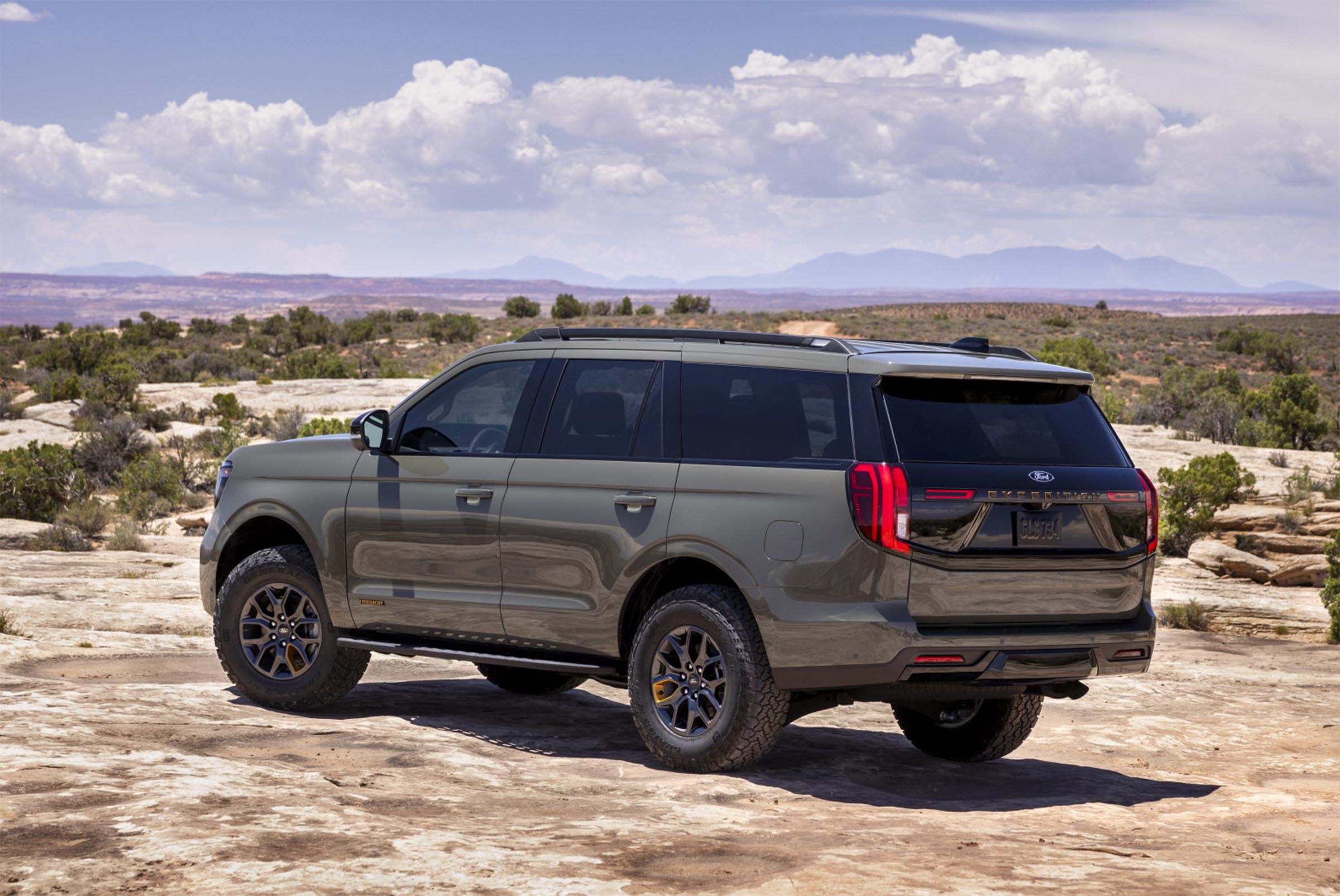
2. Ford Expedition
The Ford Expedition offers a spacious interior and higher step‑in height that elevates the driver above most traffic. It comes with wide doors and optional running boards, which ease entry for those willing to use assistive features.
The seating is plush and supportive, providing stability during both entry and exit. This large SUV also accommodates three rows comfortably, making it ideal for seniors who transport family or friends.
Entry to the Expedition may initially feel tall, but power-deployable running boards reduce strain. Once seated, the commanding view of the road enhances confidence and situational awareness.
Senior drivers often appreciate the combination of high ride height and roomy cabin. The vehicle’s suspension softens bumps, making climbing into the elevated cabin less jarring. Its high step‑in complements long trips by reducing fatigue and providing secure seating.
The interior layout is practical, with grab handles at strategic points to support balance. Instrumentation is clear, and the step‑in height is counterbalanced by step assists.
Rear passenger entry remains accessible thanks to adjustable second-row seats. Cargo handling is simplified, with ample space for luggage and mobility aids. Even with higher step‑in, seniors can rely on its predictable handling.
For drivers with mild mobility challenges, optional seats that tilt and slide improve access. Entry handles are thoughtfully positioned to prevent unnecessary twisting. Heating and ventilation options further enhance comfort.
A higher step‑in SUV like the Expedition suits seniors who prioritize visibility and vehicle stature. Adaptation is straightforward, especially with assistive features. Long-term use proves comfortable, and the robust suspension reduces strain during entry and exit.
Safety features like anti-slip door sills and traction control support secure climbing. Even on uneven driveways, the vehicle maintains stability. Its size ensures an elevated perspective, improving reaction time and visibility.
Modern conveniences such as adjustable pedals and electronic seat memory further reduce physical effort. The Ford Expedition’s high step‑in height caters to seniors who enjoy a commanding driving position while maintaining daily practicality.
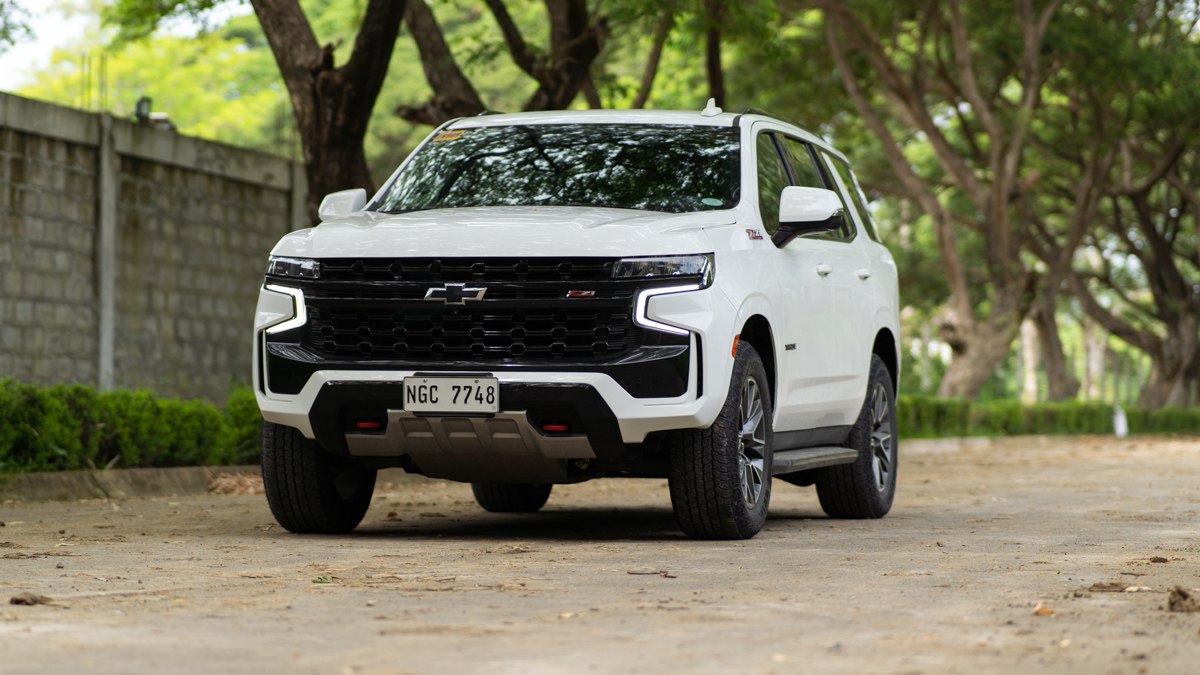
3. Chevrolet Tahoe
The Chevrolet Tahoe combines a higher step‑in with a spacious, supportive cabin. Its entry requires lifting, but optional side steps make it manageable. Once inside, seniors enjoy a wide, comfortable seat with strong lumbar support.
The vehicle’s elevated height provides better visibility on highways and city streets. The Tahoe balances ruggedness with comfort-oriented design.
Its step‑in height can be intimidating initially, but repeated use and the assistance of grab handles make entry routine. Interior features are strategically arranged for convenience. The second-row seating is roomy and easy to access.
Cargo space behind the third row is practical for shopping or luggage. The Tahoe’s ride stability ensures that the step‑in does not compromise comfort or safety.
Seniors may find optional power lift seats helpful when entering or exiting. Non-slip floor mats and running boards further enhance stability.
Heated seats reduce strain on joints during colder months. Wide door openings also help reduce awkward twisting or bending. The Tahoe provides a balance between elevation, comfort, and daily usability.
Its suspension absorbs road irregularities, which complements its higher step‑in. The elevated seating position can improve confidence in traffic. Safety systems like blind-spot monitoring add protection during entry or exit.
The interior layout prioritizes ergonomics, supporting seniors with limited flexibility. With practice, climbing in and out becomes effortless.
Durability is a key advantage, making it suitable for long-term ownership. Entry height is offset by supportive features and intuitive design.
The Tahoe combines strength, space, and comfort, appealing to seniors who enjoy taller vehicles. Adjustable pedals and memory seating provide additional convenience. Its reputation for reliability and comfort makes it a high-step option that meets senior needs.
4. Jeep Grand Cherokee
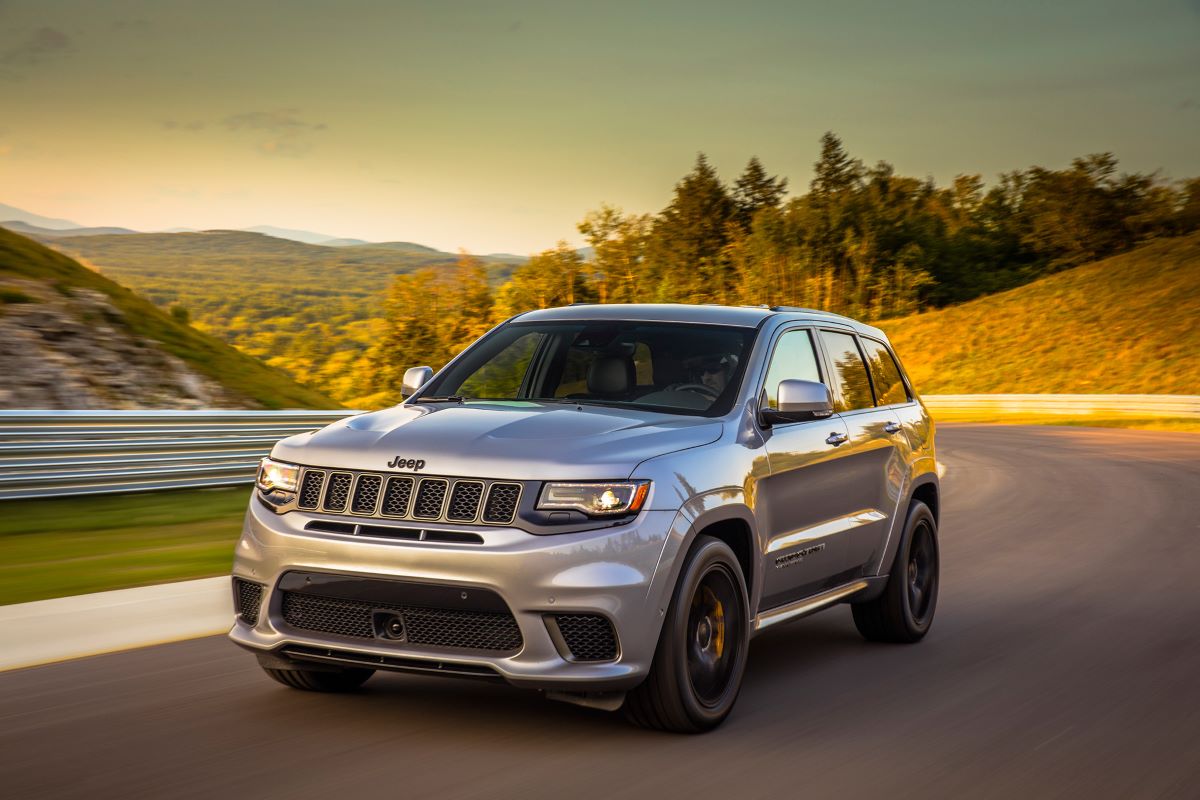
The Jeep Grand Cherokee is known for its elevated stance and robust suspension. Its higher step‑in height provides improved road visibility. Assist handles and optional side steps make entry easier.
The seats are designed for comfort and stability, supporting seniors during extended drives. Its moderate size compared to larger SUVs offers maneuverability while retaining height benefits.
The interior is well-appointed, with ergonomically positioned controls. While the step‑in requires a lift, the process is manageable with grab handles.
Rear seating remains accessible, though higher entry can be more challenging for those with severe mobility restrictions. The Grand Cherokee blends daily usability with elevated perspective. Senior drivers often appreciate its balance of height and compact SUV maneuverability.
Optional features like adjustable power seats and tilt-out doors reduce strain. Heating, lumbar support, and cushioned armrests further enhance comfort.
Cargo area accessibility is simplified by a slightly elevated rear. Despite its taller build, the vehicle handles smoothly, making step‑in feel secure. Adaptation to the height is typically quick.
The Grand Cherokee offers an appealing combination of off-road capability and senior-friendly features. Non-slip mats and sturdy handles support safe entry. High step‑in may discourage those with severe joint issues, but otherwise provides advantages in driving visibility.
The interior arrangement ensures essentials are within easy reach. For seniors seeking a rugged yet accessible SUV, the Grand Cherokee remains a viable option.
Additional safety features like electronic stability control provide reassurance during step‑in and step‑out. Seating surfaces are firm but comfortable, reducing the likelihood of fatigue.
Its elevated design can help drivers maintain an advantage in traffic. Practicality is maintained with optional running boards. The vehicle strikes a balance between a high step‑in and supportive cabin for daily use.
5. Honda Pilot
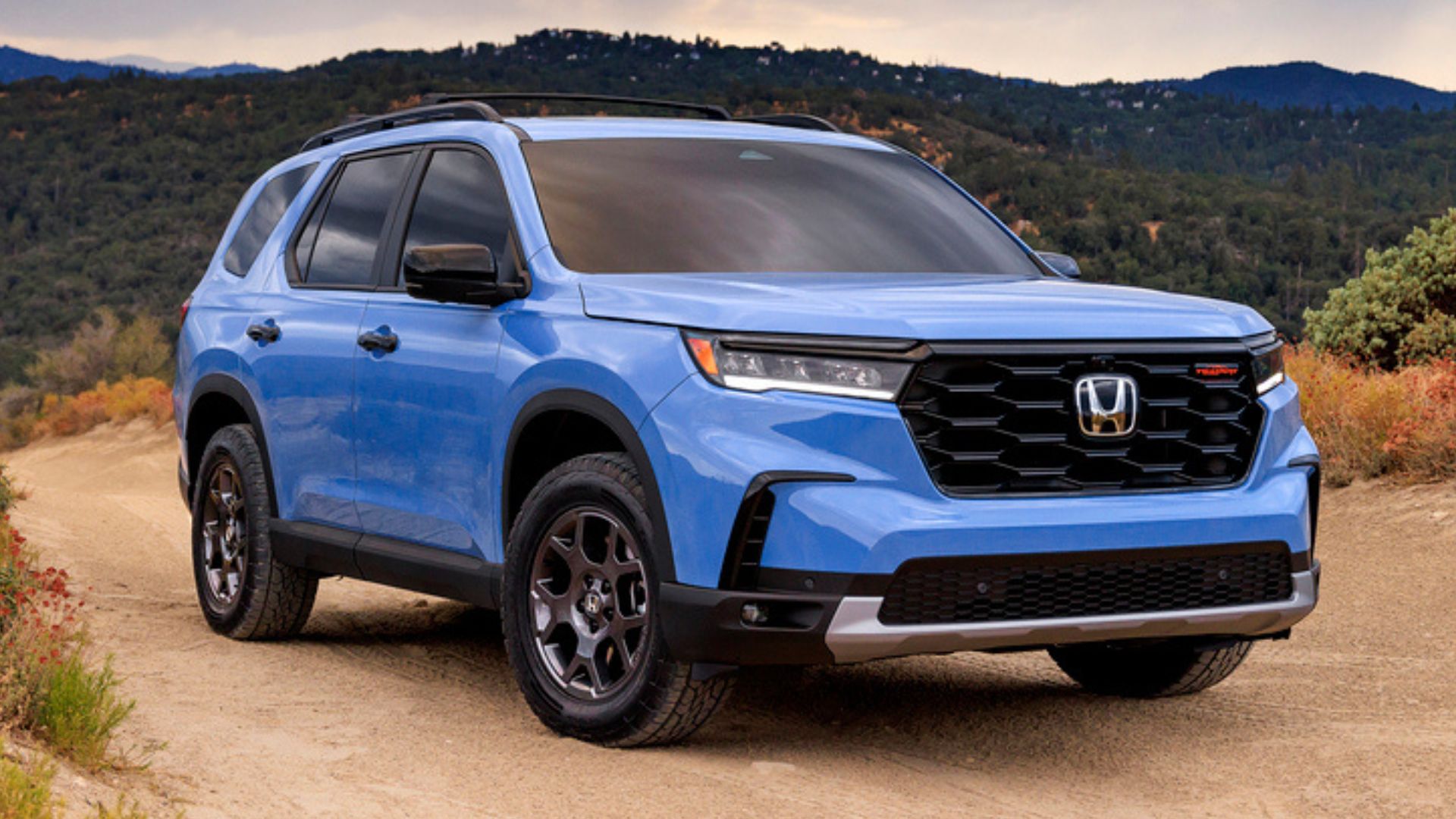
The Honda Pilot has a slightly elevated stance, offering a higher step‑in than typical sedans while remaining manageable. Its cabin is spacious and seats are ergonomically designed.
Grab handles and optional running boards reduce strain. The Pilot combines elevated seating with comfort-oriented features, making it suitable for seniors who value visibility and daily usability.
The step‑in height allows for easier oversight of surrounding traffic. Second and third-row seats are accessible with minimal bending.
Adjustable power seats enhance entry and exit. Interior layout ensures essential controls are reachable without twisting. Cargo space is sufficient for groceries, luggage, or mobility aids.
The suspension absorbs road irregularities, smoothing entry and exit. Side handles and wide door openings support stability.
Optional heated and ventilated seats reduce discomfort. Entry becomes routine with repeated use. Visibility, comfort, and utility make the Pilot a practical choice for seniors who tolerate moderate height.
Its interior emphasizes space and ergonomics. High step‑in may initially challenge those with knee or hip issues, but grab handles assist the process.
Rear passenger access is simplified with sliding seats. The elevated driving position improves confidence and situational awareness. The Pilot balances high seating with accessibility.
The Honda Pilot offers long-term reliability, making it a sustainable option. Step‑in remains higher than sedans but manageable with practice. Comfort features reduce strain during climbing or sitting.
Safety features protect seniors during entry and exit. Its combination of moderate elevation, spacious cabin, and practical amenities makes it an appealing option for those seeking a higher ride.
5 Vehicles That Are Easy to Enter
1. Subaru Outback
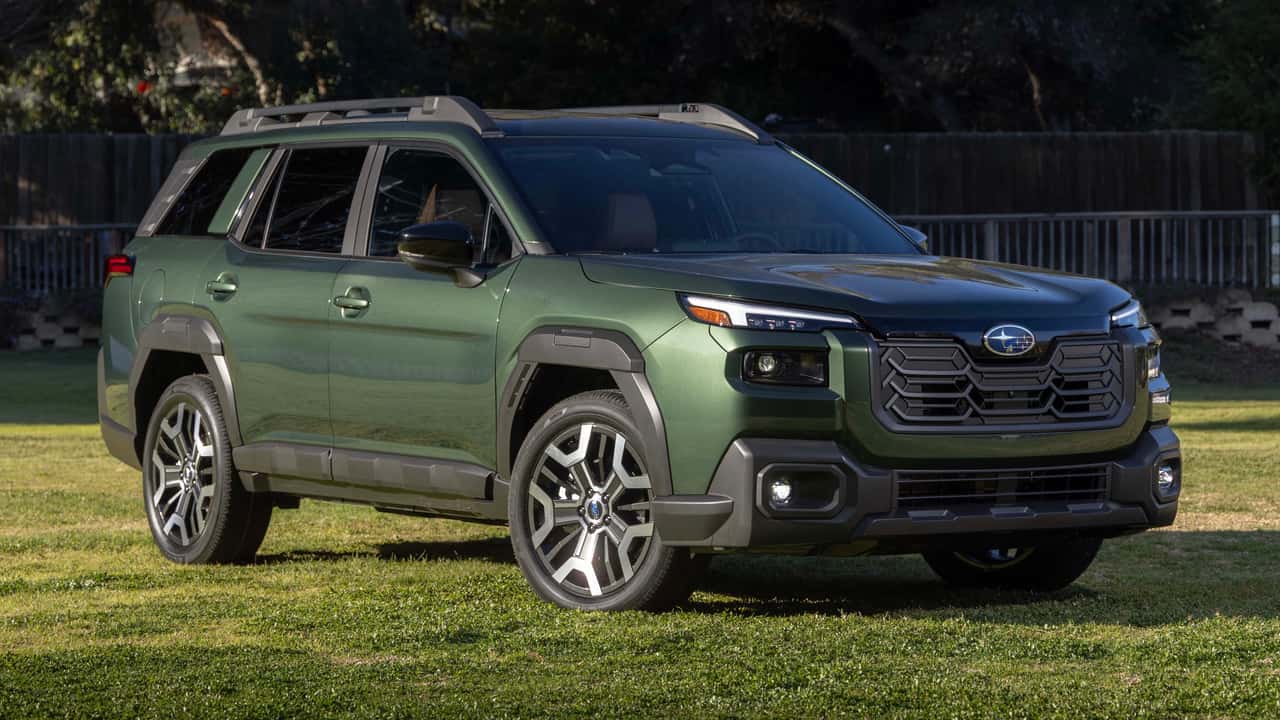
The Subaru Outback is a wagon-style SUV with a low step‑in, making entry effortless for seniors. Wide door openings and seats positioned closer to the ground minimize bending.
Its interior is comfortable and supportive, with controls easily within reach. Stability and traction systems enhance confidence during entry and exit.
Low step‑in height reduces strain on knees and hips. Even those with limited mobility can climb in with minimal effort. Seats are cushioned and ergonomic, providing comfort during longer trips.
Cargo handling is practical, and the layout simplifies loading. The Outback blends ease of entry with a balanced driving experience.
Assistive handles and non-slip surfaces support safe entry. Seating height allows seniors to sit naturally without stretching.
Interior features emphasize accessibility. The slightly lower stance does not compromise visibility significantly. For seniors prioritizing effortless entry, the Outback is highly suitable.
Optional features like power-adjustable seats further simplify climbing in and out. Heating options reduce discomfort during winter.
The SUV’s lightweight design complements the low step‑in, making door operation easier. Visibility and control remain adequate despite lower seating. Its compact size makes parking and maneuvering simple.
The Subaru Outback is practical for seniors who prioritize easy access. Step‑in height is minimal, reducing physical strain.
Stability and supportive seating make daily trips comfortable. With modern convenience features, it caters to drivers seeking low-effort entry and safe, comfortable rides.
2. Honda CR-V
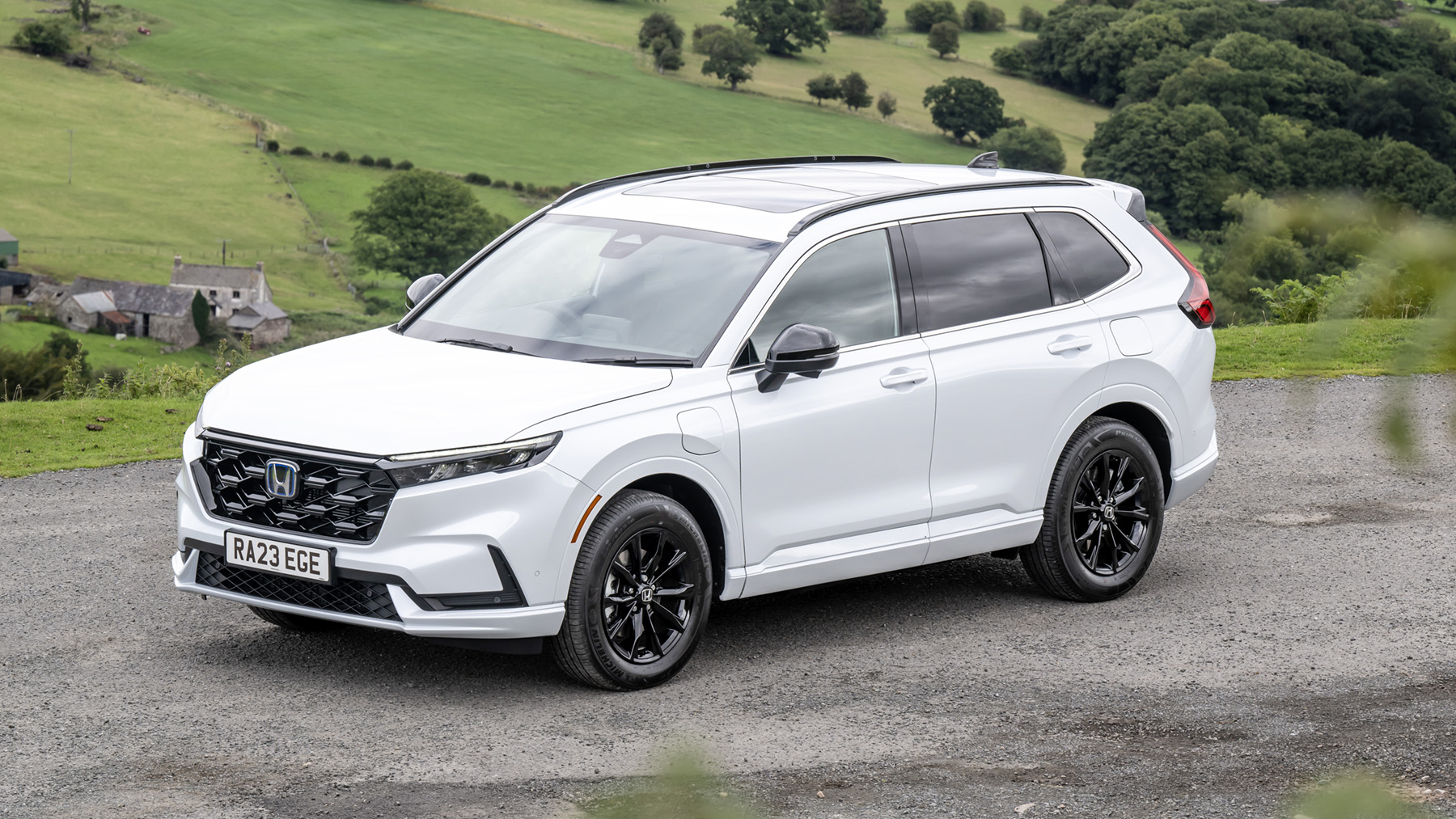
The Honda CR-V is known for its low floor height and easy entry. Seats are positioned to minimize bending, and wide doors assist comfortable access. Grab handles provide additional support. The CR-V’s ergonomic layout makes it convenient for seniors with mobility issues.
Step‑in height is ideal for those with joint limitations. Seats provide firm yet comfortable support. Rear entry is straightforward, and cargo space is accessible. Power seats are optional, further simplifying entry. The CR-V balances accessibility with daily functionality.
Assistive features reduce the effort of climbing in. The lower floor enhances comfort, especially during frequent trips. Interior controls are within reach. The SUV’s suspension absorbs bumps, minimizing jarring entry or exit. Seniors can adapt quickly to the vehicle’s low step‑in.
Heating, lumbar support, and adjustable seats improve comfort. Door design supports safe entry. Interior layout prioritizes usability. Low step‑in makes long drives less fatiguing. The CR-V combines accessibility and practicality.
Its compact size complements ease of entry. Step‑in height remains minimal, benefiting seniors with reduced flexibility. Safety features such as traction control support confidence during entry. The CR-V is an excellent choice for seniors seeking effortless climbing and daily usability.

3. Kia Soul
The Kia Soul has a low step‑in height, making entry easy for seniors. Its boxy design provides wide doors and high ceilings, further easing access. Seats are positioned close to the ground without compromising comfort. Interior ergonomics ensure controls are easy to reach.
The Soul’s entry is effortless, minimizing bending and stretching. Grab handles enhance stability. Seating is supportive and cushioned, allowing long trips without discomfort. Cargo space is practical and accessible. Power-adjustable options are available to further simplify entry.
Interior layout emphasizes comfort and usability. The low step‑in reduces strain on knees and hips. Assistive handles provide additional security. The suspension smooths bumps, supporting easier entry and exit. Seniors can adapt quickly to the vehicle’s design.
Features such as heated seats, lumbar support, and wide openings enhance comfort. Entry remains simple even with additional passengers. Ergonomic seating reduces fatigue. The combination of low step‑in and supportive cabin makes the Soul highly senior-friendly.
4. Toyota Corolla Hatchback
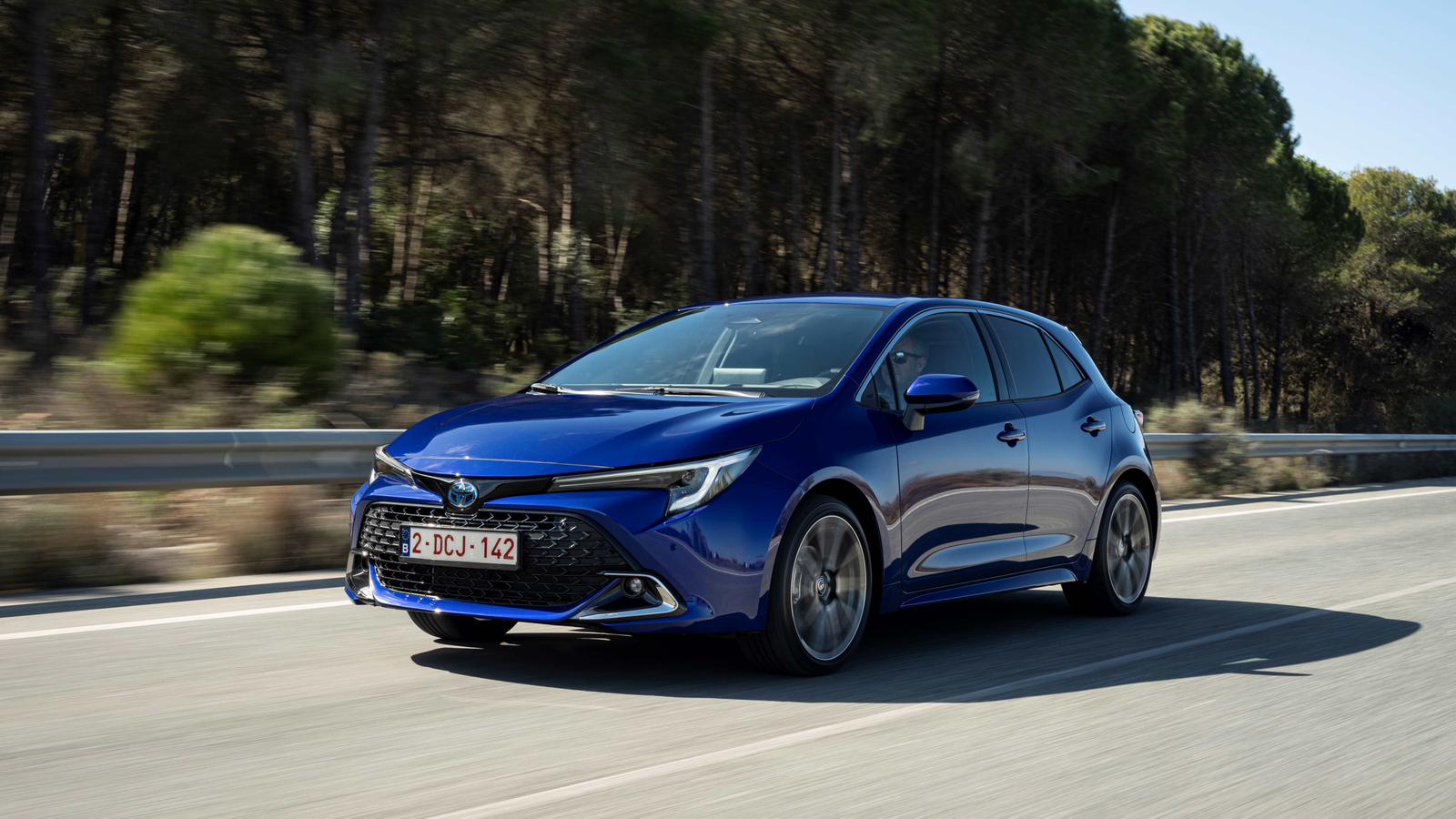
The Toyota Corolla Hatchback offers a low step‑in, ensuring easy access for seniors. Wide doors and lower seating reduce the need for bending. Grab handles and supportive seats enhance safety and comfort. The compact size makes maneuvering and parking simple.
Step‑in height is ideal for those with limited flexibility. Interior seats are ergonomic and cushioned. Entry and exit are straightforward, minimizing strain. Cargo area is accessible and practical for small loads. Optional power seats further simplify entry.
The suspension absorbs minor bumps, smoothing the process of climbing in. Interior layout supports ease of use, with controls within reach. Seniors can comfortably adjust seating for optimal comfort. Door design emphasizes accessibility and minimal effort.
The Corolla Hatchback blends low step‑in with practical features. Safety and comfort are enhanced through supportive seats and handles. This makes it a preferred choice for seniors prioritizing minimal effort when entering or exiting.
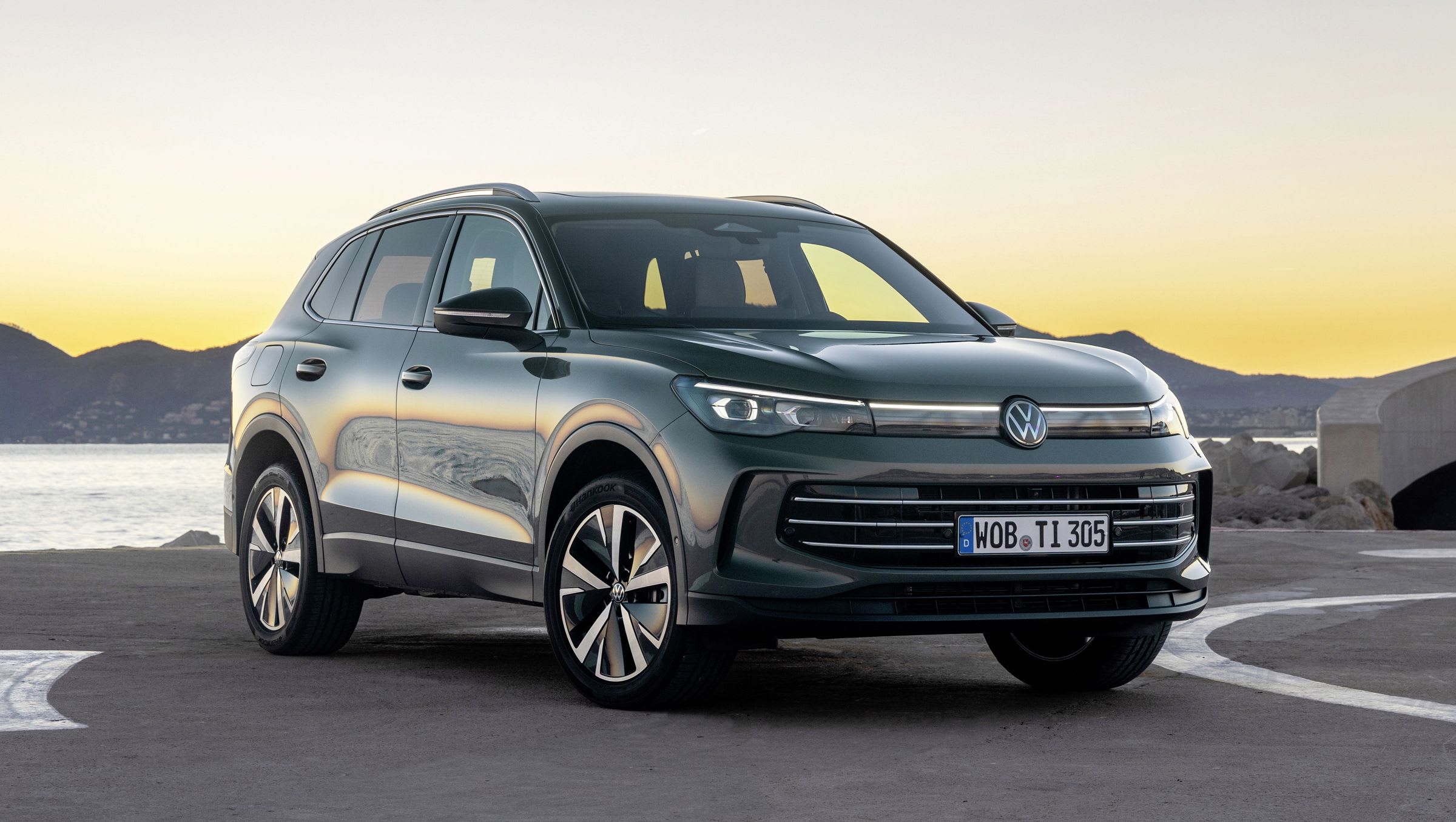
5. Volkswagen Tiguan
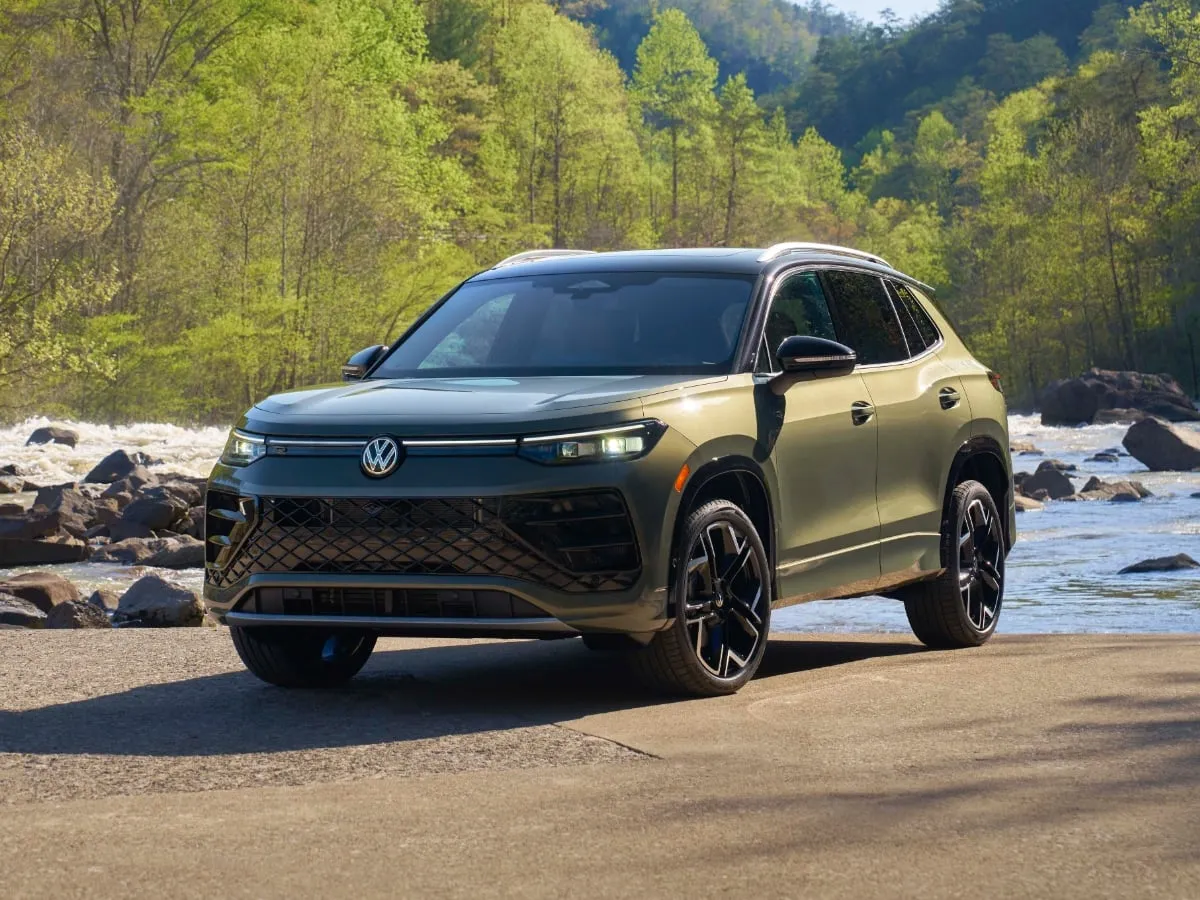
The Volkswagen Tiguan features a low step‑in height, simplifying entry for seniors. Its doors open wide, and seats are positioned closer to the ground. Ergonomic seating and assistive handles provide comfort and stability. Interior controls are within easy reach.
Step‑in height reduces strain on knees and hips. The Tiguan’s cabin is supportive, with ample legroom. Entry and exit remain effortless even for those with limited mobility. Cargo access is straightforward. Optional power-adjustable seats enhance convenience.
Interior layout supports ease of entry. Suspension smooths bumps, improving comfort during climbing. Seating is firm and supportive. Wide doors make entry safe and easy. For seniors, the Tiguan blends comfort with low physical effort.
Its compact design complements accessibility. Step‑in height ensures minimal bending or stretching.
Safety features such as traction and stability control add confidence. The Tiguan is suitable for seniors seeking ease of entry combined with modern SUV practicality.
