
Compact SUVs have become among the most popular vehicle types for families, commuters, and adventure seekers.
Buyers often compare performance, fuel efficiency, interior comfort, technology, and safety features. One aspect that many shoppers overlook until they test drive is cabin noise at highway speeds.
Road noise can make a long trip tiring, reducing the pleasure of travel and increasing stress. Highway sound levels vary widely between models due to engineering choices in insulation, tire design, body rigidity, and aerodynamics.
Manufacturers that invest in sound‑dampening materials and design usually deliver a more pleasant driving environment. Premium brands in particular often focus on muted road sound, helping drivers talk, listen to media, and remain alert on the road ahead.
A compact SUV that remains calm and quiet at highway speeds transforms long drives from a chore to something more serene. Conversely, some vehicles permit wind, tire, and engine noise to enter the cabin with little resistance, which can feel tiring on long trips.
When researching compact SUVs, understanding the acoustic performance complements other comparisons such as handling or cargo space. A quiet cabin also supports safer driving because occupants can better hear sirens, horns, and navigation cues.
For people who spend many hours weekly on freeways or rural highways, choosing a model with low noise intrusion is a practical choice. While luxury SUVs often lead in suppression of exterior sound, there are surprising mainstream models that achieve excellent calm cabins through thoughtful engineering.
In contrast, several compact SUVs struggle with noise control due to design compromises. Off‑road‑oriented models may trade sound insulation for additional ground clearance and rugged tires.
Other vehicles prioritizing sportiness or cost savings might skimp on thick acoustic glass, insulation layers, or aerodynamic sealing. The result is a cabin that amplifies wind rush, tire roar, and engine whine at higher speeds.
This article will guide you through ten compact SUVs grouped by their highway cabin noise performance. First, we’ll profile five models known for refined highway silence, explaining what makes them stand out.
Next, we’ll profile five models that tend to exhibit more prominent road noise, including common reasons for that reputation.
Finally, a concluding section will summarize key considerations when comparing acoustic comfort among compact SUVs.
Whether your priority is calm travel or rugged capability, this comparison will help you understand how cabin noise influences daily driving experience.
Quiet Highway Cabin
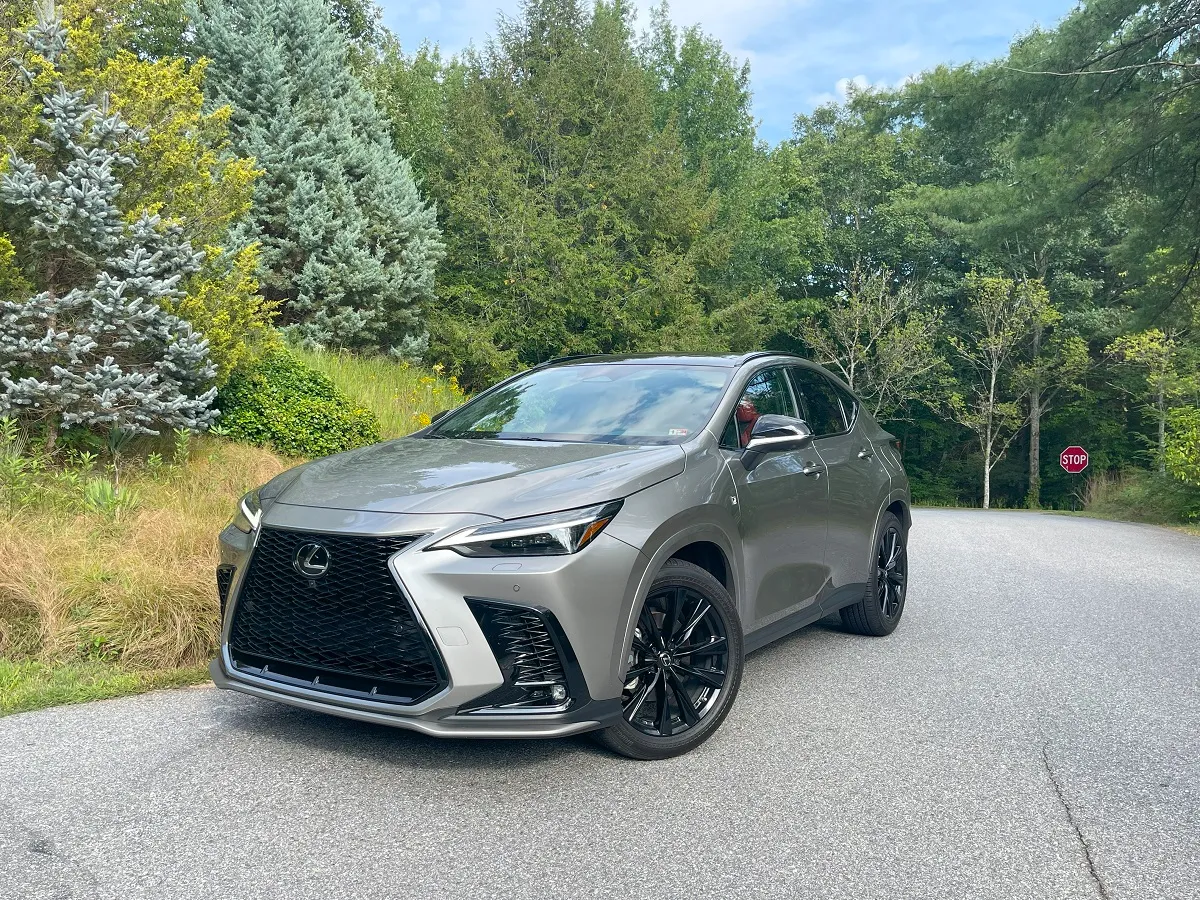
Lexus NX
The Lexus NX stands out in the compact luxury SUV category with a concerted focus on refinement and comfort. Lexus engineers use thick acoustic glass, multi‑layered door seals, and dense carpeting to reduce intrusion from the road surface.
At highway speeds, wind noise around the mirrors and A‑pillars is minimized through careful shaping of those areas. Lexus also tunes suspension components to absorb bumps quietly, further reducing cabin disturbances.
A quiet cabin supports conversations without raising voices even at 70 miles per hour. The engine remains subdued during steady‑state cruising, helped by smooth power delivery and engineered insulation.
Tire choice plays a role; Lexus typically equips low‑noise, touring‑oriented tires that balance grip and refinement. These components work together so that occupants perceive noise levels more akin to larger luxury SUVs.
The infotainment system complements the silent cabin by delivering clear audio without the need to raise volume excessively.
Quiet cabins allow audio systems to perform better because external noise doesn’t compete with music or podcasts. Lexus NX reviewers consistently note the serene atmosphere during long highway journeys. Comfort‑oriented seats and a stable ride further reinforce this sensation of tranquility.
Lexus also offers hybrid powertrain options that operate with very smooth acceleration and limited audible engine transitions.
The hybrid models are particularly quiet at moderate cruising speeds because the gasoline engine often shuts off. Regenerative braking systems in those variants are calibrated to feel smooth and unobtrusive, contributing to the calm.
In dense traffic or windy conditions, the NX still maintains composure compared with many rivals. While no vehicle is completely noise‑free, the Lexus NX achieves an above‑average balance of quietness, comfort, and performance. For drivers valuing a refined environment on long drives, this SUV remains a compelling choice.

Volvo XC40
Volvo’s compact SUV, the XC40, brings Scandinavian design principles to its acoustic engineering. The XC40 benefits from laminated side glass and optimized body panel gaps that reduce wind noise penetration at high speeds.
Inside, Volvo uses insulating materials in the firewall and wheel arches to limit road roar from coarse pavement. The result is a calm atmosphere well suited for long highway cruising.
Drivers report that the XC40’s seats and chassis tuning contribute to a sense of serenity. Supportive seating and a controlled ride prevent jarring impacts from being transmitted loudly into the cabin.
Engine noise is kept in check through a combination of tuning and insulation, whether the vehicle is equipped with a turbocharged gasoline engine or mild‑hybrid system. Even during acceleration, the sound remains measured.
The XC40’s audio system performs well in quiet surroundings, providing clarity without needing high volume. Volvo places importance on driver experience, and a quiet interior supports focus and communication. Rear passengers also benefit from thoughtful insulation, so conversations remain possible over longer distances without fatigue.
Volvo’s approach to safety extends to acoustic comfort by reducing distractions and unnecessary sound. Interior trim choices further contribute to a plush feel without excess resonance. At typical freeway speeds, wind noise is barely noticeable unless in particularly gusty conditions or with windows open.
The XC40 strikes a balance between compact dimensions and refined cabin acoustics. It is a strong choice for those who want a peaceful experience over long daily drives or weekend excursions. Buyers aiming for a quiet compact SUV will appreciate Volvo’s attention to detail in reducing unwanted noise.
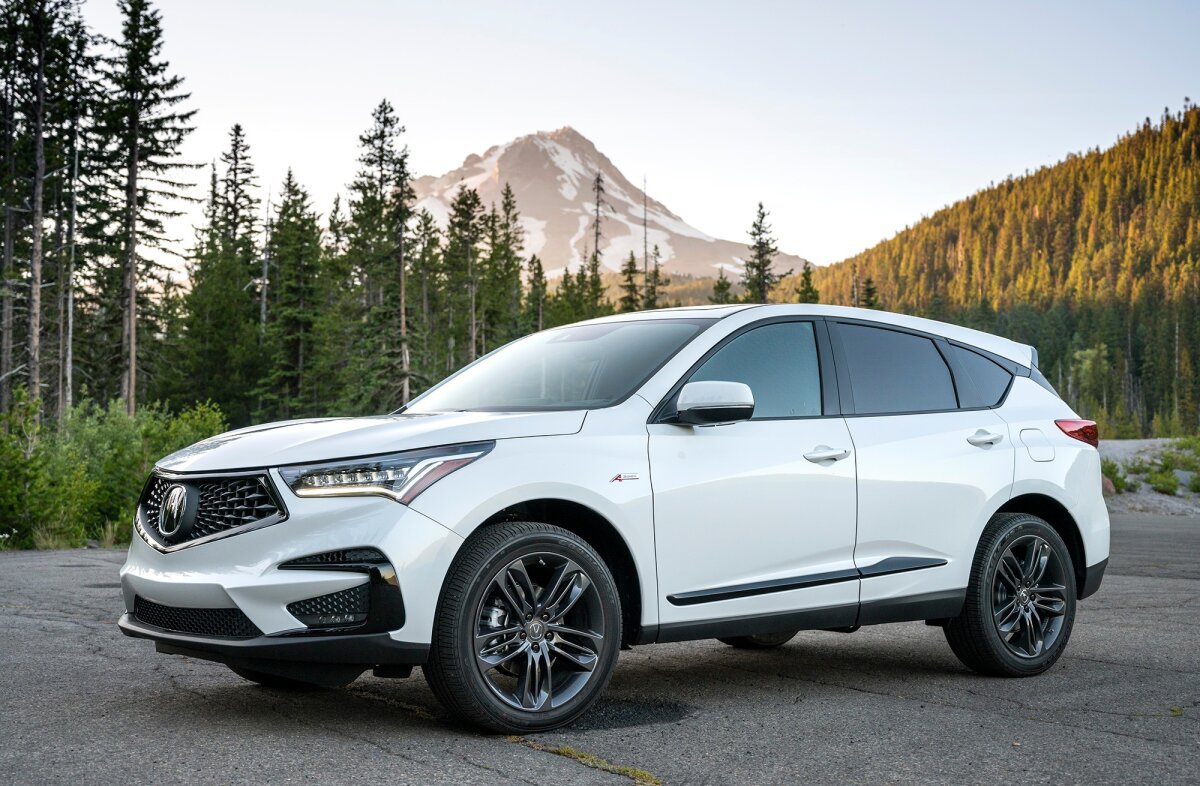
Acura RDX
The Acura RDX has long been recognized for blending sportiness with refinement in a compact SUV package. Engineers equip the RDX with acoustic glass, additional cabin insulation, and suspension tuning that mitigates tire and road noise.
When cruising on highways, occupants notice a significant reduction in external sound compared with many competitors.
Acura’s turbocharged powertrain is responsive while still maintaining a composed character during steady cruising.
The engine noise is tuned to be unobtrusive rather than boomy, and wind noise around the side mirrors is subdued through careful aerodynamic shaping. Tire choice and wheel well liners further dampen road roar from pavement textures.
Comfortable seating with supportive bolstering adds to the sense of quiet luxury. The interior materials also help absorb sound waves before they reach passengers.
Infotainment systems produce crisp media output, and adaptive cruise control functions smoothly without contributing to auditory distraction.
Even during moderate acceleration merges, the RDX maintains a cabin environment that feels controlled and mature.
Noise suppression is not limited to low speeds; as speed increases, so does the perception of solidity and refinement. This quality makes longer trips more enjoyable and less draining.
For buyers prioritizing a calm, composed highway experience without moving into the higher price brackets of some European rivals, the Acura RDX remains a noteworthy option. It delivers quiet cruising that many drivers value in everyday use.

Mercedes‑Benz GLC
The Mercedes‑Benz GLC brings traditional German refinement to the compact SUV segment. Mercedes equips the GLC with extensive sound‑deadening materials, including double seals in the doors and multilayer insulation in the cabin.
This attention to acoustic performance results in minimal intrusion of wind and road noise at highway speeds.
When on the open road, the GLC’s engine and transmission work smoothly and quietly. The ride quality and suspension tuning also contribute to a composed cabin environment.
Aerodynamic design elements help reduce turbulence around side mirrors and roof rails, making high‑speed cruising more restful.
Inside, the GLC’s premium materials promote a sense of luxury and calm. Plush seating and strategically placed soft surfaces absorb sound instead of reflecting it.
The optional Burmester audio system benefits from this quiet backdrop by providing rich, clear sound without needing to compete with external noise.
Mercedes engineers also focus on isolating vibration from the road surface. The result is a cabin that feels insulated from harsh textures and coarse pavement imperfections. Even at freeway speeds, passengers can carry on conversations without raising their voices.
For those who want a compact SUV that emphasizes comfort and quiet, the GLC delivers on that promise. It remains one of the more refined options in its class for highway travel and everyday driving.
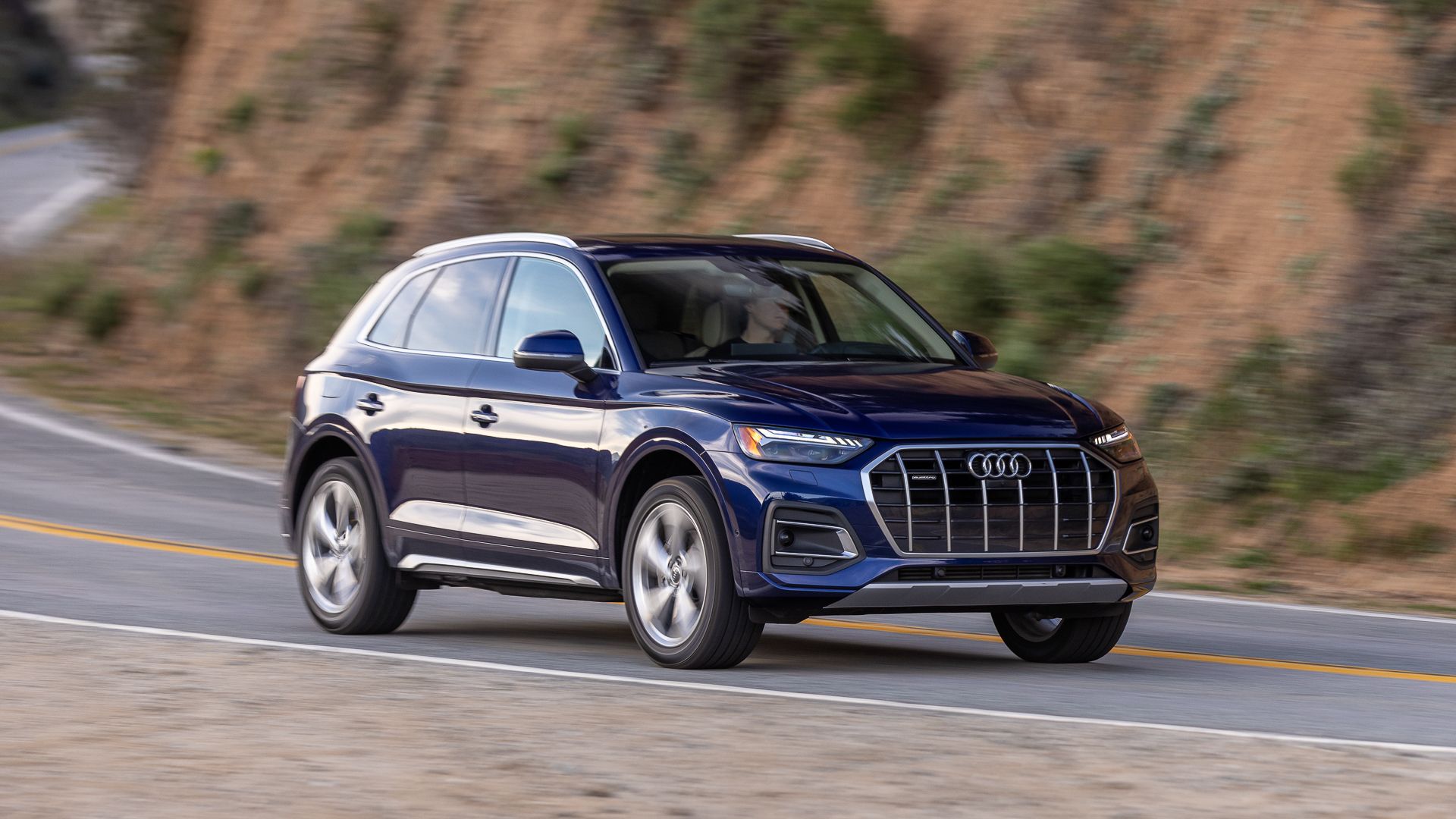
Audi Q5
The Audi Q5 is widely praised for its balanced refinement, performance, and interior comfort. Audi’s approach to acoustic engineering includes extensive insulation in the firewall, roof, and doors, as well as laminated side glass.
These features minimize intrusive sounds from wind, tires, and engine noise during sustained high‑speed travel.
At highway speeds, the Q5 remains composed, with engine and road noise kept at bay. Quattro all‑wheel‑drive models provide added stability, which indirectly reduces noise from chassis flex and vibration.
The suspension setup also helps isolate passengers from rough surfaces, contributing to a calming atmosphere.
Audi’s infotainment system and sound system deliver crisp audio within the serene cabin. Occupants can listen to music, podcasts, or calls without needing high volume even at typical freeway speeds. Comfortable seats and supportive ergonomics further enhance the long‑distance comfort experience.
Acceleration feels smooth and controlled, with a refined power delivery that doesn’t compromise quietness. Wind noise around the mirrors and roofline is subdued through aerodynamic design. Acoustic balance remains a priority, making the Q5 feel more premium than many mainstream rivals.
For customers seeking a quiet, upscale compact SUV that performs well in daily driving and long highway journeys, the Audi Q5 offers a compelling combination of refinement and capability.
Excessive Road Noise

Jeep Wrangler
The Jeep Wrangler is iconic for off‑road capability, rugged design, and unmistakable style. Those characteristics, however, also contribute to cabin noise at highway speeds.
The Wrangler’s boxy shape and removable doors and roof panels do not lend themselves to tight aerodynamic sealing, which increases wind intrusion.
Wind noise around the windshield and mirrors is prominent once freeway speeds are reached. Tires designed for off‑road traction often generate substantial road roar when on pavement.
Even with the top and doors installed, some sound can filter through panel gaps due to the vehicle’s rugged construction.
The Wrangler’s engine, especially V6 variants, produces a distinctive auditory presence that is part of its character.
On long drives, this constant audio energy can feel tiring compared with quieter rivals. Suspension components tuned for off‑road articulation also transmit road texture sounds into the cabin.
Interior materials are durable but less focused on acoustic dampening. Hard plastics and minimal insulation are common, which can reflect sound rather than absorb it. As a result, conversations at highway speeds often require raised voices.
For buyers prioritizing adventurous terrain capability, the cabin noise may be an acceptable compromise. However, if daily highway comfort is a top priority, the Wrangler’s acoustic environment falls short of many competitors.

Ford Bronco
The Ford Bronco targets rugged off‑road use with high ground clearance, aggressive tires, and open‑air driving options.
These traits contribute to a lively driving experience but also elevate cabin noise on highways. Wind buffeting around the windshield and roof openings is common at higher speeds.
Tires with chunky tread patterns meant for dirt and rock grip generate significant road noise when on pavement. The Bronco’s boxy design increases exposure to turbulent air, particularly around mirrors and roof rails. These factors combine to create an audible backdrop inside the cabin.
Even with the windows closed, engine and drivetrain noise are more noticeable compared with more road‑oriented SUVs. Suspension tuning prioritizes wheel travel and resilience over isolation of road texture sounds. Occupants may perceive more vibration and rumble from uneven pavement.
Interior trim in the Bronco emphasizes rugged durability over plush comfort. Hard surfaces reflect sound rather than absorb it, amplifying the perception of external noise sources. As a result, lengthy highway drives can feel tiring for some travelers.
While the Bronco excels off‑road and in adventurous settings, its highway acoustic performance is a trade‑off buyers should weigh. Those who frequently drive at speed may prefer quieter alternatives.
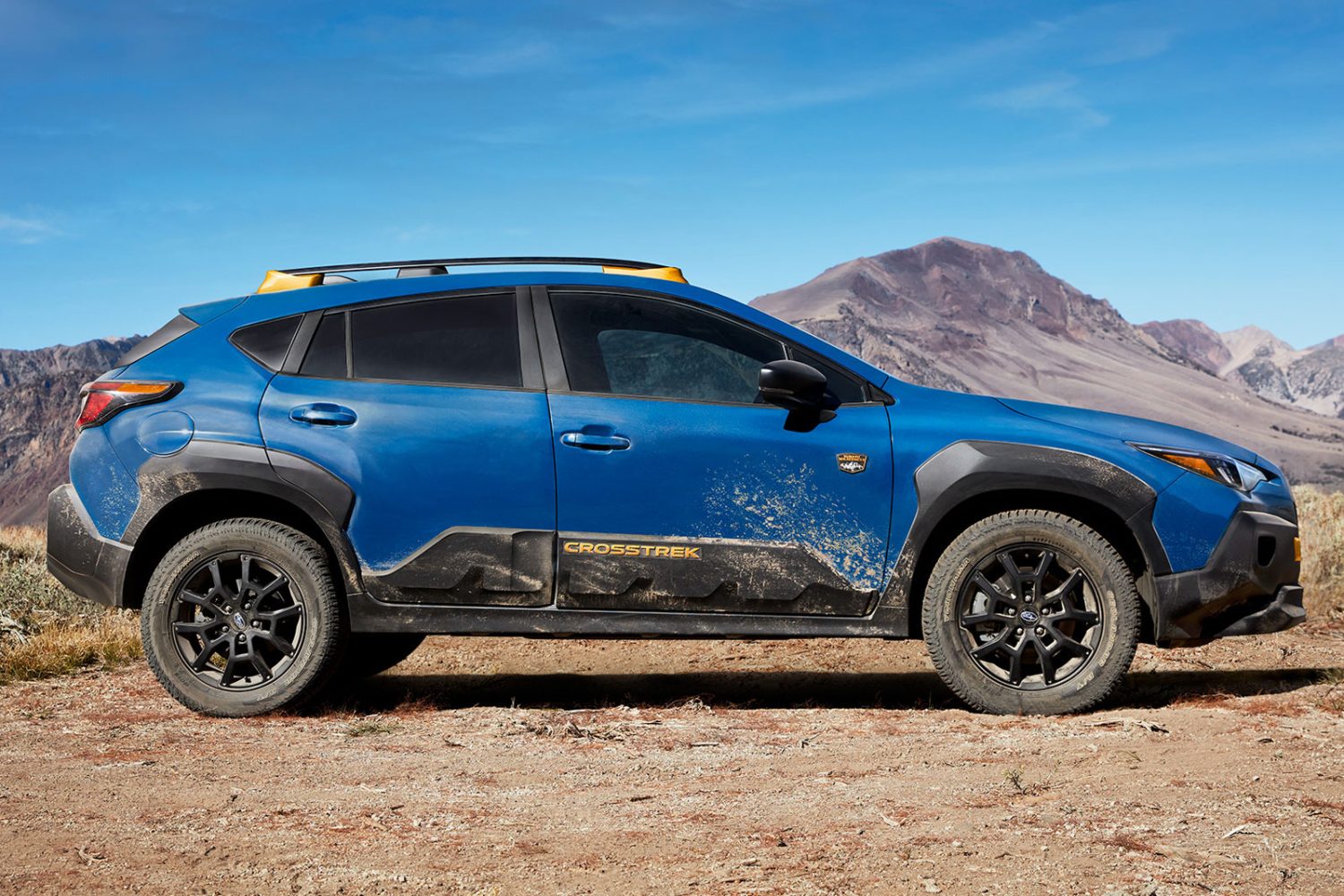
Subaru Crosstrek
The Subaru Crosstrek is known for all‑wheel drive and utility at an accessible price point. However, its highway noise performance is less refined than many rivals. Wind noise around the roofline and mirrors can become noticeable above typical freeway speeds.
Tire selection for standard Crosstrek trims includes patterns that balance traction and efficiency but sometimes generate audible road roar. The relatively firm suspension transmits more road texture sounds into the cabin than softer, comfort‑biased rivals. Engine noise also remains present at higher speeds, contributing to loudness.
Interior insulation in the Crosstrek is adequate for city driving, yet lacks the depth found in more premium models. Hard interior surfaces and thinner door seals amplify travel noise rather than mitigate it. Rear passengers also report hearing similar sound levels due to limited sound deadening materials back there.
While the Crosstrek offers capable traction and practicality, its highway quietness trails many competitors. Buyers accustomed to very calm cabins might find the Crosstrek’s acoustic environment less satisfying. Prioritizing refinement may point consumers toward alternatives with stronger noise control.

Jeep Renegade
The Jeep Renegade blends compact size with off‑road styling cues, but highway cabin noise is often cited as a weak point. Its boxy proportions and upright grille increase exposure to wind noise at speed. Side mirror placement and shape contribute additional turbulent airflow into the cabin.
Tires designed for mixed conditions generate road roar that is more noticeable on smooth pavement at high speed. The Renegade’s suspension tuning remains firm over bumps, transmitting more surface harshness into the interior. Engine noise at freeway speeds also adds to the auditory environment.
Interior materials are durable but lack the thickness of acoustic insulation found in more refined rivals. Hard plastics and limited sound‑absorbing layers reflect noise rather than quiet it. Conversations across the cabin may require elevated volume in order to be clear during fast travel.
While the Renegade offers distinctive style and compact maneuverability, buyers focused on serene highway driving may find its cabin less appealing. Compromises made for design and off‑road character impact everyday comfort at speed.
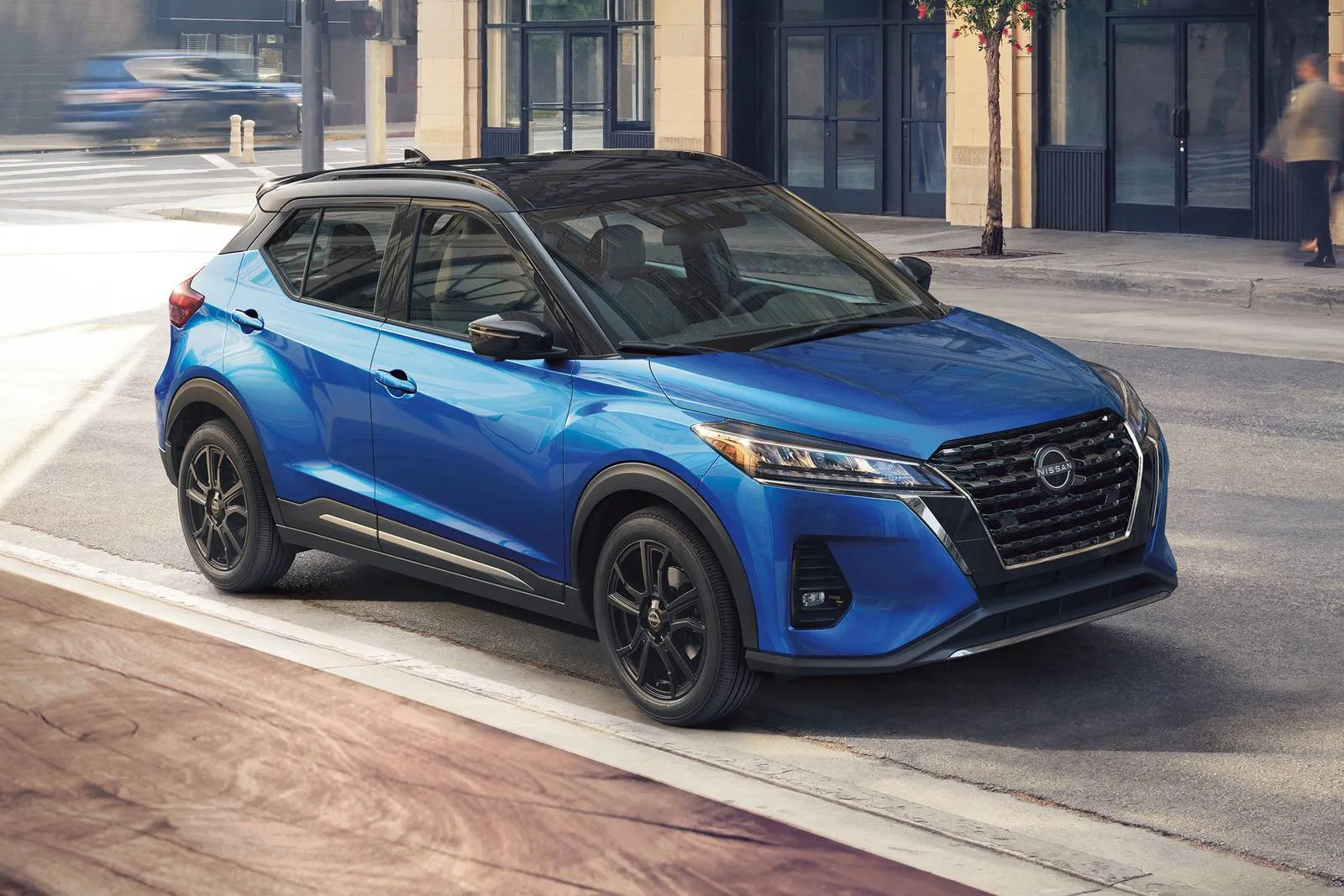
Nissan Kicks
The Nissan Kicks is a value‑oriented compact SUV that offers excellent fuel efficiency and practicality for urban commuting. However, its highway noise performance is often less composed than competitors. Wind noise creeps in around the windshield and A‑pillars as speeds climb above typical freeway limits.
Tires on standard Kicks trims tend toward low rolling resistance, but this can sometimes trade off with increased road surface roar. The engine, a naturally aspirated powertrain, can be audible during sustained high‑speed driving. Cabin insulation is relatively light, prioritizing cost savings and weight reduction.
Interior surfaces tend toward hard plastics, which do not absorb sound as effectively as thicker, softer materials. This contributes to reflections of road and wind noise within the cabin. Occupants may find themselves raising voices during extended highway travel.
For buyers seeking budget‑friendly daily driving and city use, the Kicks delivers value. However, those who drive highways frequently may prefer models with stronger noise suppression and comfort focus.
