

Hybrid sedans are becoming increasingly popular as drivers seek vehicles that balance fuel efficiency with environmental responsibility. One key factor often overlooked when choosing a hybrid is the cooling system, which plays a vital role in maintaining engine performance and longevity.
Cooling systems in hybrids vary widely. Some designs use straightforward layouts similar to conventional internal combustion engines, while others integrate advanced technologies, electric pumps, and multiple loops. Understanding which vehicles are simpler to maintain can save owners both time and money.
A simple cooling system generally consists of a single radiator, a water pump, and a thermostat. These systems are easier to service, less prone to failure, and compatible with standard automotive tools. Owners of such hybrids can handle basic maintenance like coolant flushes without specialized training.
On the other hand, some hybrid sedans feature highly integrated cooling systems that require manufacturer-specific knowledge, specialized equipment, and even software calibration. These systems may provide precise thermal management for both electric and gasoline components, but they come with higher maintenance costs.
The importance of cooling systems in hybrid vehicles extends beyond engine protection. Battery longevity is closely tied to temperature control, as overheating can degrade lithium-ion battery cells.
Hybrid models with simple cooling systems often rely on passive or low-complexity thermal management for batteries, which reduces repair costs but may limit high-performance applications. Advanced hybrids, conversely, include separate cooling loops for battery packs, inverters, and power electronics, demanding professional service when issues arise.
Maintenance habits differ depending on the complexity of the cooling system. Vehicle owners with basic systems can follow standard schedules for fluid replacement and inspections. Those with specialized systems must follow precise protocols to avoid voiding warranties or damaging components.
Additionally, the resale value of hybrid sedans can be influenced by how easily their cooling systems can be serviced. Cars with complicated systems may have higher depreciation due to potential repair costs, while simpler designs often maintain better long-term value.
Choosing a hybrid sedan requires a careful consideration of the cooling system. Buyers who prioritize simplicity and cost-effective maintenance will benefit from models with conventional, straightforward cooling layouts.
Drivers seeking high performance, battery efficiency, or advanced climate control may accept the trade-off of specialized service requirements. Understanding the differences between simple and complex hybrid cooling systems allows prospective owners to make informed decisions that align with their driving habits, maintenance capabilities, and financial goals.
5 Hybrid Sedans With Simple Cooling Systems
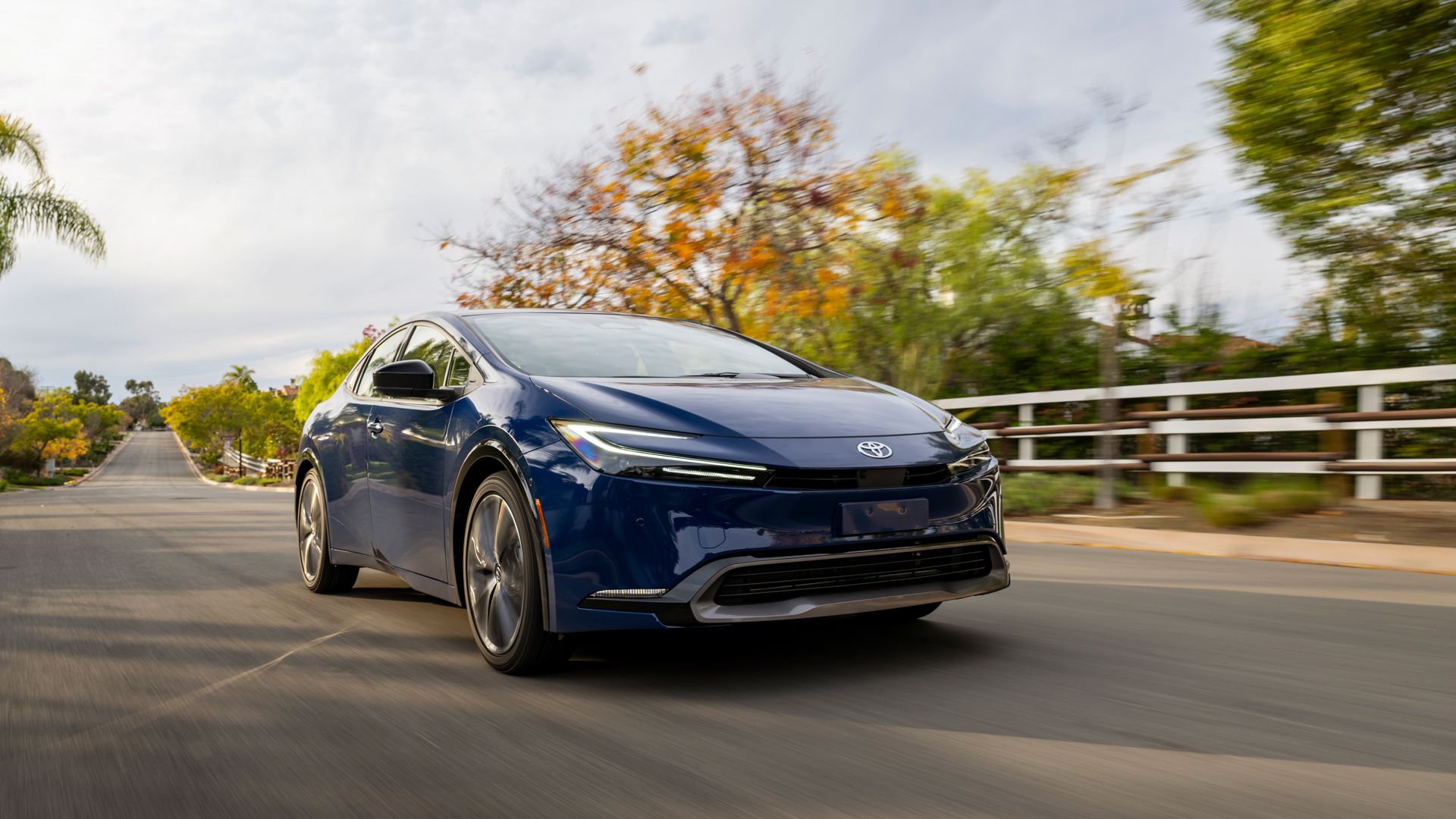
1. Toyota Prius
The Toyota Prius is known for its reliable and uncomplicated cooling design. Its engine features a single-loop coolant system with a conventional radiator. Maintenance is straightforward, requiring only standard coolant replacement and periodic checks.
The hybrid battery has an air-cooled system, reducing the need for specialized tools or procedures. This makes it easier for independent mechanics to service both engine and battery components. Owners report lower maintenance costs compared to other hybrids.
Thermostat and water pump access is straightforward, minimizing labor time during routine servicing. The layout reduces the number of potential leak points, contributing to long-term reliability. For drivers, this simplicity translates to predictable upkeep schedules.
Toyota’s extensive service network ensures that parts for the Prius cooling system are widely available. This availability further reduces repair costs and turnaround times. Simple design combined with global parts coverage makes it a practical hybrid.
Finally, the Prius demonstrates that efficient thermal management does not require complexity. By focusing on a single-loop design and air-cooled battery management, the model balances performance, reliability, and ease of service effectively.
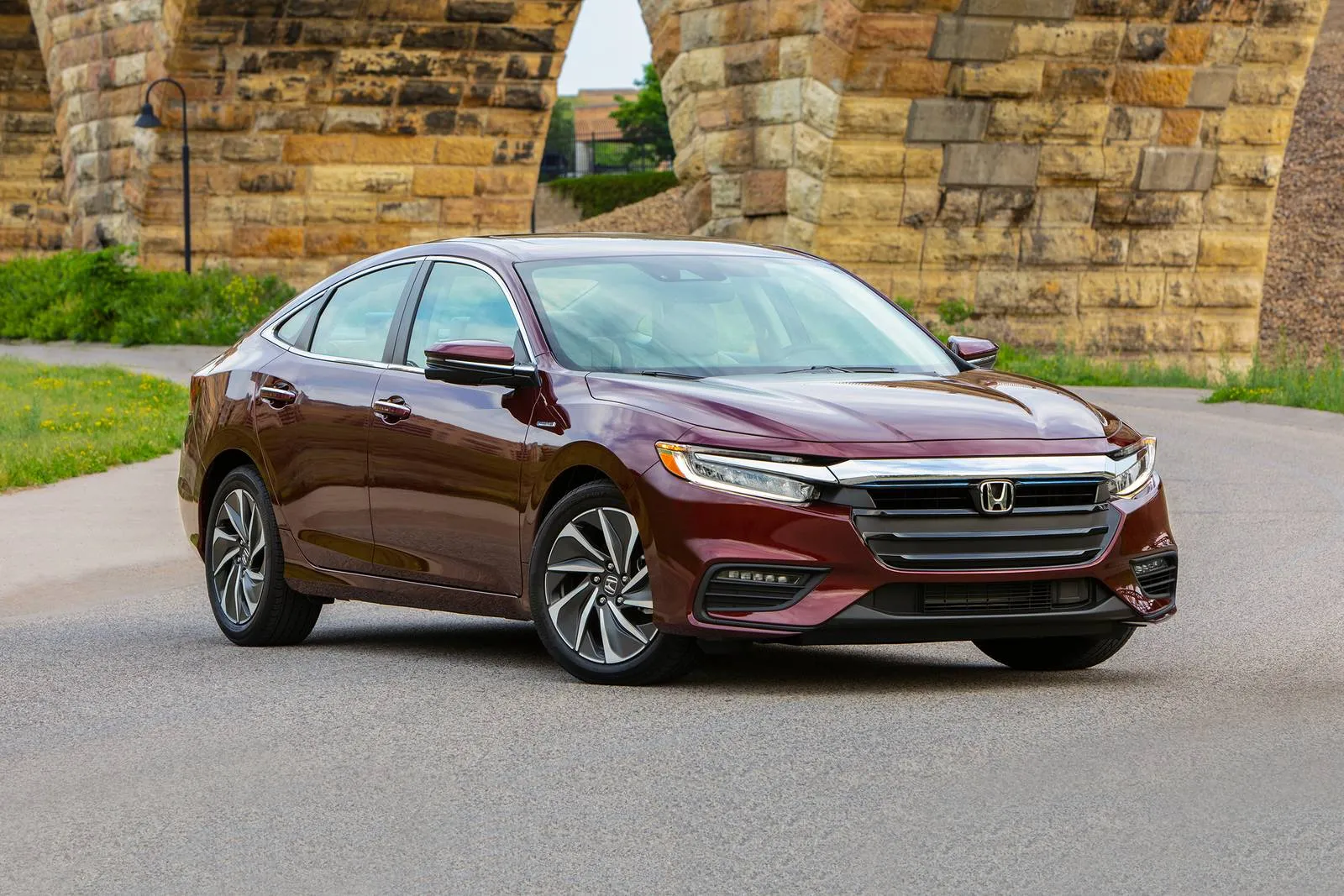
2. Honda Insight
The Honda Insight also emphasizes simplicity in its cooling architecture. A single-loop engine cooling system manages heat efficiently. This avoids multiple radiators or secondary loops, making it easy to maintain.
The Insight’s battery uses passive cooling, which eliminates the need for liquid coolant circulation. Owners can monitor temperatures with basic checks and rarely need specialized service. Routine inspections are sufficient for long-term reliability.
Component accessibility is a strong feature of the Insight. Engine coolant hoses and thermostat are easy to reach, reducing labor hours during service. Mechanics can perform standard repairs without manufacturer-specific tools.
With fewer parts in the cooling system, the risk of leaks or failures decreases. This reliability appeals to drivers who prioritize low-cost maintenance over high-tech thermal optimization. Regular coolant replacement is the primary requirement.
The Insight strikes a balance between hybrid efficiency and service simplicity. Its straightforward cooling system is ideal for owners who want predictable upkeep, minimal downtime, and reduced service complexity.
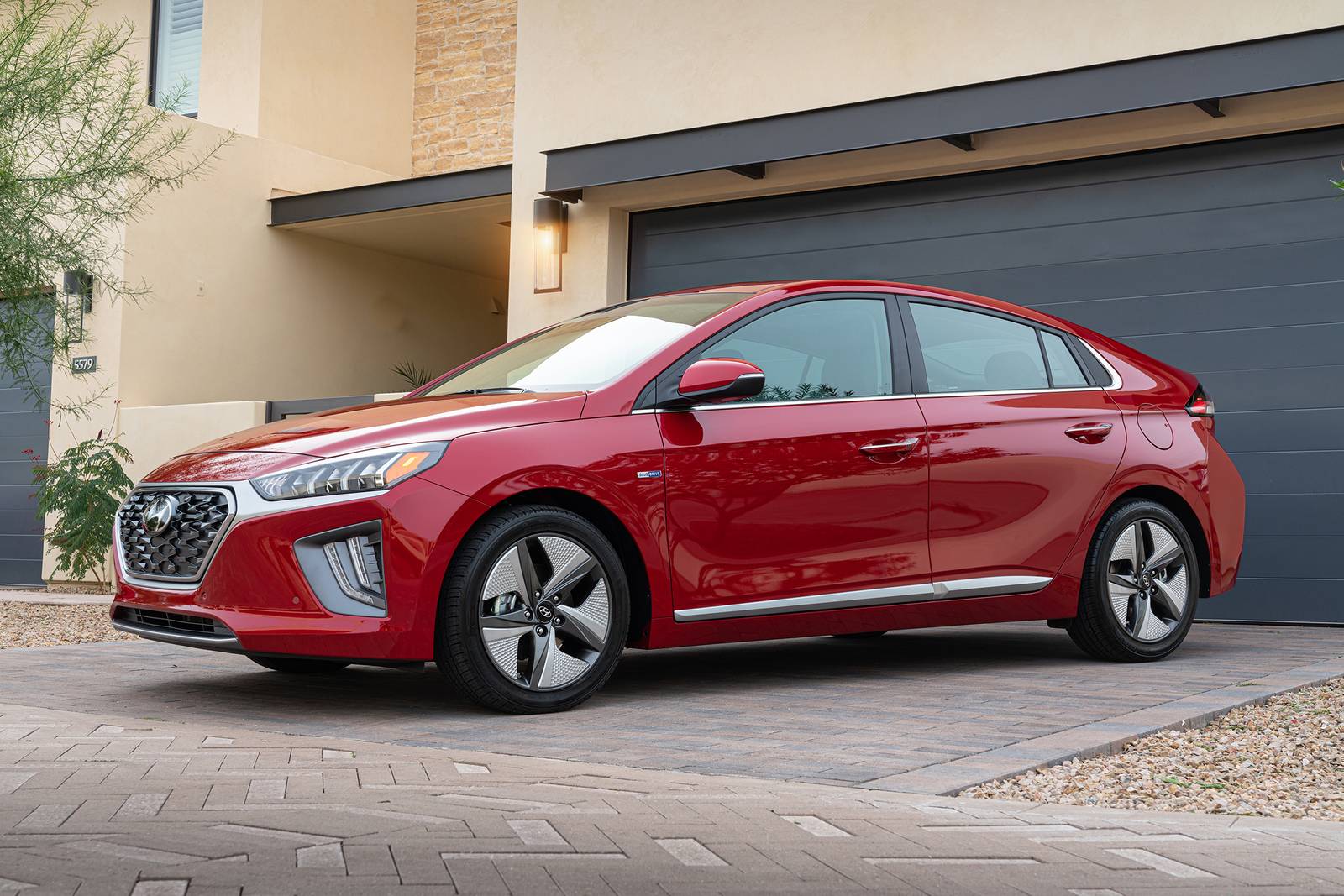
3. Hyundai Ioniq Hybrid
The Hyundai Ioniq Hybrid offers a traditional engine cooling setup that emphasizes simplicity. A single radiator loop and conventional water pump handle heat effectively. Repairs are straightforward for general mechanics.
Battery cooling is passive, relying on airflow rather than a liquid loop. This avoids complex plumbing and specialized pumps, keeping maintenance inexpensive. Owners can monitor battery health with simple diagnostic tools.
Engine components are arranged to allow easy access to coolant lines and thermostat. Service tasks such as hose replacement or coolant flushes are quick and do not require advanced skills.
The Ioniq’s system is designed for reliability rather than performance extremes. This approach ensures long-term durability while reducing the likelihood of expensive repairs. Regular maintenance schedules are sufficient for smooth operation.
The combination of a standard engine loop and passive battery cooling makes the Ioniq Hybrid one of the most user-friendly vehicles in terms of thermal management. It is a practical choice for cost-conscious buyers.

4. Kia Niro Hybrid
Kia Niro Hybrid maintains a simple engine cooling system with a single-loop design. Its radiator and pump are standard automotive components. This reduces complexity and allows independent shops to perform routine service.
Battery cooling is managed via a low-maintenance air-cooled system. Unlike liquid-cooled setups, there are no pumps or extra plumbing to inspect. This simplicity lowers both labor and parts costs.
Access to engine coolant components is user-friendly, which simplifies inspections and repairs. Routine tasks like coolant changes are straightforward and fast. Owners benefit from predictable service intervals.
Fewer moving parts in the cooling system translate to lower failure rates. Drivers can rely on consistent performance without worrying about complex electronics or multiple loops. Regular maintenance ensures longevity.
Kia’s emphasis on reliability and simplicity in the Niro Hybrid allows owners to focus on driving efficiency rather than specialized maintenance. The design is efficient, practical, and easy to maintain over time.

5. Ford Fusion Hybrid
The Ford Fusion Hybrid uses a conventional engine cooling loop paired with a simplified battery cooling system. The setup minimizes the number of specialized components required. Routine service is easy and predictable.
Battery thermal management is largely passive, using airflow rather than liquid loops. This avoids pumps, additional radiators, or complex control units. Maintenance can be performed by most qualified mechanics.
Engine cooling components are accessible and straightforward to inspect or replace. This reduces labor costs and minimizes downtime during service visits. Standard automotive tools are sufficient.
The Fusion Hybrid’s design minimizes potential leak points and electronic failures. By keeping the system conventional, Ford prioritizes reliability and ease of ownership over intricate thermal optimization.
The Fusion Hybrid demonstrates that efficient heat management can be achieved without complex systems. Its cooling design is practical, user-friendly, and cost-effective for long-term ownership.
5 Hybrid Sedans That Require Specialized Service
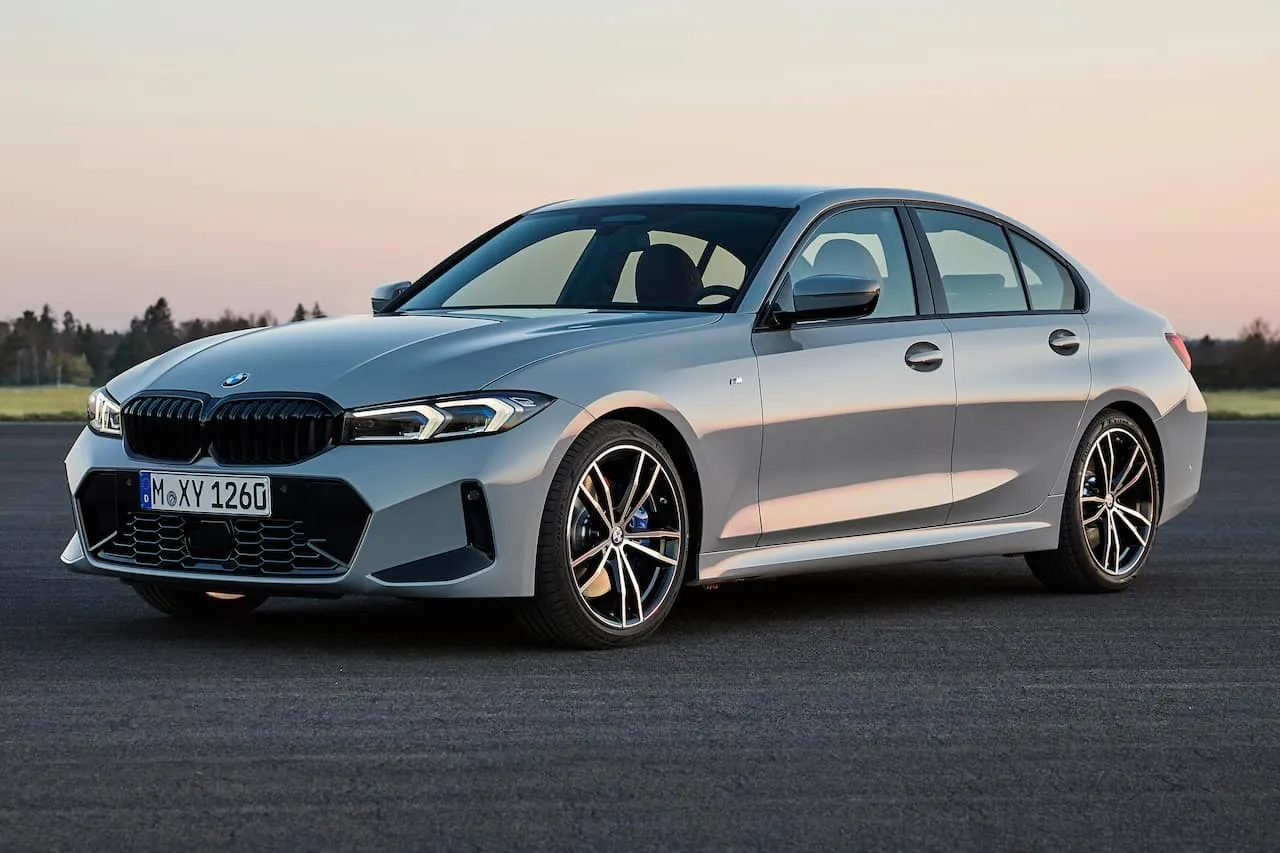
1. BMW 330e
The BMW 330e integrates a dual-loop cooling system that manages both the internal combustion engine and the hybrid battery separately. This design ensures precise temperature regulation for optimal performance.
Each loop has its own electric pump, radiator, and thermostat, requiring advanced diagnostics to maintain. Servicing without proper equipment can disrupt the flow balance and lead to overheating in either system.
Access to components is limited due to compact engine packaging, making routine inspections more challenging. Coolant replacements often involve bleeding procedures and software resets to recalibrate flow sensors.
A small mistake during servicing can affect both engine and battery efficiency. Owners should rely on certified BMW technicians to preserve performance and warranty coverage.
The dual-loop system also integrates software-controlled thermal management. Each component is monitored independently, adjusting flow rates and pump speed based on load and ambient temperature.
Manual intervention without the correct diagnostics tools may trigger error codes or battery warnings. This complexity increases maintenance costs compared to conventional hybrid systems.
The BMW 330e emphasizes performance and precise energy management. While this results in a refined driving experience and efficient battery usage, it comes at the cost of maintenance convenience.
Repairs are more labor-intensive, and service intervals often require dealership-level attention to prevent long-term issues.
Owners of the BMW 330e benefit from a high-performing hybrid sedan but must accept that maintenance is specialized.
Understanding the dual-loop design and its reliance on software-controlled systems is essential before purchase. Regular service at authorized centers is critical to ensure longevity and optimal hybrid functionality.

2. Mercedes-Benz C 300e
The Mercedes-Benz C 300e uses a multi-loop cooling system for the engine, hybrid battery, and power electronics. Each loop is independently managed and controlled electronically, providing precise temperature regulation under varying driving conditions.
This setup improves performance but demands expert knowledge for maintenance and repairs. Incorrect handling can lead to overheating or battery degradation.
The hybrid system employs electric water pumps and thermostats that require manufacturer-specific calibration. Any servicing mistake can void the vehicle warranty or create costly repairs.
Routine tasks such as coolant replacement are no longer simple because each loop has distinct specifications and sensors that must be reset. Certified technicians are essential for safe operation.
Physical access to components is limited due to compact engineering and aerodynamic packaging. Hoses, radiators, and pump assemblies are tightly arranged, making even basic inspections complex. Coolant flushing requires multiple steps and specialized tools to ensure each loop is properly filled and free of air pockets.
The C 300e’s software-controlled monitoring system continuously adjusts coolant flow for the battery and inverter, based on driving load and environmental conditions. This ensures optimal energy efficiency but prevents owners from performing DIY service. Incorrect flow rates can reduce battery life and cause thermal imbalance.
Mercedes’ approach provides high efficiency and battery longevity but trades off convenience and cost. Owners enjoy precise thermal management and smooth hybrid operation, yet they must rely on professional service. The maintenance demands are higher than conventional hybrids, which is an important consideration for long-term ownership.

3. Audi A6 55 TFSI
The Audi A6 55 TFSI e features a sophisticated liquid-cooled system with dedicated loops for the battery, inverter, and engine.
Each loop has its own electric pump, thermostat, and radiators, making the system highly efficient but complex. Routine maintenance requires specialized knowledge and diagnostic software to monitor flow and temperature accurately.
Component access is constrained due to compact engine design and integrated hybrid electronics. Even minor tasks such as hose inspection or coolant replacement involve multiple steps and may require partial disassembly of adjacent components. Service complexity is a significant factor for independent mechanics.
Monitoring of coolant circulation relies on software that tracks temperature thresholds for each loop. Failure to follow proper service protocols can trigger warning lights, reduce efficiency, or lead to overheating. Correct coolant type and flow calibration are critical to avoid damaging the battery or inverter.
The dual-loop system allows the A6 55 TFSI e to maintain optimal battery performance under varying driving conditions, supporting rapid acceleration and energy recuperation. However, the precision comes at the cost of higher service frequency and the need for specialized equipment during maintenance.
Audi owners benefit from improved hybrid efficiency and enhanced longevity of electronic components. The trade-off is dependence on authorized service centers and increased maintenance costs. For buyers prioritizing performance and long-term efficiency, specialized cooling maintenance is a necessary consideration.

4. Volvo S60 Recharge
The Volvo S60 Recharge employs dual-loop cooling for the engine and hybrid battery, including the inverter and power electronics. Each loop has dedicated electric pumps, thermostats, and radiators.
The system ensures stable temperatures and efficient energy usage but adds complexity to routine service. DIY owners cannot safely perform full coolant service.
Service access is limited by the compact design of the engine bay. Coolant replacement involves multiple loops that require precise bleeding and calibration to maintain balance. Mistakes can reduce battery lifespan or affect inverter efficiency, making certified technician service essential.
Thermal management is software-controlled, with the system constantly adjusting flow rates and pump operation based on load and ambient conditions. This ensures optimal hybrid performance but adds another layer of complexity for servicing. Any manual work must account for electronic integration.
Volvo’s design emphasizes battery longevity and hybrid efficiency. While this provides excellent energy management and performance consistency, it increases the cost and difficulty of maintenance. Owners must schedule service with authorized centers to avoid problems and preserve warranties.
The S60 Recharge demonstrates the trade-off between advanced hybrid cooling and ownership convenience. Drivers gain performance and energy efficiency but must accept specialized service as a routine requirement. Knowledge of dual-loop systems is essential to understand service implications.
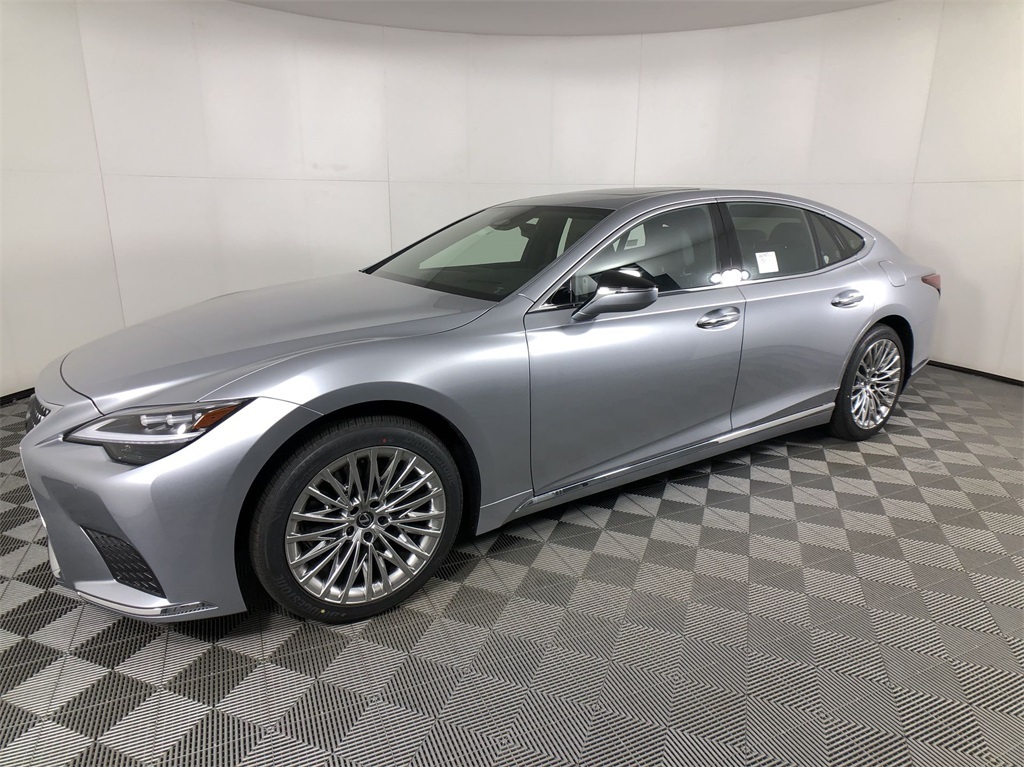
5. Lexus LS 500h
The Lexus LS 500h integrates multiple cooling loops to manage the internal combustion engine, hybrid battery, inverter, and power electronics. Each loop has independent pumps, thermostats, and radiators, making precise temperature regulation possible. Routine maintenance without specialized tools is impractical.
Access to hoses, pumps, and radiators is restricted due to compact packaging and integrated electronics. Even simple maintenance tasks, such as coolant flushes, require manufacturer-specific procedures and careful attention to avoid air pockets or incorrect flow rates. Certified technicians are necessary.
The system is controlled via software that monitors temperature for each loop independently. This ensures battery efficiency and protects hybrid electronics from overheating. Any manual servicing without proper diagnostics may trigger fault codes or reduce performance.
The LS 500h prioritizes hybrid performance and efficiency over ease of maintenance. Drivers enjoy a smooth, energy-optimized experience, but the trade-off is higher long-term maintenance costs and dependence on professional service centers. Regular, specialized service is essential for optimal operation.
Owners seeking a luxurious, high-performing hybrid must accept that the LS 500h cooling system demands attention from trained personnel. Understanding the complexity of multiple loops and software-controlled components is critical for long-term reliability and efficiency.
