
For drivers who face long winters, deep snow, icy roads, and unpredictable conditions year after year, selecting the right 4×4 vehicle is essential. When temperatures drop and snow piles high, a capable four‑wheel‑drive system combined with the right tires and ground clearance can mean the difference between staying safely mobile and being stuck at home.
Heavy annual snowfall presents stress on engines, braking systems, suspension, and safety features, so every choice must balance power, stability, durability, and driver confidence. Choosing from dozens of capable vehicles on the market can be overwhelming, especially when some focus more on off‑road thrills than practical winter performance.
4x4s built for snowy environments need intelligent traction control, sturdy build quality, and reliable handling in low‑traction situations. They should also offer features that enhance winter comfort and safety, such as heated mirrors, advanced anti‑lock braking systems, and adaptive stability control that monitors wheel slip and adjusts torque accordingly.
In addition to mechanical capabilities, a good snow‑ready 4×4 must have effective safety systems, high ground clearance to avoid getting high‑centered, and a powertrain that responds predictably under load. Accurate steering response, balanced weight distribution, and a well‑engineered all‑wheel or four‑wheel‑drive system are critical.
For example, vehicles that include low‑range gearing provide extra control when navigating steep, snow‑covered slopes or deep drifts. Some models also offer driver aids like hill descent control, which can help manage speed without excessive braking in slippery conditions.
In areas with heavy snowfall, these features do more than improve performance; they contribute to peace of mind for commuters, families, and outdoor enthusiasts alike.
Another consideration is how the vehicle performs with snow accumulation on its surfaces. Heated windshield wipers, efficient defrosting systems, and good visibility from all angles matter more when snow is constantly accumulating. Proper tire options with winter ratings further maximize traction and braking on cold pavement or ice.
Reliability in extreme temperatures also matters, because frigid conditions can strain batteries, engine components, and electrical systems. Many of the vehicles discussed here are regularly recommended by professional automotive organizations and consumer reports for their winter performance, durability, and owner satisfaction.
Whether a driver needs a sturdy daily commuter, a family hauler, or an adventure vehicle that tackles backcountry routes in winter, the following lineup highlights some of the best 4x4s suited for heavy annual snowfall.
By focusing on vehicles with proven performance in winter environments, drivers can approach snowy seasons with confidence in their transport, comfort, and safety.
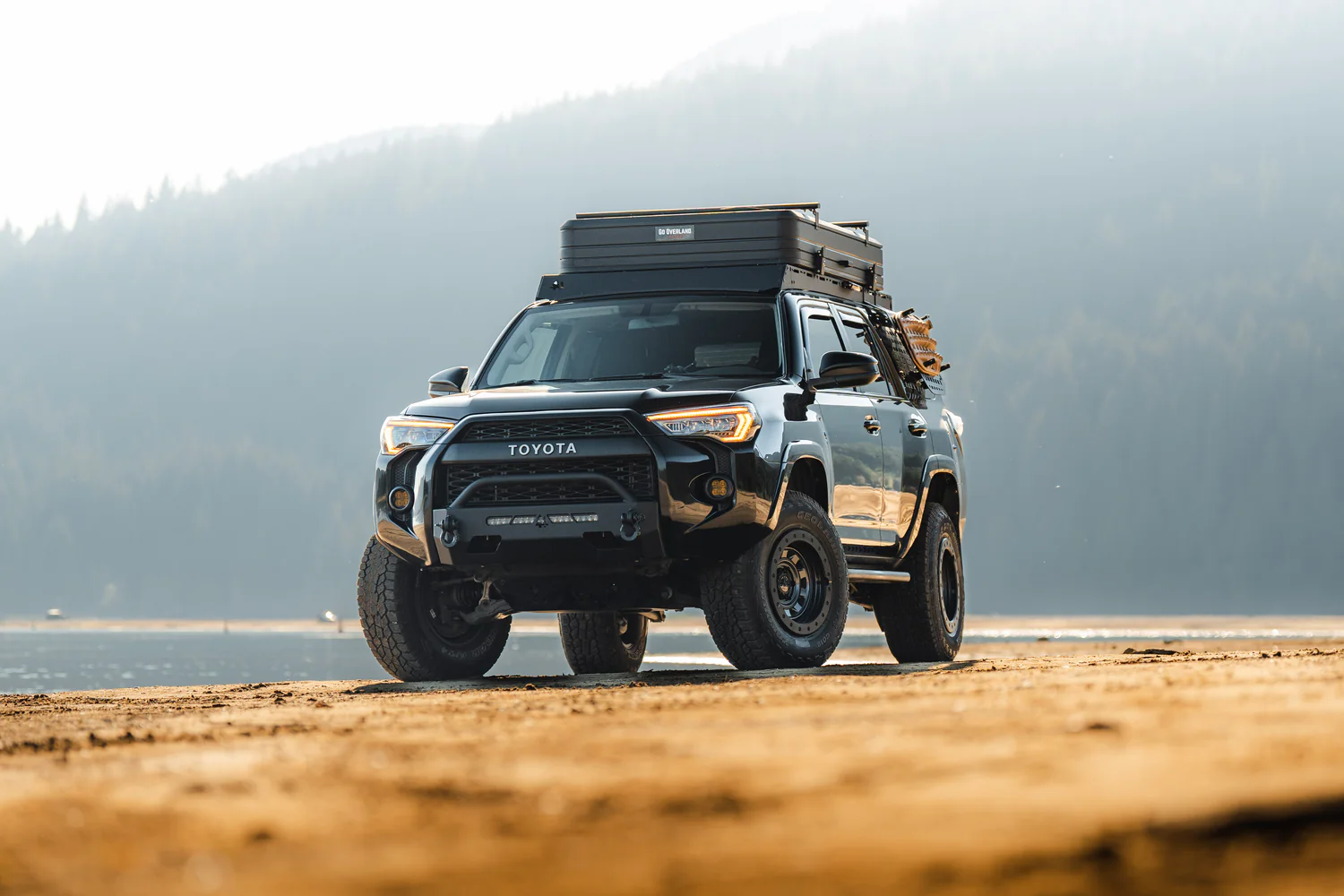
1. Toyota 4Runner
The Toyota 4Runner has built a reputation as a tough and dependable sport utility that handles snow with ease. Its traditional body‑on‑frame design contributes to ruggedness and stability in slippery conditions.
The 4Runner’s available part‑time four‑wheel‑drive system with a low‑range transfer case gives drivers extra torque when climbing icy hills or launching through deep snow tracks.
It also offers a locking rear differential that improves traction when one rear wheel loses grip, an advantage that drivers in snowy regions appreciate.
Toyota’s engineering prioritizes durability, making the 4Runner a favorite among individuals who require consistent performance year after year, regardless of winter severity.
Ground clearance plays an important role when operating in heavy snow, and the 4Runner delivers with generous height that allows it to move through deeper drifts without high‑centering. Its skid plates help protect underbody components from hidden obstacles beneath snowpack, such as rocks or ice chunks.
Inside, the 4Runner combines functional design with comfort features that are helpful during winter commutes. Heated seats and easy‑to‑reach climate controls aid in quickly warming the cabin, useful on frigid mornings before roads are fully cleared
. Although fuel efficiency is not its primary strength, the 4Runner’s confidence‑inspiring handling and reliability make it a strong choice for anyone facing frequent winter storms.
Drivers also value the 4Runner’s intuitive traction and stability control systems, which continuously monitor wheel slip and adjust power distribution in real time. This enhances vehicle confidence when accelerating or cornering on snow‑covered pavement.
The suspension system is also tuned to provide a balance between on‑road comfort and off‑road capability, ensuring that winter rough roads do not become unbearable. The availability of automatic climate control and optional heated steering wheels further improve winter usability.
In regions where winter conditions persist for months, the 4Runner’s solid reputation for going where lesser vehicles struggle makes it a standout in the 4×4 lineup.
While some competitors lean toward car‑like unibody platforms, the 4Runner clings to its truck‑based roots, favoring rugged performance over refined highway manners. For drivers whose priorities lean heavily toward dependable snow traction and mechanical simplicity, this is often a welcome trade‑off.
Owners also appreciate Toyota’s extensive dealer network and strong resale values, especially in areas where winter makes capable 4x4s more of a necessity than a luxury. The 4Runner’s combination of capability, durability, and ease of use for winter driving secures its place among the best options for snowy climates.
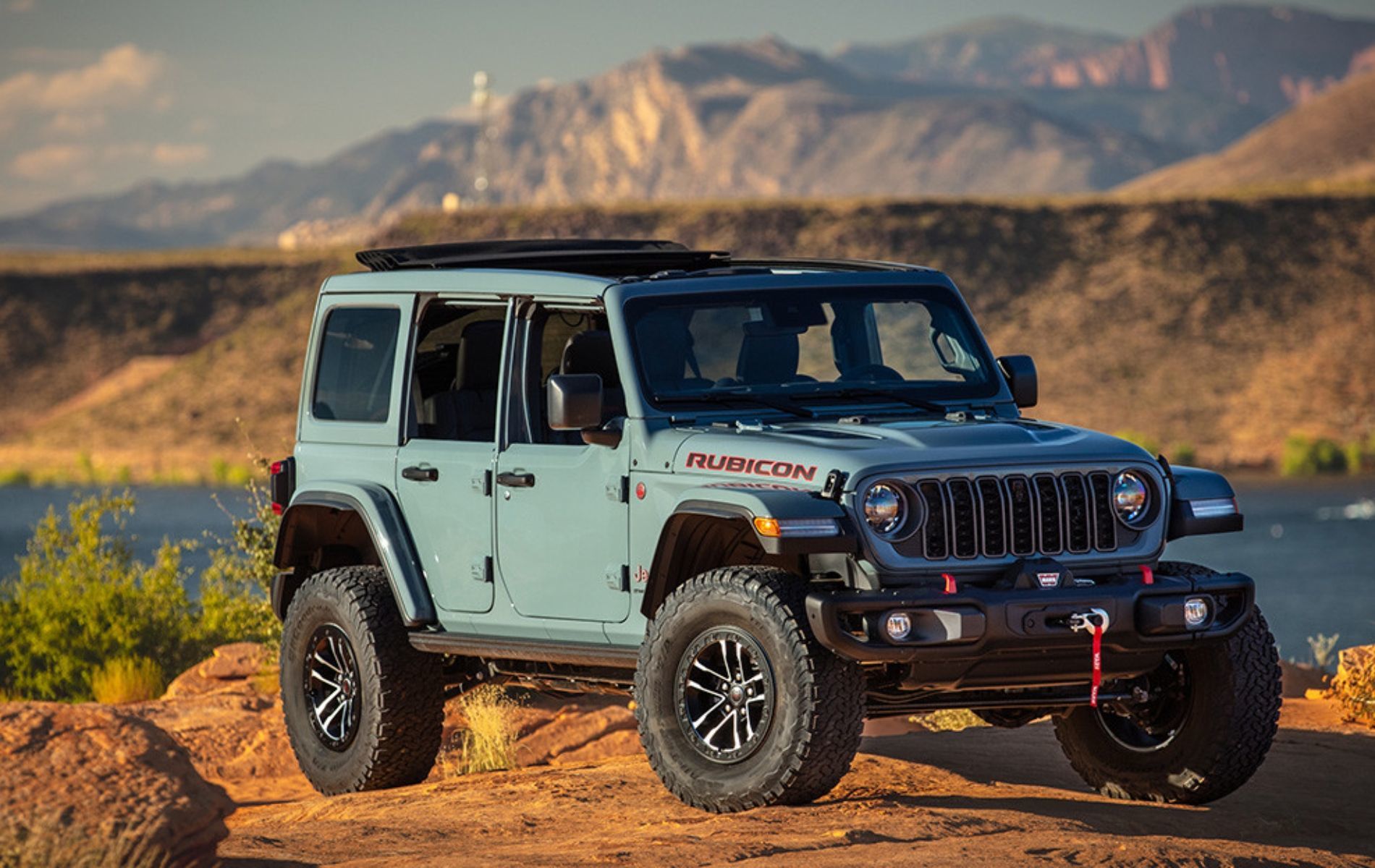
2. Jeep Wrangler
The Jeep Wrangler is one of the most iconic four‑wheel‑drive vehicles, known for conquering rough trails, deep mud, and tough winter conditions alike. Its solid front and rear axles help maintain consistent traction in low‑grip situations, a beneficial trait when gripping icy surfaces.
Wrangler’s advanced 4×4 systems, including available part‑time and full‑time setups, allow drivers to select the mode that best suits current snow conditions. When properly equipped, a Wrangler can climb and descend snow‑covered slopes with measured control.
The available locking differentials further enhance traction by ensuring power reaches both wheels on an axle, reducing the risk of getting stuck in deep snow or ice.
One of the unique advantages of the Wrangler is its customizable nature. Owners can select winter‑focused tire packages and adjust tire pressure when necessary for better snow footprint and traction. The vehicle’s tall stance and high ground clearance contribute to its ability to escape heavy snow accumulation on rural roads or unplowed driveways.
Inside, fabric and material choices consider durability and ease of cleaning, helpful when slush and salt inevitably make their way into the cabin. Although the Wrangler prioritizes capability over ride comfort, its confidence‑boosting performance on snowy terrain earns it strong consideration from drivers living in harsh winter climates.
Electric traction aids engage automatically when wheel slip is detected, redistributing torque to the wheels with the most grip. This electronic intervention works alongside mechanical systems to mitigate loss of control on icy surfaces. Hill start assist and hill descent control are other beneficial features that maintain controlled starts and stops on steep, slick inclines.
While the Wrangler’s boxy shape and off‑road bias may compromise highway smoothness, its winter performance remains impressive, particularly when supplemented with quality winter tires. The Wrangler also offers heating elements for seats and steering wheel, promoting driver comfort even when temperatures plummet.
For individuals who experience frequent deep snowfall, the Wrangler’s ability to handle challenging conditions continues to attract loyal fans. Professional evaluation often highlights the model’s capability for winter excursions and utility driving rather than just daily commuting, making it well‑suited for those who need a serious 4×4 that doubles as a dependable winter companion.
Drivers in regions with unpredictable winter systems often choose the Wrangler for its proven traction and mechanical resilience in the face of ice, snow, and cold.
The Wrangler’s reputation for long‑lasting performance and aftermarket support also appeals to snow belt residents who make upgrades for winter use. From enhanced lighting systems to upgraded suspension components, its adaptable platform supports improvements that further enhance winter readiness.
With a history rooted in rugged terrain mastery, the Jeep Wrangler stands out for drivers who face not just occasional snow but regular, deep winter accumulations that challenge lesser vehicles.
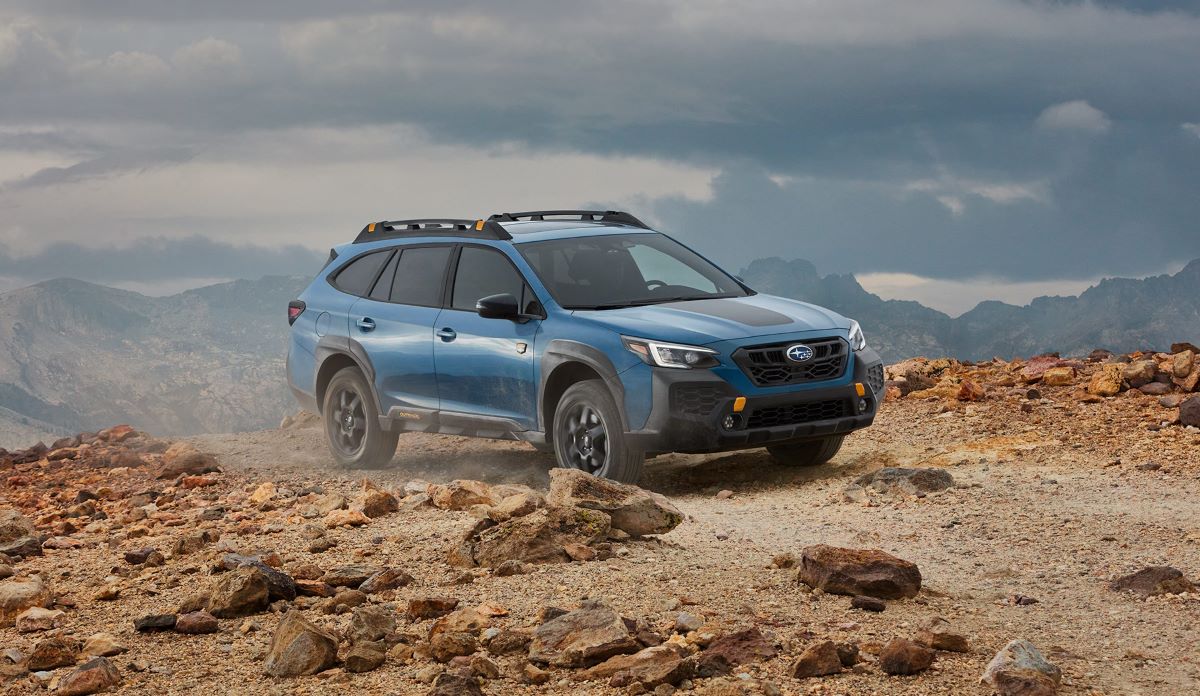
3. Subaru Outback Wilderness
The Subaru Outback Wilderness is a crossover‑like wagon with a strong following among drivers who need practical winter capability without the bulk of a full SUV. One of its standout qualities is Subaru’s standard symmetrical all‑wheel drive system, which constantly distributes torque between front and rear wheels for balanced traction.
Unlike part‑time four‑wheel systems that engage only when slip is detected, Subaru’s system operates proactively, enhancing stability when roads are slippery. The Wilderness trim raises ground clearance compared to standard models, making it better equipped to handle snow drifts and rough winter surfaces.
Inside, the Outback Wilderness focuses on all‑weather comfort with heated seating, excellent sightlines, and a functional layout that keeps controls accessible when wearing gloves. The wagon body style also means a lower center of gravity than many SUVs, which can translate to more predictable handling when steering through slushy curves.
The suspension system on the Wilderness is designed for rugged driving, with tuned dampers and stronger components that help absorb uneven winter roads. Subaru’s X‑Mode traction feature further enhances snowy performance by optimizing engine output and braking force to maintain traction on extreme surfaces.
Drivers who frequently commute in snow appreciate the Outback Wilderness’s balance of capability and everyday usability. Fuel economy tends to be favorable compared to larger SUVs, giving it an advantage for long winter commutes. The cargo area remains generous, capable of carrying winter gear, skis, and other essentials without sacrificing passenger comfort.
Visibility is another asset, with large windows and available heated wipers that help clear buildup during snowstorms. Rear‑view cameras and blind‑spot monitoring enhance safety when backing out of snow‑covered driveways or navigating crowded parking areas.
While some traditionalists may prefer body‑on‑frame SUVs for serious snow performance, the Outback Wilderness continues to win praise for combining AWD competence with car‑like handling.
Its standard drivetrain and tuned winter‑oriented features make it an attractive choice for individuals who need confident performance on both highways and snow‑packed country roads. Long‑term reliability has historically been strong for Subaru, and its winter performance reputation is often backed by owner testimonials from heavy snowfall regions.
When compared to other AWD wagons and crossovers, the Outback Wilderness stands out for its purposeful winter‑oriented engineering. Its ability to tackle snow without feeling cumbersome or oversized makes it a practical choice for everyday winter living. For families and commuters alike, this model offers a blend of traction, comfort, and winter safety features that continue to appeal to those who face tough winter weather year after year.
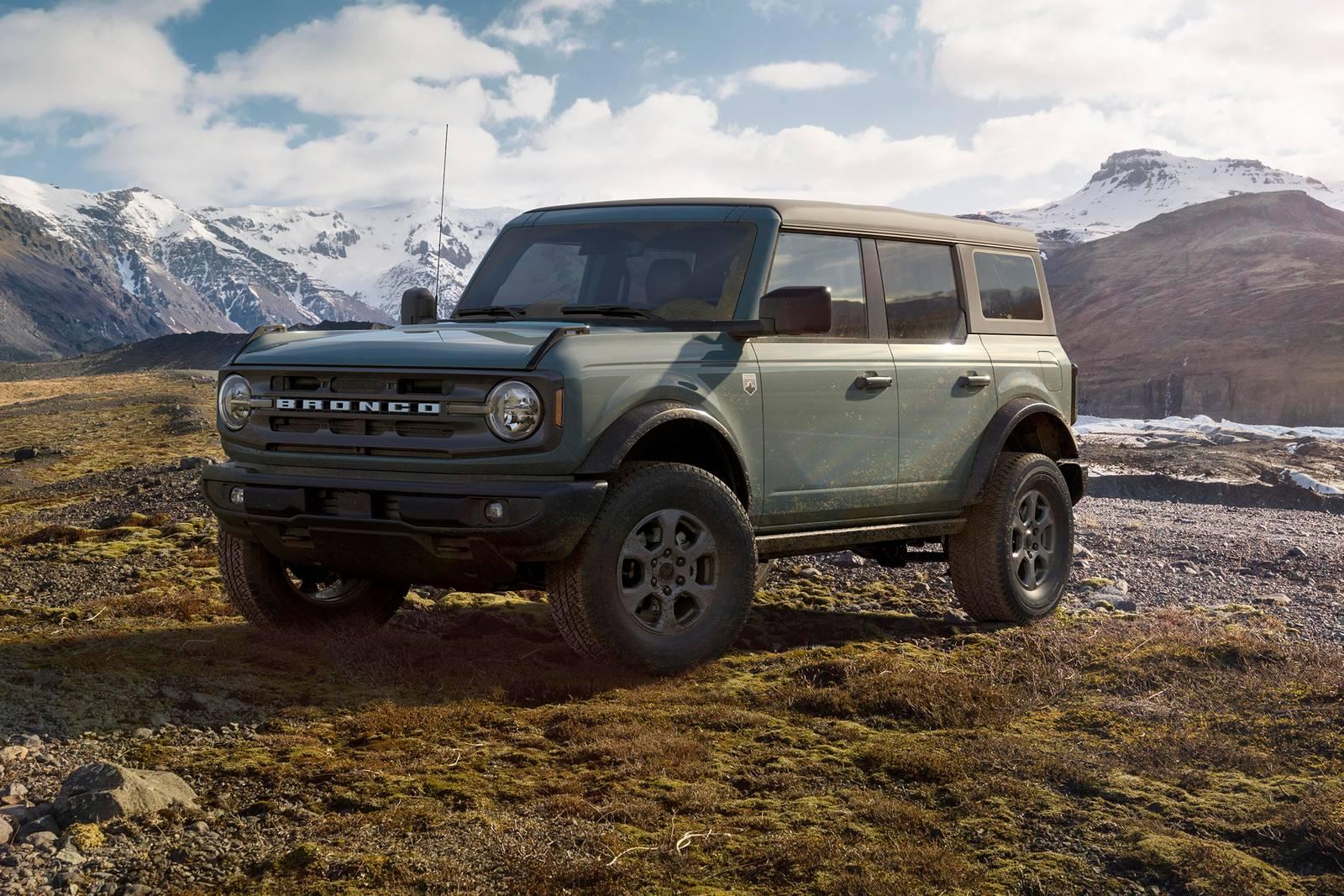
4. Ford Bronco
The Ford Bronco returns as a modern SUV with 4×4 capability tailored for diverse conditions, including heavy snow. Its range of intelligent 4×4 systems, such as selectable drive modes and advanced traction control, help it maintain grip on slippery surfaces.
Bronco’s terrain management system includes modes specifically for snow and ice, adjusting throttle response, transmission shift logic, and traction intervention to improve stability.
The option for front and rear locking differentials further maximizes traction when navigating deep or compacted snow. Additionally, its rugged build and high ground clearance position it well for winter travel on plowed roads and back roads alike.
Inside, Bronco offers driver aids that enhance confidence in winter conditions, including hill start assist and hill descent control, which moderate speed and prevent rollback on icy slopes. Climate comfort features like heated seats and steering wheel help maintain warmth during cold starts, a frequent need in areas with long, snowy winters.
Visibility aids such as heated mirrors reduce ice buildup, while large windows help drivers maintain awareness of changing conditions. Bronco’s suspension system can handle rough winter surfaces without sacrificing control, and its off‑road‑ready tires provide additional traction when the pavement gives way to packed snow or ice.
Drivers living in cold regions also find value in Bronco’s rugged construction, which can stand up to road salt and winter wear over time. The modular nature of some trims allows owners to customize bumper and tire setups that further improve performance in deep snow or forest roads.
Although Bronco’s fuel economy is typical for rugged SUVs and not a highlight, the confidence it inspires when conditions get tough outweighs economy for many buyers. Its blend of capability and modern technology appeals to winter drivers who want strong control without compromising on comfort or style.
The Bronco’s safety systems also include stability and anti‑lock braking features that engage automatically to maintain directional control on slippery pavements. With good weight distribution and torque management, Bronco minimizes wheel spin on icy surfaces and helps drivers maintain forward momentum.
Heated windshield washers and aggressive wiper systems keep sightlines clear during snowy conditions, an often overlooked yet practical feature for winter reliability. The Bronco represents a strong option for people living where winters are prolonged and snow is a constant challenge, providing mechanical confidence and comfort technologies needed to handle it.
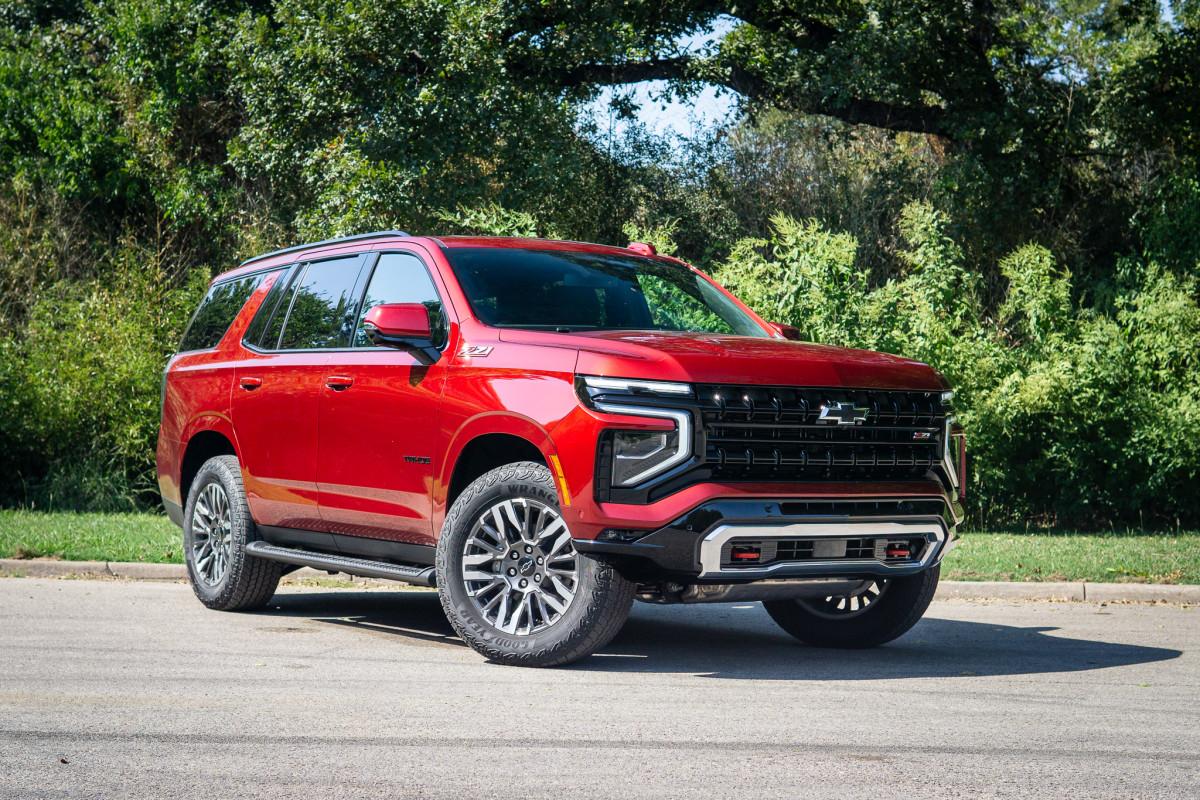
5. Chevrolet Tahoe
The Chevrolet Tahoe is a full-size SUV that balances winter capability with spacious interior comfort. Its four-wheel-drive system, available in multiple configurations, provides reliable traction on icy roads and deep snow.
Tahoe’s high ground clearance and body-on-frame design allow it to traverse heavy snowbanks without difficulty, making it suitable for suburban, rural, and mountainous regions. Electronic traction and stability systems monitor wheel slip and adjust torque distribution to maintain control on slick surfaces.
For drivers dealing with consistent heavy snowfall, Tahoe offers confidence when hauling passengers, cargo, or towing in winter conditions.
The SUV’s powerful V8 engines provide strong torque at low speeds, helping it push through packed snow or climb slippery inclines. Skid plates on certain trims protect underbody components when driving over uneven, ice-covered terrain.
Tahoe’s weight and size contribute to stability at highway speeds, minimizing the risk of sliding during sudden maneuvers on snow-packed roads. Heated seats, a heated steering wheel, and dual-zone climate controls enhance winter comfort for both driver and passengers.
Optional features like adaptive cruise control and forward collision alerts add extra layers of safety, useful when visibility and road conditions are reduced by heavy snowstorms.
Chevrolet’s four-wheel-drive Tahoe trims often include low-range gearing, allowing controlled descent on steep, icy slopes. Hill-start assist prevents rollback during uphill starts in winter conditions, while hill-descent control moderates downhill speed on slick surfaces.
Large tires with aggressive tread patterns provide extra grip, and snow-rated tire options improve traction further. With ample interior space, Tahoe also accommodates winter sports equipment or bulkier winter cargo without compromising passenger room. This combination of capability and practicality makes it a favorite among families in snow-heavy regions.
Drivers appreciate Tahoe’s visibility and lighting systems, including LED headlights and fog lamps that improve vision in blizzards or early morning snowfall. Its sturdy construction withstands winter wear, including road salt and snow-related debris.
Electronic braking assistance further helps maintain control when stopping on slippery roads, reducing the likelihood of skidding. Reliability and a strong track record in snowy climates make the Tahoe a dependable choice for drivers who require a large, capable vehicle during winter months.
While fuel economy is not a primary strength, Tahoe compensates with comfort, durability, and the ability to safely transport multiple passengers or heavy loads. Its combination of off-road capability, electronic stability aids, and comfort features ensures that drivers can handle snow-laden roads without sacrificing convenience.
In areas with heavy annual snowfall, the Chevrolet Tahoe is a dependable SUV that offers both mechanical assurance and winter-focused amenities for everyday driving and long-distance travel.
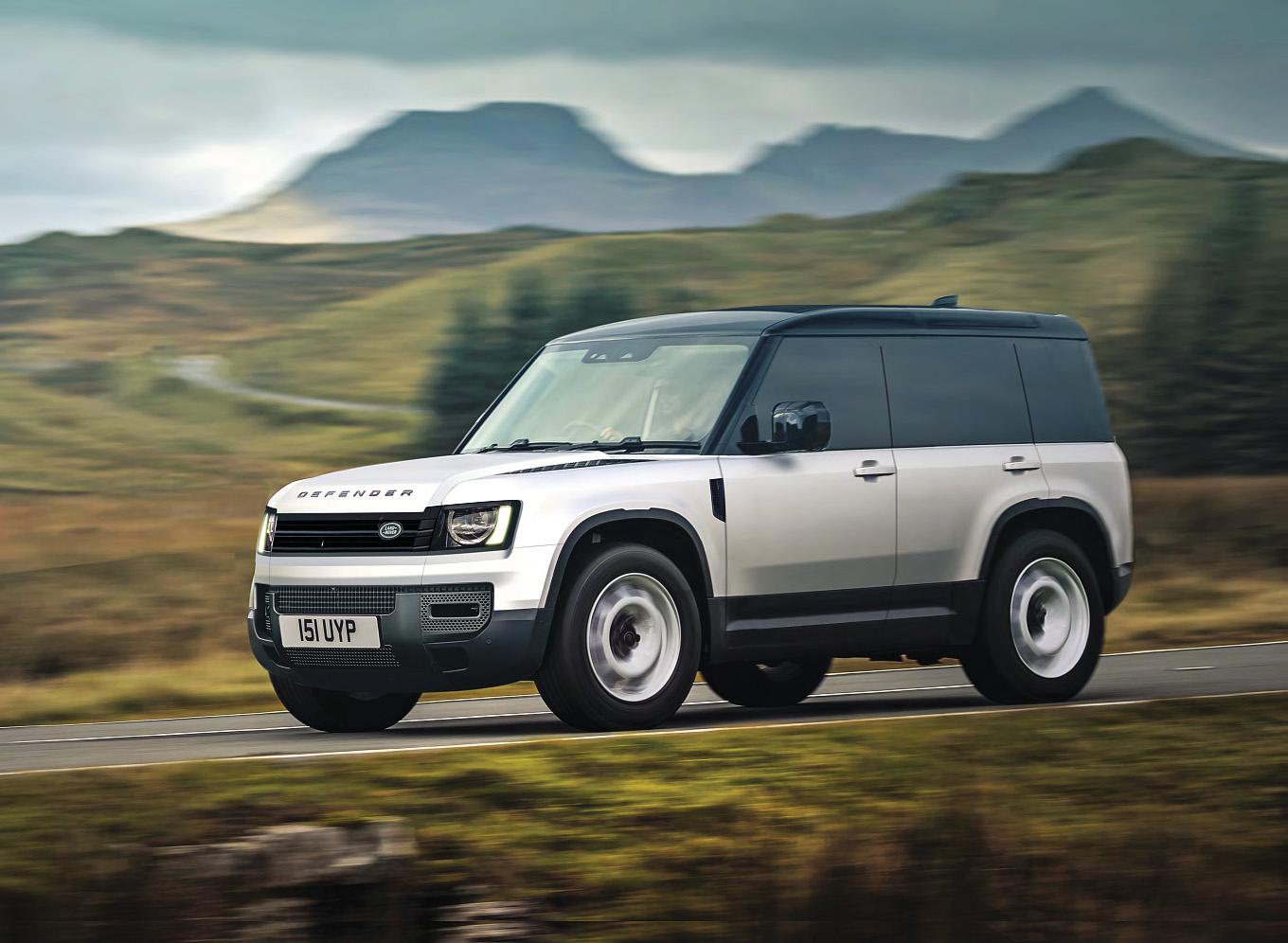
6. Land Rover Defender
The Land Rover Defender has a long history as a rugged off-road vehicle capable of handling extreme conditions, including deep snow and icy terrain. Its permanent all-wheel-drive system is complemented by advanced traction control technologies, which continuously monitor wheel grip and adjust torque accordingly.
Terrain Response settings allow drivers to select snow mode, optimizing throttle, braking, and traction distribution for icy surfaces. High ground clearance and robust suspension ensure the Defender can navigate heavy snow without getting stuck, while the optional locking differentials increase control when road traction is minimal.
Inside, the Defender combines luxury with winter practicality. Heated seats, heated steering wheel, and high-quality insulation keep occupants comfortable during long periods in cold weather. Visibility enhancements like heated mirrors, a clear windshield defrost system, and bright LED headlights improve safety during snowfall or low-light winter conditions.
Its interior layout is ergonomic, making it easier to operate controls while wearing gloves, which is essential in harsh climates. Snow-rated tires and optional off-road tires further enhance performance during severe winter conditions, making the Defender suitable for both urban and backcountry snow environments.
The Defender’s traction management also works with hill-descent control and electronic braking assistance, enabling precise control on slippery slopes. Its weight distribution and suspension tuning maintain stability even in deep snow, while skid plates protect vital components from hidden obstacles.
Reliability under extreme conditions has contributed to the Defender’s global reputation as a trusted 4×4 for winter driving. For areas that experience heavy snowfall, these features provide a combination of confidence and control that few other SUVs can match.
Drivers benefit from the Defender’s adaptability, including customizable drive modes and tire options that enhance snow performance. Its engine options, often turbocharged, provide sufficient low-end torque for pushing through compacted snow, while its smooth transmission ensures predictable power delivery.
Advanced driver-assistance systems add extra protection on icy roads, such as lane-keeping assistance and emergency braking. The vehicle’s rugged design also ensures longevity in winter climates, resisting corrosion from salt and moisture.
The Land Rover Defender is ideal for individuals who require a winter-capable SUV with luxury features and technological aids. Its mix of high ground clearance, sophisticated traction systems, and heated comfort elements makes it particularly suitable for families or outdoor enthusiasts living in regions with consistent heavy snowfall.
Drivers looking for a vehicle that performs reliably and comfortably in extreme winter conditions will find the Defender to be a versatile and capable option.
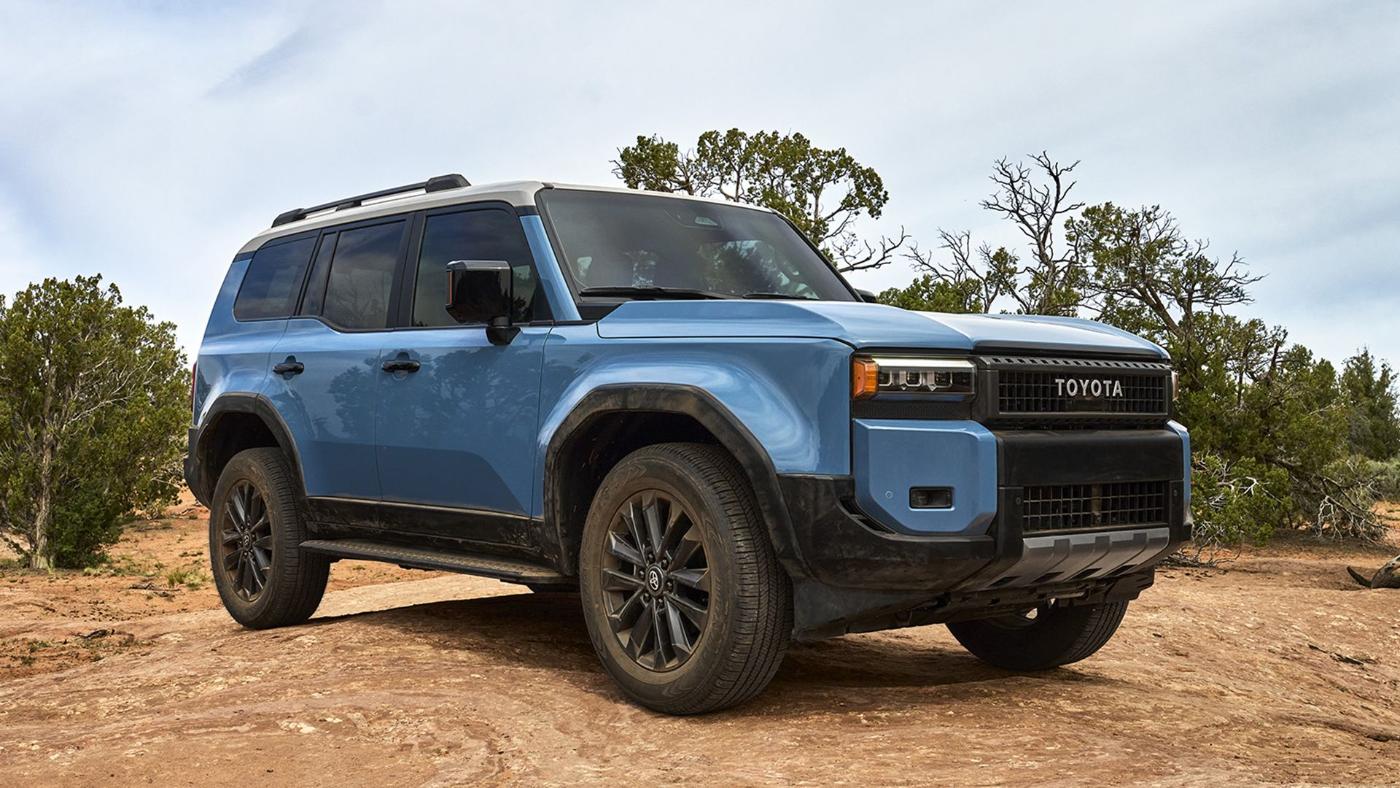
7. Toyota Land Cruiser
The Toyota Land Cruiser is a legendary 4×4 known for its durability and ability to tackle challenging winter conditions. Its full-time four-wheel-drive system, coupled with locking differentials, ensures traction is maintained even when roads are slick or snowbanks are high.
The Land Cruiser’s robust construction, long wheelbase, and high ground clearance make it ideal for driving through deep snow or climbing icy hills. Electronic stability control and traction aids enhance safety, helping prevent wheel slip and loss of control on slippery surfaces. For drivers in areas with long, harsh winters, these features provide reassurance and dependable performance year after year.
The Land Cruiser’s V8 engine produces ample torque for accelerating on slippery inclines and maintaining momentum through compacted snow. Its suspension is designed to absorb rough terrain and uneven snowy surfaces without compromising vehicle stability.
The interior combines comfort with winter-focused amenities, including heated and ventilated seats, heated steering wheel, and multi-zone climate control.
Visibility is supported by powerful headlights, heated mirrors, and advanced windshield defrosting systems, ensuring drivers can navigate safely during snowfall or icy conditions. Its high payload capacity and cargo room make it suitable for transporting winter gear, groceries, or emergency equipment.
Drivers also benefit from advanced braking systems that integrate anti-lock brakes and traction assistance. Hill-start assist and hill-descent control enhance stability when navigating slopes covered with ice or snow. Tires with deep treads and snow ratings complement the Land Cruiser’s mechanical capabilities, further improving performance during severe winter conditions.
The vehicle’s body-on-frame design adds durability, protecting against potential damage from ice or hidden debris under the snow. Reliability and long-term performance make it one of the most trusted vehicles for winter travel in harsh climates.
The Land Cruiser’s reputation is strengthened by Toyota’s commitment to mechanical simplicity and durability. Maintenance is relatively straightforward, and parts are widely available globally, which is especially important in remote snowy regions.
Its combination of off-road prowess, winter traction systems, and cabin comfort makes it a standout for drivers who require dependable performance in all seasons. Families, commuters, and adventurers alike can rely on the Land Cruiser to handle snowy roads with confidence and safety.
The Land Cruiser exemplifies a 4×4 that balances comfort, reliability, and winter performance. Its advanced traction systems, high ground clearance, and rugged build ensure that drivers facing heavy snowfall can maintain control and safety while traveling. For those seeking a vehicle that performs consistently in challenging winter conditions, the Land Cruiser remains a top contender.
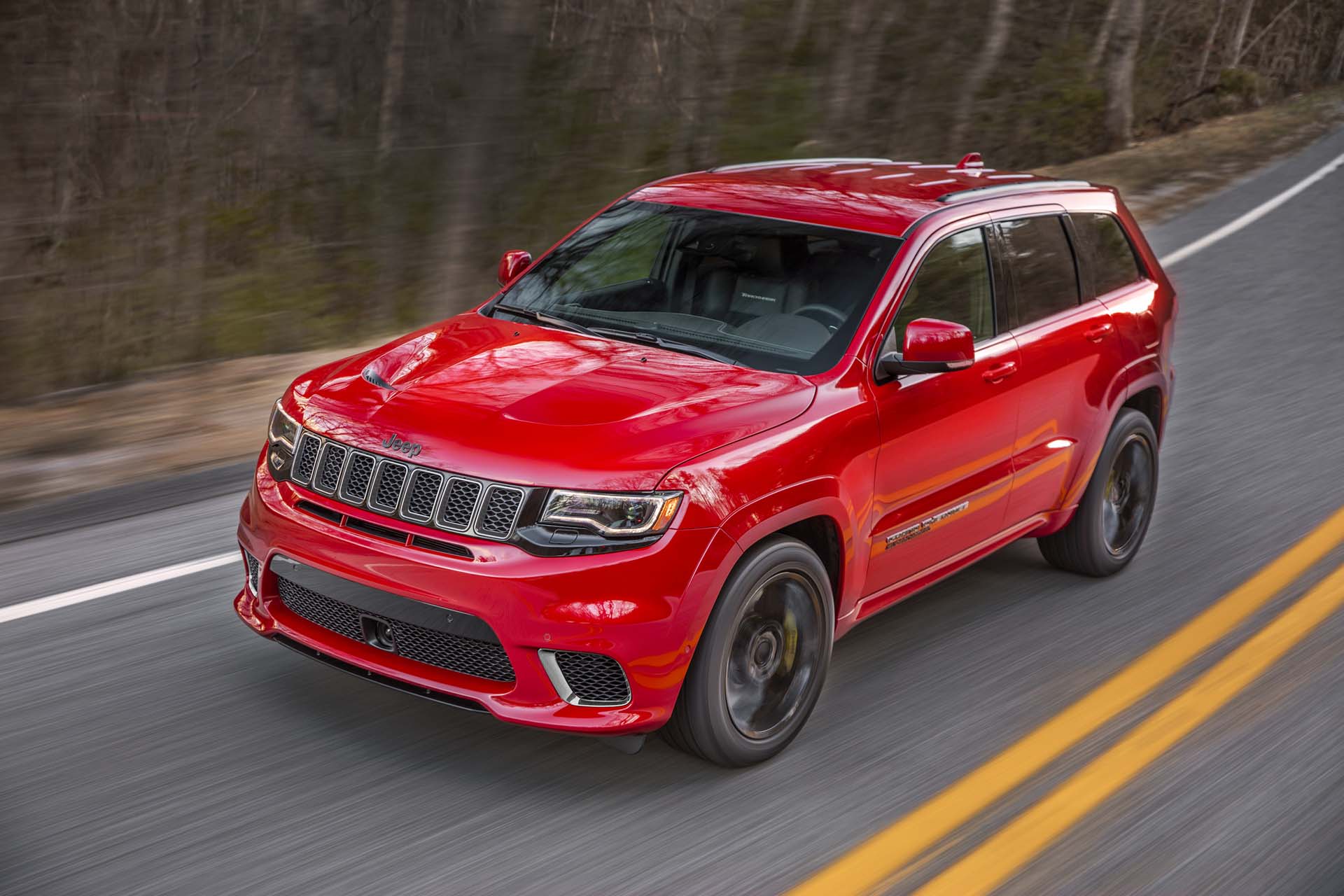
8. Jeep Grand Cherokee
The Jeep Grand Cherokee blends comfort, technology, and 4×4 capability, making it a strong choice for snowy climates. Its available Quadra-Trac and Quadra-Drive systems provide full-time four-wheel drive, automatically adjusting torque between the front and rear wheels.
The system also monitors wheel slip and engages limited-slip differentials when needed, maintaining traction on icy roads.
Ground clearance is adjustable on certain trims, allowing drivers to raise the vehicle for deep snow or lower it for better handling on cleared roads. With these features, the Grand Cherokee confidently navigates suburban streets, mountain passes, and rural roads during heavy winter weather.
Inside, the Grand Cherokee offers a cabin focused on comfort and convenience. Heated front and rear seats, heated steering wheel, and dual-zone climate control keep passengers warm during long drives. Visibility is enhanced by heated mirrors, windshield defrosters, and optional adaptive headlights that illuminate snowy roads effectively.
The suspension is tuned for stability on slippery surfaces while still providing a smooth ride, reducing driver fatigue during winter commutes. Cargo space is generous, making it easy to store winter gear, groceries, or sports equipment.
Safety systems on the Grand Cherokee include electronic stability control, anti-lock braking, and hill-start assist, which prevent wheel spin and sliding during snow-covered maneuvers. Hill-descent control helps drivers manage downhill travel on icy slopes, maintaining consistent speed without heavy braking.
Tire options include snow-rated packages for improved grip on winter roads. Combined with Jeep’s reputation for off-road capability, these systems make the Grand Cherokee a versatile vehicle for winter driving.
Drivers also appreciate the vehicle’s smooth power delivery and strong torque, especially in V6 and V8 engine options. Low-end torque allows the Grand Cherokee to move steadily through heavy snow or icy inclines without excessive wheel spin.
The driving experience balances comfort, safety, and off-road readiness, making it suitable for urban and rural winter conditions alike. Families and commuters benefit from a capable SUV that remains manageable on snow-packed highways.
The Jeep Grand Cherokee continues to rank highly among vehicles for heavy snowfall regions due to its combination of sophisticated 4×4 systems, comfort features, and durable design. Its adaptive traction, winter-ready features, and reliable mechanical systems give drivers confidence, whether navigating city streets or venturing into deeper snow-covered roads.
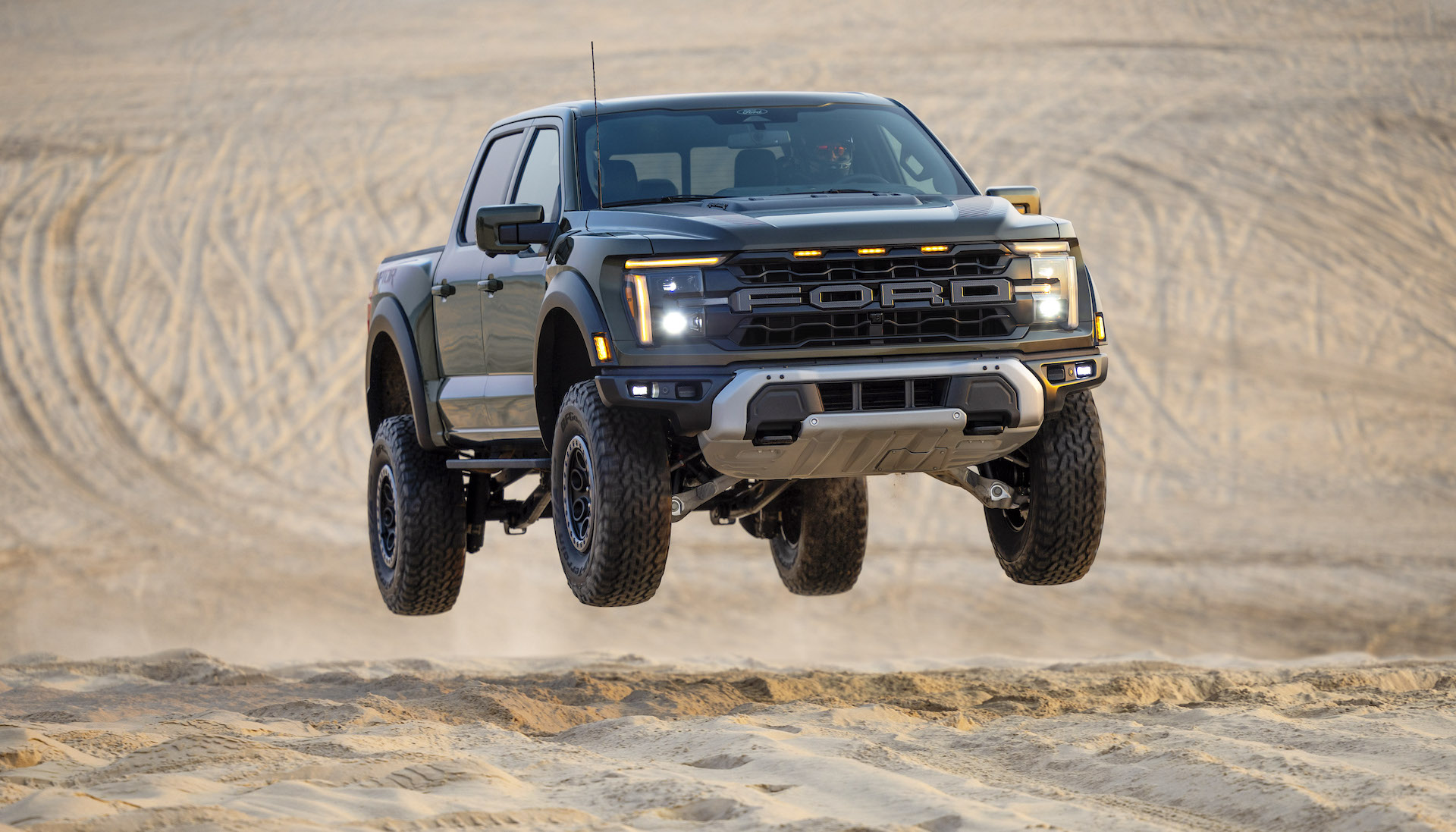
9. Ford F-150 Raptor
The Ford F-150 Raptor is a high-performance pickup with specialized off-road capabilities, making it suitable for snowy conditions. Its four-wheel-drive system provides strong traction, and the electronic locking rear differential ensures power is effectively distributed when wheels encounter ice or deep snow.
High ground clearance, long suspension travel, and off-road-tuned shocks allow the Raptor to traverse uneven snow-covered terrain without losing stability. With these mechanical advantages, the Raptor remains capable in extreme winter scenarios, from rural drives to mountainous regions.
Inside the Raptor, winter comfort is a priority. Heated and ventilated front seats, heated steering wheel, and efficient climate control maintain cabin warmth even during extreme cold. Large windows and optional heated mirrors improve visibility during snowstorms.
Its interior layout ensures controls are easily accessible, which is essential when wearing winter clothing or gloves. Storage and cargo capacity are significant, allowing drivers to carry equipment such as snow chains, shovels, and winter sports gear safely.
The Raptor’s stability control and traction systems work in conjunction with hill-start and hill-descent assist to maintain control on icy or steep surfaces.
The truck’s wide stance and carefully tuned suspension reduce the likelihood of sliding on snow-covered roads. With aggressive all-terrain tires, the Raptor gains extra grip when snow and ice dominate the driving environment. Its low-range gearing adds an additional layer of control during challenging winter maneuvers.
Driving a Raptor in winter requires attention due to its size, but its engine power provides ample torque to handle heavy snow without excessive wheel spin. Electronic throttle management and traction aids reduce wheel slippage, and the vehicle’s braking systems are designed to maintain stability on ice.
For individuals in regions with prolonged snow seasons, the Raptor offers a blend of rugged capability and practical winter performance, making it suitable for both recreational and daily use.
The F-150 Raptor’s combination of advanced 4×4 systems, durable design, and winter-focused comfort makes it an effective choice for drivers who face deep snow or icy conditions regularly. It combines off-road prowess with reliable winter driving capabilities, ensuring drivers can tackle snowy roads with confidence.
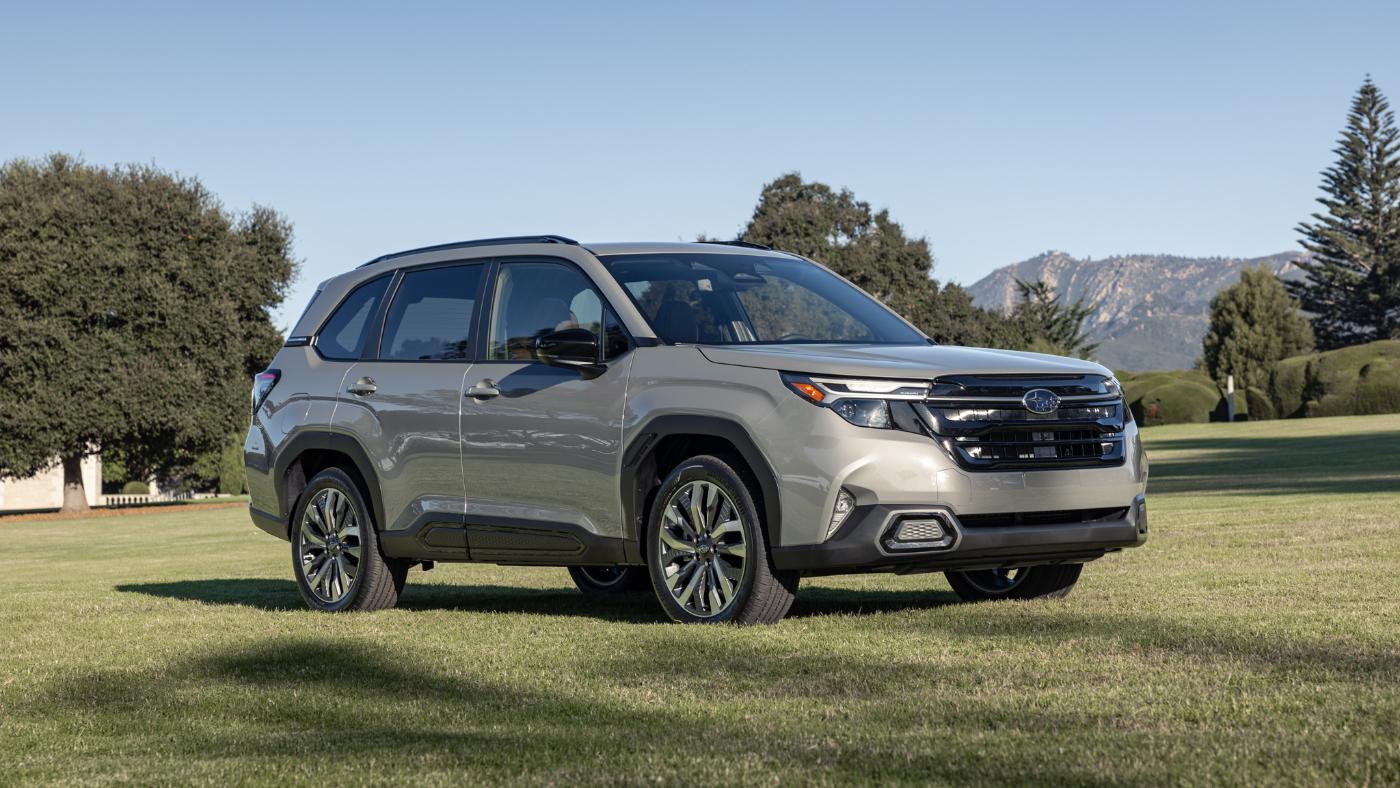
10. Subaru Forester
The Subaru Forester is a compact SUV with standard symmetrical all-wheel drive, making it highly capable in snow-heavy regions. Its AWD system constantly distributes torque between front and rear wheels, optimizing traction without driver input.
Ground clearance is adequate for most winter conditions, allowing it to navigate snowbanks and uneven snow-covered terrain. Subaru’s X-Mode feature enhances traction further, adjusting throttle, braking, and engine output to handle icy roads effectively. These systems make the Forester a reliable and safe choice for daily winter commuting.
Inside, the Forester emphasizes comfort and practicality for winter driving. Heated seats, heated mirrors, and a functional climate control system help maintain warmth during cold weather.
The cabin layout ensures controls are accessible, even when wearing gloves, and the wide windows offer excellent visibility in snowy conditions. Rear cargo space is ample, accommodating winter sports equipment, groceries, or emergency supplies. The vehicle’s interior is designed for usability and convenience during prolonged winter commutes.
The Forester’s stability control and braking systems help maintain control on slippery roads. Hill-start assist and hill-descent control provide additional security on inclines, reducing the risk of sliding.
Snow-rated tires improve traction further, and the Forester’s AWD system allows predictable handling in both light and heavy snowfall. Drivers benefit from the combination of efficient traction, comfort features, and manageable size for winter travel in urban and rural settings.
Subaru’s reputation for reliability in snowy climates makes the Forester a favorite among families and commuters. Its drivetrain is engineered for longevity and consistent performance under harsh winter conditions.
Low-maintenance AWD, combined with winter-friendly cabin features, provides peace of mind for long-term ownership. Drivers navigating hilly or snow-laden areas appreciate the vehicle’s consistent traction and predictable handling.
The Subaru Forester delivers a strong balance of capability, comfort, and safety for winter drivers. Its AWD system, winter-specific driving features, and thoughtful cabin design make it an ideal choice for regions with heavy annual snowfall.
The Forester provides a dependable solution for families, commuters, and outdoor enthusiasts who need confidence when traveling in snowy conditions.
