
Driving at night presents a unique set of challenges, and for older drivers, those challenges can become significantly more pronounced. As people age, natural changes in vision begin to affect how they perceive light, contrast, and depth.
Glare from oncoming traffic becomes more intense, road signs can appear less distinct, and objects in low-light environments are harder to detect.
In this context, the quality of a vehicle’s headlights is not just a convenience but a critical safety feature that can directly influence confidence and reaction time behind the wheel.
Modern automotive lighting has advanced far beyond the simple halogen bulbs of the past. Today’s vehicles offer LED projectors, adaptive lighting systems, automatic high beams, and intelligent beam shaping technologies that adjust in real time.
These innovations can dramatically improve visibility by illuminating more of the road without blinding other drivers. However, not all headlights are created equal, and the difference between a good system and a great one becomes especially noticeable during long nighttime drives or in poorly lit areas.
For older drivers, the importance of consistent and well-distributed lighting cannot be overstated. A strong headlight system should provide a wide field of vision, clearly define lane markings, and reveal potential hazards early enough to allow for safe decision-making.
It should also minimize harsh glare and sudden transitions between light and dark, which can be disorienting. Vehicles that achieve this balance tend to stand out as more comfortable and less fatiguing to drive after sunset.
Another key factor is how intuitive the system feels. Automatic high beams and adaptive headlights should function seamlessly without requiring constant manual adjustment.
Seniors often benefit from systems that work quietly in the background, enhancing visibility without adding complexity. The goal is not to introduce more technology to manage, but to reduce the effort required to drive safely in challenging conditions.
This article highlights eight vehicles that excel in nighttime headlight performance, particularly for older drivers. Each one offers a distinct approach to lighting, combining clarity, reach, and intelligent design.
These vehicles demonstrate that when headlights are done right, they do more than illuminate the road. They restore confidence, reduce strain, and make nighttime driving a far more comfortable experience.
Also Read: 8 Vehicles Designed Specifically for US National Park Rangers and Staff
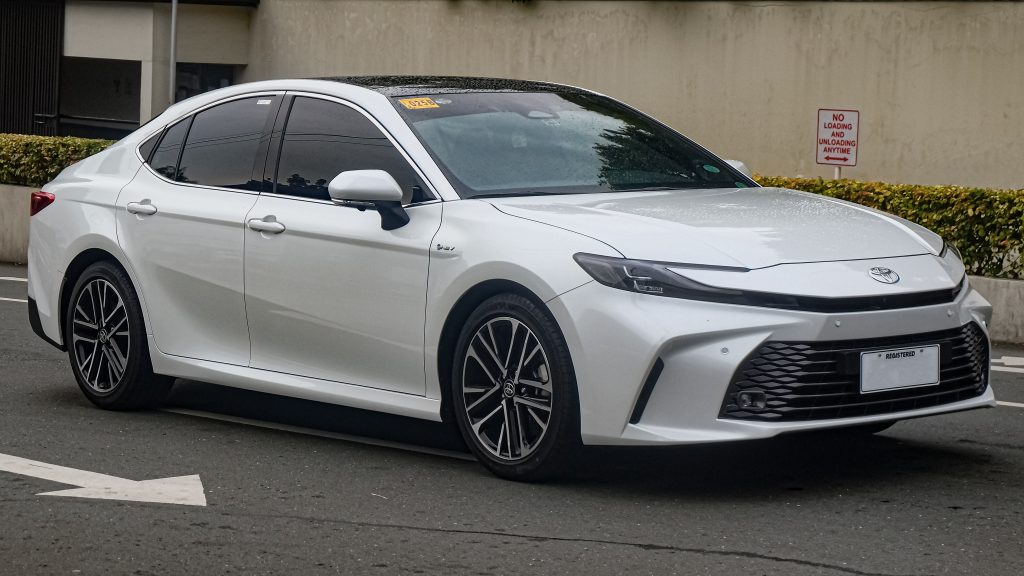
1. Toyota Camry
The Toyota Camry approaches nighttime visibility with a philosophy rooted in consistency and predictability. Rather than relying on flashy lighting tricks, it delivers a beam pattern that feels natural and easy to interpret. For older drivers, this matters more than raw brightness.
The Camry’s LED headlights provide a wide and evenly distributed spread, ensuring that both the road ahead and the surrounding edges remain clearly visible without creating harsh contrasts.
One of the standout qualities of the Camry’s lighting system is how it handles transitions. Moving from well-lit urban streets to darker rural roads can often be disorienting, but the Camry maintains a steady illumination level that reduces sudden changes in perception.
This stability helps older drivers maintain focus and reduces the strain that comes from constantly adjusting to different lighting conditions.
Another advantage lies in the beam clarity. The headlights are designed to minimize scatter, which means the light is directed precisely where it is needed. Road markings, reflective signs, and obstacles appear sharper and more defined.
This level of clarity can make a significant difference when reaction time is critical, especially for drivers who may take slightly longer to process visual information at night.
The automatic high beam system adds another layer of convenience. It detects oncoming traffic and adjusts accordingly, allowing drivers to benefit from maximum visibility without worrying about manually switching between settings.
For seniors, this feature reduces workload and ensures that the headlights are always operating at their most effective level.
What makes the Camry particularly appealing is its balance. It does not overwhelm the driver with overly aggressive brightness, nor does it leave dark spots that could hide potential hazards.
Instead, it creates a comfortable visual environment that supports confident driving. The light output feels controlled, the spread is generous, and the overall experience is reassuring rather than tiring.
In practical terms, this means fewer surprises on the road. Whether navigating a dimly lit highway or a quiet neighborhood street, the Camry provides a clear and dependable view. For older drivers who value reliability and ease of use, this kind of consistency is invaluable.
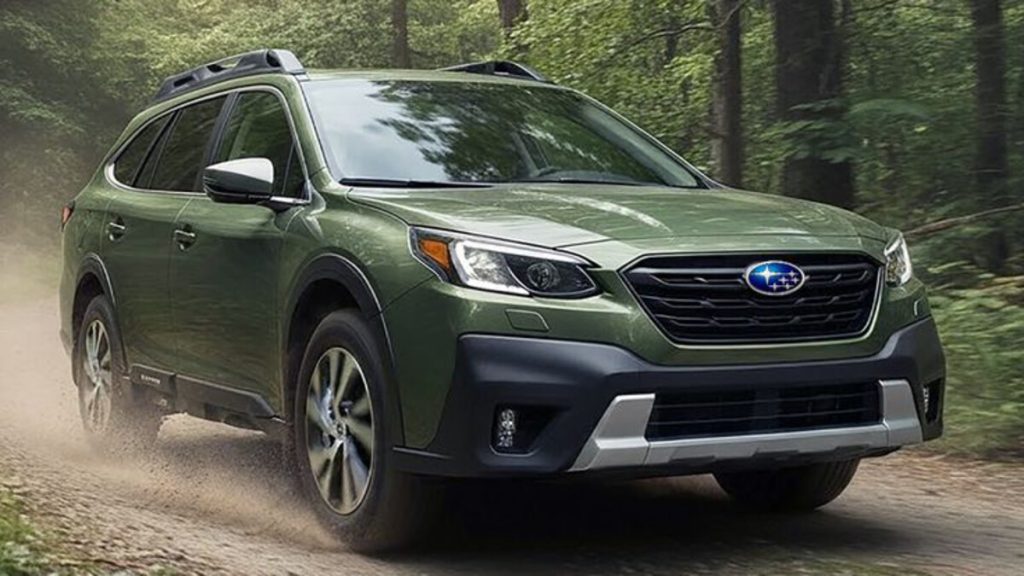
2. Subaru Outback
Unlike many vehicles that focus purely on brightness, the Subaru Outback takes a more adaptive approach to nighttime visibility.
Its steering-responsive LED headlights actively adjust their direction based on the vehicle’s movement, illuminating curves and corners before the driver fully enters them.
This feature can be particularly beneficial for older drivers, as it reduces the uncertainty that often comes with navigating winding roads in low-light conditions.
The Outback’s lighting system feels proactive rather than reactive. As the steering wheel turns, the headlights pivot to follow the intended path, revealing details that would otherwise remain hidden until the last moment.
This early visibility allows for smoother, more confident driving, especially in areas where street lighting is limited.
Another strength of the Outback is its ability to maintain a broad field of illumination. The headlights cast light not only straight ahead but also toward the sides of the road.
This wider coverage helps drivers spot pedestrians, animals, or roadside obstacles sooner. For seniors, who may rely more heavily on peripheral vision cues, this added awareness can significantly enhance safety.
The automatic high beam system is well-calibrated, switching between settings smoothly without abrupt changes.
This is important because sudden shifts in brightness can be distracting or even momentarily blinding. The Outback manages these transitions with a level of refinement that keeps the driver comfortable and focused.
There is also a sense of depth in the way the headlights illuminate the road. Objects appear with clear definition, making it easier to judge distances and speeds. This depth perception is crucial for tasks such as merging, turning, or responding to unexpected situations.
What sets the Outback apart is how naturally all these elements come together. The adaptive lighting does not feel intrusive or complicated. Instead, it operates quietly in the background, enhancing visibility without demanding attention.
This aligns perfectly with what many older drivers prefer: technology that supports rather than complicates the driving experience.
On a dark highway or a rural road, the Outback provides a level of clarity that inspires confidence. It reduces the guesswork that can make nighttime driving stressful and replaces it with a clear, well-lit path forward.
For seniors seeking a vehicle that makes night driving feel less demanding, the Outback stands as a strong and thoughtful choice.
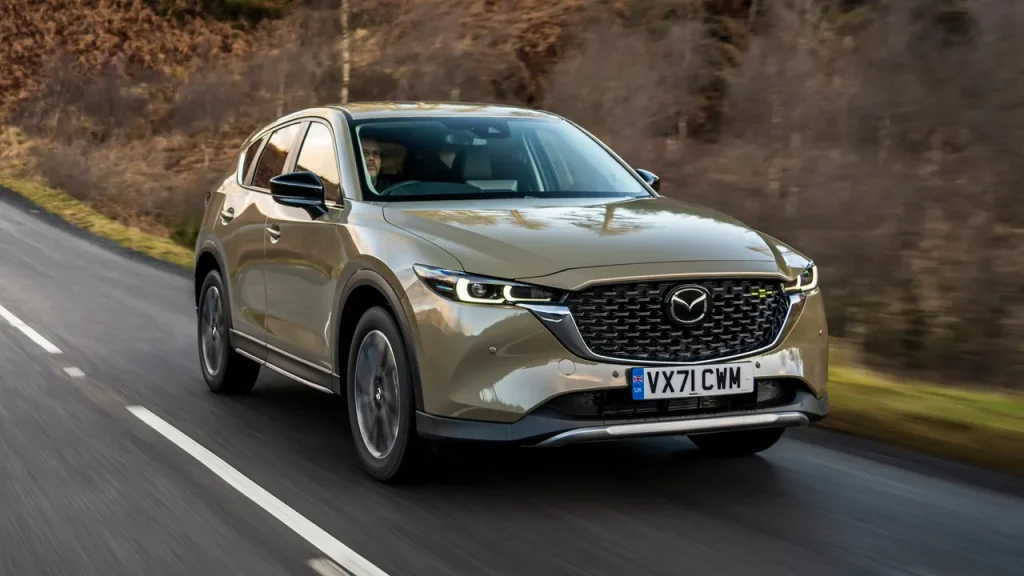
3. Mazda CX-5
The Mazda CX-5 takes a refined and almost understated approach to nighttime visibility, focusing on precision rather than sheer intensity.
Its LED headlights are engineered to produce a crisp, well-defined beam pattern that avoids unnecessary glare while still offering excellent reach.
For older drivers, this kind of controlled lighting can feel far more comfortable than overly bright systems that scatter light in unpredictable ways.
One of the defining traits of the CX-5’s headlights is how cleanly they illuminate the road surface. Lane markings appear sharp, edges are clearly defined, and there is very little visual noise.
This clarity reduces the effort required to interpret what lies ahead, which is especially helpful during longer drives when fatigue can set in more quickly. Instead of forcing the eyes to work harder, the CX-5 creates an environment where information is presented in a calm and readable manner.
Mazda has also paid close attention to how the headlights interact with reflective surfaces. Road signs and markers are illuminated without becoming excessively bright, which helps prevent temporary blindness caused by glare.
Seniors often find this balance particularly valuable, as sensitivity to bright light tends to increase with age. The CX-5 manages to highlight important details without overwhelming the driver’s vision.
The adaptive front-lighting system adds another layer of functionality. As the vehicle turns, the headlights subtly adjust their angle, improving visibility around bends.
This movement is smooth and almost unnoticeable, yet it makes a meaningful difference when driving on curving roads. It allows drivers to anticipate what is coming rather than reacting at the last second.
Another aspect worth noting is the beam’s uniformity. There are no sudden dark patches or uneven transitions, which can sometimes cause hesitation.
Everything ahead is lit consistently, making it easier to maintain a steady driving rhythm. For seniors, this predictability helps build confidence, especially in unfamiliar areas.
The CX-5 does not try to impress with extreme brightness or flashy lighting effects. Instead, it delivers a thoughtful combination of clarity, control, and comfort. This makes it particularly well-suited for older drivers who value a smooth and stress-free nighttime driving experience.
4. Honda Accord
The Honda Accord approaches nighttime lighting with a focus on balance and accessibility, creating a system that feels both powerful and easy to trust. Its LED headlights provide strong illumination, but what truly sets them apart is how evenly that light is distributed.
There are no harsh hotspots or dim edges, just a wide, consistent field of vision that makes the road ahead easy to interpret.
Unlike some vehicles that prioritize long-distance reach at the expense of peripheral visibility, the Accord ensures that both central and side areas are well lit.
This is particularly useful in urban and suburban environments where unexpected obstacles can appear from the sides. For older drivers, having a complete view of the surroundings reduces the need for constant head movement and scanning.
The Accord’s lighting system also excels in maintaining visual comfort. Brightness is carefully managed to avoid overwhelming the eyes, which can be a common issue with more aggressive setups.
The result is a softer yet still effective illumination that allows drivers to stay focused without experiencing strain. This is especially important during extended nighttime trips.
Another strength lies in the responsiveness of the automatic high beams. The system adjusts quickly and smoothly, ensuring that maximum visibility is available whenever conditions allow.
At the same time, it avoids abrupt changes that could distract the driver. This seamless operation makes it easier for seniors to rely on the system without second-guessing its behavior.
Honda has also ensured that the headlights perform consistently across different driving conditions. Whether on a well-lit highway or a darker back road, the transition feels natural and controlled. This consistency helps build trust, as drivers know what to expect from the system at all times.
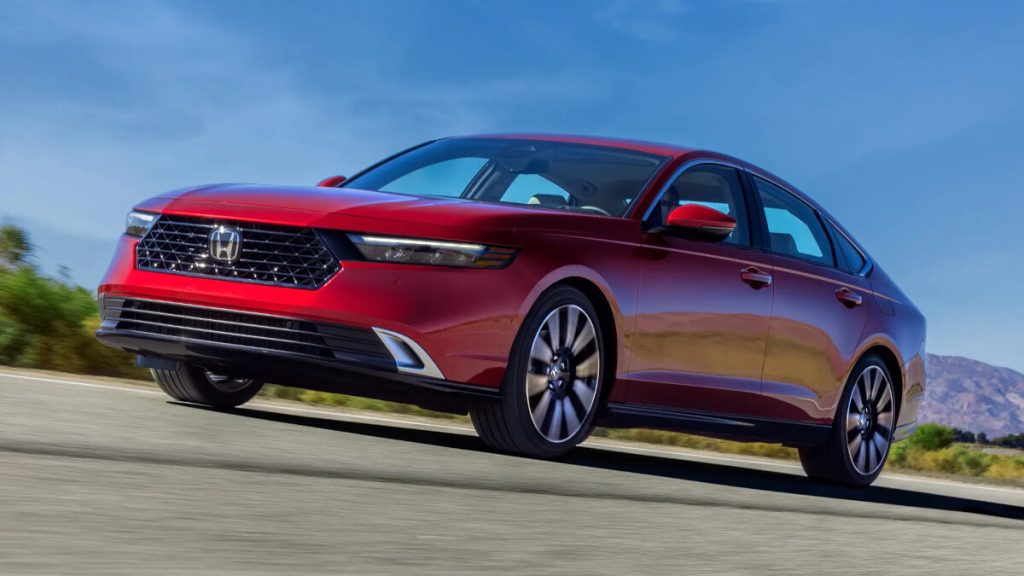
What makes the Accord particularly appealing is its straightforward execution. There are no unnecessary complications or features that require extra attention. Everything works as intended, providing clear and dependable visibility without adding to the driver’s workload.
For older drivers, this kind of reliability can make a significant difference. The Accord’s headlights do not just illuminate the road, they create a stable and comfortable visual environment that supports confident driving, even in challenging nighttime conditions.
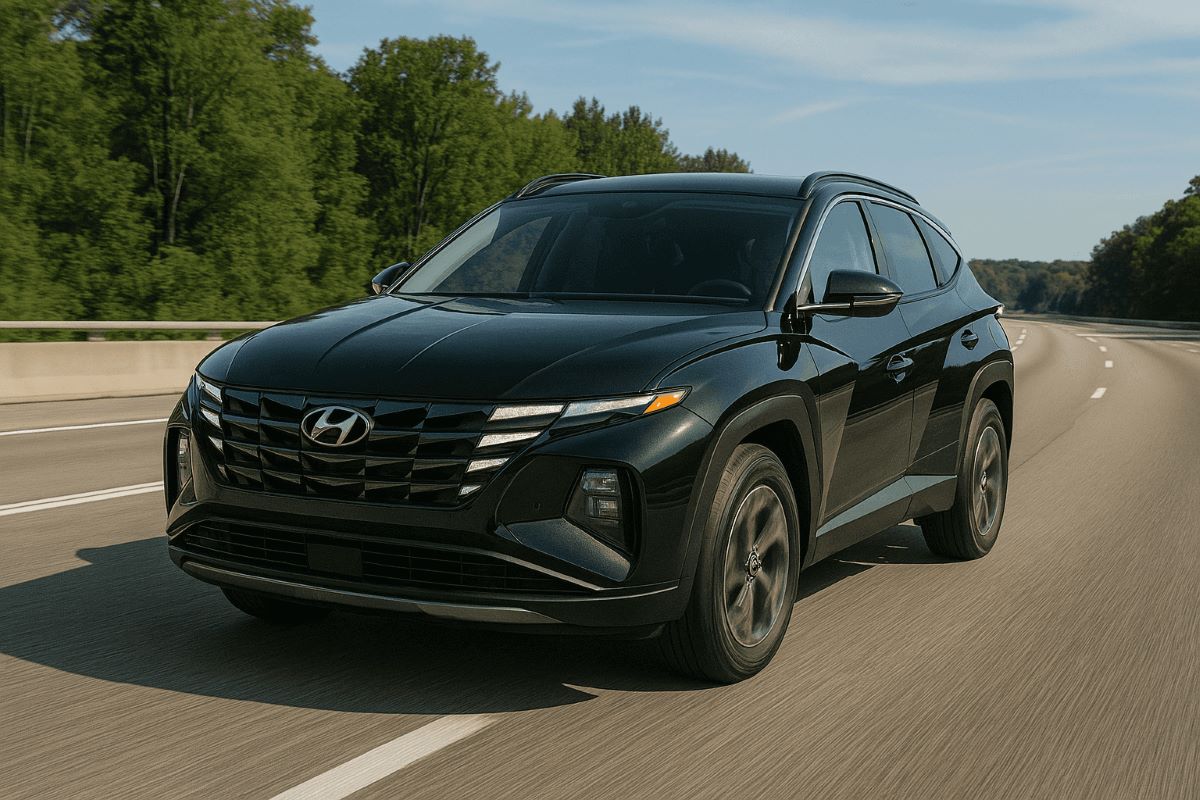
5. Hyundai Tucson
The Hyundai Tucson brings a modern interpretation of headlight performance, yet it manages to remain surprisingly comfortable for older drivers. Instead of focusing purely on brightness, it emphasizes intelligent light distribution and reduced eye strain.
The LED projector setup delivers a beam that feels wide and grounded, keeping the road clearly visible without creating sharp contrasts that can be difficult to process at night.
What stands out immediately is how the Tucson handles near-field visibility. The area directly in front of the vehicle is illuminated with great care, ensuring that potholes, lane markings, and smaller obstacles are easy to identify.
This is particularly helpful for seniors who prefer to maintain a steady, cautious pace and rely on clear, immediate feedback from the road surface.
The Tucson also excels in maintaining a smooth gradient of light. Instead of abrupt transitions between bright and dark zones, the beam fades naturally, allowing the eyes to adjust comfortably.
This reduces fatigue and helps drivers stay focused for longer periods. Many modern systems overlook this detail, but Hyundai has clearly tuned the headlights with real-world usability in mind.
Another important aspect is how the system performs in mixed lighting environments. Driving through areas with intermittent streetlights can often create inconsistent visibility, but the Tucson manages to fill in those gaps effectively.
The result is a more continuous visual experience, which reduces the mental effort required to adapt to changing conditions.
The automatic high beam feature operates with a level of refinement that feels dependable. It activates when needed and dims promptly when other vehicles are detected, avoiding the hesitation or delay that can sometimes occur in less polished systems.
For older drivers, this reliability removes the need to constantly monitor and adjust the lighting manually.
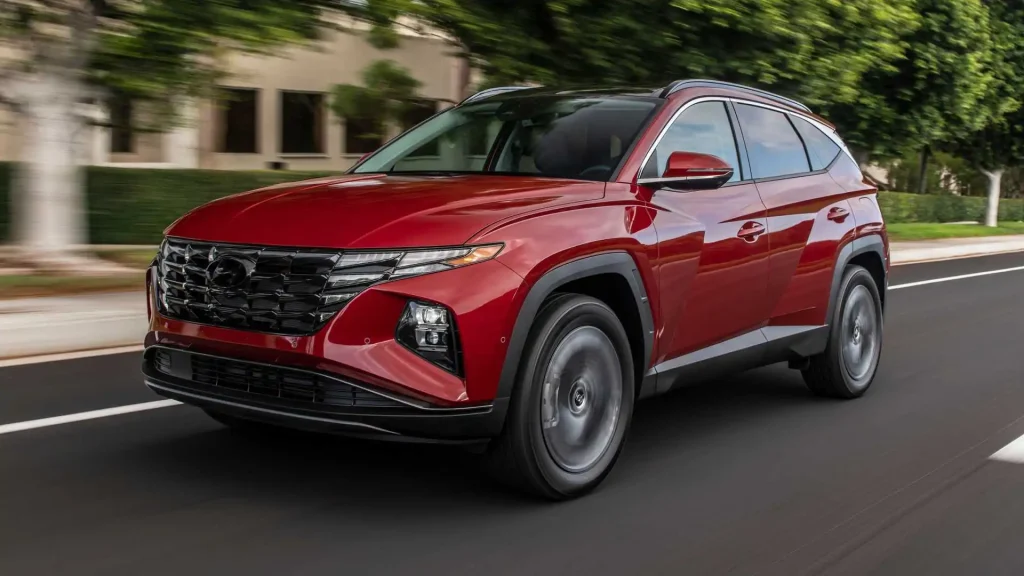
Inside the cabin, the effect of the Tucson’s headlights is noticeable in a subtle way. There is less tension in the driving experience because the lighting feels predictable and supportive. Seniors often benefit from systems that reduce cognitive load, and this is exactly what the Tucson achieves.
Rather than trying to impress with aggressive brightness, the Tucson focuses on creating a calm and usable nighttime environment. It supports the driver’s natural vision, enhances awareness, and minimizes strain, making it a strong choice for those who value comfort and clarity after dark.
6. Nissan Rogue
The Nissan Rogue approaches nighttime visibility with a philosophy centered on practicality and confidence. Its LED headlights are designed to provide a strong forward reach while maintaining a balanced spread, ensuring that both distant and nearby areas are clearly illuminated.
For older drivers, this combination helps create a sense of control, as the road ahead feels fully visible rather than partially obscured.
One of the Rogue’s key strengths is how it defines objects at a distance. The beam extends far enough to reveal upcoming curves, vehicles, and potential hazards well in advance. This extended visibility gives seniors more time to react, which is especially valuable when driving at highway speeds or in unfamiliar areas.
At the same time, the Rogue does not neglect side illumination. The edges of the road are lit effectively, making it easier to spot pedestrians, cyclists, or animals that may appear unexpectedly. This dual focus on distance and width creates a more complete visual picture, reducing uncertainty and improving overall awareness.
The quality of the light itself is another important factor. The Rogue’s headlights produce a clean, white illumination that enhances contrast without being overly harsh.
This makes it easier to distinguish between different elements on the road, such as lane markings, signage, and surface changes. For seniors, improved contrast can significantly enhance visibility and reduce eye strain.
Nissan has also tuned the system to minimize glare for both the driver and others on the road. The beam is carefully controlled to avoid unnecessary scatter, which helps maintain a comfortable viewing experience. This attention to detail ensures that the headlights are effective without becoming intrusive.
The automatic high beam function works in a straightforward and predictable manner. It transitions smoothly between settings, allowing drivers to benefit from maximum illumination when conditions permit. The system’s reliability means that seniors can trust it to perform correctly without needing constant supervision.
Another subtle advantage of the Rogue is how stable the lighting feels during motion. Even on uneven roads, the beam remains steady and consistent, preventing the flickering or shifting that can be distracting. This stability contributes to a more relaxed driving experience, as the visual field remains dependable at all times.
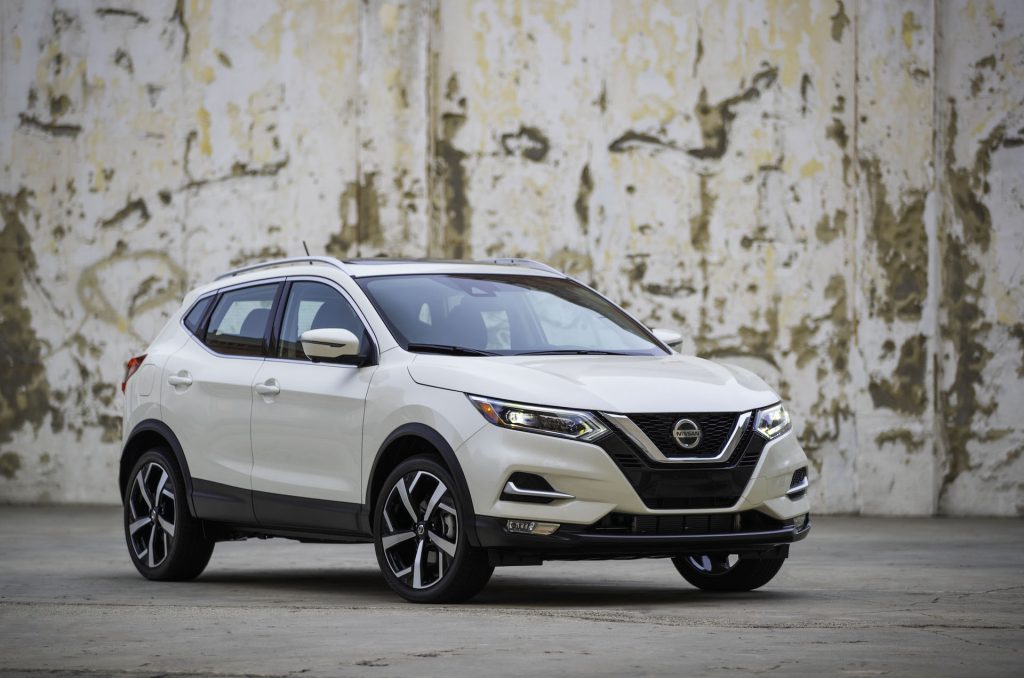
The Rogue’s approach is not about innovation for its own sake. It focuses on delivering a dependable and easy-to-use lighting system that supports safe driving. For older drivers, this translates into greater confidence, reduced fatigue, and a clearer view of the road ahead.
7. Lexus ES
The Lexus ES delivers a nighttime driving experience that feels calm, refined, and highly controlled. Its headlight system is designed with precision and comfort in mind, making it particularly appealing for older drivers who value clarity without harshness.
Instead of relying on excessive brightness, the ES uses advanced LED technology to create a smooth and evenly distributed beam that gently fills the road ahead.
A defining characteristic of the Lexus ES is how it manages glare. Many modern headlights can feel too intense, especially when reflecting off road signs or wet surfaces.
The ES avoids this by carefully shaping its beam, ensuring that light is directed exactly where it is needed. This reduces visual discomfort and allows drivers to maintain focus without squinting or adjusting their gaze repeatedly.
The adaptive lighting system further enhances visibility by adjusting the direction of the beams as the vehicle moves. When approaching a curve, the headlights subtly follow the steering input, revealing more of the road before the car fully turns.
This anticipatory lighting reduces uncertainty and gives drivers a clearer understanding of what lies ahead, which can be especially reassuring at night.
Another strength of the ES is its consistency. The illumination remains stable across different speeds and road conditions, creating a predictable visual environment.
For seniors, this consistency is invaluable because it reduces the need to constantly adapt to changing light patterns. The road appears steady and well-defined, making it easier to concentrate on driving.
The quality of light also contributes to the experience. The ES produces a soft, natural tone that enhances contrast without feeling artificial.
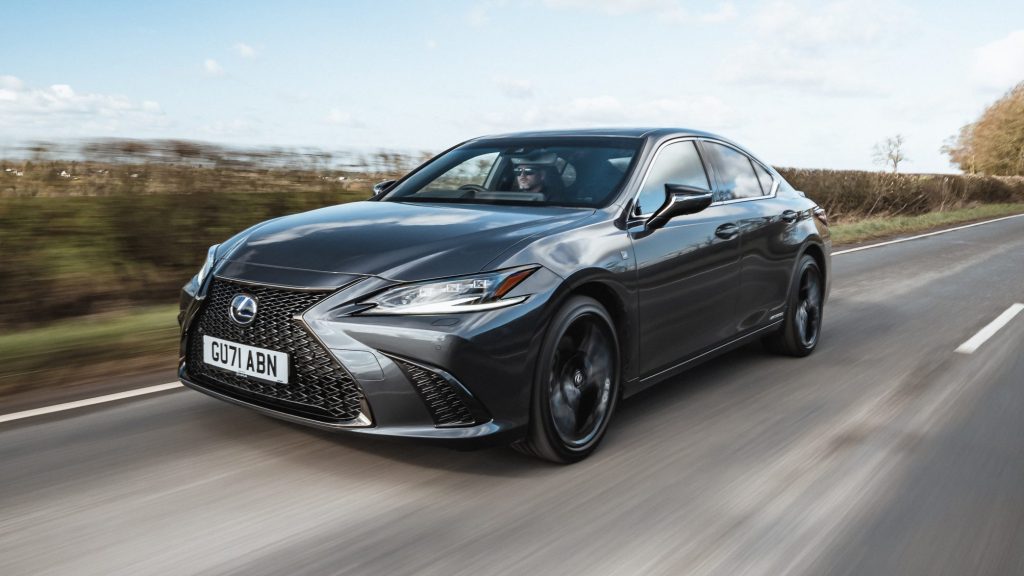
Objects are easy to distinguish, and the transition between light and shadow is gradual rather than abrupt. This helps reduce fatigue during longer drives, allowing older drivers to remain comfortable and alert.
Inside the cabin, the effect is almost soothing. The headlights do their job without drawing attention to themselves, supporting the driver quietly and unobtrusively. This aligns perfectly with what many seniors prefer, which is a system that works reliably without requiring constant awareness or adjustment.
The Lexus ES stands as a reminder that effective lighting is not just about power but about balance. By combining precision, comfort, and intelligent design, it creates a nighttime driving experience that feels both safe and effortless.
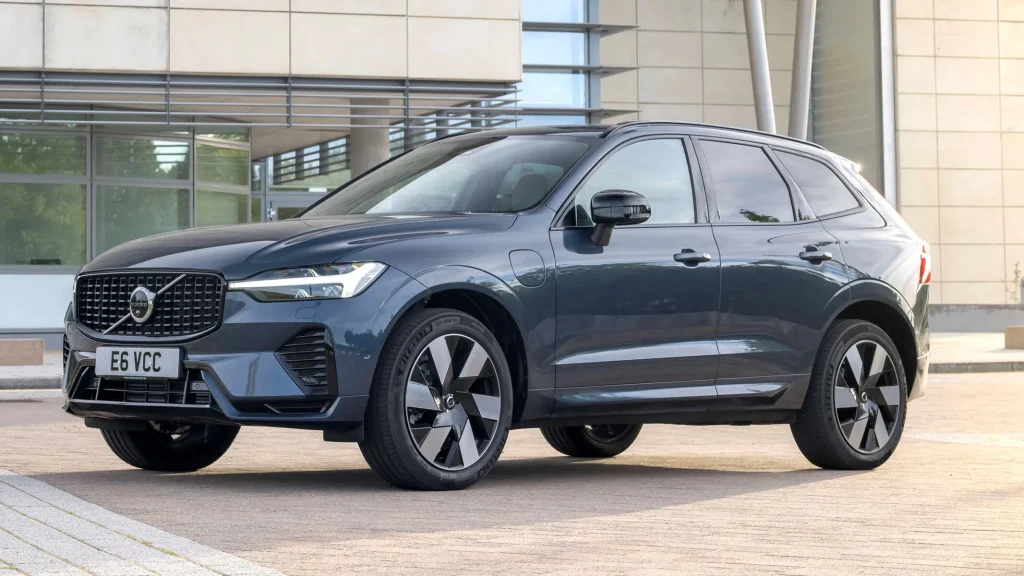
8. Volvo XC60
The Volvo XC60 approaches nighttime visibility with a strong emphasis on safety and innovation, yet it remains remarkably user-friendly.
Volvo has long been associated with protective design, and its headlight system reflects that philosophy by prioritizing clarity, reach, and intelligent adaptation. For older drivers, this translates into a driving experience that feels secure and well-supported in low-light conditions.
One of the most notable features of the XC60 is its advanced LED lighting with adaptive beam technology. The system continuously adjusts the shape and intensity of the light based on surrounding conditions, ensuring optimal visibility without causing glare for other drivers.
This dynamic adjustment happens seamlessly, allowing the driver to benefit from enhanced lighting without needing to intervene.
The XC60 excels in long-range illumination. The headlights project light far down the road, revealing details that might otherwise remain hidden until the last moment.
This extended visibility gives seniors more time to react and make decisions, which is particularly important when driving at higher speeds or in unfamiliar environments.
At the same time, the system maintains excellent control over side illumination. The edges of the road are clearly visible, helping drivers detect movement or obstacles outside the main beam. This comprehensive coverage reduces blind spots and enhances overall awareness, making nighttime driving feel less uncertain.
Another advantage is how the XC60 handles complex lighting scenarios. In areas with multiple light sources, such as city streets or highways, the system adapts to maintain a consistent level of visibility. It avoids the flickering or uneven brightness that can occur in less advanced setups, creating a smoother visual experience.
Volvo has also focused on reducing driver fatigue. The light produced by the XC60 is bright yet comfortable, avoiding the harshness that can strain the eyes over time. This balance allows drivers to remain focused and relaxed, even during extended nighttime journeys.
The integration of automatic high beams adds further convenience. The system reacts quickly to oncoming traffic, adjusting the light output without abrupt changes. This ensures that the driver always has the best possible visibility while maintaining courtesy toward others on the road.
The XC60 demonstrates how advanced technology can be applied in a way that genuinely benefits the driver. It does not complicate the experience but enhances it, providing clear, reliable illumination that supports safe and confident driving.
For seniors, this thoughtful approach makes a meaningful difference, turning nighttime travel into a more manageable and less stressful activity.
Also Read: 5 Engines That Can Handle 87 Octane vs 5 That Require Premium Fuel
