
Midsize trucks have evolved far beyond their original purpose of being compact alternatives to full size pickups. Today, many of them are engineered with serious towing capability, advanced drivetrains, and reinforced frames that allow them to handle demanding workloads with surprising confidence.
For buyers who want versatility without the bulk of a full size truck, this segment offers a compelling middle ground. However, not all midsize trucks deliver the same level of performance when it comes to towing.
Some rise to the challenge and perform like scaled-down heavy haulers, while others struggle under pressure and reveal their limitations quickly.
Towing performance is influenced by several key factors. Engine output, torque delivery, transmission tuning, suspension design, and cooling systems all play critical roles in determining how well a truck handles heavy loads.
Even details like axle ratios and braking systems can make a noticeable difference. A truck that feels strong on paper may not necessarily translate that strength into real-world towing confidence. This is where the gap between capable and underwhelming models becomes clear.
Another important consideration is stability. Towing is not just about pulling power. It is about maintaining control at highway speeds, managing weight distribution, and ensuring that the vehicle remains composed under stress.
Trucks that tow well tend to feel planted and predictable, even when approaching their limits. On the other hand, less capable models may exhibit excessive sway, sluggish acceleration, or strained braking, which can make towing a stressful experience.
Modern technology has also changed the landscape. Features like trailer sway control, integrated brake controllers, and advanced traction systems can significantly improve towing behavior.
Still, these features cannot fully compensate for fundamental mechanical shortcomings. A well-engineered truck will use these technologies to enhance its already strong capabilities rather than relying on them as a crutch.
This article highlights sixteen midsize trucks, divided into two clear categories. The first group consists of models that tow with authority and confidence, often rivaling full size trucks in real-world scenarios.
The second group includes those that fall short, either due to limited power, less refined engineering, or compromises in design. By examining both sides, it becomes easier to understand what truly separates a strong towing performer from one that struggles when the load increases.
Also Read: 8 Vehicles Designed Specifically for US National Park Rangers and Staff
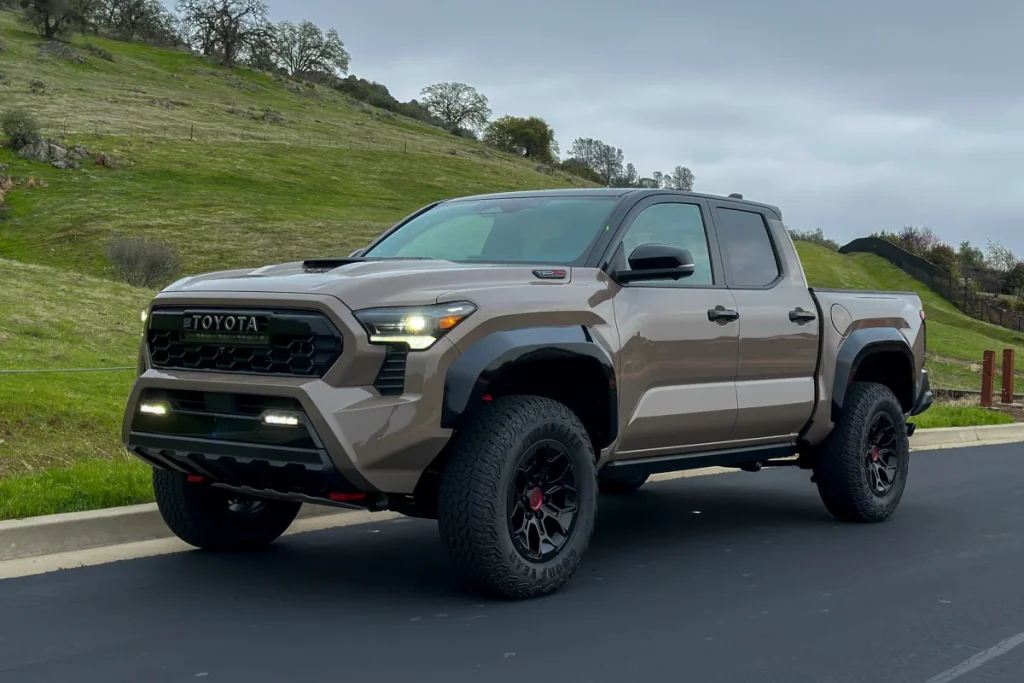
1. Toyota Tacoma
The Toyota Tacoma has built a reputation over decades as a dependable and rugged midsize truck, but its towing capability is where it begins to show a more complex character. While it is often praised for durability and off-road strength, towing reveals both its strengths and its limitations depending on configuration and expectations.
At first glance, the Tacoma appears well-equipped for towing. Its available V6 engine delivers respectable power, and the truck’s body-on-frame construction provides a solid foundation. When properly configured, it can handle moderate loads with confidence.
For light trailers, small boats, or compact campers, the Tacoma feels stable and predictable. It does not struggle to get moving, and its braking performance remains composed under reasonable weight.
However, when compared to stronger performers in the midsize segment, the Tacoma begins to show signs of strain. The power delivery, while adequate, lacks the effortless pull that defines trucks that truly mimic full size capability.
Acceleration under load can feel gradual rather than assertive, which becomes more noticeable on inclines or during highway merging. This does not make it incapable, but it does place it closer to the middle of the spectrum rather than at the top.
Another factor is transmission behavior. The Tacoma’s gearing sometimes hunts for the right ratio when towing, especially on uneven terrain. This can create a slightly unsettled driving experience, requiring more attention from the driver.
Trucks that excel in towing tend to maintain smoother and more consistent power delivery, reducing the need for constant adjustments.
Stability is an area where the Tacoma performs reasonably well, but not exceptionally. It remains composed with moderate loads, yet heavier trailers can introduce a sense of movement that requires careful management. This is where the difference between a capable truck and a truly confident one becomes apparent.
The Tacoma’s strength lies in its reliability and versatility rather than outright towing dominance. It can handle everyday towing tasks without major issues, but it does not quite reach the level of performance that allows it to rival full size trucks.
For buyers who prioritize durability and off-road capability, this trade-off may be acceptable. For those focused primarily on towing, there are stronger options available within the same category.
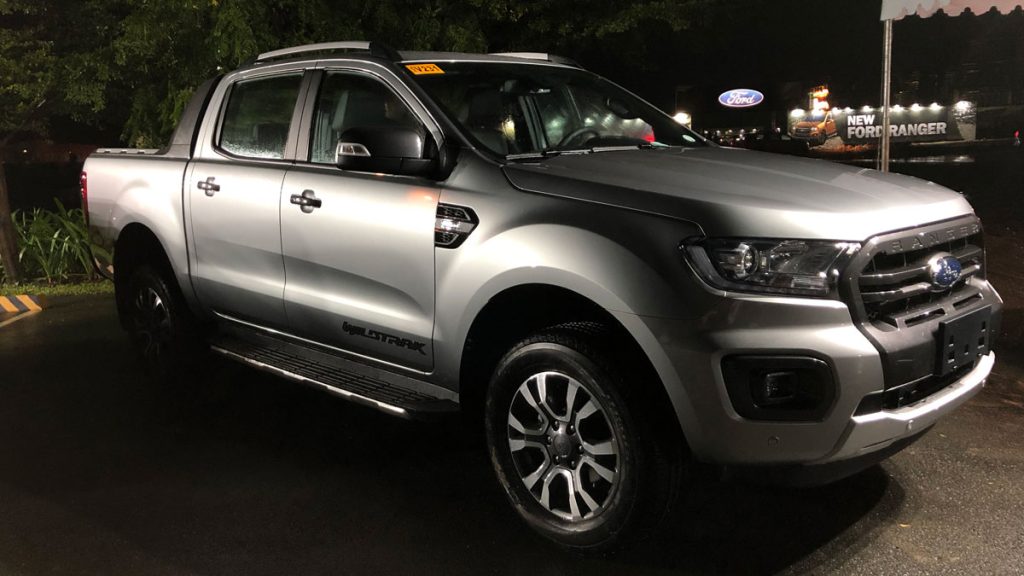
2. Ford Ranger
The Ford Ranger takes a very different approach to towing, positioning itself as one of the strongest performers in the midsize segment. From the moment it begins pulling a load, it becomes clear that this truck is engineered with towing in mind.
Its turbocharged engine delivers a surge of torque that feels immediate and confident, setting it apart from many of its competitors.
Unlike trucks that require effort to build momentum, the Ranger moves with authority. The power delivery is smooth yet forceful, allowing it to handle heavier trailers without hesitation. This characteristic is particularly valuable when merging onto highways or climbing steep grades, where consistent performance is essential.
Transmission tuning plays a significant role in the Ranger’s capability. The gearbox works in harmony with the engine, maintaining the right gear without excessive shifting.
This creates a more stable and predictable driving experience, reducing the workload on the driver. When towing, this kind of refinement can make a noticeable difference in comfort and confidence.
Another area where the Ranger excels is stability. The chassis feels planted, even when approaching higher towing limits. Trailer sway is well-controlled, and the truck maintains a straight and steady path at highway speeds. This level of composure is often associated with larger trucks, making the Ranger stand out in its class.
The braking system also contributes to its strong performance. It responds confidently under load, providing the reassurance needed when descending hills or navigating traffic. Combined with its power and stability, this creates a well-rounded towing package that feels capable in a wide range of situations.
Technology further enhances the experience. Features designed to assist with towing operate seamlessly, supporting the driver without becoming intrusive. The Ranger does not rely solely on these systems, but they complement its mechanical strengths effectively.
What makes the Ranger particularly impressive is how naturally it handles demanding tasks. It does not feel like a truck operating at its limits.
Instead, it delivers a sense of ease that is often associated with full size models. For those seeking a midsize truck that can tow with confidence and minimal compromise, the Ranger stands as a compelling choice.
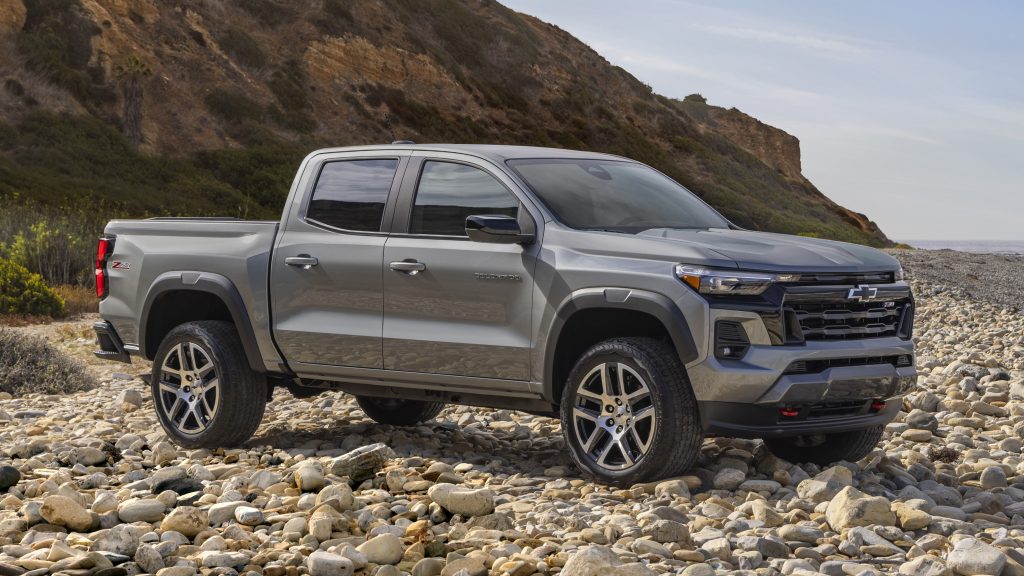
3. Chevrolet Colorado
The Chevrolet Colorado enters the conversation with a noticeably different personality, one that leans heavily toward strength and composure when towing.
It does not rely on a single standout trait but instead builds its capability through a combination of torque, chassis tuning, and a sense of mechanical confidence that becomes evident the moment a trailer is attached.
What separates the Colorado from many midsize competitors is how it delivers its pulling power. The engine produces strong low-end torque, which means it does not need to be pushed hard to get a load moving.
This characteristic is particularly useful in real-world scenarios such as pulling away from a stop or navigating inclines. Older midsize trucks often feel strained in these situations, but the Colorado responds with a calm and controlled surge of power.
There is also a certain smoothness in how it handles sustained towing. Once up to speed, the truck maintains momentum without constant effort.
This reduces driver fatigue and creates a more relaxed experience, especially during long hauls. It feels less like managing a heavy load and more like guiding a capable machine that understands the task at hand.
The suspension setup plays a crucial role here. It is tuned to manage weight effectively, absorbing road imperfections without allowing the trailer to unsettle the truck.
This results in a ride that remains stable even when conditions are less than ideal. Drivers often notice that the Colorado does not become nervous or twitchy under load, which is a key indicator of strong towing design.
Another important factor is braking confidence. The Colorado provides a reassuring response when slowing down, even with a trailer attached.
This sense of control is essential, as it allows drivers to approach descents and traffic situations without hesitation. Trucks that struggle in this area tend to feel unpredictable, but the Colorado maintains a steady and dependable character.
What makes this truck particularly appealing is how balanced it feels. It does not excel in just one area while compromising in others. Instead, it delivers a well-rounded performance that supports consistent towing behavior.
For drivers who want a midsize truck that behaves like a scaled-down full size model, the Colorado presents a strong case through its composed and capable nature.
4. Jeep Gladiator
The Jeep Gladiator approaches towing from a completely different angle, shaped by its off-road heritage rather than a focus on hauling efficiency. While it is undeniably capable in rugged environments, towing reveals a set of compromises that place it on the less confident side of the spectrum.
At its core, the Gladiator is designed for versatility and adventure. Its solid axles and off-road suspension provide excellent articulation on uneven terrain, but these same characteristics can work against it when towing.
Stability becomes more difficult to maintain, especially at higher speeds or with heavier loads. The truck can feel less planted compared to competitors that prioritize on-road composure.
Power delivery is another area where the Gladiator shows limitations. While the engine is capable, it does not provide the same effortless pull found in stronger towing-focused trucks.
Acceleration under load can feel labored, requiring more input and planning from the driver. This becomes particularly noticeable when merging or climbing, where confidence is essential.
The longer wheelbase, while beneficial for certain tasks, does not fully compensate for the suspension dynamics when towing.
There can be a sense of movement that requires constant attention, especially in crosswinds or uneven road conditions. Drivers may find themselves making more corrections to maintain a steady path, which can lead to increased fatigue over time.
Braking performance, while adequate, does not inspire the same level of confidence as more towing-oriented designs.
The Gladiator manages to handle moderate loads, but it does not provide the reassuring control that defines stronger performers. This can make heavier towing tasks feel more demanding than they should be.
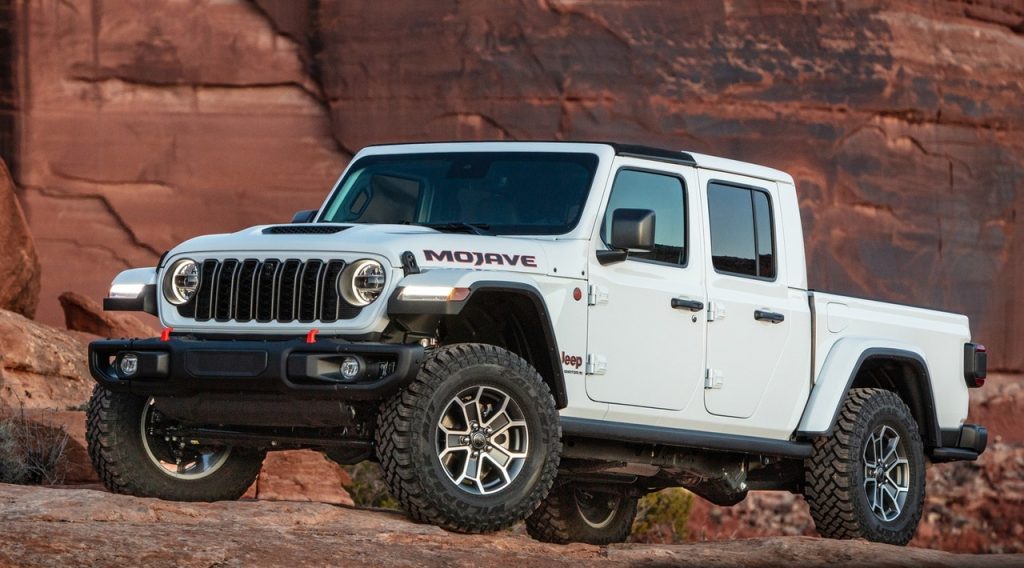
Where the Gladiator truly shines is off the beaten path. It excels in environments where towing is not the primary concern, offering capabilities that few other trucks can match.
However, when the focus shifts to hauling heavier loads on paved roads, its priorities become clear. It is a vehicle built for exploration and rugged use rather than consistent towing excellence.
For buyers who value off-road capability above all else, the Gladiator remains a compelling option. But for those seeking a midsize truck that can tow with the confidence and stability of a full size model, it falls short of that expectation, revealing the trade-offs that come with its unique design philosophy.
5. GMC Canyon
The GMC Canyon approaches towing with a quiet confidence that becomes more noticeable the longer it is put to work. It does not rely on aggressive marketing claims or exaggerated performance traits.
Instead, it builds its reputation through consistency, delivering a towing experience that feels controlled, predictable, and reassuring in real-world conditions.
One of the Canyon’s strongest attributes is how composed it remains under load. From the moment a trailer is attached, the truck maintains a sense of balance that reduces the need for constant corrections.
Steering feels steady, and the chassis resists unwanted movement, even when dealing with uneven surfaces or changing road conditions. This composure is often what separates capable trucks from those that feel overwhelmed.
The engine delivers its power in a deliberate and usable manner. Rather than surging unpredictably, it provides a steady flow of torque that allows the driver to manage acceleration with precision.
This is particularly useful when towing through traffic or navigating tight spaces, where smooth inputs are more valuable than outright speed. The Canyon feels cooperative, responding exactly as expected without sudden changes in behavior.
Another area where it stands out is in maintaining momentum. Once it reaches cruising speed, the truck holds that pace without requiring constant adjustments.
This reduces driver fatigue and creates a more relaxed towing experience, especially during longer journeys. It gives the impression of a vehicle that is working with the driver rather than demanding continuous attention.
Braking performance adds to this sense of confidence. The Canyon slows down in a controlled and progressive manner, allowing for smooth deceleration even with a significant load behind it. This level of control is essential when descending hills or approaching stops, as it prevents the feeling of being pushed forward by the trailer.
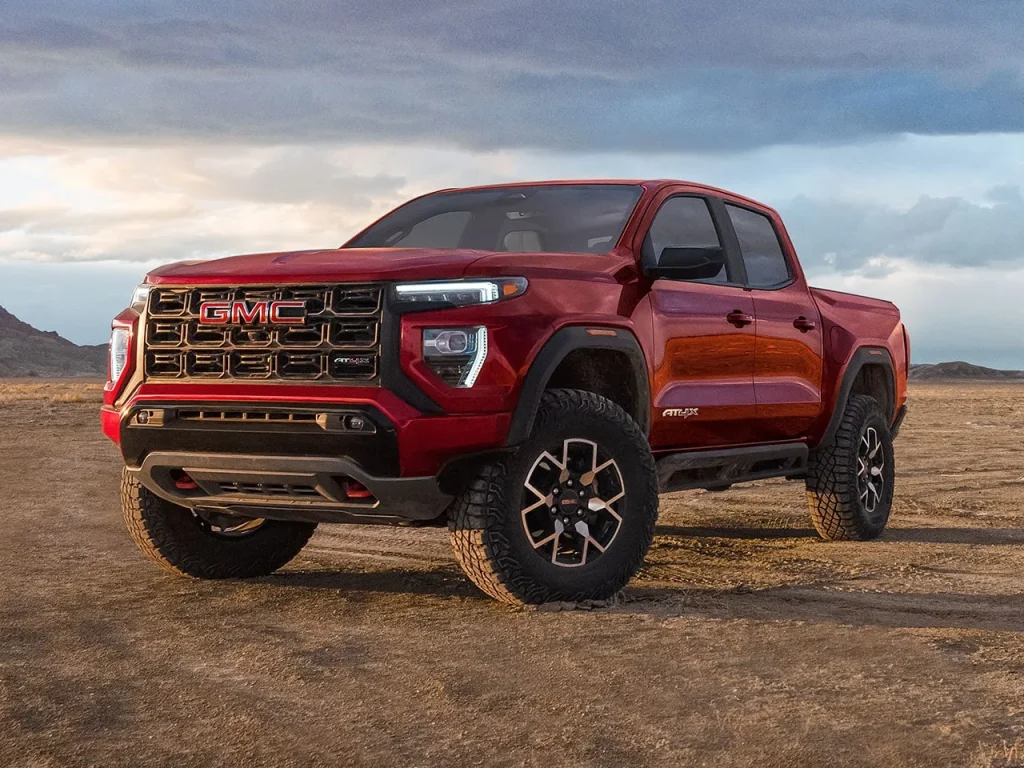
The suspension setup contributes to its stability by managing weight effectively. It absorbs road imperfections without transferring excessive movement to the trailer, helping maintain a steady connection between the truck and its load. This results in a towing experience that feels secure rather than unsettled.
What makes the Canyon particularly appealing is its ability to deliver this performance without drawing attention to itself. It does not feel strained or overly aggressive. Instead, it provides a calm and capable presence that inspires trust.
For drivers who want a midsize truck that can handle towing duties with the confidence of a larger vehicle, the Canyon proves that refinement and strength can go hand in hand.
6. Nissan Frontier
The Nissan Frontier presents a more traditional interpretation of a midsize truck, and while it has made strides in modernizing its design, towing reveals a set of characteristics that place it closer to the struggling side of the spectrum.
It is not incapable, but it requires more effort and attention to achieve the same results that stronger competitors deliver with ease.
At the heart of the Frontier’s towing behavior is its power delivery. The engine produces adequate output for lighter loads, but it does not provide the same level of confidence when the weight increases.
Acceleration can feel strained, particularly when merging onto highways or climbing inclines. This lack of effortless pull means the driver must plan movements more carefully, which can add stress in demanding situations.
The transmission plays a role in this experience as well. It does not always settle into the ideal gear when towing, leading to frequent adjustments that can disrupt the flow of driving. This constant shifting can make the truck feel less stable, especially over longer distances where consistency becomes more important.
Stability is another area where the Frontier shows its limitations. While it remains manageable with moderate loads, heavier trailers can introduce a sense of looseness that requires ongoing correction.
The steering may feel less precise, and the connection between the truck and trailer can seem less secure compared to more capable models.
Braking performance is sufficient but not particularly confidence-inspiring. The truck handles deceleration adequately, yet it lacks the reassuring firmness that defines stronger towing setups. Drivers may find themselves leaving more space and approaching stops with greater caution, which can become tiring over time.
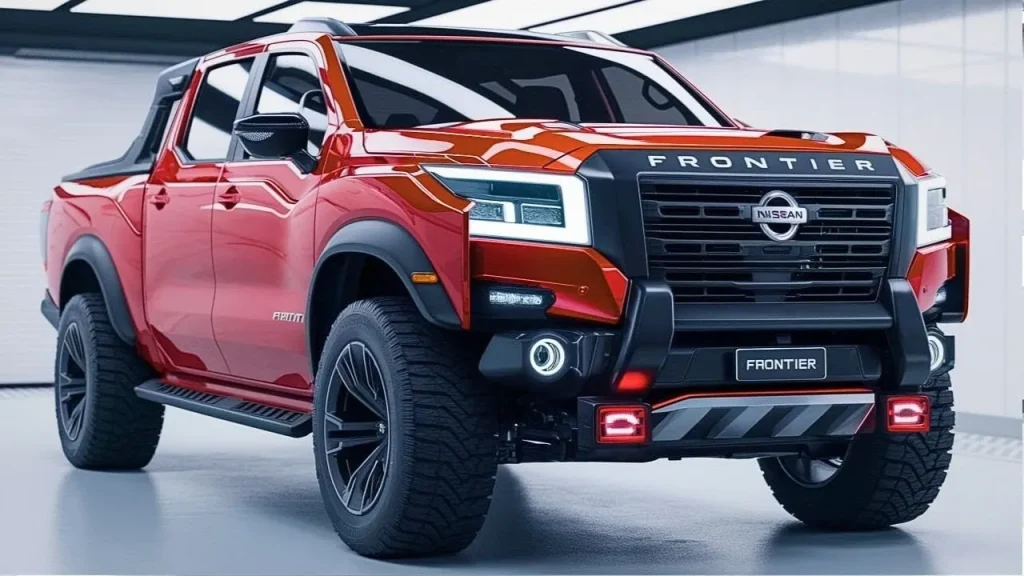
Despite these challenges, the Frontier does have its strengths. It is durable, straightforward, and capable of handling everyday tasks without issue.
For light towing duties, it performs reliably and without major concerns. However, when pushed closer to its limits, the gaps between it and more capable trucks become increasingly noticeable.
The Frontier serves as a reminder that not all midsize trucks are designed with heavy towing as a primary focus. It fulfills its role as a dependable workhorse for lighter tasks, but it does not quite reach the level of performance needed to compete with the strongest towing contenders in its class.
7. Ford Maverick
The Ford Maverick enters this list as something of an outlier, not just because of its size but because of its fundamental design philosophy. Unlike traditional body-on-frame trucks, the Maverick uses a unibody construction, which immediately shapes how it behaves under towing conditions.
While it offers impressive versatility for its footprint, towing reveals clear boundaries that distinguish it from more capable midsize contenders.
From the outset, the Maverick feels well-suited for light-duty tasks. Small trailers, utility loads, and occasional hauling are handled with relative ease.
The truck responds smoothly, and its compact dimensions make it easy to maneuver even when a trailer is attached. For drivers who prioritize convenience and efficiency, this can be an appealing combination.
However, as the load increases, the limitations of its design become more apparent. The power delivery, while adequate for everyday driving, does not provide the sustained strength needed for heavier towing.
Acceleration becomes more gradual, and maintaining speed on inclines requires additional effort. This is not a sudden failure but a gradual realization that the truck is operating closer to its limits.
The unibody structure also influences stability. While it contributes to a comfortable ride when unloaded, it does not offer the same level of rigidity as a traditional truck frame.
Under heavier loads, this can translate into a less planted feel, particularly at higher speeds. Drivers may notice more movement and a greater need for steering input to maintain a straight path.
Braking performance remains controlled for lighter loads, but it does not deliver the same level of authority when pushed further. This reinforces the idea that the Maverick is best used within a specific range of towing demands rather than as a substitute for larger, more robust trucks.
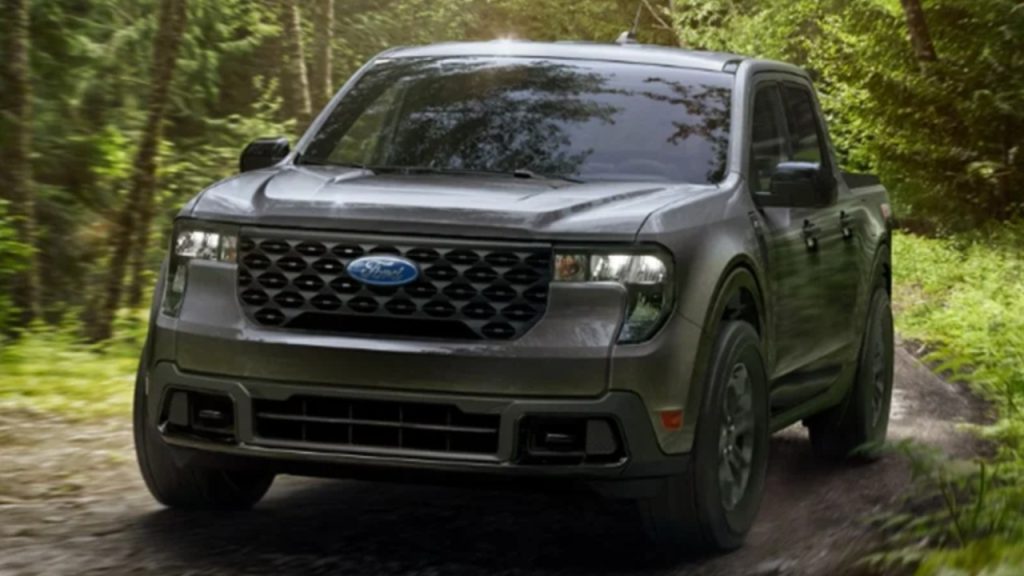
What makes the Maverick unique is how honest it feels about its capabilities. It does not pretend to be something it is not.
Instead, it excels within its intended role, offering practicality and efficiency for those who do not require heavy towing. For buyers who understand these limits, it can be a highly satisfying vehicle.
Yet, when placed alongside trucks that tow like full size models, the difference is clear. The Maverick represents the lighter end of the spectrum, where convenience and efficiency take priority over maximum towing performance.
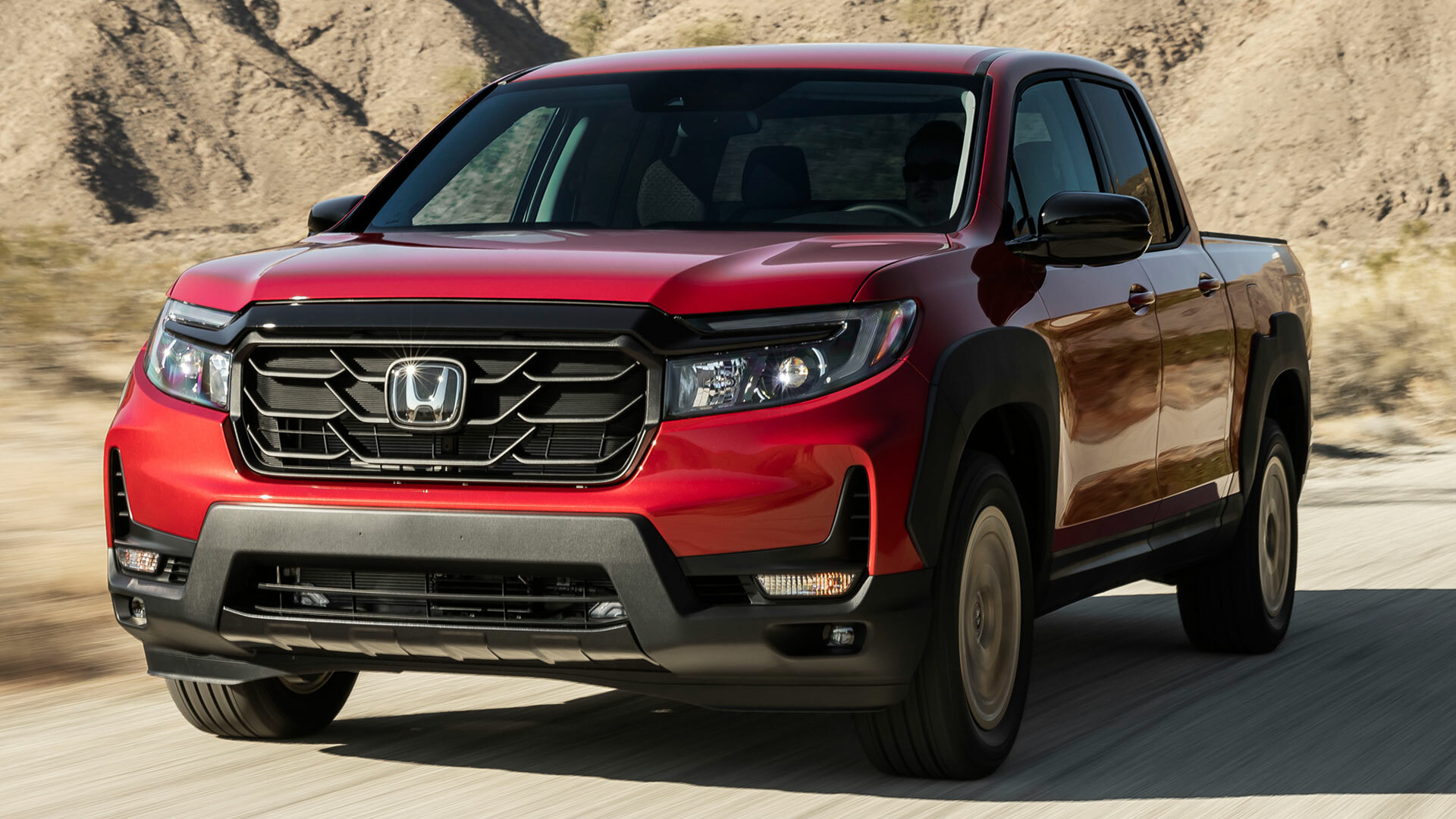
8. Honda Ridgeline
The Honda Ridgeline takes a distinctly different approach to the concept of a pickup truck, prioritizing comfort and everyday usability over traditional towing strength.
Its unibody construction and car-like driving dynamics make it one of the most refined trucks in daily use, but these same qualities shape how it performs when tasked with heavier towing duties.
At lower loads, the Ridgeline performs with a sense of ease that reflects its well-tuned engineering. It accelerates smoothly, handles predictably, and maintains a composed ride.
For light trailers or occasional towing, it provides a stress-free experience that many drivers find appealing. The transition from regular driving to towing feels seamless, without dramatic changes in behavior.
As demands increase, however, the truck’s priorities become more evident. The powertrain, while capable, does not deliver the same level of torque-focused performance found in stronger towing trucks.
Acceleration under load feels measured rather than forceful, and maintaining higher speeds requires more input. This does not make the Ridgeline ineffective, but it does highlight its positioning within the segment.
Stability is another area where its design influences performance. The unibody structure contributes to a smooth and comfortable ride, yet it does not provide the same level of resistance to heavy loads as a traditional frame.
When towing larger trailers, there can be a subtle sense of movement that requires attention, particularly on highways or in windy conditions.
Braking remains controlled and predictable, which is one of the Ridgeline’s strengths. It manages deceleration in a smooth and composed manner, helping to maintain confidence even when towing. This refinement is consistent with the truck’s overall character, which emphasizes ease of use over aggressive capability.
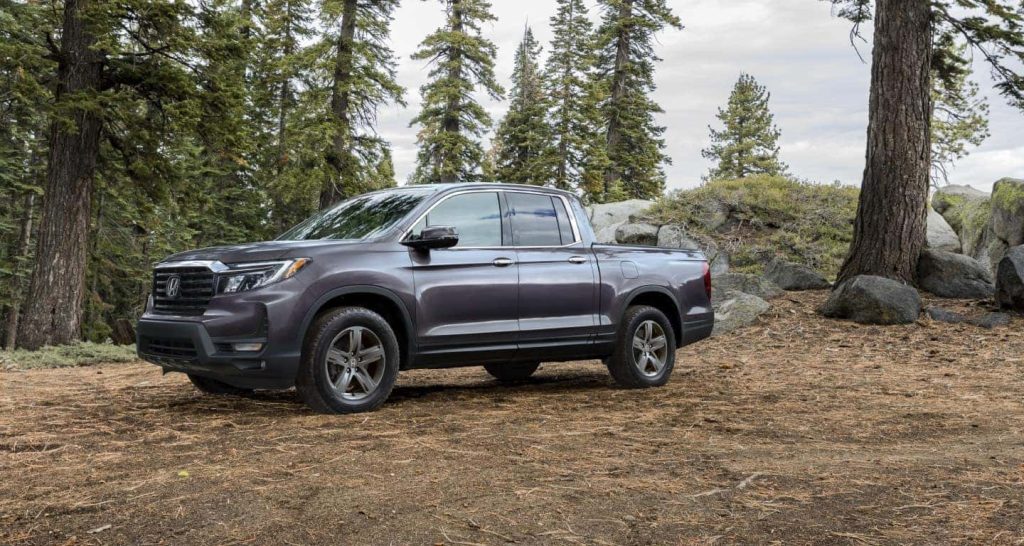
The Ridgeline stands out for how approachable it feels. It does not intimidate the driver or demand constant adjustments. Instead, it offers a balanced experience that works well for those who prioritize comfort and practicality. For many users, this is exactly what they need in a pickup.
When viewed strictly through the lens of towing performance, the Ridgeline falls short of the trucks that truly replicate full size capability. It is not designed to compete in that space. Instead, it carves out its own niche, serving drivers who need occasional towing without sacrificing everyday comfort.
Midsize trucks vary widely in towing performance, and the differences become clear when real-world demands come into play. Some models, like the Ford Ranger, Chevrolet Colorado, and GMC Canyon, deliver strong, confident towing that can rival full size trucks.
They combine solid power delivery, stable handling, and well-tuned transmissions to create a stress-free hauling experience.
On the other hand, trucks such as the Jeep Gladiator, Nissan Frontier, Ford Maverick, and Honda Ridgeline reveal limitations when pushed harder. While they handle light to moderate loads, they require more effort, planning, and driver attention as weight increases.
The key takeaway is that towing strength is not just about numbers. It is about how a truck behaves under load, how stable it feels, and how much confidence it inspires. Choosing the right truck depends on understanding these differences and matching them to your specific towing needs.
Also Read: 8 Reasons to Take a Professional Driving Course Even as an Experienced Driver
