
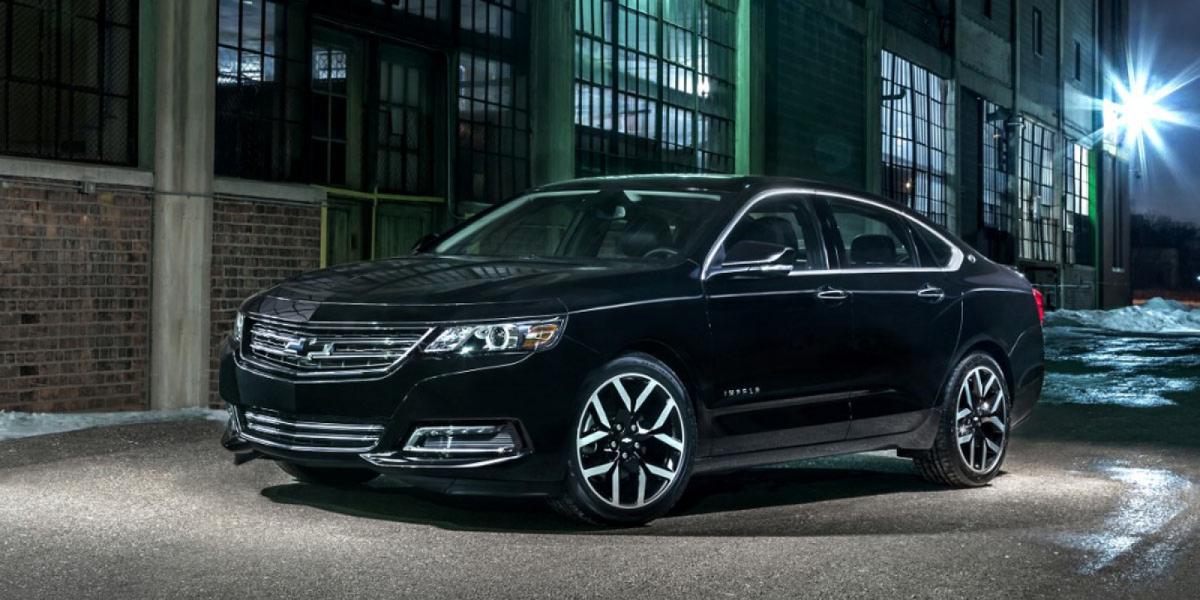
Electrical simplicity has become increasingly rare in modern vehicles, where layered software systems, multiplex wiring, and dozens of interconnected control modules are now standard.
While these technologies enhance comfort and safety, they also introduce long-term vulnerabilities. As vehicles age, electrical faults can become difficult to trace, expensive to repair, and sometimes impossible to resolve without specialized tools.
For buyers focused on durability and high-mileage ownership, vehicles with simpler electrical layouts remain a strong strategic choice.
Fewer modules, cleaner wiring architectures, and limited interdependence between systems reduce failure points and make repairs far more manageable over time. These are the cars that tend to age gracefully, often surpassing 200,000 miles with fewer complications.
Here are 15 used cars that stand out for their relatively simple electrical systems and long-term reliability.
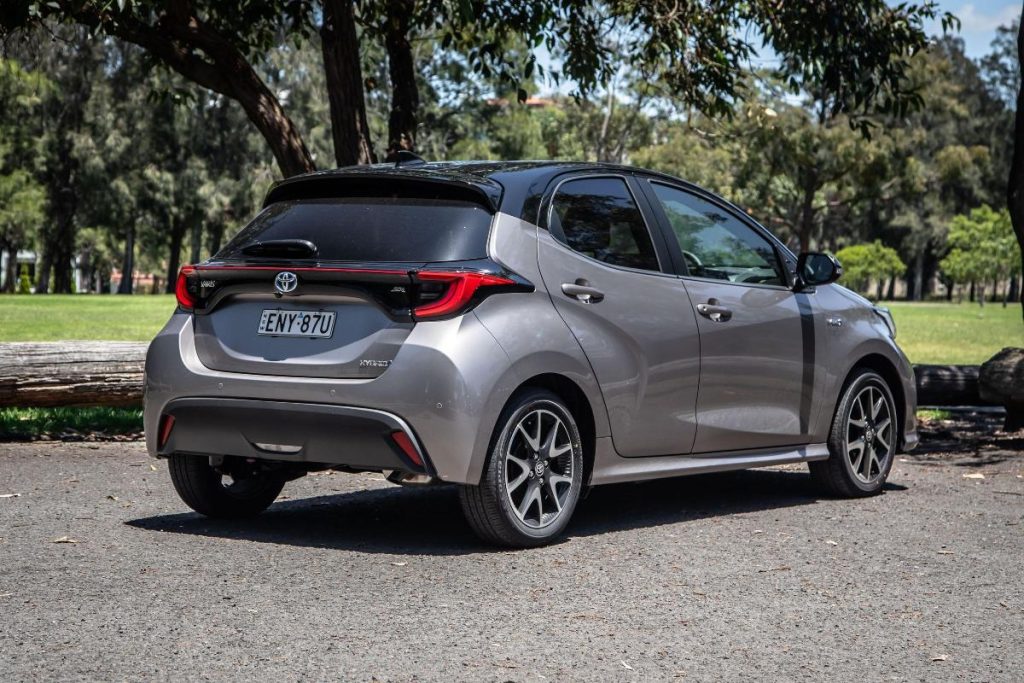
Toyota Yaris
The Toyota Yaris has built a strong reputation as one of the most straightforward and dependable subcompact cars on the used market, making it an ideal candidate for high-mileage ownership.
A key reason for this longevity lies in its simple electrical architecture, which avoids the complexity found in many newer or more premium vehicles. For buyers focused on minimizing long-term headaches, the Yaris offers a refreshingly uncomplicated approach.
Unlike modern vehicles packed with layers of interconnected control modules and advanced driver-assistance systems, the Yaris keeps things basic. Its electrical system is built around essential functions, with fewer sensors, simpler wiring harnesses, and limited reliance on software-heavy integrations.
This translates into fewer failure points over time. When issues do arise, diagnostics are typically more straightforward, reducing both labor time and repair costs.
The Yaris also benefits from Toyota’s conservative engineering philosophy. Components are designed with durability in mind, and electrical parts such as alternators, starters, and basic ECU systems tend to last well beyond 150,000 miles with proper maintenance.
The absence of overly complex infotainment systems or electronically controlled features like adaptive suspension further reduces the risk of expensive electrical faults as the vehicle ages.
Honda Fit
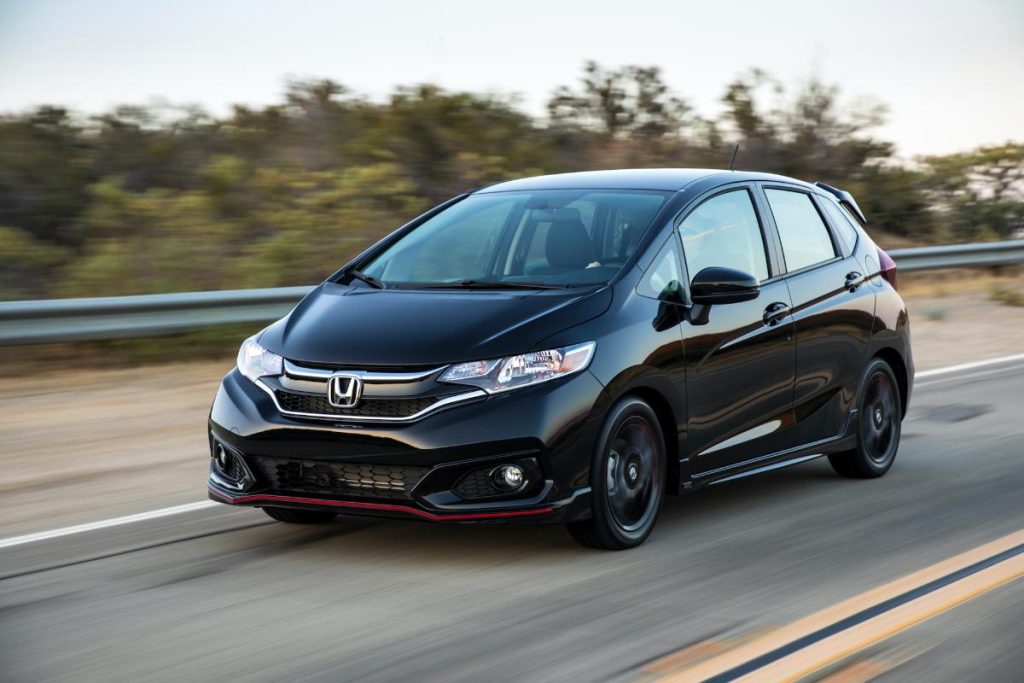
The Honda Fit stands out as a practical and resilient choice in the used car market, particularly for drivers aiming to rack up high mileage without dealing with complicated electrical issues. Known for its efficient packaging and reliability, the Fit combines mechanical simplicity with a relatively straightforward electrical system, making it well-suited for long-term ownership.
One of the Fit’s strongest advantages is its restrained use of electronic complexity. While newer models introduced more features, most used examples, especially from earlier generations, rely on a clean and minimal electrical layout.
Essential systems such as engine management, lighting, and climate control are designed without excessive layering or overdependence on interconnected modules. This reduces the likelihood of cascading failures, a common issue in more electronically dense vehicles.
Honda’s engineering approach further reinforces this simplicity. The Fit’s electrical components, including its alternator, starter, and control units, are known for durability and consistency.
Failures are relatively rare, and when they do occur, they are usually isolated rather than systemic. This makes diagnostics more predictable and repair work less time-consuming, which is a significant advantage for high-mileage ownership.
Scion xB
The Scion xB is a standout option for buyers seeking a used vehicle with a simple electrical layout and strong high-mileage potential. Designed during an era when Toyota prioritized durability over excessive technological integration, the xB benefits from a clean, no-nonsense electrical architecture that remains easy to maintain even as the miles add up.
One of the defining traits of the xB is its minimal reliance on complex electronics. Especially in first-generation models, the vehicle avoids advanced driver-assistance systems, heavily networked control modules, and overly sophisticated infotainment setups.
Instead, it focuses on core electrical functions such as basic engine management, lighting, and straightforward climate controls. This simplicity significantly reduces the number of potential failure points, which is a major advantage for long-term ownership.
Toyota’s engineering philosophy carries over directly into the xB. Electrical components like the alternator, starter motor, and ECU are known for their longevity and predictable behavior.
These parts tend to fail gradually rather than suddenly, giving owners time to address issues before they escalate. The wiring harnesses are also relatively uncomplicated, making it easier to trace faults without extensive diagnostic procedures.

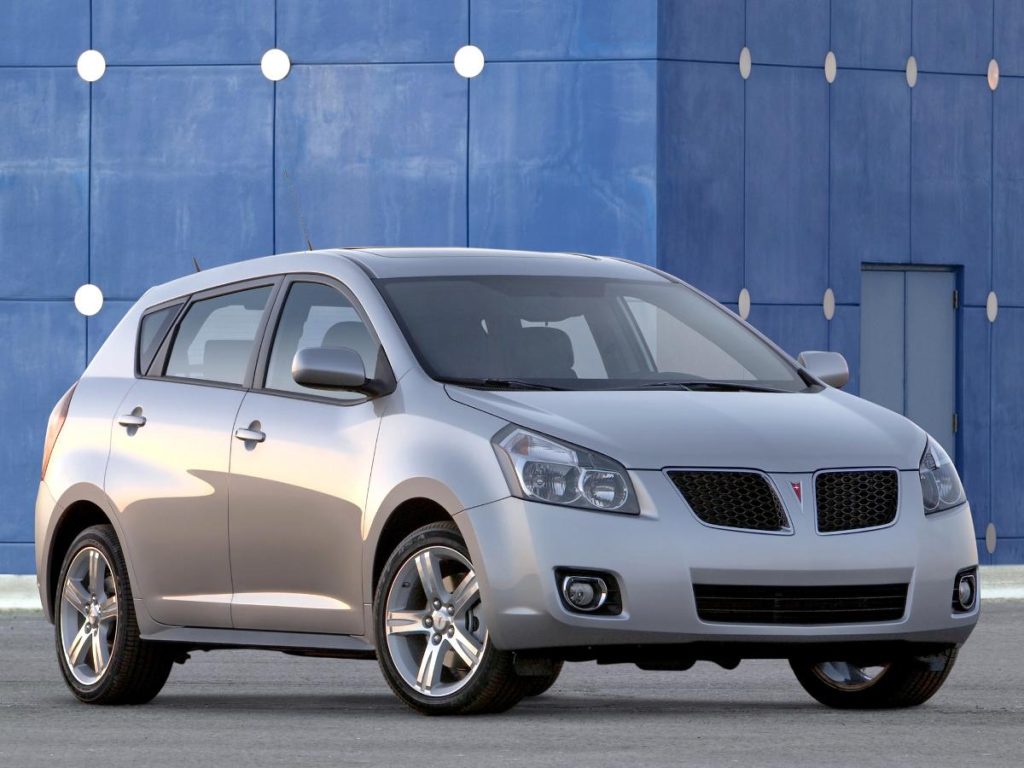
Pontiac Vibe
The Pontiac Vibe is one of the more overlooked yet highly practical choices for buyers seeking a used car with a simple electrical layout and strong high-mileage potential.
Developed as a joint venture between General Motors and Toyota, the Vibe shares most of its underlying engineering with the Toyota Matrix, which gives it a significant advantage in terms of long-term reliability and ease of maintenance.
A major strength of the Vibe is its straightforward electrical system. Unlike many vehicles from the same era that began incorporating increasingly complex electronics, the Vibe keeps things relatively basic.
Its systems focus on core functionality, including engine management, lighting, and standard comfort features, without excessive layering of control modules or reliance on advanced software integration. This reduces the likelihood of electrical faults and makes troubleshooting more direct when issues do occur.
Because of its Toyota-derived components, the Vibe benefits from proven, durable electrical hardware. Parts such as the alternator, starter, and ECU are known for their longevity and consistent performance over time.
Failures are typically isolated rather than cascading across multiple systems, which is often the case in more complex vehicles. This predictability helps keep repair costs manageable, especially as the car ages and accumulates mileage.
Chevrolet Impala
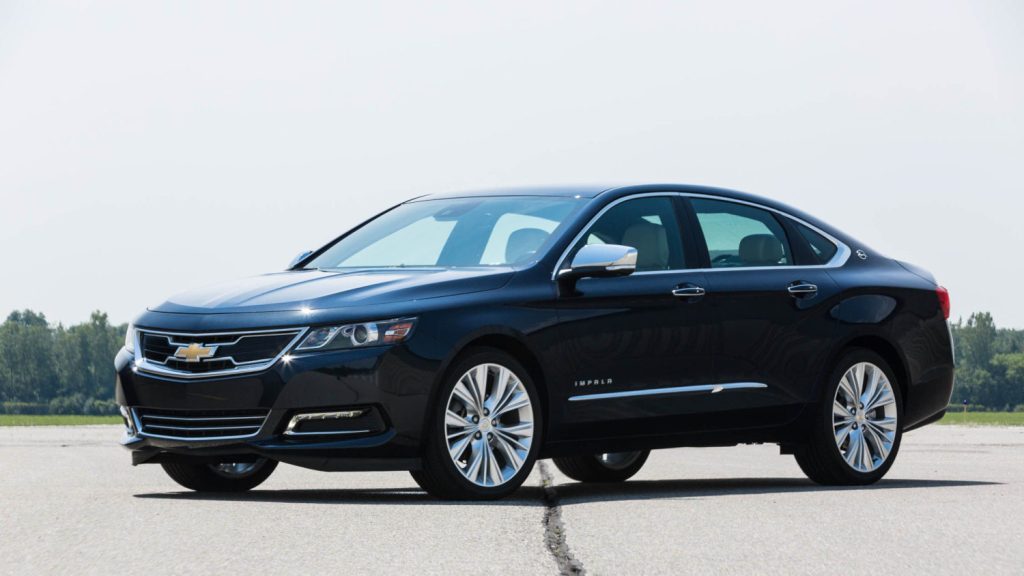
The Chevrolet Impala is often associated with comfort and space, but it also deserves recognition as a solid used-car option for high-mileage driving when equipped with a relatively simple electrical layout.
While later generations introduced more technology, many Impala models, particularly from the early 2000s through the mid-2010s, strike a balance between modern convenience and manageable system complexity.
A key advantage of the Impala is its conventional approach to electronics. Unlike luxury sedans that rely heavily on interconnected control modules and advanced driver-assistance systems, most Impala trims focus on essential electrical functions.
Systems such as engine management, lighting, power accessories, and climate control are designed without excessive layering. This reduces the number of potential failure points and makes long-term ownership more predictable.
The Impala’s electrical components are generally robust and widely supported. Parts like alternators, starters, and sensors are not only durable but also inexpensive and easy to source. When issues arise, they are typically isolated rather than system-wide, which simplifies diagnostics.
Mechanics are familiar with these systems due to the car’s long production run and widespread use in fleet and rental applications, further lowering repair complexity and labor costs.
Ford Ranger
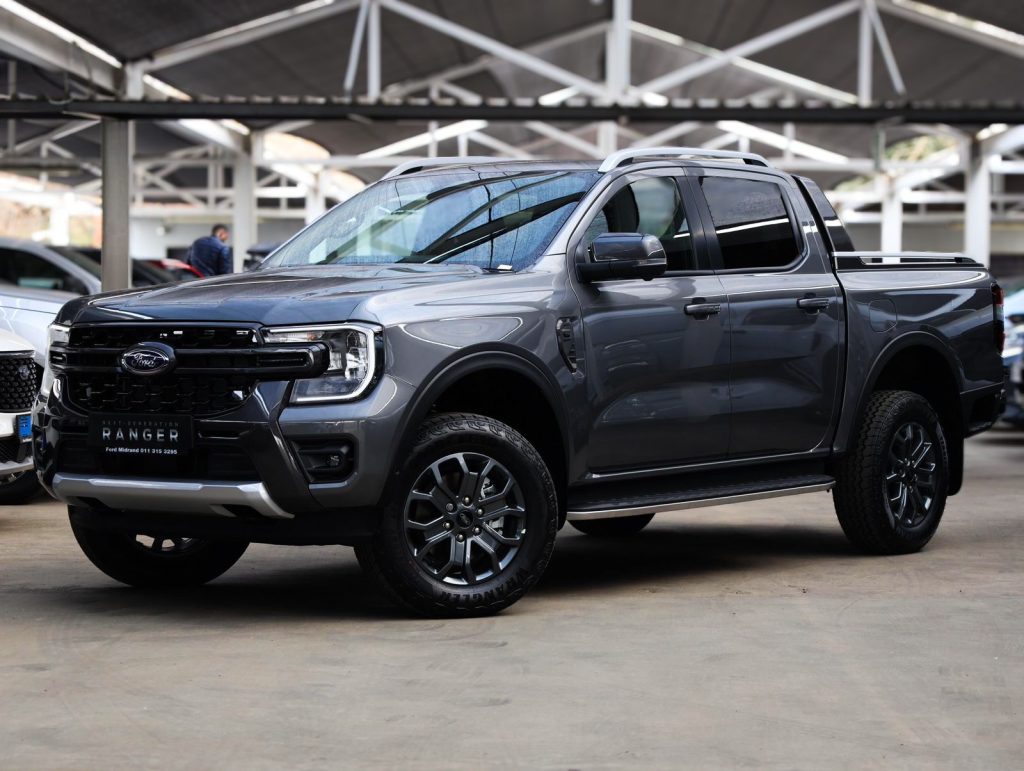
The Ford Ranger has long been regarded as one of the most durable and mechanically straightforward trucks on the used market, making it an excellent candidate for high-mileage ownership. A major contributor to this reputation is its simple electrical layout, particularly in models produced before the late 2010s, which avoids the complexity seen in many modern pickups.
One of the Ranger’s defining strengths is its minimal reliance on advanced electronics. Earlier generations, especially those built through the 2000s, focus on core electrical systems such as engine control, lighting, and basic cabin functions without layering multiple control modules or integrating complex driver-assistance features. This streamlined design significantly reduces the likelihood of electrical failures over time.
Ford engineered the Ranger with practicality in mind, and that extends to its electrical components. Parts like the alternator, starter, ignition system, and sensors are known for their durability and ease of replacement.
Failures tend to be isolated rather than interconnected, which simplifies diagnostics and avoids the cascading issues often seen in more electronically dense vehicles. As a result, repair costs remain relatively low even as the truck ages.
Dodge Dakota
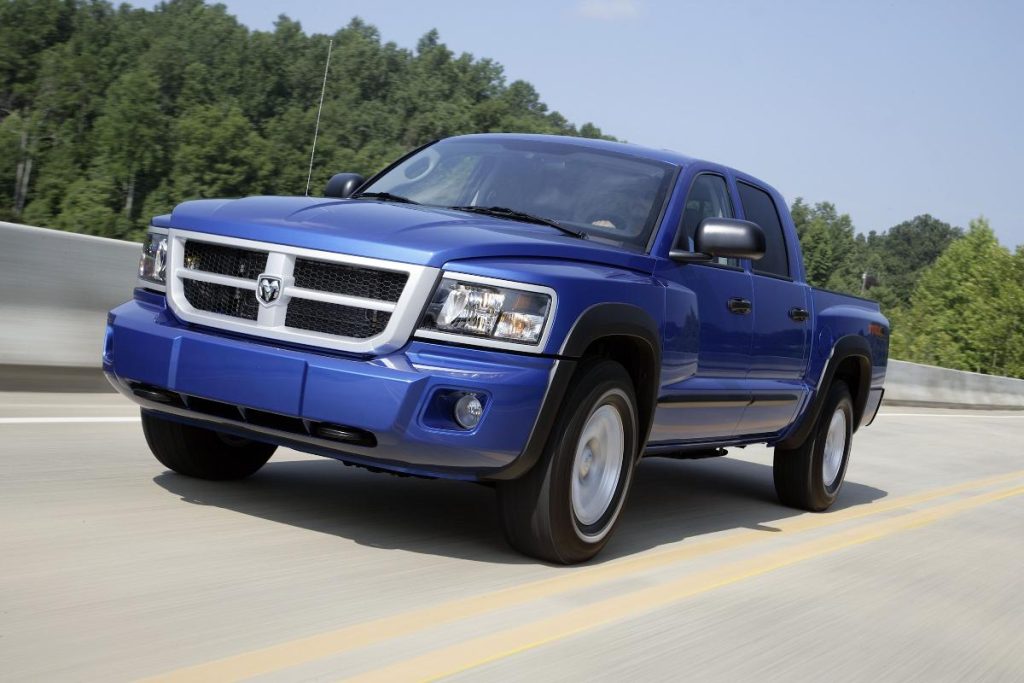
The Dodge Dakota occupies a useful middle ground between compact and full-size trucks, and it remains a viable option for buyers seeking a used vehicle with a relatively simple electrical layout. Particularly in models produced from the late 1990s through the early 2010s, the Dakota avoids the heavy electronic complexity that defines many newer pickups, making it better suited for long-term, high-mileage ownership.
One of the Dakota’s key advantages is its straightforward electrical architecture. Most versions rely on conventional systems for engine management, lighting, and cabin controls without integrating a large number of networked modules.
While it does use a central control unit typical of its era, the system is not deeply layered or dependent on advanced software. This keeps failure points limited and makes troubleshooting more direct compared to modern trucks with extensive electronic integration.
Chrysler-era engineering in the Dakota emphasizes durability in core components. Electrical parts such as alternators, starters, and ignition-related systems are generally robust and widely available.
When faults occur, they are often isolated issues like a failing sensor or worn wiring rather than complex system-wide malfunctions. This predictability is important for owners planning to push the vehicle well beyond 150,000 miles.
Mitsubishi Lancer
The Mitsubishi Lancer is a practical choice for buyers seeking a used car with a straightforward electrical layout and solid high-mileage potential. While it never leaned heavily into cutting-edge technology, that restraint works in its favor for long-term ownership.
Many Lancer models, particularly those from the 2000s through the mid-2010s, maintain a relatively simple electronic architecture that avoids unnecessary complexity.
A core strength of the Lancer lies in its conventional electrical design. Systems are built around essential functions such as engine management, lighting, and basic interior controls, without extensive reliance on interconnected modules or software-heavy features.
This simplicity reduces the number of potential failure points and makes the vehicle less prone to the cascading electrical issues seen in more advanced cars.
Mitsubishi’s approach to component durability also supports the Lancer’s reliability. Key electrical parts such as the alternator, starter, ignition system, and sensors are generally long-lasting and inexpensive to replace. When problems occur, they are typically isolated faults rather than widespread system failures, which simplifies diagnostics and keeps repair costs predictable.

Toyota Matrix
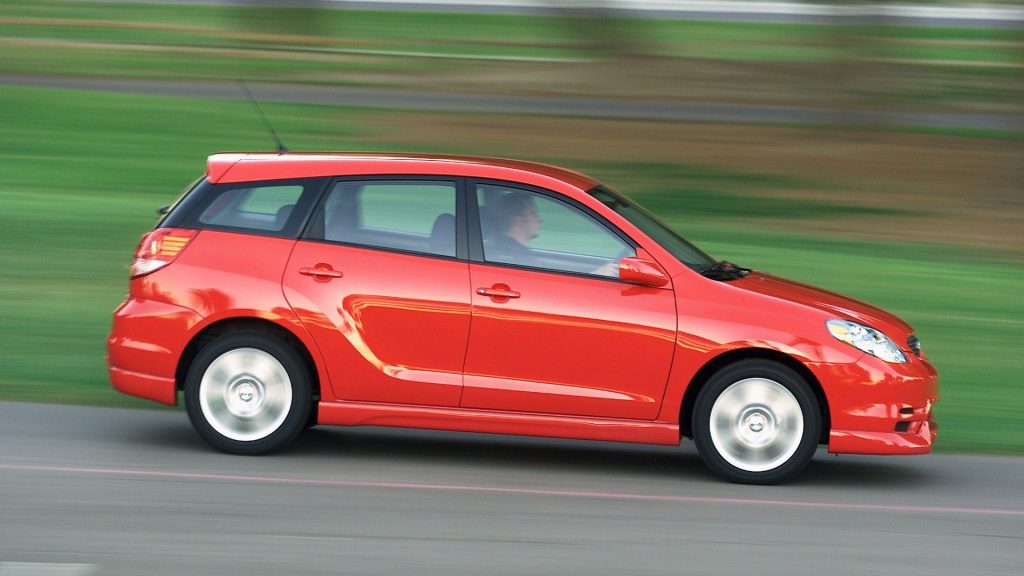
The Toyota Matrix is a highly practical choice for buyers seeking a used car with a simple electrical layout and strong potential for high-mileage ownership. Sharing its platform and core engineering with the Toyota Corolla, the Matrix benefits from one of the most proven and conservative design philosophies in the industry, particularly when it comes to electrical systems.
A defining strength of the Matrix is its straightforward electronic architecture. Most models, especially those from the 2000s through early 2010s, avoid the complexity seen in newer vehicles.
Instead of relying on heavily networked modules and advanced driver-assistance systems, the Matrix focuses on essential electrical functions such as engine control, lighting, and basic interior electronics. This simplicity significantly reduces the number of potential failure points over time.
Toyota’s reputation for durability is evident in the Matrix’s electrical components. Key parts like the alternator, starter, and ECU are engineered for longevity and tend to perform consistently well even at higher mileage.
Failures are generally isolated and predictable, rather than cascading across multiple systems. This makes diagnostics more efficient and helps keep repair costs under control, which is crucial for long-term ownership.
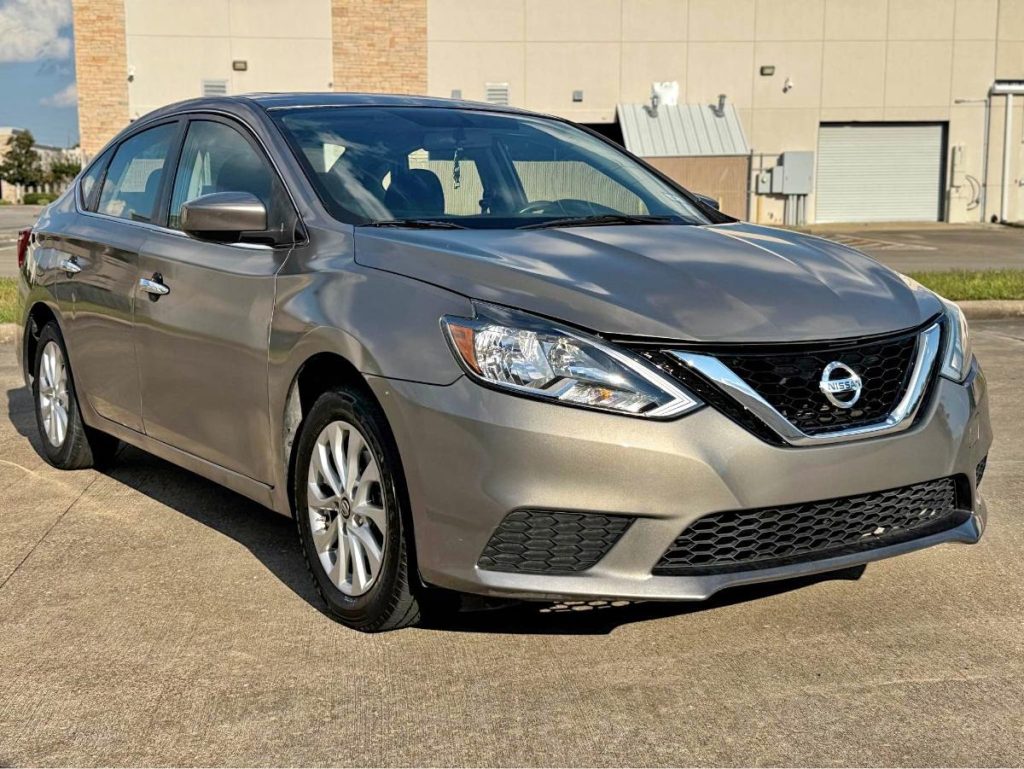
Nissan Sentra
The Nissan Sentra is a practical and widely available option for buyers seeking a used car with a relatively simple electrical layout and dependable high-mileage performance.
While newer generations have added more technology, many Sentra models from the 2000s through the mid-2010s retain a straightforward design that favors ease of maintenance over complexity.
A key advantage of the Sentra is its conventional electrical architecture. Rather than relying on heavily networked modules or advanced driver-assistance systems, most trims focus on essential systems such as engine management, lighting, and basic interior electronics.
This reduces the number of interconnected components and lowers the risk of widespread electrical faults. When issues do occur, they are typically isolated, making diagnostics more efficient and repairs more predictable.
Nissan engineered the Sentra with cost-effective durability in mind. Electrical components such as the alternator, starter, ignition system, and sensors are generally robust and inexpensive to replace.
Parts availability is strong due to the car’s global presence, which helps keep long-term ownership costs under control. This is particularly important for high-mileage vehicles, where occasional repairs are inevitable.
Mazda6
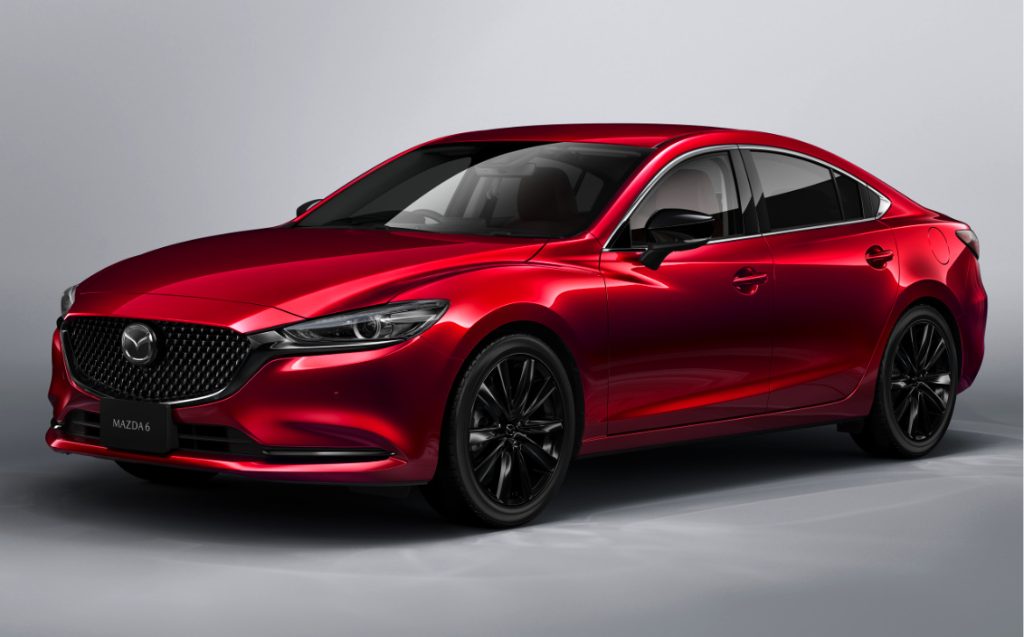
The Mazda6 offers a balanced combination of driving refinement and mechanical simplicity, making it a strong candidate for buyers seeking a used car with a relatively straightforward electrical layout.
While it sits a class above compact sedans, many Mazda6 models, particularly those from the mid-2000s through the mid-2010s, avoid excessive electronic complexity and remain well-suited for high-mileage ownership.
A notable strength of the Mazda6 is its restrained approach to electronics. Unlike some competitors that layered in multiple control modules and advanced driver-assistance systems, earlier Mazda6 generations focus on essential electrical systems.
Engine management, lighting, and interior controls are designed in a conventional manner, with limited interdependence between components. This reduces the likelihood of cascading failures and simplifies long-term maintenance.
Mazda’s engineering philosophy emphasizes reliability through simplicity. Electrical components such as the alternator, starter, ignition system, and sensors are generally durable and predictable in their behavior.
When failures occur, they are typically isolated rather than systemic, allowing for easier diagnosis and repair. This is particularly beneficial as the vehicle ages and accumulates higher mileage.
Hyundai Sonata
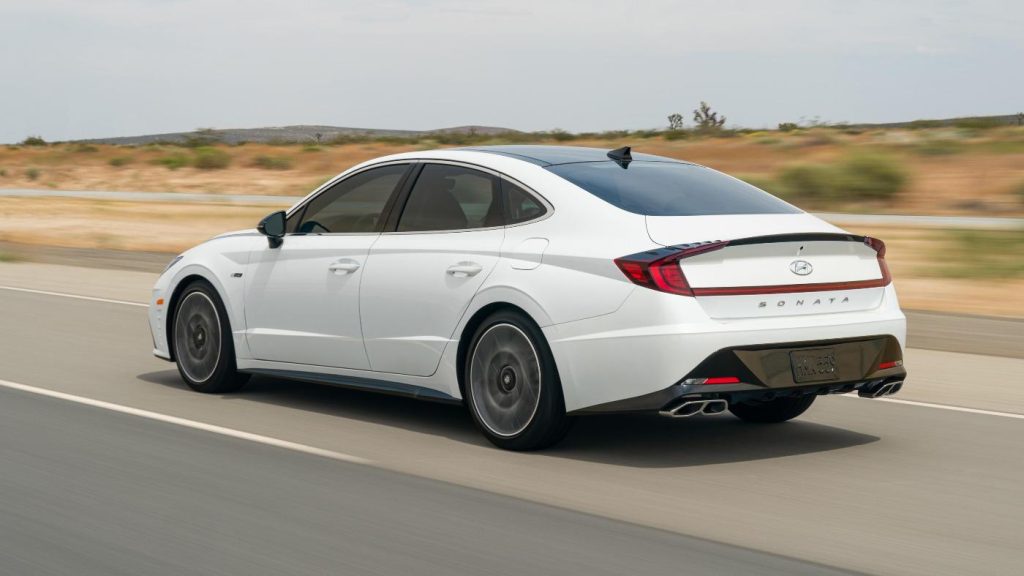
The Hyundai Sonata is a practical option for buyers seeking a used car that balances comfort with a relatively simple electrical layout. While newer generations have introduced more advanced features, many Sonata models from the late 2000s through the mid-2010s retain a straightforward electronic architecture that supports long-term, high-mileage ownership.
A key strength of the Sonata lies in its conventional approach to electrical systems. Core functions such as engine management, lighting, and climate control are handled without excessive reliance on deeply networked modules or software-heavy integrations.
This keeps the system easier to understand and reduces the risk of complex, cascading failures. Compared to more technology-heavy sedans, the Sonata’s design makes diagnostics more direct and less time-consuming.
Hyundai improved significantly in build quality during this period, and that includes electrical components. Parts like the alternator, starter, ignition system, and sensors are generally reliable and widely available at reasonable cost. When issues arise, they tend to be isolated faults rather than widespread system failures, which helps keep repairs manageable as the vehicle ages.
Kia Sportage
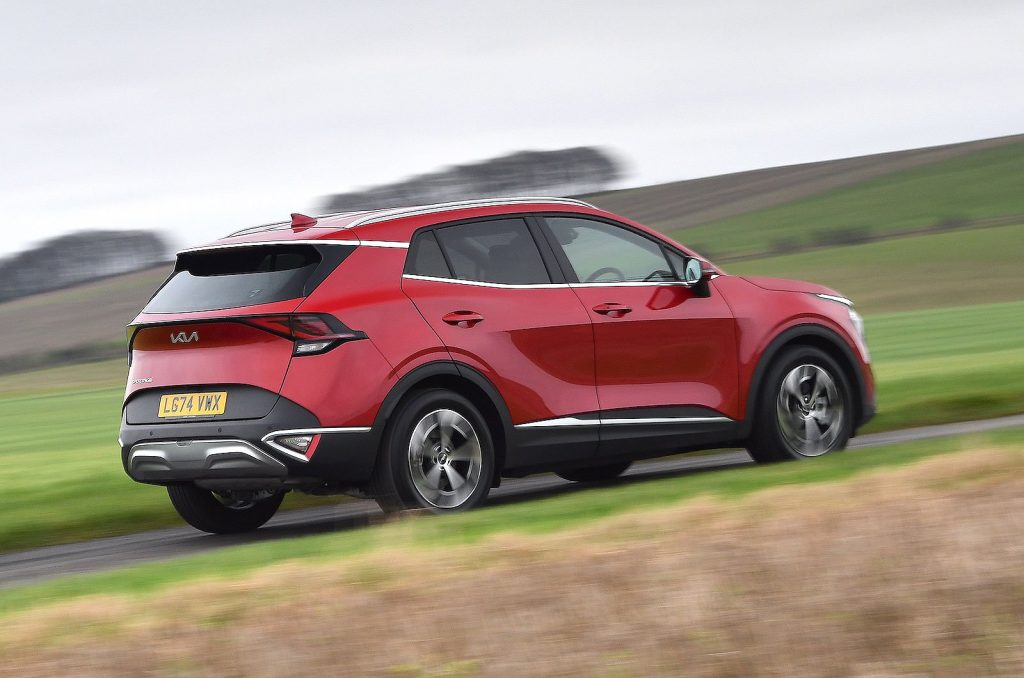
The Kia Sportage is a practical choice for buyers seeking a used crossover with a relatively simple electrical layout and solid long-term usability.
While newer generations have moved toward more advanced technology, earlier Sportage models, particularly those from the late 2000s through mid-2010s, maintain a straightforward design that favors reliability over complexity.
One of the Sportage’s key strengths is its conventional electrical architecture. Core systems such as engine management, lighting, and climate control are designed without heavy reliance on deeply integrated modules or software-driven features.
This reduces the number of potential failure points and helps prevent the kind of cascading electrical issues that are common in more technologically dense vehicles. As a result, troubleshooting tends to be more direct and less time-intensive.
Kia’s improvements in build quality during this period are evident in the Sportage’s electrical components. Parts like the alternator, starter, ignition system, and sensors are generally durable and widely available at reasonable cost. When faults occur, they are usually isolated rather than system-wide, which keeps repair processes simpler and more predictable for both mechanics and owners.
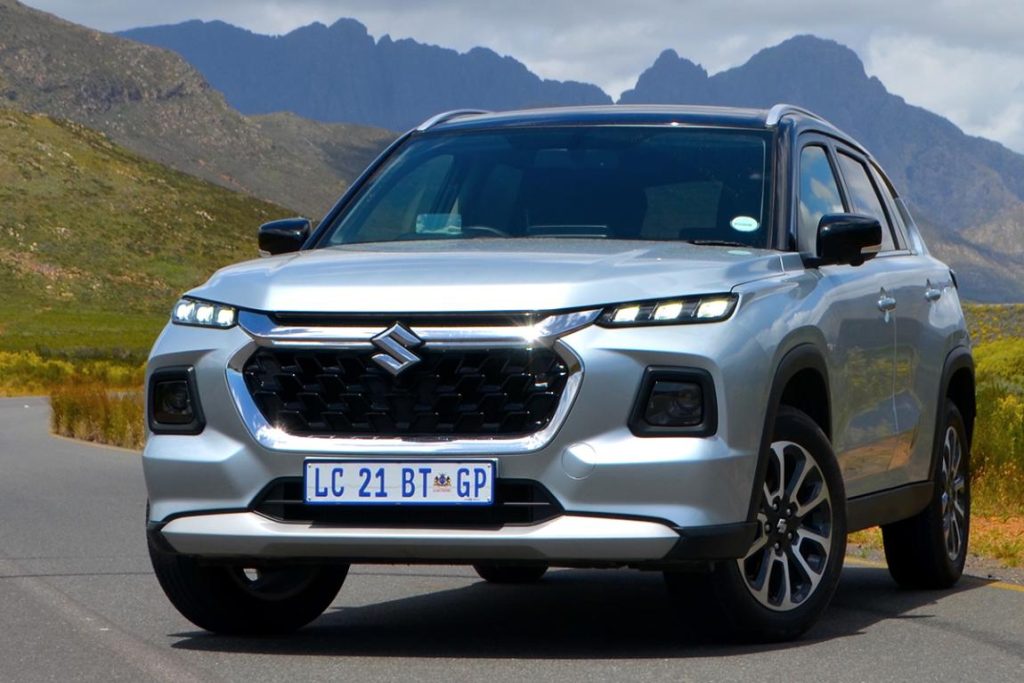
Suzuki Grand Vitara
The Suzuki Grand Vitara is a solid option for buyers seeking a used SUV with a simple electrical layout and strong potential for long-term, high-mileage use. Built with a focus on durability and off-road capability rather than cutting-edge technology, the Grand Vitara avoids much of the electronic complexity that can make older vehicles expensive to maintain.
A defining strength of the Grand Vitara is its straightforward electrical system. Especially in models from the late 2000s through the mid-2010s, the vehicle relies on conventional electronics for core functions such as engine management, lighting, and climate control.
It does not depend heavily on interconnected control modules or advanced driver-assistance systems, which significantly reduces the number of potential failure points. This simplicity makes the vehicle more predictable and easier to maintain as it ages.
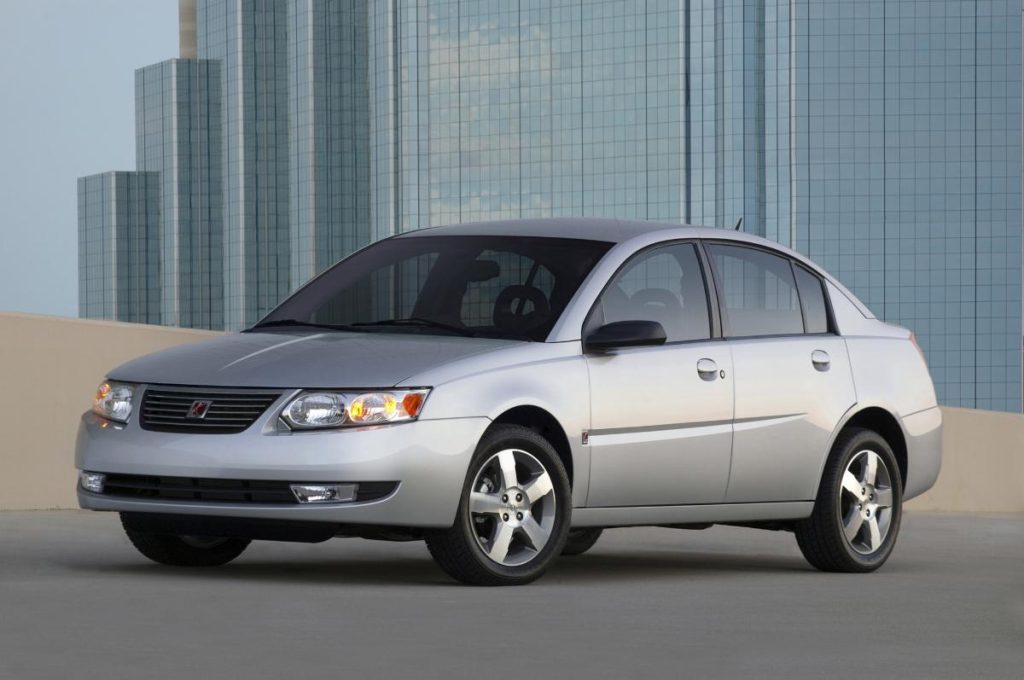
Saturn Ion
The Saturn Ion is a lesser-known but practical option for buyers seeking a used car with a simple electrical layout and reasonable high-mileage potential. Produced during a period when General Motors emphasized cost-effective engineering, the Ion avoids much of the electronic complexity that can make older vehicles difficult and expensive to maintain.
A key advantage of the Ion is its relatively straightforward electrical architecture. Core systems such as engine management, lighting, and cabin controls are designed with minimal layering and limited reliance on interconnected modules.
Unlike newer vehicles that depend heavily on networked electronics, the Ion keeps its systems more isolated. This reduces the likelihood of cascading failures and makes troubleshooting more direct when issues arise.
The Ion’s electrical components are generally durable and inexpensive to replace. Parts such as the alternator, starter, ignition switch, and sensors are widely available and familiar to most mechanics.
While the model is known for a few common issues, particularly related to the ignition system in earlier years, these problems are well-documented and typically straightforward to resolve. This predictability helps keep long-term ownership costs manageable.
Serviceability is another strong point. The Ion’s layout allows relatively easy access to both mechanical and electrical components, and its wiring is not overly complex or deeply integrated into multiple systems. As a result, diagnostics do not usually require specialized tools or extensive disassembly. This makes the vehicle appealing for both professional repairs and basic DIY maintenance.
The Ion’s modest feature set further contributes to its reliability. Most trims avoid advanced infotainment systems, electronic driver aids, or other complex features that tend to degrade over time. This simplicity helps limit electrical wear and reduces the risk of expensive failures as the vehicle accumulates mileage.
For high-mileage ownership, this translates into tangible benefits. Repairs are generally simpler, parts are more accessible, and the risk of multi-system failures is significantly lower. Owners can often maintain these vehicles without relying heavily on specialized diagnostic equipment, which becomes increasingly important as vehicles age.
There are trade-offs. Simpler electrical systems typically mean fewer advanced features, less connectivity, and sometimes fewer modern safety technologies. However, for buyers focused on longevity and cost efficiency, these compromises are often justified.
In practical terms, choosing a used car with a straightforward electrical layout is an investment in predictability. It reduces uncertainty, lowers long-term costs, and increases the likelihood that the vehicle will remain reliable well into high mileage territory.
In an automotive landscape defined by increasing complexity, these vehicles stand out by doing less, but doing it well. That restraint is precisely what allows them to succeed where others struggle over the long term.
