
Toyota’s reputation is built on durability, predictable maintenance costs, and strong resale value. For many buyers, that reputation extends to insurance, with the assumption that most Toyota models are inexpensive to cover.
On a brand-wide level, that assumption is broadly correct. However, when you move from averages to model-specific data, a more complex pattern emerges.
Insurance premiums are calculated using actuarial risk models that factor in claim frequency, repair severity, theft rates, driver demographics, and vehicle value.
Within that framework, several Toyota models consistently rank above the brand average for insurance costs. These are not necessarily unreliable vehicles. In most cases, the higher premiums are driven by external risk factors rather than mechanical shortcomings.
This analysis identifies ten Toyota models that are genuinely more expensive to insure relative to the rest of the lineup, based on aggregated insurer datasets, repair cost profiles, and risk classifications.
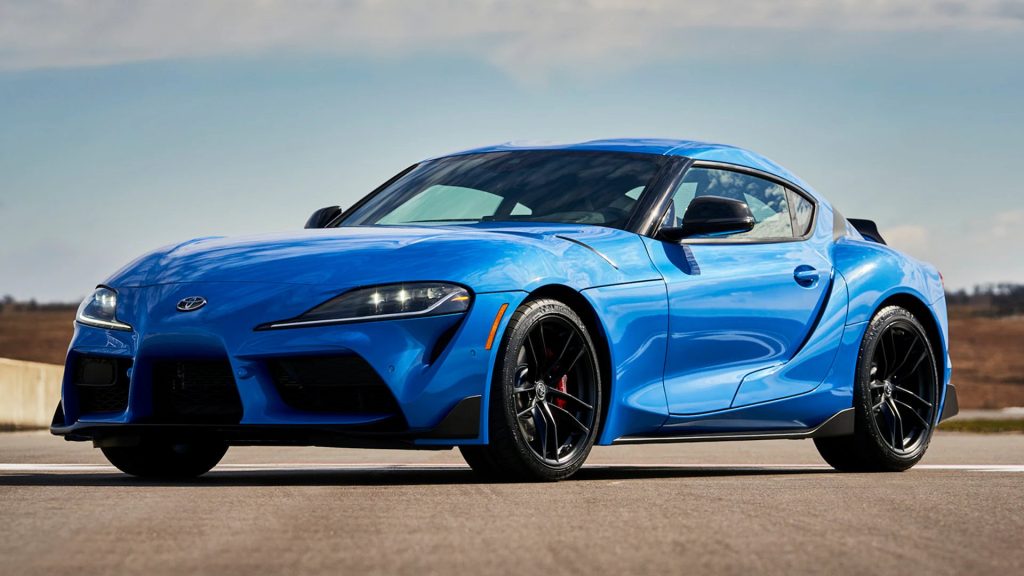
Toyota GR Supra
The Toyota GR Supra is often marketed as a performance bargain in the modern sports car space, but its insurance costs tell a more complicated story. On the surface, the Supra appears to offer strong value: a sleek coupe design, a turbocharged inline-six engine, and engineering influenced by a collaboration with BMW.
However, insurers don’t price policies based on sticker appeal alone. They evaluate risk, and the Supra checks several boxes that quietly push premiums higher than many buyers expect.
First, performance is a major factor. The GR Supra delivers rapid acceleration and sharp handling, which statistically correlates with higher accident risk.
Even responsible drivers are grouped into a broader risk category that includes aggressive driving behavior. Insurers account for this by increasing premiums, especially for younger drivers or those without a long history of clean records.
Repair costs also play a significant role. While the Supra carries the Toyota badge, many of its underlying components are shared with BMW platforms.
That means replacement parts, specialized labor, and diagnostic procedures can be more expensive than typical Toyota models. Body panels, sensors, and performance-specific components are not only costly but sometimes require certified technicians, which further drives up claim expenses and, by extension, insurance rates.
Another often overlooked factor is theft and desirability. Sports cars like the Supra attract attention, both from enthusiasts and from thieves.
Vehicles that are more likely to be stolen or vandalized tend to carry higher comprehensive insurance costs. The Supra’s distinctive styling and enthusiast appeal increase its exposure in this category.
Toyota GR Corolla
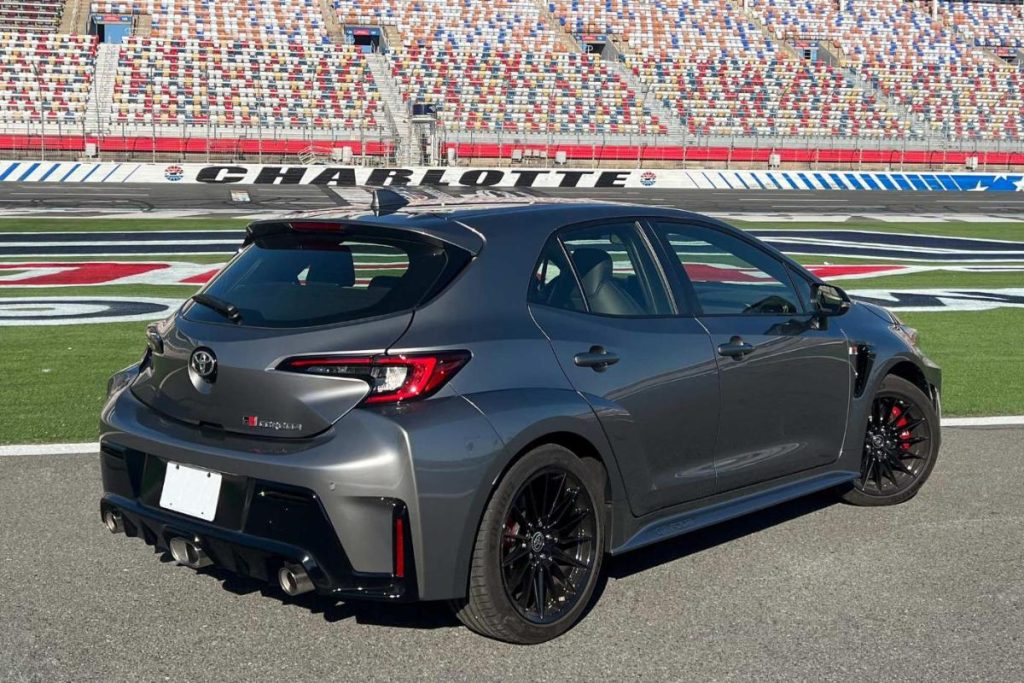
The Toyota GR Corolla may look like a practical hot hatch at first glance, but its insurance profile places it closer to high-performance sports cars than everyday compact vehicles.
While it carries the familiar Corolla nameplate, the GR version is a fundamentally different machine, engineered by Toyota’s Gazoo Racing division with a focus on speed, handling, and track-ready capability. That transformation significantly impacts how insurers assess risk.
At the core of the issue is performance. The GR Corolla is powered by a turbocharged three-cylinder engine producing over 300 horsepower, paired with an advanced all-wheel-drive system. This level of output in a compact hatchback creates a car that is quick, responsive, and capable of aggressive driving dynamics.
Insurance companies factor in the increased likelihood of high-speed incidents, even if the majority of owners drive responsibly. Vehicles in this performance bracket statistically generate more claims, which leads to higher premiums.
Repair costs are another key contributor. Unlike a standard Corolla, the GR model features specialized components such as performance brakes, unique suspension tuning, and a sophisticated AWD system.
These parts are more expensive to replace and often require skilled labor. Even minor collisions can result in costly repairs due to the car’s tightly integrated performance hardware. As a result, insurers anticipate higher claim payouts and adjust rates accordingly.
The GR Corolla’s limited production also plays a role. Compared to mass-market Corollas, the GR variant is built in smaller numbers, which can make parts less readily available and more expensive. Limited availability increases repair times and costs, both of which are factored into insurance pricing models.
Toyota 86
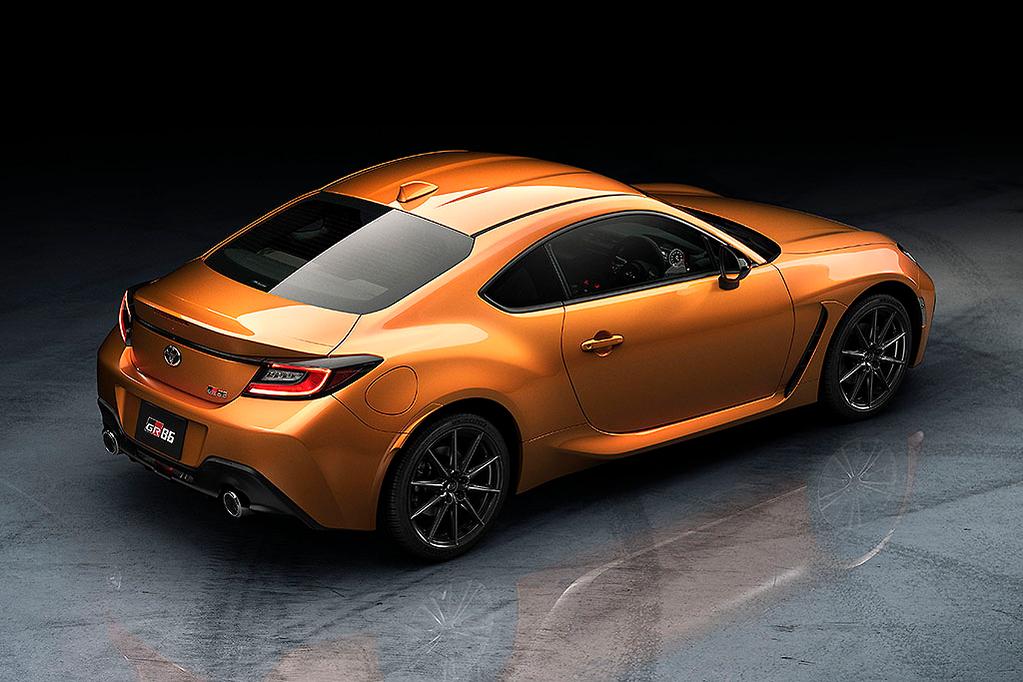
The Toyota 86 is often positioned as an affordable entry point into rear-wheel-drive sports car ownership, but its insurance costs can be surprisingly high relative to its modest price tag.
While it lacks the outright power of more expensive performance models, insurers evaluate more than just horsepower, and the 86 carries several risk factors that quietly increase the premiums.
One of the primary considerations is its design and driving dynamics. The Toyota 86 is built for balance and driver engagement, featuring a lightweight chassis and rear-wheel-drive layout.
While this makes it appealing to enthusiasts, it also increases the likelihood of loss-of-traction incidents, particularly in less experienced hands. Insurance companies rely heavily on statistical risk, and cars with sporty handling characteristics tend to be involved in more claims than standard front-wheel-drive sedans.
Driver demographics further amplify this effect. The 86 is especially popular among younger drivers and first-time sports car buyers due to its relatively accessible pricing.
Unfortunately, this group is statistically associated with higher accident rates. Even if an individual owner has a clean driving record, insurers price policies based on broader trends within the vehicle’s typical ownership base.
Repair costs also play a role, despite the car’s relatively simple engineering. The 86 features low-slung bodywork and a coupe design that makes it more vulnerable to damage in everyday driving situations such as curbs, speed bumps, and minor collisions.
Body panels, bumpers, and lighting elements can be costly to repair or replace, particularly when labor and paint matching are factored in. Additionally, performance-oriented components like suspension parts may require more precise servicing.
Another often overlooked factor is modification culture. The Toyota 86 has a strong aftermarket community, with many owners modifying exhaust systems, suspension setups, and engine components.
Insurers are aware of this trend, and even unmodified vehicles can be grouped into a higher-risk category due to the likelihood of performance alterations, which can increase both accident frequency and repair costs.
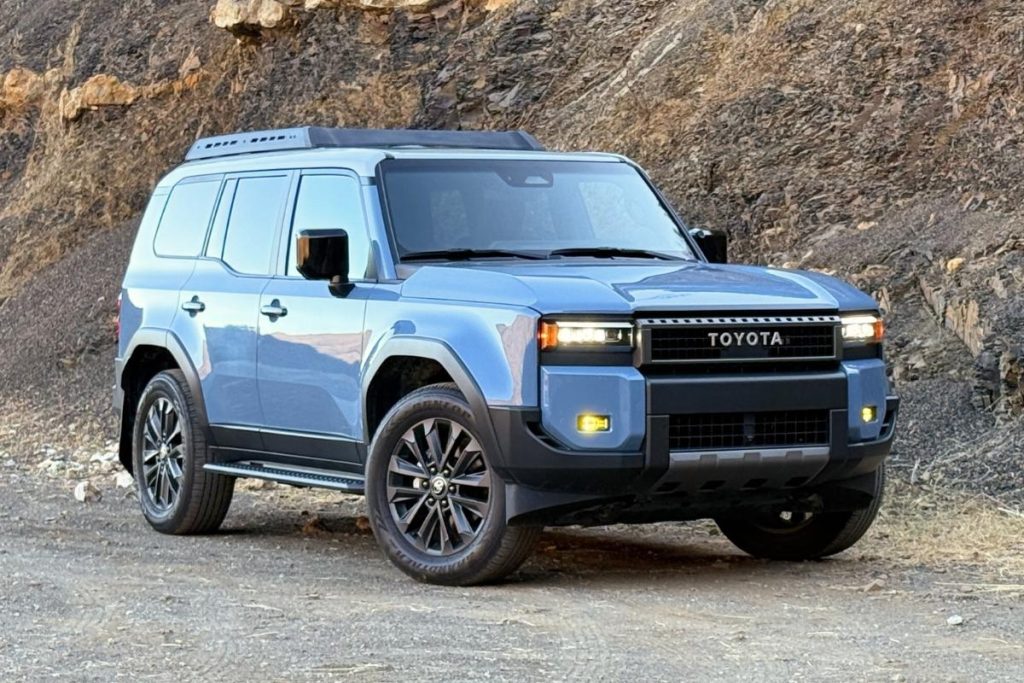
Toyota Land Cruiser
The Toyota Land Cruiser is widely known for durability and long-term reliability, but insurance costs for this flagship SUV are often higher than expected. Despite its reputation as a dependable, family-capable vehicle, insurers categorize the Land Cruiser as a high-value asset with risk exposure, which directly affects premium pricing.
One of the most significant factors is its high market value. Whether new or used, the Land Cruiser commands a premium price due to its build quality, off-road capability, and strong resale demand.
Insurance companies must account for the potential payout in the event of a total loss, and higher vehicle values translate into higher premiums. Even minor accidents can be expensive because replacement parts and repairs are priced in line with the vehicle’s premium positioning.
Repair complexity is another key contributor. The Land Cruiser is engineered with advanced off-road systems, including sophisticated four-wheel-drive components, terrain management electronics, and adaptive suspension systems in newer models.
These systems are not only costly to repair but also require specialized knowledge and equipment. As a result, labor costs can be significantly higher than for simpler SUVs, increasing the cost of claims.
The vehicle’s size and weight also influence insurance rates. As a large, heavy SUV, the Land Cruiser has the potential to cause more damage in multi-vehicle collisions. Insurers factor in liability risk, and vehicles capable of inflicting greater damage often carry higher premiums.
Additionally, maneuvering a full-size SUV in urban environments increases the likelihood of low-speed incidents, which still result in costly repairs due to the vehicle’s construction and materials.
Toyota Sequoia
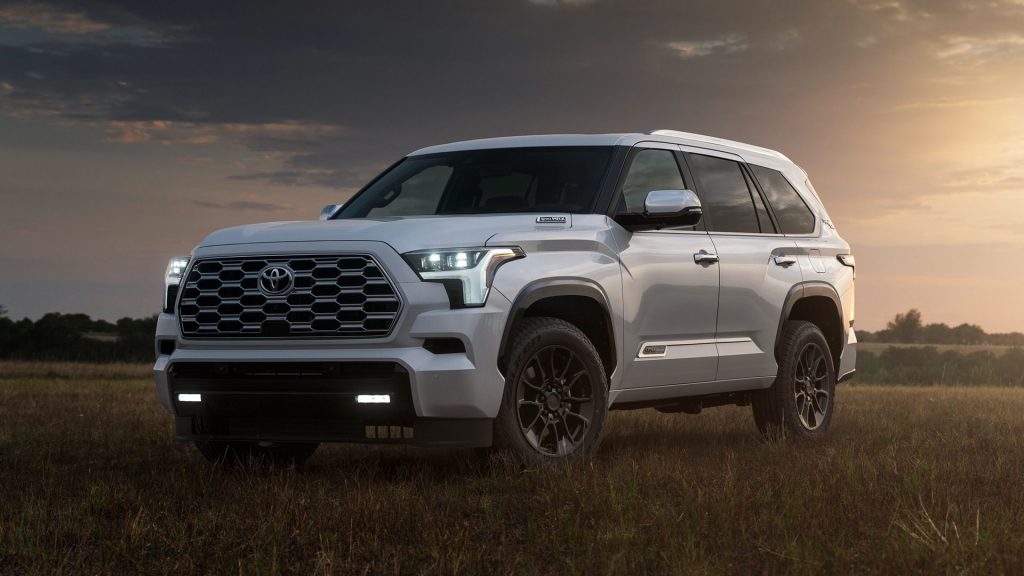
The Toyota Sequoia presents itself as a practical, family-oriented SUV, but its insurance costs often land higher than buyers anticipate. While it shares Toyota’s reputation for reliability, insurers evaluate it through a different lens, one shaped by size, value, and repair economics rather than brand perception alone.
A primary driver of higher premiums is the Sequoia’s price and positioning. As Toyota’s largest SUV, especially in its newer hybrid-powered generations, it sits firmly in the upper tier of the brand’s lineup.
Higher vehicle values increase the potential payout in the event of a total loss, which directly influences insurance rates. Even mid-level trims can be costly to replace, and fully equipped versions push further into luxury territory, bringing premiums up with them.
Repair costs are another significant factor. The Sequoia shares components with trucks and incorporates modern features such as advanced driver assistance systems, large infotainment displays, and hybrid powertrains.
These systems add complexity, and even relatively minor accidents can involve expensive parts like sensors, cameras, or battery-related components. Labor costs also rise because repairs often require specialized diagnostics and calibration.
The SUV’s sheer size contributes to its insurance profile. As a large, heavy vehicle, the Sequoia has the potential to cause more damage in collisions, particularly involving smaller cars. Insurers factor in liability exposure, and vehicles capable of generating higher claim costs tend to carry higher premiums.
Toyota Tundra
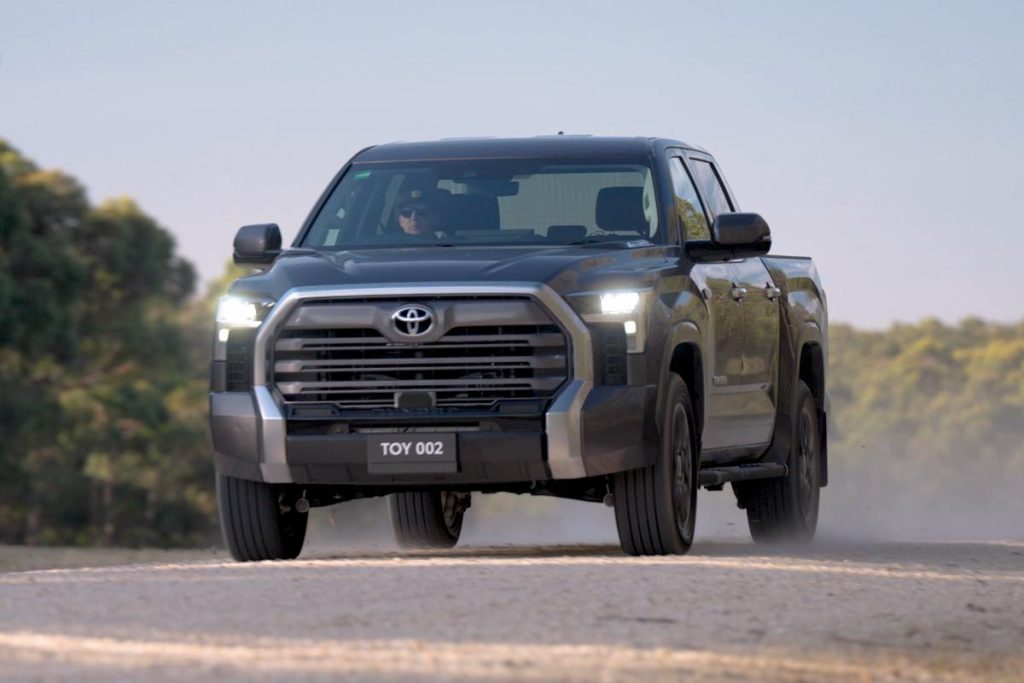
The Toyota Tundra is typically viewed as a durable, work-ready pickup, but its insurance costs can be higher than many buyers expect. While Toyota’s reputation suggests affordability, insurers evaluate the Tundra based on risk exposure, repair costs, and usage patterns rather than brand perception alone.
A major factor is the truck’s value. Modern Tundra models, especially those equipped with hybrid powertrains and high-end trims, can reach into premium price territory.
Higher vehicle values translate directly into higher insurance premiums because insurers must account for the cost of replacement or repair in the event of a total loss. Even base models are more expensive than smaller pickups, increasing baseline coverage costs.
Repair expenses also contribute significantly. The Tundra is built with advanced engineering, including turbocharged engines, hybrid systems, and a wide array of driver-assistance technologies.
Components such as sensors, cameras, and electronic control units are expensive to replace and often require recalibration after even minor accidents. Additionally, truck-specific parts like large body panels, bed sections, and suspension components can be costly, especially when labor is factored in.
The vehicle’s size and mass further influence insurance pricing. As a full-size pickup, the Tundra has the potential to cause greater damage in collisions, particularly when involving smaller vehicles. Insurers factor in liability risk, and heavier vehicles typically carry higher premiums for this reason.
Maneuverability in tight urban environments can also be challenging, increasing the likelihood of low-speed incidents that still result in expensive repairs.
Usage patterns play a distinct role in how the Tundra is insured. Many owners use it for towing, hauling, or commercial-related tasks, all of which increase exposure to risk.
Towing heavy loads, for example, places additional strain on braking systems and can contribute to accident probability. Vehicles used in work environments or for frequent long-distance travel are statistically more likely to be involved in claims.
Toyota Mirai
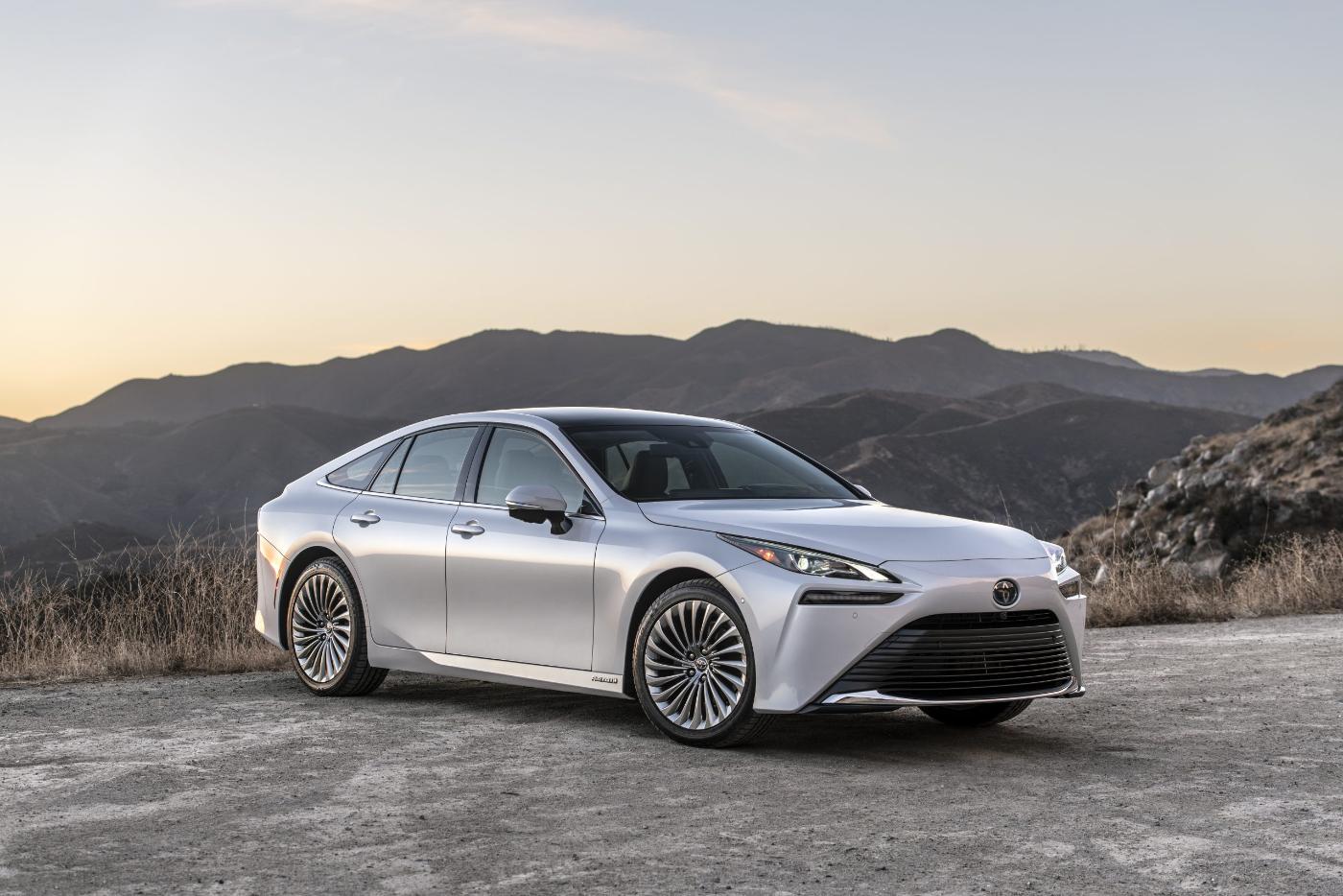
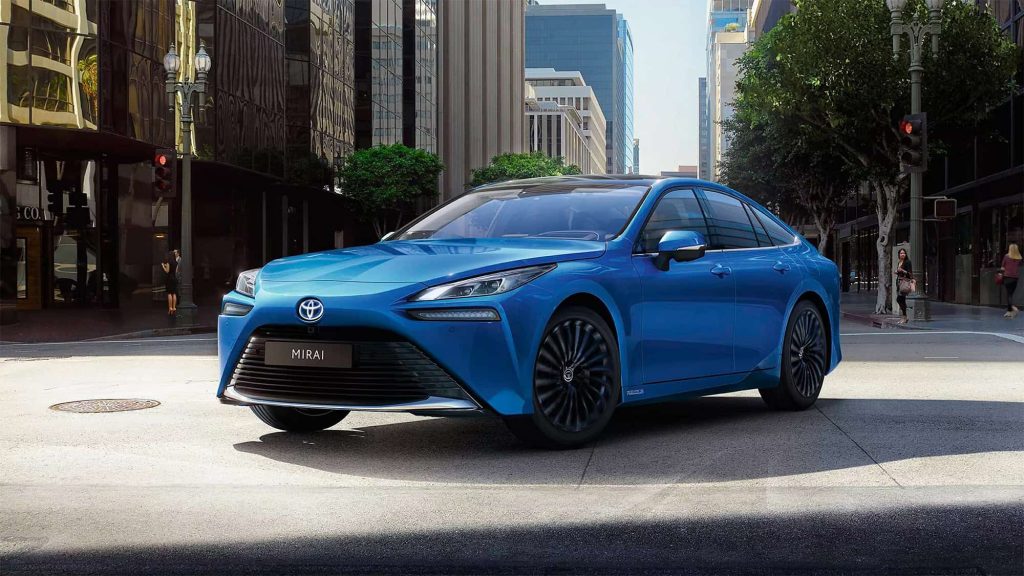
The Toyota Mirai stands out as one of the most technologically advanced vehicles in Toyota’s lineup, but that innovation comes with insurance costs that are often higher than buyers expect.
While it presents itself as an eco-friendly alternative to conventional sedans, insurers classify the Mirai in a more complex and higher-risk category due to its specialized engineering and limited infrastructure support.
At the center of the issue is its hydrogen fuel cell system. Unlike traditional gasoline or even battery-electric vehicles, the Mirai relies on a highly specialized powertrain that includes fuel cell stacks, high-pressure hydrogen tanks, and unique electronic control systems.
These components are expensive to manufacture and even more costly to repair or replace. In the event of damage, insurers must account for the limited number of certified technicians and facilities capable of handling such systems, which significantly increases claim costs.
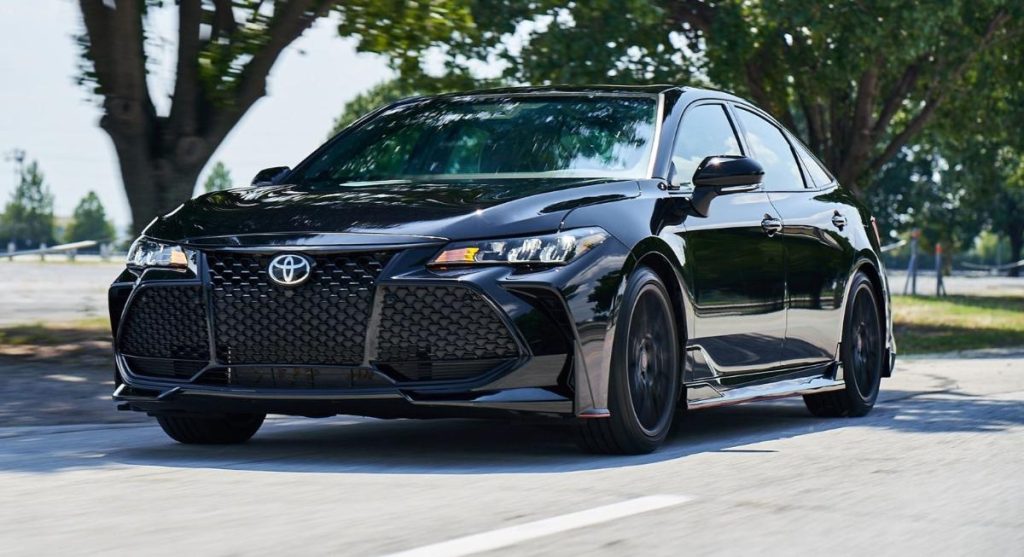
Toyota Avalon
The Toyota Avalon is often seen as a comfortable, reliable full-size sedan, but its insurance costs can be higher than many buyers anticipate. While it lacks the overt performance image of sports cars, the Avalon occupies a premium space within Toyota’s lineup, and insurers price it accordingly based on value, repair costs, and risk exposure.
One of the main contributors is the Avalon’s relatively high market value. As Toyota’s flagship sedan before it was discontinued, it came well-equipped with upscale materials, advanced infotainment systems, and a strong list of standard safety features.
Higher trim levels, especially those with hybrid powertrains, pushed the price even further into near-luxury territory. Insurance companies factor in replacement cost, and a more expensive vehicle naturally results in higher premiums.
Repair costs also play a significant role. The Avalon incorporates a wide range of modern technologies, including adaptive cruise control, lane-keeping systems, and complex lighting assemblies.
These features improve safety but can be expensive to repair or recalibrate after an accident. Even a relatively minor collision involving sensors or cameras can lead to higher-than-expected repair bills, which insurers account for when setting rates.
Another factor is its classification. Despite wearing a Toyota badge, the Avalon competes with entry-level luxury sedans in terms of size, comfort, and features.
Insurers often group vehicles by segment rather than brand, meaning the Avalon may be compared to more expensive rivals when determining risk and pricing. This subtle shift in categorization can result in premiums that are closer to luxury models than to mainstream sedans like the Camry.
Driver demographics also influence insurance costs. The Avalon tends to attract older, more experienced drivers, which can help moderate premiums.
Toyota Venza
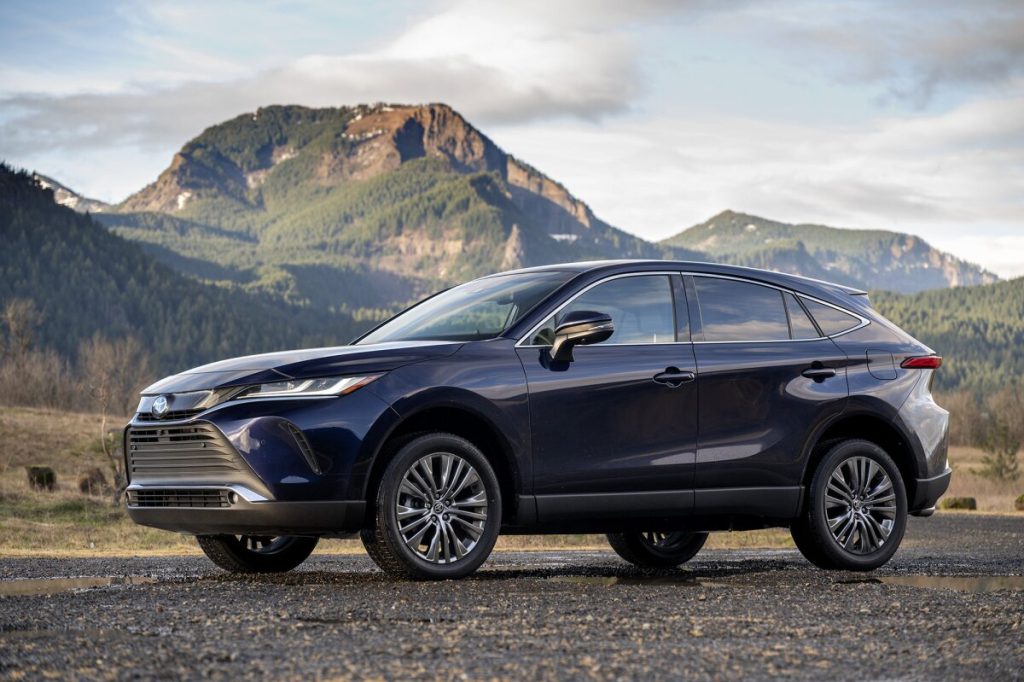
The Toyota Venza is often perceived as a sensible, comfort-focused crossover, but its insurance costs can be higher than expected for a vehicle wearing a mainstream Toyota badge. Positioned between the RAV4 and more premium offerings, the Venza blends hybrid efficiency with upscale features, and insurers treat it accordingly.
A key factor is its pricing and market positioning. The Venza is sold exclusively as a hybrid and comes standard with a high level of equipment, including advanced driver assistance systems, large infotainment displays, and premium interior materials.
This pushes its value above many compact SUVs, and insurers calculate premiums based in part on replacement cost. Higher vehicle values mean higher potential payouts, which directly increase insurance rates.
Repair complexity is another contributor. The Venza’s hybrid powertrain includes components such as battery packs, electric motors, and power management systems that are more expensive to service than traditional gasoline setups. In addition, its suite of safety technologies relies on cameras, sensors, and radar systems that often require recalibration after even minor accidents.
Toyota Crown
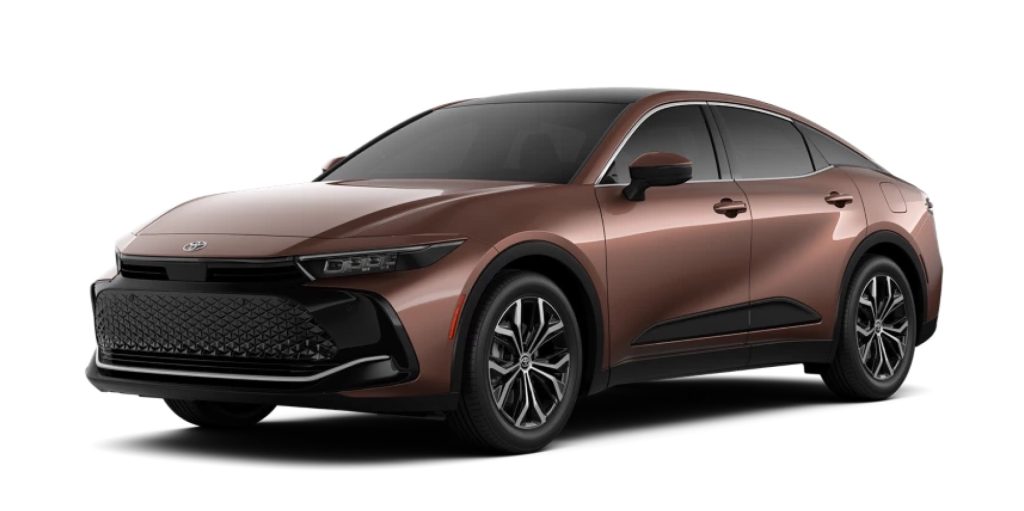
The Toyota Crown represents a shift in Toyota’s lineup toward a more premium, technology-forward direction, but that positioning also brings insurance costs that are higher than many buyers anticipate.
While it carries a familiar badge, the Crown is not a traditional mainstream sedan, and insurers evaluate it accordingly based on value, complexity, and risk factors.
One of the primary reasons for increased premiums is its pricing. The Crown sits above models like the Camry in both cost and features, with standard hybrid powertrains and available high-output Hybrid MAX systems.
This higher initial value directly impacts insurance because replacement or total-loss payouts are greater. Even entry-level trims are priced closer to near-luxury vehicles, which shifts the insurance bracket upward.
Repair costs further increase its insurance profile. The Crown incorporates advanced technologies, including multiple electric motors, battery systems, and a wide array of driver-assistance features such as radar-guided cruise control and lane-centering systems.
These components are expensive to repair and often require specialized calibration after collisions. Additionally, its modern design includes complex lighting elements and integrated body panels that can raise repair bills even for minor damage.
Another contributing factor is its relative newness. As a recently introduced model, the Crown lacks extensive long-term actuarial data. Insurance companies tend to price newer, less-established vehicles conservatively until sufficient claims history becomes available. This uncertainty can lead to higher premiums compared to more established Toyota models with predictable repair and accident patterns.
The Crown’s market positioning also influences how it is categorized. Despite being a Toyota, it competes with entry-level luxury sedans and crossovers in terms of features, ride quality, and technology. Insurers often group vehicles by segment rather than brand, meaning the Crown may be assessed alongside more expensive competitors, which can raise its insurance costs.
Driver usage patterns add another layer. As a comfortable, tech-heavy vehicle, the Crown is likely to be used for commuting and long-distance travel, increasing exposure to risk. Higher mileage and consistent use contribute to a greater likelihood of claims over time.
Performance classification is one of the most influential factors. Vehicles like the GR Supra, GR Corolla, and 86 are statistically more likely to be involved in high-speed incidents. Even if many owners drive responsibly, insurers rely on aggregate data, not individual behavior. This results in higher premiums across the board for performance-oriented models.
Repair severity is another critical variable. Vehicles with expensive parts, complex construction, or limited service networks generate higher claim payouts. This is particularly evident in models like the Land Cruiser, Mirai, and Crown. Even relatively minor damage can lead to significant repair costs, which insurers must account for in their pricing.
Vehicle size and mass also play a role. Larger vehicles such as the Sequoia and Tundra can cause more damage in collisions, increasing liability exposure. This affects both property damage and potential injury claims, which are key components of insurance calculations.
Technology integration has become an increasingly important factor. Modern vehicles with advanced driver assistance systems, sensors, and hybrid or electric powertrains often cost more to repair. Calibration requirements, specialized parts, and limited technician availability all contribute to higher claim severity. This is why models like the Venza and Crown carry higher premiums despite not being high-risk from a driving behavior perspective.
Theft rates and market dynamics further influence pricing. High-value or desirable vehicles are more likely to be targeted for theft, increasing insurer risk. Even when theft rates are moderate, the cost of replacing a high-value vehicle can push premiums upward.
It is equally important to understand what does not automatically increase insurance costs. Popularity alone is not a decisive factor. While high-volume models appear more frequently in claims data, insurers normalize this against the number of vehicles on the road.
