
The 2010s produced a unique wave of performance and enthusiast focused cars that now sit at an interesting point in automotive history. These vehicles are modern enough to be usable in everyday conditions yet already old enough to show early signs of becoming collectible.
Many manufacturers during this decade still built cars with strong mechanical character, engaging driving dynamics, and relatively simple electronics compared to newer models. This combination has made certain cars from the 2010s increasingly attractive to collectors and enthusiasts who want something modern but still emotionally connected to driving.
Another reason these cars are gaining attention is the shift in the automotive industry toward electrification and heavy software dependence. As regulations tighten and internal combustion engines become less common, the last generation of purely driver focused performance cars is starting to stand out.
Enthusiasts are now looking back at turbocharged manuals, high revving naturally aspirated engines, and rear wheel drive platforms from the 2010s as the final chapter of a traditional driving era. This transition naturally supports long term value appreciation for standout models.
Reliability, brand reputation, and limited production numbers also play a major role in future value growth. Cars that were not produced in extremely high volumes, or those that represent the peak of a specific engineering philosophy, tend to hold value better over time.
In the 2010s, several manufacturers produced vehicles that were not only performance oriented but also relatively rare or short lived in their original form. These characteristics make them strong candidates for future collector interest.
Market behavior also shows that enthusiasts are willing to pay a premium for clean, well maintained examples of cars that deliver a pure driving experience. Cars with manual transmissions, rear wheel drive layouts, or iconic engine designs tend to gain attention as time passes.
Even vehicles that were once considered mainstream performance options are now being re-evaluated as potential classics. This article focuses on ten such cars from the 2010s that have strong potential for long term appreciation.
Each model listed here represents a different approach to performance, from lightweight sports cars to powerful grand tourers and track focused machines. The selection highlights not only performance capability but also cultural impact, driving feel, and future desirability. These are the kinds of cars that enthusiasts are already discussing as future collectibles, and their reputation is expected to grow further in the coming years.
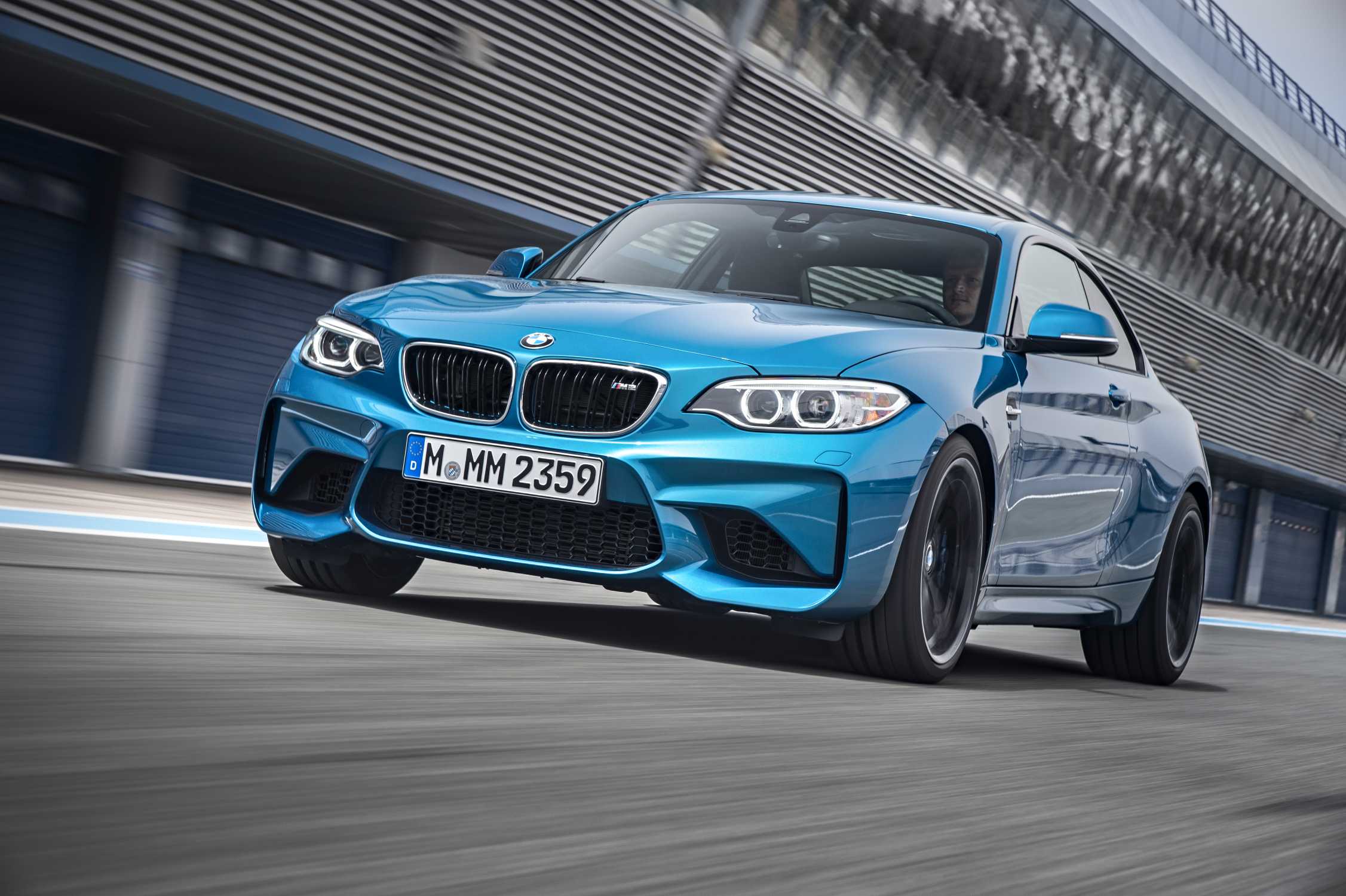
BMW M2 F87 (2016 to 2021)
The BMW M2 F87 is widely considered one of the purest modern driver focused cars produced by BMW in the 2010s. It combines compact proportions with a powerful turbocharged inline six engine and rear wheel drive layout. This combination creates a driving experience that feels both controlled and aggressive, especially when driven on winding roads or track environments. The M division designed this car to bring back a simpler performance feel, which resonates strongly with enthusiasts today.
The driving dynamics of the M2 are a major reason it is expected to appreciate in value. Steering feedback is direct, the chassis is balanced, and the car maintains a sense of mechanical connection that is becoming rare in newer models.
Manual transmission versions are especially desirable, as they represent a shrinking segment of the performance market. This makes well kept examples increasingly attractive to collectors who value engagement over technology.
Another factor supporting long term value is the S55 derived N55 engine platform, known for its tuning potential and strong durability when maintained properly. The engine delivers strong torque and consistent power delivery, making the car usable in both daily driving and spirited conditions. As emissions regulations tighten, this type of performance oriented internal combustion engine is likely to become more appreciated.
Production numbers for the F87 M2 were not extremely limited, but special variants such as the Competition and CS editions add exclusivity to the lineup. These higher specification models feature improved suspension, braking systems, and engine tuning. Limited availability of these variants creates a natural hierarchy within the M2 range, which helps maintain strong resale demand over time.
The cultural impact of the M2 also contributes to its future value potential. It is often described as a spiritual successor to older compact M cars that emphasized raw driving pleasure.
Enthusiast communities continue to praise it for its balance of practicality and performance. As newer BMW models become larger and more technology driven, the F87 M2 stands out as a final example of compact analog inspired performance from the brand.
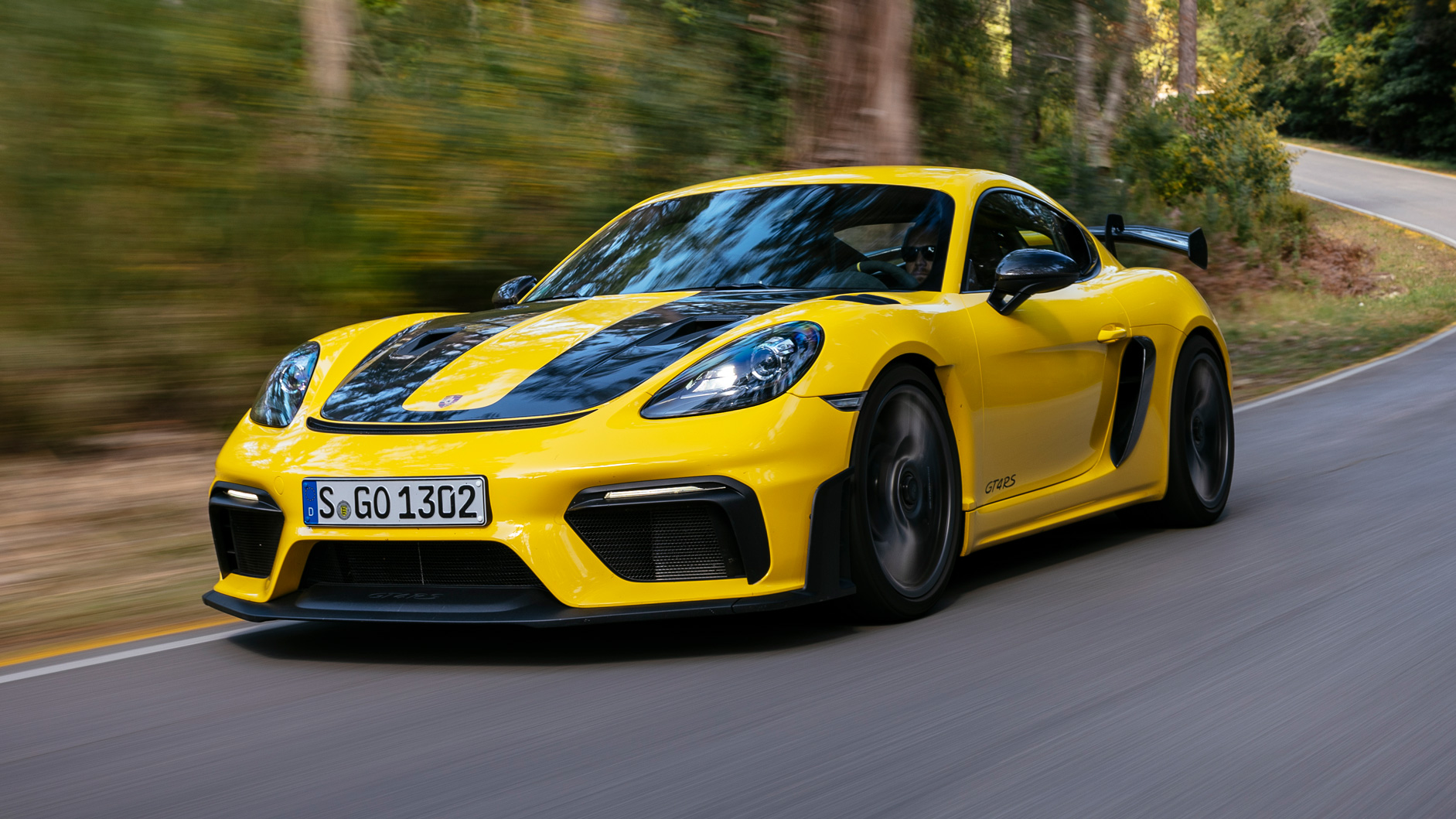
Porsche Cayman GT4 981 and 718
The Porsche Cayman GT4 represents one of the most focused mid engine sports cars of the 2010s. Built on the Cayman platform, it was engineered with track performance as a priority while still maintaining road usability. The naturally aspirated flat six engine in the 981 generation is especially important for enthusiasts, as it represents a disappearing engine configuration in modern sports cars.
Driving precision is one of the strongest characteristics of the GT4. The mid engine layout provides excellent balance, allowing the car to change direction with minimal effort and maximum stability. Steering is highly communicative, giving the driver confidence in both high speed and technical sections. This level of feedback is increasingly rare in modern performance vehicles, which enhances its collectible appeal.
The 981 GT4 in particular is seen as more desirable due to its engine character and analog driving feel. The 718 GT4 later introduced a turbocharged flat four in some variants, which divided opinion among purists. However, both versions still maintain strong chassis performance and are respected for their engineering quality. Limited production and high demand have already started pushing prices upward in clean examples.
Track capability also plays a major role in the GT4’s future value. Porsche designed this car with motorsport influence, including upgraded suspension geometry, brakes, and aerodynamic enhancements. It delivers consistent lap performance without requiring extreme modifications. Cars that can perform at this level from factory condition tend to hold long term appeal among collectors.
As the automotive market shifts toward electrification, naturally aspirated mid engine sports cars are becoming increasingly rare. The Cayman GT4 stands as one of the last examples of this formula from Porsche in the 2010s. Its combination of precision engineering, driving purity, and limited production ensures it will remain highly desirable for years to come.
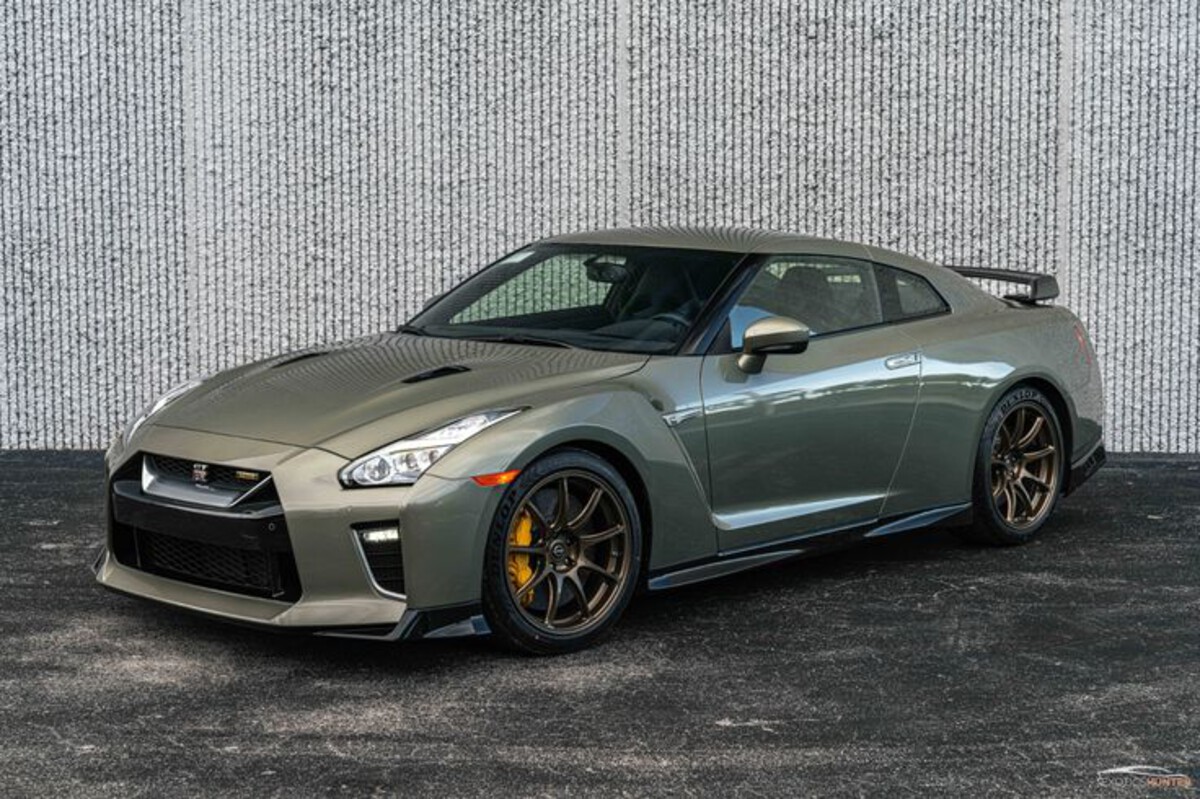
Nissan GT R R35
The Nissan GT R R35 evolved significantly throughout the 2010s, becoming one of the most technologically advanced performance cars of its time. Known for its twin turbo V6 engine and advanced all wheel drive system, it delivered supercar level performance at a comparatively lower price point. This performance capability has helped it build a strong reputation among enthusiasts worldwide.
One of the main reasons the GT R is expected to appreciate is its engineering significance. It introduced advanced launch control systems, dual clutch transmission technology, and highly sophisticated drivetrain management. These features allowed it to compete with far more expensive European supercars, earning it the nickname of a technological disruptor in the performance car segment.
The VR38DETT engine is another major factor in its long term desirability. It is known for its strength, tuning potential, and reliability under high performance conditions.
Enthusiasts often modify these engines to produce significantly higher power levels, which has contributed to the car’s legendary status in tuning culture. This strong aftermarket support ensures continued interest in the platform.
Limited special editions such as the Nismo variant further enhance collectibility. These versions feature improved aerodynamics, reduced weight, and enhanced engine output. Production numbers for these high end trims were lower, making them more sought after in the used market. As time passes, these variants are expected to become key collector targets.
The GT R also holds cultural importance as one of the defining performance cars of the 2010s. It consistently appeared in motorsport, gaming, and automotive media, which strengthened its global recognition. As newer generations of performance cars move toward hybrid or electric systems, the R35 GT R represents one of the final fully traditional high performance platforms from its era.
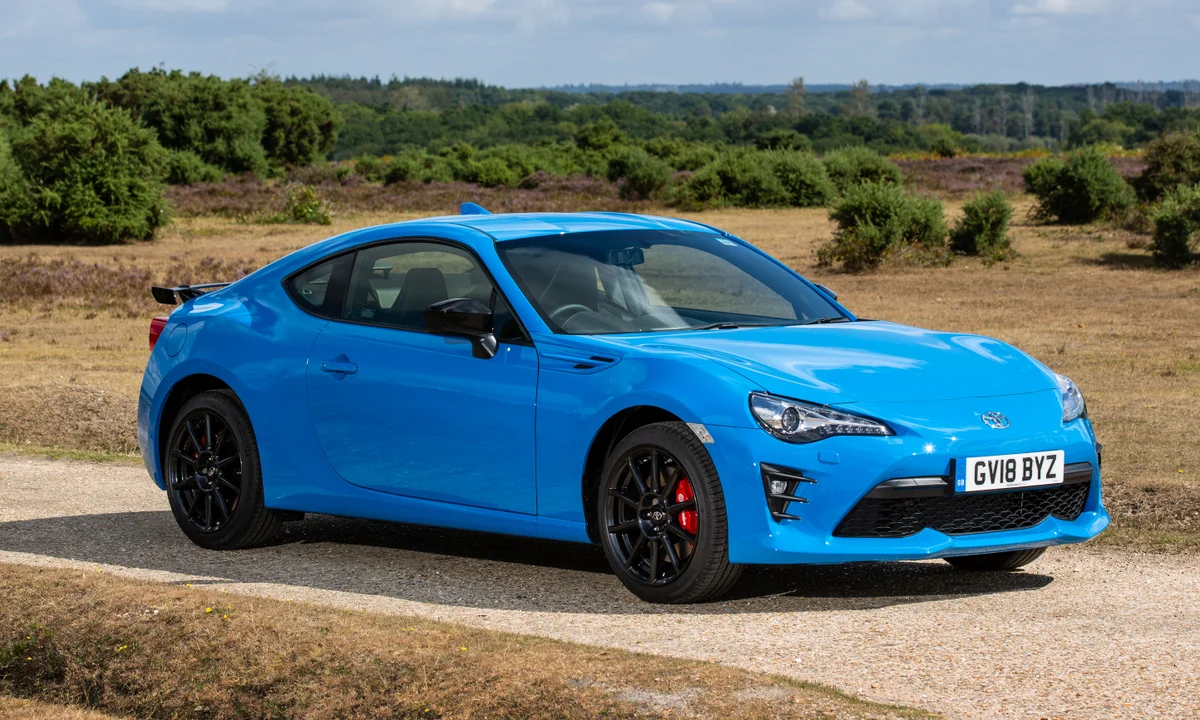
Toyota GT86 and Subaru BRZ
The Toyota GT86 and Subaru BRZ twins were designed with a focus on lightweight driving enjoyment rather than outright power. Introduced in the early 2010s, these cars quickly gained popularity among enthusiasts for their balanced chassis and rear wheel drive layout. They were developed jointly by Toyota and Subaru, combining engineering strengths from both manufacturers.
One of the most important aspects of these cars is their simplicity. Unlike many modern performance vehicles, the GT86 and BRZ prioritize mechanical connection and driver involvement. The naturally aspirated boxer engine may not be powerful, but it encourages momentum based driving and skill development. This type of driving experience is becoming less common, increasing future interest.
The chassis balance is widely regarded as one of the best in its segment. Low center of gravity and precise suspension tuning allow the car to rotate easily and remain predictable at the limit. This makes it a favorite among driving enthusiasts, track day users, and entry level motorsport participants. Cars that offer this level of engagement often gain long term appreciation.
Special editions and updated versions introduced throughout the 2010s added refinement while maintaining core driving characteristics. Lightweight construction and affordable maintenance costs also contribute to their popularity. As sports cars become more expensive and complex, the GT86 and BRZ stand out as accessible performance platforms from a more analog era.
The cultural impact of these cars is significant in enthusiast communities. They are often recommended as starter sports cars and have built a strong following in modification culture. This ongoing popularity ensures continued demand in the used market, supporting their potential to become affordable future classics.
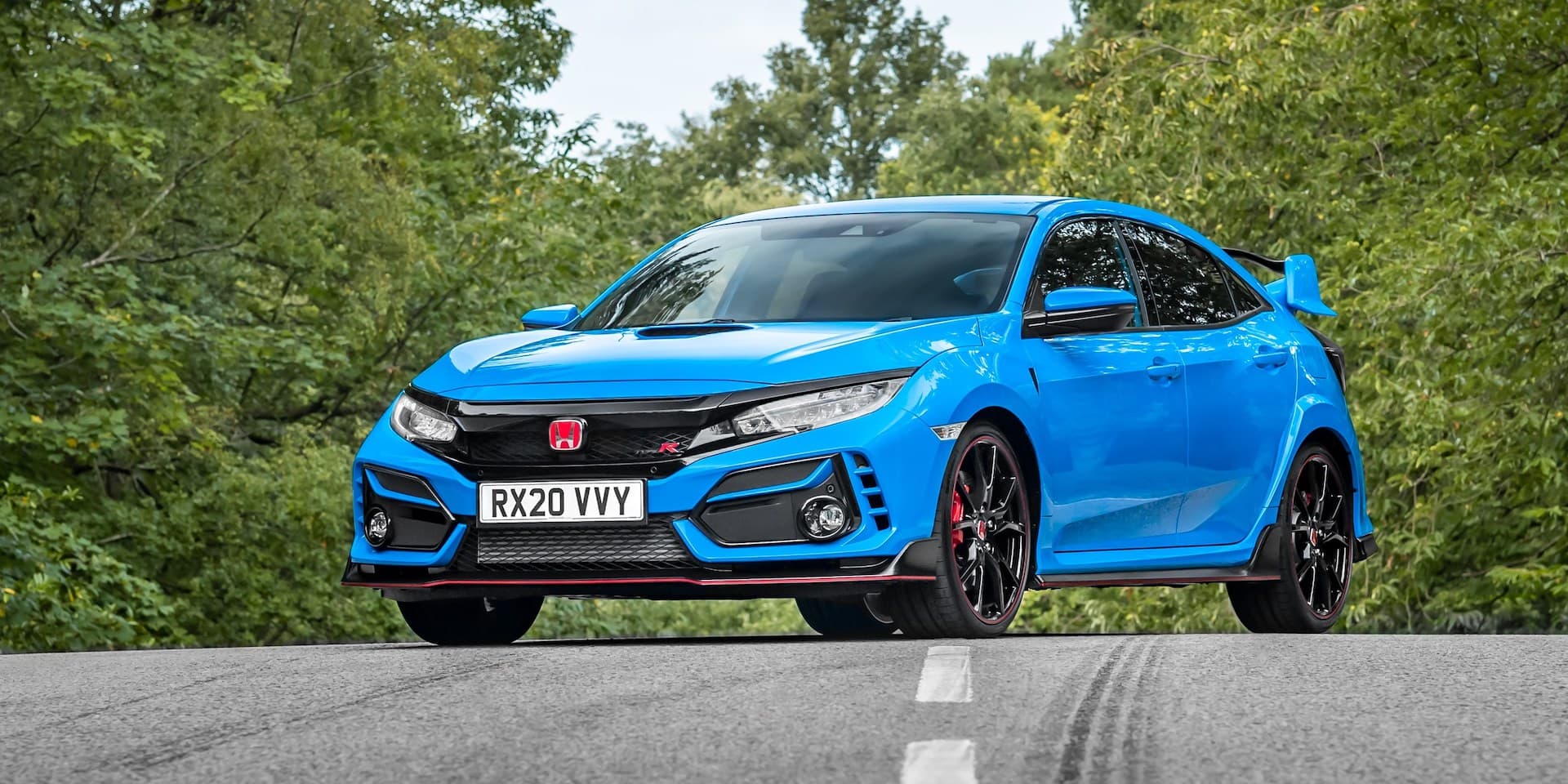
Honda Civic Type R FK8
The Honda Civic Type R FK8 represents one of the most aggressive and performance focused front wheel drive cars of the 2010s. It features a turbocharged engine, advanced aerodynamics, and track oriented suspension tuning. Honda designed this model to compete with hot hatchbacks while also delivering serious track capability.
Performance is a key reason for its growing collector interest. The FK8 delivers strong acceleration and impressive cornering ability for a front wheel drive platform. Its adaptive suspension and high grip setup allow it to perform well on both road and circuit environments. This dual capability makes it highly respected among enthusiasts.
The styling of the FK8 also plays a role in its future value. Its bold aerodynamic design, including a large rear wing and functional vents, sets it apart from more conservative hatchbacks. While polarizing at launch, this design has become a defining characteristic of the model and contributes to its identity as a performance focused vehicle.
Reliability and practicality further strengthen its position. Despite its performance focus, the Civic Type R retains Honda’s reputation for durability and everyday usability. This balance makes it appealing not only to enthusiasts but also to collectors seeking usable performance cars. Vehicles that combine practicality with performance tend to retain value well.
As newer generations move toward increased electrification and automation, the FK8 is likely to be remembered as one of the last highly focused internal combustion hot hatches from Honda. Its strong engineering, performance reputation, and enthusiast following make it a strong candidate for long term appreciation.
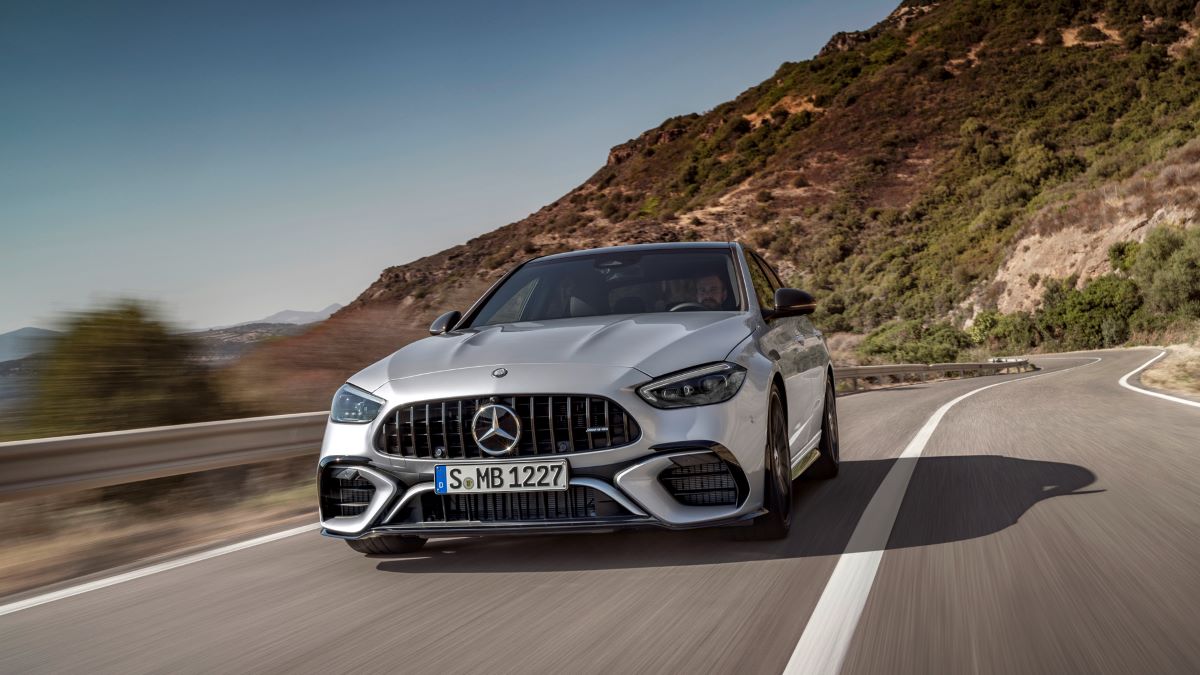
Mercedes Benz C63 AMG
The Mercedes Benz C63 AMG W204 is widely recognized for its naturally aspirated 6.2 liter V8 engine. This engine is one of the last large displacement V8s developed by AMG before the shift toward turbocharging. Its sound, power delivery, and character make it highly desirable among performance car enthusiasts.
Driving experience is defined by raw power and rear wheel drive dynamics. The engine produces immediate throttle response and a distinctive exhaust note that has become iconic. This type of mechanical personality is increasingly rare in modern performance sedans, which enhances its long term collectible appeal.
The simplicity of the drivetrain compared to newer AMG models also contributes to its desirability. Without heavy hybrid systems or complex turbo setups, the W204 C63 offers a more direct driving feel. Enthusiasts often appreciate this simplicity as it enhances engagement and reduces long term complexity concerns.
Special editions such as the Black Series further increase collectibility. These versions include track focused upgrades, reduced weight, and enhanced aerodynamic components. Limited production numbers make them highly sought after in the performance car market, with strong potential for future value growth.
As emissions regulations continue to evolve, large naturally aspirated V8 engines are becoming increasingly rare. The W204 C63 AMG stands as one of the final examples of this era from Mercedes AMG. Its combination of sound, performance, and historical significance positions it strongly as a future classic.
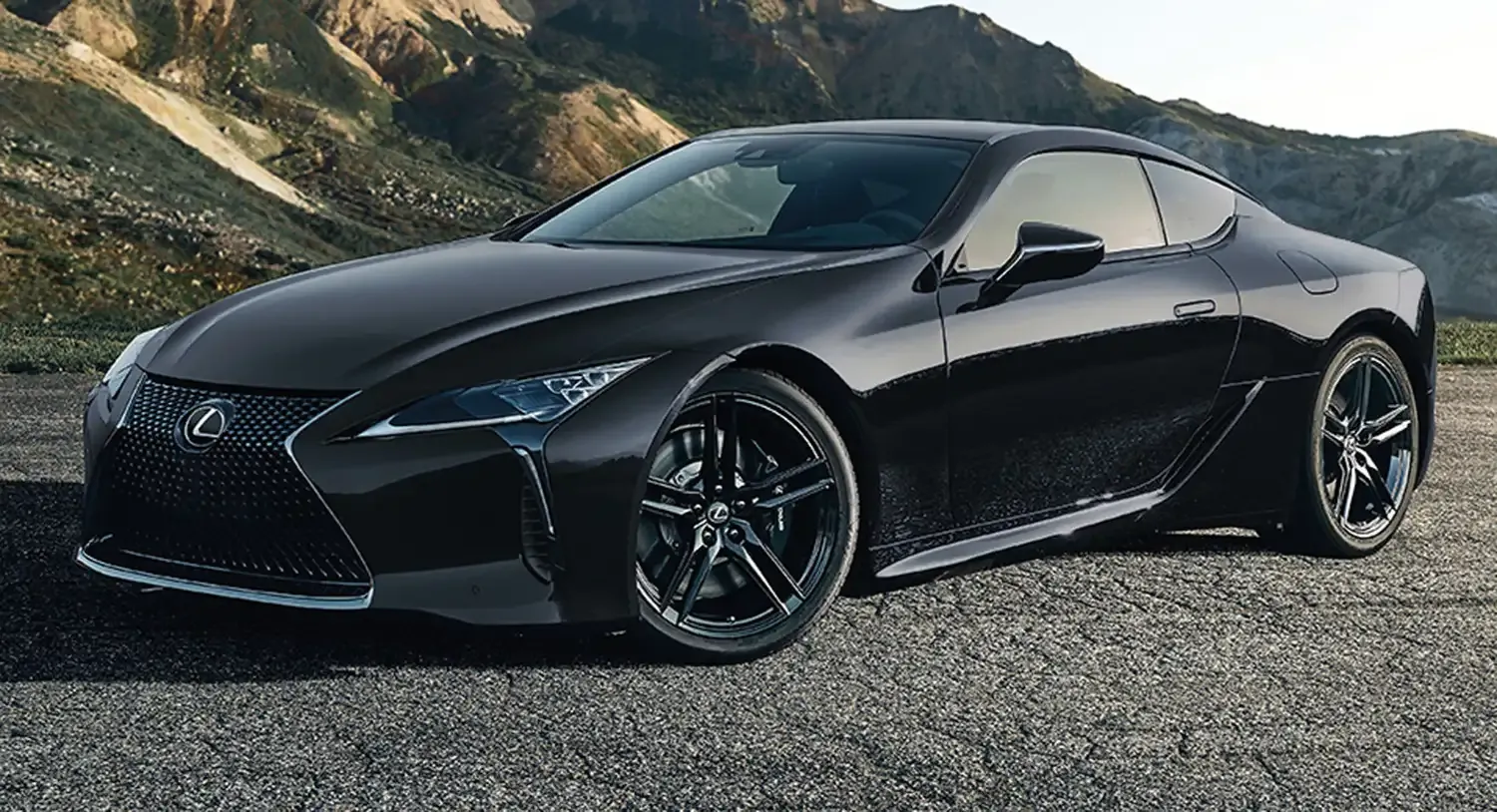
Lexus LC 500
The Lexus LC 500 is a grand tourer that combines luxury design with a naturally aspirated V8 engine. Introduced in the late 2010s, it represents one of the most refined performance oriented vehicles produced by Lexus. Its design language and engineering quality make it stand out in the luxury coupe segment.
One of the key strengths of the LC 500 is its engine. The 5.0 liter V8 delivers smooth power delivery and a distinctive sound profile that enhances driving enjoyment. Unlike many modern luxury cars that rely on turbocharged engines, the LC 500 retains a naturally aspirated setup that is becoming increasingly rare.
The design of the vehicle also contributes to its long term appeal. Its low stance, flowing lines, and attention to detail give it a strong visual identity. Lexus focused heavily on craftsmanship and build quality, making the LC 500 feel more like a concept car brought into production form.
Driving dynamics balance comfort and performance. While it is not a track focused machine, the LC 500 offers composed handling and long distance cruising capability. This dual personality makes it suitable for both enthusiasts and luxury buyers, expanding its potential collector base over time.
As Lexus transitions toward hybrid and electric models, the LC 500 represents one of the last traditional V8 grand tourers from the brand. Its combination of design excellence, engine character, and limited production volume supports strong future value potential.
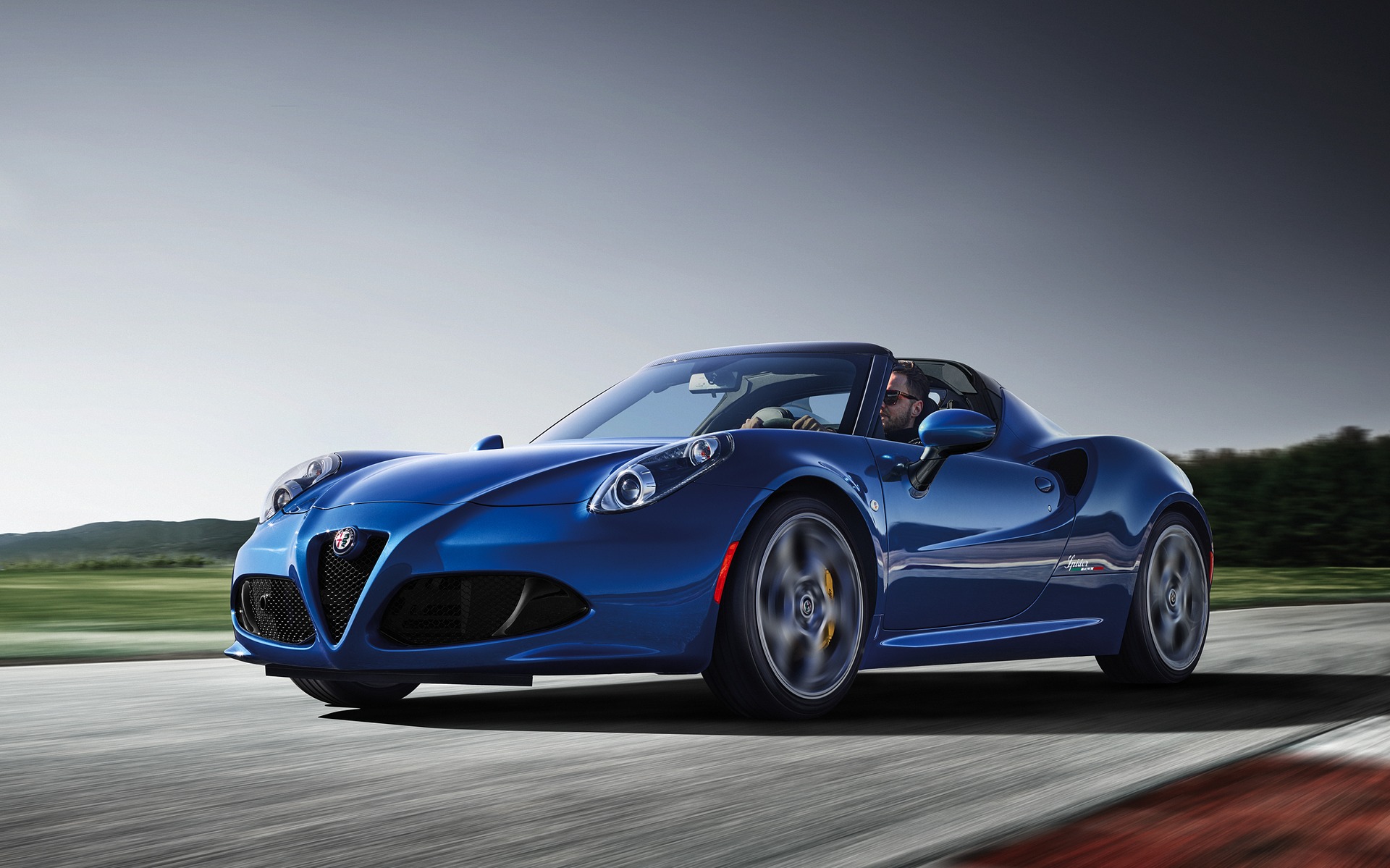
Alfa Romeo 4C
The Alfa Romeo 4C is a lightweight mid engine sports car that emphasizes simplicity and driving purity. Built with a carbon fiber chassis, it was designed to deliver maximum performance with minimal weight. This engineering approach makes it one of the most distinctive sports cars of the 2010s.
Performance is centered around agility rather than power. The turbocharged engine provides sufficient acceleration, but the real focus is on handling and responsiveness. The lightweight construction allows the car to feel extremely quick in directional changes, which enhances driver engagement significantly.
The interior of the 4C is intentionally minimalistic, reinforcing its focus on performance. Many traditional comfort features are reduced or removed to save weight. This design philosophy aligns with classic sports car principles, which are becoming more appreciated as modern cars grow heavier and more complex.
Production numbers were relatively limited, which contributes to its future collectibility. Alfa Romeo did not produce the 4C in large quantities, making well preserved examples increasingly rare. Limited availability in combination with unique engineering ensures long term interest from collectors.
As one of the few carbon tub sports cars available in its price range during the 2010s, the 4C holds a special place in automotive history. Its lightweight design philosophy and raw driving experience position it strongly as a future collectible sports car.
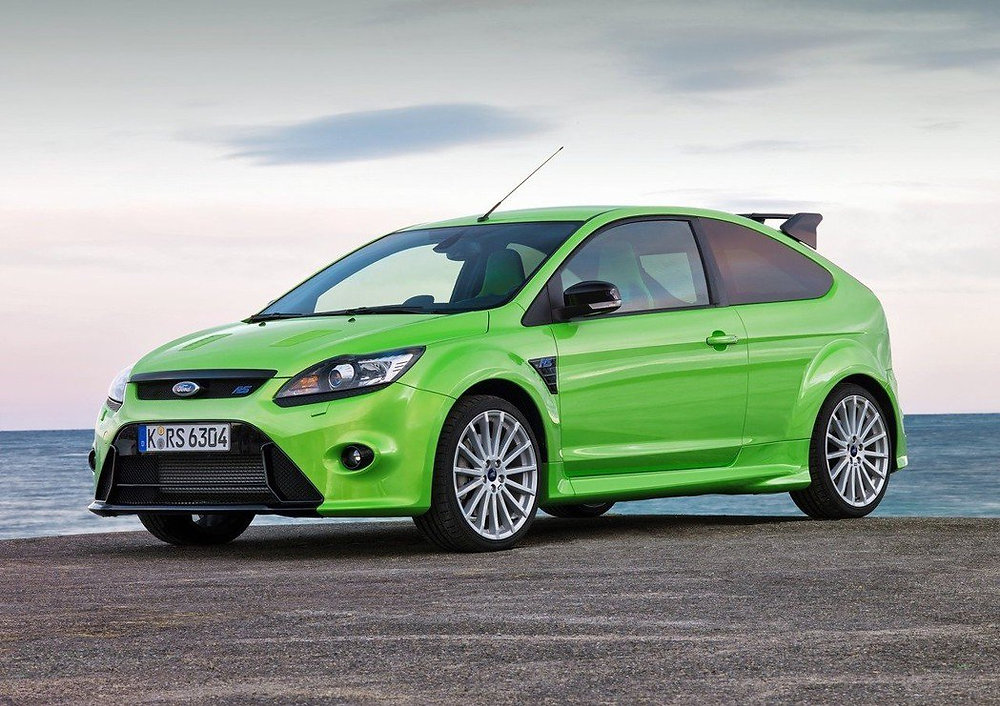
Ford Focus RS
The Ford Focus RS MK3 is a high performance hatchback that introduced advanced all wheel drive technology and strong turbocharged performance. Produced in the mid 2010s, it quickly gained popularity among enthusiasts for its aggressive driving character and practical usability.
One of its defining features is the performance oriented all wheel drive system with torque vectoring capability. This system allows the car to distribute power dynamically, improving cornering performance and traction. It gives the Focus RS a unique driving feel compared to traditional hot hatches.
The turbocharged engine delivers strong acceleration and tuning potential. Enthusiasts often modify these cars for additional performance, which has helped build a strong aftermarket culture. This ongoing popularity supports continued demand in the used performance car market.
Practicality also plays an important role in its appeal. Despite its performance focus, the Focus RS remains a usable hatchback with seating space and daily driving capability. Cars that combine practicality with high performance tend to maintain strong long term interest.
As one of the most extreme factory hot hatches of its time, the MK3 Focus RS is already gaining recognition as a modern collectible. Its combination of advanced drivetrain technology, strong performance, and enthusiast following makes it a strong candidate for future value growth.
