
The way fuel is delivered into an engine has a direct impact on performance, long-term durability, maintenance needs, and how clean the intake system stays over time. Two of the most widely used fuel delivery methods in modern and older engines are port fuel injection and direct injection.
Port fuel injection sprays fuel into the intake port before it enters the combustion chamber. This allows the fuel to wash over the intake valves, helping keep them cleaner and reducing the chances of carbon deposits forming on valve surfaces. Many engines that rely on this system are known for long-term reliability, simpler maintenance, and consistent performance even after high mileage.
Direct injection, on the other hand, sprays fuel directly into the combustion chamber at very high pressure. This improves power output, fuel efficiency, and emissions control, but it removes the cleaning effect of fuel passing over the intake valves.
Over time, oil vapor from the crankcase ventilation system and exhaust gas recirculation can stick to intake valves and form hard carbon deposits. This buildup can lead to rough idle, misfires, reduced performance, and expensive intake cleaning procedures. While not every direct injection engine suffers equally, many designs are more sensitive to deposit formation depending on driving conditions and maintenance habits.
Engine design, driving style, oil quality, and service intervals all play important roles in how these systems perform over time. Engines that combine good ventilation control, proper fuel mapping, and stable operating temperatures tend to resist problems better, regardless of injection type.
However, the injection method remains one of the strongest factors influencing intake cleanliness and long-term maintenance needs. Because of this, enthusiasts and mechanics often compare engines based on whether they use port injection or direct injection when evaluating durability.
This article focuses on two categories of engines. The first group includes five well-known engines that rely on port fuel injection and are widely respected for reliability and resistance to intake valve carbon buildup. These engines have been used in millions of vehicles across different markets and are known for stable long-term ownership experiences.
The second group includes five engines that use direct injection systems and are commonly reported to develop intake valve carbon buildup over time, especially under city driving or short trip conditions.
Each engine will be discussed in detail with attention to design characteristics, real world behavior, maintenance considerations, and long-term ownership outcomes. The goal is to provide a clear comparison between two different fuel delivery philosophies and how they affect engine health over extended use.
5 Engines Using Reliable Port Injection
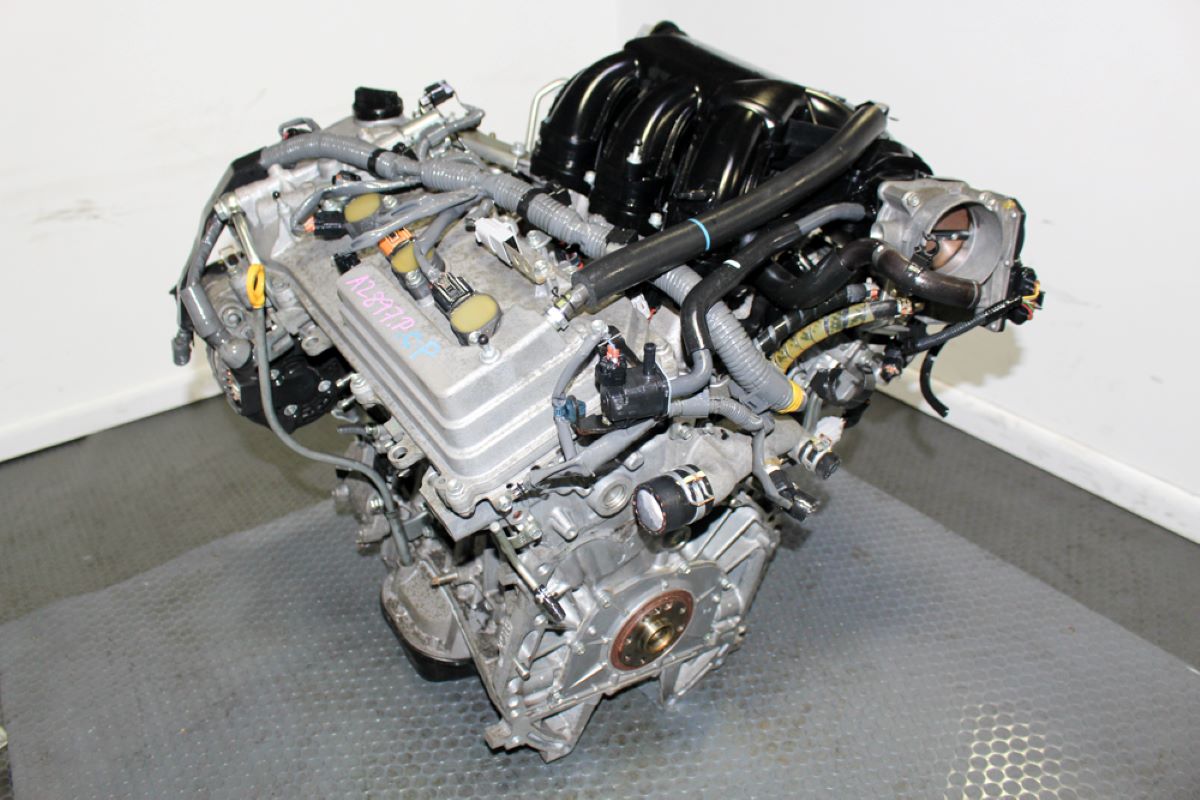
Toyota 2GR FE V6 Engine
The Toyota 2GR FE V6 is one of the most respected modern port injection engines used in a wide range of Toyota and Lexus vehicles. It features a 3.5 liter aluminum V6 design with dual overhead camshafts and a strong focus on smooth power delivery and long-term durability.
This engine uses port fuel injection, which helps keep intake valves clean since fuel is constantly washing over them during operation. This design choice significantly reduces the risk of carbon buildup compared to direct injection systems.
One of the strongest advantages of the 2GR FE is its balance between performance and reliability. It produces strong horsepower while still maintaining low maintenance needs over time. Many owners report that the engine continues to run smoothly even after very high mileage when routine oil changes and basic servicing are followed.
The engine’s intake system remains relatively clean due to the continuous fuel flow across the valves, which prevents sticky deposits from forming easily.
Another important factor is the engine’s cooling and lubrication design. The 2GR FE manages heat effectively, which helps reduce oil vapor formation inside the intake system. Combined with Toyota’s positive crankcase ventilation design, this reduces contamination that could otherwise contribute to carbon buildup. This makes the engine suitable for long commutes, city driving, and highway use without major intake issues.
In real world use, this engine is known for consistency. Drivers often report minimal rough idle issues even after many years of operation. While no engine is completely free of maintenance concerns, the 2GR FE avoids the common intake cleaning problems associated with direct injection engines. This makes it a strong example of a modern, durable port injection design.
The 2GR FE V6 remains a benchmark for reliability, smooth operation, and low intake maintenance requirements, making it a preferred choice in vehicles where long-term dependability is a priority.
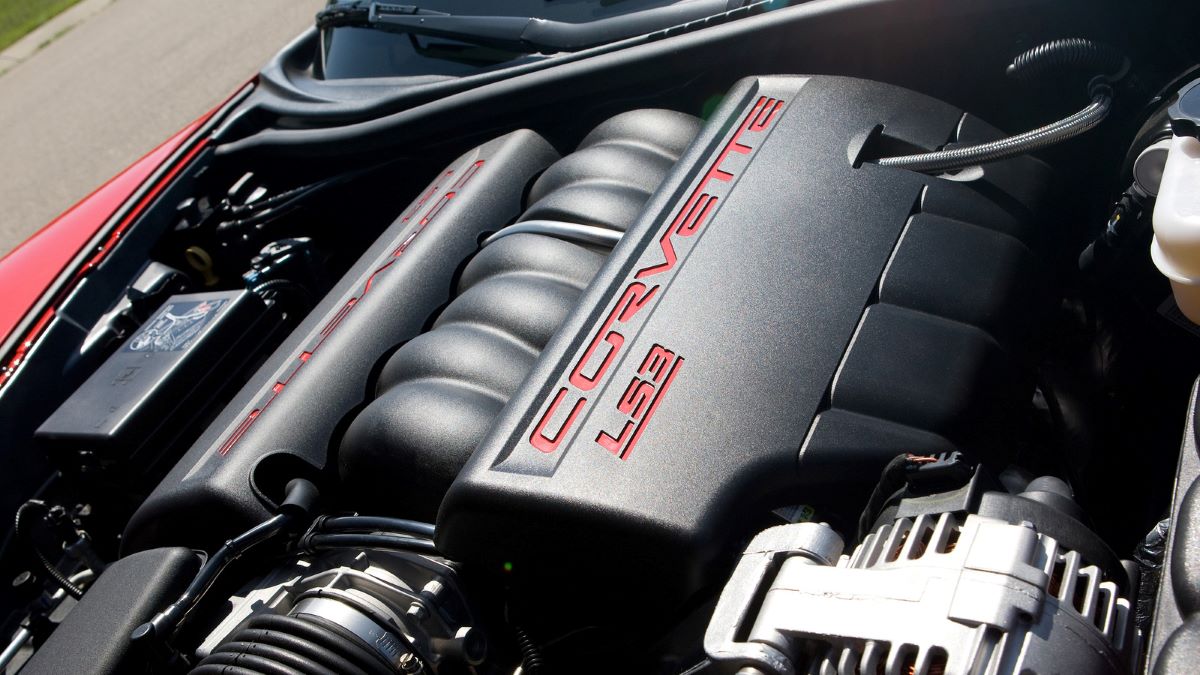
GM LS3 V8 Engine
The GM LS3 V8 is part of the well known LS engine family, widely used in performance cars and trucks. It is a 6.2 liter naturally aspirated V8 that uses port fuel injection, which contributes significantly to its reputation for durability and ease of maintenance. The port injection system ensures that fuel passes through the intake ports and helps keep valves free of carbon deposits.
One of the main strengths of the LS3 is its mechanical simplicity. Compared to many modern turbocharged direct injection engines, it has fewer complex fuel system components. This simplicity reduces long term failure points and makes it easier to maintain. The port injection system also means that intake valve cleaning is rarely required under normal operating conditions, even in high mileage vehicles.
The LS3 is also known for its strong airflow design and efficient combustion chamber shape. These features allow it to produce high horsepower while still maintaining relatively clean operation inside the intake system. The engine performs consistently in both performance and daily driving scenarios, which adds to its reputation for versatility.
Maintenance habits still play a role in long term reliability. Regular oil changes and clean air filtration help maintain optimal performance, but the engine is generally forgiving compared to direct injection systems. Even under heavy use, carbon buildup on intake valves is rarely a significant issue.
In long term ownership reports, the LS3 is often praised for its ability to maintain smooth throttle response and stable idle over time. Its port injection system plays a key role in preventing the intake restrictions commonly seen in other modern engines. This makes it one of the most reliable large displacement V8 engines in terms of intake cleanliness.

Nissan VQ35DE V6 Engine
The Nissan VQ35DE is a 3.5 liter V6 engine that has been widely used in Nissan and Infiniti vehicles for many years. It uses port fuel injection and is part of the well known VQ engine family, which has earned a strong reputation for reliability and smooth performance. The port injection design helps prevent carbon buildup on intake valves, supporting long term stability.
One of the key strengths of the VQ35DE is its smooth power delivery. The engine is designed for balanced performance rather than extreme output, which reduces stress on internal components. Because fuel is delivered through the intake ports, the valves remain cleaner compared to engines that rely on direct injection alone.
The intake system in this engine benefits from steady fuel flow, which helps reduce oil residue buildup. Combined with proper ventilation design, this reduces the chance of heavy deposits forming over time. Many owners report that the engine maintains stable idle quality and consistent throttle response even after extended use.
The VQ35DE is also known for its durability under a variety of driving conditions. Whether used in city traffic or highway cruising, the engine maintains reliable operation without frequent intake cleaning needs. This makes it a practical choice for long term ownership.
The VQ35DE remains a strong example of a port injected V6 that delivers reliability, smooth performance, and reduced intake maintenance concerns over its lifespan.
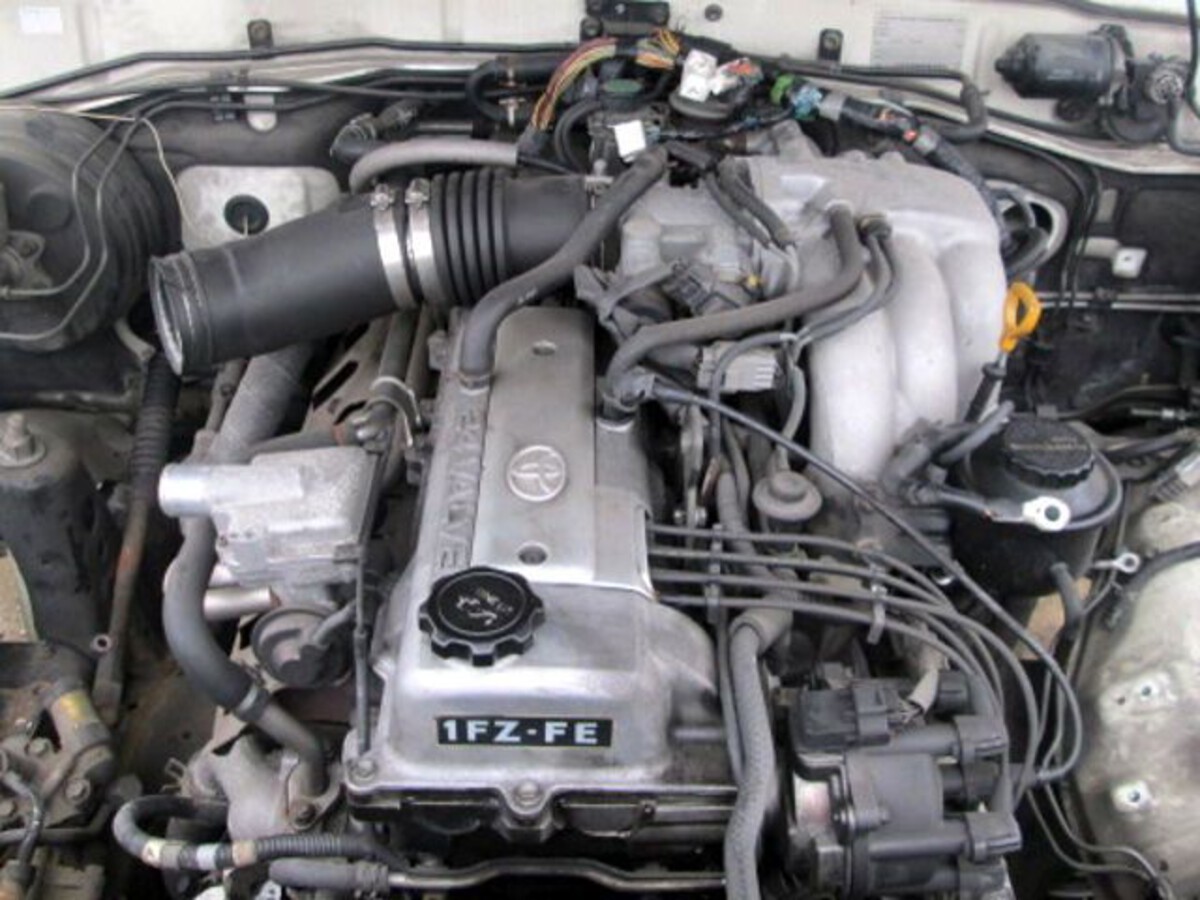
Toyota 1UZ FE V8 Engine
The Toyota 1UZ FE is a 4.0 liter V8 engine that became famous for its durability and smooth operation. It uses port fuel injection and was engineered with a strong focus on long term reliability. This engine is often considered one of the most robust V8 designs produced by Toyota.
The port injection system in the 1UZ FE plays a major role in keeping the intake system clean. Fuel continuously passes through the intake ports, which helps prevent carbon buildup on the valves. This reduces the need for intake cleaning even after very high mileage.
The engine is built with a strong aluminum block and high quality internal components. These design choices contribute to its long service life. Many examples of this engine are known to exceed very high mileage when maintained properly, while still maintaining smooth operation.
Another benefit is its stable combustion design. The engine runs at relatively low stress levels, which reduces oil vapor contamination in the intake system. This further helps maintain cleanliness inside the intake path over time.
The 1UZ FE remains a reference point for reliability in naturally aspirated V8 engines, especially due to its port injection system and long term resistance to intake deposits.
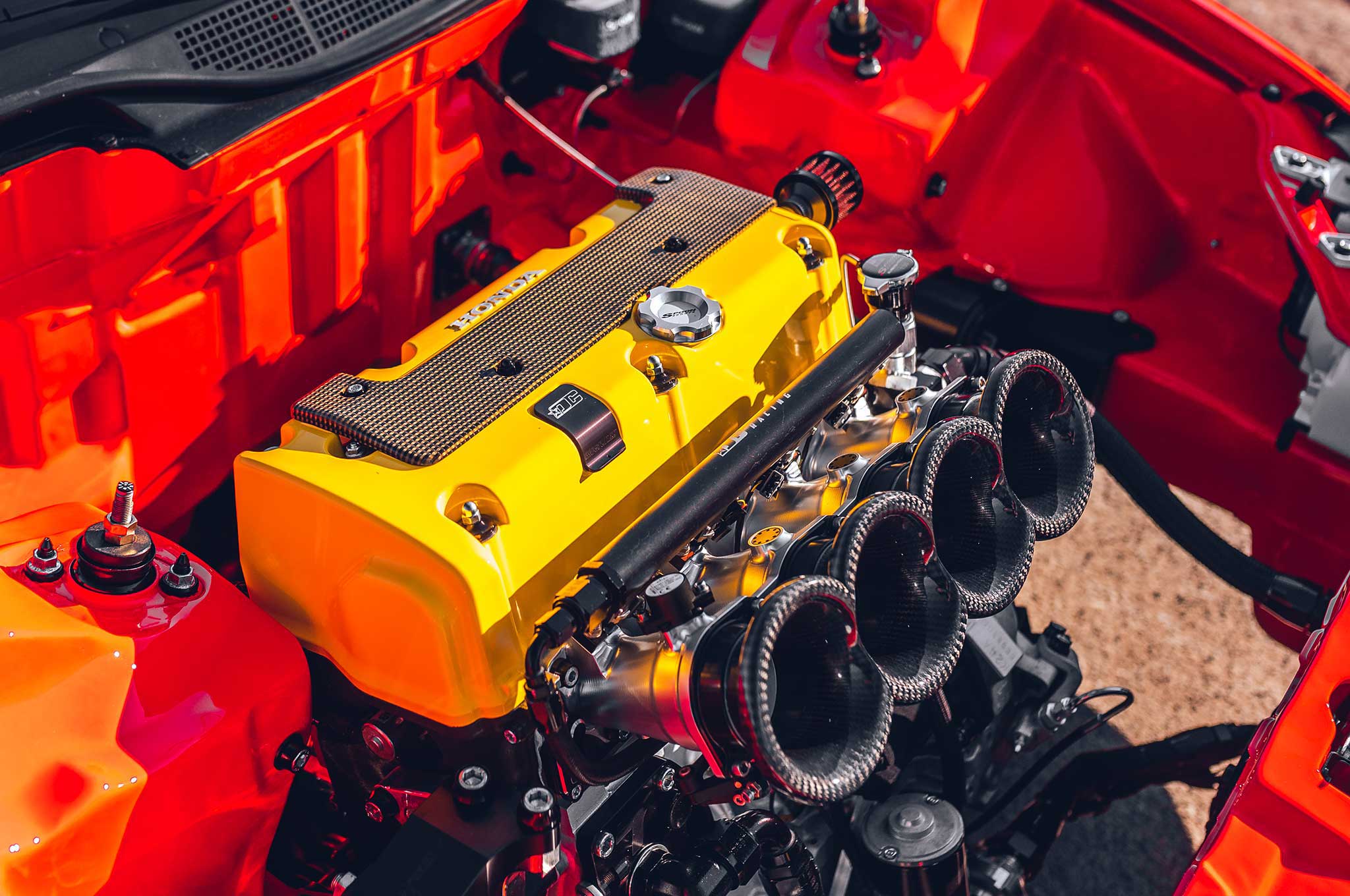
Honda K24 A Engine Series
The Honda K24 A engine series is a 2.4 liter inline four engine known for efficiency, reliability, and strong engineering design. Earlier versions of the K24 family, especially the K24 A variants, use port fuel injection, which helps maintain a clean intake system over long periods of use.
This engine is widely used in Honda vehicles due to its balance of fuel efficiency and durability. The port injection system ensures that intake valves remain relatively free from carbon buildup, which supports consistent performance over time. Many owners appreciate its ability to remain smooth even after extended mileage.
The K24 A engine also benefits from Honda’s efficient valve timing and combustion design. These features help reduce fuel waste and maintain stable combustion temperatures. Combined with port injection, this reduces the chance of deposits forming inside the intake system.
In daily driving conditions, the engine performs reliably across both short trips and highway use. It does not typically require intake valve cleaning, which reduces long term maintenance costs compared to direct injection engines.
The K24 A series remains one of Honda’s most reliable four cylinder engines, especially due to its port injection system and resistance to intake carbon buildup.
5 Engines Prone to Heavy Carbon Buildup
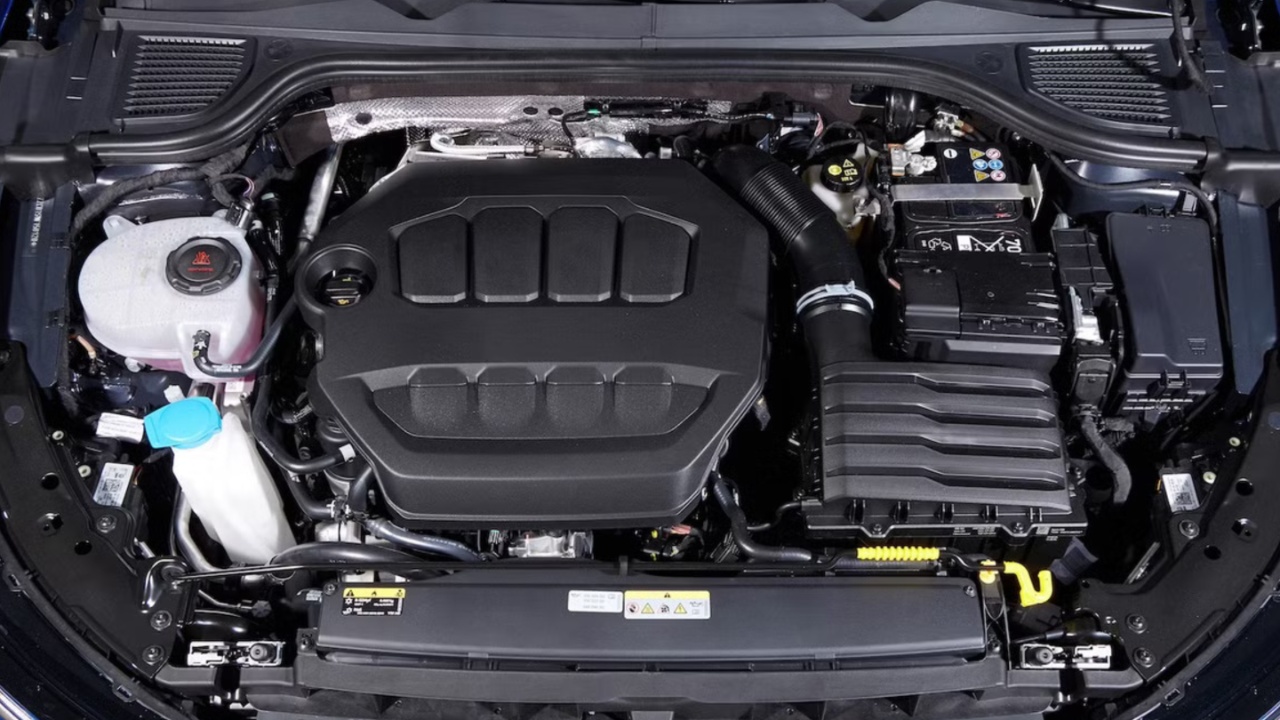
Volkswagen Audi EA888 Turbo
The Volkswagen Audi EA888 Gen 1 and Gen 2 engines are 2.0 liter turbocharged four cylinder engines that use direct injection. These engines are well known for strong performance and good fuel efficiency, but they are also widely associated with intake valve carbon buildup over time.
Because fuel is injected directly into the combustion chamber, the intake valves do not receive fuel spray. This means oil vapor from the positive crankcase ventilation system can slowly accumulate on the valves. Over time, this forms hard carbon deposits that can restrict airflow and reduce engine efficiency.
Many owners of these engines report symptoms such as rough idle, reduced acceleration, and misfires at higher mileage. These issues are often linked to carbon buildup inside the intake system. Cleaning the intake valves requires manual carbon removal, which can be labor intensive and costly.
Driving conditions also affect buildup severity. Short trips and city driving increase the likelihood of deposits forming, while long highway drives may reduce but not eliminate the problem. Maintenance practices such as oil quality and service intervals also influence buildup rates.
Despite these issues, the EA888 engines remain popular due to their performance. However, intake carbon buildup is a well documented concern associated with their direct injection design.
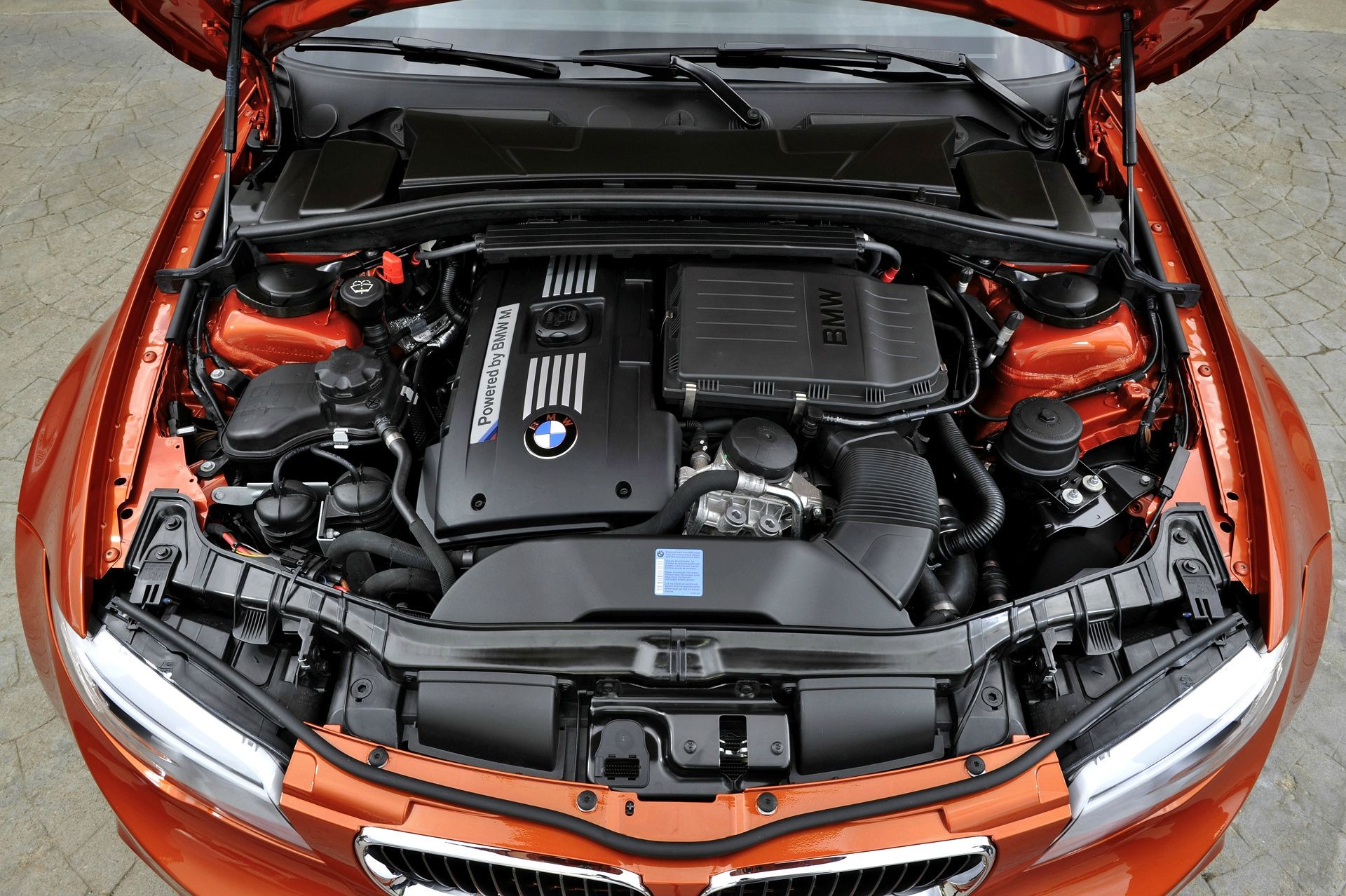
BMW N54 Engine
The BMW N54 is a 3.0 liter twin turbocharged inline six engine that uses direct injection. It is known for strong performance and tuning potential, but it also has a reputation for intake valve carbon buildup over time.
The direct injection system contributes to this issue because fuel does not pass over the intake valves. Instead, oil vapors from the crankcase ventilation system can accumulate on the valves and form thick deposits. This buildup can restrict airflow and reduce engine efficiency.
Owners often experience symptoms such as uneven idle, reduced throttle response, and occasional misfires as mileage increases. Carbon cleaning procedures are commonly required to restore performance. This typically involves walnut blasting or similar intake cleaning methods.
The N54’s turbocharged nature also increases intake temperatures, which can accelerate deposit formation under certain conditions. Combined with its performance oriented design, this makes maintenance more demanding compared to port injected engines.
While the N54 is highly regarded for performance, its direct injection system makes it more prone to intake carbon buildup compared to simpler engine designs.

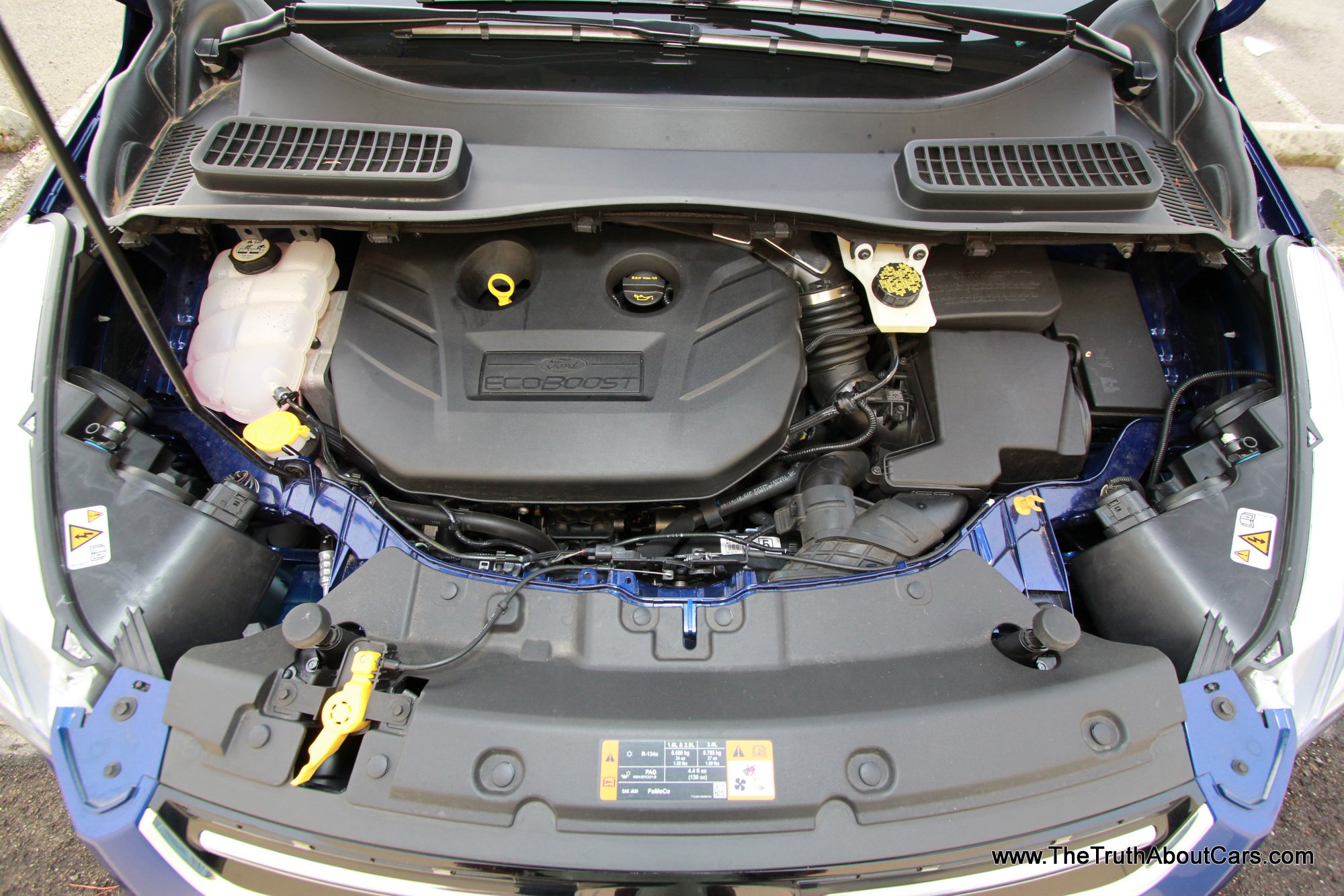
Ford EcoBoost 2.0 and 2.3 Engines
Ford EcoBoost 2.0 and 2.3 liter engines use direct injection and turbocharging to achieve strong performance and fuel efficiency. However, these engines have also been associated with intake valve carbon buildup over time.
Since fuel is injected directly into the combustion chamber, intake valves are not cleaned by fuel flow. This allows oil vapors from the crankcase ventilation system to accumulate gradually on valve surfaces. Over time, this can restrict airflow and reduce engine performance.
Common symptoms include rough idle, hesitation during acceleration, and reduced fuel efficiency. These issues tend to appear more frequently in vehicles used for short trips or heavy city driving conditions.
Regular maintenance helps slow the buildup process, but does not fully prevent it. Intake cleaning procedures may be required after higher mileage to restore proper airflow and performance.
Despite these concerns, EcoBoost engines remain widely used due to their strong power output and efficiency advantages, but intake carbon buildup remains a known long term maintenance consideration.
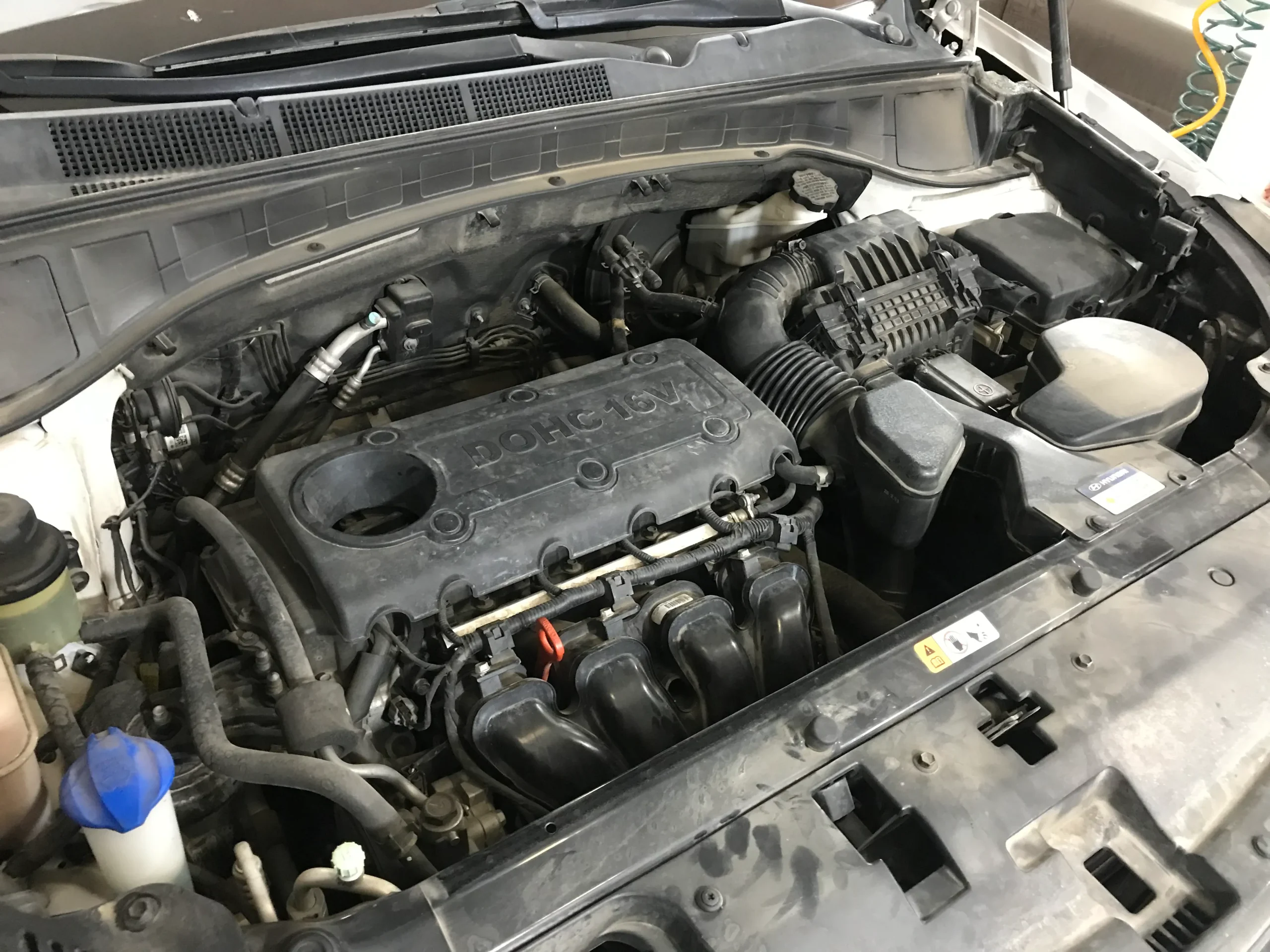
Hyundai Kia Theta II GDI Engines
The Hyundai Kia Theta II GDI engines are 2.0 and 2.4 liter direct injection engines used in various Hyundai and Kia models. These engines are known for performance improvements compared to earlier designs, but they also face intake valve carbon buildup concerns.
The direct injection system improves fuel efficiency and power delivery, but it eliminates the cleaning effect of fuel on intake valves. This allows oil vapor deposits to accumulate over time, especially under stop and go driving conditions.
Drivers may experience rough idle, reduced acceleration response, and occasional engine hesitation as deposits build up. These symptoms are often linked to restricted airflow caused by carbon accumulation on intake valves.
Maintenance practices such as frequent oil changes and using high quality oil can help reduce buildup, but do not fully eliminate the issue. Intake cleaning may eventually be required to restore performance.
While Theta II engines deliver strong performance, their direct injection design makes them more sensitive to intake carbon buildup compared to port injected alternatives.
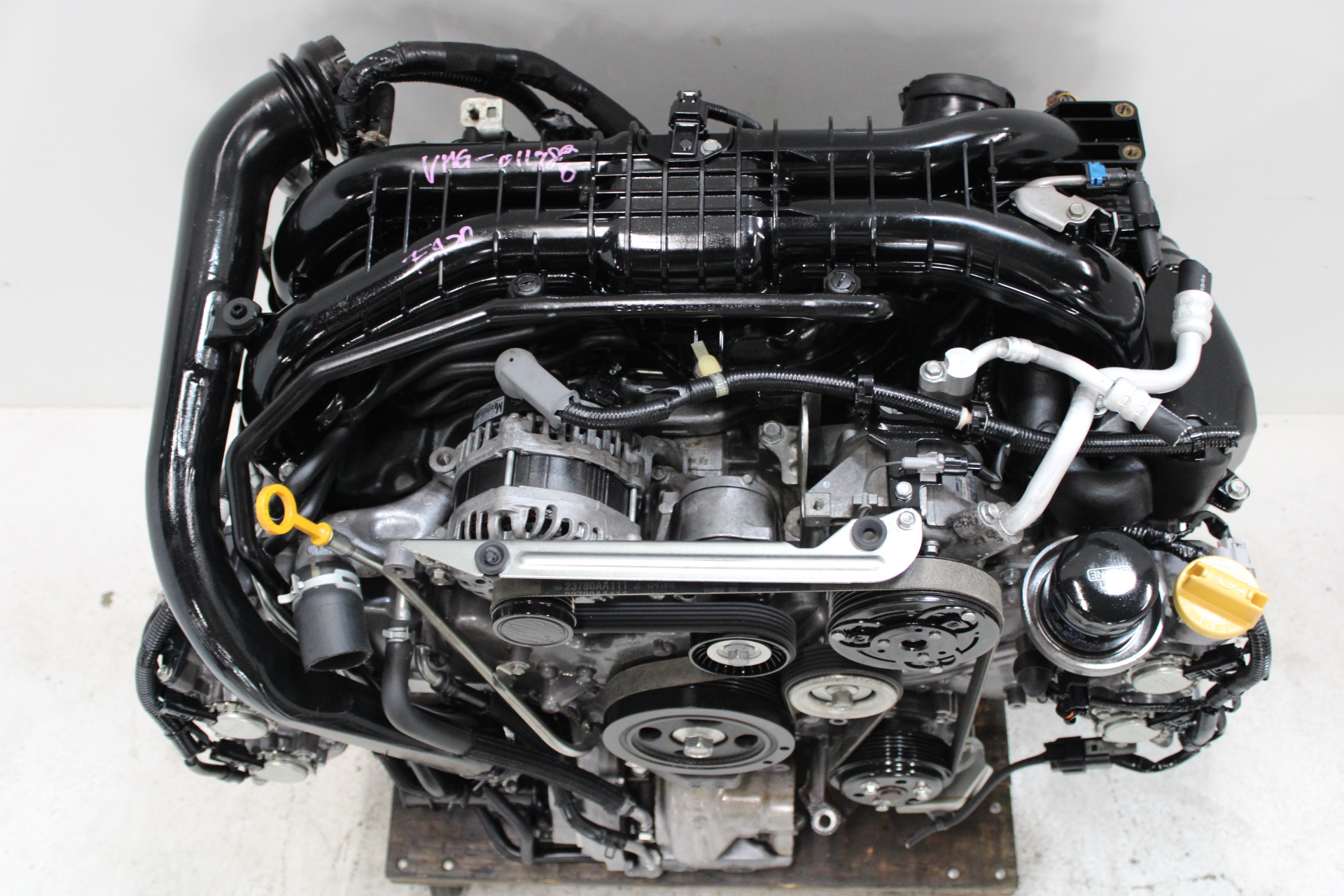
Subaru FA20 DIT Engine
The Subaru FA20 DIT is a 2.0 liter turbocharged direct injection engine used in performance oriented Subaru models. It is known for strong low end torque and efficiency, but it also has a known tendency for intake valve carbon buildup.
Because it uses direct injection, fuel does not pass over the intake valves. This allows oil vapor from the crankcase ventilation system to accumulate on valve surfaces over time. These deposits can gradually restrict airflow and affect engine performance.
Owners may notice symptoms such as rough idle, reduced throttle response, and occasional misfires at higher mileage. These issues are often linked to carbon buildup inside the intake system.
Driving style and maintenance habits play a significant role in how quickly buildup develops. Short trips and frequent stop and go driving tend to increase deposit formation, while steady highway driving may reduce severity.
Despite these concerns, the FA20 DIT remains a strong performance engine, but intake carbon buildup is a known maintenance consideration due to its direct injection design.
