
Cold weather has a way of turning even a short drive into a stressful situation. One minute the road looks clear, and the next, you are dealing with icy pavement, a stalled engine, or a sudden breakdown far from help. Winter 2026 is expected to bring unpredictable conditions across many regions, which makes preparation more than just a smart idea. It becomes a real advantage.
A well-stocked car emergency kit is not about overpacking your trunk. It is about having the right tools within reach when conditions turn against you. From keeping warm during unexpected delays to staying visible during low-light emergencies, the items you carry can make a huge difference in how safely you handle a roadside issue.
Think of your car as more than transportation during winter. It becomes your temporary shelter, your safety zone, and sometimes your lifeline. Drivers of vehicles like the Toyota RAV4 Hybrid Limited 2026 or the Ford F-150 XLT SuperCrew 2026 already benefit from modern features, yet no technology replaces the value of being prepared.
This guide breaks down twelve essential items every driver should keep in their car this winter. Each one serves a clear purpose, and together they form a practical, reliable emergency kit that supports you when conditions are far from ideal.
1. Thermal Blankets That Keep Heat Locked In
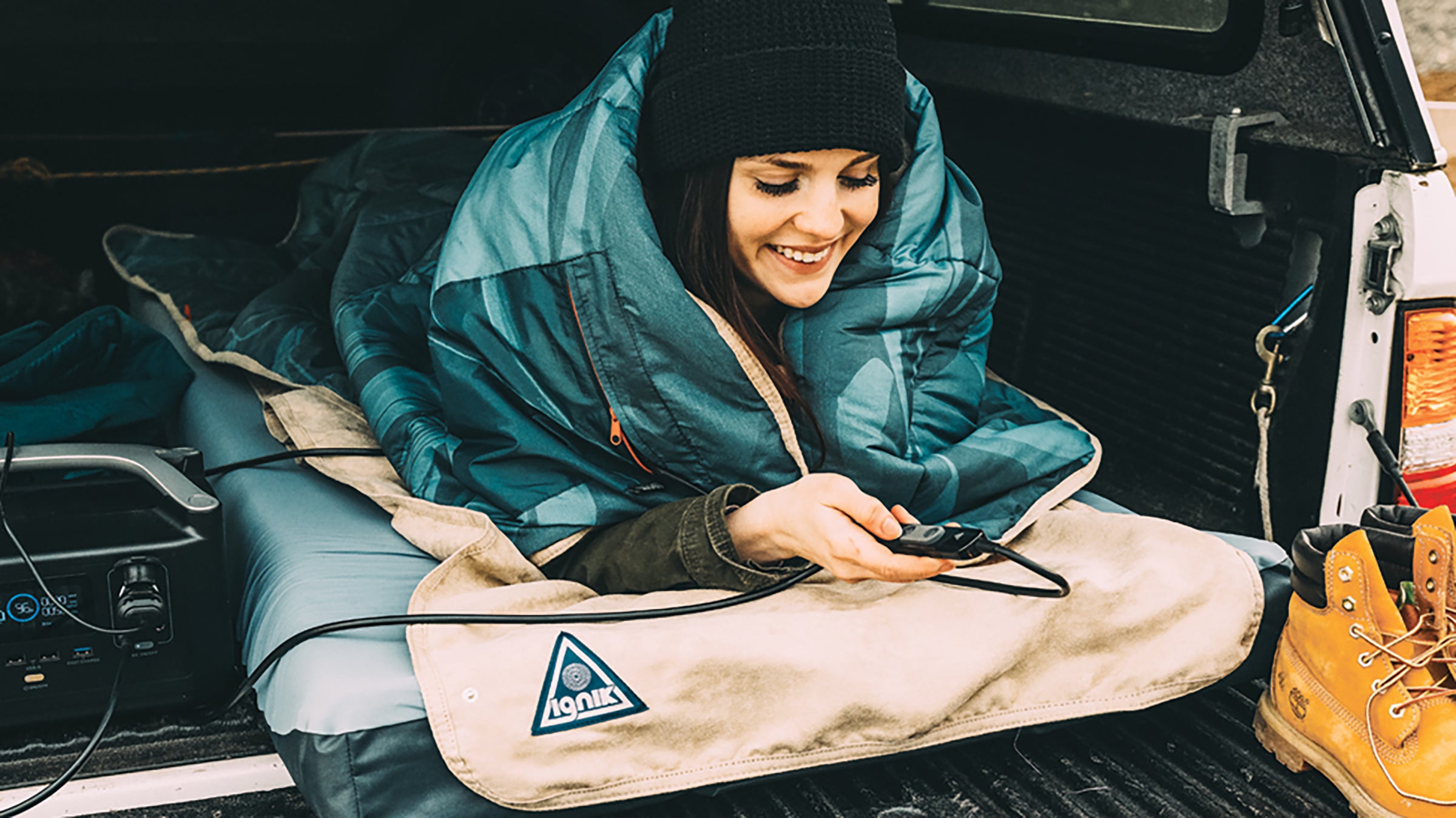
Cold has a way of creeping in faster than expected, especially when your vehicle is no longer running. A thermal blanket may look simple, yet it plays a powerful role when temperatures drop sharply. Picture a situation where your car stalls during a snowstorm.
The engine shuts off, and the heat disappears quickly. Without insulation, body temperature can fall at an uncomfortable rate. This is where a compact thermal blanket becomes essential. These blankets are designed to reflect and retain body heat, helping you stay warm even in freezing conditions.
Drivers in vehicles such as the Honda CR-V EX-L AWD 2026 often rely on climate control systems for comfort, though those systems cannot function if the engine fails. Having a thermal blanket bridges that gap. It ensures that even when technology is no longer working, you still have a layer of protection.
Storage is another benefit. Thermal blankets fold down into a small size, which makes them easy to tuck into a glove compartment or under a seat. Despite their compact nature, they can cover your entire body and provide immediate warmth when needed.
Some drivers choose to carry more than one blanket, especially if they travel with passengers. That decision can make a difference during longer waits for roadside assistance. Sharing warmth is helpful, though having individual blankets increases comfort and safety.
Material matters as well. Mylar blankets, often referred to as space blankets, are lightweight and highly effective. Wool alternatives provide additional comfort but take up more space. A balanced approach involves carrying at least one lightweight emergency blanket alongside a thicker option.
Cold weather rarely gives advance notice before becoming uncomfortable. Having a thermal blanket in your car ensures you are not left relying solely on your vehicle for warmth. It is a straightforward addition that delivers real value when conditions demand it.
2. A Portable Jump Starter That Saves You From Being Stranded
Dead batteries seem to happen at the worst possible time. Winter makes that problem even more common, as low temperatures reduce battery efficiency and increase the strain on electrical systems. Imagine turning the key in your Chevrolet Silverado 1500 LT Trail Boss 2026 and hearing nothing but a faint clicking sound.
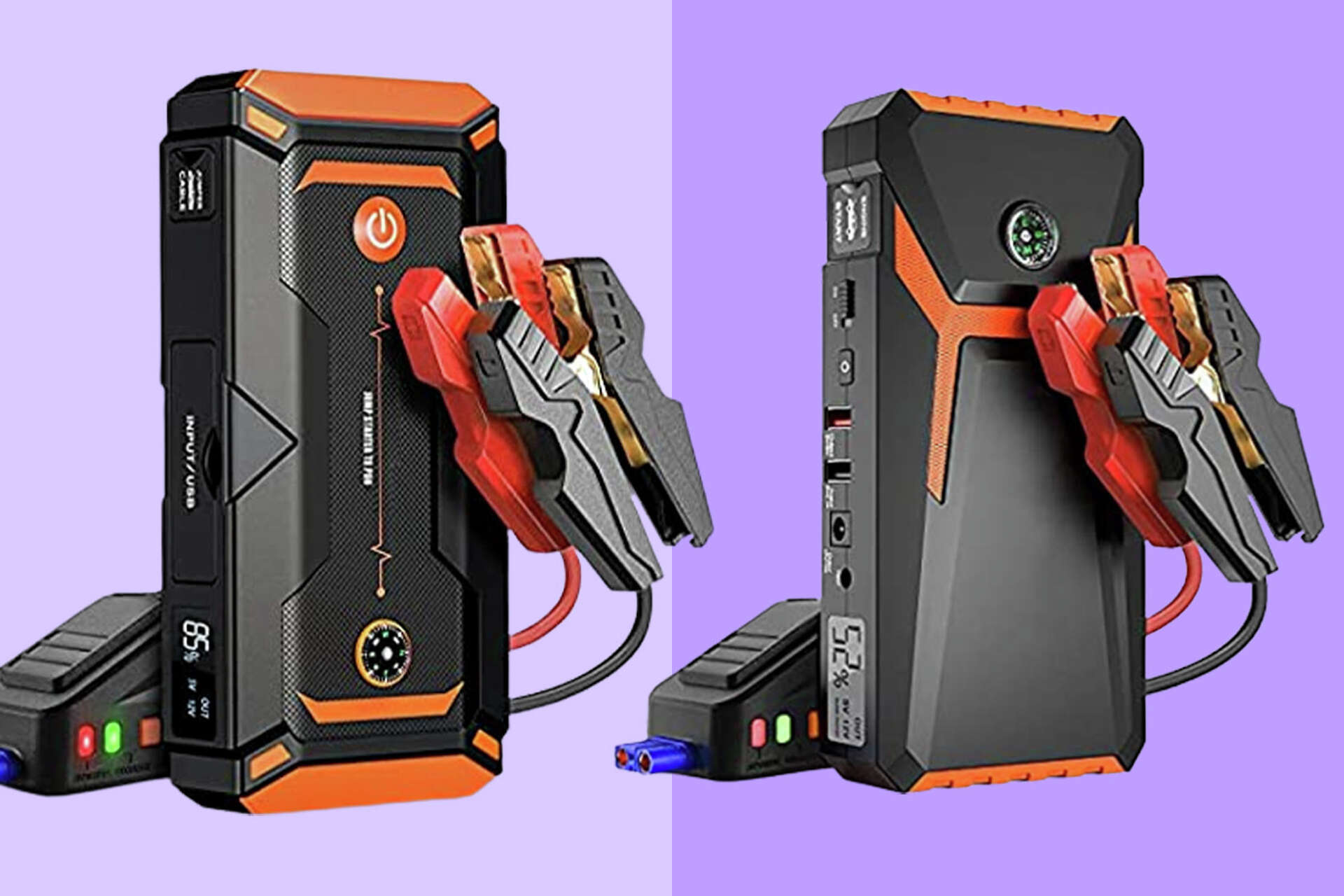
That moment can quickly turn frustrating, especially if you are far from help. A portable jump starter eliminates the need to depend on another driver or wait for roadside assistance. Unlike traditional jumper cables, a portable jump starter works independently.
It contains its own power source, allowing you to restart your vehicle without external support. This level of independence can be a huge advantage during late-night breakdowns or in isolated areas. Ease of use is one of the biggest strengths of modern jump starters.
Many models include clear instructions, built-in safety protections, and simple clamp systems that reduce the risk of incorrect connections. Even drivers with minimal mechanical knowledge can use them confidently. Extra features often come included.
Some jump starters double as power banks for charging phones, while others have built-in flashlights for nighttime visibility. These additions may seem secondary, though they add convenience during stressful situations. Battery capacity is worth paying attention to.
Larger engines require more power, so selecting a jump starter that matches your vehicle’s needs is important. For instance, a driver of the Jeep Grand Cherokee Limited 4×4 2026 would benefit from a higher-capacity unit compared to someone driving a compact sedan.
Charging the jump starter regularly ensures it is ready when needed. Keeping it in your trunk without checking its charge defeats its purpose. A quick monthly check can prevent disappointment later. Winter driving comes with enough challenges already. A portable jump starter removes one major source of worry by giving you control over one of the most common roadside problems.
Also Read: 8 Tips for Maintaining Your Vehicle Paint Without Professional Help
3. Ice Scraper and Snow Brush for Clear Visibility
Visibility is not optional when driving in winter. Ice-covered windshields and snow-packed windows can turn a simple trip into a dangerous experience if left unaddressed. Stepping outside to find your car buried under snow is frustrating enough.
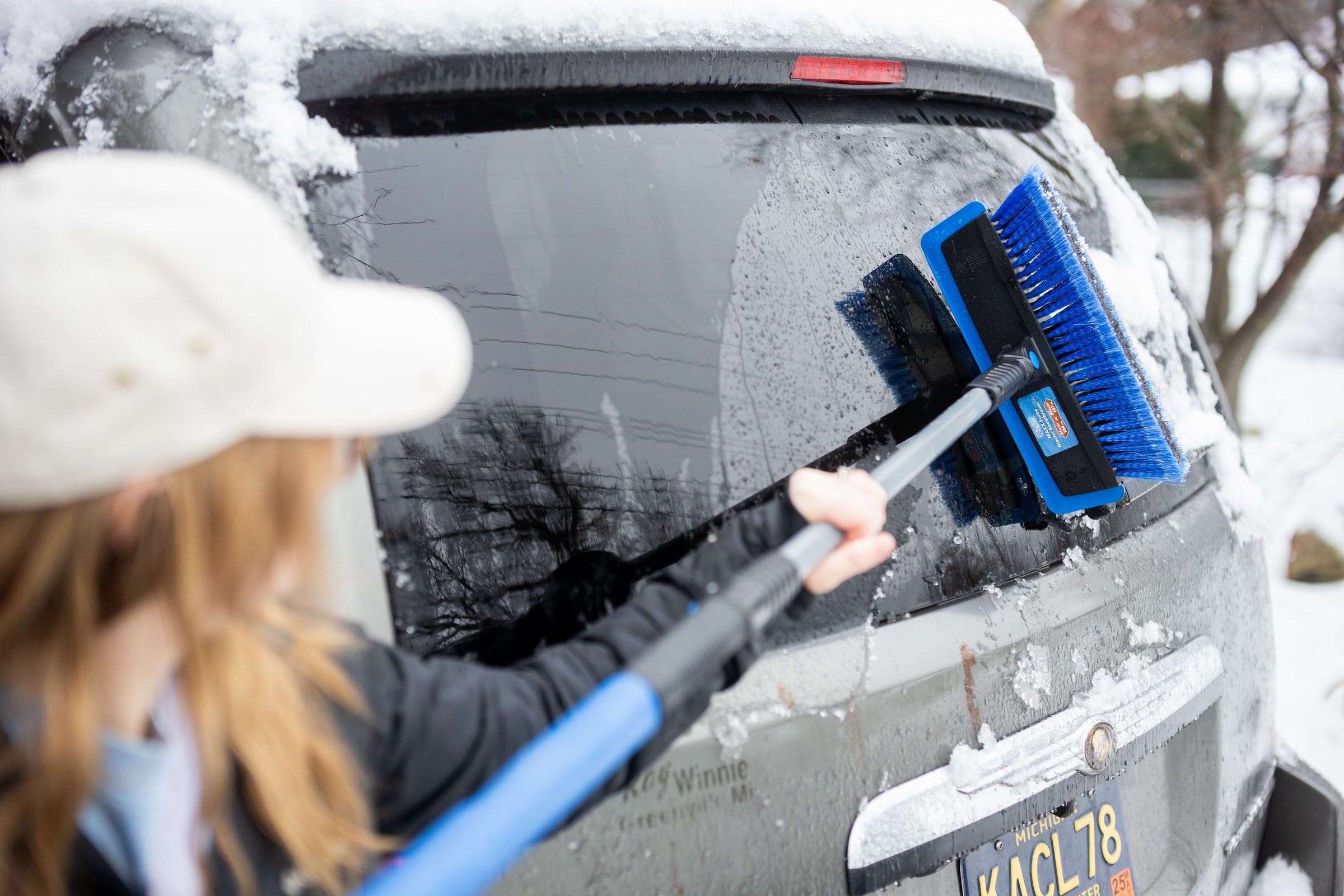
Starting your Subaru Outback Touring XT 2026 without clearing the glass properly makes matters worse. A reliable ice scraper and snow brush combination solves this problem quickly and effectively. A good tool does more than just scrape ice.
It helps you remove snow from the roof, hood, and mirrors, all of which can affect visibility while driving. Snow left on top of your car can slide forward when braking, blocking your view in an instant. Design plays an important role. A sturdy handle with a comfortable grip allows you to apply the pressure needed to break through thick ice. A rotating brush head can make it easier to reach different angles without straining your arms.
Some drivers underestimate how stubborn ice can be. Thin layers may come off easily, though thicker buildup requires a durable scraper with a sharp edge designed specifically for that purpose. Cheap tools often break under pressure, leaving you stuck halfway through the job.
Keeping the scraper inside your vehicle instead of the trunk can be helpful. If your car is locked in ice, accessing the trunk may not be easy. Placing the tool within reach ensures you can start clearing your windows right away. Routine use of a snow brush also protects your car.
Clear visibility is one of the most basic safety requirements on the road. Carrying a dependable ice scraper and snow brush ensures you meet that requirement every time you head out in winter conditions.
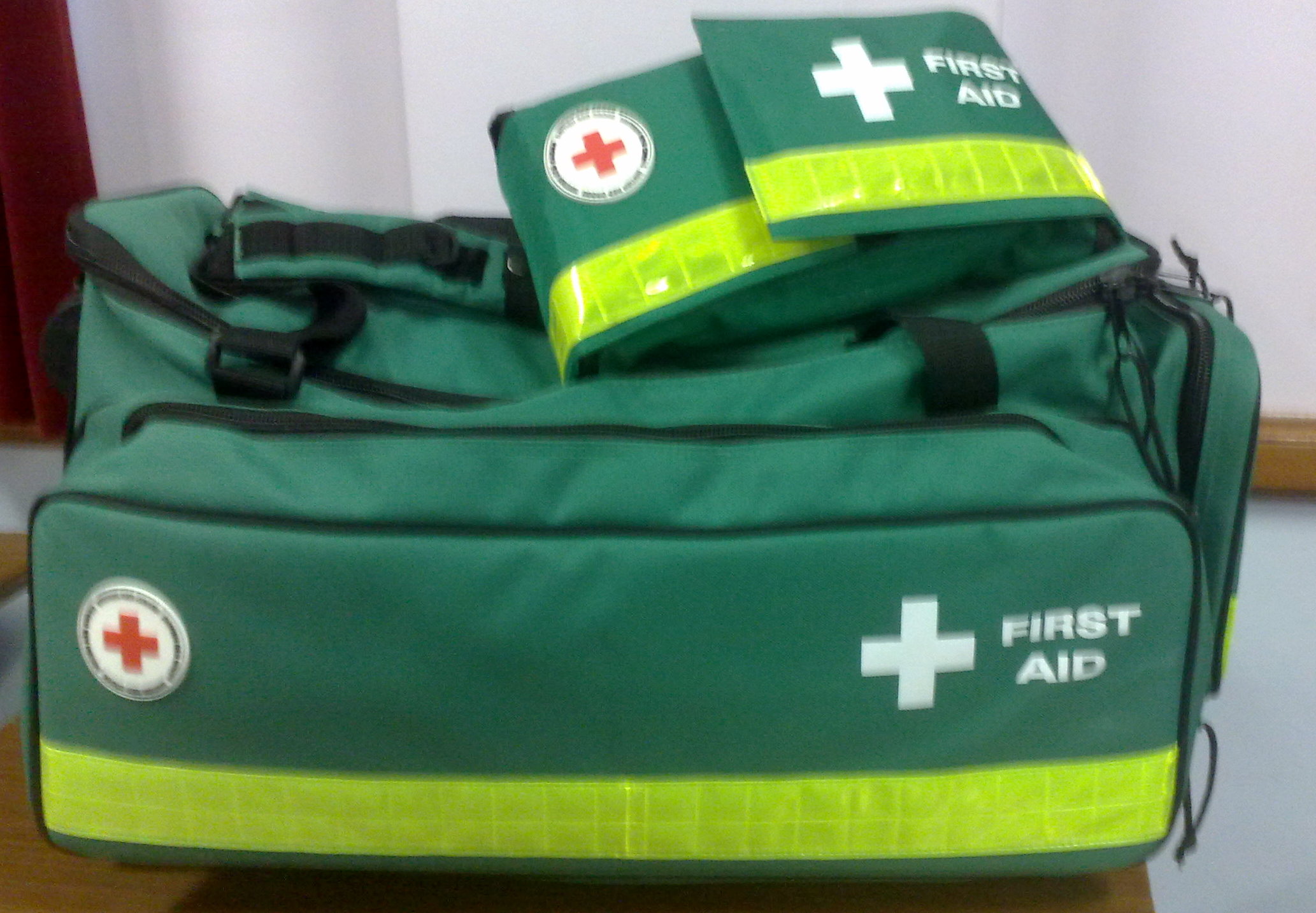
4. First Aid Kit for Unexpected Injuries
Accidents do not wait for ideal conditions. Winter roads can be unpredictable, and even minor incidents may lead to injuries that require immediate attention. A well-stocked first aid kit provides a sense of readiness that is hard to replace. Whether it is a small cut, a sprain, or a more serious issue, having basic medical supplies within reach allows you to respond quickly.
Consider a scenario involving a Nissan Rogue Platinum AWD 2026 parked after a minor collision. Adrenaline is high, and someone has a small wound that needs care. Without a first aid kit, even a simple injury becomes harder to manage. With one, you can clean the wound, apply a bandage, and reduce the risk of complications.
A strong kit includes essentials such as adhesive bandages, antiseptic wipes, gauze, medical tape, scissors, and gloves. Adding items like pain relievers and thermal packs can increase its usefulness. Organization matters here. Kits with labeled compartments make it easier to find what you need quickly. During stressful moments, searching through a cluttered bag wastes valuable time.
Regular checks are just as important as the kit itself. Supplies can expire, and items may get used without being replaced. Taking a few minutes every couple of months to restock ensures everything remains ready for use. Some drivers take an extra step by learning basic first aid techniques.
While the kit provides the tools, knowledge determines how effectively those tools are used. Even simple skills can make a difference in an emergency. Winter driving introduces additional risks, and preparation helps reduce their impact. A first aid kit is one of those items that you hope you never need, though you will be glad to have it if the situation calls for it.
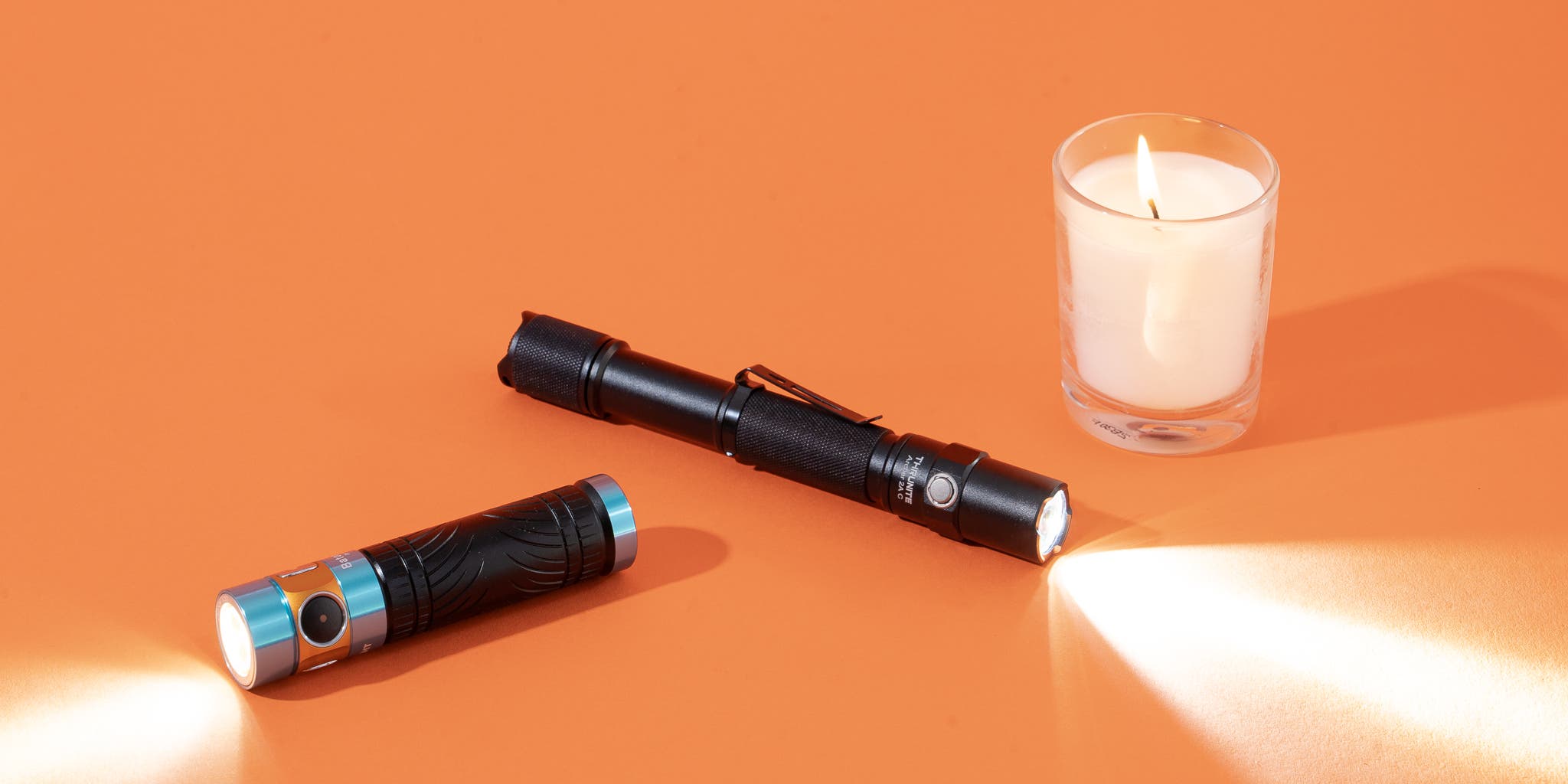
5. Flashlight With Extra Batteries for Nighttime Situations
Darkness adds another layer of difficulty to any roadside problem. Winter days are shorter, and poor weather can reduce visibility even during daylight hours. A reliable flashlight turns confusion into clarity. It helps you inspect your vehicle, signal for help, and stay aware of your surroundings when natural light is limited.
Think about pulling over in your Hyundai Santa Fe Calligraphy AWD 2026 during a snowstorm at night. Without proper lighting, even simple tasks like checking under the hood become difficult. A flashlight allows you to see what you are doing and reduces the chance of mistakes.
Brightness is an important factor. A flashlight with adjustable settings gives you flexibility, allowing you to conserve battery when full brightness is not needed. LED options tend to last longer and provide consistent illumination. Carrying extra batteries is a smart move. A flashlight is only useful if it works when you need it. Keeping spare batteries ensures you are not left in the dark at the worst possible time.
Durability should not be overlooked. Cold temperatures can affect battery performance, so choosing a flashlight designed for outdoor use makes sense. Water resistance adds another layer of reliability during snowy or wet conditions.
Placement inside your car matters as well. Keeping the flashlight within easy reach allows you to grab it quickly without searching through your trunk in the dark. Light brings confidence to situations that might otherwise feel overwhelming. A dependable flashlight, paired with extra batteries, gives you that confidence whenever winter conditions reduce visibility.

6. Non-Perishable Food and Bottled Water for Sustenance
Waiting for help can take longer than expected, especially during severe weather. Having food and water on hand keeps you energized and focused while you deal with the situation. Energy levels drop quickly in cold conditions. Staying nourished helps your body maintain warmth and alertness. Simple items like energy bars, nuts, and dried fruit provide quick calories without requiring preparation.
Picture being stuck on a snowy road in your Mazda CX-50 Turbo Premium Plus 2026 with limited access to nearby services. Hunger and dehydration can make an already stressful situation harder to handle. Having supplies in your car removes that concern.
Water is just as important as food. Dehydration can occur even in cold weather, and staying hydrated supports both physical and mental performance. Bottled water stored in your car ensures you always have access to it. Choosing the right storage method helps maintain quality. Sealed containers protect food from moisture, while insulated storage can prevent water from freezing in extremely low temperatures.
Rotating supplies every few months keeps everything fresh. Eating and replacing items as part of your routine prevents waste and ensures your emergency kit stays ready. Portion control is another consideration. Packing individual servings makes it easier to manage your supplies during a prolonged wait. It also allows you to share with passengers if needed.
Food and water provide more than just physical support. They offer a sense of stability during uncertain moments. Keeping these essentials in your car ensures you are prepared to handle delays without unnecessary discomfort.
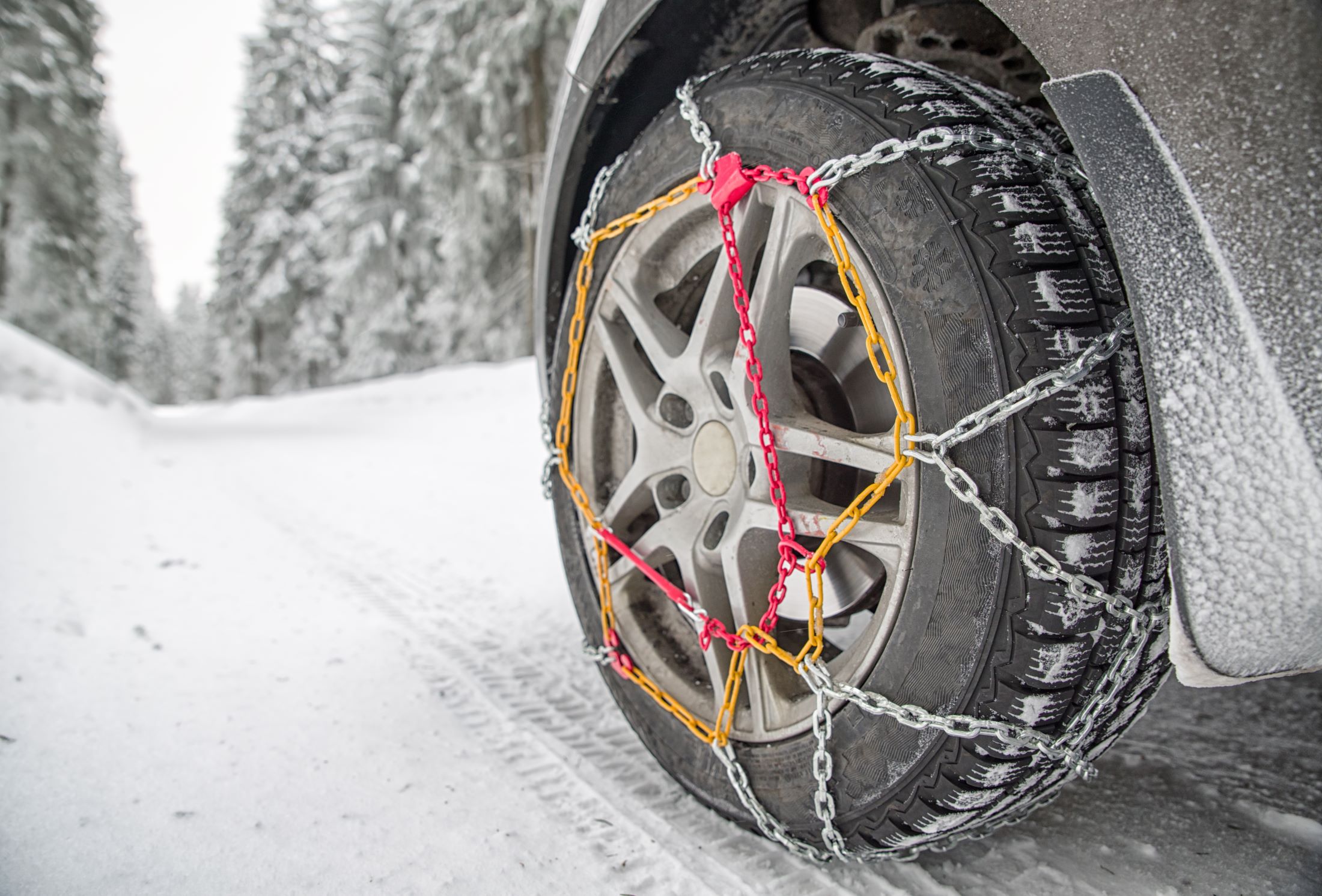
7. Tire Chains or Traction Mats for Better Grip
Winter roads often present surfaces that reduce tire grip without warning. Snow, ice, and slush can turn even a short drive into a struggle for control. Carrying tire chains or traction mats offers a practical way to handle these situations with confidence.
Imagine driving a Ford Explorer ST 2026 up a steep, snow-covered road. The wheels begin to spin, and forward motion slows to a halt. That moment can feel frustrating, though tire chains provide a direct solution. By wrapping around the tires, they create extra traction, allowing your vehicle to grip the road and move forward safely.
Traction mats serve a similar purpose, though they work differently. Instead of attaching to the tires, they are placed under the wheels to provide a stable surface. This makes them especially useful if your car is stuck in snow or ice. Drivers who prefer a simpler setup often choose mats because they are easy to use and require no installation.
Selecting the right option depends on your driving habits. Those who frequently travel through mountainous or snowy areas may benefit from tire chains due to their consistent performance. Drivers who stay within urban environments might find traction mats more convenient for occasional use.
Storage and accessibility should be considered as well. Keeping chains or mats in an easy-to-reach location ensures you can use them quickly when needed. Waiting too long to install them can make the situation more difficult, especially if weather conditions worsen.
Practice plays a role in preparation. Learning how to install tire chains before an emergency saves time and reduces stress later. Many drivers underestimate how challenging installation can feel in freezing conditions, so familiarity makes a real difference.
Winter roads demand adaptability. Tire chains and traction mats give you the tools to handle slippery conditions with greater control, turning a potentially stressful moment into a manageable one.
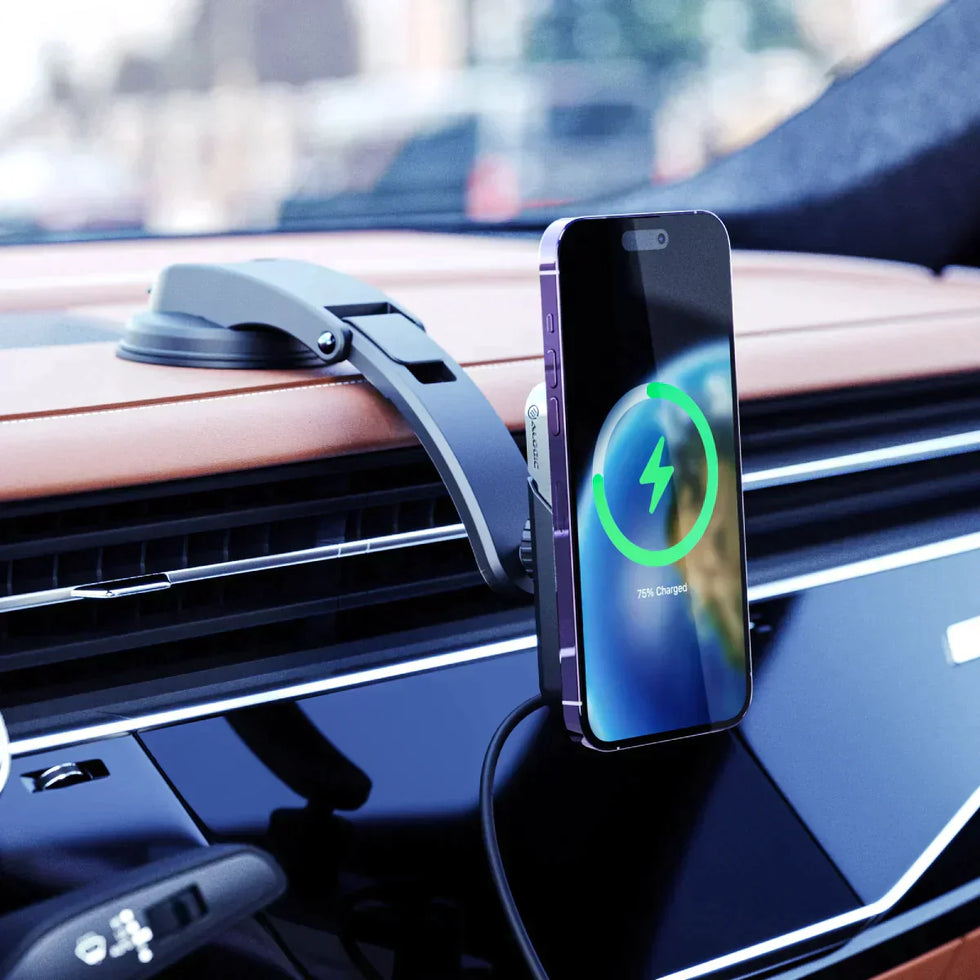
8. Portable Phone Charger to Stay Connected
Staying connected during winter travel is not just about convenience. It is about safety, communication, and peace of mind. A portable phone charger ensures that your device remains powered when you need it most. Consider a scenario involving a Kia Telluride SX Prestige X-Pro AWD 2026 during a long trip. A delay occurs due to severe weather, and your phone battery begins to drop.
Without a charger, contacting roadside assistance or checking weather updates becomes difficult. A portable charger prevents that problem by keeping your phone ready for use. Modern chargers offer more than simple power. Many include multiple ports, allowing you to charge more than one device at a time. This becomes especially helpful if you are traveling with others who also rely on their phones.
Capacity is an important factor. Higher-capacity chargers can recharge your phone multiple times before needing to be recharged themselves. This is useful during extended delays when access to power outlets is limited. Durability should not be overlooked.
Cold temperatures can affect battery performance, so selecting a charger designed for outdoor use ensures reliability. Compact designs make it easy to store the charger in your glove compartment or center console. Charging cables are just as important as the charger itself.
Keeping an extra cable in your emergency kit prevents frustration if your primary cable becomes damaged or misplaced. Routine charging of the power bank keeps it ready for use. A simple habit of recharging it after each trip ensures that it is always prepared when needed.
Connection to the outside world can make a stressful situation feel manageable. A portable phone charger supports that connection, allowing you to call for help, access navigation tools, and stay informed during winter travel.

9. Multi-Tool or Basic Toolkit for Quick Fixes
Unexpected mechanical issues can happen without warning, especially during colder months. Having a multi-tool or basic toolkit in your car allows you to handle small problems without waiting for assistance. Picture driving a Volkswagen Atlas Cross Sport SEL Premium R-Line 2026 when a minor issue arises, such as a loose battery terminal or a detached component. Without tools, even a simple fix becomes impossible.
With a toolkit, you can address the issue quickly and continue your journey. A well-rounded kit includes essentials like screwdrivers, pliers, a wrench set, and a tire pressure gauge. Multi-tools combine several functions into one compact device, making them a popular choice for drivers who want to save space.
Ease of use is an important factor. Tools with ergonomic grips provide better control, especially when working in cold conditions. Gloves can make handling tools more difficult, so selecting designs that are easy to manage adds convenience.
Durability also matters. Tools made from high-quality materials are less likely to break under pressure. Investing in a reliable set ensures that your tools perform when needed. Organization improves efficiency. Keeping tools in a dedicated case prevents them from shifting around your trunk and makes it easier to find what you need. During an emergency, quick access can save valuable time.
Basic knowledge of how to use these tools increases their value. Simple tasks such as tightening a bolt or adjusting a connection can make a difference in resolving minor issues. Mechanical problems do not always require professional help.
A multi-tool or basic toolkit gives you the ability to handle small fixes on your own, reducing downtime and helping you stay on track during winter travel.
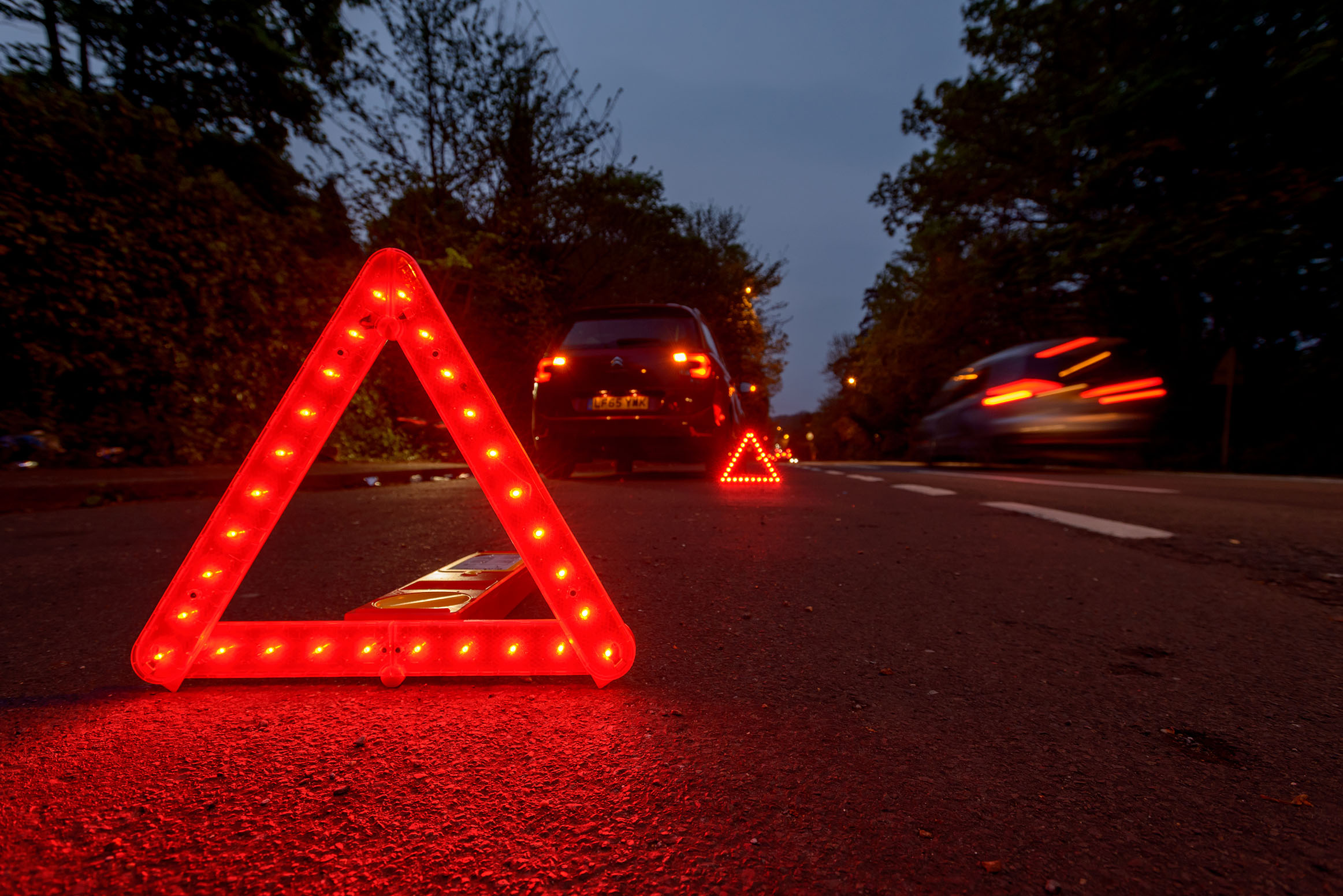
10. Reflective Warning Triangles for Roadside Visibility
Safety on the roadside depends heavily on visibility. Poor weather, low light, and fast-moving traffic create conditions where being seen becomes essential. Reflective warning triangles provide a simple yet effective way to alert other drivers.
Imagine pulling over in a Ram 1500 Laramie Crew Cab 2026 during a snowstorm. Visibility is limited, and passing vehicles may not notice your stopped car in time. Placing reflective triangles behind your vehicle creates a visual warning that helps others slow down and steer clear. Placement is important for effectiveness.
Positioning the triangles at a safe distance behind your car gives approaching drivers enough time to react. Using more than one triangle increases visibility from different angles, which is especially helpful on curved roads. Ease of setup adds to their practicality. Most triangles are designed to fold compactly and expand quickly when needed. This allows you to deploy them without spending too much time exposed to harsh weather conditions.
Durability ensures they remain effective. High-quality triangles are built to withstand wind, snow, and repeated use. Bright reflective surfaces enhance visibility even in low-light situations. Storage is simple, as triangles usually come with a compact case that fits easily in your trunk. Keeping them within reach ensures you can set them up quickly when needed.
Roadside safety is not just about your vehicle. It involves ensuring that other drivers are aware of your presence. Reflective warning triangles provide a clear signal, reducing the risk of accidents and helping create a safer environment during winter emergencies.
11. Warm Clothing and Gloves for Extra Protection
Cold weather can become uncomfortable very quickly, especially if you are forced to step outside your vehicle. Keeping extra warm clothing and gloves in your car adds a layer of protection that supports your comfort and safety. Think about stepping out of a Tesla Model Y Long Range AWD 2026 to inspect a problem during freezing temperatures.
Without proper clothing, even a short period outside can feel unbearable. Having spare items such as gloves, hats, and insulated jackets allows you to handle the situation more effectively. Layering is a practical approach. Multiple layers trap heat more efficiently than a single thick garment.
Packing items like thermal shirts, scarves, and socks ensures you can adjust your clothing based on the conditions. Material choice matters. Wool and synthetic fabrics provide better insulation compared to cotton, which tends to retain moisture and lose warmth. Selecting the right materials improves comfort during extended exposure to cold.
Storage considerations come into play as well. Keeping clothing in a waterproof bag protects it from moisture and ensures it remains dry when needed. Compact packing methods help save space while keeping everything organized.
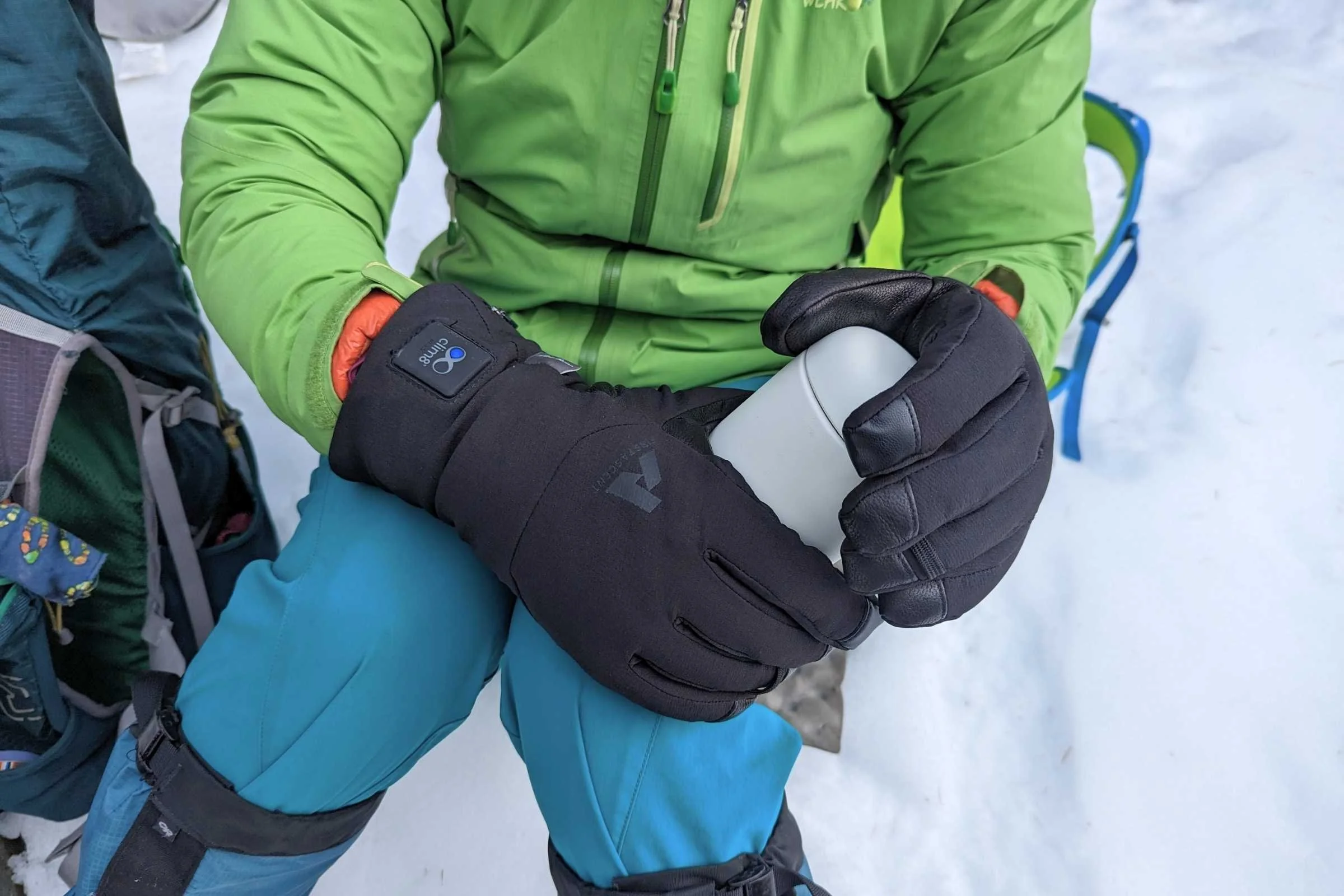
Gloves deserve special attention. Hands are often the first to feel the effects of cold, and having insulated gloves allows you to perform tasks without discomfort. Touchscreen-compatible gloves add convenience by allowing you to use your phone without removing them.
Preparedness extends beyond your vehicle’s capabilities. Warm clothing ensures that you remain comfortable and capable, even when conditions require you to step outside.
Also Read: 8 Tips for Finding a Rust Free Classic Car in the US Southwest
12. Shovel for Digging Out of Snow
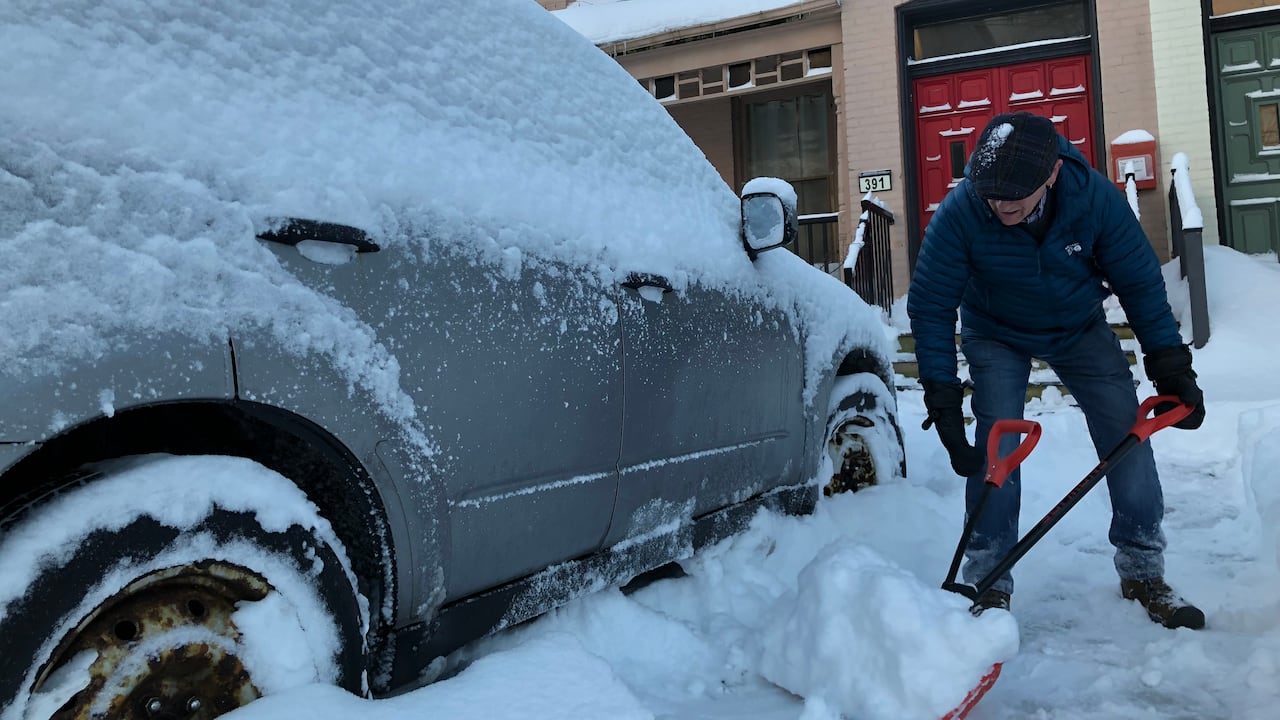
Snow accumulation can trap your vehicle in place, turning a simple parking situation into a challenging obstacle. Carrying a compact shovel gives you the ability to clear a path and regain movement. Visualize a situation where your BMW X5 xDrive40i 2026 is parked during a heavy snowfall. Hours later, the tires are surrounded by packed snow, making it difficult to move.
Without a shovel, freeing the vehicle becomes a frustrating task. With one, you can remove the snow and create space for your tires to gain traction. Compact shovels are designed for easy storage. Many models feature foldable handles or telescoping designs, allowing them to fit neatly in your trunk. Despite their size, they are strong enough to handle dense snow.
Ease of use plays a role in effectiveness. Lightweight materials reduce strain, while sturdy blades allow you to break through packed snow with less effort. A comfortable grip improves control during use. Clearing snow from around your tires is often the first step, though removing buildup from under the car can also help.
Creating a clear path in front of and behind your vehicle increases your chances of moving forward or reversing successfully. Durability ensures the shovel performs when needed. Choosing a model built from strong materials reduces the risk of bending or breaking under pressure.
Preparation makes winter challenges easier to handle. A shovel provides a straightforward solution for one of the most common problems drivers face during snowy conditions, helping you regain mobility and continue your journey with confidence.
