

The 2010s marked a turning point in automotive history, as manufacturers balanced traditional internal combustion engineering with rapidly advancing digital technology. This decade produced vehicles that still felt driver-focused but were increasingly shaped by emissions regulations, safety requirements, and software-driven systems.
As a result, many cars from this era sit in a unique position today. They are modern enough to be reliable and usable, yet old enough to represent a disappearing phase of analog driving.
Collectors and enthusiasts have started paying attention to certain brands from this decade because not every vehicle depreciates forever. Limited production numbers, motorsport heritage, performance engineering, and emotional appeal all influence long-term value.
Cars from brands such as Toyota, BMW, Porsche, and Nissan have already shown signs of appreciation in specific trims and special editions. These are not random guesses but patterns observed in past collectible cycles, where once-affordable sports cars eventually became prized investments.
Unlike older decades where mechanical simplicity defined value, the 2010s introduced a new kind of desirability. Technology-heavy cars may not always age well, but performance-focused models with manual transmissions, naturally aspirated engines, or unique engineering approaches are becoming increasingly rare. That rarity is what drives future demand.
Another important factor is cultural relevance. Cars that influenced motorsport, gaming, tuning culture, or global automotive trends often remain in public memory longer. This emotional connection can sometimes matter more than raw performance numbers. Vehicles like the BMW M series, Nissan GT-R, and Toyota’s sports lineup have already achieved legendary status among enthusiasts who grew up during this era.
As emissions laws tighten and electric vehicles become more dominant, petrol-powered cars from the 2010s will represent the last generation of widely available performance machines. This transition alone is enough to increase interest among collectors who want to preserve driving experiences that will no longer exist in future production cars.
The following sections explore 10 modern classic car brands from the 2010s that are strongly positioned for long-term value growth. Each brand has multiple standout models that reflect the engineering, identity, and cultural importance of the decade. These are not short-term hype cars but vehicles with long-term collector potential based on design, rarity, and enthusiast demand.
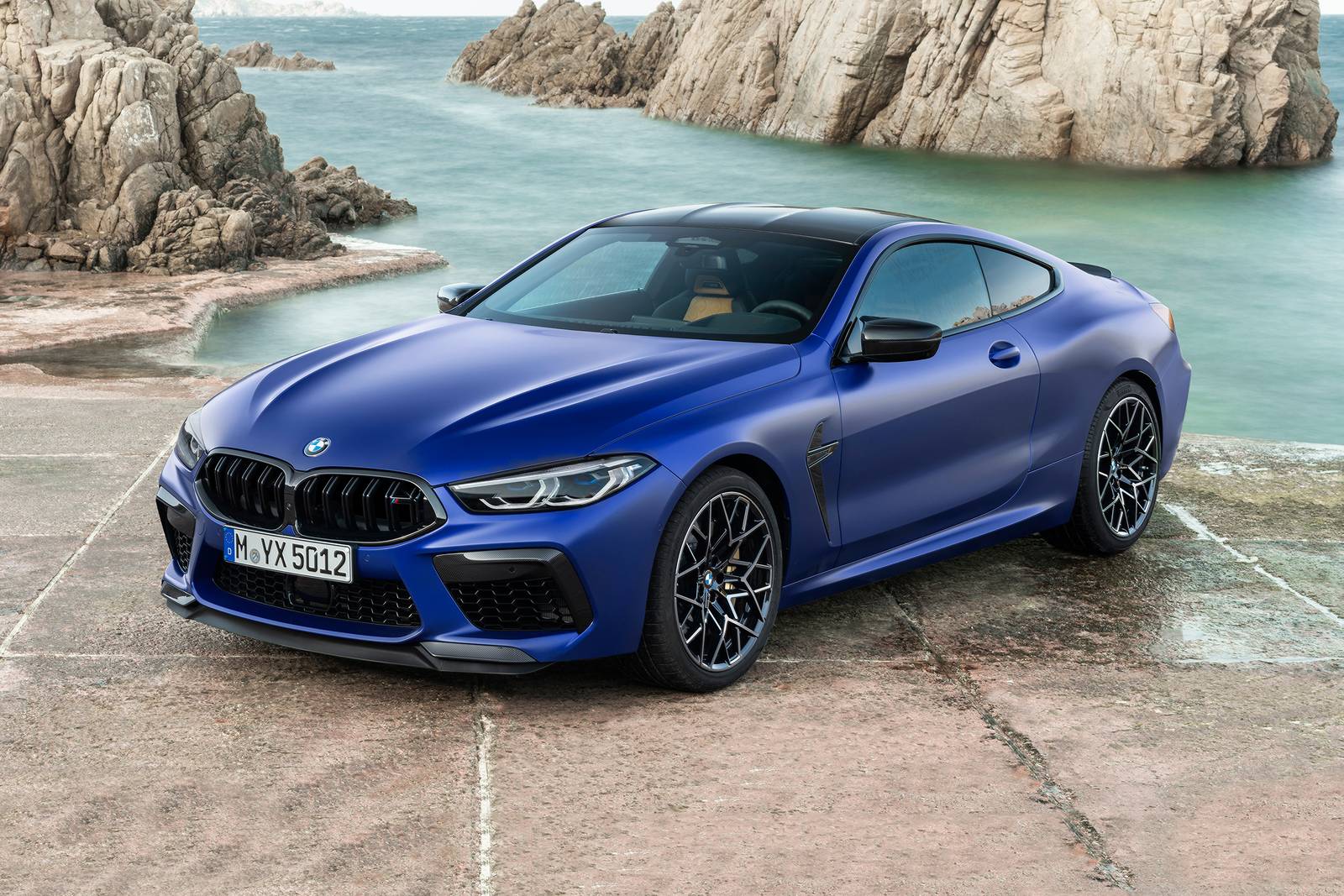
BMW: Engineering Precision and the End of Pure Driving Feel
BMW from the 2010s represents a shift from raw analog driving to a more controlled and technologically enhanced experience. Even so, several models from this era are already becoming highly desirable due to their balance of performance and driver engagement.
BMW’s M division produced some of the most respected performance sedans and coupes of the decade. The F80 M3 and F82 M4 introduced turbocharging to a platform that was previously known for high-revving naturally aspirated engines. While purists initially resisted this change, the result was a car with enormous tuning potential and strong real-world performance. Over time, appreciation has grown for its blend of usability and speed.
Another reason BMW models are rising in value is the availability of manual transmissions. As automatic systems became more dominant, manual M cars started disappearing. Enthusiasts now actively search for well-maintained manual versions, especially in limited configurations. This scarcity is gradually pushing prices upward.
BMW also benefited from motorsport influence. The brand’s involvement in touring car racing and endurance events gave its road cars a performance credibility that many competitors lacked. This connection strengthens long-term desirability among collectors who value racing heritage.
Design also plays a role in value retention. The 2010s BMW styling language is considered by many enthusiasts as the last era of relatively clean, proportioned performance cars before designs became more complex and oversized. This aesthetic balance contributes to long-term appeal.
Finally, BMW’s global popularity ensures a strong aftermarket and enthusiast community. Cars with active communities tend to survive longer in collectible markets because parts, knowledge, and restoration support remain widely available.
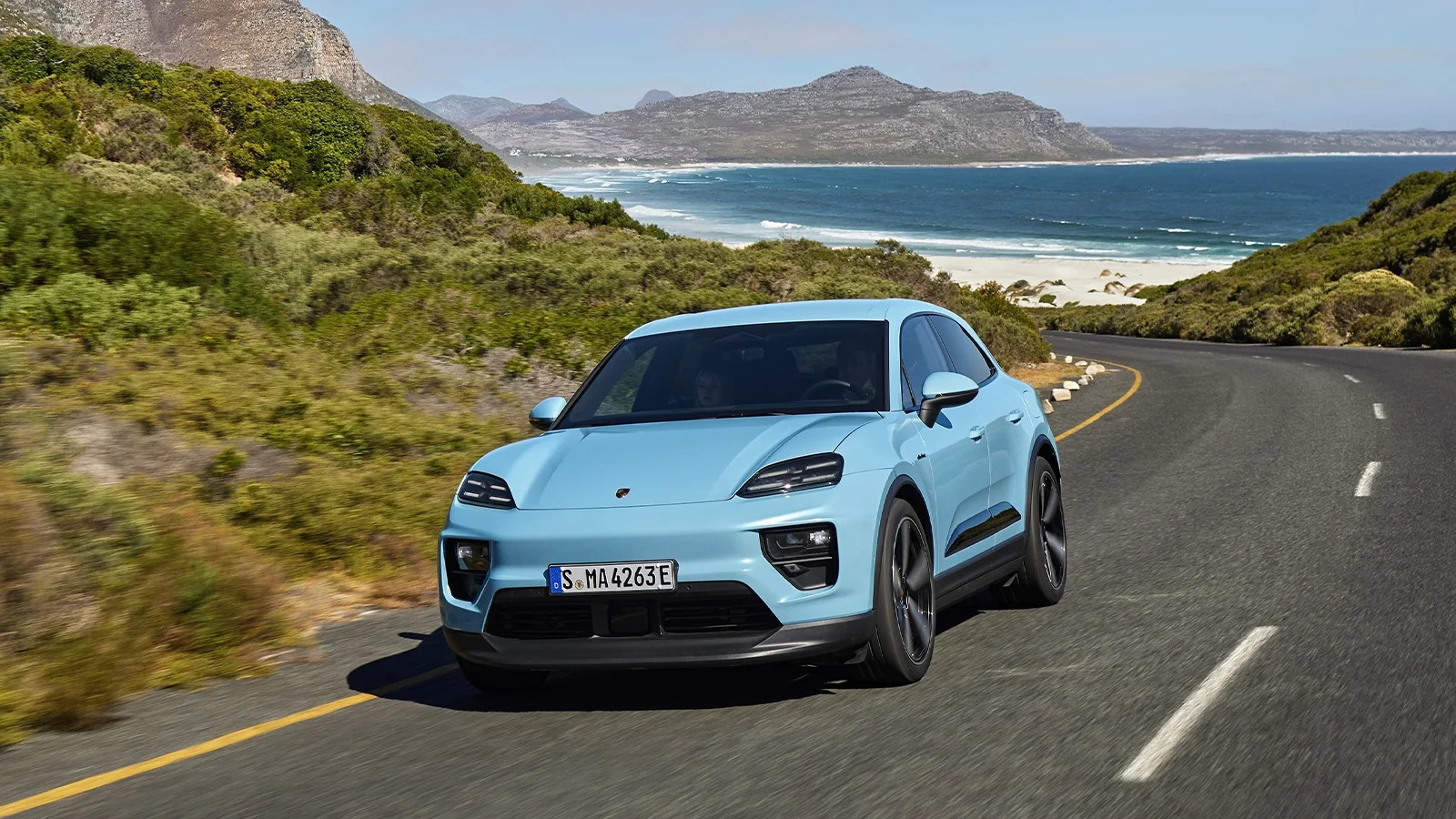
Porsche: The Benchmark of Performance Evolution
Porsche maintained its reputation in the 2010s as a brand that successfully blended tradition with innovation. Its cars from this decade are already considered future collectibles.
The Porsche 911 lineup continued its evolution while preserving its core identity. Models such as the 991 generation are already being recognized for their balance between modern comfort and analog steering feel. This generation is often seen as the last “classic-feeling” 911 before heavier digital integration increased.
Mid-engine models like the Cayman and Boxster also gained attention. Their naturally aspirated engines in earlier trims are especially sought after, as later versions moved toward turbocharging. This shift created a clear divide between older and newer driving experiences.
Porsche’s engineering philosophy has always prioritized driving purity, which makes even relatively modern models desirable once they age. Steering feedback, chassis balance, and mechanical precision remain strong selling points in the collector market.
Another factor driving value is build quality. Porsche vehicles tend to age well both mechanically and visually, reducing restoration costs and increasing long-term retention value. Well-maintained examples remain highly usable even after years of ownership.
Finally, Porsche’s racing legacy ensures constant global demand. Whether in endurance racing or GT competitions, the brand’s reputation continues to reinforce collector interest across all generations.
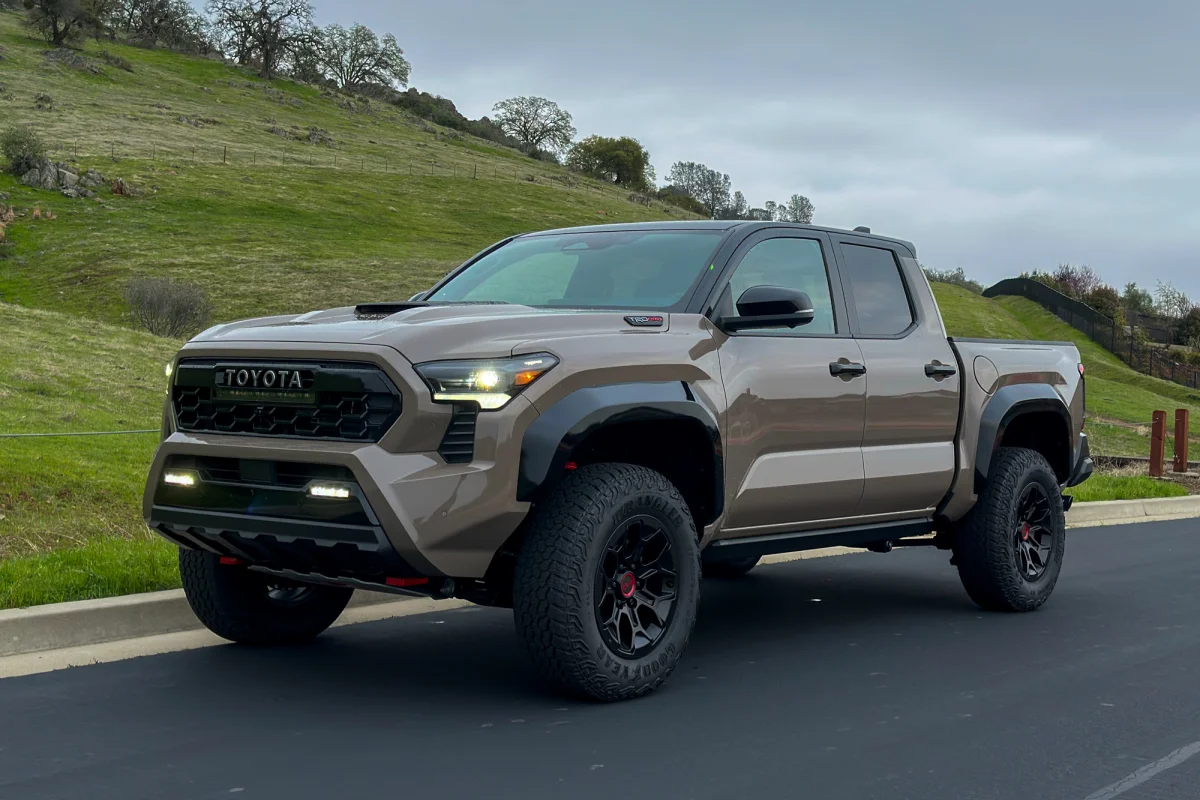
Toyota: Reliability Meets Rising Performance Value
Toyota may not traditionally be viewed as a performance collectible brand, but several 2010s models are now changing that perception.
The Toyota 86 platform, developed in collaboration with Subaru, became a defining affordable sports car of the decade. Its lightweight chassis and rear-wheel-drive layout created a driving experience that enthusiasts strongly value. Limited modifications and clean examples are already increasing in demand.
Toyota’s reputation for reliability plays a crucial role in value retention. Unlike many performance cars that suffer from mechanical complexity, Toyota sports models tend to remain mechanically stable even after high mileage. This makes them attractive long-term investments.
The brand also benefits from motorsport involvement, especially in rally and endurance racing. This performance credibility strengthens emotional attachment among enthusiasts who appreciate functional engineering over luxury features.
Another important factor is simplicity. Many Toyota performance cars from the 2010s avoid excessive electronic systems, making them easier to maintain and modify. Simplicity often translates into longevity in collector markets.
Finally, Toyota’s global reach ensures strong demand across multiple continents, increasing competition for well-preserved models and gradually pushing values upward.
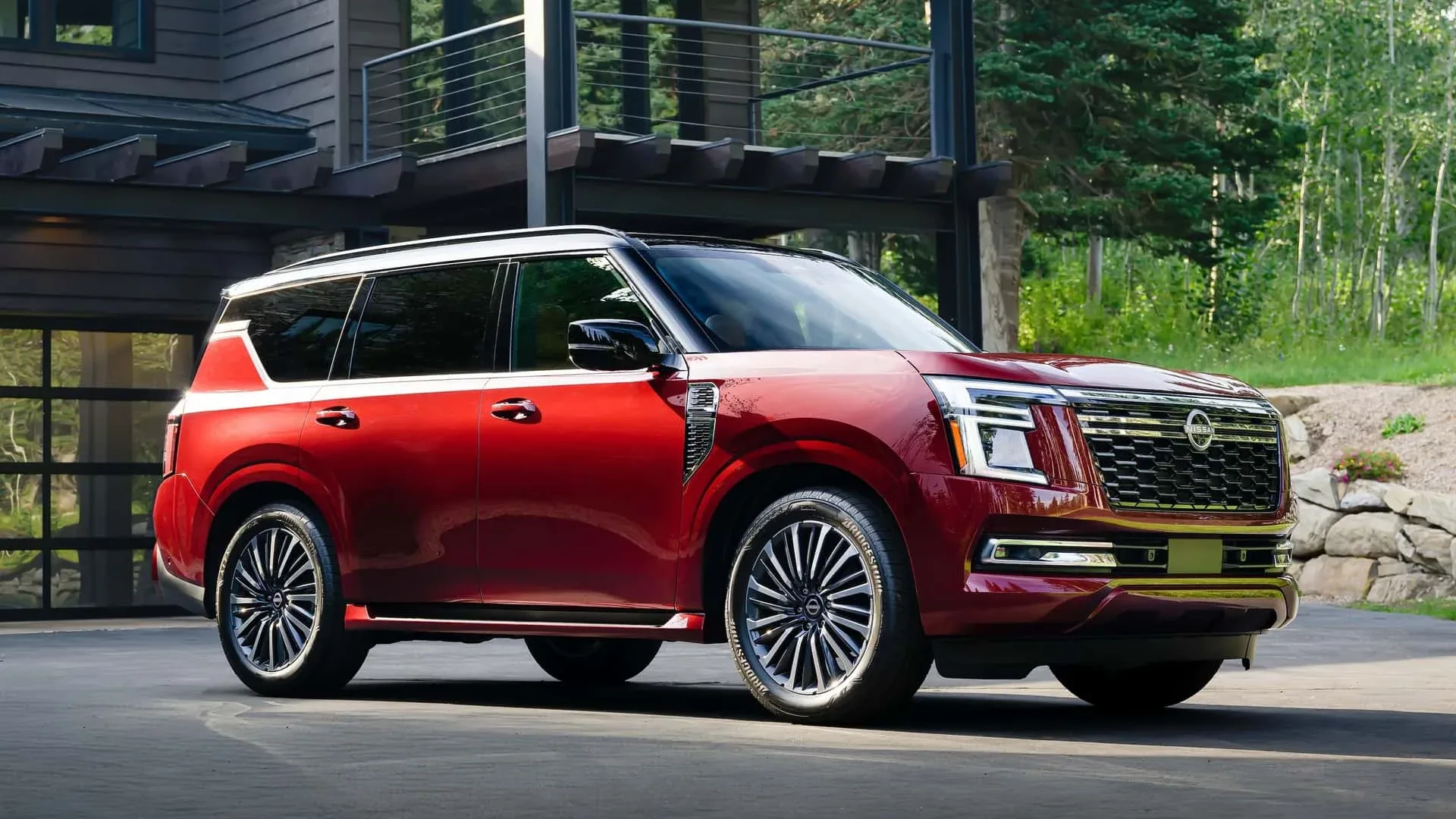
Nissan: The Rise of Modern Supercar Status
Nissan delivered some of the most iconic performance cars of the 2010s, with models that are already firmly on the collector radar.
The Nissan GT-R R35 stands as one of the most influential performance cars of the decade. Its combination of advanced all-wheel drive and twin-turbo V6 power redefined expectations for supercar-level performance at a relatively accessible price point.
Over time, the GT-R evolved into a technological icon. Continuous updates kept it relevant for more than a decade, which is rare in the automotive world. This long production cycle has created multiple collectible variants within the same generation.
Nissan’s engineering approach focused heavily on performance consistency. The GT-R’s ability to deliver repeatable acceleration and handling performance contributed to its reputation as a “precision weapon” rather than just a sports car.
Another factor driving value is tuning culture. The GT-R became a global favorite for modifications, especially in drag racing and time attack communities. Clean, unmodified examples are now becoming more valuable due to scarcity.
Finally, the GT-R represents a closing chapter in Nissan’s performance history, making it especially significant as the industry transitions toward electrification.
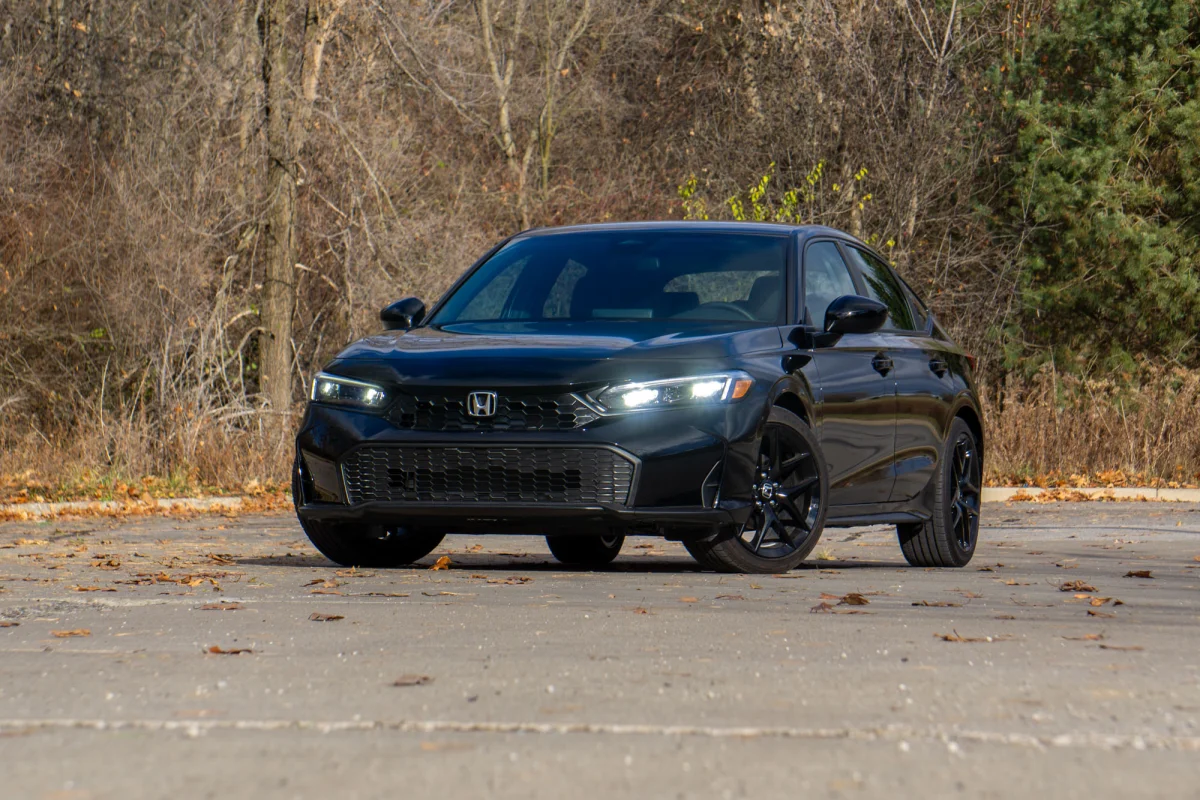
Honda: High-Revving Engines and Driver Focused Design
Honda’s performance models from the 2010s continue to gain recognition for their engineering purity and driver engagement.
Honda’s Type R models, particularly the Civic Type R, represent some of the most exciting front-wheel-drive cars of the decade. Their aggressive tuning, sharp handling, and track capability have created strong enthusiast demand.
The brand’s focus on high-revving engines also contributes to long-term value. Naturally aspirated performance engines are becoming rare, making Honda’s earlier designs more desirable over time.
Honda’s motorsport history, particularly in Formula racing and touring car championships, reinforces its credibility as a performance manufacturer. This legacy supports collector interest even in mass-produced models.
Another key factor is affordability at launch. Many Honda performance cars were originally accessible, meaning large enthusiast communities developed around them. Strong communities help sustain long-term collectible demand.
Finally, Honda vehicles tend to age well mechanically, making them practical long-term ownership options that still deliver engaging driving experiences.
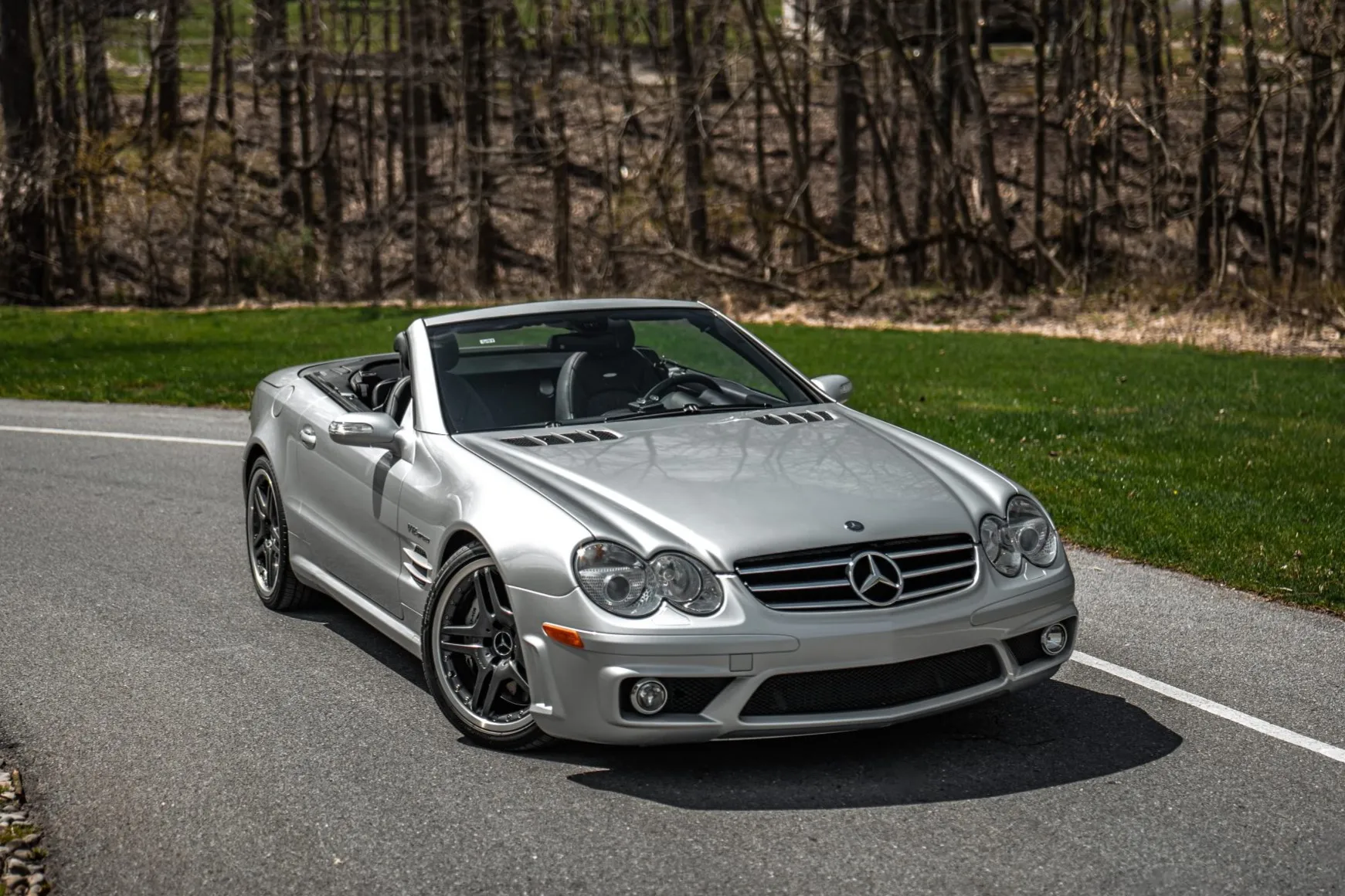
Mercedes-Benz AMG: Luxury Performance With Lasting Appeal
Mercedes-AMG models from the 2010s represent a blend of luxury, power, and engineering excess that is increasingly appreciated by collectors.
AMG vehicles from this decade featured large displacement engines, including V8 and V12 configurations that are now disappearing from production. This alone creates strong future collectibility.
Performance sedans like the C63 AMG gained a reputation for raw, unfiltered driving experiences. Their aggressive character contrasts with modern restrained performance vehicles.
Mercedes also benefited from strong luxury branding. Cars that combine luxury with performance tend to retain value better than purely functional vehicles.
Another important factor is sound and emotion. AMG engines from this era are widely regarded for their distinctive exhaust notes, which contribute significantly to their desirability.
Finally, limited production variants and special editions within the AMG lineup further increase scarcity, strengthening long-term value prospects.
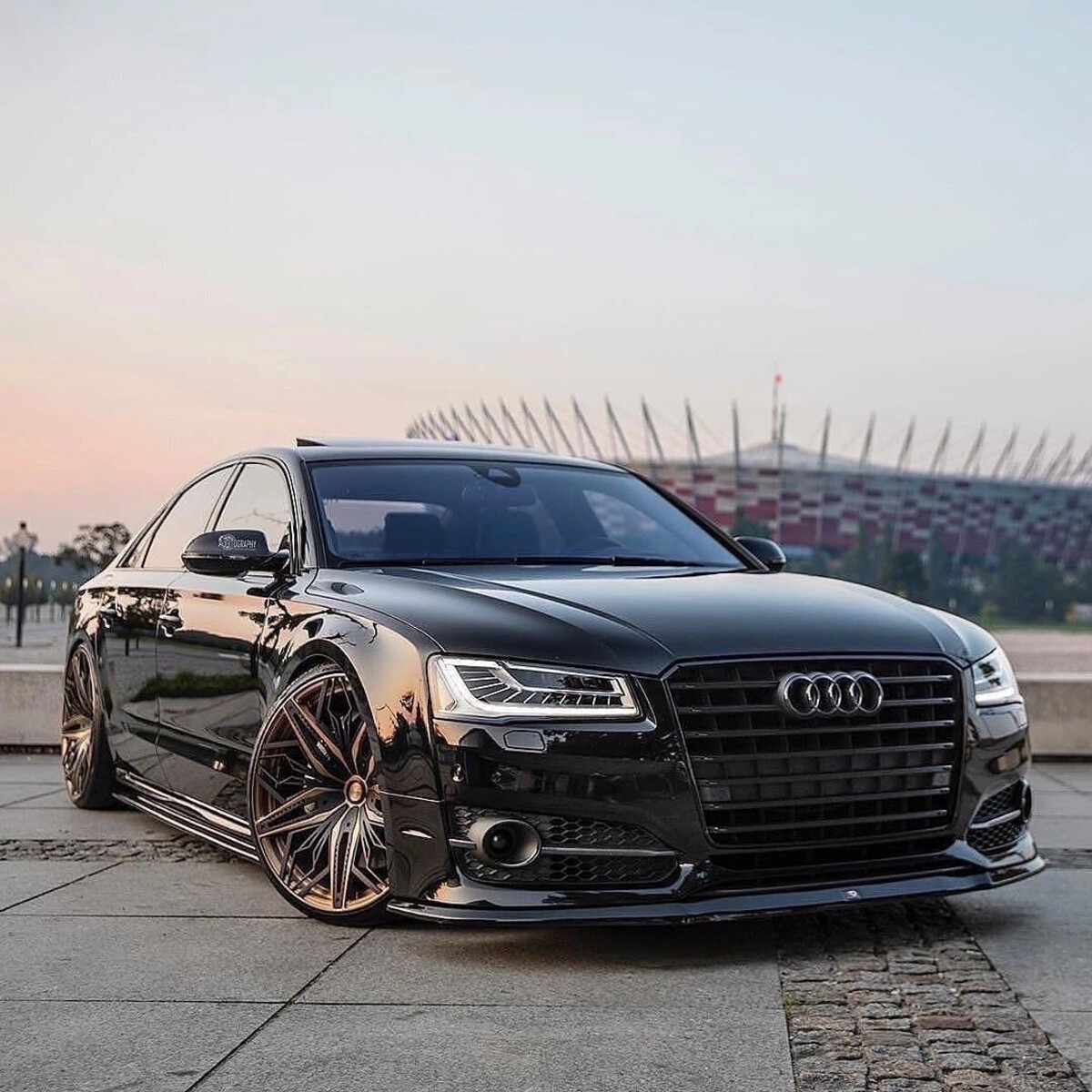
Audi: Quattro Legacy and Turbocharged Performance
Audi’s 2010s performance cars built on the brand’s quattro all-wheel-drive system and turbocharged engineering philosophy.
The Audi RS series, including RS5 and RS7 models, represents a balance between daily usability and high performance. This versatility contributes to sustained demand.
Audi’s design language during the 2010s is also a major factor. Clean, understated styling has aged well compared to more aggressive or experimental designs from competitors.
The quattro system provides strong performance stability, making Audi RS cars practical in a wide range of driving conditions. This usability enhances long-term appeal.
Another reason for rising value is interior quality. Audi interiors from this period are often considered ahead of their time, improving perceived long-term ownership experience.
Finally, Audi’s connection to rally racing history continues to influence enthusiast interest, particularly in performance-focused RS models.
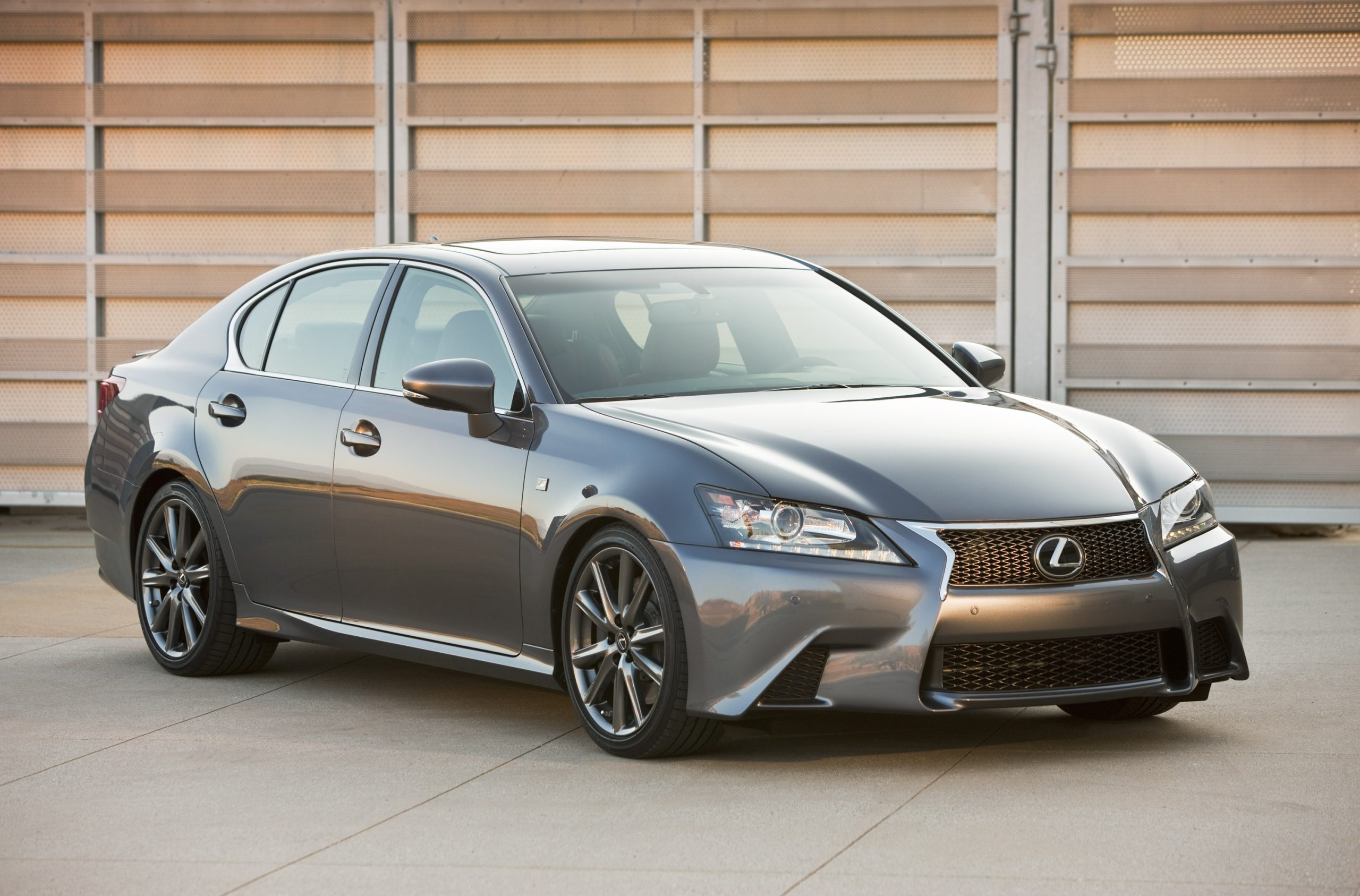
Lexus: Understated Performance With Long-Term Strength
Lexus built a strong reputation in the 2010s for combining reliability with refined performance engineering. While often associated with luxury comfort, certain models from this era are now gaining attention from collectors. The brand’s approach to durability and mechanical stability gives its performance-oriented cars strong long-term appeal in the used and collector market.
The Lexus IS F and RC F models stand out as key performance vehicles from this decade. Both used naturally aspirated V8 engines, which are becoming increasingly rare in modern production cars. This engine choice gives them a unique identity compared to turbocharged rivals, making them more desirable over time.
Another important factor is build quality. Lexus vehicles are known for extremely high manufacturing standards, which results in slower wear and better preservation over long ownership periods. Well-maintained examples often remain in excellent condition even after many years, which is important for future collectible value.
Lexus also benefits from a reputation for reliability that few luxury performance brands can match. This reduces ownership risk and increases confidence among collectors who prefer cars that are both usable and emotionally satisfying. A dependable performance car tends to retain value better in the long run.
Finally, Lexus performance models from the 2010s represent a disappearing formula. Naturally aspirated engines paired with luxury interiors and rear-wheel-drive balance are becoming rare. This combination positions Lexus performance cars as strong future classics.
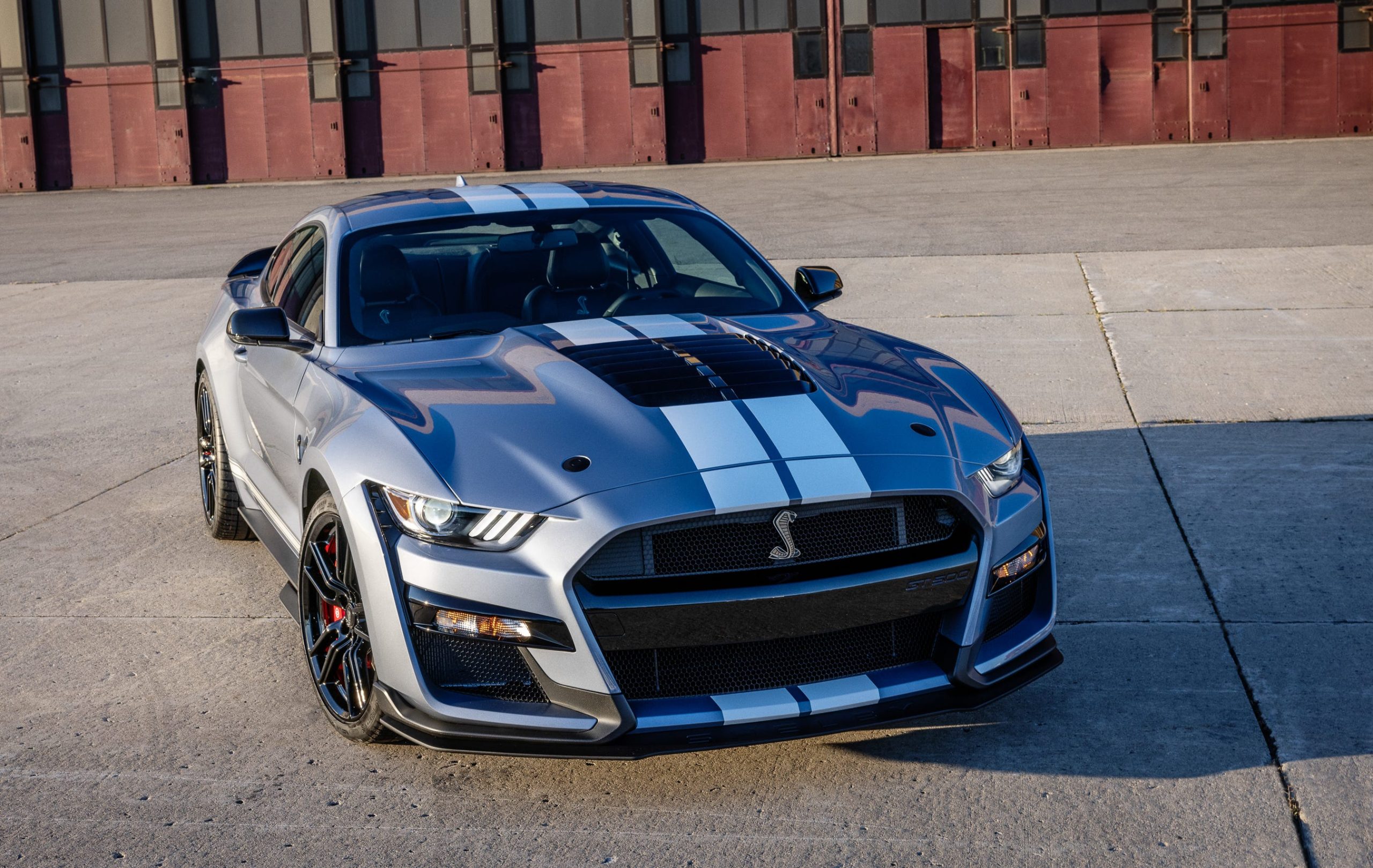
Ford: American Muscle Reimagined for a New Era
Ford’s performance division made a significant impact in the 2010s by modernizing American muscle while staying true to its heritage. The Mustang evolved into a globally respected sports car during this period, attracting both enthusiasts and collectors. This transformation helped Ford performance models gain long-term recognition.
The Shelby GT350 and GT350R are among the most important Ford performance cars of the decade. Their high-revving flat-plane crank V8 engines delivered a unique driving experience that stood apart from traditional muscle car designs. This engineering approach makes them especially desirable for future collectors.
Another reason for rising value is track-focused development. Ford invested heavily in improving handling, braking, and aerodynamics, turning the Mustang into a serious performance machine rather than just a straight-line car. This shift broadened its appeal across global markets.
Limited production numbers also contribute to long-term value growth. Special editions and high-performance trims were produced in smaller quantities compared to standard models. Scarcity, combined with strong enthusiast demand, creates favorable conditions for appreciation.
Finally, Ford Performance vehicles benefit from strong cultural influence. The Mustang remains one of the most recognizable performance cars in the world, supported by racing heritage and media presence. This global identity strengthens its long-term collector potential.
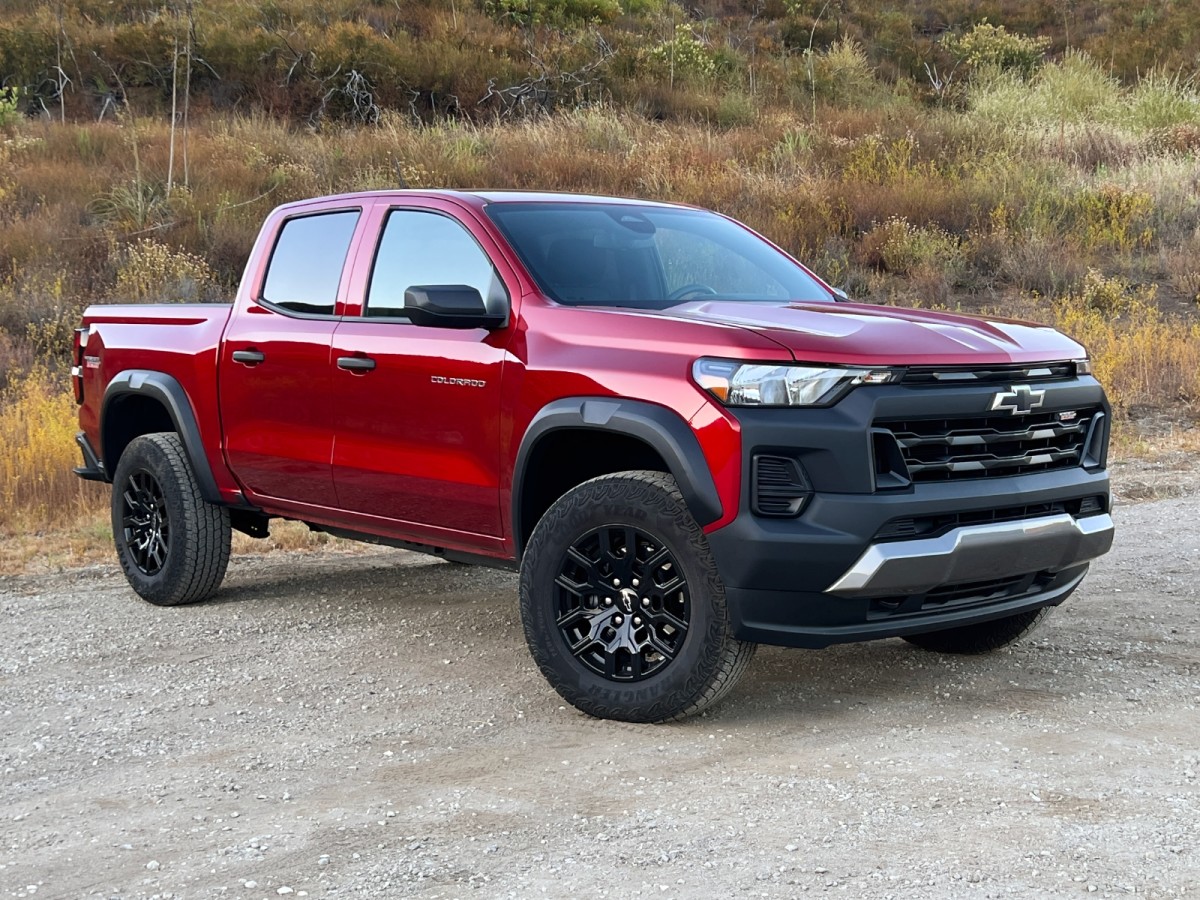
Chevrolet: The Evolution of the Corvette Into a Modern Supercar
Chevrolet underwent a major transformation in the 2010s, especially with the Corvette lineup. The introduction of the C7 generation marked a turning point, as the Corvette began to compete directly with European sports cars in both performance and design. This evolution significantly increased its collector relevance.
The Corvette C7 Z06 and Grand Sport models are particularly important in this decade. They delivered supercharged performance and advanced aerodynamics while maintaining a relatively accessible price point compared to competitors. This performance-to-value ratio makes them highly attractive to enthusiasts.
Another key factor is engineering improvement. Chevrolet refined the chassis, suspension, and interior quality compared to earlier generations. The result was a more complete sports car that could perform on both road and track without compromise.
The Corvette also benefits from strong heritage. As one of the longest-running sports car nameplates in automotive history, each generation carries historical significance. This continuity adds emotional and cultural value to 2010s models.
Finally, the C7 generation represents the end of a traditional front-engine Corvette layout before the transition to mid-engine design. This makes it a closing chapter in Corvette history, increasing its importance among collectors.
