
Fuel octane rating plays a major role in how modern internal combustion engines perform, how efficiently they run, and how much long-term durability they maintain. In simple terms, octane measures a fuel’s resistance to knocking or pinging during combustion.
Lower octane fuels like 87 octane are commonly available and more affordable, while higher octane fuels such as 91 or 93 are typically labeled as premium and cost more at the pump. The difference is not about energy content but about stability under compression inside the engine cylinder.
Engines are designed with specific compression ratios, turbocharging levels, ignition timing strategies, and combustion chamber shapes. These engineering choices determine whether an engine can safely run on regular 87 octane fuel or whether it requires premium fuel to prevent knocking.
Modern advancements in engine control units have made it possible for many engines to adapt to different fuel qualities, but manufacturers still specify recommended or required fuel grades to ensure optimal performance and reliability.
Engines that are built to run on 87 octane are usually designed with moderate compression ratios or efficient combustion technologies such as Atkinson cycle operation or naturally aspirated setups.
These engines prioritize fuel economy, reliability, and everyday usability over extreme performance output. They are commonly found in mainstream sedans, SUVs, and hybrid vehicles where long-term cost savings matter more than peak horsepower.
On the other hand, engines that require premium fuel are often high-performance turbocharged or high-compression designs. These engines produce significantly more power from smaller displacements and rely on precise combustion control. Premium fuel helps them avoid detonation under heavy load and allows engineers to push timing and boost levels further, unlocking performance potential safely.
This article breaks down five engines known for their ability to run efficiently on 87 octane fuel and five engines that require premium fuel for proper operation.
Each engine is explained in detail, including its design philosophy, real-world usage, efficiency characteristics, and why it falls into its respective fuel category. The goal is to provide a clear understanding of how fuel choice connects directly to engine design and driving experience.
87 Octane Friendly
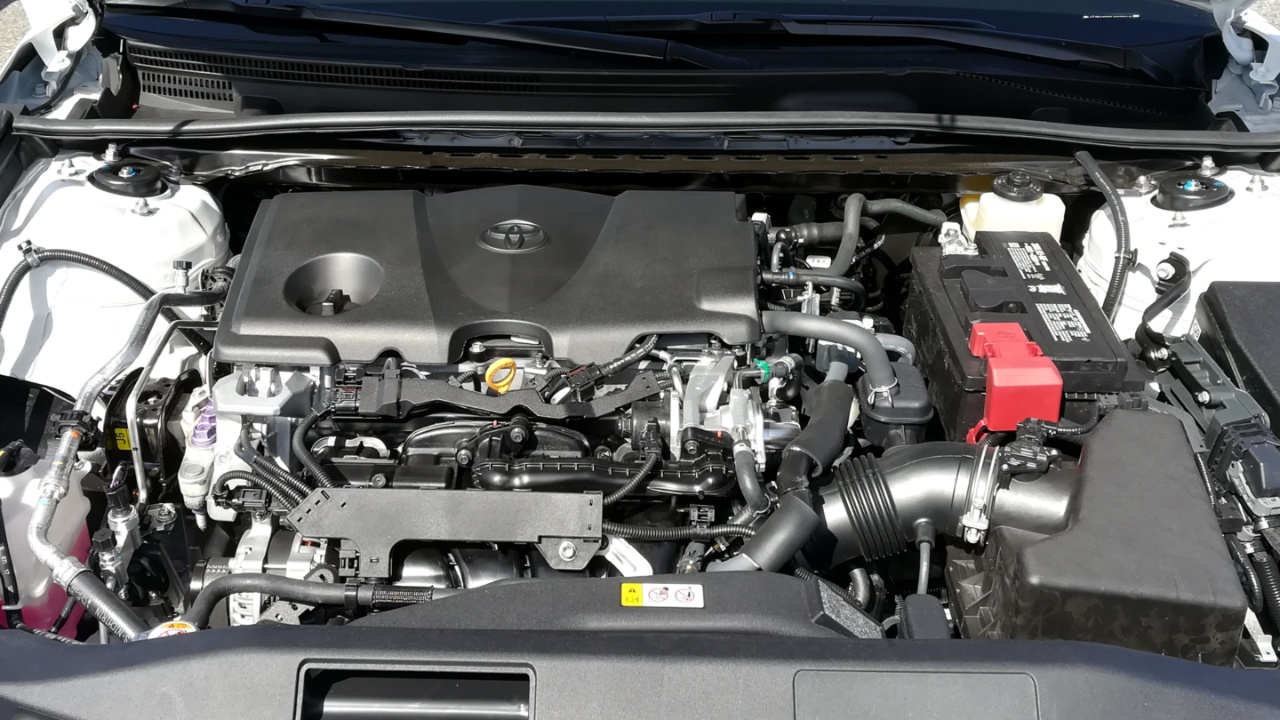
Toyota A25A-FKS 2.5L Dynamic Force Engine
The Toyota A25A-FKS 2.5L inline-4 engine is part of Toyota’s Dynamic Force engine family and is widely recognized for its balance of efficiency and reliability. It is used in popular models like the Toyota Camry, Toyota RAV4, and Toyota Highlander in various markets. This engine is engineered with a high thermal efficiency focus, making it ideal for regular 87 octane fuel in North America.
One of the key design features of this engine is its long-stroke configuration and advanced thermal management system. These elements help maintain stable combustion even under varying load conditions. The direct and port fuel injection combination also improves fuel atomization, which reduces the chances of knock while maintaining smooth performance on regular fuel.
Toyota designed this engine with a moderate compression ratio that allows it to operate efficiently without requiring premium fuel. The ECU constantly adjusts ignition timing to optimize performance based on fuel quality and driving conditions. This adaptability ensures that drivers can consistently use 87 octane without compromising reliability.
In real-world driving, the A25A-FKS delivers strong fuel economy and dependable acceleration for daily commuting and highway use. While it is not a performance-focused engine, it offers smooth power delivery and low maintenance costs. This makes it a practical choice for families and long-distance drivers who prioritize efficiency over speed.
Long-term durability is one of the strongest advantages of this engine. Toyota’s conservative tuning approach ensures that internal components are not stressed excessively. As a result, engines like the A25A-FKS often achieve very high mileage with minimal issues when maintained properly and fueled with standard 87 octane gasoline.
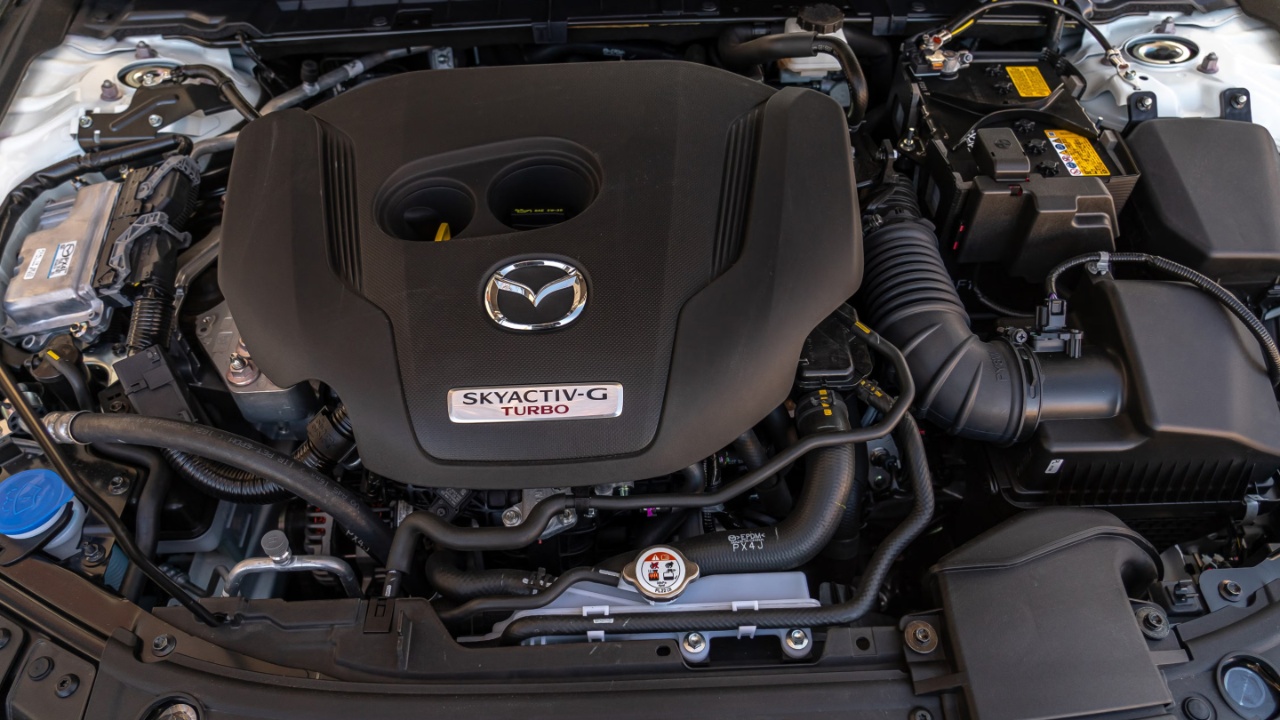
Mazda Skyactiv-G 2.5L Engine
The Mazda Skyactiv-G 2.5L engine is known for its high compression naturally aspirated design, which is unusual among modern gasoline engines that often rely on turbocharging. Despite its relatively high compression ratio, Mazda engineered it carefully to run efficiently on regular 87 octane fuel without knocking under normal driving conditions.
This engine benefits from Mazda’s focus on combustion efficiency through precise fuel-air mixing and optimized piston geometry. The result is a more complete combustion process that extracts more usable energy from each drop of fuel. This allows the engine to maintain efficiency even when using lower octane gasoline.
A key innovation in the Skyactiv-G design is its exhaust gas recirculation system and carefully tuned intake timing. These systems reduce peak combustion temperatures and pressure spikes, which are the primary causes of engine knock. This engineering approach allows Mazda to push efficiency without requiring premium fuel.
On the road, the 2.5L Skyactiv-G delivers smooth and predictable performance. It is commonly found in vehicles like the Mazda CX-5, Mazda6, and Mazda CX-30. While it does not deliver aggressive acceleration, it provides a balanced driving experience with good fuel economy and responsive throttle behavior.
Durability is another strong point of this engine family. Mazda designed it with simplicity in mind compared to heavily turbocharged engines. Fewer forced induction components mean fewer stress points, which contributes to long-term reliability when using standard 87 octane fuel.
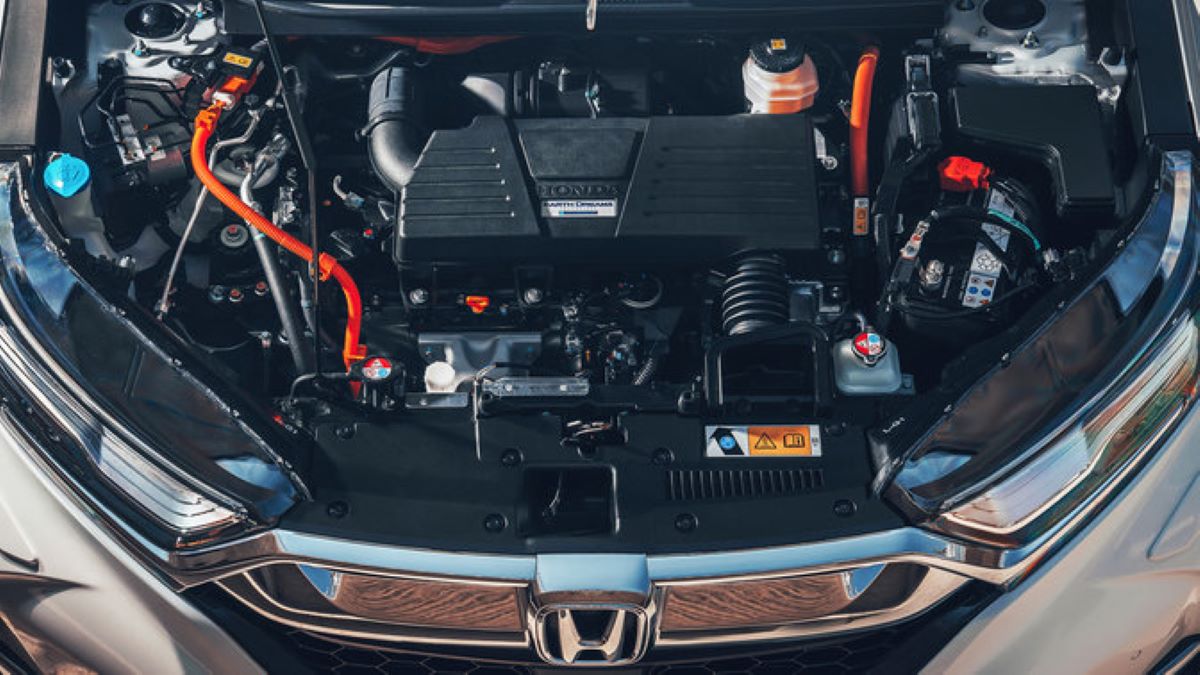
Honda 2.0L Atkinson Cycle Hybrid Engine
The Honda 2.0L Atkinson cycle engine used in hybrid systems like the Honda Accord Hybrid and Honda CR-V Hybrid is engineered primarily for efficiency rather than performance. This engine operates on the Atkinson cycle, which prioritizes fuel economy by allowing more complete expansion of gases during combustion.
Because of its hybrid configuration, this engine is not responsible for delivering all vehicle power on its own. Instead, it works alongside an electric motor, which reduces load stress on the gasoline engine. This allows it to run comfortably on 87 octane fuel without risk of knock during normal operation.
The compression ratio in Atkinson cycle engines is effectively managed through valve timing adjustments rather than purely mechanical compression. This unique approach reduces peak cylinder pressures, which makes lower octane fuel sufficient for stable combustion.
In everyday driving, this engine is rarely pushed to its limits because the electric motor assists during acceleration. As a result, it operates in a very efficient range most of the time. This makes it ideal for city driving, stop-and-go traffic, and long highway cruising.
Reliability is a major advantage of this setup. Since the engine is not constantly under high load, internal wear is reduced over time. Combined with Honda’s engineering precision, this engine delivers long service life while using affordable 87 octane fuel.
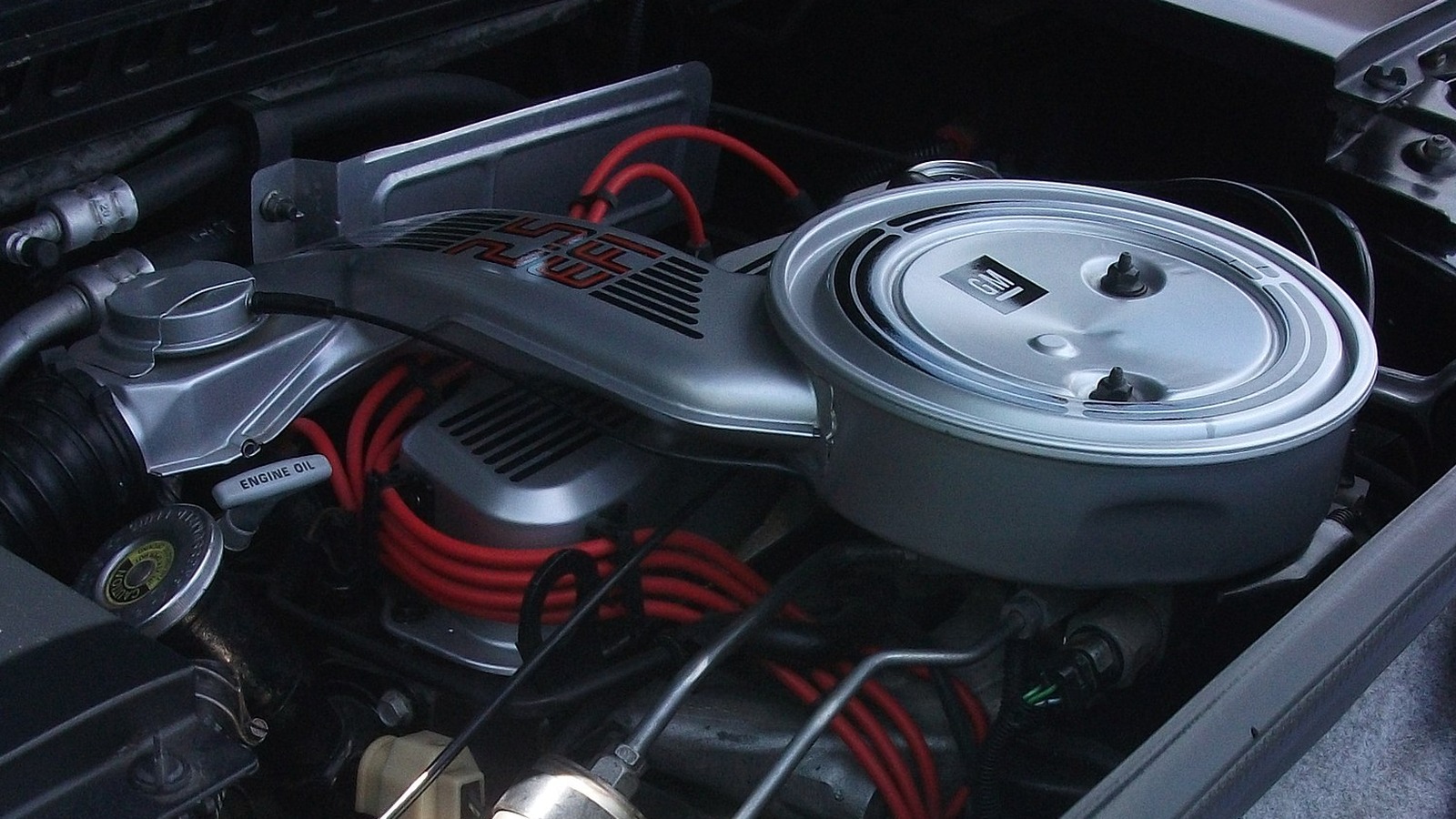
GM 2.5L Ecotec Engine
The General Motors 2.5L Ecotec engine, found in vehicles like the Chevrolet Malibu and earlier versions of the Chevrolet Equinox, is designed as a practical, everyday engine that runs efficiently on regular 87 octane gasoline. It is part of GM’s global engine strategy focused on affordability and dependability.
This engine uses a relatively low compression ratio compared to performance turbo engines, which allows it to avoid detonation issues when using lower octane fuel. It is also tuned for smooth power delivery rather than aggressive acceleration, which further reduces stress on the combustion system.
The Ecotec design incorporates variable valve timing to optimize airflow at different engine speeds. This helps maintain efficient combustion across a wide range of driving conditions. As a result, the engine remains stable even when fuel quality varies slightly.
On the road, the 2.5L Ecotec provides adequate power for commuting and highway driving. It is not designed for sporty performance, but it delivers predictable and consistent output. This makes it a common choice for fleet vehicles and budget-conscious buyers.
Long-term maintenance is relatively straightforward for this engine. Its simpler design compared to turbocharged alternatives means fewer components that can fail. This contributes to lower ownership costs and reliable operation on standard 87 octane fuel.
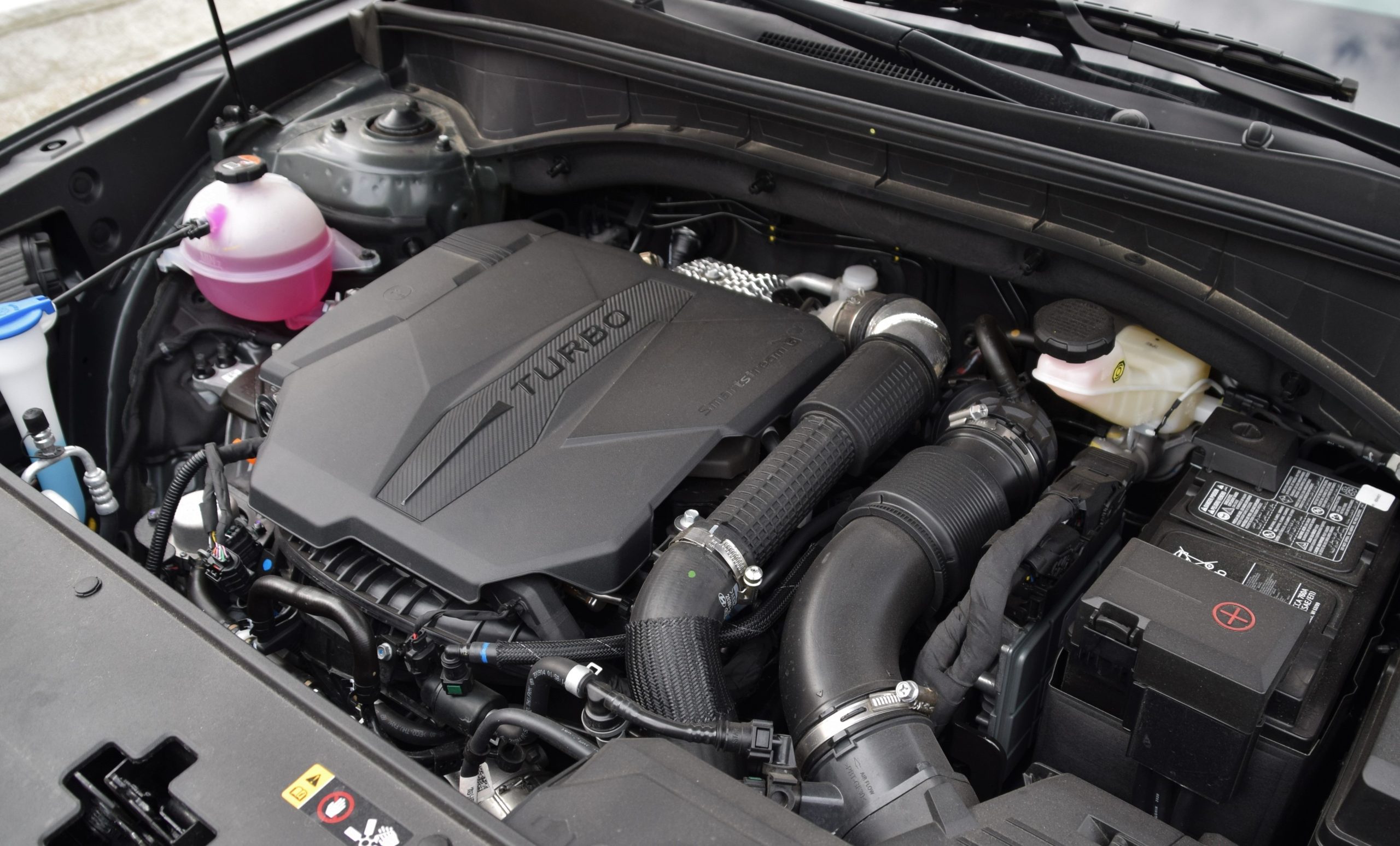
Hyundai Smartstream 2.5L Engine
The Hyundai Smartstream 2.5L engine is part of Hyundai’s modern engine family designed for improved fuel efficiency and reduced emissions. It is used in vehicles like the Hyundai Sonata, Hyundai Santa Fe, and Kia K5. This engine is engineered to operate efficiently on regular 87 octane fuel in most configurations.
One of its key features is the use of advanced thermal efficiency improvements, including optimized combustion chamber design and dual injection systems in some variants. These technologies help ensure complete fuel burn even when using lower octane gasoline.
The compression ratio is carefully balanced to provide efficiency without pushing the engine into knock-prone territory. Hyundai also integrates intelligent engine management systems that adjust ignition timing and fuel delivery dynamically based on driving conditions.
In everyday use, this engine provides smooth acceleration and strong fuel economy. It is designed for comfort-oriented driving rather than high-performance output. This makes it suitable for families and commuters who prioritize efficiency and reliability.
Durability is supported by Hyundai’s focus on reducing internal friction and improving cooling efficiency. When properly maintained, this engine performs consistently over long periods while running on 87 octane fuel without issues.
Premium Fuel Required Engines
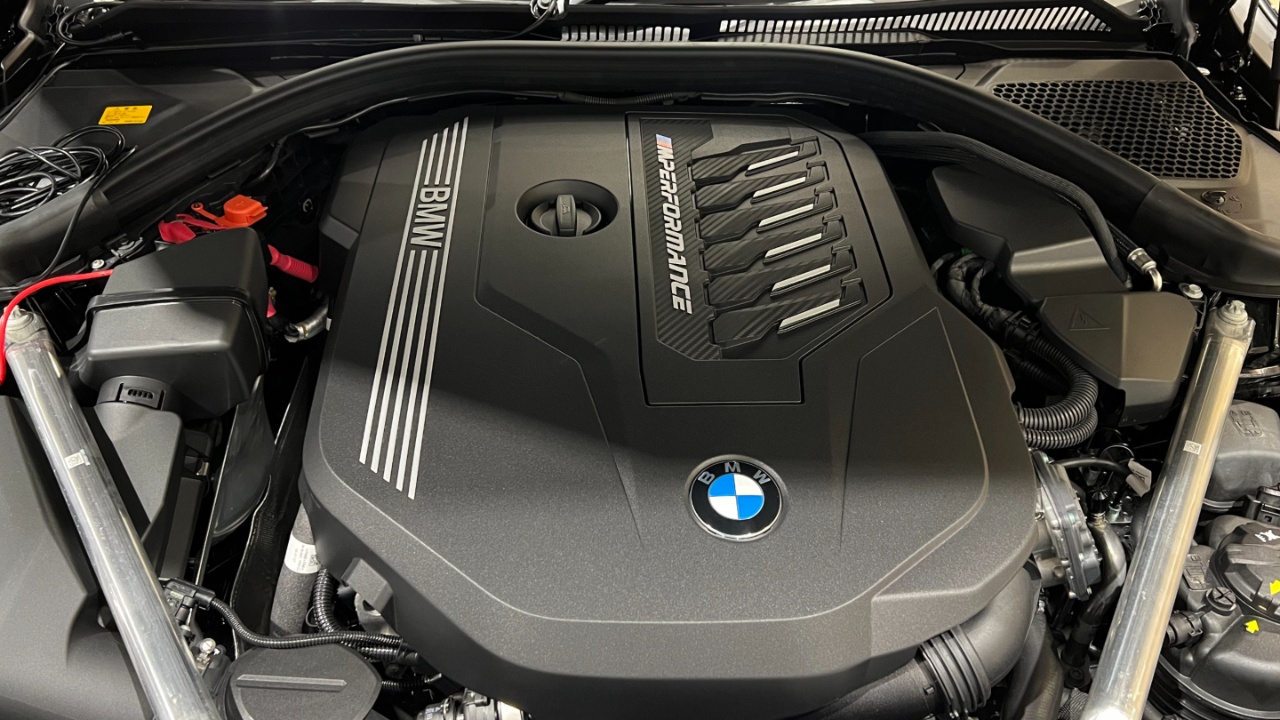
BMW B58 3.0L Turbocharged Inline-6
The BMW B58 3.0L turbocharged inline-6 engine is widely regarded as one of the most refined modern performance engines. It powers vehicles such as the BMW 340i, BMW Z4 M40i, and Toyota Supra in certain configurations. This engine is designed around high boost pressure and advanced combustion control, which makes premium fuel essential for safe operation.
The turbocharger system in the B58 generates significant intake pressure, which increases cylinder temperatures and pressure levels. To prevent engine knock under these conditions, higher octane fuel is required. Premium gasoline allows the engine to maintain aggressive ignition timing without detonation.
BMW engineered the B58 with a high compression ratio for a turbocharged engine, which further enhances efficiency and power output. However, this also increases sensitivity to fuel quality. Using lower octane fuel can result in reduced performance and increased engine stress.
On the road, the B58 delivers smooth yet powerful acceleration with strong mid-range torque. It is known for its linear power delivery and refinement, making it suitable for both performance driving and long-distance cruising.
Reliability is strong when proper fuel is used. The engine management system is advanced enough to adjust timing if lower fuel quality is detected, but sustained use of premium fuel is necessary to maintain long-term health and performance.
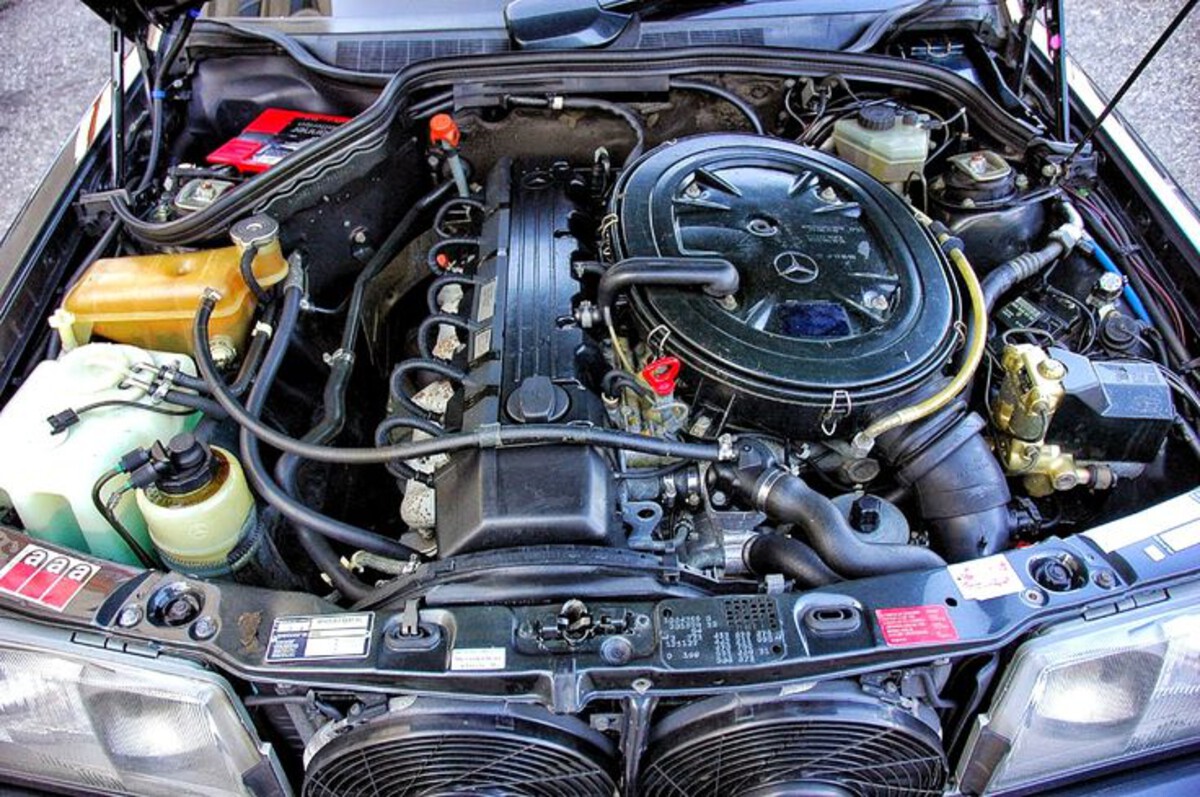
Mercedes-Benz M264 2.0L Turbo Engine
The Mercedes-Benz M264 2.0L turbocharged engine is used in various Mercedes models including the C-Class and E-Class. It is designed for efficiency and performance balance but relies on premium fuel to operate at its intended performance levels.
This engine uses turbocharging to increase air intake pressure, allowing a smaller displacement engine to produce higher power output. However, this increased pressure requires higher octane fuel to prevent knocking during combustion.
Mercedes tuned this engine for high thermal efficiency and strong low-end torque. The combination of turbo boost and direct injection improves performance but increases sensitivity to fuel quality compared to naturally aspirated engines.
In real-world driving, the M264 provides smooth acceleration and refined performance. It is designed to deliver both efficiency in normal driving and strong responsiveness when acceleration is needed.
Long-term performance depends heavily on using premium fuel. While the engine can technically adjust to lower fuel grades, optimal operation, fuel economy, and durability are achieved only with higher octane gasoline.
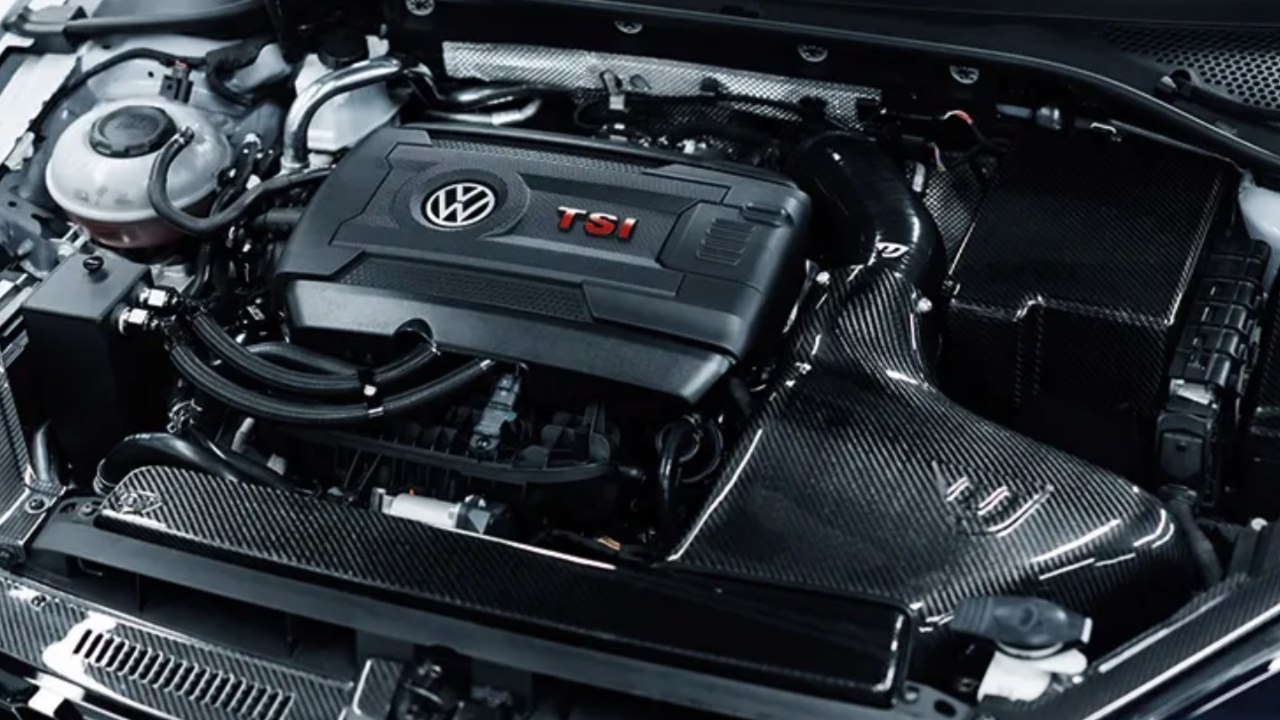
Audi EA888 2.0 TFSI Engine
The Audi EA888 2.0 TFSI engine is one of the most widely used turbocharged engines in the Volkswagen Group lineup. It powers vehicles like the Audi A4, Audi Q5, and Volkswagen Golf GTI. This engine is designed for high efficiency and strong performance, requiring premium fuel for optimal operation.
The EA888 uses turbocharging combined with direct injection, which increases combustion pressure significantly. Premium fuel helps prevent knock and allows the engine to maintain precise ignition timing under boost conditions.
Audi has refined this engine across multiple generations, improving efficiency, reducing turbo lag, and increasing power output. However, the performance gains rely heavily on fuel quality consistency.
On the road, the EA888 delivers responsive acceleration and strong mid-range torque. It is widely praised for its balance of daily usability and performance capability.
Using lower octane fuel can lead to reduced power output and increased engine stress over time. Premium fuel ensures that the engine runs at its designed efficiency and performance levels.
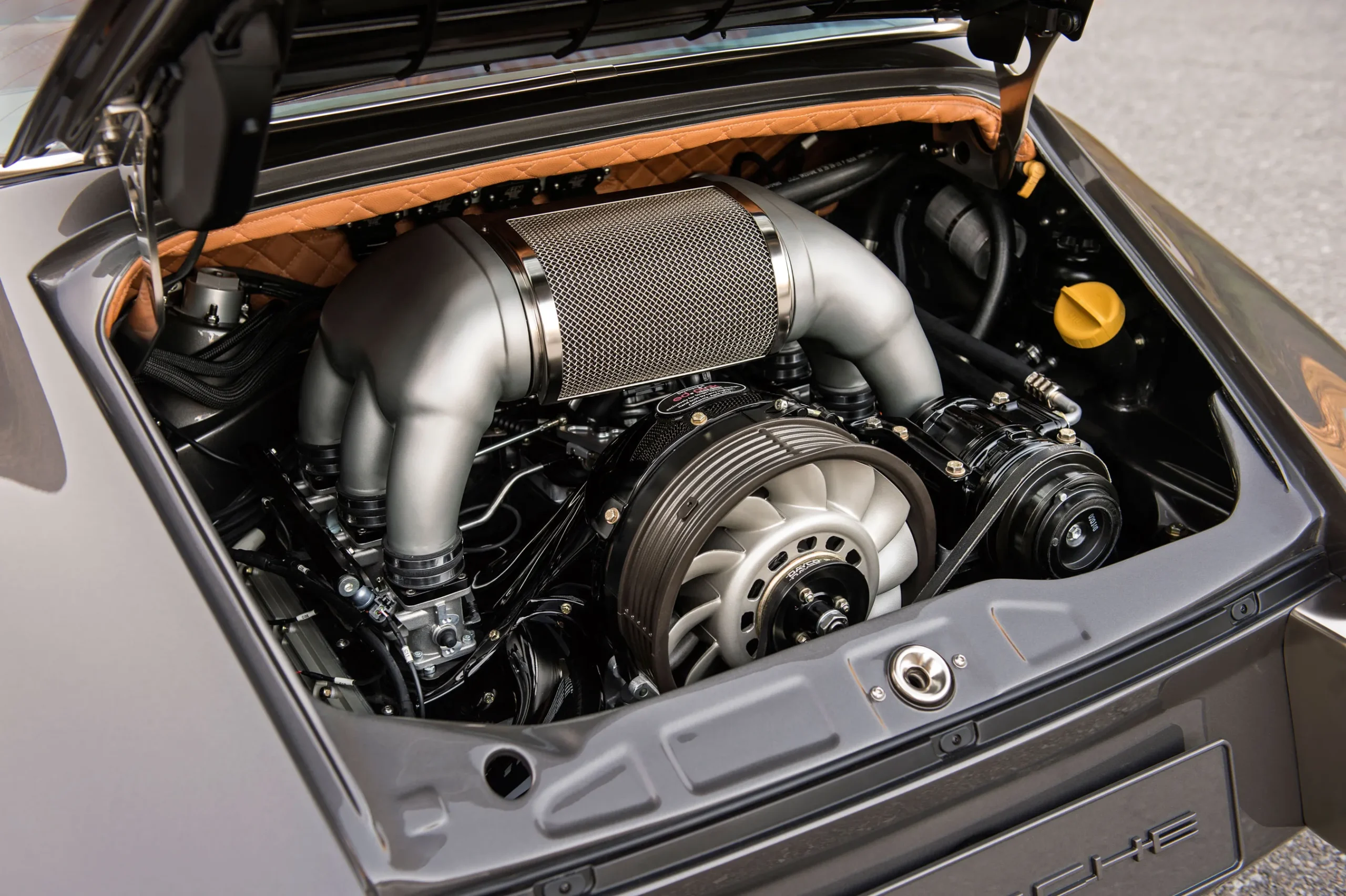
Porsche 3.0L Twin-Turbo Flat-Six Engine
The Porsche 3.0L twin-turbo flat-six engine used in models like the Porsche 911 Carrera is engineered for high-performance driving. It is designed to deliver exceptional power output and responsiveness, requiring premium fuel for safe and efficient operation.
The twin-turbo system generates high levels of boost pressure, significantly increasing combustion intensity. Premium fuel is necessary to prevent knocking and to allow the engine to maintain optimal ignition timing under all driving conditions.
Porsche engines are built with precision engineering and high compression ratios that maximize performance. However, this design also makes them highly dependent on fuel quality.
On the road, this engine delivers rapid acceleration, smooth power delivery, and high-speed stability. It is designed for both track performance and everyday usability.
Long-term durability is excellent when maintained properly with premium fuel. The engine management system is highly advanced but still relies on fuel quality to protect internal components under stress.
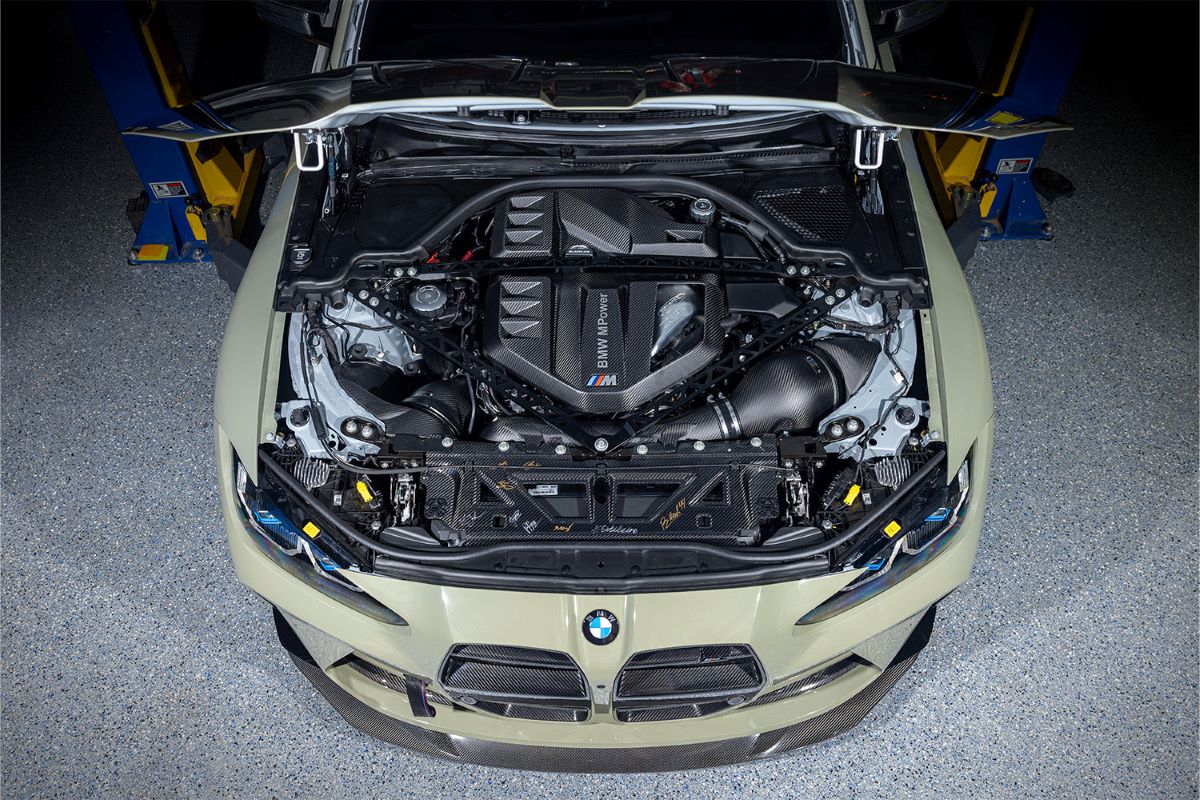
BMW S58 3.0L Twin-Turbo Inline-6 Engine
The BMW S58 engine is a high-performance version of BMW’s inline-six platform used in M division vehicles such as the BMW M3 and M4. It is engineered for extreme performance and requires premium fuel for safe operation.
This engine produces very high boost pressure from its twin-turbo system, which increases cylinder pressure and thermal load significantly. Premium fuel is essential to prevent knock under aggressive driving conditions.
The S58 features reinforced internal components, advanced cooling systems, and a high-performance ECU calibration. These features allow it to produce large horsepower figures while maintaining reliability when properly fueled.
On the road and track, the S58 delivers explosive acceleration and sustained high-speed performance. It is designed for enthusiasts who expect precision handling and rapid throttle response.
Without premium fuel, the engine’s performance is reduced and long-term stress increases. Using the correct fuel ensures the engine operates within its intended design limits and maintains durability over time.
