
Buying a used compact car involves more than checking mileage, engine condition, or resale value. One aspect that often gets overlooked is the quality of the window glass and how it affects cabin comfort, safety, and long term usability. Automotive glass is not just about visibility. It plays a role in noise insulation, structural rigidity, and protection during impacts.
In compact cars, where cost efficiency often drives design decisions, manufacturers sometimes use thinner side windows and less acoustic insulation to keep prices competitive. This can lead to higher cabin noise, especially at highway speeds, and a less refined driving experience.
On the other hand, some compact cars stand out for using thicker laminated or well insulated glass that significantly reduces outside noise while also offering better resistance to shattering. For buyers in the used car market, especially in regions with busy roads or extreme weather conditions, choosing a car with better glass quality can make daily driving more comfortable and safer.
Thicker automotive glass, particularly laminated side windows, helps in reducing wind and traffic noise while also improving security. Laminated glass consists of multiple layers bonded together, which prevents it from shattering into sharp pieces. This is commonly seen in higher end vehicles but has gradually made its way into some compact cars as well.
Thin tempered glass, while still safe, tends to transmit more sound and can make the cabin feel less insulated. Over time, this difference becomes more noticeable, especially during long drives. This article compares five used compact cars known for relatively thicker, quieter glass and five that are often noted for thinner, noisier windows.
5 Used Compact Cars With Thick Safety Glass
Volkswagen Polo
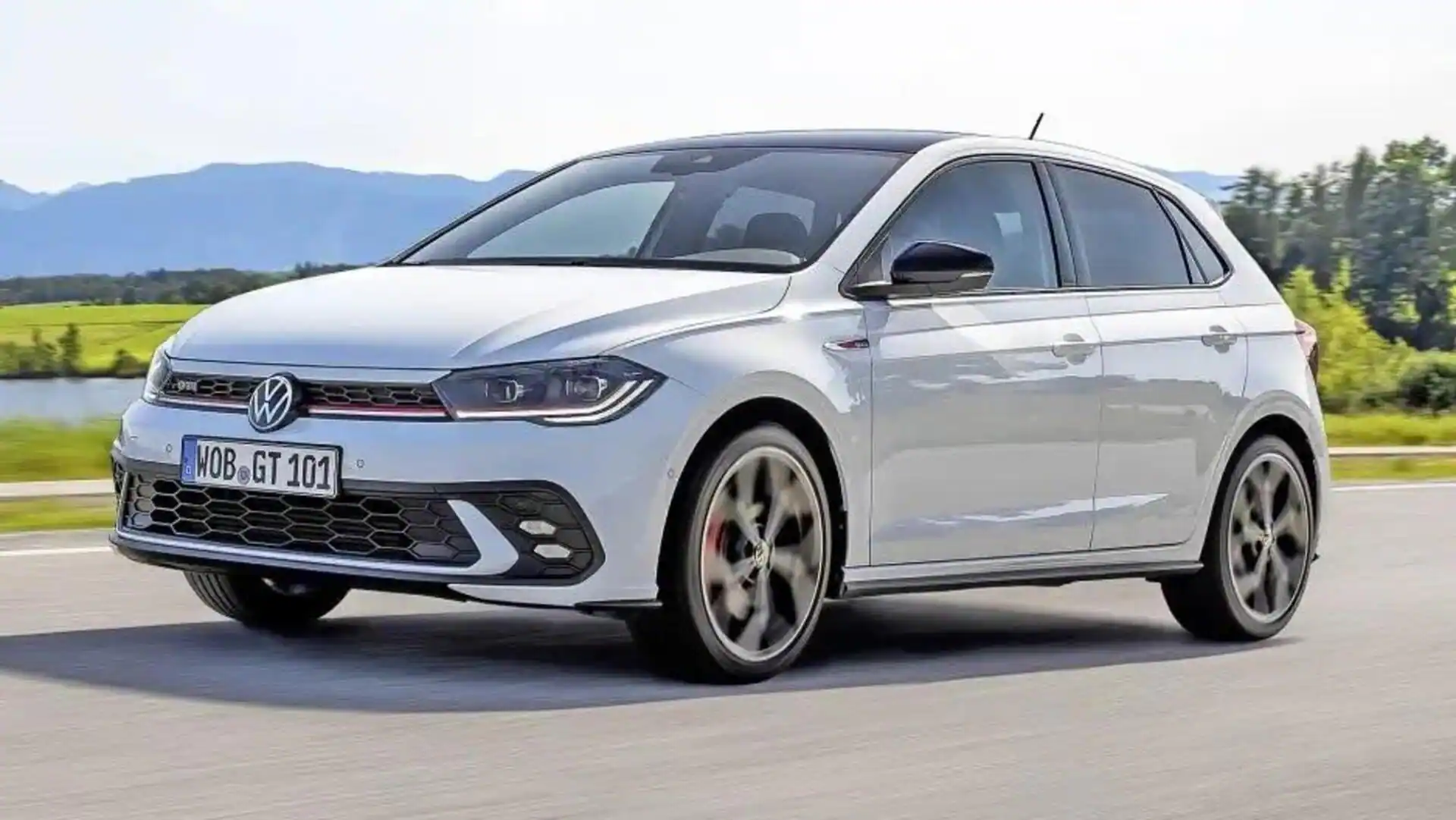
The Volkswagen Polo has built a strong reputation for solid build quality and a premium feel in the compact segment. One of the reasons behind this perception is its well insulated cabin, supported by relatively thicker window glass compared to many competitors.
Volkswagen has traditionally focused on European build standards, and that translates into better sound dampening even in its smaller cars. Owners often notice reduced road and wind noise, especially at higher speeds, which makes the Polo a preferred choice for highway driving.
Another advantage of the Polo is the tight sealing around doors and windows. Combined with its glass thickness, this helps maintain a quieter cabin environment.
Even older used models tend to retain this characteristic unless they have been poorly maintained or involved in accidents. This contributes to a more refined driving experience, which is not always common in the compact category.
Safety is another area where the Polo benefits from its glass quality. While most compact cars use tempered glass, the Polo’s sturdier construction reduces the chances of excessive vibration or rattling. This adds to the feeling of durability and long term reliability. Buyers looking for a used car that feels more premium than its price bracket often find the Polo appealing.
Maintenance and replacement costs for the glass can be slightly higher than average, but the trade off is better insulation and durability. For those who prioritize comfort and a quieter ride, this is a worthwhile compromise. Overall, the Polo stands out as one of the best used compact cars when it comes to cabin refinement and glass quality.
Honda Jazz
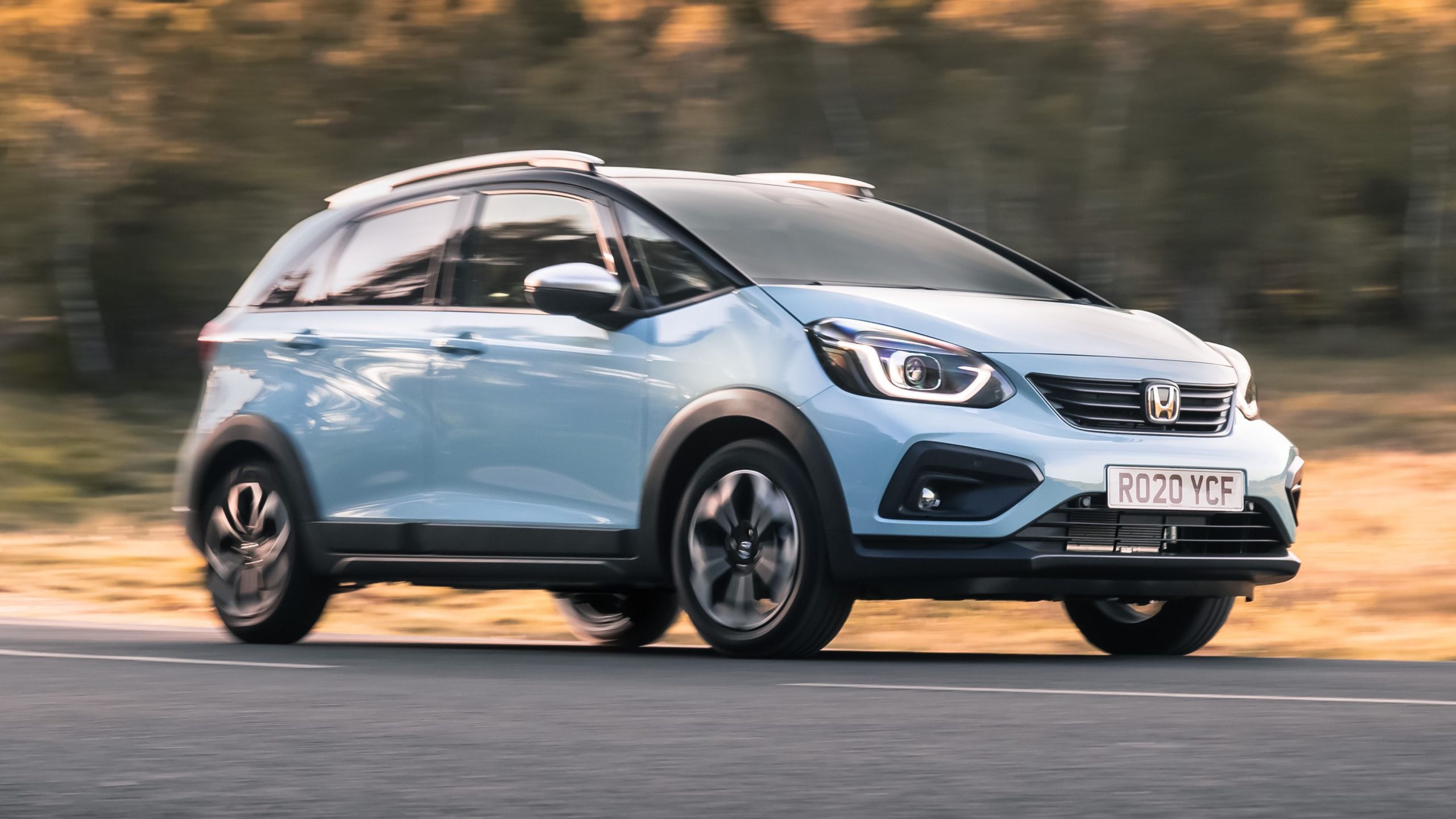
The Honda Jazz is known for practicality, but it also performs well in terms of cabin insulation. Honda has engineered the Jazz with a focus on comfort, and its window glass contributes to that experience. While not the thickest in the segment, it is noticeably better than many entry level hatchbacks.
One of the strengths of the Jazz is its balanced approach. The glass is designed to reduce outside noise without significantly increasing weight or cost. This results in a cabin that remains relatively quiet in city traffic and moderately composed on highways. The difference becomes apparent when compared to cars that use thinner glass panels.
The Jazz also benefits from good structural integrity, which works in harmony with its glass design. The doors feel solid when closing, and there is minimal vibration even on uneven roads. This enhances the perception of quality, something that is often highlighted by long term owners.
From a safety perspective, the Jazz offers dependable performance. The glass may not be fully laminated on all variants, but it is engineered to meet strict safety standards. In the used market, this makes it a sensible option for families who want a combination of space, comfort, and decent noise insulation.
Replacement parts are widely available, and Honda’s reliability ensures that the glass and seals tend to age well. For buyers seeking a practical yet comfortable used compact car, the Jazz is a strong contender.
Hyundai i20
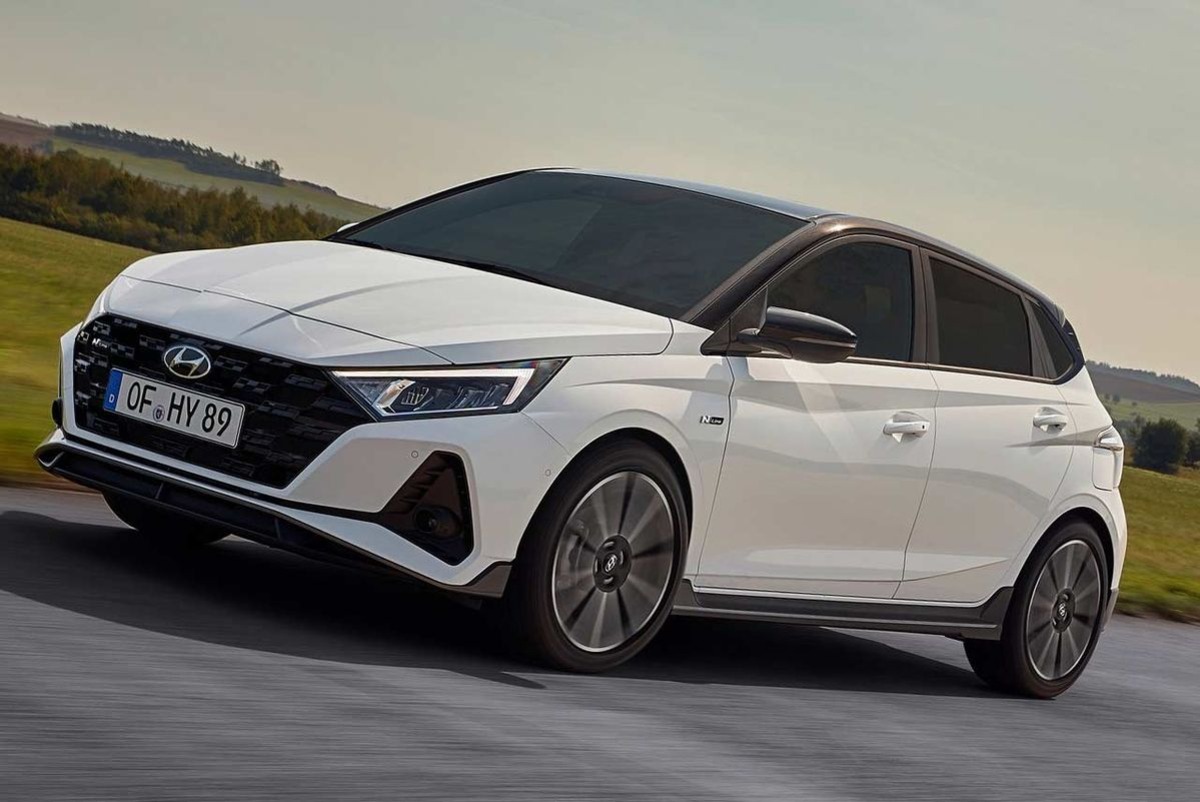
The Hyundai i20 has consistently positioned itself as a premium hatchback, and part of that premium feel comes from its well insulated cabin. Hyundai has invested in improving NVH levels, and the use of better quality window glass plays a role in achieving that goal.
The i20 offers a noticeably quieter ride compared to many of its rivals. This is particularly evident on highways, where wind noise is better controlled. The thicker glass, combined with improved door insulation, helps create a more relaxed driving environment.
Another important aspect is the consistency across different model years. Even older versions of the i20 tend to maintain good insulation if properly maintained. This makes it a reliable choice in the used car market, especially for buyers who value comfort.
In terms of safety, the i20 benefits from a well engineered body structure that complements its glass quality. While not all variants feature laminated side glass, the overall construction provides a sense of security. This is important for both daily commuting and long distance travel.
The cost of ownership remains reasonable, with widely available parts and service networks. For those looking for a used compact car that balances features, comfort, and insulation, the i20 is a practical and appealing option.
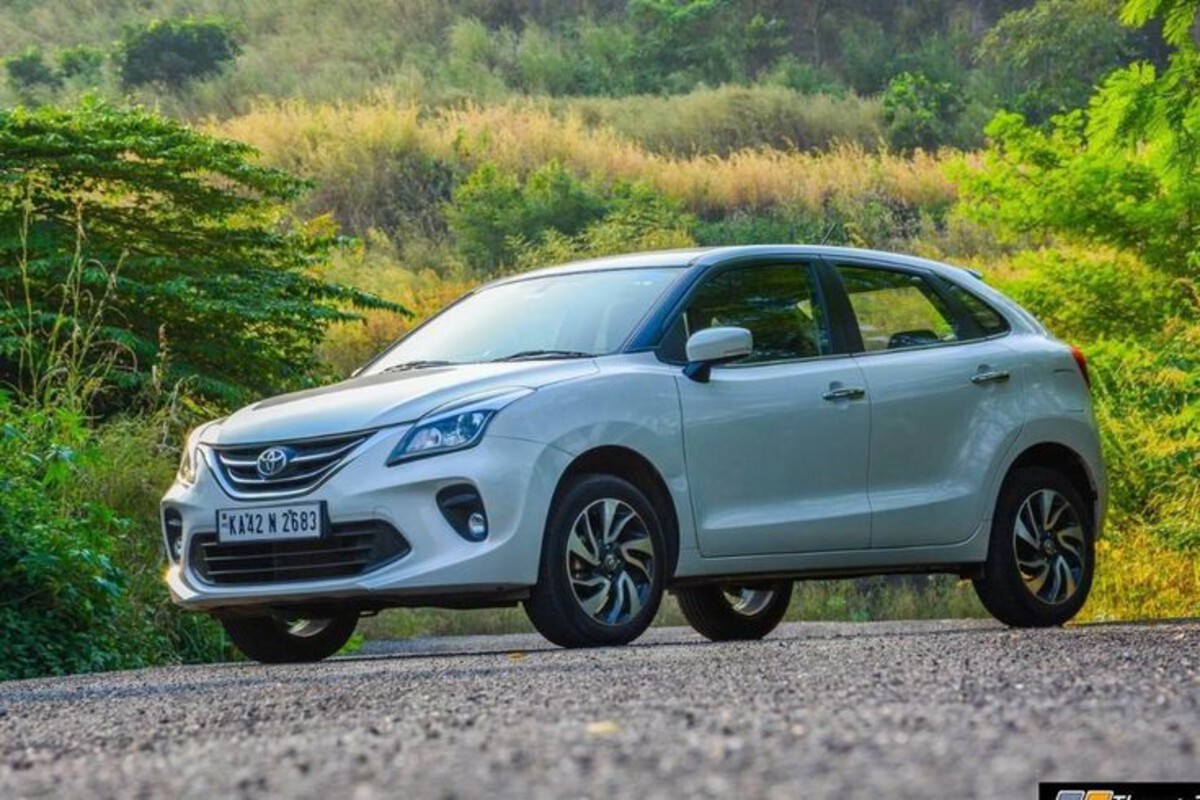
Toyota Glanza
The Toyota Glanza offers a refined driving experience backed by Toyota’s reputation for reliability. While it shares its platform with another popular hatchback, Toyota’s tuning and quality control contribute to a well insulated cabin environment.
The Glanza benefits from good quality window glass that helps reduce external noise. This is particularly noticeable in urban conditions, where traffic noise can be a constant issue. The glass works alongside effective door seals to create a calm interior space.
Another advantage is durability. Toyota vehicles are known for maintaining their build quality over time, and the glass is no exception. Used models often retain their original insulation characteristics, making them a dependable choice for long term ownership.
Safety is also a strong point. The glass is designed to meet modern standards, and the overall construction of the vehicle supports occupant protection. This makes the Glanza a reassuring option for buyers who prioritize safety and reliability.
Maintenance costs are generally low, and parts are easily available. For those seeking a used compact car with a focus on comfort and durability, the Glanza is worth considering.
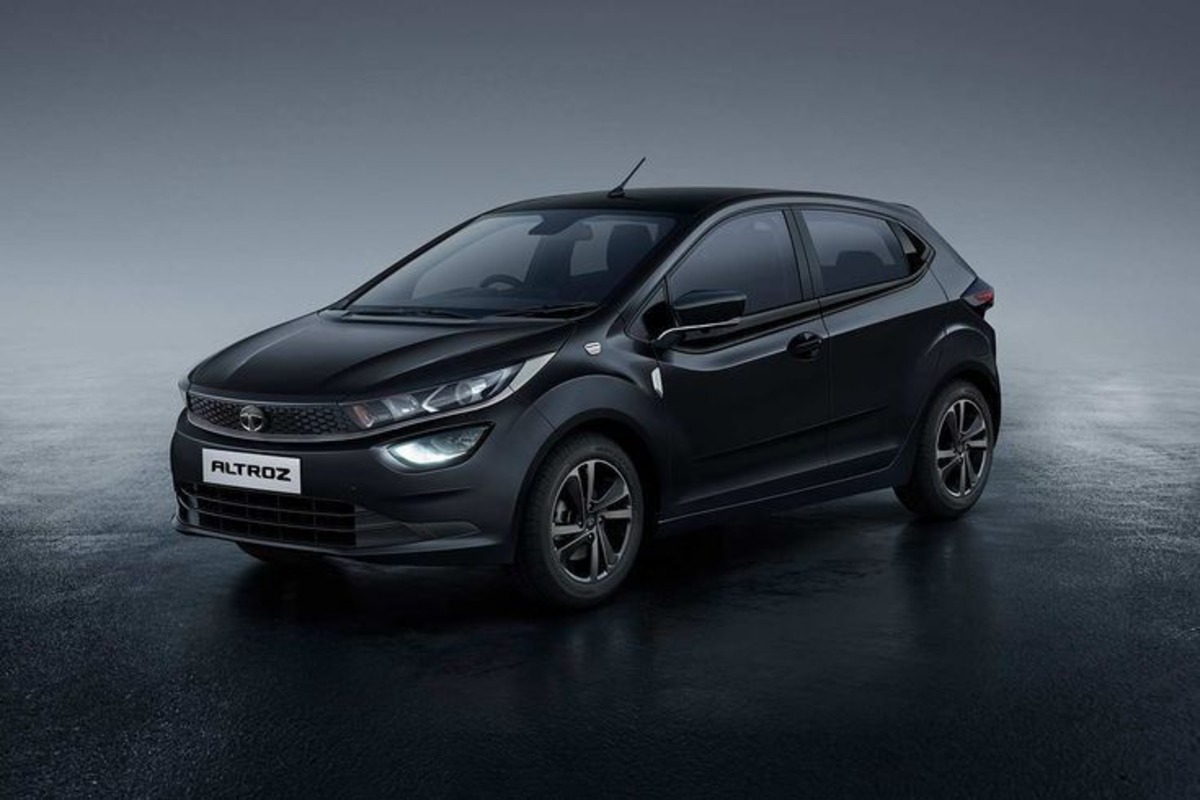
Tata Altroz
The Tata Altroz stands out for its strong build quality and emphasis on safety. Tata Motors has focused on creating a robust structure, and this extends to the quality of its window glass.
The Altroz offers a relatively quiet cabin, thanks in part to thicker glass and effective insulation. This makes it suitable for both city driving and longer journeys. The difference in noise levels becomes noticeable when compared to lighter built competitors.
One of the key strengths of the Altroz is its safety credentials. The glass is designed to complement the vehicle’s strong body structure, providing better protection in case of impacts. This adds to the overall sense of security for occupants.
The design of the doors and window frames also contributes to reduced vibration and improved sealing. This enhances the driving experience, making the car feel more solid and stable on the road.
For used car buyers, the Altroz offers a combination of modern features, safety, and comfort. Its glass quality plays a significant role in delivering a refined and secure driving experience.
5 Used Compact Cars With Thin Noisy Windows
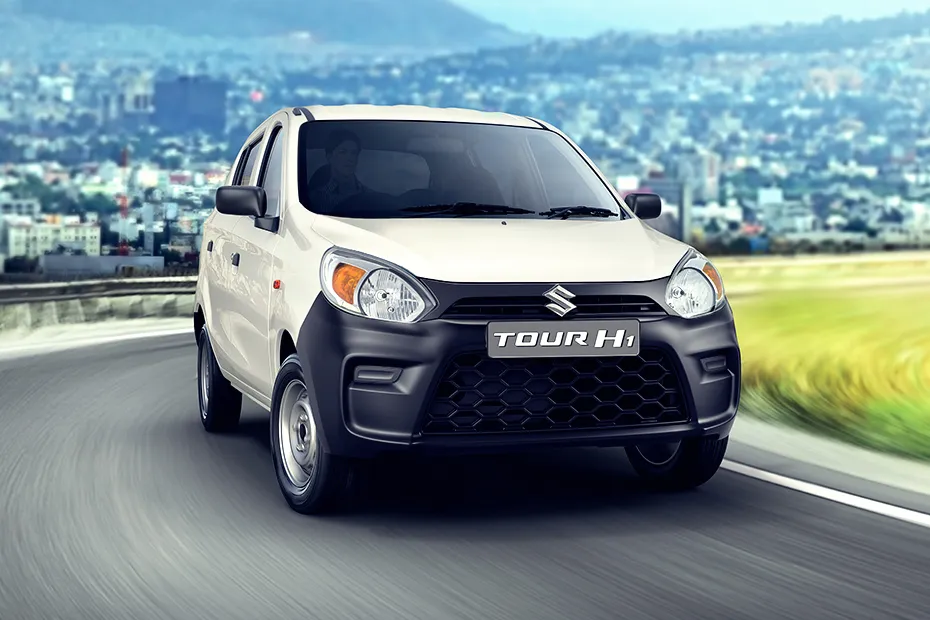
Maruti Suzuki Alto
The Maruti Suzuki Alto is one of the most widely used entry level cars, primarily chosen for its low running cost, easy maintenance, and high fuel efficiency.
However, one of its most noticeable limitations is the use of relatively thin side window glass combined with minimal cabin insulation. This design choice is intentional to keep manufacturing costs low and improve mileage, but it comes at the expense of interior quietness and comfort.
Inside the Alto, road noise becomes noticeable even at moderate speeds. The thin glass does not effectively block wind noise, and vibrations from uneven roads easily enter the cabin. This is especially evident on highways where the airflow pressure against the glass increases, making the cabin feel less isolated from external surroundings. For daily city commutes, this may not be a major concern, but it becomes a factor during longer trips.
Another aspect affected by the thinner glass is thermal insulation. Heat and external temperature variations are more easily felt inside the cabin. This means the air conditioning system has to work harder in hot conditions, indirectly affecting fuel efficiency when used extensively. In comparison to more premium compact cars, the Alto feels more basic in terms of overall refinement.
From a safety perspective, the glass meets regulatory standards, but it is typically tempered rather than laminated. While tempered glass is designed to shatter safely into small fragments, it does not provide the same structural holding effect or noise reduction as laminated glass. This difference is noticeable in both perceived safety and comfort levels.
Despite these drawbacks, the Alto remains extremely popular in the used car market due to its affordability and low maintenance cost. Buyers who prioritize budget over cabin comfort often accept the trade off in noise insulation. However, for those seeking a quieter driving experience, the limitations of its window glass are clearly evident.
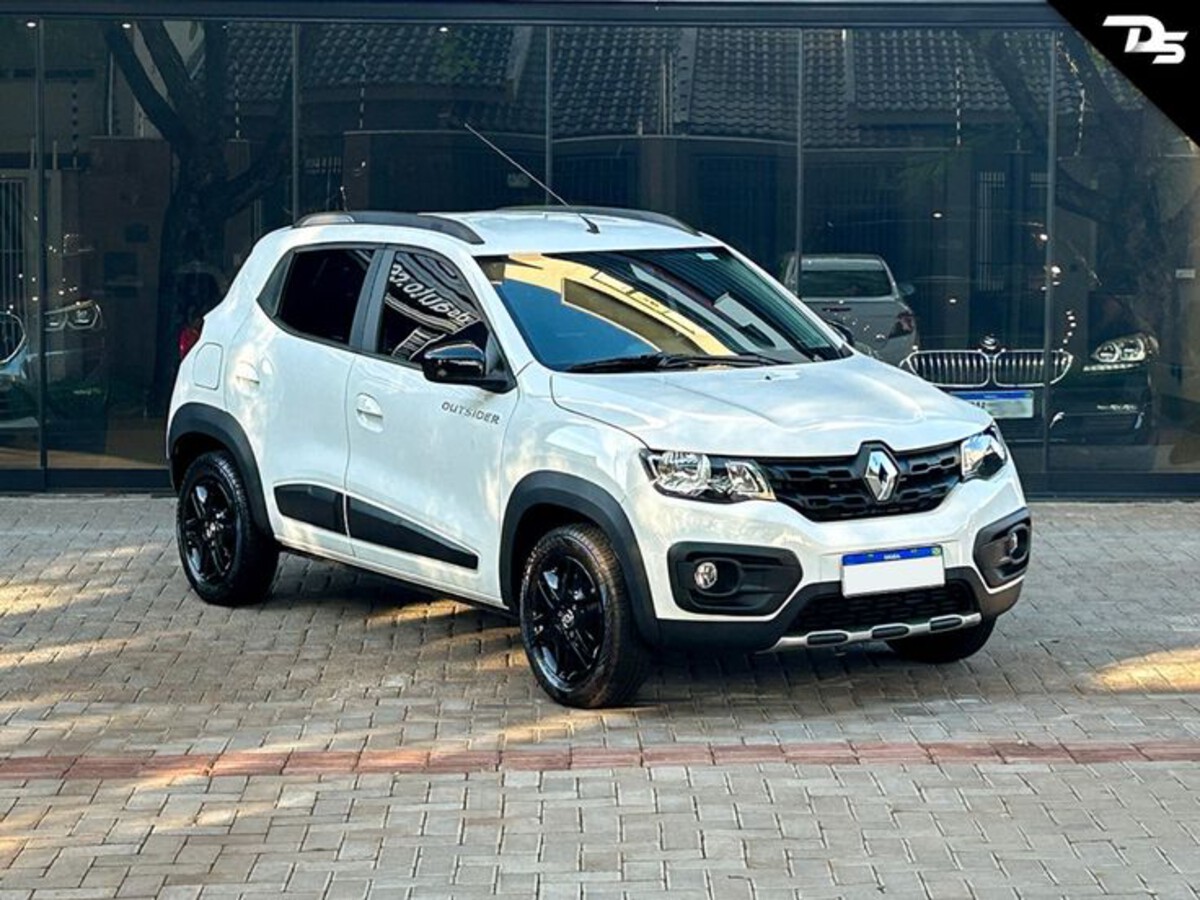
Renault Kwid
The Renault Kwid was designed to bring SUV inspired styling to the entry level hatchback segment, but beneath its modern appearance lies a cost conscious engineering approach. One area where this is clearly visible is the use of thin window glass, which directly impacts cabin quietness and insulation quality.
When driving the Kwid, especially at speeds above city limits, wind noise becomes increasingly noticeable. The thin side glass allows air turbulence to be transmitted into the cabin, creating a less refined driving environment. This effect is amplified by the lightweight structure of the vehicle, which prioritizes efficiency and affordability over heavy sound dampening materials.
In urban traffic conditions, the Kwid performs adequately, and the noise levels remain manageable. However, on highways or open roads, external sounds such as passing vehicles and wind pressure become more dominant. This can affect passenger comfort during longer journeys, particularly for those seated in the rear.
Another limitation linked to the thinner glass is vibration transmission. On rough or uneven roads, the lack of sufficient insulation allows more vibration to pass through the doors and window frames. Over time, this can also contribute to minor rattling noises, especially in older used models where seals may have slightly worn out.
Despite these drawbacks, the Kwid remains attractive for first time buyers due to its styling and affordability. It offers basic functionality and acceptable safety compliance, but the glass quality clearly reflects its budget oriented positioning in the market.
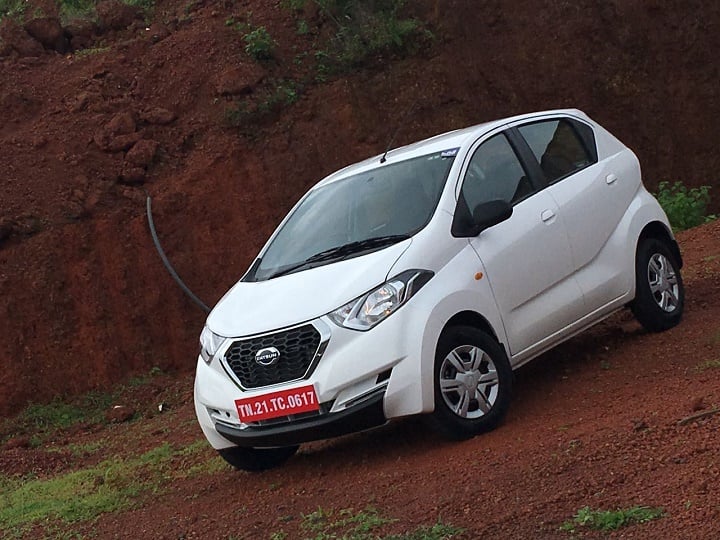
Datsun Redi GO
The Datsun Redi GO is another compact city focused car that emphasizes affordability and simplicity. One of its key cost saving design elements is the use of thin window glass, which contributes to higher cabin noise levels compared to more refined competitors in the same segment.
In everyday driving, the Redi GO feels functional but not particularly insulated. External sounds such as traffic, horns, and engine noise from surrounding vehicles easily enter the cabin. The thin glass plays a significant role in this, as it lacks the density required to effectively block sound waves.
At higher speeds, wind noise becomes more pronounced and can dominate the cabin environment. This reduces long distance comfort, making the Redi GO more suitable for short urban commutes rather than extended highway travel. Passengers often notice that conversations need to be louder to compensate for background noise.
The lightweight body structure of the car further contributes to this experience. While it improves fuel efficiency and maneuverability, it does not provide strong resistance to sound transmission. The window glass, being thin, does little to counterbalance this effect.
For used car buyers, the Redi GO offers an economical solution for basic transportation needs. However, its cabin insulation limitations are evident, and it does not provide the level of quietness found in more premium compact hatchbacks.
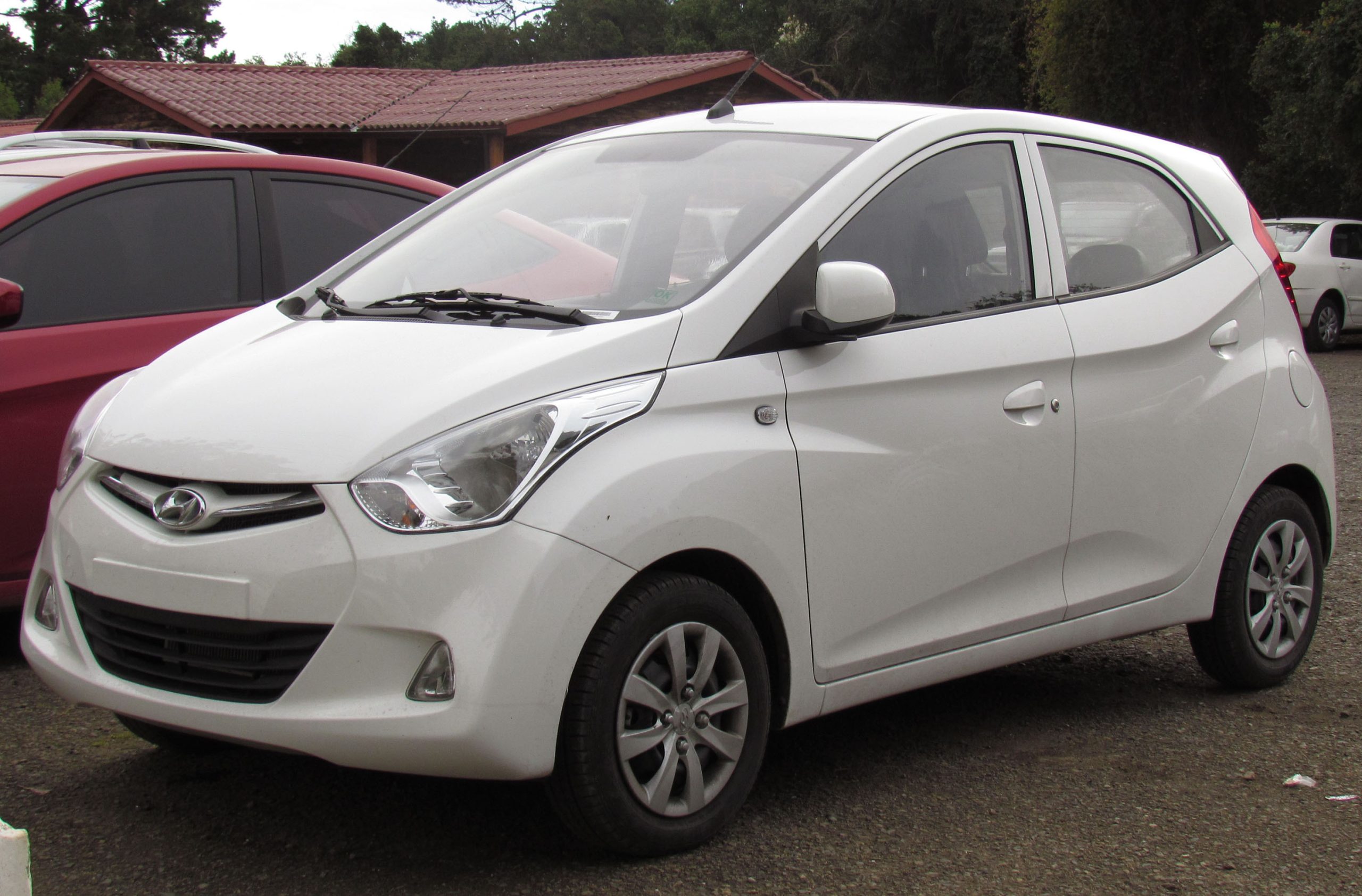
Hyundai Eon
The Hyundai Eon was introduced as a small, efficient city car aimed at budget conscious buyers. While it offers decent reliability and ease of use, its window glass quality reflects its entry level positioning, with thinner panels contributing to a noisier cabin experience.
During city driving, the Eon remains manageable in terms of noise, but the limitations become more obvious on highways. Wind noise increases significantly as speed rises, and the thin glass does little to suppress external sound. This makes longer journeys less comfortable compared to higher segment hatchbacks.
The cabin insulation of the Eon is minimal, with limited use of sound absorbing materials. As a result, the window glass plays a more visible role in determining overall cabin quietness. Unfortunately, its thin structure does not provide strong noise resistance.
Another factor is road surface transmission. On rough roads or uneven surfaces, vibrations are more easily felt inside the cabin. This is partly due to the lightweight design and partly due to the limited thickness of the glass and door panels.
Even though the Eon meets safety requirements, its construction prioritizes affordability and efficiency. For used buyers, it remains a practical city car, but those expecting refined insulation will notice its limitations quickly.
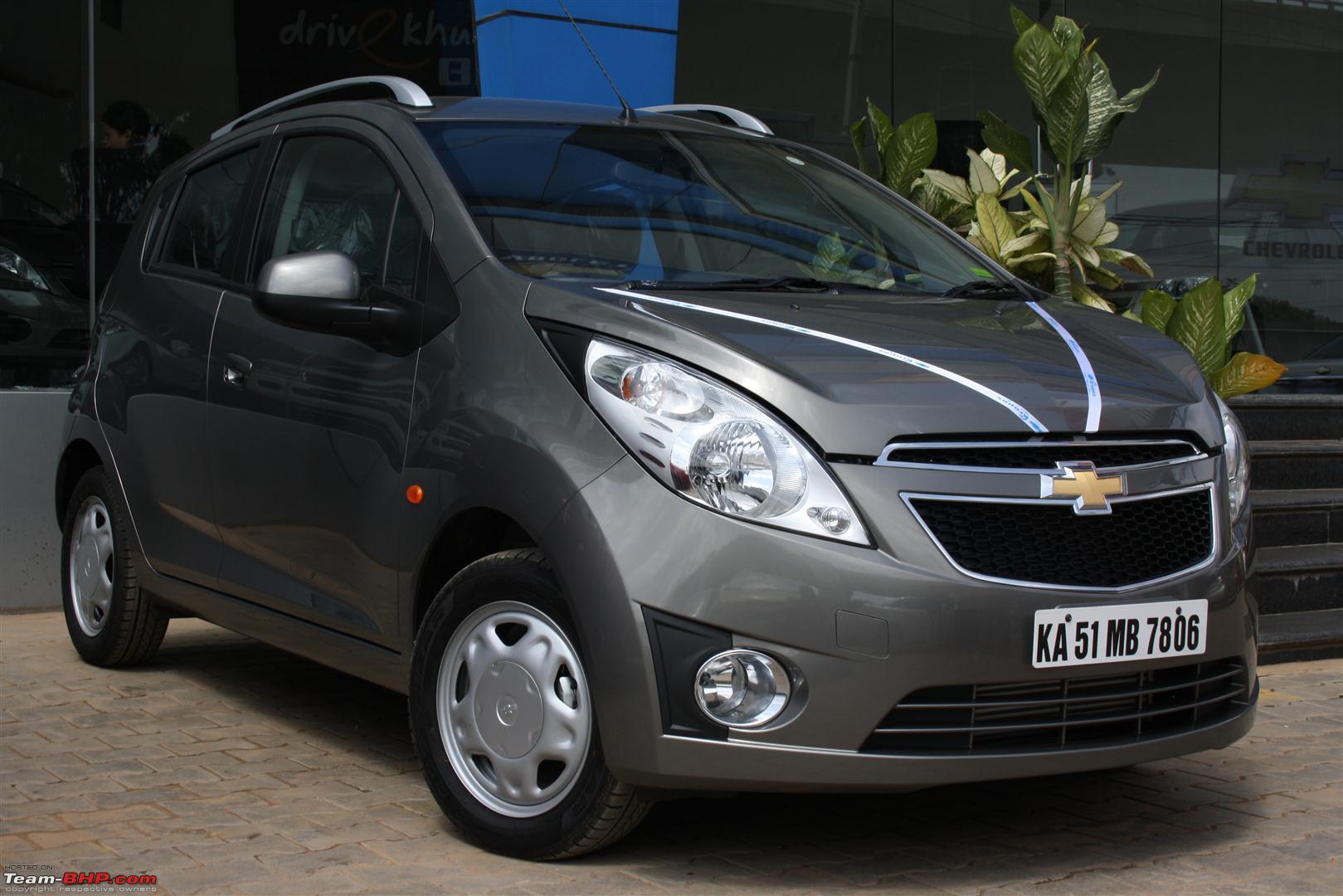
Chevrolet Beat
The Chevrolet Beat is known for its distinctive design and decent urban performance, but one of its weaker points is cabin insulation, particularly related to its relatively thin window glass. This design choice contributes to higher noise levels inside the cabin compared to more refined competitors.
In daily driving conditions, the Beat allows noticeable levels of external noise to enter the cabin. This includes engine sounds from nearby vehicles, road tire noise, and wind movement around the body. The thin glass does not effectively filter these sounds, making the cabin feel less isolated.
At higher speeds, especially on highways, wind noise becomes significantly more prominent. The aerodynamic shape of the Beat helps to some extent, but the glass thickness limits its ability to maintain a quiet environment. This results in a driving experience that feels less refined during long trips.
The car’s suspension and body structure are tuned for city use, and this further affects how noise is perceived. Vibrations from uneven surfaces travel through the lightweight frame, and the window glass does not provide enough damping to reduce this effect.
For used car buyers, the Beat remains a budget friendly and stylish option, but its insulation limitations are clear. It is best suited for short commutes rather than extended highway travel where cabin quietness becomes more important.
