
Choosing a used car with the intention of keeping it for twenty years is very different from buying a vehicle for short-term use. Most buyers focus on price, features, or fuel economy, but long-term ownership demands a deeper approach.
A car that can survive two decades must be mechanically simple, built with durable components, and supported by strong parts availability. It also needs a history of consistent engineering rather than frequent redesigns that introduce new problems.
Many vehicles look attractive at first glance but begin to show expensive issues after 8 to 12 years, especially when maintenance is irregular or when the model has known weak points.
The foundation of long-term durability is reliability engineering. Brands such as Toyota, Honda, Lexus, and Mazda have consistently produced models that remain on the road well past 200,000 miles.
Studies of long-lasting vehicles repeatedly show that Toyota models like the Corolla, Camry, and Tacoma, along with Honda models such as the Civic and Accord, dominate longevity rankings due to their conservative mechanical design and proven powertrains.
These vehicles avoid overly complex systems that can fail prematurely, which is a major advantage when planning ownership across decades.
Maintenance discipline is another key factor. Even the most durable vehicle will fail early if basic servicing is ignored. Oil changes, transmission fluid replacement, cooling system maintenance, and suspension upkeep determine whether a car lasts 10 years or 20 years.
Cars designed with simpler engines and widely available spare parts are easier and cheaper to maintain over time, which makes them more suitable for long-term ownership.
Driving conditions also matter. Highway-driven cars typically last longer than vehicles used in heavy traffic or rough terrain. However, certain SUVs and trucks are engineered for harsh usage and still achieve high mileage when properly maintained. Models like the Toyota 4Runner and Honda CR-V are known for their ability to withstand difficult conditions while remaining mechanically stable.
Choosing a car for two decades of ownership requires prioritizing proven reliability over luxury features or advanced technology. Many modern features become outdated or expensive to repair over time, while mechanical simplicity often ensures long service life.
The following sections present ten used cars that consistently demonstrate the ability to remain dependable across long ownership periods, based on real-world longevity trends, maintenance practicality, and long-term ownership records.
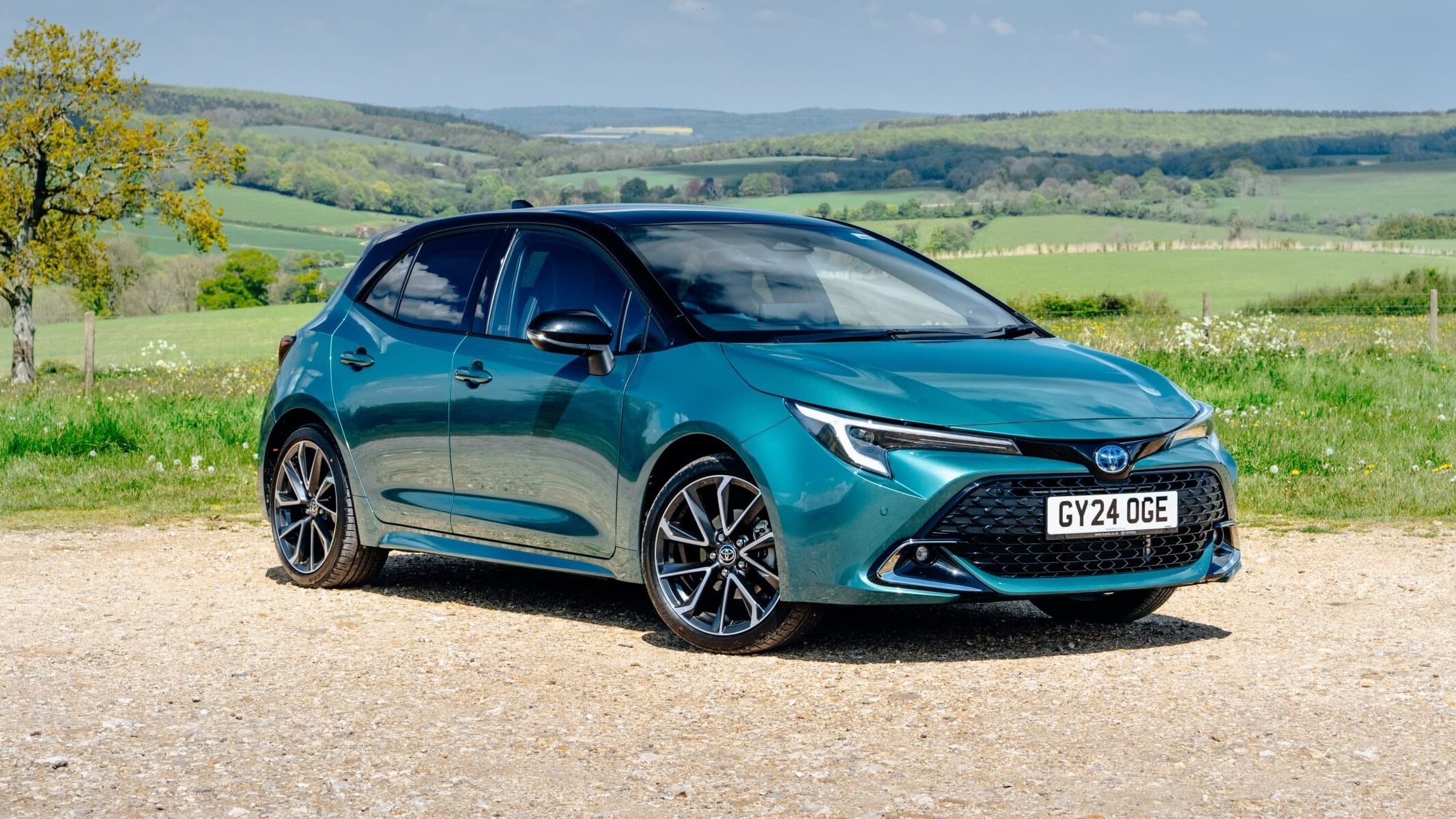
1. Toyota Corolla
The Toyota Corolla is widely regarded as one of the most dependable and longest-lasting compact cars ever produced, and its reputation has been built over several decades of consistent real-world performance. One of the main reasons the Corolla is capable of lasting twenty years or more is its conservative engineering approach.
Toyota has historically avoided overcomplicating the Corolla’s mechanical systems, instead focusing on stability, efficiency, and ease of maintenance. This means fewer components that can fail over time and a more predictable ownership experience across decades. Many older Corolla models from the early 2000s are still actively used today, which is a strong indicator of its long-term durability.
A major advantage of the Corolla is its extremely low maintenance requirement compared to many other vehicles in its class. Routine servicing such as oil changes, brake replacement, and periodic fluid checks is usually enough to keep the vehicle running reliably for very long periods.
The engine design is built to tolerate wear without sudden failure, which is essential for long-term ownership planning. Even when maintenance is not perfect, the Corolla tends to remain functional longer than many competitors, which makes it especially suitable for owners who want a low-risk long-term vehicle.
Another important factor that supports its two-decade lifespan potential is the global availability of parts and repair knowledge. Because the Corolla is one of the best-selling cars in automotive history, spare parts are widely available in almost every market.
This reduces repair delays and keeps costs under control even as the vehicle ages. Mechanics across the world are highly familiar with its systems, which also reduces diagnostic errors and repair complexity over time.
Fuel efficiency plays a supporting but important role in long-term ownership. The Corolla’s engines are designed to deliver consistent mileage over many years without significant performance drop. This helps reduce the cost of ownership, especially for drivers who plan to use the car daily for decades. Even as fuel prices change over time, the Corolla remains economically practical.
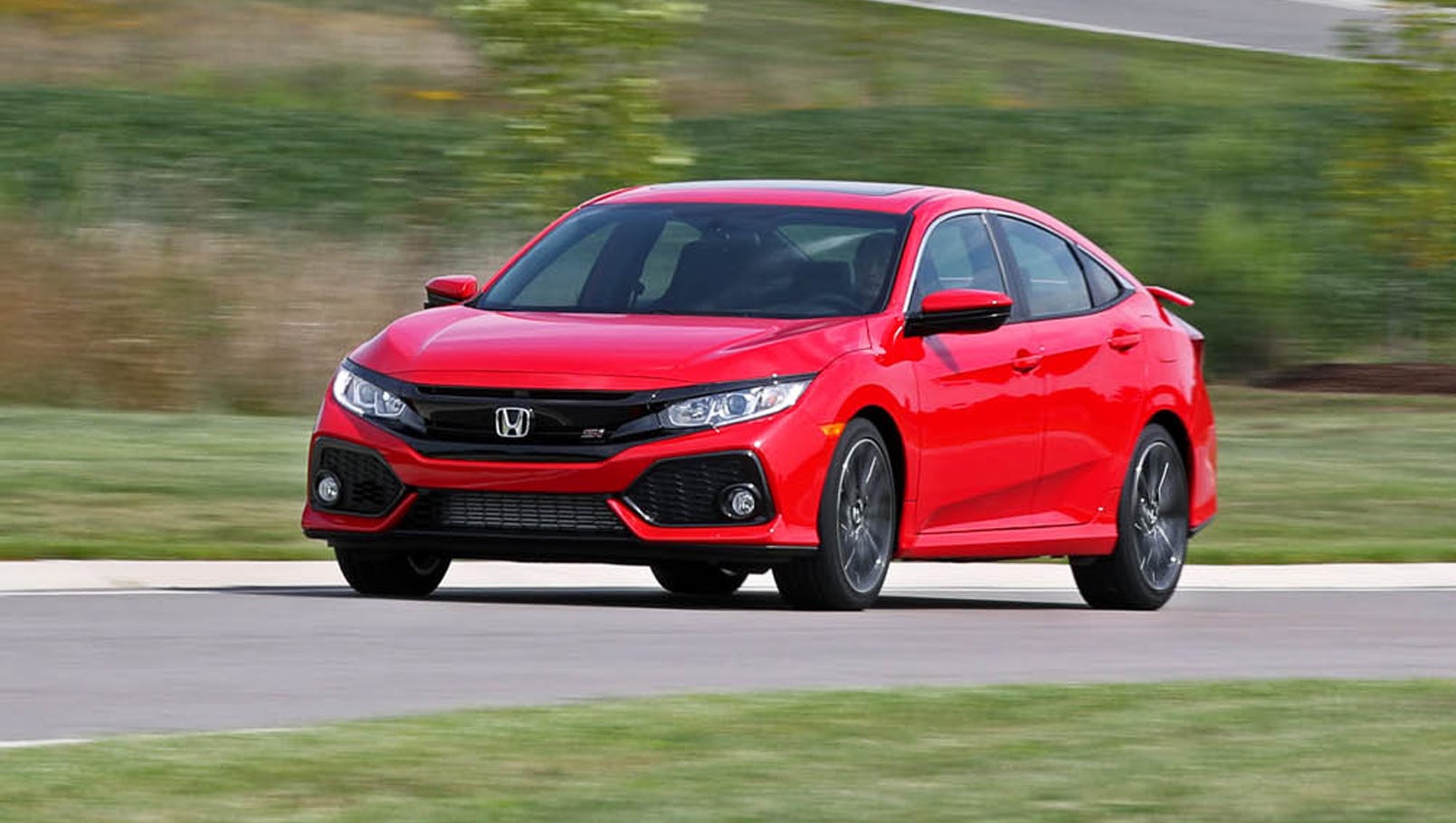
2. Honda Civic
The Honda Civic has earned a strong global reputation for long-term reliability, making it one of the most commonly recommended vehicles for owners planning extended use. Its engineering philosophy focuses on efficient performance, lightweight design, and durable mechanical components.
Over multiple generations, the Civic has consistently proven that it can survive high mileage usage without major structural or engine-related issues when basic maintenance is followed correctly. Many Civic vehicles regularly exceed 250,000 miles, which reflects its long-term durability potential.
One of the Civic’s strongest advantages is its well-balanced engine design. Honda engines are known for smooth operation and strong resistance to internal wear when maintained properly.
Unlike more complex turbocharged systems found in some modern compact cars, many Civic variants rely on naturally aspirated engines that are simpler and less prone to long-term failure. This simplicity is extremely important for owners who intend to keep a vehicle for twenty years, as fewer mechanical stress points reduce the chances of costly repairs later in life.
Another key strength is the widespread availability of parts and the large global owner base. Because the Civic is one of the most popular compact cars in the world, replacement parts remain affordable and easy to source even for older models.
This ensures that long-term ownership does not become financially difficult due to scarcity of components. Mechanics are also highly experienced with Civic platforms, which makes maintenance and repairs more predictable and efficient.
The Civic also benefits from continuous refinement in design without losing its core reliability. While newer models include modern technology and comfort features, Honda has generally avoided excessive complexity that could compromise long-term durability. This careful balance allows the Civic to remain relevant while still maintaining its reputation for dependability over long ownership cycles.
For owners planning to keep a car for two decades, the Honda Civic offers a strong combination of engine reliability, maintenance affordability, and global service support, making it one of the most dependable compact cars available.
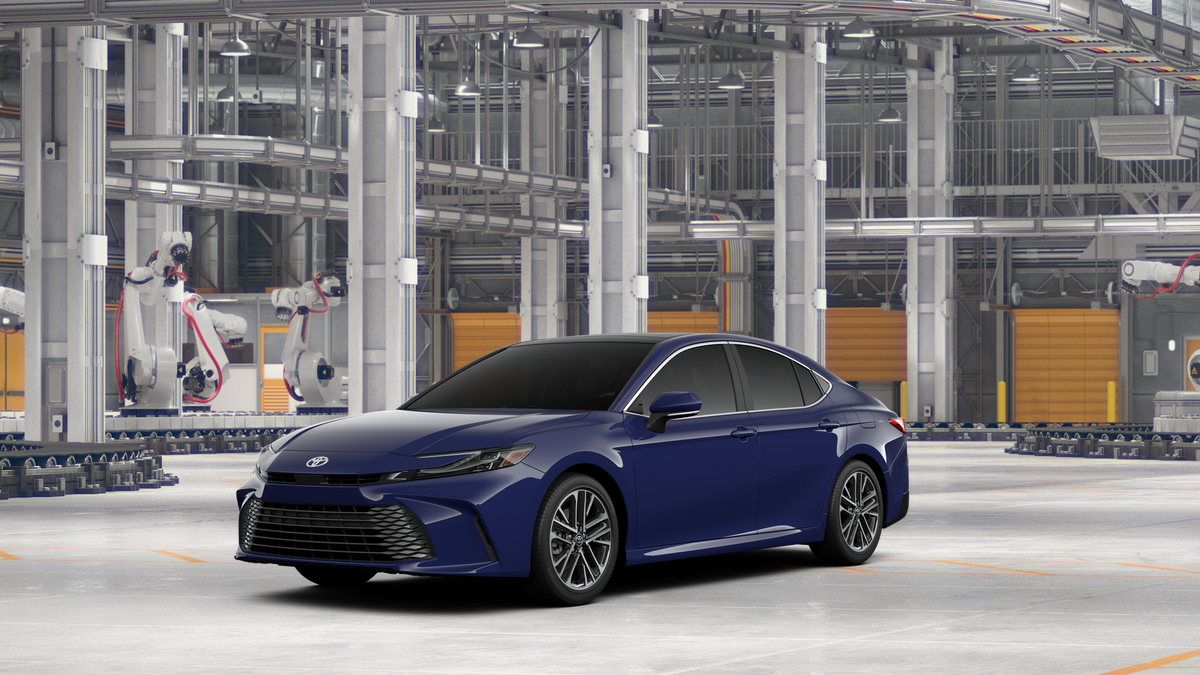
3. Toyota Camry
The Toyota Camry is one of the most trusted midsize sedans in the world, particularly for long-term ownership. It has built its reputation on delivering consistent performance, strong mechanical reliability, and low long-term maintenance costs.
Many Camry vehicles remain in service well beyond 200,000 miles, and in some cases significantly more, which highlights its suitability for two-decade ownership plans. The Camry’s design philosophy focuses heavily on long-term stability rather than short-term performance gains.
A major factor in the Camry’s durability is its engine engineering. Toyota has consistently used proven engine platforms that are designed to operate under moderate stress for extended periods. These engines are not overly aggressive, which helps reduce internal wear and prolong lifespan.
The result is a powertrain that remains stable over many years with only routine maintenance. Even older Camry models are known for continuing to perform reliably with proper servicing.
Transmission reliability is another key strength of the Camry. Toyota automatic transmissions are designed for long service life when fluid changes are performed at appropriate intervals.
While neglect can still cause issues over time, the failure rate remains low compared to many other midsize sedans. This contributes significantly to the Camry’s reputation as a long-lasting family vehicle.
Comfort and structural durability also support long-term use. The Camry is built with a strong chassis that maintains stability even after years of daily driving. Suspension components are designed to handle long-term road stress, which helps preserve ride comfort and driving quality over time. This is especially important for owners who intend to use the vehicle for decades rather than replacing it after a few years.
In addition, the Camry benefits from global popularity, which ensures strong parts availability and widespread mechanical expertise. This reduces long-term maintenance uncertainty and keeps ownership costs manageable. For long-term planning, the Toyota Camry remains one of the most practical and dependable midsize sedan choices available.
4. Honda Accord
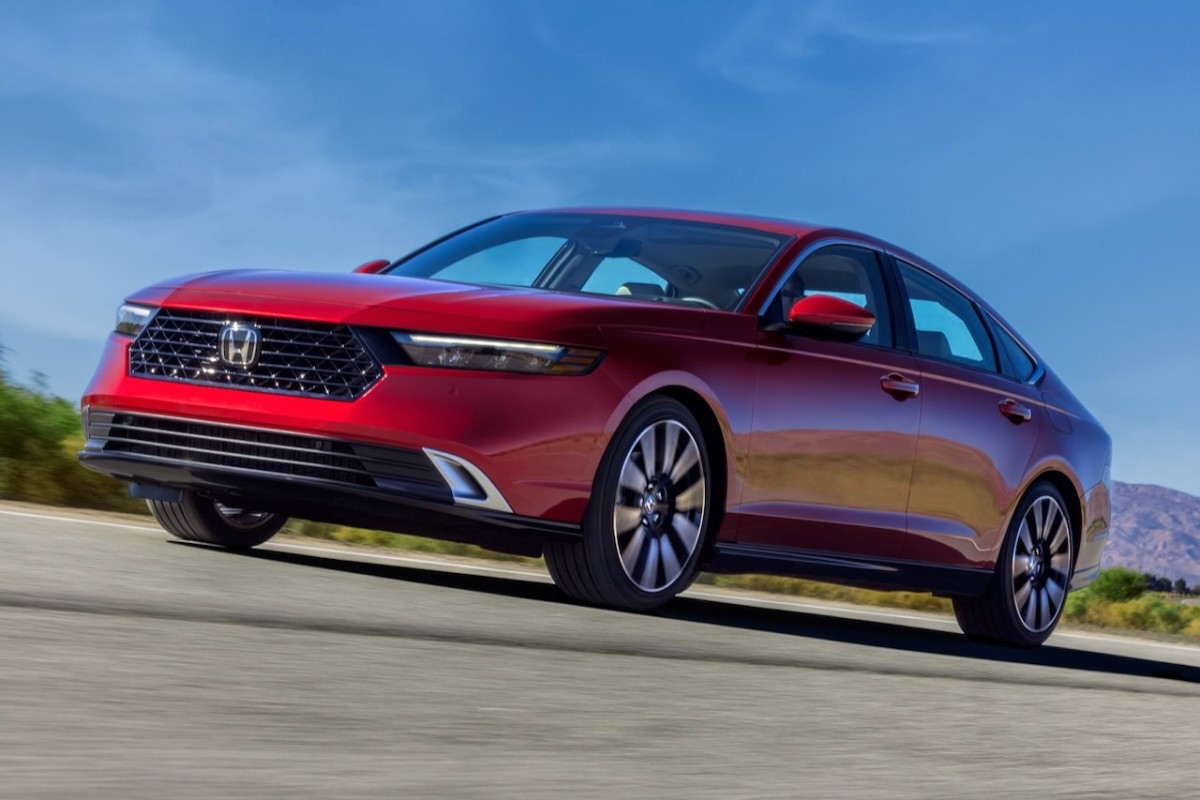
The Honda Accord is a midsize sedan that has consistently ranked among the most reliable vehicles for long-term ownership. It combines durability with comfort and has been a preferred choice for drivers who want a vehicle capable of lasting many years with proper maintenance.
Over multiple generations, the Accord has demonstrated strong resistance to engine failure, transmission wear, and structural degradation, making it suitable for extended ownership cycles of twenty years or more.
One of the most important aspects of the Accord’s reliability is its engine design. Honda has built its four-cylinder engines with a strong focus on efficiency and long-term mechanical balance. These engines are known for smooth performance and low internal stress, which allows them to remain functional even at very high mileage. When routine maintenance such as oil changes and cooling system care is followed, these engines can operate reliably for decades.
While the Accord also offers V6 variants in some generations, long-term reliability tends to be stronger in the four-cylinder models due to lower mechanical complexity. This is an important consideration for buyers planning very long ownership periods, as simpler engines generally reduce long-term repair risk. Transmission maintenance is also important, especially in older models, but with proper care, the Accord’s drivetrain remains dependable.
Another strength of the Accord is its structural build quality. The chassis is designed to remain stable under long-term use, and suspension systems are engineered to maintain comfort even after many years of driving. This helps preserve both ride quality and safety performance over time, which is important for long-term owners who expect consistent performance throughout the vehicle’s life.
The Accord also benefits from strong global support in terms of parts availability and mechanical expertise. Because it is widely used across many regions, repair knowledge is extensive and parts are generally easy to source. This makes long-term ownership more predictable and cost-effective.
For drivers planning to keep a vehicle for two decades, the Honda Accord remains one of the most balanced and durable midsize sedans available.
5. Toyota Prius
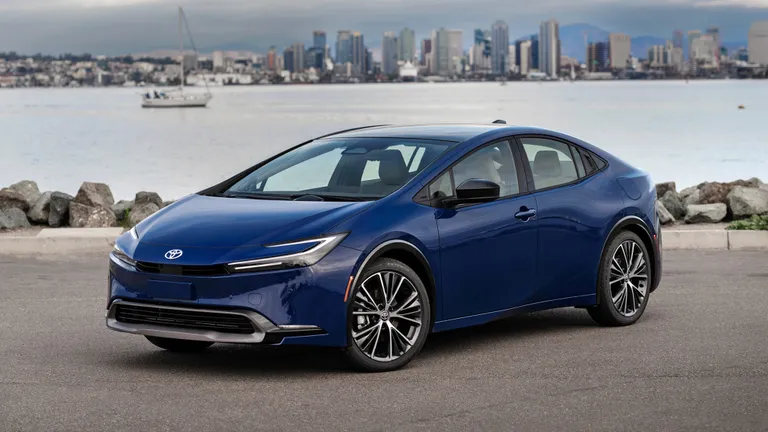
The Toyota Prius is one of the most successful hybrid vehicles in automotive history and has proven that hybrid systems can also deliver long-term durability when engineered properly. Many early concerns about hybrid battery life have been addressed through Toyota’s continuous refinement of its hybrid technology. As a result, the Prius is now considered one of the most reliable long-term vehicles in its category, with many examples exceeding 200,000 miles while still operating efficiently.
One of the most important strengths of the Prius is its hybrid drivetrain design. The combination of a gasoline engine and electric motor reduces strain on the engine because both systems share driving load.
This means the engine often operates under less stress compared to traditional vehicles, which helps extend its lifespan. The hybrid system also allows for smoother operation in city driving conditions, reducing wear caused by constant stop-and-go traffic.
The hybrid battery system in the Prius is designed for long service life, and many real-world cases show batteries lasting well over a decade with minimal degradation. Toyota’s hybrid technology has matured significantly over multiple generations, improving both reliability and replacement cost efficiency. In many cases, even when battery maintenance is required, it is less disruptive than expected due to improved service support.
Maintenance requirements for the Prius are generally predictable and manageable. While hybrid systems require specialized knowledge, Toyota’s widespread service network ensures that trained technicians are available in most regions. Routine servicing such as oil changes, brake maintenance, and system diagnostics is usually sufficient to keep the vehicle in strong condition over long periods.
Another advantage is the Prius’s exceptional fuel efficiency, which reduces running costs significantly over decades of use. For long-term owners, this can result in substantial savings compared to conventional gasoline vehicles. Combined with its mechanical durability, the Prius offers a strong long-term ownership value proposition.
For drivers planning a twenty-year ownership cycle, the Toyota Prius provides a rare combination of fuel efficiency, hybrid durability, and long-term reliability.
6. Toyota 4Runner
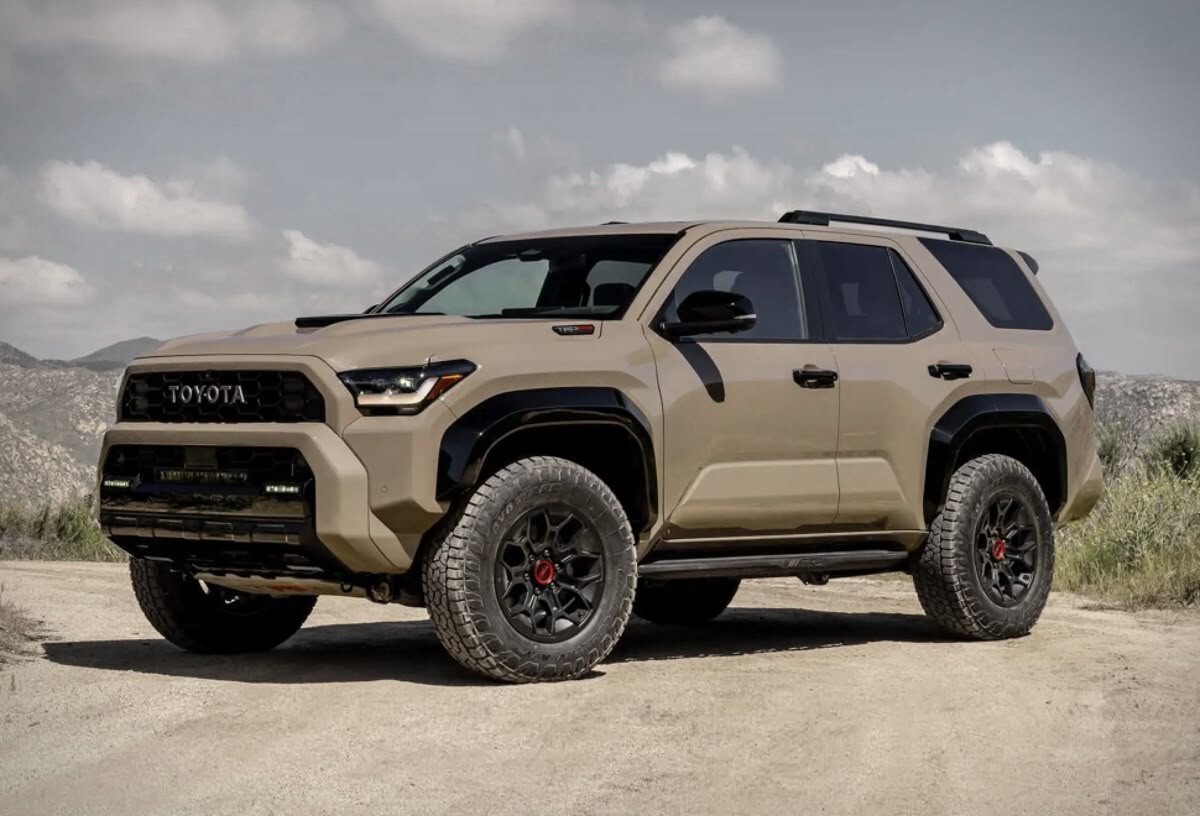
The Toyota 4Runner is one of the most durable SUVs ever built, especially for people who intend to keep a vehicle for decades. It uses a traditional body-on-frame structure, which is stronger and more repair-friendly than modern unibody SUVs.
This construction style allows it to handle heavy loads, rough terrain, and long-term stress without weakening the core frame. Many owners choose the 4Runner specifically because it is engineered more like a utility machine than a comfort-focused crossover, and that difference plays a major role in its long lifespan.
The engine design in the 4Runner is intentionally conservative. Toyota has used naturally aspirated engines in most generations rather than smaller turbocharged units that tend to wear faster under pressure.
This reduces heat stress and internal strain, which helps the engine last for hundreds of thousands of miles when basic maintenance is followed. Oil changes, coolant replacement, and timely inspection of suspension components are often enough to keep it running smoothly for years.
Another important factor is its suspension and drivetrain strength. The 4Runner is built to handle off-road conditions, which means its components are over-engineered for normal road use. This results in slower wear and fewer breakdowns during regular driving. Even after long usage, the suspension tends to remain stable compared to many SUVs that develop early aging issues in bushings and control arms.
Repair accessibility also supports long-term ownership. The 4Runner shares many parts across Toyota’s SUV lineup, and mechanics are generally familiar with its systems. Even older models are relatively easy to maintain due to their mechanical simplicity compared to modern electronically complex SUVs. This reduces uncertainty over long ownership periods.
For people planning to keep a vehicle for twenty years or more, the Toyota 4Runner stands out as a dependable SUV that prioritizes mechanical strength, long service life, and predictable maintenance needs over luxury or advanced features.
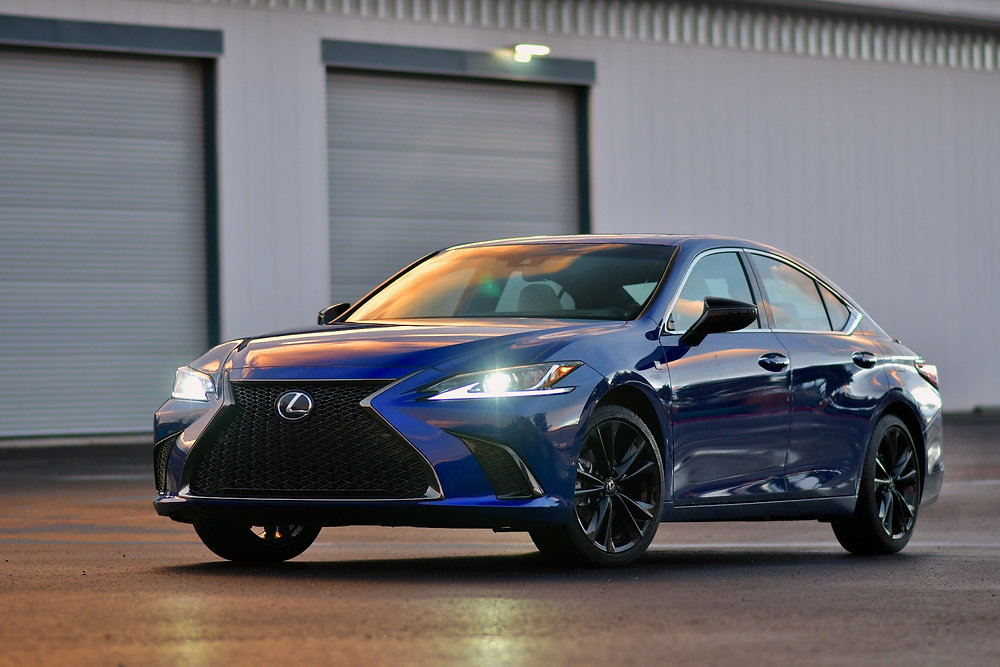
7. Lexus ES
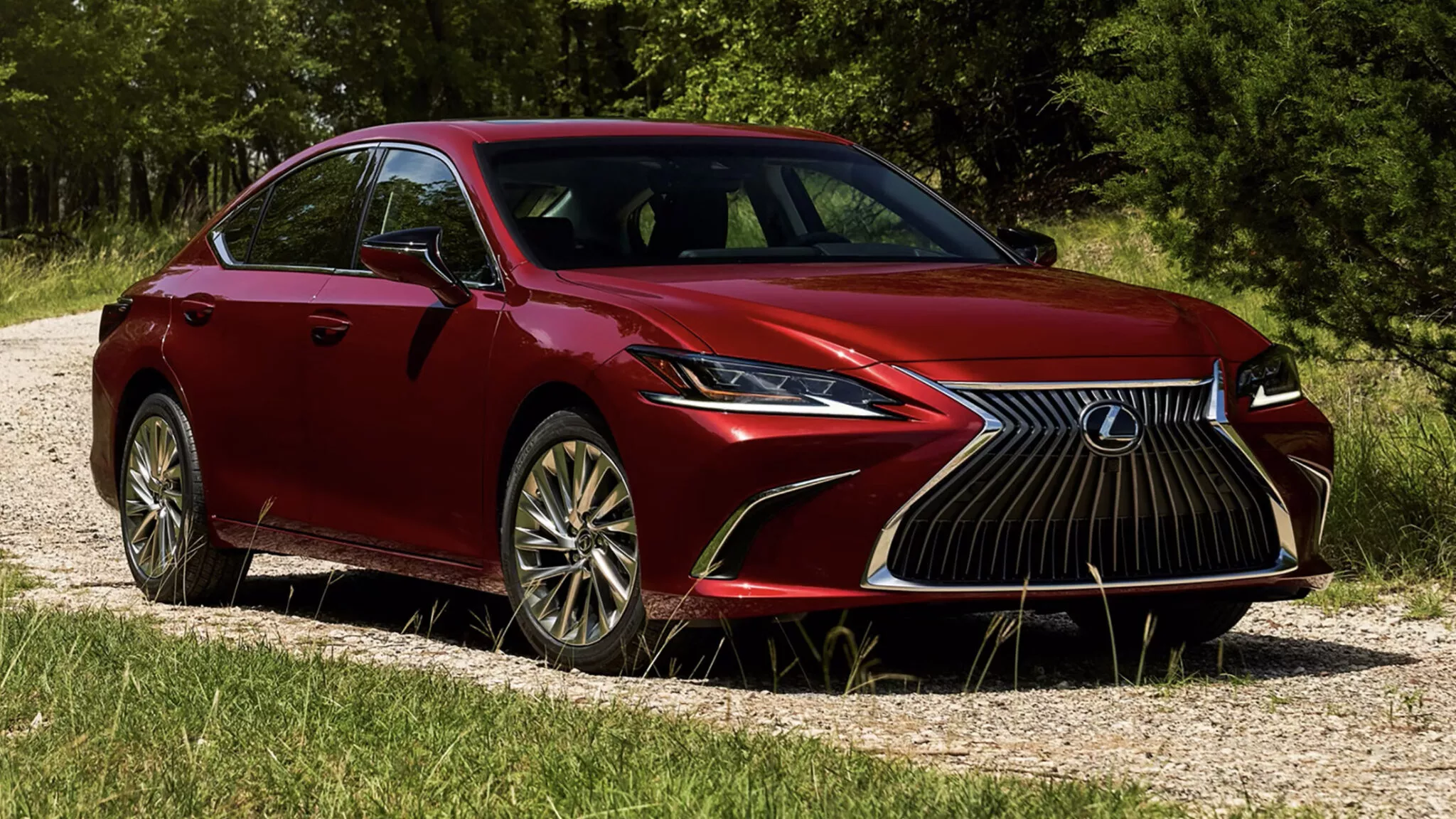
The Lexus ES is one of the most consistent luxury sedans when it comes to long-term durability. It is built on Toyota’s proven engineering philosophy, which focuses on reliability first and luxury second.
This combination makes it an ideal choice for buyers who want comfort without sacrificing the ability to keep a vehicle for decades. The ES shares many mechanical components with the Toyota Camry, which already has a strong reputation for long life, and this shared foundation significantly boosts its reliability record.
One of the strongest aspects of the Lexus ES is its engine smoothness and stability. The engines are tuned for relaxed performance rather than aggressive output, which reduces internal stress and extends component lifespan.
This type of engineering helps prevent early wear and allows the vehicle to remain mechanically stable even after high mileage usage. When serviced regularly, the engine and transmission combination can remain reliable for many years without major repairs.
Interior durability is another area where the Lexus ES performs well. Luxury vehicles often face issues with aging interiors, but the ES uses high-quality materials designed to resist wear over long periods.
Seats, dashboard surfaces, and trim pieces tend to hold up better than many competitors in the luxury segment. This matters for long-term ownership because interior degradation often affects the comfort and value of older cars more than mechanical issues.
Maintenance costs are higher than standard Toyota models, but they are balanced by the low frequency of serious mechanical failures. Routine servicing such as fluid changes, brake maintenance, and suspension inspections is usually enough to keep the car in excellent condition. Owners who follow maintenance schedules carefully often find that the ES remains reliable even after 15 to 20 years of use.
For long-term ownership, the Lexus ES offers a rare balance of comfort, durability, and engineering stability, making it one of the most dependable luxury sedans for extended use.
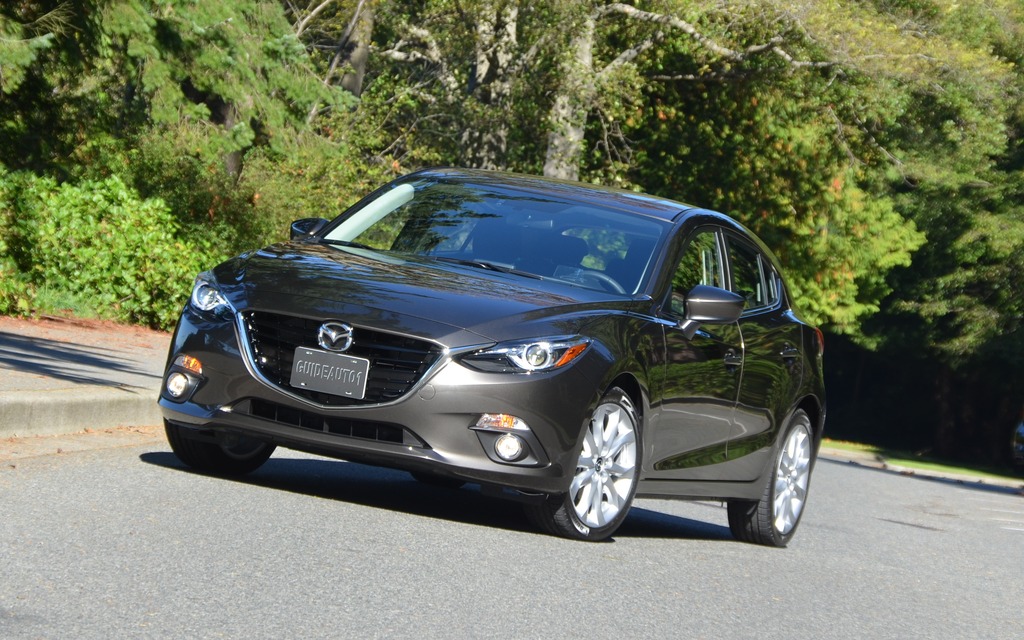
8. Mazda3
The Mazda3 has steadily gained a reputation as a compact car that combines driving enjoyment with improving long-term reliability. Mazda has focused on refining engine efficiency and reducing unnecessary mechanical complexity, which has helped the Mazda3 become more durable across newer generations.
Unlike many compact cars that rely heavily on turbocharged engines, several Mazda3 variants use naturally aspirated engines designed for long-term stability and reduced maintenance stress.
One of the key strengths of the Mazda3 is its engine reliability when maintained properly. The Skyactiv engine technology used in recent models is designed to optimize combustion efficiency while reducing internal wear. This results in smoother performance and lower chances of early mechanical failure. Regular oil changes and basic maintenance are usually sufficient to keep the engine running well for extended periods.
The build quality of the Mazda3 also contributes to its long-term potential. The chassis is designed with improved rigidity, which reduces structural fatigue over time. This helps the vehicle maintain its handling characteristics even after many years of use. In addition, newer models have better rust protection, which is important for long-term durability in varying weather conditions.
Another advantage is the interior quality relative to its class. The Mazda3 uses materials that feel more premium than typical compact cars, and they tend to age well when properly cared for. This makes the car feel more refined even after long ownership, which is important for users planning to keep it for decades.
Maintenance costs are generally moderate, and Mazda parts are becoming more widely available globally. While not as universally accessible as Toyota or Honda parts, they are still reasonably easy to source. For long-term owners, this balance of reliability, comfort, and driving quality makes the Mazda3 a strong compact car option.
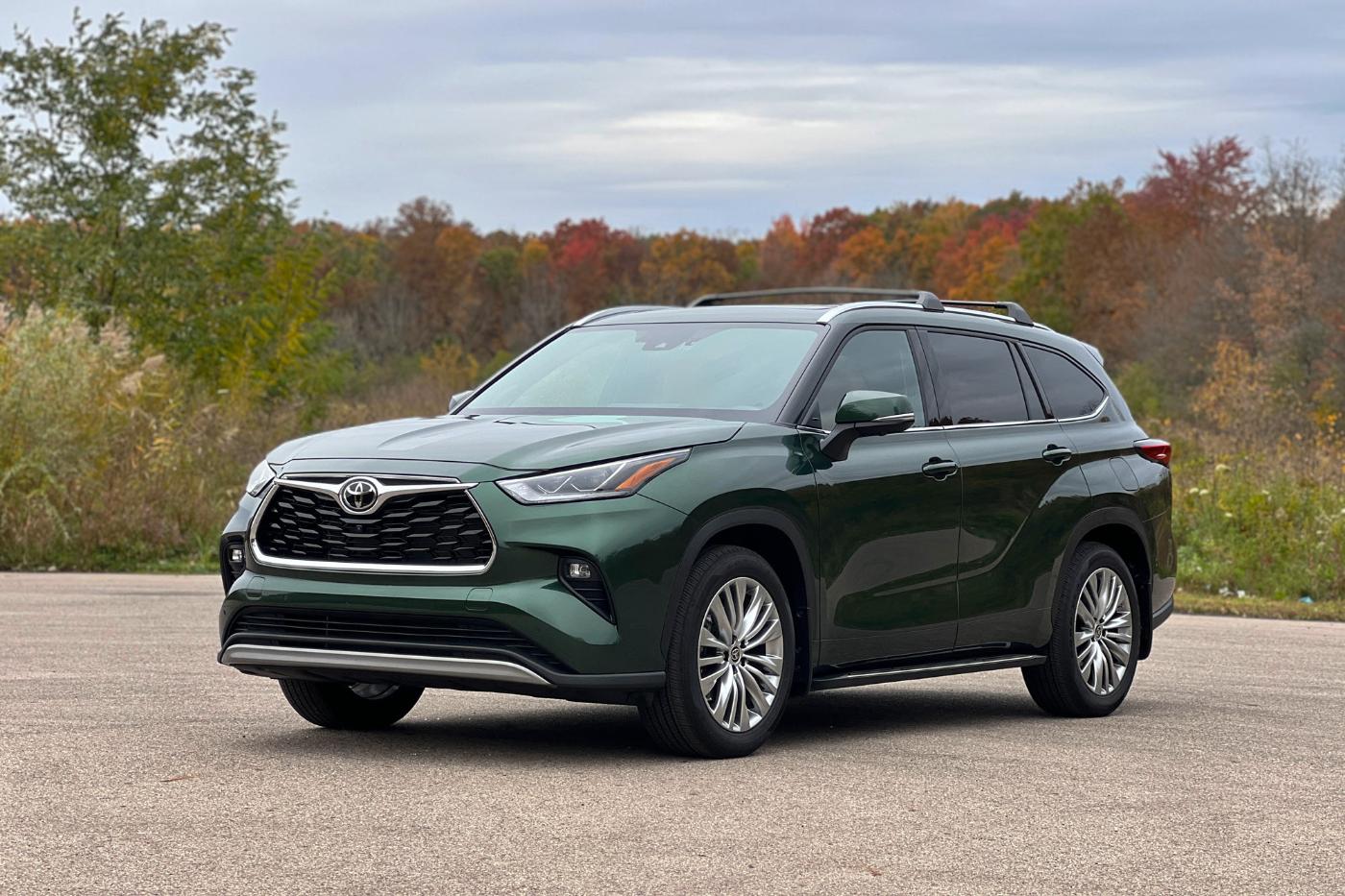
9. Toyota Highlander
The Toyota Highlander is a midsize SUV designed for family use, and its long-term durability is one of its strongest qualities. It shares much of its engineering philosophy with other Toyota models, focusing on simplicity, reliability, and predictable maintenance. Many Highlander vehicles remain in service for well over 15 years, especially when used primarily for highway driving and routine family transportation.
The engine lineup in the Highlander is built for long service life. Toyota has used proven engine designs that avoid unnecessary performance stress, which helps extend durability.
Even when used in fully loaded family conditions, the engines tend to remain stable when oil changes and cooling system maintenance are performed regularly. Hybrid versions of the Highlander also benefit from Toyota’s mature hybrid technology, which has already proven reliable in other long-term models.
Another strength of the Highlander is its suspension and comfort balance. It is designed to carry passengers comfortably while maintaining durability under load. The suspension components are built to withstand long-term use without frequent replacement, which is important for a vehicle expected to serve families over decades. Even after high mileage, the ride quality often remains stable compared to less durable SUVs.
Interior space and practicality also support long ownership cycles. The Highlander offers flexible seating and cargo arrangements, which makes it useful for changing family needs over time. The interior materials are designed for durability, allowing the cabin to remain functional even after years of heavy use.
Repairability is another advantage. Because it is a Toyota product, parts availability is strong in most regions, and mechanics are generally familiar with its systems. This reduces long-term ownership stress and ensures that maintenance remains manageable even after many years.
For families planning long-term vehicle ownership, the Toyota Highlander is one of the most dependable SUVs available, offering a strong balance of durability, practicality, and low maintenance complexity.
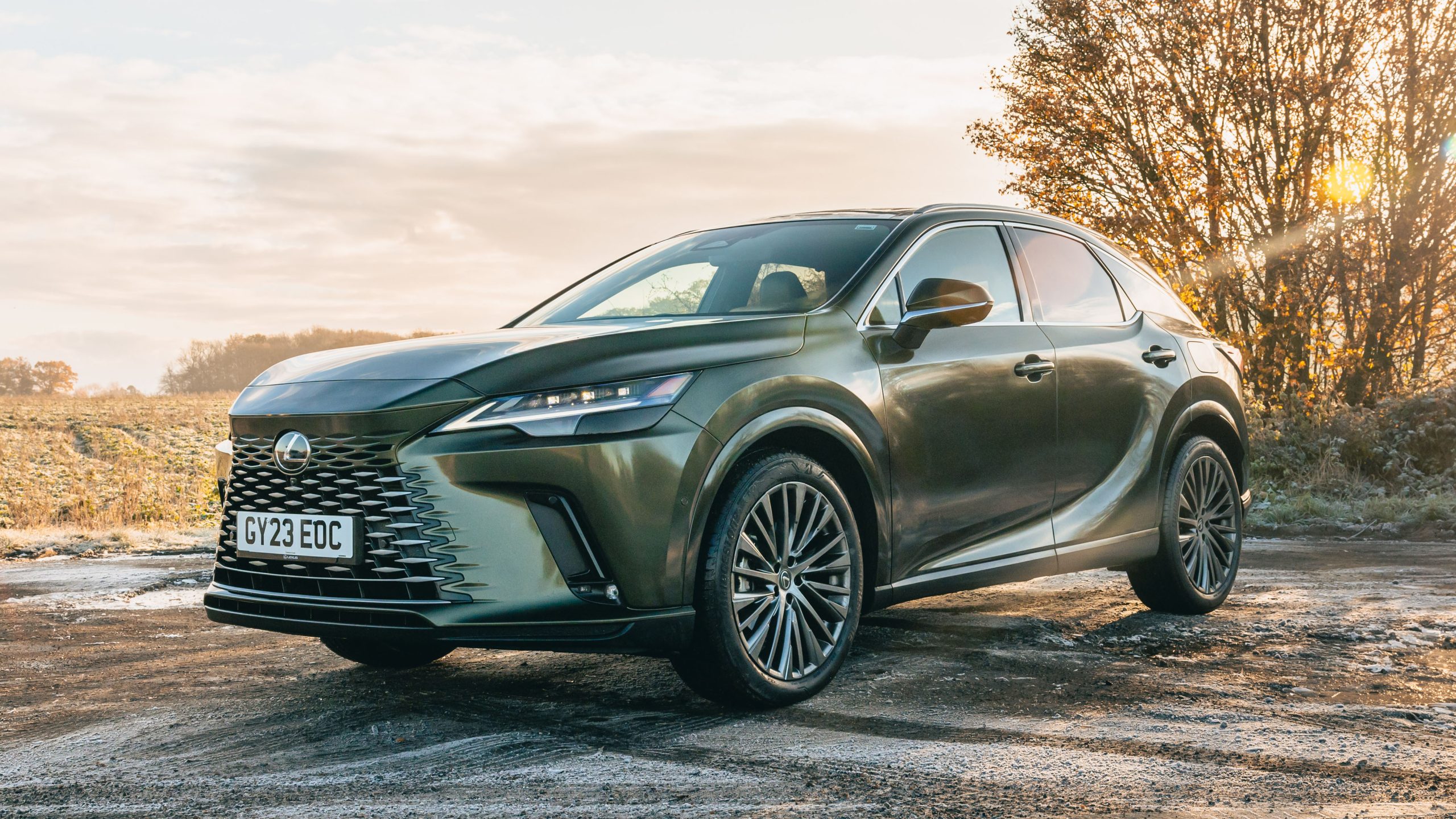
10. Lexus RX
The Lexus RX is one of the most reliable luxury SUVs ever produced, combining Toyota engineering strength with premium comfort features. It has consistently ranked high in long-term reliability studies due to its stable mechanical systems and conservative engineering approach. Many RX models remain in excellent condition even after 15 to 20 years of use, which makes it a strong candidate for long-term ownership planning.
The engine systems in the Lexus RX are designed for smooth and steady performance rather than aggressive power output. This reduces mechanical stress and helps extend engine life significantly.
Many RX vehicles use naturally aspirated engines or well-tested hybrid systems that have already demonstrated long-term durability in other Toyota and Lexus models. When maintained properly, these engines can remain reliable for very high mileage.
Transmission performance in the RX is also a key strength. Lexus uses well-tested automatic transmissions that prioritize smooth shifting and long-term durability. Regular fluid changes help maintain performance, and major transmission failures are relatively uncommon compared to other luxury SUVs.
The interior of the RX is another area where long-term ownership is supported. Lexus uses high-quality materials that resist aging, including durable seat coverings, soft-touch surfaces, and well-assembled dashboard components. This helps the cabin maintain its premium feel even after many years of use, which is important for long-term satisfaction.
Maintenance costs are higher than standard Toyota SUVs, but they are offset by the lower frequency of major mechanical issues. Owners who follow regular service schedules often find that the RX remains dependable for decades. This combination of luxury, comfort, and mechanical reliability makes the Lexus RX one of the strongest long-term SUV choices in the luxury segment.
