
Outward visibility is one of the most important yet underestimated aspects of vehicle safety, especially in SUVs where size, structure, and design choices strongly influence what a driver can and cannot see.
While modern SUVs are equipped with advanced safety systems such as blind spot monitoring, surround-view cameras, and lane assist features, these technologies are still secondary aids. The most critical factor remains the natural line of sight from the driver’s seat, which depends heavily on the shape of the cabin, window size, and pillar thickness.
The structure of an SUV includes several pillars that support the roof and ensure passenger safety during rollovers and collisions. These include the A-pillars near the windshield, the B-pillars between the front and rear doors, and the C-pillars toward the rear.
Over the past two decades, these pillars have become significantly thicker due to stricter crash safety standards and rollover protection requirements.
While this has improved occupant safety, it has also reduced visibility, creating larger blind zones around the vehicle. Research and automotive analysis consistently highlight that thick A-pillars can block pedestrians, cyclists, and oncoming traffic at intersections, increasing the risk of accidents in real-world driving situations.
At the same time, some SUV manufacturers have prioritized visibility by designing vehicles with larger glass areas, more upright windshield angles, and thinner structural supports.
These designs allow drivers to maintain a clearer view of their surroundings, making driving less stressful in urban traffic, parking situations, and highway lane changes. Vehicles with good visibility often share common traits such as boxy body shapes, lower dashboard heights, and carefully positioned side mirrors that reduce obstruction near the front corners.
On the other side, many modern SUVs with sleek styling and coupe-like silhouettes sacrifice visibility for aesthetics and aerodynamics. These designs often feature narrow rear windows, thick pillars, and high beltlines that create tunnel-like vision for the driver.
While these vehicles may look more stylish and sporty, they often demand greater reliance on electronic aids to compensate for reduced direct sightlines.
This article breaks down five SUVs known for excellent blind spot visibility and five that are frequently criticized for dangerous pillar design and restricted sightlines. The comparison focuses on real-world driving experience, pillar geometry, window size, and driver awareness.
SUVs With Clear Blind Spot Visibility
Subaru Forester
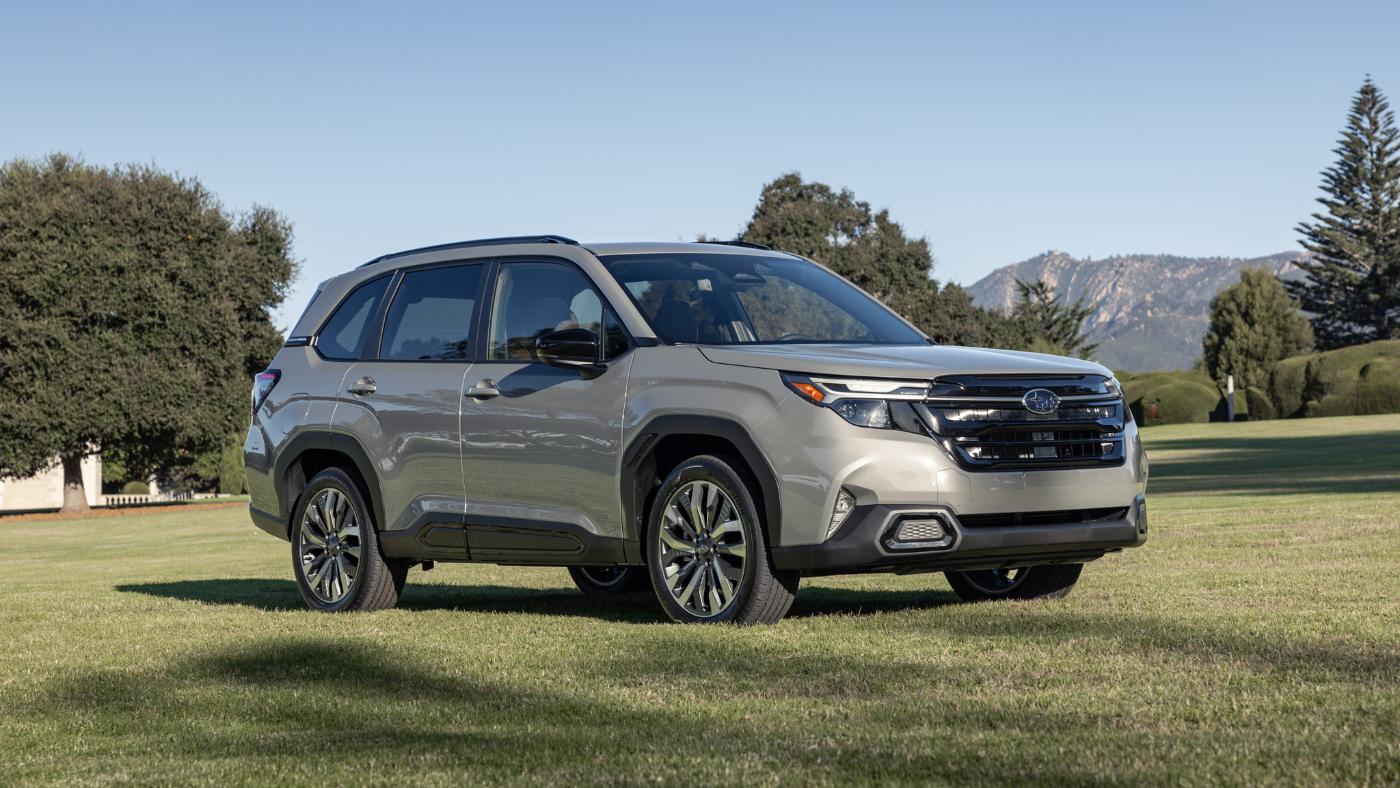
The Subaru Forester is widely regarded as one of the most visibility-friendly SUVs available today because its design strongly prioritizes outward awareness over aggressive styling. The vehicle’s boxy shape is not just an aesthetic choice but a functional one, allowing large windows on all sides and a more upright windshield that gives the driver an extended forward field of view.
Unlike many modern SUVs that slope the roofline or narrow the glass area for styling purposes, the Forester maintains a tall greenhouse design that ensures minimal obstruction in nearly every direction. This becomes especially noticeable in city driving where pedestrians, cyclists, and smaller vehicles can often be seen earlier than in many competing SUVs.
Another key advantage is the relatively thin A-pillars compared to many modern SUVs. While still reinforced for safety, they are shaped in a way that reduces the size of the blind wedge created at intersections. This makes a real difference during left or right turns where thick pillars in other vehicles can briefly hide oncoming traffic or pedestrians.
The positioning of the side mirrors also contributes to better visibility, as they are mounted to minimize obstruction at the corners of the windshield.
Inside the cabin, the dashboard sits low, which enhances forward visibility and reduces the feeling of enclosure that some SUVs create. Drivers often report that they feel more connected to the road because the windshield feels larger than average, both in height and width. This reduces strain during long drives and improves confidence in tight traffic situations.
Rear visibility is another strong point. The rear window is wide and nearly rectangular, which allows a clear view when checking traffic behind or reversing into parking spaces. The headrests and rear pillars are positioned to avoid excessive blockage, making it easier to judge distances without relying entirely on the rear camera system.
The Forester stands out as a vehicle designed with human sightlines in mind. Even though it includes modern safety technology, its natural visibility reduces dependence on electronic aids and makes it especially suitable for drivers who prioritize direct visual awareness.
Honda CR-V
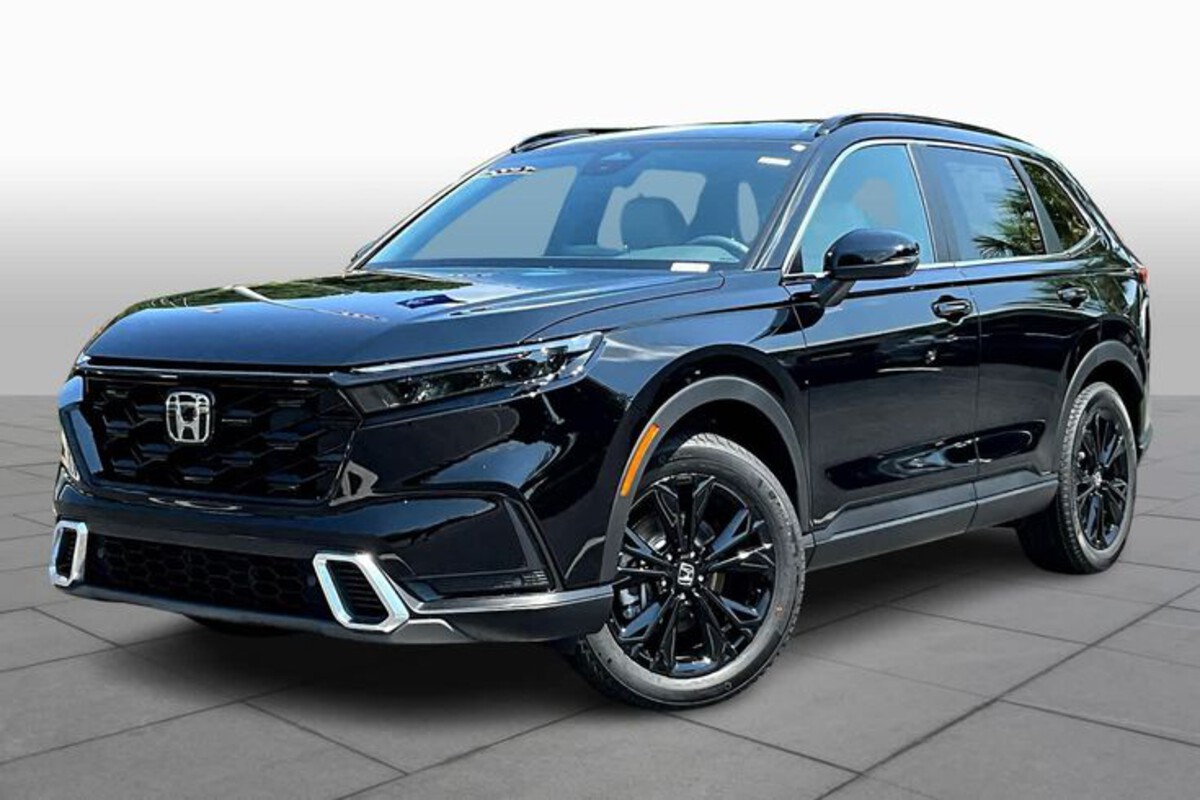
The Honda CR-V is one of the most balanced SUVs in terms of visibility, offering a design that blends practicality with strong outward awareness. One of its most effective design choices is the large, gently sloped windshield that provides a wide forward viewing area without creating distortion at the edges. This helps drivers maintain a clear understanding of road conditions, especially at higher speeds where early detection of hazards becomes important.
The A-pillars are shaped with a slight curve and are thinner than many SUVs in its class, which helps reduce the common problem of “hidden zones” at intersections.
This is particularly useful in urban environments where pedestrians or scooters can briefly disappear behind structural supports in poorly designed vehicles. Honda has carefully balanced structural reinforcement with visibility, ensuring safety standards are met without excessively blocking the driver’s view.
Side visibility is also strong due to large door windows that extend across both rows. This creates a continuous glass area that allows drivers to easily monitor adjacent lanes during highway driving. The window line is positioned at a comfortable height, so even shorter drivers can maintain good peripheral awareness without needing to adjust seating position frequently.
Another important factor is the placement of side mirrors on the door panels rather than higher up on the pillars. This design choice reduces obstruction near the front corners of the vehicle, which is one of the most critical areas for preventing minor collisions in tight turns or parking scenarios.
Rear visibility in the CR-V is slightly less impressive than forward and side visibility but still remains practical. The rear window is reasonably large, and the pillar thickness is controlled to avoid excessive obstruction. When combined with the natural driving position and wide glass layout, the CR-V provides a driving experience that feels open and predictable.
In daily use, the CR-V’s visibility contributes significantly to its reputation as an easy-to-drive SUV. Whether navigating crowded streets or changing lanes on highways, the driver benefits from consistent visual clarity that reduces uncertainty and improves reaction time.
Toyota RAV4
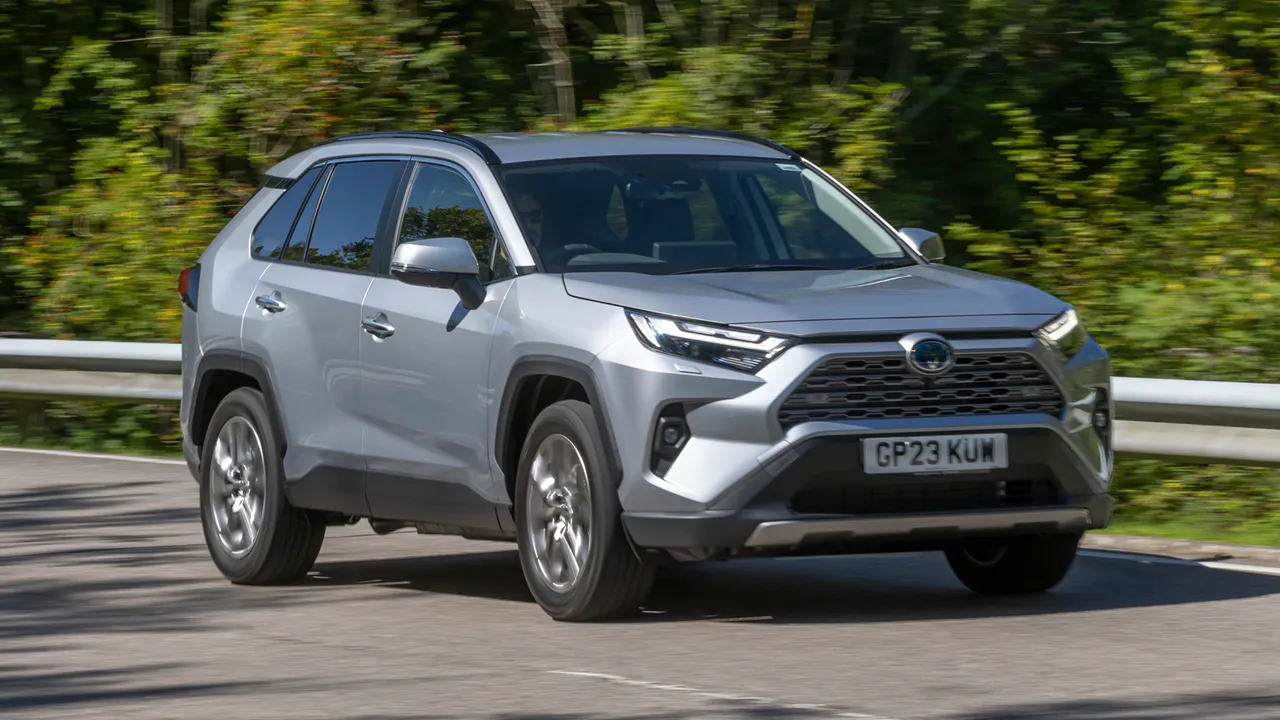
The Toyota RAV4 offers a strong combination of modern design and practical visibility, making it one of the more driver-friendly compact SUVs in its category. Its windshield is large and positioned at a relatively upright angle, which helps maintain a broad and stable forward view. This is especially useful in stop-and-go traffic where constant awareness of surrounding movement is necessary.
The A-pillars are moderately slim and carefully shaped to reduce obstruction at critical angles. While not the thinnest in its class, they are designed in a way that minimizes the most dangerous blind spots that typically occur during turns. This makes intersections easier to navigate, especially in dense traffic environments where quick visual checks are essential.
Side visibility benefits from a well-proportioned window layout. The glass area is large enough to allow clear awareness of vehicles in adjacent lanes, while the beltline is not excessively high, which prevents the feeling of being boxed in. This improves confidence during lane changes and helps reduce reliance on mirrors alone.
The seating position is slightly elevated, giving drivers a commanding but not overly detached view of the road. This balance is important because it allows better anticipation of traffic flow without sacrificing detail in nearby surroundings. Many drivers find this positioning helpful in both urban and suburban driving conditions.
Rear visibility is decent, though slightly affected by modern design trends that emphasize structure and styling. The rear pillars are thicker than older generations, but their shape is optimized to avoid completely blocking the rear field of view. Combined with standard rear-view cameras, parking and reversing remain manageable.
The RAV4 provides a practical visibility setup that supports everyday driving needs. While not the most open design in its class, it achieves a reliable balance between safety structure and driver awareness.
Mazda CX-5
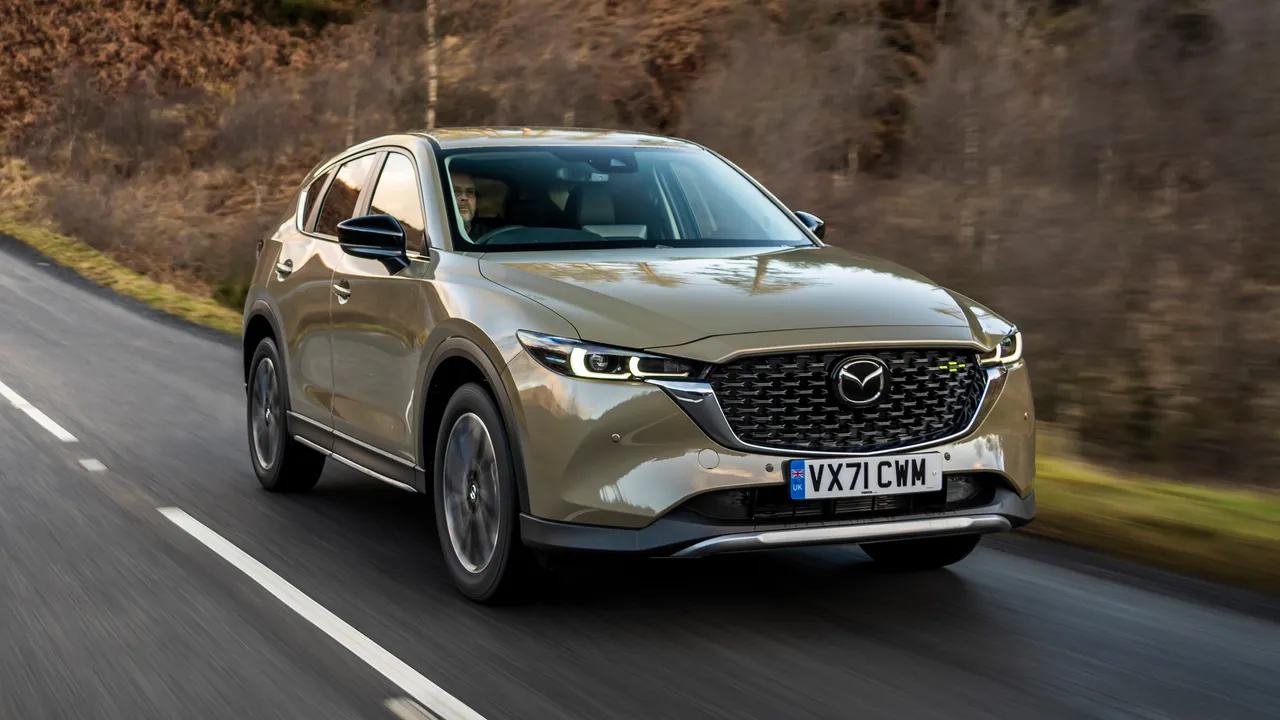
The Mazda CX-5 is often praised for delivering a more driver-focused experience, and this includes its approach to visibility. Unlike many SUVs that prioritize aggressive exterior styling, Mazda has maintained a relatively clean and functional greenhouse design. The windshield is wide and well-angled, providing a clear forward view that feels natural and unrestrictive during both city and highway driving.
One of the key strengths of the CX-5 is the careful shaping of its A-pillars. While they are structurally strong, they are not overly thick, which reduces the size of forward blind zones at intersections. This helps drivers maintain awareness of crossing traffic and pedestrians, particularly in situations where timing and visibility are critical.
Side visibility is also well-managed due to thoughtfully sized windows and a cabin layout that avoids excessive height in the beltline. This allows drivers to maintain a strong sense of surrounding movement without needing to rely heavily on mirrors or electronic aids. The window positioning also helps reduce visual fatigue during long drives by keeping the outside environment consistently visible.
The seating position in the CX-5 is slightly lower than some rivals, which gives it a more car-like feel. This contributes to better road feedback and makes it easier to judge distances accurately. Many drivers prefer this setup because it creates a more direct connection with the driving environment.
Rear visibility is average compared to class leaders but remains functional. The rear pillars are present but not overly intrusive, and the rear glass provides a usable view of traffic behind the vehicle. Combined with camera systems, this setup ensures safe reversing and lane changes without excessive difficulty.
The CX-5 demonstrates that SUV design can still prioritize driver awareness while maintaining a stylish exterior. Its visibility performance is consistent and predictable, making it a strong option for those who value control and clarity.
Volvo XC90
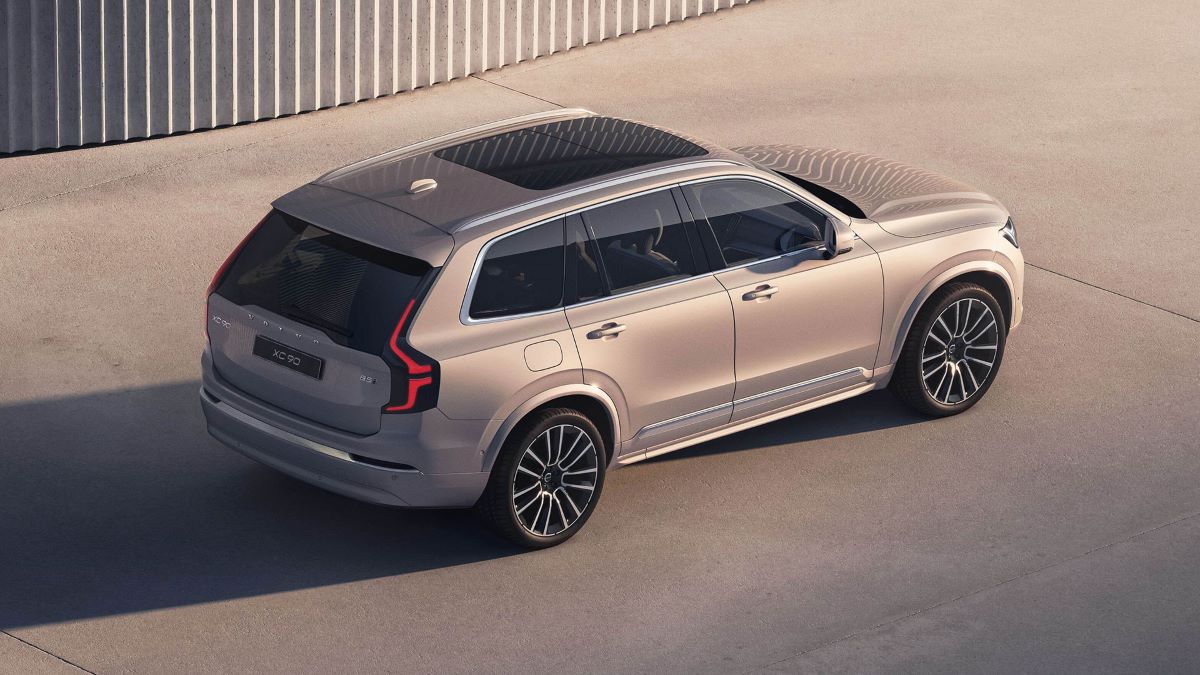
The Volvo XC90 is designed with safety as its central philosophy, and this extends strongly into its visibility characteristics. The vehicle features a large greenhouse area that allows significant amounts of natural light and outward viewing space. This creates an open cabin feel that improves driver awareness in both urban and highway conditions.
The A-pillars are relatively slim for a vehicle of its size, which reduces forward blind spots at intersections. Volvo has long emphasized safety engineering that does not compromise visibility, and this is evident in how the pillars are angled and positioned to minimize obstruction without weakening structural integrity.
Side windows are large and extend through both rows of seating, providing excellent lateral awareness. This makes it easier for drivers to monitor surrounding vehicles, cyclists, and pedestrians without relying entirely on mirrors or sensors. The window height and proportion also reduce the feeling of confinement that some luxury SUVs create.
The driving position is elevated but carefully balanced, allowing drivers to see over traffic without losing detail in nearby surroundings. This is particularly useful in mixed driving environments where both close-range and long-range awareness are necessary.
Rear visibility is strong due to a wide rear glass area and thoughtful pillar design. While modern safety regulations still require structural reinforcement that adds thickness to rear supports, Volvo has managed to keep obstruction to a minimum. This makes reversing and lane changes more predictable and less stressful.
The XC90 stands out as a luxury SUV that does not sacrifice visibility for styling. Instead, it integrates safety and awareness into its core design, making it one of the most driver-friendly large SUVs available.
SUVs With Dangerous Pillars and Poor Visibility
Ford Explorer
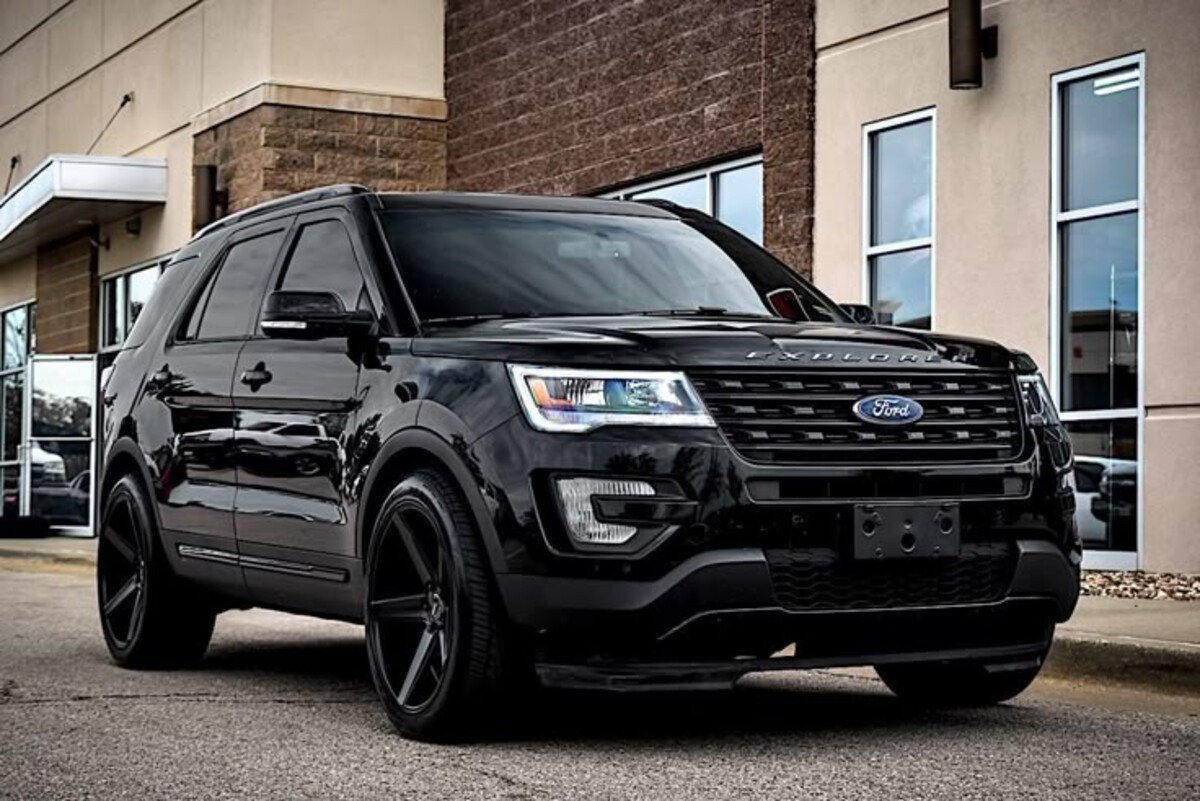
The Ford Explorer is a popular midsize SUV that offers strong performance, spacious seating, and modern technology, but its visibility characteristics are often considered a weak point when compared to more visibility-focused competitors.
One of the main concerns comes from the thickness of the A-pillars, which are designed to meet strict safety and rollover protection standards. While these reinforcements improve crash safety, they also create noticeable blind spots at intersections.
In real-world driving, especially in urban environments with frequent turns and pedestrian activity, these pillars can briefly block the view of crossing traffic, requiring drivers to lean forward or adjust their head position to regain a clear line of sight.
Another visibility limitation comes from the side window design. The Explorer has a relatively high beltline, meaning the bottom edge of the windows sits higher than in more visibility-focused SUVs. This reduces the amount of glass available for peripheral awareness and can create a more enclosed feeling inside the cabin.
As a result, smaller vehicles, cyclists, or pedestrians positioned slightly lower than the driver’s eye level can be harder to notice in certain angles, particularly during slow-speed maneuvers or lane changes in dense traffic.
Rear visibility is also affected by structural design choices. The rear pillars are thick and angled, contributing to a reduced rearward field of view. The rear window itself is not particularly large compared to the size of the vehicle, which makes judging distance behind the SUV more challenging without assistance from rear cameras or sensors. This becomes more noticeable during parking or when reversing in tight spaces where precise visual judgment is required.
Despite these limitations, Ford has integrated modern driver assistance systems such as blind spot monitoring and surround-view cameras to compensate for reduced natural visibility. These systems are helpful, but they do not fully replace direct line-of-sight awareness, especially in fast-changing traffic environments where split-second visual information matters.
The Explorer offers strong capability and comfort, but its design prioritizes structural strength and styling over maximum outward visibility, which can make it less ideal for drivers who depend heavily on natural sightlines.
Chevrolet Traverse
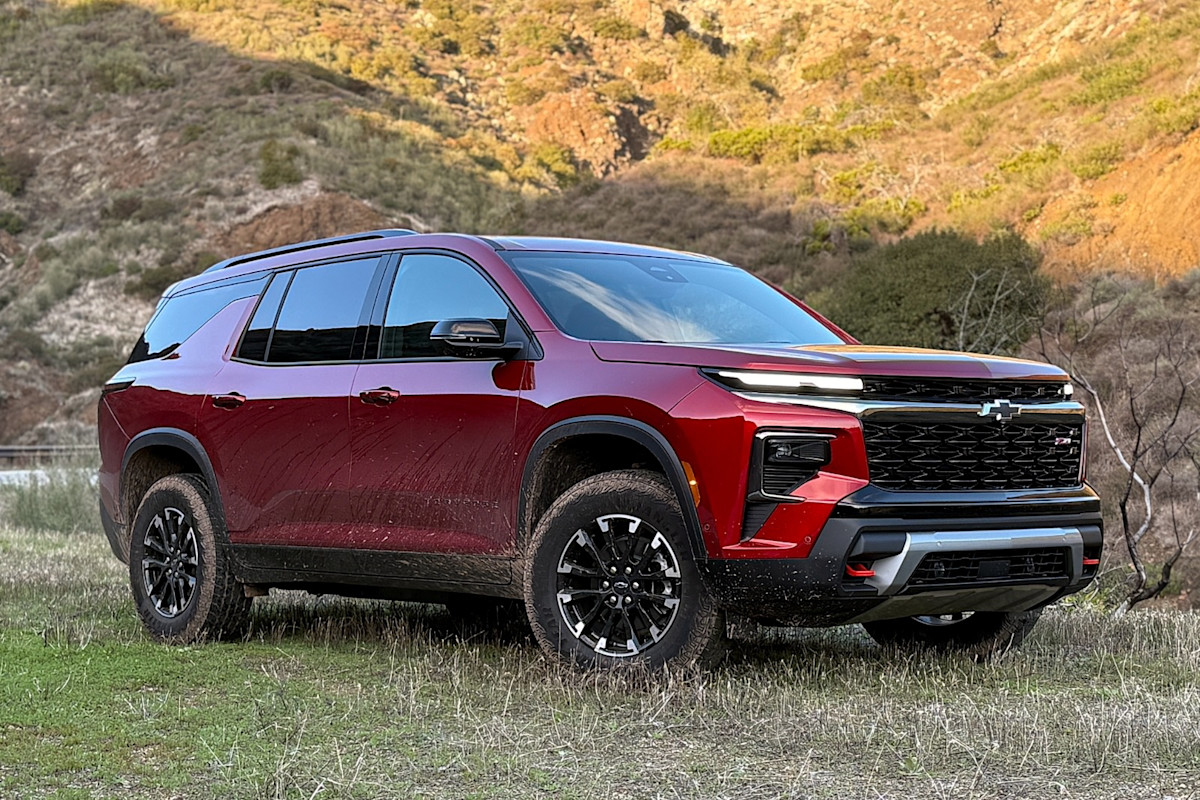
The Chevrolet Traverse is a large family SUV that focuses on interior space, comfort, and practicality, but its visibility performance is often considered below average due to its design structure. One of the most noticeable issues is the thickness of the A-pillars, which are heavily reinforced to support the vehicle’s size and safety requirements.
While these pillars contribute to crash protection and structural rigidity, they also create significant blind zones when turning at intersections. In busy traffic conditions, this can require drivers to carefully shift their seating position or perform multiple head checks to ensure a clear view of oncoming vehicles.
The side window design further contributes to visibility challenges. The Traverse has a high beltline, which means the glass area is positioned higher on the body of the vehicle. This reduces the amount of visible space at lower angles and can make it more difficult to track smaller road users such as bicycles or scooters. In urban environments where movement occurs at multiple heights and speeds, this limitation can increase the need for constant mirror checks and situational awareness.
Rear visibility is another area where the Traverse faces criticism. The rear pillars are wide and the rear glass is relatively small compared to the size of the vehicle.
This combination creates a restricted rear field of view that can make reversing and lane merging less intuitive. Drivers often rely heavily on backup cameras and parking sensors to compensate for the reduced direct visibility, especially in crowded parking lots or tight residential streets.
Inside the cabin, the design emphasizes passenger comfort and space efficiency, which indirectly affects visibility. Larger seats, higher door panels, and a more enclosed interior layout contribute to a sense of separation from the outside environment. While this improves comfort for passengers, it can reduce the driver’s perception of openness and surrounding awareness.
Although the Traverse includes advanced safety systems, these tools function as supplements rather than replacements for natural visibility. The driving experience requires more attention to mirrors and electronic aids compared to SUVs with more open glass designs.
BMW X5
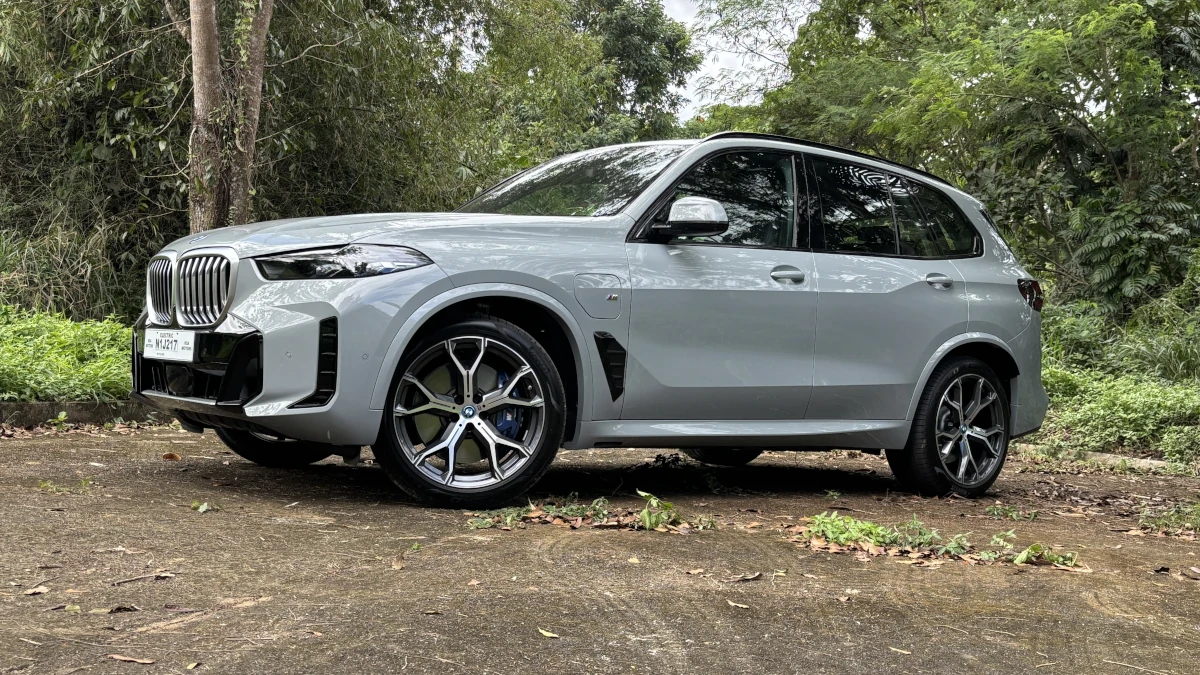
The BMW X5 is a luxury performance SUV that delivers strong driving dynamics, advanced technology, and premium interior quality, but its visibility is often limited by its design priorities. One of the main contributing factors is the thickness and shape of the A-pillars, which are engineered to provide high levels of crash protection and structural stiffness.
While this enhances safety performance and supports the vehicle’s sporty handling characteristics, it also creates noticeable blind spots at the front corners of the vehicle. In real-world driving situations such as left turns at intersections, these blind spots can temporarily block pedestrians or oncoming traffic from view.
Side visibility in the X5 is also somewhat restricted due to its styling approach. The vehicle features a relatively high beltline and smaller window openings compared to more utilitarian SUVs.
This design choice improves exterior aesthetics and contributes to a more solid, upscale appearance, but it reduces the amount of natural light entering the cabin and limits peripheral awareness. Drivers may find themselves relying more on side mirrors and blind spot monitoring systems when changing lanes or navigating traffic.
Rear visibility is affected by the sloping rear roofline and thick C-pillars, which are common design elements in luxury SUVs aiming for a more dynamic silhouette. While visually appealing, this structure reduces the size of the rear window and increases obstruction when looking over the shoulder. This can make reversing and parallel parking more dependent on camera systems rather than direct visual judgment.
Inside the cabin, the X5 prioritizes driver-focused ergonomics and premium materials, which contribute to a slightly more enclosed driving position. While this enhances the feeling of luxury and control, it also reduces the sense of openness compared to more visibility-oriented SUVs.
Despite these limitations, the X5 compensates with advanced driver assistance technologies such as surround-view cameras, parking assist, and lane monitoring systems. However, these systems serve as support rather than full substitutes for natural visibility, especially in fast-paced driving environments.
Jeep Grand Cherokee
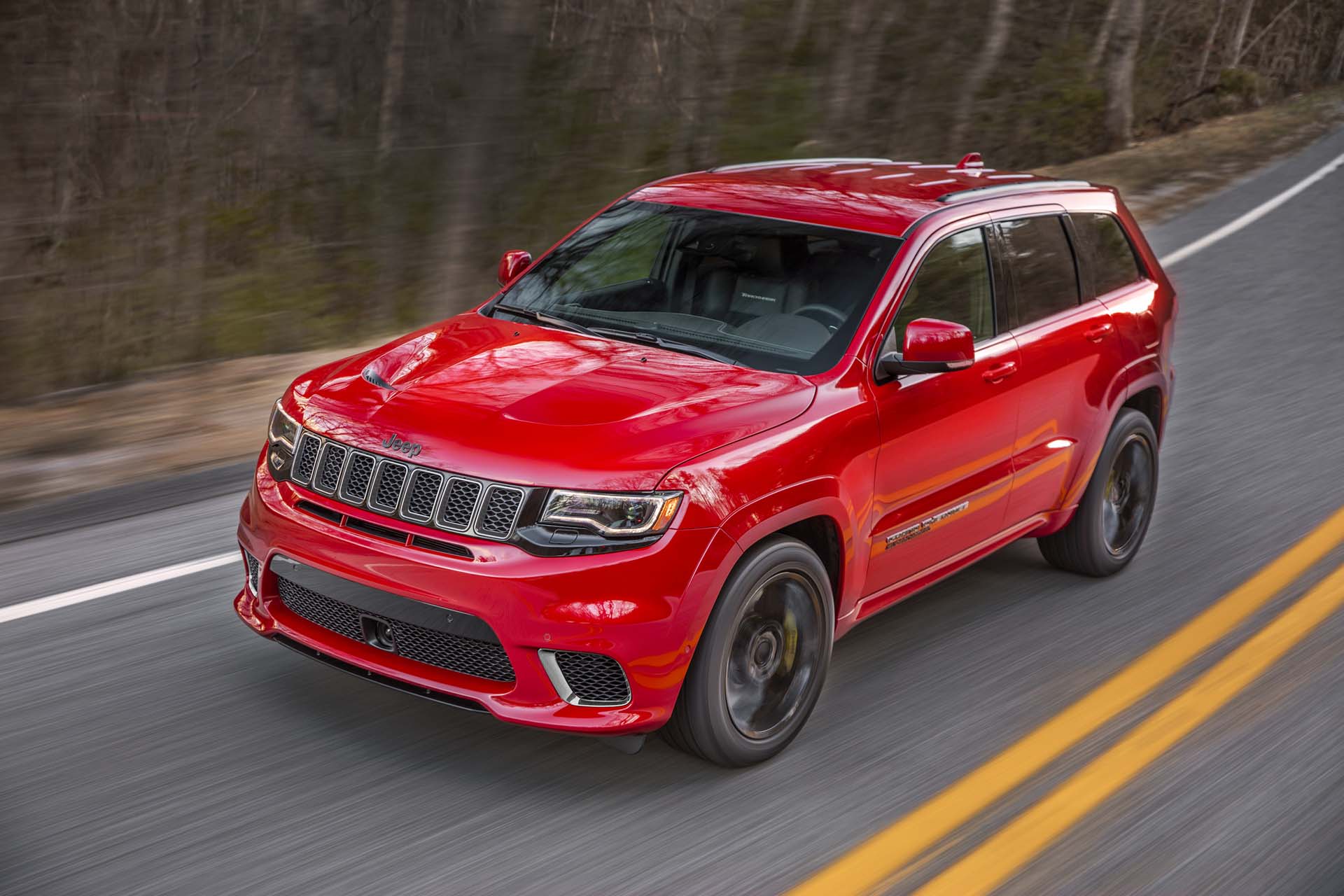
The Jeep Grand Cherokee is known for its off-road capability, strong engine options, and rugged design, but its visibility performance in everyday driving situations can be limited due to structural choices. One of the key factors is the thickness of the A-pillars, which are designed to support off-road durability and meet strict safety standards.
While these pillars improve rollover protection and structural strength, they also create noticeable blind spots when navigating city traffic or making sharp turns. This can require drivers to be more cautious and deliberate when checking for cross traffic or pedestrians.
The side window design contributes further to reduced visibility. The Grand Cherokee has relatively narrow side windows and a higher beltline, which limits the amount of external visual information available to the driver. This design creates a more enclosed driving environment, which may feel comfortable and protective but reduces peripheral awareness in crowded or fast-moving traffic conditions.
Rear visibility is also affected by the vehicle’s structural layout. The rear pillars are thick and the rear window is smaller than expected for a vehicle of its size. This combination reduces the driver’s ability to clearly judge distances behind the SUV, particularly when reversing or changing lanes on highways. As a result, reliance on rear cameras and sensors becomes more important in daily use.
The interior design emphasizes durability and rugged aesthetics, which contributes to a solid but somewhat enclosed cabin feel. Higher door panels and a raised seating position improve protection and road presence but can reduce the driver’s direct line of sight to nearby objects.
While the Grand Cherokee includes modern driver assistance features, its visibility design prioritizes strength and styling over maximum outward transparency, making it less ideal for drivers who value wide, unobstructed sightlines in urban environments.
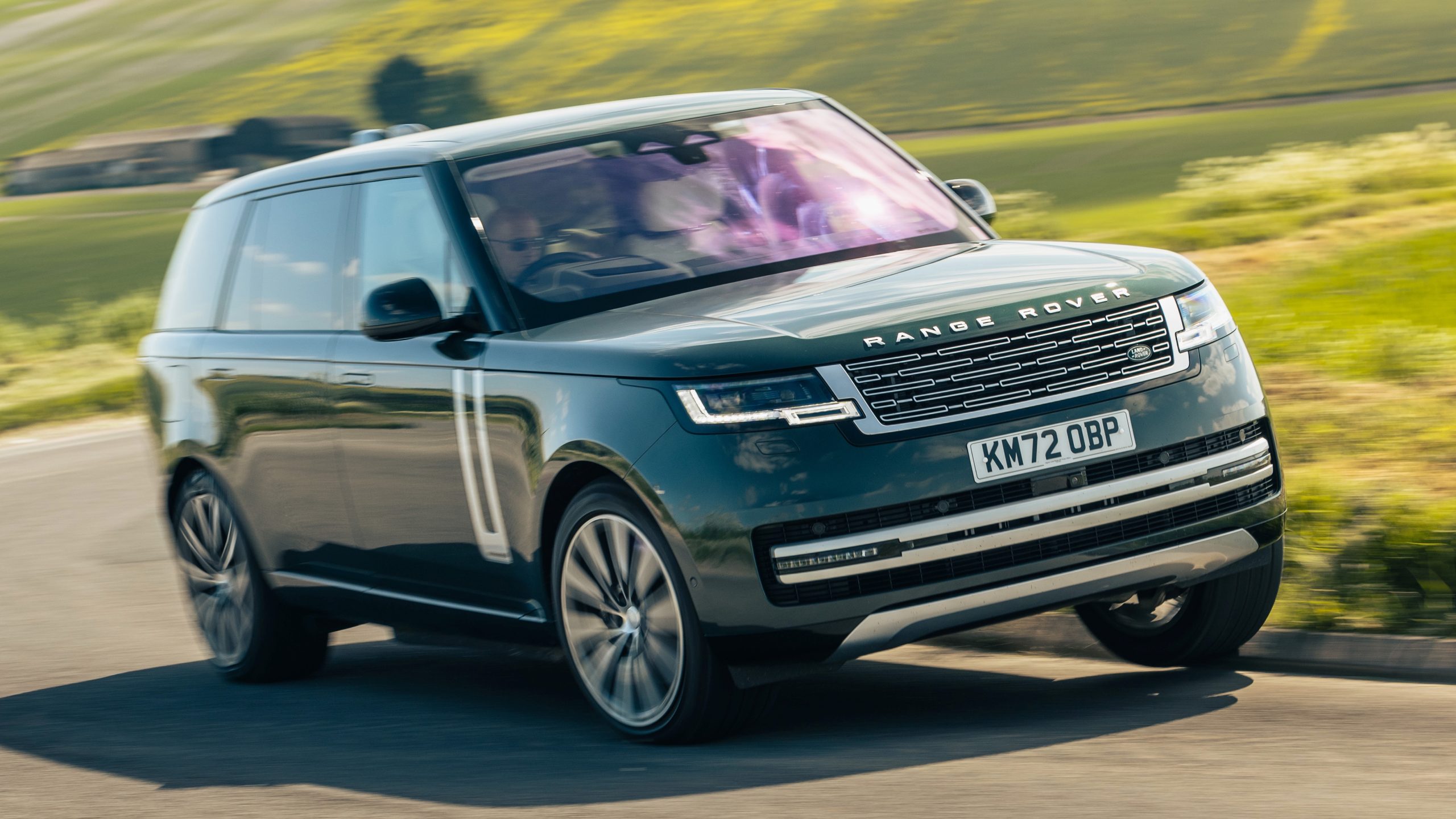
Range Rover
The Range Rover is a luxury SUV that combines high-end comfort, advanced technology, and strong off-road capability, but its visibility is often limited due to its design emphasis on luxury styling and structural presence.
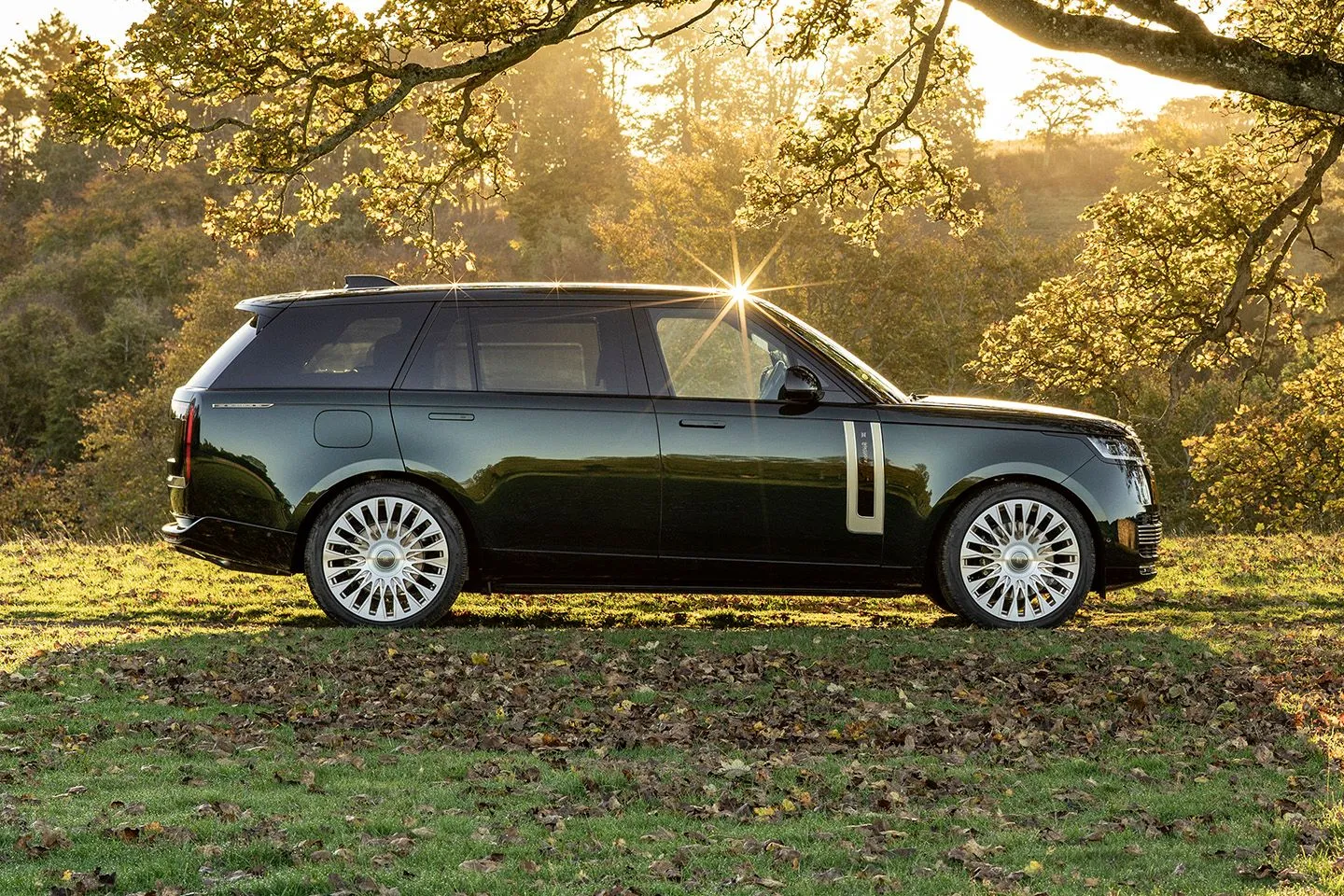
One of the primary concerns is the thickness of the A-pillars, which are designed to support the vehicle’s size and meet strict safety standards. While these pillars provide excellent protection and structural rigidity, they also create forward blind zones that can momentarily block pedestrians or vehicles during turns at intersections.
Side visibility is also restricted due to the high beltline and relatively narrow window openings. This design contributes to a strong and commanding exterior appearance, but it reduces the amount of visible glass from the driver’s seat.
As a result, peripheral awareness can be less intuitive compared to SUVs with larger window areas. Drivers may need to rely more heavily on mirrors and electronic assistance systems when navigating traffic or changing lanes.
Rear visibility is one of the most affected areas in the Range Rover. The rear pillars are thick and the rear window is relatively small compared to the vehicle size. This creates significant blind zones behind the SUV, making it more difficult to judge distances accurately during reversing or parking maneuvers. Even though modern camera systems help reduce this issue, direct visual feedback remains limited.
Inside the cabin, the focus on luxury design leads to a more enclosed and refined driving environment. High-quality materials, elevated seating, and thick door structures contribute to comfort and safety but reduce the feeling of openness that improves visibility in more utilitarian SUVs.
Despite these limitations, the Range Rover is equipped with advanced driver assistance technologies, including 360-degree cameras and blind spot monitoring. These systems significantly improve usability, but the natural visibility remains more restricted compared to boxier SUV designs.
