
The modern automobile industry has changed significantly due to rapid advances in digital systems, connectivity, and onboard software. Cars are no longer just mechanical machines built for transportation.
They now function as software-driven platforms with sensors, operating systems, entertainment suites, navigation tools, and driver assistance features. This shift has created a new business model where technology is as important as horsepower or fuel efficiency.
One of the biggest changes in recent years is the way car manufacturers handle digital services and support. Instead of offering all features as part of a one-time purchase, many companies now divide functionality into tiers.
Some features are included with the vehicle for a limited time, while others require ongoing payments. These payments are usually structured as monthly or yearly subscriptions. At the same time, some brands continue to include long-term software updates, diagnostic support, and basic connected services without additional cost during ownership periods.
This difference in approach has led to a clear divide in the automotive market. On one side are brands that focus on bundled ownership experiences, where most essential tech features are included with the car or provided free for extended periods.
These brands often emphasize reliability, customer satisfaction, and long-term value. On the other side are manufacturers that adopt a software monetization strategy. These companies treat digital features as flexible add-ons, allowing customers to unlock capabilities through paid subscriptions after purchase.
The rise of subscription-based vehicle features has sparked debate among drivers. Some appreciate the ability to customize their driving experience and pay only for what they use.
Others feel that essential functions such as remote access, navigation enhancements, or heated seat activation should be included in the original purchase price. As a result, consumer expectations vary widely depending on the brand and region.
At the same time, vehicle technology continues to expand. Features like over-the-air updates, cloud-based navigation, voice assistants, and remote diagnostics are now common. These systems require ongoing maintenance and server infrastructure, which explains why some manufacturers introduce recurring fees. However, not all brands follow this model, and many still provide strong built-in support systems without continuous payments.
This article examines two categories of car manufacturers. The first group includes brands known for offering strong included tech support and long-term ownership benefits without aggressive subscription gating.
The second group includes brands that commonly use monthly paywalls for certain connected features or upgrades. Each brand is discussed in detail to explain how their systems work, what features are included, and how their approach affects the driving experience.
1. Toyota
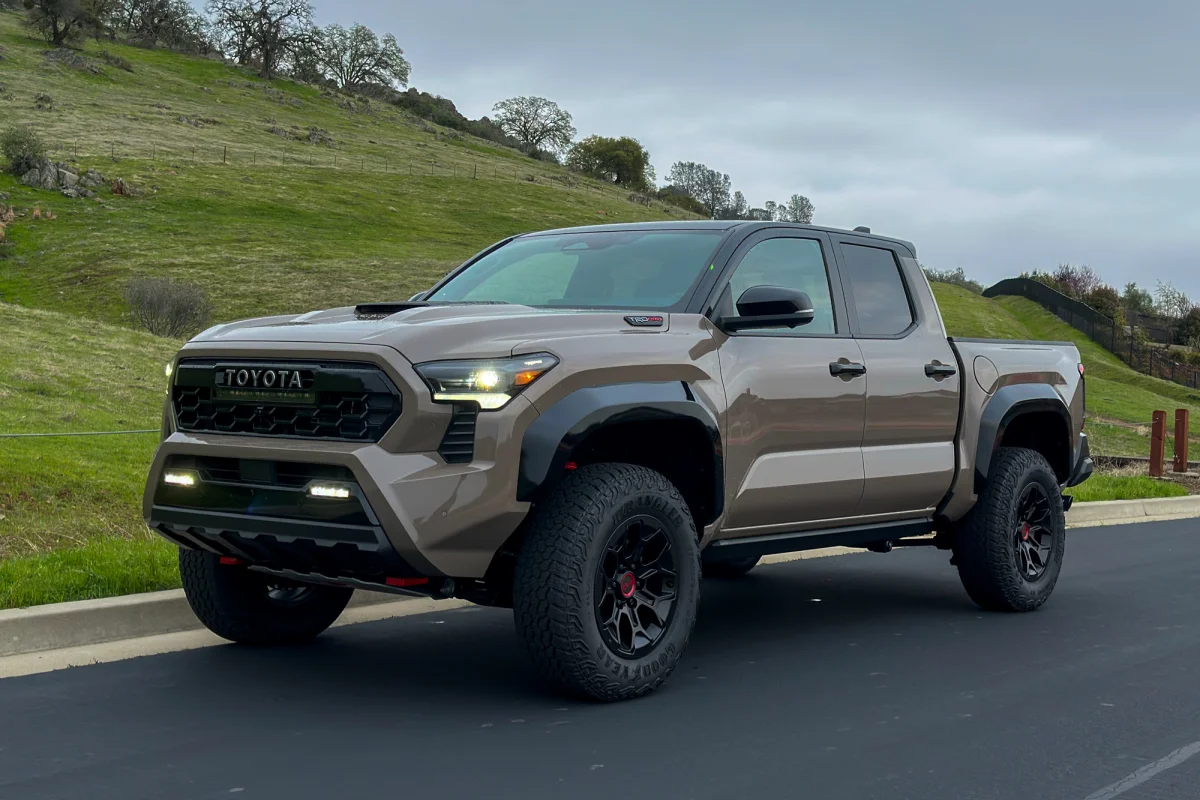
Toyota has built its global reputation on durability, low maintenance needs, and long-term reliability, and this philosophy extends directly into its approach toward vehicle technology and digital services. Instead of aggressively monetizing software features, Toyota focuses on ensuring that core systems remain stable, accessible, and easy to use over long ownership periods. The brand integrates technology in a way that supports driving without turning every feature into a separate paid product.
One of the most important aspects of Toyota’s connected system is its balance between functionality and simplicity. Services like Toyota Safety Connect and Remote Connect are designed to enhance safety, convenience, and emergency response rather than act as premium add-ons.
These systems often include features such as automatic collision notification, roadside assistance, stolen vehicle tracking, and remote engine control, which are bundled into ownership for a trial period and sometimes extended through service plans.
Toyota also emphasizes consistency in its infotainment ecosystem. Across multiple model years, the interface design and feature set remain familiar, which reduces the learning curve for drivers upgrading within the brand.
Over-the-air updates are used mainly for stability improvements, bug fixes, and incremental enhancements rather than frequent paywalled upgrades. This creates a sense of continuity that is highly valued by long-term Toyota owners.
Another key strength is Toyota’s dealership support network, which plays a major role in maintaining vehicle technology. Instead of relying heavily on app-based subscriptions, Toyota integrates software support into routine servicing.
During maintenance visits, technicians often perform system updates, diagnostics, and connectivity checks, ensuring that the vehicle’s digital features continue functioning properly without requiring constant user intervention or additional payments.
Toyota’s strategy prioritizes long-term ownership satisfaction over short-term digital revenue. By focusing on reliability, safety systems, and consistent access to essential connected features, the brand maintains a model where technology supports driving rather than becoming a recurring financial obligation for customers.
2. Lexus
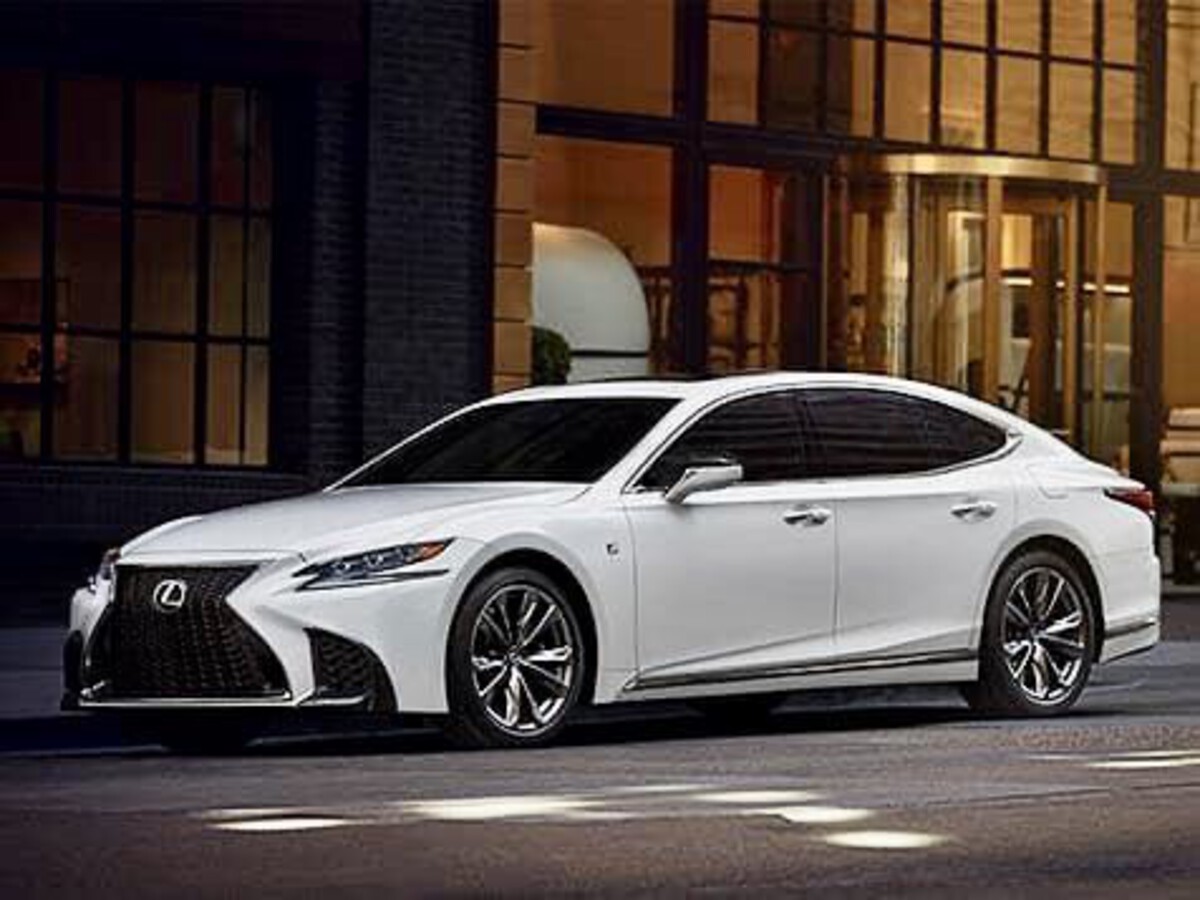
Lexus extends Toyota’s reliability-focused philosophy into the luxury segment, but with a stronger emphasis on comfort, personalization, and customer service. The brand integrates technology in a way that enhances the premium ownership experience while still maintaining long-term accessibility. Lexus vehicles are designed to feel refined not only in driving performance but also in how digital systems are delivered to the owner.
Lexus Enform services play a central role in this ecosystem. These services include navigation assistance, remote start, vehicle health reports, and emergency support systems. In many regions, Lexus provides extended access to these features during ownership, especially in the early years.
The goal is to ensure that drivers experience the full capability of their vehicle’s connected systems without immediate pressure to subscribe to additional packages.
Another defining characteristic of Lexus technology support is its integration with dealership service culture. Lexus service centers are known for providing high levels of customer care, including software updates, system calibration, and infotainment troubleshooting. This reduces the need for owners to manage technical issues through subscription portals or third-party platforms, reinforcing a more hands-on service model.
Lexus also places strong emphasis on interface refinement and usability. The infotainment systems are designed to minimize complexity while maintaining advanced functionality.
This approach ensures that drivers do not feel overwhelmed by layered subscription menus or fragmented feature access. Instead, most systems are fully integrated into the vehicle experience, supporting ease of use across different user groups.
In the luxury market, Lexus stands out for maintaining a stable ownership experience where core digital features are not heavily segmented into recurring payment tiers. This approach strengthens long-term brand loyalty and aligns with customers who prefer predictable ownership costs combined with high-quality service support.
3. Hyundai
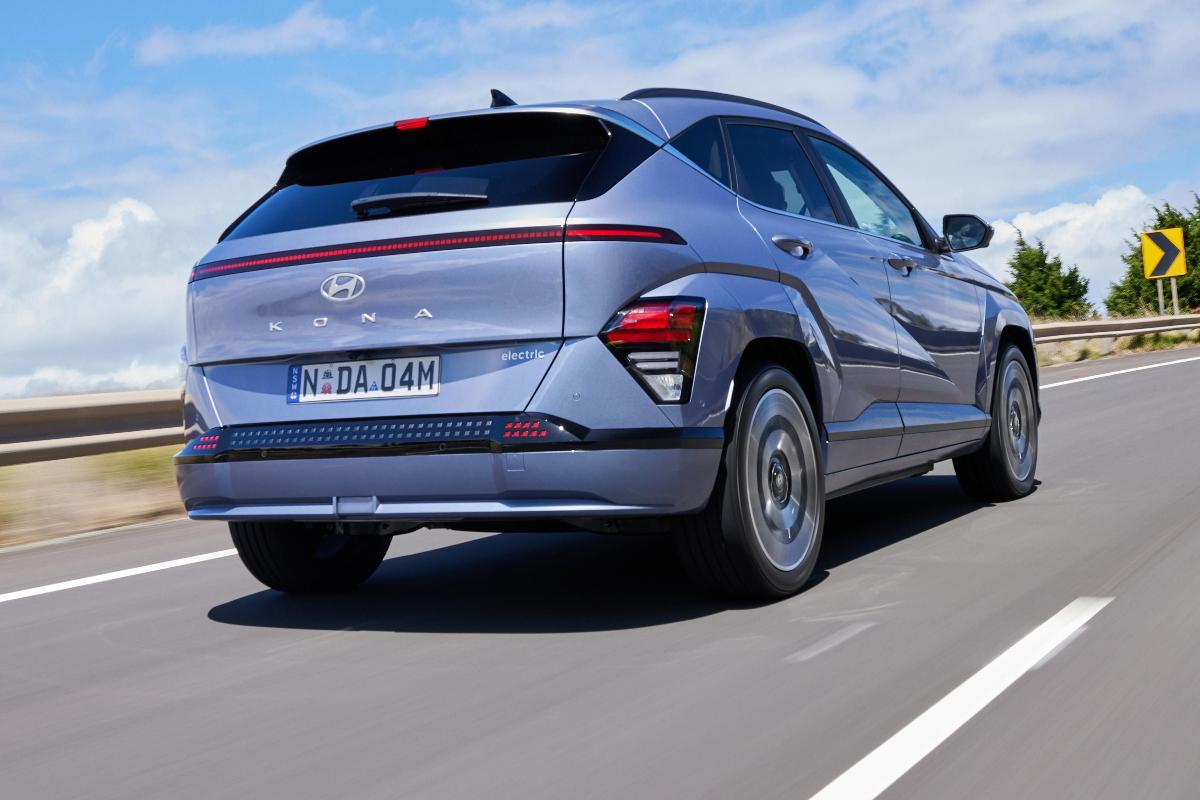
Hyundai has significantly transformed its reputation in the automotive industry by focusing heavily on technology integration and value-driven feature inclusion.
Over the past decade, the brand has expanded its connected services while keeping many of them accessible without immediate subscription pressure. This strategy has helped Hyundai compete strongly in both emerging and developed markets.
Hyundai Bluelink is the core connected platform that powers many of its digital services. It provides features such as remote engine start, climate control activation, vehicle tracking, emergency assistance, and diagnostic alerts. Many of these services are included for multiple years after purchase, giving drivers extended access to advanced functionality without needing to pay monthly fees right away.
The brand also focuses heavily on software updates that improve usability and performance over time. Hyundai has increasingly adopted over-the-air update capabilities, allowing infotainment systems, navigation maps, and system interfaces to be improved without requiring dealership visits. This reduces ownership friction and ensures that vehicles remain up to date even as technology standards evolve.
Another important factor is Hyundai’s commitment to democratizing technology across different price segments. Instead of reserving connected features only for high-end trims, Hyundai often includes similar digital systems in mid-range models. This ensures that a wider customer base can experience modern vehicle connectivity without upgrading to premium versions or purchasing additional software packages.
Hyundai’s approach is centered on accessibility and long-term value. By offering extended free access to connected features and minimizing immediate subscription requirements, the brand positions itself as a practical choice for drivers who want modern technology without ongoing financial commitments.

4. Kia
Kia follows a closely aligned strategy with Hyundai, focusing on delivering strong connected vehicle features while maintaining affordability and user-friendly ownership experiences. The brand has rapidly improved its technology offerings in recent years, making its vehicles highly competitive in the global market. Kia Connect serves as the main platform for digital services and remote vehicle interaction.
Kia Connect includes features such as remote start, climate control activation, door lock and unlock, vehicle diagnostics, and location tracking. These services are typically provided with extended free access periods, allowing drivers to use them extensively before any subscription decisions are required. This helps reduce the immediate cost burden associated with advanced vehicle technology.
Another important aspect of Kia’s strategy is its emphasis on system integration and ease of use. The infotainment systems are designed to work seamlessly with smartphones, navigation tools, and voice control systems. Wireless updates ensure that software improvements and map data updates can be delivered efficiently without requiring dealership intervention or paid upgrade packages.
Kia also benefits from a strong service infrastructure that supports technology maintenance. Dealerships assist with system updates, troubleshooting, and connectivity issues during routine maintenance visits. This hybrid support model ensures that customers do not need to rely solely on digital subscriptions for technical assistance.
Kia maintains a balanced approach where modern connected features are widely available but not aggressively monetized through monthly paywalls. This makes the brand particularly appealing to cost-conscious buyers who still want access to advanced vehicle technology.

5. Subaru
Subaru’s technology strategy is strongly influenced by its core brand identity, which prioritizes safety, reliability, and practical utility. Instead of focusing on entertainment-heavy subscription ecosystems, Subaru designs its connected services around driver assistance, emergency response, and vehicle monitoring. Subaru Starlink is the primary platform supporting these functions.
Starlink services include automatic collision notification, emergency assistance, stolen vehicle recovery support, maintenance alerts, and remote access features. These tools are designed to enhance safety and situational awareness rather than serve as luxury digital add-ons. Many of these services are provided free for an initial ownership period, particularly in newer models.
Subaru also places strong emphasis on real-world usability. The brand ensures that its technology systems function reliably in diverse driving conditions, including rural and harsh environments where connectivity may be limited. This focus on robustness makes its connected systems particularly valuable in safety-critical situations.
Dealer support plays a major role in Subaru’s technology ecosystem. Service centers assist with diagnostics, system updates, and connectivity setup during regular maintenance visits. This reduces dependence on continuous subscription-based troubleshooting and ensures that owners receive consistent technical support throughout the vehicle lifecycle.
Subaru’s approach reflects a restrained use of subscription models compared to more software-driven competitors. While some services may transition to paid plans after trial periods, the brand maintains a focus on essential safety features and long-term usability rather than turning core functions into recurring digital purchases.

6. BMW
BMW has become one of the most discussed automotive brands in the context of subscription-based vehicle features. The company has gradually shifted many of its digital services into flexible software packages, allowing owners to activate, deactivate, or upgrade features after purchasing the vehicle. This approach reflects BMW’s broader strategy of treating cars as evolving digital platforms rather than fixed hardware products.
Through BMW ConnectedDrive, drivers can access navigation services, remote vehicle controls, entertainment functions, and real-time traffic information. While some of these features are included for a limited time, others require ongoing subscription payments depending on the model, region, and selected package. This creates a layered system where functionality can change over time based on user preferences and payment choices.
BMW has also experimented with subscription access for specific hardware-linked features in certain markets. These have included heated seat activation, advanced driving assistance systems, and performance-related software upgrades.
Although not universally applied across all regions, this model demonstrates BMW’s interest in separating hardware ownership from software activation, allowing features to be monetized individually rather than bundled permanently.
Another important element of BMW’s digital ecosystem is its strong focus on over-the-air updates. These updates not only fix software bugs but also introduce new features and improvements over time. This continuous development model supports the idea that a vehicle can evolve throughout its lifespan, but it also reinforces the importance of subscription structures to fund ongoing digital infrastructure and service delivery.
BMW’s approach represents a clear shift toward software-defined mobility. While it offers flexibility and customization, it also introduces ongoing cost considerations for owners who want full access to the vehicle’s digital capabilities.

7. Mercedes-Benz
Mercedes-Benz has developed one of the most structured digital ecosystems in the automotive industry through its Mercedes me connect platform. This system integrates remote vehicle control, navigation services, entertainment features, and driver assistance tools into a unified digital environment. The platform is designed to extend the luxury ownership experience beyond physical vehicle features.
Many Mercedes-Benz digital services are offered through a mix of trial access and paid subscriptions. New owners often receive temporary access to premium features, after which continued use requires activation of specific packages. These may include navigation enhancements, live traffic data, remote climate control, and advanced infotainment options depending on the model and region.
The brand has also introduced performance-related digital upgrades in certain vehicles. These software-based enhancements can unlock additional power output or improve driving dynamics through paid activation. This reflects Mercedes-Benz’s strategy of treating performance as both a mechanical and software-driven attribute that can be adjusted after purchase.
Another important aspect of the system is its strong integration with cloud-based services. Mercedes-Benz vehicles rely heavily on online connectivity for real-time updates, mapping data, and voice assistant functionality. This infrastructure allows continuous improvement but also supports subscription-based revenue models that sustain long-term digital service development.
In essence, Mercedes-Benz has built a luxury ecosystem where digital features are modular and expandable. While this provides customization and ongoing enhancement opportunities, it also introduces recurring costs that become part of the ownership experience.
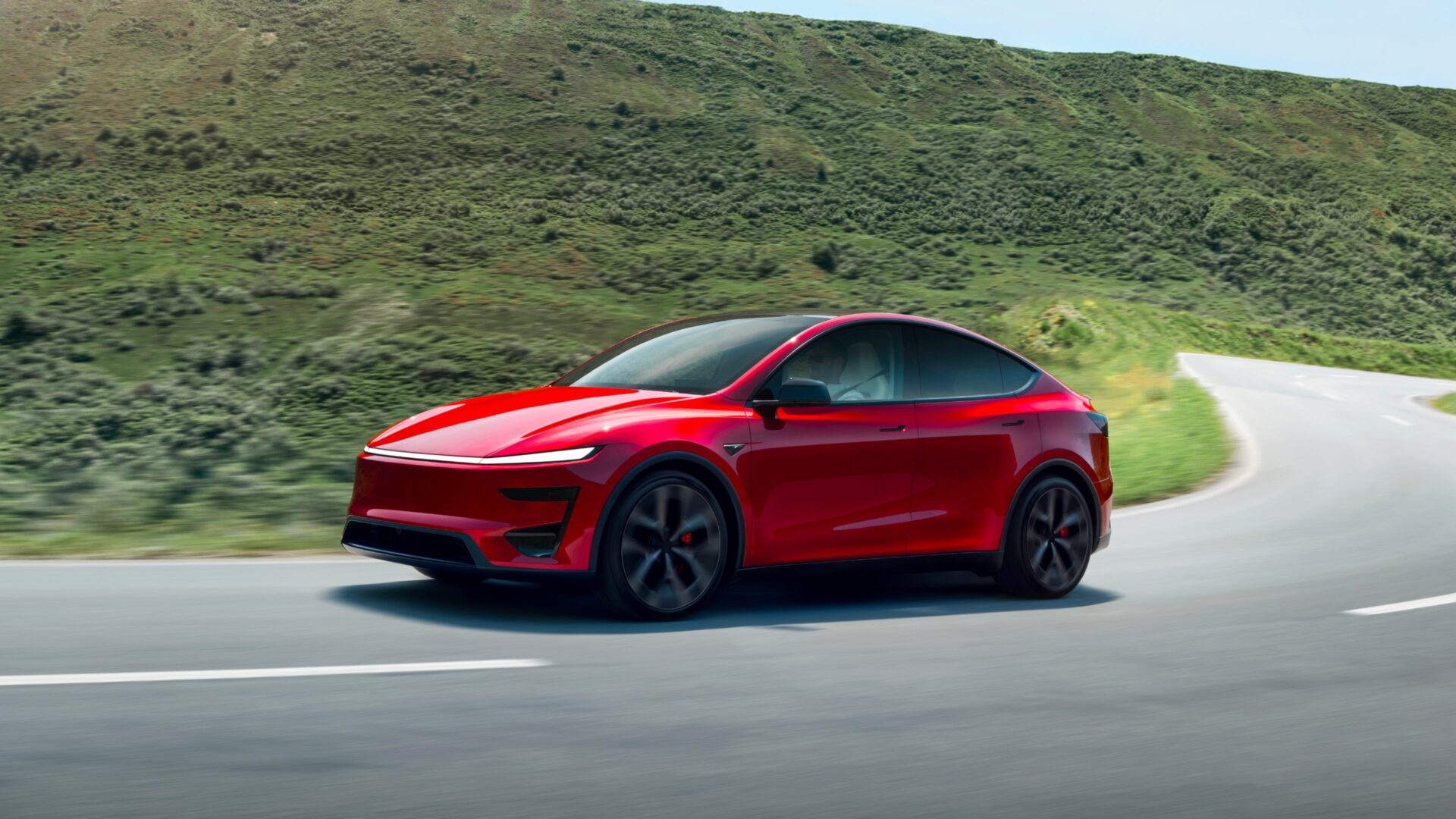
8. Tesla
Tesla operates one of the most software-centric vehicle ecosystems in the automotive world. The company designs its vehicles with a strong emphasis on digital functionality, over-the-air updates, and centralized control through its onboard operating system. This approach allows Tesla to continuously add new features and improve performance without requiring physical modifications.
Tesla vehicles include a range of built-in features such as navigation, energy management, and autonomous driving capabilities (depending on configuration and regulatory approval). However, certain advanced digital services are grouped under the Premium Connectivity subscription, which adds enhanced online features beyond the standard package.
Premium Connectivity typically includes services such as live traffic visualization, satellite map imagery, in-car streaming capabilities, and internet-based entertainment features. Without this subscription, drivers still retain core navigation and vehicle control functions, but the online experience becomes more limited in scope and detail.
Tesla’s subscription model is closely tied to its data infrastructure. The company maintains a large-scale network that supports real-time data processing, autonomous driving development, and software updates. Subscription revenue helps support this ecosystem while allowing Tesla to deliver frequent software improvements across its fleet.
Tesla represents a hybrid ownership model where essential driving functions remain fully accessible, but enhanced digital experiences and entertainment features are positioned as ongoing paid services that evolve over time.
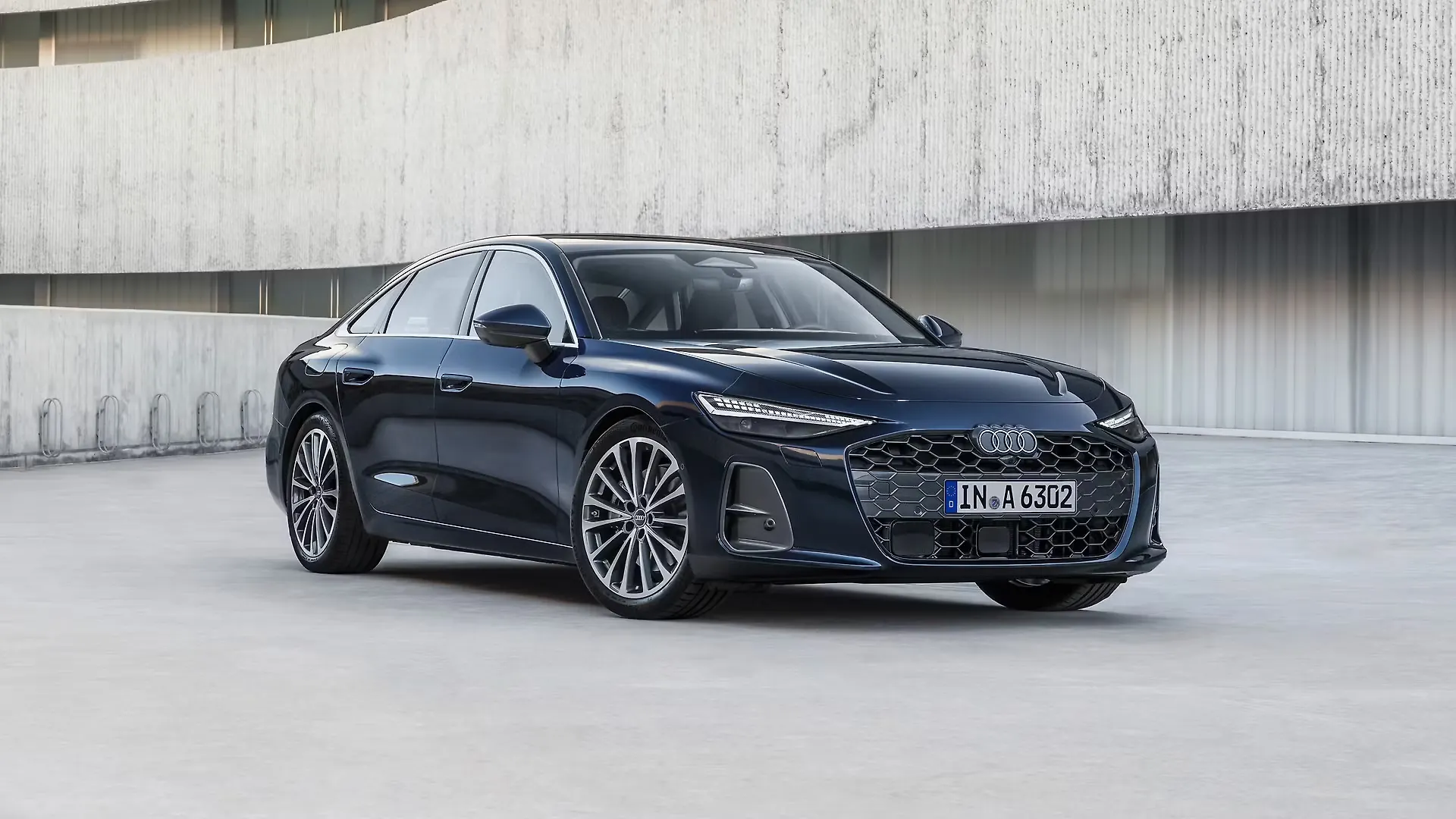
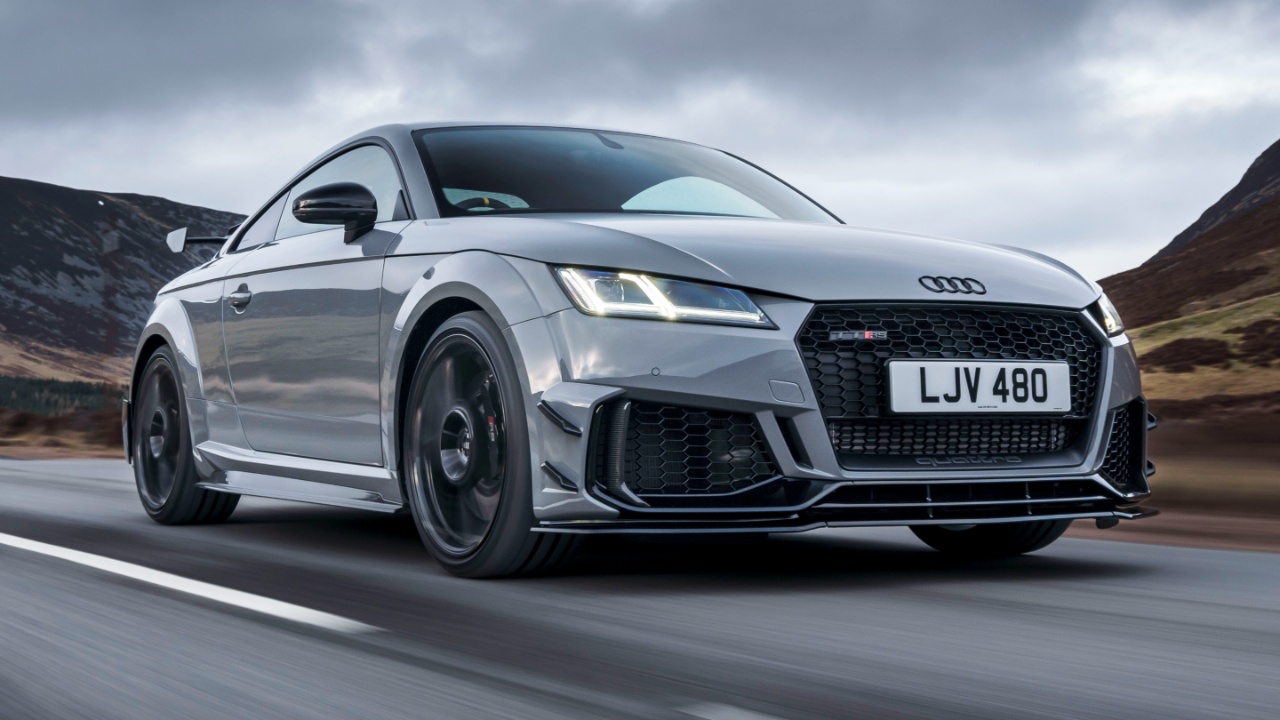
9. Audi
Audi has developed a flexible system known as Functions on Demand, which allows vehicle owners to activate specific features after purchase. This model separates the physical vehicle from its software capabilities, enabling customers to customize functionality based on personal preference and usage patterns.
Through this system, Audi offers features such as adaptive lighting upgrades, advanced driver assistance systems, infotainment enhancements, and navigation improvements. Some of these features can be purchased permanently, while others are available through subscription-based activation. This dual approach provides both short-term and long-term access options depending on customer needs.
Audi’s connected services are integrated through its MMI (Multi Media Interface) system, which supports online navigation, real-time traffic updates, and remote vehicle management. Many of these features are offered free for an initial period, after which continued access may require subscription renewal depending on the service package.
Another important aspect of Audi’s strategy is its modular approach to vehicle design. By separating hardware capabilities from software activation, Audi allows vehicles to be configured dynamically even after leaving the factory. This supports future upgrades and feature expansion without requiring physical modifications.
Audi’s system reflects a broader industry shift toward software-defined vehicles, where digital services play an increasingly important role in shaping the ownership experience and long-term vehicle value.

10. General Motors
General Motors has been a pioneer in connected vehicle services through its OnStar platform, one of the earliest large-scale automotive telematics systems. OnStar provides a wide range of safety, communication, and navigation services that are deeply integrated into GM vehicles across multiple brands.
The platform includes emergency assistance, automatic crash response, stolen vehicle tracking, roadside support, and remote vehicle control features. These services are typically offered free for an initial trial period, after which continued access requires a paid subscription. This model has become a core part of GM’s digital service strategy.
OnStar has expanded over time to include additional subscription packages such as in-vehicle Wi-Fi hotspot services, advanced diagnostics, and enhanced driver assistance tools depending on the vehicle model. This allows customers to select service levels based on their needs, but also introduces recurring costs for full feature access.
Another key component of GM’s system is its integration with mobile apps and cloud infrastructure. Drivers can control vehicle functions remotely, receive maintenance alerts, and access real-time diagnostics through connected devices. This ecosystem strengthens user engagement but also reinforces subscription-based service dependency.
General Motors uses OnStar as a central pillar of its connected vehicle strategy, combining safety services with digital convenience features while relying on subscription revenue to maintain and expand its platform.
