
Buying a used sedan is often about balancing comfort, fuel efficiency, long-term durability, and maintenance costs. One area that many buyers overlook until problems appear is the electronic system. Modern sedans rely heavily on electronics for engine management, safety systems, infotainment, climate control, and even basic driving functions like steering assistance and braking support.
When these systems are well engineered and properly insulated, the car feels smooth and dependable even after years of use. When they are not, small electrical faults can turn into repeated repair visits and rising ownership costs.
Used car buyers often focus on mileage, service history, and accident records, but electronic reliability can be just as important as mechanical condition. A sedan with stable wiring, durable sensors, and well-protected control modules tends to age gracefully.
On the other hand, vehicles with weak wiring harnesses, moisture-prone connectors, or overly complex electronic architecture can develop unpredictable faults. These issues may show up as warning lights, malfunctioning infotainment screens, intermittent power loss, or sensor failures that are difficult to diagnose.
This article separates two groups of used sedans based on long-term electronic behavior. The first group highlights models known for stable electrical systems, consistent sensor performance, and fewer software related complaints.
These vehicles are often chosen for their predictable ownership experience and lower maintenance stress. They are commonly recommended in the used car market because their electronics tend to remain reliable even after crossing significant mileage thresholds.
The second group focuses on sedans that are more commonly associated with wiring problems or electronic inconsistencies. These issues do not always appear immediately, but over time, heat, vibration, and aging insulation can lead to electrical faults. Some models also rely on complex electronic systems that become expensive and time-consuming to repair once problems begin.
Understanding both categories can help buyers make better decisions when choosing a used sedan. Instead of focusing only on performance or brand reputation, attention to electrical reliability can prevent unexpected repair costs and improve long-term satisfaction.
5 Used Sedans With Solid Electronics
Toyota Camry
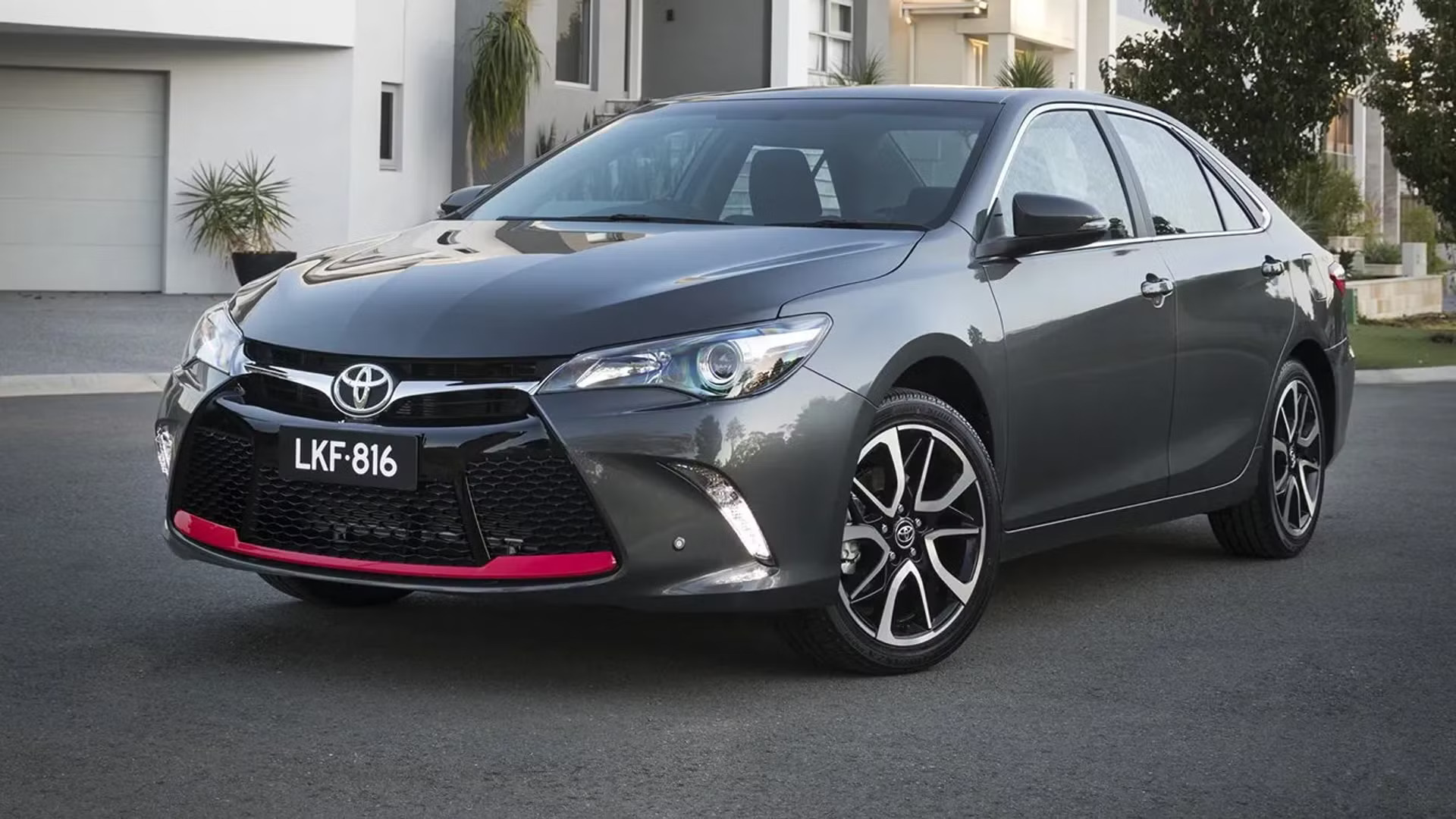
The Toyota Camry from this generation stands out as one of the most dependable midsize sedans when it comes to electronic stability and long-term durability. Toyota designed the electrical architecture with a clear focus on reliability rather than excessive complexity, which has proven beneficial over time.
The wiring harnesses are well routed and insulated, reducing exposure to engine heat, moisture, and vibration, all of which are common causes of electrical degradation in aging vehicles.
Another key strength of the Camry lies in its conservative approach to infotainment and digital integration. While it offers all the essential features such as touchscreen controls, Bluetooth connectivity, navigation, and reverse camera systems, it avoids unnecessary complexity. This design philosophy reduces the number of electronic modules that could potentially fail. As a result, users experience fewer system freezes, software glitches, or connectivity issues even after several years of use.
The Camry also excels in terms of sensor reliability and electronic communication between systems. Components such as oxygen sensors, ABS modules, and engine control units are engineered for long service life. These systems communicate efficiently without generating false warnings or intermittent faults, which helps maintain driver confidence and reduces unnecessary diagnostic costs.
Electrical grounding is another area where this model performs well. Proper grounding ensures stable voltage distribution across all systems, preventing issues like flickering lights, erratic instrument cluster behavior, or malfunctioning accessories. Toyota’s attention to this detail significantly contributes to the electronic reliability of the vehicle.
In real-world ownership, the Camry consistently demonstrates predictable electronic behavior. Even at higher mileage, most components continue to function as intended with minimal intervention. This makes it an excellent choice for buyers who prioritize low-maintenance ownership and want to avoid the stress of dealing with complex electrical faults in a used sedan.
Honda Accord
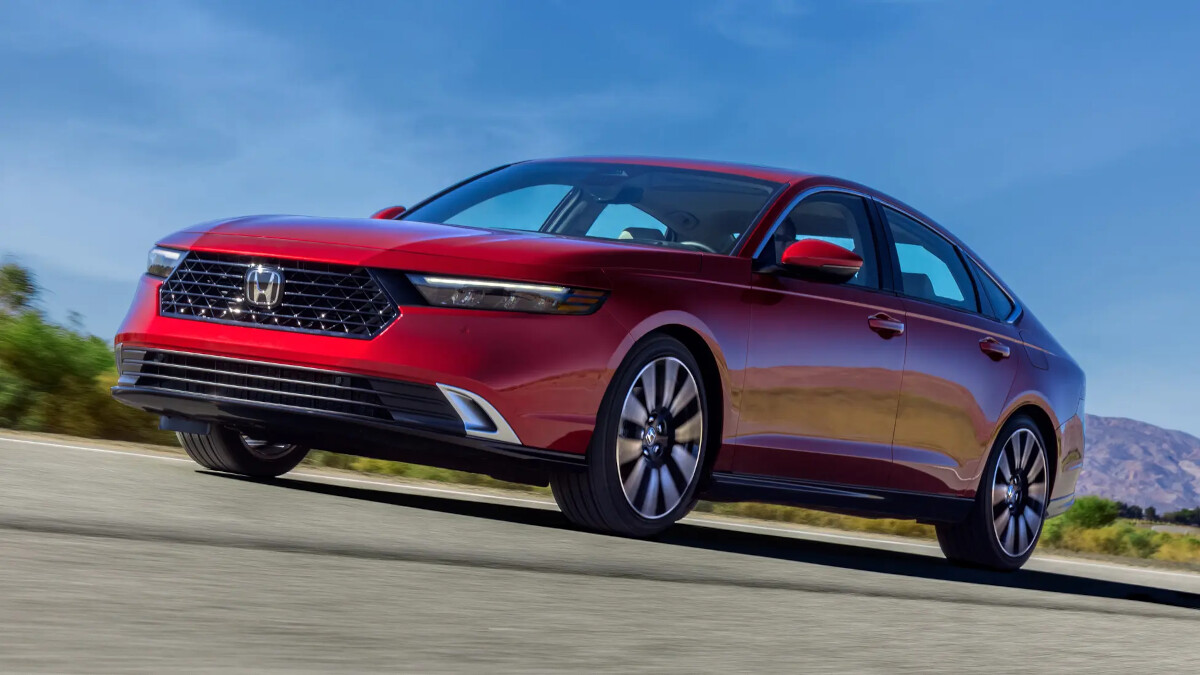
The Honda Accord from this period represents a strong balance between modern technology and dependable electrical engineering. Honda introduced improved wiring systems and better-quality connectors in this generation, addressing many of the minor electrical concerns seen in earlier models. The result is a sedan that delivers advanced features without compromising long-term reliability.
The infotainment system in this Accord is more refined and responsive compared to older versions. It supports smartphone integration, voice commands, and multiple connectivity options, yet it remains relatively stable over time. Unlike some competitors, it is less prone to freezing, lagging, or requiring frequent resets, which enhances everyday usability.
One of the standout aspects of this model is its reliable onboard diagnostics system. The vehicle’s electronic control units are programmed to provide accurate feedback, meaning warning lights typically correspond to genuine issues rather than random glitches. This helps owners and technicians identify and resolve problems quickly without unnecessary part replacements.
Honda also improved the durability of its electrical connectors and grounding points in this generation. These enhancements reduce the likelihood of intermittent faults caused by loose connections or corrosion. As a result, systems such as lighting, climate control, and driver assistance features tend to operate consistently without unexpected disruptions.
Over time, the Accord maintains a reputation for electronic dependability even under varied driving conditions. Whether used for daily commuting or long-distance travel, its systems remain stable and predictable. This makes it a practical option for buyers who want modern features but prefer to avoid frequent electrical troubleshooting.
Lexus ES
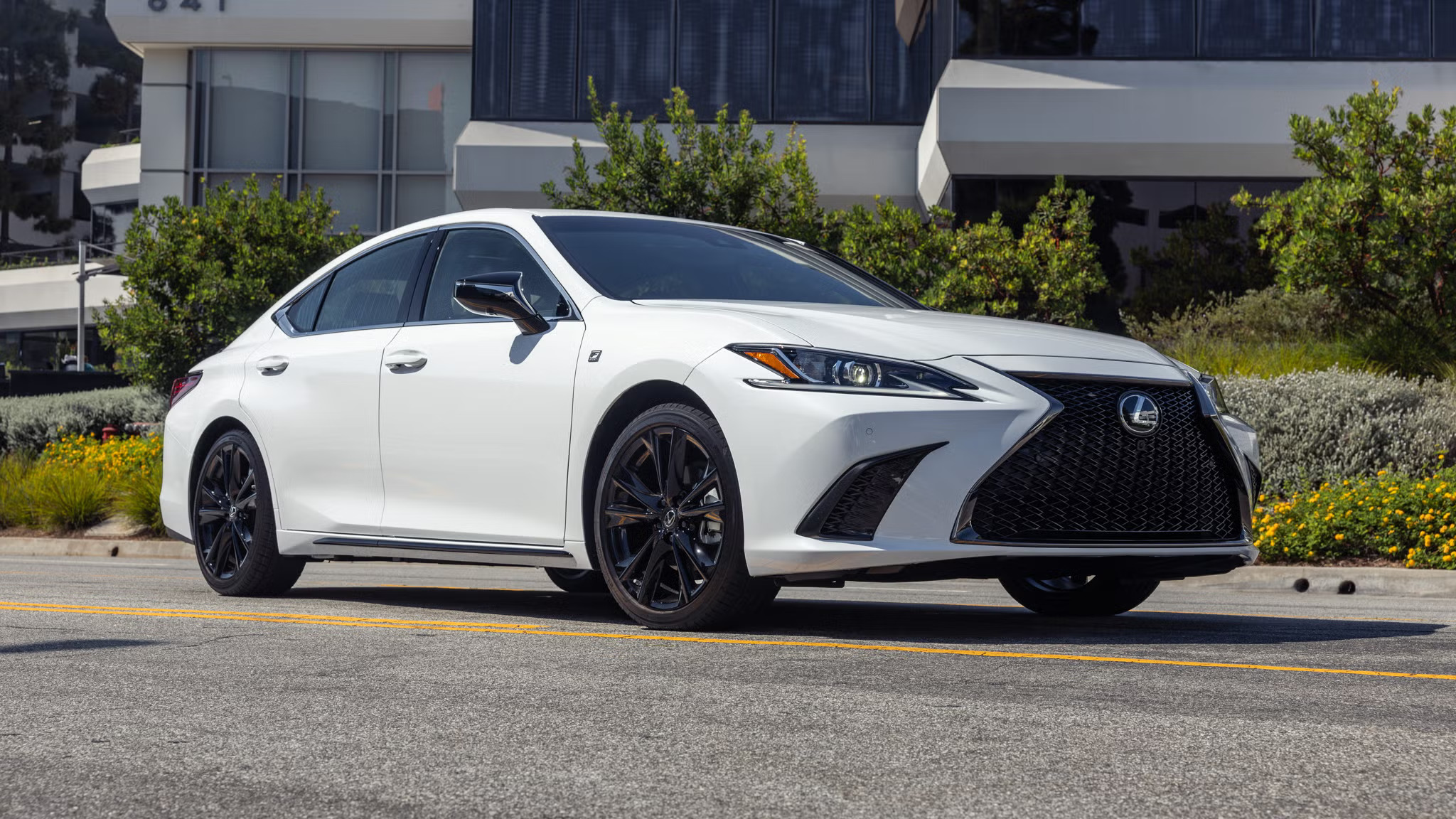
The Lexus ES benefits from Toyota’s engineering philosophy but adds an extra layer of refinement and quality in its electronic systems. This sedan is designed with long-term durability in mind, using premium materials and rigorous testing to ensure that all electrical components perform consistently over extended periods.
Inside the cabin, electronic features such as power-adjustable seats, dual-zone climate control, and infotainment systems are engineered for smooth operation. These components are built with higher-grade materials compared to many competitors, which helps prevent wear-related failures. Even after years of use, these systems typically retain their responsiveness and reliability.
The vehicle’s control modules are carefully positioned and protected to minimize exposure to heat and environmental factors. This reduces the risk of internal component failure, which is a common issue in vehicles with less robust design. The wiring insulation is also of high quality, helping to prevent cracking or degradation over time.
Safety and driver assistance electronics in the Lexus ES are tuned for consistency rather than aggressive intervention. Systems such as stability control, braking assistance, and adaptive features operate smoothly without generating unnecessary alerts. This contributes to a more refined and stress-free driving experience.
In the used luxury sedan segment, the Lexus ES is often praised for its low rate of electronic issues. Owners rarely encounter major electrical faults, and routine maintenance is usually sufficient to keep the systems functioning properly. This reliability makes it a standout choice for those seeking a premium sedan with dependable electronics.
Mazda 6
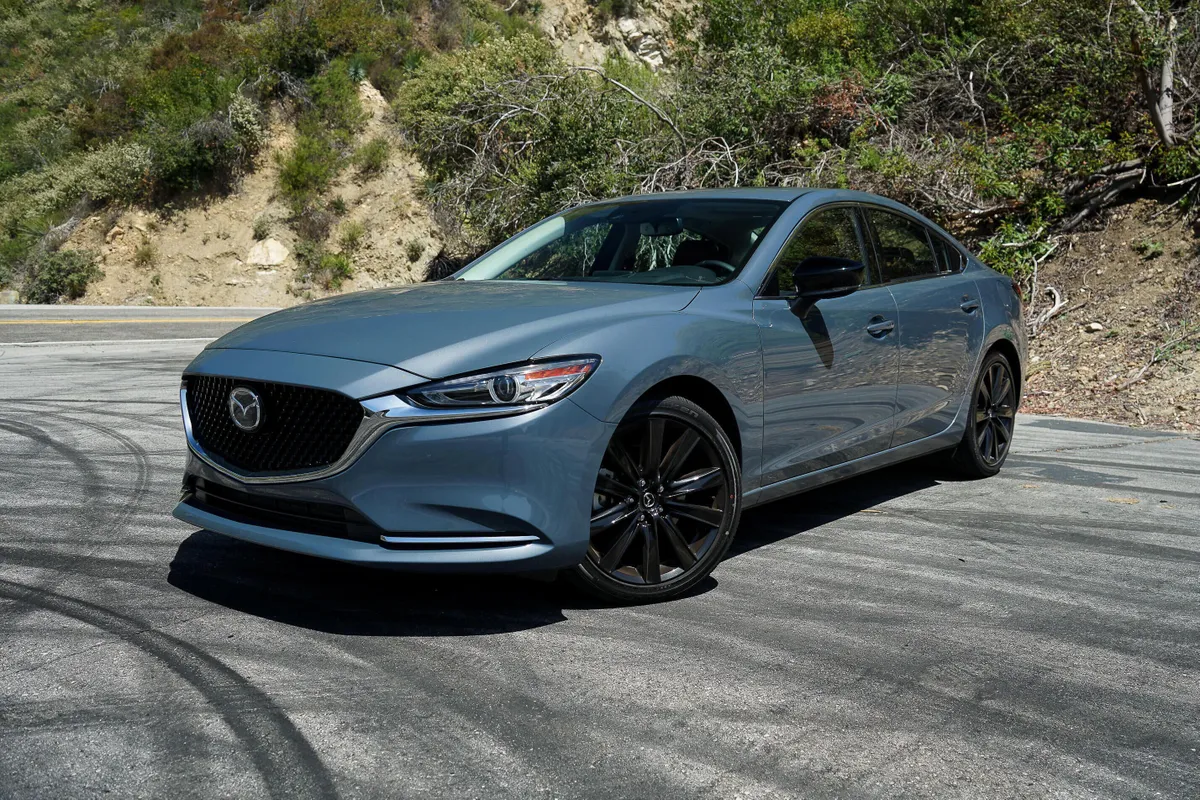
The Mazda 6 is known for offering a driver-focused experience while maintaining a practical and reliable approach to electronics. Mazda deliberately avoids overcomplicating its systems, which plays a significant role in the long-term durability of its electrical components. This philosophy results in fewer potential failure points compared to more feature-heavy competitors.
The infotainment system, while not the most advanced in its class, is designed for stability and ease of use. It provides essential functions such as media control, navigation, and smartphone connectivity without overloading the system with unnecessary features. This simplicity helps reduce the chances of software-related issues or system crashes.
Mazda also places strong emphasis on the quality of its wiring and connectors. The harnesses are well secured and protected against movement, which minimizes wear caused by vibration. This attention to detail ensures that electrical signals remain consistent, preventing intermittent faults that can be difficult to diagnose.
Driver assistance features in the Mazda 6 are integrated in a balanced manner. Systems like blind-spot monitoring and lane departure warning are effective but not overly intrusive. Because these features are not excessively complex, they tend to remain reliable over time without frequent recalibration or sensor replacement.
As a used sedan, the Mazda 6 offers a dependable electronic system that aligns well with its reputation for reliability. Owners benefit from modern features without the burden of complicated repairs, making it a solid option for those who value both performance and peace of mind.

Hyundai Sonata
The Hyundai Sonata from this generation reflects the brand’s significant progress in improving electronic reliability. Hyundai invested in better wiring design, improved insulation materials, and more robust control modules, resulting in a sedan that performs consistently in real-world conditions.
The infotainment system is one of the highlights of this model. It offers a user-friendly interface, smooth touchscreen operation, and reliable smartphone integration. Unlike earlier Hyundai models, this system is less prone to lag or unexpected glitches, which enhances the driving experience.
Wiring harness improvements play a major role in the Sonata’s reliability. The design reduces exposure to heat and moisture, two of the most common causes of electrical problems. Connectors are more secure and resistant to corrosion, which helps maintain stable electrical connections over time.
Safety and driver assistance features are also more refined in this generation. Systems such as lane keeping assist, collision warning, and parking sensors operate with improved accuracy. They are less likely to trigger false alerts, which was a concern in some earlier models.
In long-term ownership, the Sonata demonstrates a noticeable reduction in electronic issues compared to its predecessors. This makes it an appealing choice for buyers who want a modern sedan with dependable electronics at a competitive price point.
5 Used Sedans Prone to Wiring Gremlins
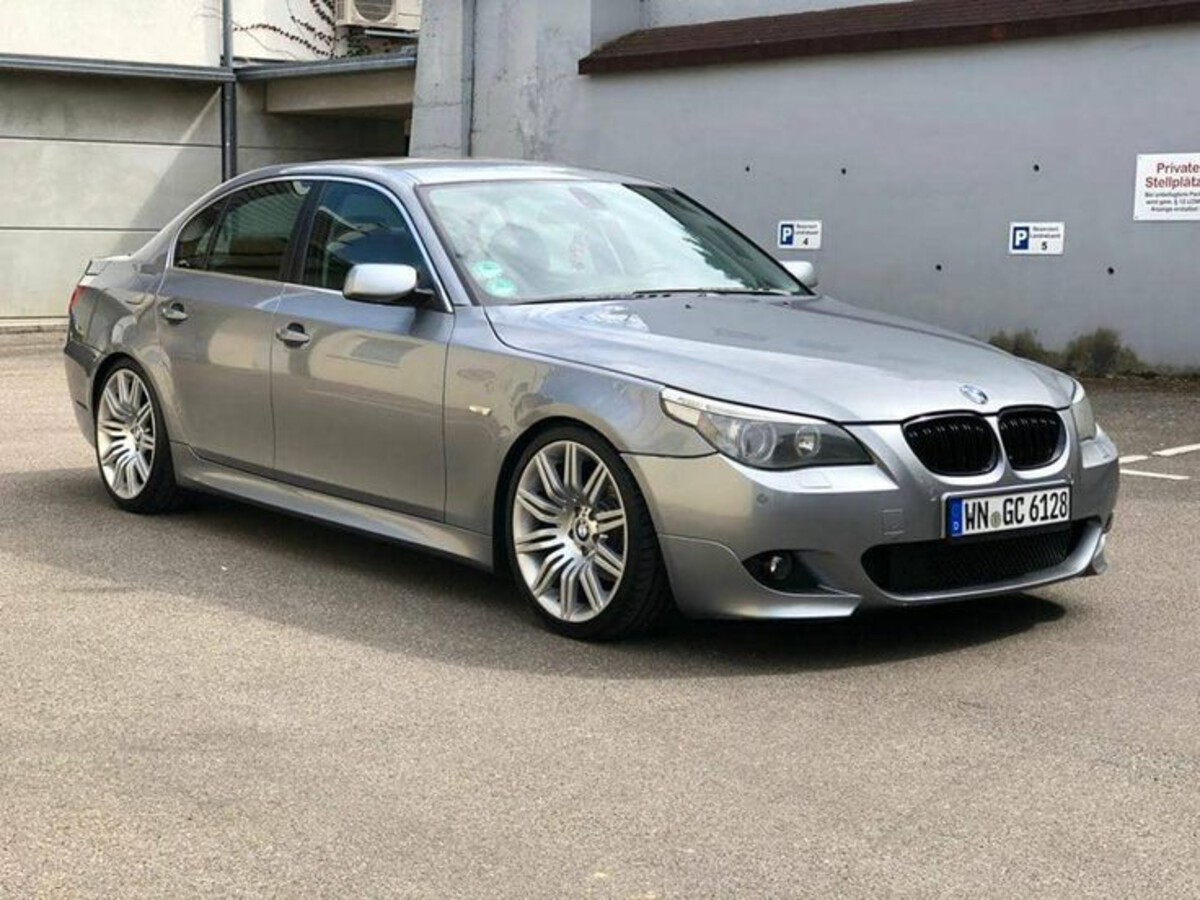
BMW 5 Series (E60 / Early F10)
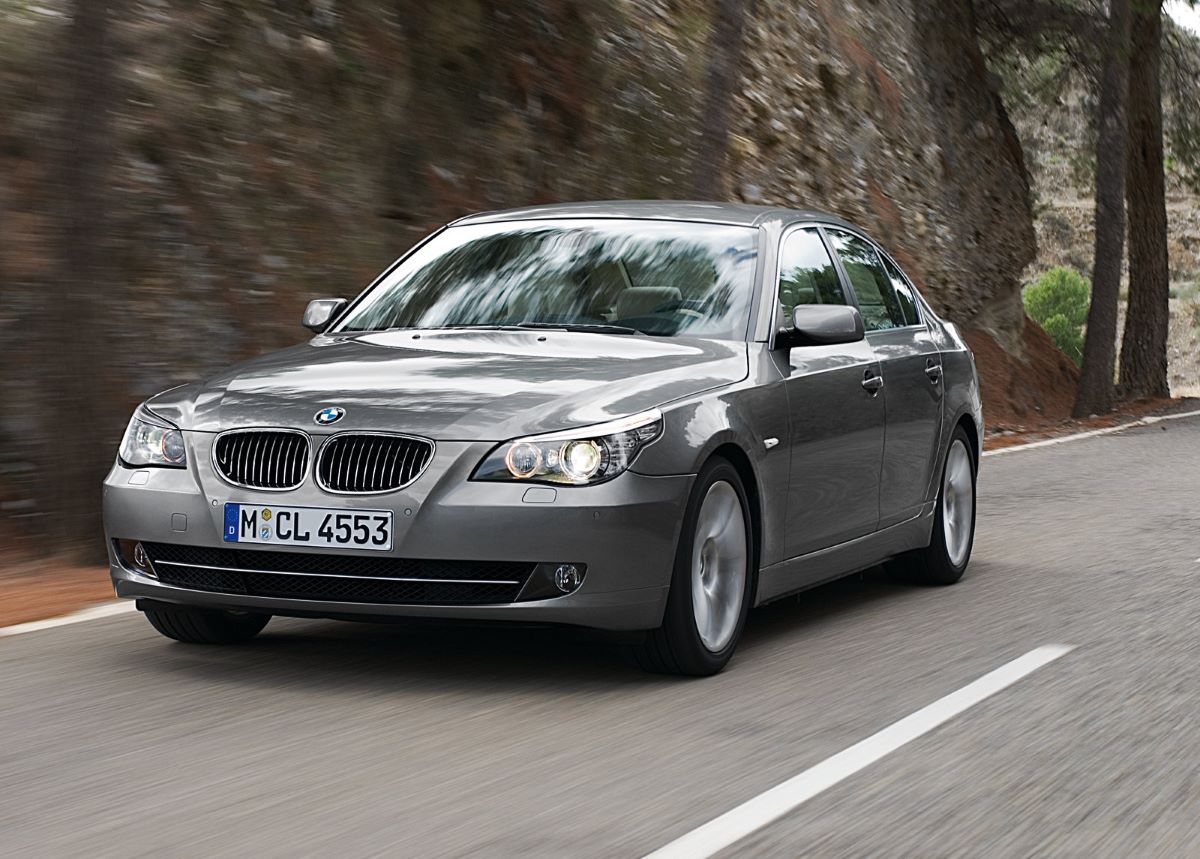
The BMW 5 Series from the E60 and early F10 generations is widely known for delivering a premium driving experience, but it also carries a reputation for complex and sometimes unreliable electronics as the vehicle ages.
These models introduced advanced digital systems for their time, including iDrive, adaptive lighting, and interconnected control modules. While innovative, this level of integration increases the number of potential failure points once the car crosses higher mileage.
One of the most common issues reported in long-term ownership is inconsistent behavior of the infotainment and dashboard systems. The iDrive system may freeze, reboot unexpectedly, or fail to respond to inputs, often due to aging control units or internal software corruption. In some cases, owners experience multiple warning lights appearing simultaneously, even when there is no mechanical issue present.
Wiring degradation is another significant concern. Over time, heat cycles from the engine bay and natural aging of insulation materials can lead to brittle wiring and weak connections. This can result in intermittent faults that are difficult to trace because they may appear and disappear depending on temperature, humidity, or vibration conditions.
Moisture intrusion is also a known contributor to electrical issues in this model range. Water leaks from sunroof drains or door seals can reach sensitive electronic modules located under carpets or in side panels. Once moisture reaches these areas, it can trigger corrosion and create unpredictable electrical behavior across multiple systems.
While the BMW 5 Series offers strong performance and luxury appeal, its electronic complexity makes it more prone to wiring gremlins as it ages, requiring careful maintenance and sometimes costly repairs to keep systems functioning reliably.

Mercedes-Benz C-Class (W204)
The Mercedes-Benz C-Class W204 is generally considered one of the more balanced luxury sedans from the brand, but its electronic systems can develop issues over time, especially as components age and environmental exposure takes its toll. The vehicle uses a network of interconnected control modules designed to manage comfort, safety, and performance features, which increases complexity.
A frequent issue in this model is malfunctioning of central electronic modules, which can affect multiple systems at once. For example, a fault in one control unit may lead to problems with the dashboard display, parking sensors, or climate control system, even if those components themselves are not physically damaged.
Owners also report intermittent warning lights appearing on the instrument cluster without consistent mechanical causes. These false alerts are often linked to voltage fluctuations, aging sensors, or weak grounding points. Such issues can be frustrating because they may temporarily disappear and then return without a clear pattern.
The wiring harnesses in the W204 are generally well built, but connectors and terminals can degrade over time, especially in regions with high humidity or temperature variation. This can lead to loose connections that cause sporadic electrical behavior, such as flickering lights or unresponsive switches.
Battery sensitivity is another characteristic of this model. A weak battery or inconsistent charging system can trigger multiple electronic errors, even if the underlying issue is minor. This makes electrical diagnosis more complicated, as technicians must often rule out multiple potential causes before identifying the real fault.
Chrysler 200
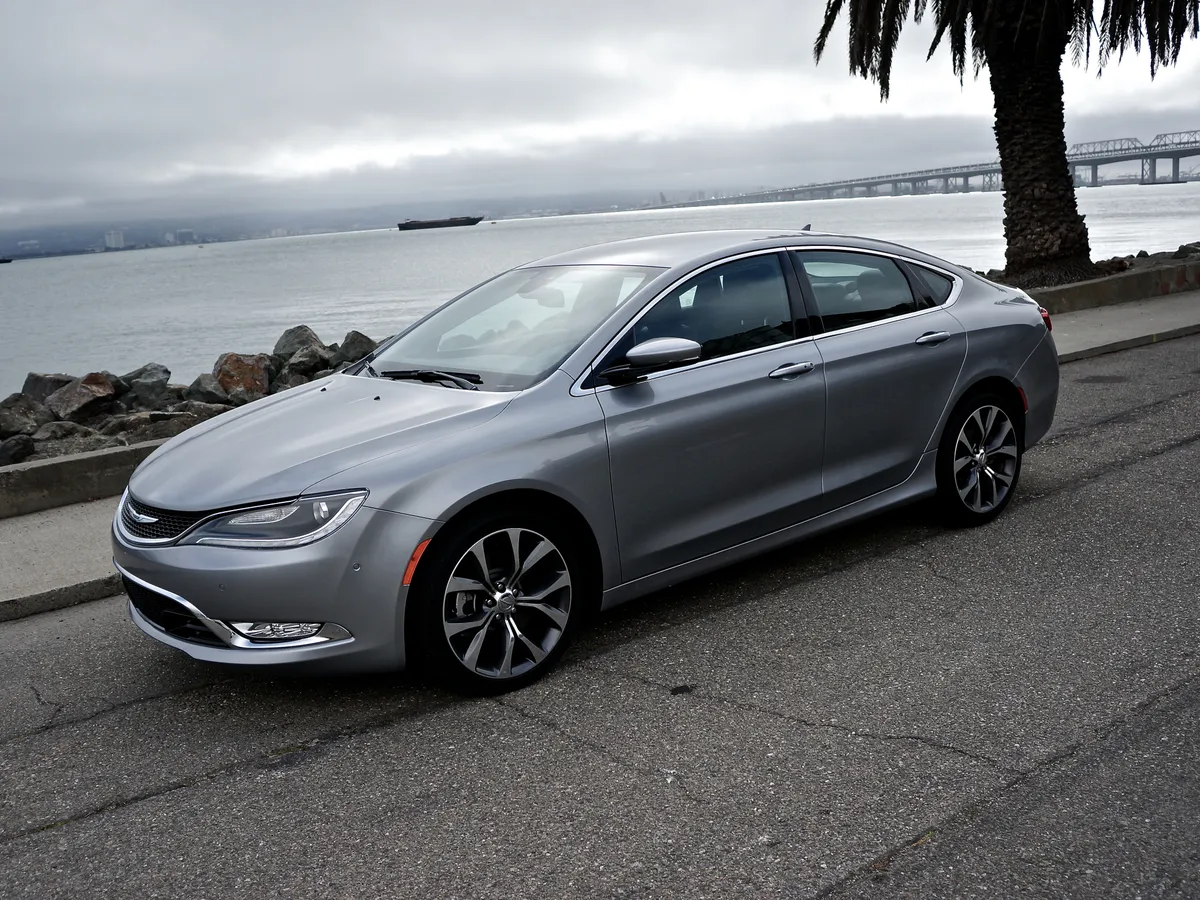
The Chrysler 200 has often been criticized for its inconsistent electrical reliability, particularly in higher mileage vehicles. While it was designed to offer a modern feature set for its segment, the integration of its electronic systems did not always prioritize long-term durability, which leads to a higher likelihood of wiring and module-related problems.
One of the most commonly reported issues involves the infotainment system. Owners frequently experience screen freezing, system restarts, or complete loss of functionality. These problems are often related to software instability or aging internal components within the head unit, which can become more pronounced as the vehicle ages.
Electrical shorts and intermittent faults in lighting systems are also relatively common. Headlights, brake lights, or interior lighting may behave unpredictably due to wiring insulation wear or poor grounding connections. These issues can be difficult to diagnose because they may not occur consistently during inspection.
The vehicle’s electrical architecture includes multiple control modules that sometimes lack efficient communication between systems. This can lead to situations where a fault in one area triggers unrelated warning messages elsewhere on the dashboard, creating confusion for both drivers and technicians.
Heat exposure and vibration further contribute to wiring degradation over time. As insulation weakens, wires may become brittle or develop micro-cracks, leading to intermittent connectivity. This results in unpredictable behavior that often requires extensive diagnostic work to resolve.
Ford Focus Sedan
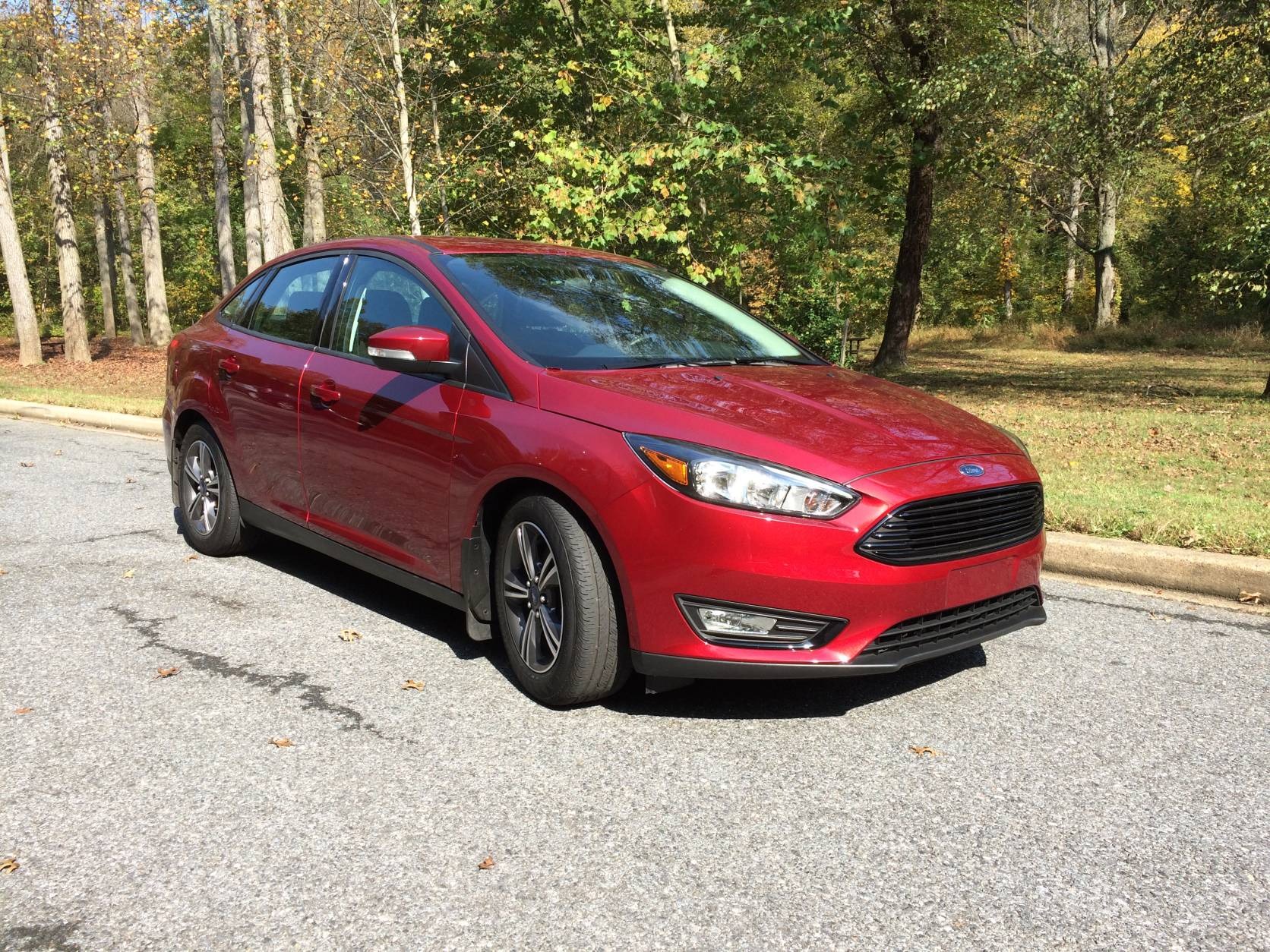
The Ford Focus sedan from this generation is widely recognized for its driving dynamics and fuel efficiency, but it also has a mixed reputation when it comes to long-term electrical reliability. While some units perform well, others develop recurring electronic issues that can affect ownership experience.
A commonly reported concern is inconsistent behavior of the electrical system, including battery drain problems. In some cases, the vehicle may fail to enter proper sleep mode, causing certain modules to remain active even when the car is turned off. This leads to gradual battery depletion and starting issues.
Sensor malfunctions are another area of concern. Owners sometimes report dashboard warning lights appearing without a clear mechanical cause. These warnings may be triggered by communication errors between sensors and the central control unit, rather than actual component failure.
Infotainment system issues are also relatively common. Problems such as screen freezing, delayed responses, or Bluetooth connectivity failures can occur, especially in higher mileage vehicles. These issues are often linked to software instability or aging internal electronics within the system.
Wiring harness wear can contribute to intermittent faults, particularly in areas exposed to engine heat or road vibration. Over time, connectors may loosen or corrode, leading to inconsistent electrical signals. This can make troubleshooting difficult, as symptoms may not always appear during inspection or diagnostic scans.

Volkswagen Passat
The Volkswagen Passat from this generation is appreciated for its comfort, solid build quality, and refined driving experience, but it is also known for developing electrical gremlins as it ages. The vehicle uses a highly integrated electronic network that connects multiple systems, which increases both functionality and complexity.
One of the more common issues involves power window malfunctions. Windows may stop responding or operate intermittently due to failing window regulators or wiring issues inside the door harness. These problems often stem from repeated door movement, which places stress on internal wiring over time.
Sensor failures are also frequently reported. Components such as parking sensors, ABS sensors, and engine-related sensors may trigger warning lights even when the vehicle is still mechanically sound. These false alerts are often linked to aging wiring or inconsistent electrical signals.
The electronic parking brake system can also develop issues, including failure to engage or release properly. This is often related to actuator wear or communication errors between control modules, which can become more common as the system ages.
Because the Passat relies heavily on electronic communication networks, diagnosing faults can be challenging. A single wiring issue may affect multiple systems, making it difficult to isolate the root cause without extensive testing. Over time, this complexity contributes to its reputation for wiring-related problems in the used car market.
