
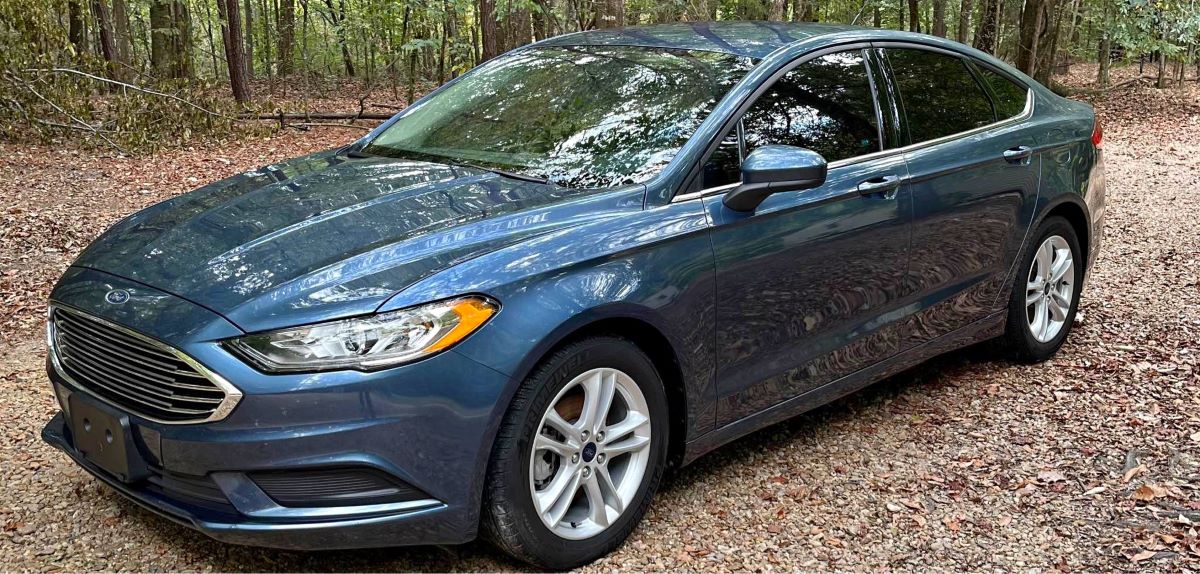
Buying a used sedan is always a balancing act. You want reliability, affordability, and peace of mind on every drive. One of the most overlooked aspects of used car reliability is the electrical charging system. The alternator is the heart of this system, keeping your battery alive and your car running smoothly.
When an alternator fails, it doesn’t just kill your battery. It can strand you on the road, damage sensitive electronics, and lead to expensive repair bills.
Many buyers focus on engine performance or fuel economy when shopping for a used sedan. But a weak charging system can undo all those advantages very quickly.
Some sedans are engineered with heavy-duty alternators and well-designed electrical systems. These cars age gracefully and rarely leave owners stuck with a dead battery.
Others, however, have well-documented charging faults. These models develop alternator failures, voltage regulator issues, and battery drain problems as they age.
This guide breaks down five used sedans known for robust, dependable alternators. It also identifies five models that have a troubling history of battery charging faults.
Whether you are a daily commuter or a long-distance driver, this information will help you make a smarter purchase. Let your next used sedan be one that starts every single morning.
5 Used Sedans With Robust Alternators
These exceptionally engineered vehicles feature charging systems with conservatively rated alternators providing ample reserve capacity, quality internal components utilizing premium bearings and diodes, and simple voltage regulation systems that maintain consistent charging performance throughout extended service lives without developing the electrical gremlins that plague overcomplicated designs.
Their thoughtful engineering includes alternators with substantial output margins beyond typical electrical loads preventing constant maximum-duty operation, effective belt drive systems maintaining proper tension without excessive bearing side-loading, and strategic mounting positions away from heat sources that accelerate bearing degradation and electronic component failures.
1. Toyota Camry (2012–2018)
The Toyota Camry has long been celebrated as one of the most dependable sedans ever built. Its reputation for reliability extends deep into its electrical and charging systems.
The alternator fitted to the 2012–2018 Camry models is a Denso-manufactured unit. Denso is one of the world’s most respected suppliers of automotive electrical components.
These alternators are built to handle high electrical loads without overheating. They maintain consistent voltage output even after hundreds of thousands of kilometres.
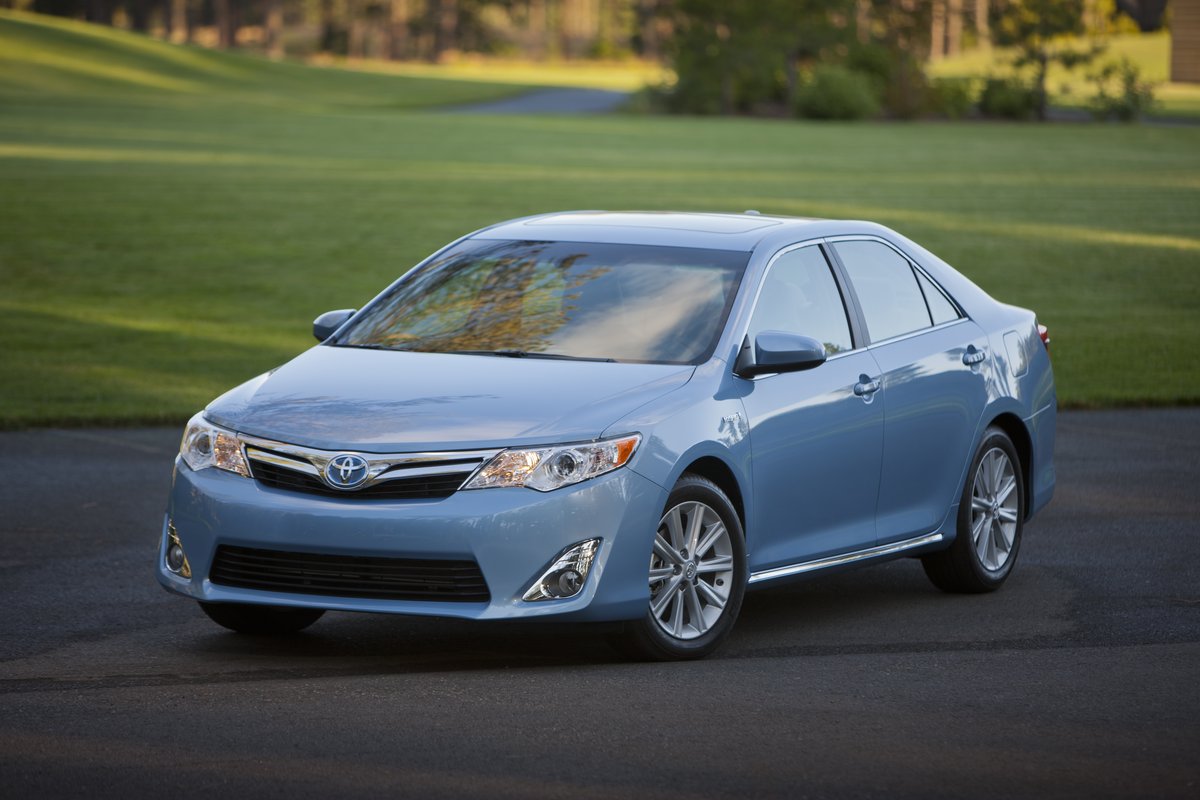
The Camry’s charging system is conservatively rated, meaning it is never pushed to its limits under normal use. This conservative design philosophy significantly extends the lifespan of the alternator.
Owners of these Camry models regularly report original alternators still functioning well past 200,000 kilometres. This is a remarkable achievement in used car reliability.
The wiring harness on these models is also well-protected against corrosion and wear. Toyota uses high-quality insulation materials that resist heat and moisture over time.
The voltage regulator integrated into the Camry’s alternator is equally dependable. It maintains a stable 13.8 to 14.4 volts across a wide range of engine speeds and electrical demands.
When you run the air conditioning, headlights, and infotainment simultaneously, the Camry’s alternator barely notices. It handles combined electrical loads with impressive ease.
Mechanics consistently praise the accessibility of the Camry’s alternator for routine inspections. Easy access means problems are caught early, before they develop into costly failures.
The 2.5-litre four-cylinder engine variant is particularly well-regarded for charging system longevity. Its lower electrical demand keeps the alternator working well within its comfortable operating range.
Even the V6-powered Camry models deliver strong alternator performance over long periods. The larger alternator fitted to these variants is equally well-engineered and long-lasting.
Used Camrys in this generation are widely available at reasonable prices. Choosing one means you are buying proven electrical reliability with a well-established service history.
The resale value of these Camrys also remains strong, reflecting buyer confidence in their durability. That confidence is well-earned when it comes to the charging system.
If you want a used sedan that will reliably start and run every day, the 2012–2018 Camry belongs at the top of your list. Its alternator is simply one of the best in the segment.
2. Honda Accord (2013–2017)
The Honda Accord has always been a benchmark for engineering excellence in the mid-size sedan class. Its electrical system design is a key part of that benchmark status.
The 2013–2017 Accord generation features a well-balanced charging system with a high-output alternator. Honda engineers designed this unit to deliver consistent performance across a wide range of driving conditions.
The alternator in these Accord models is built to last well beyond 150,000 kilometres without major issues. Many owners report reaching 180,000 to 200,000 kilometres on the original unit.
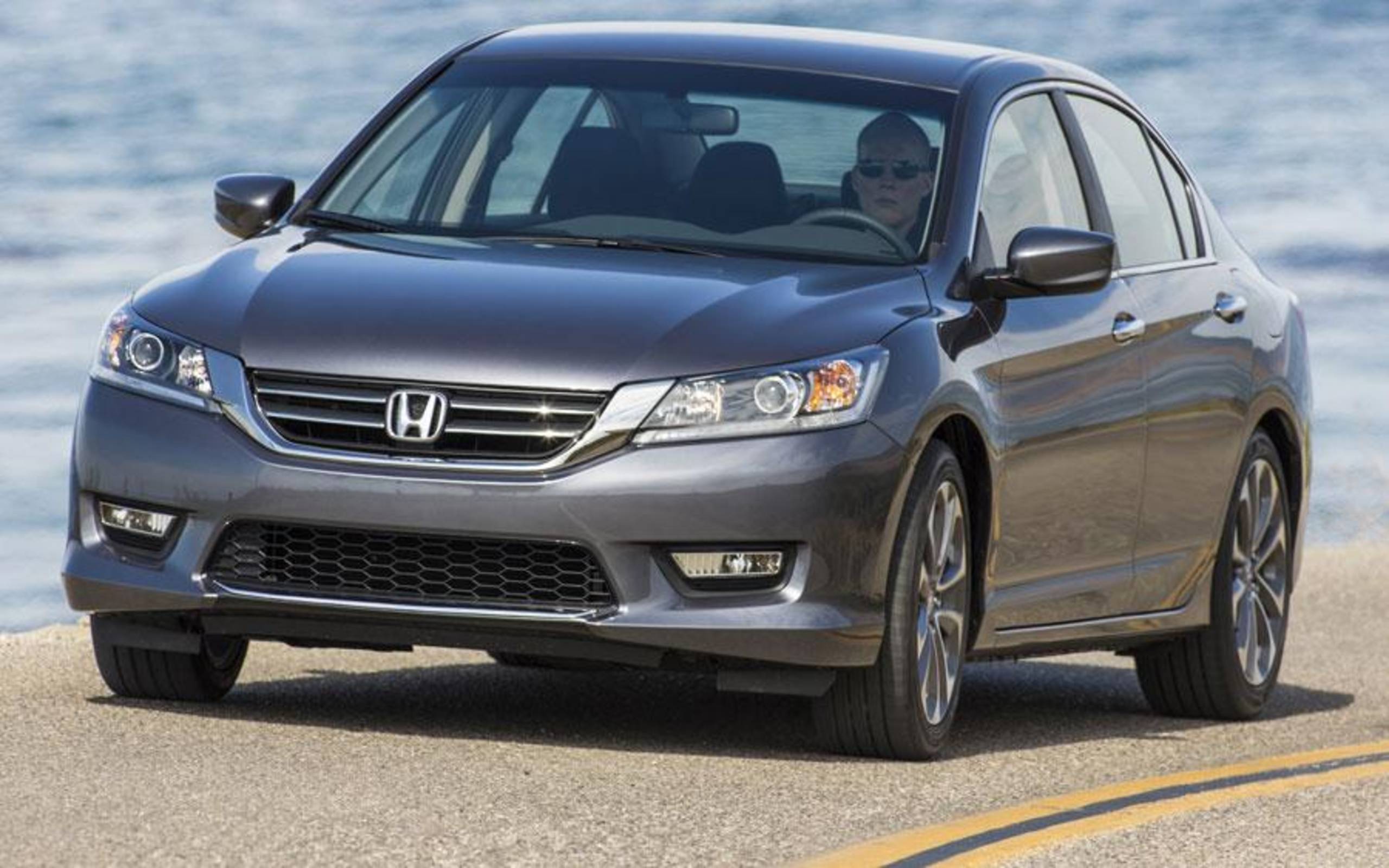
Honda’s Smart Charging System technology is a significant advantage in this generation. It intelligently manages alternator output to reduce engine load and improve fuel efficiency simultaneously.
The system charges the battery primarily during deceleration, reducing unnecessary drag on the engine. This smart operation actually reduces wear on the alternator over the vehicle’s lifetime.
The Accord’s electrical architecture is clean and logically laid out. This makes diagnosing any minor issues straightforward for both independent mechanics and dealership technicians.
Heat management around the alternator is another strength of this generation. Honda designed effective airflow paths that keep the alternator cool even during demanding city driving.
The battery and alternator work together as a well-matched system in these models. This careful matching prevents the overcharging and undercharging cycles that degrade batteries prematurely.
Owners who follow Honda’s recommended service intervals rarely encounter charging system problems. Regular serpentine belt inspections are the most important preventive measure for this system.
The 2.4-litre Earth Dreams engine paired with this alternator is particularly harmonious. Its smooth power delivery reduces vibration stress on the alternator mounting and internal components.
The V6 Accord variant also delivers excellent charging system performance. Its larger alternator handles the additional electrical demands of the more powerful engine with ease.
Accord models from this era are widely praised in long-term reliability surveys. The charging system is consistently cited as one of the most trouble-free aspects of ownership.
Independent repair costs for the Accord remain reasonable even if alternator replacement becomes necessary. The straightforward engine bay layout keeps labour times short and bills manageable.
For buyers seeking a used sedan with a dependable charging system and engaging driving dynamics, the 2013–2017 Accord is an outstanding choice. It earns its reputation every single day.
3. Mazda6 (2014–2018)
The Mazda6 is often underrated in conversations about used sedan reliability. Its SKYACTIV engineering philosophy extends beyond engines to include a very well-designed electrical system.
Mazda’s SKYACTIV-G engines are paired with high-efficiency alternators that match the brand’s efficiency focus. These units are compact, lightweight, and surprisingly durable.
The i-ELOOP regenerative braking system available on some Mazda6 models is a notable feature. It uses a capacitor to store energy during braking, reducing the load on the conventional alternator.
This reduced load on the main alternator means it experiences less wear during everyday driving. The result is an alternator that tends to last significantly longer than the industry average.
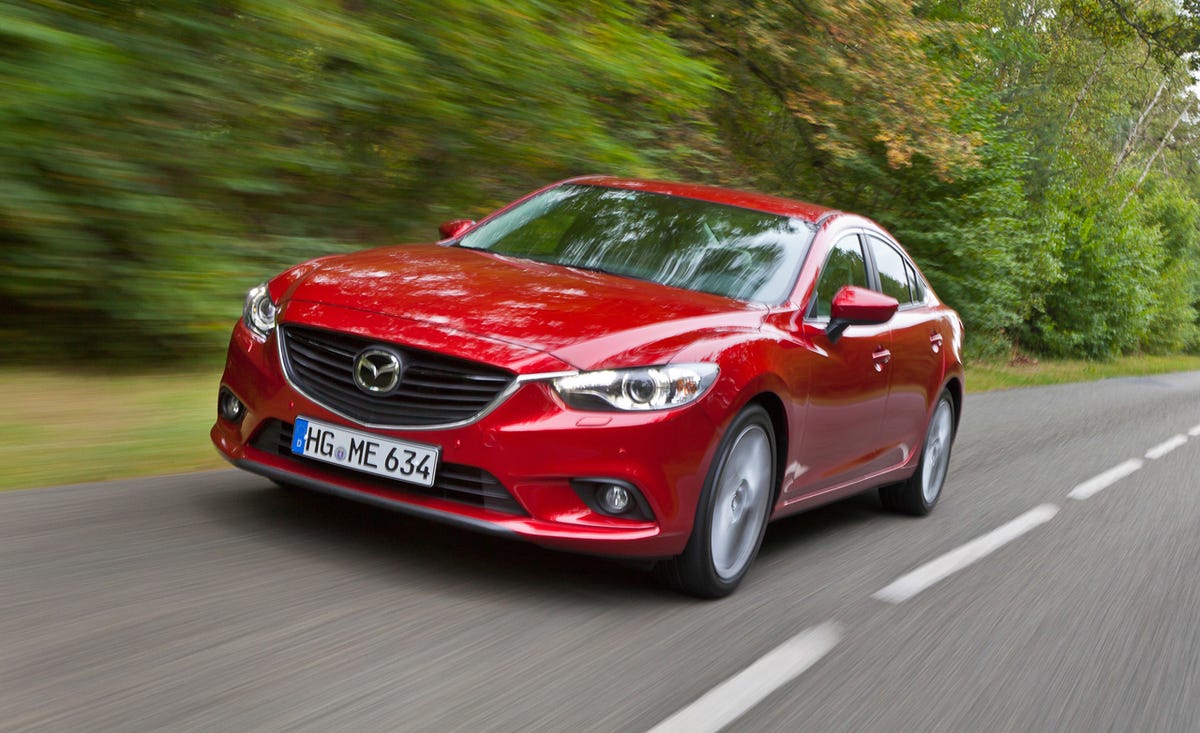
Even Mazda6 models without i-ELOOP deliver strong charging system reliability. The standard alternator is well-engineered and performs consistently over high mileage.
Mazda sources quality components from reputable suppliers for its electrical systems. This commitment to quality is reflected in the low rate of alternator-related complaints from owners.
The voltage regulation in the Mazda6 is precise and stable. Owners rarely experience the voltage fluctuations that can damage sensitive modern electronics over time.
The engine bay layout of the Mazda6 allows good airflow around the alternator. Adequate cooling is critical to alternator longevity, and Mazda has clearly paid attention to this detail.
Long-distance drivers particularly appreciate the Mazda6’s electrical reliability. Highway driving at steady speeds is actually very gentle on the charging system, and the Mazda6 handles it effortlessly.
The serpentine belt system on these models is straightforward and easy to inspect. Keeping this belt in good condition is the single most important factor in alternator health.
Mazda6 owners in online communities consistently report minimal electrical issues over years of ownership. This real-world feedback strongly supports the model’s reputation for charging reliability.
The 2.5-litre SKYACTIV-G four-cylinder engine is the most common and most reliable powertrain option. It places modest demands on the electrical system, helping the alternator last longer.
Resale values for well-maintained Mazda6 models remain competitive. Buyers recognise the brand’s engineering quality, which keeps demand for these used cars consistently healthy.
For enthusiasts who want driving enjoyment combined with genuine reliability, the 2014–2018 Mazda6 is a compelling choice. Its charging system is a quiet but important part of that reliability story.
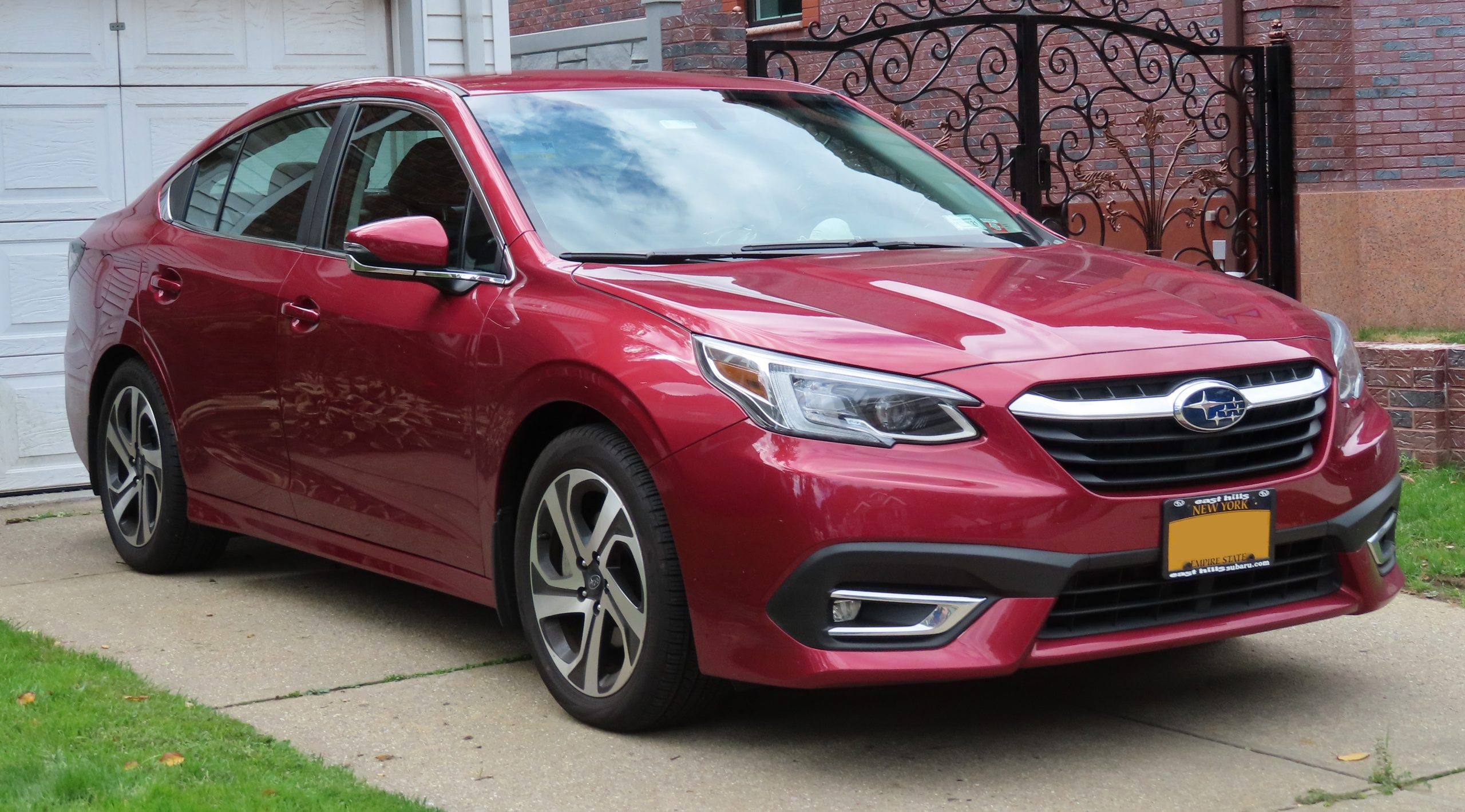
4. Subaru Legacy (2015–2019)
The Subaru Legacy is a practical all-wheel-drive sedan known for tackling difficult conditions with confidence. Its electrical system is engineered to match that tough, all-weather capability.
The alternator in the 2015–2019 Legacy is a robust unit designed to handle the higher electrical demands of the AWD system. It delivers consistent output regardless of road conditions or weather.
Subaru engineers understood that AWD owners often drive in challenging environments. They designed the charging system with sufficient headroom to handle lights, heating, and AWD electronics simultaneously.
The Legacy’s alternator is mounted securely and protected from road spray and debris. This physical protection is important for maintaining long-term reliability in harsh conditions.
Subaru’s electrical architecture in this generation is well-designed and logically organised. Technicians familiar with the platform find it easy to test and service the charging components.
The 2.5-litre horizontally-opposed engine in the Legacy produces minimal vibration at the alternator mounting points. Low vibration is an important factor in preventing premature bearing wear inside the alternator.
Owners who use their Legacy in cold climates report strong cold-weather starting performance. A healthy alternator keeps the battery fully charged, which is critical for reliable cold starts.
The battery management system in these Legacy models is also well-calibrated. It works intelligently with the alternator to maintain optimal battery state of charge in all conditions.
Legacy models used predominantly on highways tend to show very low alternator wear over time. Steady-speed driving is the least demanding operating condition for any charging system.
The availability of aftermarket and OEM alternator replacements for the Legacy is excellent. Should replacement ever become necessary, parts are affordable and installation is straightforward.
Subaru’s strong dealer network and active owner community make diagnosing any electrical issues easier. Information and support are readily available for Legacy owners across the country.
Long-term owner reviews consistently praise the Legacy’s reliability. The charging system is rarely mentioned as a problem area, which speaks strongly to its dependability.
For buyers in regions with extreme weather or varied terrain, the Legacy offers genuine peace of mind. Its alternator is built to handle what ordinary sedans cannot.
The 2015–2019 Subaru Legacy represents excellent value in the used sedan market. Its combination of AWD capability and charging system reliability is genuinely difficult to beat.
Also Read: 10 Most Iconic Police Interceptor Models Still Used by US Departments
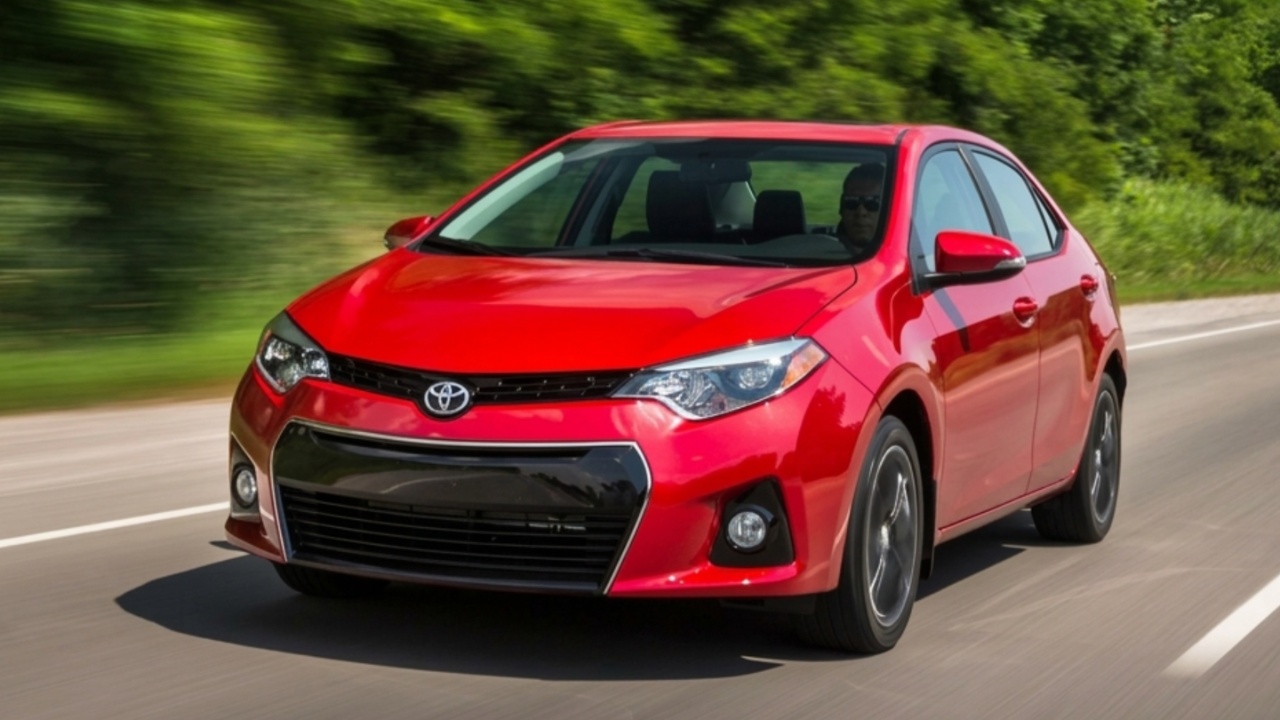
5. Toyota Corolla (2014–2019)
The Toyota Corolla is the world’s best-selling car for very good reasons. Simplicity, proven engineering, and outstanding long-term reliability define this iconic sedan.
The alternator fitted to the 2014–2019 Corolla is a Denso unit, just like its Camry sibling. Denso’s reputation for electrical component quality is second to none in the automotive industry.
The Corolla’s 1.8-litre engine places modest electrical demands on the alternator. This low demand means the alternator operates comfortably within its rated capacity at virtually all times.
Operating within capacity is one of the most important factors in component longevity. The Corolla’s alternator is rarely stressed, which is why it lasts so remarkably long.
Toyota’s conservative engineering approach means every component has a significant safety margin built in. The alternator is no exception, and this margin pays dividends in long-term reliability.
Corolla owners regularly report trouble-free alternator performance well past 200,000 kilometres. Some owners even reach 300,000 kilometres without ever replacing the original unit.
The wiring and electrical connections in these Corolla models are well-sealed against moisture. Moisture ingress is one of the leading causes of premature electrical component failure in used cars.
The serpentine belt tensioner on the Corolla is also reliably long-lasting. A well-functioning tensioner maintains proper belt tension, which is essential for alternator efficiency.
Mechanics universally praise the Corolla for its ease of maintenance and inspection. Quick, affordable servicing means small issues are caught before they develop into charging system problems.
The simplicity of the Corolla’s electrical system is itself a major reliability advantage. Fewer complex systems mean fewer potential failure points in the charging circuit.
Used Corolla prices remain strong because buyers know what they are getting. That market confidence is a direct reflection of the model’s extraordinary reliability record.
Fleet operators and taxi companies often choose the Corolla precisely because of its electrical dependability. High-cycle commercial use demands charging system durability, and the Corolla consistently delivers.
For first-time used car buyers or those who simply want hassle-free motoring, the Corolla is the safest choice. Its alternator will almost certainly never let you down.
The 2014–2019 Toyota Corolla is perhaps the ultimate proof that simple engineering done well beats complex engineering done poorly. Its charging system is a masterclass in automotive reliability.
5 Used Sedans Prone to Battery Charging Faults
These problematic vehicles suffer from charging systems featuring undersized alternators struggling to meet excessive electrical demands, complex battery management systems with failure-prone modules, and inadequate voltage regulation that causes battery overcharging or undercharging creating cascade electrical failures and frustrating intermittent problems that plague owners throughout relatively brief ownership periods.
Their flawed engineering includes alternators with insufficient output capacity constantly operating at maximum duty causing premature bearing failure, battery sensors and management modules that malfunction creating confusing charging issues, and voltage regulators that fail allowing excessive charging voltage that destroys batteries and damages sensitive electronics.
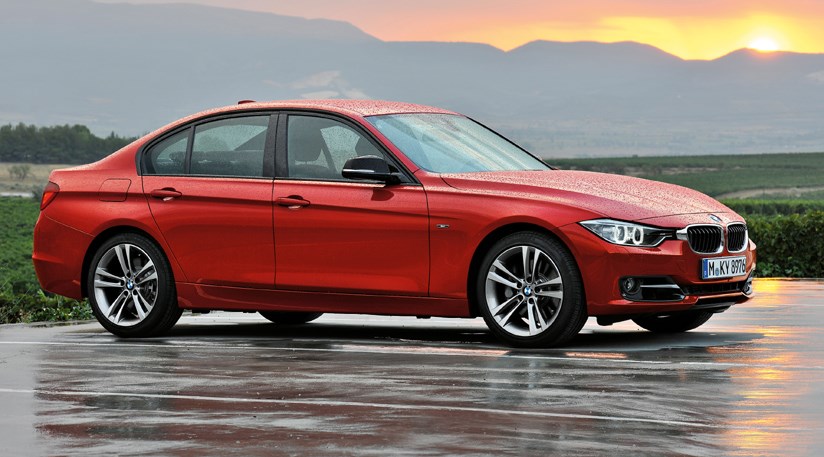
1. BMW 3 Series (F30, 2012–2018)
The BMW 3 Series F30 generation is a genuinely exciting car to drive. Its sophisticated electronics and dynamic chassis are impressive achievements in automotive engineering.
However, this sophistication comes at a significant cost when it comes to the charging system. The F30’s intelligent alternator management system is a frequent source of owner frustration.
BMW introduced the Intelligent Battery Sensor, or IBS, in this generation to manage charging precisely. While clever in theory, this sensor is notorious for failing and triggering false fault codes.
When the IBS fails, the car’s charging system can behave erratically. Owners often experience unexpected battery drain, warning lights, and in some cases, complete failure to start.
The variable-voltage alternator on the F30 is designed to reduce fuel consumption by charging the battery only when necessary. This system works well when new, but becomes unreliable as the car ages.
The alternator itself on these models has a relatively modest service life compared to Japanese rivals. Many owners face alternator replacement between 100,000 and 150,000 kilometres.
The cost of alternator replacement on the F30 is substantially higher than average. BMW-specific parts and the labour involved in accessing the unit make this a very expensive repair.
The AGM battery used in these models is also a critical and costly component. When the charging system underperforms, the AGM battery degrades rapidly and requires expensive replacement.
Coding the new battery to the car’s electronics is required after replacement. This procedure requires specialist BMW diagnostic equipment, adding further cost to an already expensive process.
The serpentine belt routing on the F30 is complex, with multiple tensioners and idler pulleys. Any one of these components failing can affect alternator drive and charging output.
Independent mechanics without BMW-specific diagnostic tools often struggle with F30 charging faults. This limits your repair options and tends to keep servicing costs high.
Cold weather significantly worsens the F30’s charging system vulnerabilities. Low temperatures expose weaknesses in the IBS sensor and the AGM battery management system.
Online BMW owner forums are filled with threads discussing F30 charging system problems. This volume of complaints from real-world owners is a serious warning sign for prospective buyers.
The F30 3 Series is undeniably a rewarding driver’s car. But buyers must budget carefully for the charging system maintenance that is likely to arise with age and mileage.
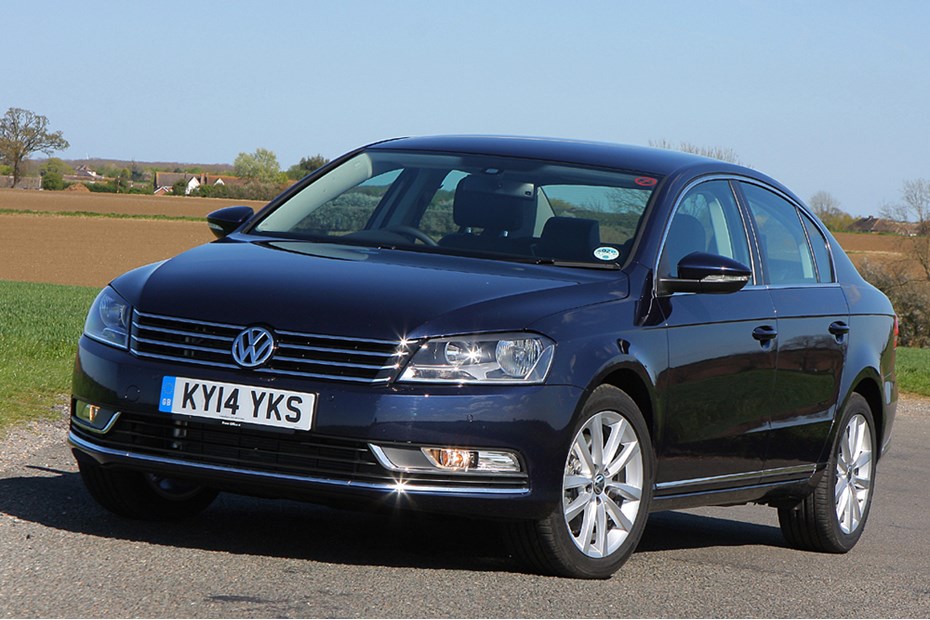
2. Volkswagen Passat B7 (2011–2015)
The Volkswagen Passat B7 is a refined and spacious European sedan that offers genuine comfort and build quality. Its interior and ride quality are genuinely impressive for the price.
Unfortunately, the B7 Passat has developed a well-documented reputation for electrical and charging system issues. These problems can make ownership frustrating and expensive over time.
The alternator on many B7 Passat models is positioned in a location that makes access difficult. Restricted access increases labour time significantly, driving up the cost of any alternator-related work.
The charge management system in the B7 Passat relies on multiple sensors and control modules. Any failure in this network of components can disrupt normal charging system operation.
Voltage regulator failures are a commonly reported fault on B7 Passat models. A failed voltage regulator causes erratic charging, which leads to both battery overcharging and undercharging.
Overcharging damages the battery internally over time, while undercharging leaves the car vulnerable to no-start situations. Both outcomes are costly and inconvenient for the owner.
The B7 Passat uses a sophisticated battery management system integrated into the Body Control Module. When this module develops faults, diagnosing the root cause becomes complex and time-consuming.
The DSG automatic transmission fitted to many B7 models places additional electrical demands on the charging system. These cumulative demands can push an ageing alternator closer to its limits.
Cold weather starting issues are a recurring theme in B7 Passat owner communities. Many of these issues trace back to inadequate battery charging rather than starter motor problems.
The wiring harnesses in some B7 Passat models have been prone to insulation degradation. Degraded wiring causes resistance in the charging circuit, reducing the efficiency of the entire system.
Sourcing quality replacement alternators for the B7 Passat at reasonable cost is possible. However, correctly diagnosing the actual fault requires VW-specific diagnostic software, which many shops lack.
Prospective buyers should always request a full electrical health check before purchasing a B7 Passat. A pre-purchase inspection focused on charging system performance can reveal hidden problems.
The Passat B7 is not without its merits, and well-maintained examples can be very rewarding. But buyers must go in with clear eyes about the electrical challenges this generation presents.
If you are considering a B7 Passat, build a financial buffer for potential charging system repairs. These repairs are not a certainty, but they are a genuine statistical probability with age.
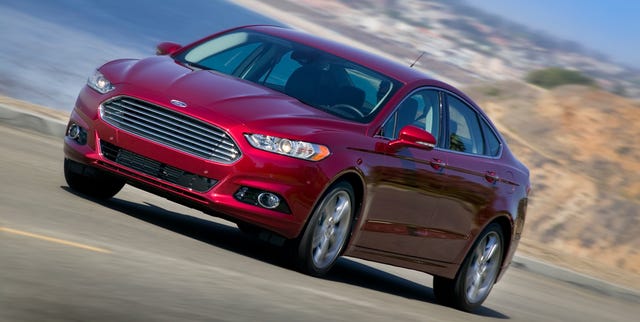
3. Ford Fusion (2013–2016)
The Ford Fusion from this generation is an attractive, well-designed sedan that offers good value on the used market. Its styling and feature set are genuinely competitive with Japanese rivals.
However, the 2013–2016 Fusion has earned a reputation for battery and charging system problems. These issues are closely linked to its complex MyFord Touch infotainment and electrical architecture.
The MyFord Touch system is notorious for generating parasitic electrical drain. This constant background draw depletes the battery even when the car is parked and switched off.
Parasitic drain is particularly damaging to batteries in cars that are driven infrequently. Short journeys do not allow the alternator enough time to fully recharge a depleted battery.
The alternator on the 1.5-litre and 2.0-litre EcoBoost Fusion models has generated significant owner complaints. These smaller turbocharged engines sometimes struggle to keep up with the car’s electrical demands.
Under heavy electrical load climate control, heated seats, audio, and navigation running simultaneously voltage can drop noticeably. This sustained low voltage cycle degrades the battery over time.
Ford issued several technical service bulletins related to charging and battery issues on these Fusion models. The existence of multiple TSBs confirms that these are widespread, recognised problems.
The stop-start system fitted to some Fusion variants adds additional strain to the battery and charging circuit. Frequent stop-start cycling accelerates battery wear and demands more from the alternator.
Battery replacement on the Fusion is relatively affordable, but it needs to be done more frequently than on competing models. This recurring cost adds up over a typical ownership period.
The alternator mounting on these Fusion models is accessible, which is one saving grace. Replacement, when needed, can be carried out at reasonable cost by an independent mechanic.
Electrical gremlins beyond just the charging system are a common complaint in Fusion forums. These broader electrical issues suggest the electrical architecture of this generation has weaknesses.
Buyers should specifically ask about the service history of the battery and alternator before purchasing. A recently replaced battery without a charging system check is a warning sign.
A pre-purchase inspection using a proper load tester on both the battery and alternator is strongly recommended. This simple test can reveal whether the charging system is functioning correctly.
The 2013–2016 Ford Fusion has real strengths, but its charging system vulnerabilities are a genuine concern. Proceed with caution and thorough inspection before committing to a purchase.
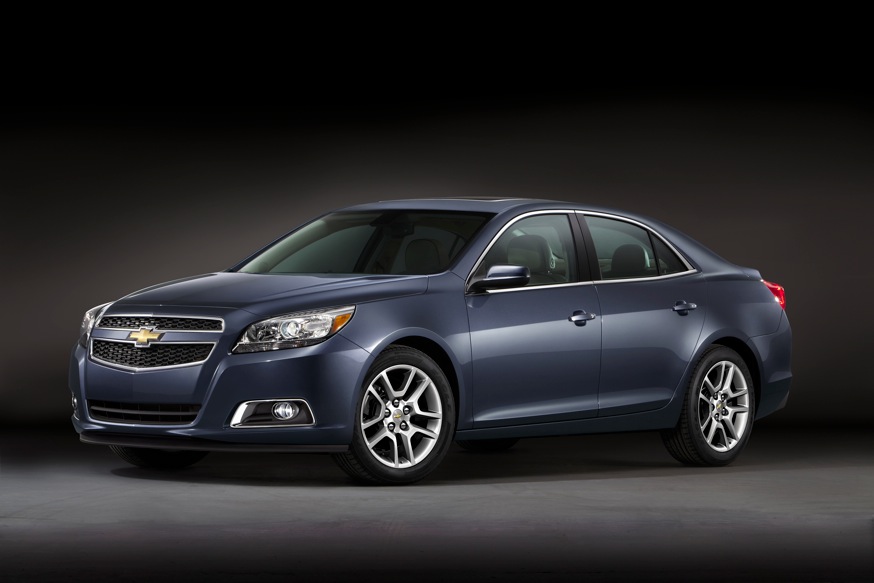
4. Chevrolet Malibu (2013–2016)
The Chevrolet Malibu from this era represented a genuine attempt by GM to compete in the highly contested mid-size sedan segment. It offered modern styling and a range of efficient powertrains.
Despite these ambitions, the 2013–2016 Malibu developed a notable track record of electrical and charging system complaints. These issues have become a well-known concern among used car buyers.
The 2.5-litre and 2.0-litre turbocharged engines in the Malibu were sometimes paired with undersized alternators for their electrical load. This mismatch created chronic undercharging in demanding conditions.
The eAssist mild hybrid system available on some Malibu models added further electrical complexity. When components within this system degrade, they can interfere with normal battery charging behaviour.
Parasitic battery drain is a recurring complaint from Malibu owners of this generation. Owners frequently report returning to flat batteries after the car has been parked overnight or for short periods.
GM issued multiple technical service bulletins addressing battery drain and charging faults on these models. A high number of TSBs on a specific issue is a strong indicator of a systemic problem.
The Body Control Module on the 2013–2016 Malibu has been linked to electrical drain issues. BCM faults are complex and expensive to diagnose and repair correctly.
Replacement batteries on the Malibu tend to have shorter lifespans than expected when the underlying charging fault is not addressed. Replacing the battery without fixing the root cause is a waste of money.
The infotainment system in these Malibu models is another source of background electrical drain. Software-related battery drain issues in the MyLink system were acknowledged by General Motors.
Finding an independent mechanic with access to GM Tech 2 or equivalent diagnostic software is important for Malibu owners. Without proper diagnostics, chasing electrical faults becomes very expensive.
The cost of ownership for a Malibu with unresolved charging issues can escalate quickly. Battery replacements, alternator testing, and module diagnostics add up to a significant financial burden.
Prospective buyers should run a thorough pre-purchase electrical inspection on any 2013–2016 Malibu. Pay particular attention to the battery state of health and alternator output voltage.
Well-maintained Malibu examples with clean service histories do exist and can be good value. However, the risk of inheriting unresolved charging system problems is genuinely raised with this model.
The 2013–2016 Chevrolet Malibu is a cautionary tale about the consequences of electrical system underengineering. Its charging system struggles are a real and documented ownership concern.
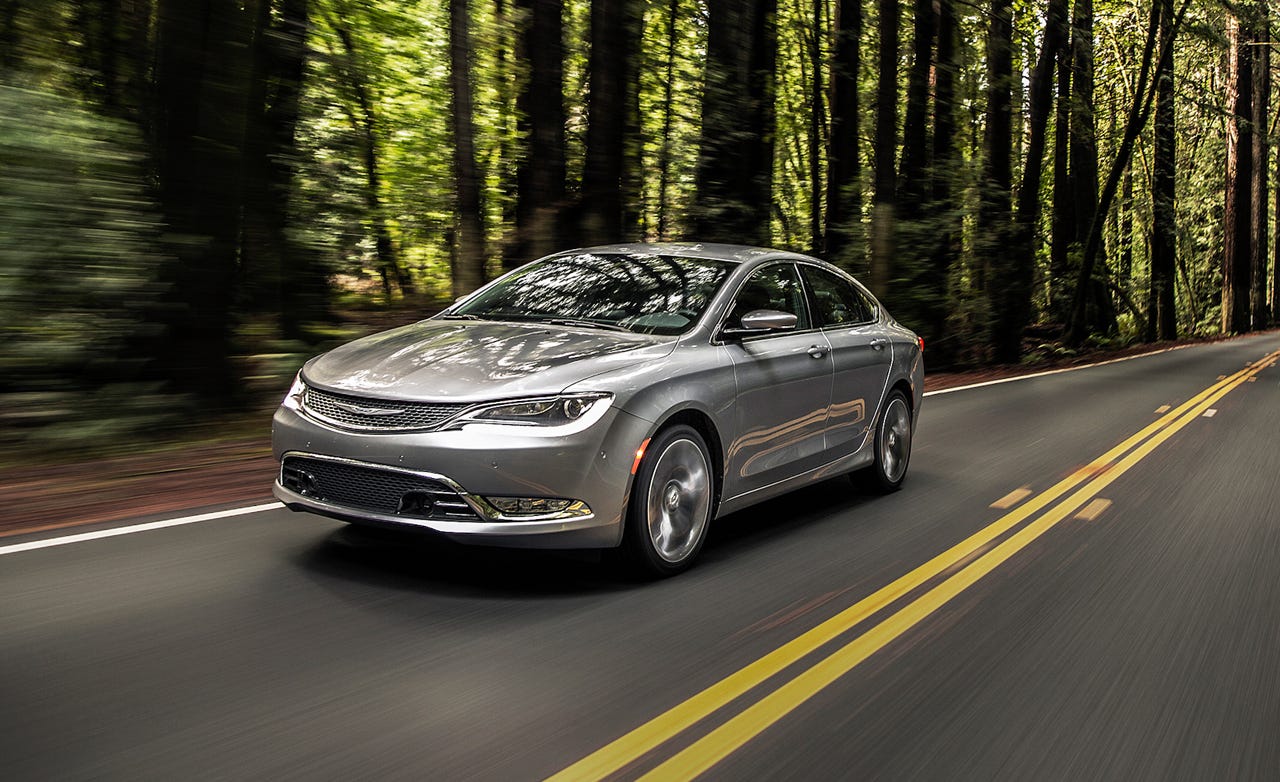
5. Chrysler 200 (2015–2017)
The Chrysler 200 second generation was an ambitious attempt to reposition Chrysler as a serious competitor in the mid-size sedan market. It offered stylish design and a genuinely premium interior.
However, the 200 quickly developed a reputation for electrical reliability problems that undermine its many positive qualities. The charging system is one of the most troubled areas of this vehicle.
The 2.4-litre Tigershark engine and its associated charging system have been the subject of numerous owner complaints. Alternator output inconsistencies appear relatively early in the ownership cycle.
The 200’s nine-speed automatic transmission is electronically controlled and places significant continuous demand on the electrical system. This high demand accelerates wear on the alternator over time.
Battery drain issues are widely reported by Chrysler 200 owners, particularly on models with the full technology package. Multiple electronic modules create a cumulative parasitic drain that taxes the charging system.
The keyless entry and push-button start system on higher trim levels has been linked to battery drain complaints. These convenience features can draw significant current even in standby mode.
Chrysler’s electrical architecture from this period has been criticised for inconsistent quality control. Wiring connector issues and module communication faults are reported more frequently than acceptable.
The alternator replacement cost on the Chrysler 200 is moderate, but the frequency with which it becomes necessary is concerning. Owners report alternator issues surfacing at relatively low mileage compared to rivals.
Diagnosing Chrysler 200 electrical faults often requires FCA-specific diagnostic software. Independent shops without this equipment will have difficulty accurately pinpointing charging system problems.
The Uconnect infotainment system, while user-friendly, contributes to electrical load management challenges. Software updates have addressed some issues, but electrical drain remains a persistent concern for many owners.
Resale values for the Chrysler 200 have declined more steeply than those of competitors. This decline reflects buyer awareness of the model’s reliability concerns, including its electrical and charging system weaknesses.
Pre-purchase inspections for the Chrysler 200 should always include a full charging system test. Confirm the alternator output voltage, test the battery under load, and check for parasitic drain.
If you find a well-priced Chrysler 200 with full service records and no charging system history, it may still represent reasonable value. But go in informed and prepared for the possibility of electrical repairs.
The Chrysler 200 is ultimately a reminder that attractive design and ambitious features mean little if the underlying electrical engineering cannot support them reliably. Its charging system legacy is a genuine ownership risk.
Also Read: 10 Iconic American Car Names That Were Discontinued and Then Revived
