
Pickup trucks are built for durability, utility, and long-term ownership, but not every component receives the same level of engineering attention. One often overlooked yet critical part is the tailgate hinge. While it may appear to be a simple mechanical joint, it carries the full weight of the tailgate and absorbs repeated stress from daily use.
Every time a tailgate is opened, closed, or used as a work surface, the hinges endure pressure, vibration, and environmental exposure. Over time, even small weaknesses in design or material quality can lead to serious issues such as sagging, misalignment, or complete failure.
Tailgate hinges are particularly vulnerable because they operate without the structural reinforcement that doors receive from the vehicle frame. Instead, they rely on compact pivot points and bushings that must withstand years of mechanical strain. Factors like corrosion, overloading, and poor alignment can accelerate wear, making hinge durability a defining factor in a truck’s long-term reliability.
In modern trucks, the situation has become even more complex. Manufacturers have added features such as power-operated tailgates, multi-function openings, and integrated steps. While these innovations improve convenience, they also introduce additional stress points and potential failure areas.
In some cases, increased complexity has led to unexpected durability issues, especially when combined with cost-cutting measures such as plastic bushings instead of metal ones.
For truck owners who rely on their vehicles for work or heavy-duty tasks, a weak tailgate hinge is more than an inconvenience. It can affect safety, reduce load capacity, and lead to costly repairs. Replacement costs can range from moderate to significant depending on the vehicle and labor involved, making durability an important consideration when choosing a truck.
This article highlights five trucks known for having extremely durable tailgate hinges that hold up under real-world use, along with five trucks that have developed a reputation for hinge-related issues. The goal is to provide clear, fact-based insights so you can make an informed decision when buying or maintaining a pickup truck.
Trucks With Indestructible Tailgate Hinges
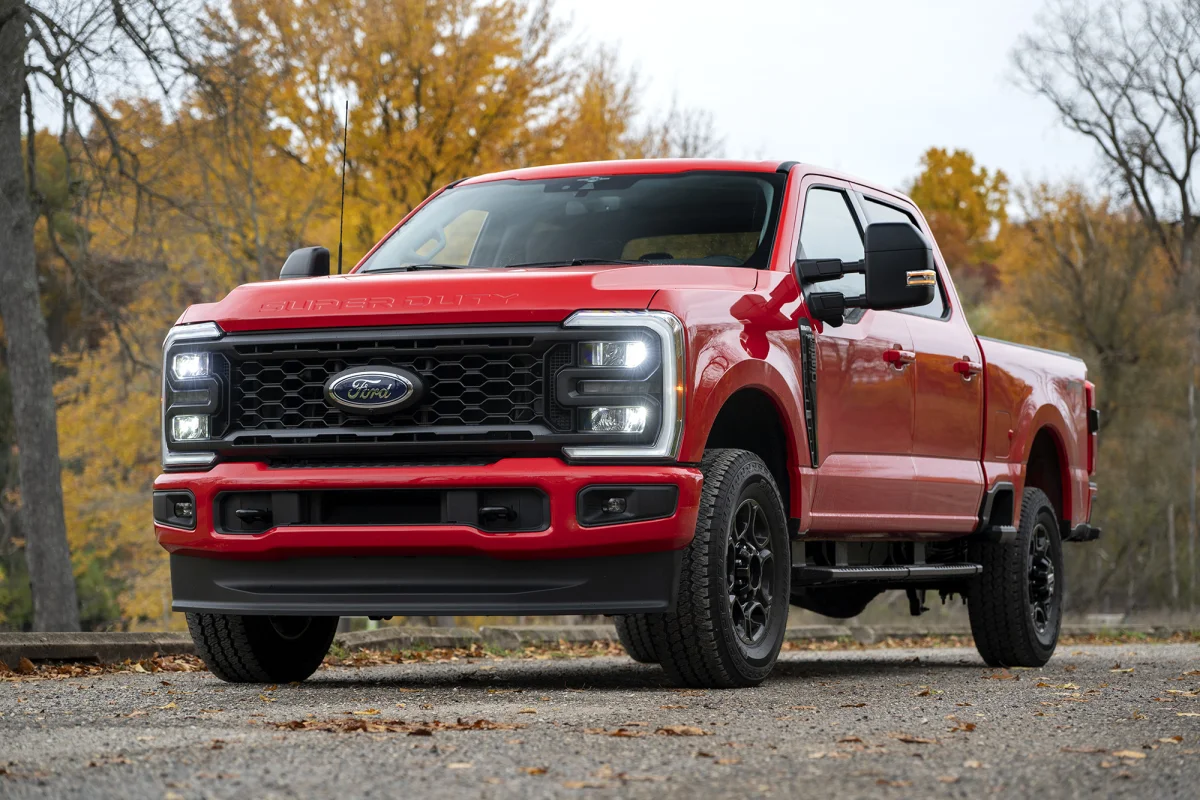
Ford F-250 Super Duty
The Ford F-250 Super Duty is engineered with heavy commercial use in mind, and this philosophy extends directly to its tailgate hinge system. Unlike lighter trucks that prioritize cost savings or convenience features, the F-250 uses a reinforced hinge assembly built from thick-gauge steel and high-load pivot points designed to handle repeated stress cycles.
The tailgate itself is significantly heavier than those found on half-ton trucks, so the hinge system is engineered not just for basic movement but for sustained structural support under demanding conditions. This includes scenarios where the tailgate is used as a step, a work platform, or repeatedly loaded with heavy cargo during construction, farming, or towing operations.
The design ensures that the hinge pins remain stable even under uneven loading, reducing the risk of sagging over time.
Another major strength of the F-250’s hinge durability comes from its focus on mechanical simplicity and structural reinforcement rather than complex moving systems. Many modern trucks introduce multi-function tailgates or electronically assisted opening systems, but the F-250 largely avoids unnecessary complexity in its core hinge mechanism.
This reduces the number of failure points and ensures that wear is distributed evenly across metal-to-metal contact surfaces rather than plastic bushings or secondary linkage systems. The result is a hinge assembly that can endure thousands of open-close cycles without developing play or misalignment. This simplicity also makes maintenance easier, since lubrication points are accessible and replacement parts are standardized for heavy-duty applications.
Environmental resistance is another key factor in the F-250’s hinge longevity. These trucks are frequently exposed to mud, road salt, water, and industrial debris, which can accelerate corrosion in poorly protected components. To counter this, Ford uses protective coatings and corrosion-resistant treatments on hinge assemblies, helping to preserve structural integrity even in harsh climates.
This is particularly important for trucks operating in coastal regions or colder areas where de-icing salts are common. Over time, this protection helps maintain smooth hinge movement and prevents the slow degradation that typically leads to squeaking, stiffness, or eventual mechanical failure.
Owners who use the F-250 in real-world heavy-duty environments consistently report that the tailgate remains stable even after years of abuse. Whether used in construction zones, agricultural fields, or long-haul towing operations, the hinge system rarely shows signs of fatigue when properly maintained.
Even when the truck is loaded close to its maximum payload capacity, the tailgate remains aligned and functional, demonstrating how effectively the hinge design distributes stress. This long-term reliability is one of the key reasons the F-250 is often chosen for commercial fleets and professional work environments where downtime must be minimized.
The Ford F-250 Super Duty represents one of the strongest examples of tailgate hinge engineering in the pickup segment. Its combination of heavy-duty materials, simplified mechanical design, corrosion resistance, and real-world durability testing makes it a benchmark for long-term reliability. For users who prioritize strength over luxury features, this truck’s hinge system delivers consistent performance even under extreme usage conditions.
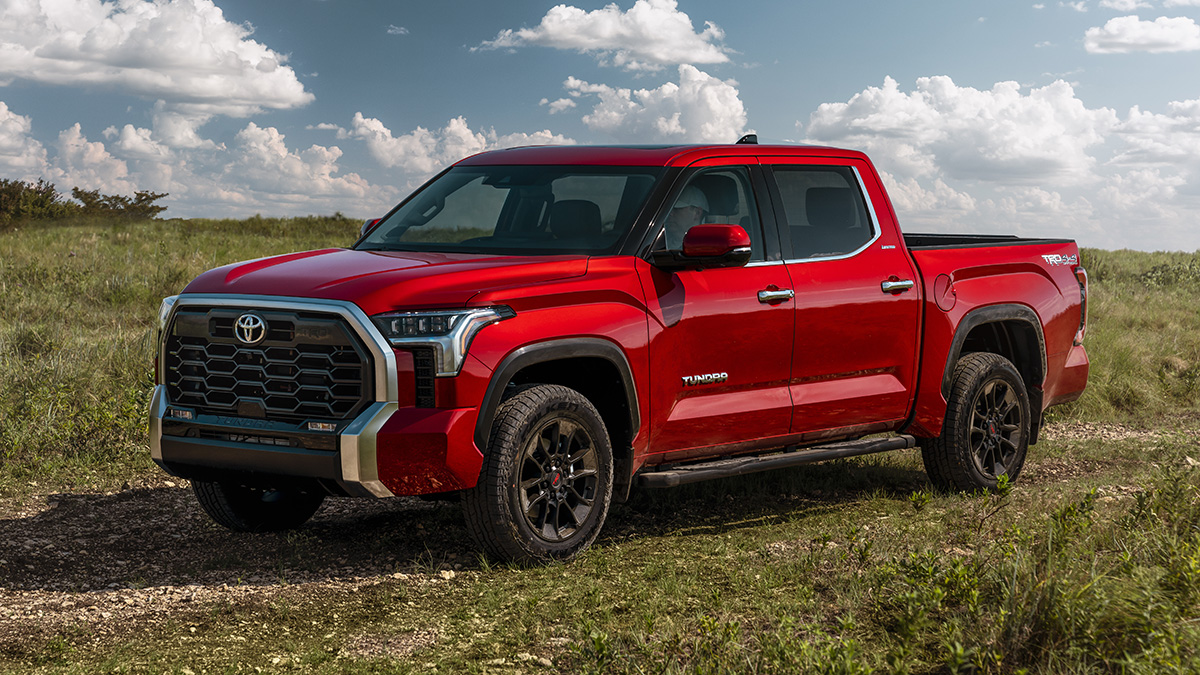
Toyota Tundra
The Toyota Tundra is known for long-term dependability, and its tailgate hinge system reflects Toyota’s broader engineering philosophy of durability through precision and controlled stress distribution. The hinges are constructed from high-strength steel alloys designed to resist bending and fatigue even after extended use.
Unlike some competitors that rely heavily on lightweight components, the Tundra prioritizes structural consistency, ensuring that the tailgate remains properly aligned throughout its lifespan. This alignment is critical because even minor deviations in hinge geometry can lead to uneven wear, which eventually results in sagging or difficulty in closing the tailgate smoothly.
One of the defining characteristics of the Tundra’s hinge system is its precise factory calibration. Each hinge is designed to operate within extremely tight tolerances, which reduces unnecessary movement and minimizes stress concentration on pivot points.
This level of precision ensures that the tailgate opens and closes with consistent resistance, rather than developing looseness over time. Because the load is evenly distributed across both hinge points, the system avoids the common problem of one side wearing faster than the other, which is a typical failure pattern in lower-quality designs. This balanced load distribution significantly extends the lifespan of the entire tailgate assembly.
Another advantage of the Tundra’s hinge design is its resistance to environmental damage. Toyota engineers have implemented protective coatings and sealing strategies that limit the exposure of hinge joints to moisture, dust, and road debris.
This is especially important for vehicles used in off-road conditions or in regions with high humidity or snowfall. By reducing direct exposure to corrosive elements, the hinge system maintains smooth articulation even after years of use. This is particularly valuable for owners who use the truck in rural or industrial environments where maintenance opportunities may be limited.
The Tundra also benefits from Toyota’s long-term reliability testing approach, which simulates years of usage before a vehicle reaches production. This ensures that hinge components are not only strong on paper but also proven under repeated stress cycles.
As a result, many owners report that even high-mileage Tundras maintain tight, responsive tailgate operation with minimal adjustment or repair required. This consistency contributes to the truck’s reputation as a low-maintenance workhorse.
In practical terms, the Toyota Tundra’s tailgate hinge system is designed for users who want reliability without frequent servicing. Whether used for recreational hauling, light commercial work, or daily transportation, the hinges maintain structural integrity and smooth performance over long periods.
This combination of precision engineering, corrosion resistance, and balanced load management makes the Tundra one of the most dependable trucks in terms of tailgate durability.
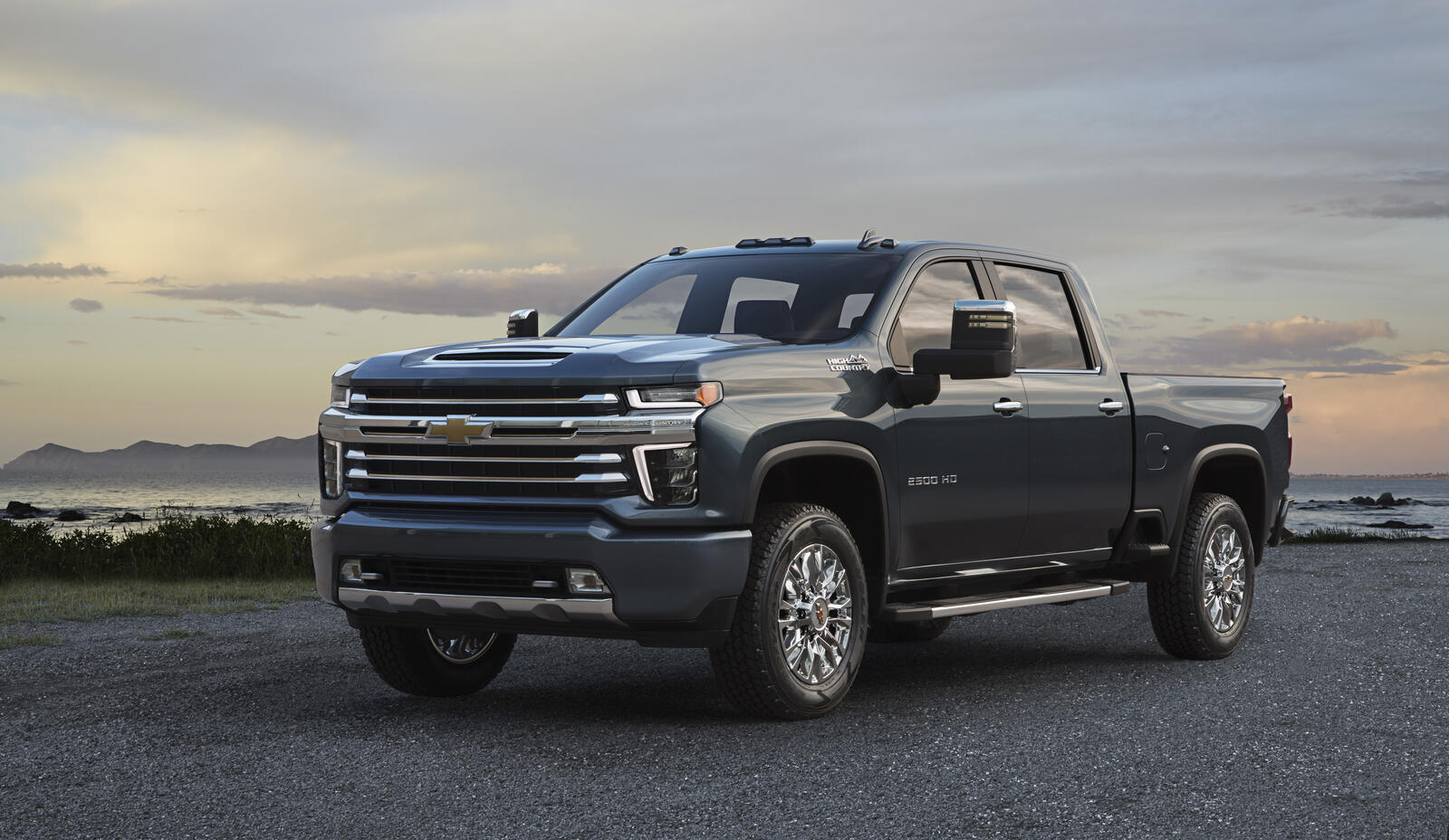
Chevrolet Silverado 2500HD
The Chevrolet Silverado 2500HD is built to handle serious workloads, and its tailgate hinge system reflects the demands of heavy-duty operation. The hinges are significantly more robust than those found in half-ton trucks, with reinforced steel construction and oversized pivot points designed to support a much heavier tailgate assembly.
This is important because HD trucks are often used in environments where the tailgate is not just opened occasionally but is frequently used as a loading platform, equipment support surface, or step for accessing cargo areas. The hinge system must therefore withstand repeated high-stress usage without developing structural fatigue.
A key strength of the Silverado 2500HD hinge design is its reinforced mounting architecture. Instead of relying solely on the hinge pins for load distribution, the truck integrates strengthened mounting points within the tailgate frame and bed structure. This helps transfer stress away from the hinge joints and into the body of the truck itself, reducing localized wear.
As a result, the hinge components experience less deformation over time, even when subjected to heavy loads or uneven force distribution. This structural reinforcement is one of the main reasons the Silverado HD lineup is favored in commercial and industrial applications.
The hinge system also benefits from a carefully engineered weight distribution strategy. The tailgate is designed so that its mass is evenly balanced across both hinge points, minimizing torque stress when opening or closing.
This reduces the likelihood of one hinge wearing out faster than the other, which is a common failure mode in less robust designs. Additionally, the hinge movement is engineered to remain smooth even when the tailgate is under partial load, preventing sudden stress spikes that could damage pivot points.
Durability testing plays a significant role in the Silverado 2500HD’s hinge reliability. These trucks are subjected to simulated real-world conditions that include repeated loading, vibration, and exposure to harsh environments. This ensures that hinge components are validated not just for static strength but also for long-term fatigue resistance.
In practical use, this translates into a tailgate system that remains stable even after years of construction site use, towing operations, or agricultural work.
The Chevrolet Silverado 2500HD delivers a tailgate hinge system designed for sustained heavy-duty performance. Its reinforced structure, balanced load distribution, and industrial-grade materials make it one of the most reliable systems in the segment, particularly for users who depend on their truck for daily professional workloads.
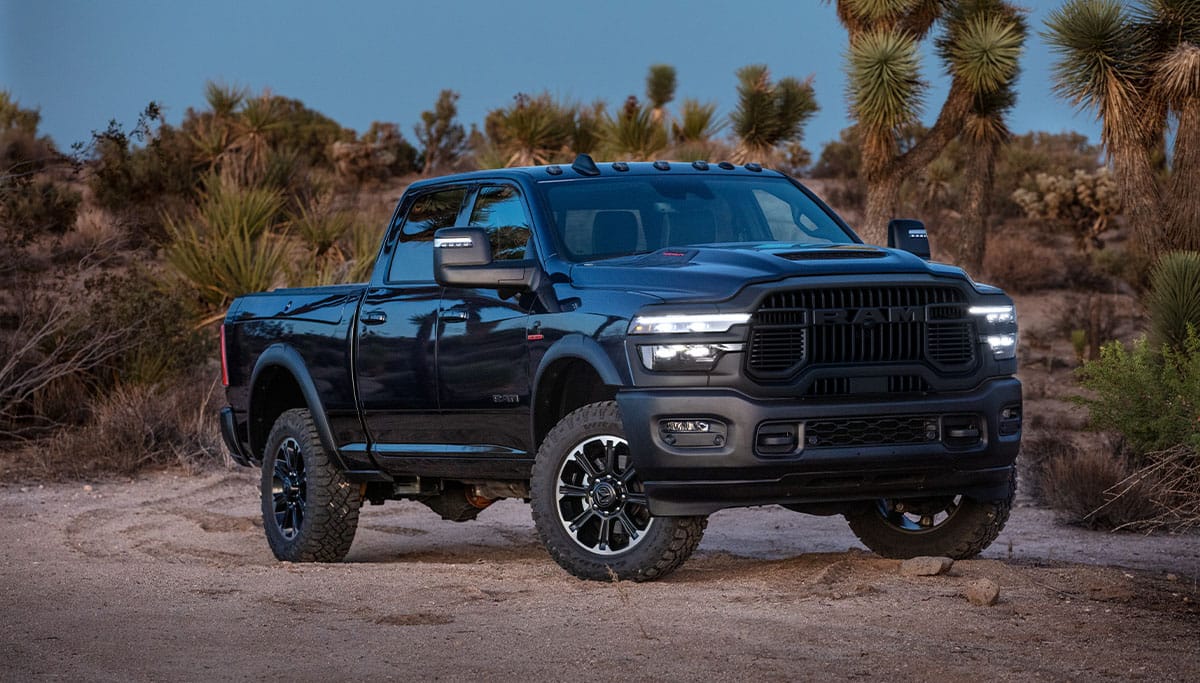
Ram 2500
The Ram 2500 is designed to balance rugged capability with refined engineering, and this balance is clearly reflected in its tailgate hinge system. The hinges are constructed using high-strength steel components that are engineered to resist bending, twisting, and fatigue even under repeated heavy use.
Unlike lighter-duty trucks that may prioritize cost efficiency, the Ram 2500 focuses on ensuring that every structural component, including the tailgate hinges, can withstand long-term stress without losing alignment or operational smoothness.
One of the key engineering strengths of the Ram 2500 hinge system is its smooth motion under load. The pivot points are designed to reduce friction while maintaining tight structural tolerances, which helps prevent premature wear caused by grinding or uneven movement.
This is particularly important for users who frequently open and close the tailgate while it is partially loaded, such as during job site work or equipment transport. By minimizing resistance and distributing force evenly, the hinge system avoids the micro-damage that often accumulates in lower-quality designs.
Another important factor contributing to durability is the use of reinforced hinge geometry. The Ram 2500 employs a design that distributes mechanical stress across a wider surface area rather than concentrating it at a single pivot point. This reduces localized pressure and helps prevent deformation over time. In addition, the hinge assembly is integrated into a reinforced tailgate frame, which further strengthens the system and improves long-term alignment stability.
Environmental resistance also plays a role in the Ram 2500’s hinge longevity. Protective coatings are applied to prevent corrosion from moisture, mud, and road salts, ensuring that the hinge components maintain structural integrity even in challenging environments.
This is especially important for trucks used in regions with extreme weather conditions, where repeated exposure to water and de-icing chemicals can quickly degrade untreated metal components.
In real-world usage, the Ram 2500 demonstrates strong hinge reliability across a wide range of applications. Whether used for towing heavy trailers, transporting construction materials, or supporting recreational equipment, the tailgate remains stable and functional. This consistency makes it a dependable choice for users who need a durable yet versatile heavy-duty truck.
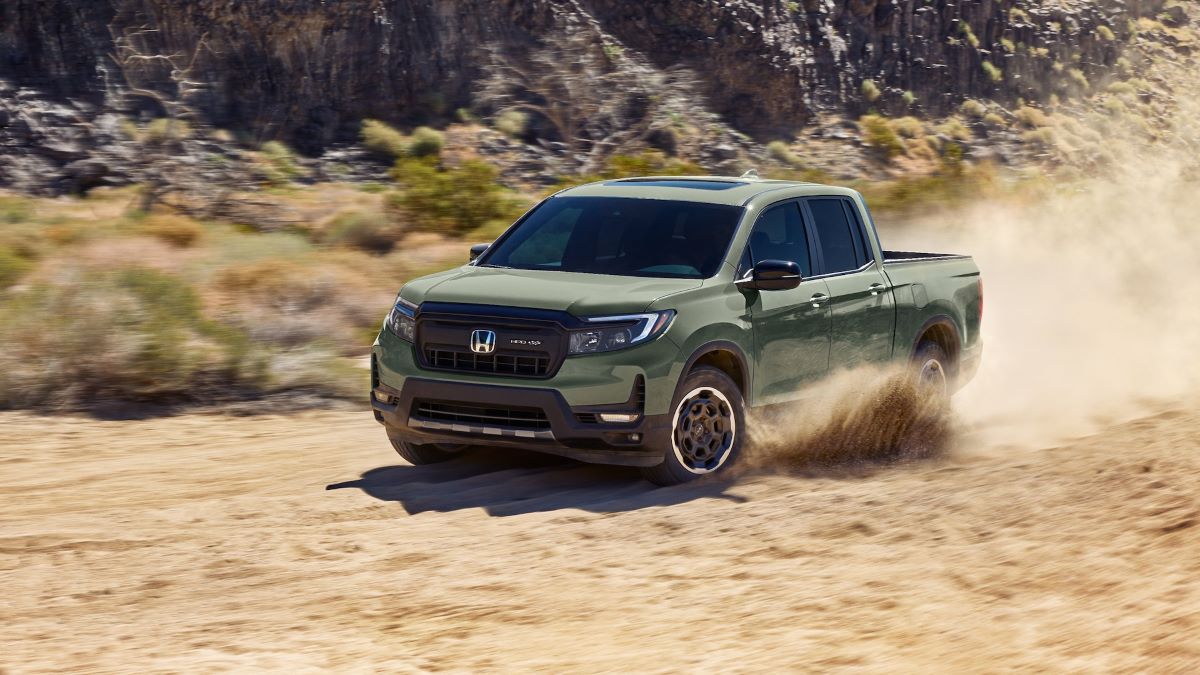
Honda Ridgeline
The Honda Ridgeline takes a unique approach to pickup truck design, and its tailgate hinge system is directly influenced by its innovative dual-action tailgate configuration. Unlike traditional trucks that only allow downward opening, the Ridgeline’s tailgate can swing outward like a door or fold down like a conventional truck tailgate.
This dual functionality requires a more complex hinge system, engineered to handle multiple motion paths while maintaining structural stability under varying load conditions.
To support this functionality, the Ridgeline uses precision-engineered hinge assemblies that are designed to maintain alignment across both movement directions. These hinges are built with tight manufacturing tolerances to ensure smooth operation regardless of how the tailgate is opened.
This precision reduces unnecessary play in the system, which helps prevent long-term wear and maintains consistent performance even after repeated use in both configurations.
Another strength of the Ridgeline’s hinge system is its focus on controlled load handling. Because the tailgate is designed for versatility rather than extreme heavy-duty use, the hinge system is optimized for balanced everyday performance. This means it is less prone to stress concentration issues that can occur when users overload a standard tailgate beyond its intended capacity. Instead, the system distributes forces in a way that supports consistent operation under normal usage conditions.
Corrosion resistance is also an important design consideration. The Ridgeline is often used in urban and suburban environments, but it still benefits from protective treatments that shield hinge components from moisture and environmental debris. This helps maintain smooth operation over long periods, even when the vehicle is exposed to rain, humidity, or occasional off-road conditions.
In practice, the Honda Ridgeline’s tailgate hinge system is highly reliable for its intended use case. While it is not designed for extreme industrial workloads, it excels in everyday durability and functional versatility. The combination of precision engineering, dual-action capability, and corrosion resistance ensures that the hinges remain dependable throughout the vehicle’s lifespan.
Trucks With Tailgate Hinges That Fail Under Use
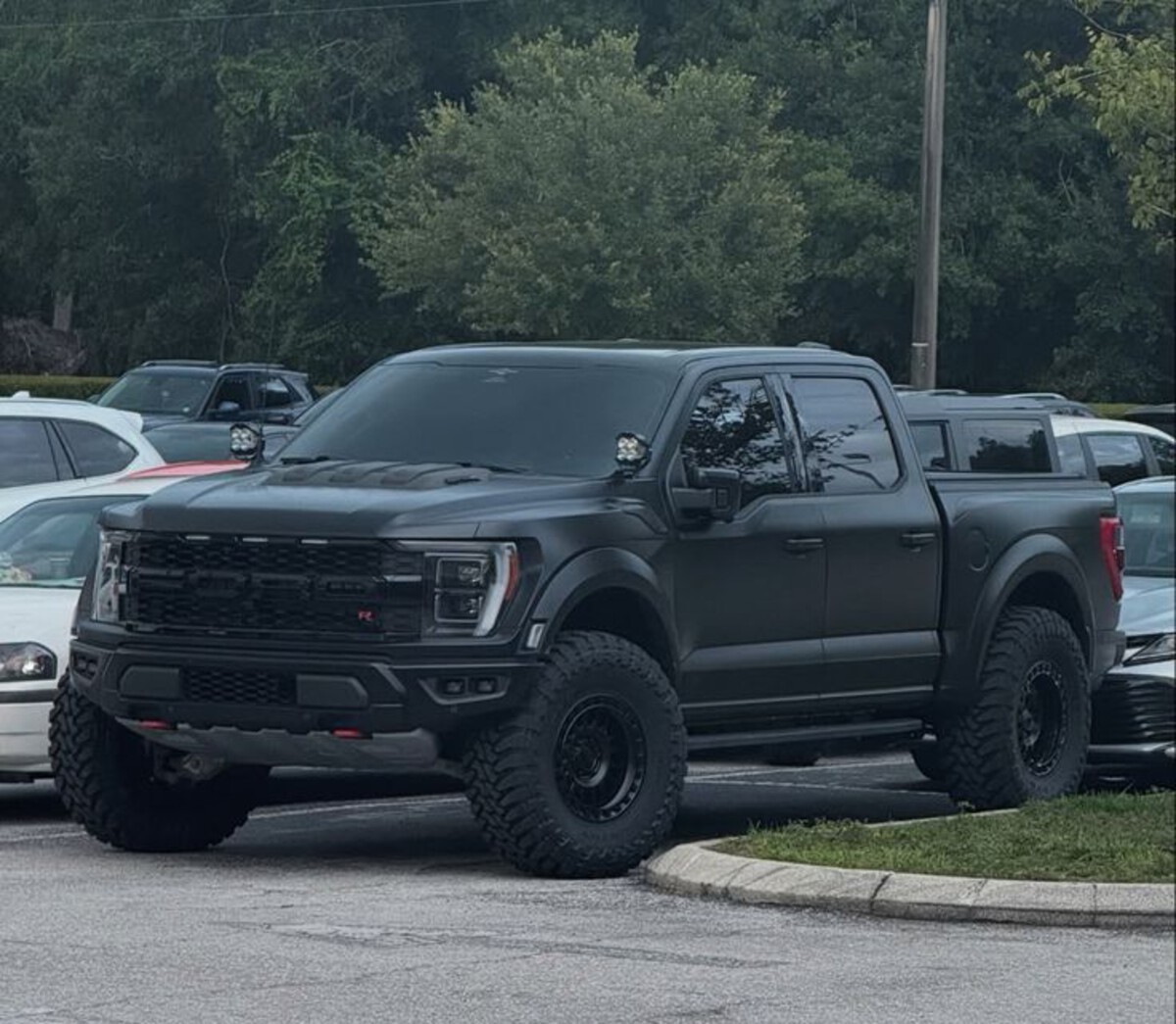
Ford F-150
The Ford F-150 is one of the most widely used pickup trucks in the world, and while it has a strong reputation for capability and versatility, certain model years have experienced noticeable issues related to tailgate hinge durability.
These problems are not necessarily universal across all trims or generations, but they tend to appear in high-usage scenarios where the tailgate is frequently loaded, used as a work surface, or exposed to heavy environmental stress.
In such conditions, owners have reported gradual hinge loosening, minor sagging, and in some cases difficulty in maintaining proper alignment between the tailgate and bed frame. This kind of wear often develops slowly, making it less noticeable at first but more problematic over time as gaps widen and closure becomes less precise.
One of the key contributing factors to these issues is the shift toward lighter materials and cost-optimized component design in certain production cycles. In order to improve fuel efficiency and reduce manufacturing costs, some hinge assemblies and supporting components have been engineered with lighter metals or mixed-material bushings rather than full heavy-duty steel construction.
While this approach works adequately for standard daily use, it can become a weakness when the truck is subjected to repeated heavy-duty loading. Over time, these lighter components may develop play in the pivot points, which increases stress on the remaining structural parts and accelerates wear.
Another important issue is uneven stress distribution caused by real-world usage patterns. Many F-150 owners use their trucks far beyond standard light-duty expectations, often treating them as work vehicles in construction, agriculture, or towing applications.
When the tailgate is frequently used to support heavy loads or when pressure is applied unevenly, one hinge can begin to wear faster than the other. This imbalance creates a gradual misalignment that places additional strain on both the hinge pins and the mounting points, eventually leading to noticeable sagging or difficulty in closing the tailgate flush with the bed.
Environmental exposure also plays a significant role in hinge deterioration in affected model years. Trucks operating in regions with heavy rainfall, snow, or road salt exposure are more likely to experience corrosion buildup around hinge joints.
Even small amounts of rust can increase friction, restrict smooth movement, and weaken the structural integrity of pivot points. Once corrosion begins to spread, it can be difficult to reverse without full component replacement, which increases maintenance costs for owners who rely heavily on their vehicles.
While the Ford F-150 remains a highly capable and popular truck, certain model years demonstrate that hinge durability can become a weak point under demanding usage conditions. Owners who push the truck beyond light-duty applications or operate in harsh environments are more likely to encounter these issues over time, making maintenance and periodic inspection important for long-term reliability.
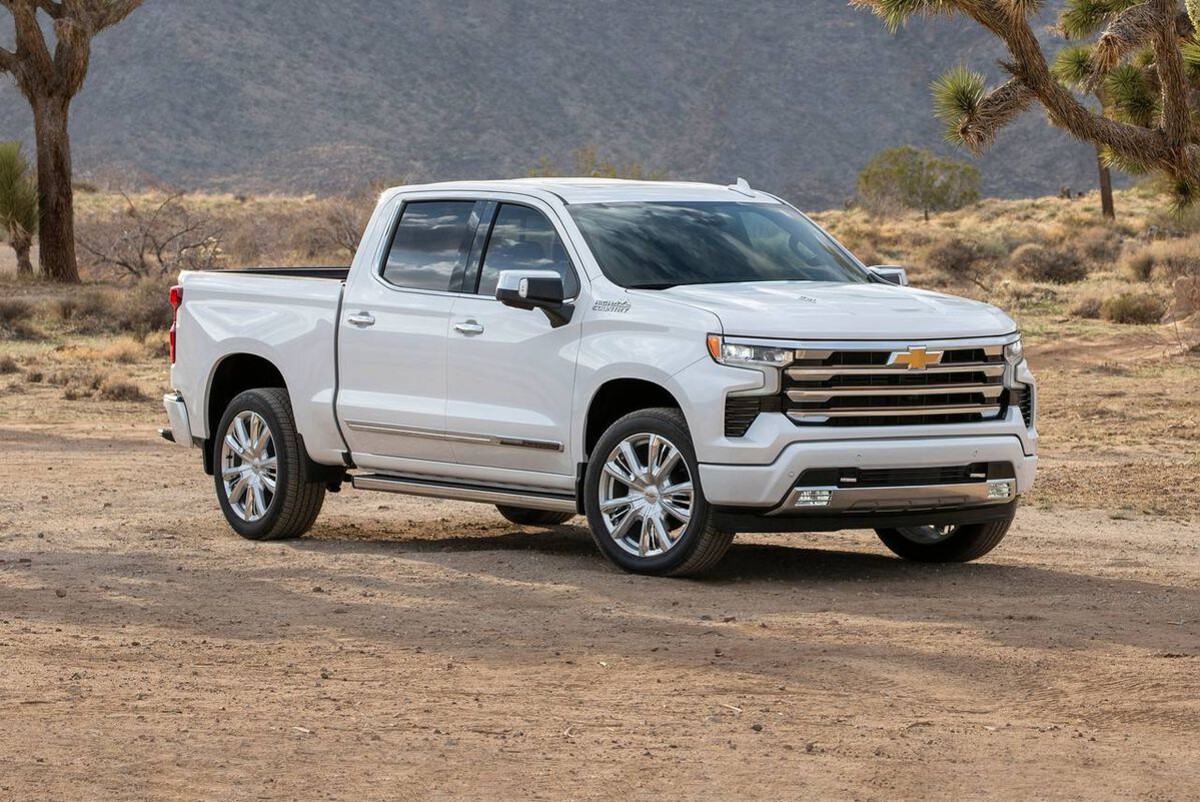
Chevrolet Silverado 1500
The Chevrolet Silverado 1500, particularly in newer model years, has faced attention due to tailgate-related concerns that indirectly affect hinge reliability and long-term durability. While many of the most publicized issues involve electronic tailgate systems and unintended tailgate opening, these problems can place additional stress on the hinge assembly itself.
When a tailgate opens unexpectedly or operates under unintended conditions, the hinge system absorbs sudden force loads that it was not designed to handle repeatedly. Over time, this can lead to misalignment, accelerated wear, and reduced structural stability in the hinge pivots.
A major challenge with the Silverado 1500 in recent production years is the increased complexity of tailgate systems. Modern versions often include multi-function configurations, integrated steps, electronic release mechanisms, and additional safety sensors. While these features improve convenience and usability, they also introduce more points of potential failure.
The hinge system is no longer operating as a simple mechanical pivot but as part of a larger interconnected system. When any part of that system malfunctions, it can indirectly stress the hinges, especially if the tailgate is forced to operate in partially engaged or misaligned states.
Another issue reported by some owners is the development of alignment inconsistencies over time. These can occur when the tailgate experiences repeated loading at uneven angles or when the truck is used for tasks beyond its intended light-duty design limits.
When alignment shifts even slightly, the hinges must compensate for the imbalance, which increases wear on one side more than the other. This uneven loading pattern gradually weakens the hinge bushings and pivot pins, resulting in looseness or reduced stability when the tailgate is open.
Material choices also play a role in long-term durability. In an effort to balance weight reduction and cost efficiency, some hinge components may use lighter alloys or mixed-material construction. While these materials are sufficient for standard use, they are less forgiving under repeated stress cycles compared to full heavy-duty steel assemblies.
Over time, this can lead to micro-deformation at the pivot points, which gradually increases play in the hinge mechanism and contributes to a less secure tailgate feel.
In practical use, the Silverado 1500 remains a strong and capable truck, but its tailgate hinge system can become a weak point when exposed to heavy-duty workloads or repeated mechanical stress from advanced tailgate features. Owners who rely heavily on the tailgate for work-related tasks are more likely to notice wear patterns developing earlier than expected.
Ram 1500
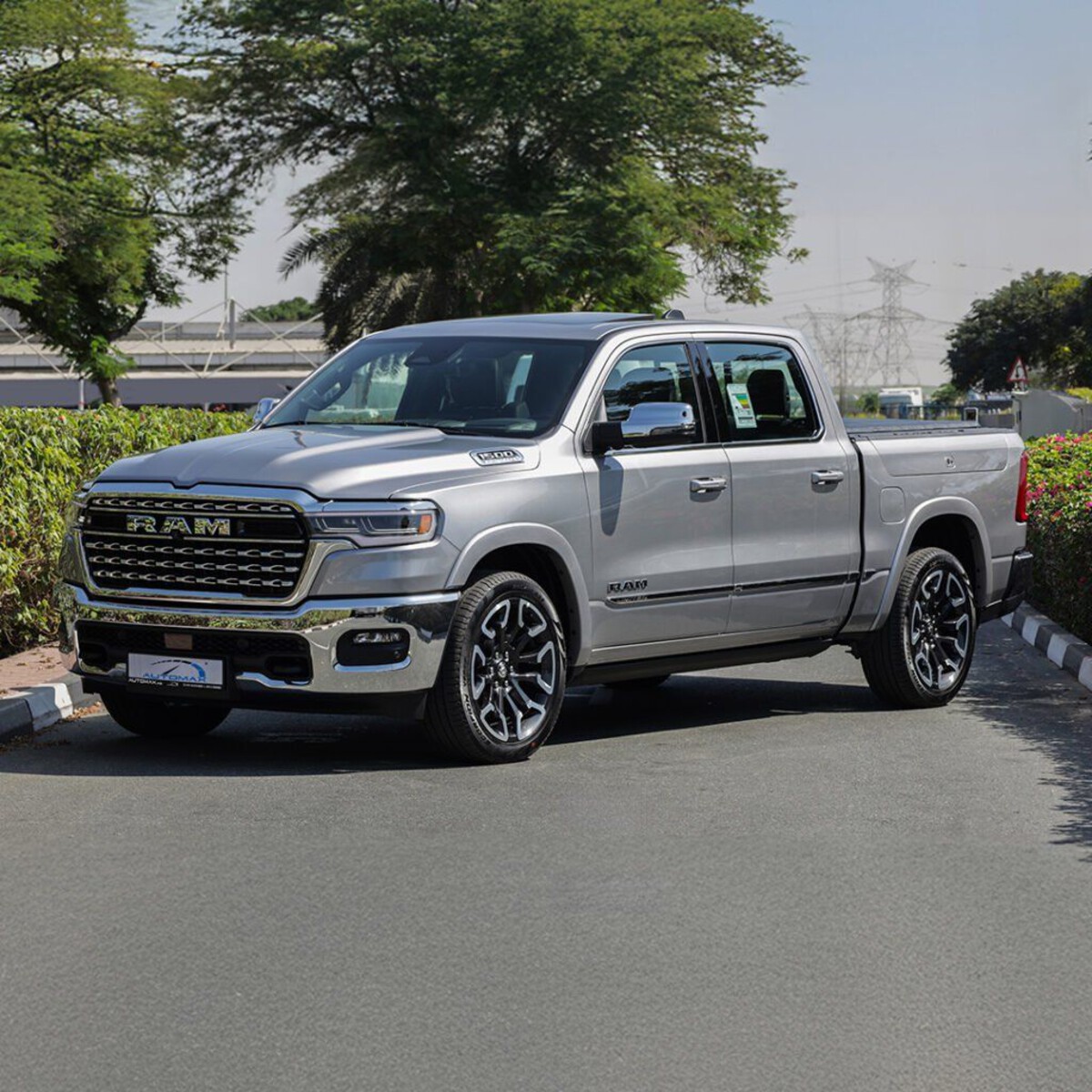
The Ram 1500 is widely recognized for its comfortable ride quality, interior refinement, and strong performance in everyday driving conditions, but its tailgate hinge system has shown signs of wear in certain usage scenarios. Owners who use the truck primarily for light-duty or personal transport typically experience smooth operation over long periods.
However, in more demanding environments where the tailgate is frequently used for loading heavy equipment or supporting weight, hinge looseness and misalignment can develop gradually. This is often observed as a slight drop in tailgate height when open or minor resistance when closing the gate fully.
One of the underlying causes of these issues is the balance between comfort-oriented design and structural durability. The Ram 1500 is engineered to provide a smoother driving experience, which often involves weight optimization strategies across various components.
In some cases, this includes hinge assemblies that prioritize smooth motion and reduced friction over extreme load-bearing capacity. While this works well under normal conditions, it can become a limitation when the tailgate is exposed to repeated heavy stress cycles, especially when used as a platform for standing or loading heavy materials.
Another contributing factor is long-term wear in the hinge bushings. These small components play a crucial role in maintaining smooth rotation and proper alignment, but they are also among the first parts to degrade under frequent use.
When bushings begin to wear, the hinge pins can develop slight movement within their housing, which gradually leads to increased play in the tailgate. This issue may start as a minor rattle or looseness but can progress into noticeable alignment problems if not addressed early.
Corrosion and environmental exposure can also accelerate hinge degradation in affected Ram 1500 units. Trucks that operate in wet climates or regions with road salt exposure are more likely to experience rust buildup around hinge joints. This not only increases friction but can also weaken the surrounding metal structure over time.
Once corrosion sets in, it can spread beneath protective coatings, making it difficult to detect until performance issues become noticeable.
Despite these concerns, the Ram 1500 continues to perform well in general use cases. However, its tailgate hinge system is best suited for moderate workloads rather than continuous heavy-duty operation. Owners who push the truck beyond its intended usage profile are more likely to encounter hinge-related maintenance needs over time.
Toyota Tacoma
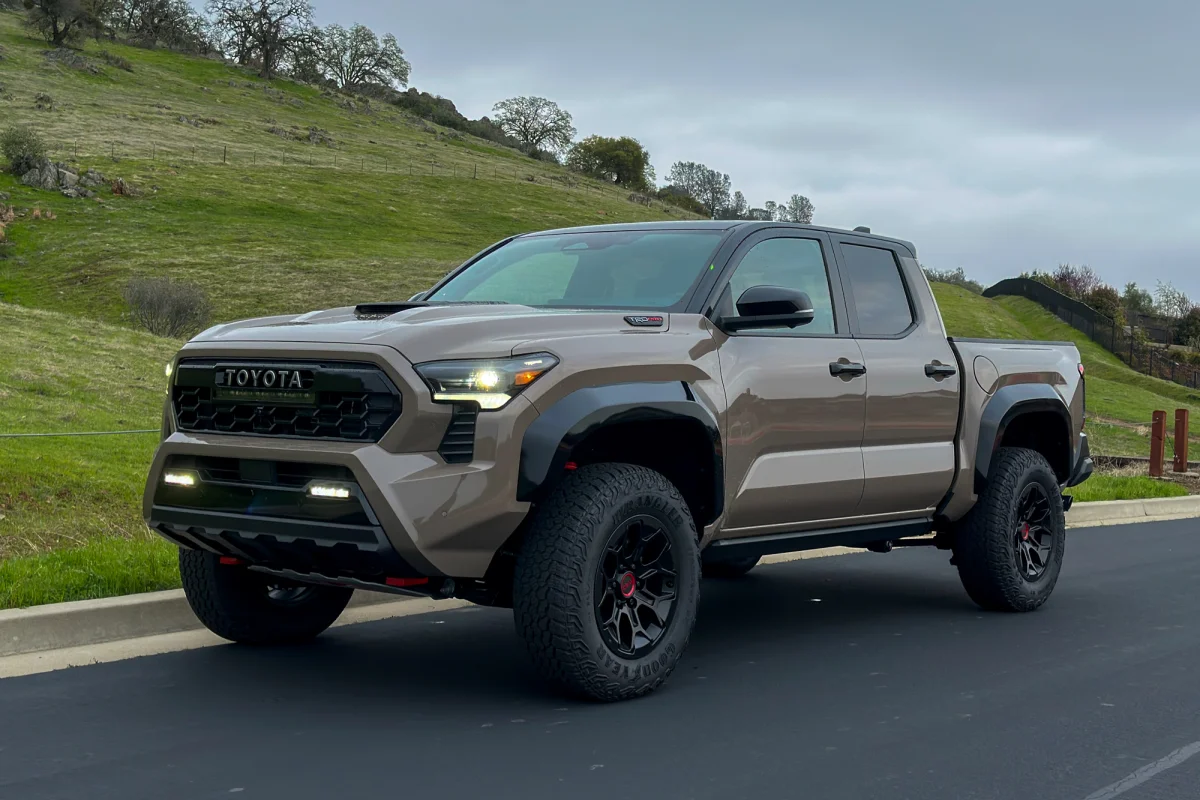
The Toyota Tacoma is a highly popular midsize truck known for reliability and off-road capability, but its tailgate hinge system has shown vulnerability in certain high-stress scenarios. While the vehicle is engineered for durability, the hinge components in some configurations rely on smaller bushings and lighter-duty materials compared to full-size heavy-duty trucks.
This design choice works well for everyday use and moderate hauling, but it can become a limitation when the truck is consistently used in demanding work environments or subjected to frequent heavy tailgate loading.
A common issue reported by long-term users is the gradual failure of hinge bushings. These bushings are often made from plastic or composite materials designed to reduce friction and cost, but they can wear out faster under repeated stress cycles.
Once these bushings degrade, the hinge pins may begin to shift slightly within their housing, leading to uneven tailgate movement. This can result in a noticeable drop when the tailgate is opened or difficulty in maintaining a stable, level position when the gate is fully extended.
Another factor contributing to hinge issues in the Tacoma is load sensitivity. The tailgate is not designed for extreme weight-bearing applications, yet many users rely on it for tasks such as standing on the gate or loading heavy equipment.
When excessive force is applied repeatedly, stress is transferred directly to the hinge assembly, accelerating wear and increasing the likelihood of misalignment. Over time, this can lead to permanent deformation of hinge components if not addressed.
Environmental exposure also plays a role, particularly in older models. Rust and corrosion can form around hinge joints, especially in regions with high humidity or frequent snow exposure. As corrosion spreads, it increases resistance in the hinge mechanism and reduces smooth operation. In severe cases, this can lead to stiffness or partial binding of the tailgate, requiring replacement of affected components.
While the Toyota Tacoma remains a dependable midsize truck, its tailgate hinge system is more vulnerable under heavy-duty or prolonged stress conditions compared to full-size trucks. Proper usage and regular maintenance are essential to maintaining long-term performance.
Nissan Frontier
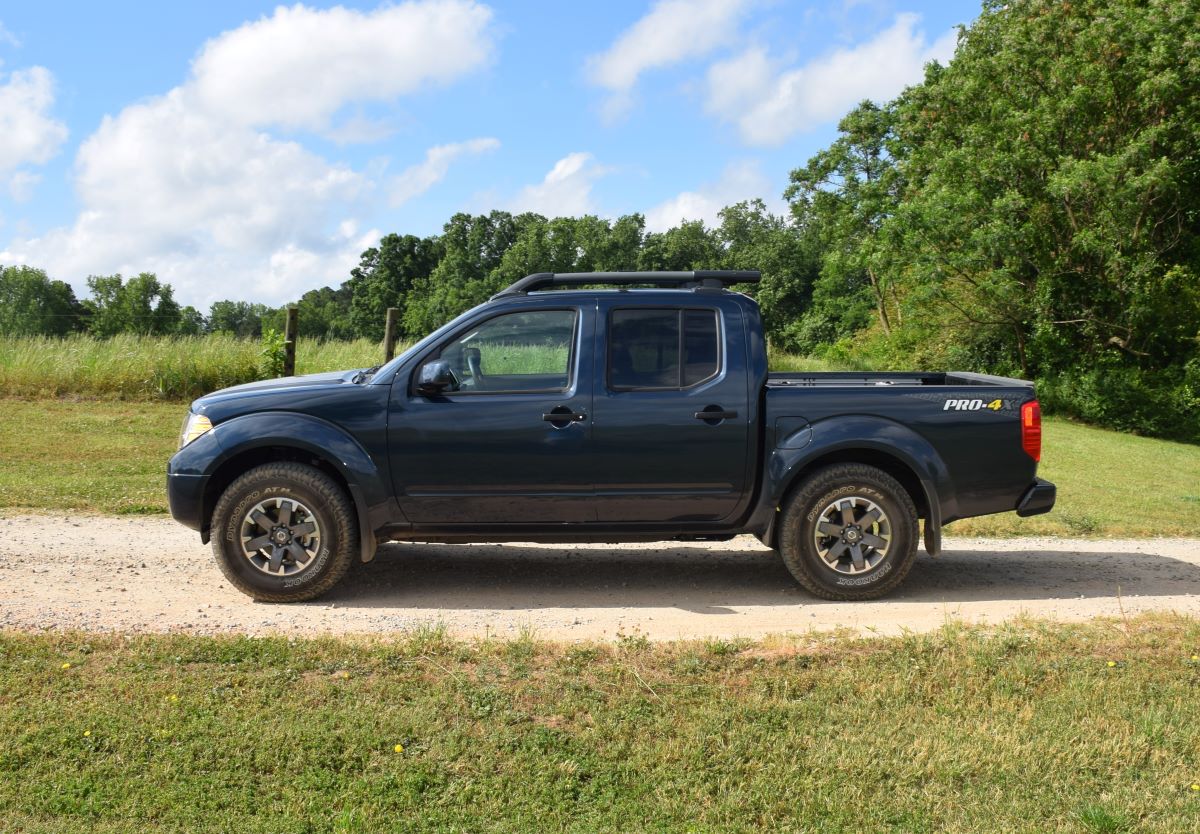
Older Nissan Frontier models have been associated with tailgate hinge issues that tend to emerge as the vehicle ages and accumulates mileage. While the truck itself is known for solid mechanical reliability, the hinge system is one area where long-term durability can become a concern.
Over time, exposure to environmental elements such as moisture, dirt, and road salt can lead to corrosion around the hinge joints, which gradually weakens the structural integrity of the pivot points. This process is often slow and unnoticed at first but becomes more apparent as stiffness, squeaking, or uneven tailgate movement begins to develop.
One of the main issues in older Frontier models is the degradation of hinge lubrication over time. Without regular maintenance, the pivot points can dry out, leading to increased friction during operation. This added resistance accelerates wear on both the hinge pins and surrounding metal surfaces. As the components wear down, small amounts of play begin to develop, which can result in a loose or unstable tailgate feel when opened fully.
Another contributing factor is the design approach used in earlier production years, which prioritized simplicity but did not always account for long-term heavy-duty usage. While the hinge system is functional and adequate for standard use, it may not be as robust as more modern reinforced designs.
This becomes especially noticeable in vehicles that are used frequently for hauling or work-related tasks, where repeated stress cycles can cause faster deterioration of mechanical components.
In addition, aging rubber seals and protective coatings can allow moisture to reach critical hinge areas more easily. Once water intrusion occurs, rust can form and spread within the hinge assembly, further weakening the structure. This corrosion not only affects movement but can also lead to permanent damage if the affected components are not replaced in time.
Despite these issues, older Nissan Frontier trucks can still perform reliably with proper maintenance. However, their tailgate hinge systems require more attention compared to newer or heavier-duty models, particularly in environments where corrosion and heavy usage are common.
