Visibility from the driver’s seat is one of the most important factors in vehicle safety, especially in modern SUVs where design trends have significantly changed over the past two decades. While SUVs continue to grow in popularity due to their commanding road presence, higher seating position, and perceived safety advantages, they do not all offer the same level of forward visibility.
One of the most critical concerns in SUV design today is the area directly in front of the vehicle, often referred to as the forward blind zone or hood blind spot. This area determines how easily a driver can see pedestrians, small objects, curbs, and obstacles when moving slowly or maneuvering in tight spaces such as parking lots or residential streets.
Recent automotive safety research has shown that forward visibility in SUVs has declined significantly over time. A comparative analysis conducted on multiple vehicle generations found that some modern SUVs allow drivers to see as little as 28 percent of the area directly in front of the vehicle compared to more than 55 percent in older models, showing a dramatic reduction in visibility over the years.
This decline is mainly attributed to rising hood heights, thicker structural pillars, larger side mirrors, and more aggressive styling choices that prioritize aesthetics and crash protection over driver sightlines. Studies from highway safety organizations also indicate that taller front ends increase the likelihood of front-over incidents, especially involving pedestrians and small children who may not be visible to the driver at close range.
At the same time, not all SUVs suffer equally from this issue. Some manufacturers continue to prioritize visibility through upright windshield designs, lower dashboard placement, thinner A-pillars, and boxy body structures that reduce obstruction.
These models provide drivers with a clearer understanding of the vehicle’s front edges, making them easier to handle in tight environments. On the other hand, certain SUVs with sloped rooflines, high sculpted hoods, and bulky front profiles can create significant blind spots that extend several feet ahead of the bumper, requiring extra caution during everyday driving.
This article compares two categories of SUVs. The first group includes models known for clear front visibility and minimal hood obstruction, making them easier and safer to drive in urban environments.
The second group highlights SUVs that are frequently criticized for large front blind spots and limited downward visibility near the hood. The goal is to provide a detailed breakdown of design differences and how they affect real-world driving experience.
SUVs With Clear Front Visibility
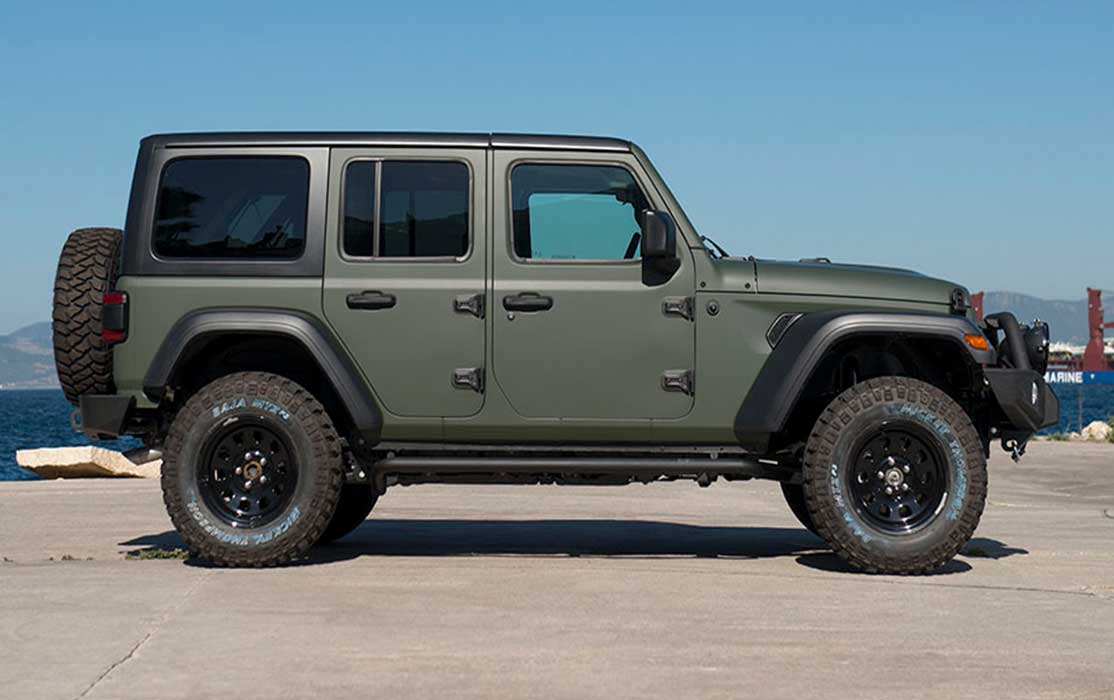
1. Jeep Wrangler
The Jeep Wrangler is widely recognized for having one of the clearest and most direct forward visibility experiences among modern SUVs, largely because its design has stayed true to its original off-road purpose rather than following the modern trend of aerodynamic styling.
The upright windshield, box-shaped body, and flat hood all work together to give the driver a very natural sense of where the vehicle begins and ends. Unlike many contemporary SUVs that feature sloping front ends and rising beltlines, the Wrangler allows the driver to visually track the road surface almost immediately beyond the front bumper.
This is especially helpful in situations such as crawling over rocks, navigating narrow trails, or driving through crowded urban streets where precise positioning matters.
The flat hood design plays a major role in eliminating uncertainty near the front of the vehicle. Drivers can easily see the edges of the hood and often even the terrain just ahead of the bumper, which significantly reduces the forward blind zone.
This is an advantage not only for off-road enthusiasts but also for everyday drivers who struggle with tight parking spaces or uneven road surfaces. In many modern SUVs, the hood slopes downward sharply, creating a gap where small objects or obstacles disappear from view, but the Wrangler avoids this issue almost entirely due to its squared-off design.
Another important factor is the windshield angle and size. The Wrangler’s windshield is almost vertical, which means the driver’s line of sight extends directly forward rather than being pushed upward or distorted by curvature.
This reduces visual strain and makes it easier to judge distances accurately, particularly when stopping close to walls, curbs, or other vehicles. It also improves reaction time because objects entering the field of view are not hidden by angled glass or thick structural framing.
The A-pillar design is also relatively simple compared to many modern SUVs that use thicker pillars for safety and structural rigidity. While the Wrangler still maintains safety standards, its pillar placement is less obstructive, allowing drivers to see pedestrians or vehicles entering intersections more clearly. This becomes particularly useful in city driving where quick glances to the sides are necessary for safe turning.
The Jeep Wrangler prioritizes functional visibility over aerodynamic refinement, which results in one of the most transparent forward viewing experiences in the SUV segment. It remains a strong example of how traditional design principles can still outperform modern styling trends when it comes to real-world driving awareness.
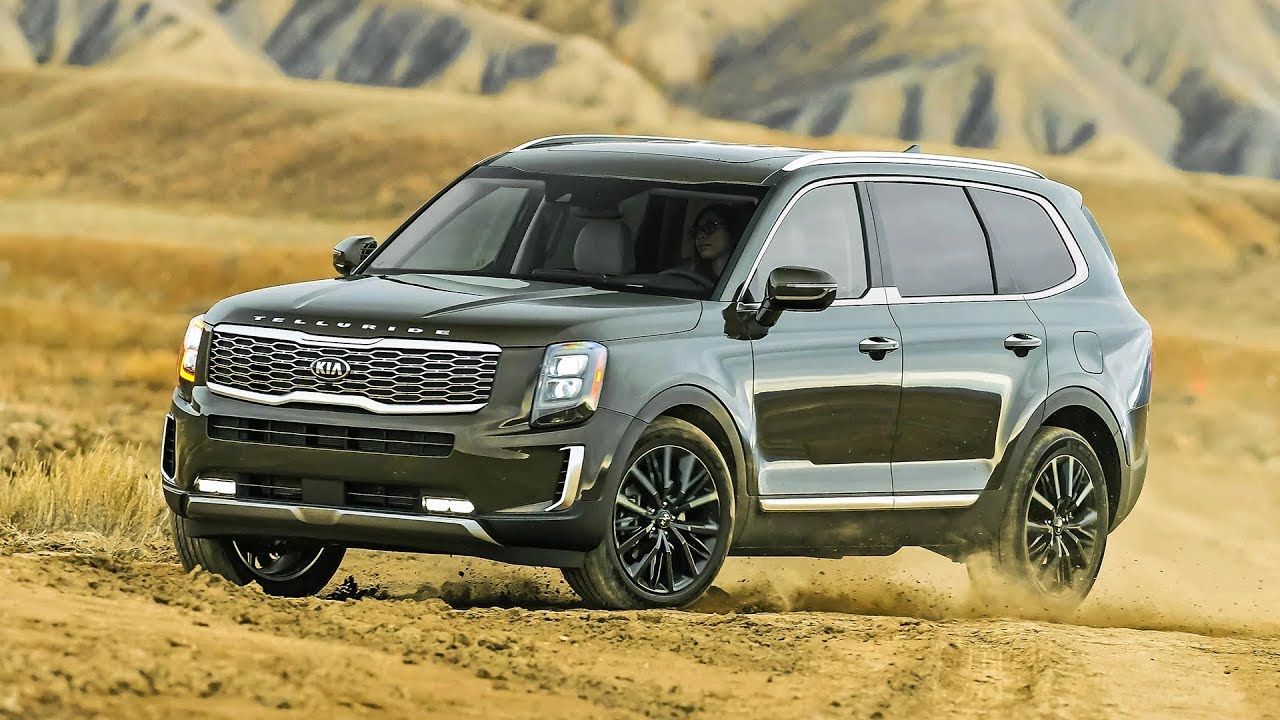
2. Kia Telluride
The Kia Telluride has earned a strong reputation as one of the most driver-friendly three-row SUVs, especially when it comes to forward visibility and ease of control in everyday driving conditions.
Unlike many large SUVs that prioritize aggressive exterior styling, the Telluride maintains a relatively upright and balanced design that directly benefits the driver’s ability to see the road ahead. The windshield is wide, tall, and positioned at an angle that does not overly tilt the driver’s view upward, which helps maintain a natural and comfortable sightline during both city and highway driving.
One of the most noticeable advantages of the Telluride is its hood design. The hood is long enough to give it a strong road presence but remains fairly flat and gently contoured rather than sharply sloped. This allows drivers to better understand where the front end of the vehicle sits in relation to nearby objects.
In parking situations, this makes a significant difference because drivers can confidently judge stopping distances without relying entirely on parking sensors or cameras. Many large SUVs create a visual gap where the front edge disappears from sight, but the Telluride reduces this issue considerably.
The cabin design also contributes heavily to visibility. The dashboard sits at a moderate height and does not rise aggressively toward the windshield, which helps reduce the feeling of enclosure that some SUVs create.
This lower dashboard placement improves downward visibility, allowing drivers to see pedestrians, animals, or objects that are closer to the front bumper. In residential areas or school zones, this becomes particularly important for safety.
Another strength is the side window layout, which is large and rectangular, providing excellent peripheral awareness. While this primarily affects side visibility, it also indirectly improves forward awareness by reducing blind corners created by thick interior structures.
The A-pillars are well-designed and do not intrude heavily into the forward view, which helps maintain clarity when turning at intersections or merging into traffic.
The Kia Telluride strikes a strong balance between modern SUV styling and practical visibility. It is one of the few large family SUVs where drivers can confidently maneuver without feeling heavily restricted by the vehicle’s size or front-end design.
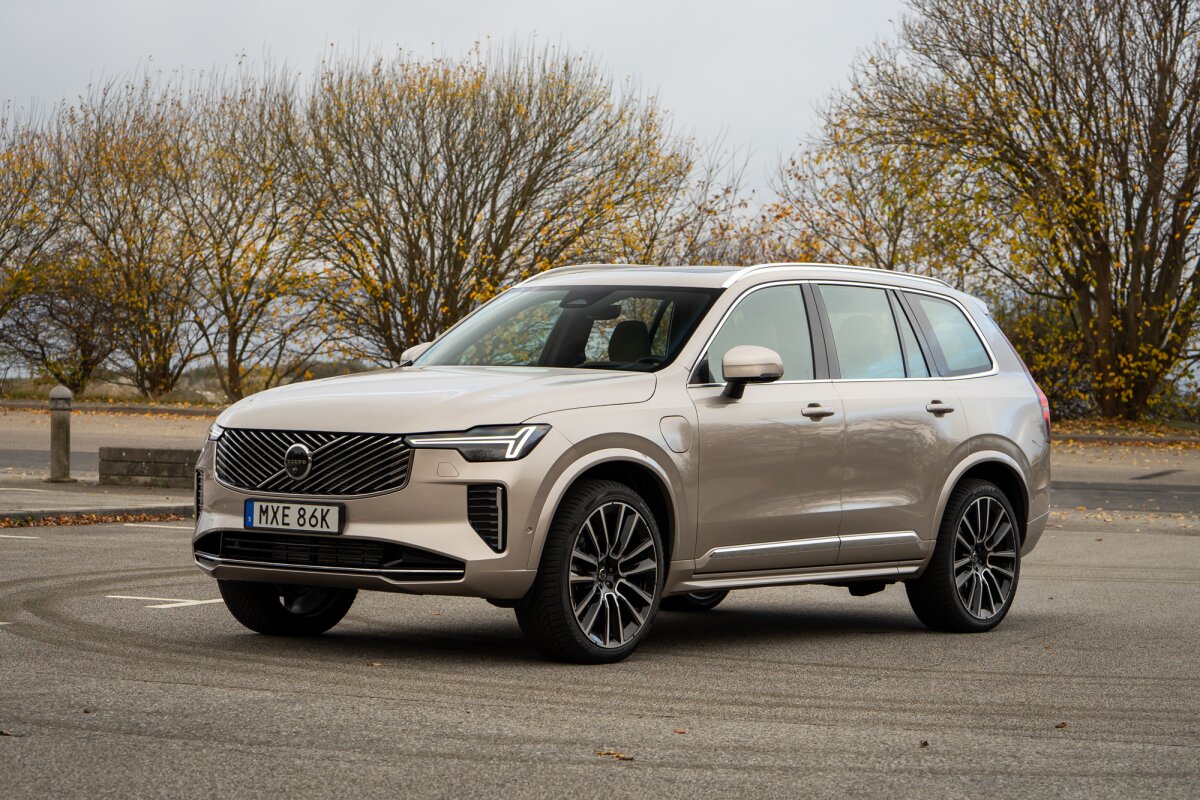
3. Volvo XC90
The Volvo XC90 stands out in the luxury SUV segment for its strong emphasis on safety-oriented design, and this philosophy extends directly into its excellent forward visibility characteristics. The vehicle’s windshield is large, tall, and positioned in a way that prioritizes openness rather than aggressive styling.
This creates a wide field of view that allows drivers to maintain awareness of both distant road conditions and close-range obstacles without needing to constantly adjust posture or rely heavily on assistive systems.
A key advantage of the XC90 is its low dashboard design. By keeping the dashboard relatively low and clean, Volvo ensures that the driver’s forward sightline is not blocked by bulky interior structures.
This design choice significantly improves downward visibility, making it easier to detect pedestrians, cyclists, or small objects near the front of the vehicle. In urban environments where unexpected movement near the vehicle is common, this becomes a critical safety advantage.
The hood design is another area where the XC90 performs well. It is smooth, moderately low, and does not feature extreme slopes or aggressive bulges that interfere with the driver’s ability to judge distance.
While it still maintains the elevated stance expected from a luxury SUV, it avoids the excessive height that can create large blind zones in front of the vehicle. This allows for more precise control when parking or maneuvering through narrow streets.
A-pillars in the XC90 are engineered to balance structural strength with visibility. They are relatively thin compared to many competitors in the luxury segment, reducing the amount of obstruction when turning at intersections. This is especially beneficial in complex driving environments such as roundabouts or crowded city junctions where multiple sightlines need to be checked quickly.
The Volvo XC90 provides a driving experience that prioritizes awareness and clarity. It is designed not only to protect occupants in a crash but also to help prevent accidents by ensuring that the driver has a clear and natural view of the surroundings.
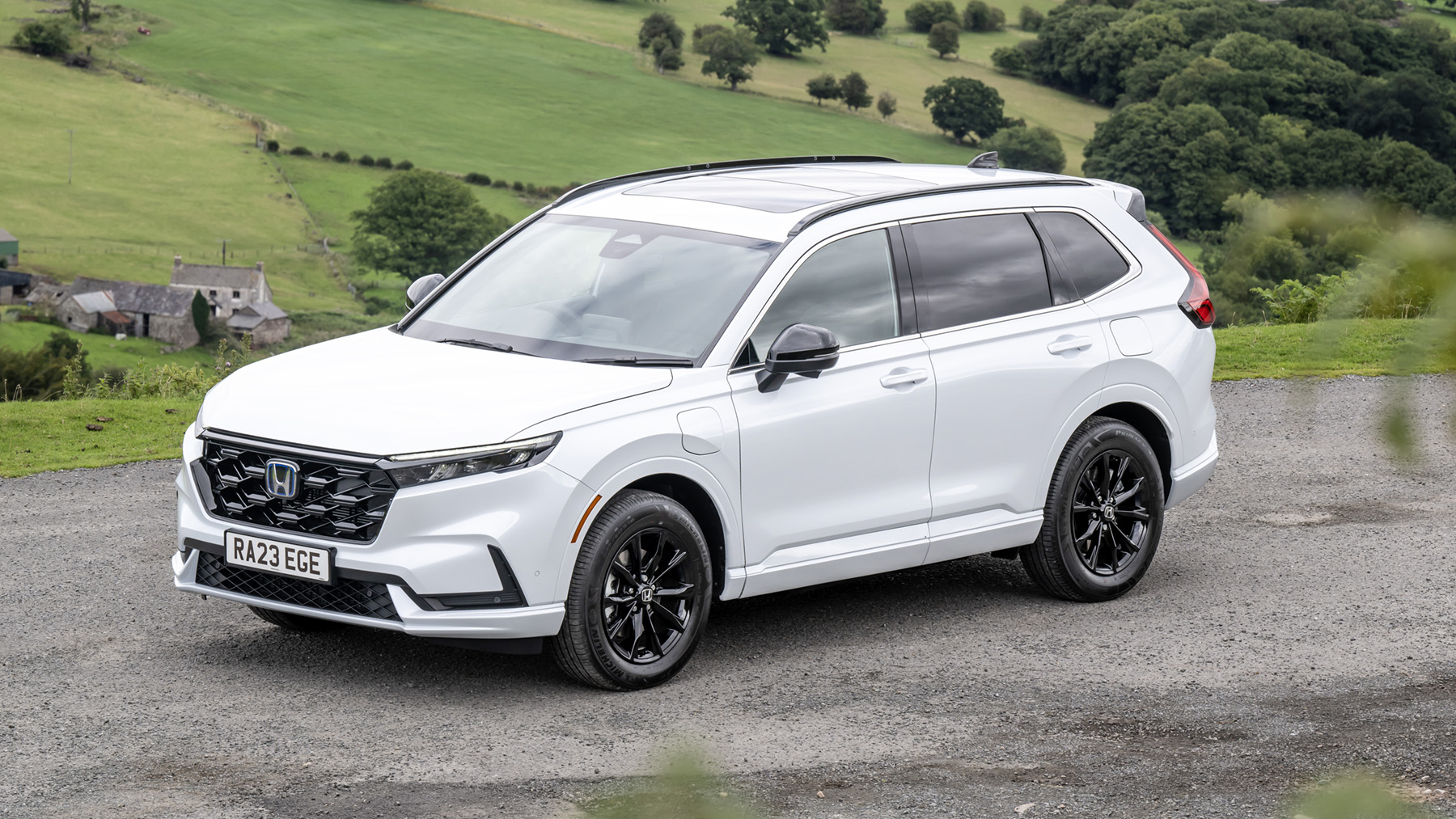
4. Honda CR-V
The Honda CR-V has consistently been one of the most practical compact SUVs in terms of forward visibility, and this is one of the main reasons it remains a popular choice among urban drivers and families.
Its design focuses on functionality rather than aggressive styling, which results in a cabin layout that supports clear sightlines in almost all driving conditions. The windshield is wide and gently angled, allowing the driver to maintain a natural forward gaze without excessive upward tilt.
One of the most important aspects of the CR-V’s visibility advantage is its hood design. The hood slopes gently and remains relatively low compared to many modern SUVs, which allows drivers to see closer to the front bumper.
This is particularly useful in tight parking situations, stop-and-go traffic, and narrow residential streets where precise vehicle placement is necessary. Many drivers find that they can easily estimate the vehicle’s front edge without relying heavily on electronic aids.
The seating position in the CR-V is also carefully engineered to enhance visibility. It is high enough to provide a commanding view of the road but not so high that it creates a large blind zone near the front of the vehicle. This balance makes it easier for drivers of different heights to maintain consistent visibility without adjusting seats excessively.
The A-pillars are slim and positioned in a way that minimizes obstruction during turns. This is particularly important when navigating intersections, as pedestrians or cyclists entering from the side are less likely to be hidden behind structural supports. This improves reaction time and reduces the likelihood of missed visual cues.
The Honda CR-V is designed with real-world usability in mind, and its strong forward visibility makes it one of the most user-friendly SUVs for everyday driving conditions.
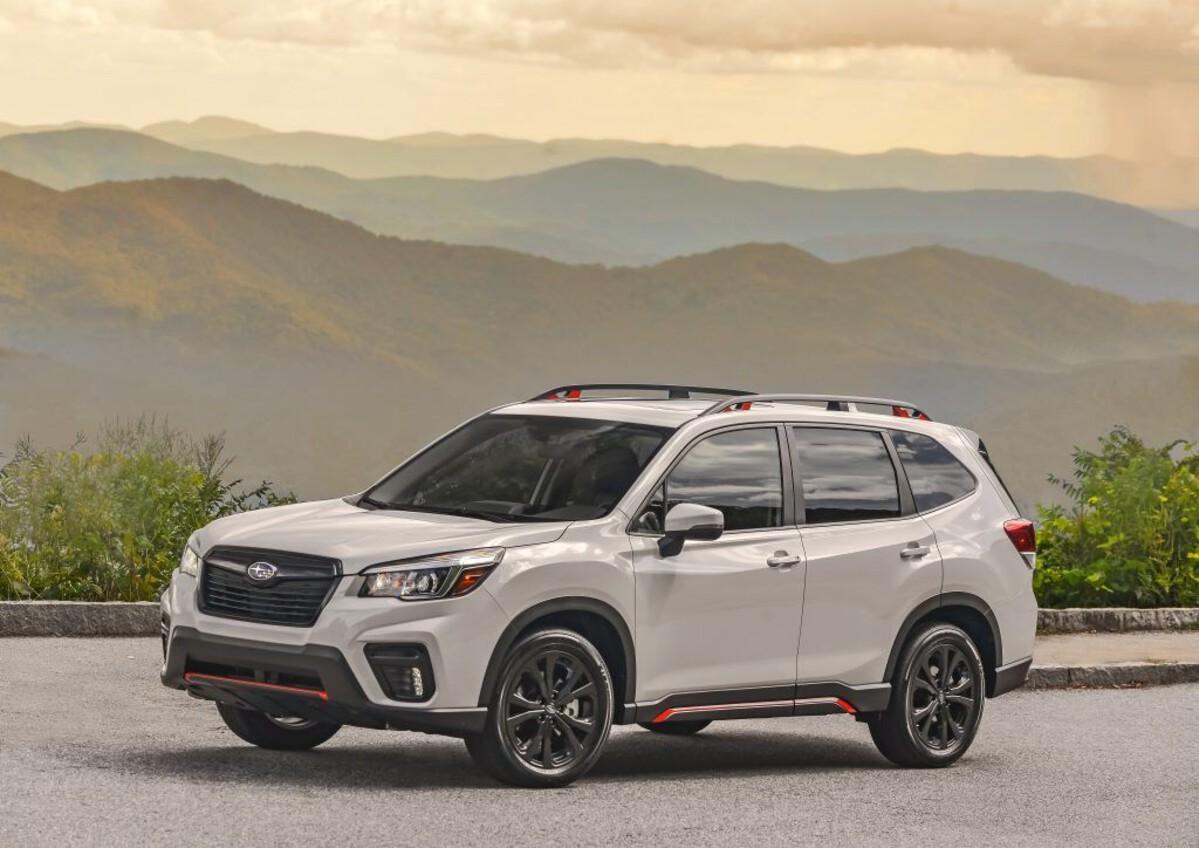
5. Subaru Forester
The Subaru Forester is widely regarded as one of the best SUVs for visibility, and its forward visibility is a major reason for this reputation. The vehicle’s upright design, large glass surfaces, and minimal styling obstruction create a driving environment that feels open and easy to navigate. Unlike many SUVs that prioritize bold exterior shapes, the Forester focuses heavily on practical design choices that improve driver awareness.
One of the strongest features of the Forester is its short and gently sloping hood. This design allows drivers to see extremely close to the front of the vehicle, which significantly reduces uncertainty when parking or driving in tight spaces. It also helps in off-road or rural environments where obstacles may appear suddenly and require precise maneuvering.
The windshield is large and positioned almost vertically, which extends the driver’s forward field of view and reduces distortion. This makes it easier to judge distances at higher speeds as well as in slow-moving traffic. The wide glass area also allows more natural light into the cabin, reducing visual fatigue during long drives.
Another key advantage is the large side window layout, which indirectly supports forward visibility by improving awareness of the surrounding environment. Drivers can easily detect movement from the sides, which helps them anticipate forward hazards earlier. This is particularly useful in crowded urban traffic where multiple visual inputs must be processed quickly.
The Subaru Forester remains one of the most visibility-focused SUVs on the market, offering a driving experience that prioritizes clarity, safety, and ease of use in almost every environment.
SUVs With Massive Blind Spots Near the Hood
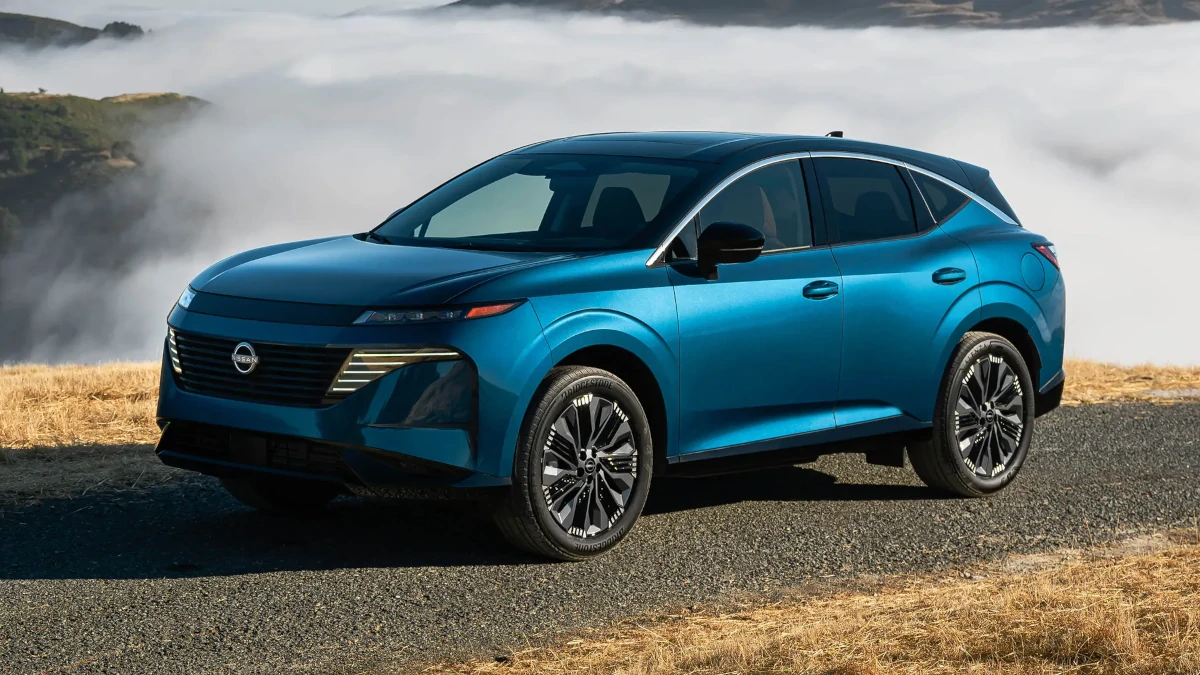
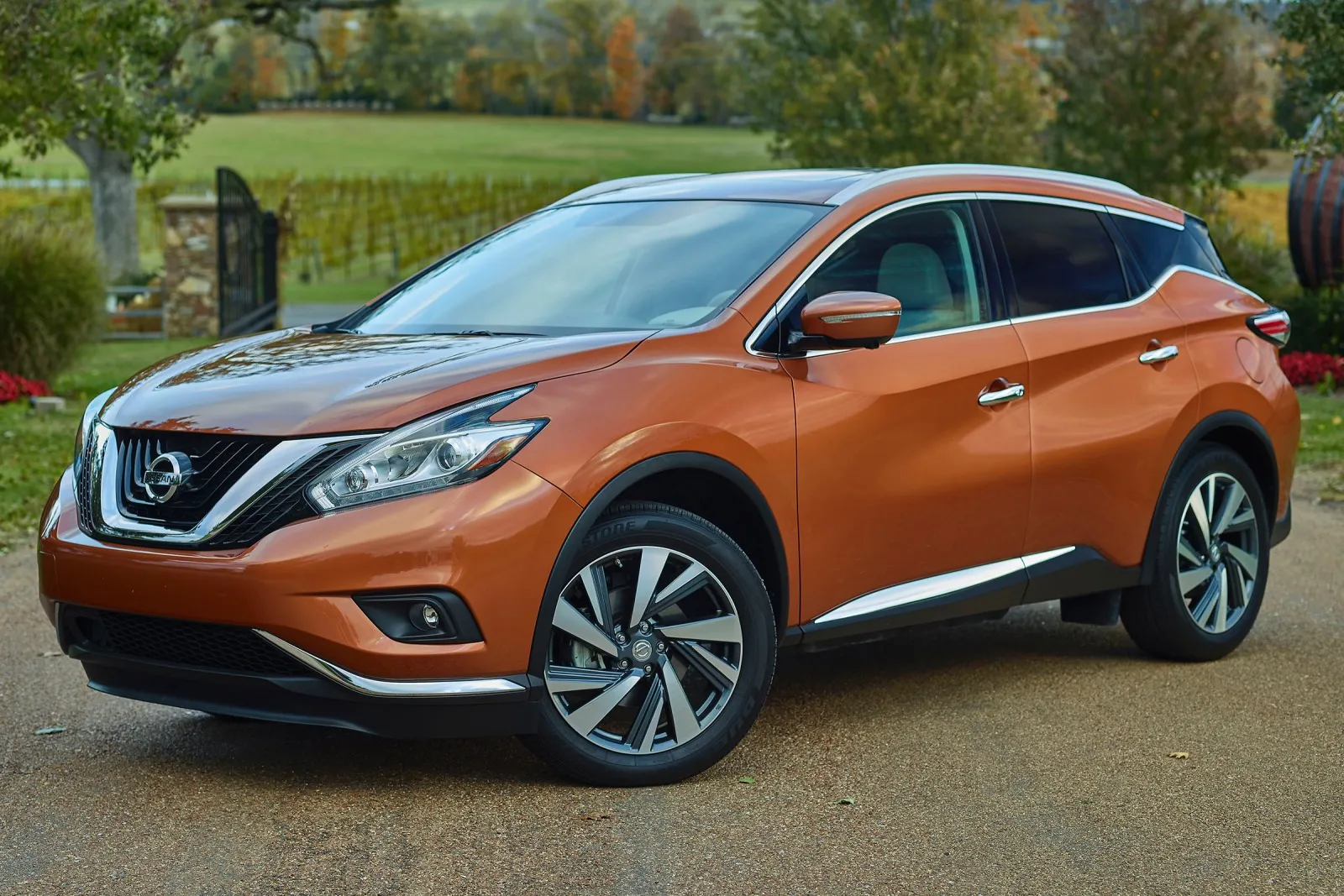
1. Nissan Murano
The Nissan Murano is often praised for its comfort, smooth ride quality, and distinctive styling, but one of its most commonly discussed drawbacks is the limited forward visibility caused by its exterior design choices.
The vehicle adopts a coupe-inspired SUV silhouette, which means the roofline slopes downward toward the rear and the front structure is more sculpted than upright. While this gives the Murano a modern and stylish appearance, it directly affects how much of the road a driver can actually see in front of the vehicle, especially at close range.
The hood design plays a major role in creating a forward blind zone. Instead of a flat or gently sloping hood that allows the driver to visually track the front edge, the Murano’s hood sits higher and drops away more sharply near the bumper.
This creates a visual gap where small objects, curbs, or even pedestrians at very close distance can become difficult to see from the driver’s seat. In real-world driving, this becomes most noticeable during parking maneuvers, drive-through entry, and tight residential street navigation.
Another contributing factor is the windshield angle and dashboard height. The Murano features a more reclined windshield compared to boxier SUVs, which pushes the driver’s line of sight upward rather than forward and downward.
Combined with a relatively high dashboard, this reduces the amount of road surface visible directly in front of the vehicle. As a result, drivers often rely heavily on parking sensors and cameras to compensate for areas they cannot naturally see.
The A-pillars also add to the visibility challenge. While designed for structural strength and crash safety, they are thicker than those found in more visibility-focused SUVs. This can temporarily block objects or pedestrians entering the driver’s peripheral forward view, particularly during turns or intersections where quick visual checks are required.
The Nissan Murano prioritizes exterior styling and cabin comfort over direct forward visibility. While it performs well in many driving categories, its hood blind zone is noticeably larger than more upright SUV designs, making close-range awareness more dependent on electronic assistance systems.
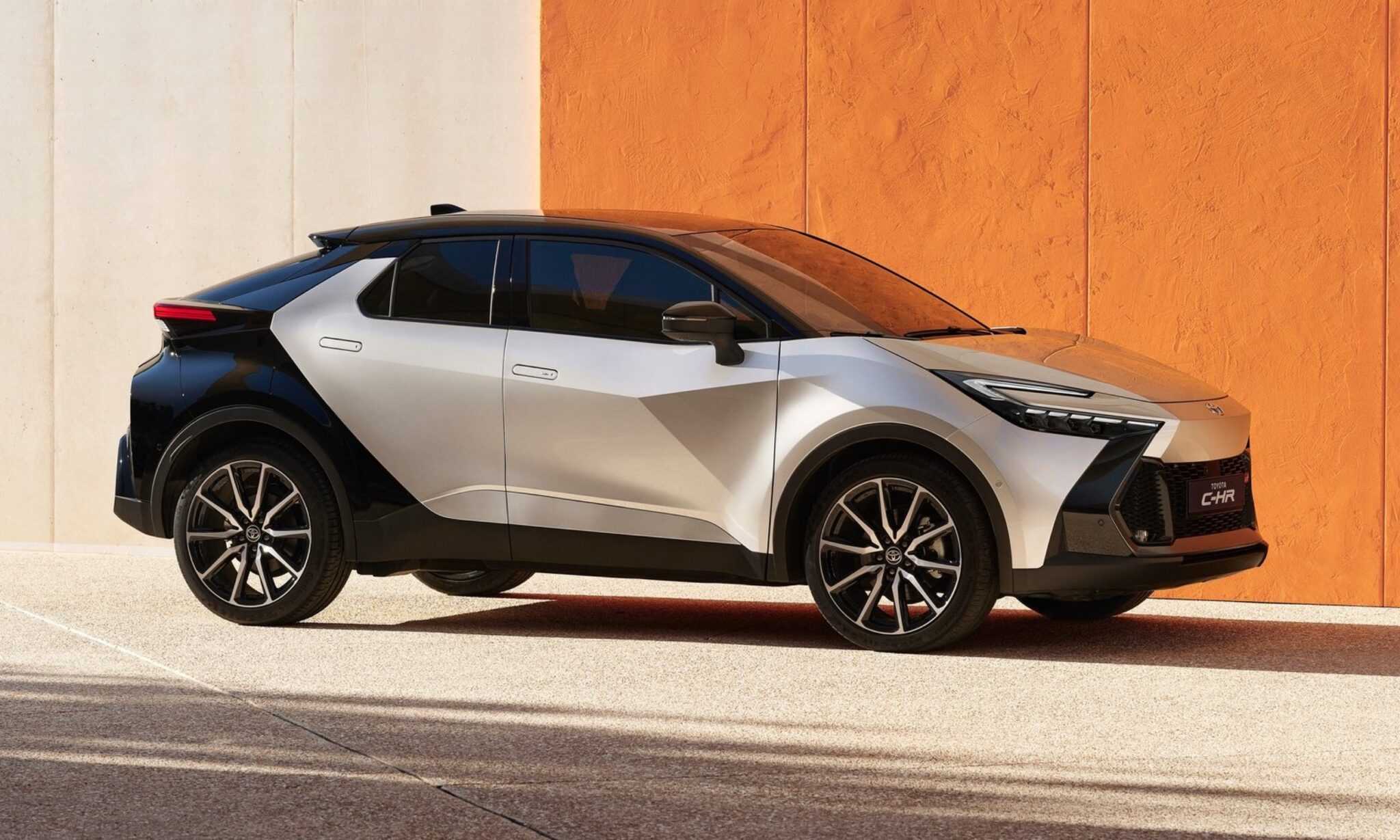
2. Toyota C-HR
The Toyota C-HR is a compact crossover that emphasizes bold styling and urban appeal, but its design choices significantly limit forward visibility, especially in the area near the hood and front bumper. Despite being a smaller vehicle in size, its visibility challenges are often comparable to larger SUVs because of how its cabin and exterior are structured.
One of the main contributors to the forward blind spot is the heavily styled exterior design, which includes sharply angled body lines and a high beltline. The windows are relatively small compared to the body size, and the windshield is more steeply angled than in traditional visibility-focused SUVs. This combination reduces the driver’s ability to see downward toward the road surface directly in front of the vehicle.
The hood design further adds to the problem. It is shaped in a way that rises and then drops abruptly near the front edge, creating a zone where the front bumper becomes difficult to visually track from the driver’s seat.
This is particularly noticeable when parking or moving through narrow streets, where precise judgment of the vehicle’s front boundary is essential. Drivers often report that they cannot confidently estimate where the front of the vehicle ends without relying on parking sensors or cameras.
Another limitation comes from the high beltline and thick door structures. These design elements reduce the amount of glass area available for forward and downward visibility. As a result, objects such as low curbs, small animals, or obstacles close to the front wheels can be harder to detect in time, especially in low-speed environments.
The A-pillars are also relatively thick and angled, which can obstruct vision during turns at intersections. This creates brief but important blind zones where pedestrians or cyclists may momentarily disappear from view.
The Toyota C-HR is a strong example of how compact SUV styling can still negatively impact visibility. While it offers modern design and urban practicality in terms of size, its forward blind zone is more pronounced than many drivers expect in a vehicle of its class.
3. BMW X6
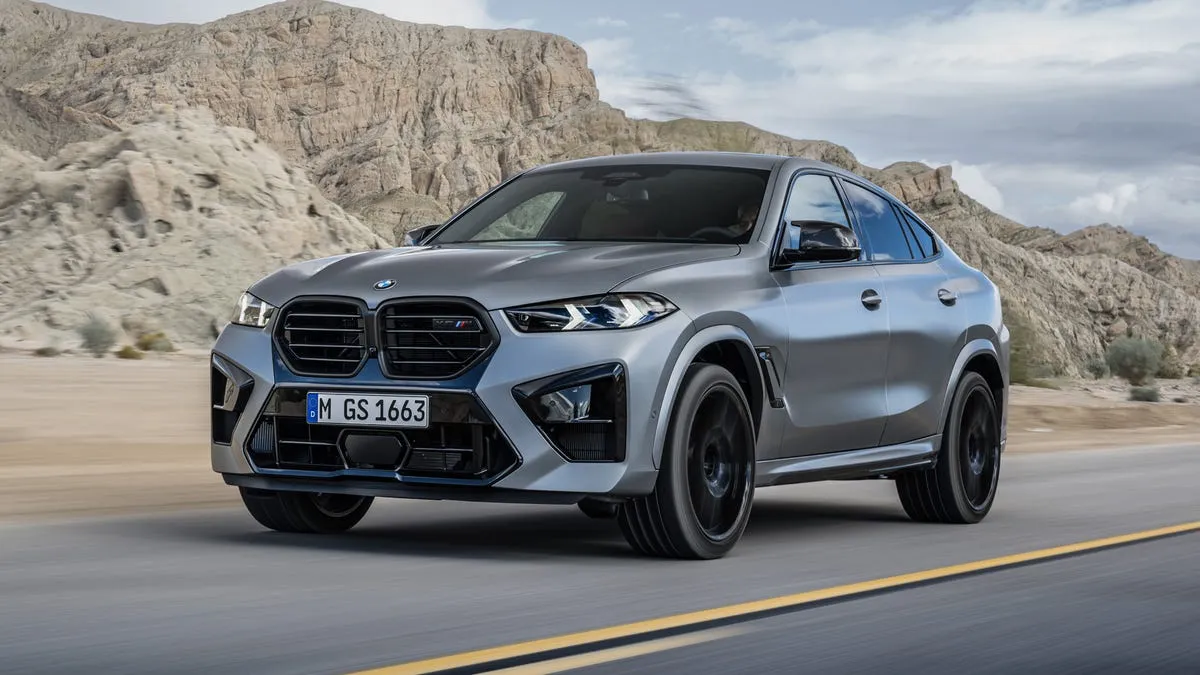
The BMW X6 is one of the most well-known examples of a coupe-style SUV, where design and performance aesthetics take priority over traditional SUV visibility characteristics. Its aggressive styling, sloped roofline, and sculpted front end contribute to a driving experience that feels sporty and premium but can also limit forward visibility, especially near the hood and front corners.
A major factor affecting visibility is the vehicle’s sloping front design. The hood is long, raised, and styled with sharp contours that make it difficult for the driver to visually gauge the exact position of the front bumper. Unlike flatter SUV hoods that allow a clear reference point, the X6’s hood creates a visual drop-off that hides objects directly in front of the vehicle at close range.
The seating position also plays a role in this visibility limitation. Although the driver sits high relative to a sedan, the long dashboard and extended hood create a larger distance between the driver’s eyes and the road surface immediately in front of the vehicle. This increases the forward blind zone and makes slow-speed maneuvering more dependent on technology such as parking cameras and ultrasonic sensors.
Another issue comes from the wide front fenders and sculpted bodywork. These design elements, while visually striking, make it harder for drivers to judge the vehicle’s outer edges. In tight parking spaces or narrow urban streets, this lack of clear visual reference can increase hesitation and require more careful steering adjustments.
The A-pillars are also relatively thick due to structural requirements for performance and safety, which can block peripheral forward vision during turns. This becomes particularly noticeable in intersections or when navigating roundabouts where quick visual scanning is required.
The BMW X6 prioritizes sport-inspired design and luxury presence over direct forward visibility. While it delivers strong performance and comfort, its hood blind spots and reduced front-end clarity make it less intuitive to drive in tight, low-speed environments compared to more upright SUVs.
4. High Hood Design SUVs
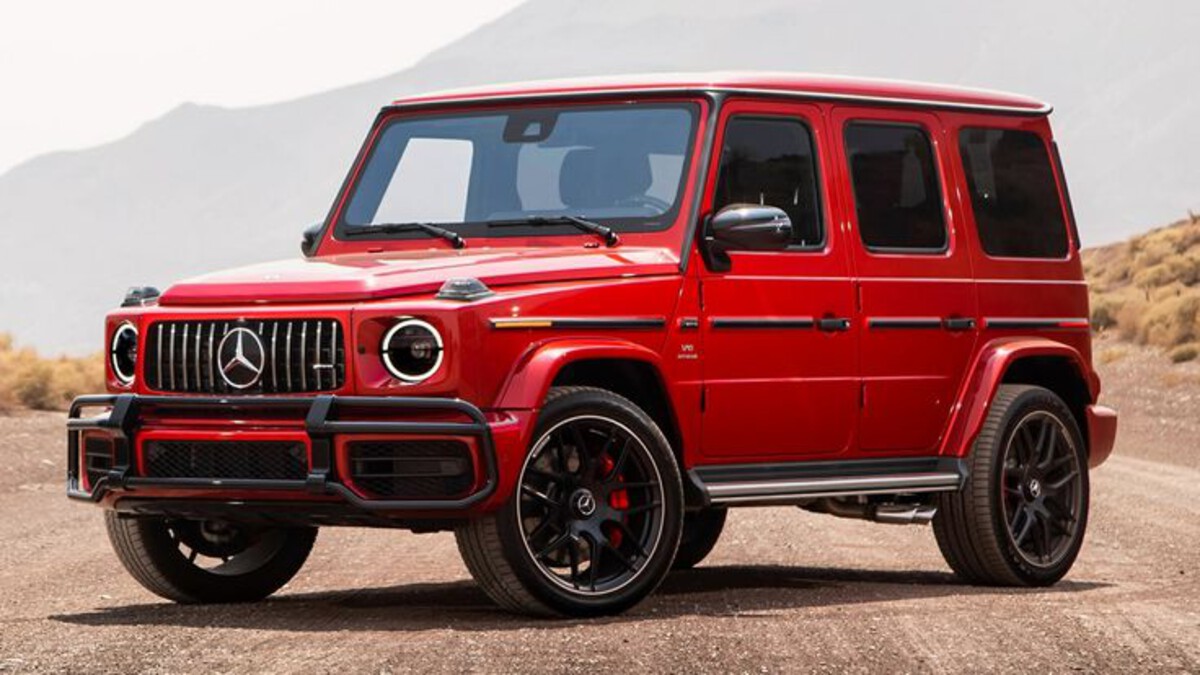
Many modern performance-oriented SUVs share a common visibility challenge that is not limited to a single model but rather a broader design trend seen in vehicles with high hood lines, aggressive front styling, and lower seating alignment relative to the hood height. These design characteristics are often used to create a powerful road presence, but they also contribute to significant forward blind zones near the front bumper.
One of the main issues in this category is the height of the hood relative to the driver’s eye level. When the hood is tall and slopes downward only slightly, the driver loses the ability to see the area immediately in front of the vehicle. This creates a “dead zone” where small objects, curbs, or even pedestrians can remain hidden until the vehicle is very close. This is especially problematic in urban driving conditions where visibility at short distances is critical.
Another factor is the increased distance between the driver’s seating position and the front edge of the vehicle. In many performance SUVs, the cabin is set further back for design balance and crash structure optimization. While this improves safety and styling proportions, it reduces natural spatial awareness of the front bumper location.
The front-end design in these SUVs often includes sculpted bumpers, large grille structures, and aggressive lighting elements that further reduce direct line-of-sight visibility. These features may improve aerodynamics or aesthetics but do not assist in close-range visibility.
Additionally, the combination of wide A-pillars and high beltlines creates a layered obstruction effect. Drivers must rely more heavily on cameras and sensors to compensate for the lack of natural visual feedback. While modern driver assistance systems are highly advanced, they still do not fully replace the intuitive awareness provided by direct visibility.
This category of SUVs highlights a growing trade-off in automotive design, where styling, safety engineering, and performance characteristics often come at the cost of clear forward visibility near the hood area.
5. GMC Terrain
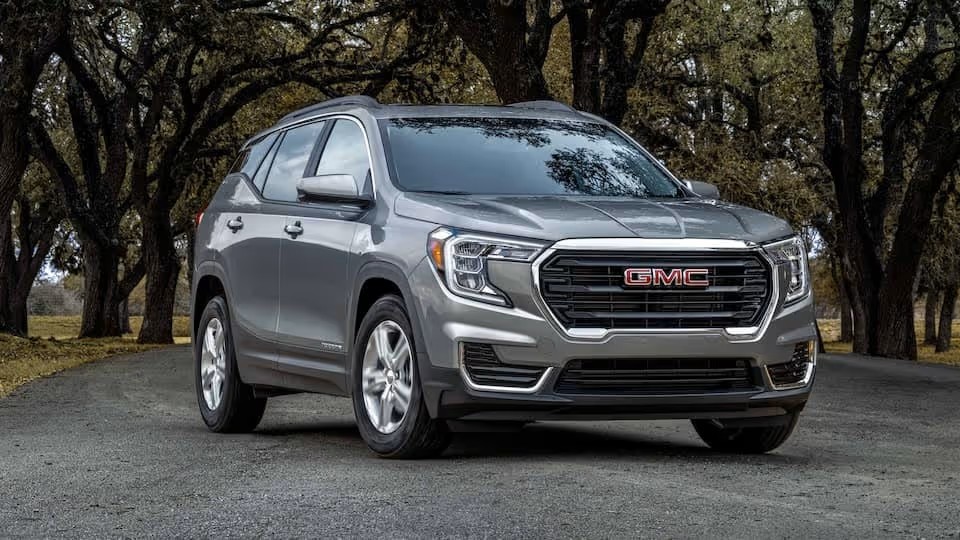
The GMC Terrain is a compact SUV that offers practicality and comfort but has often been criticized for its forward visibility limitations, particularly around the hood and front corners. While it is smaller than many midsize SUVs, its design still creates noticeable blind spots that can affect everyday driving situations such as parking and maneuvering in tight urban spaces.
One of the primary concerns is the combination of a relatively high beltline and a bulky front-end design. The hood is structured in a way that rises above the driver’s natural line of sight, making it difficult to visually track the front bumper. This becomes especially noticeable when attempting to judge distances in stop-and-go traffic or when pulling into tight parking spots.
The windshield angle also contributes to reduced downward visibility. It is more reclined than in boxier SUVs, which pushes the driver’s field of view upward and reduces the amount of road surface visible directly in front of the vehicle. This creates a situation where small obstacles close to the bumper may not be visible without looking downward or relying on sensors.
Another factor is the thickness of the A-pillars, which can obstruct peripheral forward vision during turns. This is particularly relevant in urban environments where pedestrians or cyclists may appear suddenly from the sides and enter the forward path of the vehicle.
The hood design itself lacks clear visual reference points for the driver, which makes it harder to judge the exact position of the front edge. Unlike SUVs with flatter hood designs that allow better spatial awareness, the Terrain’s front-end styling creates a more abstract sense of distance.
The GMC Terrain demonstrates how even compact SUVs can suffer from forward visibility limitations when design priorities lean toward styling and structural bulk rather than direct driver sightlines.