Modern vehicles are no longer defined only by engines, fuel efficiency, or design. A major part of the driving experience now comes from software, mobile applications, and connected services that link the car to the driver’s smartphone.
Car brand apps have become essential tools for remote vehicle control, navigation support, maintenance alerts, vehicle tracking, and safety monitoring. These applications can make ownership simpler, more efficient, and in many cases more enjoyable.
At the same time, the automotive industry has shifted toward digital monetization, where certain features that were once included in the purchase price are now offered through monthly or yearly subscriptions.
This shift has created a clear divide among car brands. Some manufacturers focus on providing user friendly apps with free access to essential remote features. These brands aim to enhance convenience without adding ongoing costs after purchase.
Their apps usually include remote start, lock and unlock controls, vehicle status updates, service reminders, and integration with navigation systems. These features are designed to improve everyday usability while keeping ownership straightforward and transparent.
On the other hand, several premium and mass market brands have introduced subscription based models for specific vehicle features. These can include advanced driver assistance systems, heated seat activation, remote services, enhanced navigation, and entertainment upgrades.
While some subscriptions are optional and focused on luxury enhancements, others involve functions that users may expect to be included with the vehicle. This has led to debates among car buyers regarding long term value, fairness, and the evolving definition of ownership in the automotive industry.
The difference between user friendly app ecosystems and subscription heavy platforms is not just about cost. It also affects how drivers interact with their vehicles daily. A well designed app can reduce friction, improve safety, and make driving more intuitive. Meanwhile, subscription models can offer flexibility and continuous updates but may also create ongoing expenses that accumulate over time.
Understanding which car brands prioritize user friendly digital experiences versus those that monetize features through subscriptions can help buyers make more informed decisions.
In this article, we will look at five car brands known for offering simple, effective, and user focused apps, followed by five brands that commonly use subscription based models for certain features. Each section will explain how these systems work, what drivers can expect, and how they impact the ownership experience.
5 Car Brands With User Friendly Apps
Toyota
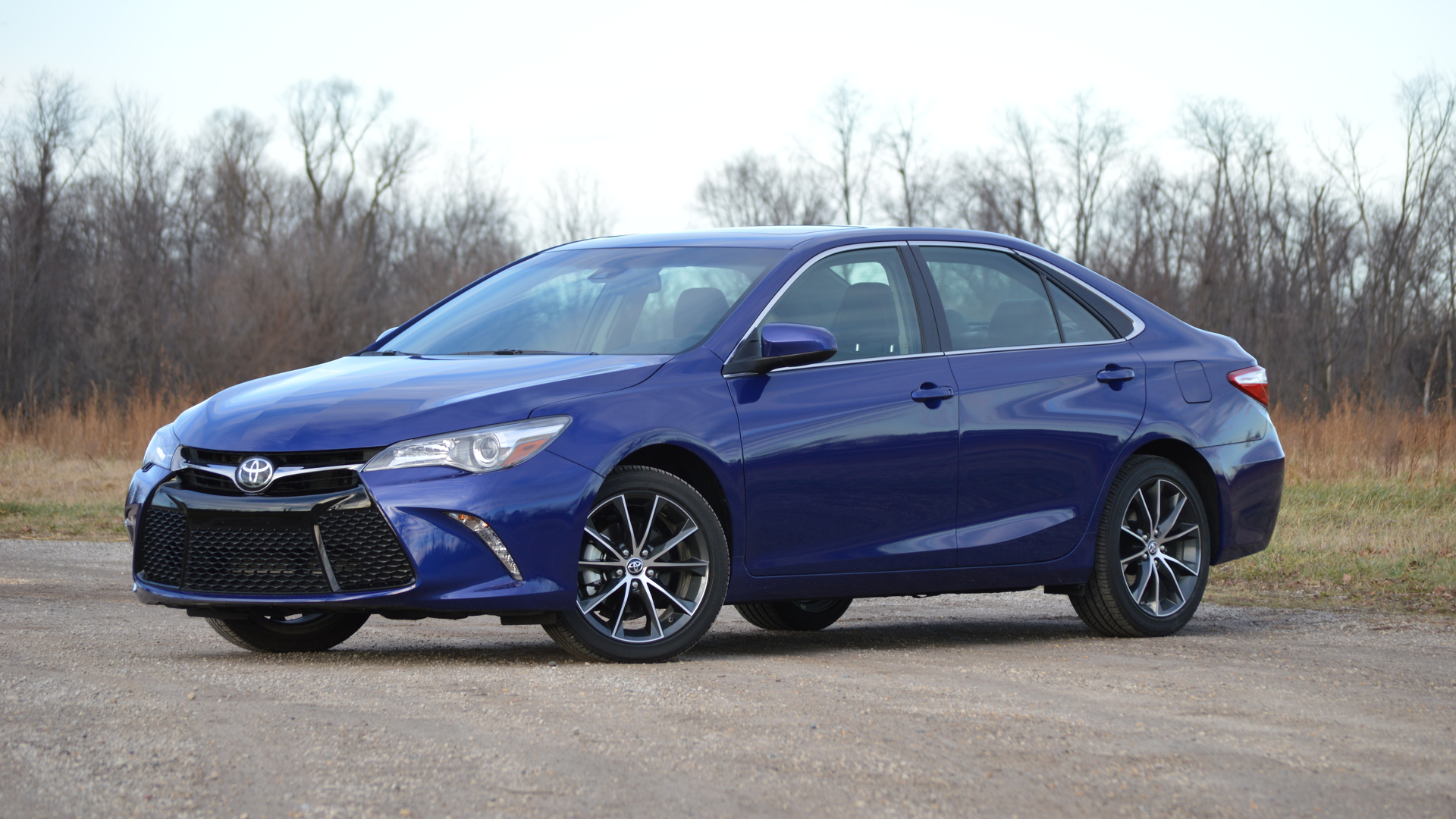
Toyota has built a long standing reputation for reliability, and that same philosophy extends into its digital ecosystem through the Toyota app. The application is designed to prioritize clarity, stability, and practical daily use rather than overloaded features or complex menus.
Users can access core functions such as remote start, lock and unlock controls, vehicle health reports, and maintenance reminders in a layout that is intentionally simple and easy to understand. The interface avoids unnecessary visual clutter, which makes it especially suitable for drivers who may not be highly familiar with modern connected car systems.
This simplicity is one of the main reasons Toyota’s app is often regarded as beginner friendly compared to more feature dense competitors.
Beyond basic controls, Toyota’s app also focuses strongly on vehicle health transparency. Information such as fuel levels, tire pressure warnings, odometer readings, and service schedules is presented in a structured and readable format.
Instead of requiring users to navigate multiple sections to find essential information, the app organizes everything in a way that supports quick decision making. This helps drivers stay proactive about maintenance, reducing the chances of unexpected breakdowns or missed service intervals. The emphasis is not on flashy digital innovation but on making ownership more predictable and manageable in everyday life.
Another important aspect of Toyota’s app experience is its integration with dealership networks and roadside assistance services. In many regions, users can directly schedule service appointments, receive maintenance notifications, and contact support through the app without needing separate platforms.
This creates a more unified ownership experience where digital tools and physical service centers work together seamlessly. It also reduces friction during stressful situations such as vehicle breakdowns or urgent repairs, where quick access to assistance is essential.
Toyota also places strong importance on reliability and consistent performance of its app. Users generally report fewer connectivity issues and faster response times when using remote features, which is especially important for functions like remote start in extreme weather conditions.
The system is designed to prioritize stability over experimental features, ensuring that core functions work consistently across different devices and regions. This dependable performance contributes significantly to user trust and long term satisfaction.
Toyota’s app ecosystem reflects the brand’s broader identity of practicality and dependability, offering a connected experience that focuses on essential features, ease of use, and long term reliability without unnecessary complexity or forced digital upgrades.

Honda
Honda’s connected services app, commonly known as HondaLink, is built around the idea of simplicity combined with functional usefulness, making it one of the more approachable systems in the automotive digital space. The app allows users to perform essential remote operations such as starting the engine, locking or unlocking doors, checking vehicle location, and reviewing basic diagnostic information.
These functions are presented in a clean and straightforward layout that minimizes confusion and ensures that even first time users can quickly understand how to operate the system without extensive guidance or technical knowledge.
One of the strongest aspects of Honda’s app design is its onboarding process, which is intentionally streamlined to reduce setup complexity. Vehicle pairing and account creation are generally quick, and the app guides users through each step without overwhelming them with technical instructions or unnecessary configuration options.
This helps create a smoother transition into connected vehicle ownership, especially for drivers who are upgrading from traditional non connected cars. The focus remains on getting users functional access as quickly as possible rather than introducing advanced customization layers.
Honda also integrates practical safety and maintenance features into the app, reinforcing its utility driven approach. Depending on the model and region, users may receive collision alerts, emergency assistance access, maintenance reminders, and diagnostic notifications that help them stay informed about vehicle condition.
These features are designed to provide reassurance rather than complexity, ensuring that drivers are alerted to important issues without needing to interpret technical data themselves. This approach helps improve safety awareness and reduces the risk of overlooked maintenance requirements.
Another strength is the consistency of experience across different Honda models. Whether a user is driving a compact sedan or a larger SUV, the core app experience remains largely the same, which reduces learning time and increases familiarity.
This uniformity is especially beneficial for households with multiple Honda vehicles, as it eliminates the need to learn different interfaces for different cars. It also reinforces brand cohesion in the digital space, making the app feel like a stable extension of the vehicle lineup.
Although Honda does offer optional connected service packages in some markets, the app itself does not aggressively push subscriptions for basic functionality.
Instead, it focuses on providing reliable core services that enhance convenience and safety without creating pressure for additional purchases. This balanced approach helps maintain user trust and positions Honda’s app as a practical tool rather than a monetization platform.
Hyundai
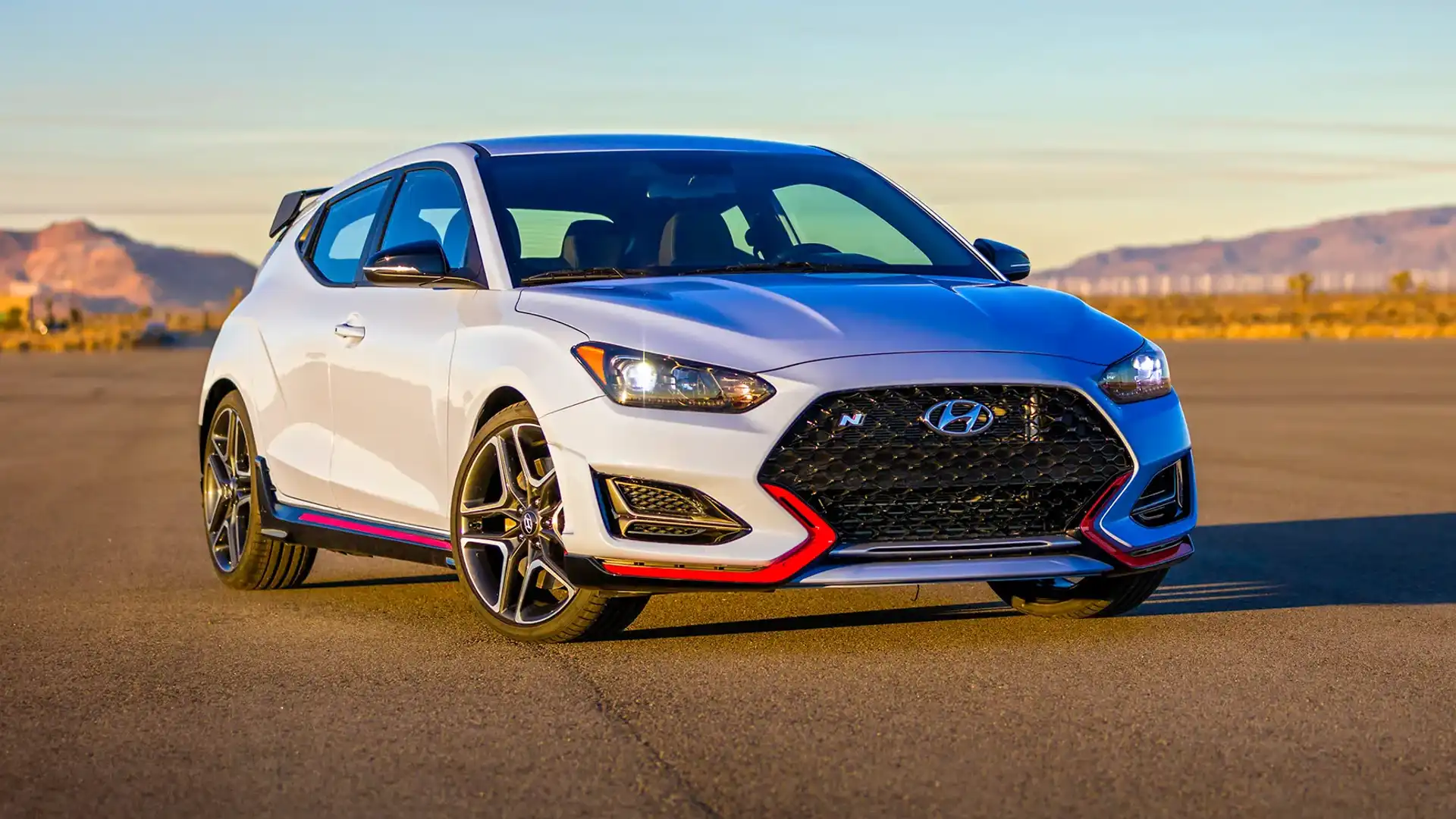
Hyundai’s digital ecosystem, powered by the Bluelink system, represents one of the more advanced yet still accessible connected car platforms in the mainstream automotive segment.
The app offers a wide range of features including remote engine start, climate control activation, vehicle diagnostics, trip data tracking, and stolen vehicle recovery support. Despite this extensive feature set, the interface is designed in a way that avoids overwhelming users, maintaining a balance between advanced capability and everyday usability.
A key strength of Hyundai’s app is its clear feature segmentation, which organizes functions into logical categories such as remote access, vehicle health, and driving insights. This structure allows users to quickly locate the tools they need without navigating through complex nested menus.
For example, climate control and remote start functions are grouped together for quick access, while diagnostic data is separated into its own dedicated section. This thoughtful organization significantly improves usability and reduces the learning curve for new users.
Hyundai also places strong emphasis on comfort related features, particularly remote climate control, which has become one of the most appreciated aspects of the system. Drivers can pre heat or pre cool their vehicles before entering, which is especially valuable in regions with extreme seasonal temperatures.
This function not only improves comfort but also enhances safety by ensuring that windows are defrosted or cooled before driving begins. The ability to prepare the cabin environment in advance adds a layer of convenience that directly impacts daily driving experience.
Security and safety integration is another important element of Hyundai’s app design. Features such as geofencing alerts, valet mode tracking, and emergency assistance are built into the system in a way that feels natural and supportive rather than intrusive.
These tools provide users with a stronger sense of control over their vehicle’s location and usage, particularly in situations where the car is being shared or parked in unfamiliar areas. The app also ensures that critical alerts are delivered clearly and promptly, improving response time in case of emergencies.
Hyundai’s app system successfully combines advanced connected vehicle technology with a user centered design approach, making it both powerful and accessible for a wide range of drivers who want modern features without unnecessary complexity.
Tesla
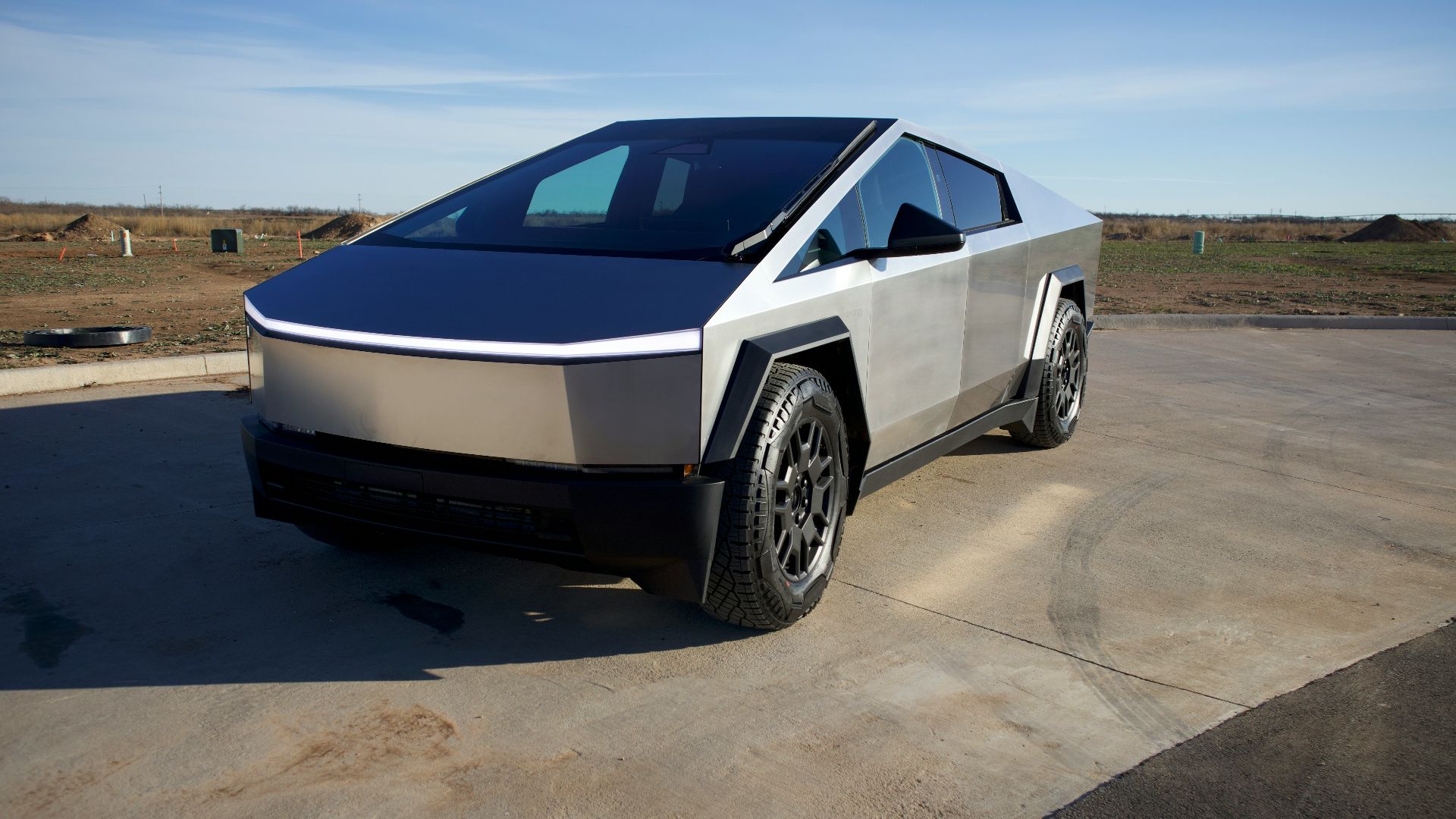
Tesla’s mobile application is widely regarded as one of the most advanced and tightly integrated vehicle control systems available today, functioning as a central command hub for nearly every aspect of the car.
Unlike traditional automotive apps that act as secondary tools, Tesla’s app is deeply embedded into the vehicle’s core software architecture. It allows users to control climate settings, monitor charging progress, manage battery usage, track vehicle location in real time, and access a wide range of remote functions that interact directly with the car’s systems.
One of the most distinctive aspects of Tesla’s app is the depth of control it offers compared to conventional automotive platforms. Users can remotely adjust cabin temperature, open or close windows in some cases, locate charging stations, schedule charging times, and monitor detailed energy consumption data.
In certain models and conditions, features such as smart summon allow limited autonomous movement of the vehicle using the app. This level of integration creates an experience where the smartphone effectively becomes an extension of the vehicle’s operating system.
The interface design of the Tesla app is also highly refined, focusing on minimalism and responsiveness. Information is displayed in a clean and efficient manner, reducing unnecessary visual elements while prioritizing speed of access.
This allows users to perform key actions quickly, often within seconds, which is especially important for time sensitive functions like climate pre conditioning or charging adjustments. The app’s responsiveness contributes significantly to its reputation for smooth user experience.
Another defining feature of Tesla’s ecosystem is its continuous software evolution through over the air updates. The app and vehicle software are updated regularly, often introducing new features, performance improvements, and interface refinements without requiring hardware changes.
This creates a dynamic ownership model where the vehicle improves over time, rather than remaining static after purchase. It also ensures that users benefit from ongoing development and innovation throughout the life of the vehicle.
Tesla’s approach generally avoids traditional subscription barriers for core app functionality, although some advanced driver assistance features may require additional purchases or upgrades. Despite this, the app remains highly integrated and user focused, offering one of the most seamless digital vehicle experiences in the automotive industry today.

Kia
Kia’s connected services app is designed with a strong focus on practicality, accessibility, and consistent performance across different vehicle models and regions. The app provides essential features such as remote engine start, door lock and unlock control, climate activation, vehicle status monitoring, and service reminders.
These functions are presented in a straightforward interface that avoids unnecessary complexity, making it suitable for a wide range of users regardless of their technical familiarity.
One of Kia’s key strengths lies in its consistency, as the app experience remains largely uniform across its vehicle lineup. Whether a user owns a compact car or a larger SUV, the core functionality and layout of the app remain familiar, which reduces confusion and improves long term usability. This consistency is particularly beneficial for families or households with multiple Kia vehicles, as it eliminates the need to learn different systems for different cars.
Kia also integrates useful maintenance and diagnostic features into its app ecosystem. Users receive timely notifications about service intervals, system health, and potential maintenance needs, which helps them stay proactive about vehicle care.
These alerts are presented in a simple, non technical format that makes it easy for drivers to understand what actions are required without needing mechanical expertise. This improves both convenience and vehicle longevity by encouraging timely servicing.
Another important aspect of Kia’s app is its focus on daily usability features such as destination sending, trip tracking, and route planning integration.
These tools allow users to plan journeys more efficiently and transfer navigation details directly to the vehicle system before starting a trip. This reduces manual input while driving and contributes to safer driving practices by minimizing distractions.
Kia’s app ecosystem is built around reliability, simplicity, and practical functionality, making it a strong example of how modern automotive technology can enhance the driving experience without overwhelming users or introducing unnecessary complexity.
5 Car Brands That Charge Monthly Subscriptions for Features
BMW
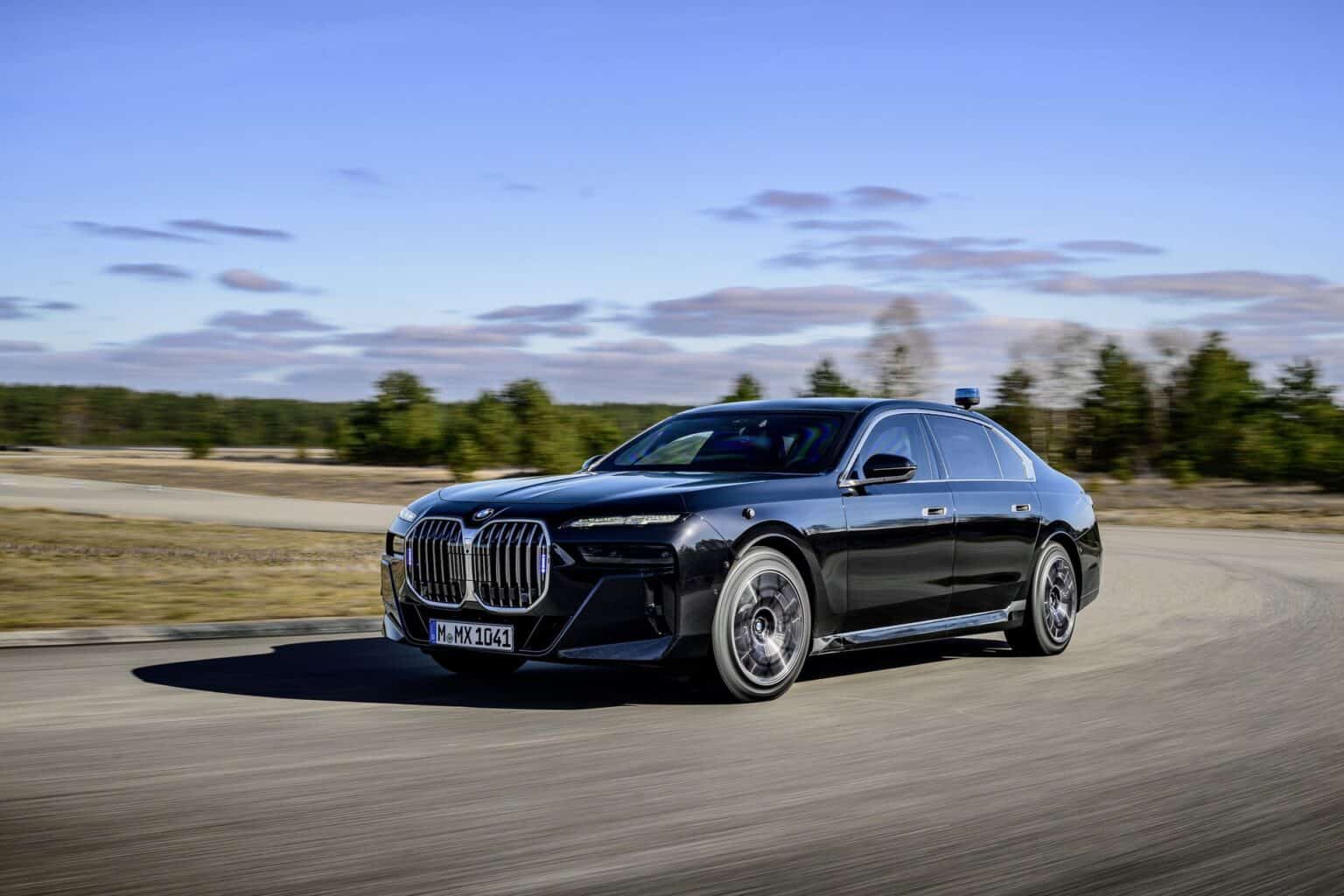
BMW has become one of the most widely discussed examples of how modern car companies are shifting toward software based revenue models, where features inside the vehicle can be activated, upgraded, or restricted through monthly or yearly payments.
Through its connected services platform, BMW offers a mix of included features and optional paid add ons that vary depending on region, model, and trim level. While basic functions such as vehicle tracking, remote locking, and app based monitoring are typically available, several comfort, safety, and performance related features may require subscriptions or one time purchases.
This includes functions like enhanced driver assistance capabilities, advanced navigation packages, and in some markets, heated seat activation or remote feature extensions.
One of the defining characteristics of BMW’s approach is the modular nature of feature access. Instead of bundling all possible vehicle capabilities into the initial purchase price, BMW separates certain technologies into software activated packages that can be added after the vehicle is purchased.
This creates flexibility for drivers who may want to start with a lower cost configuration and upgrade later, but it also introduces ongoing or additional costs for features that traditionally would have been included as standard equipment. As a result, the ownership experience becomes more dynamic but also more financially layered over time.
BMW’s connected app acts as the central hub for managing these services, allowing users to view available upgrades, activate trial periods, renew subscriptions, and monitor active services. The interface essentially functions like a digital marketplace embedded into the vehicle ecosystem, where drivers can personalize their car’s capabilities based on preference and budget.
This system is designed to provide continuous revenue streams for the manufacturer while also keeping vehicles technologically up to date through software activation rather than hardware changes.
Another important aspect of BMW’s subscription model is the expansion of software defined vehicle capabilities. Some features are built into the car’s hardware but remain inactive until unlocked digitally, which means the same physical vehicle can offer different experiences depending on subscription status.
This approach aligns with broader industry trends in connected mobility but has also generated debate among consumers who question whether certain features should require ongoing payments.
BMW’s strategy reflects a shift toward flexible digital ownership, where vehicles are no longer static products but evolving platforms. However, this model also introduces long term cost considerations that drivers must evaluate carefully before committing to feature subscriptions over the lifespan of the vehicle.
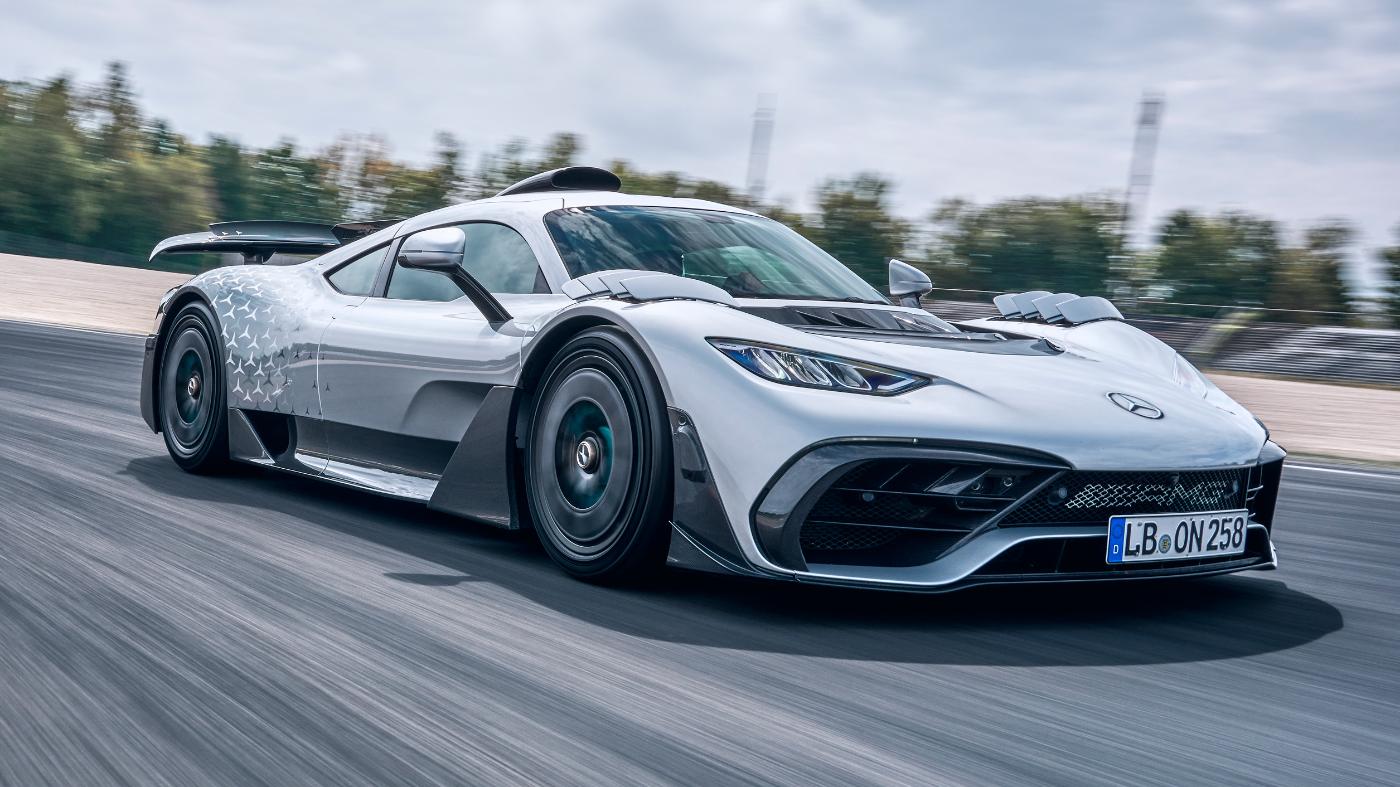
Mercedes-Benz
Mercedes-Benz has developed one of the most structured and premium oriented subscription ecosystems in the automotive industry, centered around its Mercedes me connected services platform.
This system provides drivers with access to a wide range of digital tools including remote vehicle controls, real time vehicle status monitoring, navigation enhancements, and concierge style assistance services. While some basic features are included with vehicle purchase or trial periods, many advanced functionalities are positioned as premium upgrades that require ongoing subscription payments to maintain access.
A key feature of the Mercedes-Benz approach is its layered service structure, where digital features are divided into tiers based on functionality and luxury level. Basic connectivity tools such as locking, unlocking, and location tracking are typically included, but more advanced services like augmented navigation systems, intelligent route planning, in car entertainment upgrades, and certain driver assistance enhancements may require additional payment.
This tiered model is designed to reflect the brand’s luxury positioning, where customers can choose how deeply they want to integrate digital services into their driving experience.
The Mercedes me app plays a central role in this ecosystem by acting as both a control center and a service marketplace. Users can manage subscriptions, activate feature trials, receive personalized vehicle data, and purchase upgrades directly through the application.
The app is highly polished and visually refined, reflecting the brand’s emphasis on premium user experience. However, it also continuously highlights available paid features, encouraging users to expand their subscription packages over time.
Another important element of Mercedes-Benz’s strategy is its focus on continuous software evolution. Many features are designed to be updated or expanded over time through cloud based services, meaning that the vehicle can gain new capabilities after purchase.
While this adds long term value in terms of technological improvement, it also reinforces the subscription model, as some enhancements remain locked behind recurring payments rather than one time ownership.
Mercedes-Benz combines luxury automotive engineering with a digital monetization strategy that extends the ownership experience into ongoing service relationships. This creates a highly feature rich environment but also increases long term ownership costs for drivers who want full access to the brand’s digital ecosystem.
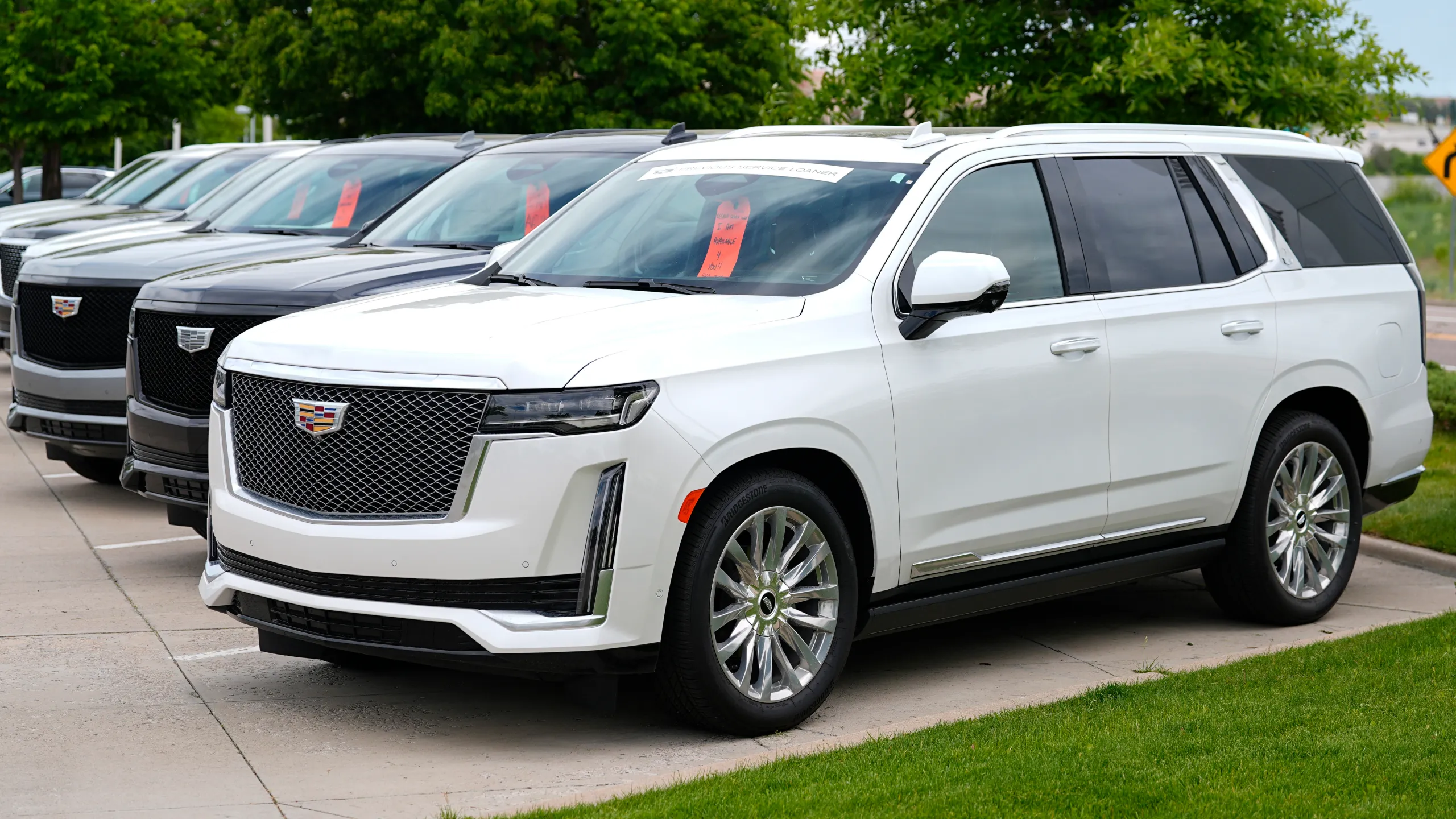
General Motors
General Motors uses its OnStar platform as the backbone of its connected services strategy, making it one of the earliest and most established subscription based systems in the automotive industry.
OnStar provides a broad range of services including emergency assistance, automatic crash response, stolen vehicle tracking, remote commands, and navigation support. While many new GM vehicles include a limited trial period for these services, continued access to most features typically requires a paid subscription once the trial expires.
A major focus of GM’s subscription model is safety and security. OnStar is heavily marketed as a protective service that can assist drivers during emergencies, accidents, or vehicle theft situations.
Features such as automatic crash detection and live emergency response are positioned as critical services, which makes the subscription feel more essential compared to purely convenience based upgrades. This positioning has contributed to widespread adoption but also ongoing discussion about whether such services should remain behind a paywall after initial ownership.
The OnStar system is deeply integrated across multiple GM brands and vehicle types, creating a unified digital safety network. Through the mobile app, users can remotely start their vehicle, check diagnostics, locate their car, and contact emergency services.
However, many of these functions transition into paid tiers after the trial period ends, which introduces recurring costs for continued access to connected features that users may become dependent on.
Another aspect of GM’s strategy is the expansion of in vehicle connectivity beyond safety services into infotainment and convenience features. Subscription packages may include Wi Fi hotspot access, advanced navigation tools, and remote diagnostics, further increasing the scope of paid digital services.
This creates a layered ownership model where the vehicle itself is only part of the total long term cost, with digital services forming an additional recurring expense.
General Motors represents a traditional automotive giant adapting to the software driven era by monetizing connected services. While the system offers clear benefits in safety and convenience, it also establishes a long term subscription dependency that continues throughout the vehicle lifecycle.
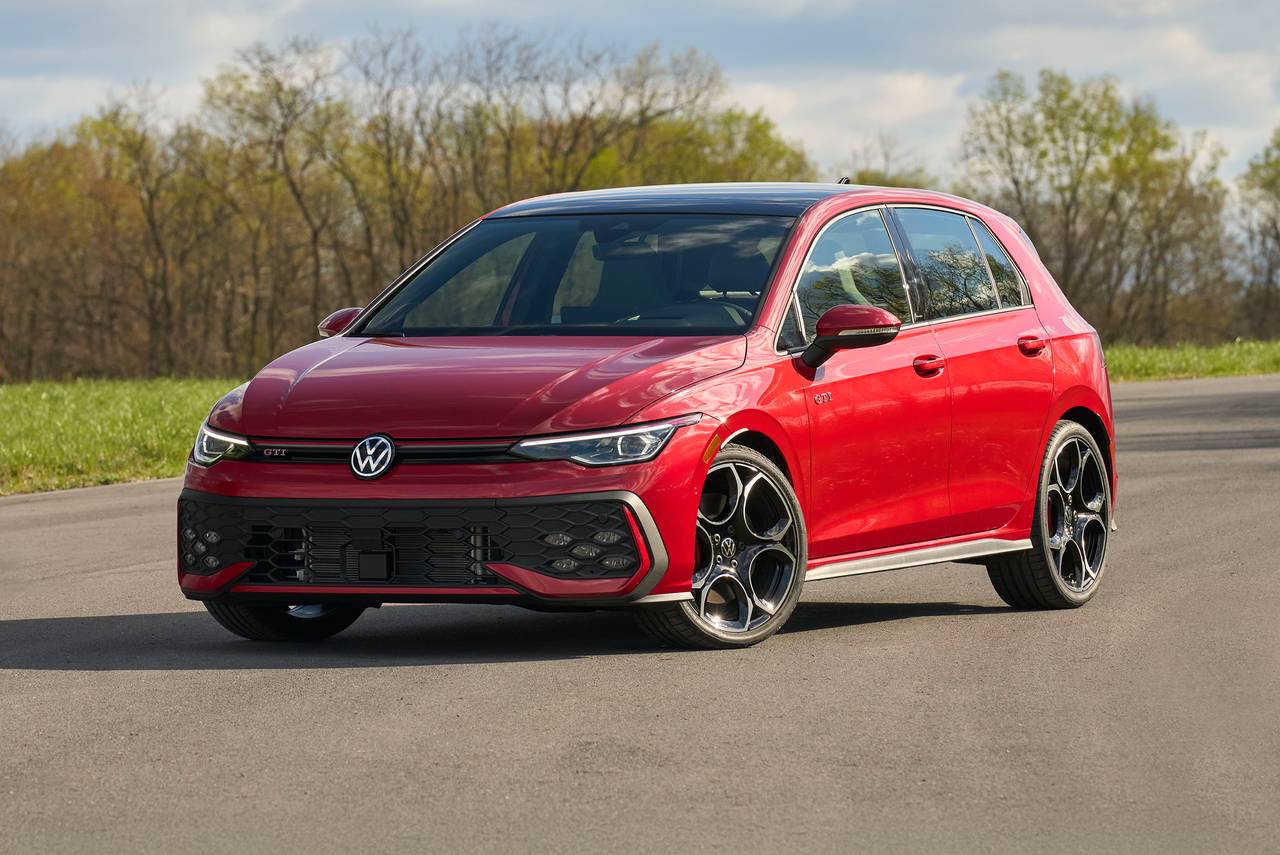
Volkswagen
Volkswagen has been steadily developing its digital ecosystem through the We Connect platform, which combines remote vehicle control, navigation services, and diagnostic tools into a unified app experience.
While the system includes several basic features at no additional cost during initial periods, many advanced functionalities are structured as subscription based services that activate after trial durations end or require separate purchase depending on model and region.
A key characteristic of Volkswagen’s approach is variability across its vehicle lineup. Different models and trims often come with different levels of built in digital capability, which means that the availability of subscription features can vary significantly depending on the specific vehicle.
This creates a somewhat fragmented user experience, where two Volkswagen owners may have access to different app functions based on their purchase configuration. While this allows flexibility, it also introduces inconsistency in long term feature access.
The We Connect app enables users to perform essential remote functions such as locking and unlocking doors, checking vehicle status, and sending navigation destinations to the car. However, premium features such as advanced route planning, real time traffic enhanced navigation, and certain remote services may require ongoing subscription payments.
Over the air updates also allow Volkswagen to introduce new features or unlock existing hardware capabilities through software activation, reinforcing the shift toward digital monetization.
Volkswagen’s strategy reflects a transitional phase in the automotive industry, where traditional vehicle ownership is gradually evolving into software enabled mobility. The brand is balancing between offering included digital conveniences and introducing paid upgrades that extend functionality over time. This hybrid model allows Volkswagen to maintain competitiveness while gradually expanding its digital revenue streams.
Volkswagen’s subscription system highlights the evolving nature of automotive ownership, where vehicles are increasingly defined not just by mechanical performance but also by software access and digital service tiers that influence long term usability and cost.
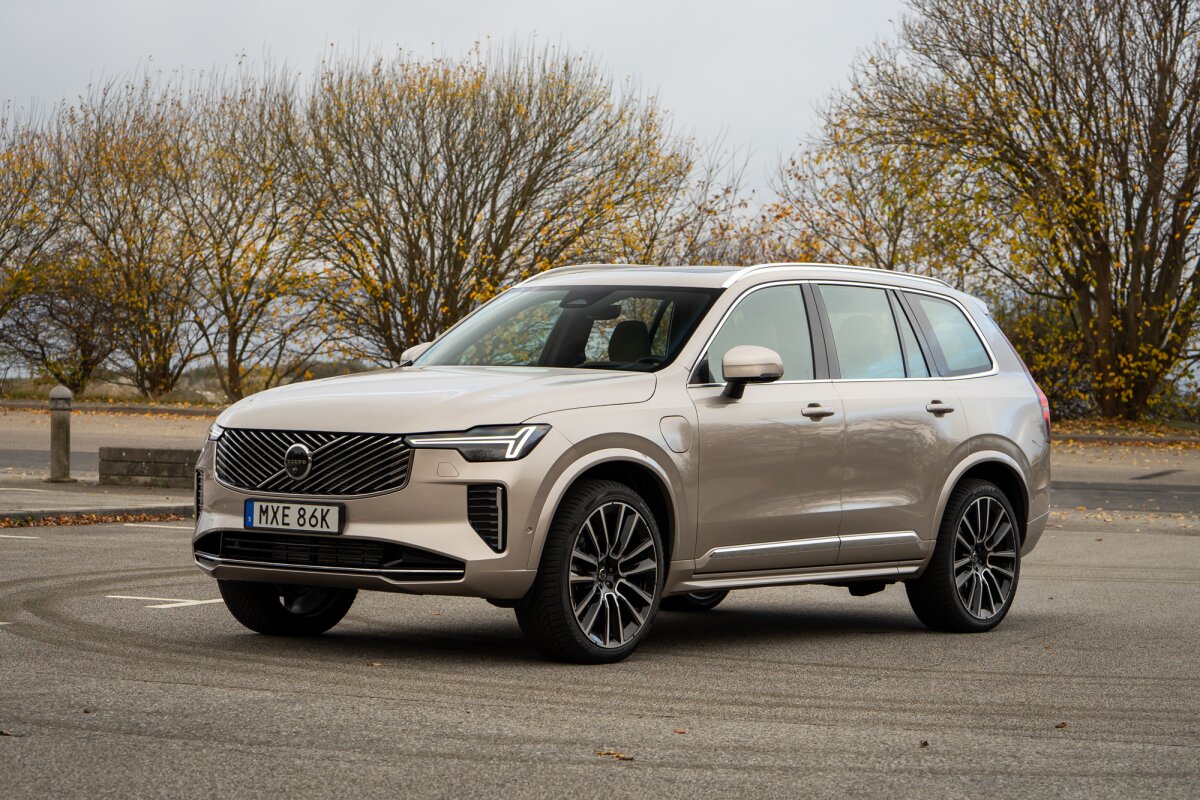
Volvo
Volvo has developed its connected services ecosystem through the Volvo Cars app, which provides users with remote control features, vehicle monitoring, and safety focused digital tools. While many of these features are included initially, especially during early ownership periods, certain advanced services may shift into subscription based models depending on market region, model year, and software package structure.
A central focus of Volvo’s digital strategy is safety and driver assistance technology. Features such as advanced driver support systems, remote climate control, vehicle tracking, and diagnostic monitoring are integrated into the app.
However, access to some enhanced driver assistance capabilities and premium digital services may require ongoing subscription payments or service renewals after trial periods expire. This creates a layered ownership experience where basic functionality remains available, but full access to advanced systems may incur additional costs.
The Volvo Cars app itself is designed with simplicity and user friendliness in mind, reflecting the brand’s design philosophy. It allows users to remotely start the vehicle, pre condition the cabin, check battery or fuel status, and receive service reminders.
Despite its clean interface, the subscription structure operates behind the scenes, determining which features remain active over time and which require payment to continue functioning.
Another important aspect of Volvo’s approach is its commitment to continuous software updates. The company uses over the air updates to improve vehicle performance, introduce new features, and enhance safety systems throughout the vehicle lifecycle.
While this approach benefits long term functionality, it also reinforces the subscription model by allowing certain features to be unlocked or extended through digital services rather than permanent inclusion at purchase.
Volvo represents a safety focused brand adapting to the software defined vehicle era, where digital services play a growing role in both convenience and long term ownership cost.