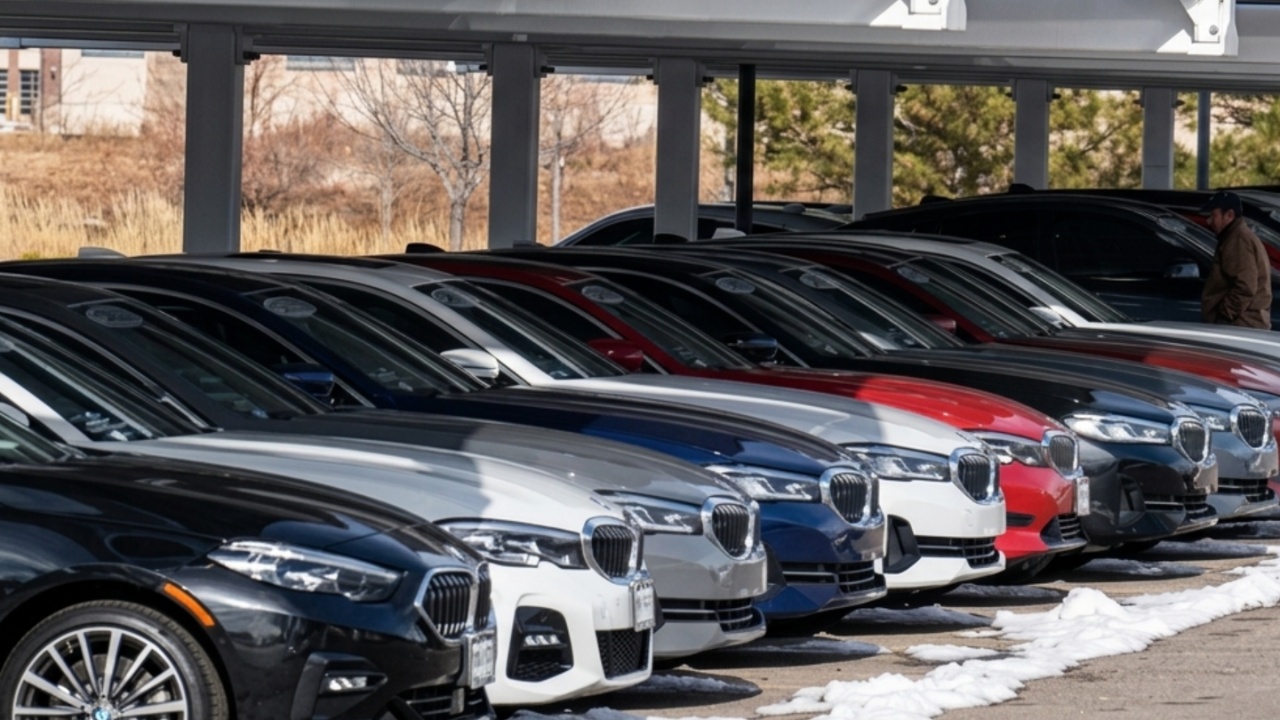
Deciding between a brand-new vehicle and a slightly used one has become more critical in 2026 as the gap in value, technology, and long-term ownership costs continues to expand. Many 2024 used cars are still priced high despite already going through early depreciation, while also missing the latest advancements in safety, efficiency, and software integration found in newer models.
At the same time, 2026 vehicles benefit from lower interest rates, stronger manufacturer incentives, improved fuel economy, and advanced AI-driven features that enhance both performance and convenience. These factors change how buyers evaluate affordability, since monthly payments, maintenance risk, fuel expenses, and resale potential all influence real cost more than the initial price tag.
As a result, a 2026 model can often deliver stronger financial value even when its upfront cost appears higher. This sets the stage for understanding why newer models frequently outperform slightly used alternatives in practical ownership.
1. Drastically Lower Interest Rates
In 2026, the financial environment strongly favors new car buyers as manufacturers aggressively reduce interest rates on new vehicles. While used car loans average around 12% APR, new 2026 models often come with heavily subsidized financing ranging from 0% to 3%.
Over a standard 60-month loan, this difference can save buyers thousands of pesos in interest payments. In many cases, the monthly installment for a brand-new car becomes equal to or even lower than that of a used vehicle, since high interest charges on pre-owned cars significantly increase total repayment amounts. This shifts the perception of affordability, making new cars appear more financially accessible than their sticker prices suggest.
Beyond monthly payments, the total cost of ownership between new and used cars has narrowed considerably. Although 2026 models may have higher upfront prices compared to 2024 used cars, low or zero-interest financing reduces long-term expenses.
At the same time, manufacturers are offering promotional incentives such as cash rebates, deferred payments, and discounted financing packages to move new inventory. These benefits are not typically available in the used car market, where financing remains expensive and less flexible.
Another key factor is that 2024 used cars remain relatively expensive due to inflated purchase prices during previous market highs. Sellers often price these vehicles close to their original value, limiting the usual depreciation advantage.
Meanwhile, new cars include full manufacturer warranties, reducing potential repair costs and providing additional financial security. Buyers of used cars may face shorter remaining warranty coverage and higher maintenance risks.
Finally, 2026 models offer the latest technology, improved fuel efficiency, enhanced safety systems, and greater customization options. When combined with lower financing costs, these advantages make new vehicles a more competitive and often smarter financial choice compared to slightly used alternatives. Delivering better long-term value for most buyers
2. Manufacturer Incentives & Cash Back
The 2026 auto market is being shaped heavily by aggressive manufacturer promotions that strongly favor new car buyers over those considering used vehicles. With excess inventory on dealer lots, automakers are offering large financial incentives to move 2026 models quickly, creating a pricing environment where new cars can compete directly with, or even undercut, slightly used 2024 models.
One of the most important factors is the size of these incentives. Buyers can access cash-back rebates, dealer discounts, and conquest bonuses that significantly reduce the final purchase price. In many cases, these incentives lower the cost by more than ₱100,000, shrinking the gap between a new car and a used one to a minimal difference. This makes a brand-new vehicle far more attainable than its MSRP initially suggests.
Financing conditions further strengthen this advantage. New 2026 models often come with promotional interest rates between 0% and 3%, while used car loans typically remain high at around 10% to 12%.
Over a five-year repayment period, the higher interest on used vehicles can add a substantial amount to the total cost, often making them more expensive than new cars despite their lower upfront price. This difference also affects monthly payments, with new cars frequently offering equal or lower installments.
Used vehicles, particularly 2024 models, rarely benefit from manufacturer-backed incentives. Many of these cars still carry inflated prices due to previous market conditions, meaning buyers do not receive meaningful discounts even though the vehicles are no longer new. This reduces the expected financial advantage of choosing used over new.
Leasing options also tilt in favor of new cars, as manufacturers provide subsidized lease rates and stronger residual value support for 2026 models. These benefits are generally unavailable for used cars that are only a few years old.
When incentives, low-interest financing, and reduced risk from warranties are combined, a 2026 vehicle often delivers stronger financial value and greater long-term affordability than a comparable 2024 used car.
3. Full Factory Warranty Protection
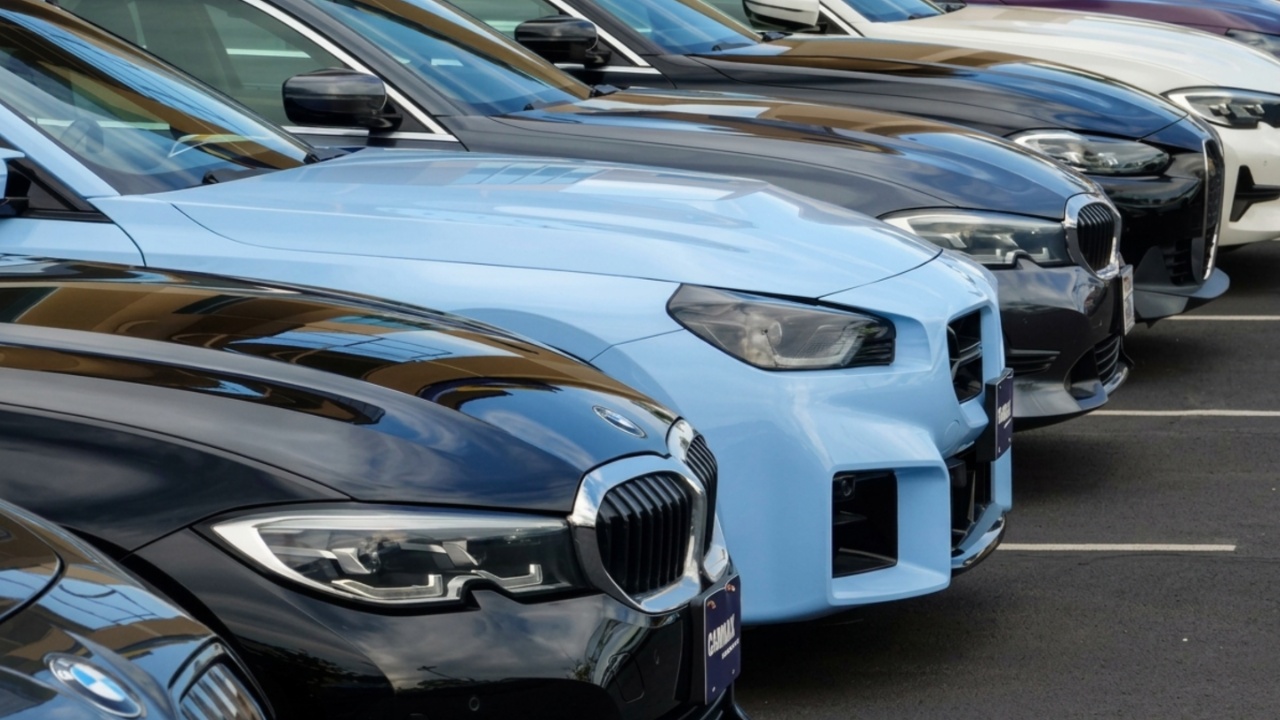
One of the strongest advantages of choosing a 2026 model over a 2024 used car is the protection offered by a full factory warranty. New vehicles provide comprehensive coverage that shields buyers from unexpected repair expenses, while many 2024 used cars are already close to or past their original warranty period. This difference significantly affects long-term ownership costs and financial security.
A 2026 new car typically includes bumper-to-bumper coverage for three to five years and powertrain warranties that can extend up to ten years, depending on the brand. In contrast, a 2024 used car may only have limited remaining coverage by 2026, especially if it has high mileage or a previous ownership history. In many cases, the warranty may already have expired, leaving the owner fully responsible for repair costs.
Factory warranty protection also removes the risk of hidden mechanical or electrical issues. With a new 2026 vehicle, the manufacturer covers all defects and component failures, reducing the chance of unexpected expenses.
Used cars, however, may carry wear-and-tear from prior ownership, and undisclosed problems can surface shortly after purchase. These repairs can be costly and are often not covered unless an additional third-party warranty is purchased.
Another key benefit is financial predictability. In a market where used car loan interest rates can reach around 12% APR while new car financing is often between 0% and 7% APR, avoiding surprise repair bills becomes even more important. A factory warranty helps stabilize monthly budgeting by eliminating large, unpredictable maintenance costs.
Additionally, 2026 models feature the latest safety systems and driver-assistance technologies, which are more advanced and reliable than older systems. Repairs for complex sensors or electronics in a 2024 used car can be expensive if they fail outside warranty coverage.
Full factory warranty protection in a 2026 vehicle provides stronger reliability, lower risk, and better long-term financial stability compared to a 2024 used car that may already be approaching the end of its coverage period.
4. Advanced AI Safety Technology
Between 2024 and 2026, vehicle safety technology has advanced significantly, making new 2026 models far more capable of preventing accidents than older used cars. These improvements are driven by AI-powered systems that shift safety from reactive features to predictive protection, helping drivers avoid danger before it happens. As a result, 2026 vehicles offer a major upgrade in safety performance compared to 2024 models.
One of the most important developments is the use of advanced sensor fusion combining LiDAR, radar, and cameras to create a more accurate real-time understanding of the environment.
These systems enable predictive collision avoidance that can detect sudden braking or hidden hazards earlier than previous generations. They also improve detection of pedestrians, cyclists, and other vulnerable road users, especially in low-light conditions where older systems may fail.
2026 models also introduce more intelligent driver monitoring systems that track fatigue and attention levels. If the system detects that the driver is unresponsive or impaired, the vehicle can take corrective action to reduce risk. Additional technologies, such as thermal night vision, further enhance safety by identifying heat signatures of people, animals, and obstacles that are not visible with standard headlights.
Another key advancement is vehicle-to-everything communication, which allows cars to exchange information with traffic systems and nearby vehicles. This enables a form of cooperative awareness that can anticipate hazards at intersections and reduce collision risks significantly.
At the same time, over-the-air software updates ensure that safety systems continuously improve after purchase, refining braking, steering, and stability controls without requiring hardware changes.
AI also helps reduce driver distraction by minimizing reliance on touchscreen menus through voice-based assistants and context-aware controls. Some systems now support near-autonomous functions that reduce human error in complex driving situations.
Compared to 2024 used cars, which may lack these refined integrations, 2026 models are designed to prevent accidents proactively rather than simply respond to them. This results in stronger safety performance, improved insurance outcomes, and greater long-term protection for drivers and passengers.
5. Next-Gen Battery & Powertrain Tech
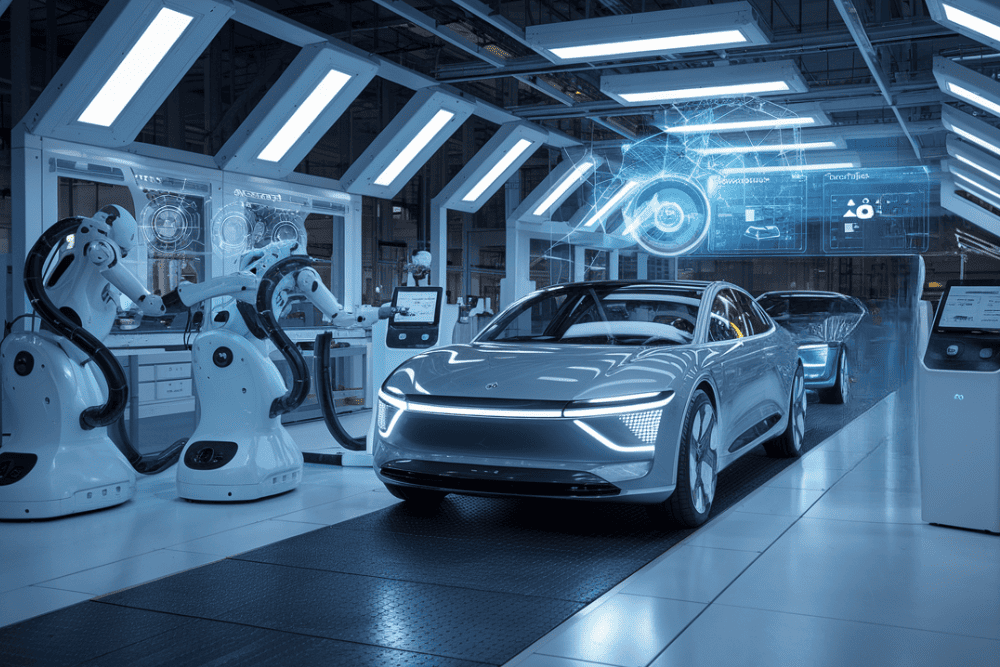
The 2026 model year brings major advancements in battery and powertrain technology, making it significantly more advanced than a 2024 used vehicle. These improvements are especially important for hybrid and electric vehicles, where rapid innovation has created a noticeable gap in efficiency, range, and long-term durability between older and newer models.
A major upgrade in 2026 vehicles is improved battery chemistry, including enhanced lithium iron phosphate and next-generation nickel manganese cobalt designs. These batteries deliver higher energy density, allowing vehicles to achieve longer driving ranges while maintaining efficiency.
Many 2026 EVs are expected to reach 300 to 400+ miles per charge, addressing range limitations still present in many 2024 models. Improved thermal management systems also help regulate battery temperature more effectively, which reduces degradation and extends battery lifespan.
Charging technology has also advanced. 2026 models are expected to support ultra-fast charging that can significantly reduce charging time compared to older systems. Enhanced liquid cooling systems allow batteries to sustain higher charging speeds without overheating, making long-distance travel more practical and less time-consuming.
Powertrain design has also improved through more integrated electric drive systems that combine motors, inverters, and gear components into compact units. This reduces weight, increases efficiency, and improves acceleration performance. Regenerative braking systems have become more refined, allowing for smoother driving and better energy recovery during deceleration.
In addition, 2026 vehicles are increasingly software-defined, meaning they receive over-the-air updates that continuously improve performance, efficiency, and system optimization. AI-driven energy management also adjusts power usage based on driving patterns to maximize efficiency.
Compared to 2024 used vehicles, which still rely on earlier-generation battery and drivetrain technology, 2026 models provide better range, faster charging, improved durability, and longer battery warranties. These advancements make newer vehicles more capable and more aligned with long-term ownership needs in a rapidly evolving automotive market.
6. Software-Defined Predictive Maintenance
The 2026 model year introduces a major advancement in vehicle ownership through software-defined predictive maintenance, offering a far more intelligent system than what is found in 2024 used cars.
Instead of waiting for parts to fail and triggering a warning light, 2026 vehicles continuously analyze real-time data to detect early signs of wear and predict potential failures before they happen. This creates a shift from reactive repairs to proactive prevention.
These vehicles use edge computing and AI to monitor the condition of critical systems such as batteries, brakes, alternators, and electrical components. They can identify microscopic changes in performance and provide warnings 30 to 90 days before a failure occurs.
In many cases, the system can automatically recommend or schedule a service appointment, reducing the need for driver intervention and minimizing the risk of unexpected breakdowns.
This predictive capability significantly improves reliability and convenience. Instead of relying on fixed service intervals like traditional mileage-based maintenance, 2026 models tailor maintenance schedules based on actual driving habits and real component condition. This helps prevent unnecessary servicing while ensuring that issues are addressed at the right time.
Cost efficiency is another important benefit. By catching problems early, predictive maintenance reduces repair expenses and helps avoid major mechanical failures. It also limits over-maintenance, where parts are replaced too early under traditional schedules. These improvements contribute to lower long-term ownership costs and better vehicle longevity.
2026 vehicles also feature over-the-air software updates that enhance diagnostic systems and improve vehicle performance without requiring dealership visits. Drivers receive detailed, actionable alerts instead of simple warning lights, making it easier to understand the exact issue and its severity. Some systems can even coordinate directly with service centers to automate repair scheduling.
Compared to 2024 used vehicles, which rely on reactive diagnostics and static maintenance systems, 2026 models offer a more intelligent and adaptive ownership experience. This results in fewer surprises, improved reliability, and a more efficient approach to long-term vehicle care.
7. Continuous Over-the-Air (OTA) Updates
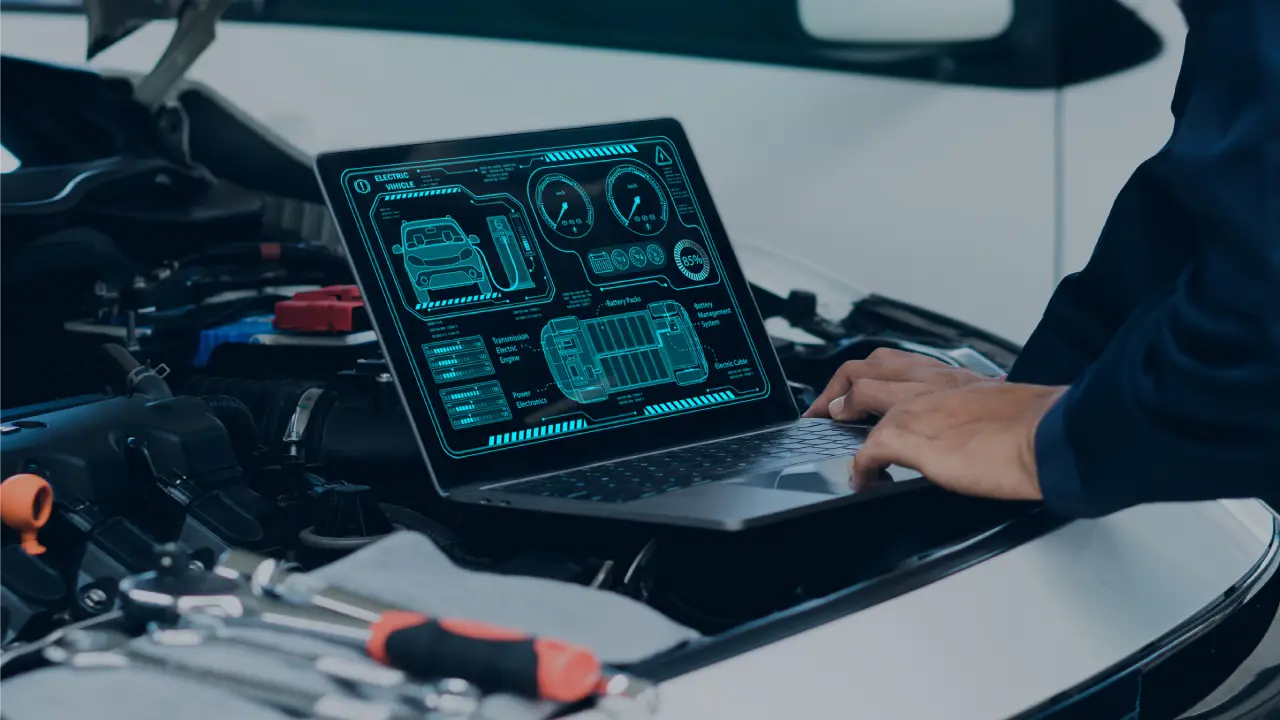
The way vehicles evolve after purchase has changed significantly in 2026, with continuous over-the-air (OTA) updates turning cars into constantly improving digital platforms. This gives 2026 models a clear advantage over 2024 used cars, which are typically limited by older software systems and reduced manufacturer support over time.
With OTA capability, 2026 vehicles can receive remote updates that enhance performance, safety, and user experience without requiring a visit to a service center. These updates can improve infotainment systems, refine user interfaces, add new applications, and optimize key functions such as engine tuning or battery management. As a result, the vehicle continues to improve after purchase rather than gradually becoming outdated.
Safety systems also benefit from ongoing software improvements. Advanced driver-assistance features such as lane keeping, adaptive cruise control, and automatic emergency braking can be fine-tuned through updates, improving accuracy and responsiveness. In electric vehicles, OTA updates can enhance energy efficiency and improve range through better software calibration of power usage.
Maintenance convenience is another major advantage. Software issues, bugs, or security vulnerabilities can be resolved remotely through instant updates. This reduces the need for dealership visits and minimizes downtime. In contrast, 2024 used vehicles often rely on physical repairs or recalls for similar fixes, which can be more time-consuming and costly.
The user experience is also continuously upgraded. 2026 models feature advanced infotainment systems with AI-driven personalization, improved voice controls, and more responsive digital interfaces. Manufacturers can activate or add new features over time, such as upgraded parking assistance or additional comfort settings, depending on hardware compatibility.
Compared to 2024 used cars, which tend to remain static in software capability, 2026 vehicles continue to gain functionality and refinement throughout their lifespan. This ongoing improvement helps maintain technological relevance and reduces the feeling of obsolescence as the vehicle ages.
8. Superior Real-World Fuel Efficiency
Rising fuel costs and stricter emissions rules have pushed automakers to significantly improve efficiency in 2026 models, creating a clear advantage over 2024 used vehicles. These improvements are not limited to laboratory figures but are reflected in everyday driving, where newer cars deliver noticeably better mileage and lower operating costs.
One of the main improvements is the 10 to 15 percent increase in fuel economy across many 2026 models compared to equivalent 2024 versions. This is achieved through more efficient engines, reduced internal friction, improved thermal management, and better aerodynamic design. These refinements allow vehicles to use less fuel while maintaining or improving performance.
Hybrid systems in 2026 have also become more advanced and widely adopted. Many models now include hybrid technology as standard, reducing fuel consumption without requiring additional upgrades. These systems are particularly effective in urban environments, where frequent stopping and starting allow for greater energy recovery and reduced fuel usage.
Electric and hybrid drivetrains also benefit from improved software control and more efficient hardware integration. Enhanced energy management systems optimize power delivery and extend driving range, reducing the need for frequent refueling or charging compared to older 2024 systems.
Over time, these efficiency gains translate into meaningful savings. While a 2024 used car may appear cheaper at purchase, higher fuel consumption can significantly increase total ownership expenses. For drivers with long commutes or high mileage, the reduced fuel use of a 2026 model can offset a substantial portion of the initial price difference.
Tighter emissions standards have also encouraged manufacturers to refine drivetrain performance, resulting in smoother operation and more efficient energy use across varying driving conditions. In addition, fuel-efficient vehicles are increasingly in demand, which helps support stronger resale values.
Compared to 2024 used vehicles, which lack these latest efficiency upgrades, 2026 models offer reduced fuel consumption, improved daily efficiency, and more predictable long-term running costs.
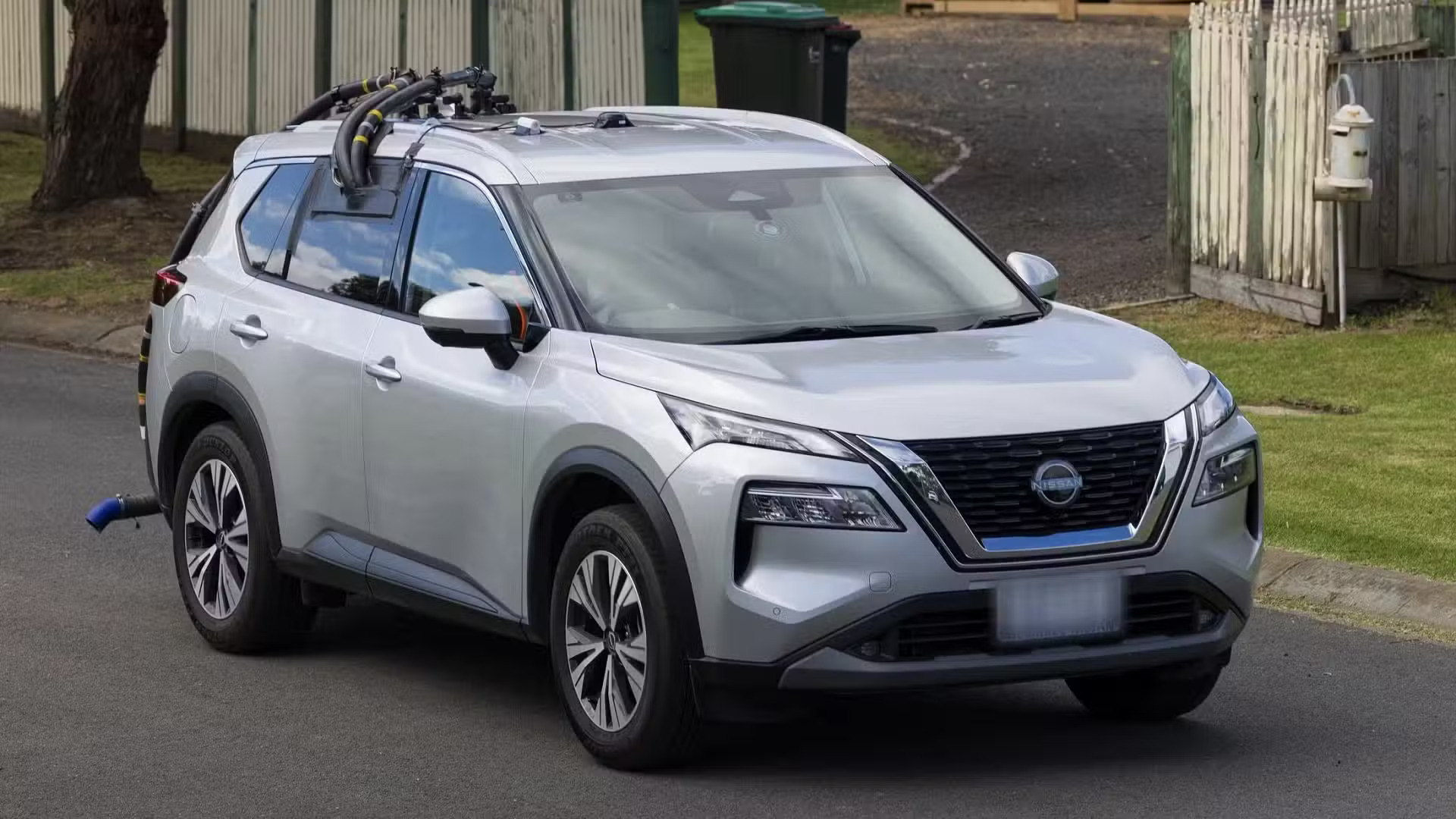
9. Drastically Higher Resale Value
The resale value outlook for 2026 vehicles is significantly stronger compared to 2024 used cars, mainly due to differences in technology, warranty coverage, and market positioning. As automotive technology continues to evolve quickly, newer models are expected to retain value better because they remain relevant for a longer period in the used car market.
One of the main advantages of 2026 models is that they represent a newer technological generation. By the time they reach resale in future years, they will still feature modern safety systems, updated infotainment, improved fuel efficiency, and advanced driver-assistance features.
In contrast, 2024 models will already be considered older-generation vehicles with a noticeable technology gap, which reduces buyer demand and resale pricing.
Another important factor is depreciation behavior. Many 2024 used cars are currently priced close to their original MSRP due to past market shortages, meaning buyers are paying inflated prices for vehicles that have already lost a portion of their value. As supply normalizes, these vehicles are expected to experience sharper price corrections, which can negatively affect future resale value.
Warranty coverage also plays a key role. A 2026 vehicle typically comes with full manufacturer warranty protection, which increases buyer confidence in the used market. A 2024 used car may have limited or partially expired warranty coverage, making it less attractive to future buyers and reducing its resale appeal.
Financing conditions further influence long-term value. New 2026 models benefit from lower interest rates and promotional incentives, reducing total ownership cost and strengthening their financial position over time. Used 2024 vehicles, on the other hand, often come with higher financing costs that do not support strong long-term value retention.
For electric and hybrid vehicles, 2026 models also benefit from improved battery technology and longer range, which helps protect against rapid value loss as older systems become outdated.
Compared to 2024 used cars, 2026 vehicles are better positioned to maintain stronger resale prices, higher demand, and improved long-term equity for future trade-ins.
10. The “Pandemic Gap” Quality Advantage
The 2026 model year benefits from a major improvement in manufacturing quality compared to many 2024 used vehicles, largely due to the resolution of global supply chain disruptions that affected earlier production years. Vehicles built during the 2021 to 2024 period were impacted by parts shortages, staffing issues, and rushed production schedules, which led to inconsistent build quality and reduced reliability in some models.
During the pandemic disruption period, automakers were often forced to make compromises such as removing certain features, substituting components, or adjusting production standards to keep assembly lines running. This resulted in what is often referred to as a “pandemic quality slump,” where some vehicles experienced higher rates of electronic issues, software glitches, and material inconsistencies compared to pre-pandemic standards.
By 2026, these challenges will have largely been resolved. Supply chains have stabilized, semiconductor availability has improved, and manufacturing processes have returned to more consistent quality control standards. As a result, 2026 vehicles benefit from more reliable assembly, better component sourcing, and improved long-term durability. Interior materials, electronics, and infotainment systems are also more refined and less prone to the issues seen in earlier disrupted production years.
A key concern with 2024 used cars is that they fall within this transitional manufacturing period. While they may appear modern, they can still carry the long-term effects of earlier production constraints, including higher potential maintenance needs and reduced consistency in build quality. At the same time, they are often priced relatively high in the used market, despite these risks and without full warranty protection.
In contrast, 2026 models offer a full factory warranty, updated technology, and production quality that reflects restored manufacturing stability. They also include improved software systems and more reliable electronics, reducing the likelihood of early-life issues.
Compared to 2024 used vehicles, 2026 models provide stronger reliability, better consistency, and a higher level of quality assurance due to post-disruption manufacturing recovery.
Across key ownership factors, 2026 models consistently outperform 2024 used cars in cost efficiency, reliability, and long-term usability. Lower financing rates and manufacturer incentives reduce the effective purchase price, while full factory warranties help minimize unexpected repair expenses.
Advanced safety technology, predictive maintenance systems, and continuous software updates further improve dependability and reduce long-term ownership stress. Improved fuel efficiency and next-generation powertrains also contribute to lower running costs over time. In contrast, many 2024 used vehicles remain priced close to their original value despite offering older technology, reduced warranty coverage, and possible quality inconsistencies from earlier production challenges.
They also miss out on many of the efficiency and software-driven improvements that define newer models. Over the course of ownership, these differences can significantly impact total cost and convenience. A 2026 vehicle, therefore, delivers a more modern, efficient, and financially stable driving experience that maintains relevance and value for a longer period.
Also read: 12 Reasons Why Your Steering Wheel May Shake at Highway Speeds