
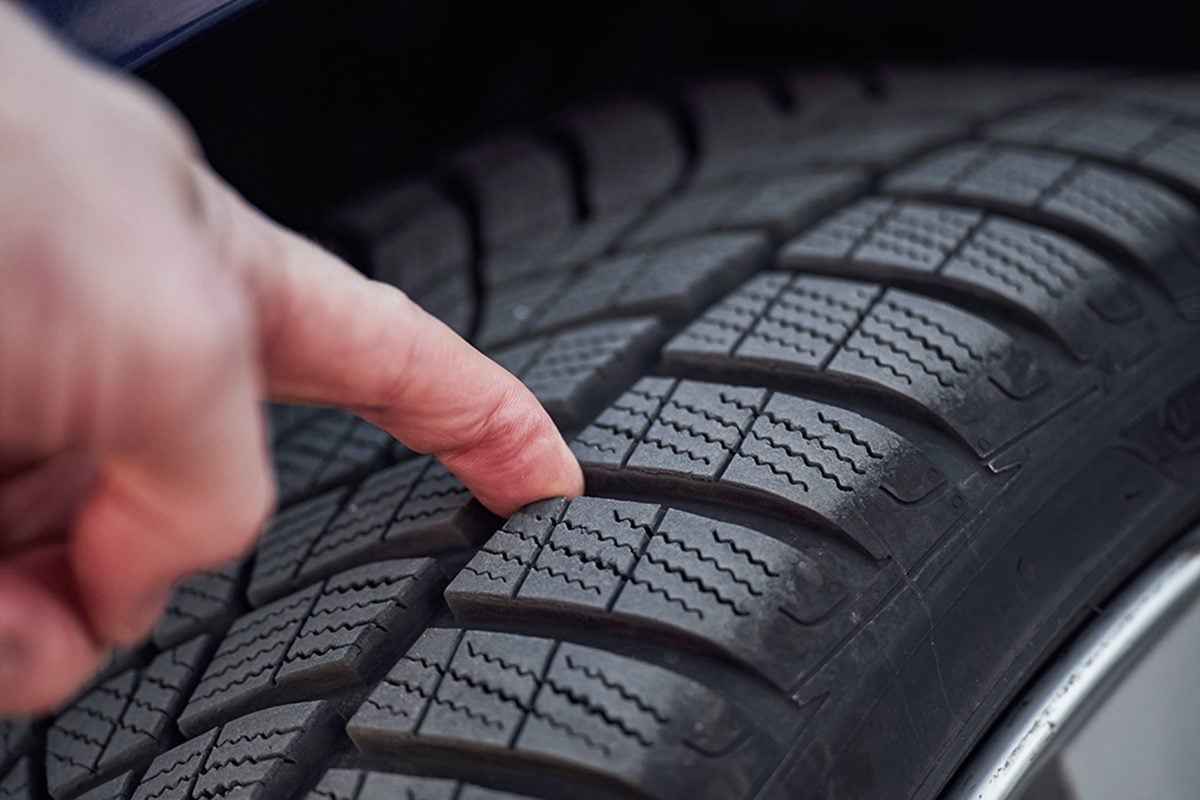
A set of tires can still show deep grooves and pass a casual walk-around check, yet quietly lose much of their road readiness. Rubber does not stay fresh forever. Heat cycles, sunlight exposure, storage habits, and simple aging all work on compounds inside the tire long before tread depth becomes a concern. Drivers often assume visible tread equals safety, but age-related wear tells a different story.
Rubber changes structure slowly. Flexibility fades. Micro-cracks appear in hidden areas. Grip levels drop in wet conditions even when tread depth appears healthy. These changes rarely dramatically announce themselves. Instead, they build gradually until braking distances stretch or handling feels less predictable during everyday driving.
Vehicle manufacturers and tire specialists often recommend replacement after a certain number of years, regardless of tread condition. That advice comes from long-term material behavior studies rather than surface appearance. A tire sitting in a garage for years can age just as much as one driven daily under harsh conditions.
Different driving environments accelerate aging in different ways. Hot climates increase oxidation. Cold climates introduce stiffness cycles. Urban driving introduces curb contact stress. Highway use adds sustained heat buildup. Each factor contributes to internal material fatigue.
This page presents twelve warning indicators that suggest tire age has reached a point where replacement becomes a safer choice, even when tread depth still appears serviceable. Each section uses a different vehicle example to keep the discussion grounded in real automotive contexts while highlighting how aging symptoms appear in everyday driving situations.
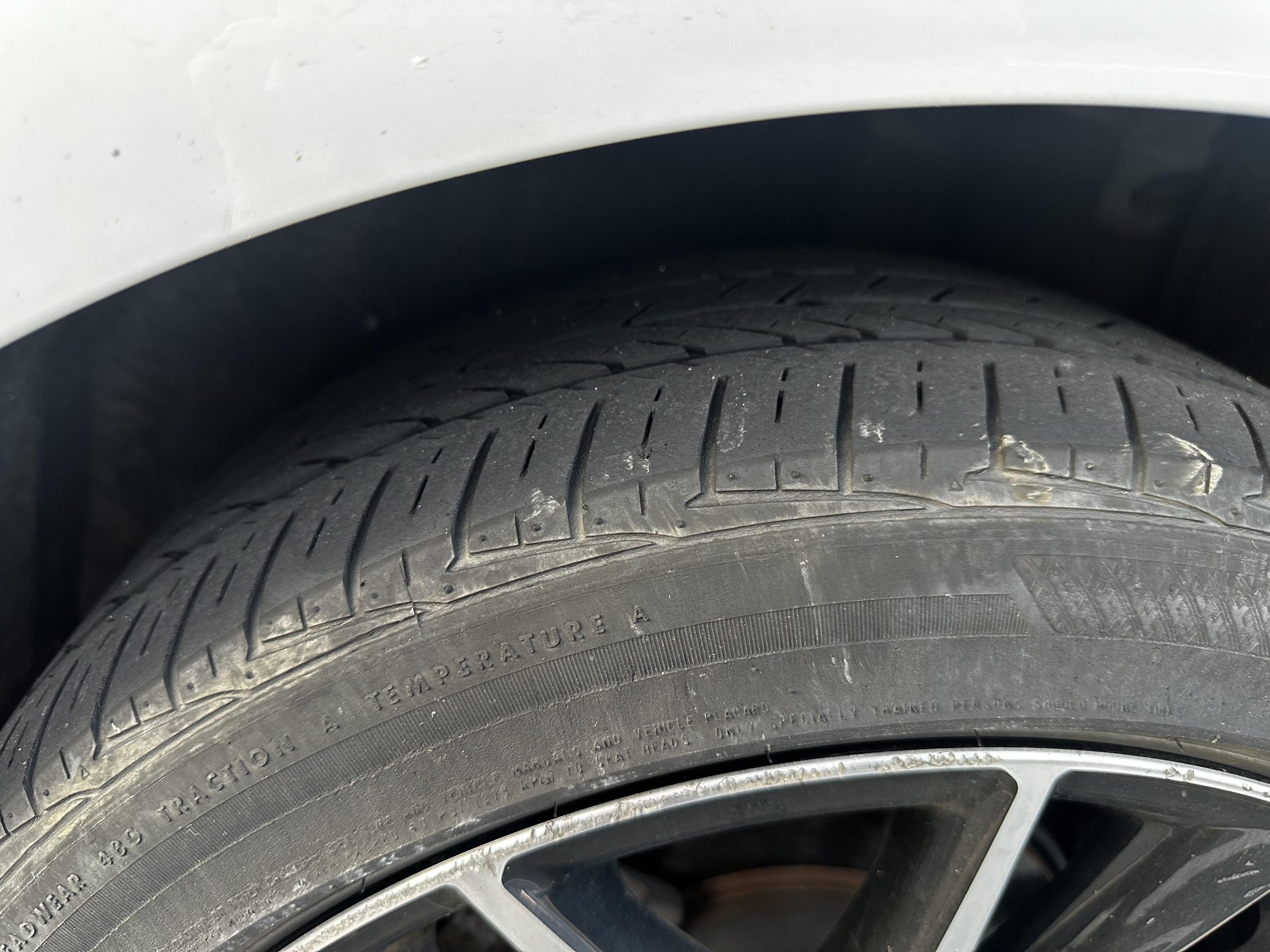
1. 2019 Toyota Camry XSE V6 Sidewall Cracking Appearing on Visual Inspection
Standing near a 2019 Toyota Camry XSE V6, careful observation may reveal fine lines forming along the tyre sidewall. These lines appear as thin surface fractures close to lettering areas or curved sections of the sidewall. Such markings indicate gradual rubber drying resulting from long exposure to environmental conditions rather than direct driving wear.
Tyre sidewalls undergo repeated flexing during vehicle motion. Heat from road contact, prolonged sunlight exposure, and oxygen interaction slowly reduce protective oils within the rubber compound. As these oils reduce, elasticity decreases, leading to visible surface cracking even when tread depth remains well preserved.
A driver may first observe these marks during routine washing or during pressure inspection. At initial stage, the lines appear faint and shallow. With continued use, they extend gradually along stress zones where movement is frequent. Each driving cycle adds minor expansion as the rubber continues to flex under load.
Sidewall structure supports load distribution and vehicle stability. While tread provides road contact, the sidewall maintains structural balance during motion. When cracks develop, material strength reduces, especially during turning actions or directional changes. A vehicle such as the Camry, even when used mainly for short urban travel, may still show this condition when exposed to outdoor parking for extended periods.
Exposure to sunlight during daytime parking and temperature variation between day and night contribute to gradual material hardening. These conditions affect rubber composition, leading to reduced resilience. The surface begins to lose smoothness, and elasticity reduces across affected sections.
Inspection under strong lighting conditions reveals depth and spread of cracking more clearly. Manual contact across the affected area may produce a rough sensation instead of smooth rubber texture. This change indicates surface deterioration within the compound.
When cracking appears across multiple sections of the same tyre, continued use becomes less suitable for safe operation. Structural support becomes less dependable under load, especially during turning or emergency steering response. Replacement at this stage restores proper structural support and maintains stable vehicle behaviour during daily use.
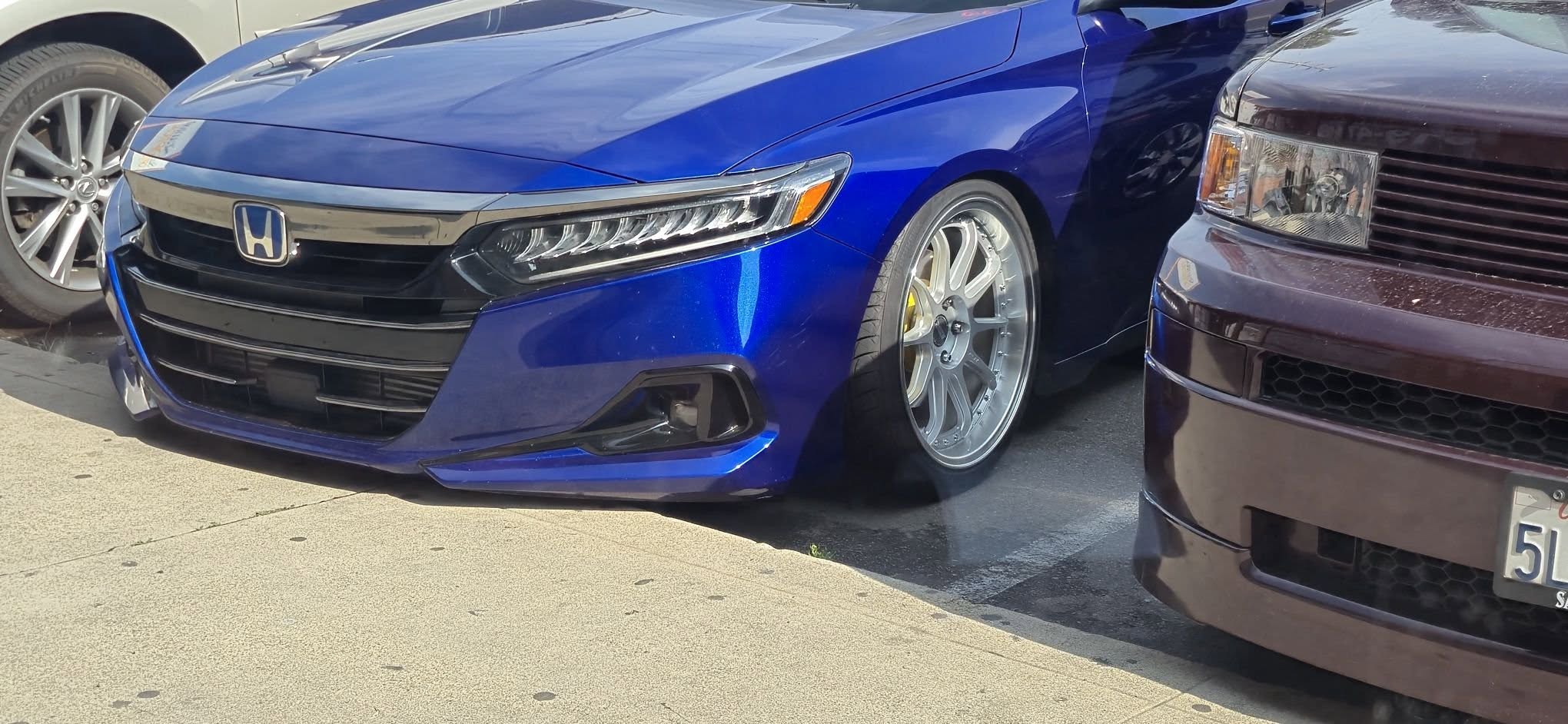
2. Honda Accord Sport 2.0T Dry Rot from Sun Exposure
A Honda Accord Sport 2.0T left in open-air parking conditions for long periods may develop visible dry rot across its tires even when tread depth appears serviceable. This condition presents itself through fine surface fractures spreading across tread blocks and sidewall sections, often accompanied by a faded or slightly chalky appearance that differs from healthy rubber texture.
Sunlight exposure plays a direct role in this deterioration pattern. Ultraviolet radiation gradually breaks down protective compounds embedded within tire rubber, reducing flexibility and weakening the surface structure.
As this process continues, internal moisture and oils diminish, leaving the rubber less resilient to daily stress. Small cracks begin forming at stress points, initially appearing superficial before gradually extending into more visible lines.
Unlike tread wear, which is directly tied to driving distance, dry rot develops regardless of mileage accumulation. A vehicle driven infrequently can still experience this condition if parked outdoors for extended periods. Heat buildup during sunny days accelerates chemical breakdown, particularly when tires remain stationary and continuously exposed to direct sunlight.
Touch inspection often reveals a change in surface texture. Instead of smooth elasticity, the rubber may feel rough and slightly rigid. Pressing the tire surface can expose a brittle response, where the material resists deformation rather than flexing naturally. This move-in feel signals reduced structural adaptability during road contact.
Dry rot also affects how tires respond during wet driving conditions. Water evacuation becomes less efficient when rubber loses flexibility, even when the tread grooves remain deep. The tire surface cannot conform as effectively to road irregularities, which may result in inconsistent grip during braking or cornering situations.
Many drivers overlook this condition due to the presence of visually healthy tread patterns. However, surface appearance does not reflect internal material breakdown. As dry rot spreads across multiple tires, structural reliability declines, making replacement necessary to restore consistent road performance and safe driving behavior.
Also Read: 12 Best Tires for Half Ton Trucks That Primarily Drive on Highways
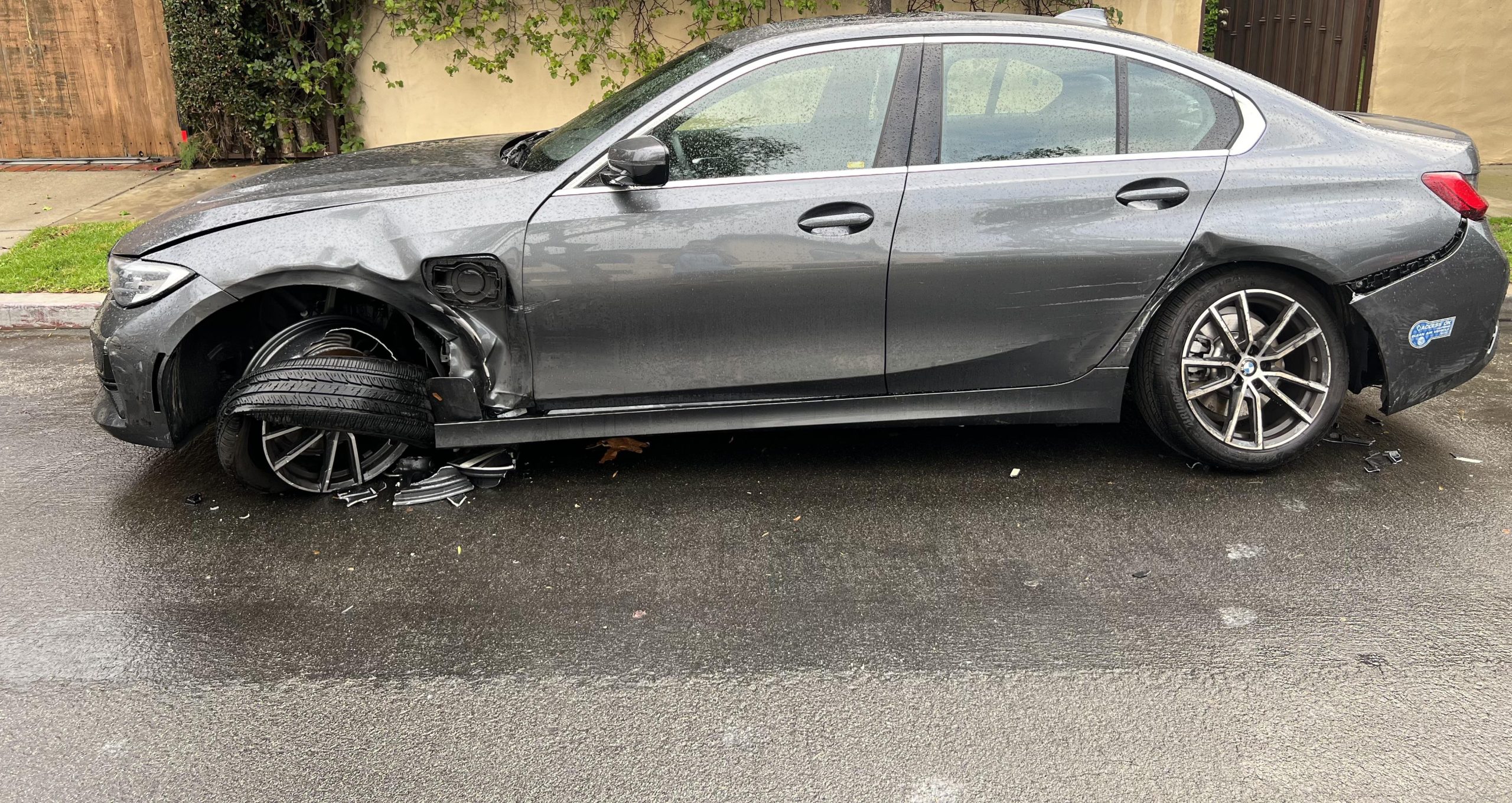
3. BMW 330i G20 Hard Rubber Losing Elastic Response
A BMW 330i G20 may present with tires that still appear visually well-preserved, yet driving behavior can reveal a different condition, where rubber hardness replaces the original elastic feel. This change often develops gradually as tires age, regardless of tread depth or mileage history.
Tire compounds rely on plasticizers and flexible bonding agents that maintain softness and adaptability. With prolonged exposure to heat cycles, oxygen, and environmental conditions, these compounds begin to break down. As chemical composition changes, the rubber loses its ability to remain pliable under load.
During regular driving, this change becomes apparent in subtle ways. Road imperfections feel sharper through the cabin, and steering feedback may feel slightly rigid compared to earlier driving experiences. Even when tire pressure remains properly adjusted, comfort levels may decline due to reduced surface compliance.
Hardening also affects braking response. Instead of molding to the road texture during sudden stops, the tire maintains a firmer contact shape. This reduces friction efficiency, particularly in wet conditions where flexibility plays an important role in maintaining grip.
Visual inspection often shows little indication of wear-related issues. Tread depth may still fall within acceptable limits, and wear patterns can appear evenly distributed. However, tactile assessment tells a different story. Pressing into the rubber surface reveals limited give, indicating loss of softness and elasticity.
Because these changes occur gradually, many drivers attribute the altered ride quality to suspension behavior or road surface variation. Without direct comparison to newer tires, detection becomes more challenging. When rubber stiffness becomes consistent across all four tires, driving stability and responsiveness begin to decline.
Replacing aged tires restores predictable handling characteristics and improves road feedback, bringing performance back to expected standards for the vehicle.
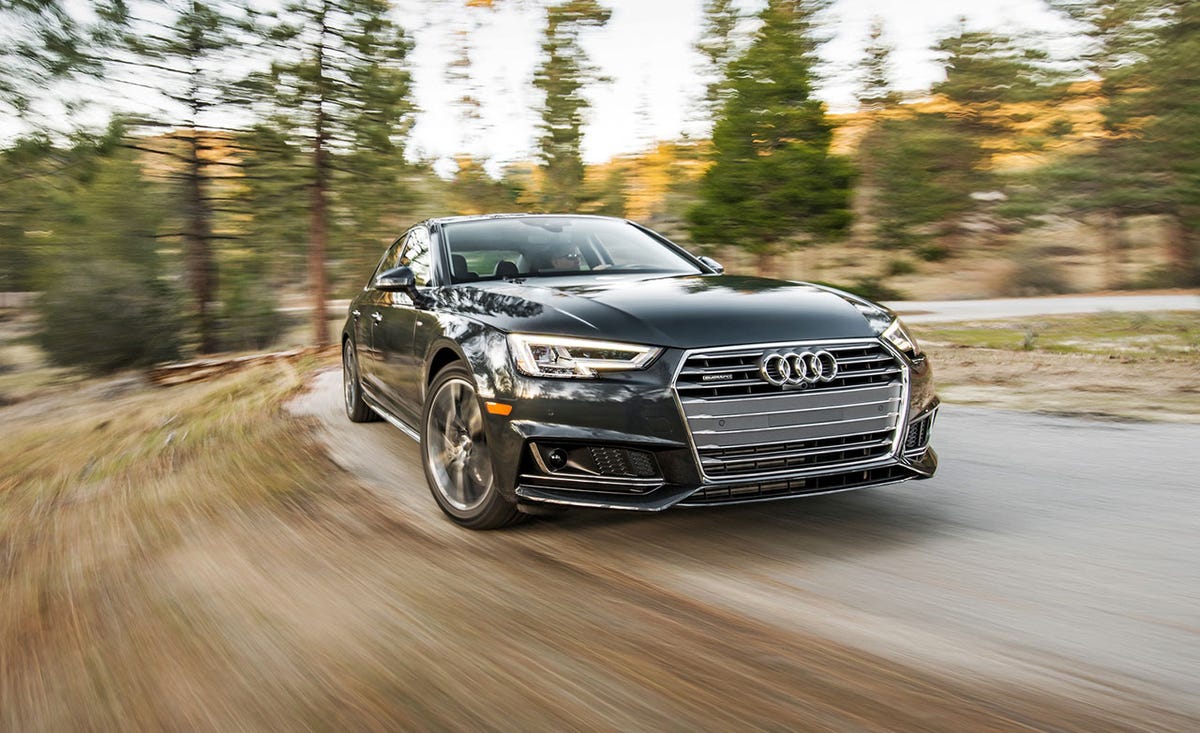
4. 2017 Audi A4 Premium Plus Vibration Increasing at Highway Speeds
A 2017 Audi A4 Premium Plus may develop a mild but persistent vibration through the steering wheel when traveling at highway speeds, even when wheel balancing procedures have been performed correctly. This condition frequently points toward tire aging rather than suspension or alignment issues.
As tires age, internal structural layers such as steel belts and bonding materials begin to lose uniform stability. Small variations in stiffness or partial internal separation can develop within the tire body. These irregularities may not be visible externally but can affect rotational consistency at higher speeds.
At lower city speeds, these internal changes may remain undetected. Once highway speeds are reached, rotational forces amplify minor inconsistencies, making vibration more noticeable through the steering system and cabin structure. Drivers often suspect wheel imbalance first due to the similarity of symptoms.
However, repeated balancing without resolution typically indicates that the root cause lies within the tire itself. The vibration originates from internal inconsistencies rather than external weight distribution issues.
Visual inspection may not reveal tread damage or obvious wear defects, which makes diagnosis more difficult without professional evaluation. Careful rotation testing or inspection under load may be required to identify irregular tire behavior.
Extended high-speed driving increases heat within the tire structure, which can further amplify vibration. Older tires are less capable of maintaining a consistent shape under sustained stress, leading to oscillation during continuous highway travel. When vibration persists despite corrective mechanical adjustments, replacing aged tires becomes the most reliable method for restoring stable and smooth highway performance.
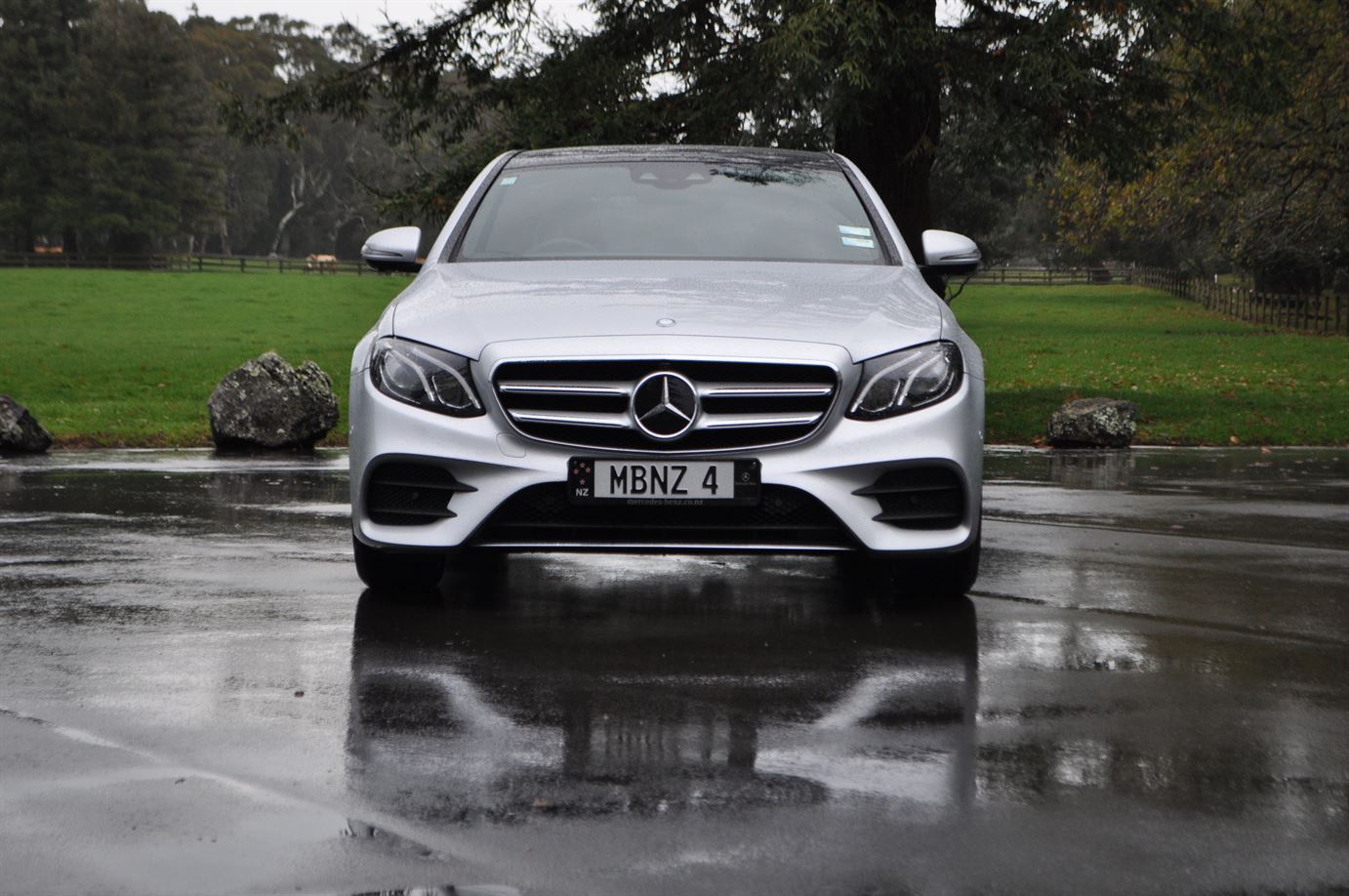
8. 2016 Mercedes-Benz E350 Luxury Reduced Wet Road Confidence
A 2016 Mercedes-Benz E350 Luxury may present tread depth that appears acceptable under routine inspection, yet irregular wear patterns can emerge across tread blocks, even when total depth remains within usable range. These patterns often present as alternating raised and worn sections that affect how the tyre meets the road surface during motion.
Rubber ageing does not occur uniformly. Heat exposure, load variation, and parking conditions contribute to uneven stiffening across different parts of the tread. Some areas retain flexibility longer, while others become rigid earlier. This imbalance leads to inconsistent road contact and uneven load transfer during driving.
During steady driving, occupants may notice slight variations in road noise. A repeating hum may develop as tread sections interact unevenly with asphalt. Steering feedback during gentle lane adjustment may also feel less steady than expected, requiring small corrections to maintain a straight path.
Visual examination often shows patchy wear zones. Certain parts of the tread may appear smoother, while others maintain sharper edges. This uneven appearance indicates material change rather than simple mileage usage. In some cases, wear patterns may form diagonal lines or cupping shapes that reflect uneven road contact over extended periods of use.
Braking stability becomes affected when contact patches vary. Each section of the tyre contributes differently to grip, resulting in uneven braking force distribution across the tyre footprint. Even with correct wheel alignment and properly functioning suspension components, the tyre surface cannot maintain uniform interaction with the road.
On wet surfaces, these irregularities become more noticeable. Sections with reduced flexibility may struggle to clear water efficiently, while more flexible areas perform better, producing inconsistent grip during braking or cornering. This inconsistency affects vehicle steadiness, especially during emergency stops or lane changes.
Ride comfort may also be reduced, as uneven tread contact generates mild vibration at certain speeds. These vibrations may be subtle at first but become more noticeable as wear patterns deepen. Occupants may perceive this as a persistent low-frequency disturbance through the steering wheel or seat.
When irregular tread patterns become audible, visible, and perceptible through steering feedback, replacement restores balanced road contact and improves steadiness during driving. Fresh tyres provide more uniform surface engagement, allowing braking force and steering input to operate more predictably across all driving conditions.
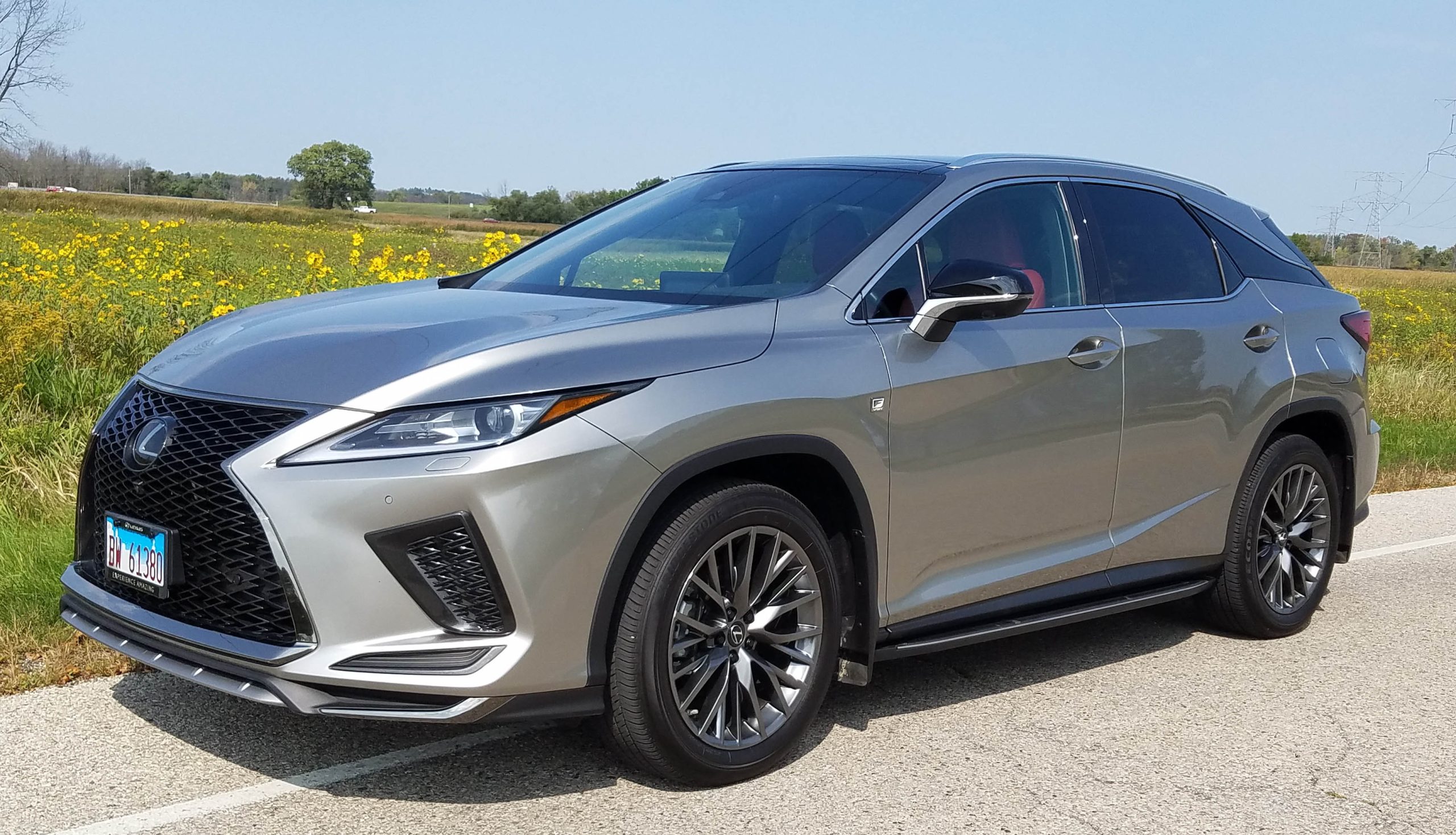
9. 2020 Lexus RX 350 AWD Increased Braking Distance Due to Hardening
A 2020 Lexus RX 350 AWD may still display adequate tread depth during inspection, yet rubber hardening can gradually extend stopping distance during braking actions. This change becomes more noticeable during sudden stops and downhill travel, where friction demand increases and tyre response is tested more intensely.
As rubber loses elasticity, its ability to deform under pressure reduces. Proper deformation is necessary for maximum friction between the tyre surface and the road. Without sufficient flexibility, braking force transfer becomes less efficient, reducing the tyre’s ability to maintain optimal contact with the surface during deceleration.
Drivers may initially observe a slight delay in stopping response during moderate speed braking. Brake pedal feel remains unchanged, which may lead to attention being placed on brake system components rather than tyre condition. This misinterpretation may delay recognition of tyre-related performance reduction.
Dry road testing can still appear acceptable during light braking conditions, which may conceal an early reduction in braking efficiency. However, repeated braking cycles and higher speed stops reveal longer stopping distances compared with tyres in earlier service life stages. The difference becomes more noticeable during emergency braking situations.
Inspection typically shows tread remaining intact without visible cracking or external damage. However, manual pressure on the tyre surface reveals reduced softness, confirming material stiffening. This change in texture reflects internal ageing processes that are not always visible through surface examination alone.
Wet road performance may decline further due to reduced ability to channel water effectively under load. During braking on wet surfaces, reduced deformation limits water displacement beneath the tread, increasing stopping distance and reducing traction consistency across all four tyres.
When braking response feels less consistent across all tyres, replacement restores expected stopping performance and supports stable vehicle control during varied driving conditions. New tyres reintroduce proper elasticity, allowing more effective road contact, improved friction generation, and more predictable braking behaviour across both dry and wet surfaces.

10. 2019 Ford Explorer XLT Increased Highway Noise at Speed
A 2019 Ford Explorer XLT may develop rising road noise during highway travel as tyres age. This condition often begins in a subtle form and becomes more evident with continued use during long-distance driving sessions. Aging tyres lose consistent tread flexibility, leading to uneven interaction between the rubber surface and the road texture.
This irregular contact produces additional vibration patterns that transfer through suspension components into the cabin area, where occupants perceive sound changes during motion. Occupants may first notice a low humming sound that was absent during earlier tyre service life. As usage continues, the sound becomes steadier across different road surfaces, including smooth asphalt sections and rougher highway stretches.
Inspection often shows no visible tread damage. Tread depth may still appear within an acceptable range, yet surface feel becomes less uniform when examined by hand. Rubber stiffness becomes more apparent compared with newer tyres of the same specification, indicating material ageing.
Alongside noise, mild vibration may appear during steady cruising. These vibrations are linked to changes in tread block response rather than engine or transmission performance. The tyre surface begins to transmit more road texture into the cabin due to reduced damping capability.
Highway driving places a continuous load on tyres, increasing the effect of material changes that occur with age. Heat generated during sustained speed further alters rubber behaviour, making sound transmission more noticeable during prolonged travel periods.
Steering wheel feedback may remain largely stable, though slight variations can be felt during lane adjustment. These variations align with uneven tread interaction with the road surface, especially at higher speeds, where rotation frequency increases contact variation.
Once cabin noise increases while mechanical systems remain in proper working order, tyre condition becomes a central factor for assessment. Replacement restores smoother road contact, reduces vibration transfer into the cabin, and improves quietness during highway driving conditions.
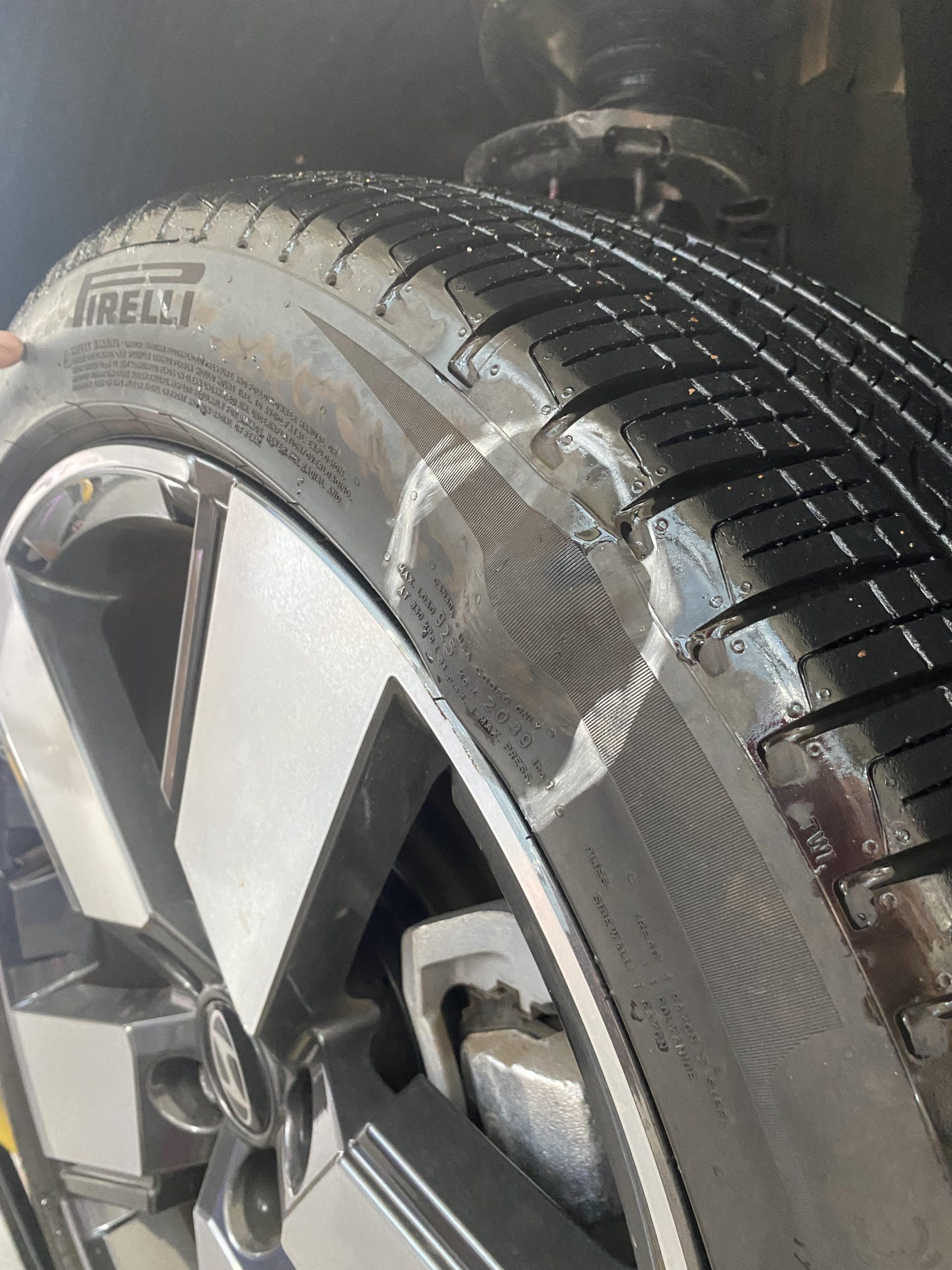
11. Hyundai Sonata Limited Sidewall Bulging from Internal Weakening
A Hyundai Sonata Limited may develop bulging along the tyre sidewall even when the tread depth remains visually acceptable. These bulges indicate internal weakening caused by prolonged material fatigue within the tyre structure. Tyre construction consists of layered materials designed to maintain shape under pressure.
With extended use, heat cycles, and continuous loading, the bonding between these layers is affected. Weak points begin to form internally, allowing air pressure to push outward in localized areas.
Bulges may appear after extended parking periods or exposure to high ambient temperatures. Initial appearance may be small, yet continued driving allows the affected area to become more pronounced.
Visual inspection reveals raised sections along the sidewall that differ from the normal curved profile. These areas may appear uneven when compared with unaffected sections of the tyre. When pressed gently, bulged areas feel softer and less resistant than the surrounding rubber.
Driving with sidewall bulges introduces instability during vehicle operation. The affected section does not maintain consistent structural support under load, which can affect straight-line stability and cornering response. Vehicle behaviour may feel less predictable during directional changes.
Highway travel and rough road surfaces place additional stress on weakened areas, increasing the risk of further structural deterioration. Temperature rise during driving may also accelerate internal separation within the tyre body. Wheel alignment or suspension condition does not correct this condition, as the issue originates from the internal tyre structure rather than external mechanical settings.
The condition remains present regardless of driving speed or road type. Once bulging is identified, continued usage increases risk levels during operation. Replacement restores structural reliability, ensures proper load distribution, and supports stable vehicle behaviour during daily driving conditions.
Also Read: 10 Indicators Your Tires Are Too Old Even if the Tread Is Deep
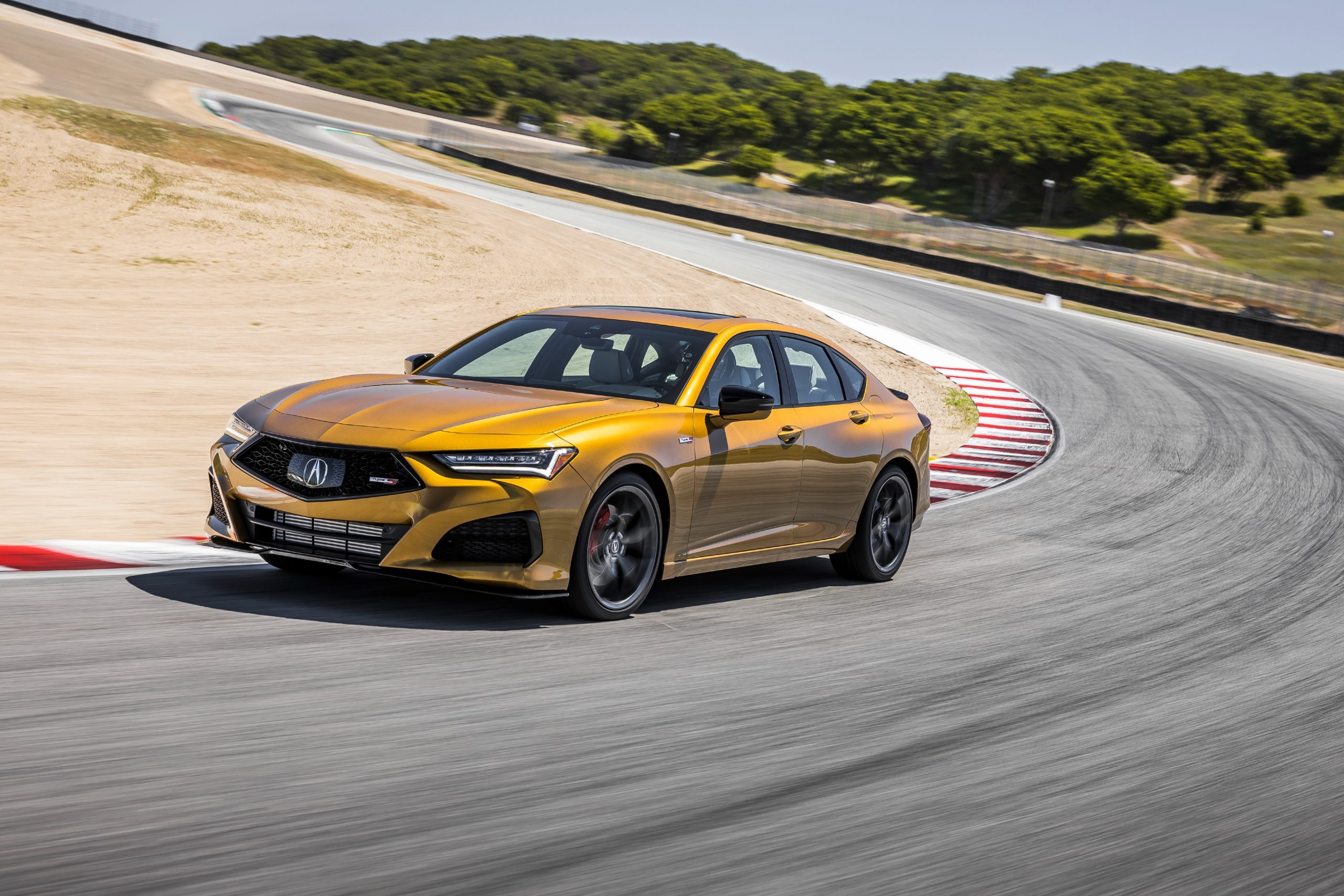
12. Acura TLX V6 Loss of Grip During Normal Cornering
An Acura TLX V6 may maintain visible tread depth yet exhibit reduced grip in routine cornering. This condition often develops gradually as the tyre compound ages and loses the flexibility required for lateral movement.
Rubber material must deform properly during cornering to maintain continuous contact with the road surface. With age, this ability reduces, leading to weaker grip performance even under normal driving conditions on dry roads.
Drivers may notice slight slipping or reduced firmness when entering bends at moderate speeds. Steering input may feel less precise, requiring additional correction to maintain the intended path through the corner. Inspection of the tyre surface may reveal no clear structural damage.
However, touch examination often shows hardened rubber with reduced responsiveness. The surface may feel less elastic compared with newer tyres of similar specification. During repeated cornering, the reduction in grip becomes more apparent.
Vehicle response may feel delayed when steering input is applied, especially during quick directional changes or tighter turns. Road conditions that were previously handled with ease may begin to feel less secure. This change is linked to the reduced ability of the tyre to maintain consistent friction during lateral load transfer.
Wet conditions may increase this effect, as reduced flexibility limits the tyre’s ability to maintain grip when water is present on the road surface. Even moderate rainfall can expose reduced traction behaviour during turning.
When cornering performance becomes less predictable across different driving conditions, tyre replacement restores proper grip levels, improves steering response, and supports stable directional control during everyday driving situations.
