

Long highway drives are supposed to feel calm and predictable. Engine speed settles into a steady rhythm, road noise fades into the background, and steering input becomes light and relaxed.
When a steering wheel begins to shake at sustained speeds, that sense of comfort disappears almost instantly. Even a mild vibration can raise concern, while stronger shaking may cause genuine anxiety about safety and vehicle condition.
High-speed steering shake rarely appears without reason. Vehicles rely on dozens of rotating and load-bearing components working in harmony. When one part falls out of alignment, balance, or structural integrity, vibrations often travel directly through the steering column.
Because highways maintain consistent speeds, certain mechanical problems only reveal themselves once rotation reaches a specific frequency. Around-town driving may feel perfectly normal, making highway behavior confusing and frustrating. Understanding what causes steering wheel shake helps drivers make informed decisions before small issues grow into expensive repairs.
Some problems develop slowly through normal wear, while others appear after recent service, tire replacement, or suspension work. Environmental factors also play a role, especially when heat, speed, and load combine during extended travel.
This guide breaks down ten common reasons steering wheels shake at highway speeds, explaining how each issue develops, how it feels from behind the wheel, and why prompt attention matters.
Examples using familiar vehicles help illustrate how these problems appear in real driving situations. Addressing vibration early protects ride comfort, tire life, suspension health, and driver confidence.
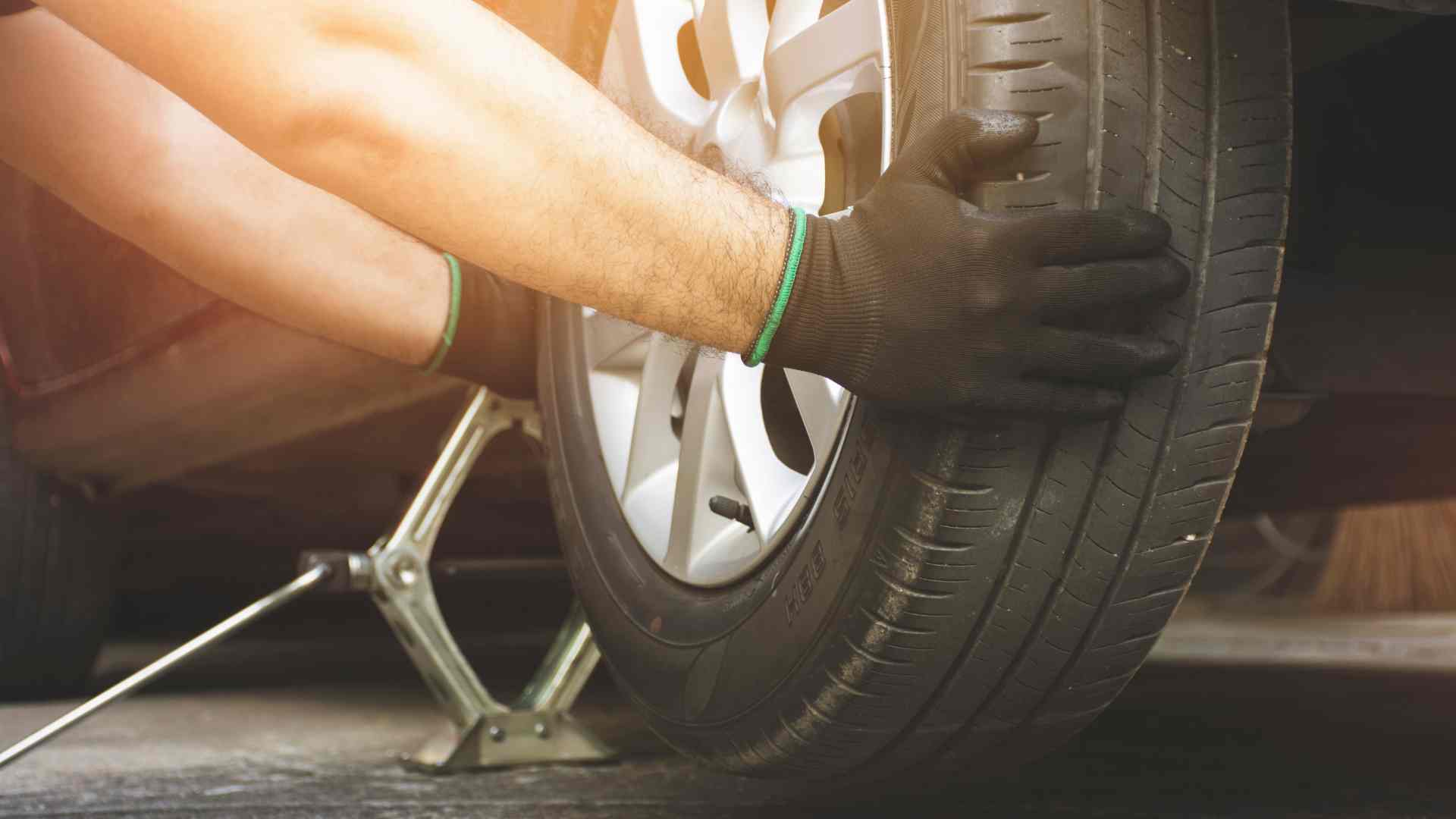
1. Tire Imbalance at Sustained Speed
Uneven tire balance remains one of the most common causes of steering wheel shake during highway driving. Even a small imbalance becomes noticeable once wheel rotation reaches higher speeds. Centrifugal force exaggerates tiny weight differences, causing the tire to bounce or wobble instead of spinning smoothly. Steering systems transmit this movement directly to the driver’s hands.
A practical example appears with vehicles such as the Honda Accord Sport 2.0T. Owners often report smooth city driving followed by vibration once speeds climb above sixty miles per hour. Tire imbalance frequently emerges after tire replacement, wheel repair, or seasonal tire swaps when proper balancing steps are rushed or skipped.
Symptoms often feel rhythmic rather than random. The steering wheel may shake gently at first, then intensify as speed increases. Reducing speed often reduces the vibration, creating a misleading sense that the issue has disappeared. Road surface rarely affects this type of shake, which helps separate imbalance from suspension-related causes.
Wheel balancing machines correct weight distribution by adding small counterweights. However, balance can drift again if a weight falls off or tire wear becomes uneven. Performance tires with stiffer sidewalls tend to reveal imbalance sooner than softer touring tires.
Ignoring tire imbalance accelerates wear across suspension components. Bearings, bushings, and steering joints absorb unnecessary stress, shortening their lifespan. Fuel efficiency may also suffer due to increased rolling resistance. A proper balance restores smooth rotation and reduces strain throughout the chassis.
Regular tire rotation and balance checks help prevent this issue. Any vibration that appears immediately after tire service should prompt a return visit for rebalancing. Addressing imbalance early protects comfort and preserves mechanical health during long highway trips.
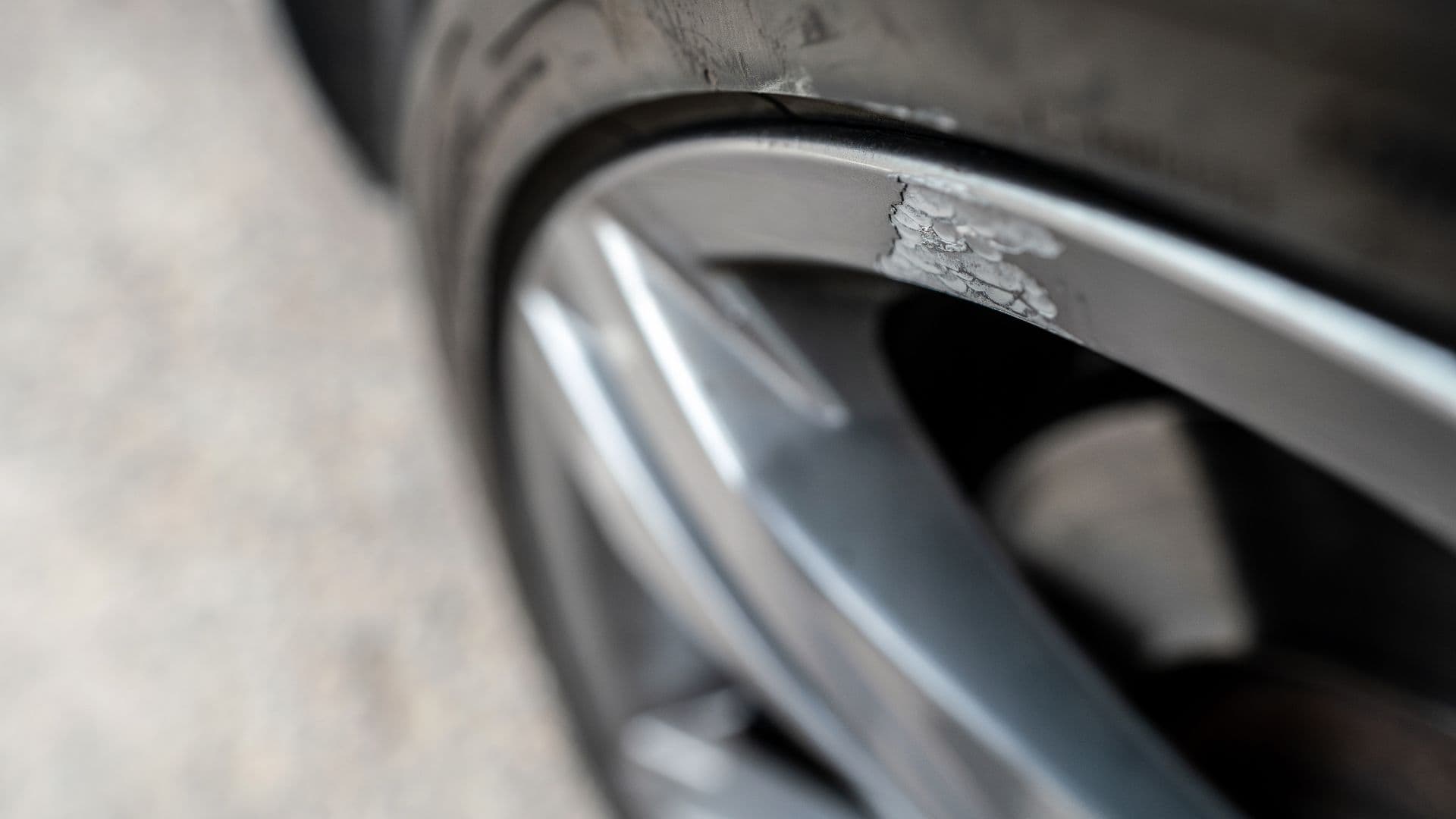
2. Bent Wheels or Slight Rim Deformation
Wheel damage does not always announce itself with obvious visual cues. Minor bends along the inner barrel of a wheel can remain hidden while creating noticeable vibration at speed. Highway driving exposes this issue because sustained rotation amplifies irregular movement.
Vehicles such as the BMW 330i Sedan often experience this after pothole impacts or road debris encounters. Low-profile tires provide limited cushioning, allowing force to transfer directly into the wheel structure. A wheel may appear round at a glance, yet still wobble under rotation.
Steering shake caused by bent wheels usually begins within a narrow speed range. Below that range, rotation stays controlled enough to mask the problem. Above it, vibration intensifies quickly. Drivers may also feel pulsing through the seat or floor rather than only through the steering wheel.
Wheel deformation disrupts tire contact with the road surface. Each rotation introduces a slight lift and drop, creating oscillation. Balancing cannot fix this condition because the wheel itself no longer spins evenly. Continued driving may worsen the bend and damage suspension parts.
Professional wheel straightening can restore shape in some cases. Severe damage requires replacement. Inspection using a wheel balancer or runout gauge reveals deformation invisible to the naked eye. Avoiding deep potholes and maintaining proper tire pressure reduces risk. Any steering vibration following a road impact deserves prompt inspection. Restoring wheel integrity eliminates shake and protects tires from irregular wear patterns that shorten service life.
Also Read: 8 Ways to Verify a Used Car Maintenance History for Free
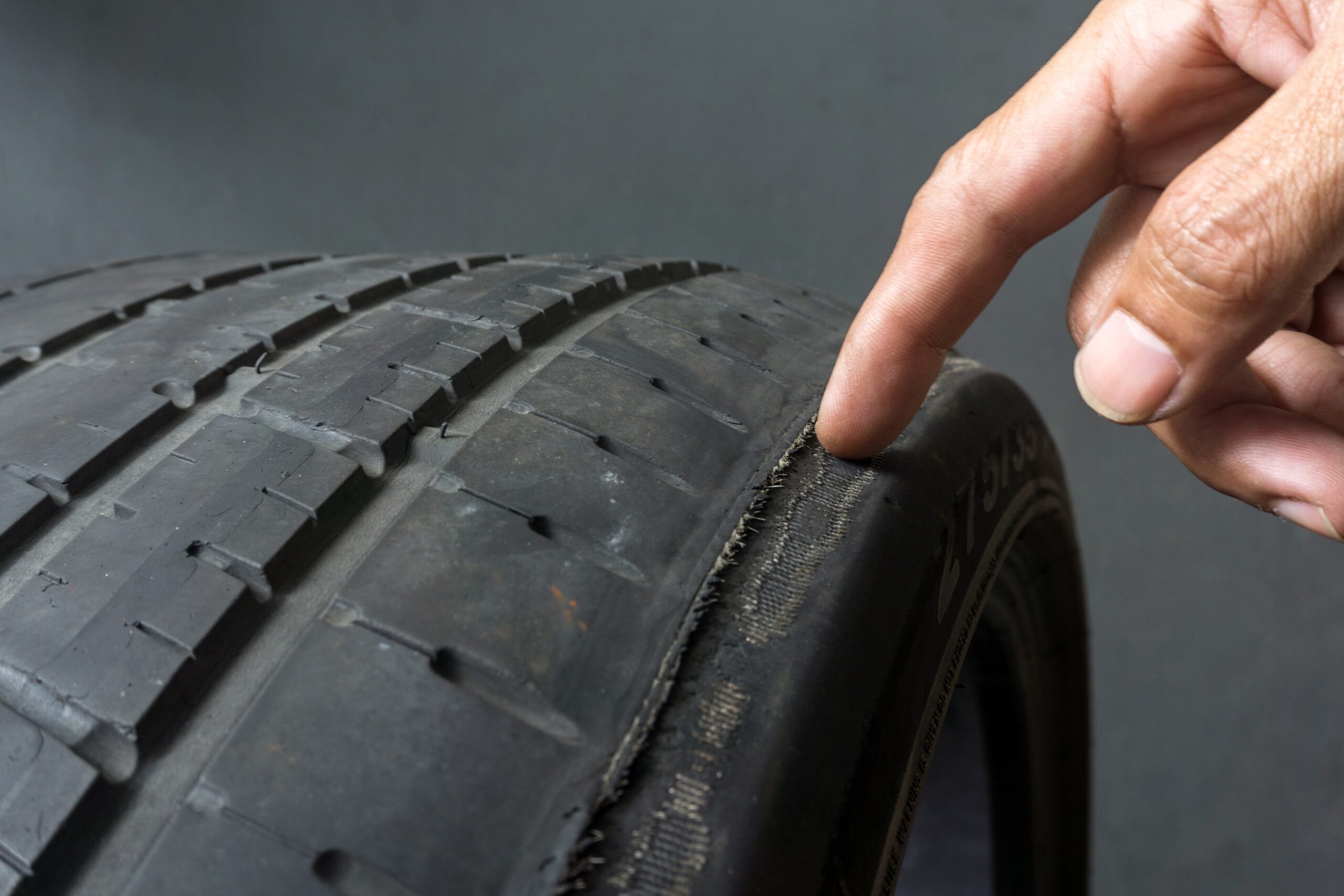
3. Uneven Tire Wear Patterns
Uneven tyre wear patterns develop gradually when a vehicle is not maintained under proper mechanical conditions. Tyres are designed to maintain uniform contact with the road surface, but this balance is easily disrupted by factors such as incorrect wheel alignment, improper inflation levels, and worn suspension components. When these issues persist as time goes on, the tread begins to wear in irregular sections rather than evenly across the entire surface.
In passenger vehicles such as the Toyota Camry XSE V6, this condition may not be obvious at the early stage, especially when the vehicle still feels smooth during short-distance driving. As mileage increases, the effects become more noticeable during highway travel. Drivers may begin to observe slight steering movement or vibration even when the road surface is smooth.
The tyre may develop patterns such as cupping, feathering, or scalloping, where certain sections of the tread become higher or lower than others. These irregular surfaces cause repeated interruption between the tyre and the road during each rotation. At higher speeds, this interruption produces a steady vibration that travels through the steering system and is felt inside the cabin.
A common symptom is a humming or droning sound that increases with speed. This sound is often accompanied by a mild shaking sensation that remains present regardless of minor changes in the road surface. Even when the wheels are properly balanced, uneven tread contact continues to generate vibration because the issue is not related to weight distribution but to surface irregularity.
Visual inspection usually reveals uneven tread depth across different sections of the tyre, confirming that wear has progressed beyond normal limits. Routine wheel rotation can slow down the rate of deterioration by distributing wear more evenly across all tyres. However, when the condition becomes severe, replacement becomes necessary to restore driving stability.
Continued use of uneven tyres places additional strain on shock absorbers, struts, and steering linkages, leading to faster wear of these components. As time goes on, this also affects steering precision as joints and bushings are forced to compensate for inconsistent wheel contact.
Proper maintenance practices such as regular alignment checks, correct inflation monitoring, and scheduled tyre rotation remain essential in preventing irregular wear development. Early inspection when vibration first appears helps prevent misdiagnosis of other mechanical issues.
Once corrected through alignment adjustment and tyre replacement, highway movement becomes smoother, steering steadiness improves, and mechanical stress across the suspension system is reduced.
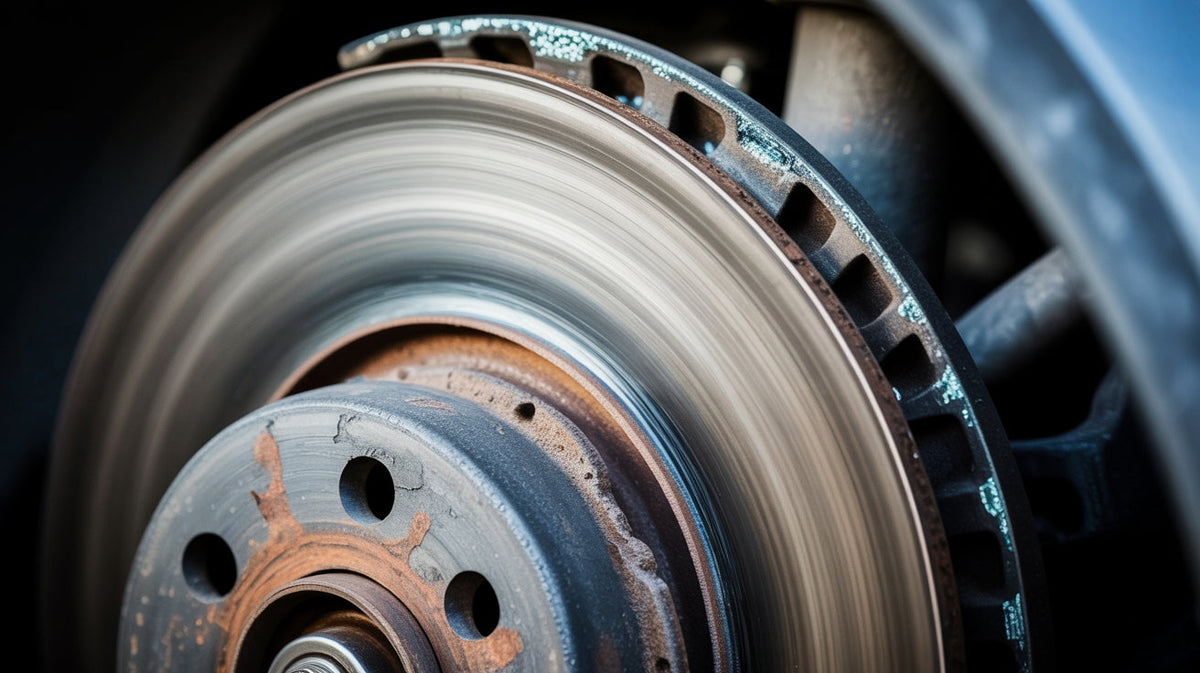
4. Brake Rotor Runout or Warping
Brake rotor runout or warping is another mechanical condition that can influence steering feel even when the brake pedal is not actively engaged. Brake rotors are designed to maintain a perfectly flat surface for consistent contact with brake pads. However, repeated heat cycles, improper installation, or uneven tightening of wheel nuts can introduce slight deformation in the rotor surface.
This condition is commonly observed in performance-oriented vehicles such as the Ford Mustang GT, where braking systems are frequently exposed to high thermal stress. At the early stage, rotor runout may not present as a strong braking issue but rather as a subtle vibration during steady highway cruising. Unlike the sharp pulsation felt during braking, this vibration is more continuous and less rhythmic.
It may feel like a faint shaking through the steering wheel, especially at higher speeds. As the wheel rotates, the uneven rotor surface pushes the brake pads slightly outward in a repeated cycle, transferring small but consistent pressure through the hub and into the steering assembly.
Heat expansion during long-distance driving or after aggressive braking can worsen the irregularity. When rotors do not cool evenly, certain areas may expand or contract differently, creating a distorted surface. This unevenness affects brake pad contact and can introduce instability in wheel rotation. Drivers may also notice that steering feels slightly rough or inconsistent, even when no braking input is applied.
Proper correction of this issue involves resurfacing or replacing the affected rotors. Equally important is ensuring correct wheel nut torque during installation, as uneven clamping pressure can contribute to rotor distortion. Allowing sufficient cooling time after heavy braking also helps preserve rotor integrity and prevents further deformation.
Ignoring the condition may lead to uneven wear on brake pads, calipers, and wheel bearings due to continuous irregular pressure distribution. Routine inspection of the braking system is important, especially after prolonged high-speed travel or repeated heavy braking sessions.
Once corrected, steering steadiness improves noticeably, and braking response becomes more consistent. Proper maintenance of rotor condition, heat management practices, and accurate installation procedures all contribute to stable vehicle control and improved driving comfort during highway movement.
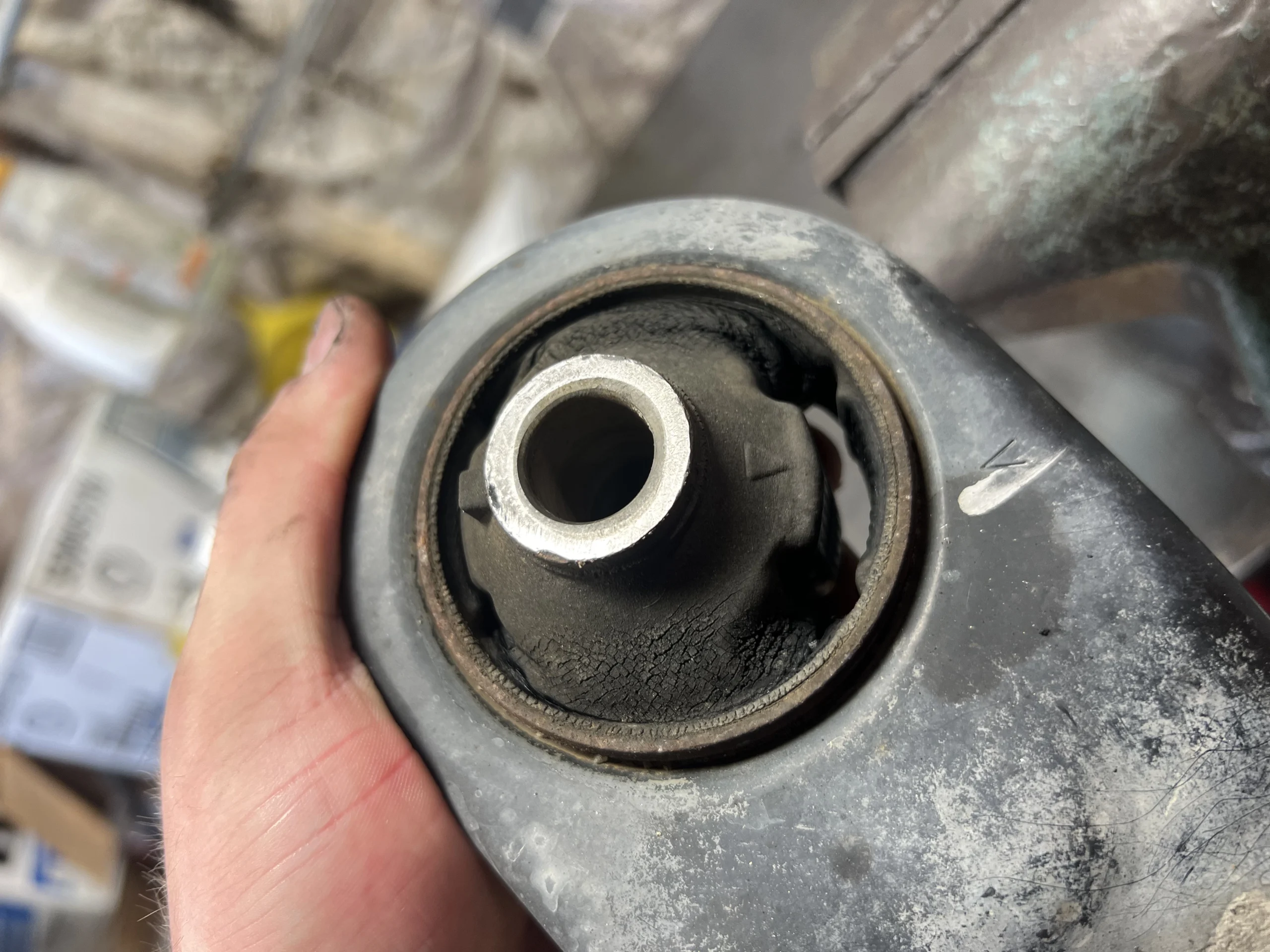
5. Worn Suspension Bushings
Suspension bushings play an important role in maintaining stability within a vehicle’s suspension system by absorbing movement and reducing vibration between connected components.
These bushings are usually made of rubber or hydraulic material designed to flex under pressure while keeping wheel alignment stable. After a long time, continuous stress, road impact, and age can cause them to crack, harden, or compress unevenly.
In vehicles such as the Audi A4 Quattro, worn bushings often become more noticeable as mileage increases. The condition may begin subtly, with slight looseness in steering feel during highway driving.
As the bushings continue to degrade, the wheels gain small amounts of unwanted movement under load. This results in a vague steering response, where the driver may feel less precision or a mild trembling sensation through the steering wheel.
Unlike tyre or rotor-related vibration, bushing wear produces a less structured form of instability. The movement is often irregular and may become more noticeable when driving over gentle curves, road grooves, or uneven surfaces. In some cases, visual inspection reveals cracked rubber material or fluid leakage in hydraulic bushings, confirming deterioration.
Replacing worn bushings restores proper suspension geometry and eliminates unwanted movement within the control arms and mounting points.
Once repaired, steering response becomes more stable, and tyre contact with the road improves. Ignoring worn bushings can accelerate tyre wear and place additional stress on joints, leading to more extensive suspension damage as time goes on.
Regular inspection of suspension components is important, especially after long-distance travel or extended use on rough roads. Proper alignment checks and timely replacement of degraded parts help maintain consistent wheel positioning.
When bushings are in good condition, the suspension system is able to absorb road impact effectively, ensuring steady steering behaviour and improved driving comfort at higher speeds.
Maintaining suspension health through routine servicing, correct installation practices, and quality replacement parts supports long-term stability. Once worn bushings are replaced, and alignment is corrected, the vehicle regains predictable movement, improved road feedback, and reduced vibration during highway travel.
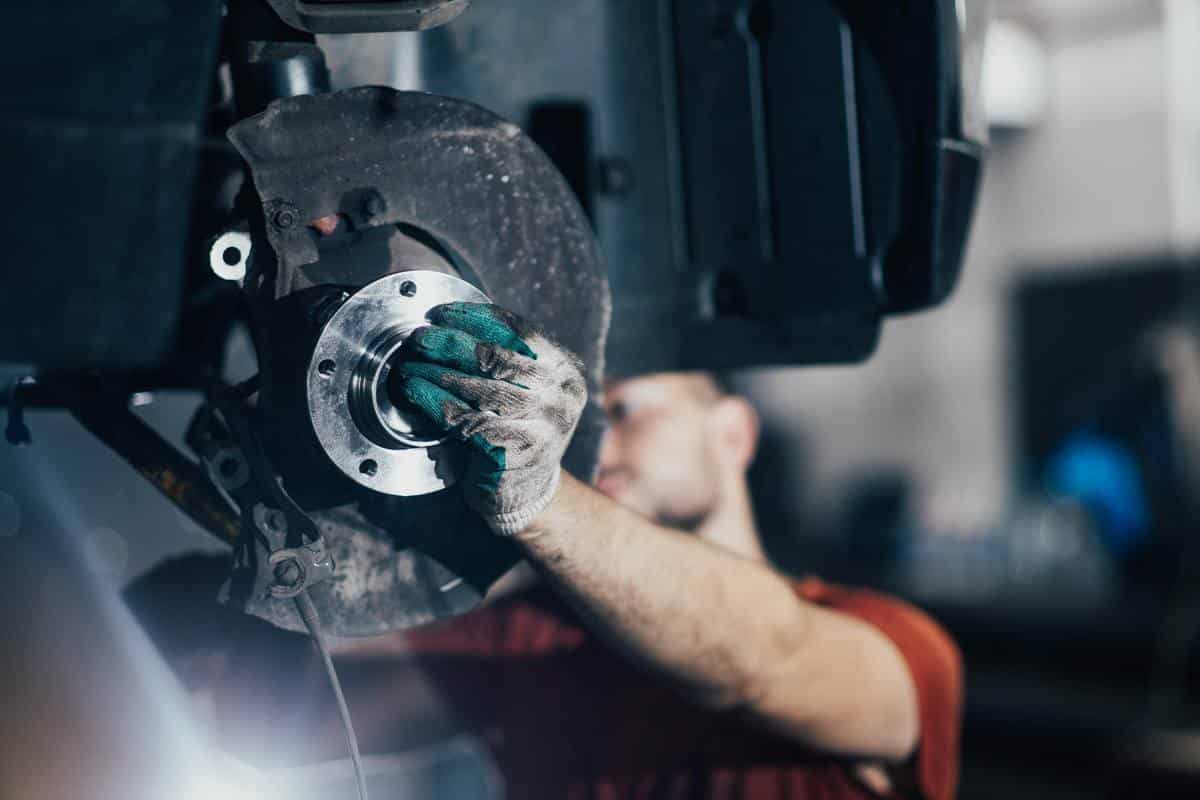
6. Failing Wheel Bearings Creating Rotational Vibration
Wheel bearings support vehicle weight while allowing wheels to rotate freely. Once wear begins, smooth rotation disappears, and vibration replaces it, especially during extended highway driving where heat and speed combine. This problem often develops quietly before becoming obvious.
A clear illustration appears with the Chevrolet Malibu LT. Drivers may notice a faint vibration paired with a low humming sound that rises with speed. Steering wheel shake linked to wheel bearings often feels constant rather than rhythmic. Unlike tire imbalance, slowing down may reduce noise but not eliminate vibration.
Bearing wear creates microscopic looseness inside the hub assembly. At highway speed, that looseness allows the wheel to oscillate slightly instead of tracking straight. Steering systems transmit this motion directly through the column, making the vibration easy to feel in the driver’s hands.
As heat builds during long drives, internal bearing clearances expand. That expansion increases movement, making vibration stronger after extended highway travel. Turning slightly left or right may change the sound or feel, which helps identify the affected side.
Ignoring worn bearings causes accelerated tire wear and stresses axle components. Severe cases risk wheel lock or separation, making early attention critical. Replacement restores smooth rotation and eliminates vibration tied to hub instability.
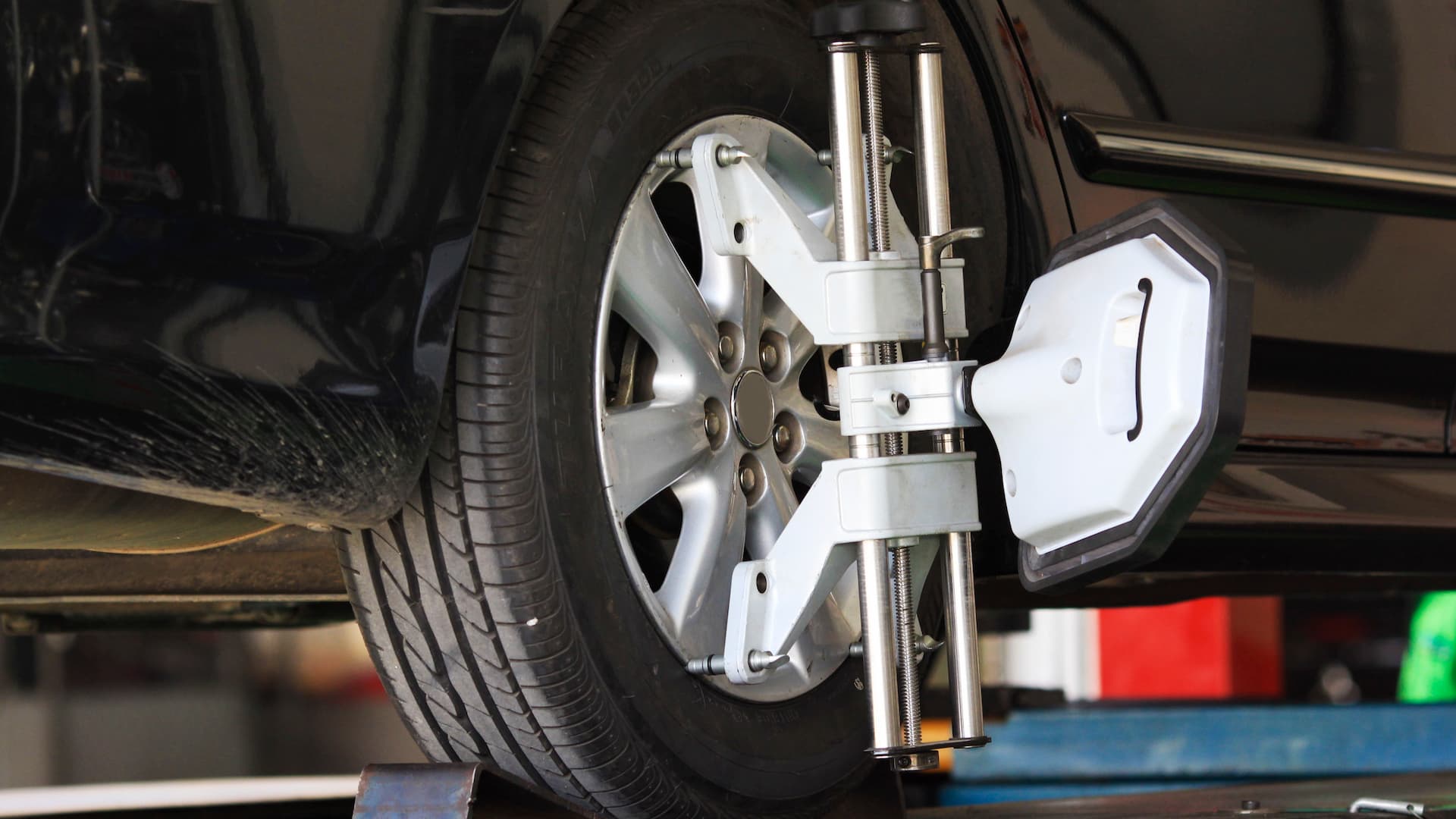
7. Incorrect Wheel Alignment Under Highway Load
Alignment affects how tires meet the road at speed. Even small deviations can trigger vibration once airflow, rotation speed, and suspension load stabilize on the highway. City driving may feel normal, masking the issue until cruising speed is reached.
A Nissan Altima SR often demonstrates this condition after suspension repairs or curb impacts. Misalignment allows tires to scrub instead of rolling freely. That scrubbing introduces oscillation that becomes noticeable through the steering wheel during steady speed travel.
Steering shake from alignment issues often feels paired with subtle pulling. The wheel may drift slightly left or right while vibrating. Tire wear patterns usually develop alongside this issue, though early stages may not show visible damage. Highway speed magnifies alignment errors because tires spend longer rotating in a fixed direction. Heat buildup softens rubber, allowing misaligned angles to influence contact more aggressively.
Wind resistance also plays a role by increasing the load on the suspension. Professional alignment corrects camber, caster, and toe angles. Proper alignment restores straight tracking and reduces vibration. Regular checks after suspension work prevent this issue from developing unnoticed.
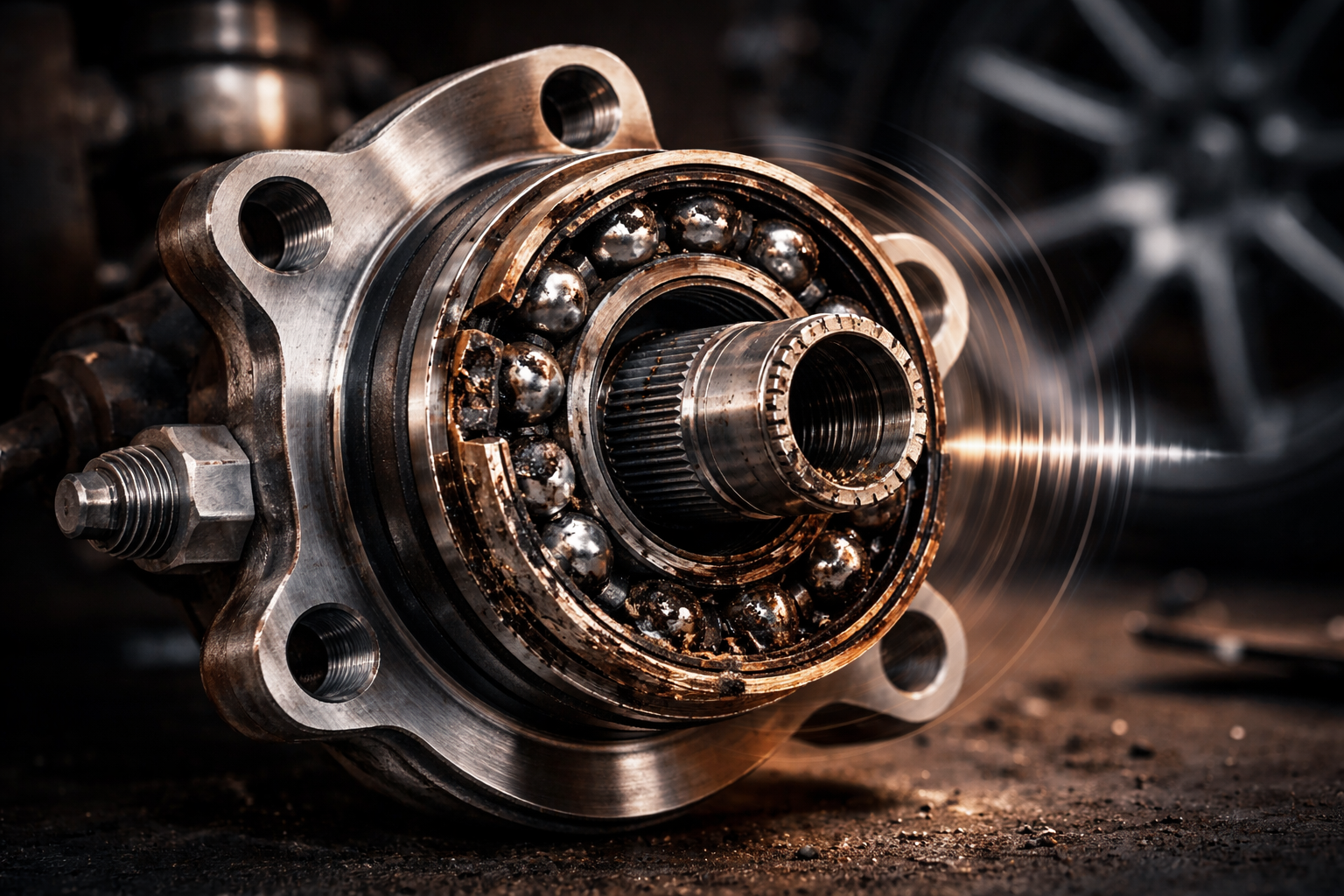
6. Wheel Bearing Wear Creating Rotational Instability at Highway Speed
A wheel bearing operates as the interface between a stationary hub and a rotating wheel assembly, allowing smooth motion with minimal friction. Once internal wear begins, microscopic pitting or loss of lubrication creates irregular resistance during rotation. At low speeds, this may remain unnoticed. Sustained highway driving brings the problem forward through steady vibration that travels into the steering system.
A Ford Fusion Titanium AWD often presents this condition after extended mileage accumulation. Drivers may first notice a faint steering wheel tremor that increases gradually with speed. Unlike a tire imbalance, the vibration does not remain consistent at all speeds. Instead, it tends to intensify when the vehicle maintains continuous highway velocity for several minutes.
Bearing wear produces heat inside the hub assembly. As the temperature rises, metal expansion increases internal friction, leading to uneven rotation. This irregular motion transmits through the suspension arms and steering rack. A faint humming sound may also accompany the vibration, especially during lane changes or gentle steering input.
Inspection typically involves lifting the vehicle and rotating each wheel manually to detect roughness or play. A technician may also use diagnostic equipment to measure hub temperature differences between sides. A failing bearing often runs hotter than the others due to increased internal resistance.
Driving with a worn bearing introduces risk beyond steering shake. Continued use can lead to hub seizure or wheel separation in extreme cases. Replacement of the affected hub assembly restores smooth rotation and eliminates vibration pathways into the steering column. Proper torque application during installation ensures stability during long highway travel.
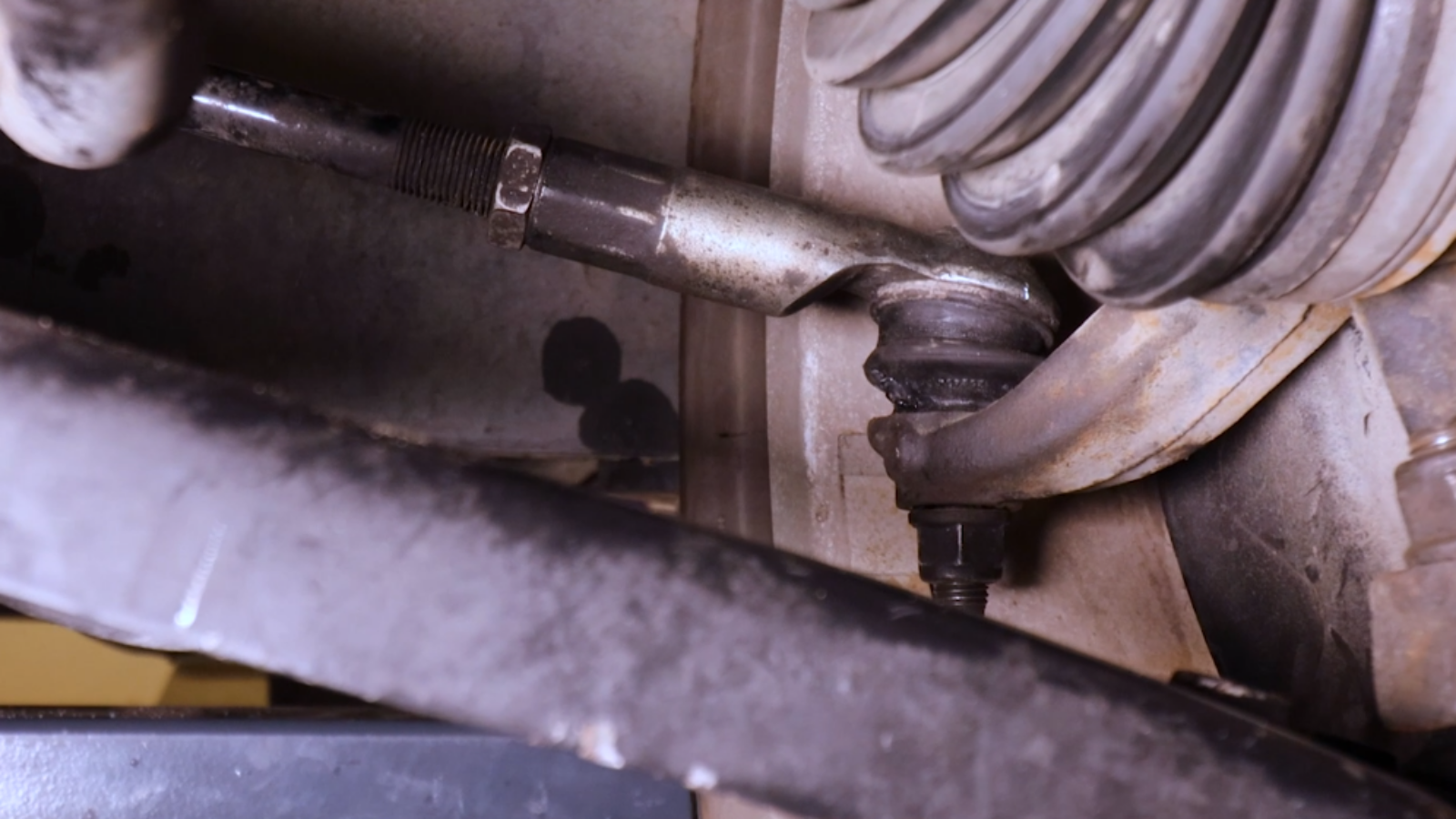
7. Steering Rack or Inner Tie Rod Wear Affecting Front-End Stability
Steering systems rely on a precise mechanical linkage between the steering wheel and the front wheels. Inner tie rods and rack components maintain alignment and directional response. When wear develops, small amounts of free play appear in the system. At city speeds, this may feel like minor looseness. At sustained highway speeds, vibration becomes more apparent through inconsistent directional feedback.
A BMW 3 Series 330i xDrive commonly demonstrates this condition in high-mileage units. Drivers may feel a steering wheel tremor combined with slight wandering during steady cruising. The sensation may intensify during lane changes or gentle corrections, where worn components fail to maintain firm directional response.
Wear inside the steering rack creates uneven hydraulic or electric assist behavior depending on system design. Internal bushings degrade, allowing lateral movement that should not exist. Tie rod wear adds additional looseness at the wheel hub connection point, multiplying instability at speed.
Road surface changes do not remove the vibration because the source is mechanical rather than external. Even smooth asphalt may produce steering oscillation if the internal steering linkage has degraded. Temperature changes during long drives may also influence the feel of looseness as metal expands within worn housings.
Diagnosis involves checking wheel play while the vehicle is lifted and observing steering input response. A technician may detect delayed wheel movement relative to steering input, confirming internal wear. Repair requires replacement of worn tie rods or rack assembly, depending on severity.
Proper alignment after repair restores directional precision. Eliminating internal play removes the vibration pathway and stabilizes steering behavior during long highway travel.
Also Read: 8 Maintenance Tasks You Can Do With Basic Hand Tools

8. Aerodynamic Instability from Aftermarket Accessories or Roof Load
External additions to a vehicle can disrupt airflow and create steering vibration that appears only at sustained highway speeds. Roof racks, cargo boxes, poorly fitted spoilers, or uneven load distribution change how air interacts with the vehicle body. At lower speeds, the effect remains mild. Higher speeds increase aerodynamic force, which transfers oscillation into the steering system through suspension response.
A Toyota Highlander XLE with a roof cargo attachment often demonstrates this behavior during extended highway trips. Drivers may notice steering vibration that does not follow wheel balance patterns and may increase with crosswind exposure. The sensation often feels rhythmic rather than constant.
Airflow separation around uneven accessories creates alternating pressure zones. These zones apply upward and downward force cycles on the vehicle body. Suspension components react to these forces, transmitting movement into the steering rack and wheel assembly.
Crosswinds intensify the issue. A side wind hitting an elevated cargo structure introduces a lateral force that changes vehicle balance repeatedly. This movement is subtle but becomes more apparent through steering correction demand and vibration feedback. Inspection requires the removal of aftermarket components to test whether the vibration disappears.
If the issue resolves, aerodynamic disruption is confirmed. Proper installation or redesign of load placement reduces airflow disturbance and restores stability.
Long-distance highway driving without proper aerodynamic consideration can turn minor accessory additions into persistent steering disturbances. Careful load arrangement ensures smoother travel and reduces steering feedback irregularities.
