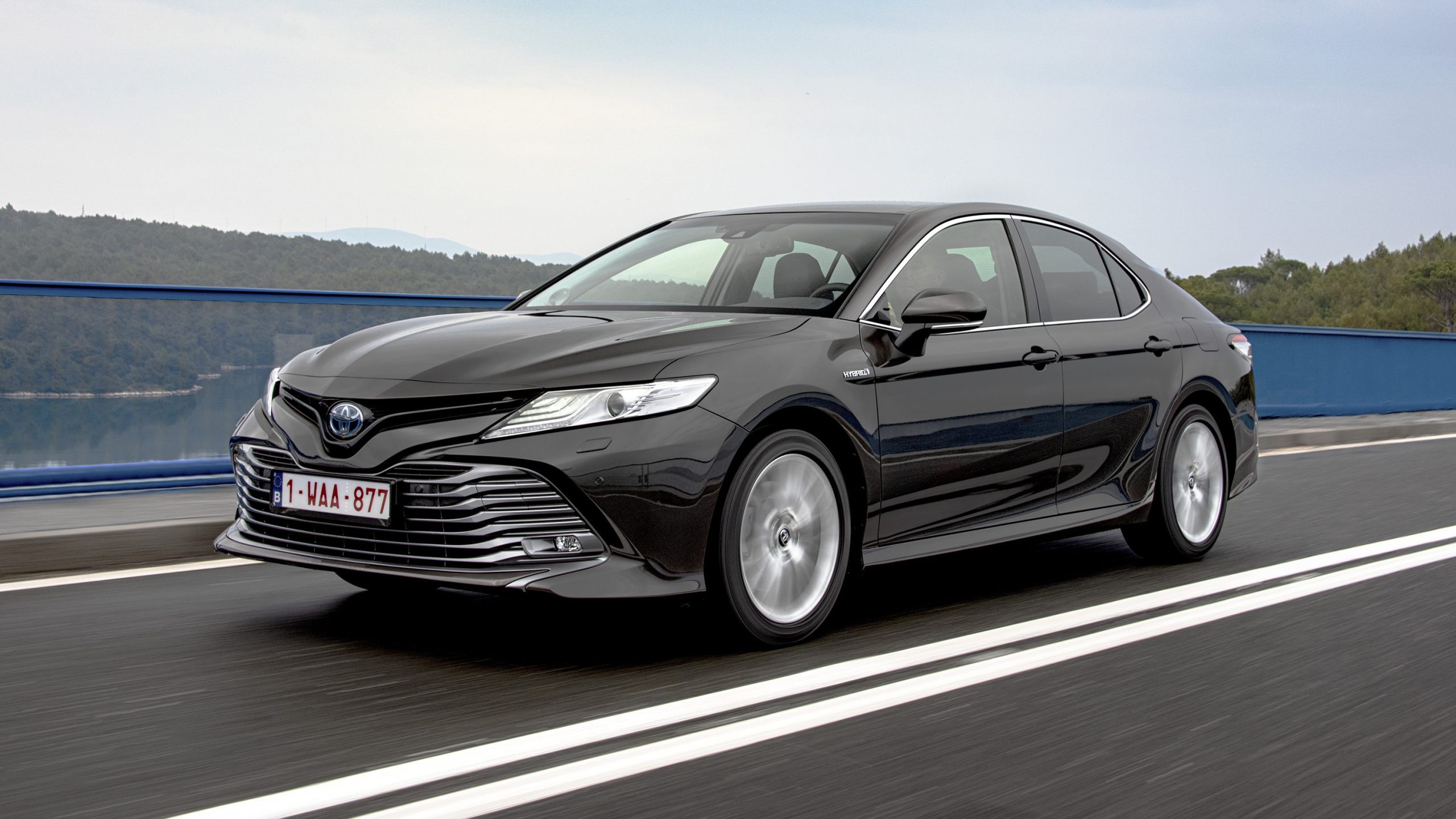
Modern vehicles rely heavily on electronic key systems, replacing traditional metal keys with smart key fobs that allow remote locking, unlocking, push-button start, and in many cases passive entry where the driver does not need to press any buttons at all.
These systems are designed to improve convenience, security, and user experience. However, not all key fobs are built the same way. Some are engineered with strong housings, efficient power management, and stable communication systems that last for years with minimal issues.
Others suffer from design weaknesses, software glitches, or fragile physical construction that leads to frequent battery drain, broken buttons, signal failure, or complete malfunction.
Durability in key fobs depends on multiple factors. Build quality is one of the most important, including how well the casing protects the internal circuit board from drops, heat, and moisture.
Battery efficiency also plays a major role, since poorly optimized systems can drain power faster than expected. Another factor is signal stability between the vehicle and the key.
Some manufacturers use robust encrypted communication and reliable antennas, while others struggle with interference issues or inconsistent detection ranges. Over time, these differences create noticeable gaps in user satisfaction.
In recent years, drivers have reported both ends of the spectrum. Some vehicles consistently perform well even after years of daily use, with fobs surviving drops, accidental washing, and long-term wear. Others show recurring complaints such as unresponsive buttons, cracked casings, and intermittent unlocking failures.
In certain models, even brand-new fobs can require repeated battery replacements or dealer reprogramming. These problems are often linked not only to hardware design but also to how the vehicle’s electronic control modules interact with the key system.
This article compares five modern vehicles known for relatively durable and dependable key fob performance with five vehicles that are frequently associated with weaker or more fragile electronic key behavior. The focus is on real-world usability, long-term reliability patterns, and commonly reported user experiences rather than marketing claims.
Each section explains why certain systems tend to hold up better and why others fail more often, helping readers understand what makes a key fob system truly dependable in everyday use.
5 Modern Cars With Durable Key Fobs
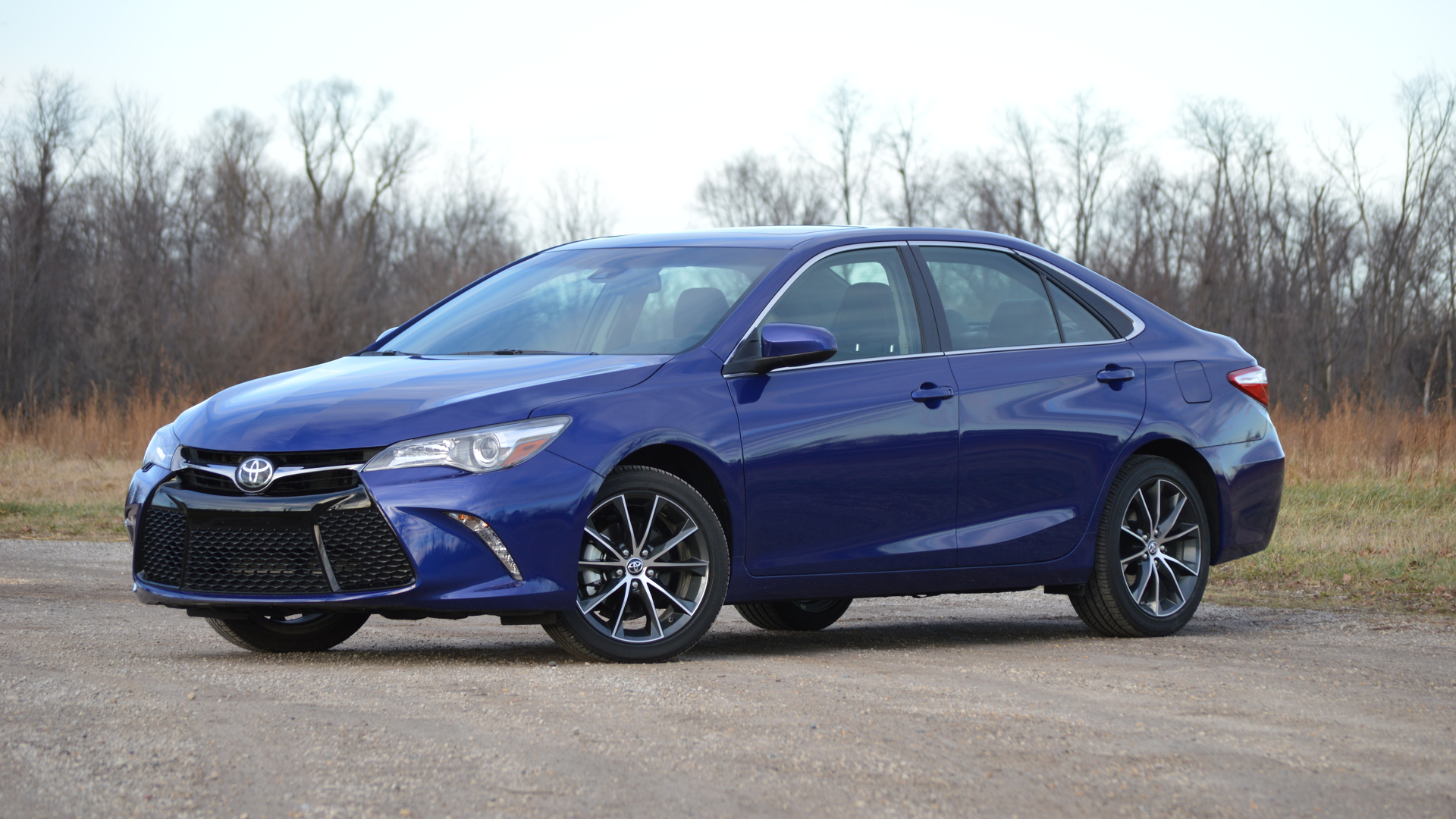
1. Toyota Camry
The Toyota Camry key fob system is widely recognized for its consistent long-term reliability, and this reputation is strongly tied to Toyota’s engineering philosophy that prioritizes durability over unnecessary complexity.
The physical construction of the fob is designed with practicality in mind, using a rigid outer shell that resists cracking even under frequent drops or pressure inside pockets, bags, or dashboards.
Unlike more fragile premium designs that emphasize slimness or aesthetics, the Camry’s fob maintains a slightly bulkier but more protective shape that helps shield the internal electronics from everyday stress.
The button layout is also intentionally simple, which reduces mechanical wear since there are fewer moving parts that can degrade over time.
Another important factor in the Camry’s durability is its stable internal electronics and power efficiency. The key fob system is engineered to avoid excessive background signal communication, which is a common cause of battery drain in more advanced smart key systems.
Because of this controlled energy usage, owners often experience long battery life cycles, sometimes extending well beyond a year depending on usage patterns. This stability also helps prevent sudden failure scenarios where the fob stops working unexpectedly due to voltage drops, a problem seen in more sensitive systems.
Signal consistency between the fob and vehicle is another area where the Camry performs well. The car’s receiver system is tuned to prioritize reliability over extreme range sensitivity, meaning it focuses on ensuring that the key is properly recognized when within a reasonable distance rather than pushing the boundaries of long-range detection.
This design choice reduces false triggers and inconsistent locking or unlocking behavior, which can be frustrating in real-world usage. It also helps maintain a steady connection even in environments with moderate electronic interference, such as parking lots or urban areas.
Long-term ownership experience further reinforces the Camry’s reputation. Replacement parts such as batteries, casings, and complete fobs are widely available and affordable, which means maintenance is simple and accessible.
Programming procedures are also relatively straightforward compared to more complex luxury systems, reducing dependency on expensive dealership visits.
The Camry key fob system is not the most advanced, but its combination of durable construction, stable electronics, and predictable performance makes it one of the most dependable setups available in a modern midsize sedan.
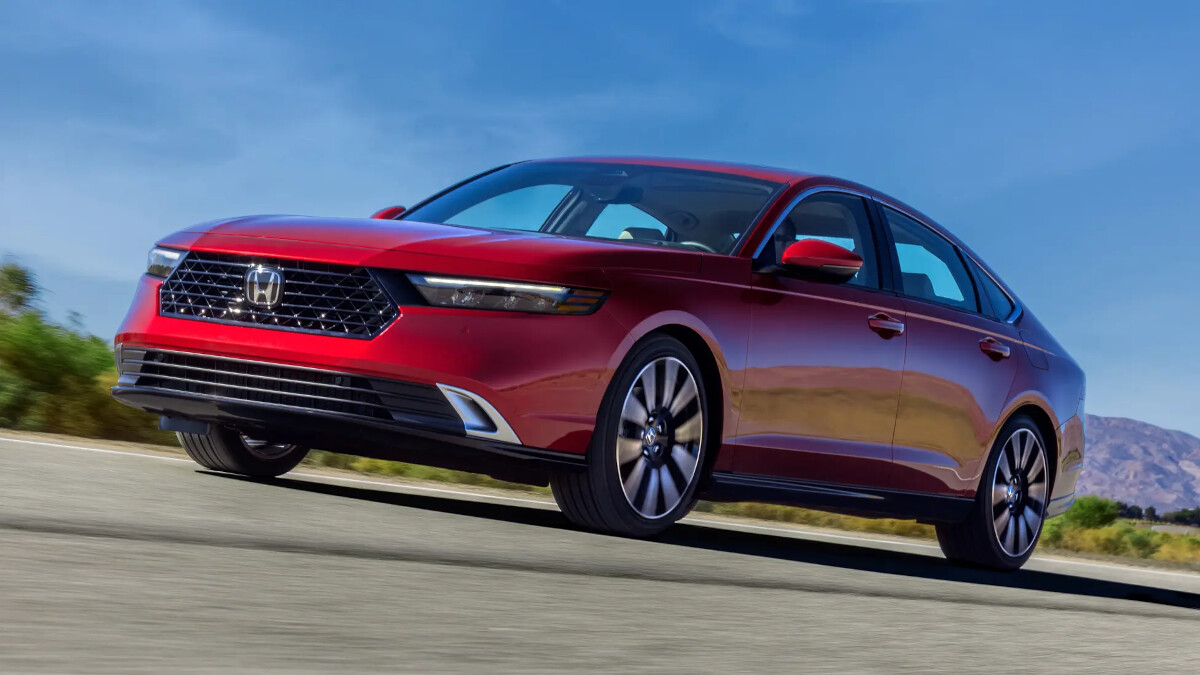
2. Honda Accord
The Honda Accord key fob is built with a strong emphasis on balanced engineering, where durability, usability, and long-term electronic stability are all carefully considered.
The external casing of the fob is compact but reinforced in key stress areas, especially around the button interface and edges where accidental drops usually cause damage.
Honda avoids overly thin or decorative designs that sacrifice strength, which helps the fob maintain its structural integrity over many years of daily use.
Even after extended use, the buttons typically retain good tactile response, meaning they do not become mushy or unresponsive easily, a common issue in lower-quality systems.
From an electronic standpoint, the Accord benefits from a well-optimized communication system between the fob and the vehicle. One of the key strengths is its consistent pairing behavior, which tends to remain stable even after repeated battery changes.
In many vehicles with more complex systems, replacing a battery can lead to desynchronization issues requiring manual reprogramming, but the Accord is designed to minimize such disruptions.
This makes it more user-friendly for long-term ownership and reduces the likelihood of unexpected service visits due to key recognition problems.
Battery efficiency is another strong area for the Accord. The system is designed to avoid unnecessary constant signal broadcasting, which helps extend battery life and maintain steady performance over time.
This controlled energy usage also reduces the chances of sudden failures caused by rapid battery depletion. As a result, most owners experience predictable battery replacement cycles, which improves convenience and reduces maintenance uncertainty.
Another important design choice is the moderate sensitivity of its keyless entry system. While it still supports modern proximity features such as push-button start and automatic door unlocking, it avoids overly aggressive detection thresholds that can sometimes cause accidental unlocking or inconsistent behavior.
This balanced approach reduces frustration and helps maintain a smooth user experience. , the Honda Accord key fob system reflects Honda’s focus on reliability and practical engineering rather than unnecessary technological complexity.
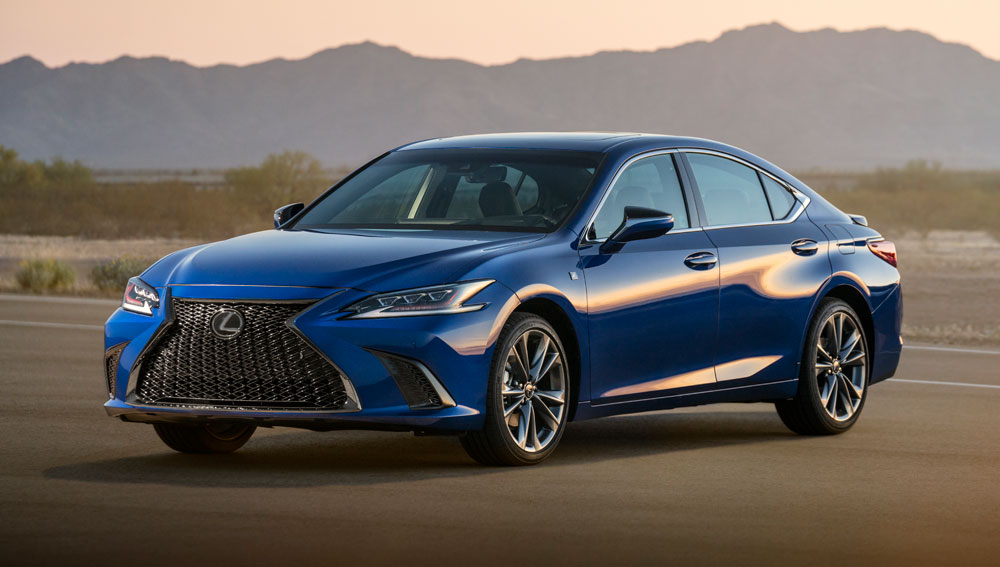
3. Lexus ES
The Lexus ES key fob system combines Toyota’s reliability foundation with a more refined level of material quality and electronic precision. The physical design of the fob uses higher-grade plastics and improved internal mounting structures that better protect the circuit board from vibration, impact, and long-term wear.
This added structural reinforcement helps reduce internal loosening of components, which is a common cause of intermittent key failure in lower-quality systems. Even after years of use, the fob typically maintains a solid feel, with buttons that remain responsive and well-aligned.
The electronic system behind the Lexus ES key fob is carefully tuned for stable communication rather than aggressive performance features that could compromise reliability.
Signal transmission between the fob and the vehicle is highly consistent, ensuring that door unlocking and engine start functions respond quickly and accurately under normal conditions.
This reduces the likelihood of miscommunication between the key and the car, which can otherwise lead to frustrating delays or repeated attempts to unlock the vehicle.
Power management is another area where the Lexus ES performs well. Even though the system supports advanced features like smart entry, trunk access, and push-button ignition, these functions are optimized to avoid excessive battery drain.
The result is a key fob that delivers long battery life while still supporting a full range of modern convenience features. This balance between functionality and efficiency is one of the reasons Lexus systems are often viewed as more dependable in the long term compared to some luxury competitors.
Manufacturing consistency also plays a major role in the durability of the Lexus ES key fob. Lexus maintains strict quality control standards across production batches, which reduces variation in performance between different vehicles and model years.
This consistency helps ensure that owners experience fewer unexpected electronic issues over time. Combined with strong materials, stable communication systems, and efficient power usage, the Lexus ES key fob stands out as one of the more reliable premium systems in its category.
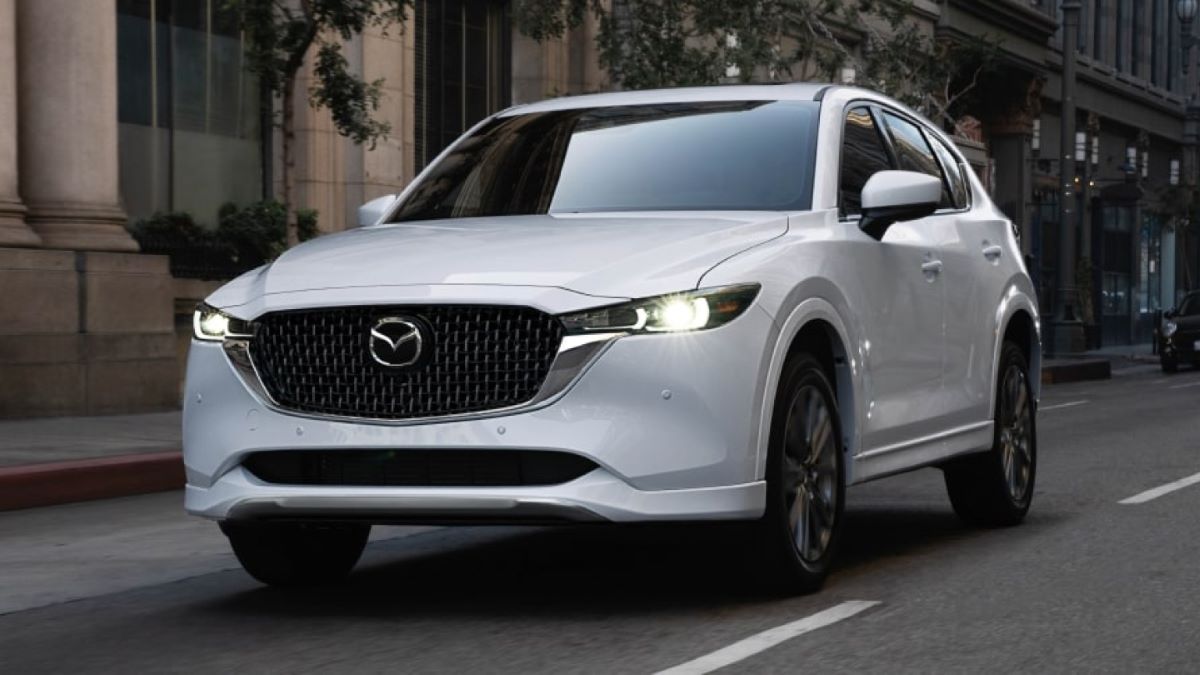
4. Mazda CX-5
The Mazda CX-5 key fob system is designed with simplicity and durability in mind, reflecting Mazda’s broader approach to vehicle engineering that focuses on reducing unnecessary electronic complexity. The physical fob is compact but solidly built, with a casing that is resistant to cracking or deformation under normal daily use.
The button mechanisms are engineered to withstand repeated pressing without losing responsiveness, which helps maintain long-term usability even in high-frequency usage scenarios such as daily commuting or frequent vehicle access.
One of the key strengths of the CX-5 system is its stable and predictable signal behavior. The communication between the fob and vehicle is designed to be consistent rather than overly sensitive, which helps prevent common issues such as random unlocking, delayed recognition, or inconsistent proximity detection.
This stability is particularly valuable in real-world environments where electronic interference or physical obstacles might otherwise disrupt keyless entry performance.
Battery efficiency is another area where Mazda’s system performs well. The CX-5 key fob does not rely on excessive background signal polling, which helps conserve battery life and reduce the frequency of replacements.
This design choice also minimizes the risk of sudden failure due to rapid energy depletion, which can be inconvenient for drivers who rely heavily on keyless entry features. Instead, the system delivers a more predictable and steady power consumption pattern over time.
Mazda also benefits from a relatively straightforward maintenance and replacement process for its key systems. Replacement fobs and batteries are widely available, and reprogramming procedures are generally not overly complicated compared to some premium brands.
This ease of maintenance contributes to the durability experience, ensuring that even if issues do arise, they can be resolved without significant difficulty or cost. , the Mazda CX-5 key fob system prioritizes reliability, consistency, and long-term practicality over advanced but potentially unstable features.
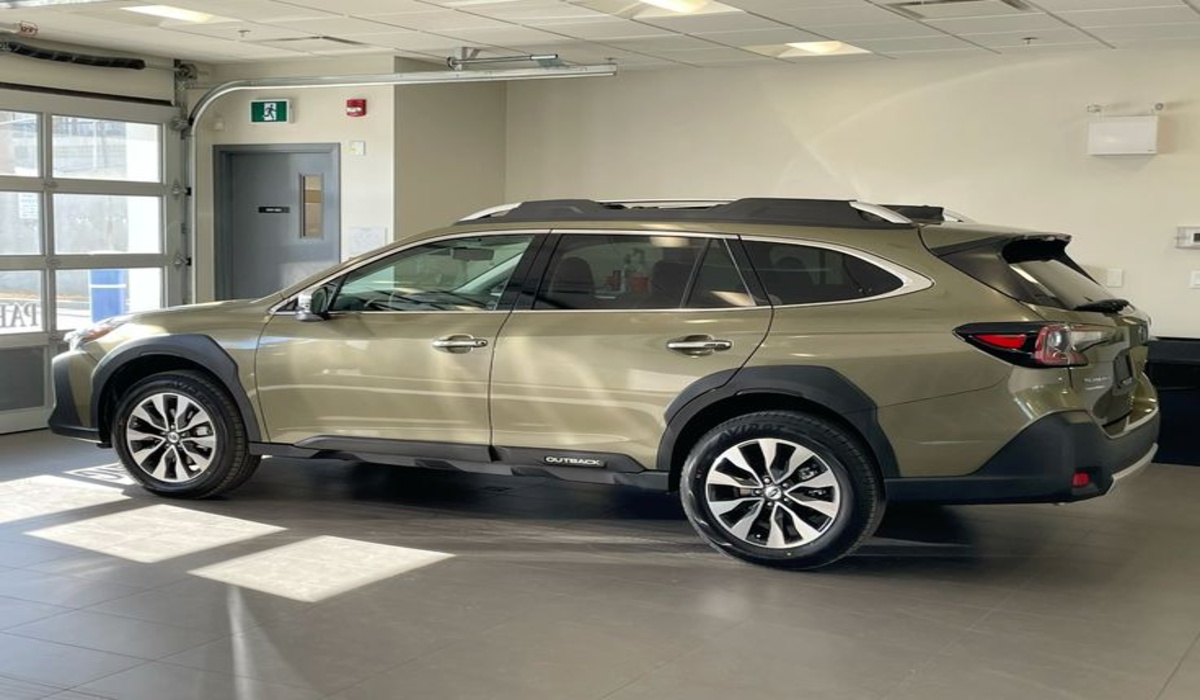
5. Subaru Outback
The Subaru Outback key fob is engineered with durability as a core requirement, reflecting the vehicle’s identity as a rugged and outdoor-capable model.
The physical design of the fob is built to withstand harsher-than-average conditions, including exposure to moisture, temperature changes, and accidental drops during outdoor use.
The casing is typically thicker and more robust compared to many competitors, which helps protect the internal electronics from environmental stress and physical damage over time.
Button durability is another strong feature of the Subaru Outback system. The buttons are designed to handle repeated use without quickly wearing out or losing tactile feedback. This is particularly important for drivers who frequently use remote locking and unlocking functions in outdoor or work-related environments.
The consistent button performance contributes significantly to long-term usability, reducing the likelihood of partial or complete button failure.
The electronic communication system between the fob and vehicle is also generally stable and reliable. While Subaru does not always prioritize the most advanced smart key features compared to luxury brands, its systems are designed for consistent recognition and dependable operation.
This reduces the risk of desynchronization issues or random failures where the vehicle does not detect the key correctly.
Battery life in the Subaru Outback key fob is typically stable and predictable, with most users experiencing long intervals between replacements. This is partly due to efficient power management and the avoidance of overly aggressive proximity scanning.
The Subaru Outback key fob system emphasizes rugged durability and consistent performance, making it well suited for users who prioritize reliability in varied environmental conditions.
5 Modern Cars With Fragile Electronic Keys
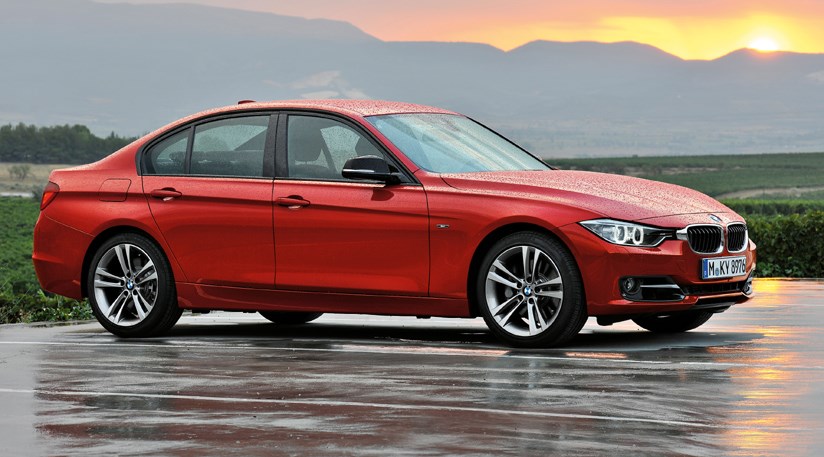
1. BMW 3 Series
The BMW 3 Series key fob is often recognized for its premium appearance and advanced feature set, but beneath that refined design lies a system that has been associated with mixed long-term durability.
The physical construction of the fob is sleek and compact, which contributes to its modern aesthetic but also reduces the amount of internal protection around sensitive electronic components.
Because the casing is thinner and more design-focused, it is generally more vulnerable to cracks, edge damage, and internal stress when exposed to everyday wear such as being carried in tight pockets or dropped onto hard surfaces. Over time, even small impacts can gradually affect button alignment or internal circuit stability.
Battery performance is another area where issues are frequently reported. The BMW 3 Series key system often integrates advanced proximity-based functions that constantly communicate with the vehicle to enable features like passive entry and push-button start.
While these features improve convenience, they also increase power consumption, which can lead to shorter battery life compared to simpler systems. In some cases, users experience unexpectedly rapid battery depletion, which may result in sudden key failure without much warning. This can be particularly inconvenient if the driver is far from replacement batteries or service support.
Electronic synchronization is another complexity in this system. The BMW key relies on advanced software coordination between the fob, body control module, and immobilizer system. While this creates a highly secure environment, it also introduces more potential points of failure.
Owners sometimes report intermittent recognition issues where the vehicle temporarily fails to detect the key or requires a reset to restore normal operation. These issues are not always consistent but tend to appear more frequently in systems with higher electronic complexity.
Another contributing factor to perceived fragility is sensitivity to environmental interference. In certain conditions, such as areas with strong electronic signals or dense urban environments, key detection performance may fluctuate.
This does not necessarily indicate permanent damage, but it does highlight how dependent the system is on precise electronic communication. Combined with its delicate physical design and higher energy demands, the BMW 3 Series key fob reflects a trade-off between advanced functionality and long-term simplicity.
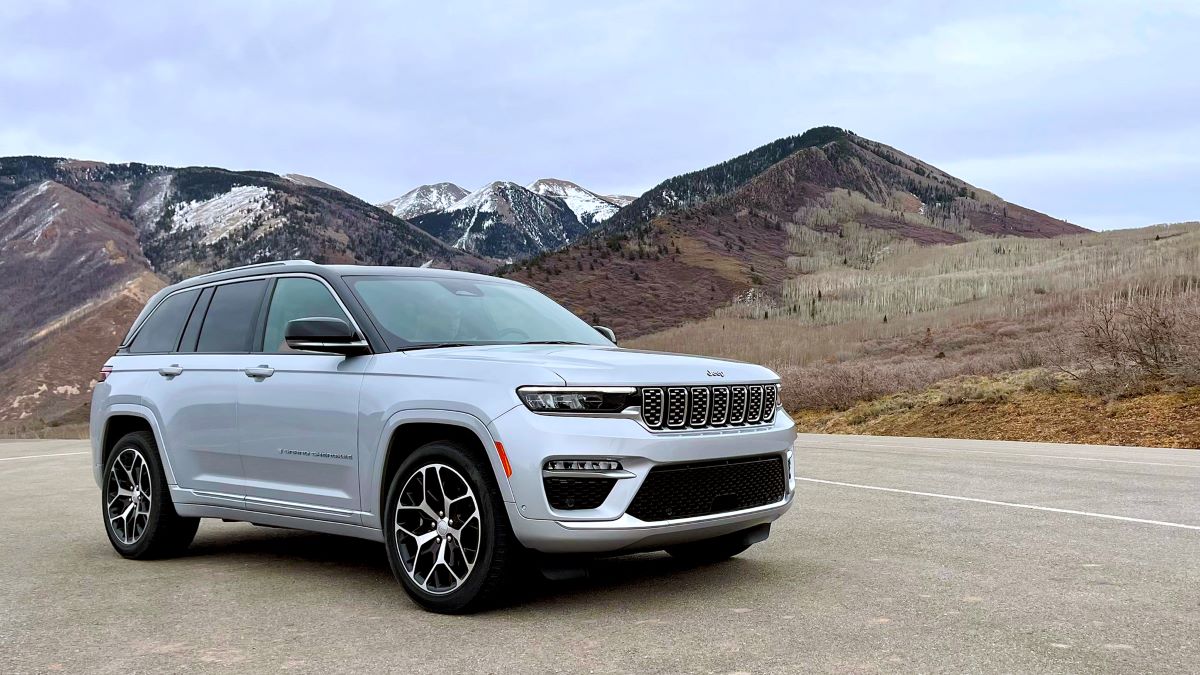
2. Jeep Grand Cherokee
The Jeep Grand Cherokee key fob system has been widely discussed for its inconsistent long-term reliability, particularly in earlier and mid-generation models. The physical construction of the fob is generally functional but not especially reinforced, which makes it more susceptible to wear from frequent handling.
The plastic casing can develop cracks or loosen over time, especially when exposed to heat, moisture, or repeated drops. Button responsiveness may also degrade with extended use, leading to delayed or inconsistent input recognition.
One of the most commonly reported issues is battery instability. The system’s electronic architecture often relies on frequent communication between the key and vehicle, especially for remote start and passive entry features.
This continuous signal exchange can drain the battery faster than expected, sometimes resulting in sudden key failure without clear warning signs. Unlike more efficient systems that provide gradual battery decline, the Jeep Grand Cherokee key fob can sometimes transition quickly from functional to non-responsive.
Signal reliability is another area where inconsistencies appear. Some users experience intermittent difficulty with unlocking or starting the vehicle even when the key is nearby.
These issues can sometimes be linked to antenna sensitivity or software misalignment between the vehicle and key fob. In certain cases, recalibration or reprogramming is required to restore full functionality, which adds inconvenience to ownership.
Software-related complications also contribute to the system’s reputation for fragility. Because the Grand Cherokee uses multiple integrated modules for security and entry functions, any mismatch between software versions can result in communication errors.
These errors may manifest as delayed response, failure to recognize the key, or temporary lockout situations. While not constant across all units, these recurring issues highlight the system’s dependency on complex electronic coordination rather than simple mechanical reliability.
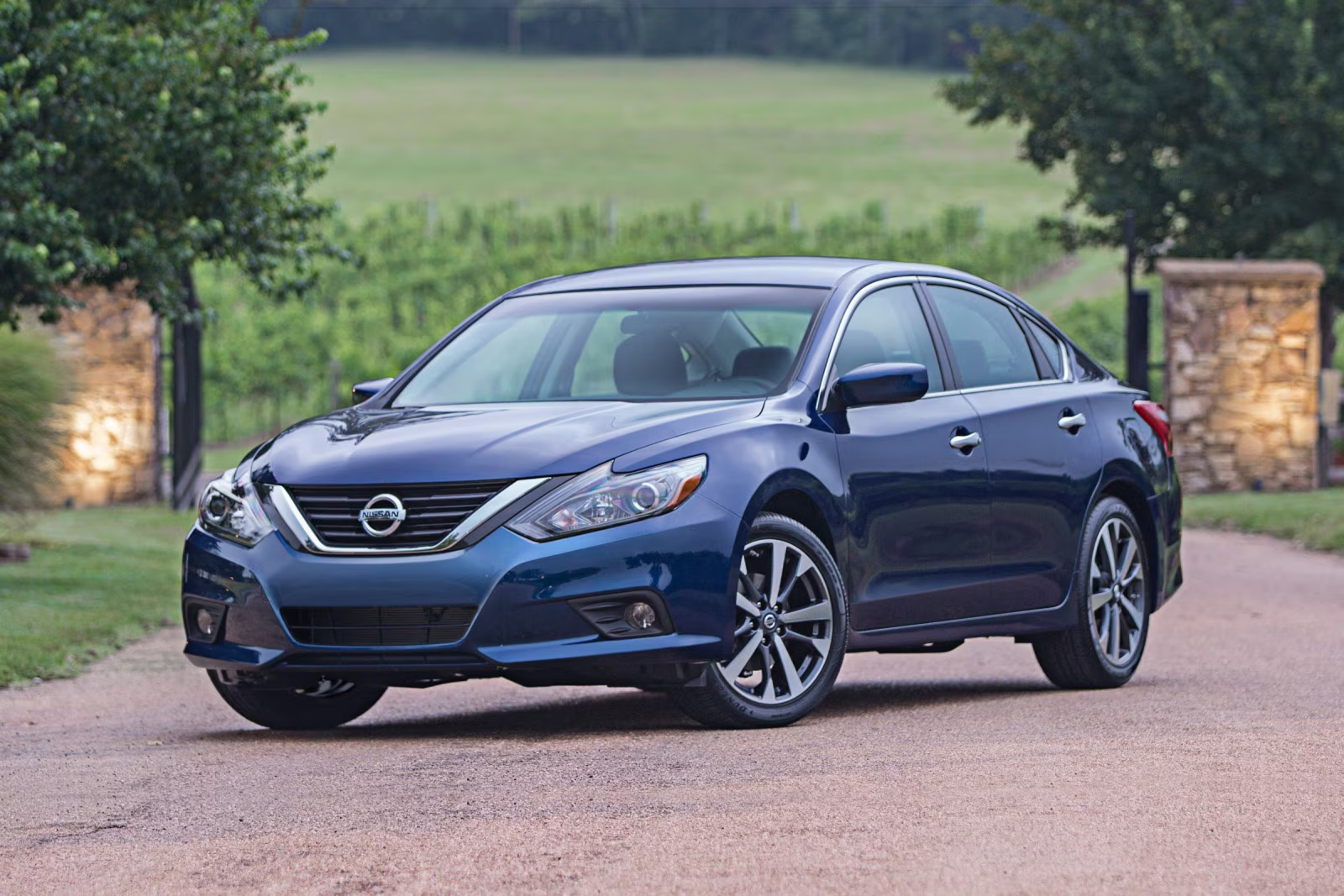
3. Nissan Altima
The Nissan Altima keyless entry system has been associated with variability in performance, particularly in relation to its door handle sensors and proximity detection technology. The physical key fob itself is relatively lightweight and compact, but this design choice can sometimes come at the cost of structural durability.
The casing is not always as reinforced as competitors in the same segment, making it more vulnerable to internal wear or external damage after extended daily use. Buttons may also lose tactile sharpness over time, especially when exposed to frequent pressing.
One of the key concerns reported by users is inconsistent detection behavior. The system relies heavily on proximity sensors and electronic communication between the key and vehicle, which can sometimes lead to unpredictable locking and unlocking responses.
In some situations, the vehicle may fail to detect the key even when it is nearby, while in others it may respond unexpectedly. This inconsistency can reduce user confidence in the system, especially in environments where quick and reliable access is important.
Battery life is another area where variability has been observed. In certain model years, the key fob may experience faster-than-average battery depletion due to frequent sensor polling and background communication.
This means that users may need to replace batteries more often than expected, which can become inconvenient over time. Unlike systems with more stable power management, the Altima’s setup can sometimes show sudden drops in performance once the battery begins to weaken.
Software logic has also been linked to occasional operational issues. Some owners report scenarios where the vehicle locks or unlocks at unexpected times or behaves inconsistently when multiple signals are detected. While these issues are not universal, they highlight the system’s sensitivity to electronic conditions and software interpretation.
Combined with moderate physical durability, these factors contribute to the perception of fragility in the Altima’s electronic key system.

4. Range Rover Sport
The Range Rover Sport key fob system is often seen as technologically advanced but also prone to reliability concerns in real-world use. The physical design of the key fob is sleek and premium, but this emphasis on style sometimes results in reduced structural reinforcement.
The casing may feel refined, but it can be more susceptible to wear, especially under frequent handling or exposure to rough environments. Over time, minor cracks or button responsiveness issues may appear, particularly in vehicles that are used in demanding driving conditions.
Battery performance is another commonly discussed concern. The system supports a wide range of smart features, including passive entry, remote functions, and continuous vehicle communication.
While these features enhance convenience, they can also place significant demands on the fob’s battery. As a result, users may experience shorter-than-expected battery life, requiring more frequent replacements compared to simpler key systems.
Signal stability can also vary depending on environmental conditions. Some owners report inconsistent range performance or delayed recognition when approaching the vehicle.
In certain cases, interference from surrounding electronics or structural barriers can affect communication between the key and car. These issues may not always indicate permanent faults, but they do highlight sensitivity in the system’s design.
Another challenge is the complexity of troubleshooting and repair. When issues arise, resolving them often requires specialized diagnostic tools or dealership-level intervention. This increases both the time and cost associated with maintenance.
Software integration between multiple vehicle systems can also contribute to occasional synchronization problems, where the key must be reset or reprogrammed to restore full functionality. These combined factors contribute to the perception of fragility despite the system’s premium positioning.
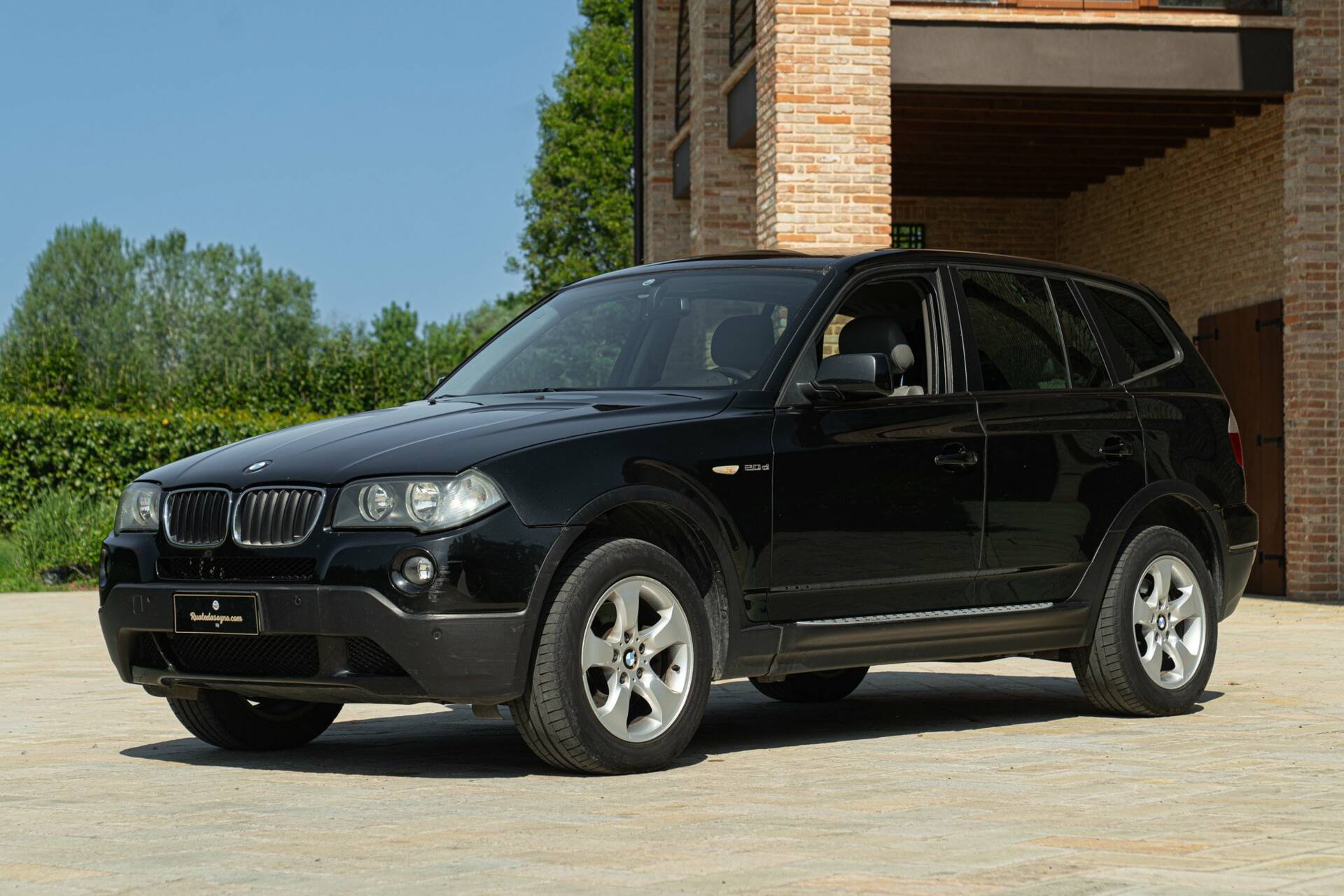
5. BMW X3 Models
Earlier BMW X3 models are frequently mentioned in discussions about key fob reliability due to a pattern of intermittent electronic issues and long-term wear concerns.
The physical key fob design in these models tends to follow BMW’s compact and premium styling approach, but earlier generations did not always include the same level of internal reinforcement found in newer systems.
As a result, prolonged use can lead to button degradation, casing wear, or reduced tactile feedback, especially in vehicles exposed to frequent daily use.
One of the more issues is inconsistent key detection. Some owners report situations where the vehicle fails to recognize the key on the first attempt, requiring repeated presses or manual unlocking.
These issues are often linked to aging antenna systems or degradation of internal communication components within the vehicle rather than the fob alone.
However, because the system depends on precise coordination between multiple electronic modules, any weakness in the chain can affect performance.
Battery-related problems are also relatively common. Depending on usage patterns, the fob may experience uneven battery drain, which can lead to unexpected failures.
In older systems, there is sometimes less efficient power management, meaning that batteries may not last as long as in newer redesigned versions. This can create inconvenience for users who expect consistent performance over time.
Software and synchronization issues further contribute to the system’s reputation. Early BMW X3 models occasionally require reprogramming or reset procedures when the key and vehicle lose synchronization. These procedures can be inconvenient and may require professional servicing.
Environmental factors such as temperature changes or signal interference can also have a noticeable impact on system reliability. Taken together, these issues illustrate how early-generation electronic key systems can struggle with long-term stability compared to more modern, refined designs.