
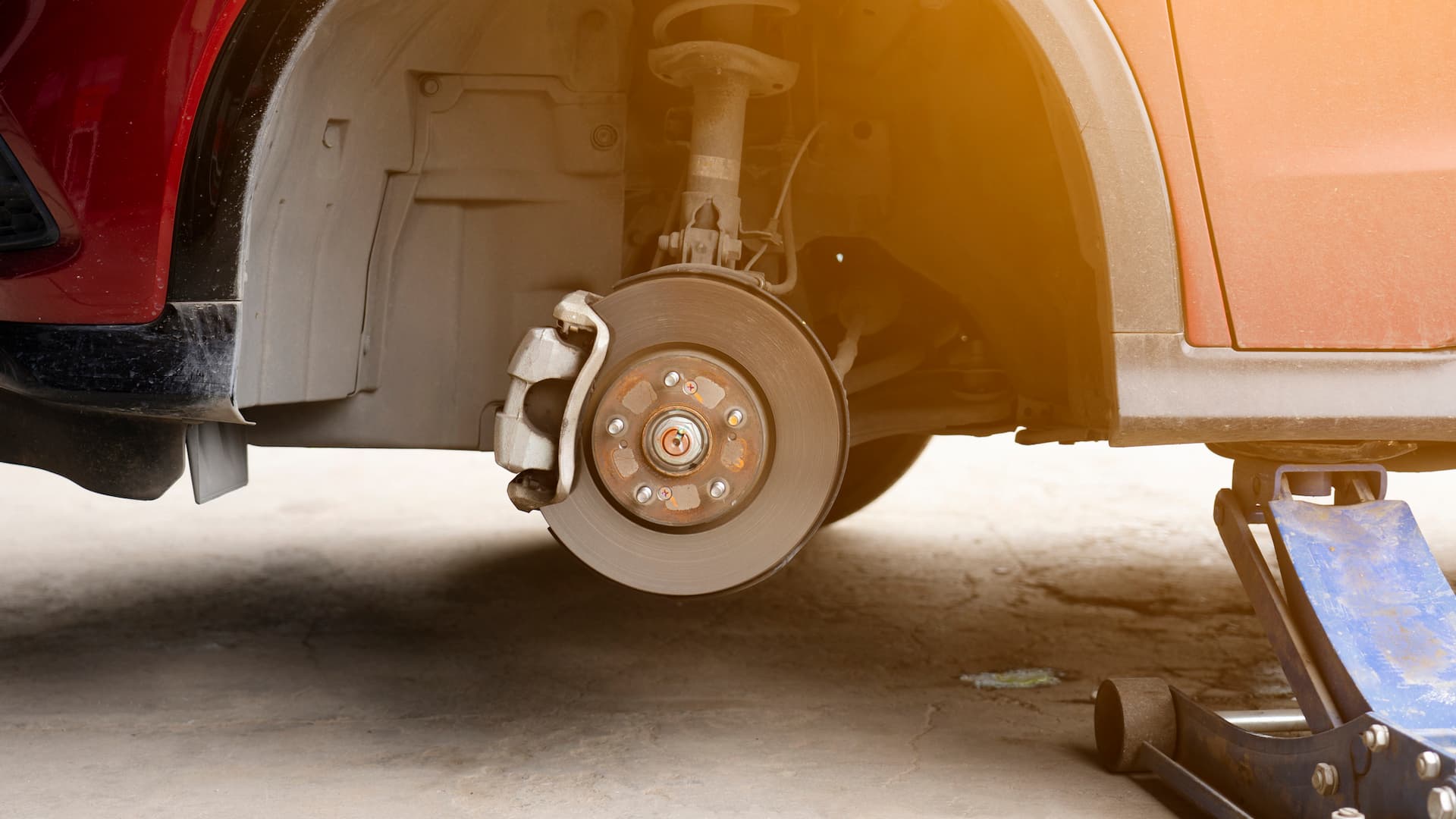
Brake pads are a wear item, which means they are designed to be replaced periodically as part of normal vehicle ownership. That is expected, budgeted for, and entirely manageable.
What is not expected is discovering that your brake pads are worn out at 15,000 miles when the manufacturer’s estimate suggested they should last 40,000 to 50,000 miles under normal driving conditions. Premature brake wear is frustrating, expensive, and confusing when the cause is not immediately obvious.
Average brake pad life varies considerably by vehicle, driving style, pad compound, and environment, but most drivers can reasonably expect their front brake pads to last between 30,000 and 70,000 miles under normal conditions. When replacement becomes necessary well before that range, something specific is accelerating the wear rate.
Identifying that specific cause is not just a matter of curiosity. It is a practical necessity because replacing pads without addressing the underlying cause means the new pads will wear out at the same accelerated rate as the ones you just replaced.
Some causes of premature brake wear are driving behavior-related and correctable without any mechanical intervention. Others point to mechanical problems, including stuck calipers, incorrect pad specifications, rotor surface issues, or brake fluid problems that need professional attention before new pads will last as long as they should.
This page examines eight specific reasons why brake pads may be wearing out faster than average, with enough practical detail to help you identify which cause or combination of causes applies to your situation. Each reason includes what to look for, what it means for your brake system’s health, and what the appropriate response is for getting wear rates back to normal.
Some of these reasons will surprise you. Others will produce a recognition that explains something you have been noticing but not quite connecting to brake wear. Work through all eight before your next shop visit, and you will arrive better prepared to have a productive conversation about what is actually happening with your brakes.
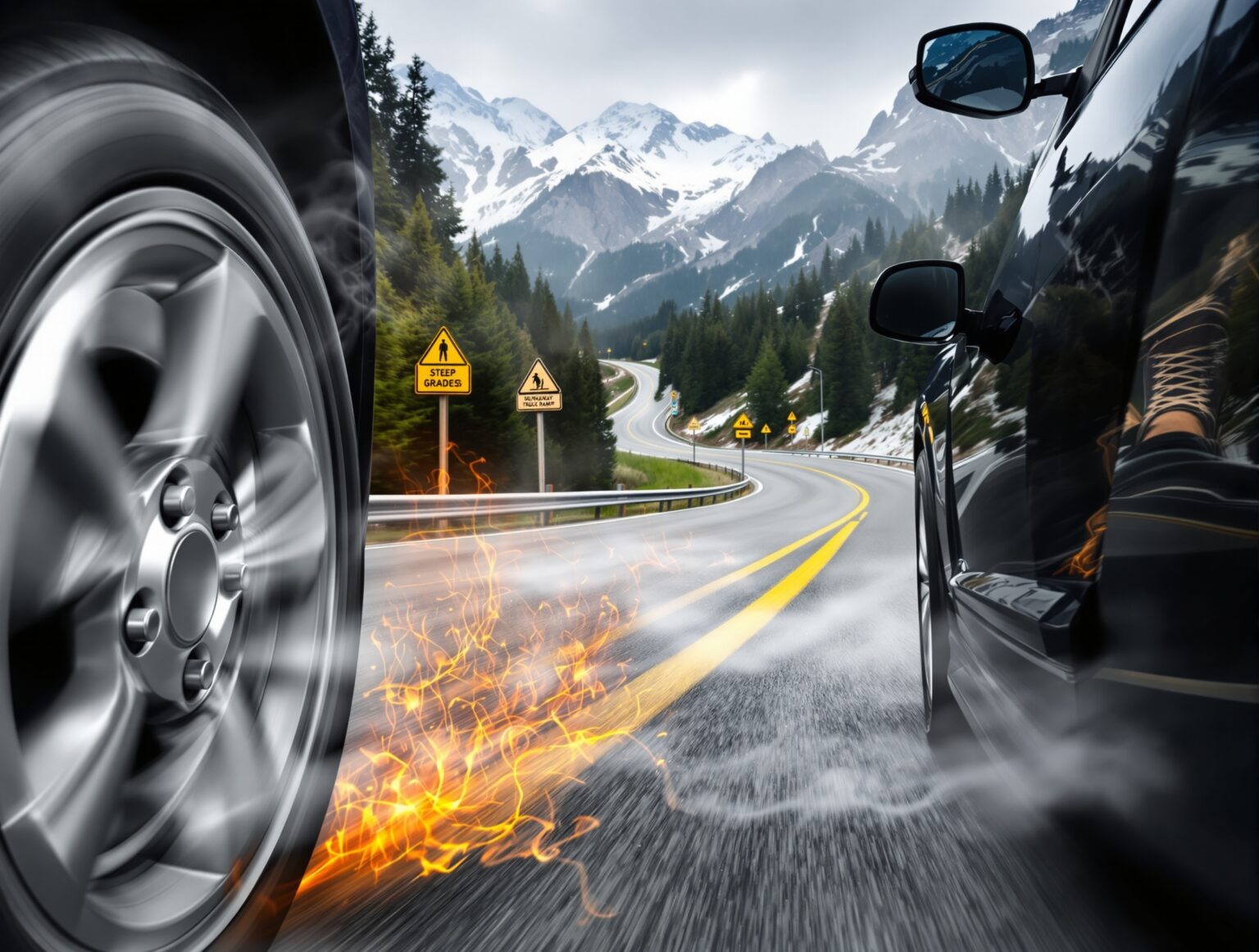
1. Aggressive Braking Habits That Consistently Apply Excessive Heat to the Pad Surface
Driving style is the single most influential variable in brake pad longevity, and among all driving behaviors, the braking pattern specifically adopted during deceleration determines how quickly friction material is consumed during every stop.
Drivers who habitually apply full brake pressure from highway speeds to a near-complete stop, rather than beginning deceleration earlier and applying lighter pressure over a longer distance, generate dramatically more heat per braking event than the gradual deceleration approach produces.
Brake pad friction material is consumed primarily by heat, not simply by the physical contact between pad and rotor. Each braking event converts kinetic energy to thermal energy through friction, and this thermal energy is absorbed by the pad material, the rotor, and the surrounding brake hardware.
When the heat generation rate exceeds the system’s ability to dissipate it during a single stop, pad surface temperatures spike into ranges where the friction material undergoes accelerated chemical degradation that is separate from the normal mechanical wear that contact friction produces.
Late braking from high speeds is the most thermally intense braking scenario in normal driving. A driver who routinely approaches red lights, highway exits, and traffic slowdowns at speed and then brakes hard to stop contributes far more thermal energy per deceleration event than a driver who begins coasting and applying light brake pressure several hundred feet earlier.
Multiplied across thousands of daily driving stops, this difference in approach generates enough cumulative heat to explain pad wear rates that are half or less of what a more measured driving style would produce from identical pads.
Drivers of the 2022 Dodge Charger R/T 5.7L HEMI and the 2020 Ford Mustang GT 5.0L Coyote who use their vehicles as daily commuter cars on urban roads with frequent stops often experience faster front brake wear than the same pad specification would produce in less stop-heavy driving environments, and driving style analysis consistently reveals that higher-performance vehicle owners tend to apply brakes more aggressively than drivers of mainstream sedans and crossovers.
Changing braking habits requires anticipation rather than reaction. Looking further ahead in traffic, identifying deceleration points earlier, and using engine braking or coasting to reduce speed before applying brake pressure reduces the thermal loading per stop.
This technique, called smooth braking or progressive deceleration, is actively taught in advanced driver training programs as both a fuel efficiency and brake longevity technique. Implementing it consistently can extend pad life by 30 to 50 percent compared to late, hard braking patterns without compromising stopping distances when emergency braking is genuinely required.
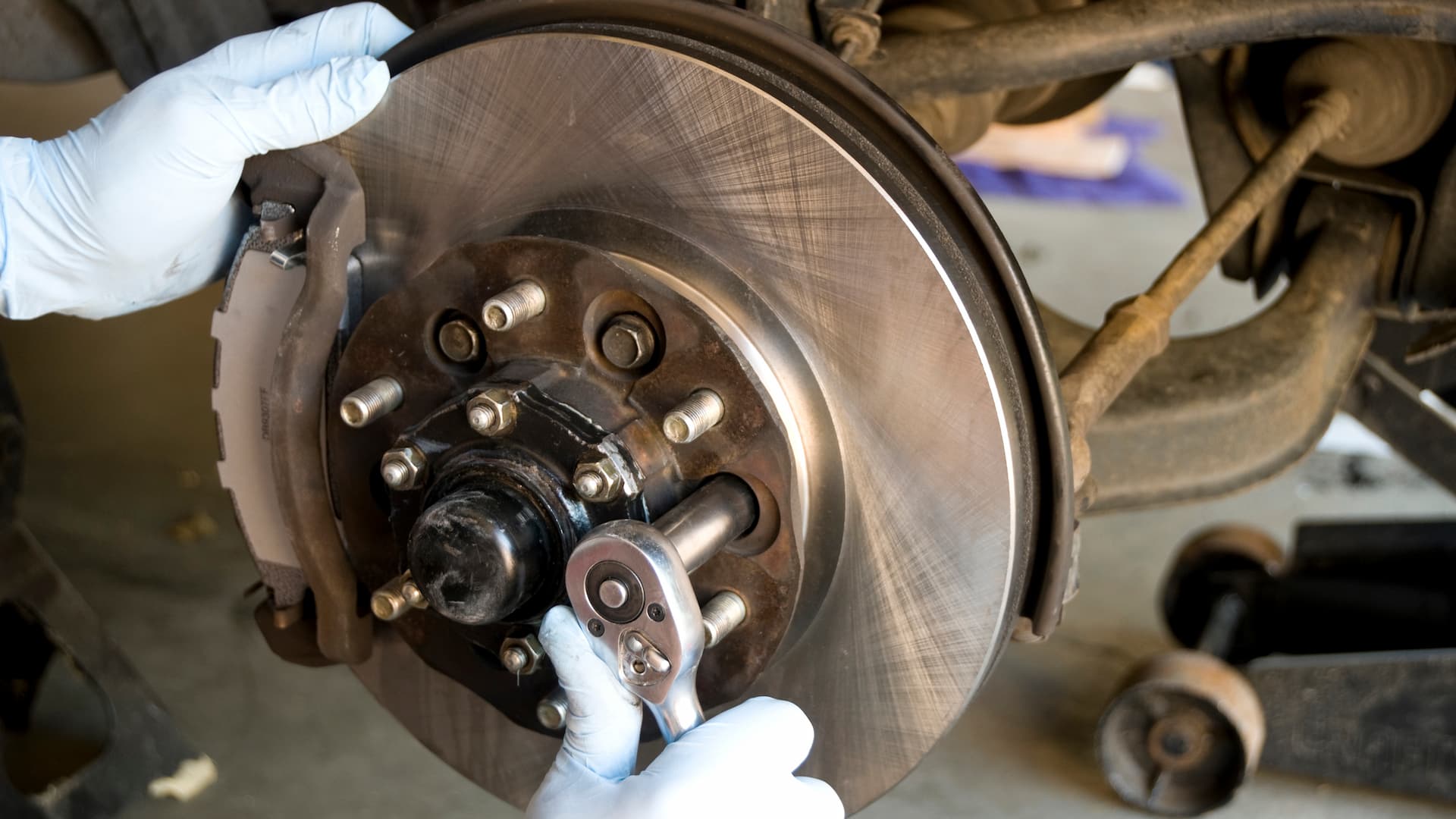
2. A Seized or Partially Stuck Caliper Keeping the Pad Constantly in Contact With the Rotor
Caliper condition is the mechanical cause of premature brake wear that mechanics encounter most frequently in service, and it produces a characteristic wear pattern that distinguishes it from driving-related wear causes.
A properly functioning brake caliper applies clamping force to the rotor during braking and then fully releases that force when the brake pedal is released, allowing the pad to maintain only minimal contact with the rotor during driving between stops.
A seized or sticky caliper that does not fully retract after braking keeps the pad in partial or full contact with the rotor continuously, wearing the friction material during every mile of driving rather than only during actual braking events. Caliper seizure can involve either the caliper piston or the caliper slide pins, and both failure modes produce continuous pad contact with different patterns.
Piston seizure prevents the piston from retracting after pedal release, maintaining clamping force on the rotor and producing steady friction material consumption, rotor overheating, and in severe cases, the distinctive burning smell of overheated brake hardware that drivers notice during normal driving rather than only after heavy braking.
Slide pin seizure creates a different but equally damaging problem. Slide pins allow the caliper body to move laterally during braking and retract during release, which ensures even clamping force across the full pad surface.
Seized slide pins prevent this lateral movement, causing uneven pad contact and accelerating wear on the portion of the pad that maintains contact while the inboard or outboard pad area wears minimally.
This uneven wear produces a tapered pad profile that is visible during inspection and is a reliable diagnostic indicator of slide pin problems. Owners of the 2017 Chevrolet Silverado 1500 LTZ 5.3L V8 and the 2019 Ram 1500 Laramie 5.7L HEMI who notice that one wheel feels warmer than the others after a drive, or that the vehicle pulls slightly to one side during braking, should prioritize brake inspection because these are classic symptoms of caliper problems that will continue destroying pads and rotors until the caliper hardware is serviced or replaced.
Preventive caliper maintenance during brake pad replacement includes cleaning and lubricating slide pins with appropriate caliper grease, inspecting piston seals for cracking or contamination, and verifying that the caliper retracts appropriately when the piston is pushed back during pad installation. Addressing these items during each pad replacement prevents the caliper deterioration that causes premature wear between service intervals.
Also Read: 8 Reasons Why Lightweight Sports Cars Are Better for Your Wallet
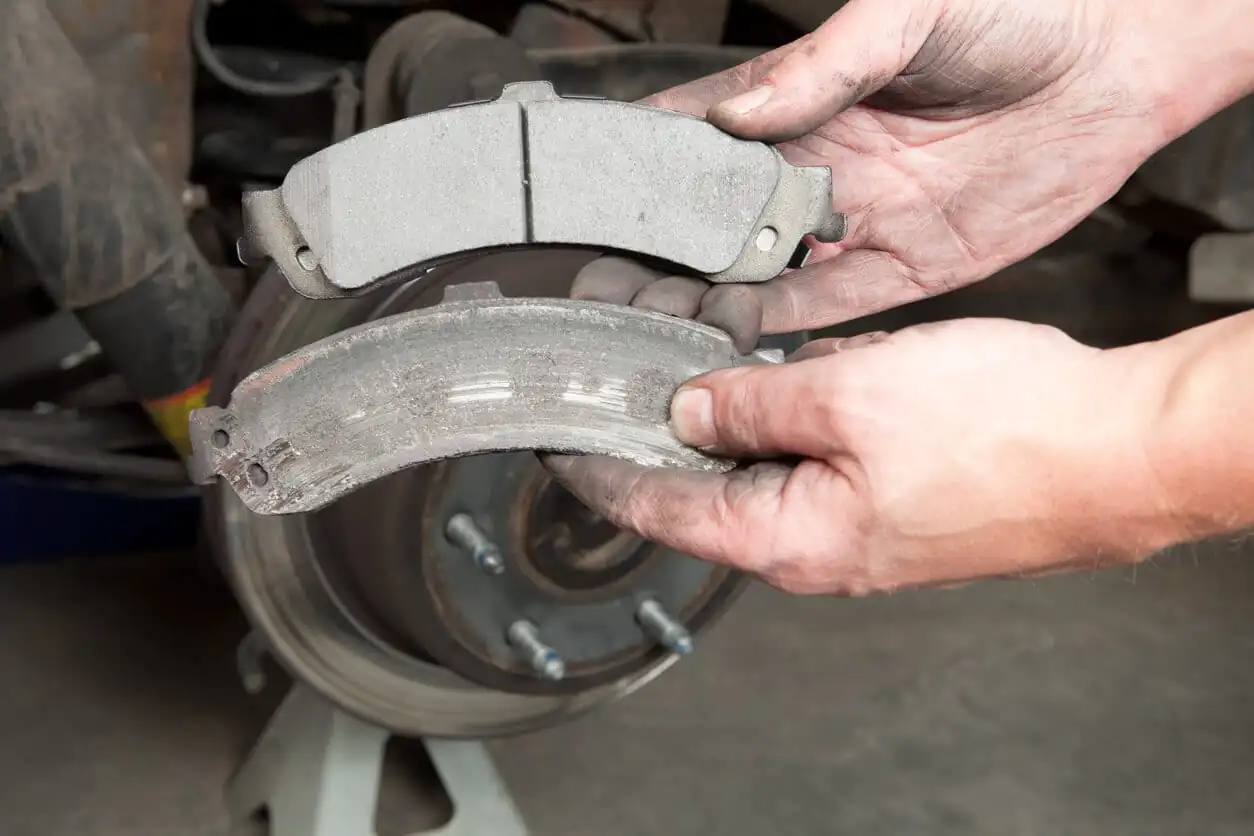
3. Low-Quality or Incorrect Pad Compound Specification for Your Driving Application
Brake pad selection requires careful consideration, as not all pad compounds deliver the same performance under varying driving conditions. Choosing a pad that does not suit the vehicle’s weight, usage pattern, and braking demand often results in accelerated wear that may appear unusual until the relationship between compound composition and durability is properly understood.
Brake pads are produced using different material formulations, ranging from softer organic compounds to more durable semi-metallic and ceramic variants. Each type is designed with a specific balance between braking response, heat tolerance, noise control, and wear resistance. When a compound is applied outside its intended purpose, its service life reduces considerably.
Organic brake pads are commonly used due to their quiet operation and smooth braking feel. They perform adequately under light-duty conditions such as daily urban commuting with moderate speeds.
However, when fitted to heavier vehicles or used under demanding conditions such as towing or frequent braking in dense traffic, these pads tend to wear quickly. Their softer composition, while beneficial for comfort, leads to faster material consumption under higher load.
Semi-metallic brake pads provide improved durability due to their metallic content. This composition enhances heat dissipation and allows the pad to maintain effectiveness under higher temperature conditions. Vehicles operating in areas with frequent stopping or carrying additional loads benefit from this type, as it offers better resistance to rapid wear compared with organic alternatives.
Ceramic brake pads offer a higher level of consistency across varying temperature ranges. Their composition allows them to maintain stable friction characteristics under both light and heavy braking conditions. This stability reduces uneven wear and extends service life, especially in vehicles subjected to varied driving environments.
Vehicle owners who select lower-grade pads solely based on cost often encounter increased maintenance frequency. In cases involving large vehicles used for towing or heavy-duty driving, such decisions result in repeated replacement cycles, which reduce any initial cost savings.
Proper selection based on manufacturer guidance, vehicle specification, and driving conditions ensures that the brake system performs efficiently. Matching the correct compound to usage requirements supports longer service intervals, consistent braking response, and improved reliability during daily operation.

4. Driving in Hilly or Mountain Areas That Require Continuous Braking
The driving environment has a direct effect on brake wear rate, even when the driving style remains unchanged. Vehicles operated in flat urban areas experience lower brake stress compared with those used in regions with frequent elevation changes, where braking demand increases considerably.
In flat conditions, braking typically occurs in short intervals, such as approaching traffic lights or slowing for intersections. These brief applications allow brake components to cool between uses. The cooling process helps maintain material integrity and reduces wear rate across extended use.
In hilly or elevated areas, braking behaviour differs. Descending slopes require continuous application of the brake system to maintain controlled vehicle speed. This sustained use generates heat without allowing sufficient cooling intervals. As a result, brake pads and rotors remain at elevated temperatures for longer durations.
Continuous heat buildup affects brake pad composition. When operating temperatures exceed the intended range of the pad material, friction performance reduces. This condition, often referred to as brake fade, leads to reduced stopping effectiveness and increases the rate at which pad material wears away.
Repeated exposure to elevated temperature also alters the internal structure of the pad compound. Even after cooling, the material may not fully return to its original state, leading to a gradual reduction in performance and shorter service life.
Use of engine braking provides an effective method of reducing load on the braking system during descent. By selecting a lower gear, the engine contributes to speed control, reducing reliance on friction brakes. This approach helps manage temperature buildup and preserves pad material.
Vehicles regularly used in areas with steep gradients experience faster brake wear compared with identical models operated in level regions. Adopting appropriate driving techniques and selecting brake pads designed for higher temperature tolerance improves durability and ensures consistent braking performance under demanding conditions.
5. Rotor Surface Problems That Accelerate Pad Material Removal
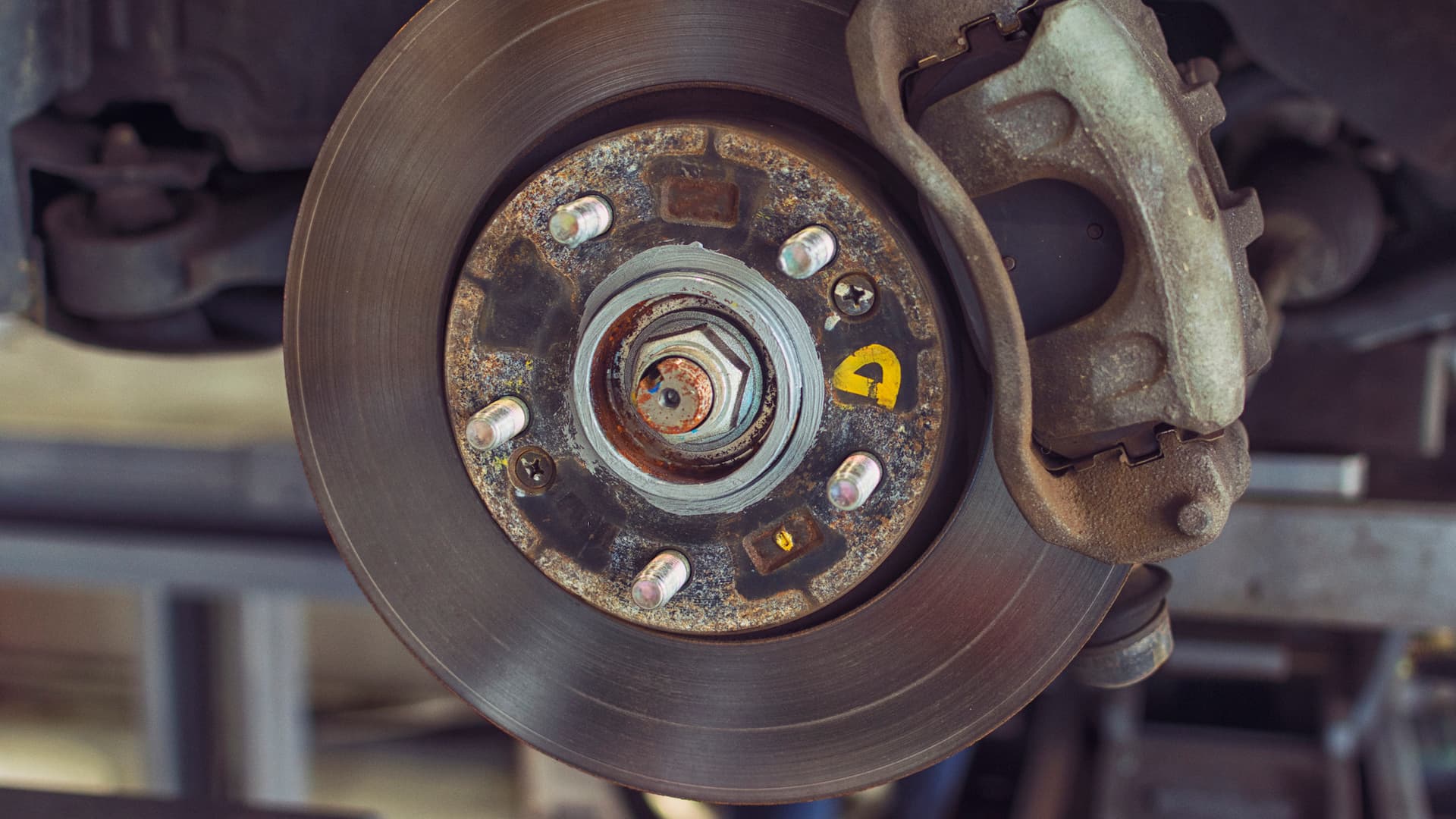
Rotor condition directly influences how quickly brake pad friction material is consumed, and deteriorated or improperly prepared rotors create pad wear rates that exceed what any pad specification would achieve against a properly surfaced rotor.
Rotors and pads form a matched friction pair, and when the rotor surface deviates from the conditions that the pad compound was designed to contact, the interaction between them changes in ways that typically accelerate pad wear while also reducing braking performance.
Rotor scoring produces circumferential grooves in the rotor surface from hard particles embedded in worn pad material, continuing to contact the rotor after the pad’s friction layer has been consumed. These grooves create a rough rotor surface that generates a higher friction contact area and more heat per braking event than a smooth rotor surface, consuming pad material faster while also creating noise and vibration that alert drivers to the problem after damage has already occurred.
Lateral rotor runout, which refers to the rotor wobbling slightly in the axial direction as it rotates rather than maintaining a perfectly flat plane perpendicular to the axle, causes the pad to repeatedly contact the rotor surface at high points in the wobble cycle rather than maintaining even contact across the full rotation.
This pulsed high-pressure contact pattern concentrates wear on specific areas of the pad surface and generates uneven heat distribution that accelerates local degradation. Glazed rotor surfaces result from overheating events that cause pad material to transfer and bond to the rotor surface, creating a smooth, hard layer that prevents proper pad-to-rotor friction engagement.
Pads contacting a glazed rotor surface have reduced friction effectiveness, which causes drivers to apply more brake pressure to achieve the same deceleration, generating more heat and more pad wear than would occur with a properly surfaced rotor.
Owners of the 2018 BMW 5 Series 540i xDrive and the 2020 Audi A6 45 TFSI Quattro Premium who have their rotors resurfaced or replaced during pad changes rather than reusing existing rotors with corrugated or scored surfaces report pad life improvements in subsequent service intervals that confirm the relationship between rotor surface condition and pad wear rate.
Spending money on rotor service during pad replacement is not upselling when rotor condition has genuinely contributed to premature pad wear. Measuring rotor thickness during pad replacement and comparing the measurement against the manufacturer’s minimum thickness specification determines whether resurfacing is viable or replacement is required.
Rotors already at or near minimum thickness cannot be resurfaced because removing additional material during machining would bring them below the safe operating thickness limit.
6. Heavy Vehicle Weight or Frequent Towing That Loads the Brake System Beyond Normal Parameters
Braking is fundamentally a weight management task: the brake system must convert the kinetic energy of the moving vehicle’s mass to heat at a rate fast enough to achieve the desired deceleration. Heavier vehicles require more braking force to achieve equivalent deceleration compared to lighter vehicles, and this higher braking force requirement translates directly to higher friction material consumption per stop.
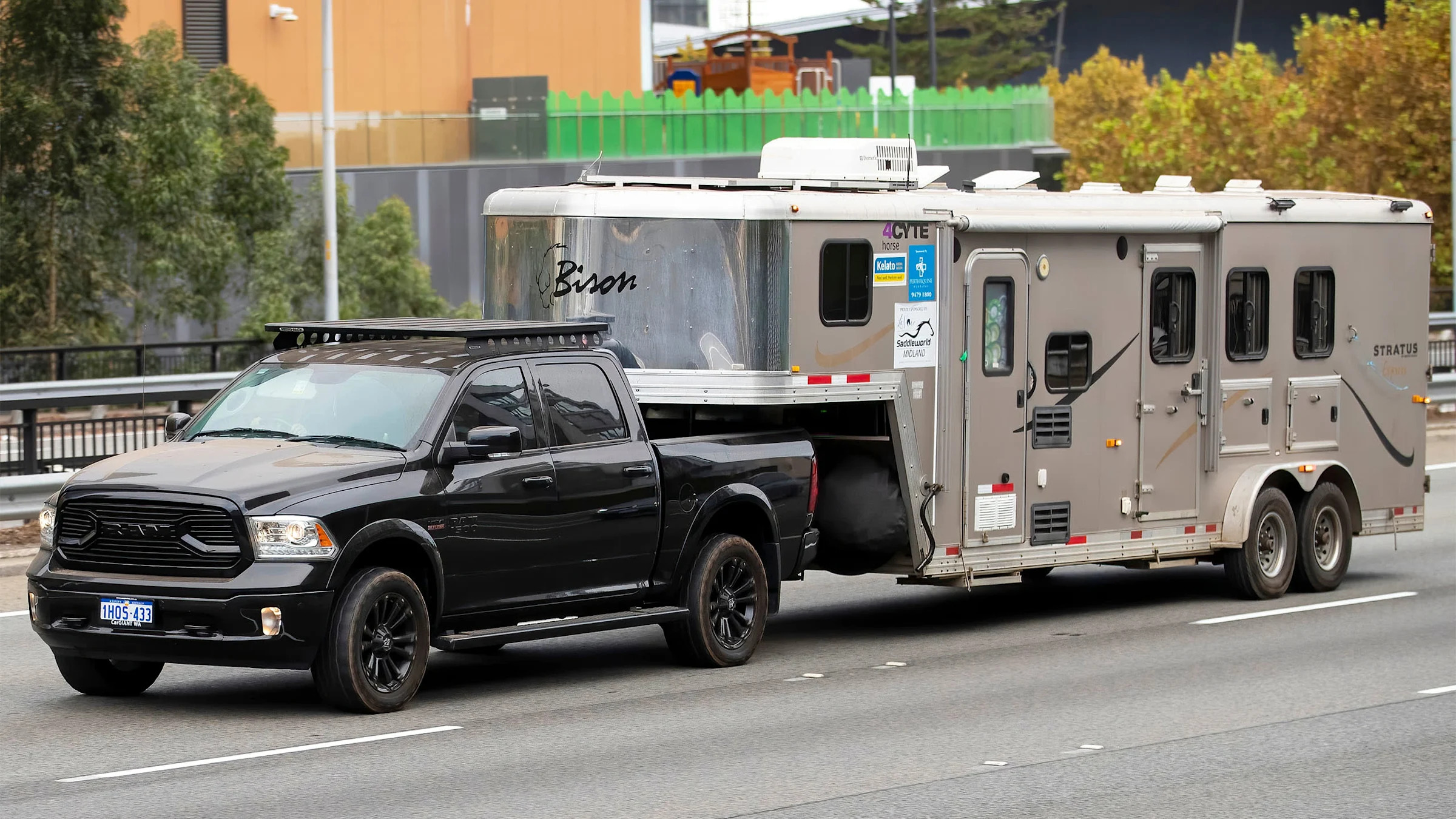
Drivers who operate heavy vehicles or regularly tow trailers are asking their brake pads to do more work per mile than the same pads on a lighter vehicle, and pad wear rates reflect this additional workload. Front brake pads carry a disproportionate share of braking effort on most vehicles because weight transfers forward during deceleration, increasing the normal force on front tires and allowing front brakes to generate more braking force before lockup.
This weight transfer effect is amplified in heavier vehicles and during more aggressive stops, which explains why front pads typically wear two to three times faster than rear pads and why any factor that increases total braking demand, including vehicle weight, affects front pads most severely.
Trailer towing adds the trailer’s mass to the total system that the vehicle’s brakes must decelerate, which can effectively double or triple the total mass the brake system manages during stops. Vehicles rated for towing capacity are engineered with brake hardware appropriate for the rated load, but this engineering assumes that trailer brakes are present and functional on trailers above a specified weight threshold.
Towing heavy trailers without trailer brakes, which is legal below certain trailer weight limits in most states, places the entire deceleration burden on the vehicle’s brakes and accelerates pad wear at rates that can consume front pads in half the mileage that unladen driving would require.
Drivers of the 2022 GMC Sierra 1500 AT4 6.2L V8 and the 2023 Ford F-150 Lariat PowerBoost Hybrid 3.5L V6 who tow frequently at or near maximum capacity benefit from brake compound upgrades to pads with higher temperature resistance and wear ratings than factory-specification organic compounds provide.
Semi-metallic or ceramic compounds appropriate for high-load towing applications are available for most popular towing vehicles and represent a cost-effective investment against the more frequent service intervals that standard pads require under towing conditions.
Payload capacity also contributes to premature wear even without trailer towing. Pickup truck and SUV owners who regularly operate at or near maximum payload capacity with heavy cargo in the truck bed or cargo area are adding mass that their brake pads must manage during every stop, which accumulates into measurably higher wear rates compared to operation without payload.
7. Low Brake Fluid Quality Causing Inadequate Hydraulic Pressure and Compensatory Over-Application
Brake fluid condition plays an important role in brake system performance, even though many drivers pay little attention to it during routine maintenance. When brake fluid deteriorates due to moisture absorption, it affects hydraulic efficiency and indirectly increases brake pad wear through driver response.
Brake fluid naturally absorbs moisture through rubber components such as hoses, seals, and reservoir caps. As water content rises, the boiling point of the fluid reduces. Fresh brake fluid is designed to withstand high temperatures generated during braking, but moisture contamination lowers this tolerance and makes the fluid more prone to vapor formation under heat.
During braking, especially under heavy or repeated use, the fluid temperature can rise to levels where contaminated fluid begins to vaporise. This process introduces air-like bubbles into the hydraulic system. Unlike liquid, these vapour pockets compress under pressure, causing the brake pedal to feel soft or less responsive when pressed.
A driver experiencing this condition tends to apply greater pedal force and extend pedal travel to achieve the expected braking response. Although the vehicle still slows as intended, the increased input leads to higher clamping force at the brake calipers. This increased pressure results in greater friction between the brake pads and rotors, which accelerates pad wear during each braking event.
This pattern may continue without the driver recognising the underlying cause. The vehicle appears to function normally, yet brake pads wear faster due to repeated high-pressure application. The issue is not related to driving habit alone but is influenced by reduced hydraulic efficiency within the system.
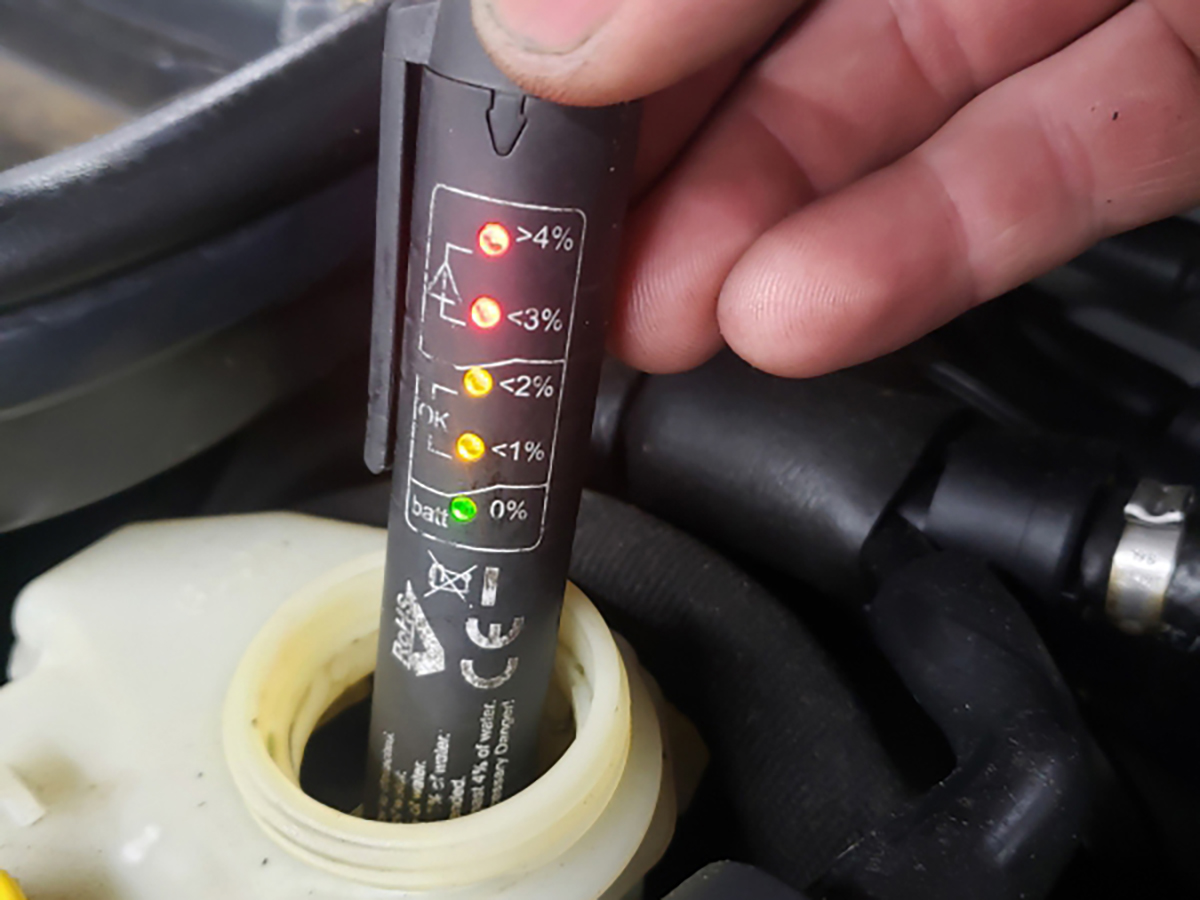
Routine testing of brake fluid condition helps identify moisture content before it affects performance. Simple testing methods can indicate when replacement is necessary. Many vehicle manufacturers recommend fluid replacement at regular intervals, often within two years, regardless of mileage.
Replacing degraded brake fluid restores proper hydraulic pressure transmission and ensures a firm pedal feel. This maintenance step reduces unnecessary force application during braking and supports consistent pad wear. Maintaining clean, high-quality brake fluid contributes to reliable braking performance and helps preserve brake components during regular vehicle use.
Also Read: 8 Reasons Why Hatchbacks Are Better for Urban Families Than Small SUVs
8. Stop-and-Go Urban Commuting Increasing Brake Pad Wear Frequency
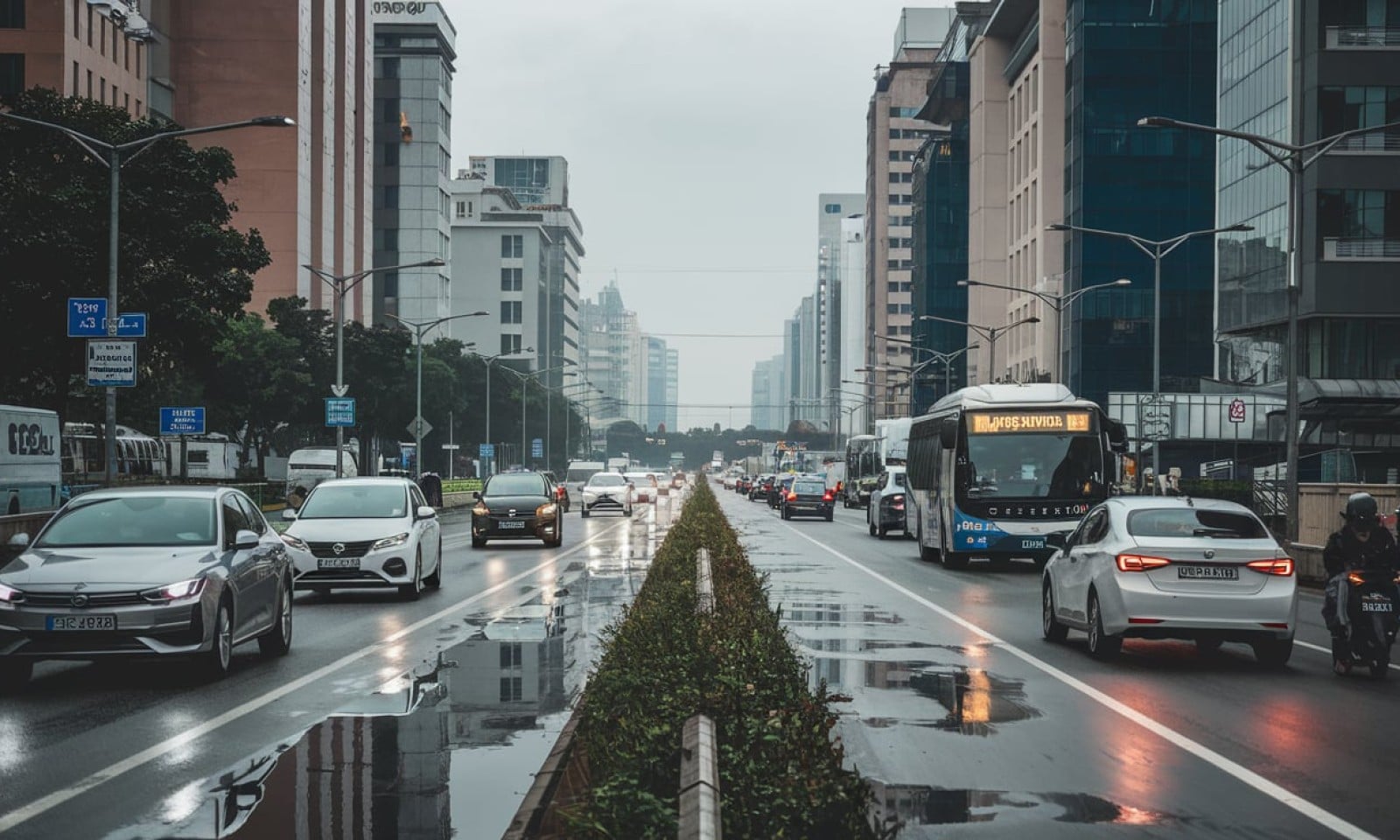
Driving patterns have a direct effect on brake pad lifespan, especially in environments where frequent stopping is unavoidable. Urban commuting presents conditions where braking events occur far more often than in mixed or highway driving.
In densely populated areas, drivers encounter traffic signals, pedestrian crossings, bus stops, and varying traffic flow that requires repeated deceleration. Each stop involves friction between brake pads and rotors, gradually reducing pad material. While each braking action may appear normal, the cumulative effect becomes evident after extended use.
Compared with highway driving, where braking is less frequent and often more gradual, urban driving multiplies the number of braking cycles within a short distance. This repeated use increases total pad wear even when the driver applies the brakes smoothly and appropriately.
The effect is not linked to improper driving technique but to the nature of the environment. A vehicle used primarily for city commuting may experience faster brake wear than the same model operated on highways, even if both vehicles cover similar mileage.
Hybrid and electric vehicles demonstrate reduced brake wear in such conditions due to regenerative braking systems. These systems convert part of the vehicle’s kinetic energy into electrical energy during deceleration, reducing reliance on friction brakes for moderate stops. As a result, brake pad usage decreases during everyday urban driving.
For conventional vehicles, selecting brake pads designed for frequent, moderate braking cycles can improve durability. Certain compounds are better suited for repeated low-to-medium intensity braking rather than high-temperature performance conditions.
Understanding the effect of urban commuting on brake wear allows drivers to plan maintenance more effectively. Increased replacement frequency in such environments reflects usage conditions rather than mechanical fault. Proper pad selection and awareness of driving patterns help maintain consistent braking performance while managing wear across daily operation.
