
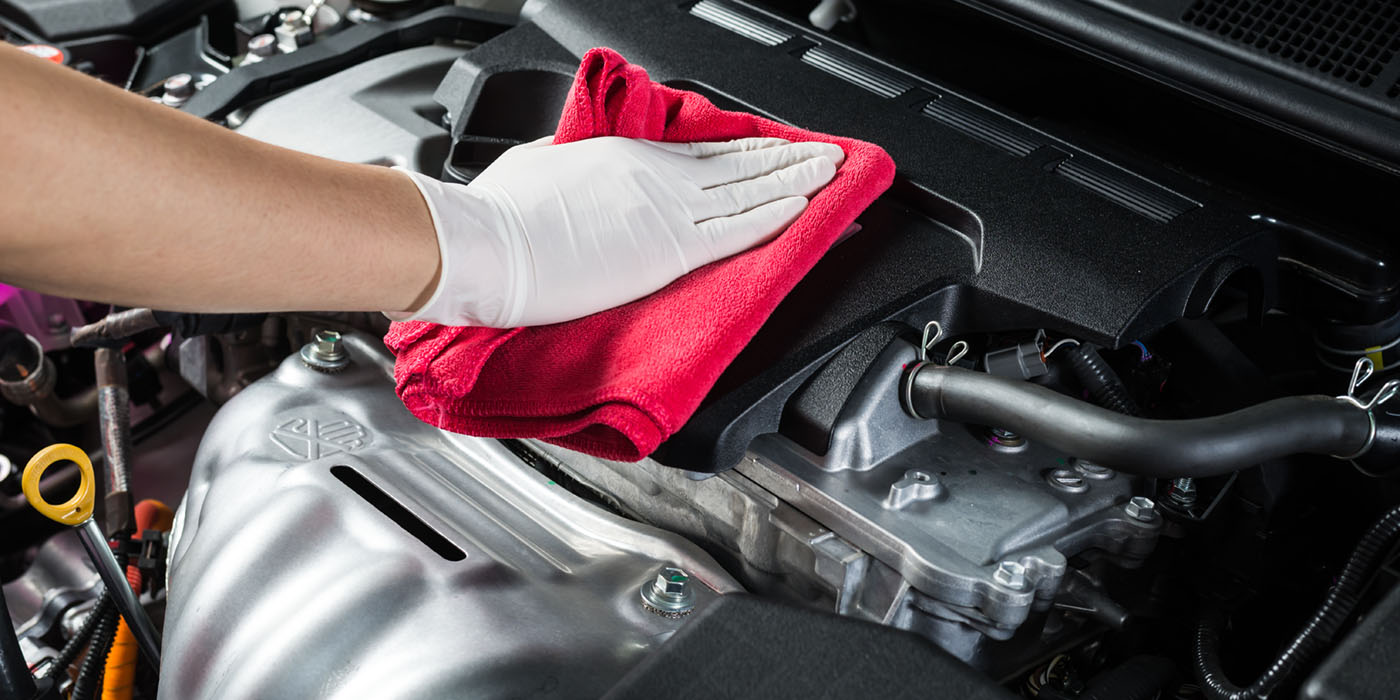
Lift the hood of your car, and a familiar sight often appears: a thin film of dust mixed with grease and traces of road debris quietly settling across engine components. At first glance, it may seem harmless, something that can be ignored without consequence.
Yet a neglected engine bay can make routine inspections more difficult and may conceal early warning signs of mechanical concerns. Keeping this area clean serves a practical purpose beyond appearance. It improves visibility when checking parts and supports a more organised, well-maintained vehicle.
Today’s vehicles are built with a combination of durable mechanical systems and sensitive electronic components. Sensors, wiring harnesses, and control modules work together to keep everything running smoothly. These elements are designed for reliability, but they are not immune to damage caused by careless cleaning.
Excessive water pressure or improper cleaning products can interfere with electrical connections, leading to faults that may require expensive repairs. A careful approach to cleaning makes a clear difference. Using soft tools, selecting mild cleaning agents, and preparing the engine bay properly all contribute to a safer process.
Covering vulnerable areas and working with controlled amounts of moisture helps reduce risk while still achieving effective results. With patience and the right method, even someone with limited experience can clean an engine bay without causing harm.
Attention to detail is what separates a rushed job from a proper one. Each step, from initial preparation to final drying, plays a role in protecting critical components. Taking the time to follow a structured process ensures that dirt and grime are removed without affecting performance.
The methods that follow are designed to help you clean your engine bay confidently while preserving the integrity of sensitive electronics. By applying these techniques, you can maintain a cleaner, more reliable vehicle and make future inspections easier and more efficient.
1. Start With a Cool Engine and Proper Preparation
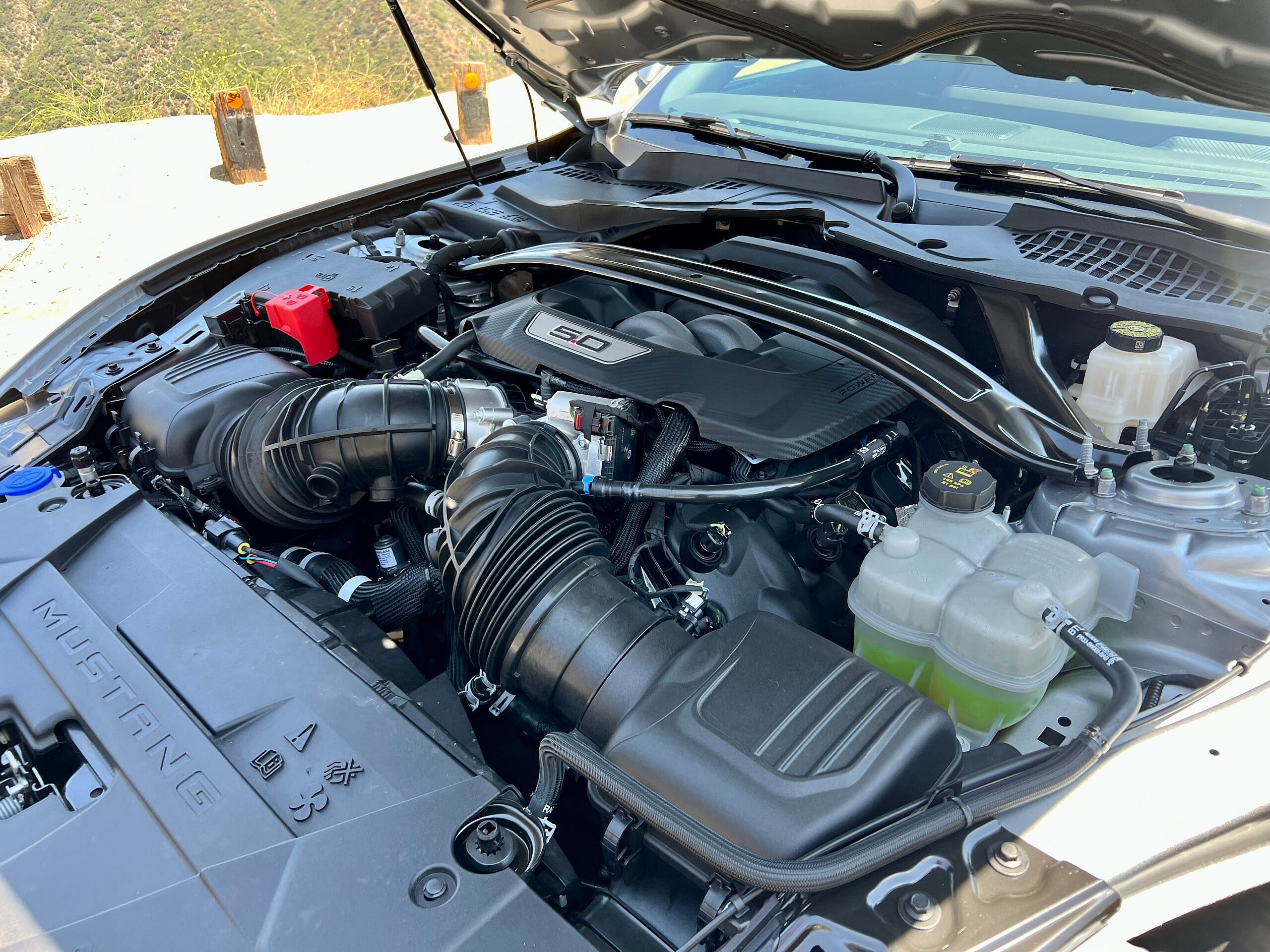
Adequate preparation forms the basis of a safe and effective engine bay cleaning process, and any attempt to proceed without it often results in avoidable complications. Allowing the engine to cool completely is an essential first step that must not be overlooked.
When heat interacts with water or cleaning agents, rapid temperature variation may occur, which can place stress on engine components and, in some cases, lead to cracks or surface damage. A practical example may be seen when working on a Honda Accord EX-L 2021 that has been parked for several hours.
At this point, physical contact with engine components confirms that the temperature has reduced to a safe level. This precaution not only protects the individual carrying out the cleaning but also safeguards sensitive materials from the effects of sudden cooling.
Attention should then be directed toward identifying components that require protection. Electrical elements such as the battery, alternator, and exposed wiring must be covered carefully using plastic materials or protective wraps. Ensuring that these coverings are firmly secured prevents water from penetrating areas where it could interfere with electrical performance.
Preparation also involves assembling the appropriate tools before commencing the task. Soft brushes, microfiber cloths, and a mild degreasing agent should be readily available. The use of harsh chemicals or abrasive implements introduces unnecessary risk, as such materials may damage delicate surfaces or reduce the lifespan of certain components.
Removing loose debris is another important preparatory step. Dust, leaves, and other particles can be cleared using a dry brush or compressed air. This prevents the formation of mud when moisture is later introduced during the cleaning process.
Organising the working environment contributes to efficiency and control. Access to a hose with adjustable pressure, along with proper drainage, allows for better management of water flow. Avoiding high-pressure settings reduces the likelihood of water being forced into sensitive areas.
Careful preparation ensures that the cleaning process proceeds in a controlled and orderly manner. By taking these steps, risks are minimised, and each stage of the task can be carried out with confidence and precision.
2. Use Gentle Degreasers Instead of Harsh Chemicals
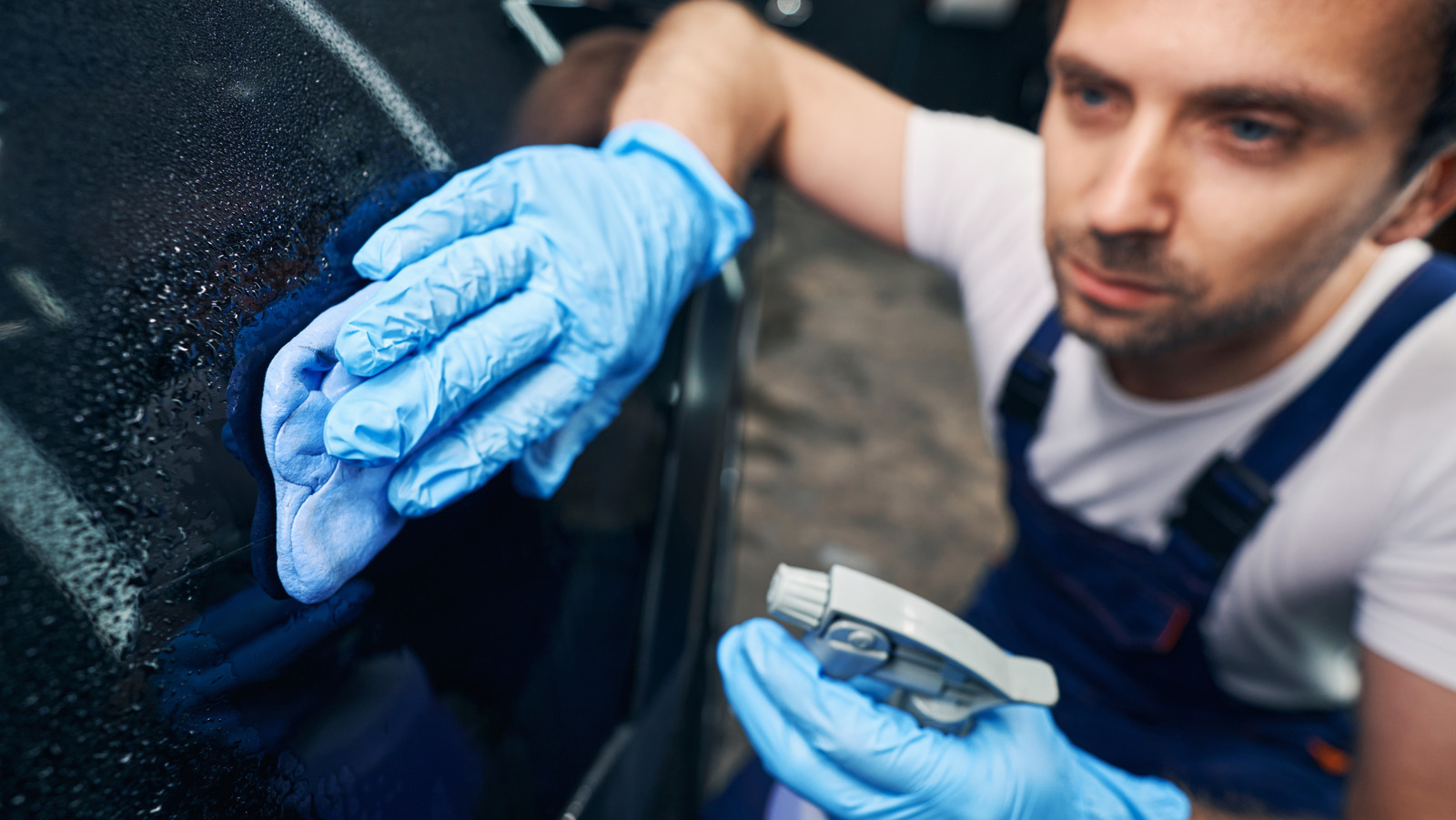
The selection of an appropriate cleaning agent is fundamental to preserving the condition of engine components during cleaning. While strong chemical products may remove grease quickly, they often have adverse effects on rubber seals, plastic covers, and painted surfaces. A milder alternative provides effective cleaning while maintaining the integrity of these materials.
An illustration may be drawn from the application of a gentle degreaser to a Ford Fusion Titanium 2019. Upon application, the product gradually breaks down oil and accumulated grime, allowing contaminants to loosen without the need for excessive scrubbing. This controlled action ensures that surrounding components are not subjected to unnecessary stress.
Proper application technique is equally important. Spraying the degreaser evenly across the engine bay promotes consistent coverage. Allowing the solution to remain in place for a few minutes enables it to act on stubborn deposits. Thereafter, light agitation with a soft brush assists in removing the loosened residue without causing scratches or abrasion.
Certain components demand particular care during this process. Rubber hoses and plastic connectors should be handled gently to prevent deterioration. Excessive force or the use of unsuitable chemicals in these areas may result in cracking or weakening, which could affect long-term performance.
Rinsing should be conducted with caution. A controlled and light stream of water is sufficient to remove the dissolved grime. High-pressure spraying must be avoided, as it can force moisture into electrical connections and other sensitive areas.
Environmentally responsible degreasers present an additional advantage. Such products are designed to minimise environmental impact while still delivering effective cleaning results. Their use reflects a commitment to responsible vehicle care.
Maintaining consistency in product selection ensures reliable outcomes. Using trusted, mild cleaning agents helps preserve the condition of engine components while achieving a satisfactory level of cleanliness. A careful approach to degreasing allows for the removal of accumulated dirt without compromising sensitive parts. This method ensures that the engine bay remains both clean and properly protected.
Also Read: 8 Reasons Why You Need Dedicated Winter Tyres in the Upper Midwest
3. Protect Electrical Components Before Introducing Moisture
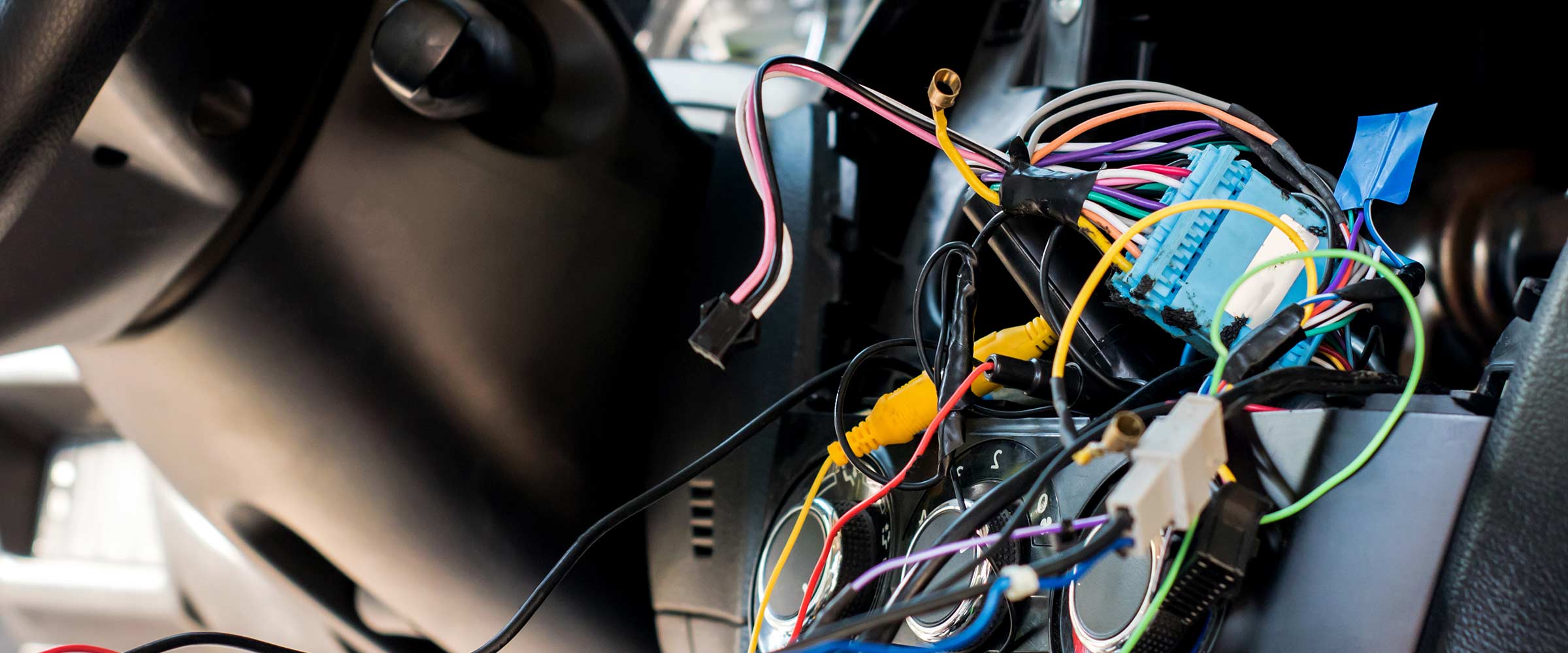
Proper protection of electrical components remains a central requirement when cleaning an engine bay, particularly in modern vehicles where electronic systems play a vital role in daily operation. These systems include sensors, wiring harnesses, connectors, and control units, all of which are designed to function within controlled conditions.
Exposure to moisture without adequate safeguards can interfere with their performance and may lead to faults that require costly repairs. A practical illustration may be observed when attending to a Chevrolet Malibu Premier 2020.
Within its engine compartment, multiple electrical connections are positioned in proximity to areas that may require cleaning. These components must be kept dry throughout the process. Covering them with plastic wraps or waterproof materials provides an effective barrier against water intrusion.
Ensuring that protective coverings are firmly secured is equally important. Any loose covering may move during cleaning, thereby exposing sensitive areas to moisture. Taking time to inspect and confirm that each protective layer is properly positioned reduces the likelihood of accidental exposure.
Battery terminals require particular attention during this process. Moisture in these areas may lead to corrosion, which can interfere with electrical flow and affect starting performance. Keeping the battery terminals dry helps preserve their efficiency and reliability.
Alternators and fuse boxes also demand careful protection. These components are highly sensitive to water exposure, and even a small amount of moisture may result in malfunction. In some cases, the effects may not be immediate but could develop gradually, leading to operational issues at a later stage.
Minimising the use of water further enhances safety. Instead of applying large quantities of moisture, it is advisable to use controlled amounts combined with gentle wiping techniques. This approach reduces the risk of water reaching vulnerable components.
Drying forms an essential part of the process. Protective coverings should only be removed after confirming that the surrounding areas are completely dry. The use of a microfiber cloth helps absorb any remaining moisture and ensures a clean finish.
By adopting these precautions, vehicle owners can safeguard essential electrical systems while maintaining cleanliness. Careful handling of these components ensures that the cleaning process improves the condition of the engine bay without introducing avoidable complications.
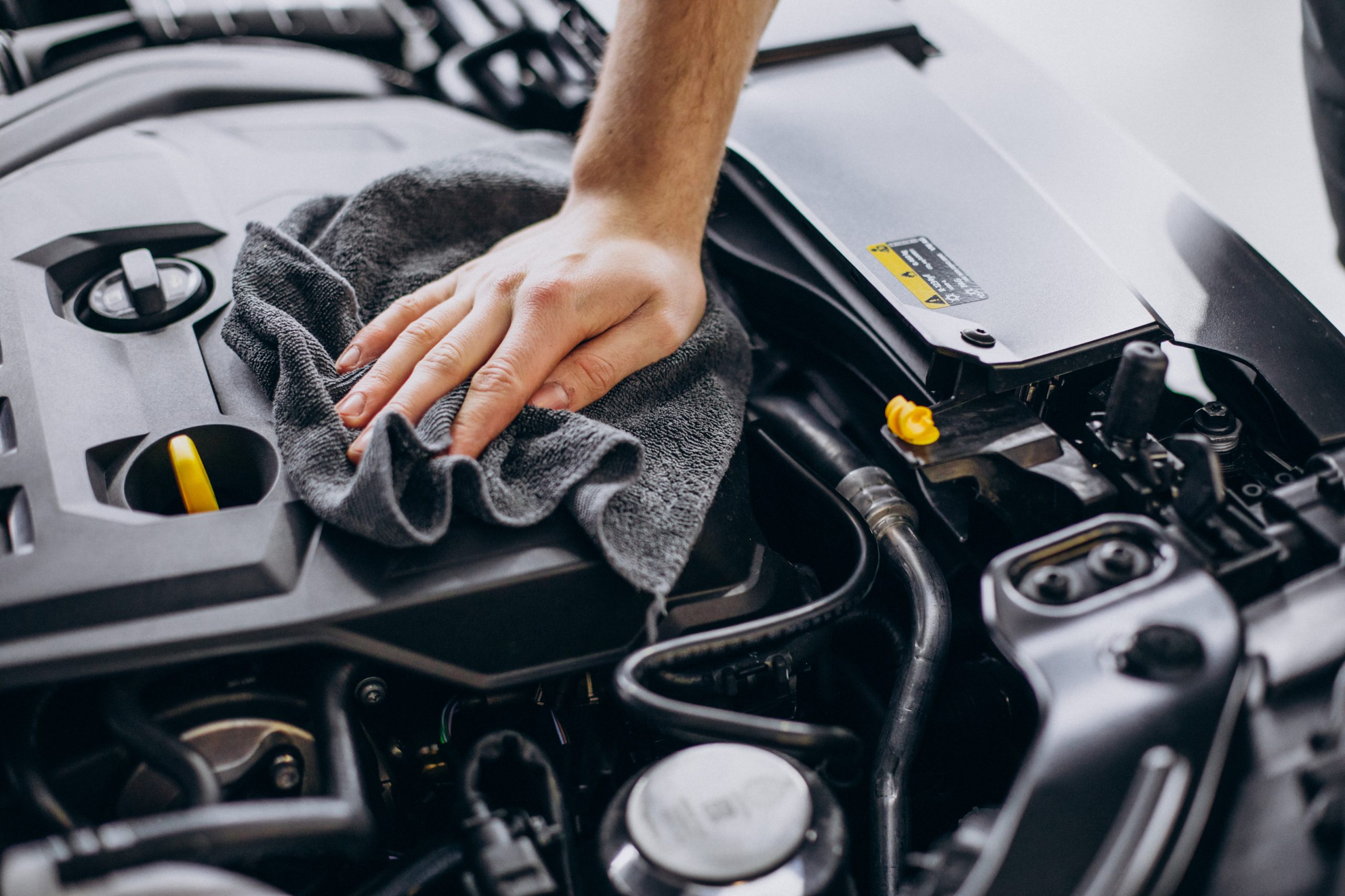
4. Clean With Soft Brushes and Microfiber Cloths
Appropriate tool selection plays a decisive role in achieving effective and safe engine bay cleaning. The use of soft brushes and microfiber cloths allows for the removal of dirt and grime while reducing the risk of scratches or damage to sensitive surfaces.
A clear example may be considered when cleaning a Toyota RAV4 XLE Premium 2022 using a set of soft detailing brushes. These brushes are designed to reach confined areas within the engine bay, loosening dirt that would otherwise remain inaccessible. Their gentle bristles ensure that surfaces are cleaned without causing abrasion.
Microfiber cloths complement this process effectively. Their structure enables them to capture and retain dirt particles, allowing for thorough cleaning without leaving streaks or residue. Using separate cloths for different sections of the engine bay helps prevent the transfer of dirt from one area to another.
Adopting a systematic approach improves the quality of the outcome. Beginning from one section and progressing methodically across the engine bay ensures that all areas receive proper attention. This organised process supports consistency and reduces the likelihood of overlooking any part.
Sensitive components require careful handling during cleaning. Applying light pressure around wiring and connectors prevents accidental dislodgement or damage. Excessive force should be avoided at all times, as it may compromise the integrity of delicate parts.
Combining brushing with wiping techniques enhances effectiveness. Dirt is first loosened with a soft brush and then removed using a microfiber cloth. This method achieves a thorough result without the need for aggressive action.
Regular cleaning reduces the accumulation of stubborn grime. Maintaining a routine ensures that dirt does not build up to levels that require intensive cleaning methods. This makes each session more manageable and safer for the vehicle.
Selecting suitable tools and using them with care ensures that the engine bay is cleaned efficiently. Soft brushes and microfiber cloths provide a reliable method for maintaining cleanliness while preserving the condition of engine components.
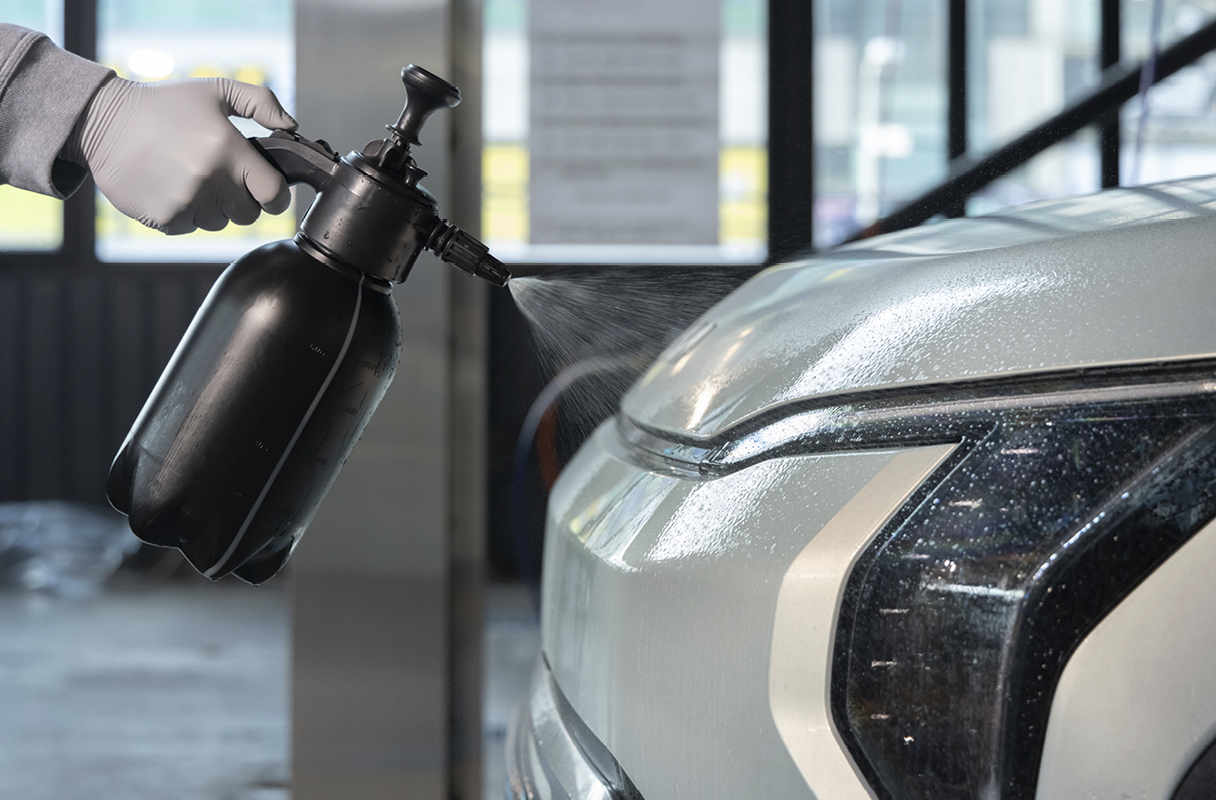
5. Control Water Usage With a Light Rinse Technique
Effective engine bay cleaning requires a disciplined approach to water usage, as excessive application introduces avoidable risk, particularly to electrical components. A controlled rinse technique provides a practical balance by enabling the removal of dirt while maintaining the safety of sensitive systems. Careful handling of water ensures that cleaning is achieved without compromising the integrity of essential parts.
An instructive example may be observed when rinsing a BMW 330i Sedan 2022 using a hose adjusted to low pressure. Instead of applying forceful streams, a gentle flow of water is directed toward areas that have already been treated with a cleaning agent. This approach removes loosened grime without pushing moisture into connectors, wiring, or other vulnerable sections.
Precision remains central to this method. Water should only be applied where necessary, with deliberate control over direction and intensity. Even when protective coverings have been placed over electrical components, it is advisable to avoid direct contact with such areas. Maintaining a low angle while rinsing further assists in preventing water from penetrating sensitive points.
Segmented cleaning improves both control and effectiveness. Addressing one section at a time allows for careful monitoring of water distribution and prevents accumulation in concealed areas. This method also supports a more organised process, ensuring that each part of the engine bay receives appropriate attention without excess exposure to moisture.
Temperature considerations should not be disregarded. The use of cool water on an engine that has already cooled to a safe level helps maintain material stability. Sudden temperature changes may place stress on plastic and metal components, which can lead to deterioration if repeated over time.
Prompt drying following the rinse stage is essential. Allowing water to remain on surfaces increases the likelihood of corrosion and may affect electrical reliability. Transitioning quickly from rinsing to drying minimises these risks and supports a safer outcome.
A controlled rinse technique represents a careful and measured approach to cleaning. By limiting water usage and maintaining precision, it is possible to achieve a clean engine bay while preserving the functionality of delicate systems.
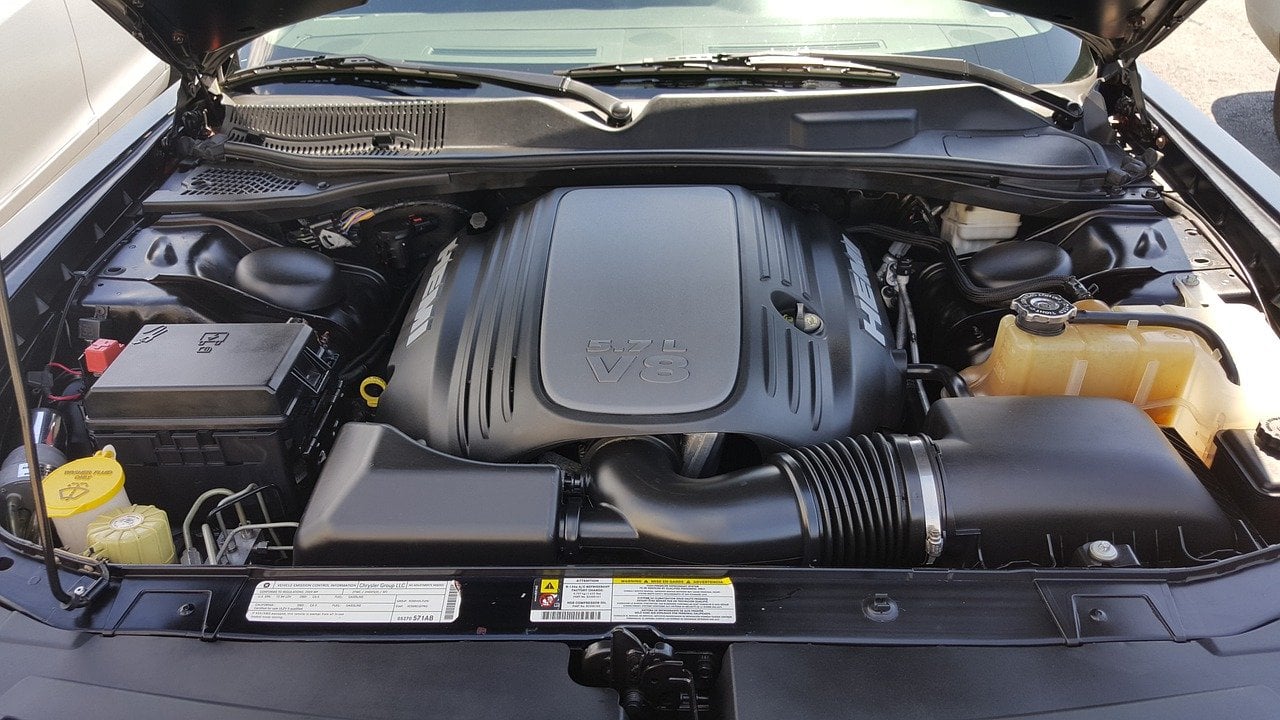
6. Dry Thoroughly Using Airflow and Absorbent Materials
Thorough drying constitutes an essential stage in engine bay maintenance, as residual moisture can give rise to corrosion, electrical disturbances, and surface residue. A deliberate drying process ensures that all cleaned areas are returned to a safe and stable condition. Attention at this stage protects the results achieved during cleaning and prevents the introduction of new issues.
A practical illustration may be considered when drying a Mercedes-Benz C-Class C300 2021 following a controlled wash. The initial step involves the use of a microfiber towel to absorb visible water from accessible surfaces. These cloths are particularly suitable due to their ability to retain moisture without leaving fibres behind, thereby preserving the cleanliness of delicate components.
Supplementing this process with airflow enhances effectiveness. The use of compressed air or a portable blower enables access to confined areas that cannot be reached easily with a cloth. Water trapped around connectors, wiring, and other intricate parts can be removed efficiently through directed airflow, reducing the risk of hidden moisture.
Adopting a structured method contributes to comprehensive coverage. Beginning from the upper sections of the engine bay and progressing downward allows water to be guided away from critical components. This approach prevents the reintroduction of moisture to areas that have already been dried, ensuring consistency throughout the process.
Detailed inspection further strengthens the outcome. Areas beneath hoses, around brackets, and within small recesses should be examined carefully to confirm that no moisture remains. Even minor traces of water may lead to complications if left unattended, particularly in proximity to electrical systems.
Allowing a brief period for natural air drying provides additional assurance. Keeping the hood open permits airflow to circulate freely, assisting in the evaporation of any remaining dampness. This final step complements manual drying efforts and enhances the whole effectiveness.
Combining absorbent materials with controlled airflow produces a dependable drying method. Careful execution of this stage protects electrical components and preserves the condition of engine parts, ensuring that the cleaning process concludes without unintended consequences.
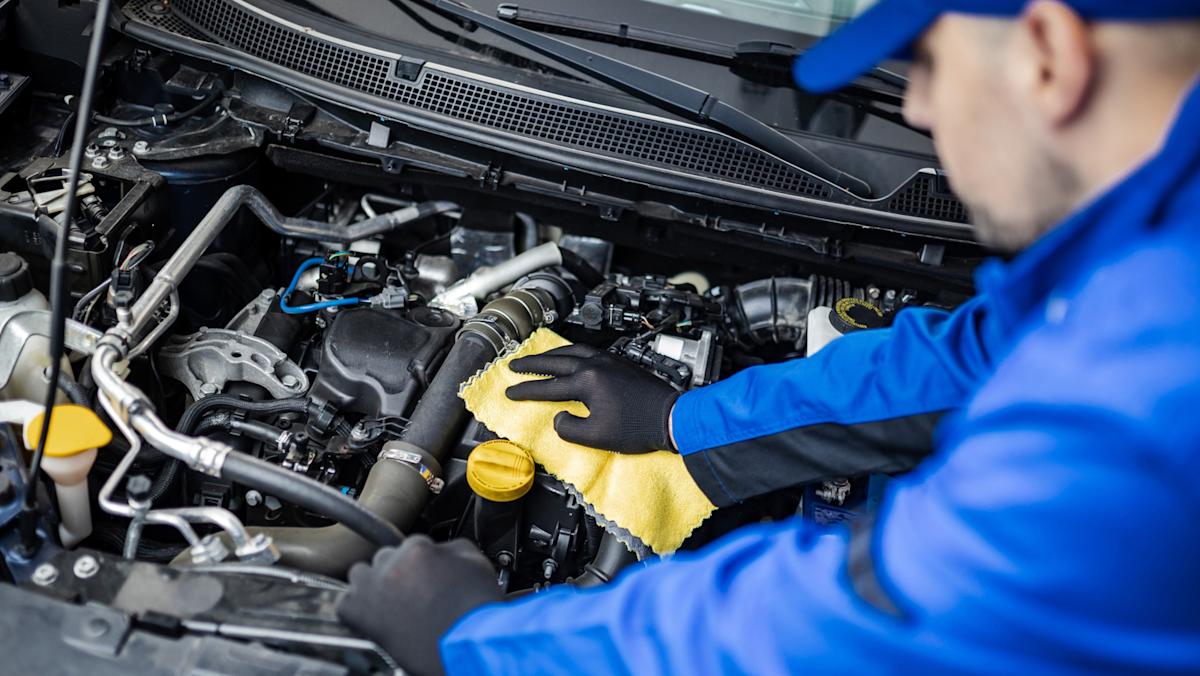
7. Apply Protective Dressing for a Clean and Finished Look
Achieving a refined engine bay appearance requires more than the removal of dirt and grease. The application of a protective dressing serves as a final stage that enhances both visual appeal and material preservation. Plastic covers, rubber hoses, and similar components often lose their original finish due to exposure to heat and environmental elements. A carefully selected dressing restores a subtle sheen while forming a protective layer that supports long-term durability.
An appropriate example may be seen when attending to an Audi Q5 Premium Plus 2020 after the cleaning process has been completed. At this stage, surfaces appear free from dirt, yet they may still look dry or slightly faded. The application of a dressing revitalises these components, producing a neat and well-maintained appearance that reflects proper care and attention.
Product selection must be approached with caution. Water-based dressings are widely preferred because they provide a natural finish without leaving an oily or excessively glossy surface. These formulations reduce the tendency for dust accumulation and maintain a clean look for a longer period. Solvent-based alternatives, while sometimes effective, may create a greasy residue that attracts debris and diminishes the intended effect.
Method of application plays an equally important role. The use of a foam applicator or a clean microfiber cloth allows for even distribution across surfaces. Careful and deliberate movements ensure that the product is applied uniformly without excess accumulation in certain areas. It is advisable to avoid direct application onto electrical connectors, belts, or any component that requires a dry operating condition.
Moderation remains essential during this stage. A thin, well-spread layer is sufficient to achieve the desired effect. Excessive application may result in residue buildup, which can detract from the whole appearance and potentially attract dirt. Maintaining restraint ensures a clean and professional finish.
Protective dressing also contributes to the preservation of materials. Rubber and plastic components are susceptible to cracking and fading due to prolonged exposure to heat. The application of a suitable dressing helps shield these surfaces, thereby extending their lifespan and maintaining their structural integrity.
Regular reapplication supports consistency in appearance. Incorporating this step into periodic maintenance routines ensures that engine bay components continue to look refreshed and well cared for. This practice reinforces the benefits achieved during the initial cleaning process.
Attention to finishing details distinguishes a thorough cleaning procedure from a basic one. Applying a protective dressing enhances both aesthetics and durability, ensuring that the engine bay remains in a presentable and well-preserved condition.
Also Read: 8 Reasons Why Your Brake Pads Are Wearing Out Every 10,000 Miles

8. Maintain a Routine to Prevent Heavy Buildup
Sustaining cleanliness within an engine bay depends largely on consistency and disciplined maintenance practices. Allowing dirt and grease to accumulate over extended periods increases the difficulty of cleaning and raises the likelihood of requiring more intensive methods. Establishing a routine reduces effort while preserving the condition of engine components.
A useful illustration may be drawn from the upkeep of a Lexus RX 350 F Sport 2021 through periodic light cleaning. Instead of allowing grime to accumulate, minor deposits of dust and residue are addressed promptly. This approach ensures that surfaces remain manageable and eliminates the need for aggressive cleaning procedures that may introduce risk.
Developing a habit of routine inspection contributes to effective maintenance. Conducting visual checks at regular intervals allows for early identification of dirt buildup. Addressing such conditions promptly prevents them from becoming stubborn deposits that require extensive effort to remove.
Simple cleaning techniques are often sufficient for routine care. The use of a damp microfiber cloth for surface wiping, combined with a soft brush for confined areas, maintains cleanliness without introducing excessive moisture. This method supports safe cleaning practices while preserving sensitive components.
Environmental conditions influence the frequency of maintenance. Vehicles exposed to dusty environments, frequent rainfall, or road debris may require more frequent attention. Adjusting cleaning intervals based on usage conditions ensures that the engine bay remains in acceptable condition at all times.
Routine maintenance also supports effective inspection of mechanical and electrical components. A clean engine bay allows for easier identification of leaks, worn parts, or loose connections. This visibility enhances the ability to address issues promptly, thereby reducing the likelihood of extensive repairs.
Establishing a consistent maintenance schedule reduces the effort required for each cleaning session. Regular attention prevents the accumulation of heavy grime, which often demands more intensive and potentially risky cleaning methods. This approach promotes efficiency and safeguards delicate systems.
Commitment to routine care ensures that the engine bay remains orderly and functional. Consistent maintenance preserves both appearance and performance, allowing vehicle owners to manage cleanliness with minimal difficulty while protecting essential components.
