
Buying a vehicle often marks a personal milestone. It may represent independence, progress, or the reward for years of hard work. While most owners accept that cars age quickly, that outcome is not fixed.
Vehicles respond directly to the way they are treated, driven, and cared for over the years. A car that looks and drives like new after two decades rarely achieves that condition by accident. It reflects intentional habits, informed decisions, and consistent attention.
Long vehicle life is not limited to rare models or luxury brands. Ordinary sedans, family SUVs, and reliable pickups can deliver decades of dependable service when handled correctly.
Paint can retain its shine. Interiors can remain solid and comfortable. Engines can run smoothly without drama. What separates a worn-out car from a preserved one usually comes down to daily choices rather than luck.
This guide focuses on practical strategies that any driver can apply, regardless of experience level. Each strategy is paired with a specific vehicle example to show how real-world models respond to proper care. The goal is simple. Help you extend the useful life of your vehicle while maintaining its appearance, comfort, and driving confidence for as long as possible.
Every section approaches vehicle preservation from a different angle. Some focus on driving habits. Others emphasize routine care, storage, or smart decision-making. Together, these strategies create a system that protects your investment year after year. With patience and discipline, keeping a vehicle in near-new condition for twenty years becomes realistic rather than rare.

1. Treat Break-In Periods as a Long-Term Investment
Early ownership habits leave a lasting imprint on any vehicle. During the first several thousand miles, internal components adjust to one another. Gentle treatment during this phase sets the tone for long service life. Aggressive acceleration, hard braking, and high engine speeds too soon can cause premature wear that never fully disappears.
Consider the 2024 Toyota Camry XSE 2.5L. This sedan arrives from the factory with tight tolerances designed for efficiency and reliability. During early miles, varying engine speed rather than holding constant RPM allows components to seat evenly. Smooth throttle input helps piston rings settle correctly, supporting strong compression years later.
Allowing the transmission to move naturally without forcing rapid changes protects internal clutches and gears. Cold starts deserve special care during early ownership.
Waiting briefly before driving allows fluids to circulate properly. While modern engines warm faster than older designs, restraint during the first minutes reduces internal friction. That habit remains valuable long after the break-in phase ends.
Braking systems also benefit from thoughtful early use. Gradual stops allow brake pads to bed evenly against rotors. Sudden heavy braking before this process finishes may cause uneven surfaces that affect braking feel for years. Smooth early braking improves long-term stopping performance and reduces vibration complaints later in ownership.
Many drivers underestimate how long break-in benefits last. A well-treated engine during its early life often runs quieter, burns less oil, and responds more predictably under load. Transmission behavior also stays smoother, with fewer harsh moves developing as mileage increases.
Adopting disciplined habits early builds consistency. Drivers who start gently tend to maintain those habits naturally. That continuity protects mechanical systems well beyond the first year. A vehicle introduced to respectful use from day one stands a far better chance of reaching twenty years while still delivering confidence behind the wheel.
2. Follow Service Schedules Without Shortcuts or Delays
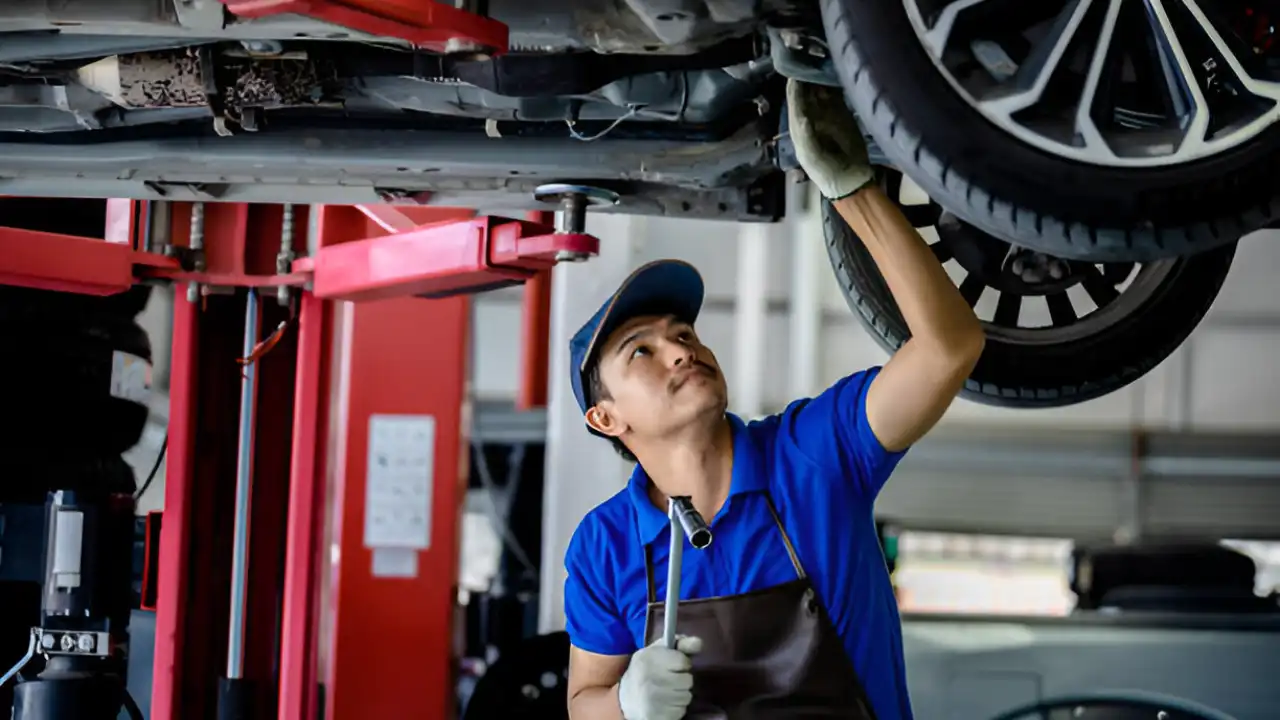
Routine service acts as the backbone of long vehicle life. Skipping oil changes, ignoring fluid replacements, or delaying inspections gradually erodes reliability. While modern vehicles tolerate some neglect, cumulative stress always surfaces eventually. Commitment to scheduled care prevents small issues from growing into costly repairs.
Take the 2023 Honda CR-V Hybrid Touring as an example. This vehicle blends mechanical and electrical systems that rely on clean fluids and proper calibration.
Engine oil protects moving parts from heat and friction. Hybrid components depend on cooling systems that must remain clean and sealed. Ignoring scheduled service places strain on systems designed for balance and efficiency.
Oil changes should follow mileage and time intervals, not just dashboard reminders. Driving patterns affect oil condition. Short trips, stop-and-go traffic, and extreme temperatures accelerate breakdown. Timely oil service preserves internal surfaces and supports fuel efficiency across decades.
Transmission fluid often receives less attention, yet it plays a vital role. Fresh fluid maintains hydraulic pressure and reduces internal wear. Many modern transmissions lack dipsticks, leading some owners to assume fluid lasts forever. That assumption shortens service life. Scheduled fluid replacement keeps shifting smoothly and prevents internal damage.
Cooling systems deserve equal respect. Fresh coolant regulates temperature and prevents corrosion. Old coolant loses protective qualities, allowing rust and scale to develop. Replacing coolant at recommended intervals protects radiators, water pumps, and heater cores.
Brake inspections, suspension checks, and alignment services maintain safety and ride quality. Worn components place strain on surrounding parts. Addressing wear early keeps repair costs manageable and preserves the factory driving feel. Following service schedules requires planning and consistency.
Using a trusted service provider or keeping detailed records supports accountability. Vehicles that receive regular attention reward owners with reliability, predictable performance, and extended life that comfortably reaches the twenty-year mark.
Also Read: 8 Reasons Why Analog Gauges Are Becoming a Luxury Feature in 2026
3. Drive With Mechanical Sympathy Every Single Day
Driving style shapes vehicle condition more than mileage alone. Two identical vehicles with equal miles may age very differently depending on how they are driven. Smooth, deliberate control reduces stress across mechanical systems and preserves structural integrity.
Picture the 2022 Mazda CX-5 Turbo Signature going through daily traffic. Gentle throttle input allows the turbocharger to operate within safe limits. Abrupt acceleration generates heat and pressure that wear components faster. Gradual input maintains responsiveness without forcing extremes.
Braking habits influence more than pads and rotors. Sudden stops transfer stress to suspension components and body mounts. Progressive braking distributes load evenly, preserving bushings and joints. Anticipating traffic flow reduces unnecessary braking, extending component life.
Steering behavior also matters. Avoiding curb impacts, potholes, and abrupt wheel movement protects alignment and suspension geometry. Careful parking prevents wheel damage and tire sidewall stress. These small actions maintain ride quality year after year.
Highway driving presents its own considerations. Sustained high speeds increase engine load and heat. Maintaining reasonable speeds preserves engine internals and improves fuel economy. Cruise control use helps maintain steady operation and reduces unnecessary throttle changes.
Load management plays a role as well. Carrying unnecessary weight strains the suspension and brakes. Removing unused cargo reduces wear and improves efficiency. Towing within rated limits protects driveline components and cooling systems. Mechanical sympathy reflects awareness rather than limitation.
Drivers remain fully in control while respecting how systems operate. After a long period of time, this approach preserves smoothness, reduces noise, and maintains the original driving character. Vehicles treated with care on every trip stand a far better chance of aging gracefully without developing chronic issues.
4. Protect Paint and Exterior Surfaces From Daily Exposure
Exterior condition shapes first impressions and resale value. Sunlight, moisture, road debris, and pollutants gradually attack paint and trim. Without protection, even high-quality finishes fade and deteriorate. Consistent exterior care preserves appearance and structural integrity.
Imagine the 2021 Lexus ES 350 F Sport parked outdoors daily. Ultraviolet radiation breaks down the clear coat after a long time. Regular washing removes contaminants that accelerate degradation. Applying quality wax or sealant creates a barrier that reflects sunlight and repels moisture.
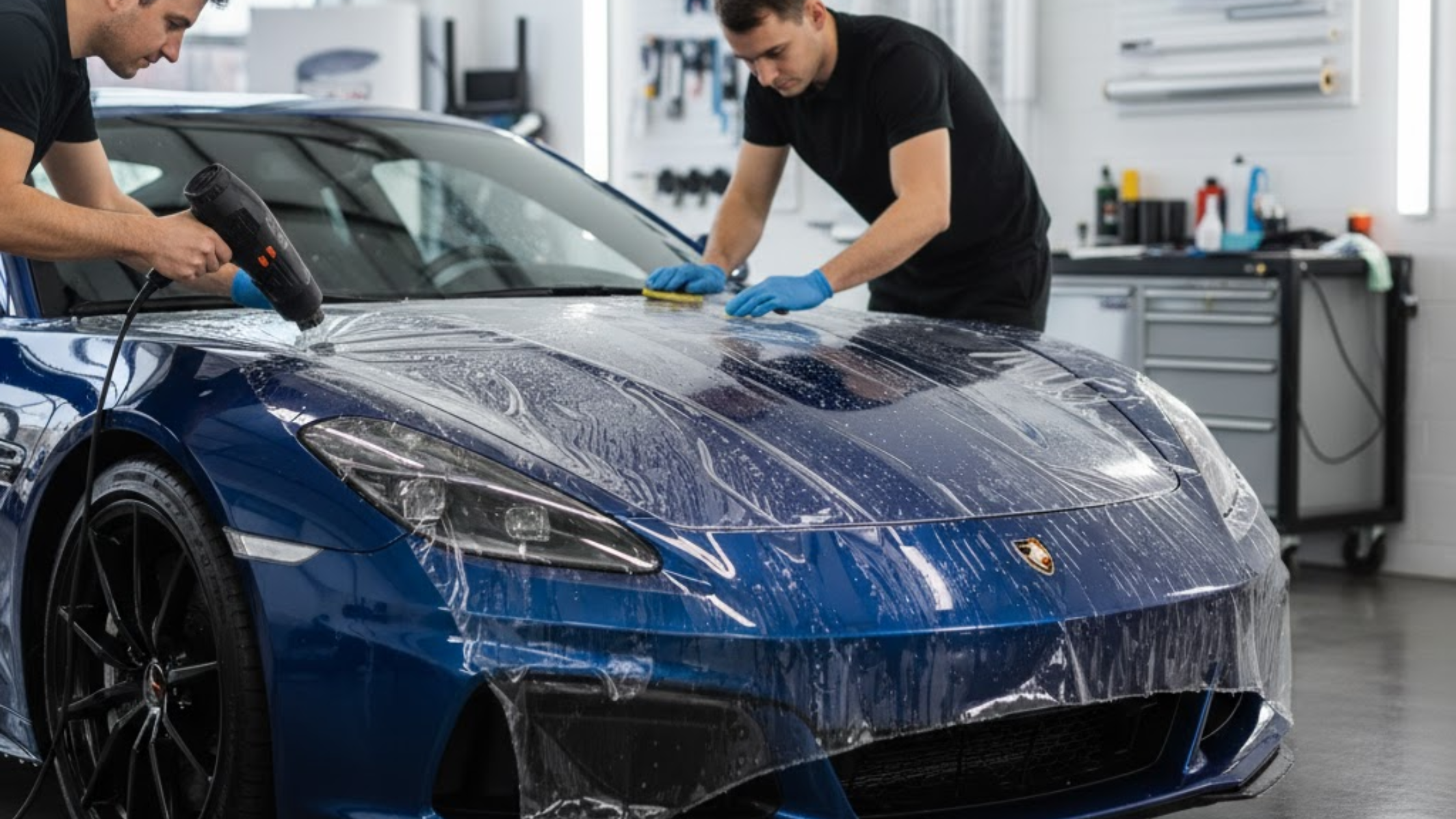
Hand washing remains preferable to automated brushes, which may introduce scratches. Using proper tools and gentle techniques protects paint surfaces. Drying prevents water spots that etch into the clear coat under heat. Paint protection film offers another layer of defense.
Installing it on high-impact areas such as the front bumper, hood, and mirrors reduces chip damage. While optional, this investment pays dividends over long ownership periods. Exterior trim also requires care. Plastic and rubber components fade and crack when neglected. Conditioning products restore flexibility and color, preventing brittle surfaces. Door seals benefit from treatment that keeps them supple and weather-resistant.
Wheels and undercarriage areas collect brake dust and road salt. Regular cleaning prevents corrosion. In colder climates, underbody washing removes salt that attacks metal components. Even vehicles driven in mild conditions benefit from underbody attention. Parking choices influence exterior longevity.
Shade reduces sun exposure. Covered parking limits environmental damage. When garage storage is unavailable, car covers protect during extended periods. Exterior care reflects pride and discipline. Vehicles that retain clean, glossy finishes after many years signal consistent attention. That care extends beyond appearance, supporting long-term durability and maintaining a new-car presence well into advanced age.
5. Preserve Interior Materials Through Conscious Daily Habits
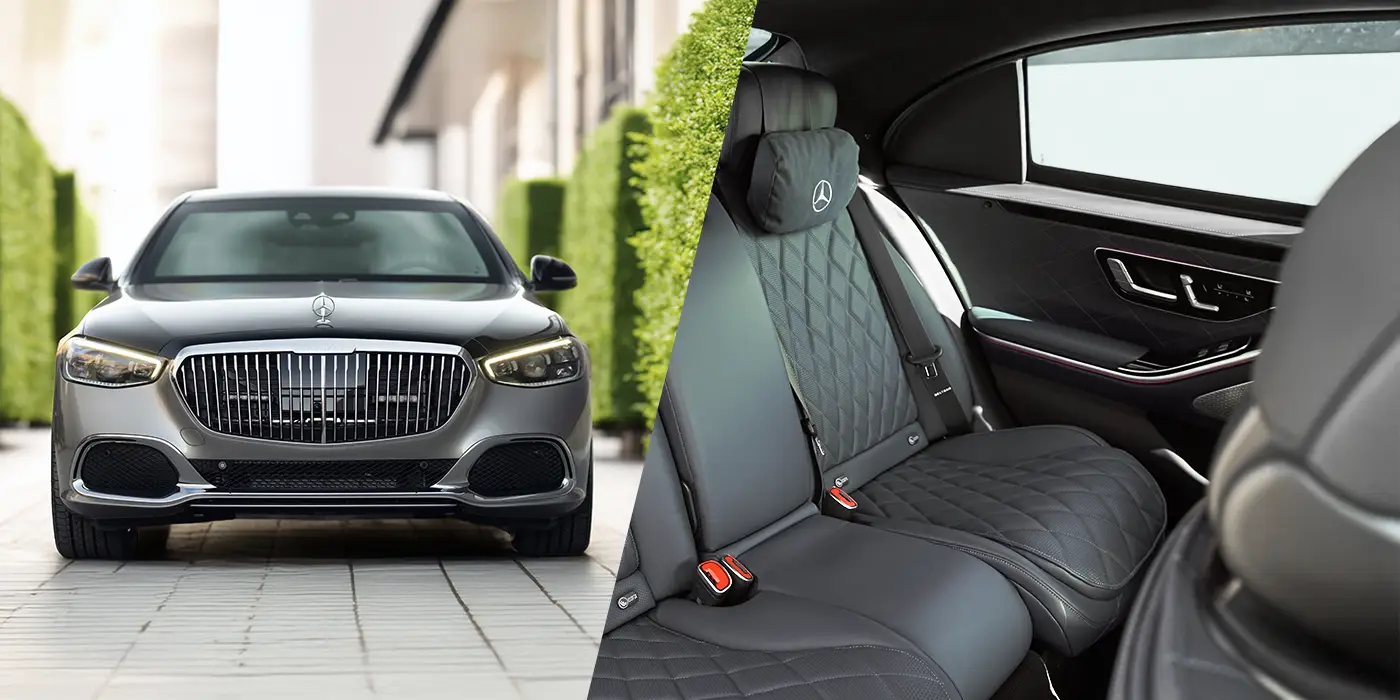
Interior condition affects comfort, value, and enjoyment. Worn seats, faded panels, and damaged controls create an aged feel even when mechanical systems perform well. Interior preservation depends on habits as much as products. Take the 2020 Volvo XC90 T6 Inscription as an illustration.
Premium materials respond well to gentle use and regular care. Entering and exiting carefully prevents seat bolster wear. Adjusting the seating position reduces friction on contact points. Cleaning routines remove dirt and oils that degrade surfaces. Vacuuming carpets prevents abrasive particles from damaging fibers.
Wiping touchpoints such as steering wheels and switches reduces buildup that causes discoloration. Leather requires conditioning to maintain flexibility. Heat and sunlight dry leather surfaces, leading to cracking. Using appropriate conditioners restores moisture and protects the finish. Fabric interiors benefit from stain protection that repels spills and simplifies cleaning.
Sunshades reduce dashboard and seat exposure during parking. Window tint lowers interior temperatures and blocks harmful rays. These measures slow fading and preserve original color tones.
Odor management also matters. Removing food debris and moisture prevents unpleasant smells. Cabin air filter replacement maintains air quality and reduces dust accumulation. A fresh interior encourages consistent care.
Electronics deserve careful handling. Avoid placing heavy items on screens or controls. Using protective cases for storage areas reduces scratches. Gentle operation extends switch and button life.
Interior preservation rewards attention to detail. Vehicles that feel fresh inside remain enjoyable long after purchase. That enjoyment encourages continued care, creating a positive cycle that supports twenty years of satisfying ownership.
6. Store Your Vehicle With Long-Term Preservation in Mind
Storage decisions quietly shape how a vehicle ages across decades. Where and how a vehicle rests between drives matters just as much as how it performs on the road.
Improper storage exposes materials to gradual damage that remains invisible until repairs become unavoidable. Thoughtful storage habits protect paint, seals, electronics, and structural components from slow deterioration.
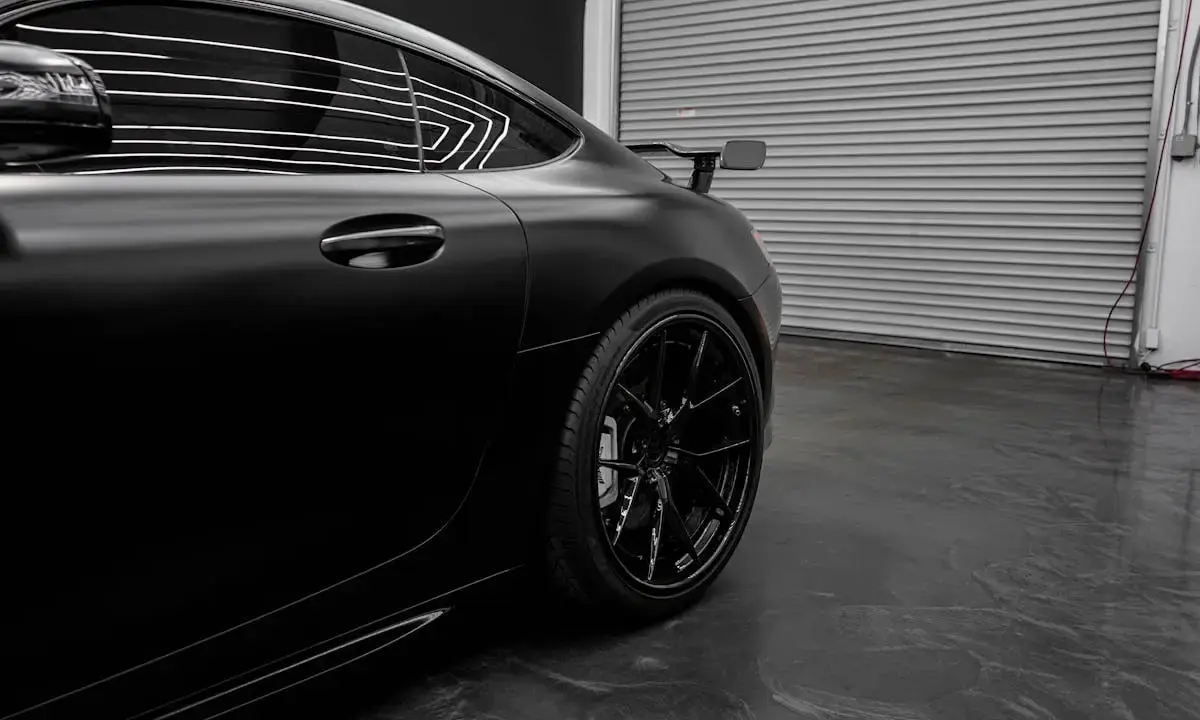
Parking location deserves serious attention. A climate-controlled garage offers the highest level of protection. Temperature stability reduces expansion and contraction that weakens seals and trim.
Humidity control limits corrosion on metal surfaces and electrical connectors. Even a standard enclosed garage provides meaningful protection from sun exposure, precipitation, and airborne contaminants.
Consider the 2021 Audi A6 Premium Plus Quattro as an example. This sedan contains advanced electronics, fine interior materials, and layered paint finishes. Shielding it from direct sunlight preserves dashboard surfaces and display clarity. Consistent shelter also reduces stress on rubber components such as door seals and suspension bushings.
Outdoor parking introduces challenges that require mitigation. High-quality car covers protect against ultraviolet exposure and falling debris. Breathable materials prevent moisture trapping that leads to mold or corrosion. Covers must fit properly to avoid surface abrasion caused by movement during wind.
Long periods of inactivity demand preparation. Tires benefit from slight pressure increases to prevent flat spots. Placing the vehicle on tire cradles or moving it periodically helps maintain roundness. Battery maintainers keep electrical systems healthy without overcharging. Fuel stabilizers protect fuel quality and prevent varnish formation within the tank.
Rodent prevention becomes essential during extended storage. Blocking entry points and using deterrents protects wiring and insulation. Even modern vehicles face risks from nesting animals attracted to warmth and shelter. Storage discipline reflects foresight rather than inconvenience.
Vehicles protected during rest retain their appearance and mechanical integrity far longer. Proper storage supports every other preservation effort, allowing a well-maintained vehicle to retain its new condition year after year without unexpected decline.
7. Address Minor Issues Before They Become Expensive Repairs
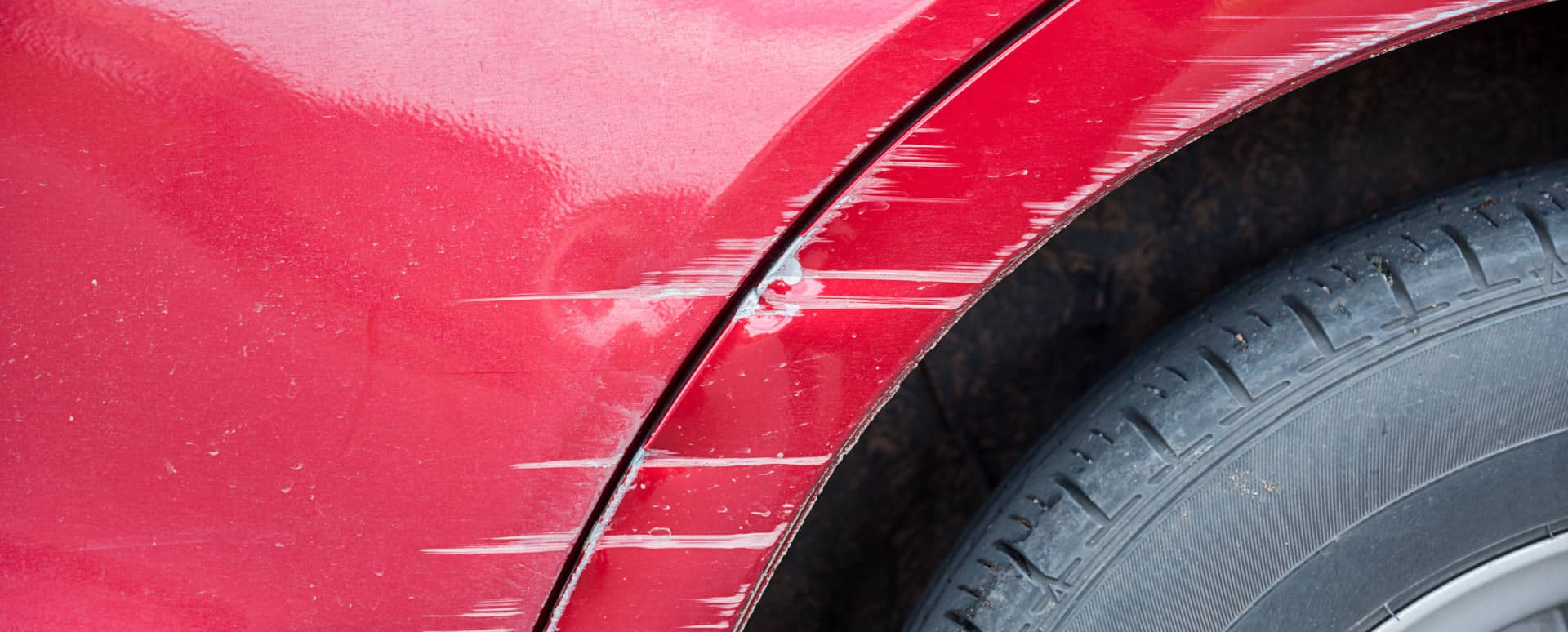
Small problems rarely stay small when ignored. Sounds, smells, vibrations, or warning indicators serve as early signals of developing concerns. Acting quickly prevents cascading damage that multiplies cost and inconvenience. Prompt attention preserves reliability and extends service life dramatically.
Take the 2019 Ford F-150 Lariat 5.0L V8 as an illustration. A faint suspension noise might suggest a worn bushing or joint. Addressing it early prevents uneven tire wear and alignment problems. Allowing it to persist leads to greater strain on steering components and reduced driving stability.
Fluid leaks offer another warning. A small oil seep may appear harmless. Left uncorrected, low fluid levels accelerate internal wear. Coolant leaks reduce temperature control, risking overheating. Brake fluid loss compromises safety. Identifying leaks early keeps systems functioning as designed.
Dashboard messages should never be dismissed. Modern vehicles monitor dozens of systems. Even when performance feels normal, stored fault codes provide clues to emerging issues. Diagnostic scans reveal problems before symptoms worsen. Early repairs often cost far less than delayed fixes.
Unusual odors require attention. Burning smells may indicate electrical resistance or fluid contact with hot surfaces. Musty interior odors suggest moisture intrusion that leads to mold and corrosion. Addressing sources promptly protects health and materials. Tire wear patterns communicate suspension and alignment conditions.
Uneven wear suggests geometry issues or worn components. Correcting alignment and replacing worn parts protects tires and preserves handling. Vigilance transforms ownership experience. Listening to a vehicle builds familiarity and confidence. Quick responses reduce downtime and preserve the original driving character. Vehicles cared for with attentiveness remain dependable companions rather than sources of surprise expense.
8. Use High-Quality Parts and Fluids Without Compromise
Parts selection influences longevity more than many owners realize. Cost savings from inferior components often disappear through shortened service life and repeated repairs. Choosing quality materials supports consistent performance and preserves system harmony across years of operation.
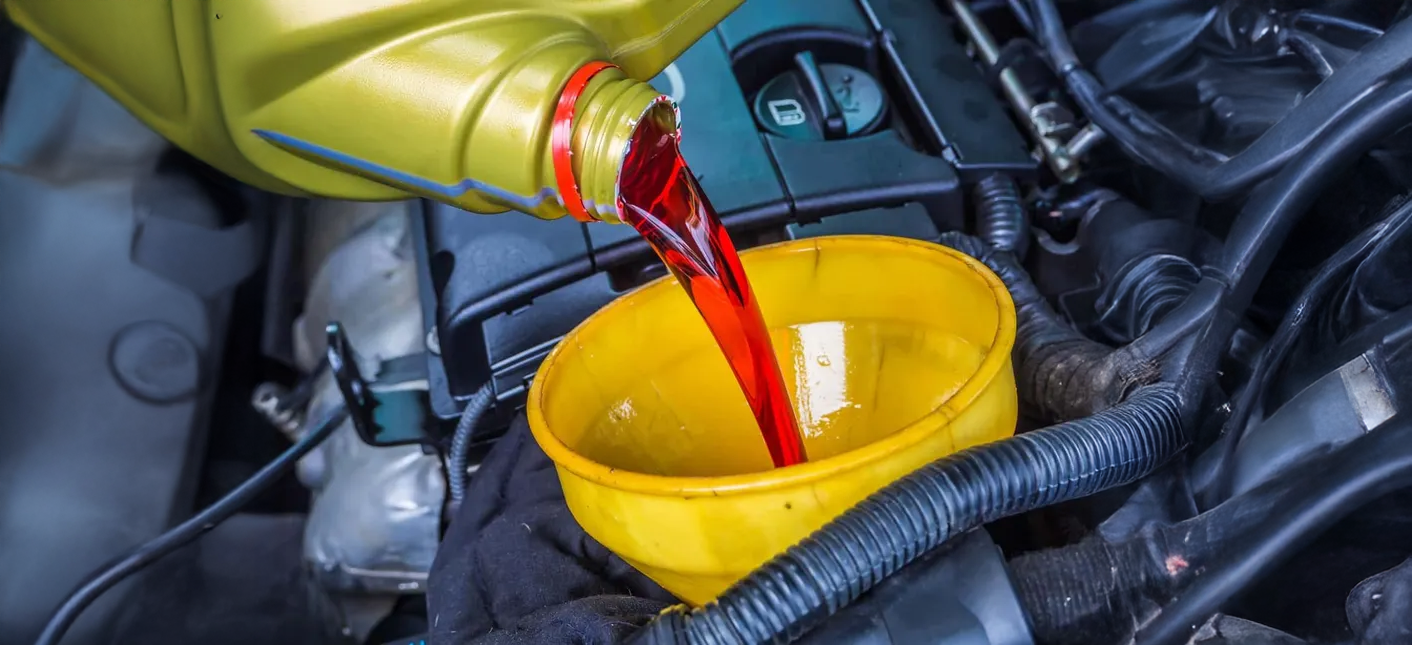
Examine the 2022 BMW 530i xDrive Sedan as an example. Precision engineering defines its driving experience. Using manufacturer-approved fluids maintains proper lubrication, cooling, and hydraulic function. Substandard fluids alter viscosity and chemical balance, increasing wear and reducing responsiveness.
Brake components provide a clear illustration. High-quality pads and rotors deliver predictable stopping power and reduce noise. Cheaper alternatives may produce dust, vibration, or uneven wear. As time goes on, inferior materials affect calipers and wheel bearings, increasing repair scope.
Filters deserve equal consideration. Engine air filters protect internal components from abrasive particles. Cabin filters maintain air quality and protect HVAC systems. Low-grade filters allow contamination that shortens component life and reduces comfort.
Electrical parts also demand care. Sensors and modules rely on precise tolerances. Generic replacements may function initially but degrade quickly. Reliable components ensure accurate readings and stable system operation.
Tires represent a major interface between the vehicle and the road. Premium tires offer balanced grip, quiet operation, and even wear. Proper tire selection preserves suspension tuning and ride comfort. Inferior tires compromise safety and accelerate wear across related systems.
Investing in quality parts reflects a commitment to preservation. While initial costs appear higher, long-term savings emerge through reduced failures and extended intervals between replacements. Vehicles maintained with proper materials retain their original performance character far longer than those built with shortcuts.

9. Maintain Detailed Records and Ownership Documentation
Proper documentation serves as a silent yet decisive factor in sustaining a vehicle’s condition across many years of ownership. Accurate records offer a structured account of servicing activities, repairs, inspections, and replacements carried out during the vehicle’s lifespan.
This form of documentation supports informed decisions, prevents neglect, and preserves the financial worth of the vehicle. Owners who maintain orderly records demonstrate discipline and foresight, qualities that directly influence long-term vehicle reliability. Consider the 2020 Acura MDX SH-AWD Technology Package under consistent ownership.
A well-kept service log records oil changes, brake servicing, transmission fluid replacement, cooling system inspections, and software updates. These records remove uncertainty regarding what has already been addressed and what requires attention. Mechanics benefit from this clarity, as diagnostic processes become more efficient, reducing labour time and associated costs.
Resale considerations also benefit from comprehensive documentation. Prospective buyers often assess maintenance records before making purchase decisions. A vehicle supported by verifiable records inspires confidence, as it reflects responsible care rather than speculative assurances. Even owners with no immediate intention to sell gain value through documentation that supports warranty claims and long-term service planning.
Digital record-keeping has improved accessibility and organisation. Manufacturer-supported applications provide service reminders and maintenance history storage. Independent platforms allow owners to upload receipts, inspection reports, and notes. Cloud-based storage ensures continuity even when devices change or physical documents become unavailable.
Traditional documentation remains reliable. Well-labelled folders or binders containing invoices, service receipts, inspection sheets, and manuals offer quick reference during service visits. Recording dates, mileage, service descriptions, and technician details improves clarity and usability.
Warranty coverage depends heavily on proof of proper care. Extended warranties and service contracts require evidence that servicing schedules were respected. Missing records can lead to denied claims. Keeping these documents accessible safeguards financial commitments tied to vehicle ownership.
Documented history also promotes accountability. Reviewing a complete service record reinforces consistency and encourages pride in ownership. Vehicles supported by structured documentation benefit from timely care and informed decisions. This approach supports long-term ownership objectives without uncertainty or reliance on memory alone.
Also Read: 8 Reasons Why Front Wheel Drive Is Often Better Than AWD in Light Snow

10. Commit to Ownership With Patience and Long-Term Perspective
Extended vehicle longevity depends as much on attitude as on technical care. Owners who view vehicle possession as a long-term responsibility approach decisions with restraint and planning. Patience encourages measured responses rather than hurried solutions. Consistency replaces short-term convenience. This outlook transforms vehicle ownership into a sustained commitment rather than a temporary arrangement.
Reflect on the 2018 Mercedes-Benz E-Class E300 Luxury Sedan as an illustration. This vehicle rewards careful ownership through sustained comfort, dependable performance, and refined operation. A long-term outlook influences choices such as scheduled servicing, gentle driving habits, and protective care. Each decision supports future reliability rather than immediate gratification.
Avoiding unnecessary modifications preserves engineering balance. Factory systems are designed to operate in harmony. Alterations may disrupt that balance, introducing strain or reducing dependability. Retaining standard specifications supports predictable performance across extended ownership periods.
Financial preparation also reflects long-term thinking. Budgeting for routine servicing prevents deferred care. Allocating funds for future repairs reduces pressure during unexpected situations. This planning enables calm decision-making rather than rushed compromises.
Emotional investment influences care quality. Owners who value their vehicles tend to treat them with respect. Regular cleaning, careful operation, and prompt attention to minor issues become habitual. These daily practices protect appearance and function without requiring extraordinary effort.
Patience supports thoughtful problem resolution. Rather than pursuing quick fixes, informed owners seek accurate diagnoses and suitable remedies. This approach reduces repeated visits and dissatisfaction. Proper repairs completed at the right time preserve mechanical integrity.
Long-term ownership rewards discipline and consistency. Vehicles are maintained with the intention of retaining reliability, comfort, and visual appeal well beyond average expectations. Two decades of dependable service become attainable through steady care, informed choices, and respect for the vehicle as a long-term asset rather than a disposable commodity.
