

Step into your car on a hot afternoon, start the engine, turn the AC on full blast, and instead of that refreshing wave of cold air, you get a weak, lukewarm breeze. That moment alone can turn any drive into an uncomfortable experience. A vehicle’s air conditioning system is not just about comfort. It supports focus, reduces fatigue, and makes daily commuting far more manageable.
Modern vehicles rely on tightly integrated climate control systems. These setups combine sensors, compressors, refrigerant lines, and electronic controls to deliver consistent cooling. When something goes wrong, the issue is rarely random. There is always a cause, even if it is not immediately visible.
Consider a 2024 Honda CR-V EX-L. Its climate system is designed to maintain cabin comfort in varying conditions. Yet even a well-engineered system can lose efficiency if one component begins to fail or if routine care is overlooked. The result is reduced cooling performance that gradually becomes more noticeable.
This guide breaks down eight common reasons why your car’s AC may not be cooling properly. Each section explains what causes the issue, how it affects performance, and what steps you can take to restore proper function. With the right approach, many of these problems can be identified early and addressed before they turn into costly repairs.

1. Low Refrigerant Levels Limiting Cooling Performance
Weak cooling performance often begins with low refrigerant levels inside the air conditioning system. Refrigerant is responsible for absorbing heat from the cabin air and carrying it through a closed loop system where the heat is released outside the vehicle.
When the refrigerant charge drops below the required level, heat absorption becomes inefficient, and the air entering the cabin feels only slightly cooler than the outside environment. A 2023 Nissan Altima SR 2.5L provides a clear example of how this issue presents itself during real driving conditions.
On a hot summer afternoon, the system may appear to operate normally at first, yet the air coming from the vents lacks strong cooling power. The compressor continues to run, but reduced refrigerant volume prevents proper pressure levels from being maintained. As a result, the evaporator cannot perform its function effectively, and the cabin temperature remains higher than expected even after several minutes of operation.
Refrigerant does not get consumed like engine oil or fuel. It circulates continuously within a sealed system. A reduction in level almost always indicates the presence of a leak somewhere within the system. These leaks commonly develop at hose connections, rubber seals, condenser joints, or compressor fittings.
Continuous exposure to vibration from road movement and thermal expansion from engine heat gradually weakens these points. Even a very small leak can allow refrigerant to escape slowly, which reduces cooling performance without immediate warning signs.
Early stages of refrigerant loss are often subtle. Cooling may still occur, but at a reduced rate that is easy to overlook during short trips. As loss continues, cooling strength declines further until the system struggles to maintain comfortable cabin temperatures even under light load conditions.
Proper diagnosis requires the use of pressure gauges to measure system performance. Technicians may also introduce ultraviolet dye into the system to trace leak points under specialized lighting. Once the leak is identified, repairs must be completed before the system is refilled. Adding refrigerant without correcting the underlying issue only provides temporary improvement, as the refrigerant will continue to escape.
Restoring correct refrigerant levels returns the system to normal operation. Cold air output improves immediately, and the system regains its ability to regulate cabin temperature effectively. Regular inspection helps detect early loss before performance is affected.
Maintaining proper refrigerant levels ensures that the air conditioning system can withstand high ambient temperatures and deliver stable cooling during everyday driving conditions.
2. Faulty Compressor Interrupting Cooling Cycle
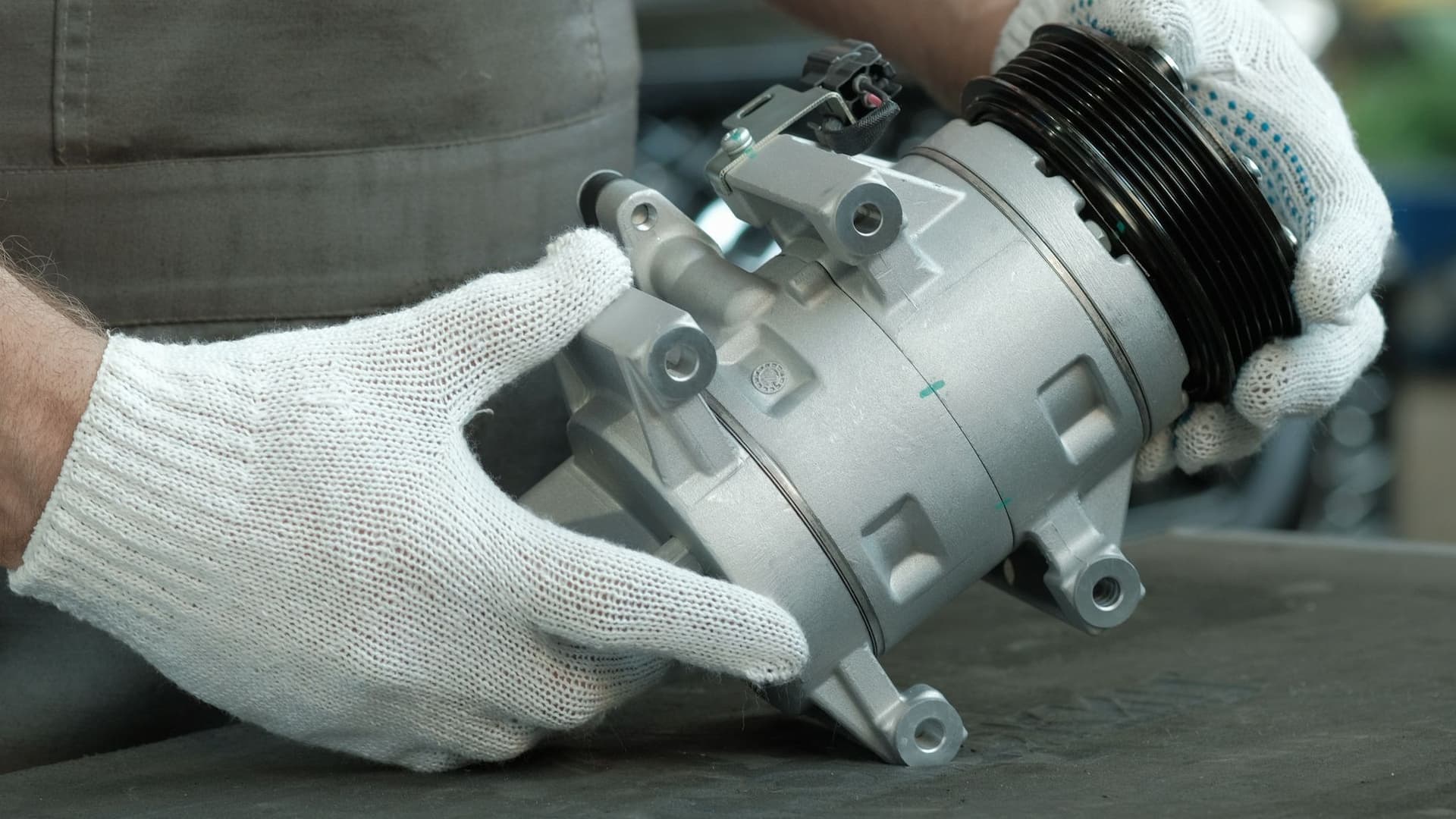
The operation of a vehicle air conditioning system depends heavily on the compressor, which serves as the driving force behind refrigerant circulation. When a driver activates the cooling system and either hears an unusual clicking sound or observes complete silence from the engine compartment, attention often turns to the compressor as a likely source of concern.
This component is responsible for compressing refrigerant and moving it through the system, enabling heat exchange that produces cool air within the cabin. Using a 2022 Chevrolet Malibu Premier 2.0T as a practical reference, proper compressor function ensures that refrigerant flows efficiently between the condenser and evaporator.
Once the compressor begins to fail or operates inconsistently, the entire cooling process becomes compromised. The system may remain active from a control standpoint, yet the absence of proper refrigerant movement prevents meaningful temperature reduction.
Several factors contribute to compressor malfunction. Electrical faults may interrupt power supply, preventing the unit from engaging as required. Internal wear also develops gradually, especially in vehicles subjected to prolonged use without adequate servicing. Lubrication plays a crucial role, as insufficient oil circulation increases friction within the compressor, leading to reduced efficiency and eventual damage.
Drivers frequently report intermittent cooling as an early indication of compressor difficulty. Cold air may appear briefly and then fade, creating inconsistency during operation. Such behaviour reflects the compressor’s inability to sustain continuous pressure within the system. Delayed attention to this condition often results in complete failure, which requires more extensive repair.
Inspection procedures include evaluation of electrical connections, confirmation of clutch engagement, and measurement of system pressure. These checks provide a clear understanding of compressor condition. Where damage is confirmed, replacement becomes necessary to restore full functionality.
Proper maintenance practices extend compressor lifespan. Maintaining correct refrigerant levels and ensuring clean oil circulation reduces internal stress. When the compressor operates effectively, the air conditioning system delivers steady and dependable cooling, even under demanding temperature conditions.
Also Read: 8 Reasons to Choose a Hatchback Over a Small Crossover SUV
3. Clogged Cabin Air Filter Restricting Airflow
Air conditioning performance is determined not only by temperature reduction but also by the volume of air delivered into the cabin. A restriction within the airflow path reduces effectiveness, even when the cooling system itself remains in proper working order. One of the most common causes of restricted airflow is a clogged cabin air filter.
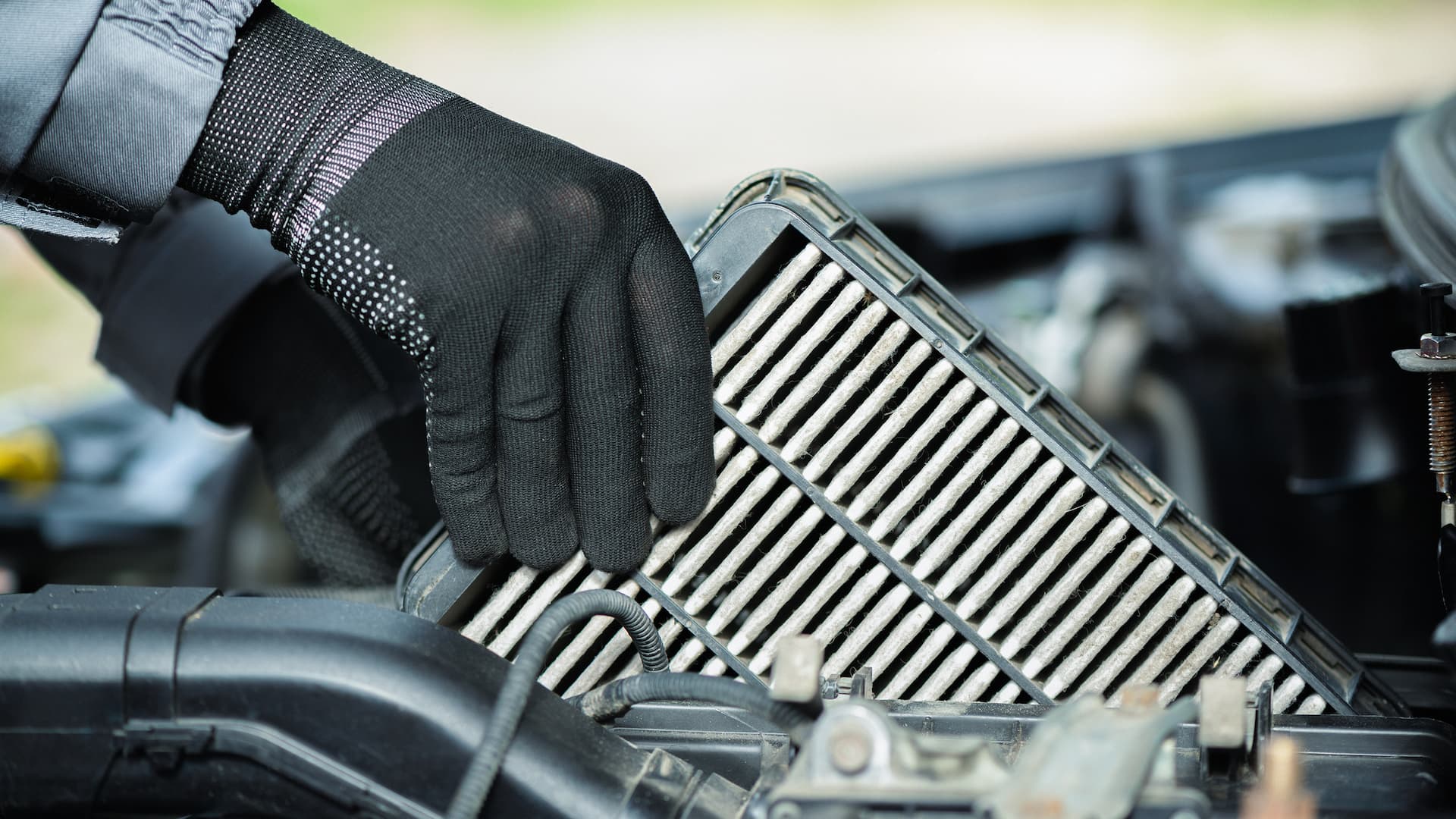
Reference can be made to a 2021 Mazda CX-5 Grand Touring operating in an environment with high dust levels. During regular use, the cabin air filter collects particles such as dirt, pollen, and debris. Accumulation increases gradually, and as the filter becomes saturated, airflow diminishes. Reduced air movement limits the amount of cooled air entering the cabin, resulting in weaker cooling performance.
Symptoms associated with a blocked filter include decreased airflow from vents and the presence of a stale or musty odour during operation. These indicators reflect the filter’s inability to allow clean air passage. Even when the evaporator produces cold air, insufficient airflow prevents effective distribution throughout the cabin.
Replacement of the cabin air filter represents a straightforward maintenance task. In most vehicles, the filter is positioned behind the glove compartment, allowing access without specialized tools. Installing a new filter immediately restores airflow and enhances cooling efficiency.
Service intervals vary depending on driving conditions. Vehicles operated in urban areas with heavy pollution or in regions with frequent dust exposure require more frequent inspection. Routine checks during scheduled servicing prevent excessive buildup and maintain optimal airflow.
Clean airflow supports the entire air conditioning process. Proper air movement enables the evaporator to distribute cooled air evenly, ensuring that the cabin reaches the desired temperature. Improved air quality also contributes to passenger comfort and well-being.
Although small in size, the cabin air filter plays an essential role in system performance. Regular attention to this component ensures consistent airflow, better cooling results, and a more comfortable driving experience.
4. Condenser Blockage Reducing Heat Dissipation
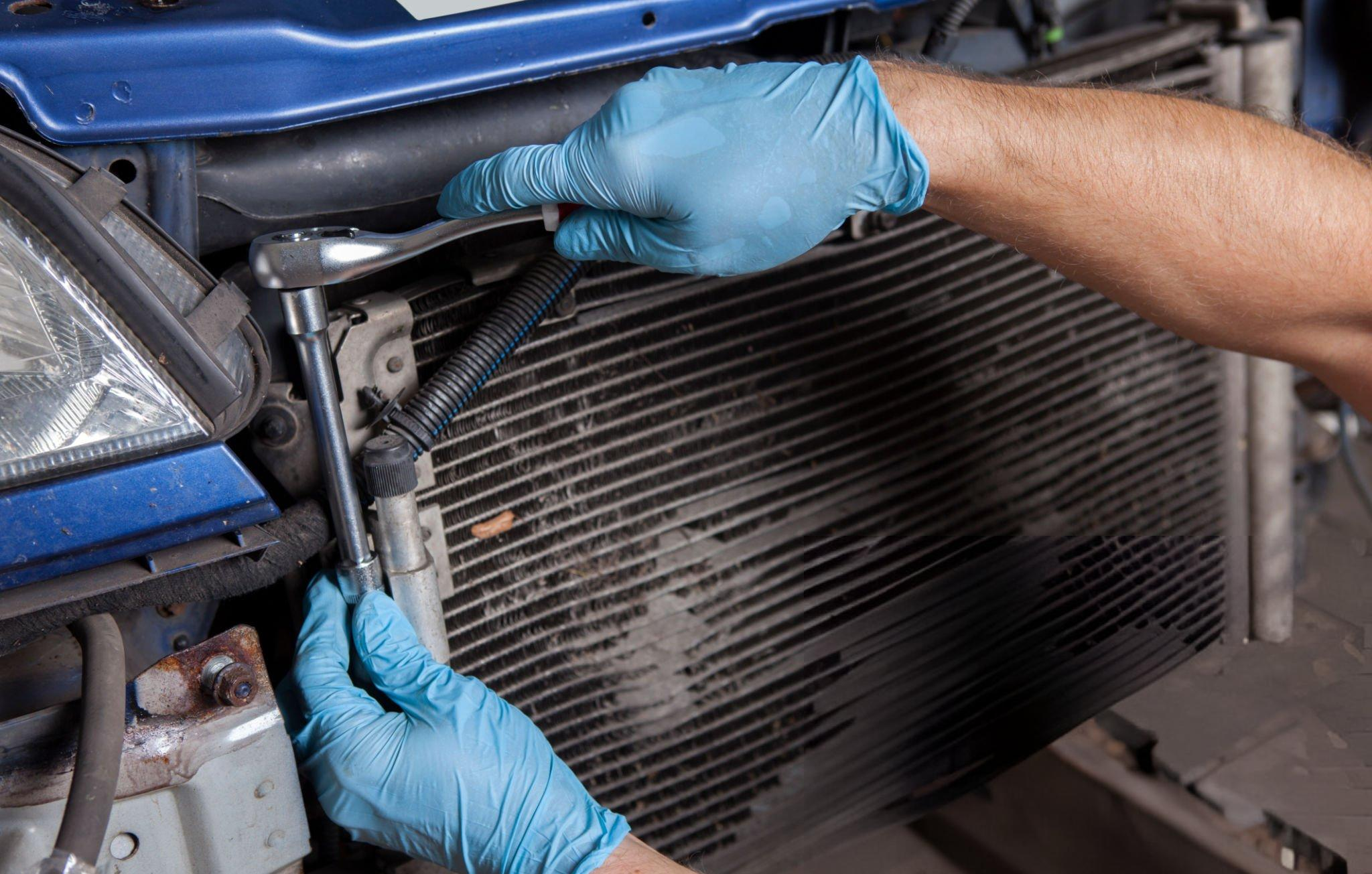
Effective cooling within a vehicle depends on the system’s ability to release absorbed heat. This function is performed by the condenser, which is positioned at the front of the vehicle to receive airflow during motion. When airflow becomes restricted, the condenser cannot dissipate heat efficiently, and cooling performance declines.
Consider a 2024 Ford Mustang EcoBoost exposed to outdoor conditions where debris accumulation is common. Leaves, dust, and road particles can gather on the condenser fins, forming a barrier that obstructs airflow. Without adequate ventilation, the refrigerant passing through the condenser remains at a higher temperature, reducing its ability to cool the cabin effectively.
Blocked fins limit the transfer of heat to the surrounding air. As a result, system pressure increases, and the efficiency of the cooling cycle decreases. Drivers may observe that cooling improves slightly at higher speeds due to increased airflow, yet becomes inadequate during stationary or slow-moving conditions.
Restoration of condenser performance requires careful cleaning. Gentle water pressure can remove accumulated debris without damaging the delicate fin structure. Specialized cleaning solutions may also be used where buildup is more persistent. Attention must be given to avoid bending the fins, as physical damage further restricts airflow.
Inspection extends beyond surface cleaning. Examination for bent fins or leaks ensures that the condenser remains structurally sound. Where damage is identified, repair or replacement may be necessary to restore proper function. Maintaining a clean condenser allows efficient heat release, enabling refrigerant to cool before returning to the evaporator. This process supports consistent temperature reduction within the cabin.
Regular inspection and cleaning prevent performance decline. A properly maintained condenser ensures that the air conditioning system operates efficiently, delivering reliable cooling during periods of high ambient temperature.
5. Electrical Issues Disrupting System Operation
Electrical faults often create confusing air conditioning problems because they do not always produce obvious mechanical symptoms. Instead of a loud failure or visible damage, the system may behave inconsistently, switching between cooling and warm airflow without warning. These irregular patterns point toward electrical interruption rather than refrigerant or airflow limitations.
Take a 2023 Volkswagen Tiguan SEL R-Line 4Motion as an example. Its climate control system depends on sensors, relays, control modules, and wiring connections working together. When one part of that network fails, the compressor may not engage, or cooling may stop entirely, even though the system appears to be turned on.
Blown fuses are among the simplest causes. A fuse protects the system from electrical overload, but once it fails, the power supply to components such as the compressor clutch or blower motor is interrupted. Replacing a fuse can restore operation, though repeated failure suggests a deeper issue that needs attention.
Relays also play a central role. These small switches control the flow of electricity to larger components. A worn or faulty relay may fail to activate the compressor, leaving the system unable to circulate refrigerant. This results in air that feels unchanged regardless of temperature settings.
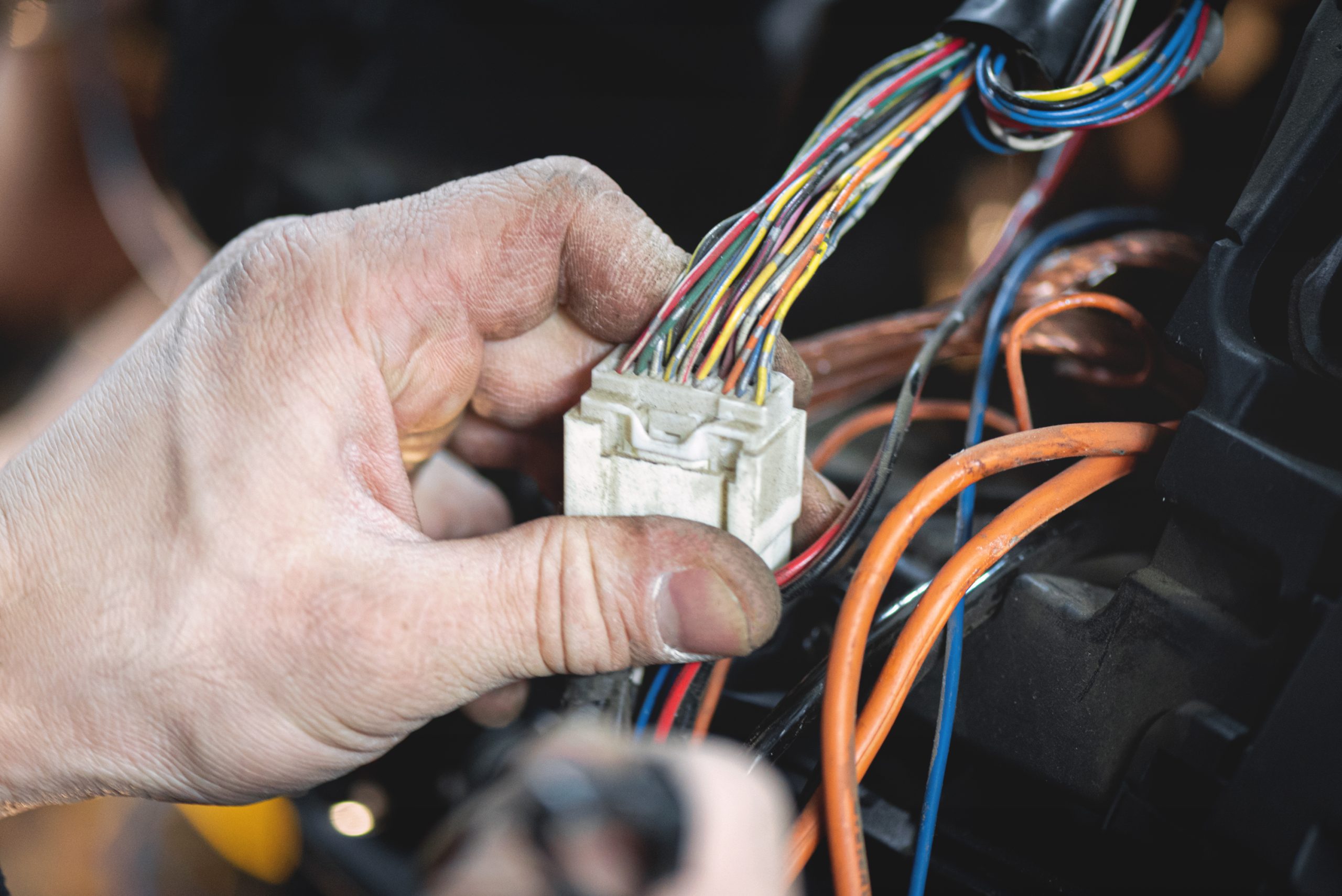
Wiring problems introduce another layer of difficulty. Loose connections, corrosion, or damaged insulation can interrupt signals between sensors and control units. Since modern vehicles rely on electronic communication, even a minor wiring issue can prevent proper system operation.
Diagnosis requires a structured approach. Checking fuses, testing relays, and inspecting wiring connections help identify the source of the problem. Advanced scan tools can also reveal fault codes related to electrical components, guiding the repair process.
Repairing electrical faults restores communication within the system. Once power flows correctly, components respond as intended, and cooling performance returns. Attention to wiring conditions and proper fuse ratings helps prevent recurrence.
Reliable electrical function ensures that every part of the AC system operates in coordination. Without it, even a perfectly maintained mechanical system cannot deliver consistent cooling.
6. Failing Cooling Fans Reducing System Efficiency
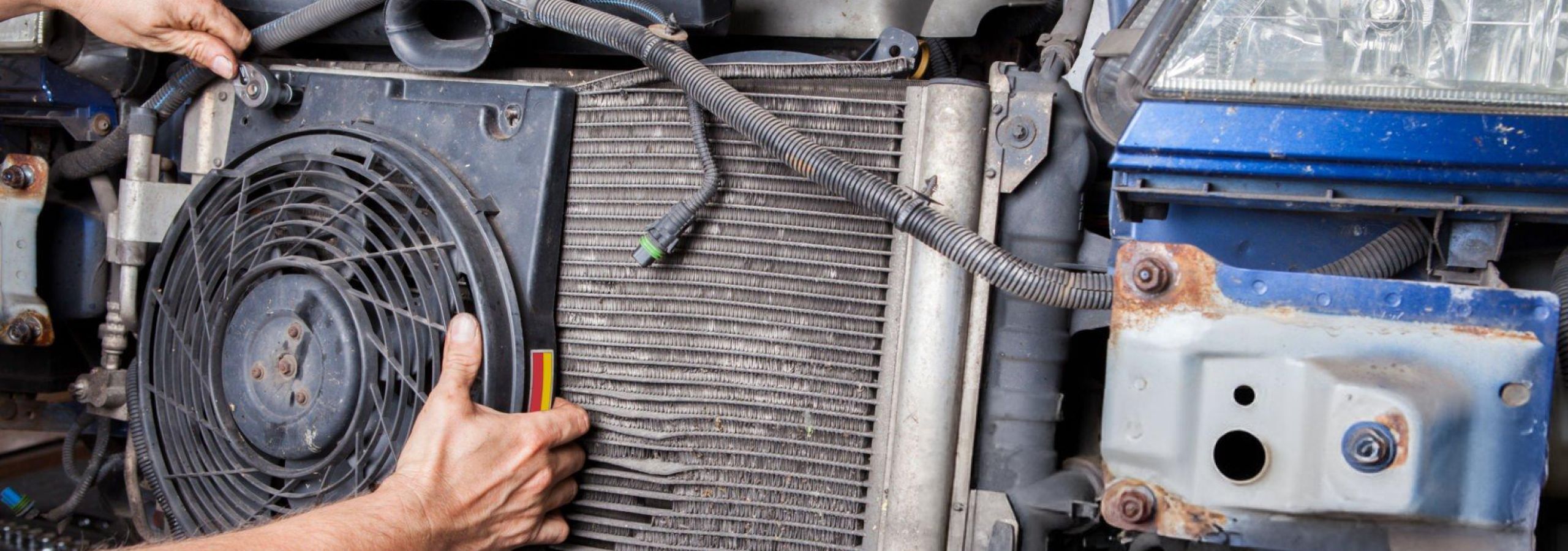
Air conditioning systems rely heavily on proper heat exchange, and cooling fans serve as a central part of that process. These fans draw ambient air through the condenser, which allows heat carried by the refrigerant to be released outside the vehicle.
When the cooling fan system begins to fail or operates below required capacity, heat removal becomes less effective, leading to weak air conditioning performance, especially during slow movement or when the vehicle is stationary. Take a 2022 Jeep Grand Cherokee Limited 3.6L V6 as a reference point. During heavy traffic conditions or extended idling, airflow from vehicle movement is minimal.
Under such circumstances, the cooling fan must provide the necessary airflow to keep the condenser functioning efficiently. If the fan does not operate correctly, heat remains trapped within the refrigerant cycle. This causes the refrigerant to stay warmer than intended, which reduces its ability to absorb heat from the cabin air.
Inside the vehicle, this condition presents itself as weak cooling or air that feels only mildly cool despite the system being fully active. Cooling fan issues may develop gradually rather than appearing suddenly. A weakening fan motor may continue operating but at reduced speed, which lowers airflow across the condenser surface.
In other situations, a temperature sensor responsible for activating the fan may fail to send the correct signal, preventing fan engagement when cooling demand increases. Electrical faults such as damaged wiring, corroded connectors, or blown relays may also interrupt fan operation entirely.
Symptoms become more noticeable under specific driving conditions. While traveling at higher speeds, natural airflow from vehicle motion may temporarily compensate for fan weakness, allowing cooling performance to appear normal.
Once speed decreases or the vehicle comes to a stop, the lack of forced airflow quickly exposes the underlying issue. At that point, vent air temperature rises, and cooling output becomes inconsistent. Inspection typically involves observing fan behavior while the air conditioning system is running.
A properly functioning fan should activate when required and maintain steady rotation without interruption. Irregular movement, unusual mechanical noise, or complete inactivity point toward a malfunction. Careful observation under different operating conditions helps confirm the nature of the fault.
Repair procedures depend on the source of the problem. A worn motor usually requires replacement to restore proper airflow. Electrical issues may involve repairing wiring, replacing relays, or fixing sensor-related faults. In some cases, accumulated debris around the fan assembly can restrict movement, and cleaning the area restores normal operation.
Proper cooling fan performance ensures that the condenser can release heat efficiently at all times. This supports stable refrigerant cycling and allows the air conditioning system to maintain consistent cooling output. When the fan system operates correctly, cabin comfort remains stable regardless of driving speed or traffic conditions.
7. Expansion Valve or Orifice Tube Malfunction Affecting Refrigerant Flow
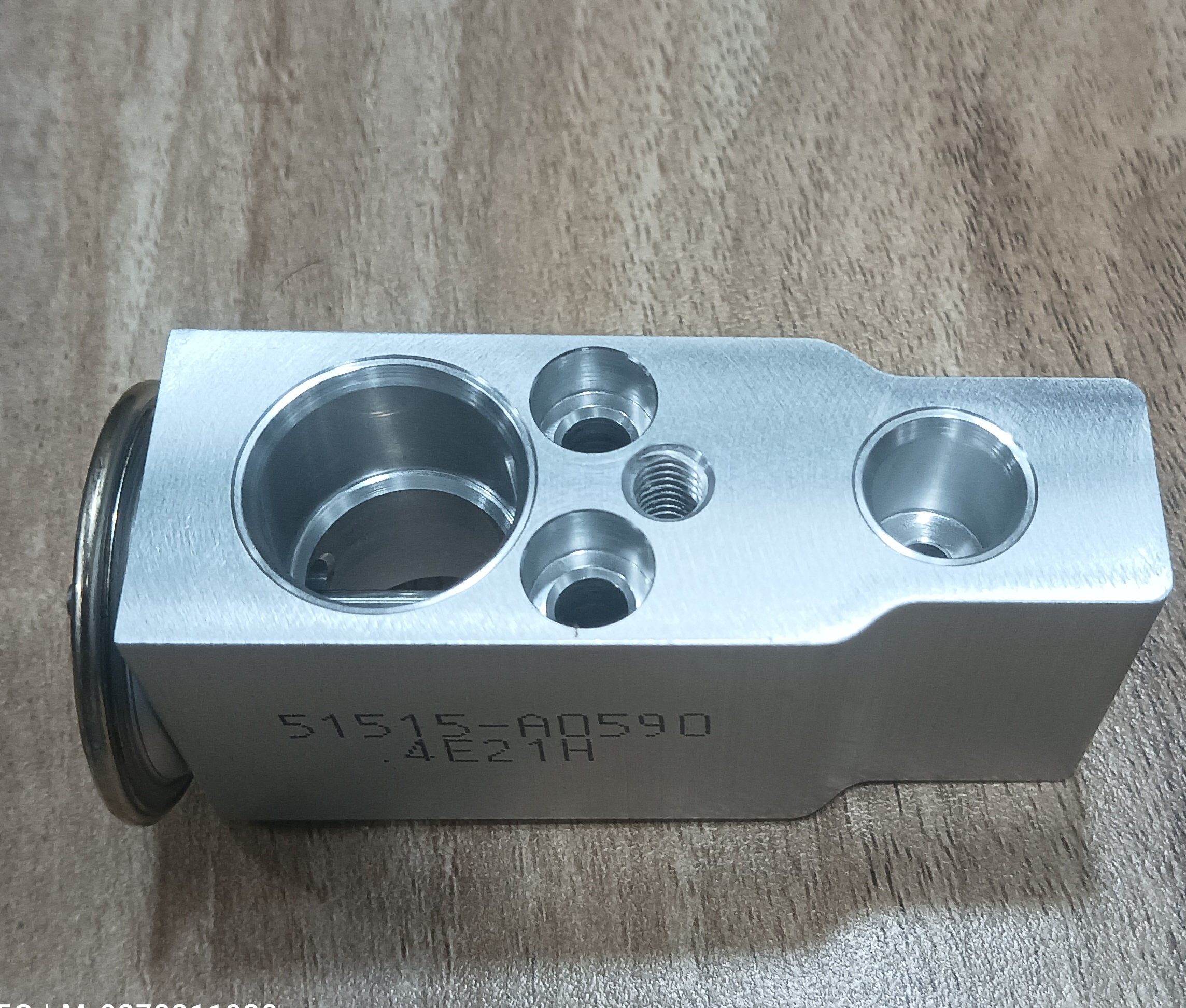
Proper operation of an automotive air conditioning system depends on precise control of refrigerant movement. The expansion valve or orifice tube performs this control function by regulating how refrigerant enters the evaporator. This regulation ensures that pressure and temperature conditions remain suitable for efficient heat absorption.
When this component fails, the balance within the system becomes disturbed, resulting in reduced cooling effectiveness. Reference may be made to a 2024 Lexus RX 350 Premium during operation under high ambient temperature. When the expansion valve becomes restricted or remains in a fixed position, refrigerant flow is no longer properly metered. Either insufficient refrigerant reaches the evaporator, or flow becomes inconsistent.
In both situations, the evaporator cannot absorb heat from cabin air efficiently, leading to weak or unstable cooling output. Contamination within the system represents a common cause of malfunction. Moisture infiltration, accumulation of debris, or breakdown of refrigerant oil introduces foreign particles into the system.
These particles may settle within the valve or orifice tube, obstructing movement and reducing responsiveness. As accumulation increases, normal regulation becomes increasingly difficult, affecting the entire cooling cycle. Observable symptoms often include fluctuating air temperature from the vents.
Cooling may appear effective for a short period before declining, particularly during extended operation. In certain cases, uneven performance may be noticed under varying driving conditions, such as improved cooling at higher speeds followed by reduced efficiency during idling. These patterns indicate irregular refrigerant distribution.
Accurate diagnosis requires pressure testing using appropriate service equipment. Abnormal readings on both high-pressure and low-pressure sides provide evidence of flow restriction or improper metering. Further inspection may involve the removal of the affected component to confirm the presence of blockage or internal damage.
Corrective action typically involves replacement of the faulty expansion valve or orifice tube. In addition, flushing of the entire system is necessary to eliminate contaminants that may have contributed to the failure. This procedure ensures that new components operate within a clean environment, reducing the likelihood of repeated malfunction.
Preventive measures focus on maintaining system cleanliness. Use of proper refrigerant specifications, adherence to service intervals, and careful handling during repairs all contribute to preserving internal condition. Moisture entry should be minimized through proper sealing during servicing.
Balanced refrigerant flow supports effective heat exchange and stable cooling performance. When proper regulation is restored, the air conditioning system delivers consistent temperature control, allowing occupants to experience reliable comfort during vehicle operation.
Also Read: 8 Reasons Why Select Modern Cars Still Use Traditional Metal Keys
8. Worn Seals and Hoses Allowing Refrigerant Loss
Integrity of an automotive air conditioning system depends on its ability to retain refrigerant within a sealed network of components. Seals and hoses form critical connections that prevent leakage and maintain internal pressure. With prolonged use, these components experience wear that gradually reduces their effectiveness, leading to refrigerant loss and diminished cooling performance.
Consider a 2023 Subaru Ascent Touring operating across varying environmental conditions. Continuous exposure to heat generated by the engine, combined with vibration from regular driving, places stress on rubber hoses and sealing materials. As time progresses, these materials lose flexibility and begin to develop small cracks or surface degradation. These imperfections create pathways through which refrigerant escapes.
Unlike sudden mechanical failures, deterioration of seals and hoses produces a gradual decline in system efficiency. Initial changes may be subtle, with cabin air feeling slightly less cool than expected. As refrigerant continues to escape, cooling performance weakens further, eventually reaching a point where the system can no longer maintain acceptable temperature levels.
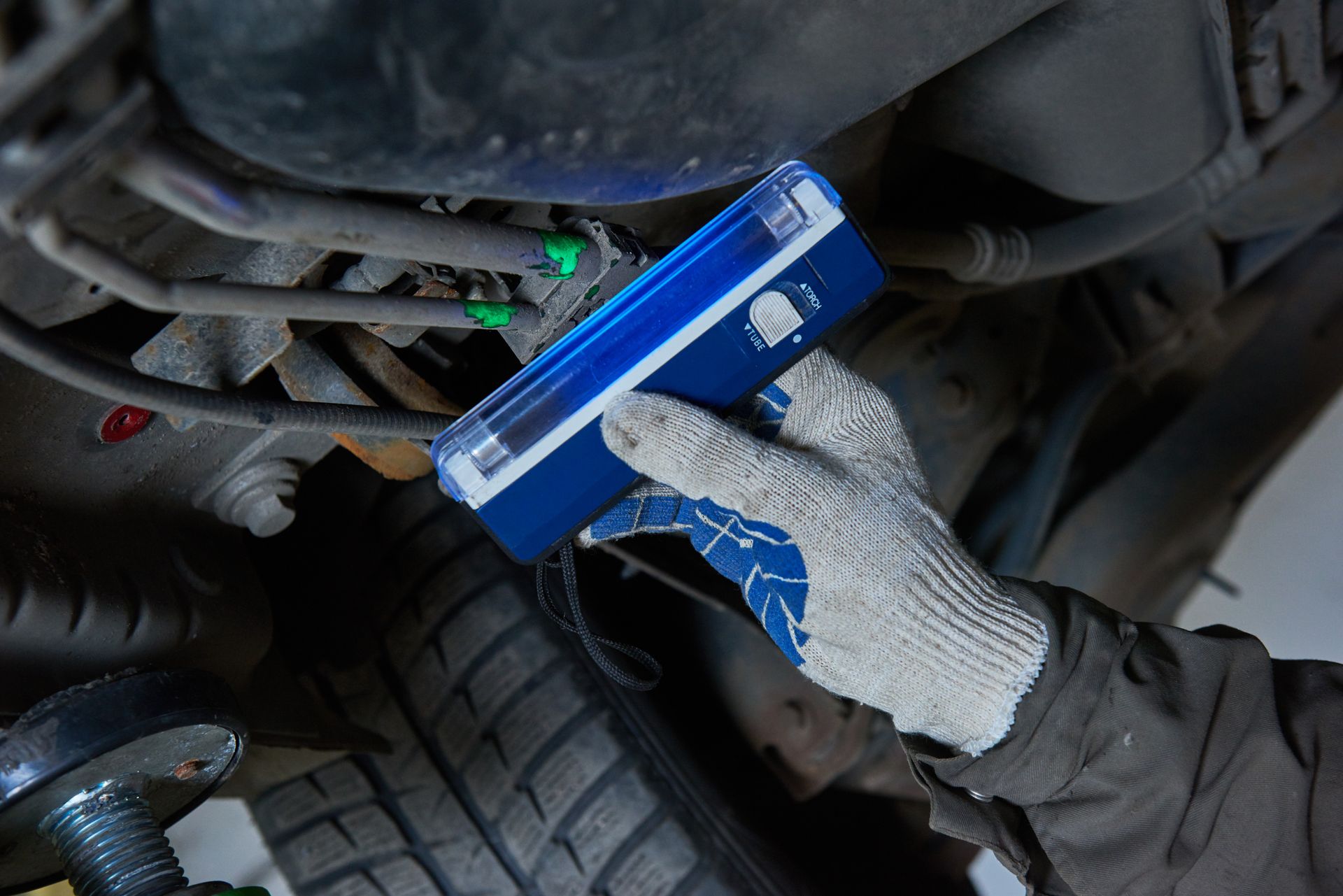
Inspection plays a vital role in identifying such issues. Visual examination may reveal traces of oil residue around connection points, which often indicates leakage since refrigerant carries lubricating oil within the system. In cases where leaks are too small to detect visually, specialized diagnostic tools such as ultraviolet dye or electronic leak detectors provide reliable identification.
Addressing this condition requires replacement of worn hoses or degraded seals. Merely adding refrigerant without correcting the source of leakage results in repeated loss and continued inefficiency. Proper repair restores system integrity and allows refrigerant to remain contained within the circuit.
Preventive attention involves periodic inspection of all accessible connections and flexible components. Early identification of minor wear allows timely replacement before leakage becomes extensive. This approach reduces the likelihood of additional component damage caused by prolonged low refrigerant levels.
Maintaining a properly sealed system ensures stable pressure and consistent refrigerant circulation. These factors are essential for effective heat absorption and temperature regulation within the cabin. When seals and hoses remain in good condition, the air conditioning system operates reliably, delivering steady cooling performance under varying driving conditions.
