When shopping for a used car in the USA, many buyers assume that lower mileage automatically means better reliability. However, that assumption can be misleading.
Some vehicles are engineered to handle hundreds of thousands of miles with minimal issues, while others develop costly problems surprisingly early in their lifespan. This contrast creates a clear divide between dependable high-mileage commuters and low-mileage reliability traps.
In this comparison, we explore six vehicles known for their long-term durability, including proven models like the Toyota Camry, Honda Accord, and Toyota Prius, alongside practical options such as the Honda Civic, Toyota RAV4, and Subaru Outback. These vehicles have built strong reputations for longevity, efficiency, and predictable ownership costs, making them ideal for daily commuting.
On the other side are six low-mileage vehicles that may look appealing but often hide reliability concerns. Models like the Jeep Wrangler, Volkswagen ID.4, and Chevrolet Colorado highlight how early mechanical, electrical, or software issues can turn ownership into a frustrating experience. Understanding these differences can help buyers make smarter, more cost-effective decisions.
6 High-Mileage Used Commuters In the USA
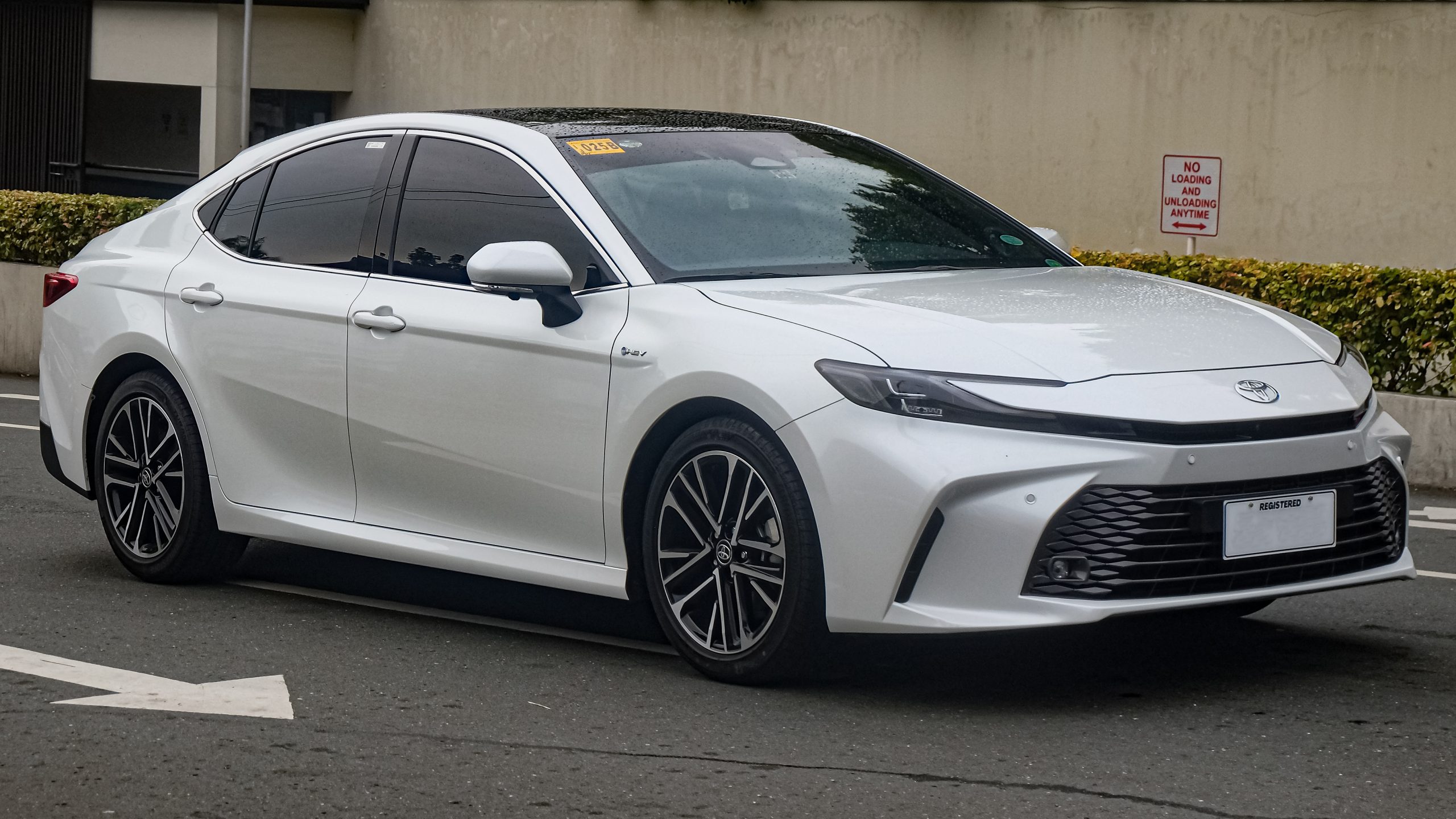
1. Toyota Camry: Long-Term Reliability and Practical Value
The Toyota Camry is widely recognized as a dependable midsize sedan that consistently delivers long-term reliability and low ownership costs. Many owners report these vehicles reaching 200,000 to 300,000 miles with routine maintenance and few major mechanical issues.
This reputation comes from Toyota’s conservative engineering approach, durable powertrains, and the widespread availability of affordable replacement parts. As a result, the Camry has become a preferred choice for commuters who prioritize stability, predictable performance, and minimal maintenance stress over time.
It is also known for strong fuel efficiency across both hybrid and non-hybrid models. Hybrid versions can exceed 50 miles per gallon in city driving, while gasoline variants still deliver competitive economy for daily commuting. The driving experience is smooth and quiet, with suspension tuning that favors comfort over sportiness, making it suitable for long-distance travel and highway use.
Inside, the Camry offers a spacious cabin with supportive seating and practical ergonomics. Many trims include features such as multi-zone climate control and user-friendly infotainment systems. Trunk space is adequate for everyday needs, though some models lack flexible rear-seat folding options and have a relatively narrow cargo opening.
Used Camry models from recent years are often praised for refined handling, strong resale value, and relatively low maintenance expenses compared with many rivals.
While older infotainment systems and limited ground clearance may be drawbacks, these issues are minor compared to the vehicle’s long-term dependability and cost efficiency. The Camry remains a strong option for drivers seeking a reliable and economical commuter car that performs consistently over time.
It balances comfort, efficiency, and durability in a way that makes it especially appealing for high-mileage drivers and long daily commutes. Ownership costs stay predictable due to inexpensive parts and widely available service expertise.
This combination of factors has helped the Camry maintain strong popularity in the used car market for many years, especially among budget-conscious buyers who want dependable transportation without frequent repairs or unexpected breakdowns during extended ownership periods, making it a trusted choice for everyday commuting needs across a wide range of driving conditions globally today
2. Honda Accord: Long-Lasting All-Rounder for High-Mileage Commuting
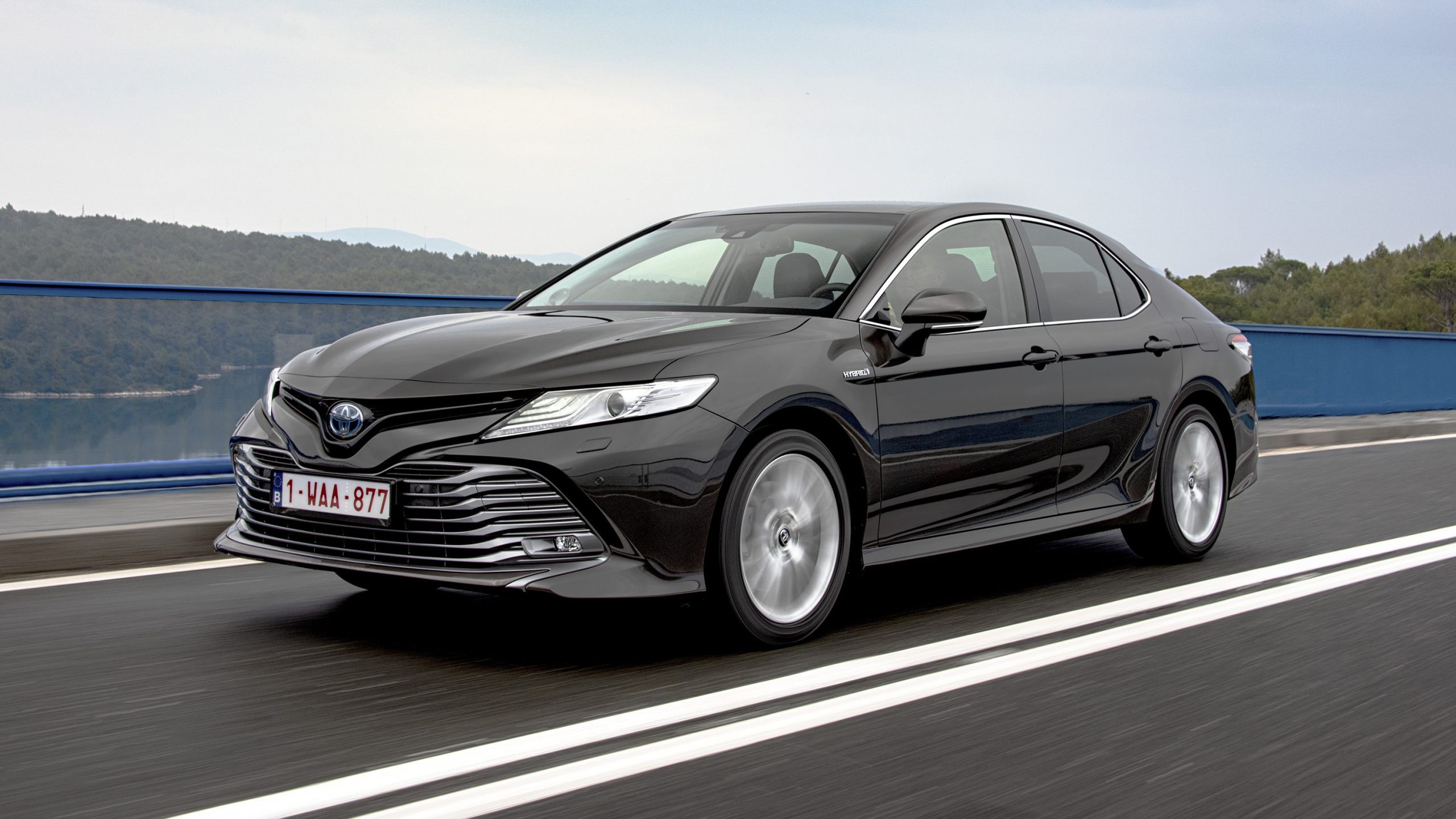
The Honda Accord is widely regarded as one of the most dependable high-mileage used sedans, valued for its strong engineering, long service life, and balanced driving experience. Many examples regularly exceed 200,000 to 300,000 miles with routine maintenance, and some even go far beyond that.
Its reputation is built on durable engines, robust transmissions, and Honda’s focus on long-term mechanical reliability, making it a trusted option for commuters who need consistent performance over many years.
One of the Accord’s strongest advantages is its all-round capability. It combines fuel efficiency, comfort, and driving refinement in a way that suits both city commuting and long highway journeys.
Hybrid versions are especially efficient, achieving excellent mileage that significantly reduces fuel costs for daily drivers. Even standard petrol and diesel engines are designed to balance performance with economy, offering smooth and predictable power delivery.
Comfort is another key strength. The Accord provides a quiet, stable ride with supportive seating and a well-designed cabin that remains durable even at higher mileage.
Earlier and mid-generation models offer spacious front seating and a refined driving position, while later versions include improved materials and modern safety technology. The suspension setup delivers a composed highway ride, making it ideal for long-distance commuting with reduced driver fatigue.
Handling is often described as engaging for a family sedan, offering precise steering and secure cornering. While not as sporty as some rivals, it strikes a strong balance between comfort and control. Engine options vary, with smaller petrol engines requiring higher revs for strong performance, while diesel variants provide better torque and efficiency for everyday use.
Practicality and ownership value are also strong points. The Accord maintains solid resale value due to buyer confidence in its reliability. Maintenance costs remain relatively low because parts are widely available and servicing is straightforward. Safety features and build quality further enhance its appeal in the used car market.
Some drawbacks include limited rear-seat space in certain generations, modest boot practicality, and older infotainment systems that may feel outdated. Despite these limitations, the Accord remains a highly dependable and comfortable choice for drivers seeking a long-lasting, efficient, and well-rounded commuter vehicle that performs reliably over time.
3. Toyota Prius: High-Mileage Hybrid Efficiency Leader
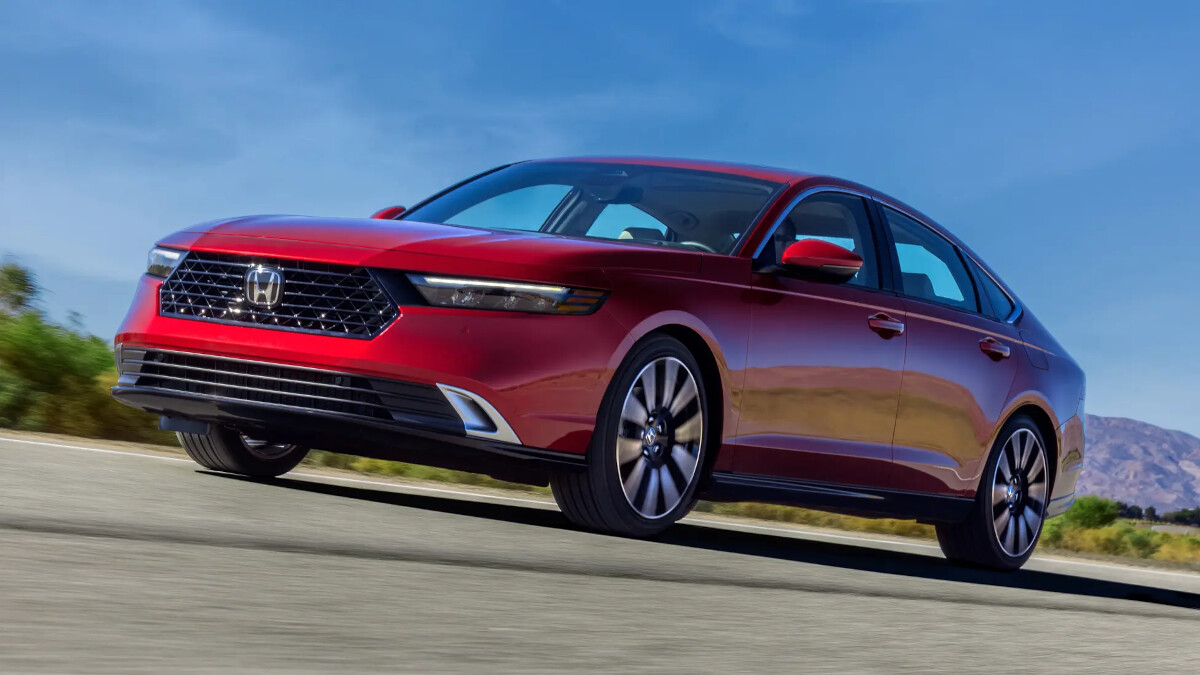
The Toyota Prius is widely regarded as one of the most reliable high-mileage used commuters, especially popular among taxi fleets and budget-conscious drivers in the USA. It is known for routinely exceeding 200,000 to 300,000 miles, with many examples continuing to perform well even beyond that range.
Its hybrid system is a key factor in this longevity, as the combination of a gasoline engine and electric motor reduces strain on mechanical components, while regenerative braking significantly extends brake pad life.
Fuel efficiency is the Prius’s defining strength. It consistently delivers around 48–52+ miles per gallon in real-world use, making it one of the most economical vehicles for daily commuting.
Plug-in hybrid versions offer even greater efficiency, with the ability to travel short distances on electric power alone and achieve extremely high theoretical mileage figures when regularly charged. This efficiency translates into substantially lower fuel costs over time, especially for long-distance commuters.
Durability is another major advantage. The Prius’s Atkinson-cycle engine and hybrid battery system have proven to be long-lasting, with studies showing that a large majority of battery packs remain functional well beyond a decade of use. Maintenance costs are generally lower than comparable non-hybrid vehicles, partly due to reduced engine wear and less frequent brake replacement thanks to energy recovery systems.
Inside, the Prius offers a practical and spacious cabin with modern equipment depending on trim level. Higher trims include features such as adaptive cruise control, heated seats, parking assistance, and upgraded infotainment systems. The interior design is unconventional but functional, with good visibility in most areas and a comfortable driving position for daily use.
On the road, performance is adequate rather than sporty. Acceleration is modest, and the continuously variable transmission can cause engine revs to rise under heavy load. However, the Prius remains smooth and comfortable for city driving and highway cruising. Ride quality is generally compliant, and handling is stable, though not designed for spirited driving.
Practicality is strong, with a useful hatchback layout, flexible rear seating, and good cargo space, although some versions have slightly reduced boot capacity due to hybrid components. Despite minor drawbacks such as average acceleration and unconventional styling, the Prius remains a standout choice for drivers prioritizing efficiency, reliability, and low long-term running costs in a high-mileage used vehicle.
4. Honda Civic: Reliable, Efficient, and Practical High-Mileage Compact Car
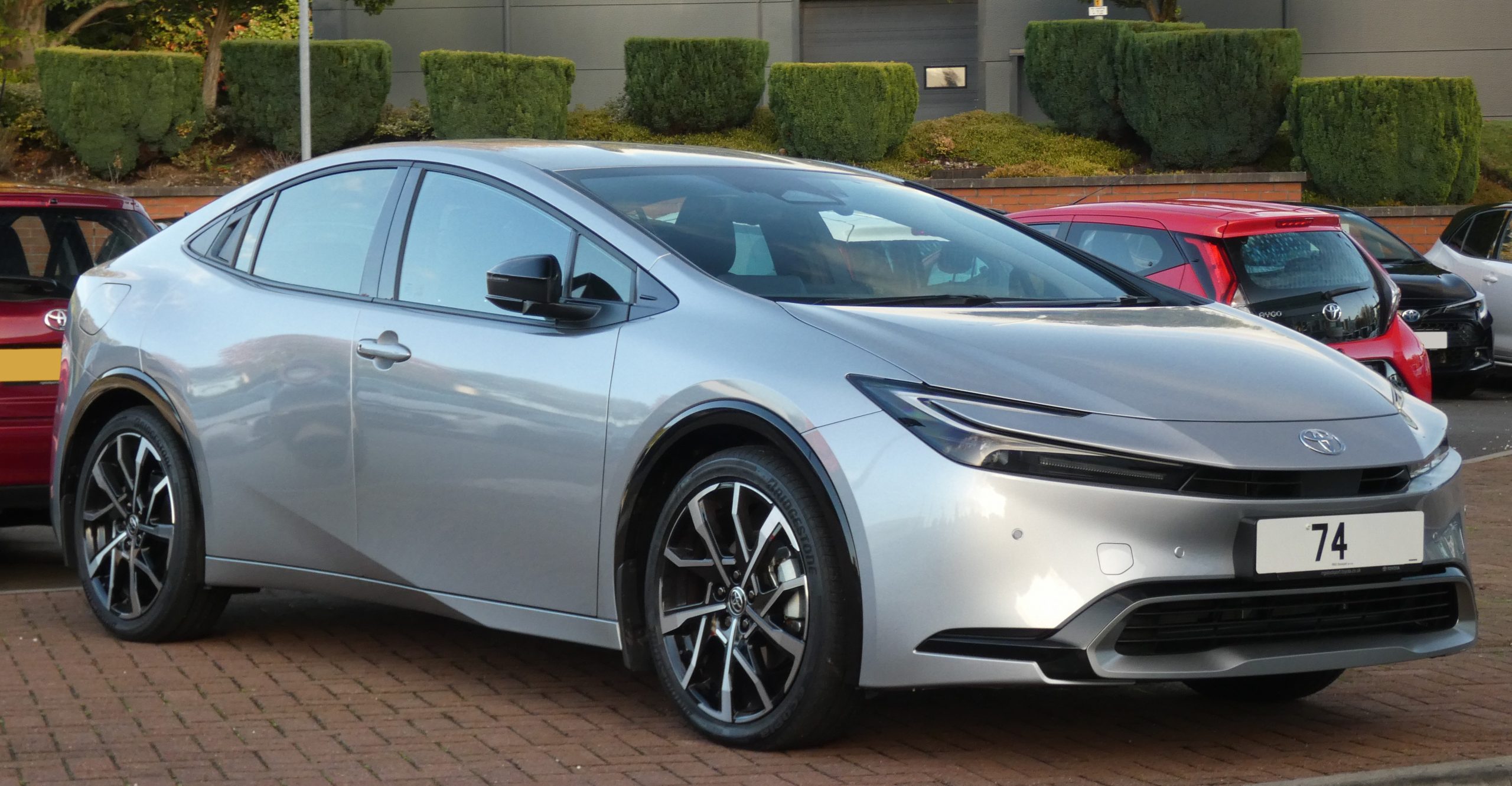
The Honda Civic is widely regarded as one of the most dependable compact cars for high-mileage use, valued for its mechanical simplicity, fuel efficiency, and low running costs. Its engines are designed for long-term durability, and many examples easily surpass 200,000 miles with routine maintenance.
The Civic’s reputation is built on reliable powertrains, widely available parts, and an engine layout that is straightforward for mechanics to service, making repairs relatively inexpensive compared with many rivals.
The 10th-generation Civic introduced in 2017 marked a significant improvement over its predecessor, with a larger, lower, and wider body that improved passenger space and driving stability.
It also featured more advanced suspension design and a wider range of turbocharged petrol engines, including efficient 1.0-litre and stronger 1.5-litre options, as well as a performance-focused Type R variant. A diesel engine was also offered for a time, although it was later discontinued.
On the road, the Civic is known for being engaging to drive, with accurate steering and balanced handling that gives it a slightly sporty feel for a family hatchback. Ride quality is generally comfortable and composed, making it suitable for both city driving and long commutes. However, refinement is not its strongest point, as engine and road noise can become noticeable at higher speeds, particularly in automatic CVT-equipped versions.
Inside, the Civic offers strong practicality with generous passenger space and a large boot, making it a capable everyday commuter or family car. The driving position is low and comfortable, and the cabin layout is functional with good-quality materials. However, the infotainment system is a weak point, with outdated graphics and a slower response compared to competitors.
The Civic was also expanded into a saloon version, offering even more boot space and a slightly softer suspension setup. Trim levels range from basic models to well-equipped versions featuring parking sensors, heated seats, LED lighting, and advanced safety systems.
Fuel economy is competitive, with petrol engines delivering around 40–46 mpg depending on configuration, while diesel versions can achieve higher figures. Maintenance costs remain relatively low, although some reliability concerns have been reported with certain 1.0-litre wet-belt engines and occasional electrical or air-conditioning issues.
Despite these drawbacks, the Honda Civic remains a strong high-mileage choice thanks to its durability, practicality, efficient engines, and affordable upkeep, making it a smart option for long-term commuting and everyday use.
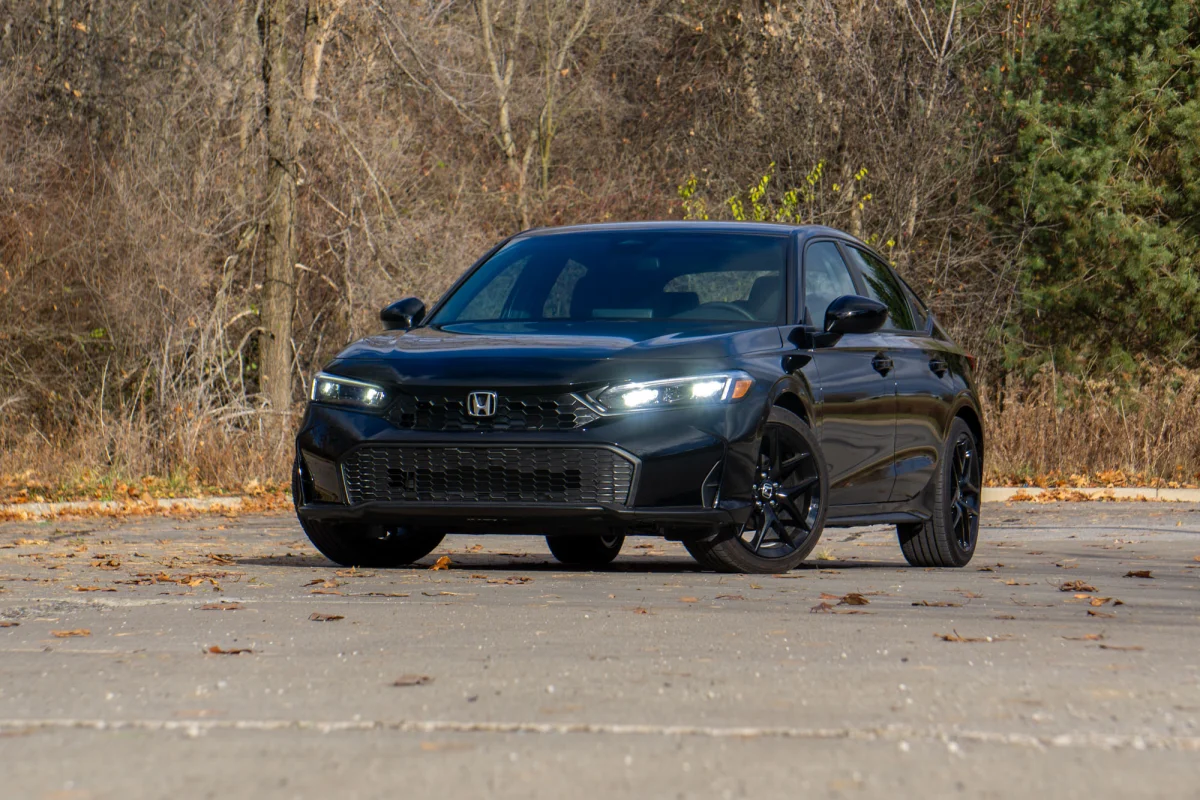
5. Toyota RAV4: Durable, Practical, High-Mileage SUV for Everyday Commuting
The Toyota RAV4 is widely regarded as one of the most dependable high-mileage SUVs, known for its strong reliability, low running costs, and long service life. Many examples comfortably exceed 200,000 miles, particularly models from the mid-2000s onward and newer generations from the late 2010s.
Built on a robust platform shared with Toyota’s reputation for durability, the RAV4 combines SUV practicality with the long-term dependability often associated with smaller Toyota models like the Corolla.
One of its biggest strengths is longevity, paired with the affordability of ownership. Maintenance and repair costs are generally low for its class, and fuel efficiency is strong, especially in hybrid versions.
This makes it a cost-effective choice for commuters who need extra space, all-wheel-drive capability, and reliability over many years. Hybrid variants further reduce fuel consumption by using a 2.5-litre petrol engine paired with electric assistance, while plug-in hybrid versions offer even greater efficiency and a limited electric-only driving range.
Practicality is another major advantage. The RAV4 offers a spacious cabin, generous rear legroom, and a large boot with flexible storage capacity.
Higher trims add useful features such as electric tailgates, parking sensors, and advanced safety systems, including adaptive cruise control and blind-spot monitoring. Visibility is generally good, and the controls are designed to be simple and durable, making everyday use straightforward.
On the road, the RAV4 prioritizes comfort and efficiency over sporty handling. It performs well in city traffic, especially in hybrid mode, where it can operate quietly at low speeds.
However, acceleration in the regular hybrid can feel less smooth under heavy throttle due to its CVT gearbox, and ride quality is sometimes firm over rough surfaces. Compared with some rivals, it also feels less composed on twisty roads and produces more wind and road noise at highway speeds.
Despite these minor drawbacks, the RAV4 remains highly practical and dependable. It offers strong resale value, solid fuel economy for an SUV, and a reputation for long-term reliability that appeals to used buyers. Older models may require careful inspection for issues such as oil consumption or transmission wear, but well-maintained examples are known for lasting many years without major problems.
The Toyota RAV4 stands out as a versatile, durable, and economical SUV that suits high-mileage drivers needing space, reliability, and long-term value in a single package.
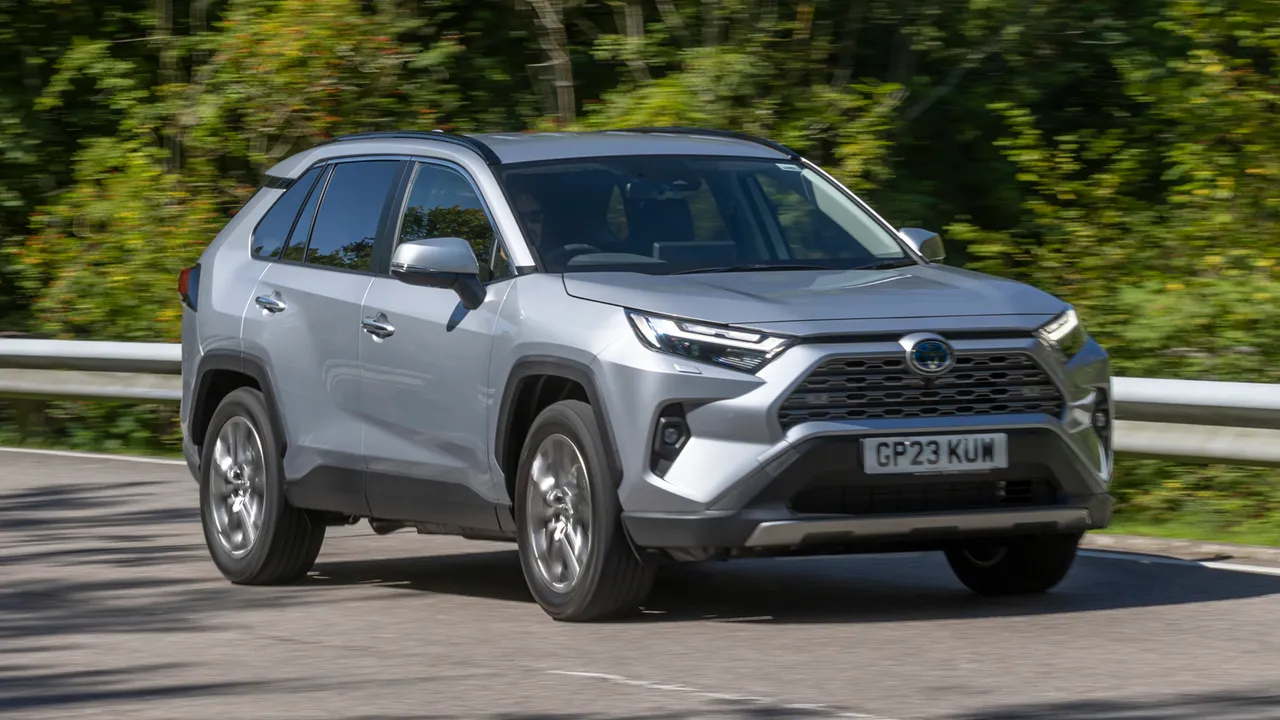
6. Subaru Outback: Rugged High-Mileage Wagon Built for All-Weather Reliability
The Subaru Outback is widely recognized as a durable, high-mileage estate-style SUV that blends practicality, all-weather capability, and long-term reliability. Many well-maintained examples comfortably exceed 200,000 miles, with some reaching 250,000 to 300,000 miles or more.
Its reputation is built on Subaru’s Symmetrical All-Wheel Drive system, strong chassis design, and a focus on longevity, making it especially popular among drivers in colder or rural regions who need dependable performance in challenging conditions.
A major strength of the Outback is its standard all-wheel-drive system, which provides excellent traction in rain, snow, and light off-road environments. This makes it more capable than many competitors that only offer AWD as an optional feature. Combined with X-MODE and good ground clearance, the Outback is well-suited for rough roads and outdoor use while still functioning as a comfortable daily commuter.
Reliability is generally strong, particularly in newer generations from around 2012 onward, though older models had some issues, such as head gasket concerns. With proper maintenance, especially timely servicing of CVT fluid and timing components, the Outback is known to remain dependable for very high mileage use.
Owners also benefit from relatively low insurance costs compared with premium rivals, and strong resale value due to its reputation for durability.
Inside, the Outback offers generous passenger space, a large cargo area, and a practical layout designed for everyday usability. Standard equipment is typically strong across trims, including features like adaptive cruise control, lane assist, heated seats, and a powered tailgate in many versions. While the infotainment system is functional, it can feel less refined than that of European competitors.
On the road, the Outback delivers a stable and secure driving experience, but it is not class-leading in refinement or comfort. Ride quality can feel firm over rough surfaces, and engine noise is noticeable, particularly in diesel variants or when using the CVT transmission under acceleration. Petrol engines tend to be smoother but less fuel-efficient.
Fuel economy is moderate rather than outstanding, with diesel versions offering better efficiency than petrol models. Maintenance intervals are regular, and servicing can be more expensive due to fewer dealerships in some regions.
Despite these limitations, the Subaru Outback remains a highly practical and durable choice. It stands out for its combination of rugged capability, long lifespan, strong safety performance, and dependable all-wheel-drive system, making it a trusted option for high-mileage drivers who prioritize reliability and versatility over luxury refinement.
Also Read: 12 Cars That Don’t Steam Up With Four People Inside
6 Low-Mileage Reliability Traps
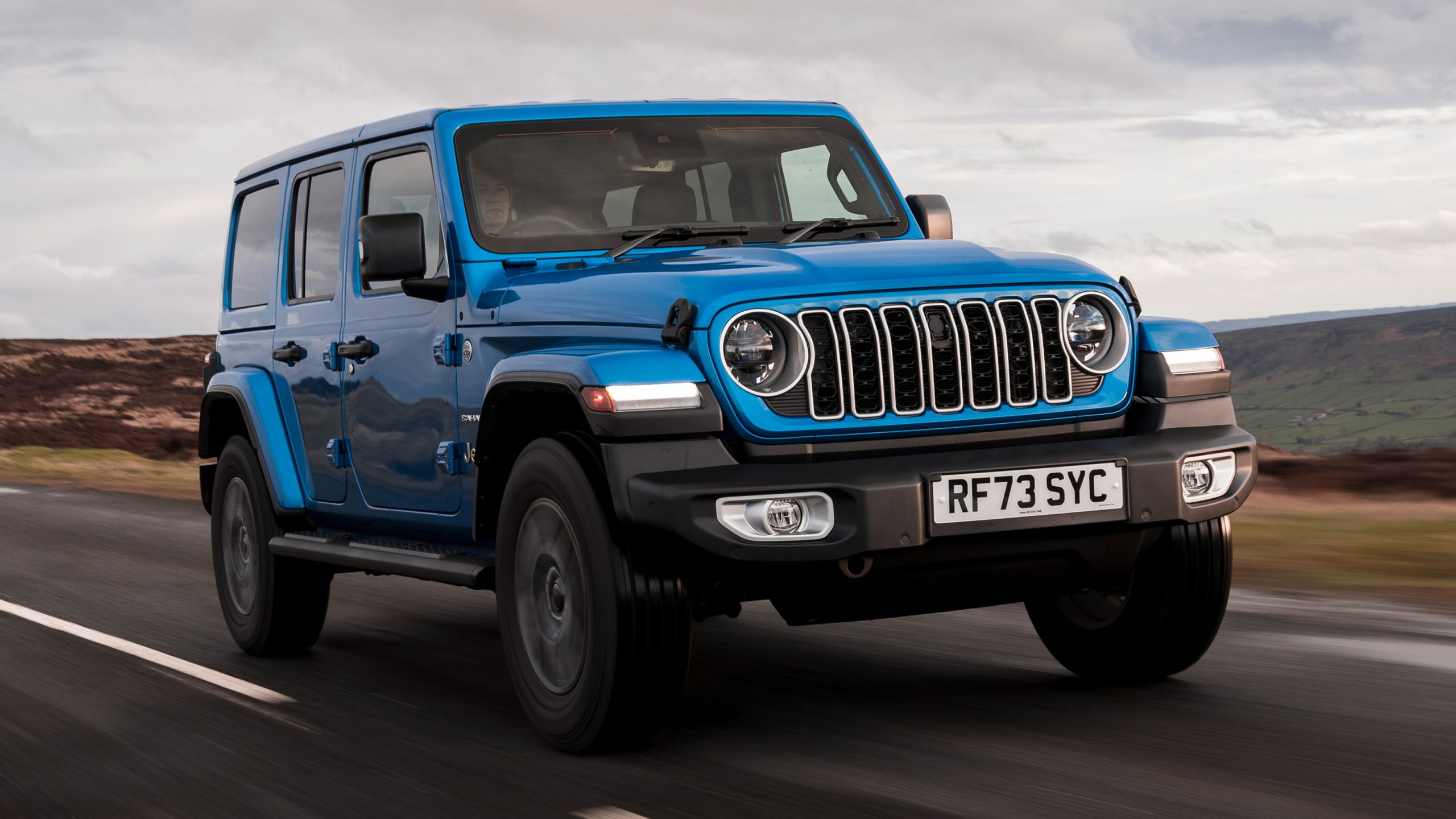
1. Jeep Wrangler: Iconic Off-Roader with High Maintenance Risks
The Jeep Wrangler is an iconic off-road vehicle known for its rugged design and strong trail capability, but it is also widely regarded as one of the least reliable choices for daily commuting. While it excels in challenging terrain, it often performs poorly in long-term everyday use, with many owners reporting comfort issues, electronic glitches, and mechanical problems even at relatively low mileage.
A key concern with the Wrangler is its tendency toward early wear and reliability issues. Problems such as leaking seals, faulty sensors, and electrical system failures are common, particularly in newer models and hybrid variants.
Structural issues like rust can also develop quickly, especially on the frame and undercarriage, due to limited corrosion protection. Suspension-related problems, including the well-known “death wobble,” can cause severe steering instability, particularly in modified or lifted vehicles.
Despite its durable appearance, the Wrangler’s solid-axle design and off-road-focused engineering can lead to faster wear when used primarily for city or highway driving. Components such as bushings, ball joints, and transmissions may require frequent repairs compared with more commuter-oriented SUVs. Even power steering systems and seals can show signs of stress under regular road use.
Another drawback is cost efficiency. Wranglers hold strong resale value, which keeps purchase prices high, but buyers often inherit early-stage mechanical or electrical issues that can lead to expensive maintenance. This creates a mismatch between price and long-term dependability.
Although it remains highly capable off-road and appealing for enthusiasts, the Jeep Wrangler is generally considered a poor choice for high-mileage commuting. Its design prioritizes terrain performance over daily reliability, making it better suited for recreational use rather than as a practical, low-maintenance everyday vehicle.
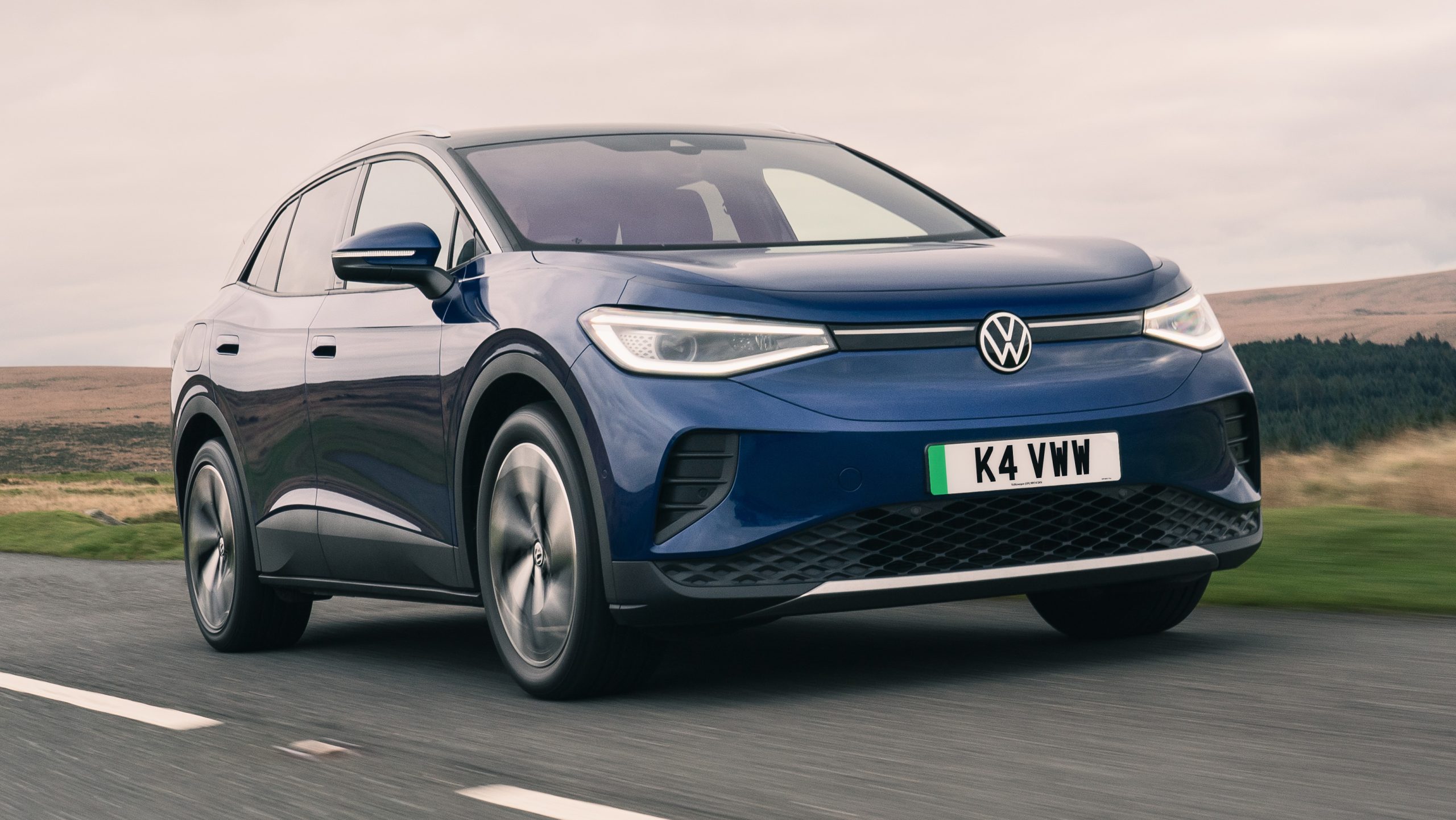
2. Volkswagen ID.4: Promising EV with Early Reliability Concerns
The Volkswagen ID.4 is an all-electric SUV that offers modern styling, quiet performance, and practical range, but early models have developed a reputation for reliability issues, particularly at low mileage. While it may appear to be an attractive entry point into electric vehicles, many owners report persistent software and electronic problems that can disrupt daily use.
A major concern with the ID.4 is its glitch-prone software. Early versions frequently experienced infotainment crashes, failed system updates, and bugs that could affect core vehicle functions.
In some cases, software failures have even caused the car to become temporarily undrivable due to issues with the 12-volt battery system. These problems can make the vehicle unpredictable, especially for commuters who rely on consistent, trouble-free operation.
Additional complaints include faulty door handles linked to water intrusion, as well as charging inconsistencies and occasional battery performance concerns. Although its electric range is generally competitive, some users have reported faster-than-expected range degradation over time.
Service experience is another drawback. Owners have faced long delays for parts and repairs, with some describing the process as frustrating and time-consuming due to the complexity of diagnosing software-related issues.
Although the ID.4 has strong potential as an electric SUV, early models can be risky for buyers seeking reliability. Its dependence on complex electronics and ongoing software issues makes it less suitable for those needing a dependable, low-maintenance daily commuter.
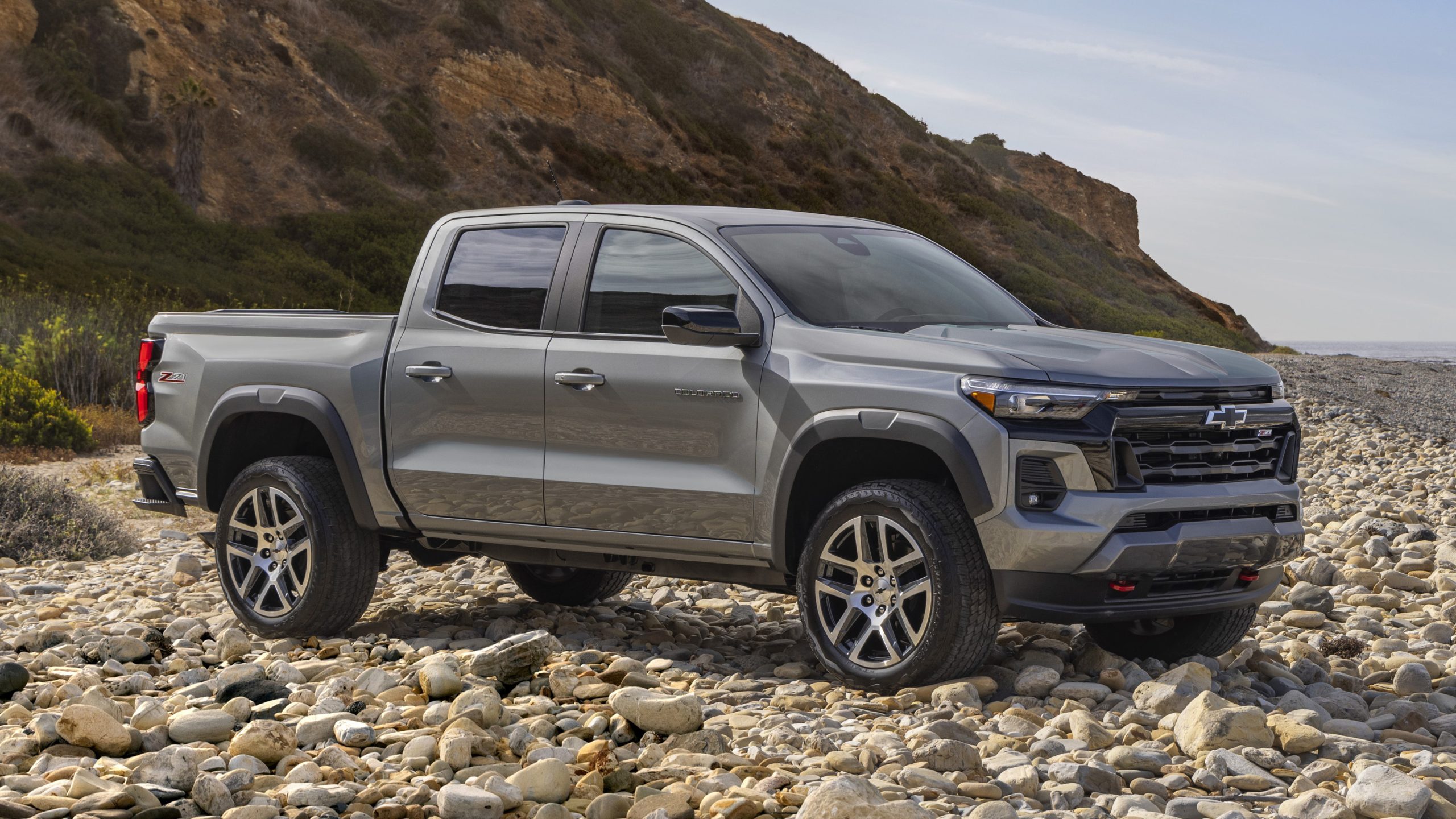
3. Chevrolet Colorado: Low-Mileage Pickup with Costly Reliability Risks
The Chevrolet Colorado is a midsize pickup that offers solid capability and practicality, but it has developed a reputation as a low-mileage reliability concern, particularly among models from 2015 to 2019. Despite appearing like a dependable, lightly used truck, many owners report serious mechanical and electronic issues early in the vehicle’s life, making it a risky choice for buyers expecting trouble-free ownership.
One of the most common problems is the widely reported “8-speed transmission shudder.” This issue causes rough shifting, vibrations, and delayed acceleration, often linked to faulty torque converters or contaminated transmission fluid.
In severe cases, it can lead to premature transmission failure, resulting in expensive repairs shortly after purchase. These issues were significant enough to spark legal action and widespread complaints.
Beyond the transmission, Colorado has also faced engine and electrical concerns. Earlier models experienced problems such as power steering failure, faulty fuel sensors, and general electronic glitches. Even newer versions, while improved, have not entirely eliminated transmission-related complaints.
Repair costs and downtime can also be a burden. Complex components and parts availability sometimes lead to long service delays, adding to owner frustration.
Although newer models (2019 onward) show improvements, Colorado’s inconsistent reliability history makes it a questionable choice for daily commuting. Buyers seeking a dependable, low-maintenance truck may find better long-term value in more proven competitors.
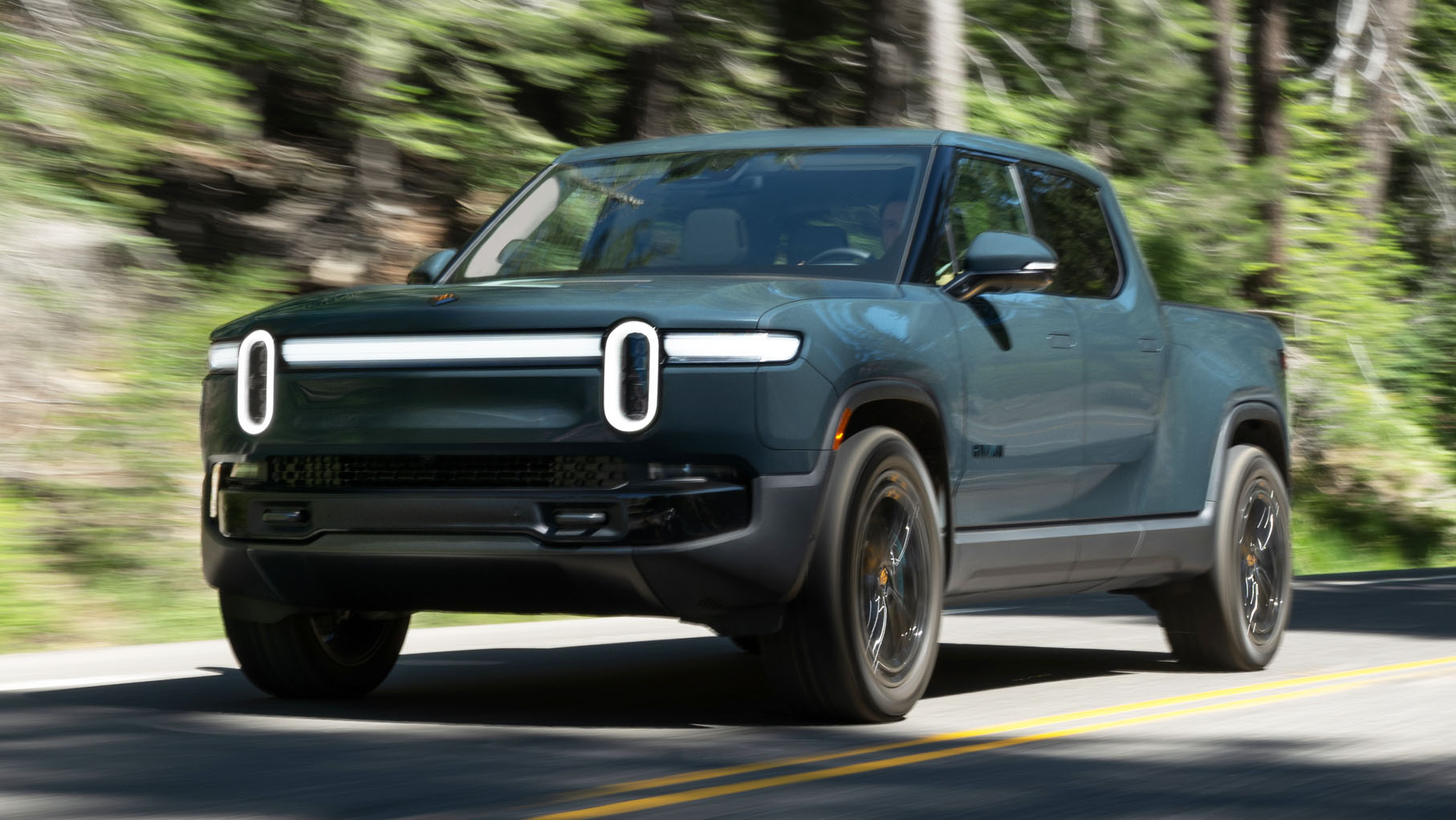
4. Rivian R1T: Innovative Electric Truck with Early Reliability Challenges
The Rivian R1T is a modern electric pickup known for its strong performance, advanced features, and high owner satisfaction. Despite these strengths, it has developed a reputation for reliability concerns, especially in early models with low mileage. As a first-generation vehicle, it often experiences issues that can affect daily usability and long-term dependability.
One of the most common problems involves the 12-volt battery, which can fail unexpectedly and leave the vehicle completely unresponsive. Build quality has also been criticized, with reports of uneven panel gaps, interior rattles, and noticeable wind noise. Some owners have encountered suspension and drivetrain noises, including clicking or clunking sounds that may require repairs or part replacements.
Software issues are another concern. Drivers report infotainment system freezes, delayed camera responses, and glitches in driver-assistance features. Although updates are delivered over the air, these problems can still interrupt regular use.
Service and repair can be difficult due to Rivian’s limited service network. Owners may face long wait times for appointments or parts, and repair costs can be high because of the vehicle’s complexity.
While the R1T stands out for innovation and driving experience, its early reliability issues and service challenges make it less suitable for buyers seeking a dependable and low-maintenance daily vehicle.
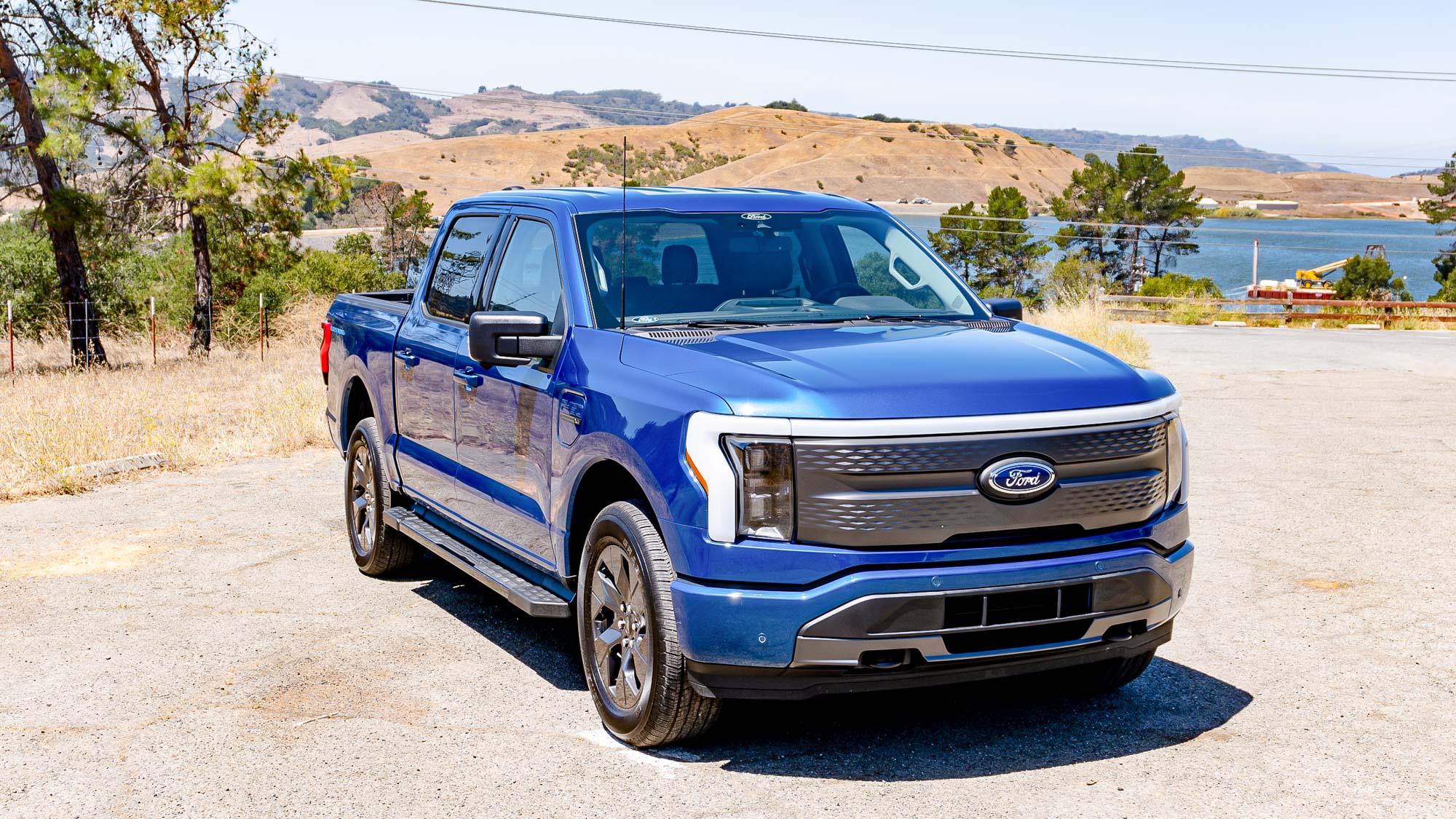
5. Ford F-150 Lightning: Advanced Electric Truck with Early Reliability Concerns
The Ford F-150 Lightning represents a major shift toward electric trucks, combining familiar pickup capability with modern EV technology. However, early models have shown inconsistent reliability, especially at low mileage, making them a potential risk for buyers expecting dependable daily performance.
A key issue is the truck’s complex electronics and software systems. Many early 2022 to 2023 models experienced glitches in infotainment, battery management, and charging functions.
Some owners reported problems with the 12-volt battery, which can affect vehicle operation despite the main battery being fully charged. Charging faults, including slow charging or incompatibility with certain stations, have also been common concerns.
The Lightning has also faced multiple recalls involving battery components, tire pressure systems, and steering-related issues. These problems contribute to its below-average reliability ratings compared to the standard gasoline-powered F-150. In addition, real-world driving conditions such as towing or cold weather can significantly reduce range, which may not meet owner expectations.
Service and repair can be another challenge. Some dealerships have limited experience with EV systems, leading to longer wait times for diagnostics and repairs. Many low-mileage units on the used market exist because early owners returned them due to these frustrations.
While the F-150 Lightning offers innovation and strong performance, its early reliability issues and technical complexity make it less ideal for buyers seeking a dependable, low-maintenance commuter truck.
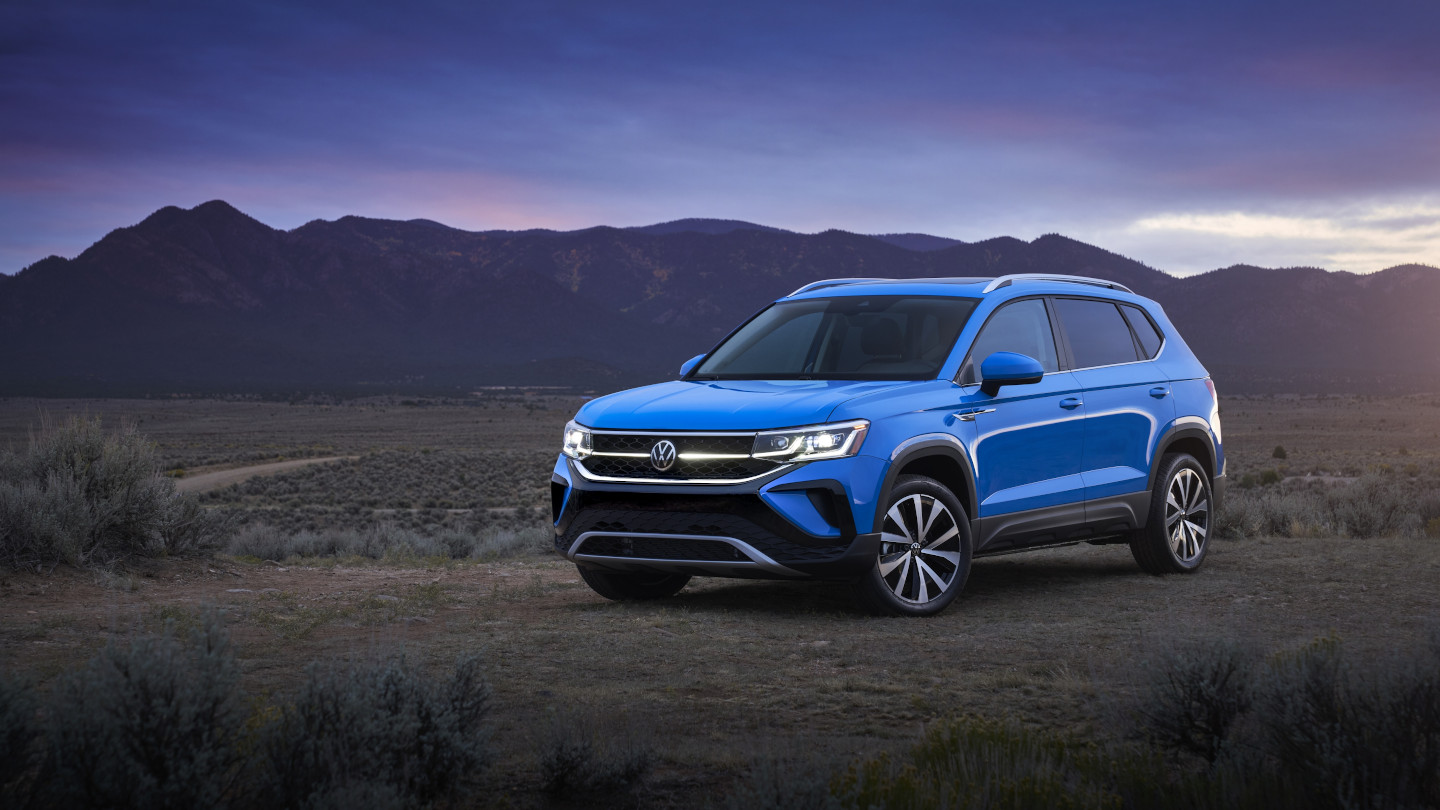
6. Volkswagen Taos: Budget SUV with Early Reliability Concerns
The Volkswagen Taos is a subcompact SUV that attracts buyers with its affordable pricing and modern features, but it has gained a reputation for poor reliability, even at low mileage. Many owners and mechanics report significant issues appearing within the first 15,000 to 20,000 miles, making it a risky option for those seeking a dependable commuter vehicle.
One of the most common concerns involves the 1.5-liter turbocharged engine, which has been linked to coolant leaks and high oil consumption early in its lifespan. These problems often require repeated dealership visits and can lead to long-term engine complications. The transmission is another weak point, frequently described as jerky, clunky, or slow to respond, particularly in stop-and-go city driving.
The Taos has also faced widespread technical and electrical issues. Drivers report infotainment system freezes, warning lights appearing without a clear cause, and inconsistent behavior from basic features like power windows. In addition, certain models have been affected by recalls related to fuel system components, raising further concerns about reliability.
Premature wear on components such as brake pads and rotors adds to ownership costs, even for low-mileage vehicles. While newer updates aim to address these problems, the Taos continues to receive below-average reliability ratings.
For daily commuting, the Volkswagen Taos can be an unreliable choice, often leading to more maintenance and downtime compared to more proven alternatives.
The comparison between high-mileage commuters and low-mileage reliability traps reveals an important truth about car ownership: durability and engineering matter far more than the number on the odometer. Vehicles like the Toyota Camry, Honda Accord, and Toyota RAV4 consistently prove that with proper maintenance, a well-built car can deliver years of dependable service, even at high mileage.
In contrast, several low-mileage vehicles demonstrate how modern complexity, poor build quality, or unresolved design issues can lead to frequent repairs and higher costs early on. The Jeep Wrangler, Rivian R1T, and Ford F-150 Lightning show that even popular or advanced vehicles may not always be the best choice for daily commuting reliability.
For buyers, the key takeaway is to focus on proven track records rather than surface-level appeal. A slightly older, high-mileage vehicle with a strong reputation is often a safer investment than a newer model with hidden issues. By prioritizing reliability, maintenance history, and real-world performance, drivers can avoid costly surprises and enjoy a more dependable commuting experience.
Also read: 5 Cars That Stand Out at Vegas Valet vs. 5 That Look Past Their Prime