
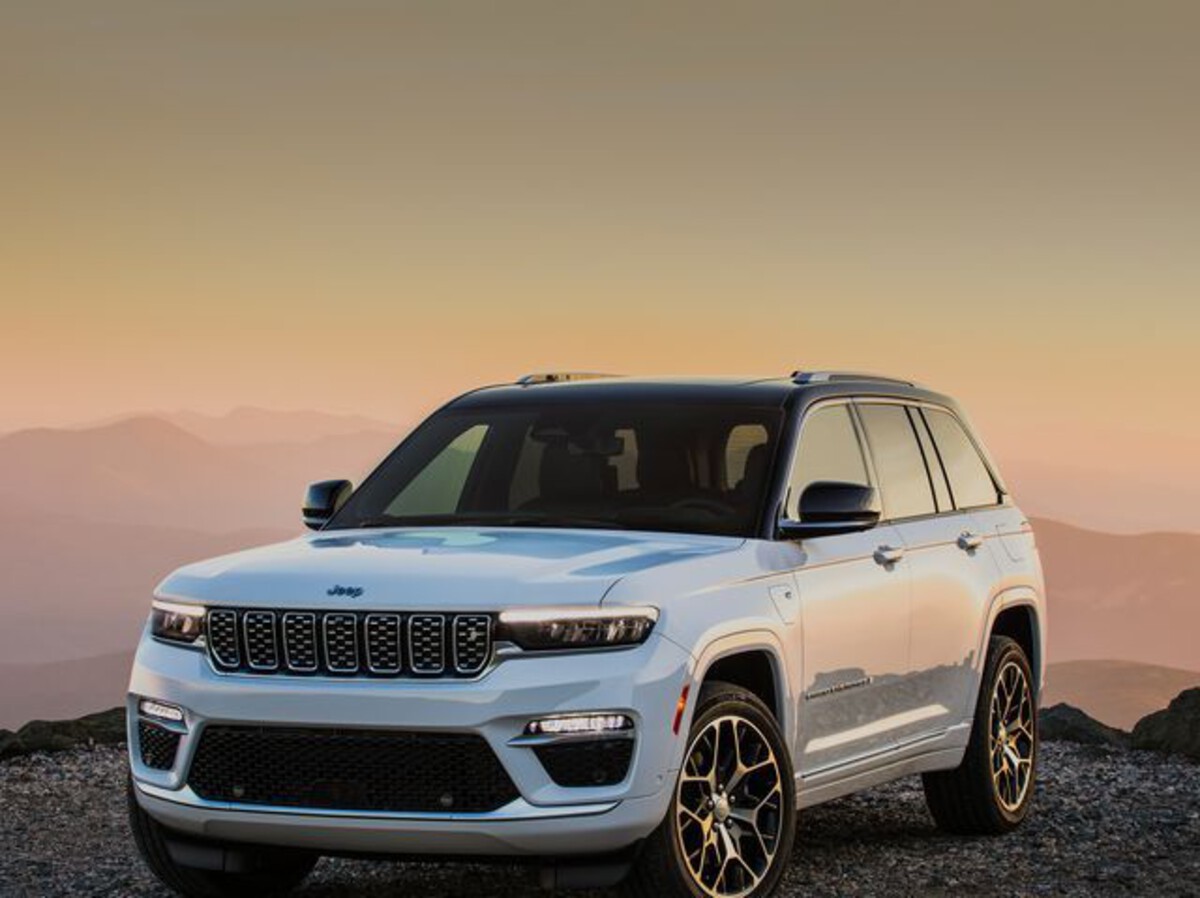
Driving in Tampa comes with a seasonal reality that shapes how people choose their vehicles. Hurricane season introduces conditions that go far beyond heavy rain.
Flooded streets, standing water, sudden downpours, and unpredictable road surfaces turn everyday driving into a serious challenge. In these moments, the difference between a capable vehicle and an unsuitable one becomes immediately clear.
Water on the road affects traction, visibility, and control. Vehicles with higher ground clearance and well tuned all wheel drive or four wheel drive systems tend to handle these conditions with more confidence.
They can move through shallow flooding without immediately risking damage and maintain grip when the surface becomes slick. These are the vehicles people rely on when they need to leave quickly or navigate through difficult weather conditions safely.
At the same time, not every vehicle is built for this environment. Low slung sedans, particularly those with minimal ground clearance and wider tires, can struggle significantly.
When water accumulates on the road, these vehicles are more likely to lose contact with the surface, leading to hydroplaning. This reduces steering control and braking effectiveness, creating a situation where even experienced drivers can find themselves at risk.
This article focuses on both sides of that contrast. First, it highlights five SUVs that are well suited for hurricane escape scenarios in Tampa, examining how their design, drivetrain, and ground clearance contribute to their capability. These are vehicles that offer confidence when conditions become unpredictable.
Then, the focus shifts to five sedans that are less suited for these conditions. These vehicles may perform well in normal environments, but their design makes them more vulnerable when roads are covered in water.
Understanding these differences is essential for anyone living in or moving to Tampa. The right vehicle can make a significant difference in safety and peace of mind when weather conditions take a turn for the worse.
Also Read: 5 Cars for Urban Delivery In the USA vs 5 Cars with Huge Blind Spots
5 Hurricane-Escape SUVs In Tampa
When severe weather approaches, the ability to move quickly and safely becomes a priority. SUVs designed for challenging conditions offer advantages that go beyond simple size. Ground clearance, traction systems, and water management all play a role in determining how well a vehicle can handle flooded streets and heavy rain.
These vehicles are not just about power. They are about maintaining control when traction is reduced and ensuring that critical components remain protected from water exposure. A well designed SUV can continue moving where others may struggle, providing drivers with more options during evacuation or emergency travel.
The following vehicles stand out for their ability to handle these demanding conditions. Each one brings a different strength, whether it is advanced traction control, strong build quality, or a design that prioritizes stability in wet environments.
1. Toyota 4Runner
The Toyota 4Runner approaches difficult driving conditions with a focus on durability and mechanical strength. Built on a body on frame platform, it offers a level of toughness that becomes valuable when roads are covered in water or debris. This construction allows it to handle uneven surfaces and shallow flooding without feeling unsettled.
One of its key advantages is ground clearance. The 4Runner sits higher than many modern SUVs, which reduces the risk of water reaching critical components. When navigating flooded streets, this extra height provides a margin of safety that lower vehicles simply do not have.
The four wheel drive system is another important factor. It delivers consistent traction without relying entirely on electronic intervention.
This mechanical reliability ensures that power is distributed effectively even when road conditions are unpredictable. On wet surfaces where grip can change suddenly, this helps maintain forward movement and stability.
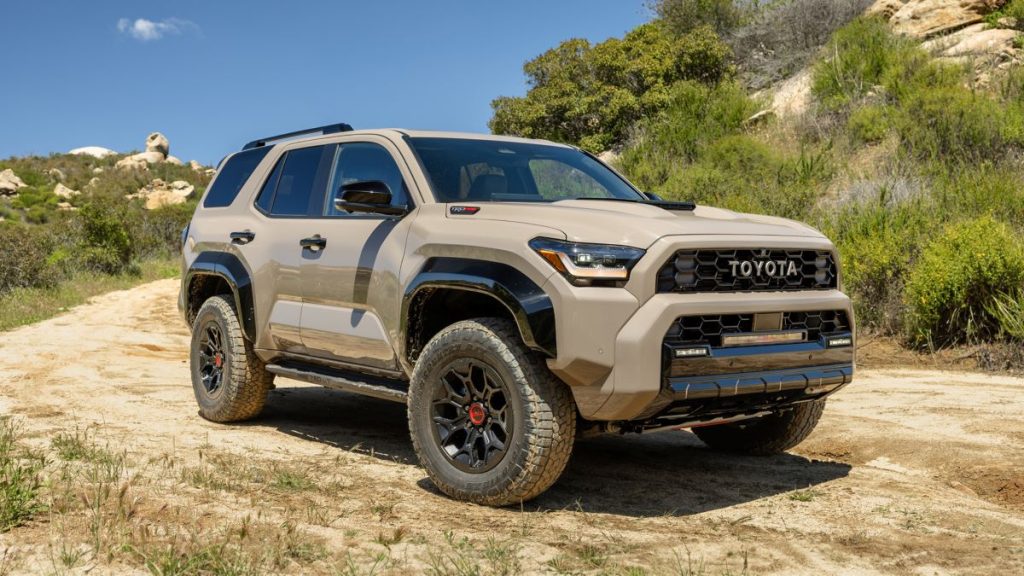
I am including the 4Runner because it represents a traditional approach to capability that remains highly effective. It does not depend on complex systems alone.
Instead, it combines strong construction, practical design, and reliable traction to handle challenging conditions. In Tampa’s hurricane season, where roads can quickly become difficult to navigate, this kind of dependability makes a significant difference.
2. Jeep Grand Cherokee
The Jeep Grand Cherokee brings a balance of modern technology and proven capability, making it well suited for severe weather conditions. Unlike more basic SUVs, it integrates advanced traction systems with a refined driving experience, allowing it to handle both daily driving and emergency situations effectively.
Its all wheel drive system is designed to adapt quickly to changing conditions. Sensors monitor wheel slip and adjust torque distribution in real time, ensuring that traction is maintained even when the road is covered in water.
This responsiveness helps the vehicle remain stable during sudden downpours or when driving through standing water.
Ground clearance also plays a role in its performance. While it may not be as rugged as some off road focused vehicles, it still provides enough height to navigate flooded streets with confidence. This reduces the risk of water entering sensitive areas and allows the driver to maintain progress where lower vehicles might struggle.
Another strength is how the vehicle maintains composure. The suspension is tuned to handle uneven surfaces without excessive movement, which helps keep the driver in control even when conditions are less than ideal.
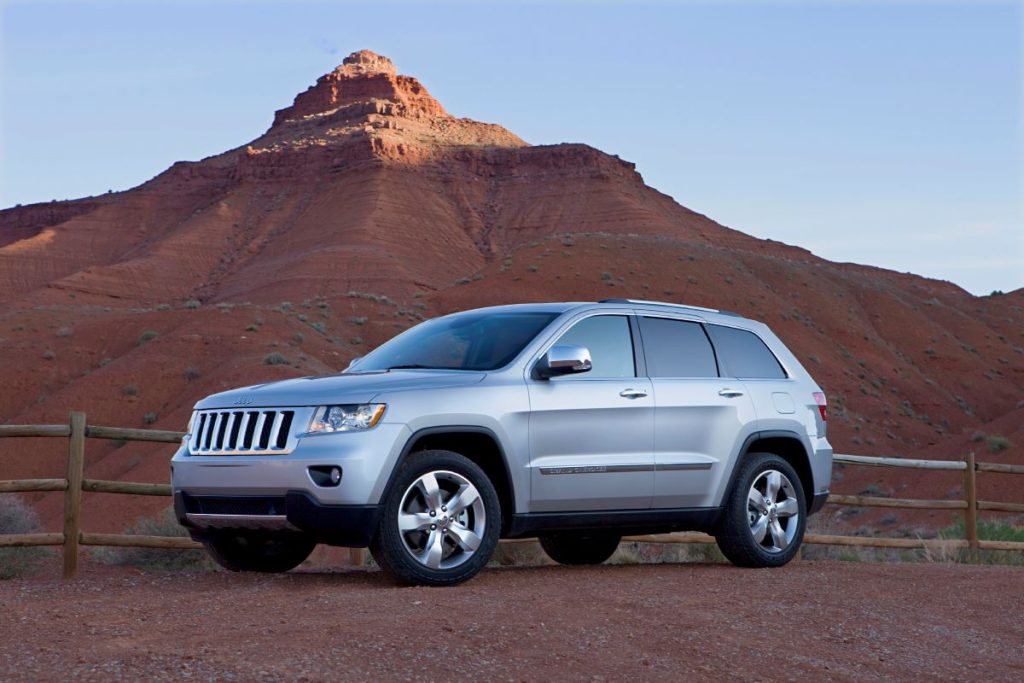
I am including the Grand Cherokee because it demonstrates how modern engineering can enhance capability without sacrificing comfort. It offers a well rounded solution for drivers in Tampa who need a vehicle that can handle both everyday use and the challenges of hurricane season.
3. Ford Expedition
There is a different kind of confidence that comes with driving a full size SUV like the Ford Expedition when heavy rain begins to overwhelm city streets.
It is not just about power or size, but how the vehicle uses its dimensions to maintain stability and control in conditions where smaller vehicles begin to struggle. The Expedition feels planted, even when water starts pooling across multiple lanes.
A major advantage comes from its elevated stance. The higher ride height allows it to approach shallow flooding without immediate concern, giving the driver more flexibility in choosing a path forward.
This becomes especially important during evacuation scenarios in Tampa, where certain routes may already be partially submerged. The added clearance reduces the risk of water reaching critical systems underneath the vehicle.
Traction management also plays a crucial role. The Expedition uses a system that continuously adjusts torque distribution based on surface conditions.
Instead of reacting too late, it maintains grip proactively, which helps keep acceleration smooth and controlled. On wet roads where sudden inputs can lead to instability, this measured response keeps the vehicle composed.
Another aspect that strengthens its capability is its long wheelbase. While it may seem like a disadvantage in tight spaces, it actually improves stability in straight line driving through water. The vehicle does not feel easily unsettled by sudden resistance from standing water, allowing it to track forward with confidence.
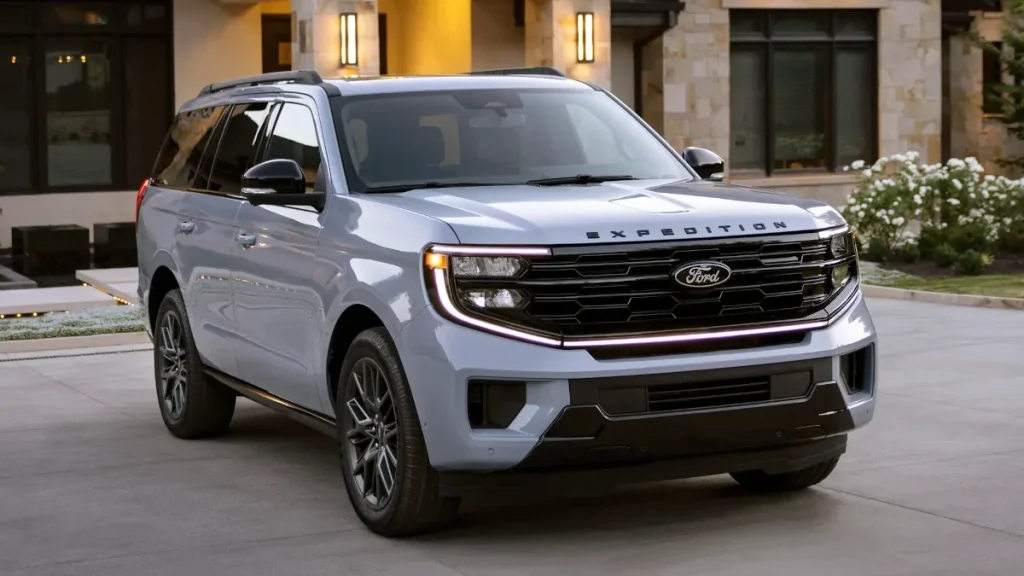
I am including the Expedition because it represents how size and engineering can work together effectively.
It is not simply large, it is structured to handle difficult conditions in a controlled manner. In Tampa’s hurricane season, where flooded roads can appear without warning, this level of stability becomes a valuable asset.
4. Subaru Outback
The Subaru Outback takes a more balanced approach to handling severe weather, combining moderate ground clearance with a highly effective all wheel drive system.
It may not appear as imposing as larger SUVs, yet its design allows it to perform exceptionally well when roads become wet and unpredictable. This makes it a practical choice for drivers who want capability without excessive bulk.
One of the most important features is its symmetrical all wheel drive system. Unlike systems that activate only after slip occurs, this setup is always engaged, providing continuous traction across all four wheels. When driving through heavy rain or shallow flooding, this consistency helps maintain control and prevents sudden loss of grip.
The Outback’s ground clearance is also worth noting. It sits higher than traditional sedans, which allows it to handle moderate water levels without immediate risk. This added height gives drivers more confidence when navigating streets that are partially flooded, especially during sudden downpours.
Another factor that enhances its performance is its low center of gravity. The boxer engine layout keeps weight distributed evenly, which improves stability on slick surfaces. When water reduces tire contact with the road, this balance helps the vehicle remain predictable and easier to control.
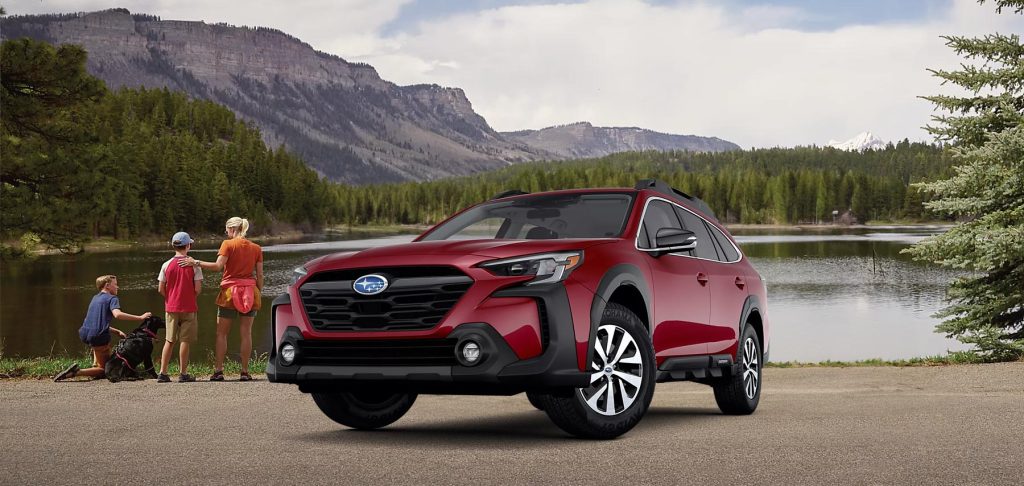
I am including the Outback because it offers a different kind of capability, one that focuses on consistency and control rather than sheer size.
It proves that a vehicle does not need to be the largest option to handle challenging conditions effectively. In Tampa, where heavy rain can quickly change road conditions, this balanced approach makes it a reliable and practical choice.
5. Chevrolet Tahoe
The Chevrolet Tahoe brings a sense of authority to difficult driving conditions, and that presence becomes especially useful when navigating water covered streets during heavy storms.
It is not simply about being large, but about how that size is supported by a strong chassis, capable drivetrain, and a suspension system designed to handle uneven surfaces without losing composure. In situations where roads begin to disappear under water, this combination provides a noticeable advantage.
A key strength lies in its ground clearance and body structure. The Tahoe sits high enough to allow drivers to approach flooded sections with more confidence than lower vehicles.
This does not mean it can ignore deep water, but it does provide a larger safety margin when dealing with shallow flooding that often occurs in Tampa during sudden storms. The underbody components are better protected, reducing the immediate risk of water related issues.
The vehicle’s traction system also contributes to its effectiveness. Power is distributed in a way that maintains forward movement even when the road surface becomes slick.
Instead of abrupt corrections, the system works steadily, allowing the driver to maintain control without constant adjustments. This becomes particularly valuable when moving through water that creates resistance against the tires.
Inside the cabin, visibility and driving position also play a role. The elevated seating position gives the driver a clearer view of road conditions ahead, helping in decision making during uncertain situations. Being able to see water depth and traffic movement can influence safer driving choices.
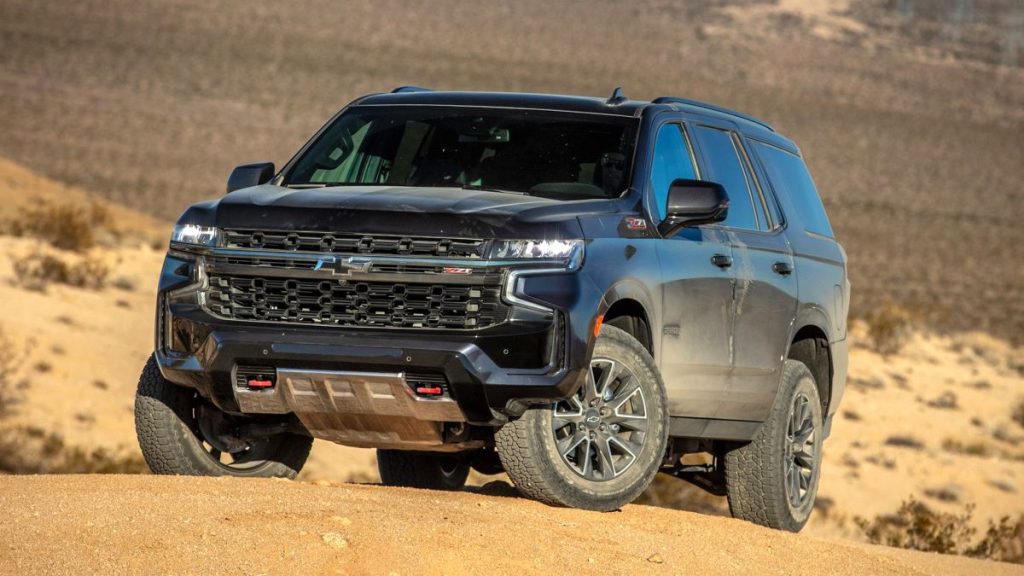
I am including the Tahoe because it represents a combination of strength, height, and controlled power delivery. It handles difficult conditions without feeling strained, offering a level of reassurance that is important during severe weather.
In Tampa, where heavy rain can quickly turn roads into obstacles, this type of capability supports safer and more confident travel.
5 Low-Slung Sedans That Will Hydroplane
Sedans designed with low ride height and performance oriented characteristics often excel on smooth, dry roads. However, when faced with heavy rain and standing water, these same traits can become disadvantages.
Hydroplaning occurs when a layer of water builds between the tire and the road surface, reducing traction and limiting control. Vehicles that sit closer to the ground are more exposed to this risk, especially when combined with wider tires and firm suspension setups.
The issue is not just about losing grip momentarily. When hydroplaning occurs, steering response becomes unpredictable, and braking effectiveness is reduced.
This creates a situation where the driver may struggle to maintain direction or slow down effectively. In areas like Tampa, where sudden downpours can create standing water within minutes, this risk becomes a regular concern rather than a rare event.
Another contributing factor is tire design. Performance oriented sedans often use wider tires that are optimized for dry grip. While these provide excellent handling in ideal conditions, they can struggle to channel water away quickly enough when the road is flooded.
Combined with low ground clearance, this increases the likelihood of losing contact with the road surface.
The following vehicles highlight how these characteristics can work against drivers in wet conditions. They are not poorly engineered cars, but they are not suited for environments where water on the road is a constant challenge. Understanding these limitations is important for making safer choices in regions prone to heavy rainfall.
1. BMW 5 Series
The BMW 5 Series is known for delivering a refined and engaging driving experience, but its design leans heavily toward performance and comfort on well maintained roads.
When heavy rain enters the equation, some of its defining characteristics begin to work against it. The low ride height places the vehicle closer to standing water, increasing the likelihood of losing traction when roads become flooded.
As water accumulates, the wide tires that normally provide excellent grip can struggle to disperse it efficiently. Instead of cutting through the water, they can begin to ride on top of it, leading to hydroplaning.
This creates a sensation where the steering feels disconnected, and the vehicle no longer responds as precisely as expected. For drivers accustomed to the car’s usual control, this sudden change can be unsettling.
The suspension tuning also plays a role. It is designed to balance comfort and responsiveness, but it does not prioritize managing large amounts of standing water. When the vehicle encounters deeper patches, the transition can feel abrupt, requiring the driver to reduce speed quickly to regain control.
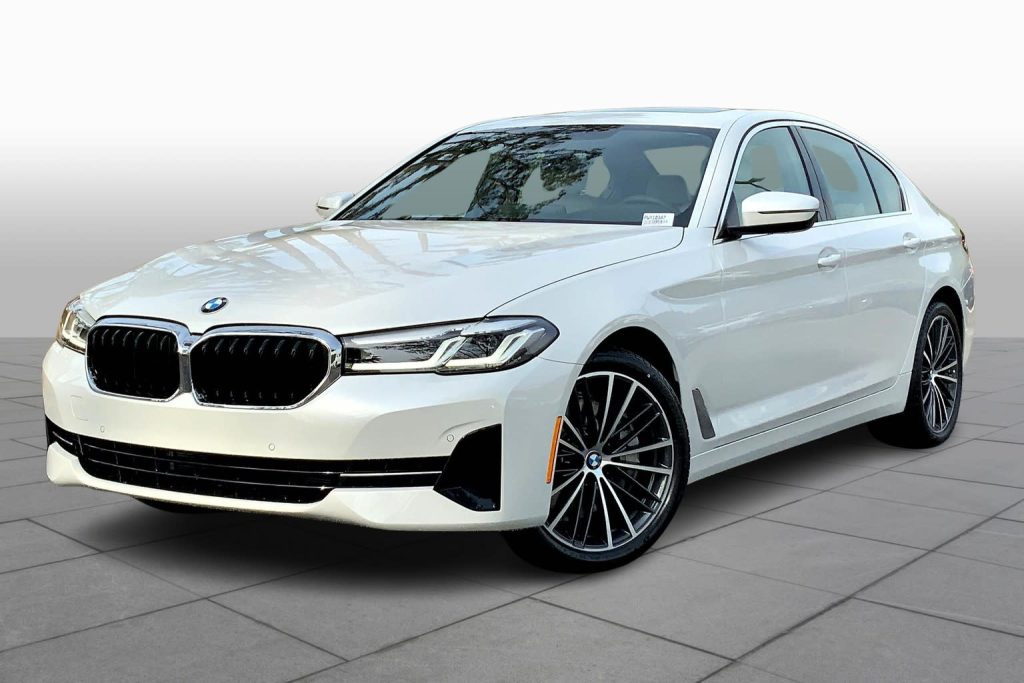
I am including the BMW 5 Series because it represents how a well engineered sedan can still face challenges outside its ideal conditions.
It performs exceptionally well on dry roads, but in Tampa’s heavy rain, its low stance and tire characteristics increase the risk of hydroplaning. This makes it a clear example of how design priorities influence performance in different environments.
2. Mercedes-Benz E-Class
The Mercedes-Benz E-Class is built around comfort, refinement, and smooth performance, yet these qualities do not fully translate to environments where heavy rain dominates road conditions. Its low profile design, combined with a focus on ride quality, creates a situation where standing water can become a significant challenge.
One of the main concerns is how the vehicle interacts with water at speed. The tires are optimized for a balance of comfort and grip, but when large amounts of water are present, they may not channel it away quickly enough.
This can lead to hydroplaning, where the vehicle temporarily loses contact with the road surface. During these moments, steering input becomes less effective, and the sense of control diminishes.
The ride height further contributes to the issue. Being closer to the ground increases exposure to water buildup, especially on roads that are not perfectly drained. Even moderate flooding can create conditions where the vehicle feels less stable, requiring more cautious driving to maintain control.
Another aspect to consider is how the car responds to sudden changes in traction. While the E-Class is designed to be smooth and composed, this smoothness can sometimes mask the early signs of hydroplaning, making it harder for the driver to react immediately.
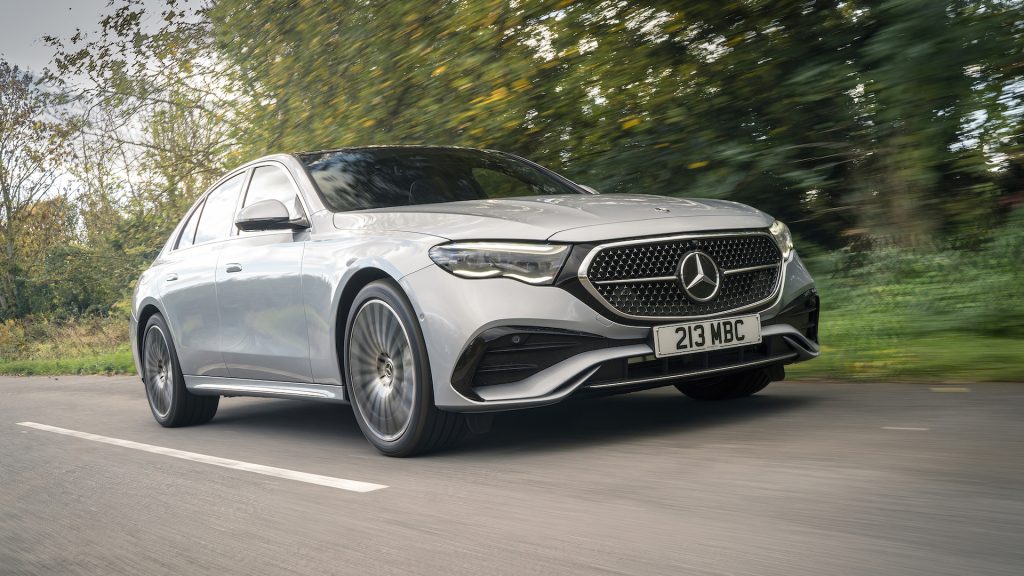
I am including the E-Class because it highlights how luxury and comfort do not always align with challenging weather conditions. It offers a refined driving experience in most situations, but in Tampa’s heavy rain, its design makes it more vulnerable to hydroplaning compared to higher riding vehicles.
3. Audi A6
The Audi A6 is engineered to deliver precision, composure, and a refined driving experience, yet its design characteristics reveal clear limitations when exposed to heavy rainfall and standing water.
The vehicle sits relatively low to the ground, which enhances aerodynamics and handling on dry roads, but this same trait increases its exposure to water buildup. In a city like Tampa, where sudden downpours can quickly flood road surfaces, this low stance becomes a disadvantage.
As the A6 moves through water covered sections, the interaction between its tires and the road surface begins to change. The tires, often wider and performance oriented, are designed for grip under ideal conditions.
However, when water accumulates faster than it can be displaced, a thin layer forms between the tire and the road. This reduces contact and can lead to hydroplaning. When this happens, the steering may feel lighter and less responsive, creating a momentary disconnect between driver input and vehicle behavior.
The suspension setup also contributes to this experience. It is tuned to provide a balance between comfort and responsiveness, but it does not prioritize managing large volumes of standing water.
When encountering uneven patches of water, the transition can feel abrupt, requiring immediate adjustments from the driver. This is particularly noticeable during highway driving, where speed amplifies the effect of hydroplaning.
Another factor to consider is the vehicle’s weight distribution and ride dynamics. While the A6 maintains stability under normal conditions, the presence of water alters how weight is transferred across the tires. This can make the vehicle feel less predictable, especially during lane changes or sudden braking.
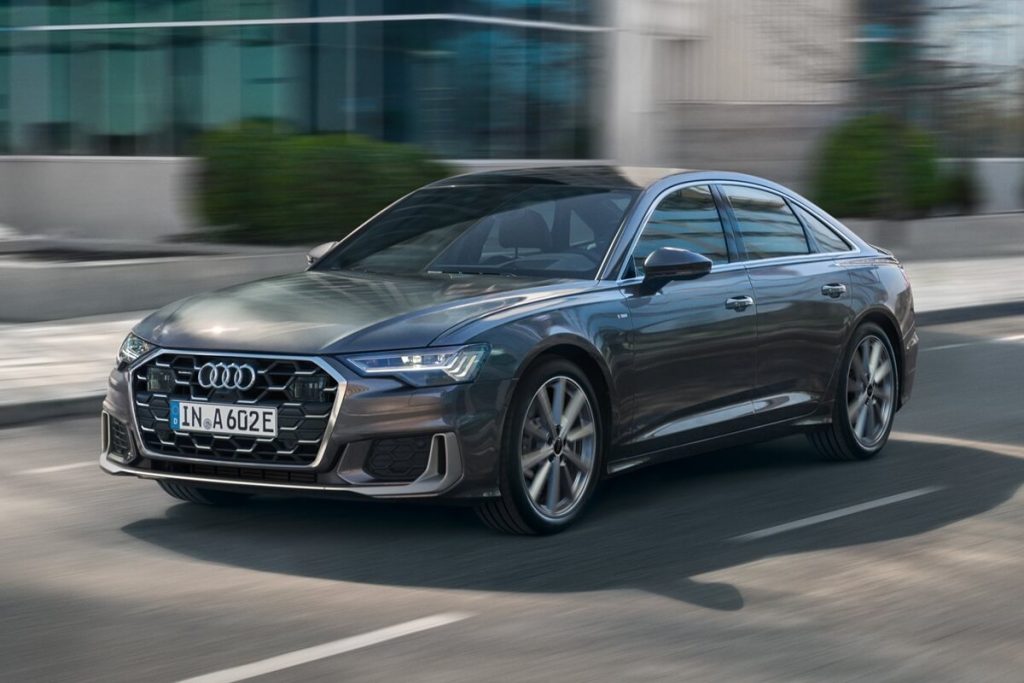
I am including the Audi A6 because it represents a sedan that excels in controlled environments but faces challenges in heavy rain.
Its strengths in precision and refinement do not fully compensate for the risks introduced by its low profile and tire characteristics. In Tampa’s weather conditions, this combination can require extra caution and reduced speeds to maintain safe control.
4. Tesla Model S
The Tesla Model S brings advanced technology and strong performance, but its configuration presents unique challenges when dealing with standing water and hydroplaning risks.
The vehicle’s low ride height, combined with its wide tire setup, creates conditions where water can interfere with traction more easily than in higher vehicles.
While it performs exceptionally well on dry pavement, heavy rain introduces variables that change how it interacts with the road.
One of the defining characteristics of the Model S is its weight, largely due to the battery pack positioned along the floor.
This low center of gravity improves stability in many situations, but it also means that when hydroplaning begins, the vehicle carries significant momentum. This can make it more difficult to regain full traction quickly, especially at higher speeds on wet highways.
The tires, often performance focused, are designed to maximize grip and handling. However, their width can become a disadvantage in heavy rain.
Wider tires need to displace more water, and if they cannot do so efficiently, they begin to ride on top of the surface instead of cutting through it. This leads to reduced steering response and a floating sensation that requires immediate driver awareness.
The suspension system is tuned for responsiveness and control, but it does not specifically address deep water conditions. When encountering pooled water, the vehicle can feel firm and direct, yet that firmness does not translate into improved grip. Instead, it can make the transition into hydroplaning feel sudden rather than gradual.
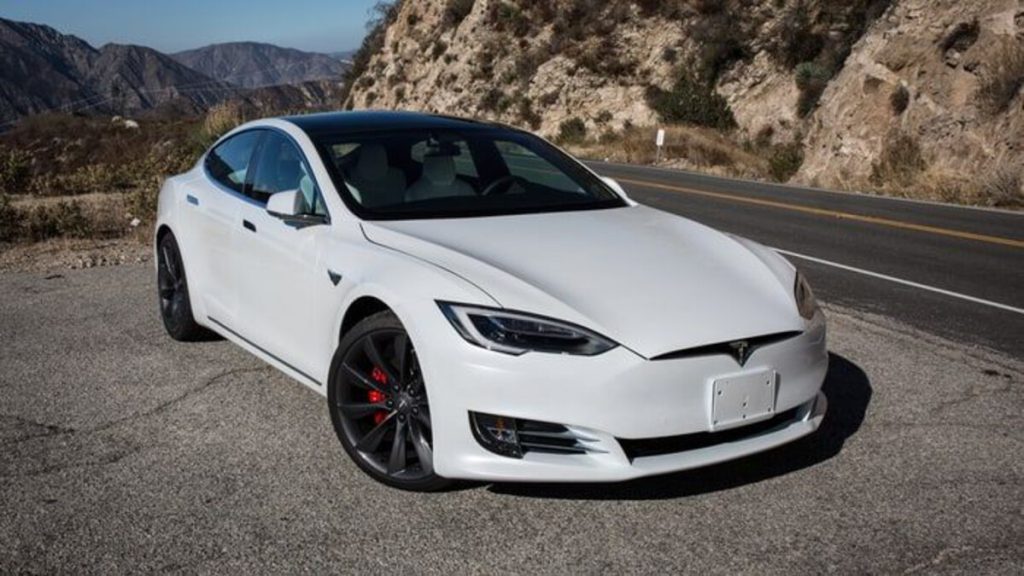
I am including the Tesla Model S because it highlights how advanced engineering does not eliminate environmental limitations.
It remains a strong performer in many areas, but in Tampa’s heavy rain, its low stance, tire configuration, and weight characteristics can increase the likelihood of hydroplaning. This makes it a vehicle that demands careful driving when conditions become challenging.
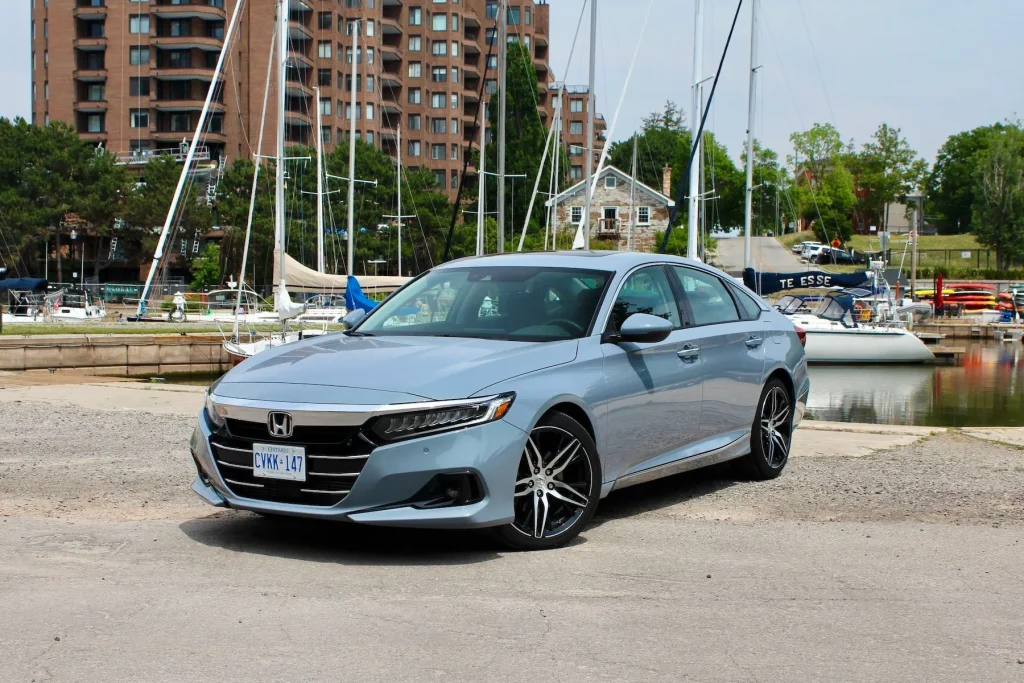
5. Honda Accord Touring
The Honda Accord Touring represents a refined and efficient sedan that performs impressively in everyday driving, yet its design reveals clear limitations when exposed to heavy rain and standing water.
It is engineered for balance, comfort, and predictable handling on normal roads, but when conditions shift to water covered surfaces, its low profile and tire configuration begin to work against it. In a place like Tampa, where sudden storms can quickly overwhelm drainage systems, these limitations become more noticeable.
The Accord sits relatively close to the ground, which enhances stability and aerodynamics during regular driving. However, this same low ride height increases its interaction with standing water.
When water depth builds even slightly, the tires are more likely to encounter resistance, and the risk of hydroplaning rises. Instead of cutting cleanly through the water, the tires can begin to glide over it, reducing contact with the road surface.
Tire design also plays an important role in this behavior. The Touring trim often uses wider, lower profile tires that are optimized for grip and responsiveness. While this setup improves handling on dry pavement, it reduces the tire’s ability to channel water efficiently during heavy rain.
As water accumulates, the grooves may not disperse it quickly enough, leading to a thin layer forming between the tire and the road. This momentary loss of traction can affect steering precision and braking response.
Another aspect to consider is how the vehicle communicates these changes to the driver. The Accord is known for its smooth and composed ride, but this smoothness can sometimes mask the early stages of hydroplaning.
The transition from full grip to reduced traction may feel subtle at first, which requires the driver to remain attentive and adjust speed proactively.
I am including the Accord Touring because it highlights how a well balanced sedan can still face challenges in extreme weather conditions.
It remains reliable and comfortable in most situations, but in Tampa’s heavy rain, its low stance and tire characteristics increase vulnerability to hydroplaning. This makes careful driving and speed management essential when navigating water covered roads.
Also Read: 5 Cars for Rural American Dirt Roads vs. 5 with Fragile Bumpers
