
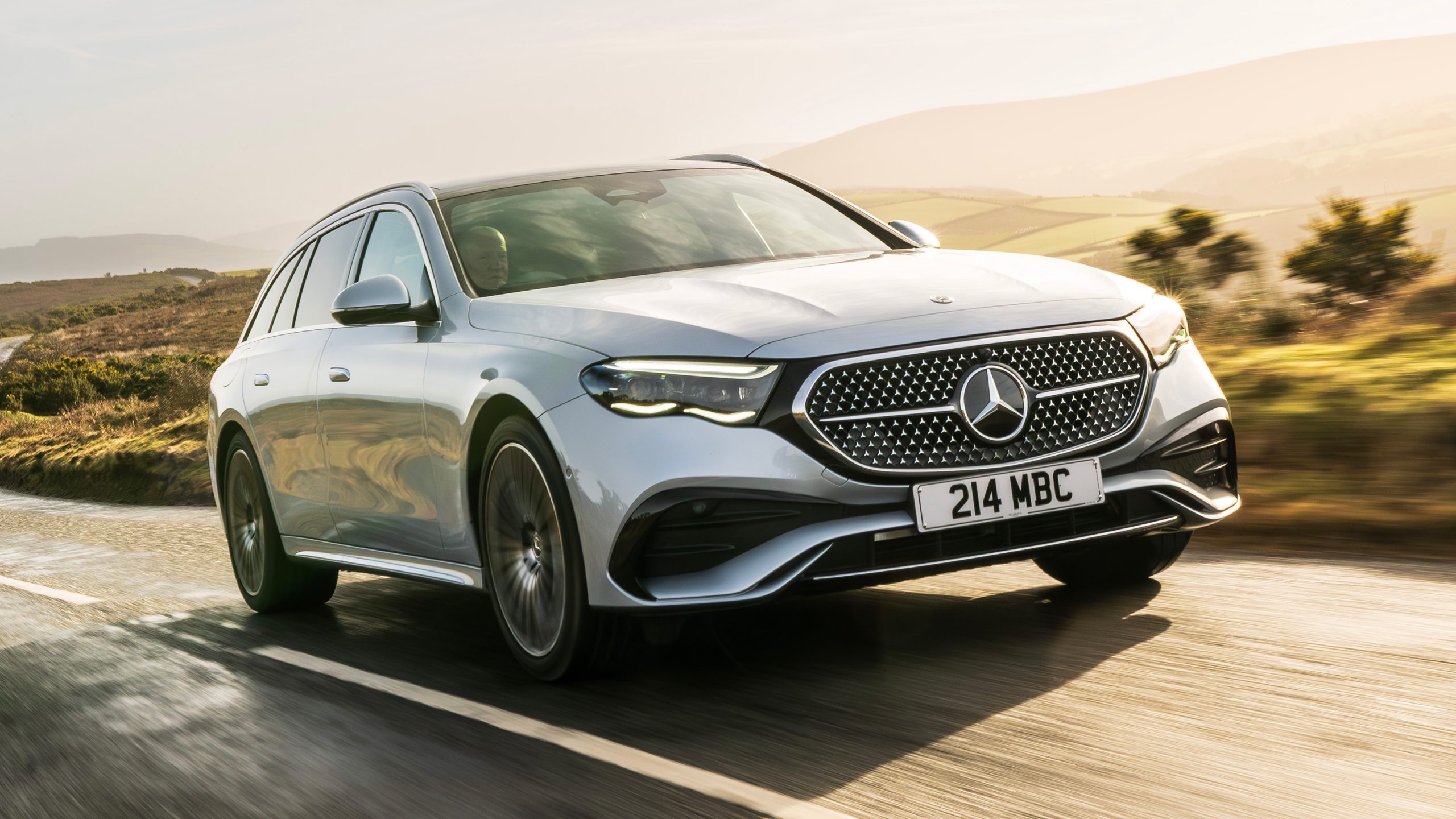
Driving across Kansas City presents a very specific kind of daily experience, especially for those who rely on highways for commuting and long distance travel. The region is known for its wide interstates, long stretches of open road, and traffic patterns that often allow for sustained high speed cruising.
In this environment, not every vehicle delivers the same level of comfort, stability, or refinement. What feels acceptable in short city drives can quickly become tiring when extended over miles of highway.
High speed cruising is not just about how fast a car can go. It is about how stable it feels at speed, how quiet the cabin remains, and how effortlessly it maintains momentum without constant input from the driver.
Vehicles that excel in this category are designed with aerodynamic efficiency, well tuned suspensions, and strong sound insulation. They allow drivers to cover long distances without fatigue, turning what could be a stressful commute into a smooth and controlled experience.
On the other side, there are vehicles that struggle in this exact setting. Compact cars, especially those designed with cost efficiency as a priority, often lack the insulation and refinement needed for extended highway use.
Road noise, engine strain, and lighter construction can make them feel unsettled at higher speeds. Over time, this leads to a driving experience that is louder, less comfortable, and more demanding on the driver.
This article brings both perspectives into focus. First, it highlights five vehicles that are particularly well suited for high speed highway cruising in Kansas City, examining what makes them comfortable, stable, and reliable for long distance driving.
Then, it shifts to five compact cars that fall short in this environment, where noise levels and lack of refinement become noticeable disadvantages.
Understanding this contrast is important for anyone who spends significant time on highways. The right vehicle can transform long drives into a calm and controlled experience, while the wrong one can make every mile feel longer than it should.
Also Read: 15 Car Interior Fabrics That Resist Fading After Years of Intense Sun
5 High-Speed Highway Cruisers In Kansas City
Highway driving places unique demands on a vehicle that go beyond basic performance. Stability at speed, cabin quietness, and smooth power delivery all contribute to how comfortable a car feels over long distances.
In a city like Kansas City, where highways play a central role in daily travel, these factors become essential rather than optional.
A true highway cruiser is not defined by acceleration alone. It is defined by how effortlessly it maintains speed, how little correction it requires from the driver, and how well it isolates passengers from external noise.
Vehicles that succeed in this category are engineered to reduce fatigue, allowing drivers to remain focused and relaxed even after extended periods behind the wheel.
The following vehicles stand out for their ability to handle these demands. Each one offers a different approach to long distance comfort, whether through refined suspension tuning, advanced sound insulation, or balanced power delivery. These are vehicles that make highway driving feel controlled and composed rather than tiring.
1. Mercedes-Benz E-Class
There is a certain calmness that defines the driving experience of the Mercedes-Benz E-Class, and that calmness becomes especially valuable on long highway stretches.
Instead of feeling busy or reactive, the car settles into motion with a sense of composure that reduces the need for constant driver input. This quality alone makes it stand out as a strong candidate for sustained high speed travel.
The cabin environment plays a significant role in this experience. Sound insulation is handled with precision, allowing external noise from wind and road surfaces to remain minimal even at higher speeds.
This creates a quieter atmosphere that helps reduce fatigue, making long drives feel less demanding. Conversations remain clear, and the need to raise one’s voice is reduced.
Another aspect that contributes to its highway capability is the suspension tuning. The E-Class absorbs small imperfections in the road without transferring them directly into the cabin.
Instead of reacting sharply, it smooths out variations in surface quality, maintaining a steady and controlled ride. This becomes particularly noticeable on extended drives where consistency matters more than immediate responsiveness.
Power delivery is equally refined. Acceleration feels smooth and predictable, allowing the vehicle to maintain speed without strain. The engine does not feel overworked, even when sustaining higher speeds for longer periods, which adds to the sense of effortlessness.
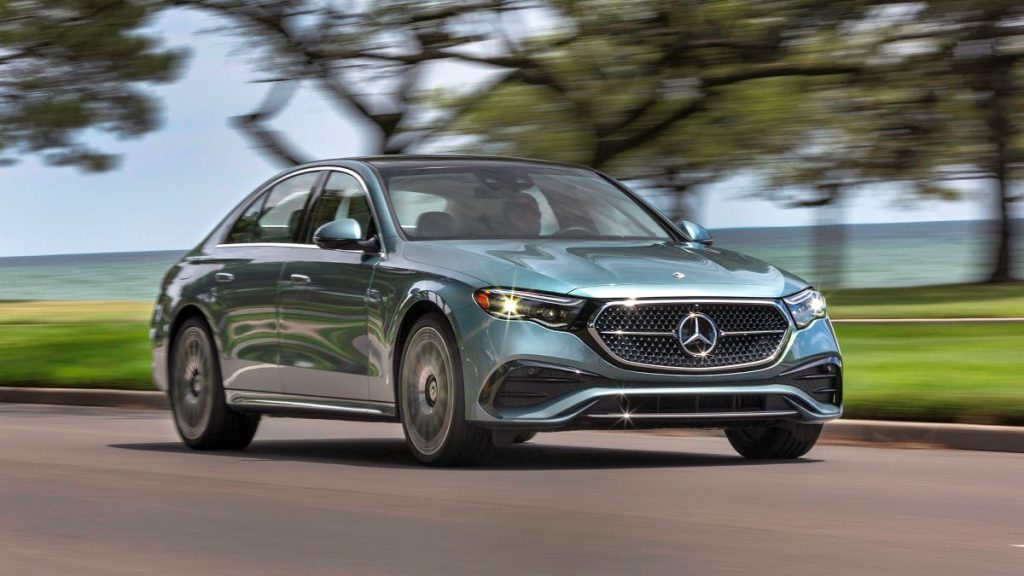
I am including the E-Class because it represents a well balanced approach to highway comfort. It is not focused on aggressive performance or exaggerated features. Instead, it delivers a composed and quiet driving experience that aligns perfectly with the demands of long distance travel in Kansas City.
2. BMW 5 Series
The BMW 5 Series approaches highway driving with a different philosophy, one that blends precision with comfort. While it maintains a refined character, it also introduces a level of engagement that makes long drives feel controlled rather than passive. This balance allows it to perform well in situations where both stability and responsiveness are required.
At higher speeds, the 5 Series feels firmly planted. The chassis maintains a strong connection with the road, reducing the sense of floating that can occur in less stable vehicles. This planted feel gives the driver confidence, especially when navigating traffic or changing lanes on busy highways.
Noise management is handled effectively, though in a slightly different manner compared to more comfort focused vehicles. Instead of completely isolating the driver, the 5 Series allows a subtle connection to the road while still keeping unwanted noise at a controlled level. This creates an environment that feels both refined and engaging.
The suspension setup plays a key role in maintaining this balance. It is tuned to provide both comfort and control, allowing the vehicle to handle long distances without becoming tiring. Road imperfections are managed without excessive softness, preserving stability at speed.
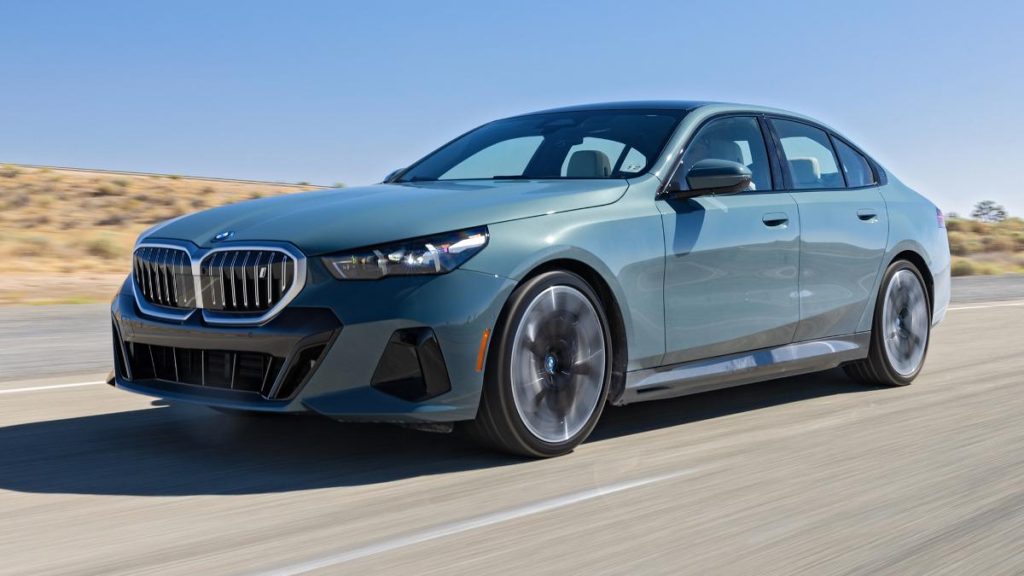
I am including the BMW 5 Series because it demonstrates how a vehicle can deliver highway comfort without sacrificing driver involvement. It provides a composed and confident driving experience that suits the long, open roads of Kansas City, making extended travel feel controlled and engaging rather than monotonous.
3. Audi A6
There is a quiet precision to the way the Audi A6 handles long highway drives, and that precision becomes increasingly valuable the more miles you cover around Kansas City. Instead of focusing on one standout trait, the A6 builds its highway strength through balance.
It does not try to isolate the driver completely, nor does it lean heavily into sportiness. It sits comfortably between those extremes, creating a driving experience that feels controlled and consistent.
One of the most noticeable characteristics is how stable the car remains at higher speeds. The steering feels measured rather than overly light, giving the driver a clear sense of direction without requiring constant correction.
This stability becomes particularly useful on long, straight highways where small adjustments can otherwise become tiring over time.
The cabin environment reinforces this sense of control. Sound insulation is handled carefully, keeping wind and road noise at a subdued level.
Instead of eliminating all external feedback, the A6 filters it into a more refined form. This allows the driver to stay aware of the road without being overwhelmed by it, which helps maintain focus during extended drives.
Another strength lies in how the suspension manages continuous motion. The car absorbs minor imperfections without turning them into noticeable disruptions.
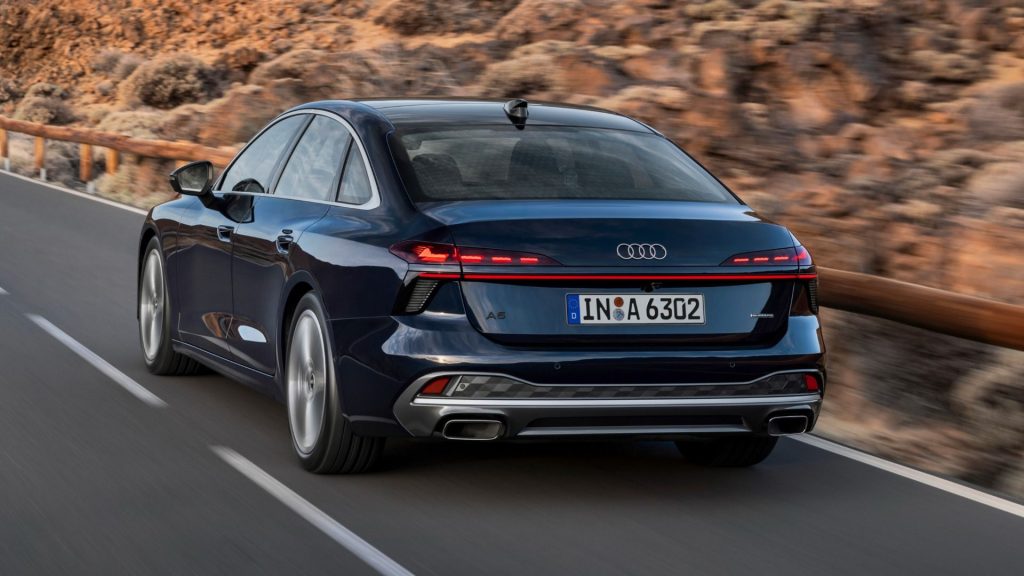
Rather than reacting sharply, it smooths out variations in the road surface, allowing the vehicle to maintain a steady rhythm. This consistency reduces fatigue, especially when traveling long distances without frequent stops.
I am including the Audi A6 because it represents a thoughtful approach to highway cruising. It does not rely on extreme comfort or aggressive performance. Instead, it delivers a composed and balanced experience that aligns well with the demands of long highway travel in Kansas City.
4. Lexus ES
The Lexus ES approaches highway driving with a clear focus on comfort, and that focus becomes immediately apparent once the vehicle settles into a steady cruising speed. It does not try to engage the driver with sharp responses or dynamic behavior.
Instead, it prioritizes smoothness and quietness, creating an environment that feels relaxed from the moment the journey begins.
The cabin is one of its strongest attributes. Lexus has placed significant emphasis on reducing noise, resulting in an interior that remains calm even when traveling at higher speeds.
Wind and road sounds are minimized, allowing passengers to enjoy a peaceful atmosphere. This level of quietness plays a major role in reducing fatigue, particularly during long commutes where constant noise can become draining.
Ride quality is another defining feature. The suspension is tuned to absorb road imperfections in a gentle and controlled manner. Rather than transmitting bumps directly into the cabin, it softens them, allowing the car to glide over the surface. This creates a sense of continuity that makes long drives feel less demanding on both the driver and passengers.
Power delivery in the ES is smooth and predictable. Acceleration is not aggressive, but it is steady and sufficient for maintaining highway speeds without effort. This reinforces the vehicle’s relaxed character, ensuring that the driver does not feel the need to constantly manage throttle input.
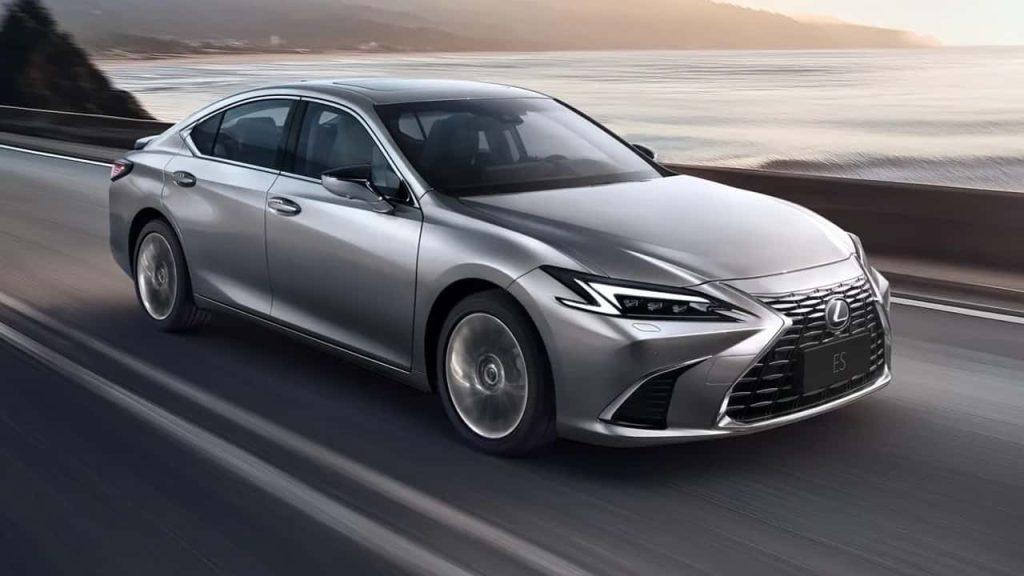
I am including the Lexus ES because it represents a comfort first approach to highway cruising. It transforms long drives into a quieter and more relaxed experience, which is particularly valuable in a city like Kansas City where highway travel is a regular part of daily life.
5. Chevrolet Impala
There is a certain simplicity in how the Chevrolet Impala handles highway driving, and that simplicity works in its favor during long stretches across Kansas City.
It does not rely on complex systems or aggressive tuning to create comfort. Instead, it focuses on delivering a stable, predictable ride that allows drivers to settle in and maintain speed without constant adjustment.
One of the defining traits of the Impala is its size and layout. The longer wheelbase contributes to a smoother ride by spreading the impact of road imperfections over a greater distance.
This reduces the sharpness of bumps and keeps the cabin from feeling unsettled. When traveling at consistent highway speeds, this characteristic helps maintain a steady flow that does not require frequent corrections.
The cabin environment also supports long distance travel. While it may not reach the level of luxury found in higher end sedans, it provides enough sound insulation to keep wind and road noise from becoming overwhelming.
The result is a space where conversations remain comfortable and the driver can stay focused without distraction from excessive noise.
Another strength lies in how the vehicle maintains speed. The engine delivers power in a steady and uncomplicated manner, allowing the car to cruise without feeling strained. There is no need for aggressive throttle input to keep up with highway traffic, which contributes to a more relaxed driving experience.
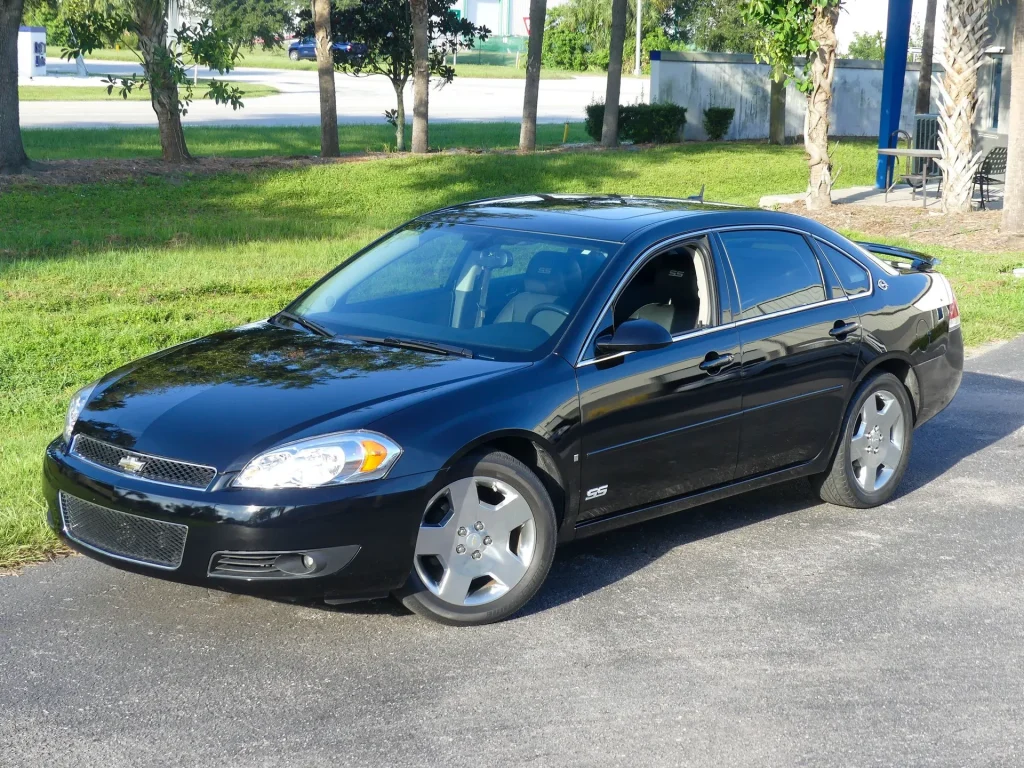
I am including the Impala because it represents a straightforward approach to highway comfort that still delivers meaningful benefits. It may not be the most advanced option, but it offers stability, consistency, and ease of use.
In Kansas City, where long highway drives are part of everyday life, this kind of dependable performance makes it a practical and effective cruiser.
5 Noisy Compacts for Long Commutes
Compact cars are often chosen for their efficiency and affordability, but these advantages can come with compromises that become more noticeable during long highway commutes. While they perform well in city environments, extended driving at higher speeds can highlight limitations in cabin insulation, ride quality, and overall refinement.
Noise is one of the most significant factors. Lighter construction and reduced sound insulation allow more road and wind noise to enter the cabin.
Over time, this constant exposure can lead to fatigue, making long drives feel more tiring than they should. What might seem acceptable during short trips becomes more pronounced when sustained for extended periods.
Another issue is how these vehicles handle continuous motion. Shorter wheelbases and firmer suspensions can make them feel more reactive to road imperfections. Instead of smoothing out the surface, they transmit more of it into the cabin, creating a busier driving experience that requires more attention from the driver.
The following vehicles highlight these challenges. They are not poorly designed, but they are less suited for long highway commutes where comfort and quietness play a larger role. Understanding these differences can help drivers choose a vehicle that better matches their daily driving conditions.
1. Nissan Versa
The Nissan Versa delivers strong value in terms of affordability and efficiency, but its limitations become clear when it is pushed into long highway commutes. The focus on cost effectiveness means that certain refinements, particularly in sound insulation and ride quality, are not as developed as in larger or more premium vehicles.
At highway speeds, road and wind noise become noticeable almost immediately. The cabin does not filter out external sounds effectively, which means that the driver is constantly exposed to a mix of tire noise and airflow. Over longer distances, this can become tiring, requiring more effort to maintain focus.
The vehicle’s lightweight construction contributes to this experience. While it helps with fuel efficiency, it also allows more vibration and sound to pass into the cabin. This creates a driving environment that feels less isolated, especially on rougher sections of highway where surface noise increases.
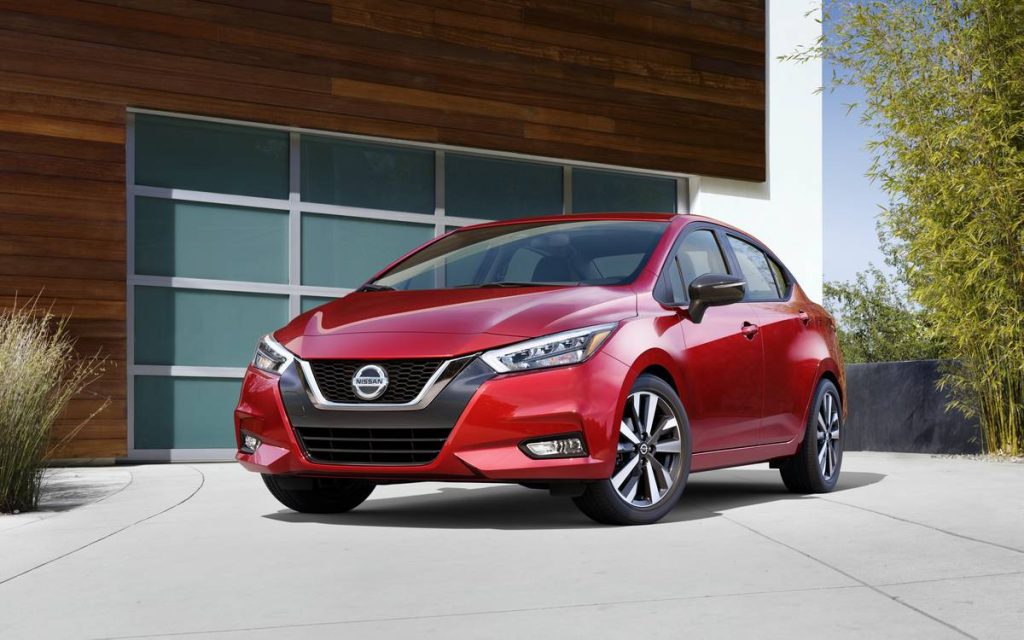
Another factor is how the Versa maintains speed. The engine is capable, but it can feel strained when sustaining higher speeds for extended periods. This adds to the overall noise level and reinforces the sense that the vehicle is working harder than necessary.
I am including the Versa because it highlights how a budget focused design can affect long distance comfort. It performs well in city driving, but in Kansas City’s highway environment, its lack of refinement makes it less suitable for extended commutes.
2. Mitsubishi Mirage
The Mitsubishi Mirage approaches driving with simplicity and efficiency as its primary goals, but this approach introduces clear drawbacks when used for long highway commutes. While it excels in low speed urban environments, sustained highway driving reveals limitations that affect both comfort and driver experience.
One of the most noticeable issues is cabin noise. The Mirage does not provide strong sound insulation, allowing external noise to enter freely.
At higher speeds, wind noise becomes prominent, and the sound of the engine working to maintain speed adds to the overall volume inside the cabin. This constant noise can make long drives feel more exhausting.
The small size of the vehicle also contributes to how it handles road conditions. With a shorter wheelbase, it reacts more quickly to surface changes, which can create a less stable feeling on the highway. Instead of gliding over imperfections, the car tends to respond to them more directly, leading to a busier ride.
Engine performance at highway speeds is another factor. The Mirage is designed for efficiency, not sustained high speed cruising. As a result, it can feel underpowered when maintaining speed, which increases engine noise and reduces the sense of ease during long drives.
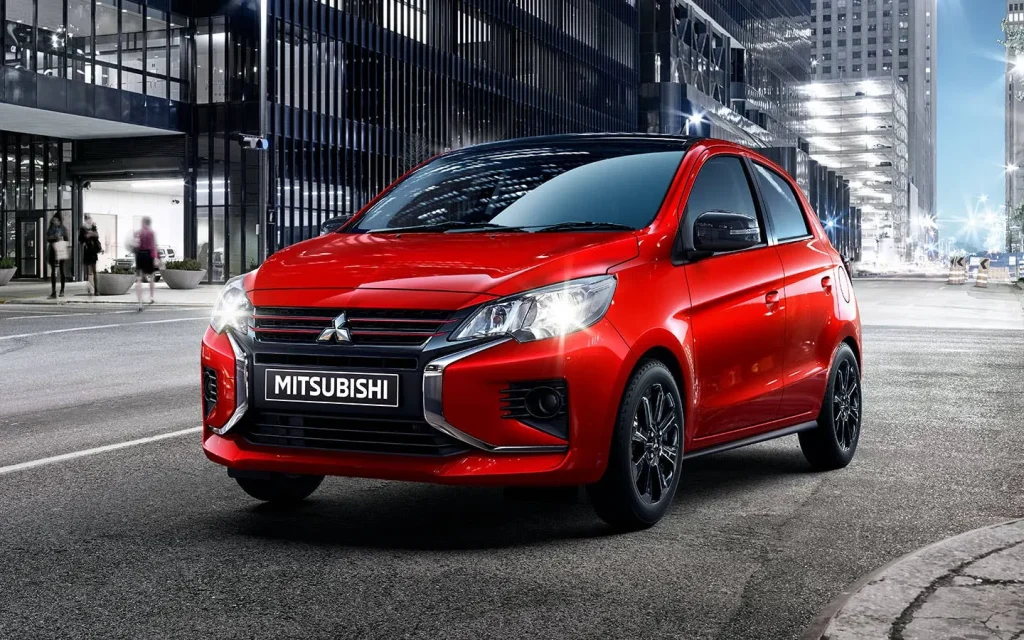
I am including the Mirage because it represents the trade offs that come with prioritizing efficiency above all else. It serves its purpose well in certain conditions, but for long highway commutes in Kansas City, its noise levels and limited refinement make it a less comfortable option.
3. Kia Rio
The Kia Rio presents itself as a practical and efficient compact, yet its character changes noticeably once it transitions from city streets to long highway stretches around Kansas City.
What feels light and manageable in short drives begins to feel less refined when sustained at higher speeds for extended periods. The shift is gradual, but it becomes clear the longer the journey continues.
One of the most immediate observations is the level of cabin noise. The Rio does not have the same level of sound insulation as larger vehicles, which allows road and wind noise to enter more freely.
At highway speeds, this creates a constant background presence that does not fade into the background. Instead, it stays noticeable, requiring the driver to adjust to a louder environment than expected.
The ride quality also plays a role in this experience. The suspension is tuned for efficiency and responsiveness in urban settings, but on highways, it can feel slightly busy.
Small imperfections in the road surface are transmitted into the cabin more directly, creating a sense of continuous motion rather than a smooth glide. Over time, this can contribute to driver fatigue.
Another factor is how the engine performs during extended cruising. While capable, it tends to operate at higher revs to maintain speed, which adds to the overall noise level. This reinforces the feeling that the vehicle is working harder than larger, more relaxed cruisers.
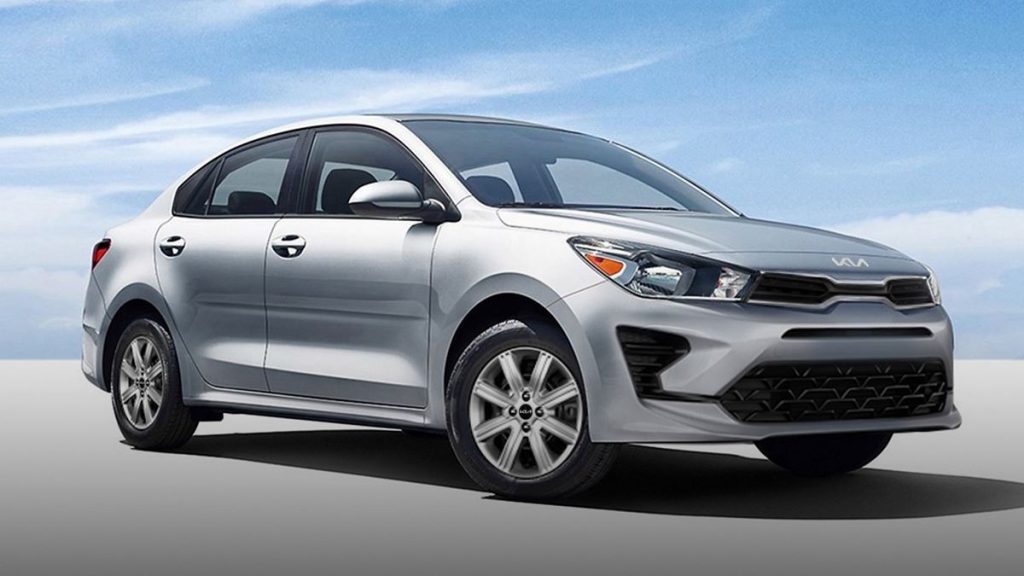
I am including the Kia Rio because it highlights how compact design priorities can affect long distance comfort. It performs well in environments it was designed for, but when used for extended highway commuting, its noise levels and constant activity inside the cabin make it less suited for a relaxed driving experience.
4. Hyundai Accent
The Hyundai Accent offers efficiency and simplicity, but those same qualities introduce limitations when it is used for long highway commutes. It is designed to handle everyday driving with ease, yet extended time at higher speeds reveals aspects of its design that are less focused on refinement and isolation.
Inside the cabin, sound becomes a defining factor. The Accent allows a noticeable amount of road and wind noise to enter, particularly as speed increases. This creates an environment where the driver is constantly aware of external conditions.
While this may not be an issue for short trips, it becomes more tiring during longer drives where consistent noise can reduce comfort.
The suspension setup also contributes to the experience. It is responsive enough for city use, but it does not fully absorb the continuous variations found on highways. Instead of smoothing out the surface, it transfers more of it into the cabin, making the ride feel active rather than relaxed. This can require more attention from the driver to maintain comfort.
Engine behavior further adds to the character. Maintaining highway speeds often requires sustained effort, which can result in increased engine noise. This does not make the vehicle incapable, but it does make the experience less effortless compared to more refined options.
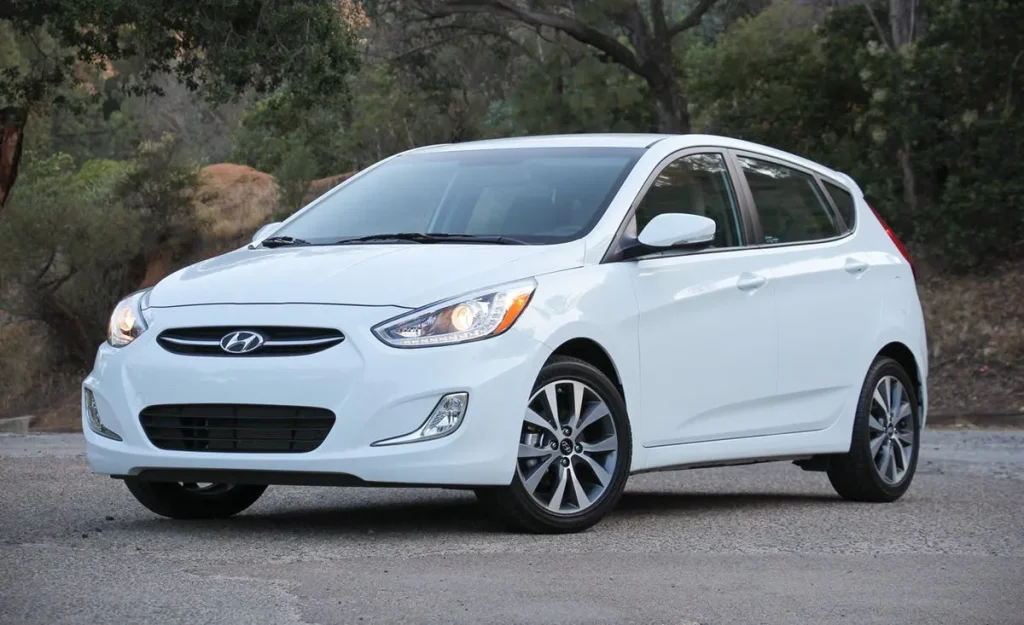
I am including the Hyundai Accent because it represents a common compact car trade off. It delivers efficiency and practicality, but at the cost of long distance comfort. In Kansas City, where highway commuting is a regular part of daily life, this balance can make extended drives feel more demanding than they need to be.
5. Chevrolet Spark
The Chevrolet Spark is built with simplicity and urban efficiency at its core, yet those same qualities become limitations when it is pushed into long highway commutes around Kansas City.
It feels perfectly at home in tight city streets and short daily trips, but once speeds increase and distances stretch out, the driving experience begins to reveal a very different character. The transition is not sudden, but it becomes more apparent the longer the journey continues.
Cabin noise is one of the most noticeable aspects. The Spark does not have extensive sound insulation, which allows both wind and road noise to enter freely at highway speeds.
Instead of fading into the background, these sounds remain constant and prominent, creating an environment that feels busy rather than calm. Over time, this continuous noise can become tiring, especially during longer commutes where mental fatigue becomes a factor.
The compact size of the vehicle also influences how it behaves on the highway. With a shorter wheelbase and lighter structure, the Spark reacts more quickly to road imperfections.
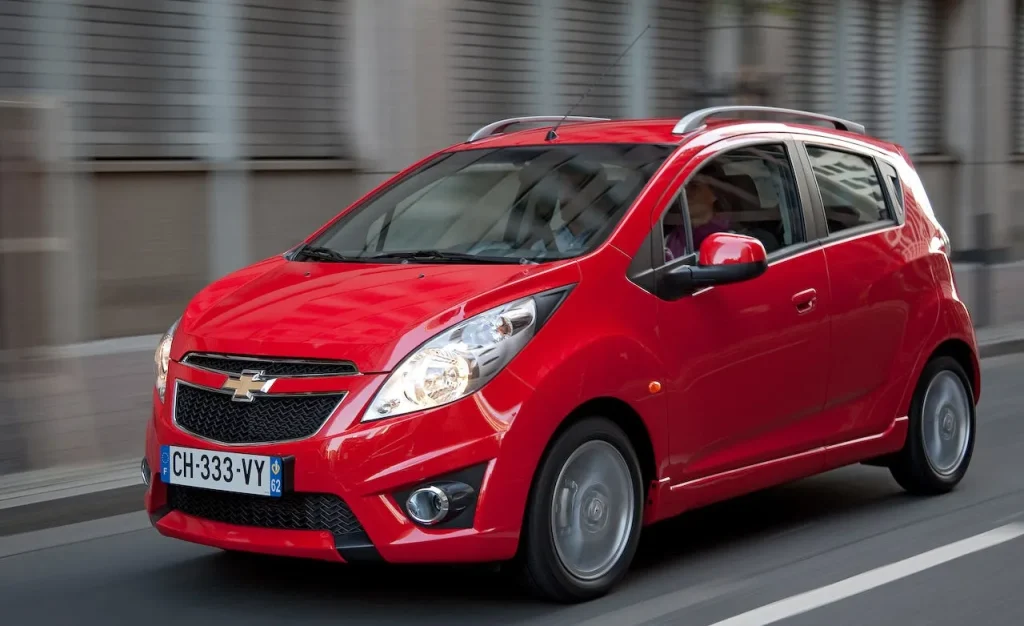
Rather than smoothing out uneven surfaces, it transmits more of them into the cabin, creating a sense of constant movement. This makes the drive feel less stable compared to larger vehicles that are better suited for sustained cruising.
Another important factor is engine performance at higher speeds. The Spark is designed for efficiency, not long distance highway travel. Maintaining speed often requires the engine to work harder, which increases noise and reduces the sense of effortlessness. This can make extended drives feel more demanding than expected.
I am including the Chevrolet Spark because it clearly illustrates how a vehicle designed for city efficiency can struggle in a highway environment.
It fulfills its intended purpose well, but when used for long commutes in Kansas City, its noise levels, ride behavior, and engine strain combine to create a driving experience that is less comfortable and more tiring over time.
Also Read: 5 SUVs for Car Camping in the USA vs 5 SUVs Without Flat-Folding Seats
