Urban driving conditions can vary dramatically depending on the city, and Memphis stands out as a place where road quality can shift from smooth highways to broken, uneven streets within minutes. Drivers here often face potholes, patched asphalt, construction zones, and aging infrastructure that can challenge even the most capable vehicles.
At the same time, there is another category of cars built with a completely different philosophy. Low-clearance sport sedans prioritize speed, agility, and road-hugging dynamics, often sacrificing practicality in rough environments.
This contrast creates an interesting divide between vehicles designed to handle real-world road imperfections and those engineered for performance precision on well-maintained pavement.
Ground clearance becomes a defining factor in how a vehicle interacts with its surroundings. A higher stance allows drivers to glide over obstacles that would otherwise scrape underbodies or damage suspension components.
It also provides confidence when navigating flooded streets, steep driveways, or debris-filled roads.
On the other hand, low-clearance sport sedans deliver sharper handling and better aerodynamics, making them thrilling to drive on smooth surfaces but far less forgiving when conditions deteriorate. This difference is not just technical but experiential, shaping how drivers feel behind the wheel every single day.
This article brings both worlds together to highlight their strengths and limitations in a practical context. The first section focuses on vehicles with enough ground clearance to handle Memphis roads without constant worry.
These models are chosen not just for height but for suspension tuning, durability, and everyday usability. The second section shifts toward low-clearance sport sedans, examining why their design can become a disadvantage in rough urban environments.
By comparing these two categories, the goal is to provide clarity for drivers who must balance comfort, performance, and real-world practicality. Whether someone prioritizes resilience over potholes or precision on smooth pavement, understanding these differences can make all the difference in choosing the right vehicle for daily life.
Also Read: 5 AWD Systems for Canyon Climbing In Salt Lake City vs. 5 That Struggle on Steep Grades
5 Ground-Clearance Vehicles for Rough Streets In Memphis
Memphis is a city where driving conditions can shift quickly, not because of traffic alone but because of the roads themselves. From patched asphalt and uneven surfaces to deep potholes that appear without warning, the driving experience often demands more from a vehicle than just basic transportation.
For many drivers, the daily commute is not about speed or performance but about durability, comfort, and the ability to handle imperfect streets without constant concern. This is where ground clearance becomes more than a specification on paper. It turns into a defining factor that shapes how confidently a vehicle can be driven across the city.
Vehicles with higher ground clearance are built to create distance between the road and the most vulnerable components underneath. That extra space helps prevent scraping, protects suspension parts, and allows drivers to move over rough patches without slowing down excessively.
In Memphis, where road maintenance can vary depending on the area, this advantage becomes immediately noticeable. Drivers do not need to plan every move around avoiding damage, which makes everyday travel smoother and less stressful.
Another important aspect is how these vehicles are engineered beyond just height. Ground clearance alone does not guarantee a comfortable ride. Suspension tuning, wheel travel, and structural strength all play a role in how a vehicle handles rough streets.
The best vehicles in this category absorb impacts in a controlled manner, preventing harsh jolts from reaching the cabin. This creates a driving experience that feels stable even when the road surface is far from ideal.
These vehicles also bring a sense of versatility that goes beyond dealing with potholes. Memphis drivers often encounter sudden rain, standing water, construction zones, and debris scattered across roads.
A vehicle with sufficient clearance and proper engineering can handle these challenges without hesitation. This flexibility is what makes such vehicles practical not only for difficult streets but for the unpredictable nature of urban driving as a whole.
This section focuses on five vehicles that stand out for their ability to handle rough streets in Memphis. Each one has been selected for a specific reason, whether it is the way it absorbs impacts, maintains stability, or provides long term reliability under challenging conditions.
Rather than looking at extreme off-road machines, the emphasis here is on vehicles that fit into everyday life while still offering the resilience needed for real world roads.
The goal is to highlight options that make driving easier and more comfortable in an environment where road conditions are not always forgiving. These vehicles are not just about capability but about reducing stress, improving ride quality, and ensuring that drivers can move through the city with confidence.
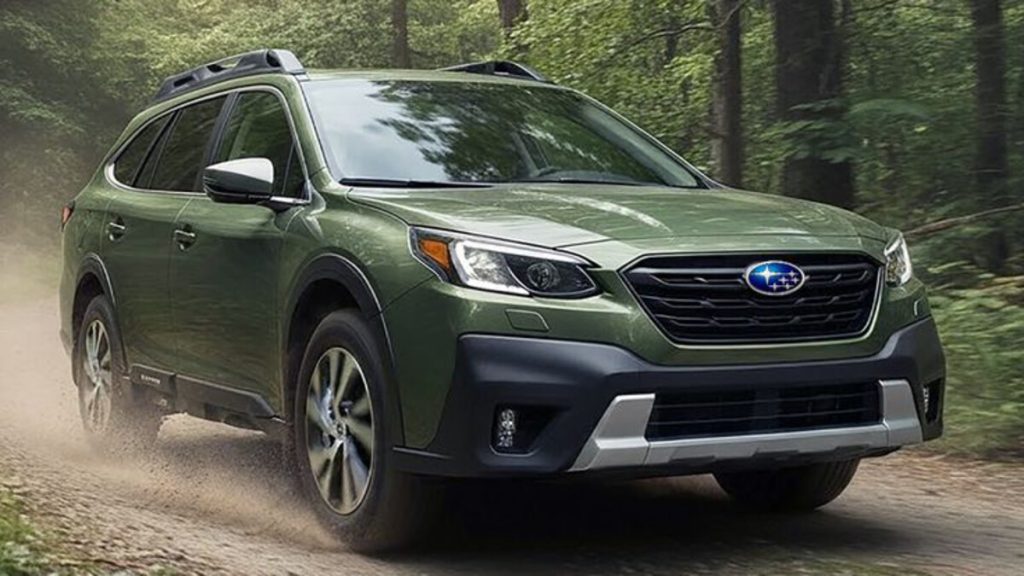
1. Subaru Outback
The Subaru Outback approaches rough-road driving with a philosophy rooted in balance rather than brute force. Instead of feeling like a bulky SUV, it blends wagon-like handling with a lifted stance that gives it an edge on uneven streets.
This makes it particularly useful in Memphis, where drivers often transition between highways and deteriorating neighborhood roads within the same trip.
Its ground clearance allows it to pass over potholes and road imperfections without constant driver anxiety. What makes it stand out is how the suspension works quietly in the background, absorbing shocks without making the ride feel disconnected.
The Outback does not crash over bumps or send harsh vibrations into the cabin, which becomes important during daily commutes.
Another reason it earns a place here is its all wheel drive system, which adds confidence when roads are not just rough but also slippery. Memphis weather can shift quickly, and standing water or loose gravel can appear unexpectedly. The Outback handles these situations with composure, keeping traction consistent and predictable.
Inside, the experience remains calm even when the road outside is anything but. The seating position offers a clear view of the surroundings, helping drivers anticipate obstacles early. This sense of control is subtle but valuable, especially in areas where road maintenance is inconsistent.
This vehicle is included in this list because it does not just survive rough streets but makes them feel manageable. It transforms what could be a stressful drive into something routine, which is exactly what many drivers in Memphis need from their daily vehicle.
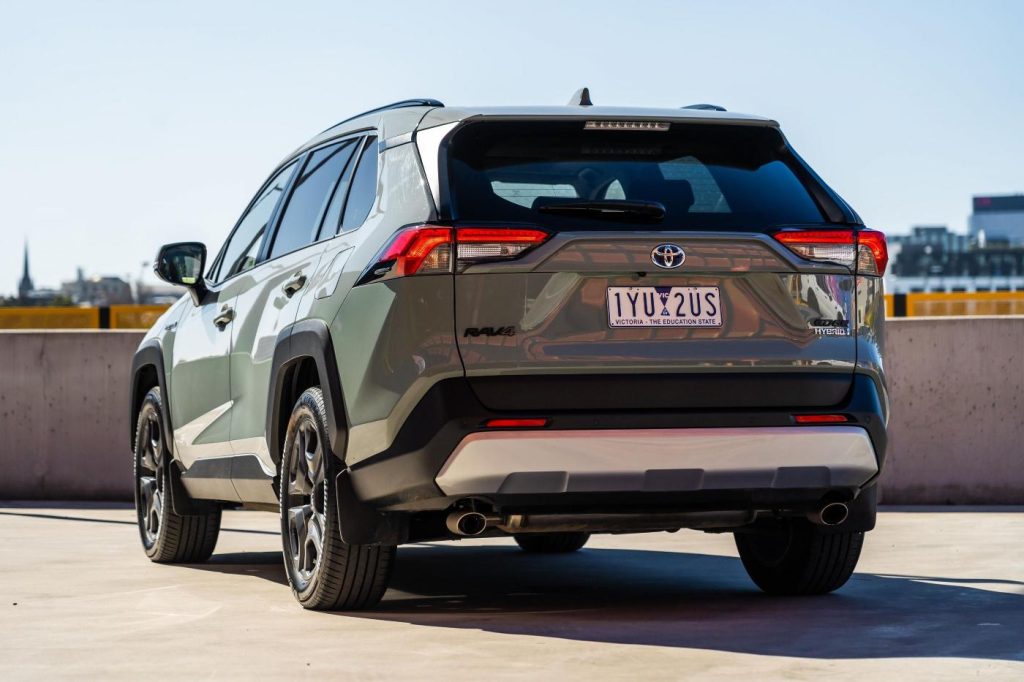
2. Toyota RAV4
The Toyota RAV4 represents a more mainstream approach to handling rough urban conditions, yet its effectiveness should not be underestimated. It is designed with everyday drivers in mind, which means it strikes a careful balance between comfort, durability, and ease of use. In a city like Memphis, that combination becomes incredibly valuable.
Its elevated ground clearance helps it glide over damaged pavement without scraping the underside. Unlike lower vehicles that force drivers to slow down dramatically for every imperfection, the RAV4 allows for a more natural driving rhythm. This makes a noticeable difference during longer drives across mixed road conditions.
Where the RAV4 truly shines is in its suspension tuning. It is not overly soft, nor is it stiff to the point of discomfort. Instead, it filters out road harshness in a way that feels controlled and predictable. Drivers do not feel every crack or bump, which reduces fatigue during daily use.
Practicality also plays a major role in why this vehicle is highlighted. Memphis drivers often deal with more than just rough roads. They encounter tight parking spaces, busy traffic, and unpredictable road layouts. The RAV4 handles these situations with ease, offering good visibility and manageable dimensions without sacrificing capability.
Reliability is another factor that cannot be ignored. Rough streets can accelerate wear and tear, but the RAV4 is known for holding up well over time. This makes it a sensible choice for drivers who want a vehicle that can handle challenging conditions without frequent repairs.
This model is included because it proves that you do not need a specialized off-road vehicle to handle rough streets effectively. It delivers the right combination of clearance, comfort, and dependability, making it a strong fit for everyday driving in Memphis.
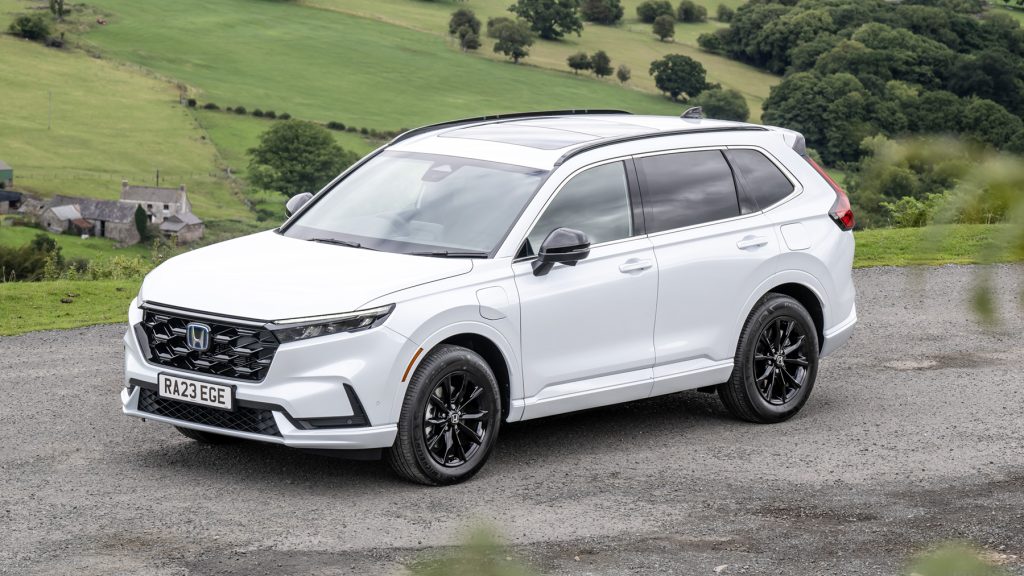
3. Honda CR-V
The Honda CR-V fits into this discussion by offering a refined approach to dealing with imperfect roads. It does not rely on a rugged image or exaggerated capability.
Instead, it focuses on delivering a composed ride that makes rough streets feel less intrusive. In Memphis, where daily driving often involves navigating patched roads and uneven surfaces, this kind of refinement can make a noticeable difference.
As the CR-V moves across broken pavement, its ground clearance provides a quiet sense of assurance. Drivers do not have to constantly scan the road for every small obstacle because the vehicle has enough height to clear most common hazards.
This creates a smoother driving rhythm, allowing the focus to shift from avoidance to simply moving forward with confidence.
The way the CR-V handles impacts feels deliberate rather than reactive. Its suspension absorbs bumps with a soft initial response, followed by controlled recovery that prevents excessive bouncing.
This behavior keeps the cabin stable, which is particularly important during longer commutes where repeated jolts can become tiring. The vehicle manages to soften the experience without disconnecting the driver from the road entirely.
Another reason it stands out is its ability to maintain composure in mixed conditions. Memphis roads are not only uneven but can also become slick during sudden weather changes.
The CR-V handles these transitions without drama, maintaining grip and stability in a way that feels predictable. This consistency helps reduce the mental effort required to drive through challenging areas.
It is included here because it represents a practical solution for drivers who want comfort without sacrificing capability. The CR-V does not try to impress with extremes. Instead, it delivers a steady and reliable experience that aligns well with the realities of rough urban streets.
4. Jeep Grand Cherokee
The Jeep Grand Cherokee brings a more commanding presence to this list, and that presence translates directly into how it handles rough streets.
Unlike smaller crossovers, it approaches uneven roads with a sense of authority, making it feel less affected by imperfections that would unsettle lighter vehicles. In Memphis, where some streets can feel almost unpredictable, that extra confidence can change the entire driving experience.
From the moment it encounters a damaged section of road, the Grand Cherokee demonstrates its ability to stay composed.
Its higher ground clearance allows it to move over larger obstacles without hesitation, while its structure feels solid enough to handle repeated impacts. This creates a sense that the vehicle is built not just to tolerate rough conditions but to operate comfortably within them.
The suspension setup leans toward absorbing bigger disturbances rather than just smoothing out minor ones. When the road becomes particularly uneven, the Grand Cherokee maintains its stability instead of becoming unsettled.
This makes it especially useful in areas where road quality has deteriorated significantly or where construction has left surfaces uneven and unpredictable.
Another dimension of its capability is how it isolates the cabin from external disturbances. Even when the road surface is far from ideal, the interior remains calm and controlled. This separation between the outside environment and the driving experience adds a layer of comfort that is not always present in smaller vehicles.
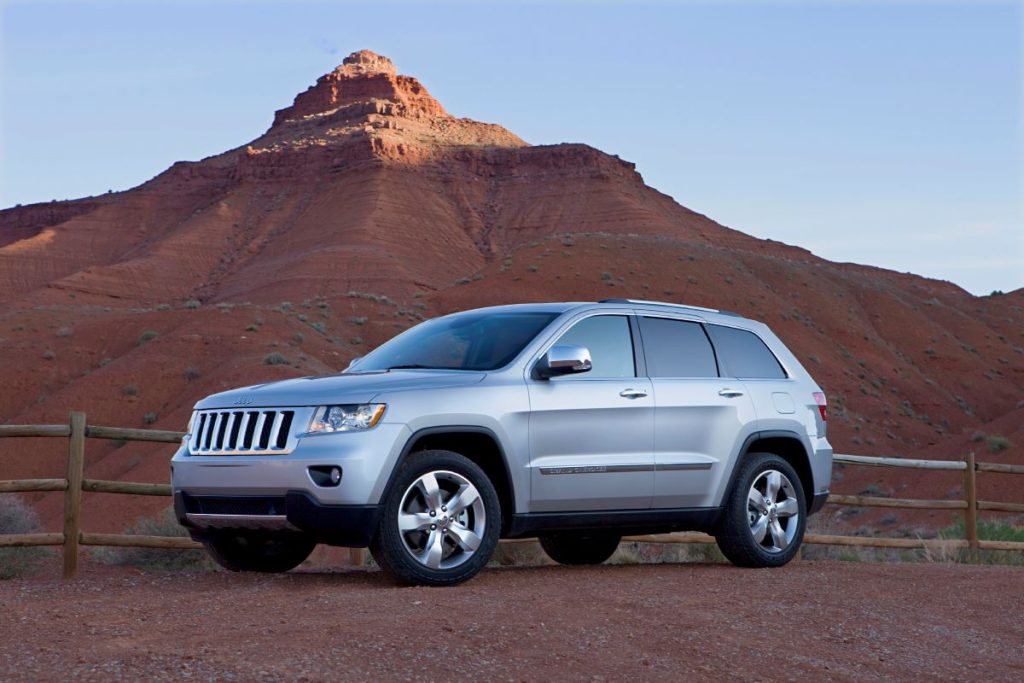
This vehicle is featured because it offers a different kind of solution to rough streets. Rather than blending in or adapting quietly, it confronts poor road conditions with strength and composure.
For drivers who want a vehicle that feels capable in a more pronounced way, the Grand Cherokee provides that assurance without compromise.
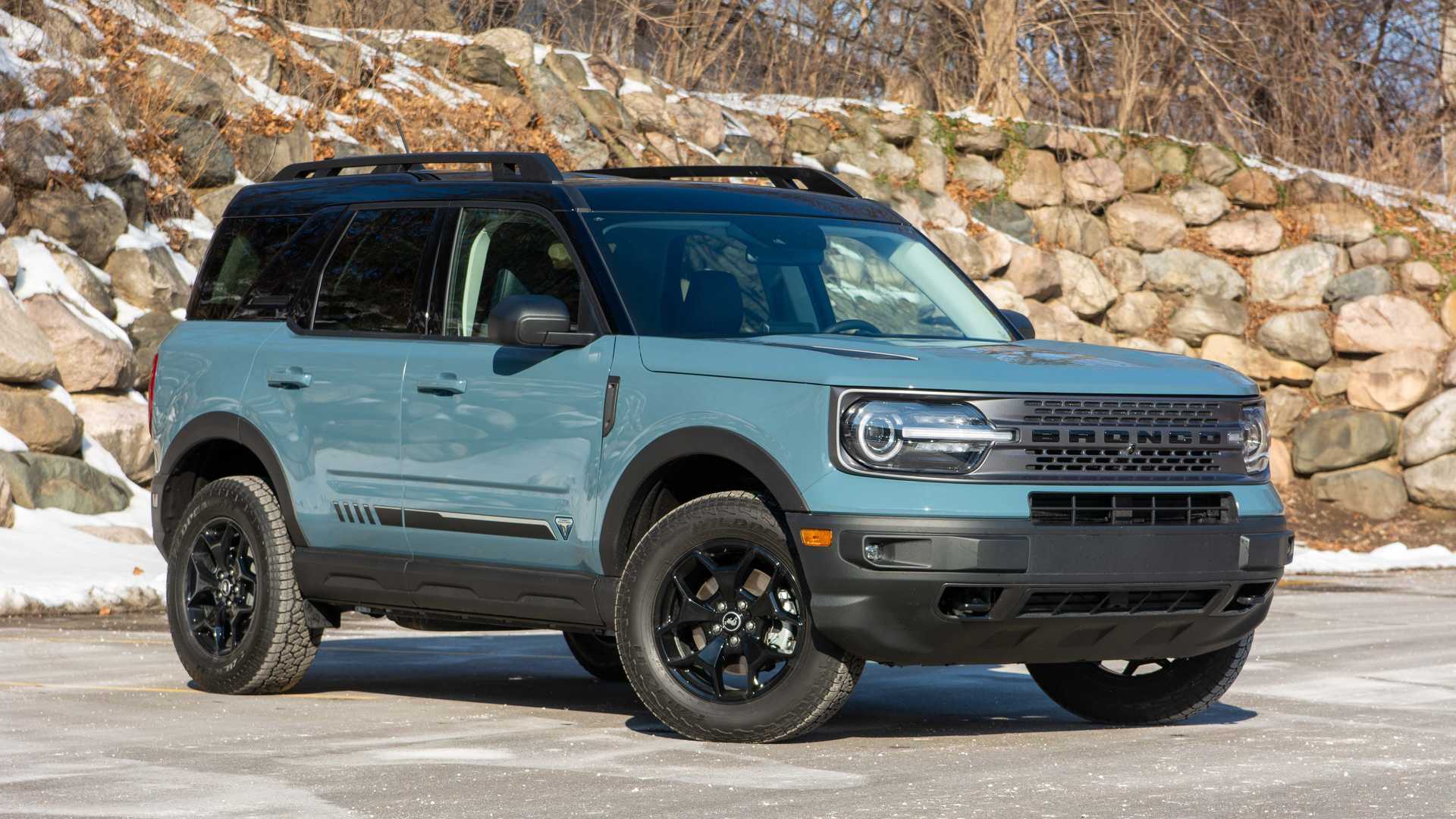
5. Ford Bronco Sport
The Ford Bronco Sport enters this list with a personality that feels purpose-built for imperfect environments. It does not try to disguise its capability behind refinement. Instead, it embraces a rugged approach that directly translates into how it behaves on rough streets.
In Memphis, where drivers frequently encounter potholes, uneven pavement, and sudden changes in road quality, that sense of readiness becomes immediately useful.
One of the defining traits of the Bronco Sport is how confidently it deals with uneven terrain. Its ground clearance allows it to pass over deeper imperfections without hesitation, which reduces the need for constant speed adjustments.
Drivers can maintain a steady pace instead of reacting to every crack or dip in the road. This contributes to a smoother and more predictable driving experience, especially in areas where road conditions change block by block.
The suspension setup leans toward durability and control rather than softness. Instead of trying to eliminate every sensation, it absorbs impacts in a firm yet composed manner.
Larger bumps are handled with stability, preventing the vehicle from feeling unsettled. This becomes particularly valuable in neighborhoods where repeated patches and repairs have created inconsistent surfaces.
Another element that makes the Bronco Sport stand out is its sense of structural strength. The vehicle feels solid when driving over rough sections, which builds confidence in its ability to handle long term wear.
Memphis roads can be demanding over time, and a vehicle that maintains its composure under repeated stress becomes a practical choice for daily use.
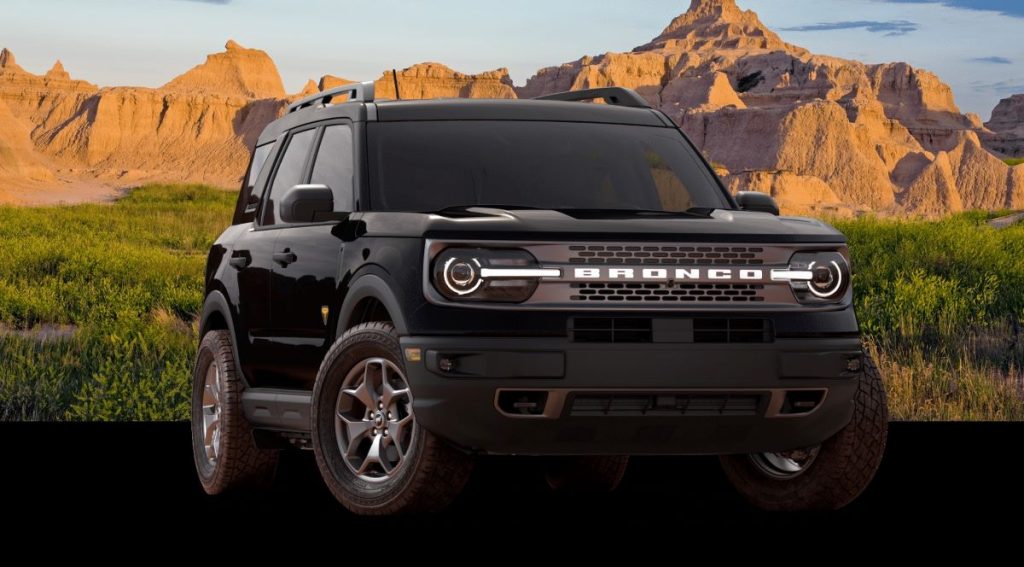
It is included in this list because it offers a different perspective on handling rough streets. Rather than focusing purely on comfort or balance, it prioritizes capability and resilience.
This makes it a strong option for drivers who want a vehicle that feels prepared for whatever the road presents, without requiring constant caution or adjustment.
5 Low-Clearance Sport Sedans
Low-clearance sport sedans are engineered with a completely different objective in mind. Their design focuses on delivering sharp handling, responsive steering, and a connection to the road that feels immediate and engaging.
While these traits shine on smooth highways and well-maintained city streets, they can quickly become drawbacks in environments like Memphis, where road conditions are far from ideal.
The defining characteristic of these vehicles is their low ride height. This brings the center of gravity closer to the ground, improving stability during cornering and enhancing overall driving dynamics.
However, that same feature reduces the margin for error when encountering potholes, speed bumps, or uneven surfaces. Drivers often need to slow down significantly or adjust their path to avoid scraping the underside of the vehicle.
Suspension tuning further amplifies this contrast. Sport sedans typically use firmer setups to improve handling precision. While this creates a more connected feel on smooth roads, it also means that imperfections are transmitted more directly into the cabin.
On rough streets, this can lead to a harsher ride, where every bump and crack becomes noticeable. Over time, this constant feedback can make daily driving less comfortable.
Another challenge lies in practicality. Memphis drivers often deal with unpredictable conditions, including sudden road damage, construction zones, and debris.
Low-clearance vehicles require greater attention in these situations, as even minor obstacles can pose a risk. This added level of caution can turn routine drives into more demanding experiences.
This section highlights five low-clearance sport sedans, examining why their design makes them less suitable for rough urban environments. Each example will focus on how performance-oriented engineering can become a limitation when faced with real-world road conditions.
1. BMW 3 Series
The BMW 3 Series represents the classic sport sedan formula, built around precision and driver engagement. Its low stance plays a central role in how it delivers sharp handling, but that same design becomes a challenge when dealing with rough streets in Memphis.
The reduced ground clearance means the underbody sits closer to the road, leaving little room for error when encountering potholes or uneven surfaces.
As the vehicle moves across damaged pavement, the suspension communicates every detail back to the driver. This level of feedback is ideal on smooth roads where it enhances control, yet on broken streets it can feel excessive. Instead of filtering out imperfections, the car highlights them, making each bump more noticeable than it would be in a higher vehicle.
Another aspect that adds to the difficulty is the need for constant attention. Drivers often have to adjust their speed or path to avoid scraping, especially in areas where road conditions are unpredictable. This interrupts the natural flow of driving and can make daily commutes feel more demanding.
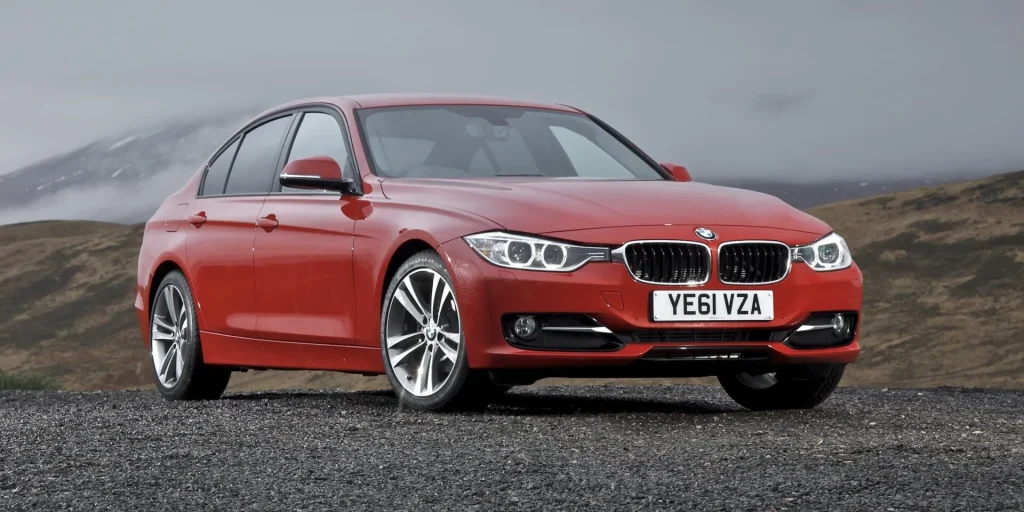
The 3 Series is included here because it clearly demonstrates how a performance-focused setup can struggle outside ideal conditions. It excels when the road is smooth and consistent, but in environments where surfaces are uneven, its strengths begin to work against it rather than for it.
2. Audi A4
The Audi A4 approaches performance with a refined and composed character, yet its low clearance still places it at a disadvantage on rough streets. While it feels stable and controlled on well-maintained roads, Memphis conditions expose the limitations of its design.
The reduced ride height increases the likelihood of scraping when encountering dips or raised sections of pavement.
Its suspension is tuned to balance comfort with sportiness, but that balance shifts when the road quality declines. Instead of smoothing out imperfections completely, the system allows more of the road texture to pass through. This results in a ride that can feel firm and slightly unsettled over repeated bumps.
Driving through uneven areas also requires a more cautious approach. The A4 does not invite drivers to glide over rough sections. Instead, it encourages careful navigation, where speed and positioning must be adjusted frequently. This added effort can take away from the otherwise calm and refined driving experience the car is known for.
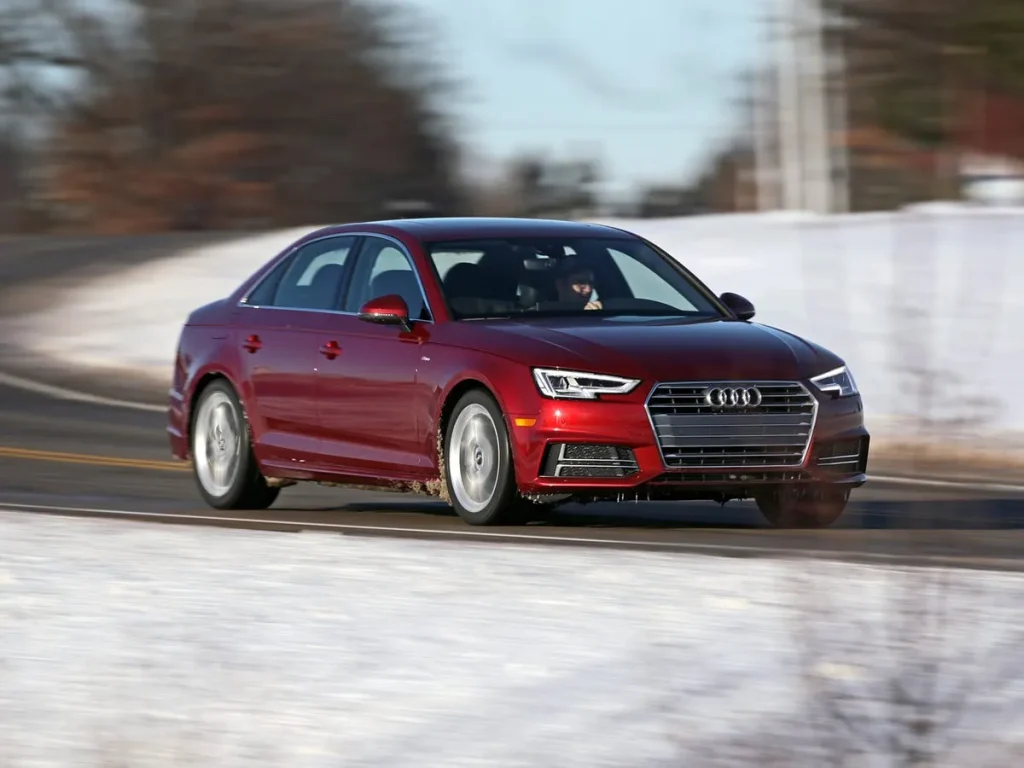
This vehicle appears on the list because it highlights the compromise between refinement and practicality. While it delivers a polished performance on smooth surfaces, its low clearance makes it less suited for streets that demand resilience rather than precision.
3. Mercedes-Benz C-Class
The Mercedes-Benz C-Class brings a sense of sophistication to the sport sedan category, but its low ride height introduces challenges in rough urban conditions. The design prioritizes stability and control, which works beautifully on clean pavement. However, Memphis roads often present surfaces that disrupt this balance.
When encountering potholes or uneven patches, the C-Class reacts with a firmness that reflects its performance-oriented setup. The suspension does not fully isolate the cabin from these disturbances, allowing noticeable vibrations to pass through. While this maintains a connection to the road, it reduces comfort in less favorable conditions.
Another factor is how easily the vehicle can bottom out if driven without caution. The limited clearance means that even moderate obstacles require attention. Drivers must remain alert, adjusting their approach to avoid potential contact with the road. This constant awareness can make everyday driving feel less relaxed.
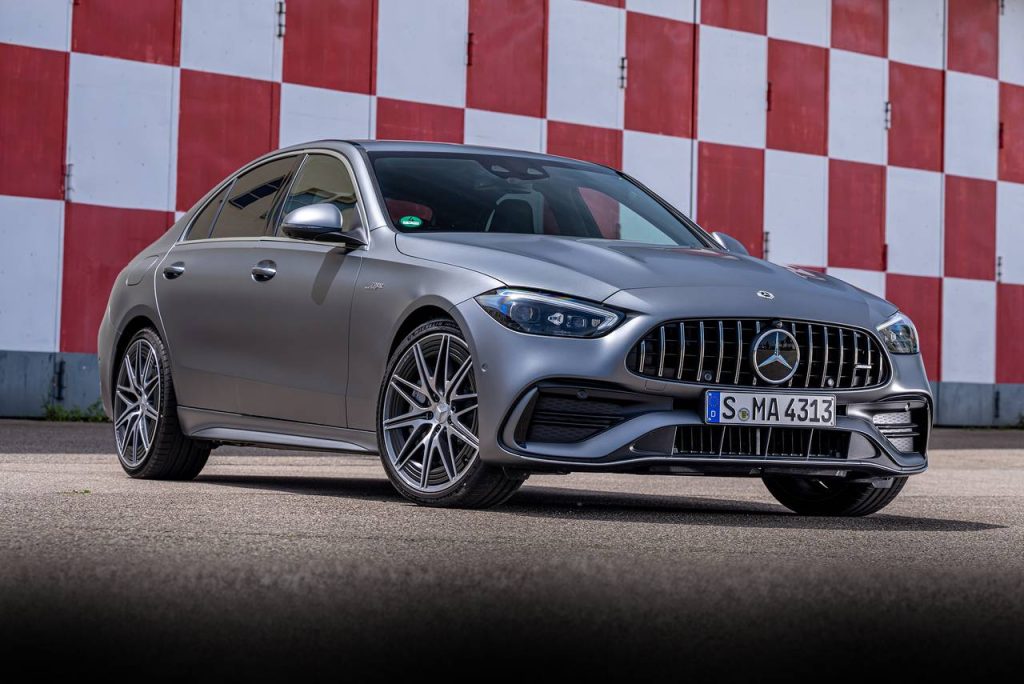
The C-Class is included because it illustrates how luxury and performance do not always align with practicality. Its strengths shine in controlled environments, but on rough streets, those same qualities become limitations that affect comfort and ease of use.
4. Honda Civic Si
The Honda Civic Si offers an engaging driving experience at a more accessible level, but its low clearance still places it among vehicles that struggle with rough streets. Designed for responsiveness and agility, it sits closer to the ground to enhance stability during spirited driving. In Memphis, this design choice can become a drawback.
As the Civic Si moves across uneven roads, its suspension responds quickly to changes in surface quality. This responsiveness is beneficial for handling but less forgiving when dealing with constant imperfections. The result is a ride that feels busy, with frequent feedback that can become tiring over time.
The lower stance also increases the risk of scraping when encountering speed bumps or deeper potholes. Drivers often need to slow down significantly, which disrupts the natural pace of driving. This can be frustrating in areas where road conditions are consistently poor.
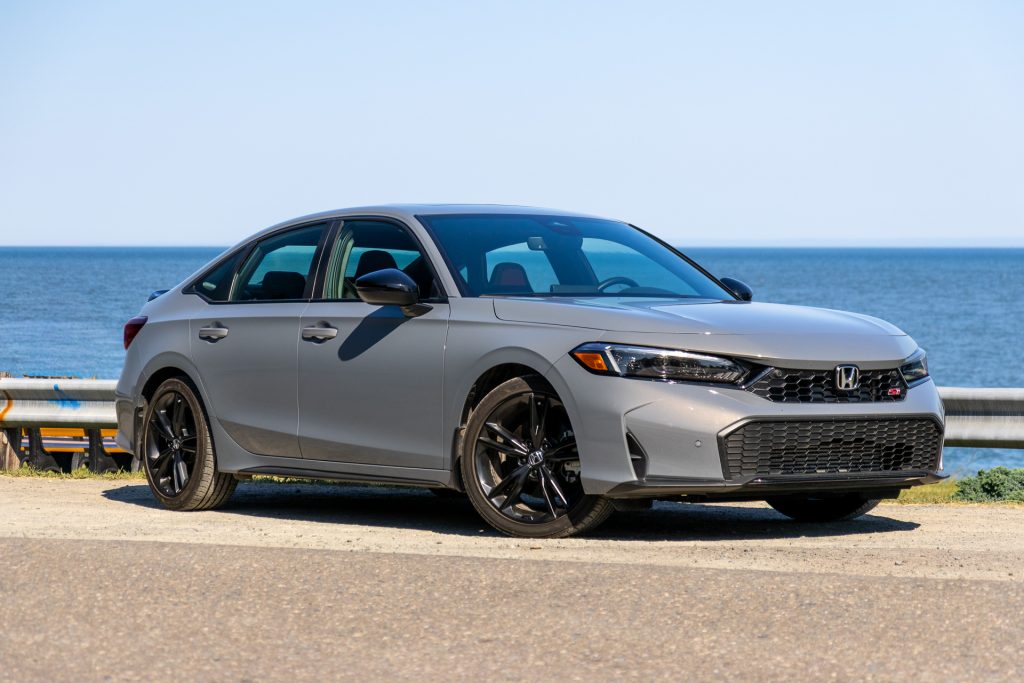
It earns its place on this list because it shows how a driver-focused setup can conflict with real-world conditions. While it delivers excitement on smoother roads, its design makes it less adaptable to the challenges of rough urban environments.
5. Tesla Model 3
The Tesla Model 3 brings a modern take on the sport sedan, combining low clearance with advanced technology. While it offers quick acceleration and a smooth power delivery, its ride height presents familiar challenges on rough streets. Memphis roads highlight these limitations more clearly than well-maintained environments.
The suspension is tuned to provide a balance between comfort and handling, yet the low stance means that larger imperfections cannot be easily ignored. Impacts from potholes and uneven surfaces are felt more directly, which can reduce overall ride comfort. The quiet nature of the electric drivetrain can even make these disturbances more noticeable.
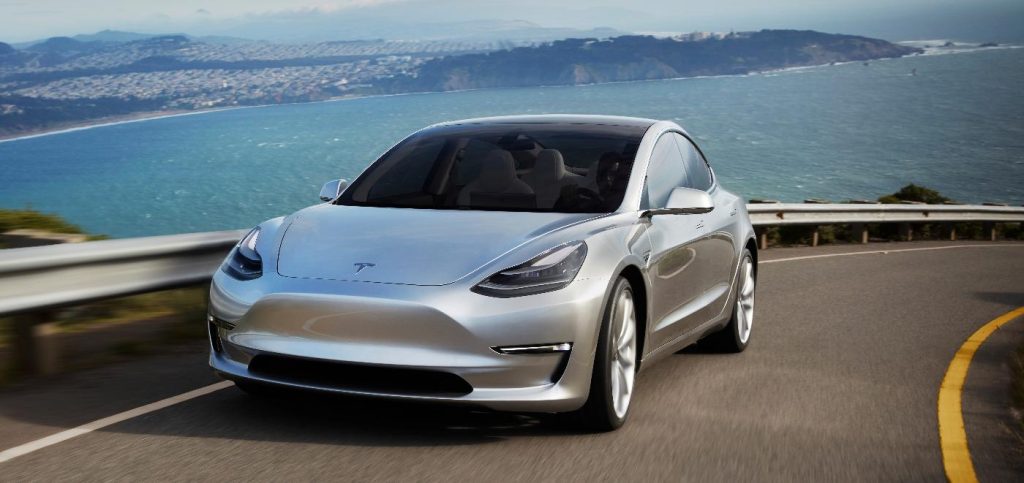
Another consideration is how the vehicle interacts with sudden changes in road height. With limited clearance, there is less margin for navigating dips or raised sections without caution. Drivers often need to adjust their speed carefully to avoid contact with the underside.
This model is included because it represents how even modern engineering cannot fully overcome the limitations of low ground clearance. It performs exceptionally well in controlled conditions, but on rough streets, its design requires compromises that affect everyday usability.
Also Read: 5 High-Efficiency AC Systems In San Antonio vs. 5 That Can’t Keep the Cabin Cool