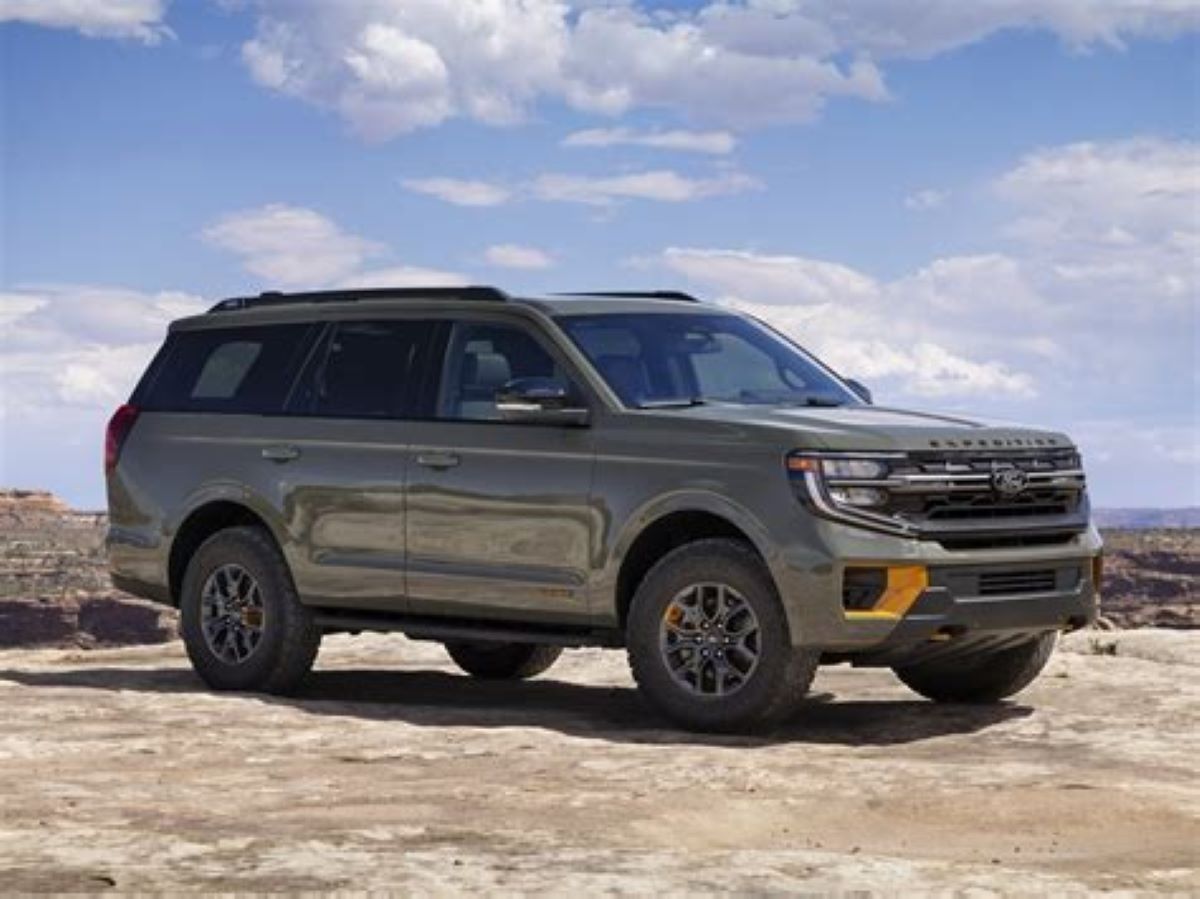
Urban driving is never a one size fits all experience, and nowhere is that more evident than in historic cities like Richmond. Narrow colonial streets, tight corners, and limited parking spaces create a unique set of challenges that demand careful vehicle selection.
What works perfectly on wide suburban roads or highways can quickly become frustrating in older city layouts where space is restricted and maneuverability is critical.
At the same time, the modern automotive market continues to favor larger vehicles, especially SUVs that emphasize space, presence, and road dominance.
While these vehicles offer comfort and utility, they often struggle in environments that were never designed with their size in mind. The contrast between compact, agile cars and oversized SUVs becomes especially clear when navigating tight urban grids.
This article explores both sides of that contrast. On one hand, there are vehicles specifically suited for narrow colonial streets, cars that prioritize compact dimensions, tight turning radii, and ease of handling.
These vehicles are not just convenient but essential for drivers who regularly deal with confined urban conditions. They reduce stress, improve efficiency, and make daily driving far more manageable.
On the other hand, there are large SUVs that struggle in these same environments. Despite their strengths in other areas, they can become impractical in tight spaces, making simple tasks like turning or parking unnecessarily difficult. Understanding their limitations helps highlight why size alone is not always an advantage.
By examining these two categories together, this guide aims to provide a clearer perspective on how vehicle design influences real world usability.
Whether you are navigating historic streets or simply want a car that fits your environment, the insights here will help you make a more informed and practical decision.
Also Read: 6 SUVs for Car-Camping In the USA vs. 6 That Don’t Have Flat-Folding Seats
6 Cars for Narrow Colonial Streets In Richmond
Driving through Richmond’s older neighborhoods requires a different mindset compared to modern urban planning. Streets are often narrow, intersections can feel cramped, and parking spaces leave little room for error. In such conditions, the size and agility of a vehicle matter far more than horsepower or road presence.
Cars that perform well in these environments share certain key characteristics. They are compact enough to fit into tight spaces, responsive enough to handle quick directional changes, and designed with visibility in mind.
These qualities reduce the mental strain of driving and allow the driver to focus on navigating rather than constantly adjusting for limitations.
Another important factor is turning radius. In older street layouts, sharp turns and confined corners are common. Vehicles that can pivot efficiently without requiring multiple adjustments provide a significant advantage. This not only saves time but also reduces frustration during daily commutes.
The following cars have been selected because they represent different ways of solving the same problem. Some emphasize minimal dimensions, while others combine compact size with smart engineering. Each one demonstrates how thoughtful design can make a substantial difference in challenging urban environments.
1. Mini Cooper
The Mini Cooper feels almost purpose built for streets that demand precision. Its compact footprint allows it to slip through narrow gaps that would make larger vehicles hesitate. In Richmond’s colonial areas, where every inch of space matters, this advantage becomes immediately noticeable.
What truly defines the Mini Cooper is its turning capability. The steering is sharp and responsive, allowing the driver to navigate tight corners with minimal effort. Instead of making wide arcs or multiple corrections, the car responds quickly, creating a sense of control that reduces driving stress.
Visibility also plays a key role in its effectiveness. The upright design and relatively clear sightlines help drivers judge distances accurately. This becomes particularly useful when dealing with close parked cars or narrow lanes where precision is essential.
Inside, the Mini Cooper offers a focused driving environment. While it may not prioritize spaciousness, it ensures that everything is within easy reach. This contributes to a more intuitive driving experience, especially in situations that require constant attention and quick reactions.
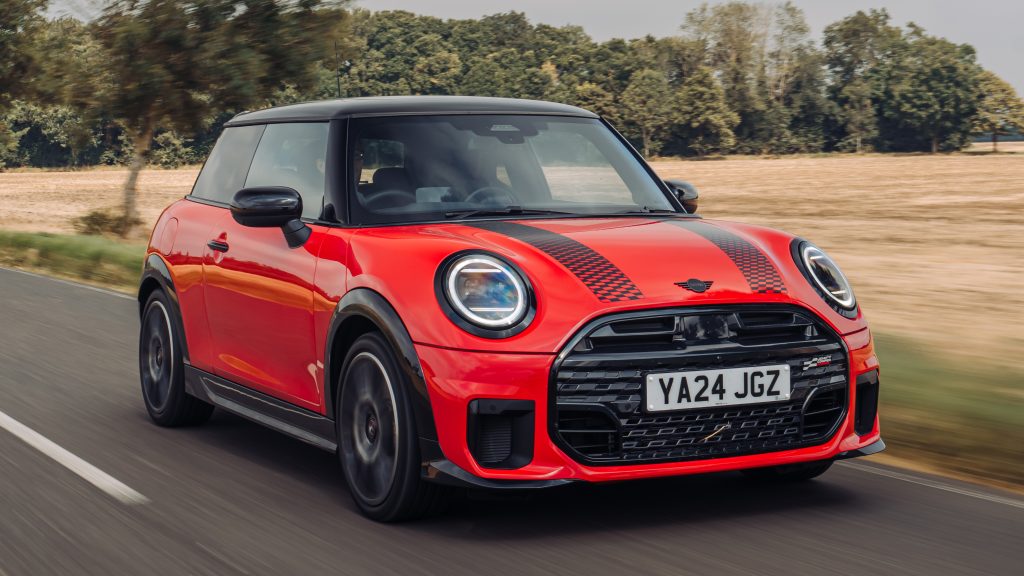
The Mini Cooper succeeds because it aligns perfectly with the demands of tight urban streets. It transforms what could be a stressful experience into something manageable and even enjoyable, proving that small size can be a significant advantage.
2. Honda Fit
The Honda Fit approaches urban driving with a different philosophy. Instead of relying purely on compact dimensions, it combines smart packaging with practical versatility. This makes it particularly effective in environments where both maneuverability and usability are important.
One of the Fit’s greatest strengths is how efficiently it uses space. Despite its small exterior, the interior feels surprisingly open. This clever design allows drivers to enjoy the benefits of a compact car without feeling confined. For city driving, this balance is highly valuable.
When it comes to navigating narrow streets, the Fit delivers predictable and easy handling. The steering is light, making it simple to adjust direction quickly. This ease of control becomes especially helpful when dealing with tight turns or unexpected obstacles.
Another advantage lies in its visibility. Large windows and a well designed cabin layout provide a clear view of the surroundings. This reduces uncertainty when maneuvering in close quarters and helps drivers make confident decisions.
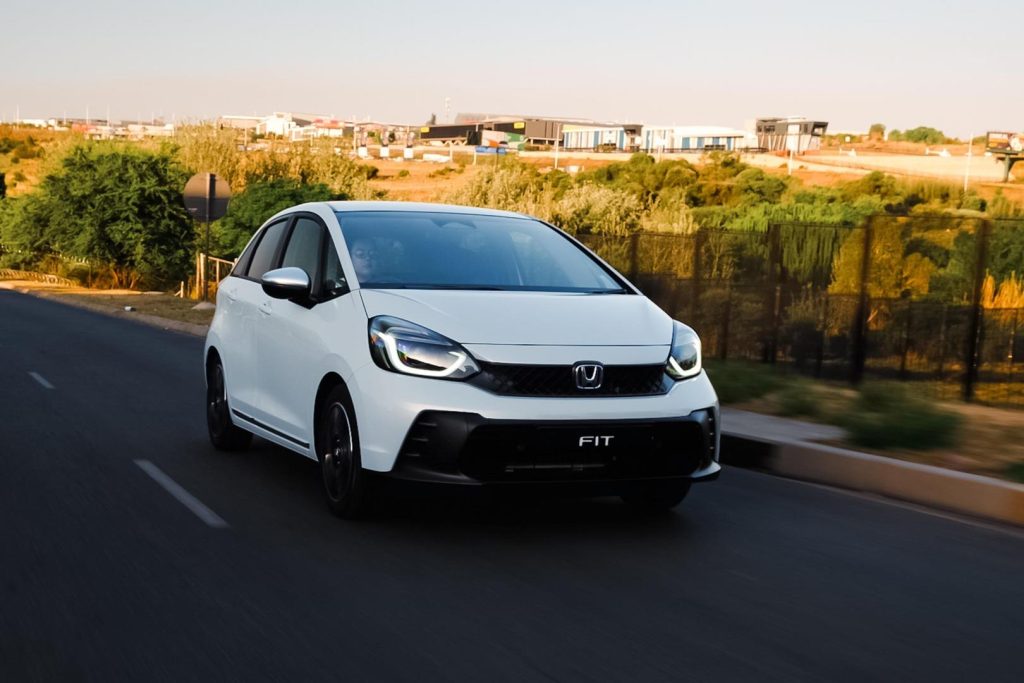
The Honda Fit stands out because it does more than just fit into tight spaces. It adds practicality and comfort to the equation, ensuring that drivers do not have to sacrifice usability for maneuverability. This makes it a strong choice for navigating Richmond’s historic streets.
3. Fiat 500
There is a certain charm in driving a car that feels naturally at home in tight, historic streets, and the Fiat 500 captures that feeling well.
Its tiny footprint is not just a design choice but a functional advantage when roads narrow unexpectedly or when parked cars leave barely enough space to pass through. In Richmond’s colonial districts, this kind of compactness turns stressful situations into manageable ones.
The Fiat 500 thrives in environments where precision matters more than speed. Its short wheelbase allows it to pivot easily, meaning tight turns do not require constant corrections.
Instead of inching forward and adjusting repeatedly, drivers can complete turns with a level of confidence that larger vehicles simply cannot offer. This fluidity becomes a daily benefit rather than a rare convenience.
Parking is another area where the Fiat 500 excels. Finding space in older parts of the city often feels like a challenge, but this car changes that equation. Spots that might seem unusable for standard vehicles suddenly become viable, saving time and reducing frustration. Over weeks and months, this small advantage adds up to a noticeably smoother ownership experience.
Inside, the Fiat 500 keeps things simple. While it may not offer expansive room, it provides a cozy and focused driving environment. Everything is positioned to keep the driver engaged without distraction, which is particularly useful when navigating complex street layouts.
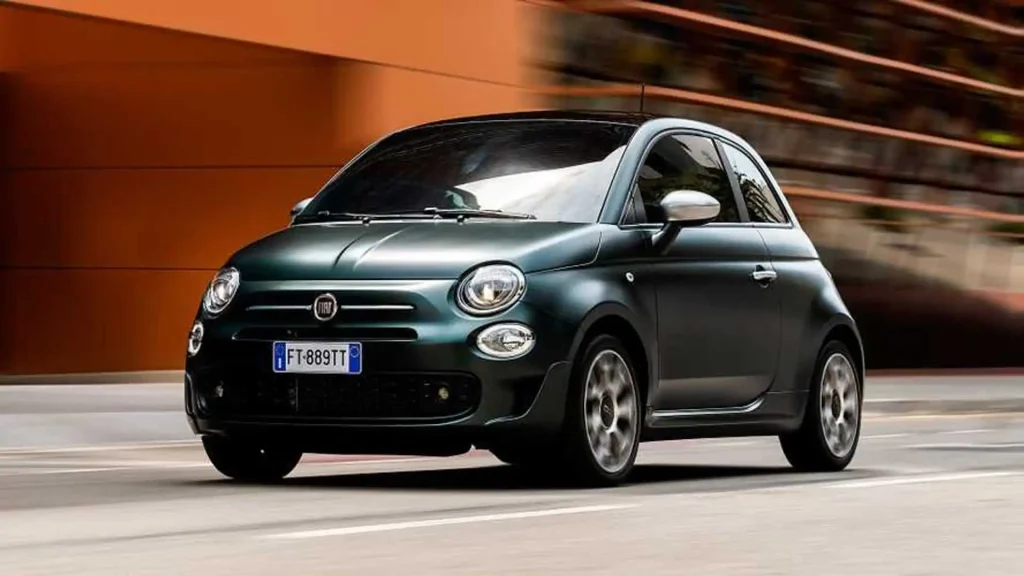
The Fiat 500 works because it embraces its role fully. It does not try to be something larger or more powerful. Instead, it focuses on delivering exactly what narrow urban streets demand, and in doing so, it proves how effective thoughtful design can be.
4. Volkswagen Golf
The Volkswagen Golf presents a more balanced approach to handling tight urban environments. Unlike ultra compact cars, it offers a slightly larger footprint, yet it manages to retain the agility needed for navigating narrow streets. This balance makes it appealing to drivers who want both maneuverability and everyday practicality.
What makes the Golf particularly effective is how composed it feels in confined spaces. The steering is precise without being overly sensitive, allowing drivers to make controlled adjustments when needed. This creates a sense of stability, which becomes important when navigating streets that leave little margin for error.
Another strength lies in its build quality and overall refinement. The Golf does not feel like a compromise, even though it is well suited for tight conditions. Instead, it delivers a driving experience that feels solid and predictable, which can reduce stress during daily commutes through older neighborhoods.
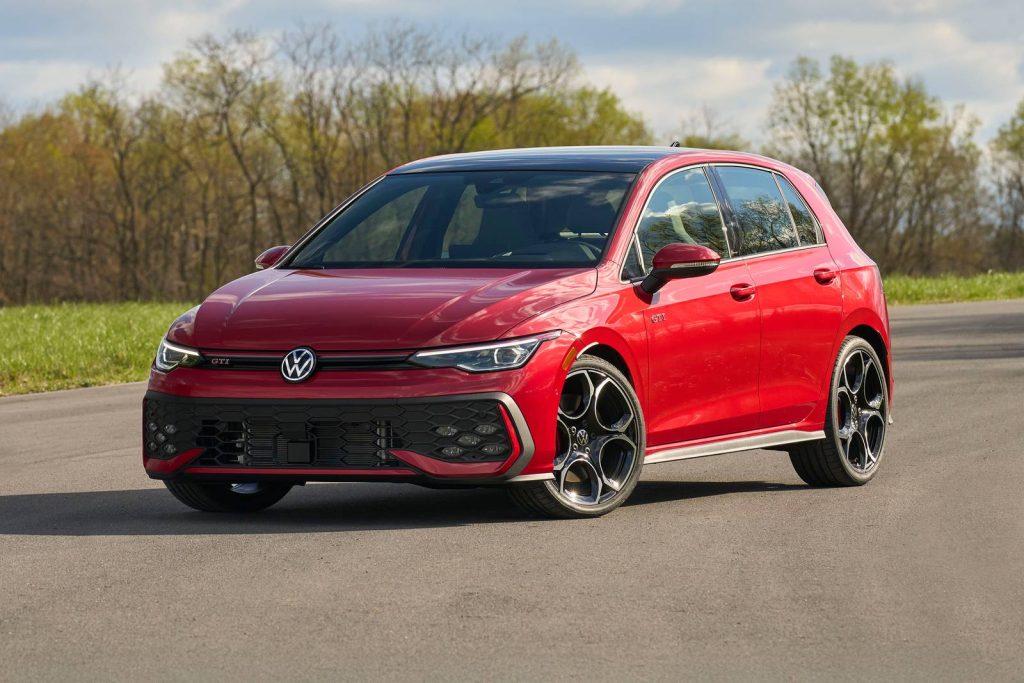
Visibility is handled well, with a design that allows drivers to maintain awareness of their surroundings. This is especially useful when dealing with narrow lanes or tight parking scenarios where accurate judgment is essential. The car’s proportions make it easier to estimate distances compared to bulkier vehicles.
Inside, the Golf offers a more mature and refined environment compared to smaller city cars. This makes it suitable not only for navigating Richmond’s colonial streets but also for longer drives beyond the city. It adapts to different situations without losing its core strengths.
The Volkswagen Golf succeeds by blending practicality with maneuverability. It shows that a car does not have to be extremely small to perform well in tight spaces, as long as it is designed with balance and control in mind.
5. Toyota Yaris
The Toyota Yaris approaches the challenge of narrow colonial streets with a mindset rooted in simplicity and dependability. It does not rely on standout styling or performance claims to make its case.
Instead, it quietly proves its value through ease of use and consistent behavior in tight urban conditions. In a place like Richmond, where unpredictability is part of daily driving, this reliability becomes a major strength.
One of the Yaris’s defining traits is how unintimidating it feels behind the wheel. The compact dimensions allow drivers to move through narrow lanes without hesitation. There is no constant need to second guess spacing or worry about clipping corners. This sense of control builds confidence, especially for those who regularly navigate older street layouts.
Steering in the Yaris is light and responsive, making low speed maneuvers effortless. Whether it is a sharp turn into a side street or adjusting position between closely parked cars, the car responds in a way that feels natural rather than forced. This smooth interaction between driver and machine reduces fatigue over time.
Another aspect worth noting is its straightforward design. The absence of unnecessary complexity means fewer distractions while driving. Everything feels intuitive, allowing the driver to focus entirely on the road ahead. In environments where attention to detail is critical, this simplicity becomes an advantage.
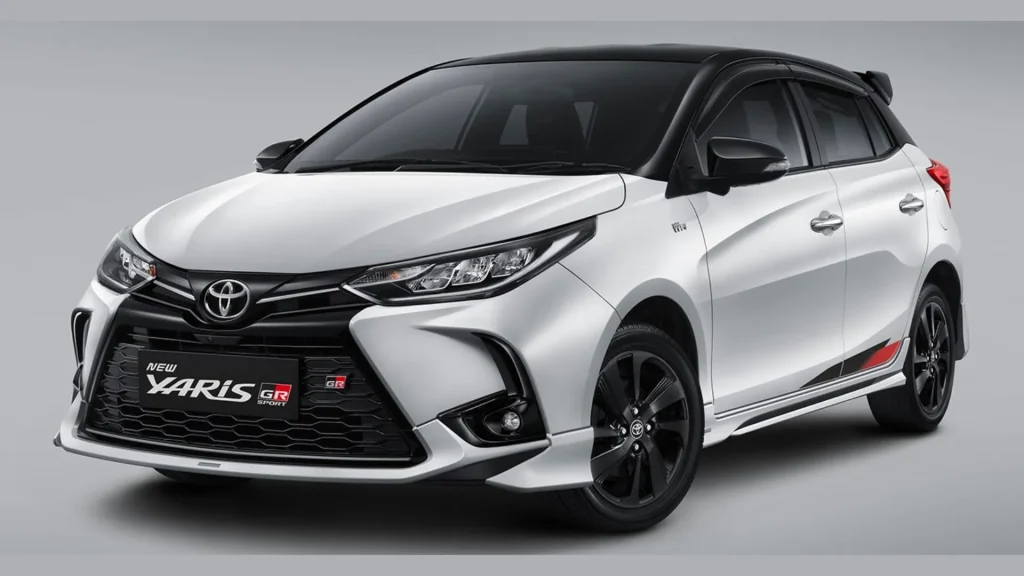
The Toyota Yaris earns its place not through excitement but through consistency. It delivers exactly what is needed for tight urban driving, nothing more and nothing less, and that clarity of purpose makes it highly effective.
6. Chevrolet Spark
The Chevrolet Spark represents one of the smallest options available for urban driving, and that size becomes its greatest strength in confined spaces.
It feels almost tailor made for situations where every inch counts, allowing drivers to navigate streets that might feel restrictive in larger vehicles. In Richmond’s colonial areas, this level of compactness can transform the driving experience entirely.
What sets the Spark apart is its ability to make tight spaces feel less intimidating. Its narrow body and short length allow it to slip through gaps with ease.
Drivers often find themselves taking routes or parking opportunities that would be avoided in bigger cars. This flexibility adds a layer of convenience that becomes invaluable over time.
Maneuverability is at the heart of its design. The turning radius is tight enough to handle sharp corners without requiring multiple adjustments. Instead of carefully inching forward, the Spark moves with a level of agility that simplifies even the most awkward turns. This responsiveness makes daily navigation smoother and more efficient.
The driving experience itself is straightforward and approachable. It does not overwhelm the driver with complexity, which is particularly helpful in environments that demand constant awareness. The controls are easy to use, and the car behaves predictably in low speed situations.
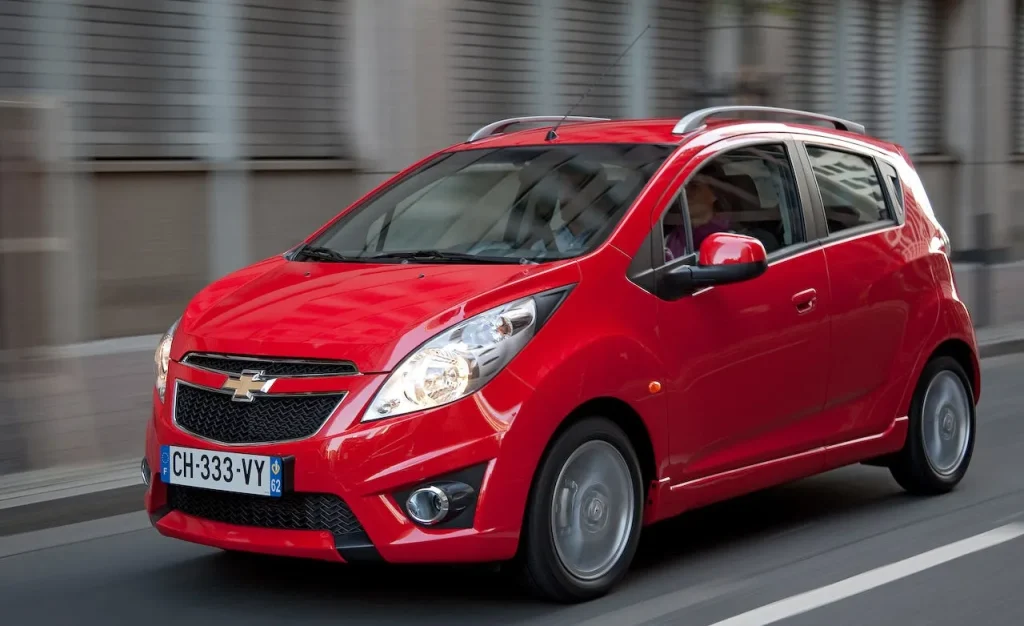
The Chevrolet Spark works because it fully embraces its role as a city focused vehicle. It prioritizes practicality and maneuverability above all else, making it an excellent companion for navigating Richmond’s narrow streets with confidence and ease.
6 Large SUVs That Can’t Turn
While compact cars thrive in tight urban environments, large SUVs often face significant challenges in the same conditions. Their size, which is an advantage on highways and open roads, becomes a limitation when streets narrow and turning space is restricted. In cities with historic layouts like Richmond, this mismatch becomes particularly noticeable.
The issue is not just about length or width but also about turning radius and overall maneuverability. Large SUVs require more space to complete turns, and in confined streets, that extra space is often unavailable. This leads to repeated adjustments, increased stress, and a less efficient driving experience.
Another factor is visibility and spatial awareness. Larger vehicles can make it harder to judge distances accurately, especially in tight areas filled with parked cars and narrow lanes. This adds an extra layer of difficulty, even for experienced drivers.
The following SUVs highlight how size and design can work against practicality in certain environments. Each one demonstrates why bigger is not always better, particularly when navigating streets that demand precision and agility.
1. Chevrolet Tahoe
The Chevrolet Tahoe is built for presence, power, and long distance comfort, but these strengths become drawbacks in tight urban settings. Its large dimensions make it difficult to maneuver through narrow streets, where space is limited and quick adjustments are often necessary.
Turning the Tahoe in confined areas can feel like a calculated effort rather than a natural movement. The wide turning radius means drivers frequently need to reposition the vehicle to complete a turn. This not only slows down navigation but also increases the likelihood of frustration.
Its size also affects parking. Finding a suitable spot in older parts of the city can be a challenge, and even when space is available, fitting the vehicle comfortably requires careful precision. This adds time and stress to what should be a simple task.
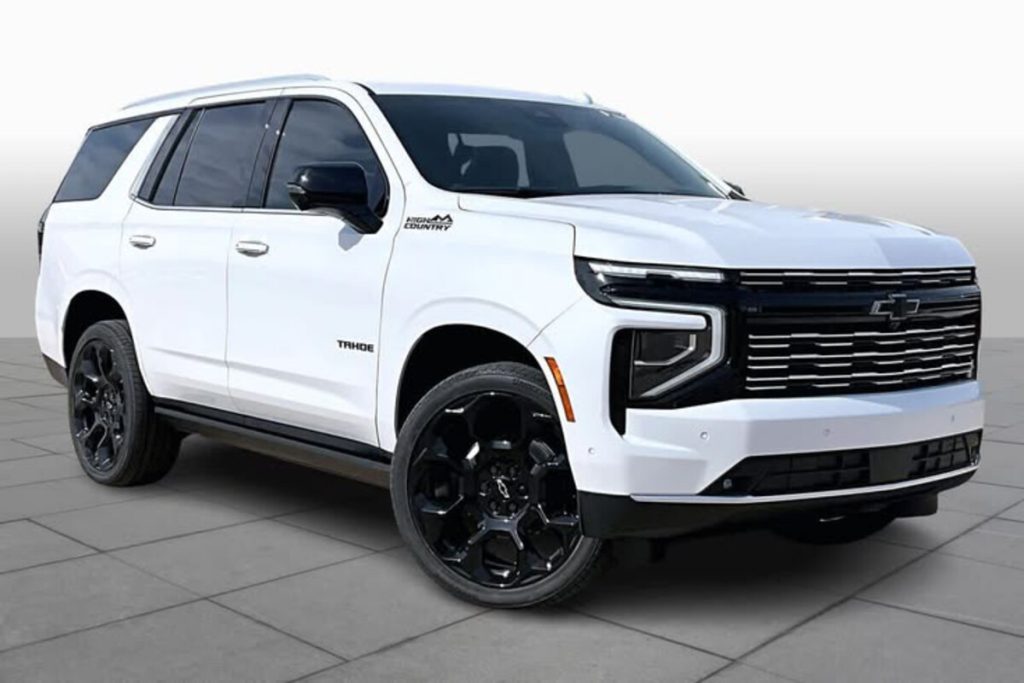
While the Tahoe excels in other environments, it highlights how a vehicle designed for open roads can struggle significantly in narrow urban spaces.
2. Ford Expedition
The Ford Expedition shares many of the same challenges as other full size SUVs when placed in tight city conditions. Its long body and wide stance make it difficult to handle in areas where space is at a premium.
Navigating sharp corners becomes a process rather than a smooth action. The vehicle often requires multiple steering adjustments to complete turns, which can disrupt traffic flow and increase driver stress. This is particularly noticeable in older neighborhoods with limited turning space.
In addition, the sheer size of the Expedition affects overall confidence. Drivers must remain constantly aware of their surroundings, as even small miscalculations can lead to close calls with curbs or parked vehicles.
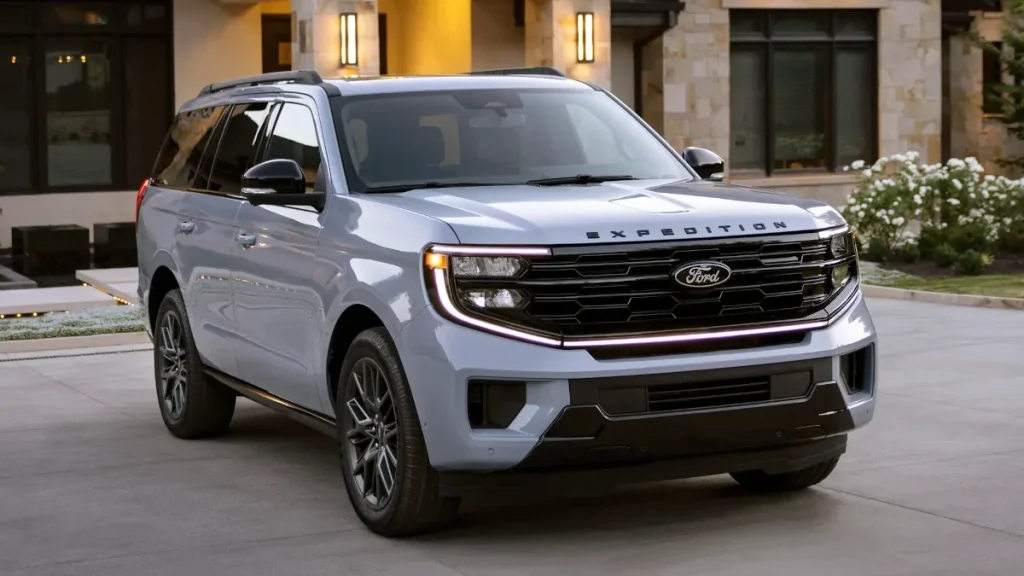
The Ford Expedition demonstrates how vehicles designed for capacity and comfort can become impractical in environments that demand precision and compactness.
3. Cadillac Escalade
The Cadillac Escalade represents luxury and presence at its peak, but those same qualities become obstacles when navigating tight urban streets.
Its imposing size commands attention on open roads, yet in confined environments like Richmond’s colonial districts, that size works against it. Maneuvering through narrow lanes requires constant awareness, as the vehicle occupies a significant portion of the available space.
Turning the Escalade is where its limitations become most apparent. The wide turning radius means corners cannot be taken in a single smooth motion.
Instead, drivers often need to slow down considerably and adjust their positioning, sometimes even backing up to complete a turn. This interrupts the flow of driving and adds a layer of complexity that smaller vehicles simply avoid.
Parking introduces another level of difficulty. The Escalade’s length and width make it challenging to fit into standard spaces, particularly in older areas where parking was not designed for modern SUVs. Even when a spot is found, aligning the vehicle correctly takes patience and precision.
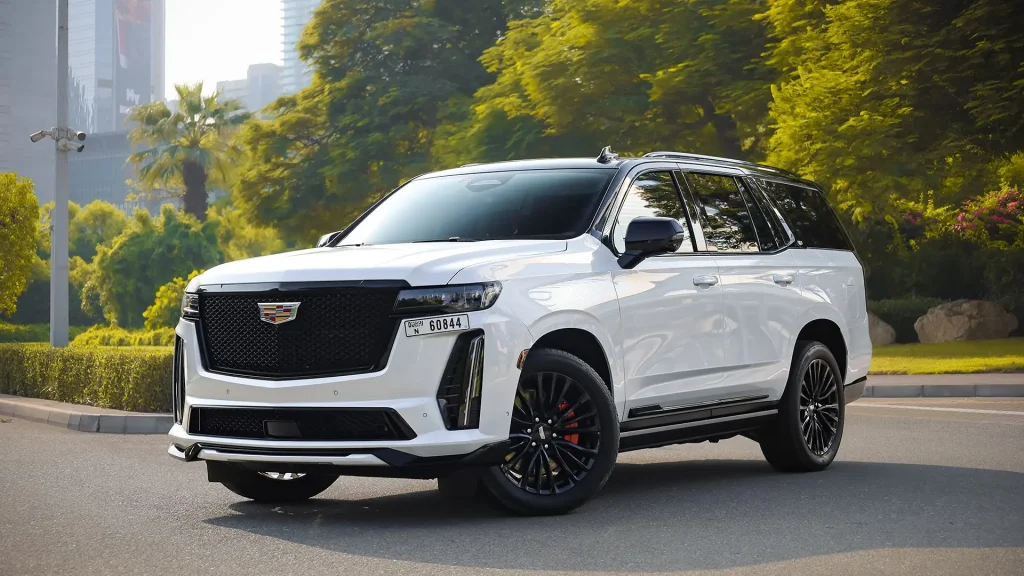
Visibility, despite advanced features, can still feel limited due to the vehicle’s scale. Judging distances in tight spaces becomes more demanding, especially when surrounded by closely parked cars. This can increase driver fatigue over time.
The Cadillac Escalade excels in comfort and luxury, but in narrow urban settings, it highlights how excess size can reduce practicality. It serves as a reminder that refinement does not always translate into ease of use in every environment.
4. Toyota Sequoia
The Toyota Sequoia is built with durability and capability in mind, making it a strong performer in rugged conditions and long distance travel. However, when placed in tight city environments, its large proportions quickly become a challenge. Streets that require precise navigation expose the limitations of its size.
One of the main concerns is its turning behavior. The Sequoia does not respond quickly in confined spaces, and completing sharp turns often requires extra room that simply is not available. Drivers may find themselves making multiple adjustments, which can slow down progress and create frustration during routine trips.
Its bulk also affects how it interacts with narrow lanes. Keeping the vehicle centered while avoiding obstacles on both sides demands constant attention. This can make even short drives feel more demanding than they should be.
Parking further emphasizes these challenges. The Sequoia’s dimensions make it difficult to find suitable spaces, and once a spot is located, fitting the vehicle neatly can be a time consuming process. This reduces convenience in areas where quick stops are common.
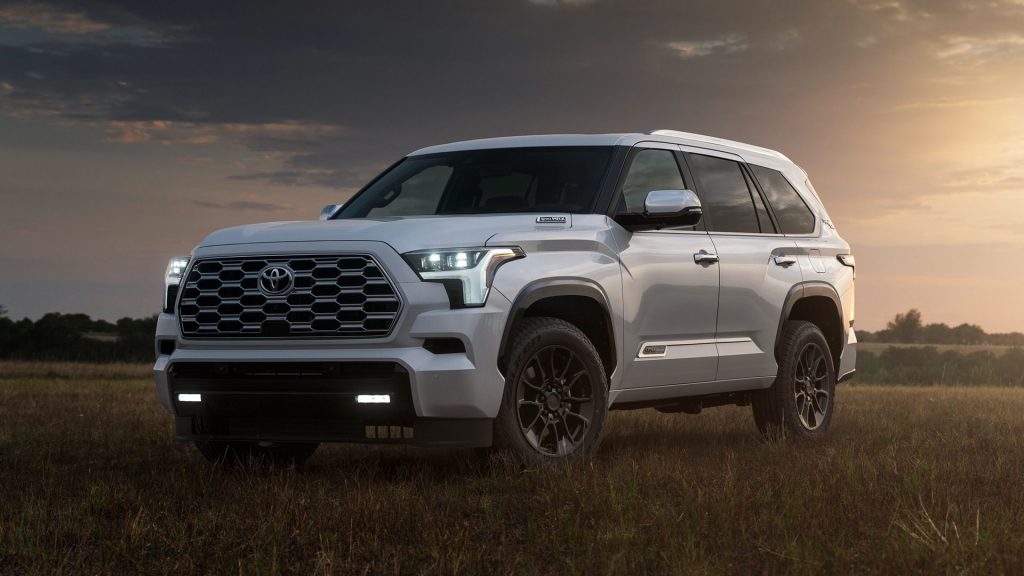
Although the Sequoia is dependable and capable in many situations, it struggles in environments that prioritize agility over size. It demonstrates how a vehicle designed for strength and space can feel out of place in tightly packed urban streets.
5. GMC Yukon
The GMC Yukon shares much of its character with other full size SUVs, offering a combination of space, comfort, and road presence. While these traits make it appealing for long journeys and family use, they create noticeable drawbacks in areas where maneuverability is essential. In narrow streets, its size becomes a constant consideration rather than a background detail.
The turning radius is one of its most significant limitations. Navigating sharp corners requires careful planning, as the vehicle cannot pivot easily within tight confines. Drivers often need to reduce speed significantly and adjust their approach, which disrupts the natural flow of movement through compact streets.
Another aspect that affects usability is its width. Passing through narrow lanes lined with parked cars can feel restrictive, leaving little margin for error. This can make drivers more cautious, sometimes to the point of hesitation, especially in unfamiliar areas.
Parking also becomes a challenge. The Yukon demands more space than what is typically available in older urban layouts. Even when a suitable spot is found, positioning the vehicle accurately requires patience and repeated adjustments.
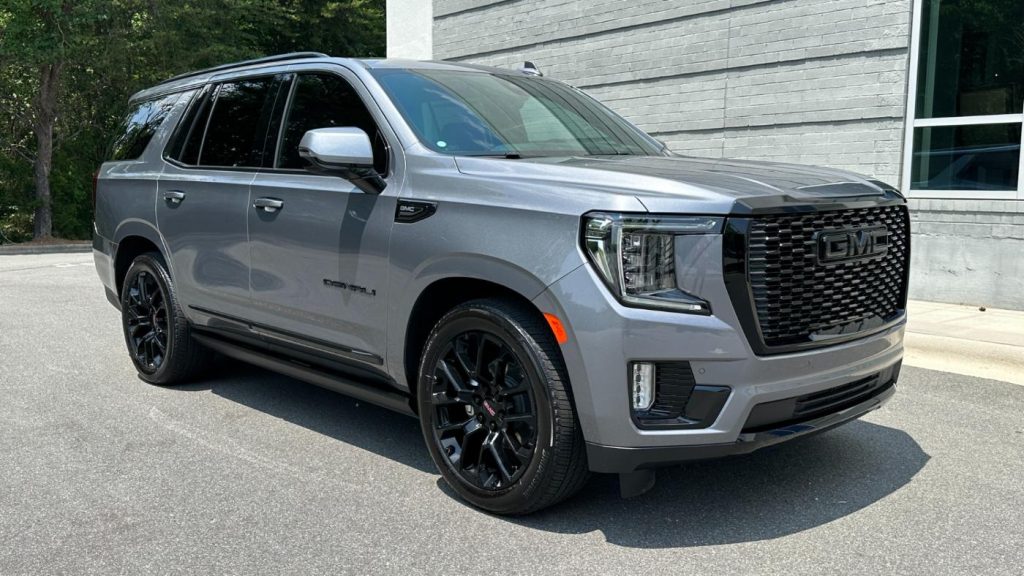
The GMC Yukon performs exceptionally well in open environments, but in tight city settings, it highlights the trade offs that come with increased size. It shows that comfort and capacity can sometimes come at the expense of everyday practicality.
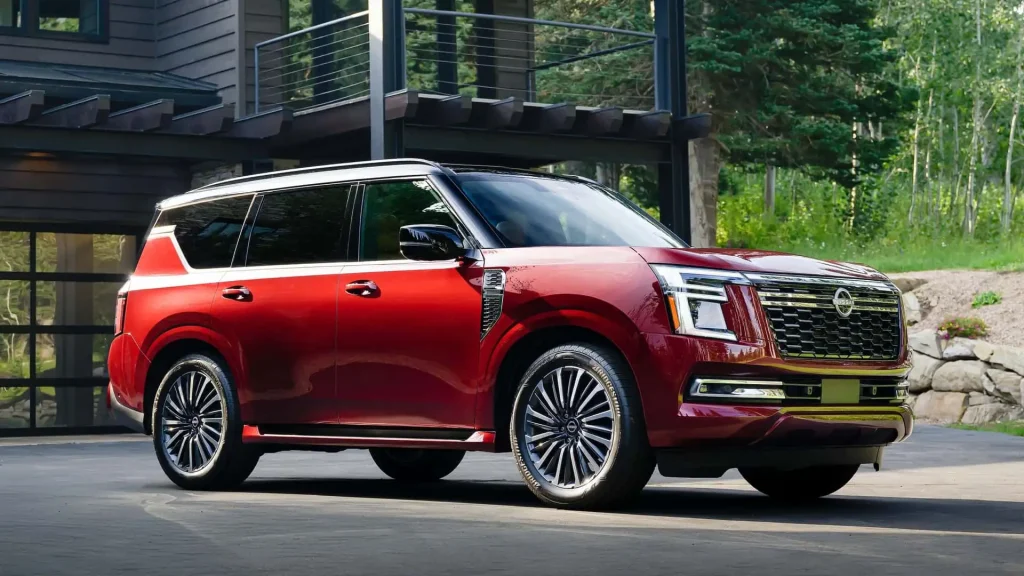
6. Nissan Armada
The Nissan Armada brings strength and capability to the SUV segment, but like many large vehicles, it faces clear limitations in confined urban spaces. Its substantial build makes it well suited for highways and long trips, yet those same dimensions can feel overwhelming on narrow, historic streets.
Turning the Armada requires considerable space, which is often unavailable in older city layouts. Drivers may find themselves approaching corners cautiously, knowing that a single attempt might not be enough. This need for repeated adjustments can make driving feel less fluid and more like a series of calculated steps.
The vehicle’s size also impacts how easily it can navigate through tight lanes. Maintaining a safe distance from surrounding obstacles becomes a constant focus, which can increase mental strain during even short drives. This is particularly noticeable in areas with heavy parking on both sides of the road.
Parking presents its own set of challenges. The Armada’s length and width limit the number of suitable spaces, and fitting into those spaces requires careful maneuvering. This can turn simple errands into time consuming tasks.
The Nissan Armada illustrates how a vehicle designed for power and presence may not adapt well to environments that demand precision. It reinforces the idea that choosing the right vehicle depends heavily on where and how it will be used.
This comparison highlights how vehicle design directly impacts real world usability, especially in environments like Richmond’s narrow colonial streets.
Compact cars such as the Mini Cooper, Honda Fit, and Chevrolet Spark excel because they prioritize agility, tight turning ability, and ease of parking. These qualities reduce stress and make daily driving far more efficient in confined spaces.
On the other hand, large SUVs like the Chevrolet Tahoe, Ford Expedition, and Nissan Armada reveal the limitations of size in such conditions. Their wide turning radii, bulk, and difficulty in parking turn simple maneuvers into challenging tasks. While they offer comfort and space, these benefits become less relevant in tight urban layouts.
Ultimately, the article emphasizes that choosing the right car depends on the driving environment. Smaller, well designed vehicles provide practicality and control in historic city settings, while oversized SUVs may struggle despite their advantages elsewhere.
Also Read: 5 High-Efficiency AC Systems In San Antonio vs. 5 That Can’t Keep the Cabin Cool