Driving conditions vary widely across different regions, and Oklahoma City presents a unique challenge with its open highways and frequent strong crosswinds. In such an environment, vehicle stability becomes a critical factor rather than a secondary consideration.
Wind gusts can unsettle poorly balanced vehicles, making steering corrections more frequent and increasing driver fatigue over long distances. This is where the design and engineering of a vehicle begin to matter in ways that are not always obvious during a short test drive.
Pickup trucks, often associated with utility and strength, can actually excel in these conditions when properly engineered. Their longer wheelbases, balanced weight distribution, and solid road presence can provide a sense of confidence even when winds pick up.
However, not all trucks perform equally, and certain models stand out for their ability to remain composed and predictable under challenging conditions.
On the opposite end of the spectrum are SUVs that struggle with stability due to their higher center of gravity. While these vehicles offer space and versatility, their design can make them more susceptible to body roll and wind disturbance.
In windy environments, this can translate into a less controlled driving experience, requiring constant steering input and reducing overall comfort.
This article explores both sides of this contrast. It highlights pickup trucks that are particularly well suited for windy roads in Oklahoma City, focusing on the qualities that make them stable and reliable.
At the same time, it examines SUVs that tend to feel top heavy and less composed, offering insight into why they may not be the best choice for such conditions.
By understanding how different vehicles respond to wind and road dynamics, drivers can make more informed decisions that prioritize safety, comfort, and long term usability.
Also Read: 4 Future Classic Investments In the USA vs. 4 Cars That Will Be Worth Zero
6 High-Stability Pickups for Windy Roads In Oklahoma City
Wind is an often underestimated factor in driving, yet in places like Oklahoma City, it can shape the entire experience behind the wheel. Long stretches of open road expose vehicles to constant gusts that test their balance and structural design. For drivers who spend significant time on highways, choosing a vehicle that remains stable in these conditions is essential.
Pickup trucks, when designed with stability in mind, offer several advantages. Their longer frames help distribute weight more evenly, while their lower stance compared to tall SUVs can reduce the impact of crosswinds. Suspension tuning also plays a major role, as it determines how well the vehicle absorbs external forces without unsettling the driver.
Another important element is steering confidence. A stable pickup does not require constant correction when faced with strong winds. Instead, it maintains a straight path with minimal input, allowing the driver to focus on the road rather than fighting against external forces. This reduces fatigue and enhances overall safety.
The following pickups have been selected because they demonstrate strong composure in windy conditions. Each one approaches stability in a slightly different way, whether through design, engineering, or overall balance. Together, they provide a clear picture of what makes a truck suitable for challenging driving environments.
1. Ford F-150
The Ford F-150 approaches stability with a combination of structural strength and refined engineering. It is not just built for hauling and towing but also for maintaining composure in conditions that challenge lesser vehicles. On windy roads, this balance becomes immediately noticeable.
One of the key reasons the F-150 performs well is its well tuned suspension. It absorbs disturbances without allowing the body to sway excessively. This creates a sense of control that remains consistent even when crosswinds are strong. Drivers often find that the truck holds its line without requiring constant steering adjustments.
The wheelbase also contributes to its stability. A longer platform helps distribute weight evenly, reducing the tendency to be pushed around by wind. This gives the driver confidence, especially on open highways where gusts can arrive unpredictably.
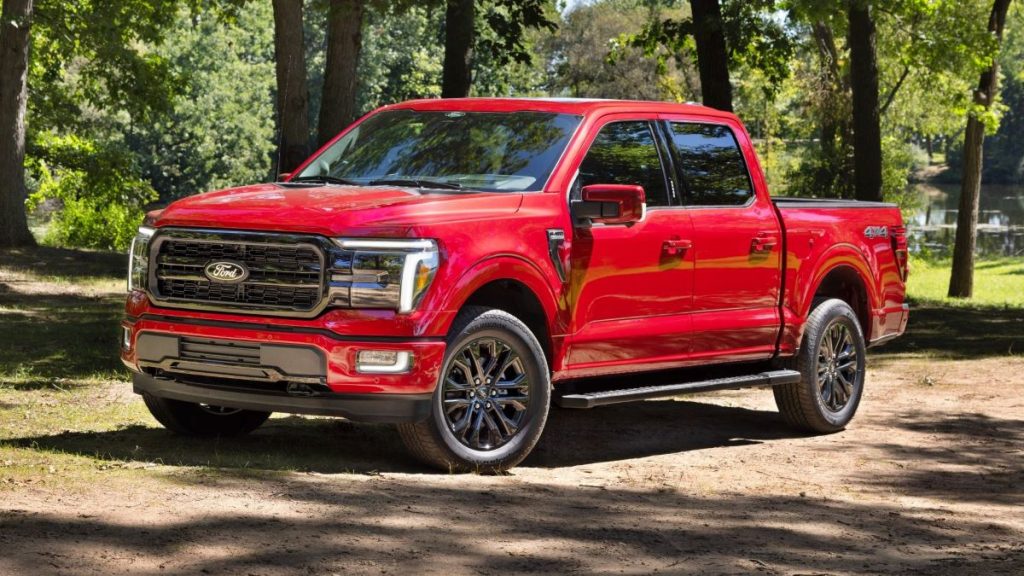
Another aspect worth noting is the steering response. The F-150 manages to feel both solid and responsive, allowing for precise corrections when needed. This balance ensures that the driver remains in control without feeling disconnected from the road.
The Ford F-150 stands out because it transforms a potentially tiring driving condition into something manageable. It shows how thoughtful engineering can make a significant difference in real world situations.
2. Ram 1500
The Ram 1500 takes a slightly different approach to stability, focusing heavily on ride quality and overall refinement. While many trucks emphasize toughness, the Ram combines that strength with a level of smoothness that enhances control in challenging conditions.
One of its defining features is the suspension system, which is designed to provide a balanced and composed ride. This helps the truck remain steady when faced with crosswinds, reducing the feeling of being pushed off course. Instead of reacting abruptly, the vehicle maintains a controlled and predictable motion.
The weight distribution also plays an important role. The Ram 1500 feels planted on the road, which contributes to its ability to resist external forces. This planted feeling reassures the driver, making long highway drives less stressful.
Interior comfort further enhances the experience. When a vehicle remains stable, the driver can relax and focus on the journey rather than constantly correcting the steering. This combination of physical stability and driver comfort creates a more enjoyable driving environment.
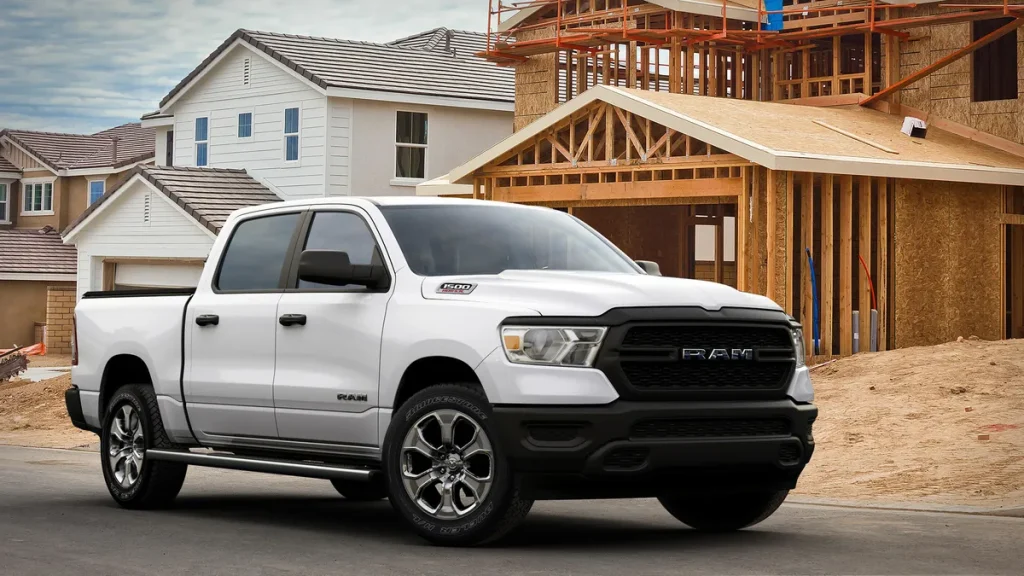
The Ram 1500 proves that stability is not just about resisting wind but also about maintaining a smooth and controlled driving experience. It offers a refined approach to handling challenging road conditions.
3. Chevrolet Silverado 1500
The Chevrolet Silverado 1500 approaches stability with a focus on strength and predictability, two qualities that become especially valuable on windy highways around Oklahoma City. Instead of trying to mask external forces, it works to manage them in a controlled and reassuring manner. This gives the driver a sense of confidence that builds over time.
A major contributor to this behavior is the truck’s solid chassis. It feels grounded, which reduces the tendency to drift when sudden gusts hit from the side.
Rather than reacting sharply, the Silverado absorbs the impact and continues forward with minimal disruption. This kind of composure is essential for long stretches of exposed road.
The steering setup also plays a role in its overall stability. It is not overly light or overly heavy, striking a balance that allows for subtle corrections without overcompensation. Drivers can make small adjustments with ease, maintaining a steady path even when conditions become unpredictable.
Another important factor is its overall weight and distribution. The Silverado feels planted, particularly at highway speeds, which helps counteract the effects of crosswinds. This planted nature reduces the constant need for driver input, making the experience less tiring.
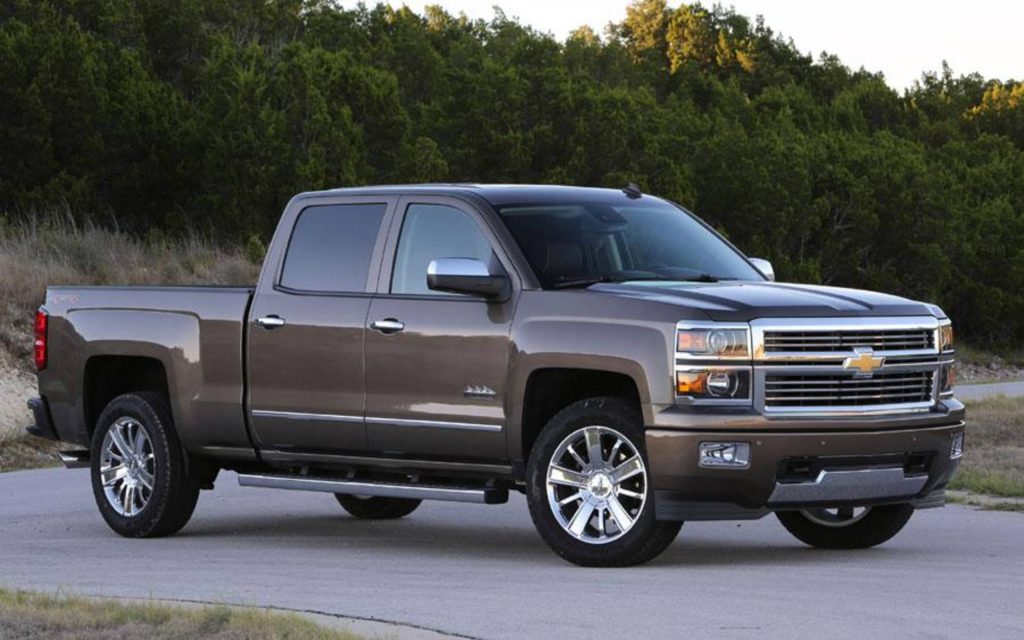
The Chevrolet Silverado 1500 demonstrates how a truck can combine strength with control. It does not rely on complexity to achieve stability but instead delivers a straightforward and dependable driving experience that suits windy conditions exceptionally well.
4. Toyota Tundra
The Toyota Tundra brings a reputation for durability into the conversation, but its stability in challenging conditions is equally noteworthy. It is built with a focus on reliability, and that same philosophy extends to how it behaves on the road when faced with strong winds.
One of the Tundra’s defining characteristics is its steady and composed ride. It does not feel easily unsettled, even when exposed to consistent crosswinds. This steadiness comes from a combination of its robust frame and carefully tuned suspension, which work together to maintain balance.
The truck’s driving dynamics favor predictability over sharp responsiveness. This means that when wind forces act on the vehicle, the reaction is gradual rather than abrupt. For the driver, this translates into a calmer experience, where maintaining control feels natural rather than demanding.
Visibility and driving position also contribute to its effectiveness. The elevated seating provides a clear view of the road ahead, allowing drivers to anticipate conditions and respond accordingly. This added awareness complements the truck’s stable nature.
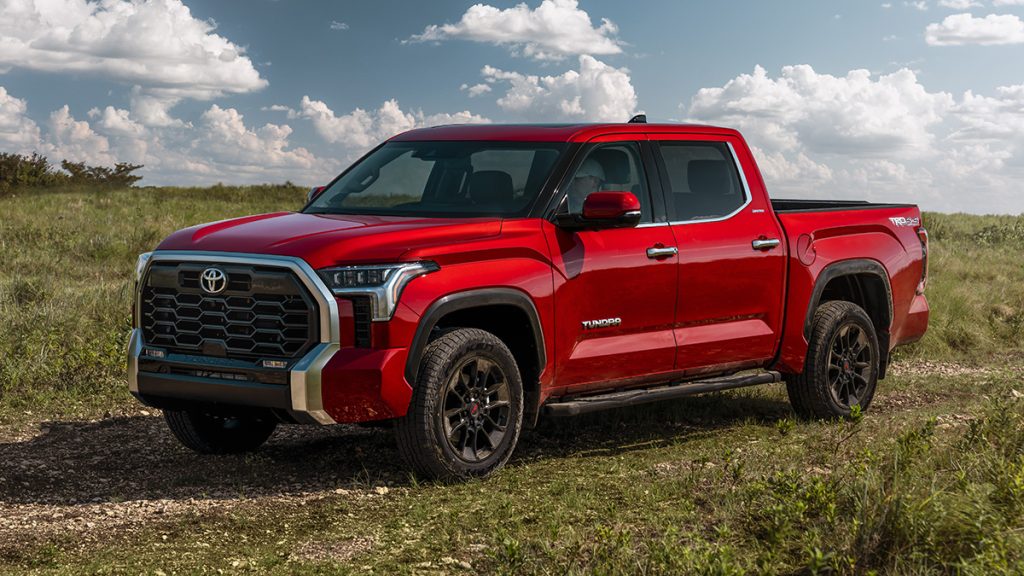
Another element worth considering is its long term consistency. The Tundra is known for maintaining its performance over time, and that includes its ability to remain stable under challenging conditions. This reliability reinforces its suitability for drivers who frequently encounter windy environments.
The Toyota Tundra succeeds by delivering a sense of trust. It may not be the most dynamic option, but it offers a dependable and composed driving experience that aligns well with the demands of Oklahoma City’s open roads.
5. Nissan Titan
The Nissan Titan often sits slightly outside the spotlight in the full size truck segment, yet its behavior in demanding conditions like strong crosswinds deserves attention.
It approaches stability with a focus on balance rather than extremes, creating a driving experience that feels controlled without being overly rigid. On Oklahoma City’s open highways, this balanced nature becomes a real advantage.
One of the Titan’s most noticeable traits is how it manages external disturbances. When gusts of wind push against the body, the truck does not react abruptly. Instead, it absorbs the force and settles quickly, allowing the driver to maintain direction with minimal effort.
This smooth recovery reduces the need for constant corrections, which can otherwise become tiring over long distances.
The suspension setup contributes significantly to this composure. It is tuned to handle both everyday driving and heavier loads, which means it remains stable even when conditions are less than ideal. Rather than feeling overly soft or excessively firm, it strikes a middle ground that supports consistent handling.
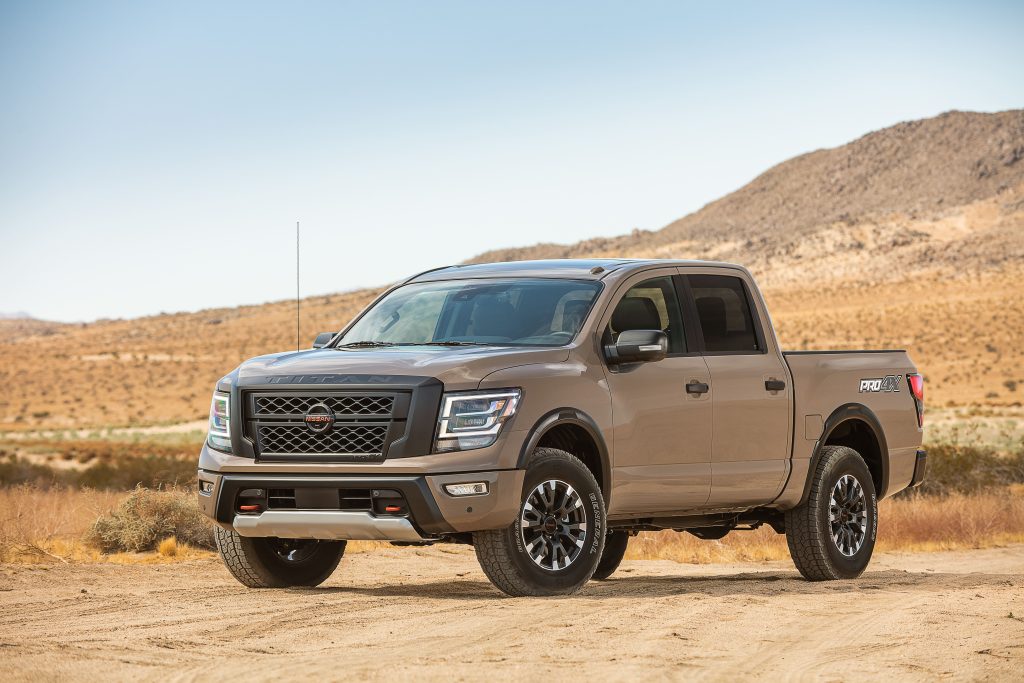
Another factor is the Titan’s road presence. Its width and stance help it stay planted, giving drivers a reassuring sense that the vehicle will not be easily unsettled. This confidence becomes especially important when driving at highway speeds where wind impact is more pronounced.
Inside the cabin, the Titan provides a calm environment that complements its stable nature. When the vehicle behaves predictably, the driver can focus more on the journey and less on managing external forces.
The Nissan Titan proves that stability does not always require headline grabbing features. Sometimes, it is the quiet consistency of a well balanced design that makes the biggest difference.
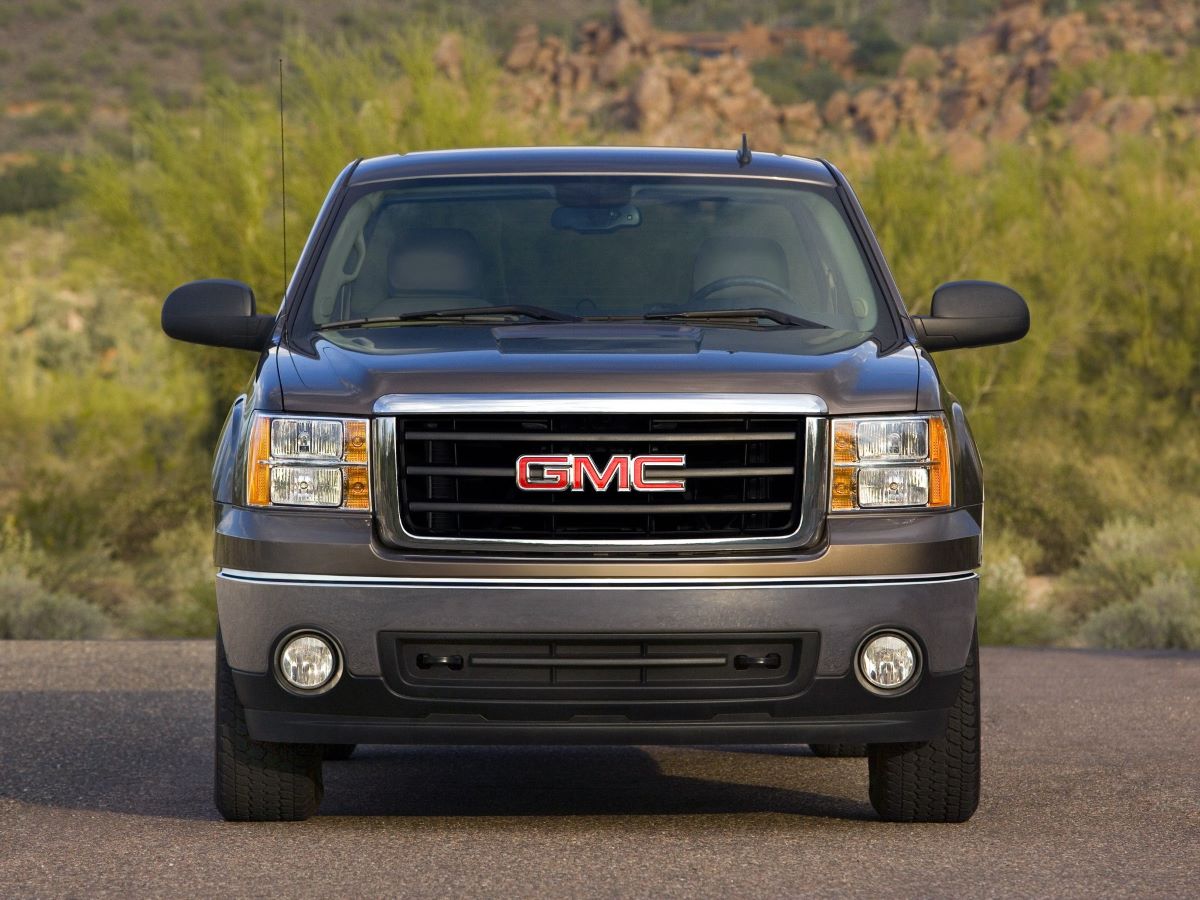
6. GMC Sierra 1500
The GMC Sierra 1500 brings a refined approach to the idea of stability, blending strength with a level of control that feels deliberate and composed. While it shares many structural similarities with other trucks in its class, the way it delivers its driving experience sets it apart, particularly in challenging conditions like strong winds.
What stands out immediately is how composed the Sierra feels at speed. On open highways, where crosswinds can disrupt less stable vehicles, it maintains a steady path with minimal deviation. This sense of control reduces driver workload and allows for a more relaxed driving experience over long distances.
The suspension plays a crucial role in achieving this behavior. It is designed to manage movement without allowing excessive body sway, which is essential when dealing with lateral forces from wind. Instead of reacting unpredictably, the Sierra responds in a controlled and measured way.
Steering precision further enhances its stability. The inputs feel consistent, allowing drivers to make small adjustments without oversteering. This predictability becomes especially valuable when maintaining lane position in windy conditions.
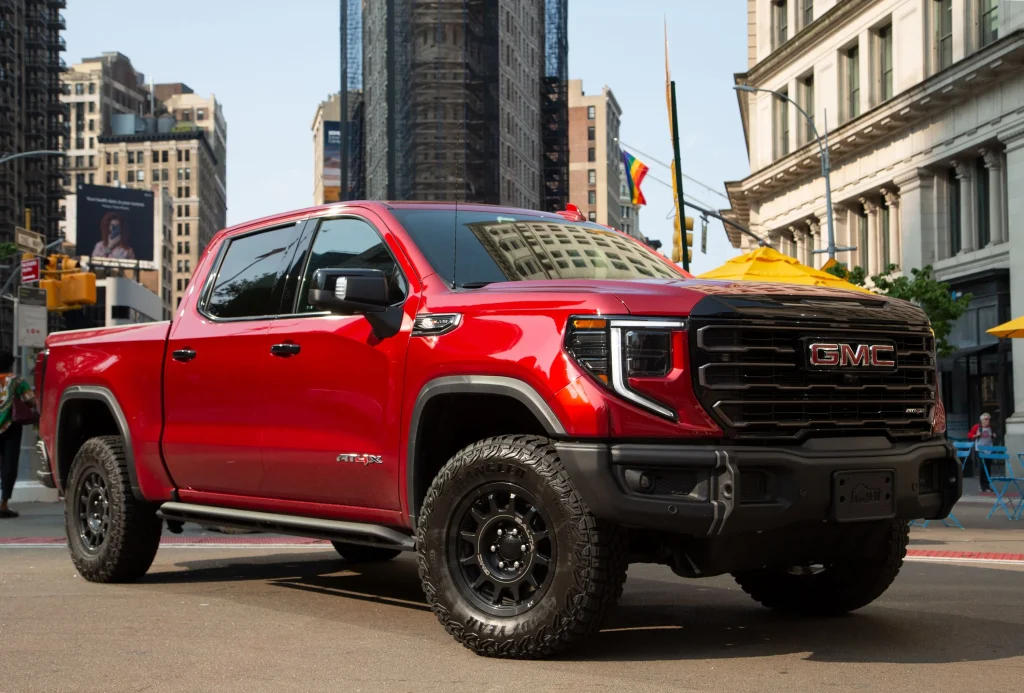
Another important aspect is the overall refinement of the vehicle. The cabin remains quiet and insulated, which helps reduce the perception of external disturbances. This creates a more comfortable environment, even when conditions outside are less than ideal.
The GMC Sierra 1500 succeeds by combining capability with composure. It shows that a truck can handle demanding conditions while still providing a smooth and controlled driving experience, making it a strong choice for windy roads.
6 Top-Heavy SUVs
While pickup trucks often benefit from their structure and balance, certain SUVs face challenges due to their design. A higher center of gravity, combined with taller body profiles, can make some SUVs feel less stable, particularly in windy conditions or during sudden directional changes.
This top heavy characteristic does not necessarily make these vehicles unsafe, but it does influence how they behave on the road. Drivers may notice increased body roll, slower response to steering inputs, and a greater sensitivity to crosswinds. In places like Oklahoma City, where wind is a constant factor, these traits become more noticeable.
Another consideration is how weight is distributed. SUVs that carry more mass higher up tend to react more dramatically to external forces. This can lead to a feeling of instability, especially at highway speeds where wind impact is stronger.
The following vehicles highlight how design choices can affect stability. Each one demonstrates the challenges that come with a taller and heavier structure, offering insight into why they may not feel as composed as lower and more balanced alternatives.
1. Jeep Wrangler
The Jeep Wrangler is one of those vehicles that feels purpose built for a very specific kind of driving, and that purpose does not prioritize highway stability.
Its upright stance, removable panels, and rugged construction all contribute to its identity, but they also shape how it behaves when exposed to strong winds. In open areas like those around Oklahoma City, this becomes immediately noticeable.
Unlike streamlined vehicles that slice through the air, the Wrangler meets resistance head on. Its boxy shape catches crosswinds rather than deflecting them, which can lead to subtle but constant shifts in direction.
Drivers often find themselves making frequent steering corrections just to maintain a straight path. This ongoing input can become tiring, particularly during long highway drives.
Another aspect that influences its stability is the suspension setup. Designed to handle uneven terrain and off road articulation, it allows for more body movement than typical road focused vehicles. When combined with strong gusts of wind, this can create a sensation of looseness that is less reassuring at higher speeds.
The steering feel also contributes to the experience. It is not as tight or precise as what you might expect in vehicles built primarily for paved roads. This means that even small corrections require attention, adding to the overall effort required to keep the vehicle steady.
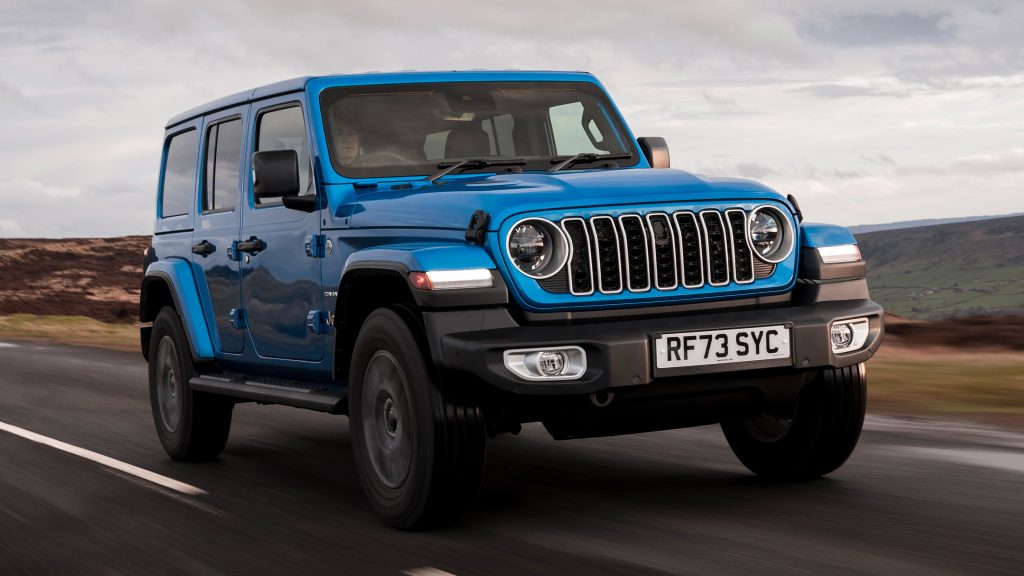
Despite these challenges, the Wrangler remains highly capable in the environments it was designed for. However, on windy highways, it highlights how a focus on off road performance can come at the expense of on road composure.
2. Toyota 4Runner
The Toyota 4Runner carries a long standing reputation for toughness and reliability, qualities that have made it a favorite among off road enthusiasts. Yet, when it comes to highway driving in windy conditions, its traditional design reveals certain limitations that affect overall stability.
One of the primary factors is its body on frame construction combined with a relatively tall ride height. This setup gives the 4Runner strength and durability, but it also raises its center of gravity. In windy conditions, this can make the vehicle feel more susceptible to being pushed sideways, especially on open stretches of road.
The driving experience reflects this design choice. At higher speeds, the 4Runner does not feel as planted as lower vehicles. Crosswinds can create a noticeable shift, requiring the driver to remain attentive and ready to make corrections. This added effort can make long distance travel less relaxing.
Its suspension system, while excellent for absorbing rough terrain, is not optimized for minimizing body movement on smooth highways. As a result, the vehicle may exhibit more sway than expected when encountering external forces. This can reduce the sense of confidence that drivers look for in challenging conditions.
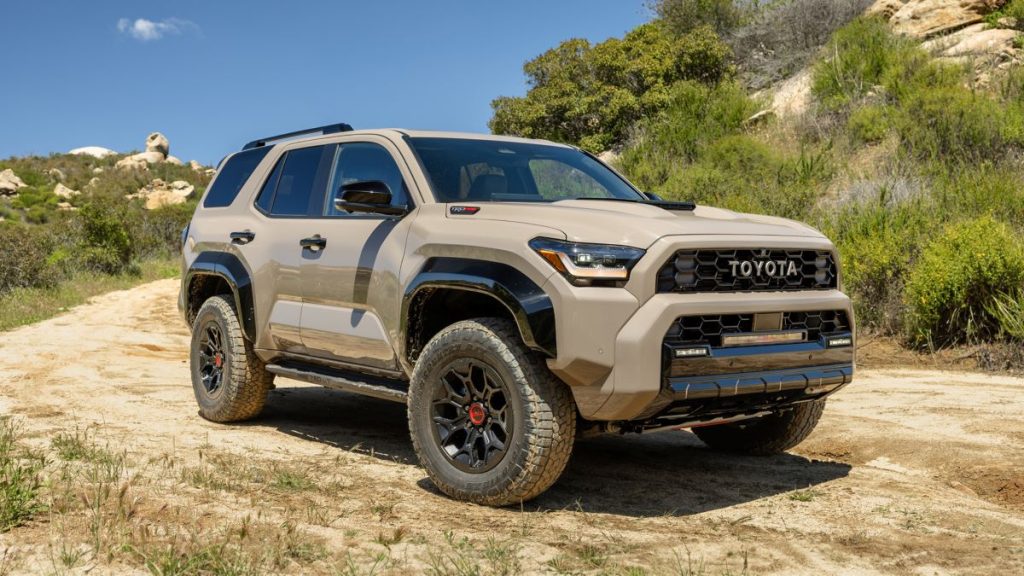
Even so, the 4Runner continues to excel in the areas it was built for. It is dependable, capable, and well suited for off road adventures. However, in windy highway environments, it demonstrates how a rugged design can influence stability and overall driving comfort.
3. Ford Bronco
The Ford Bronco returns with a design that clearly prioritizes off road capability and rugged character, but those same traits influence how it behaves on open highways. Its tall stance and squared profile create a presence that feels confident in rough terrain, yet in windy conditions, that shape can become a disadvantage.
Driving the Bronco on exposed roads reveals how sensitive it can be to crosswinds. The flat sides and upright windshield tend to catch gusts rather than guide them around the vehicle. This results in a noticeable push that requires steady steering input to counteract. Over time, this constant adjustment can make the drive feel more demanding than expected.
The suspension setup further adds to this experience. It is tuned for flexibility and articulation, which works exceptionally well off road, but allows more body movement on paved surfaces. When wind forces combine with this natural motion, the vehicle can feel less settled, especially at higher speeds.
Steering precision is adequate but not particularly sharp, which means corrections are not always immediate. Drivers need to anticipate changes and respond carefully, rather than relying on quick, precise inputs. This creates a driving style that requires more attention and involvement.
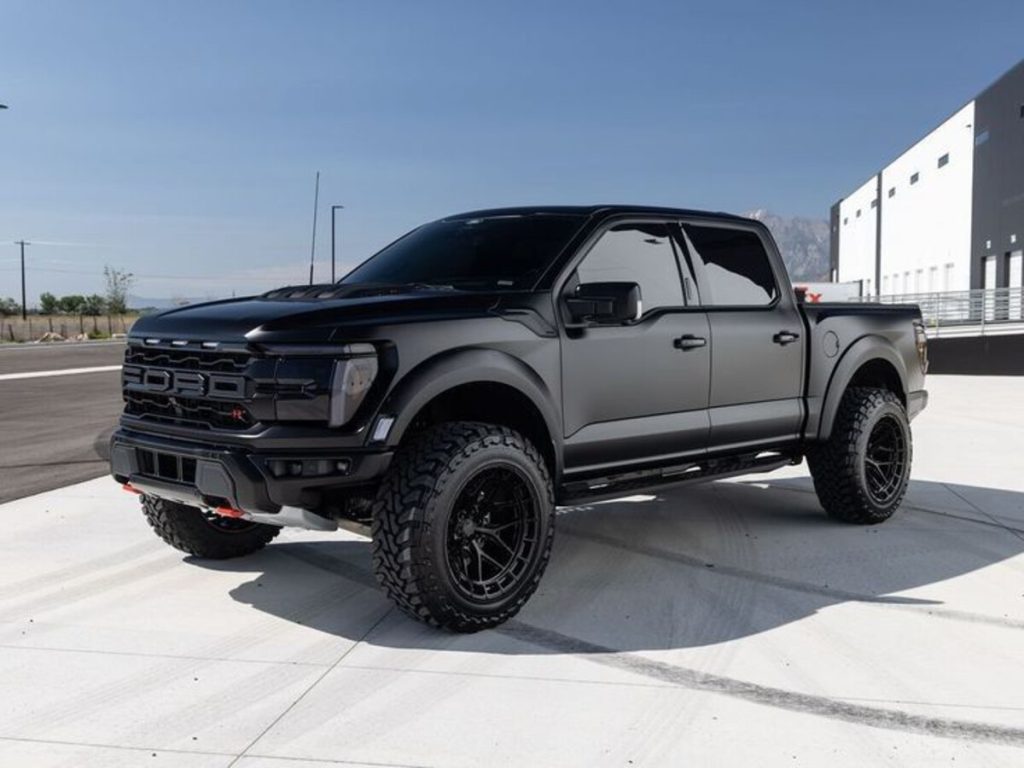
The Ford Bronco delivers exactly what it promises in rugged environments, but on windy highways, it reveals the compromises that come with that focus. It serves as a clear example of how design priorities shape real world driving behavior.
4. Chevrolet Suburban
The Chevrolet Suburban represents one of the largest SUVs on the road, offering exceptional space and comfort for long journeys. However, its sheer size and height can become a challenge in windy conditions, particularly on open highways where crosswinds are more pronounced.
Its long body and elevated profile create a large surface area that interacts strongly with wind. Instead of remaining completely unaffected, the vehicle can experience subtle shifts that require the driver to maintain constant awareness. This is not abrupt instability, but rather a steady influence that must be managed.
The weight of the Suburban does provide some advantage, as it helps keep the vehicle grounded. However, the height still plays a role in how it responds to lateral forces. The combination results in a driving experience that feels stable overall but still demands attention in stronger winds.
Turning and lane adjustments also reflect its size. Movements are slower and require more planning, which becomes more noticeable when external forces are involved. Drivers need to be deliberate in their actions, ensuring that each correction is measured.
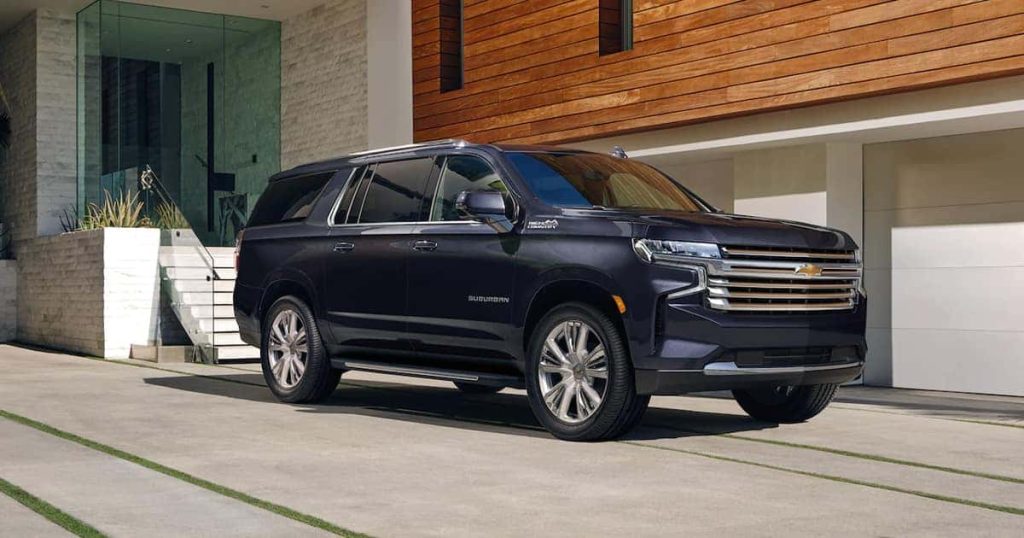
Despite these challenges, the Suburban excels in comfort and practicality. It is built for carrying passengers and cargo over long distances. Yet, in windy environments, it highlights how even a well engineered large SUV must contend with the realities of its proportions.
5. Kia Telluride
The Kia Telluride has gained recognition for its comfort, design, and overall balance, but its size and height still influence how it behaves in windy conditions. While it is more road focused than some rugged SUVs, it cannot completely escape the effects of a higher center of gravity.
On open highways, the Telluride generally feels composed, but strong crosswinds can introduce a slight sense of movement. This is not overly dramatic, yet it is noticeable enough to require driver attention. Maintaining a straight path may involve subtle steering inputs, especially during sustained gusts.
The suspension is tuned for comfort, which means it absorbs road imperfections effectively. However, this softer setup can allow a bit of body roll when external forces are applied. In windy situations, this translates into a gentle but persistent sway that drivers must manage.
Steering response is smooth and predictable, which helps in making controlled adjustments. Even though the vehicle may react to wind, it does so in a gradual manner, allowing drivers to correct without feeling overwhelmed. This balance keeps the experience manageable.
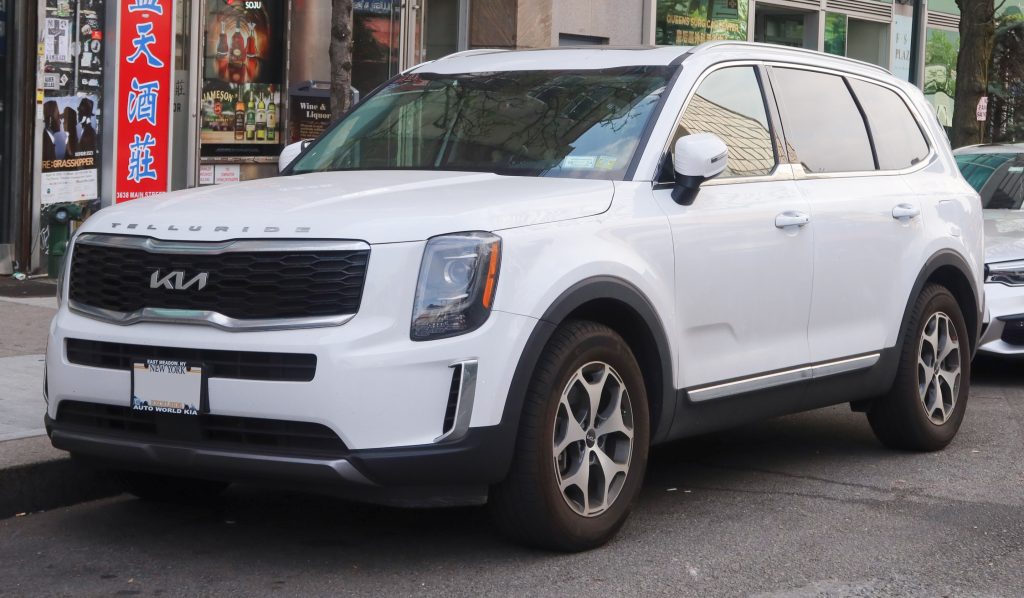
The Kia Telluride remains a strong choice for everyday driving and long trips, but it still demonstrates how vehicle height and design influence stability. It shows that even well rounded SUVs must account for environmental factors like wind.
6. Hyundai Palisade
The Hyundai Palisade shares many characteristics with the Telluride, offering a refined and comfortable driving experience. However, like many midsize SUVs, its height and structure contribute to a slightly top heavy feel when conditions become challenging.
In windy environments, the Palisade can exhibit mild sensitivity to crosswinds. The vehicle does not feel unstable, but it does require consistent steering input to maintain direction. This is particularly evident on highways where wind exposure is continuous.
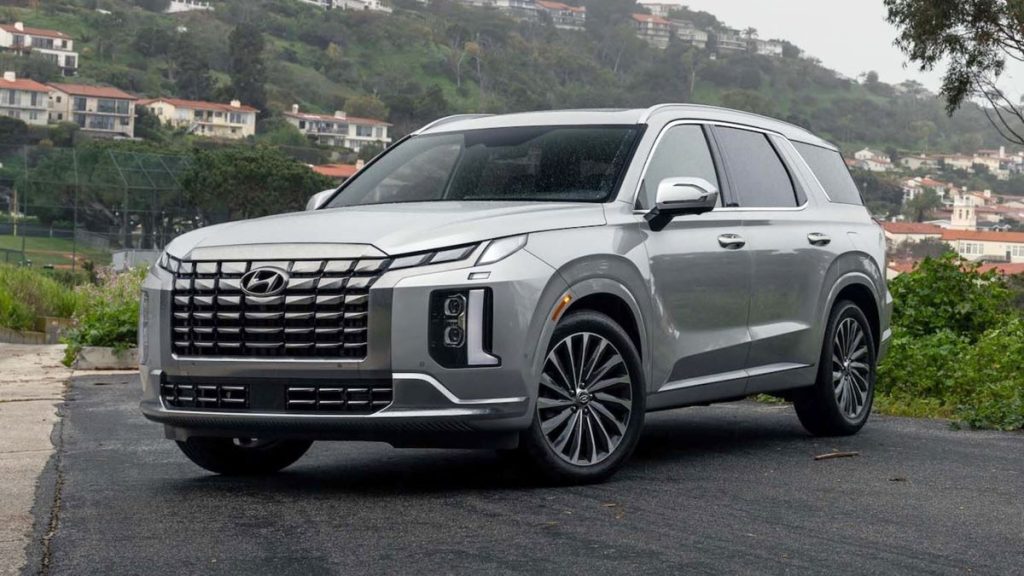
Its suspension prioritizes comfort, which enhances ride quality on smooth roads. At the same time, this setup allows a degree of body movement that becomes noticeable when external forces act on the vehicle. The result is a driving experience that feels relaxed in calm conditions but more engaged when winds pick up.
The steering system helps maintain control by offering predictable feedback. Drivers can make adjustments with confidence, even if those adjustments are needed more frequently than in lower vehicles. This predictability prevents the situation from becoming overwhelming.
The Hyundai Palisade delivers comfort and practicality in a modern package, yet it also highlights the compromises that come with a taller design. It reinforces the idea that stability is closely tied to structure, especially when driving in areas known for strong and persistent winds.
Also Read: 5 Dust-Filtered Car Cabins For Albuquerque vs. 5 with Inadequate Seals for Desert Sand