
Diesel vehicles in the United States serve two very different purposes. On one side are heavy-duty trucks built to handle extreme towing demands, long-distance hauling, and commercial workloads.
Models like the Ford F-350 Super Duty and Ram 3500 showcase how modern diesel engineering delivers massive torque, advanced towing technology, and long-term durability. These trucks are designed to pull tens of thousands of pounds with confidence, making them essential tools for industries, RV owners, and serious towing enthusiasts.
On the other side are smaller diesel-powered cars and SUVs such as the BMW 335d and Volkswagen Jetta TDI. While they promise fuel efficiency and smooth performance, they often struggle with complex emissions systems and costly maintenance issues, especially as they age. These vehicles highlight the trade-offs of diesel technology when applied to compact platforms and urban driving conditions.
This comparison explores six diesel trucks built for towing strength and six smaller diesel models known for maintenance challenges, offering a clear look at how diesel performs across very different segments.
6 Diesel Trucks for Towing In the USA
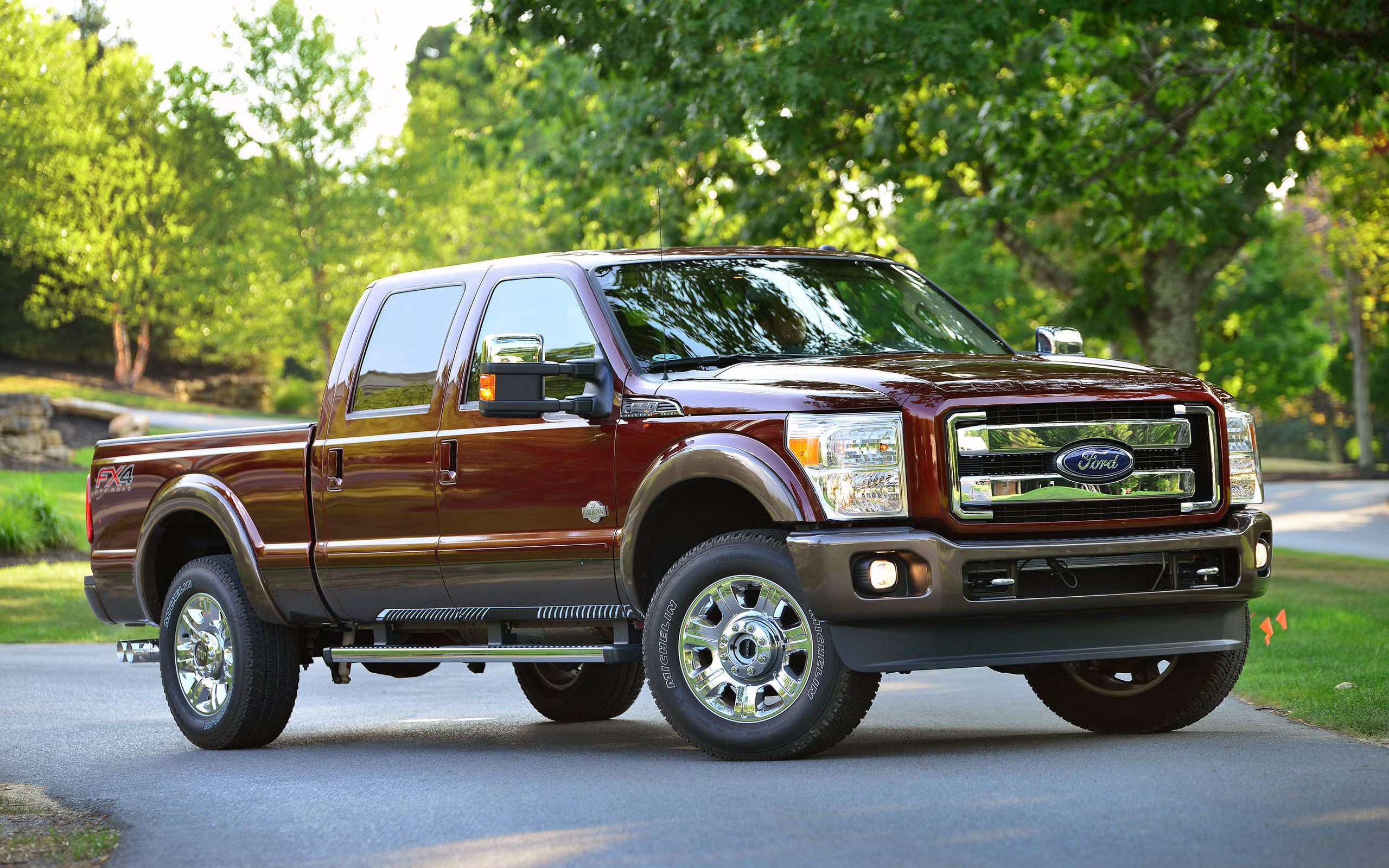
1. Ford F-350 Super Duty (6.7L Power Stroke): Heavy-Duty Towing Powerhouse
The Ford F-350 Super Duty equipped with the 6.7L Power Stroke V8 diesel engine stands as one of the most powerful and capable heavy-duty trucks in the United States. Designed for extreme towing and hauling, its high-output configuration delivers up to 500 horsepower and an extraordinary 1,200 lb-ft of torque.
This immense power allows properly equipped models, especially dual rear wheel (DRW) configurations, to achieve gooseneck towing capacities of up to 38,000–40,000 lbs, making it a top choice for commercial, agricultural, and industrial applications.
At the core of its capability is a highly engineered diesel system featuring a 36,000-psi fuel-injection system, a variable geometry turbocharger for quick response, and an integrated exhaust braking system for improved control on descents.
These features ensure both performance and stability under extreme loads while maintaining efficiency. The engine is also widely recognized for long-term durability, with many units exceeding 200,000 to 500,000 miles when properly maintained.
Structurally, the F-350 uses a fully boxed high-strength steel frame combined with a military-grade aluminum-alloy body, heavy-duty axles, and a suspension system specifically tuned for heavy payloads. This design minimizes trailer sway, reduces sag, and enhances control when hauling maximum weight. The truck’s stability under load is one of its defining strengths, especially during long-distance towing.
Ford also integrates advanced towing technologies to simplify operation and improve safety. Features such as Pro Trailer Backup Assist, Pro Trailer Hitch Assist, onboard scales, and 360-degree camera systems help drivers confidently maneuver large trailers, align hitches, and monitor weight distribution. These systems significantly reduce the complexity of handling oversized loads.
Inside, the F-350 offers a mix of practicality and luxury depending on trim level. Higher trims provide premium materials, advanced infotainment systems, large digital displays, and comfort features like massaging seats. However, lower trims remain more utilitarian in design. The cabin is generally quiet and comfortable, especially when towing, though ride quality can feel stiff or “floaty” when the truck is unloaded.
Performance-wise, the truck delivers strong fuel efficiency for its class, with reported averages of 15–20 mpg depending on load and driving conditions. While highly capable, some owners note occasional issues with diesel emissions systems, electrical components, and maintenance costs over time.
The Ford F-350 Super Duty with the 6.7L Power Stroke is regarded as a premier heavy-duty towing machine, combining raw power, advanced technology, and robust engineering for the most demanding hauling tasks.
2. Ram 3500 (6.7L Cummins High-Output) Heavy-Duty Towing Powerhouse
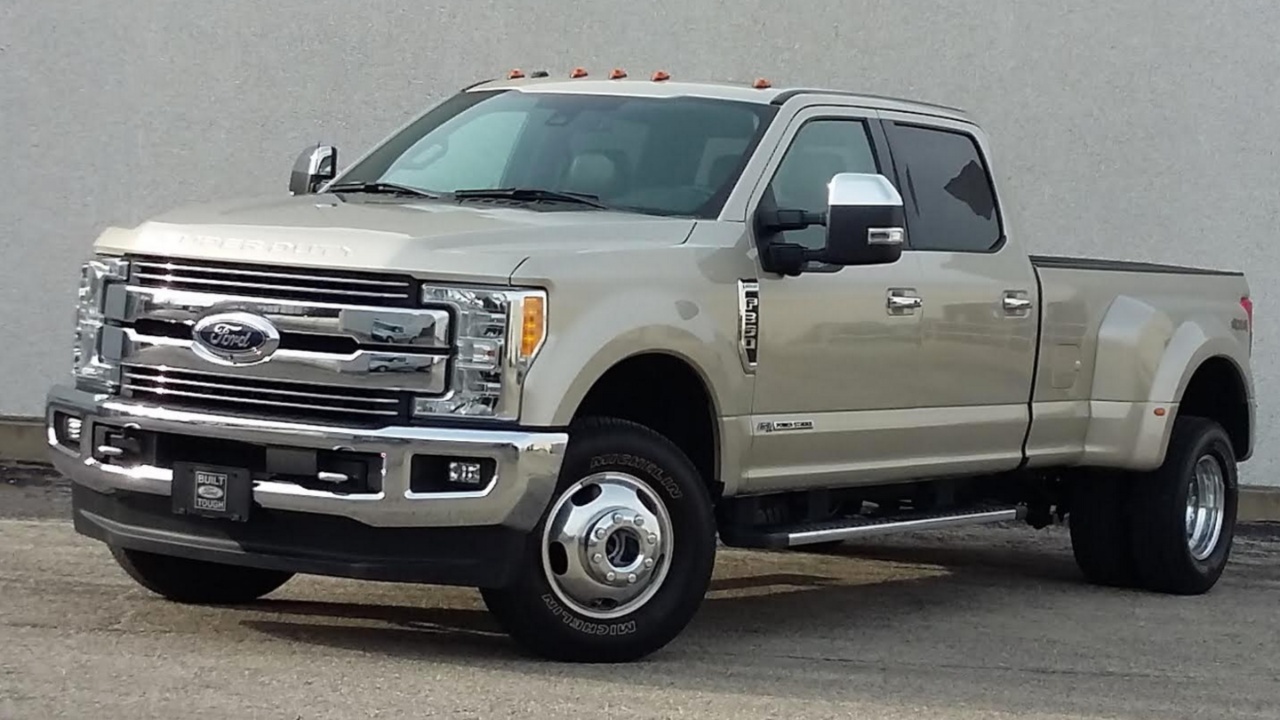
The Ram 3500 equipped with the 6.7L High-Output Cummins turbo diesel engine is one of the most capable heavy-duty trucks in the United States, built for extreme towing, long-distance hauling, and long-term durability.
Its inline-six diesel design is widely valued for mechanical simplicity, strong reliability, and exceptional low-end torque, which makes it especially effective when moving extremely heavy loads from a complete stop.
In High-Output form, the engine produces about 420 to 430 horsepower and an impressive 1,075 lb-ft of torque at low RPM. This allows the truck to deliver smooth and controlled pulling power under demanding conditions.
When properly configured, the Ram 3500 can achieve a maximum gooseneck or fifth-wheel towing capacity of up to 37,090 lbs, making it suitable for large RVs, commercial trailers, and heavy equipment transport.
A key component of its towing strength is the AISIN six-speed heavy-duty automatic transmission. It is specifically engineered to manage high torque output and maintain durability during sustained towing. The transmission is designed to reduce gear hunting and provide consistent power delivery, especially on long climbs and heavy loads.
The Ram 3500 also benefits from strong structural engineering. A reinforced frame, heavy-duty suspension system, and dual rear wheel configuration improve stability and load control. The DRW setup increases traction and balance, which is especially useful when towing tall or heavy trailers in windy or uneven road conditions.
Advanced towing technology further enhances usability. Features such as a 360-degree camera system, digital rearview mirror, trailer tire pressure monitoring, trailer reverse steering control, and a fifth-wheel or gooseneck prep package make trailer hookup and maneuvering easier and safer. These systems reduce stress during tight turns, reversing, and long-distance hauling.
Inside the cabin, the Ram 3500 stands out for its comfort and refinement in the heavy-duty segment. Higher trims offer premium materials, large Uconnect infotainment screens up to 14.5 inches, and advanced convenience features. The ride quality is notably smooth for a one-ton truck, especially when compared with many competitors.
The Cummins engine is widely recognized for long service life, often exceeding several hundred thousand miles with proper maintenance. However, the truck’s large size, particularly in long-bed and dual rear wheel configurations, can make urban driving and parking more difficult. Fuel consumption is also relatively high under towing conditions.
The Ram 3500 High-Output Cummins remains a leading choice for drivers who need maximum torque, proven durability, advanced towing technology, and a comfortable driving experience for demanding hauling work.
3. Chevrolet Silverado 3500 HD (6.6L Duramax) Heavy-Duty Towing and Work Capability
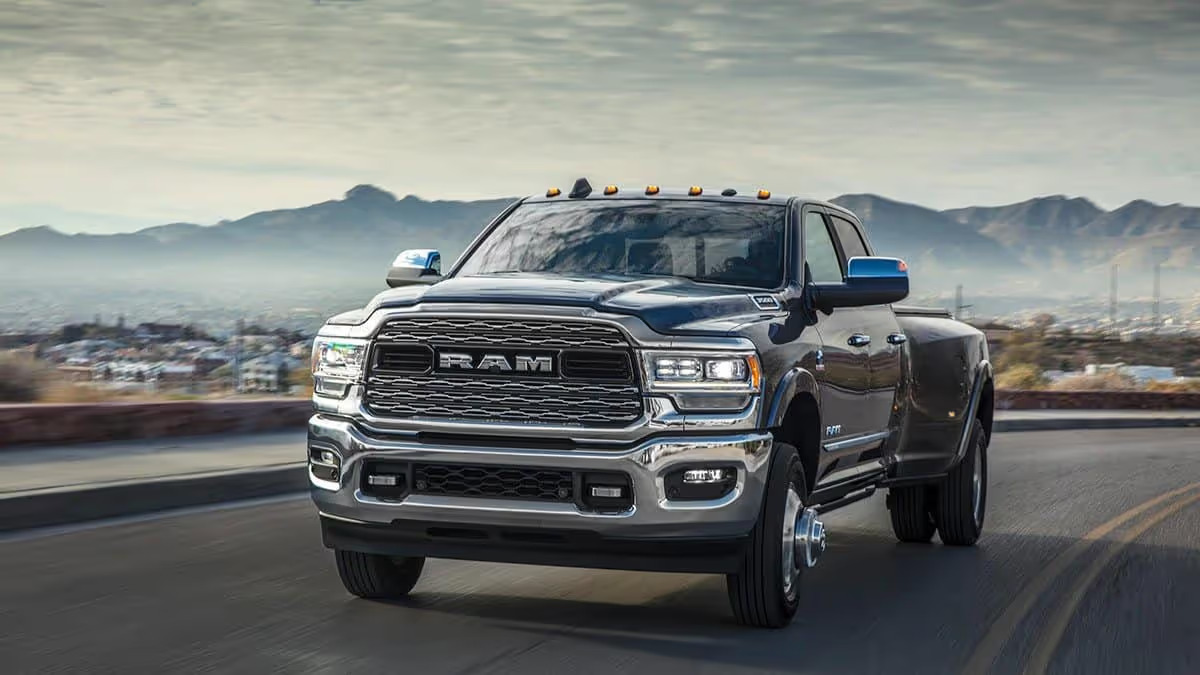
The Chevrolet Silverado 3500 HD equipped with the 6.6L Duramax turbo-diesel V8 is a powerful heavy-duty truck designed for demanding towing, hauling, and commercial applications. It produces 470 horsepower and 975 lb-ft of torque, giving it strong pulling capability for extremely heavy loads.
When properly equipped with a gooseneck or fifth-wheel setup, it can achieve a maximum towing capacity of up to 36,000 lbs, placing it among the top-performing trucks in its class.
A major strength of the Silverado 3500 HD is its Allison 10-speed automatic transmission. This transmission is specifically engineered for high-torque diesel applications and helps maintain smooth power delivery during acceleration, hill climbs, and sustained towing.
It also improves engine braking and keeps the Duramax engine operating efficiently within its optimal power range, which enhances control and drivability under load.
The truck is built with durability in mind. The Duramax engine uses a robust cast-iron block and heavy-duty internal components, making it highly reliable for long-term use in harsh conditions.
Its cooling system is designed to handle extreme workloads and prevent overheating during long summer hauls or continuous towing tasks. In dual rear wheel configurations, the truck offers added stability, improved weight distribution, and better control when towing large trailers.
Chevrolet also equips the Silverado 3500 HD with advanced trailering technology to simplify operation. It offers up to 14 available camera views, including a transparent trailer view that helps drivers see behind the trailer while reversing. Additional features such as an integrated trailer app, trailer tire pressure monitoring, and specialized cruise control systems improve safety and convenience during towing.
One of the standout exterior features is the Multi-Flex Tailgate, which provides six different configurations to assist with loading, unloading, and accessing the cargo bed. This enhances practicality for both work and everyday use.
Inside the cabin, newer models feature a significantly upgraded interior with improved materials and design. Higher trims include a 13.4-inch infotainment touchscreen with Google built-in, Apple CarPlay, Android Auto, a 12.3-inch digital instrument cluster, and an available head-up display. These upgrades make the truck more comfortable and modern compared to earlier generations.
While fuel economy is typical for a heavy-duty diesel truck, and the ride can feel firm when unloaded, the Silverado 3500 HD excels when under load. It delivers strong performance, high towing confidence, and long-term durability. It remains a strong competitor against other one-ton trucks, offering a balance of capability, technology, and refinement for demanding users.
4. GMC Sierra 2500 HD (6.6L Duramax) Premium Heavy-Duty Towing and Comfort
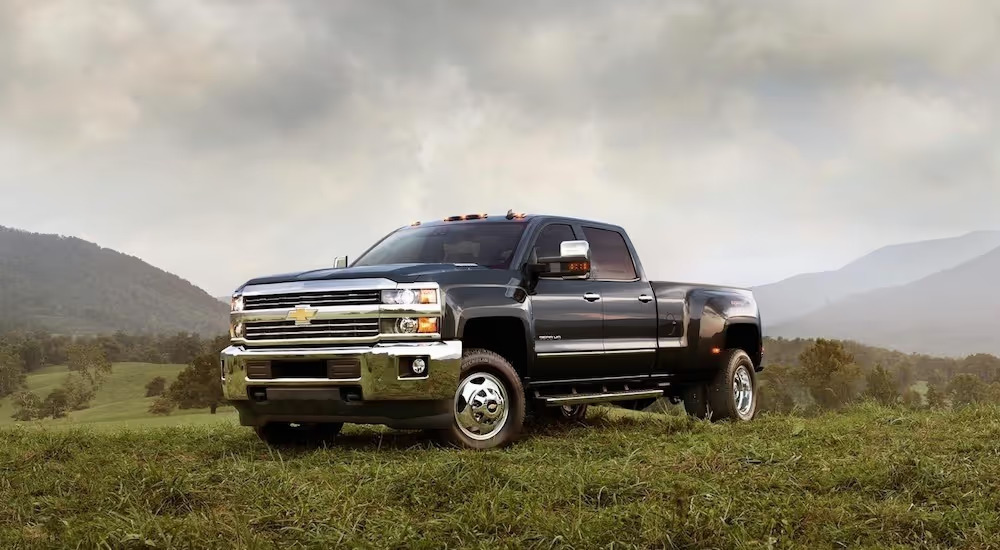
The GMC Sierra 2500 HD, powered by the 6.6L Duramax turbo-diesel V8, is a heavy-duty truck designed to combine strong towing performance with a more refined and comfortable driving experience.
It produces 470 horsepower and 975 lb-ft of torque, giving it the strength to tow up to approximately 22,500 lbs when properly equipped. This makes it ideal for hauling horse trailers, large RVs, and medium commercial loads while still maintaining daily drivability.
A key component of its capability is the Allison 10-speed automatic transmission. This transmission is engineered for heavy-duty diesel performance and ensures smooth, intelligent gear changes. It keeps the engine operating in its optimal power range, improving control and efficiency when towing or climbing steep grades. The result is a stable and confident performance under load.
The Sierra 2500 HD is built on a strong, purpose-designed chassis that prioritizes stability and durability. It delivers excellent towing confidence, especially in dual rear wheel configurations, while still being easier to handle in everyday driving compared to larger 3500 HD trucks. This balance of capability and usability is one of its major advantages.
GMC also emphasizes advanced trailering technology. The truck offers up to 15 available camera views, including a transparent trailer view that allows drivers to virtually see through their load. Additional systems, such as the ProGrade Trailering System, integrated trailer brake controller, and trailer tire pressure monitoring, improve safety and make towing more manageable and precise.
Inside, the Sierra 2500 HD stands out for its premium cabin, especially in higher trims like Denali and Denali Ultimate. These versions feature high-quality materials, advanced infotainment systems, wireless Apple CarPlay and Android Auto, and luxury options such as massaging seats. The interior is quieter and more refined than many competitors in the heavy-duty segment.
While the truck delivers strong acceleration and impressive towing capability, it does have some drawbacks. Steering feedback is often described as vague, and braking performance can feel soft under heavy loads. Fuel economy is reasonable for its class, with real-world highway efficiency around 20 mpg in some conditions.
Despite these limitations, the GMC Sierra 2500 HD remains a popular choice for buyers who want serious towing strength combined with comfort, technology, and upscale interior design, especially in Denali-trim configurations.
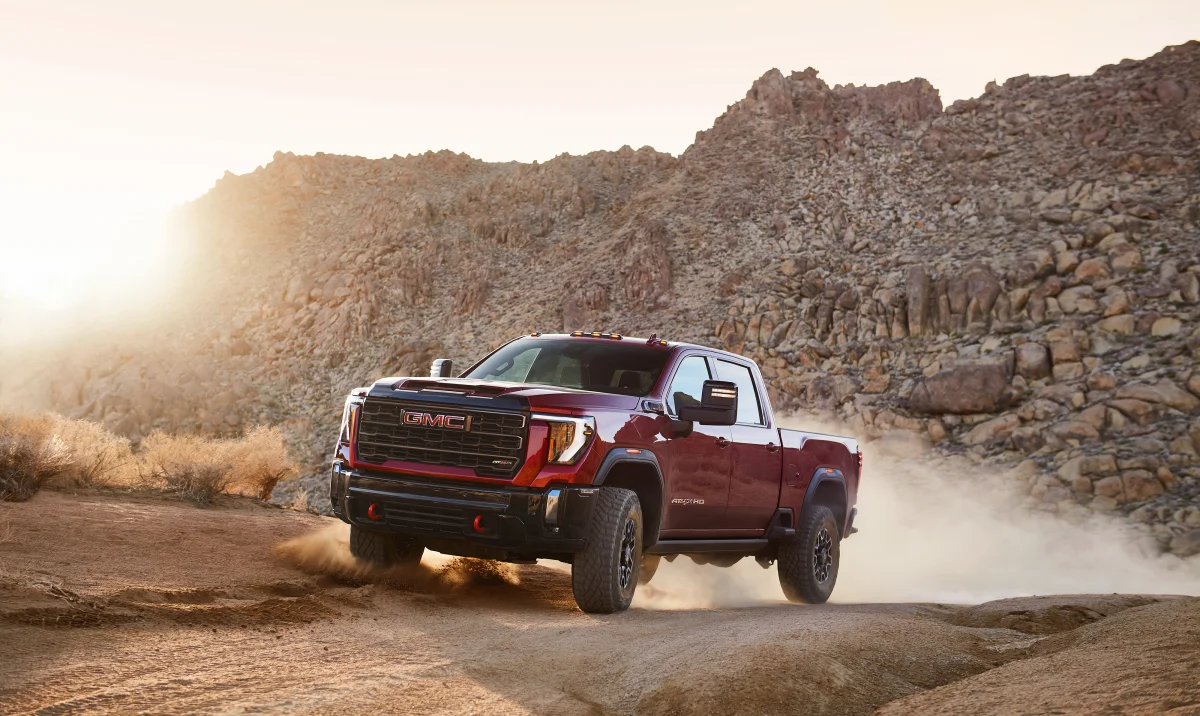
5. Nissan Titan XD (5.0L Cummins) Unique “Tweener” Diesel Towing Truck
The Nissan Titan XD equipped with the 5.0L Cummins V8 diesel was designed as a middle ground between half-ton and heavy-duty trucks, offering stronger towing capability than light-duty pickups while avoiding the harsh ride of full 3/4-ton models. Although now discontinued, it remains notable for its distinctive positioning and Cummins diesel powertrain.
The 5.0L Cummins engine produces 310 horsepower and 555 lb-ft of torque, paired with a heavy-duty Aisin six-speed automatic transmission. This combination delivers strong low-end pulling power and smooth towing performance. The truck was rated to tow approximately 11,000 to 12,710 lbs, depending on configuration, making it suitable for mid-sized campers, boats, and trailers that would strain typical half-ton pickups.
A major advantage of the Titan XD is its reinforced “heavy half-ton” architecture. It uses a fully boxed ladder frame, extended wheelbase, and higher curb weight compared to standard half-ton trucks. This design improves towing stability and reduces trailer sway, giving it handling characteristics closer to a light-duty 3/4-ton truck while maintaining more everyday comfort.
The Titan XD also includes integrated towing features that enhance usability. A factory-installed gooseneck hitch is built into the frame, simplifying heavy trailer setups. Additional technologies, such as the Around View Monitor with trailer guidance and a remote trailer light check system, improve safety and convenience during towing operations.
Inside, the Titan XD is known for comfort and refinement. Higher trims offer premium materials, supportive “zero-gravity” seating, and a quiet cabin, making it more comfortable for long-distance driving compared to many traditional heavy-duty trucks. The ride quality is often described as smooth and less rigid than competitors in the 2500 segment.
However, the truck also has notable drawbacks. The 5.0L Cummins engine has been associated with emissions system issues, turbocharger problems, and high repair costs in some cases. Fuel economy is modest, averaging around 15 to 17 mpg in real-world conditions, and it does not significantly outperform gasoline alternatives. Parts availability and specialized servicing requirements can also lead to longer maintenance times.
The Titan XD’s “tweener” concept makes it ideal for buyers who want more towing confidence than a half-ton truck without stepping into a full heavy-duty platform. However, its limited towing capacity and reliability concerns have made it less competitive against traditional 2500 and 3500 series trucks from other manufacturers.
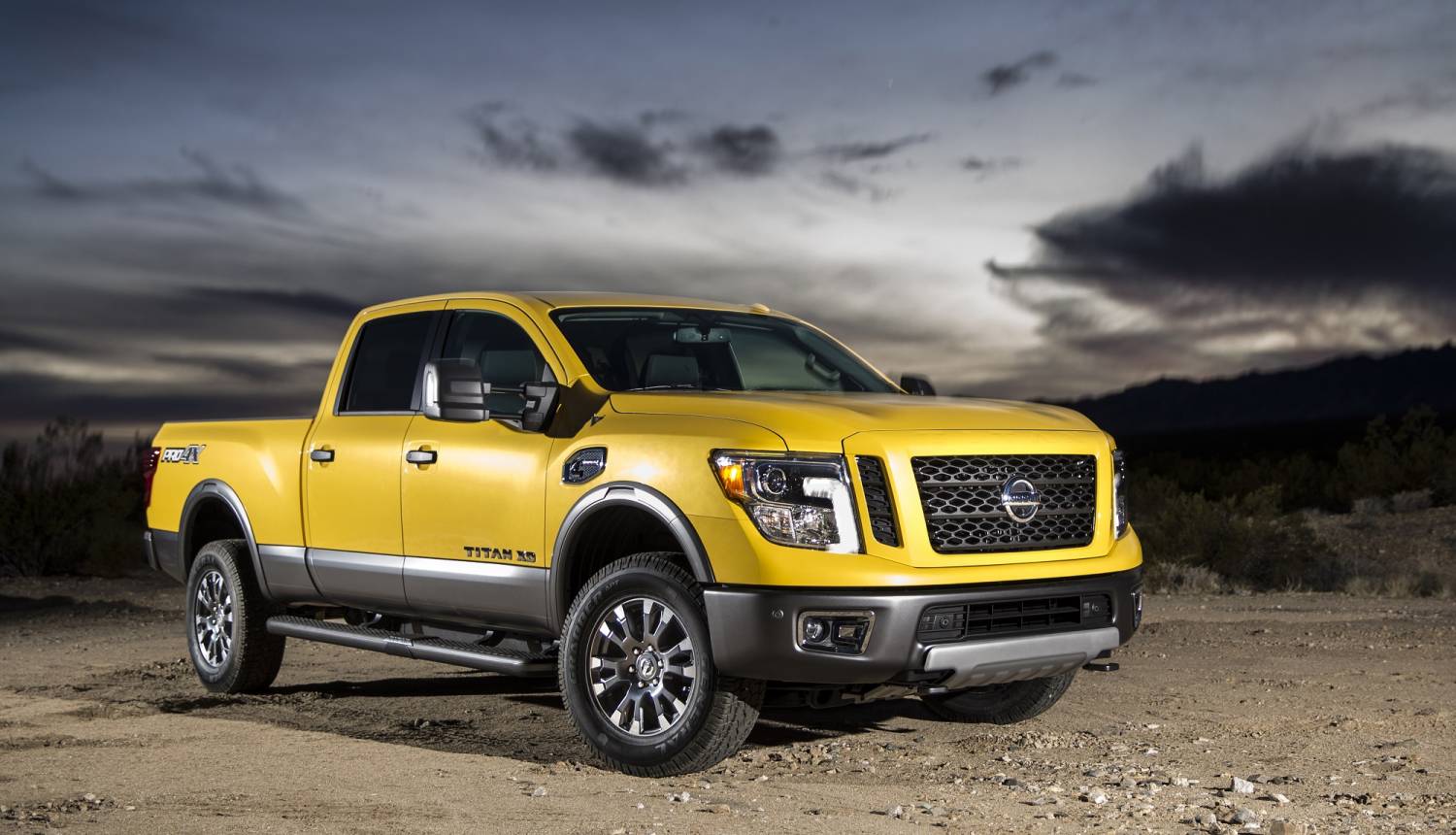
6. Chevrolet Silverado 1500 (3.0L Duramax) Efficient Light-Duty Diesel Towing Option
The Chevrolet Silverado 1500 with the 3.0L Duramax inline-six diesel engine is a light-duty pickup designed to balance everyday comfort with strong towing capability and excellent fuel efficiency. It stands out in the half-ton segment by offering diesel torque and long-distance efficiency without requiring a heavy-duty truck platform.
This engine produces 305 horsepower and 495 lb-ft of torque, delivering smooth, steady low-end pulling power. It allows the Silverado 1500 to tow up to 13,300 lbs when properly equipped, making it suitable for mid-sized travel trailers, boats, and utility trailers. The inline-six layout contributes to smooth operation, reduced vibration, and quieter performance compared to many traditional V8 engines.
Fuel efficiency is one of its biggest strengths. The 3.0L Duramax can achieve up to 28 to 30 mpg on the highway, placing it among the most fuel-efficient full-size trucks available. Even when towing, it maintains strong efficiency compared to gasoline-powered alternatives, making it ideal for long-distance travel and frequent towing with lower fuel costs.
A 10-speed automatic transmission works alongside the engine to keep it in its optimal power range. This improves both towing control and daily drivability, especially on highways, steep grades, and during sustained hauling. The driving experience is often described as smooth, quiet, and refined, with diesel characteristics that feel closer to a gasoline engine than traditional heavy diesel trucks.
Chevrolet equips the Silverado 1500 with advanced trailering technology to simplify towing tasks. Available features include up to 14 camera views, hitch guidance systems, trailer tire pressure monitoring, and a dedicated trailering app. These tools help with alignment, visibility, and monitoring, making towing safer and more manageable for less experienced drivers.
The Duramax inline-six is also designed with durability in mind. Its simpler mechanical layout with fewer moving parts supports long-term reliability and high-mileage use. Regular maintenance is required, including Diesel Exhaust Fluid refills, but the engine is widely regarded as dependable for consistent towing performance.
The Silverado 1500 is offered in multiple trims, ranging from work-oriented models to more premium and off-road-focused variants. This flexibility allows it to serve both as a daily commuter and a capable weekend towing vehicle. It is widely regarded as one of the strongest diesel choices in the half-ton category, especially for drivers who want efficiency, comfort, and dependable mid-level towing strength.
Also read: 10 Cars With Resale Values So High That Buying Used Is a Financial Mistake
6 Small Diesels with Maintenance Issues
1. BMW 335d (3.0L N57) Performance Diesel with High Maintenance Demands
The BMW 335d, powered by the 3.0L N57 diesel engine, is known for its strong performance and refinement, but it also carries significant long-term maintenance challenges, especially in the United States. While the engine itself is robust and widely respected in European markets, its complex emissions systems and advanced engineering make it more failure-prone under typical US driving conditions.
One of the most common issues is severe carbon buildup in the intake system. The exhaust gas recirculation (EGR) system sends soot-laden gases back into the intake to reduce emissions, which leads to oily carbon deposits accumulating on intake valves. This buildup restricts airflow, reduces power, and often triggers warning lights. Cleaning typically requires a labor-intensive process called walnut blasting.
The emissions system, including the diesel particulate filter (DPF) and selective catalytic reduction (SCR), also creates reliability concerns. Frequent short trips prevent proper regeneration, causing clogging and performance issues. EGR coolers are also known for failures and recalls due to leaks.
Mechanical complexity adds further risk. The N57 uses a twin-turbo setup that can suffer from oil starvation, carbon contamination, and eventual turbocharger failure. The high-pressure fuel pump (CP4) is another weak point, with potential failure leading to costly fuel system contamination. In addition, premature timing chain wear is a well-documented issue, and replacement is extremely expensive due to its rear-mounted engine design.
High-mileage engines may also experience rod-bearing wear, often linked to oil degradation and extended service intervals. Many specialists recommend more frequent oil changes than factory schedules to reduce risk.
Driving conditions in the US worsen these problems. Short-distance city driving prevents proper diesel operating temperatures, accelerating DPF and EGR clogging. Limited access to specialized diesel mechanics also increases repair costs and downtime.
Despite these issues, some owners choose emissions system modifications to improve reliability, although these changes may not be legal for road use. With proactive maintenance such as carbon cleaning and component replacement, the 335d can remain functional, but it is widely regarded as a high-maintenance diesel ownership experience.
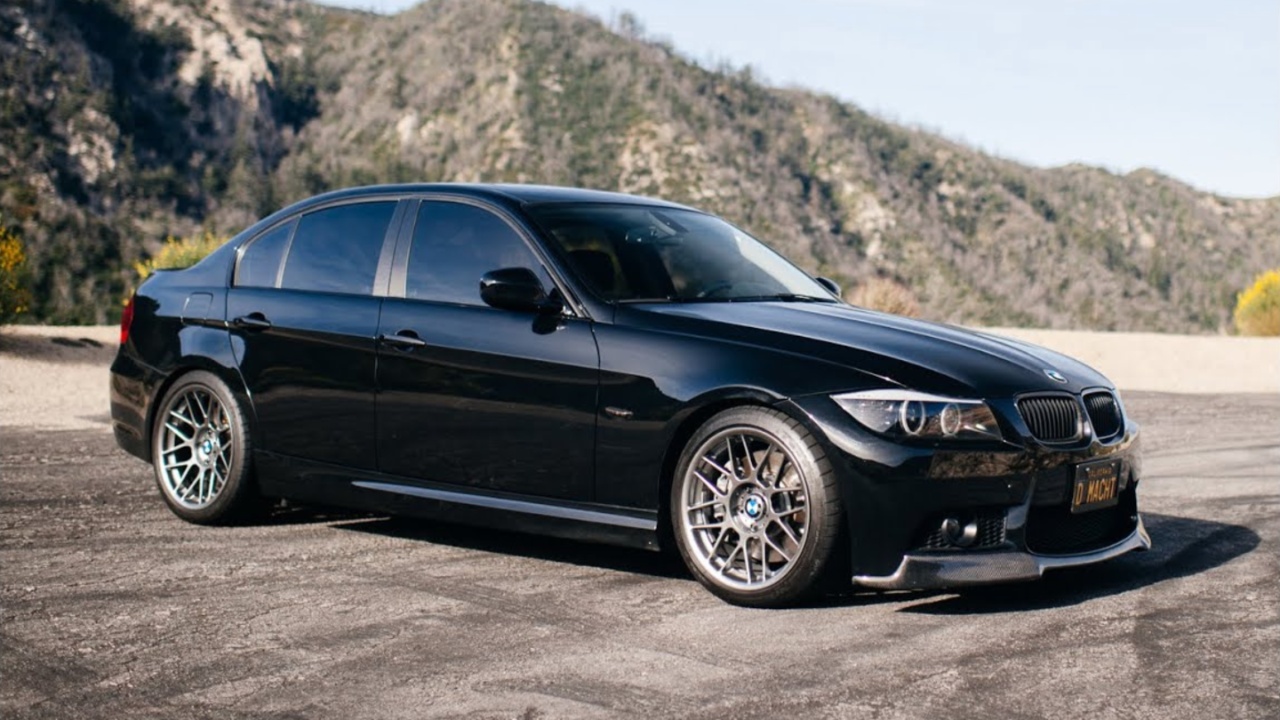
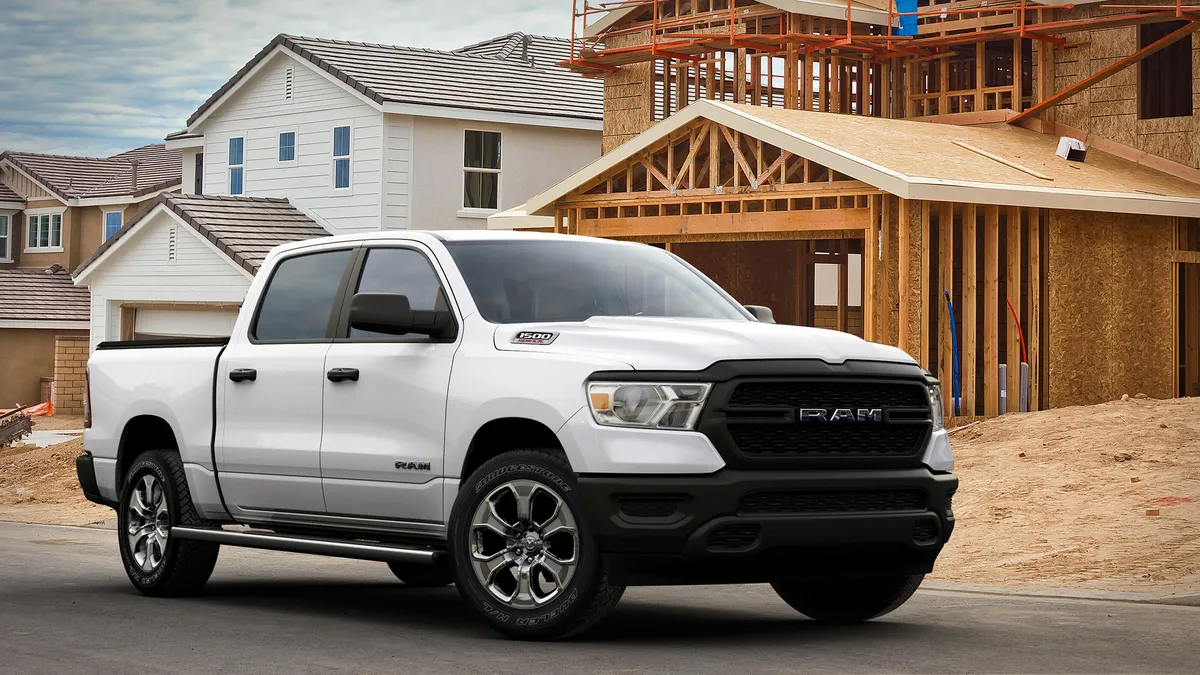
2. Ram 1500 EcoDiesel (3.0L V6): Reliability and Maintenance Concerns
The Ram 1500 EcoDiesel was one of the first modern diesel engines offered in a half-ton pickup, delivering strong fuel efficiency and solid low-end torque. Despite these advantages, early models developed a reputation for significant reliability and maintenance issues, particularly in the United States.
One of the most serious problems involves the high-pressure fuel pump (CP4), which can fail internally and spread metal debris throughout the fuel system. This type of failure often requires a complete fuel system replacement, resulting in extremely high repair costs. Another common issue is EGR cooler failure, which can cause coolant leaks, reduced performance, and, in rare cases, fire risks.
The truck’s emissions systems, including the diesel particulate filter (DPF) and selective catalytic reduction (SCR), are also problematic. These components tend to clog or fail, especially when the vehicle is used for short trips that prevent proper regeneration. Carbon buildup in the intake system further reduces efficiency and performance over time.
Additional concerns include oil cooler failures, timing chain wear, and oil starvation in high-mileage engines. Maintenance costs are higher than average due to specialized parts and limited repair expertise. While efficient, the EcoDiesel can be costly to own without strict upkeep.
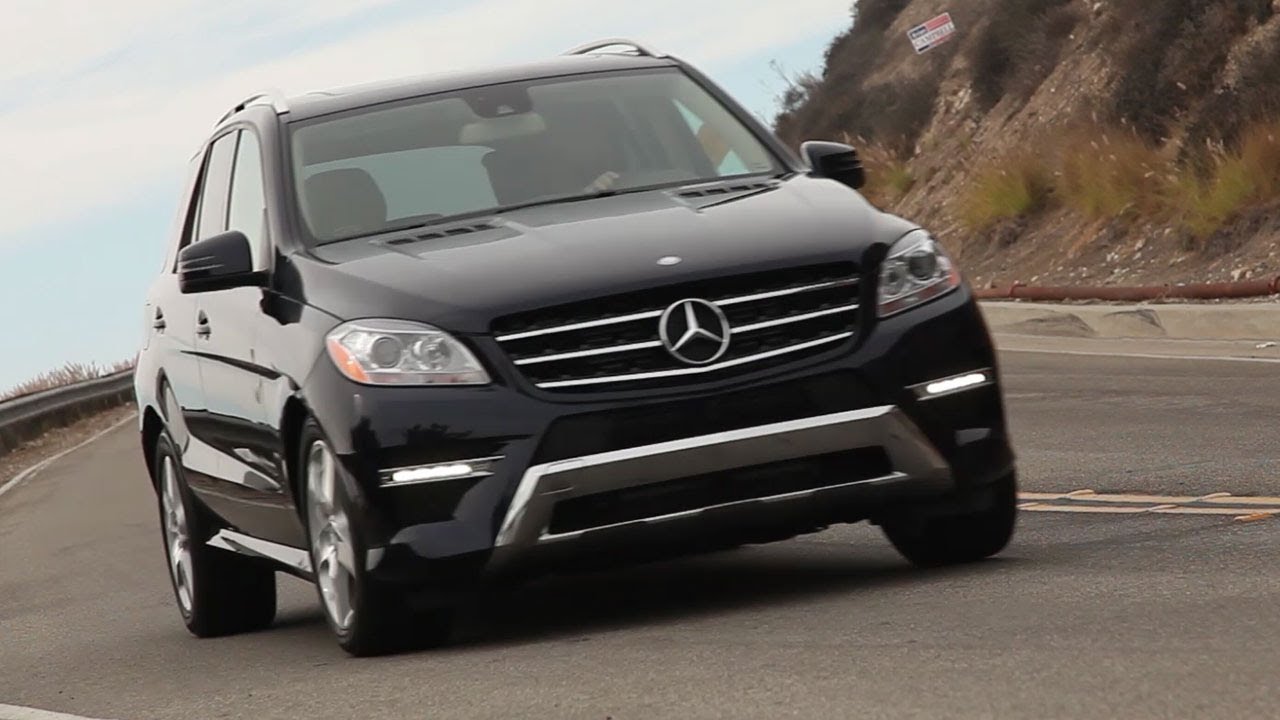
3. Mercedes-Benz ML350 BlueTEC (3.0L OM642): Costly Diesel Maintenance Challenges
The Mercedes-Benz ML350 BlueTEC equipped with the 3.0L OM642 V6 diesel engine is known for strong performance and durability, but it is also associated with high maintenance costs, particularly as mileage increases. While the engine itself is mechanically robust, many of its surrounding components and emissions systems are prone to failure, especially under demanding conditions in the United States.
One of the most well-known issues is oil cooler seal failure. The seals, which are inexpensive parts, are located deep within the engine’s V-shaped valley beneath the intake manifold. Over time, heat causes them to degrade and leak oil into the engine bay. Repairing this issue requires extensive labor, often involving 15 to 20 hours of work to access the affected area, making it an expensive fix despite the low cost of the parts.
Another major concern is the so-called “Black Death,” where fuel injector seals fail and allow combustion gases to escape. This results in a hardened carbon buildup around the injectors, which can be difficult and costly to remove if left unaddressed.
The BlueTEC emissions system also introduces several reliability challenges. Components such as the AdBlue tank, sensors, and heaters frequently fail, sometimes triggering a “no-start” countdown that prevents the vehicle from running until repairs are completed. The diesel particulate filter (DPF) and exhaust gas recirculation (EGR) system are also prone to clogging, especially with frequent short-distance driving.
Additional issues include intake manifold swirl flap failures and heat-related wear on components like turbo actuators and engine mounts. These problems are often intensified by the engine’s high operating temperatures.
Maintenance can be costly and complex, and access to specialized diesel technicians may be limited. While the ML350 BlueTEC offers efficiency and performance, its long-term ownership often requires significant financial commitment and proactive servicing.
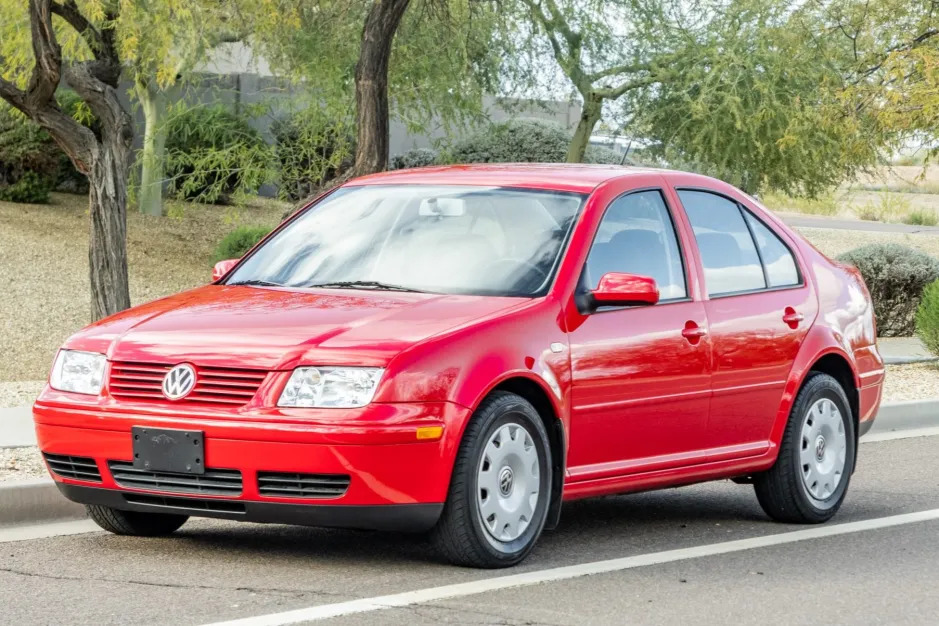
4. Volkswagen Jetta TDI (2.0L EA189) Common Diesel Reliability Issues
The Volkswagen Jetta TDI equipped with the 2.0L EA189 diesel engine is known for its fuel efficiency and practicality, but it also has several well-documented reliability concerns beyond its association with the emissions scandal. These issues largely stem from its complex diesel systems and sensitivity to driving conditions.
One of the most serious problems is intercooler icing. In cold and humid climates, moisture can accumulate and freeze inside the intercooler. When temperatures rise and the ice melts, water can be drawn into the engine, potentially causing hydrolock. This condition can severely damage internal components such as pistons and connecting rods, often leading to costly engine repairs or complete failure.
Another major weakness is the high-pressure fuel pump (HPFP). If the pump fails, it can send metal debris throughout the fuel system, contaminating injectors, fuel lines, and the fuel rail. This type of failure typically requires a full fuel system replacement, making it one of the most expensive repairs associated with the vehicle.
The diesel particulate filter (DPF) system is also a common source of trouble. It requires regular high-speed driving to initiate regeneration and burn off accumulated soot. Without consistent highway use, the DPF can clog, forcing the vehicle into reduced power or “limp mode.” Fixing this issue often requires professional cleaning or replacement of the filter.
Like many small diesel engines, the EA189 relies heavily on emissions systems that can become problematic over time. Short-distance driving, which prevents the engine from reaching optimal operating temperatures, tends to accelerate these issues.
Despite its efficiency and solid driving characteristics, the Jetta TDI requires careful maintenance and appropriate driving habits. Owners who primarily drive short distances or neglect routine upkeep may face significant repair costs over time.
5. Land Rover Range Rover Sport (3.0L TDV6) Engine Failure Risks
The Land Rover Range Rover Sport equipped with the 3.0L TDV6 diesel engine is known for strong torque and refinement, but it has a reputation for serious reliability concerns and high maintenance demands.
One of the most critical issues is crankshaft failure, where the crankshaft can snap or the bearings can spin, often leading to complete engine seizure. This type of failure is catastrophic and usually requires a full engine replacement, which can cost more than the vehicle’s value.
A major contributing factor is oil dilution. During diesel particulate filter (DPF) regeneration, excess fuel can leak into the engine oil, thinning it and reducing its ability to properly lubricate internal components. Combined with long factory-recommended oil change intervals, this leads to accelerated wear on bearings and other vital parts.
The engine also features a complex timing system, including a “wet belt” and secondary chains, both of which are prone to wear and failure if maintenance is delayed. In addition, components like the exhaust gas recirculation (EGR) system and DPF can clog, especially in vehicles used for short city trips.
Repairs are labor-intensive and expensive, often requiring specialized knowledge and tools. Preventative maintenance, such as frequent oil changes and early timing component replacement, is essential for longevity. Without strict upkeep, this engine can become a costly liability for owners.

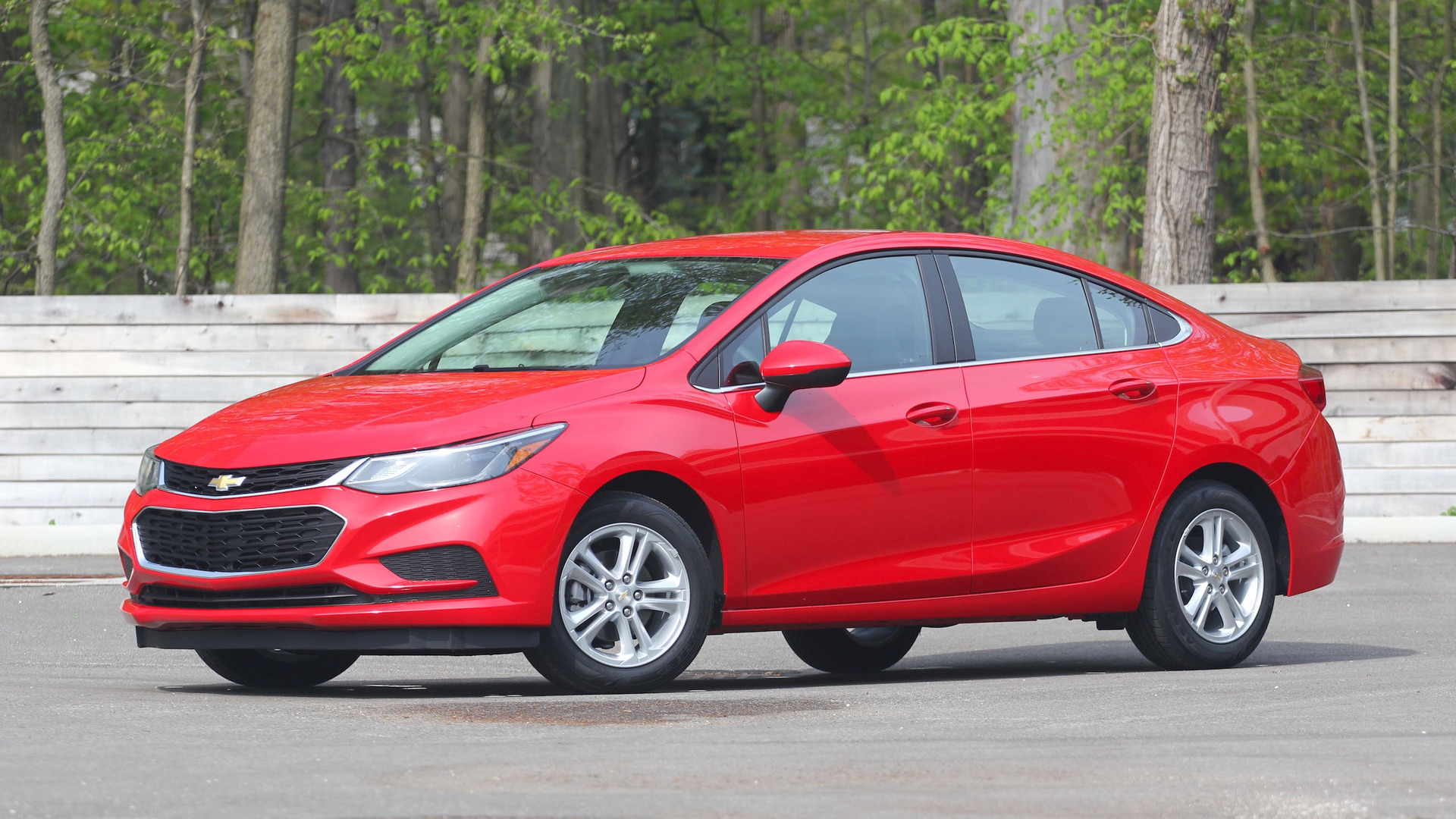
6. Chevrolet Cruze Diesel (2.0L LUZ) Emissions and Maintenance Concerns
The Chevrolet Cruze Diesel with the 2.0L LUZ engine offers impressive fuel efficiency, particularly on highways, but it is widely regarded as a high-maintenance vehicle due to its complex emissions systems and sensitive components. While the engine itself and its Aisin transmission are generally durable, most issues arise from supporting systems designed to meet strict emissions standards.
A common problem involves the emissions system, including the diesel particulate filter (DPF), diesel exhaust fluid (DEF) components, and various sensors. Failures in NOx or exhaust gas temperature sensors can trigger “Service Exhaust System” warnings and, in some cases, prevent the car from starting. The DPF is especially prone to clogging when the vehicle is driven mainly on short city trips, leading to reduced performance or limp mode.
The engine also has specific mechanical vulnerabilities. A known issue is the oil pickup O-ring seal, which can degrade and cause low oil pressure, potentially leading to severe engine or turbocharger damage. Additionally, the timing belt requires strict replacement intervals, making maintenance more demanding compared to chain-driven engines.
Cooling system components made of plastic can crack over time, causing leaks, while the high-pressure fuel system is sensitive to fuel quality. Another challenge is parts availability, as many components are sourced from Europe, leading to delays and higher costs.
Despite its efficiency, the Cruze Diesel can be difficult and expensive to maintain, especially outside warranty coverage.
The contrast between heavy-duty diesel trucks and smaller diesel vehicles reveals how purpose and design greatly influence ownership experience.
Trucks like the Chevrolet Silverado 3500 HD and GMC Sierra 2500 HD demonstrate the true strengths of diesel engines: high torque, durability, and the ability to handle extreme workloads with consistency. These vehicles are engineered for demanding tasks and tend to reward proper maintenance with long service lives and dependable performance.
In comparison, smaller diesel models such as the Chevrolet Cruze Diesel and Land Rover Range Rover Sport often face challenges tied to emissions complexity, driving habits, and costly repairs. While they can deliver impressive fuel economy, their long-term reliability can be less predictable, especially without strict maintenance routines.
Choosing between these two categories depends on intended use. For towing and heavy-duty work, diesel trucks remain unmatched. For daily driving, the potential maintenance burden of smaller diesels is an important factor to carefully consider.
Also read: 12 Cars With Bulletproof Drivetrains You Can Buy for Peanuts
