
Car theft in the Bay Area is not a background statistic that happens to other people. It is a daily reality that affects residents of Oakland, San Francisco, San Jose, and the surrounding communities at rates that consistently place Northern California among the most challenging vehicle theft environments in the United States.
Oakland specifically has earned attention from law enforcement, insurance actuaries, and vehicle security researchers as one of the most active vehicle theft markets in the country, with organized theft rings targeting specific vehicles with a precision that reflects sophisticated knowledge of which cars are easiest to steal and which have the most established resale or chop shop value.
If you live or work in the Bay Area and own a vehicle, understanding which models attract thieves and which models deter them is not paranoid preparation. It is smart ownership. Insurance premiums, parking decisions, and even neighborhood choices are influenced by vehicle theft rates in ways that make this information practically valuable for everyday life decisions.
What makes Bay Area vehicle theft distinctive is its organized character. Thieves in this region are often not opportunistic amateurs looking for unlocked cars.
They are coordinated operators with relay attack devices for keyless entry systems, catalytic converter harvesting equipment, and transportation networks moving stolen vehicles out of California within hours of theft. Against this level of sophistication, the difference between a target vehicle and a non-target vehicle matters enormously for your personal risk exposure.
This page is split into two clear sections. First, we’ll examine four vehicles that have demonstrated meaningful theft resistance in Oakland and the broader Bay Area, specifically looking at why each one gives thieves more resistance than they typically want to deal with.
In the next section, we will examine four vehicles that are consistently among the most stolen in the region, explaining what makes each one attractive to Bay Area theft operations. Read both sections. Understanding the full picture helps you make better decisions about your next vehicle purchase.
4 Theft-Deterrent Models in Oakland
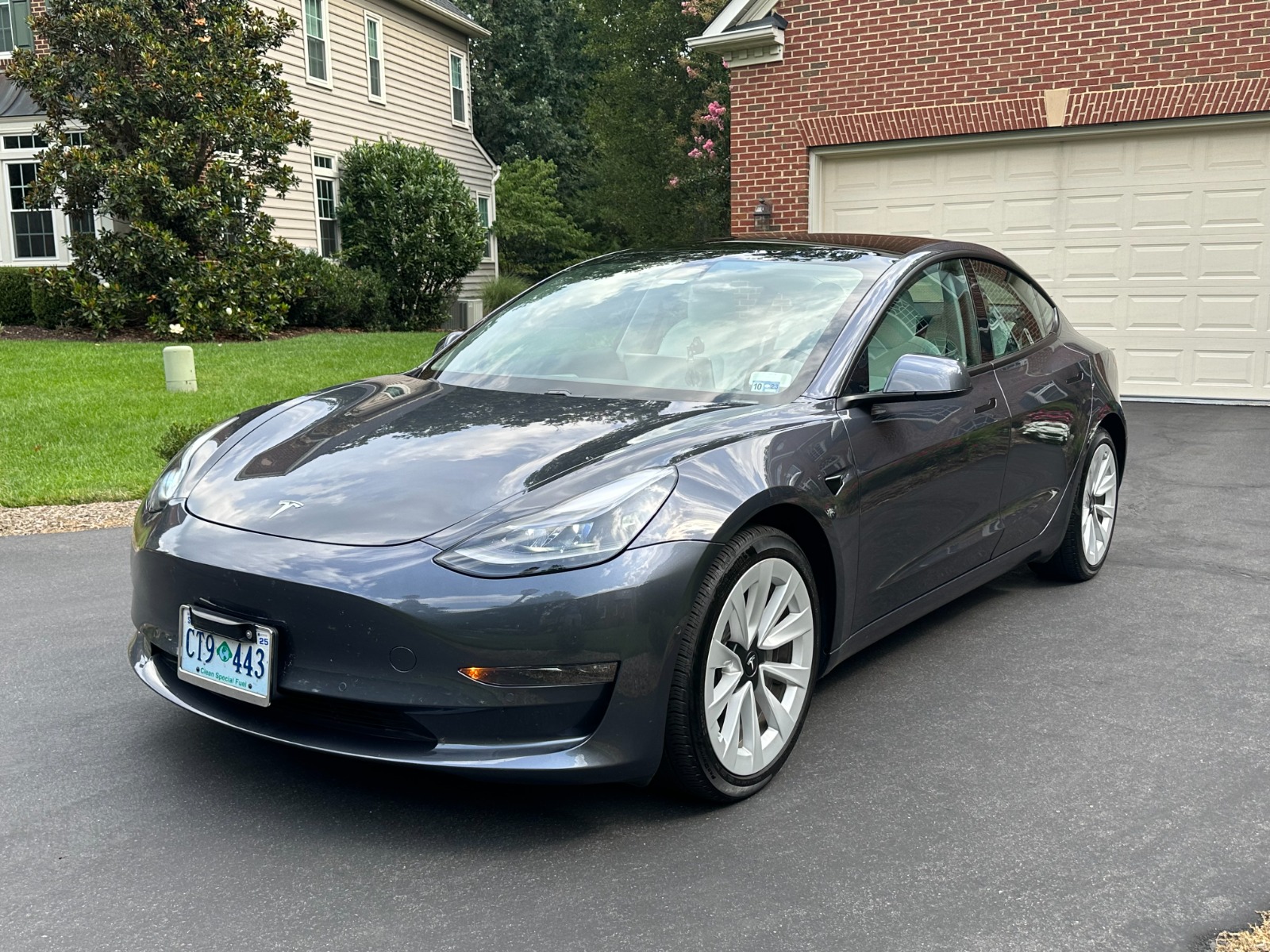
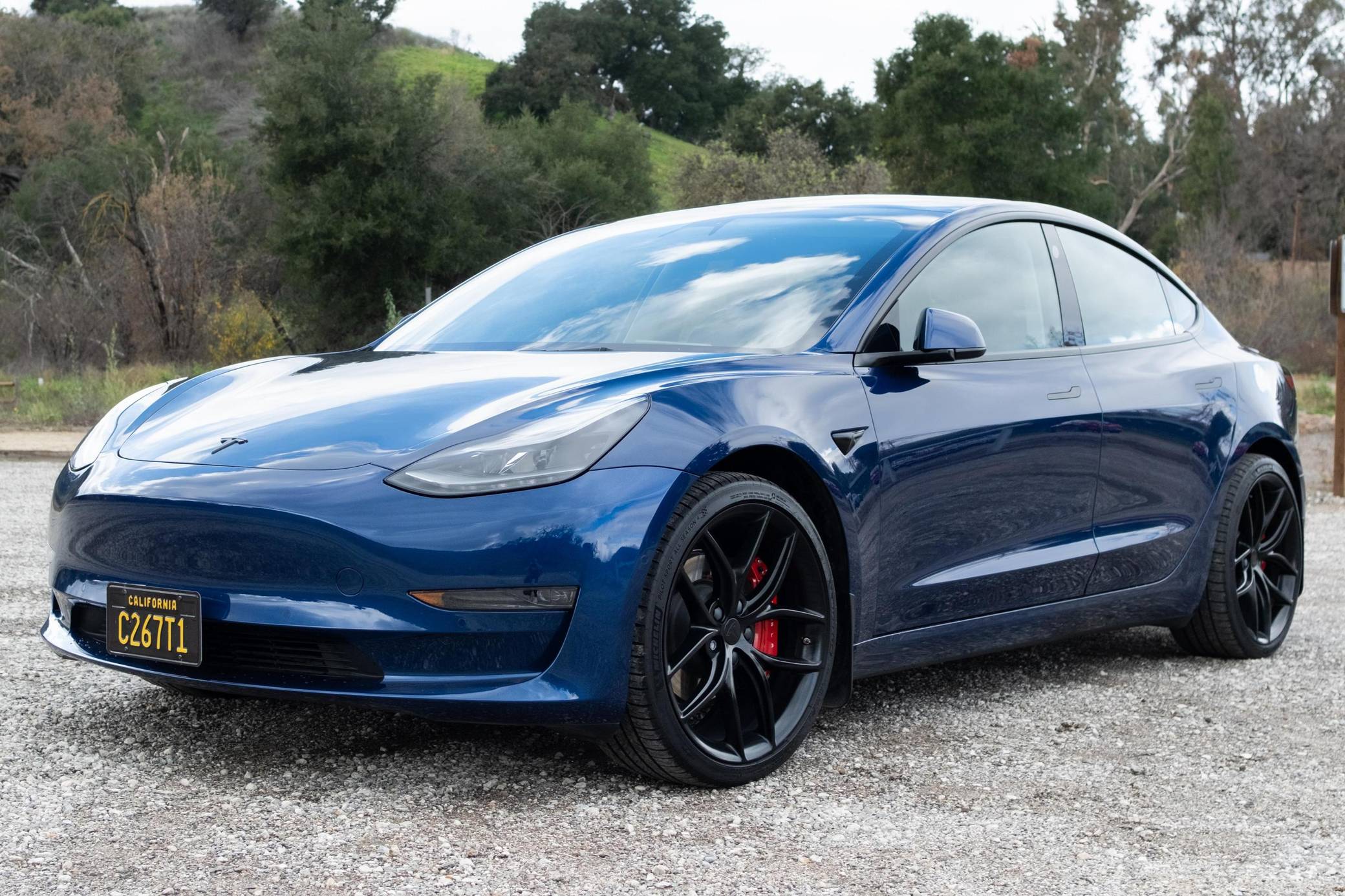
1. Tesla Model 3 Long Range AWD (2021)
Tesla’s approach to vehicle security reflects the company’s broader engineering philosophy of building systems from first principles rather than adapting existing solutions. For Bay Area residents concerned about vehicle theft, this approach has produced a vehicle whose security architecture makes it genuinely resistant to the theft techniques that Oakland’s most active theft operations rely upon.
Pin to Drive is the feature that creates the most immediate resistance to conventional vehicle theft attempts. Requiring a four-digit PIN entry on the center touchscreen before the vehicle will move, Pin to Drive means that even a thief who has obtained the key fob through relay attack, signal amplification, or digital copying cannot drive the vehicle without the PIN.
Relay attacks, which capture and amplify the signal from a key fob inside a house to unlock and start vehicles parked nearby, have been the dominant theft method for late-model vehicles with passive entry systems across the Bay Area for several years. Tesla’s Pin to Drive defeats this attack vector completely for any owner who has activated the feature.
Sentry Mode uses the vehicle’s eight external cameras to continuously record when the car is parked and the system detects potential threats. Significant motion near the vehicle, contact with the vehicle, or detection of another vehicle approaching closely triggers recording of surrounding activity that is stored to the vehicle’s internal memory or a USB drive.
This recorded footage has been used to identify and prosecute vehicle thieves in multiple documented Bay Area cases, and awareness of Sentry Mode’s camera coverage has become known within theft communities, functioning as a deterrent even when thieves do not attempt to access the vehicle.
GPS tracking is factory-standard on all Tesla vehicles and provides law enforcement with real-time location data when a theft is reported. Bay Area police departments with experience recovering stolen vehicles have utilized Tesla’s location reporting to recover stolen Model 3s within hours of theft reports in multiple documented incidents.
This recovery capability, combined with the difficulty of defeating Tesla’s remote disable feature that can prevent the vehicle from moving after theft is reported, reduces the practical value of a stolen Tesla to theft operations that need to move vehicles quickly.
Over-the-air security updates mean that Tesla can address emerging theft vulnerabilities without requiring the vehicle to visit a service center, which is a security advantage that no conventional manufacturer can match with traditional software update mechanisms.
Owners of the 2021 Tesla Model 3 Long Range AWD in Oakland who activate all available security features report high confidence in their vehicle’s theft resistance, which insurance premium comparisons with other vehicle categories tend to validate.
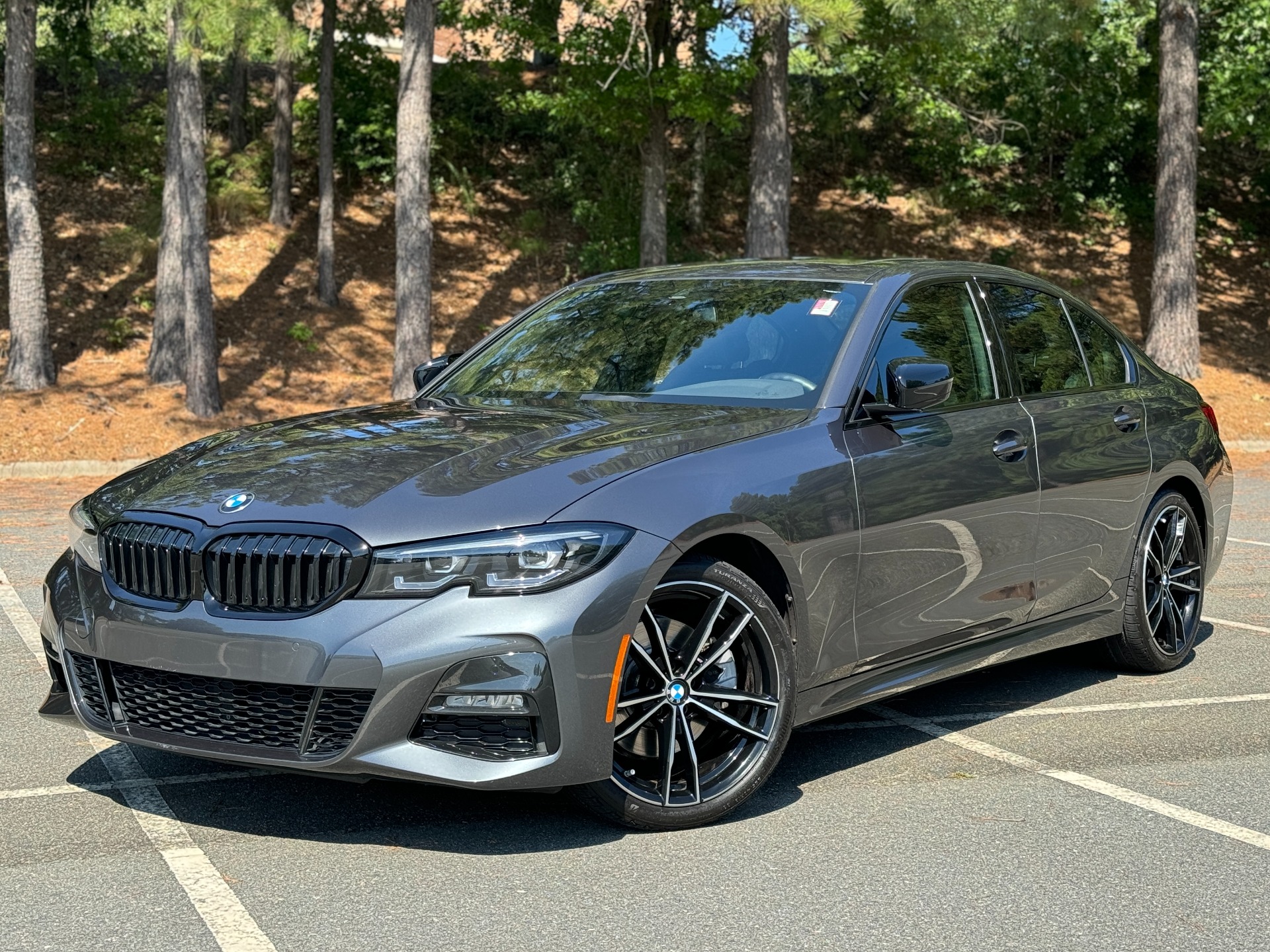
2. BMW 3 Series 330i xDrive (2022)
BMW’s approach to vehicle security has evolved rapidly in response to the relay attack vulnerability that affected earlier keyless entry systems, and current-generation BMW vehicles, including the 2022 3 Series 330i xDrive, deploy a combination of hardware and software countermeasures that make successful theft substantially more difficult than earlier BMW generations that appeared with some regularity in Bay Area theft statistics.
Ultra-wideband key fob technology on current BMW 3 Series models addresses the relay attack vulnerability that made earlier keyless entry systems straightforward targets for Bay Area theft operations.
Ultra-wideband communication between the key fob and the vehicle measures the precise time of signal travel rather than simply detecting signal presence, which makes it functionally impossible to fool the system by amplifying a key fob signal from inside a residence.
If the key is not physically close to the vehicle, the system recognizes the distance accurately and refuses to unlock or start. This single hardware improvement eliminates the dominant theft technique that has victimized thousands of Bay Area vehicle owners with conventional keyless entry systems.
BMW’s Vehicle Tracking system, factory-installed on 3 Series models, provides GPS location data to both the owner through the My BMW app and to BMW’s own stolen vehicle assistance center, which coordinates with law enforcement recovery efforts.
Recovery rates for BMW vehicles in the Bay Area where tracking is active are substantially higher than for vehicles without factory tracking, which reduces the practical value of theft attempts on these models when thieves are aware that the stolen vehicle’s location is actively monitored and reported.
Alarm system sensitivity calibration on the current BMW 3 Series includes interior monitoring that detects intrusion attempts, tilt sensors that detect vehicle lift or transport on a flatbed without proper deactivation, and glass break sensors that respond to window entry attempts.
Triggering the alarm in an Oakland parking environment where neighbors and passersby react to vehicle alarms creates risk for theft operations that prefer quiet, unnoticed access. Owners of the 2022 BMW 3 Series 330i xDrive also benefit from BMW’s Transparent Window feature, which maintains a log of recent vehicle events, including access attempts, which provides useful forensic information if a theft attempt is made and not immediately successful.
Also Read: 5 Cars That Stand Out at Vegas Valet vs. 5 That Look Past Their Prime
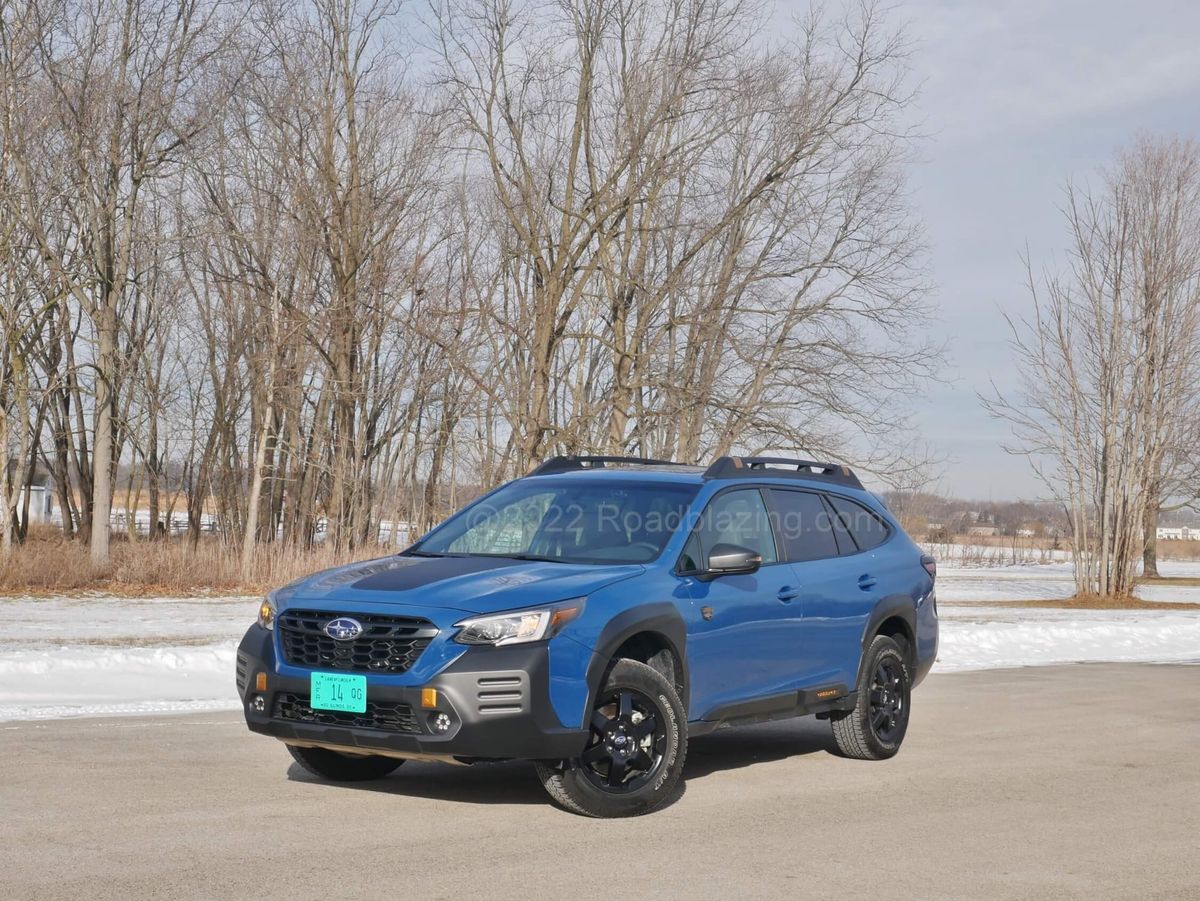
3. Subaru Outback Wilderness 2.4T AWD (2022)
Attention is often directed toward advanced electronic systems when assessing vehicle security, yet the 2022 Subaru Outback Wilderness 2.4T AWD demonstrates that a simpler approach can provide strong protection against modern theft methods. This model retains a conventional physical ignition key, a feature that places it outside the range of many electronic-based theft techniques currently in use.
Push-button start systems rely on passive keyless entry, where the vehicle detects the presence of a key fob without requiring direct contact. This arrangement creates a vulnerability that allows signal amplification devices to trick the vehicle into recognising a key that is not physically present.
By extending the signal from inside a home, thieves can unlock and start such vehicles without needing access to the actual key. The Outback Wilderness avoids this weakness by requiring physical insertion of a key into the ignition before the engine can be started.
A thief approaching this vehicle must consider alternative methods that require more effort and time. Access to the original key would be necessary for a straightforward operation. Attempts to bypass the ignition system through manual intervention involve mechanical skill and increased exposure, which raises the likelihood of detection. Such conditions reduce the attractiveness of the vehicle to individuals seeking quick and discreet theft opportunities.
Design elements also contribute to its resistance. The structure beneath the vehicle and around the engine compartment presents additional challenges for those attempting to access valuable components. This reduces the likelihood of parts theft, which often targets vehicles with easily reachable underbody elements. The added difficulty serves as a deterrent, particularly where quick removal is a priority.
Insurance assessments in areas with higher theft rates reflect these characteristics. Vehicles that present fewer vulnerabilities to common theft techniques often receive more favourable evaluations. Owners benefit from this recognition through reduced risk exposure and increased confidence in daily use.
Selecting a vehicle with such features provides a practical advantage. Security is achieved not through added complication but through a design that avoids common weaknesses. This approach ensures that protection remains consistent, even as theft methods continue to advance.
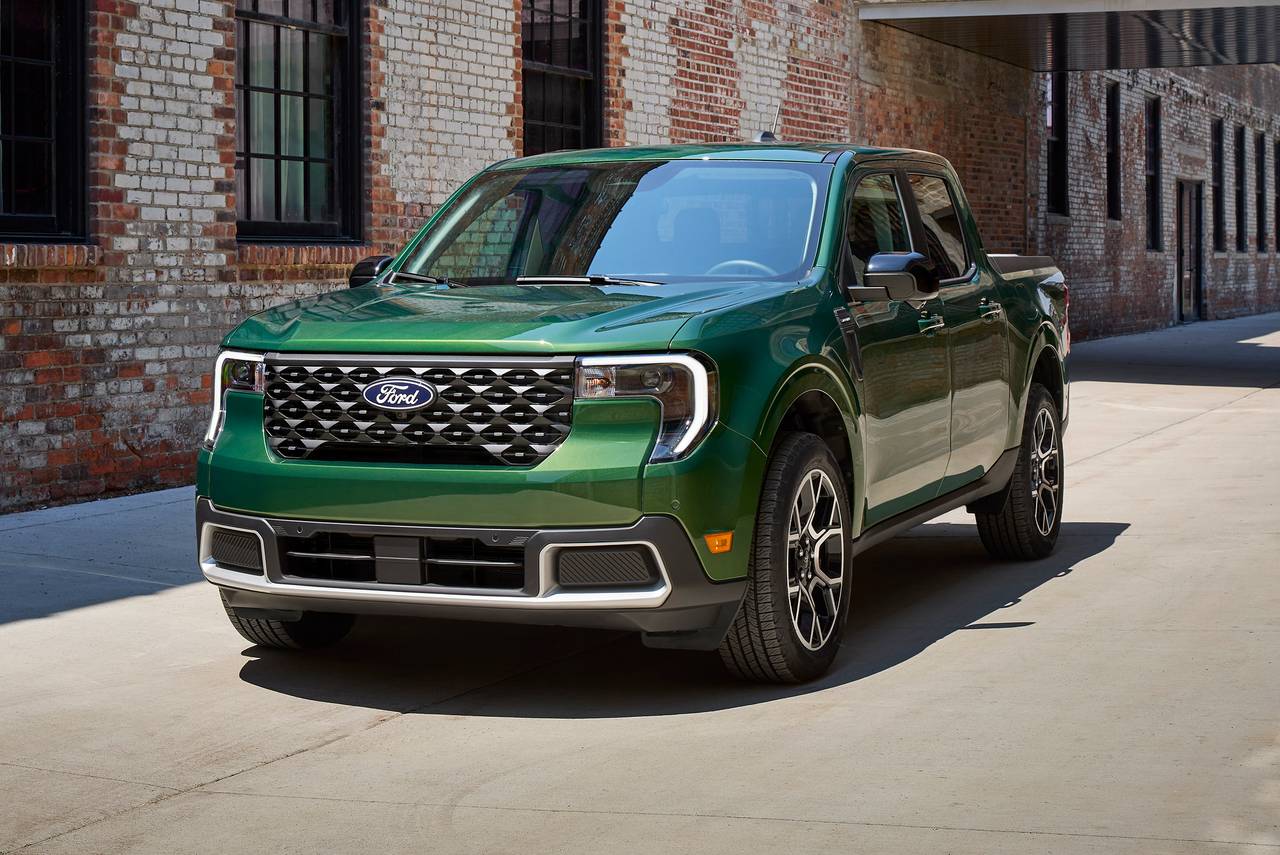
4. Ford Maverick Hybrid XLT FWD (2022)
Vehicle theft operations frequently focus on models that offer easy resale opportunities for both complete units and individual components. The 2022 Ford Maverick Hybrid XLT FWD presents a different case, as its design and mechanical configuration reduce its desirability within such operations. This characteristic contributes to its effectiveness as a theft deterrent.
At the centre of this distinction is its hybrid powertrain. The 2.5-liter Atkinson-cycle engine, combined with electric components, forms a system that is not widely shared across multiple vehicle lines.
Parts associated with this configuration are less familiar to informal resale networks, which rely on quick identification and consistent demand. A vehicle that does not align with these expectations becomes less attractive for dismantling and resale purposes.
Economic considerations influence theft patterns. Operations that depend on rapid turnover prefer vehicles with components that can be sold easily and without delay.
A platform that requires specialised knowledge or serves a smaller market does not fit this model. As a result, the Maverick Hybrid is less likely to be targeted when compared with vehicles that have a well-established demand for parts.
Security features also play a supporting role. Certain versions of this model retain a traditional key-based ignition system, reducing exposure to electronic signal-based intrusion methods. In addition, factory-installed alarm systems and remote monitoring capabilities provide owners with awareness of vehicle status, enhancing protection through timely alerts.
Physical characteristics further support its position. Compact dimensions make it less prominent when compared with larger trucks that often attract attention. At the same time, the hybrid system introduces additional mechanical complications, which may discourage individuals who prefer simpler systems with predictable bypass methods.
Early usage patterns indicate that this model experiences lower theft activity when compared with more commonly targeted trucks. Owners benefit from a combination of reduced demand within illegal markets and practical security features that discourage opportunistic actions.
Choosing such a vehicle provides reassurance that extends beyond standard protective measures. It occupies a position that does not align with common theft priorities, offering a level of security that arises from both design and market dynamics.
4 Most Stolen Vehicles in the Bay Area
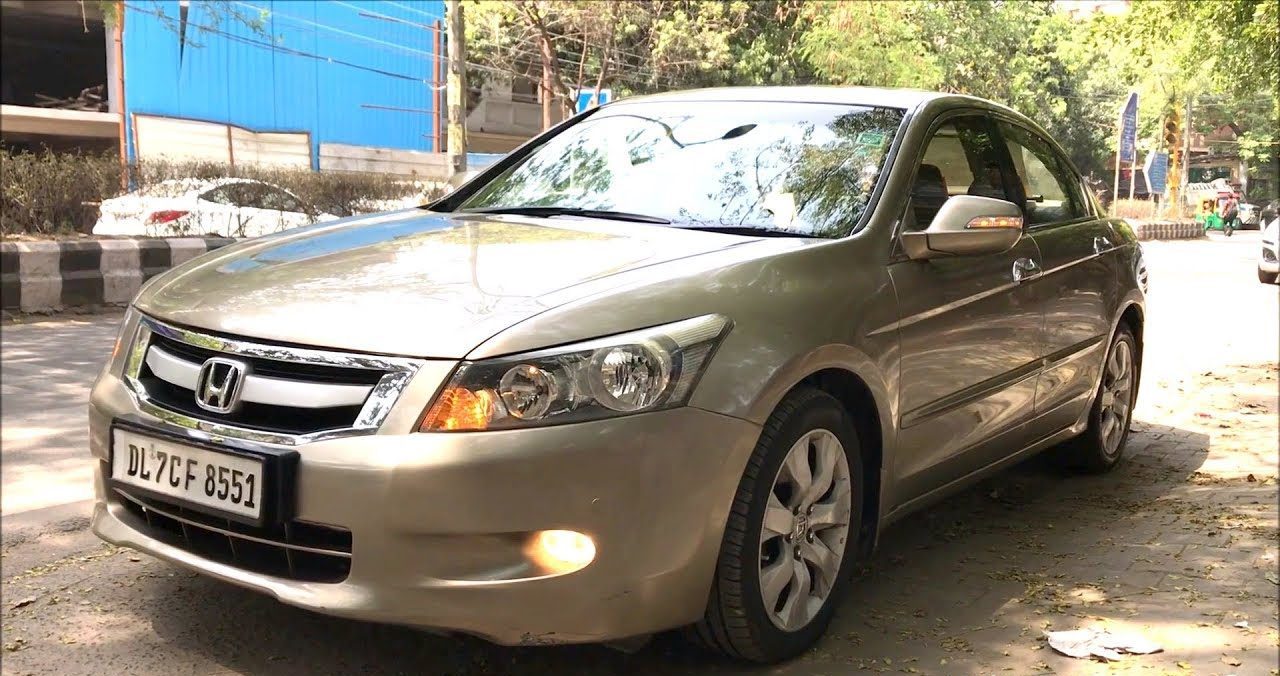
1. Honda Accord (2000-2010 Generation, Multiple Trims)
Honda Accord models from the 2000 through 2010 production window represent a theft target category that Bay Area law enforcement and insurance analysts discuss with consistency that reflects genuine data rather than reputation.
Accord models from this era appear in California Highway Patrol stolen vehicle reports, Oakland Police Department case files, and California DMV title fraud investigations at rates that reflect organized targeting rather than random theft opportunity.
Several factors combine to make this generation of Accord a persistent theft target in the Bay Area, specifically. Parts from these vehicles are compatible across a wide production range, meaning that a component from a 2003 Accord may fit a 2001, 2004, and 2007 model with minimal variation.
This cross-year compatibility creates strong and consistent parts demand from repair shops, salvage buyers, and private repair customers who are maintaining Accords from across the full generation window simultaneously. Strong demand for compatible parts means reliable and rapid sale for chop shop operations processing stolen examples.
Sheer population density of these vehicles in the Bay Area creates both theft opportunity and theft intelligence. When a vehicle model is present in extremely high numbers across a region, experienced theft operations develop deep familiarity with the vehicle’s security systems, mechanical layout, and bypass techniques, which makes each individual theft faster and more reliable.
Theft techniques for this generation of Accord have been documented, shared, and refined within theft communities to the point where an experienced operator can start a vehicle without the original key in a matter of minutes.
NHTSA data and Highway Loss Data Institute reports consistently rank Honda Accord models of this production era among the most frequently stolen vehicles in California, and insurance companies operating in the Bay Area adjust premiums for these vehicles to reflect theft claim frequencies that are documented and persistent rather than speculative.
Owners of these vehicles who continue operating them in Oakland and the broader Bay Area substantially reduce their risk through physical steering wheel locks, kill switches installed by experienced automotive security professionals, and GPS tracking devices that provide real-time location data.
Without these additional measures, relying on factory security from this production era is inadequate for the Bay Area theft environment these vehicles operate in.
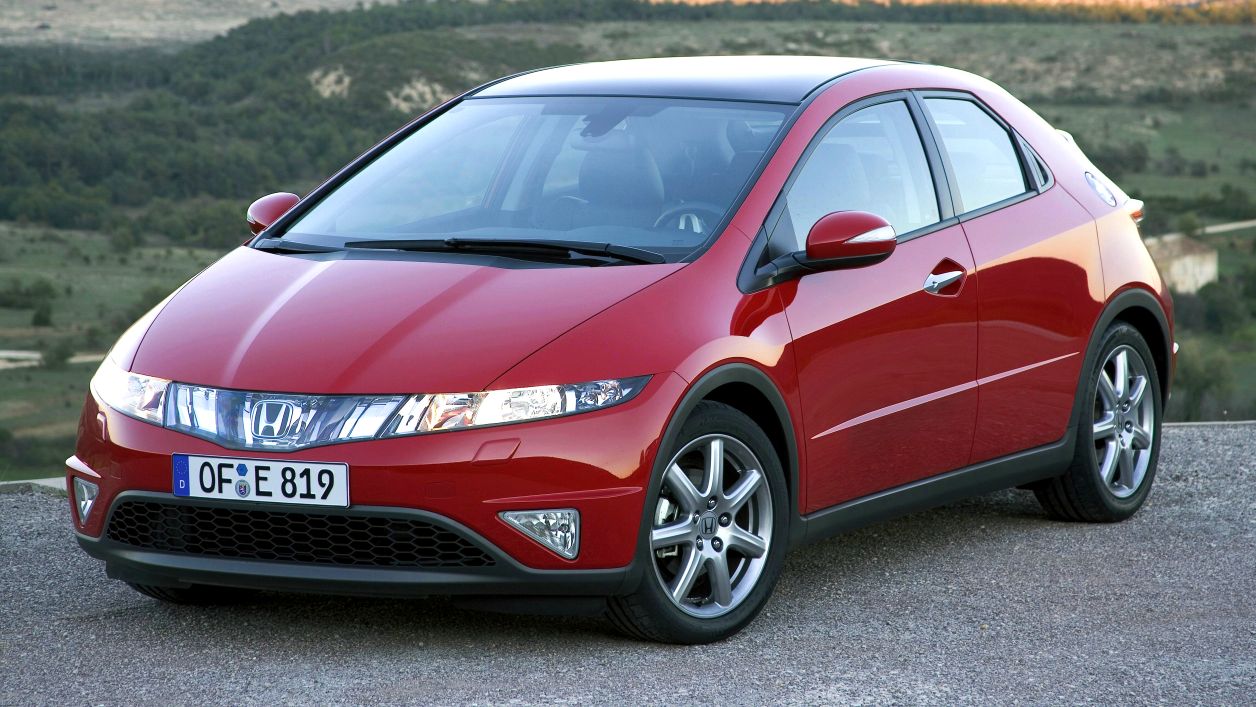
2. Honda Civic (1998-2006 Generation, DX and EX Trims)
Honda Civic models from the late 1990s through mid-2000s occupy a distinctive position in Bay Area vehicle theft statistics because they are stolen for two separate and equally active markets: the performance parts market that services street racing and sport compact enthusiasts, and the conventional transportation theft market where complete vehicles are sold through fraudulent title operations or exported.
Performance parts demand for this Civic generation includes VTEC engines, transmission components, suspension parts, brake upgrades, and body panels that command premium prices in the sport compact market compared to what equivalent components from less performance-associated vehicles would bring.
A stolen Civic from this generation can be processed for parts that collectively sell for multiples of the vehicle’s intact market value, which creates an economic incentive structure that drives consistent targeting. Physical security on this generation is minimal by current standards.
Conventional keyed ignitions on these models can be defeated by experienced operators using techniques that are well-documented in online communities and known to Bay Area theft operations with years of Civic theft experience. Factory immobilizer systems, where present on higher trim levels, have known bypass techniques that were developed and shared across the industry within years of these vehicles entering production.
Bay Area geography creates additional risk concentration for Civic owners in specific areas. East Oakland, parts of Hayward, Fremont, and Richmond consistently appear in theft concentration maps for this model, reflecting both population density of the vehicle and active theft operation presence in these communities. Parking location selection and additional security measures are particularly important for Civic owners in these specific areas.
These measures do not eliminate risk in a high-theft environment but substantially increase the time and skill required for successful theft, which redirects organized theft operations toward more accessible targets.
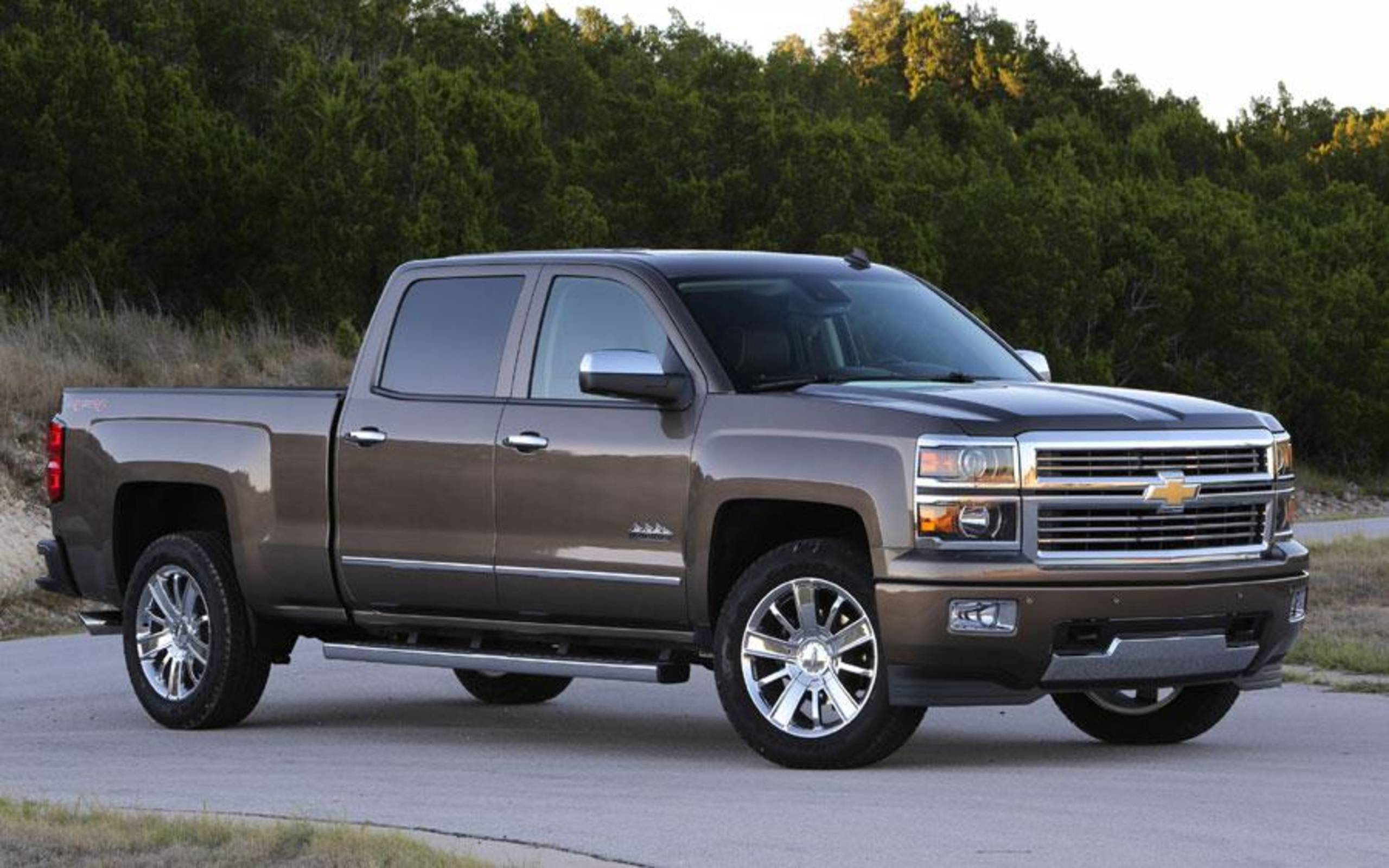
3. Chevrolet Silverado 1500 (2014-2019, LT and LTZ Trims)
Full-size pickup trucks occupy a specific and growing category in Bay Area vehicle theft, driven by two separate economic motivations that affect different vehicle targets simultaneously.
Chevrolet Silverado 1500 models from the 2014 through 2019 production window are targeted both for complete vehicle theft that exploits keyless entry vulnerabilities and for catalytic converter theft that harvests precious metals from the emissions system without requiring vehicle operation.
Relay attacks against Silverados equipped with passive keyless entry systems have been documented by Oakland Police Department theft investigators and by insurance fraud units examining Bay Area stolen vehicle claims.
Relay attack equipment that amplifies key fob signals from inside residences works effectively against the keyless entry systems used on 2014 through 2019 Silverado models because these systems use conventional radio frequency communication that does not measure signal travel time.
Thieves working in pairs, with one operator holding the amplifying device near the residence entrance and the second at the driver’s door, can unlock and start the Silverado without the original key in under 60 seconds in documented theft incidents.
Catalytic converter theft from Silverado trucks occurs independently of any vehicle entry or ignition bypass. High ground clearance on full-size trucks provides easy undercarriage access to emission system components, and Silverado catalytic converters contain palladium and rhodium concentrations that made them valuable targets when precious metal prices elevated in recent years.
Teams using battery-powered cutting tools can remove converters in under three minutes from a vehicle parked in an unmonitored location, which is available at any street-parked location without surveillance camera coverage.
Anti-theft measures that address both vulnerability types include aftermarket anti-theft devices specifically designed for keyless entry vehicles, catalytic converter protective shields installed by specialist shops, and Faraday bag storage for key fobs inside the residence that blocks the key fob’s signal from relay capture during overnight parking periods.
Owners of the 2018 Chevrolet Silverado 1500 LTZ Crew Cab 5.3L V8 in Oakland face a combined theft risk profile that individual security measures address partially, with the most effective protection coming from a combination of fob shielding, alarm systems with tilt and motion detection, and GPS tracking that allows rapid law enforcement response after theft.
Also Read: 5 Eco-Friendly Used Cars In Portland vs. 5 Heavy Duty Trucks for Urban Living
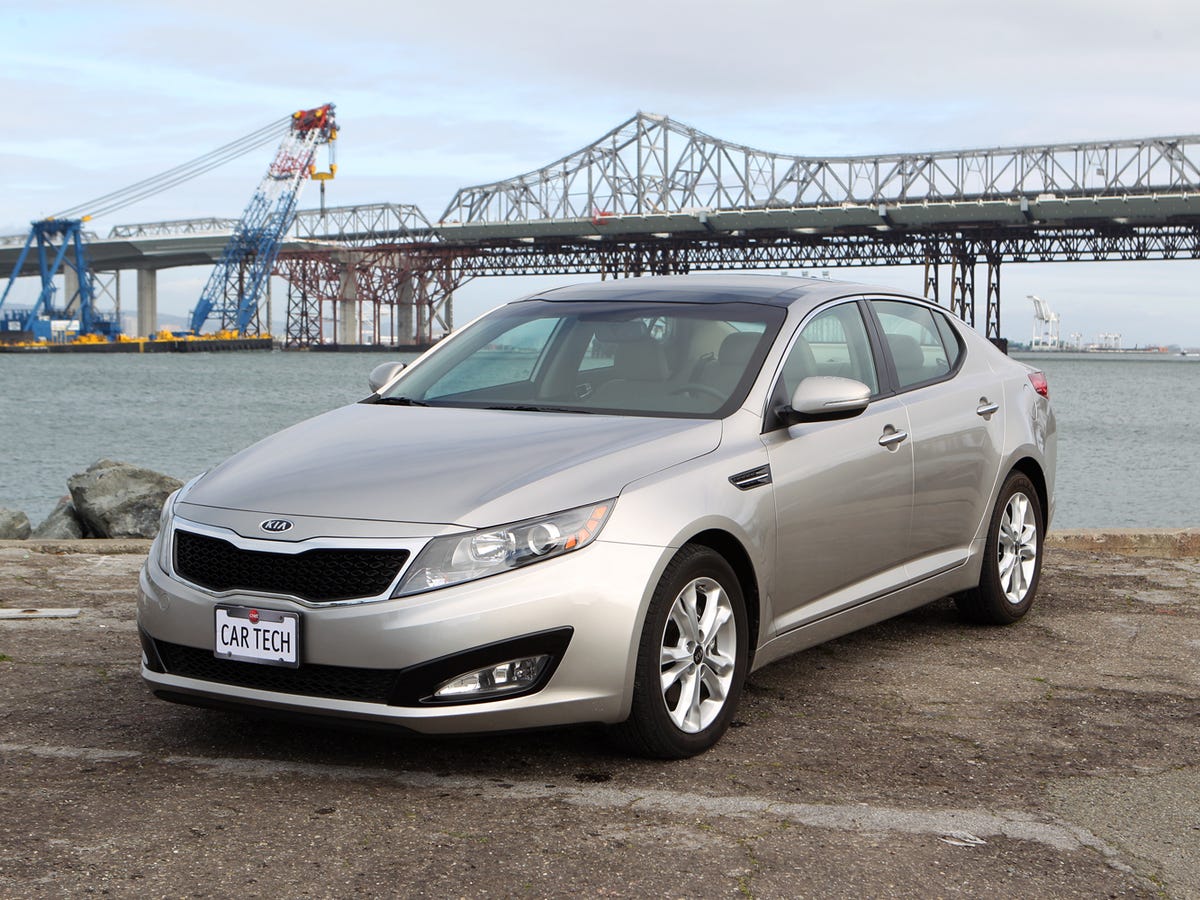
4. Kia Optima EX (2011-2016 Generation)
Kia and Hyundai vehicles from the early-to-mid 2010s generation became theft targets in the Bay Area through a mechanism that was unusual in automotive theft history: the discovery and viral spread of a theft technique through social media that exposed a genuine manufacturing security deficiency to a broad audience simultaneously rather than remaining within specialized criminal networks.
Kia Optima EX models from the 2011 through 2016 production window lacked engine immobilizer technology that was standard equipment on most competing vehicles sold in the United States during the same period.
This absence meant that the ignition system could be bypassed using a USB charging cable to manipulate the ignition cylinder, a technique that requires no specialized theft equipment, no electronic expertise, and no prior criminal training.
When demonstration videos appeared on social media platforms in 2022, theft rates for affected Kia and Hyundai models in California, including the Bay Area, increased immediately and dramatically, according to CHP stolen vehicle data for the affected period.
Bay Area Kia Optima theft incidents during the peak period of this vulnerability’s public exposure reflected the organized adoption of the technique by Bay Area theft networks that recognized an opportunity to expand their operating capacity with low-skill operators who could successfully steal these vehicles without the training required for conventional theft techniques.
Oakland Police Department records from this period document a concentration of Optima thefts that tracked closely with the social media exposure timeline.
Kia responded to the vulnerability by releasing a software update for eligible vehicles that adds an enhanced theft deterrent, and owners of affected models who have not received this update can obtain it through a Kia dealership service visit.
Physical steering wheel locks provide an additional deterrent layer for Optima owners who park in high-theft areas, because the social media technique enables entry and ignition bypass quickly, but cannot defeat a physical lock that prevents steering wheel rotation.
Owners of the 2014 Kia Optima EX 2.4L in Oakland who have not yet applied the available software update should prioritize this service, as the update, combined with a physical steering wheel lock, substantially reduces risk from the theft technique that made this model a regional priority target.
