
El Paso sits at one of the most unique intersections of geography, climate, and traffic patterns in the United States.
Wedged between the Franklin Mountains and the Rio Grande, with the sprawling Juárez metro area immediately across the border, El Paso’s road network channels an enormous amount of daily traffic through a relatively constrained number of major corridors.
Mesa Street, Montana Avenue, I-10, and US-54 carry the city’s commuter load through conditions that combine desert heat, frequent signal stops, border crossing congestion, and the kind of slow, brake-heavy traffic that punishes fuel-inefficient vehicles every single day.
For residents doing the daily commute from the Upper Valley down to downtown, or from the Mission Valley across to Fort Bliss, or waiting in the Ysleta international bridge queue for an extended stretch, fuel economy is not an abstract specification on a window sticker.
It is a monthly budget line that shows up at the pump with uncomfortable regularity when the vehicle you are driving was never designed for stop-and-go efficiency.
This page addresses that reality directly from two different angles. The first part examines four hybrid vehicles that are specifically well-suited to El Paso’s stop-and-go driving conditions, explaining why hybrid powertrain technology produces its best results in exactly the driving pattern that El Paso residents experience daily.
The next part examines four heavy-duty gas-powered vehicles that deliver legitimate capability and performance but consume fuel at rates that El Paso stop-and-go conditions make expensive and sometimes impractical as primary daily transportation.
Neither category is wrong for El Paso. People who need truck capability for West Texas ranch access or job site requirements have legitimate reasons to drive heavy vehicles.
People who drive exclusively within the city limits have equally legitimate reasons to consider hybrids that turn El Paso’s traffic into a fuel efficiency advantage rather than a penalty.
Read both sections. The comparison tells a story about matching vehicle to purpose that matters regardless of which direction you ultimately choose.
4 Efficient Hybrids for El Paso’s Stop-and-Go Conditions
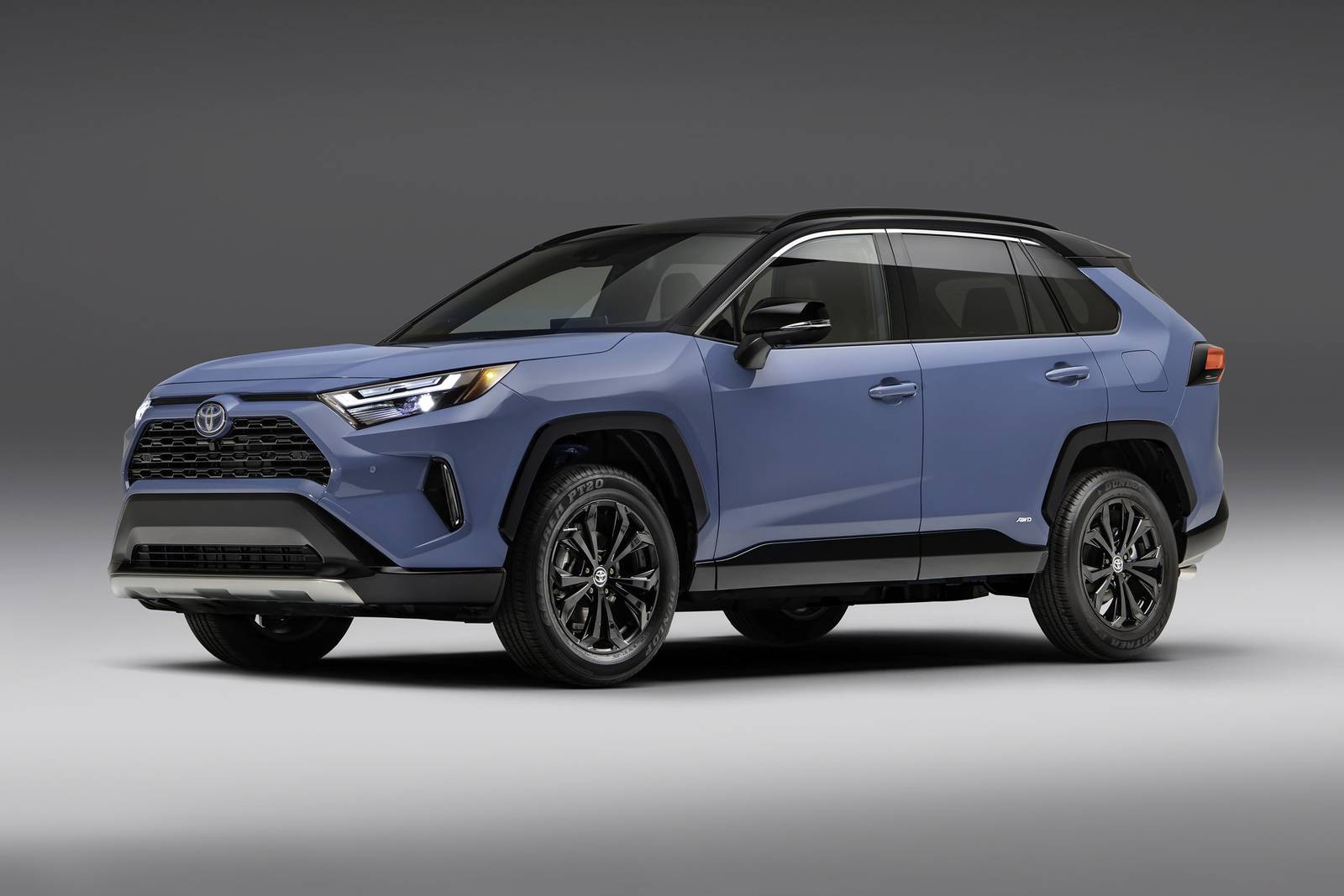
1. Toyota RAV4 Hybrid XSE AWD (2023)
El Paso’s combination of triple-digit summer temperatures and frequent stop-and-go traffic creates a specific test for hybrid powertrain systems that not every hybrid vehicle passes with equal results.
Air conditioning demand in El Paso summer driving is not optional, and the thermal load that sustained AC operation places on a hybrid’s battery management system separates hybrid designs that maintain efficiency in hot conditions from those that retreat to conventional combustion-only operation once battery temperature climbs.
Toyota’s RAV4 Hybrid handles El Paso’s thermal environment better than many competing hybrids because Toyota’s nickel-metal hydride battery system in this application has been designed with desert climate durability specifically in mind.
Toyota’s hybrid experience across decades of Prius production in hot climate markets informed the thermal management decisions in the RAV4 Hybrid’s battery system, and owners in Phoenix, Las Vegas, and El Paso report that the RAV4 Hybrid maintains its efficiency advantages in summer heat without the battery degradation concerns that affect some competing lithium-ion hybrid systems under sustained high-temperature operation.
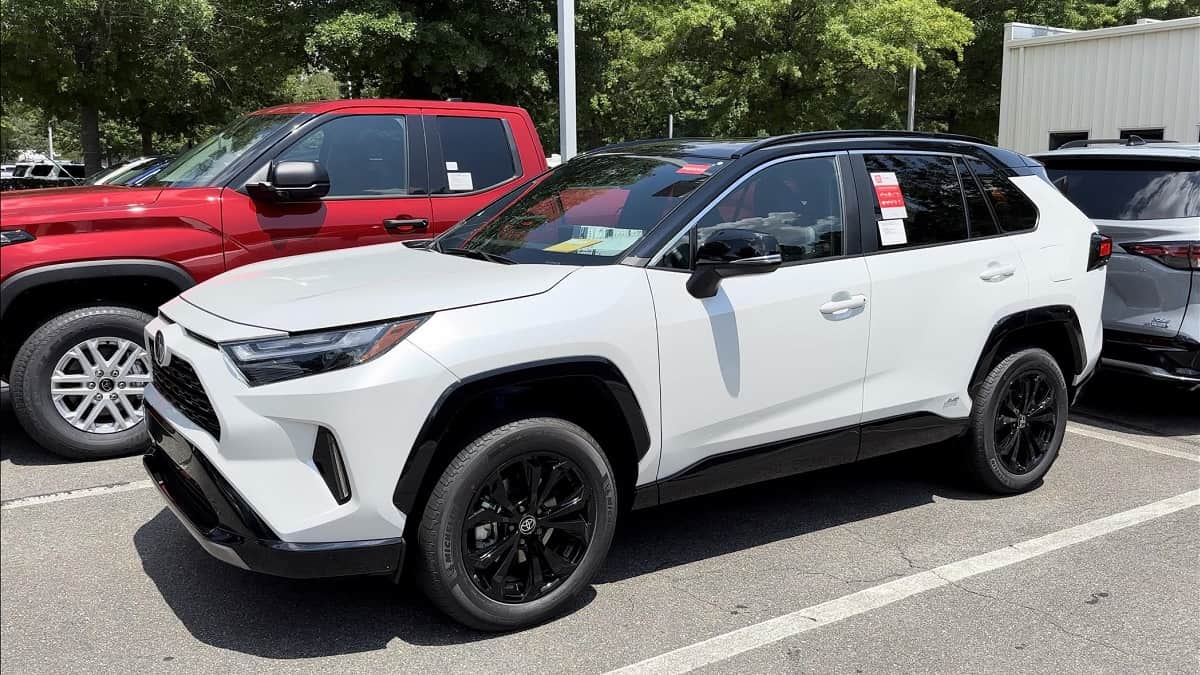
RAV4 Hybrid XSE specification produces a combined system output of 219 horsepower from its 2.5-liter Atkinson-cycle four-cylinder and three electric motors, including a rear electric motor that provides AWD functionality without a conventional rear driveshaft.
This AWD configuration provides traction benefit during El Paso’s occasional flash flood events and on the gravel surfaces found in parts of the Mission Valley without the mechanical complexity and efficiency penalty of conventional rear-axle AWD systems.
EPA fuel economy ratings of 41 city and 38 highway miles per gallon for the RAV4 Hybrid XSE have direct financial meaning in El Paso traffic.
A driver completing the average El Paso commute distance of approximately 22 miles each way primarily on city streets saves roughly $80 to $100 monthly in fuel costs compared to driving a conventional 28 mpg crossover, assuming average Texas gasoline prices.
Over a five-year ownership period, this efficiency advantage accumulates into fuel savings that substantially offset the hybrid powertrain’s price premium.
Owners of the 2023 Toyota RAV4 Hybrid XSE in El Paso who use the vehicle for their daily downtown or Loop 375 commute consistently describe the fuel economy realization as meeting or exceeding the EPA estimate, which reflects how well hybrid regenerative braking functions during the frequent deceleration events that El Paso traffic provides.
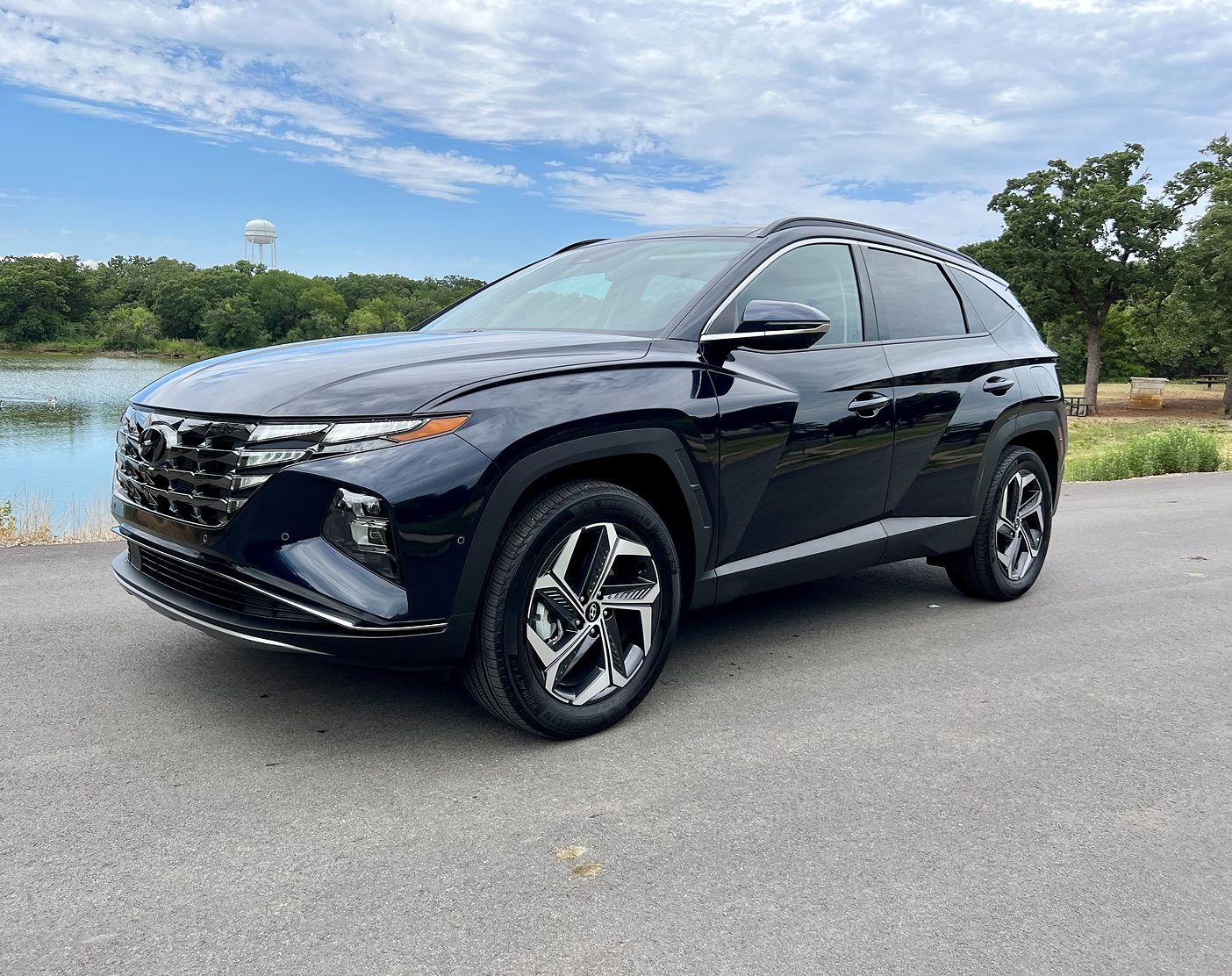
2. Hyundai Tucson Plug-In Hybrid SEL Convenience AWD (2023)
El Paso’s geography creates a situation where many daily commutes are entirely containable within a plug-in hybrid’s electric-only range, and the 2023 Hyundai Tucson Plug-In Hybrid SEL Convenience AWD delivers 33 miles of EPA-estimated electric-only range that covers a large percentage of El Paso resident commutes without consuming a single drop of gasoline.
For El Paso residents who commute from the Upper Valley to UTEP, from Horizon City to the medical center district, or from Fort Bliss family housing to on-post workplaces, the round-trip distance often falls within or close to the Tucson PHEV’s electric operating range.
Drivers who charge overnight at home on a standard 120-volt outlet recover significant electric range by morning, and those who install a 240-volt Level 2 charger recover full range overnight, which means weekday commuting can be completed on electricity alone with gasoline available only for weekend West Texas road trips or longer regional travel.
During the electric-only operating mode, El Paso’s stop-and-go traffic becomes irrelevant to fuel consumption because the electric motor’s energy comes from the battery rather than from combustion.
Traffic signals, school zone stops, border crossing queues, and Mesa Street congestion all become zero-fuel-cost events during electric operation, which is a fundamentally different relationship with El Paso traffic than any conventional vehicle can establish.
SEL Convenience trim includes a 10.25-inch touchscreen with wireless Apple CarPlay and Android Auto, a BlueLink connected car system that allows remote climate pre-conditioning, and heated front and rear seats.
Remote climate pre-conditioning in El Paso’s summer context is particularly valuable because it allows the cabin to reach a comfortable temperature before entry while the vehicle is still plugged in, which means the AC system is not drawing from the drive battery to cool a sun-baked interior, preserving electric range for the commute itself.
AWD through a rear electric motor configuration provides all-weather and light off-road capability appropriate for El Paso drivers who occasionally access unpaved roads in the Hueco Tanks area or the Transmountain recreation corridor without requiring the full-time AWD hardware of a conventional system.
Also Read: 5 AWDs for The I-70 Mountain Passes vs. 5 Engines That Die at Altitude
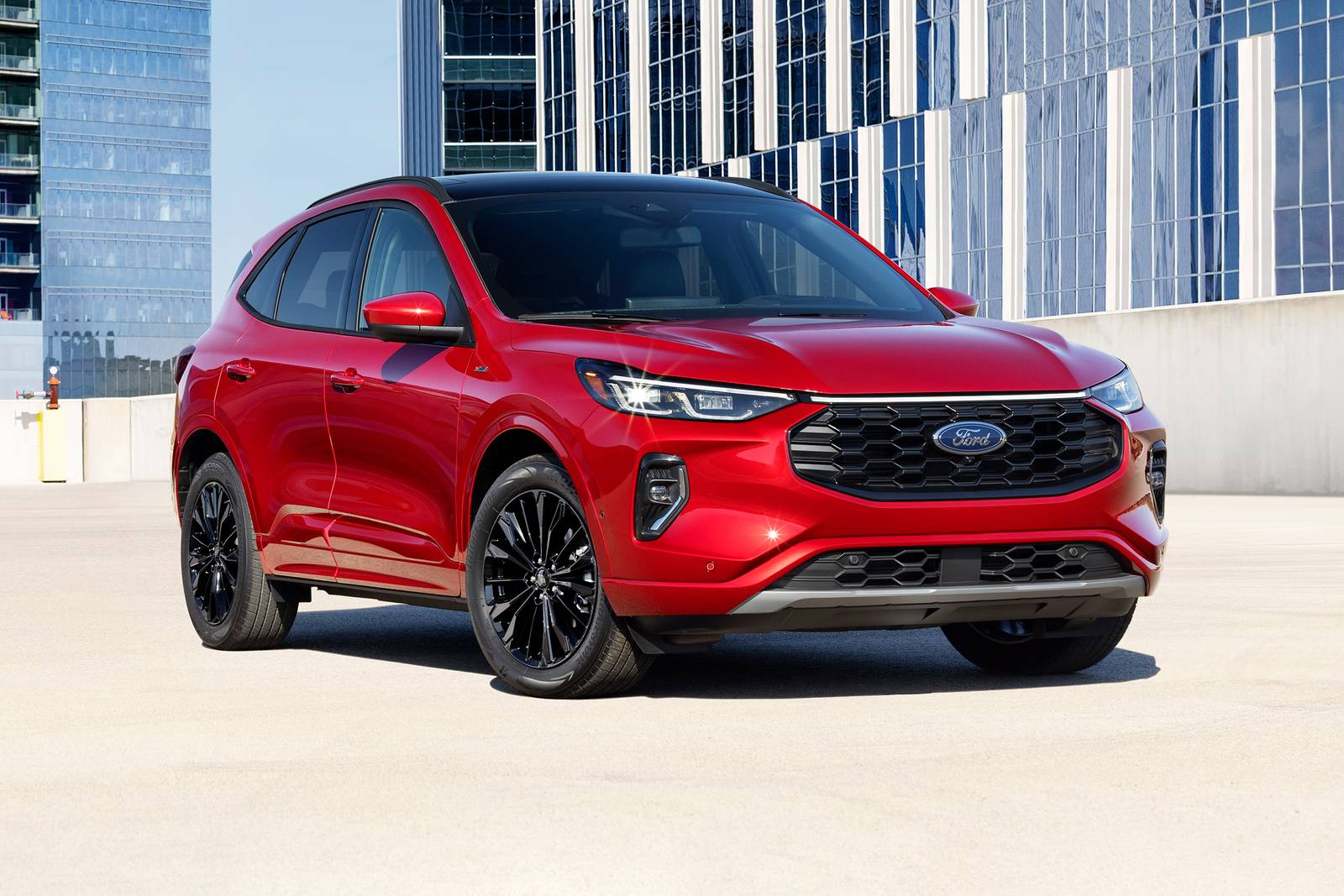
3. Ford Escape Hybrid SE Sport AWD (2023)
El Paso’s road network, particularly around central districts and high-traffic corridors such as Mesa Street and Alameda Avenue, places daily pressure on vehicle size and maneuverability.
Tight parking spaces near commercial centers, frequent stop-and-go movement, and constrained lane widths in older sections of the city create conditions where compact vehicles deliver practical advantages.
A crossover with moderate dimensions reduces stress during parking and improves flow through dense traffic patterns that occur during peak commuting hours. The 2023 Ford Escape Hybrid SE Sport AWD brings together hybrid efficiency and compact crossover proportions suited for such urban conditions.
Measuring about 180.5 inches in length, it remains smaller than many mid-size SUVs while still offering usable cabin space for passengers and luggage. This balance allows it to serve daily commuting needs without the bulk that complicates maneuvering in restricted parking areas or narrow residential streets.
Hybrid power delivery relies on a combination of a gasoline engine and electric motor assistance. During low-speed driving and frequent braking, the system recovers energy that would otherwise be lost, storing it in the battery for later use. This process improves fuel economy during city driving, where stop-and-go movement dominates travel patterns.
The system also allows short periods of electric-only operation, reducing fuel consumption during light-load conditions. All-wheel drive is provided through an electric motor-driven rear axle.
This configuration supports traction during sudden weather changes, including flash rain events that can create slippery road surfaces in certain El Paso areas. The system engages automatically when additional grip is required, maintaining stability without driver intervention.
Interior layout focuses on practicality and ease of use. Seating accommodates daily commuting needs, while cargo space supports grocery runs, work equipment, or small family travel requirements. Controls are arranged for straightforward operation, allowing drivers to manage vehicle functions without distraction.
Technology integration includes driver assistance features such as lane-keeping support, forward collision alerts, and adaptive cruise control. These systems assist during congested traffic conditions by providing additional awareness support during routine driving.
Fuel efficiency remains a strong advantage. The hybrid system performs efficiently in urban stop-and-go conditions, where regenerative braking plays a central role in energy recovery. Many drivers observe real-world fuel performance that aligns closely with manufacturer estimates during city-based commuting.
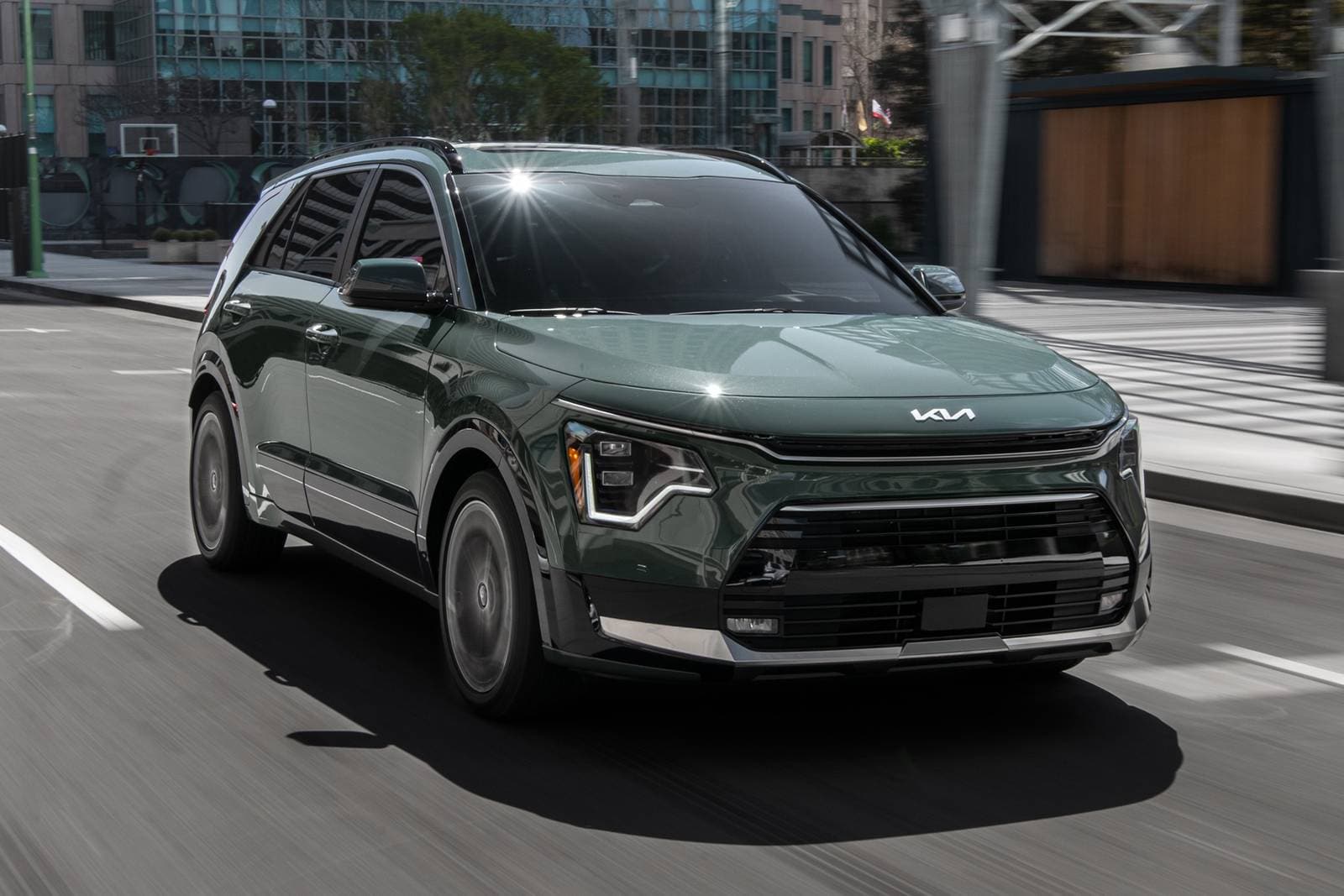
4. Kia Niro HEV EX (2023)
Budget considerations and fuel efficiency often intersect for drivers seeking cost-conscious transportation solutions. The 2023 Kia Niro HEV EX addresses this intersection through a compact hybrid crossover design that prioritizes fuel economy while maintaining practical usability for daily commuting.
Power comes from a 1.6-liter four-cylinder hybrid system paired with an electric motor. Combined output is modest compared to performance-oriented vehicles, yet it is sufficient for typical urban and suburban driving.
The system focuses on efficiency rather than acceleration strength, allowing it to perform effectively in stop-and-go traffic conditions.
Fuel economy stands as one of its strongest attributes. With city ratings exceeding 50 miles per gallon under standard testing conditions, the Niro HEV EX delivers reduced fuel consumption during routine commuting. This efficiency becomes especially relevant in driving environments where short trips and frequent stops dominate travel patterns.
Interior design emphasizes simplicity and functionality. Seating provides adequate comfort for daily use, while controls are arranged in a user-friendly layout. The cabin supports both driver and passenger needs without unnecessary complication, maintaining focus on usability.
Technology features include a large touchscreen interface, smartphone integration, and driver assistance systems such as lane support and adaptive cruise control. These systems assist during highway and city driving by providing additional awareness and control support during routine operation.
Cargo space accommodates everyday needs such as shopping, luggage, or light travel equipment. The rear seating area folds to expand storage capacity when required, adding flexibility to the vehicle’s compact structure. Ride quality remains stable and predictable. Suspension tuning supports comfort during regular commuting, absorbing minor road irregularities without affecting vehicle stability.
Ownership experience benefits from long-term warranty coverage that extends across key hybrid components, including battery and electric drive systems. This coverage provides confidence regarding system durability and reduces concerns about long-term maintenance costs.
For drivers prioritizing fuel savings and practical daily usability, the 2023 Kia Niro HEV EX presents a balanced option within the hybrid crossover category.
4 Heavy-Duty Gas Guzzlers
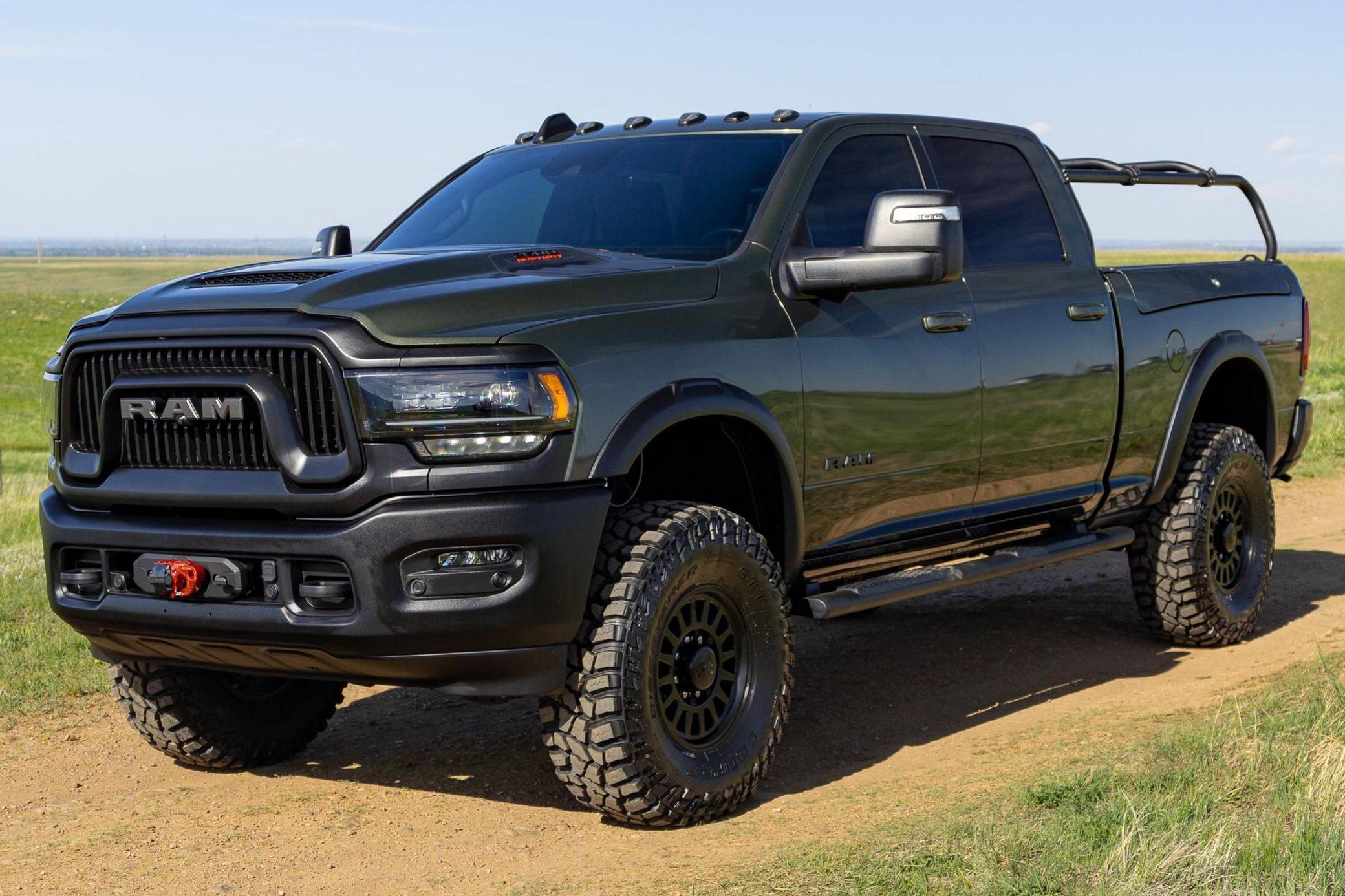
1. Ram 2500 Power Wagon Crew Cab 4×4 (2023)
Ram’s Power Wagon has a legitimate and well-established reputation for genuine off-road capability that its engineering fully supports.
Disconnecting front sway bar, front and rear locking differentials, a 14,000-pound-rated winch, and a 6.4-liter HEMI V8 producing 410 horsepower combine to create a truck that handles West Texas terrain, ranch road conditions, and outdoor recreation access with a completeness that no hybrid crossover approaches.
For El Paso residents who regularly access the Guadalupe Mountains, drive cross-desert stretches to remote hunting camps, or operate on unpaved property regularly, the Power Wagon’s capability justifies its operational costs in ways that are entirely rational.
For El Paso residents who own the Power Wagon primarily for commuting with occasional capability use, the fuel consumption mathematics deserve careful attention. EPA fuel economy of 12 city miles per gallon from the 6.4-liter HEMI places the Power Wagon at an operating cost that El Paso’s stop-and-go traffic conditions amplify rather than mitigate.
Stop-and-go traffic eliminates the highway driving efficiency advantage that partially offsets heavy-duty trucks’ urban fuel consumption penalty, meaning that Power Wagon owners sitting in Loop 375 congestion or waiting at the Zaragoza bridge crossing are burning fuel at rates that add up to $600 or more monthly in fuel costs at typical Texas pump prices for drivers covering average annual mileage.
Towing capacity of 10,620 pounds and payload rating of 1,510 pounds provide genuine work capability that El Paso construction contractors, landscaping businesses, and agricultural operators use productively. These buyers’ monthly fuel bills are effectively a legitimate business cost that the truck’s productive capacity helps offset through the value of work accomplished. Owner-operator economics look different from pure commuter economics for these buyers.
Eko Mode on the 6.4-liter HEMI activates cylinder deactivation that shuts down four of the eight cylinders during light-load cruising, which provides modest fuel consumption improvement in highway conditions but offers limited benefit in El Paso’s stop-and-go urban driving, where light-load cruising is rarely sustained long enough for cylinder deactivation to produce meaningful aggregate savings.
El Paso buyers who genuinely need Power Wagon capability for regular use and who can budget the fuel cost honestly make a defensible purchasing decision. El Paso buyers attracted to the Power Wagon’s aesthetic and occasional capability who could realistically meet their transportation needs with a smaller vehicle face a monthly fuel bill that deserves specific calculation before purchase commitment.
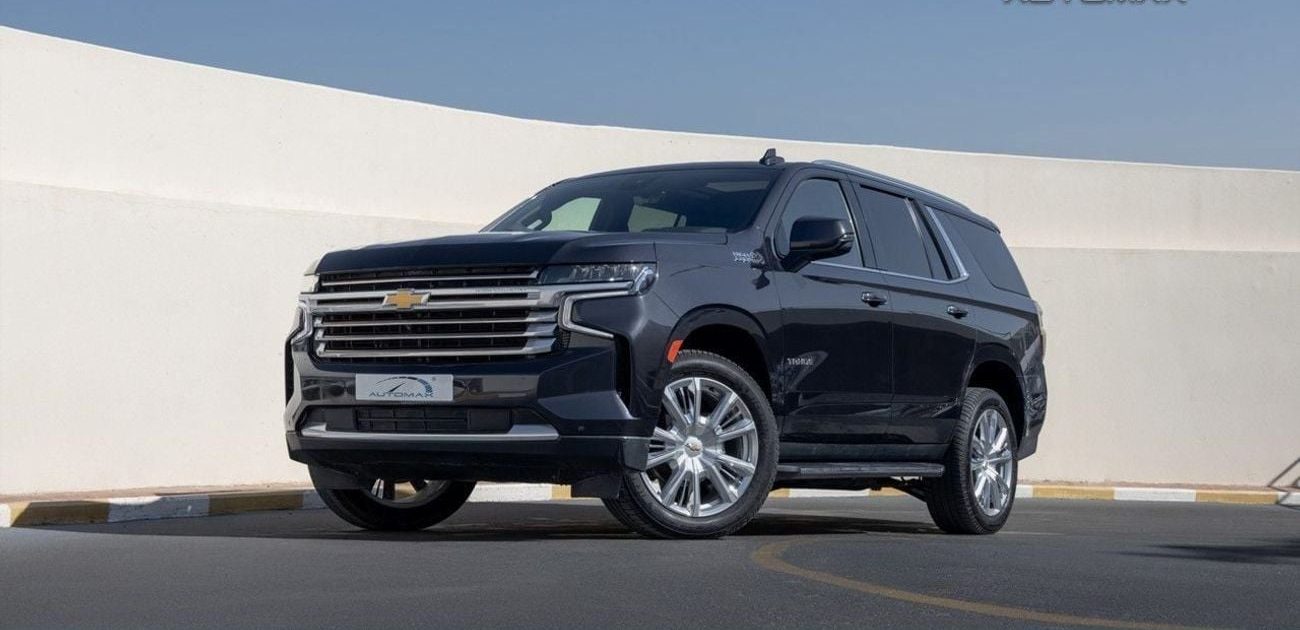
2. Chevrolet Tahoe High Country 6.2L V8 4WD (2023)
Chevrolet’s Tahoe High Country occupies a specific and genuine market position for El Paso families that require three-row seating, full-size cargo capacity, and the towing capability that Fort Bliss military family moves and West Texas camping trips demand.
At 211.9 inches in length with seating for up to nine passengers and a tow rating up to 8,400 pounds, the Tahoe High Country’s capability arguments are legitimate and relevant for a meaningful segment of El Paso buyers.
High Country trim’s 6.2-liter V8 producing 420 horsepower with the 10-speed automatic transmission provides performance that makes Texas interstate highway driving genuinely effortless and provides towing reserve for fully loaded camping trailers without the strain that smaller powertrains show on West Texas grades.
Dynamic Fuel Management on the 6.2-liter V8 varies active cylinder count from two to eight based on load demand, which provides some fuel consumption management in light-load situations.
EPA fuel economy of 14 city miles per gallon in the 4WD High Country configuration reflects the physical reality of moving a vehicle that weighs over 5,700 pounds through stop-and-go conditions where momentum must be rebuilt from a complete stop at every traffic signal.
El Paso’s frequent stop-and-go conditions on Mesa Street, Montana Avenue, and the access roads around the Sunland Park area specifically eliminate the highway driving efficiency that makes large V8 SUVs more tolerable on long interstate stretches.
Monthly fuel costs for El Paso Tahoe High Country owners completing typical urban commuting mileage reach levels that buyers sometimes find surprising if they did not calculate specifically before purchase.
At 14 mpg city and 15,000 annual miles with 70 percent city driving, monthly fuel expenditure reaches $350 to $420 depending on current Texas gasoline prices, which represents a substantial fixed cost that hybrid alternatives in similar price ranges could cut by more than half.
El Paso military families stationed at Fort Bliss who regularly move household goods, transport large groups of family members, and tow recreational equipment between West Texas and home installations have operational requirements that justify the Tahoe High Country’s fuel cost as a reasonable price for its multi-function capability. Buyers whose operational profile more closely resembles general urban commuting face a different calculation.
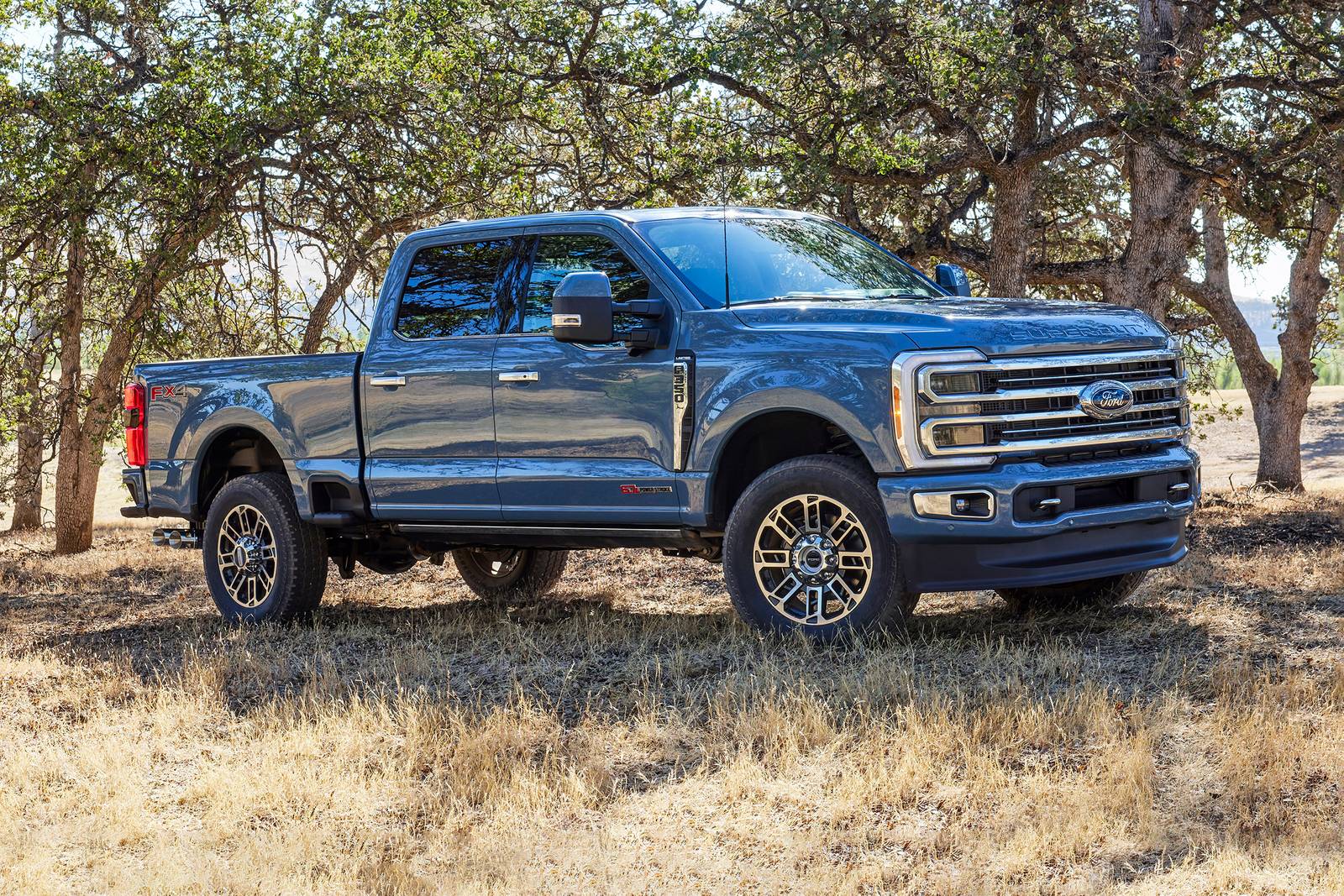
3. Ford F-350 Super Duty Lariat Crew Cab 4×4 6.7L Power Stroke Diesel (2023)
Ford’s F-350 Super Duty Lariat Crew Cab 4×4 equipped with the 6.7-liter Power Stroke diesel engine sits in a category of vehicles built around heavy-duty work requirements rather than everyday commuting expectations.
This truck is engineered for towing, hauling, and sustained load management, where output capability matters more than fuel consumption figures.
With towing ratings reaching tens of thousands of pounds when properly equipped, it serves industries such as construction, agriculture, and commercial transport, where high-load operation is routine rather than occasional. Power delivery from the 6.7-liter turbodiesel engine is defined by strong low-end torque.
The engine produces more than 1,000 pound-feet of torque, allowing it to move heavy trailers and equipment with controlled effort.
This torque availability at low engine speeds reduces strain during initial acceleration, especially when carrying maximum payload or pulling large trailers. The driving experience reflects steady mechanical strength rather than rapid acceleration characteristics seen in lighter vehicles.
Fuel consumption reflects the truck’s purpose and mass. At approximately 15 miles per gallon in city conditions, consumption rises during frequent stops and starts typical of urban driving.
The curb weight, often approaching or exceeding 7,000 pounds depending on configuration, contributes directly to fuel demand. Highway driving offers somewhat improved efficiency due to steadier engine load, yet consumption remains consistent with heavy-duty diesel operation.
Interior design in the Lariat trim focuses on balancing durability with comfort. Leather-trimmed seating, advanced infotainment systems, and driver assistance technologies create an environment suitable for long workdays.
While comfort features are present, the cabin retains a functional orientation suited for professional use. Controls are arranged for accessibility, allowing drivers to manage towing and driving functions with minimal distraction.
Technology features such as trailer backup assistance, integrated scale systems, and advanced towing monitoring enhance usability. These systems assist with precise trailer alignment, load measurement, and stability control during transport operations. Such features reduce operational strain during complicated towing tasks.
Ownership of this vehicle requires consideration of fuel expenditure as part of operational planning. For users who rely on its full capability, fuel costs align with productive output. For those with limited towing or hauling needs, operating expenses may exceed practical requirements.
Also Read: 5 Domestic Daily Drivers In Detroit vs. 5 Imports That Lose Resale Fast
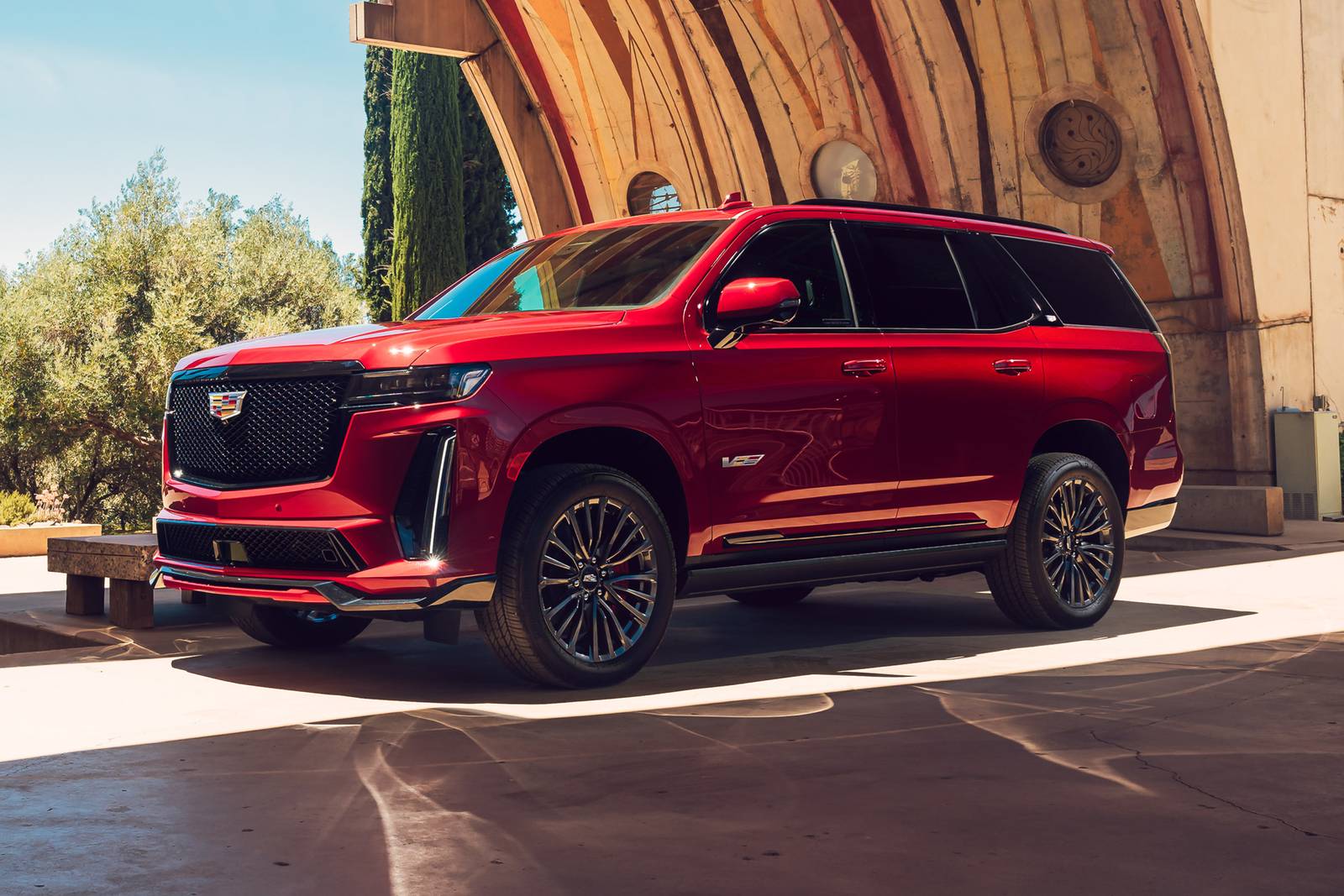
4. Cadillac Escalade ESV Premium Luxury AWD 6.2L V8 (2023)
Cadillac’s Escalade ESV Premium Luxury AWD equipped with the 6.2-liter V8 engine represents the upper tier of full-size luxury sport utility vehicles.
Its extended body design prioritizes interior space, comfort, and advanced technology integration, making it suitable for family transport, executive use, and long-distance travel where passenger comfort remains a priority.
The 6.2-liter V8 engine delivers strong acceleration and smooth power delivery. With output exceeding 400 horsepower, the vehicle moves confidently despite its large size.
This power supports highway merging, overtaking, and towing requirements, although fuel consumption reflects the demands of a large displacement engine paired with a heavy chassis.
Fuel consumption during city driving typically remains in the mid-teens per gallon range. Frequent stops, acceleration from idle, and urban congestion increase consumption levels.
Cylinder deactivation technology operates under light-load conditions, reducing fuel use during steady cruising. However, stop-and-go conditions limit the duration in which this efficiency feature remains active.
Interior accommodations define the Escalade ESV experience. The extended wheelbase provides substantial legroom across all three seating rows.
Premium materials, soft-touch surfaces, and advanced infotainment systems contribute to a refined cabin environment. A curved OLED display spanning the dashboard integrates driver information and entertainment functions into a single visual interface.
Ride quality benefits from adaptive magnetic suspension technology. This system adjusts damping rates in real time, improving comfort on uneven surfaces while maintaining stability at higher speeds. Passenger comfort remains consistent across varied road conditions.
Technology integration includes advanced driver assistance systems such as adaptive cruise control, lane-keeping assistance, and hands-free driving capability on compatible highways. These systems assist during longer trips by reducing driver workload in controlled environments.
Cargo capacity supports extended travel requirements. With rear seats folded, the vehicle accommodates large luggage loads, making it suitable for airport travel or long-distance family trips.
Ownership of this SUV involves balancing luxury, space, and fuel consumption. The vehicle prioritizes comfort and presence, with operating costs reflecting its size and engine configuration.
