
Steep grades, dry desert heat, and sudden elevation changes define driving conditions around Reno in a way that quickly separates capable vehicles from those that struggle. Anyone who has merged onto a rising highway or climbed toward nearby mountain routes understands that torque is more than just a number on a specification sheet.
It determines how confidently a vehicle accelerates uphill, how smoothly it maintains speed, and how much strain the engine endures during daily driving. Vehicle choice becomes especially important in regions where inclines are not occasional but constant. A car that feels perfectly adequate on flat city streets can begin to feel strained when faced with long climbs or heavy loads.
Drivers may notice delayed acceleration, increased engine noise, or frequent gear changes as the vehicle works harder to maintain momentum. These experiences shape long-term satisfaction and influence how comfortable and reliable a car feels as time goes on.
On the other side, vehicles designed with strong torque output handle these conditions with ease. They maintain steady power delivery, respond quickly to throttle input, and provide a sense of control that makes uphill driving feel natural rather than demanding. This difference becomes clear during everyday situations such as highway merging, passing slower traffic, or driving through elevated neighborhoods.
This page presents two distinct groups of vehicles. The first group highlights four high-torque models built to handle Reno’s demanding roads with confidence. The second group examines four four-cylinder cars that may struggle under the same conditions due to limited power output. Each example offers insight into how engineering choices affect real-world driving performance.
High-Torque Climbing Vehicles
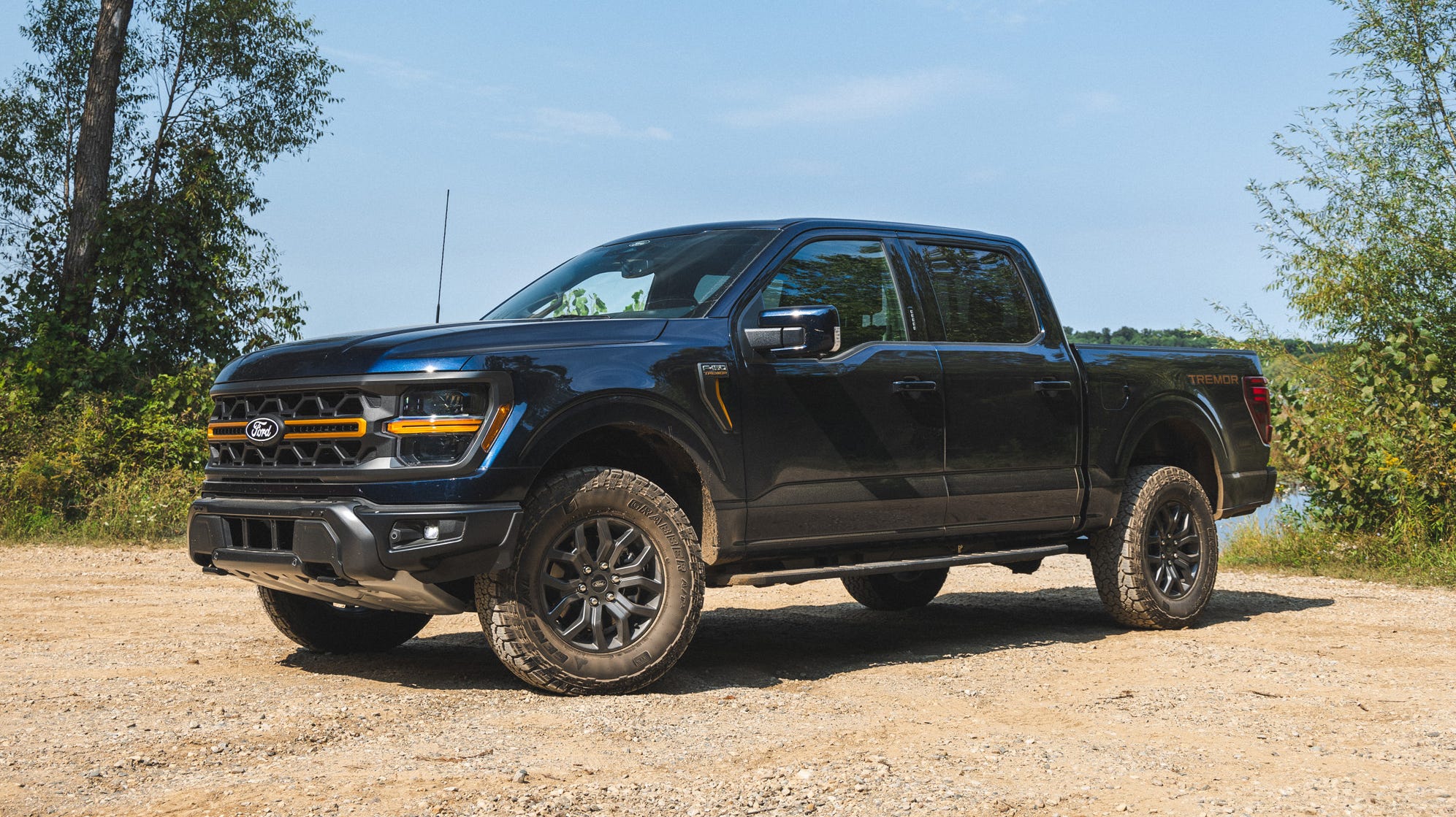
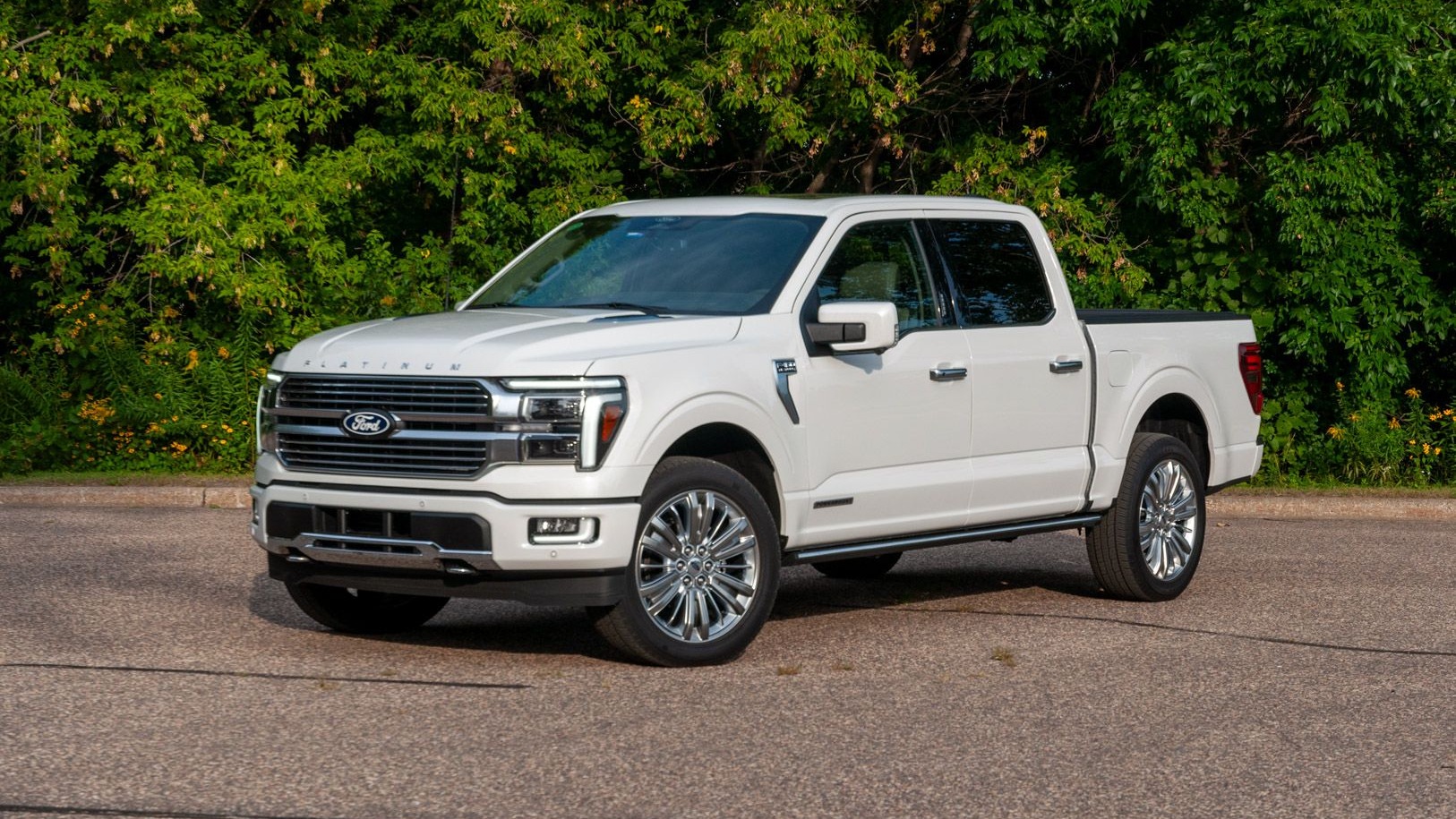
1. 2024 Ford F-150 Lariat 3.5L EcoBoost V6
Power delivery forms the central character of the 2024 Ford F-150 Lariat equipped with the 3.5-liter EcoBoost V6 engine. This configuration provides strong torque at relatively low engine speeds, a quality that becomes immediately beneficial when operating on steep gradients commonly found around Reno.
Rather than demanding aggressive throttle input, the vehicle advances with composed authority, maintaining forward motion without hesitation even when carrying passengers or moderate cargo loads. From a practical standpoint, this steady delivery of power reduces the level of effort required from the driver during prolonged uphill travel.
Consistency in motion contributes to a sense of control that remains reliable across changing road conditions. Inclines that might challenge smaller engines are managed with ease, allowing the driver to maintain a steady pace without frequent adjustments.
Responsiveness also deserves careful consideration. Situations such as uphill highway entry points often require prompt acceleration to merge safely with moving traffic. The turbocharged EcoBoost engine responds efficiently, delivering usable torque early in the power band. This early torque availability reduces the need for high engine revolutions, resulting in smoother acceleration and less mechanical strain.
Transmission behavior complements the engine’s output effectively. Gear transitions occur with minimal disruption, supporting continuous power delivery rather than interrupting it. This coordinated performance reduces unnecessary engine noise and enhances driving refinement, particularly when compared with naturally aspirated engines that depend on higher revolutions to achieve similar output levels.
Chassis design contributes meaningfully to the driving experience. The F-150 Lariat maintains a balanced structure that supports stability across varying surfaces. Reno’s road network includes both well-maintained highways and less consistent residential routes, and the vehicle adapts accordingly.
Suspension tuning absorbs surface irregularities while preserving sufficient firmness to limit excessive body movement during both ascents and descents. Interior arrangement supports extended driving comfort. The cabin provides generous seating space, allowing occupants to remain comfortable during longer journeys.
Clear visibility and logically arranged controls assist the driver in maintaining concentration, especially when traversing demanding routes. Passengers also benefit from the vehicle’s composed ride quality, even when the engine is operating under load.
Fuel consumption reflects the vehicle’s performance capacity. Although the EcoBoost system demonstrates reasonable efficiency for its output level, it still consumes more fuel than smaller vehicles. This characteristic represents a practical consideration for ownership.
For drivers who prioritize dependable torque, controlled handling, and sustained comfort during uphill driving, the F-150 Lariat presents a well-balanced and capable option suited to demanding roads.
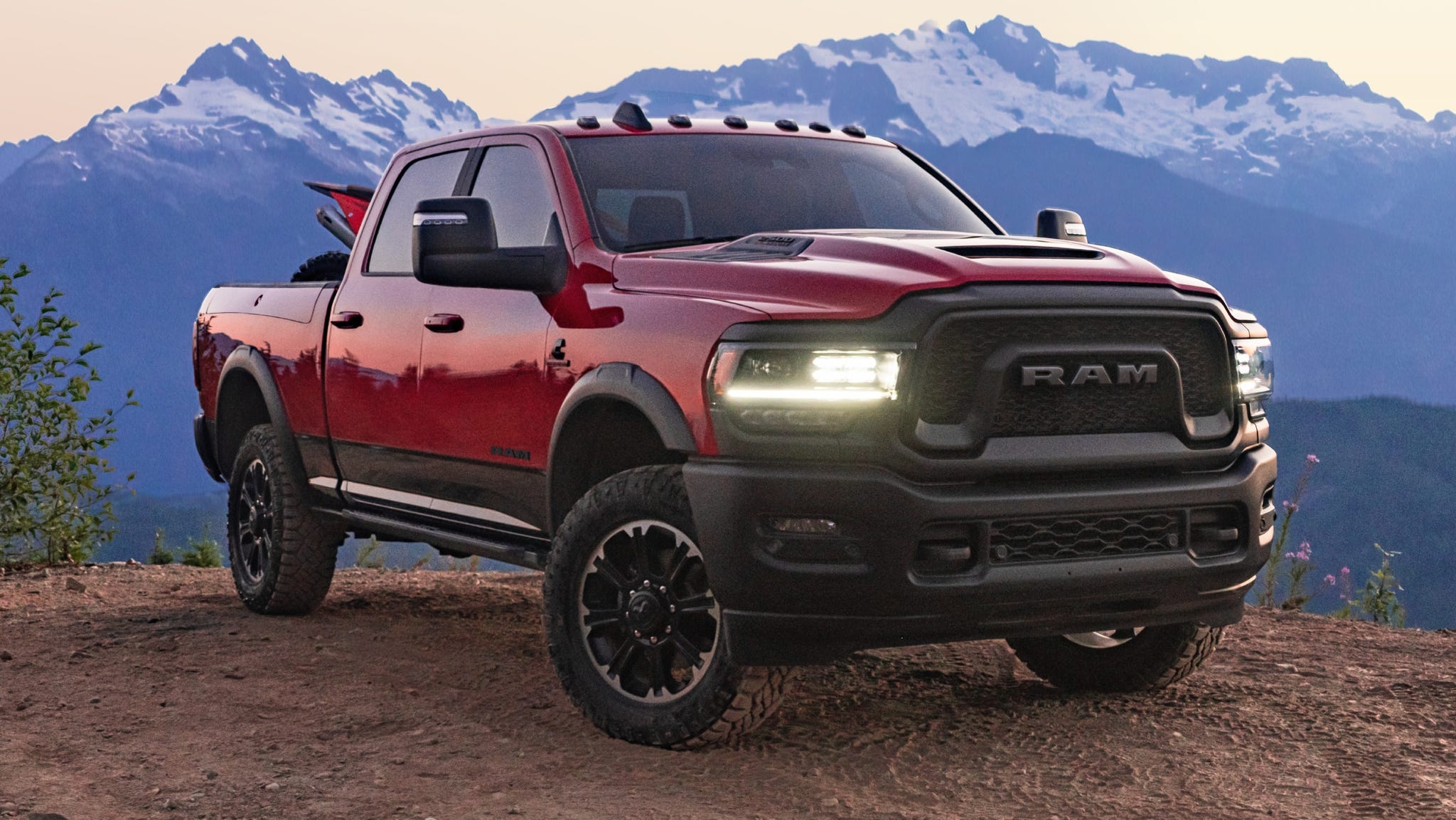
2. 2023 Ram 2500 Big Horn 6.7L Cummins Turbo Diesel
Heavy-duty capability defines the 2023 Ram 2500 Big Horn equipped with the 6.7-liter Cummins turbo diesel engine. This vehicle is engineered with a clear focus on delivering substantial torque, providing a level of pulling strength that makes steep inclines far less demanding than they would be in lighter-duty vehicles.
The engine’s performance characteristics are particularly suited to environments where sustained power is required over extended distances. Torque generation occurs at very low engine speeds, allowing the truck to maintain forward motion without the need for constant throttle adjustment.
This quality becomes especially valuable during long uphill drives, where maintaining momentum is more important than achieving rapid bursts of acceleration. The engine operates with controlled efficiency, reducing mechanical strain while delivering consistent output.
Transmission performance supports this approach effectively. Gear changes occur at appropriate intervals, ensuring that the engine remains within its optimal operating range. This coordination prevents unnecessary shifting and maintains a steady driving rhythm. As a result, the vehicle remains composed during climbs, with power delivered smoothly to the wheels.
Structural durability forms another important aspect of the Ram 2500’s design. Built for demanding tasks, the truck incorporates a strong frame, reinforced suspension components, and braking systems capable of handling substantial loads.
These features enable it to manage the additional stress associated with steep roads, particularly when towing or carrying heavy cargo. Drivers operating in areas with varied elevations benefit from this robust construction.
Interior design reflects a balance between utility and comfort. Seating provides adequate support for extended travel, while controls are positioned to ensure ease of operation. Cabin insulation reduces the intrusion of engine noise, creating a quieter environment than is typically associated with diesel-powered vehicles. This refinement enhances the entire driving experience, even during demanding conditions.
Fuel consumption characteristics differ from gasoline-powered alternatives. Diesel engines tend to maintain relatively stable efficiency during sustained load conditions, making them suitable for environments that involve frequent climbing. This stability can be advantageous for drivers who regularly encounter elevation changes as part of their routine travel.
For individuals requiring substantial torque, durability, and dependable performance under demanding conditions, the Ram 2500 Big Horn offers a level of capability that aligns closely with heavy-duty operational needs.
Also Read: 6 Used Cars for Road Trips In the USA vs 6 That Cause Back Pain
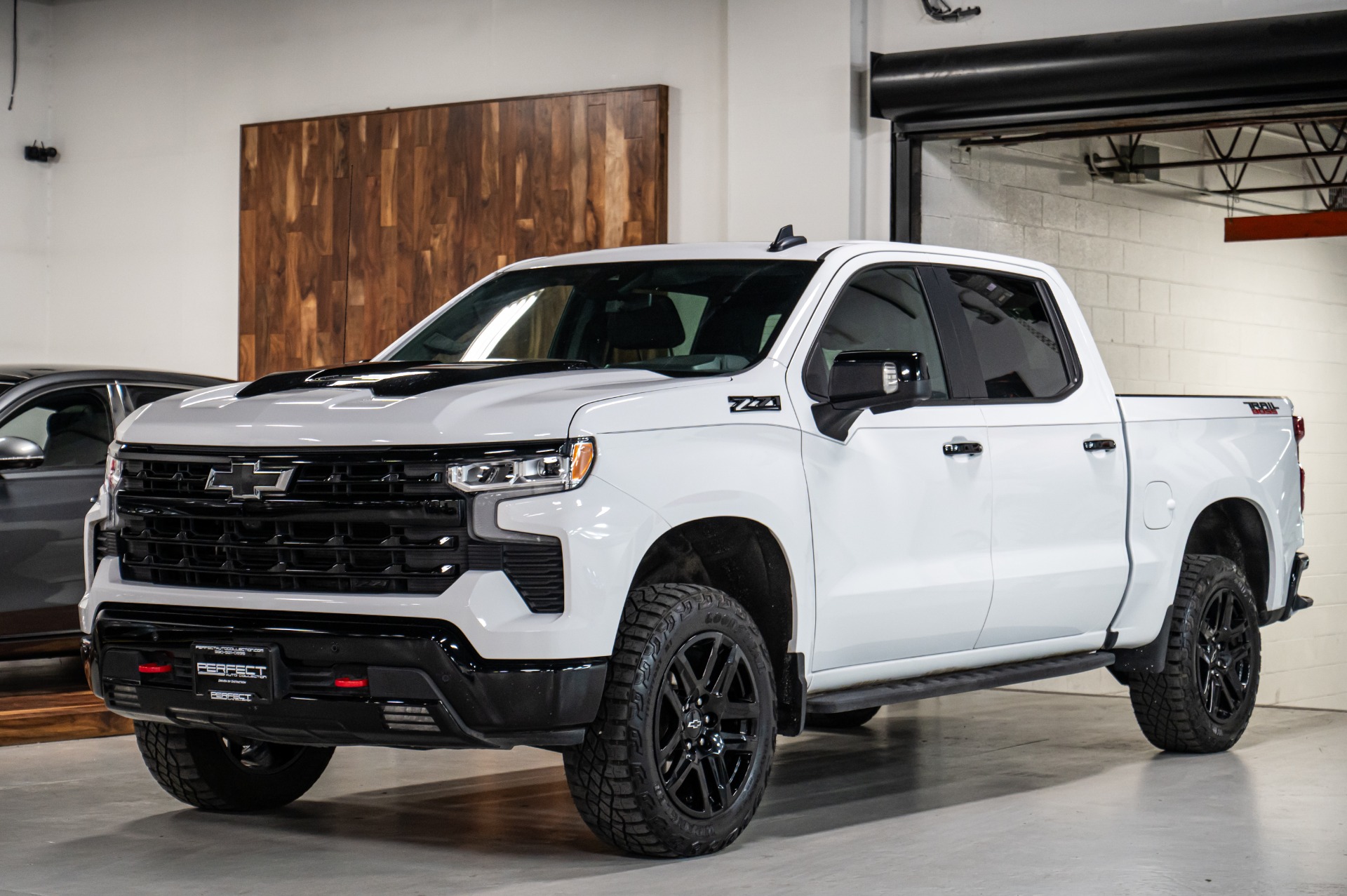
3. 2024 Chevrolet Silverado 1500 LT Trail Boss 6.2L V8
A different approach to power emerges with the 2024 Chevrolet Silverado 1500 LT Trail Boss equipped with the 6.2-liter V8 engine. Instead of relying on turbocharging or diesel technology, this engine produces strong torque through displacement and natural aspiration. The result is a direct and immediate response to throttle input, which proves useful when climbing Reno’s varied roads.
Acceleration feels linear and predictable. As the driver presses the accelerator, power builds smoothly without delay. This characteristic creates confidence during uphill driving, where consistent output is more valuable than sudden bursts of speed. The engine’s sound adds to the experience, providing audible feedback that reinforces its strength without becoming overwhelming.
Handling remains stable due to the Trail Boss suspension setup. Designed for off-road capability, it includes components that improve traction and control on uneven surfaces. Reno’s surroundings often include gravel roads and less-developed routes, and this truck adapts without difficulty. Tire grip and suspension travel contribute to steady movement, even when conditions change unexpectedly.
Cabin design balances ruggedness with comfort. Materials are durable, and the layout supports both work and recreational use. Drivers benefit from a commanding seating position, which improves visibility on winding or elevated roads. Passengers experience a composed ride, supported by suspension tuning that absorbs impacts without excessive softness.
Fuel usage reflects the engine’s size. The 6.2-liter V8 consumes more fuel than smaller engines, particularly during city driving. However, its ability to deliver consistent power without strain makes it well-suited for environments where performance takes priority over efficiency.
Cooling systems also play a role in maintaining reliability. Reno’s climate can introduce high temperatures, and the Silverado’s design ensures that the engine operates within safe limits even during extended climbs. For those who prefer traditional V8 performance with strong torque delivery, the Silverado LT Trail Boss offers a dependable and engaging driving experience.

4. 2024 Toyota Land Cruiser First Edition 2.4L Turbo Hybrid
Heritage meets modern engineering in the 2024 Toyota Land Cruiser First Edition, a vehicle designed to handle demanding roads with confidence while introducing a new hybrid-assisted powertrain. At first glance, some drivers may question how a four-cylinder engine fits into a list focused on torque, yet the inclusion of a turbocharger combined with an electric motor changes the entire performance equation.
The result is a system that produces strong low-end torque, which proves especially valuable when climbing steep grades around Reno. Power delivery feels immediate due to the electric motor’s contribution. Unlike traditional engines that require time to build momentum, the hybrid system provides instant response when the accelerator is pressed.
This characteristic becomes noticeable during uphill starts, where the vehicle moves forward without hesitation. The turbocharged gasoline engine then sustains that momentum, ensuring continuous power as the climb progresses. Driving behavior remains controlled and composed. The Land Cruiser’s body-on-frame construction provides durability, while its suspension system absorbs uneven surfaces commonly found on rural or mountainous roads outside Reno.
Stability remains consistent even when the vehicle encounters loose gravel or uneven pavement, which enhances driver confidence in changing conditions. Traction systems distribute power effectively, allowing the vehicle to maintain grip without excessive wheel slip.
Interior comfort reflects a blend of utility and refinement. Seating remains supportive for extended drives, and the cabin layout prioritizes functionality without sacrificing modern technology. Drivers benefit from clear instrumentation and well-placed controls, which help maintain focus during challenging routes. Passengers experience a stable ride, supported by a suspension that balances firmness with comfort.
Fuel efficiency represents an advantage compared to traditional high-displacement engines. The hybrid system reduces fuel consumption during city driving and low-speed operation, while still delivering the torque required for uphill performance. This balance allows drivers to manage fuel costs without sacrificing capability.
Heat management also contributes to reliability. The hybrid system operates efficiently under load, reducing strain on the gasoline engine during extended climbs. Reno’s high temperatures and elevation changes demand consistent performance, and this setup meets those expectations without compromise.
For drivers seeking a modern solution to uphill driving, the Land Cruiser First Edition delivers strong torque through a combination of electric assistance and turbocharged power, creating a capable and forward-thinking option.
4 Underpowered 4-Cylinder Cars That Struggle on Reno’s Climbs
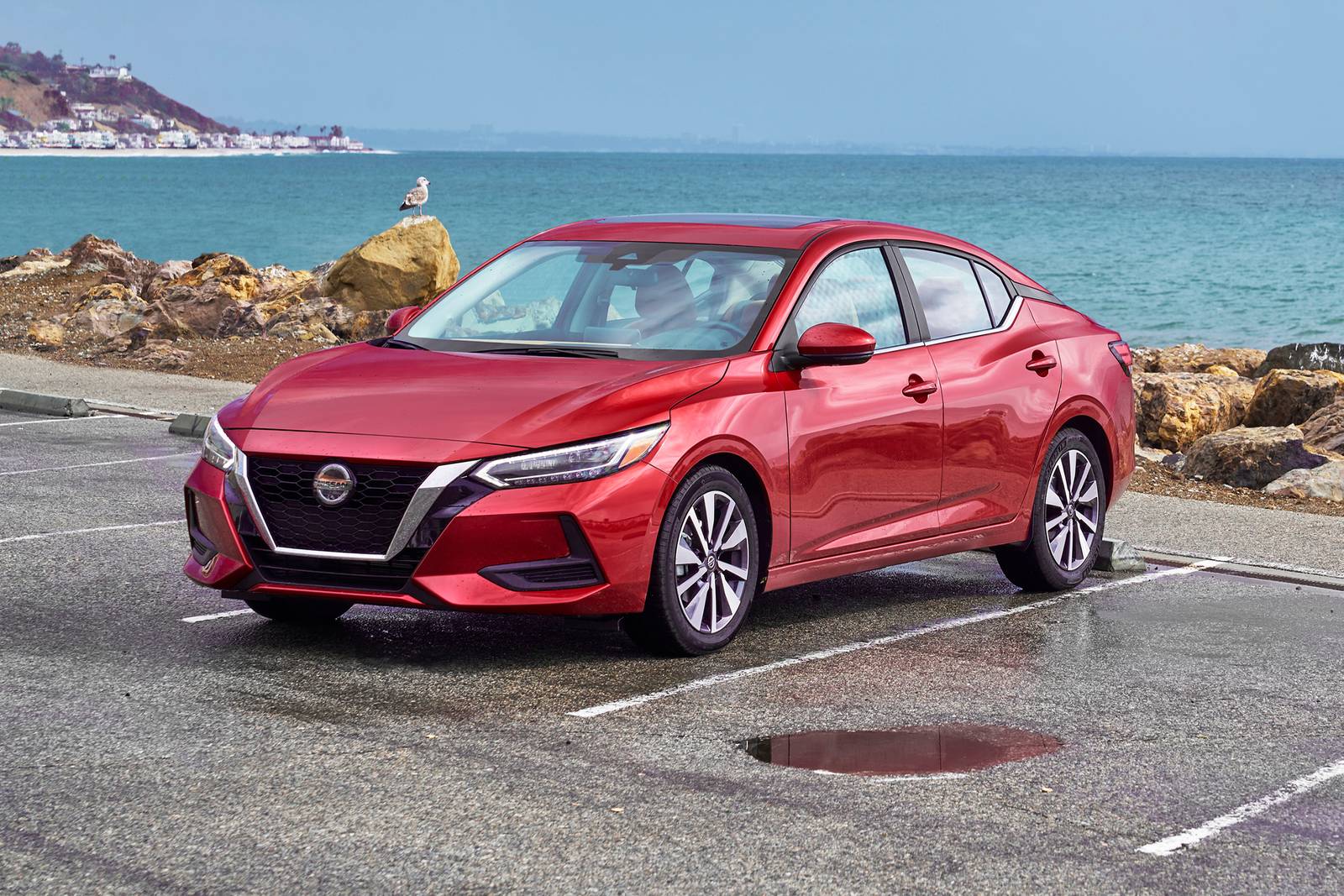
1. 2023 Nissan Sentra S
A calm and composed commuter like the 2023 Nissan Sentra S performs well in flat urban environments, yet Reno’s elevation changes introduce challenges that reveal its limitations. Equipped with a 2.0-liter four-cylinder engine producing modest horsepower and torque, the Sentra prioritizes efficiency and affordability rather than climbing strength.
That design choice becomes evident when the road begins to rise, and traffic demands steady acceleration. Starting from a stop on an incline requires deliberate throttle input. Instead of moving forward with confidence, the Sentra builds speed gradually, sometimes leaving drivers feeling exposed when merging into faster-moving uphill traffic.
The continuously variable transmission attempts to keep the engine within an efficient range, though this tuning can create a droning sound under load, which reduces the sense of control during extended climbs. City driving across Reno often includes rolling elevation changes rather than perfectly flat routes.
In those conditions, the Sentra performs adequately, yet the experience lacks the reserve power that drivers appreciate when quick responses become necessary. Passing slower vehicles on uphill sections demands planning rather than instinct, and that added effort can become tiring during daily commutes.
Interior comfort remains a positive aspect. Seats provide support for longer drives, and cabin noise stays relatively controlled during normal cruising. However, when the engine is pushed harder on steep grades, that calm atmosphere changes, with increased engine noise entering the cabin and reminding occupants of the car’s limitations.
Fuel efficiency continues to stand as a strength. Drivers benefit from fewer fuel stops, especially during consistent-speed travel. Even so, efficiency can drop slightly when the engine works harder to maintain speed on climbs, which reduces the advantage in hilly roads.
For drivers whose routes remain mostly flat, the Sentra S offers dependable and economical transportation. Once elevation becomes part of the daily routine, its restrained power output becomes more noticeable, requiring patience and careful driving decisions in situations where stronger vehicles respond with ease.
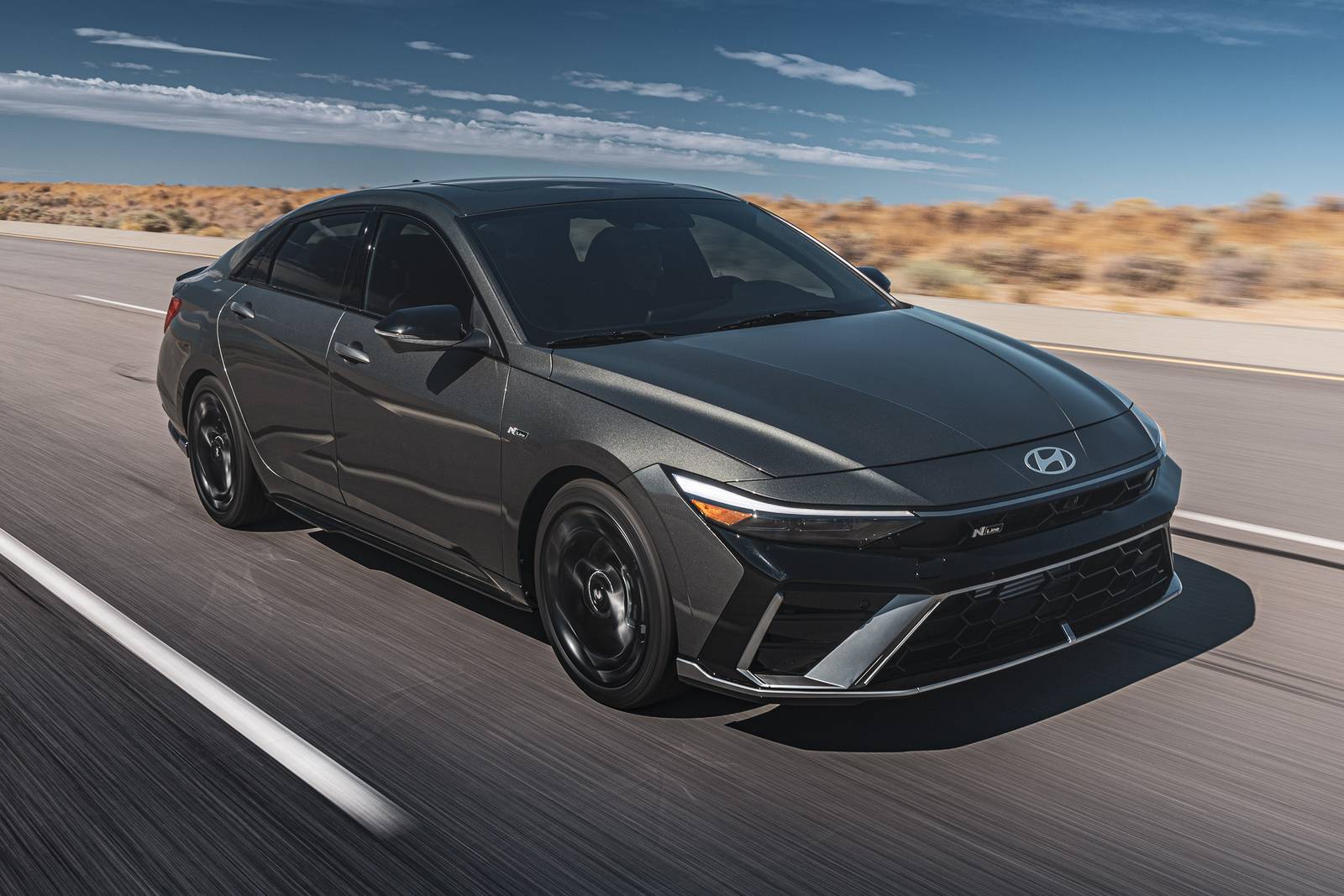
2. 2024 Hyundai Elantra SE
Sleek styling and modern features define the 2024 Hyundai Elantra SE, though its performance characteristics lean toward comfort rather than strength. Powered by a naturally aspirated four-cylinder engine, the Elantra delivers steady output suitable for everyday commuting. Reno’s climbing roads, however, introduce a different test that highlights the limits of that approach.
Acceleration from a standstill on an uphill street feels measured rather than confident. The engine builds power gradually, and while this behavior suits calm driving, it can feel insufficient when traffic conditions demand quicker movement. Drivers may find themselves pressing the accelerator deeper than expected, which increases engine noise without delivering an immediate response.
Climbing extended grades reveals another layer of limitation. Maintaining highway speeds on rising terrain often requires sustained throttle input, and the engine remains under load for longer periods. This condition can lead to a less relaxed driving experience, especially during longer trips through hilly sections surrounding Reno.
Handling remains predictable, which helps maintain control even when power feels limited. Steering stays light, and the chassis provides stable feedback through curves. That predictability offers reassurance, though it does not compensate for the lack of torque when climbing steep inclines.
Interior design supports daily usability with a clean layout and accessible controls. Drivers appreciate the simplicity, especially during routine commutes. Still, the experience moves when climbing demands increase, as engine effort becomes more noticeable inside the cabin.
Fuel economy presents a clear advantage during flat or moderately rolling routes. Efficiency drops slightly during sustained climbs, though it remains competitive within its class. Drivers focused on cost savings may accept the trade-off, even if performance feels restrained in certain conditions.
Choosing the Elantra SE suits those who value comfort and efficiency above all else. Reno’s elevation changes expose the limitations of its powertrain, requiring a more patient driving style in situations where stronger vehicles maintain speed with less effort.
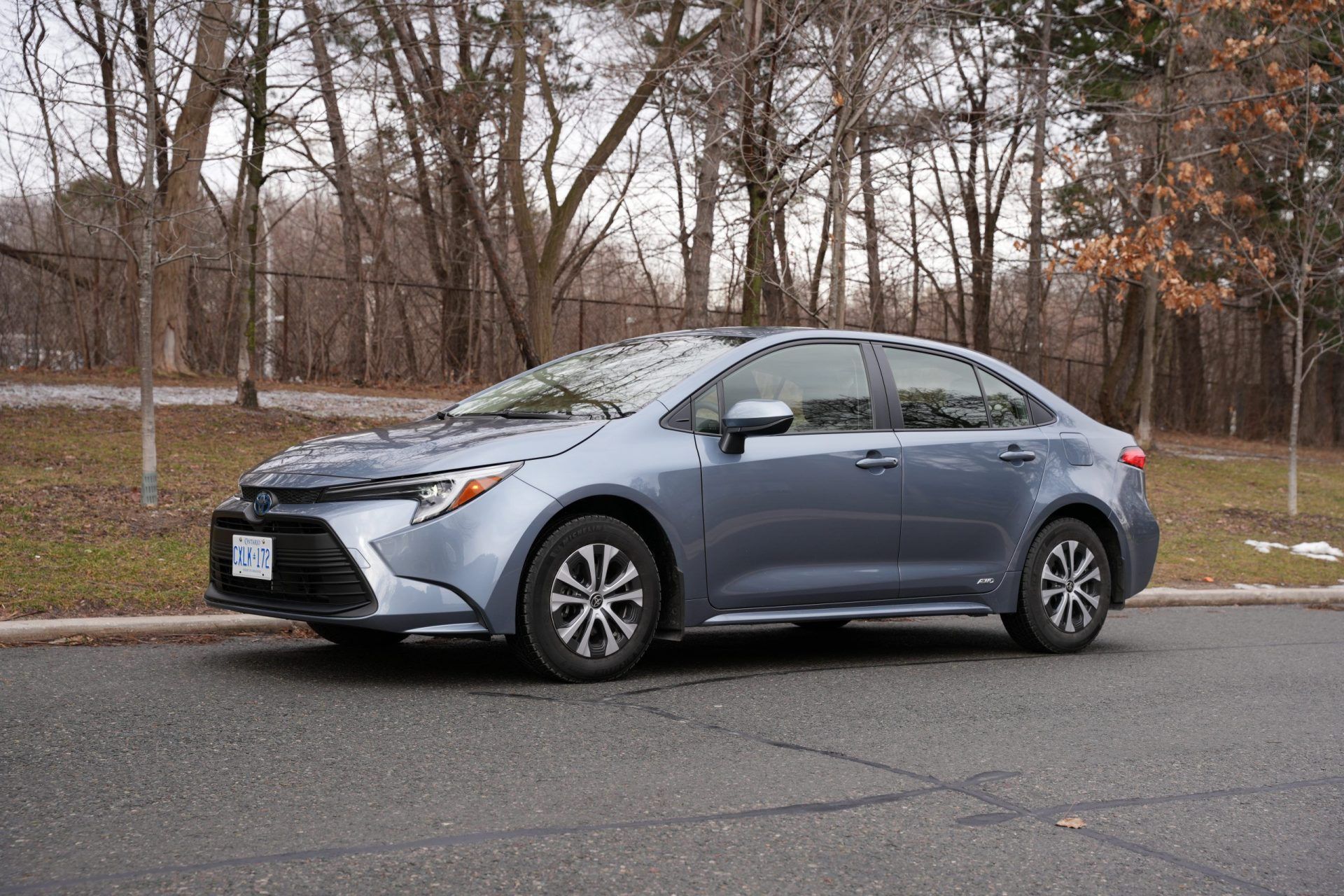
3. 2023 Toyota Corolla LE
Reliability has consistently defined the 2023 Toyota Corolla LE, positioning it as a dependable option for daily transportation across varied environments. Designed with a modest four-cylinder engine, the vehicle delivers stable and predictable performance under normal driving conditions. Within a city that presents frequent elevation changes such as Reno, this consistency meets practical limitations that become evident during uphill driving.
Acceleration on level roads provides a satisfactory response suitable for routine commuting. Movement from a stationary position occurs with adequate smoothness, allowing drivers to integrate into urban traffic without difficulty. Once the driving surface inclines, a different behavior emerges.
The Corolla begins to exhibit reduced responsiveness, requiring more deliberate throttle input to maintain momentum. This becomes particularly apparent when attempting to merge onto highways that rise gradually, where precise timing and acceleration are necessary for safe integration with faster-moving vehicles.
Extended climbs demand sustained effort from the engine. The transmission system works continuously to maintain efficiency by adjusting gear ratios, yet this process often results in higher engine revolutions. Increased engine activity produces a noticeable rise in cabin noise, altering the previously calm interior atmosphere.
Drivers and passengers may observe that the vehicle’s quiet composure gives way to a more mechanical sound profile during prolonged uphill travel. Urban routes featuring moderate elevation changes remain within the Corolla’s comfort range.
Performance stays consistent enough for daily commuting, although the absence of strong torque limits spontaneous acceleration. Situations that require quick overtaking on rising roads demand careful judgment rather than immediate execution. This introduces a measured driving style, where anticipation becomes necessary for safe maneuvering.
Interior design reflects practicality and user-friendly operation. Controls are arranged logically, and seating provides sufficient comfort for daily use. Passenger space accommodates routine travel needs, while cargo capacity supports light errands. During uphill driving, however, the increased engine effort becomes a constant presence, subtly influencing the entire driving experience.
Fuel efficiency continues to represent a strong advantage. The Corolla maintains low consumption levels during steady driving conditions, contributing to reduced running costs. Uphill travel introduces a slight increase in fuel usage due to sustained engine load, yet the vehicle remains economical when compared with larger alternatives.
Selecting the Corolla LE suits individuals who prioritize durability, efficiency, and ease of ownership. Reno’s road introduces performance limitations that require patience and careful driving decisions, particularly when compared with vehicles designed for stronger climbing ability.
Also Read: 6 Cars for Small American Garages vs 6 Trucks That Won’t Fit
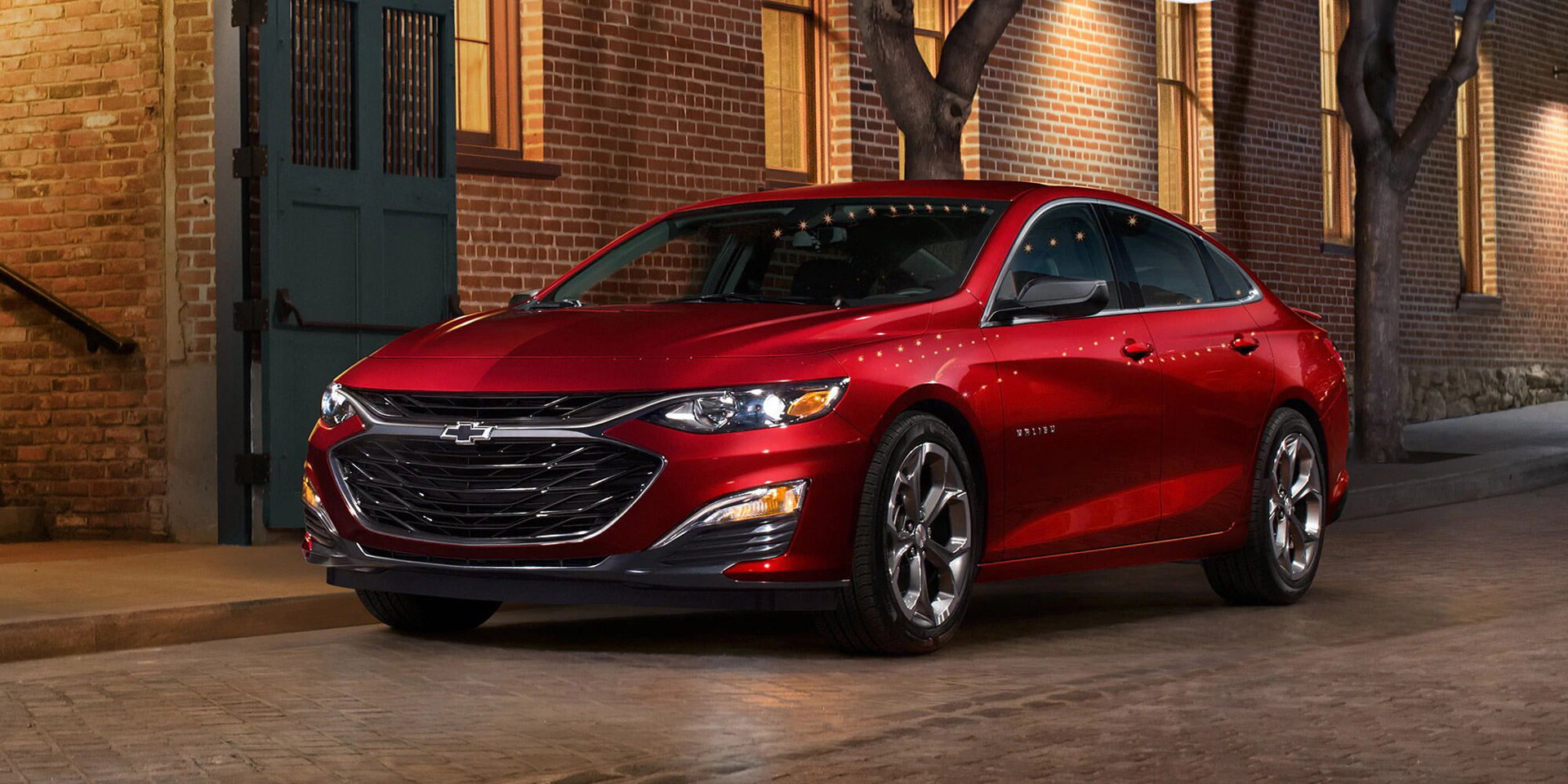
4. 2024 Chevrolet Malibu LS
Comfort and interior space define the 2024 Chevrolet Malibu LS, making it an appealing choice for drivers who value a relaxed driving environment. As a midsize sedan, it offers generous cabin dimensions and a smooth ride quality suited for extended journeys.
Beneath this refined presentation lies a turbocharged four-cylinder engine configured primarily for efficiency, which influences its performance on Reno’s inclined roadways. Initial movement on an uphill surface reveals a gradual response that differs from expectations associated with a vehicle of its size.
The turbocharger contributes additional power, yet delivery remains measured rather than immediate. Drivers often apply increased throttle input to achieve forward motion, especially when the vehicle carries multiple occupants or additional cargo. This behavior can affect confidence during situations that require prompt acceleration.
Sustained climbs present a continuous demand on the powertrain. Maintaining consistent speed on uphill highways requires steady pressure on the accelerator, prompting the transmission to adjust accordingly.
Downshifting occurs to preserve momentum, which increases engine activity and introduces additional noise into the cabin. The calm and quiet driving experience associated with level-road cruising becomes less pronounced under these conditions.
Handling characteristics remain stable and predictable. The Malibu maintains composure through curves and elevation changes, allowing drivers to retain control even when power delivery feels restrained. Steering response stays balanced, though the absence of strong torque reduces confidence during moments that call for rapid acceleration adjustments on steep inclines.
Interior comfort stands as a defining feature. The cabin provides ample seating space, and materials contribute to a pleasant environment during daily use. Noise levels remain low during typical driving, supporting a relaxed atmosphere for occupants. When the engine operates under sustained load on climbs, this quietness diminishes slightly, revealing the effort required to maintain performance.
Fuel economy remains reasonable for a vehicle within the midsize sedan category. Efficiency benefits are evident during steady travel, though uphill driving introduces a moderate increase in consumption due to higher engine demand. Despite this adjustment, the Malibu continues to serve as a practical option for drivers who prioritize comfort and space.
Choosing the Malibu LS aligns with preferences for smooth cruising and interior refinement. Reno’s elevation changes highlight its limited torque output, requiring a composed and deliberate driving approach where stronger vehicles would maintain pace with less mechanical effort.
