
Sunroofs and T-top roof systems have become defining features across American automotive culture, blending open-air driving with everyday practicality. From classic muscle cars to modern SUVs, these designs continue to shape how drivers experience comfort, visibility, and style on the road.
Some vehicles are celebrated for refining these systems into reliable, well-integrated features, while others have developed reputations for water intrusion and long-term maintenance concerns.
The appeal of glass roofs and removable panels lies in their ability to transform the cabin environment. They bring in natural light, improve airflow, and create a stronger connection to the outdoors without fully sacrificing structural rigidity or safety. Yet the performance of these systems depends heavily on engineering quality, drainage design, and seal durability, which can vary widely between models and generations.
This comparison of “6 Sunroofs and T-Tops In the USA vs. 6 That Are Prone to Leaking” highlights both successful designs and problematic ones, offering a clearer understanding of how these features perform in real-world conditions.
6 Sunroofs and T-Tops In the USA
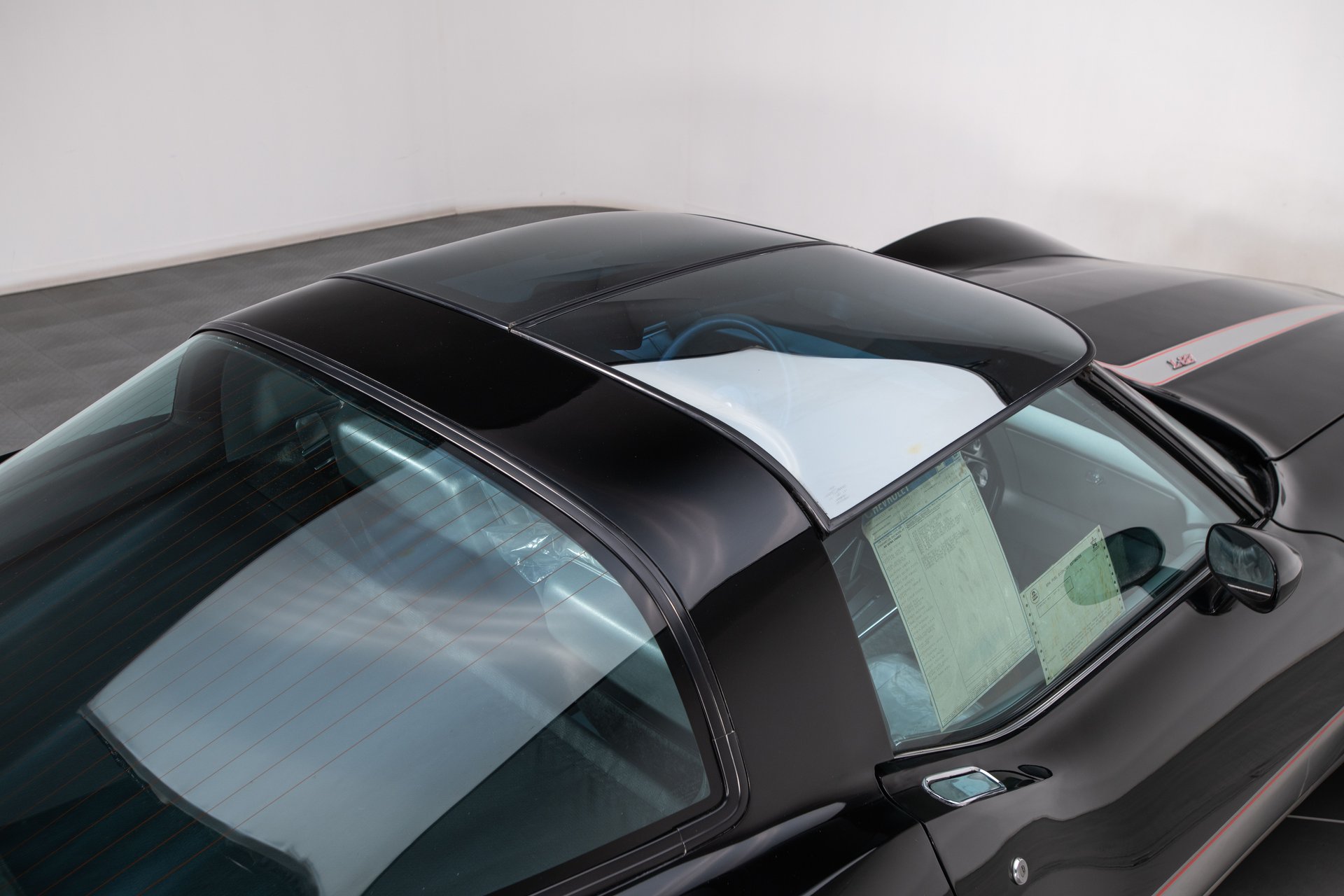
1. Chevrolet Corvette (1978 C3) and the Evolution of Removable Roof Design
The 1978 Chevrolet Corvette C3 Silver Anniversary edition represents a significant milestone in the history of American sports cars, especially due to its innovative roof design. It introduced the first factory-installed glass T-tops, featuring two removable panels that could be conveniently stored in vinyl bags behind the seats.
This design allowed drivers to enjoy an open-air experience while still maintaining the structural strength of a coupe. The tinted glass panels helped reduce heat and glare, while also making the cabin feel brighter, more spacious, and less confined compared to traditional fiberglass roofs.
Today, these C3 models are highly valued by collectors for their iconic fastback styling and their role in popularizing removable roof systems in performance cars.
The Corvette’s approach to removable roof panels has remained a defining feature across generations. Beginning with the C3’s T-tops and evolving into modern Targa-style roofs, Chevrolet has consistently balanced open-air driving enjoyment with practicality.
Enthusiasts in the United States often consider these roof systems superior because they combine the emotional appeal of convertible driving with the structural rigidity, safety, and comfort of a fixed-roof coupe. Unlike traditional soft-top convertibles, removable hard panels are simpler, more durable, and less prone to mechanical issues.
Modern Corvette generations (C4 through C8) refined this concept with single-panel Targa roofs that are easier to remove and store, offering a cleaner design and improved convenience. Some versions even feature transparent or electrochromic roof panels that enhance cabin brightness while maintaining protection from the elements.
The C8 Corvette further expands options by offering both a removable coupe roof and a fully automatic retractable hardtop convertible, which operates quickly and maintains strong performance with minimal impact on handling.
The Corvette’s removable roof systems are celebrated for delivering a versatile driving experience, offering the thrill of open-air motoring without sacrificing performance, comfort, or everyday usability.
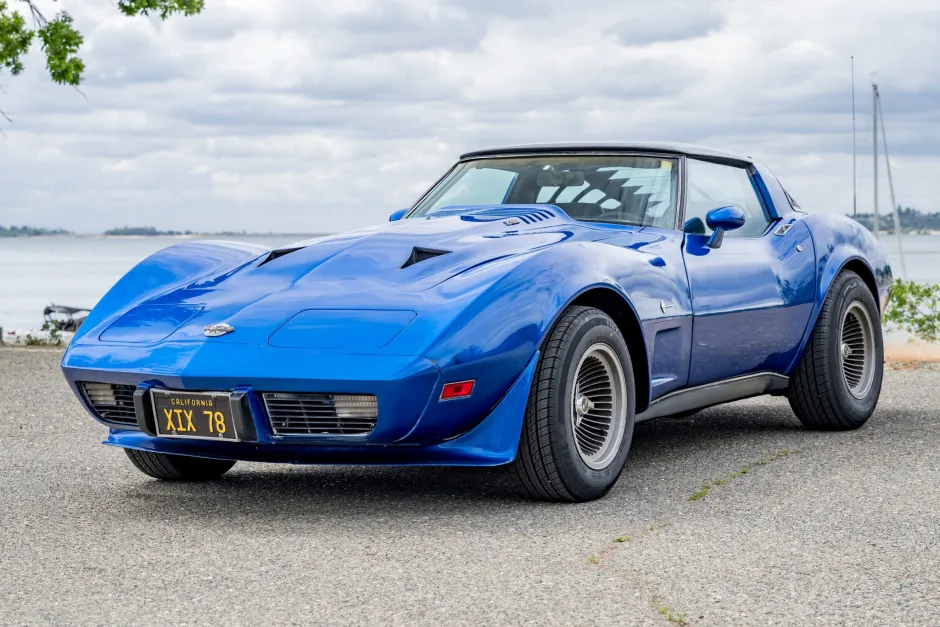
2. Pontiac Firebird Trans Am (1977–1979): The Iconic T-Top Muscle Car of American Pop Culture
The late-1970s Pontiac Firebird Trans Am, especially the 1977–1979 models, stands as one of the most recognizable American muscle cars, largely due to its distinctive T-top roof design and strong presence in pop culture.
Immortalized by the film Smokey and the Bandit, the Trans Am became a symbol of rebellion, freedom, and bold automotive styling during an era when many performance cars were being restricted by tightening emissions regulations.
A key feature of these models was the removable T-top roof system, originally designed by Hurst and later refined by Fisher Body. This setup consisted of two glass panels that could be easily removed and stored in the trunk, offering drivers a semi-convertible experience without sacrificing the structural rigidity of a fixed roof.
The smoked glass panels allowed natural light into the cabin even when installed, enhancing the feeling of openness while maintaining protection and safety. This balance between openness and structure made the T-top especially popular among muscle car enthusiasts.
The most famous version of the Trans Am, the Special Edition black-and-gold model, featured the iconic “Screaming Chicken” hood decal and T-tops, cementing its legendary status. Its appearance in Smokey and the Bandit, driven by Burt Reynolds, elevated the car into a cultural phenomenon and significantly boosted sales.
Beyond aesthetics, T-tops offered a practical alternative to convertibles, which had largely declined in popularity during the 1970s. They provided a thrilling open-air driving experience while avoiding some of the structural weaknesses and complexity of full soft-top designs. However, they were not without issues; aging rubber seals often led to leaks, and body flex could cause rattles or squeaks over time.
Despite these drawbacks, T-tops remain a defining feature of the Trans Am legacy. They represent a unique blend of style, performance, and cultural identity, making the late-70s Pontiac Firebird Trans Am one of the most enduring symbols of American muscle car history.
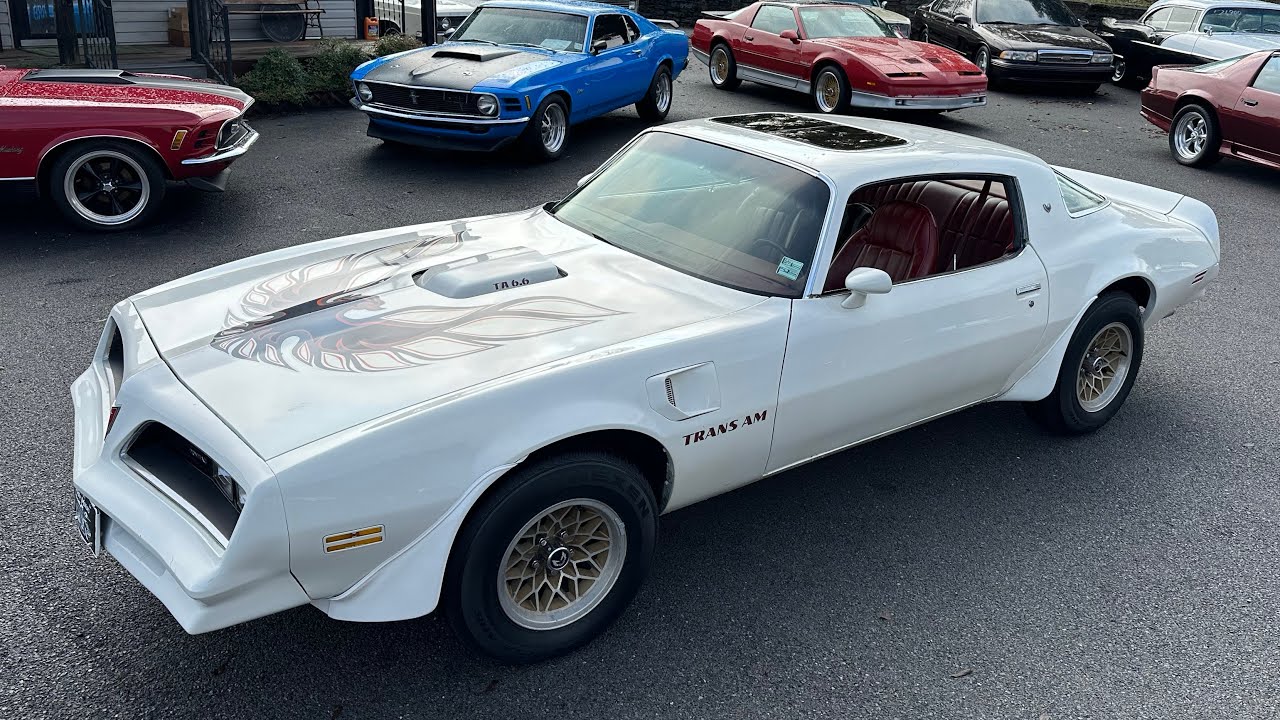
3. Subaru Forester (2024+): Panoramic Sunroof Experience in a Practical Adventure SUV
The modern Subaru Forester (2024 and later models) is known for its expansive panoramic power sunroof, one of the largest in the compact SUV segment. Unlike conventional sunroofs that only cover the front seats, the Forester’s glass panel extends deep into the rear cabin, creating a continuous, open, airy feel.
The system includes a power-operated sunshade along with tilt and slide functions, allowing occupants to adjust light and airflow with ease while maintaining comfort in varying weather conditions.
This design significantly enhances cabin ambiance by flooding the interior with natural light, making the vehicle feel more spacious than its physical dimensions suggest. Large glass coverage, combined with Subaru’s tall greenhouse structure and wide windows, improves outward visibility and strengthens the sense of connection to the surroundings.
For outdoor-focused drivers, the panoramic roof creates an immersive viewing experience during scenic routes, while also allowing controlled ventilation that helps regulate cabin temperature and freshness without fully opening the vehicle.
Higher trims of the Forester often feature this panoramic moonroof as a key comfort upgrade, adding a more premium feel to mid-range and top-tier variants. Despite its large size, the system is engineered for durability and reliable sealing, reducing common issues such as leaks seen in older designs.
A slight reduction in rear headroom may be noticed by taller passengers, but interior space remains practical and comfortable. The Forester does not offer T-top styling, as its design focuses on modern SUV utility rather than removable roof panels.
This combination of light, visibility, and versatility makes the panoramic roof one of the most valued features among Forester buyers who prioritize comfort and outdoor-oriented driving experiences. It complements the Forester’s practical nature while enhancing daily driving enjoyment in both urban and rural settings. It balances utility with an open, airy cabin experience for all passengers.
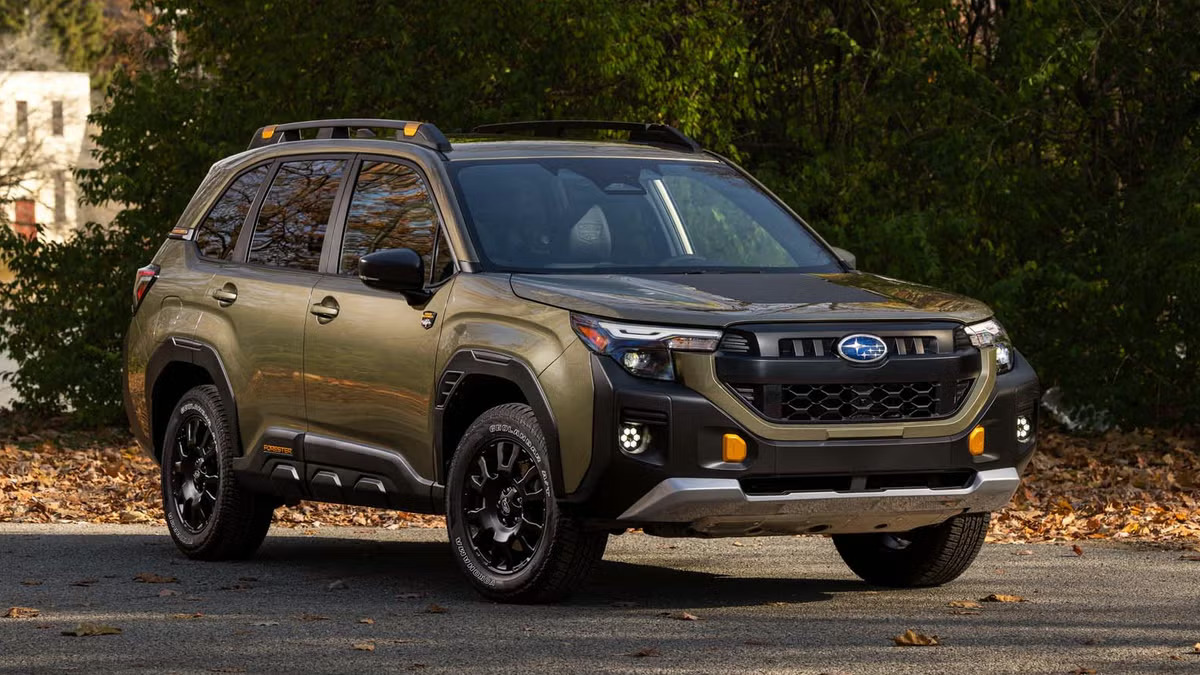
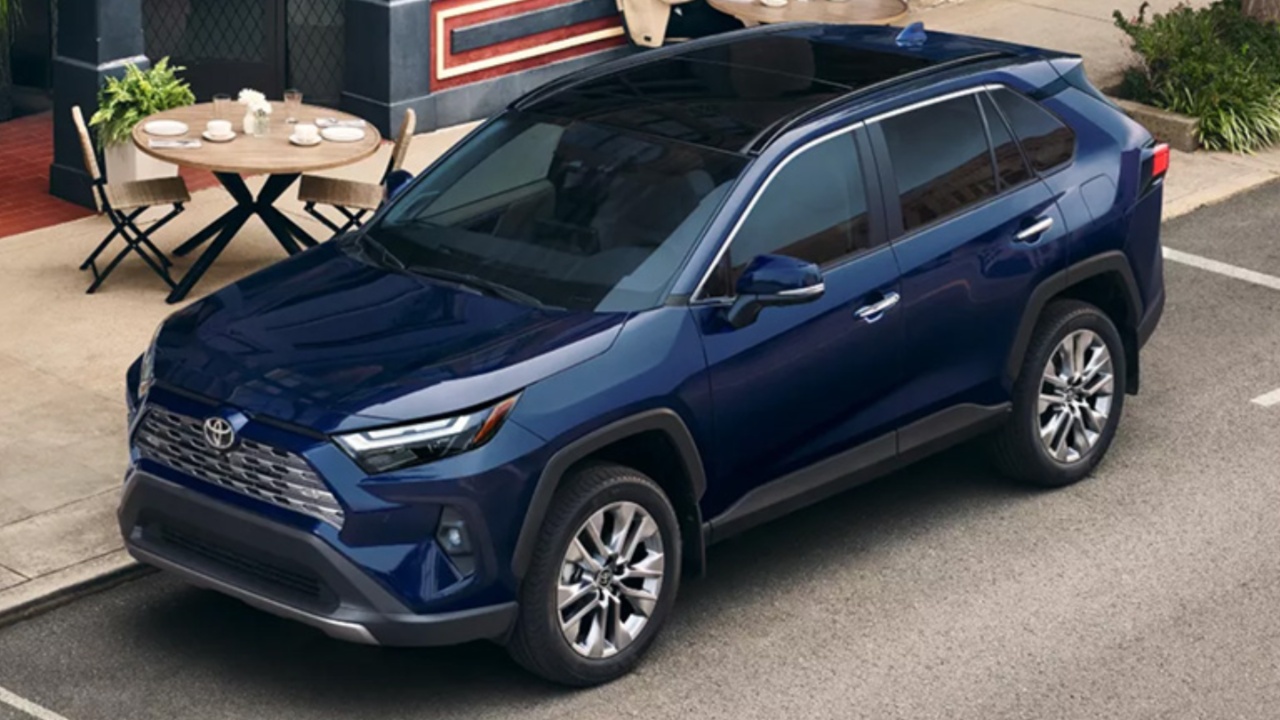
4. Toyota RAV4 (2025): Panoramic Moonroof Comfort in America’s Best-Selling SUV
The 2025 Toyota RAV4 continues its dominance as one of the best-selling compact SUVs in the United States, combining reliability, practicality, and modern comfort features. Among its most desirable upgrades on higher trims, such as the XLE Premium, Limited, and XSE, is the available panoramic glass roof, which significantly enhances the cabin experience.
This large glass panel extends over the front seating area and, in some configurations, further toward the rear, creating a brighter and more open interior atmosphere.
The panoramic moonroof is designed to improve cabin ambiance by allowing natural light to flood the interior, making the space feel larger and more connected to the outside environment. With the touch of a button, the front section can tilt or slide open, giving passengers a controlled open-air experience.
To manage heat and sunlight, especially in hot climates like Texas or Florida, Toyota includes a fully electric sunshade that can block incoming light completely, helping maintain a comfortable cabin temperature even under strong sun exposure.
Beyond its roof features, the 2025 RAV4 remains popular due to its strong reputation for long-term reliability, strong resale value, and wide range of powertrains.
Buyers can choose from gasoline, hybrid, and plug-in hybrid variants, offering flexibility in fuel efficiency and performance. The SUV also integrates modern technology, including Toyota Safety Sense 3.0, wireless Apple CarPlay and Android Auto, and advanced driver-assistance systems.
While the RAV4 offers a refined sunroof experience, it does not include T-top styling, which is largely absent in modern SUVs. Instead, Toyota focuses on a fixed panoramic glass design that prioritizes safety, practicality, and ease of maintenance. Some owners note that regular care of drainage channels and seals is important to prevent potential leaks over time, as with any sunroof system.
With its blend of utility, efficiency, and a premium-feeling panoramic roof, the 2025 RAV4 continues to appeal to families and commuters seeking comfort alongside everyday versatility.
5. BMW X3 (2024): Panoramic Moonroof Luxury in a Premium Compact SUV
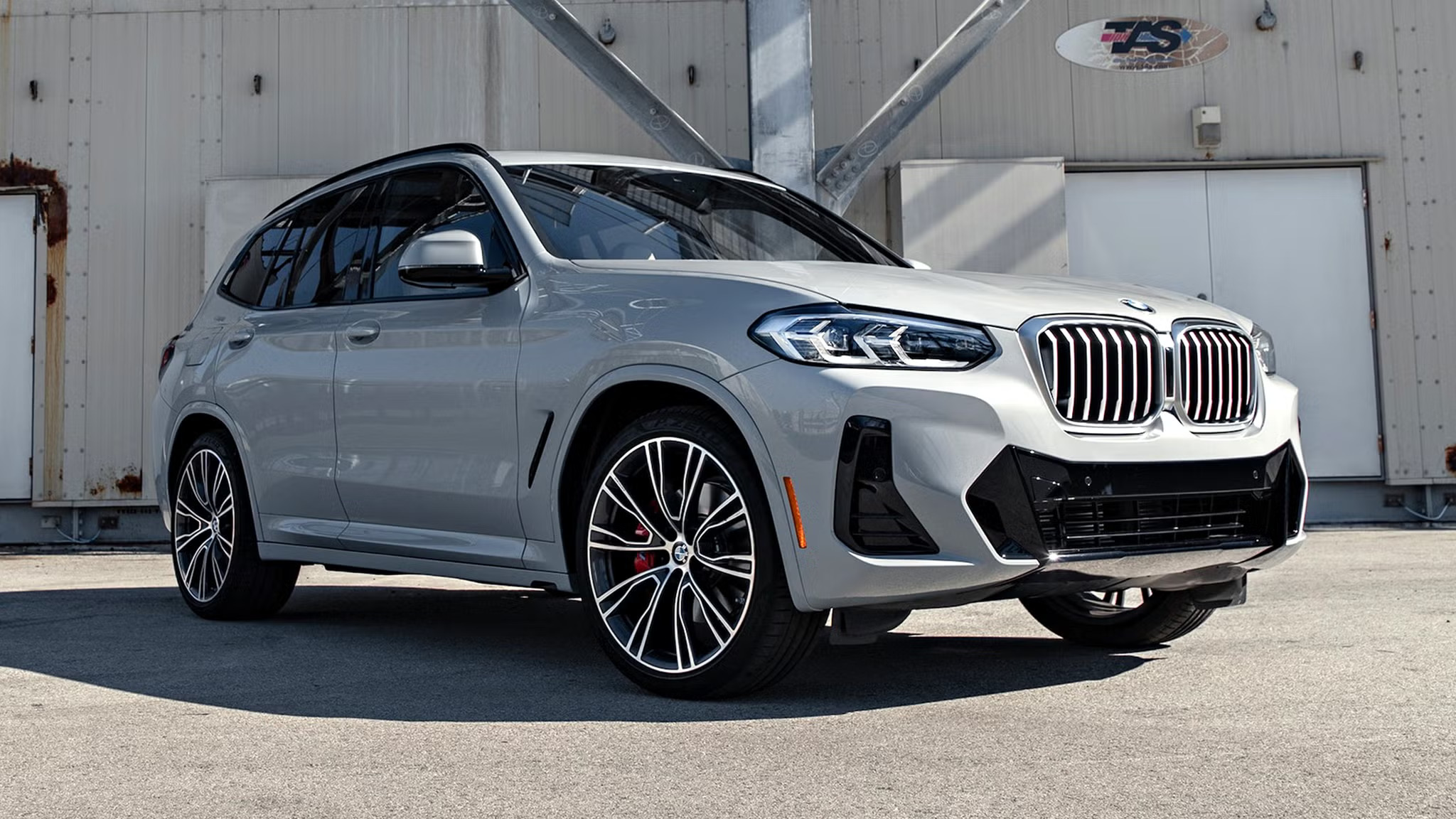
The 2024 BMW X3 continues to define the luxury compact SUV segment, with its expansive panoramic moonroof serving as a standout feature that enhances both comfort and design.
This large, electrically operated glass roof spans nearly the entire ceiling, extending over both front and rear passengers. It creates a bright, open atmosphere inside the cabin, giving occupants an uninterrupted view of the sky and significantly elevating the vehicle’s premium feel.
Designed with both aesthetics and functionality in mind, the panoramic roof allows natural light to flood the interior, reducing any sense of confinement often found in smaller SUVs.
The front section typically opens to provide fresh air, offering a controlled open-air experience while minimizing wind noise thanks to an integrated wind deflector system. Additionally, the glass is treated to filter harmful UV rays, helping maintain a comfortable cabin environment even during long drives. A power-operated sunshade is also included, allowing passengers to easily block out sunlight when needed.
For many buyers in the United States, this panoramic roof is considered an essential upgrade, often included in premium packages. It complements BMW’s focus on modern luxury, advanced technology, and driver-focused design. Inside, the X3 pairs this feature with a refined cabin, updated infotainment systems like iDrive 9, and high-quality materials that reinforce its upscale identity.
Beyond the roof, the X3 is known for its dynamic handling and sporty performance, offering a driving experience that feels more engaging than many competitors. Higher-performance variants, such as the X3 M models, further emphasize this sporty character.
There are some considerations to keep in mind. The large glass surface can increase cabin heat in warmer climates, and like many panoramic systems, it may require maintenance of seals and drainage channels to prevent leaks or noise over time. The BMW X3 does not offer T-top configurations, focusing instead on a fixed or partially opening panoramic design that aligns with modern luxury standards.
6. Ford Expedition (2025): Panoramic Vista Roof in a Full-Size Family SUV
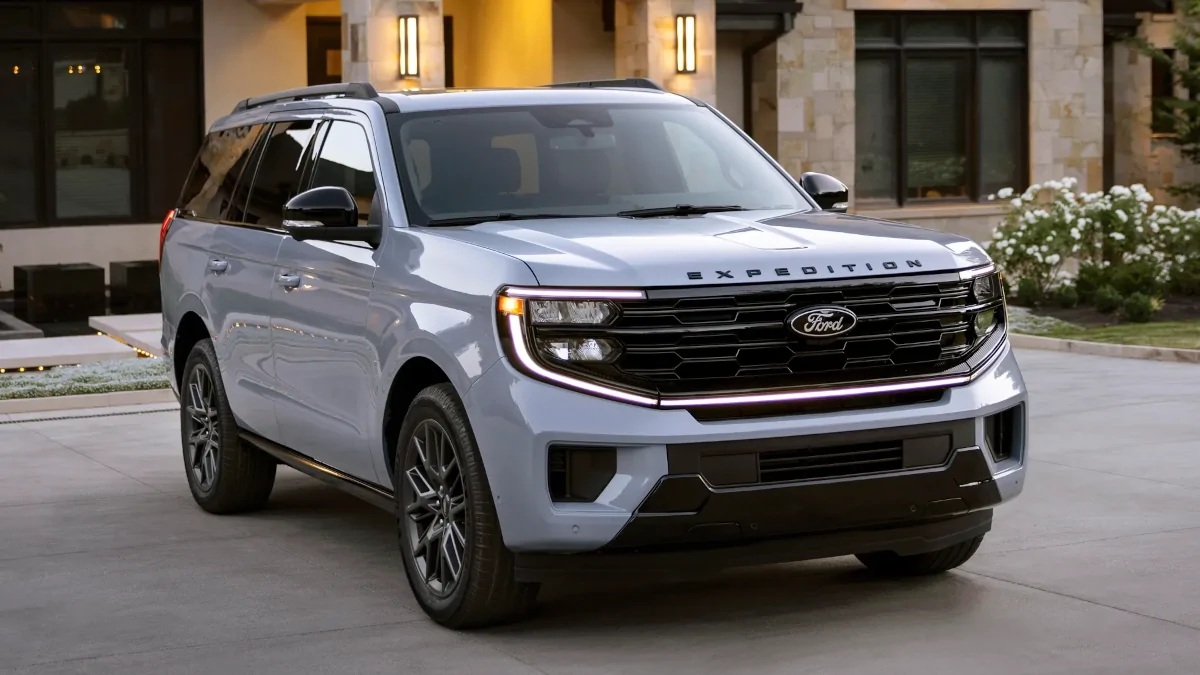
The 2025 Ford Expedition stands out in the full-size SUV segment with its expansive Panoramic Vista Roof, a feature designed to enhance comfort and openness in a large, family-focused vehicle. Spanning the first two rows, this wide glass roof allows a significant amount of natural light into the cabin, helping prevent the interior from feeling enclosed.
This is especially useful during long road trips, where a brighter cabin can improve passenger comfort. The front section of the roof can be fully retracted to create an open-air driving experience, while the rear portion remains fixed so second-row passengers can still enjoy outside views.
This panoramic system plays a major role in giving the Expedition a more premium and modern feel. Available on higher trims such as Platinum and Tremor, it also includes a power sunshade that can be closed to block sunlight and maintain a cooler interior in hot weather. The design focuses on convenience and durability, offering a refined alternative to older removable roof styles while maintaining structural strength.
Inside, the Expedition features a redesigned cabin that emphasizes space and technology. A large 24-inch panoramic driver display replaces traditional gauges, while a 13.2-inch center touchscreen provides access to infotainment and controls. The dashboard is positioned to create a more open layout, which works well with the bright atmosphere created by the glass roof.
Performance remains a strong point. The SUV uses a 3.5-liter EcoBoost twin-turbo V6 engine that produces up to 400 horsepower, with higher-output versions reaching 440 horsepower. It also offers a maximum towing capacity of about 9,600 pounds, making it suitable for heavy-duty tasks. The Tremor trim adds off-road capability with upgraded suspension and rugged features.
The Expedition does not include T-top roof options, focusing instead on a panoramic design that supports comfort, practicality, and modern family use.
Also read: 5 Cars That Stand Out at Vegas Valet vs. 5 That Look Past Their Prime
6 That Are Prone to Leaking
1. Toyota Camry Sunroof Issues: Causes of Leaks and Maintenance Concerns
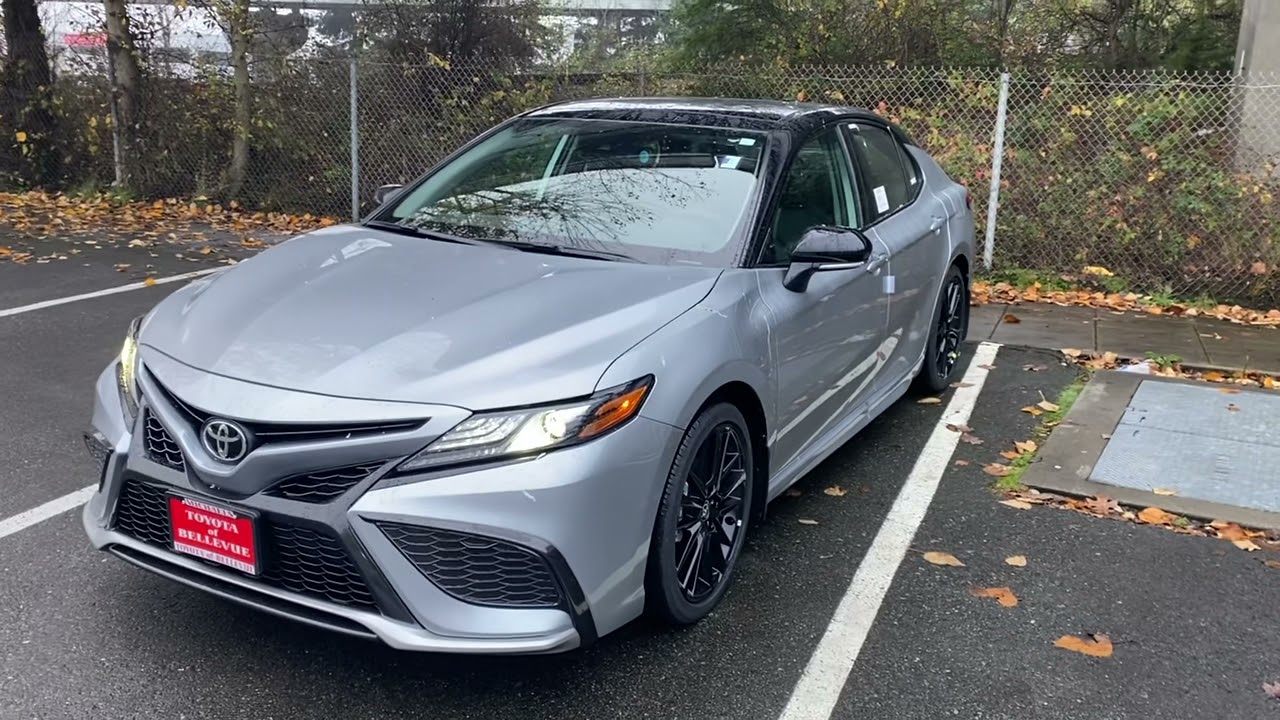
Toyota Camry models equipped with panoramic sunroofs have been associated with recurring water leakage issues, primarily linked to failures in the sealing and drainage systems rather than the glass itself. The large glass panels rely on rubber seals and a built-in water management system, both of which can degrade over time.
As seals age, they may crack, shrink, or tear due to prolonged exposure to heat and sunlight, allowing excess water to enter the system. In some cases, these seals are integrated into the entire roof assembly, making repairs costly if replacement of the full mechanism is required.
A major cause of leaks is clogged drainage tubes. Sunroofs are not fully watertight by design, as small amounts of water are expected to pass through the edges and be redirected via drain channels.
When debris such as leaves, dirt, or pine needles blocks these tubes, water can back up and overflow into the vehicle’s headliner or interior pillars. Additionally, drainage hoses can shrink or become disconnected over time, causing water to leak directly into the cabin instead of draining outside.
Other contributing factors include worn weatherstripping, improper body seam sealing in some models, and interference from components like wind deflectors that prevent the roof from closing properly. Environmental conditions such as frequent rain, parking under trees, and regular car washes can accelerate these issues by increasing debris buildup.
Maintenance plays a key role in preventing leaks. Regular cleaning of drainage channels and applying silicone-based lubricants to rubber seals can help extend their lifespan and maintain flexibility. While older Camry models occasionally featured aftermarket roof modifications, modern issues are almost entirely tied to factory-installed sunroofs, emphasizing the importance of proper care and inspection.
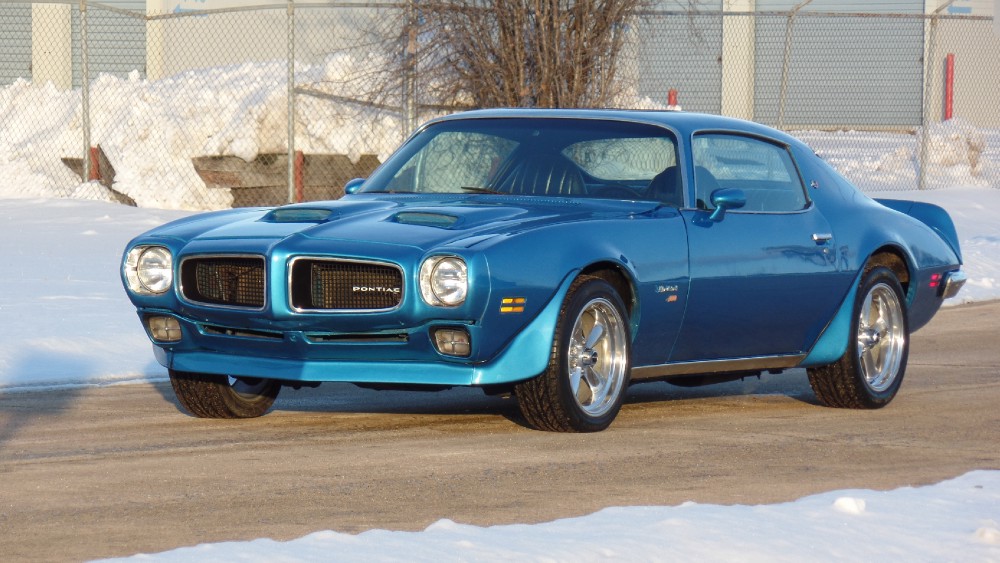
2. Pontiac Firebird (1970s–2000s): T-Top and Sunroof Leak Challenges
The Pontiac Firebird from the 1970s through the early 2000s is widely celebrated for its iconic styling and open-air driving experience, particularly with its T-top roof design. However, these features have long been associated with persistent leakage issues.
Early models, especially those equipped with the 1976–1977 “Hurst Hatches,” were known for poor sealing due to their smaller panels and inconsistent fit. Later designs, such as the larger Fisher T-tops, improved coverage but still relied on complex weatherstripping systems that required ongoing maintenance.
A primary cause of leaks in Firebird T-tops is aging rubber seals. Over time, exposure to sunlight and temperature changes causes the weatherstripping to dry out, shrink, and crack, preventing a watertight seal.
Body flex is another major factor, particularly in third-generation models (1982–1992), where chassis twisting during driving can create small gaps between roof panels and windows. Even slight misalignment of panels or windows can allow water to enter the cabin.
Rust also contributes to long-term problems. Water that becomes trapped in roof channels can corrode the metal structure, leading to more severe and harder-to-repair leaks. In addition, precise adjustment of the panels and windows is critical, as improper alignment increases the likelihood of water intrusion.
Sunroof-equipped Firebirds face similar issues, often related to clogged drainage tubes or disconnected hoses that prevent proper water flow away from the cabin. Many of these sunroofs were aftermarket installations, which sometimes resulted in inferior sealing quality.
Even when new, some Firebirds experienced minor leaks due to the inherent difficulty of sealing removable roof panels. For modern enthusiasts, restoring these vehicles typically involves replacing weatherstripping and maintaining seals to preserve both functionality and interior condition.
3. Volkswagen Tiguan (2018–2022): Panoramic Sunroof Drainage Issues
The Volkswagen Tiguan models from 2018 to 2022 have been widely reported to experience problems with their panoramic sunroof drainage systems. Unlike issues caused by faulty glass, most complaints stem from the vehicle’s water management design, particularly the four drainage tubes located at each corner of the sunroof frame.
These tubes are responsible for channeling water away from the roof, but they can easily become clogged with debris such as leaves, dirt, and pine needles. When blocked, water backs up and leaks into the cabin, often appearing as damp carpets, puddles in the footwells, or stains along interior pillars.
In addition to simple blockages, some Tiguan models have been affected by manufacturing-related issues. Drain tubes may become pinched, improperly installed, or even disconnected from their outlets, preventing proper water flow.
Plastic components within the drainage system can also weaken or crack over time due to temperature changes, further contributing to leakage problems. Another concern involves the sunroof seals, which may not adhere properly, allowing excess water into the drainage system and increasing the risk of overflow.
These recurring issues have led to significant owner frustration, with some cases escalating to legal action involving claims of design defects in certain model years. Repairs can be inconsistent, as simply clearing the drains may not permanently resolve underlying structural or manufacturing problems.
To reduce the risk of leaks, regular maintenance is essential. Owners are often advised to clean the drainage tubes using compressed air or flexible tools and to inspect seals and outlets periodically. Despite its modern design and features, the Tiguan’s panoramic sunroof system highlights the importance of proper drainage maintenance in preventing costly interior water damage.

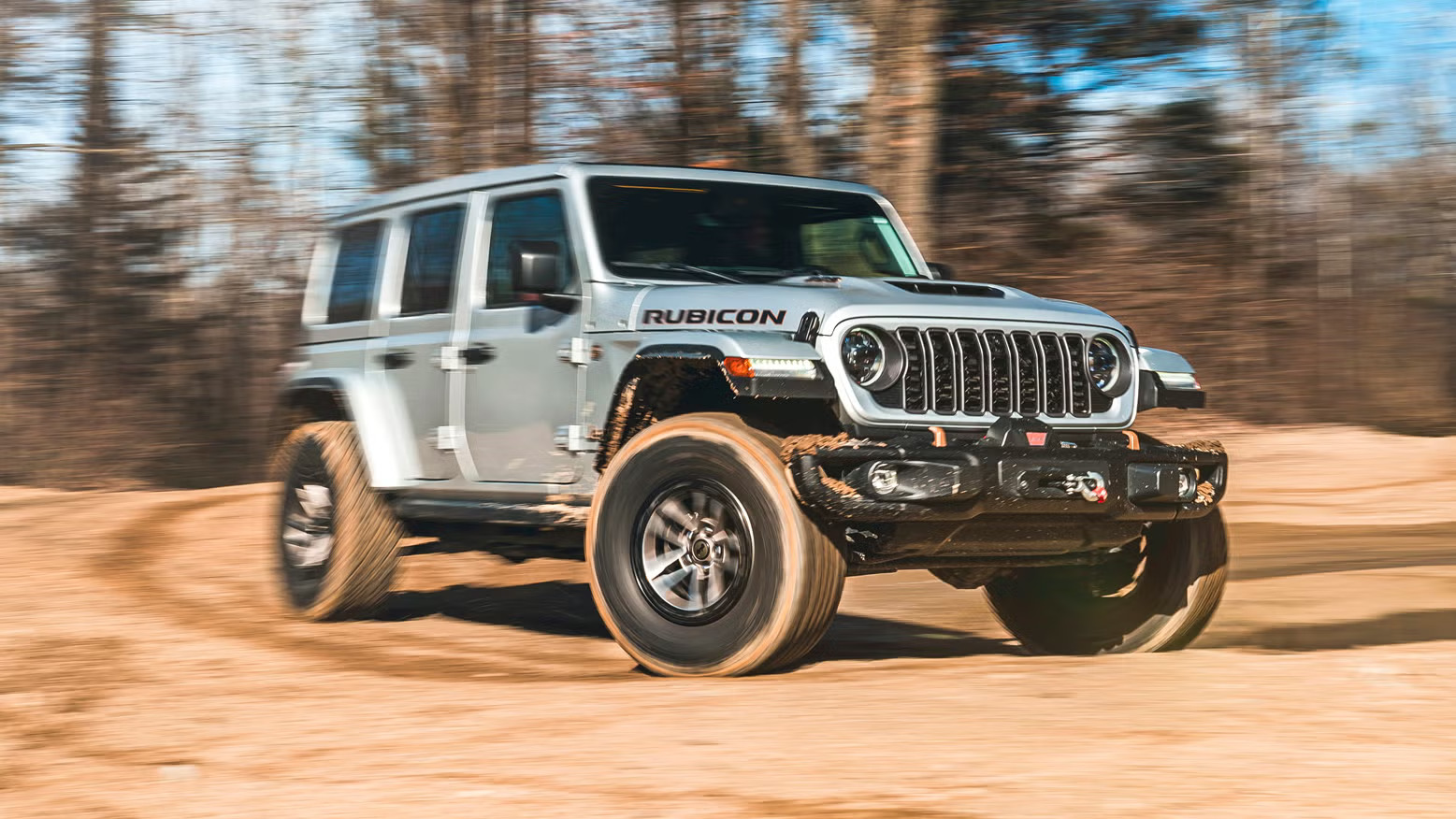
4. Jeep Wrangler (Multiple Generations): Removable Roof Design and Leak Concerns
The Jeep Wrangler is well known for its distinctive removable roof system, particularly the “Freedom Top” panels, which allow drivers to enjoy a customizable open-air experience. While this feature is a major part of the Wrangler’s appeal, it also contributes to frequent water intrusion issues.
Because the roof panels are designed to be removed and reinstalled by the owner, achieving a perfectly tight seal can be challenging. Even slight misalignment during installation can create small gaps that allow water to enter the cabin.
A primary cause of leaks is the condition of the rubber seals. These weatherstrips are essential for keeping water out, but they can wear down over time due to repeated removal, exposure to dirt, and changing weather conditions.
When seals become cracked, pinched, or dirty, they lose their ability to form a watertight barrier. Loose fasteners and bolts, especially around the windshield header, can also contribute by allowing panels to shift slightly while driving.
Another factor is the Wrangler’s body design. The vehicle is built for off-road performance, which means it experiences more structural flex compared to typical SUVs. This movement can disrupt the alignment of roof panels and weaken the seal, particularly on rough terrain. Debris buildup in water channels can further worsen the issue by preventing proper drainage.
Although Jeep has improved sealing and water management systems over the years, minor leaks are still considered common. Owners often refer to this as part of the “Jeep experience.” To minimize problems, regular maintenance is important, including cleaning seals, ensuring proper panel alignment, tightening fasteners, and applying lubricants to keep rubber components flexible and effective.
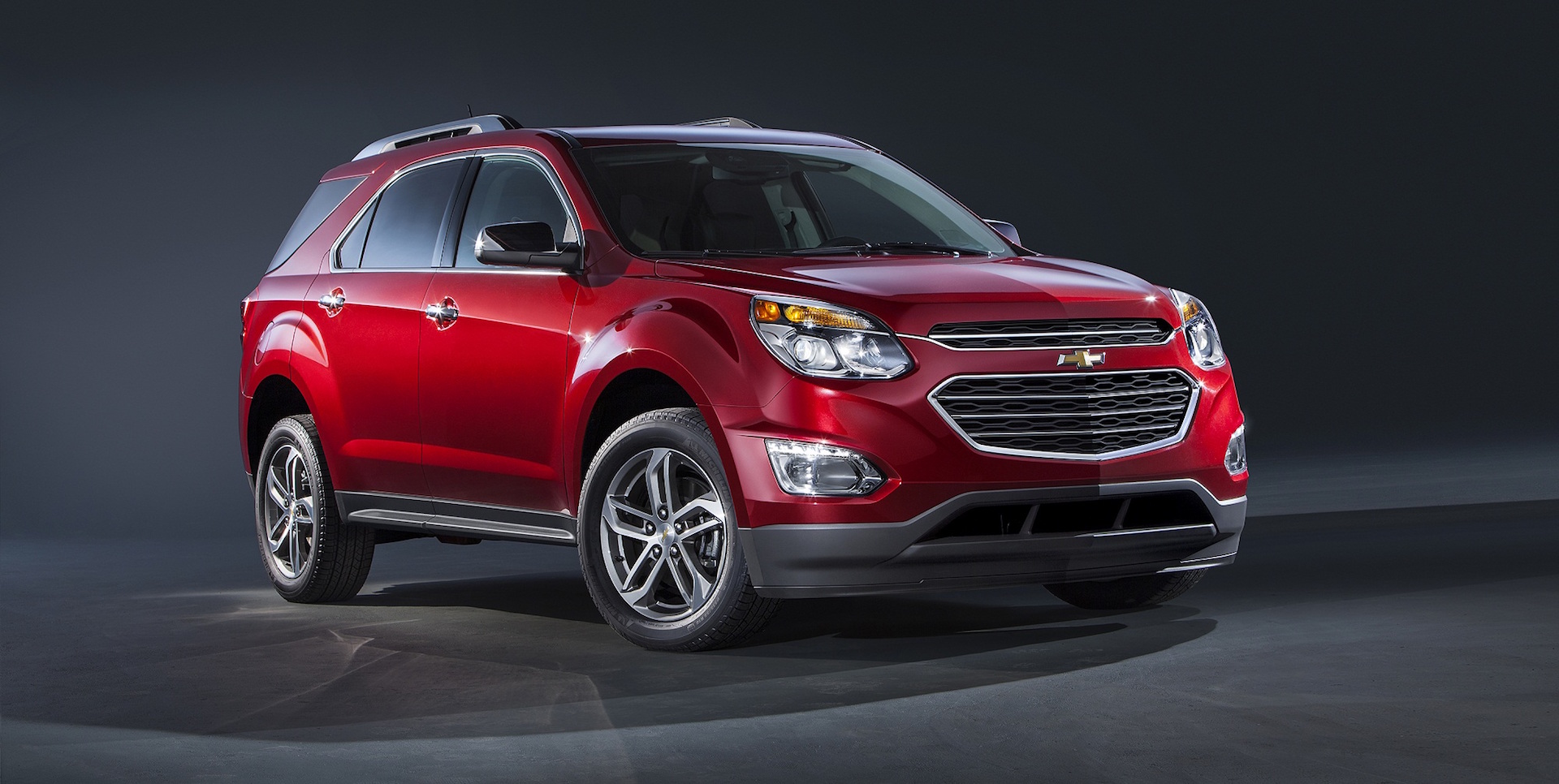
5. Chevrolet Equinox (2010–2017): Sunroof Leak Issues and Causes
The 2010–2017 Chevrolet Equinox has been widely reported to experience sunroof-related water leaks, which can lead to serious interior damage and electrical problems if left unaddressed. These issues are typically not caused by the glass itself but by failures in the drainage and sealing systems designed to manage water that enters around the sunroof.
The most common cause of leaks is clogged drainage tubes. Sunroofs are built to allow small amounts of water past the seals, which are then directed into a tray and drained out through tubes located at each corner.
When debris such as leaves, dirt, or pine needles blocks these tubes, water cannot drain properly and instead overflows into the headliner, pillars, or footwells. This often results in soaked carpets, especially in the front passenger area.
Another major issue involves damaged or disconnected drain tubes. Over time, these plastic tubes can crack, shrink, or detach from the sunroof assembly, allowing water to flow directly into the interior rather than outside the vehicle. Deteriorating weatherstripping also contributes, as worn or cracked rubber seals let in more water than the drainage system can handle.
In some cases, leaks go unnoticed for long periods because water travels behind interior panels before becoming visible. This can lead to mold growth, unpleasant odors, and even electrical malfunctions, such as battery drain when water reaches wiring components.
Preventive maintenance is essential to reduce these risks. Regular cleaning of drainage channels, careful inspection of seals, and avoiding improper cleaning methods like high-pressure air can help maintain the system. Addressing small issues early can prevent costly repairs and long-term damage.
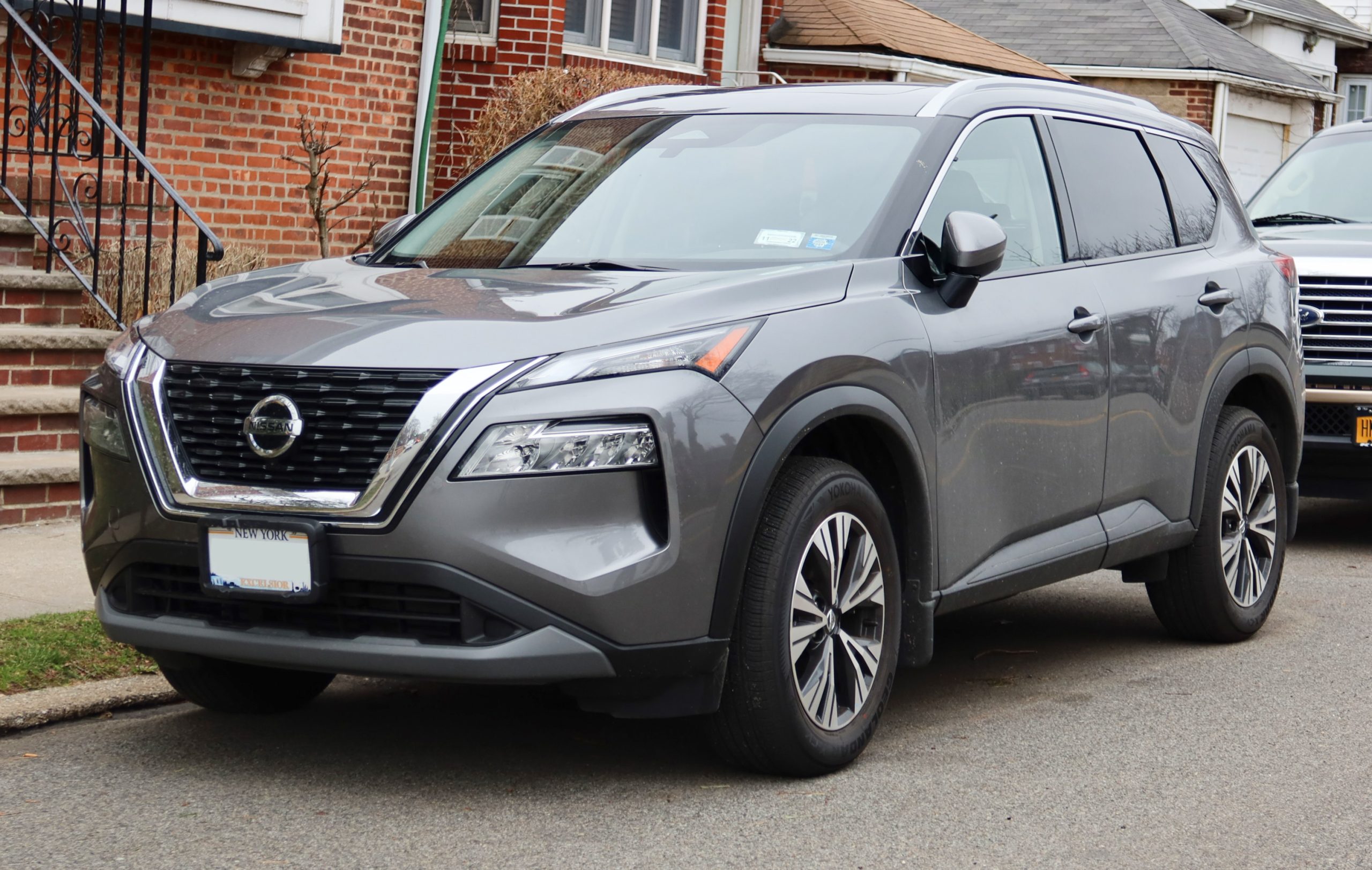
6. Nissan Rogue (2021+): Panoramic Sunroof Leaks and Design Concerns
The 2021 and newer Nissan Rogue models have received increasing reports of water leaks, particularly involving the panoramic sunroof and related roof components.
These issues are typically not caused by the glass itself but by weaknesses in the drainage system and roof assembly. Nissan has acknowledged such concerns through technical service bulletins, highlighting that water intrusion can occur around the sunroof and roof rail areas.
One of the primary causes of leaks is clogged or restricted drainage tubes. The panoramic sunroof system is designed to allow small amounts of water to pass through seals and be directed out via four corner drains.
When debris such as dirt, leaves, or road grime blocks these tubes, water accumulates in the sunroof track and eventually overflows into the cabin. In some cases, the drain lines may also be pinched during manufacturing or become dislodged, further preventing proper water flow.
Another major issue involves defective roof rail fasteners. The plastic clips used to secure the roof rails often rely on thin gaskets that can fail over time, allowing water to seep directly into the headliner. Poor sealing of roof seams has also been reported, contributing to leaks during heavy rain or even routine car washes.
Common signs of these problems include water stains on interior pillars, dripping from overhead lights, wet carpets, and potential mold or electrical damage if moisture reaches sensitive components.
Preventative measures include regularly cleaning drainage channels, inspecting roof rail areas, and ensuring seals remain intact. Addressing these issues early is important, as persistent leaks can lead to costly repairs and long-term interior damage in relatively new vehicles.
Successful sunroof and T-top systems show how advanced design can improve comfort and driving enjoyment without introducing long-term reliability concerns. In well-engineered vehicles, these features provide bright, airy cabins and flexible open-air options while maintaining protection from weather and structural stability. They demonstrate how modern automotive design can balance style with practicality.
In contrast, leak-prone systems reveal how small weaknesses in drainage design, rubber seals, or assembly quality can lead to significant issues over time. Water intrusion, interior staining, mold growth, and even electrical problems often result when these systems fail or are not properly maintained.
The contrast between these categories highlights how critical engineering detail and maintenance are in determining long-term ownership satisfaction. A well-designed roof system can remain a defining strength of a vehicle, while a poorly executed one can become a recurring maintenance challenge.
Also read: 12 Cars That Keep Fog Off the Windshield With a Full Crew
