Collectors once laughed at certain cars, dismissed them as mistakes, or labeled them poor investments destined to age badly. Advice columns warned buyers away, forums echoed doubts, and resale guides offered little encouragement.
Time, however, has a habit of rewriting opinions. Auction halls today tell a very different story, one shaped by scarcity, cultural memory, and a renewed appreciation for machines that refused to fit neat categories when new.
Auction dominance rarely happens by accident. It often begins with misunderstanding, continues through years of neglect, and ends with a dramatic reassessment when collectors realize something special slipped through their fingers. Design risks that felt awkward become bold statements.
Mechanical layouts, once criticized, turn into talking points. Cars accused of being too strange, too slow, or too complicated gain new respect when viewed through a historical lens rather than a showroom brochure. This page focuses on eight vehicles that lived through that reversal.
Each was publicly discouraged by experts or enthusiasts at launch or during early depreciation years. Each later surged in demand, commanding serious money under bright auction lights. These are not vague success stories or nostalgic favorites. These are machines now chased aggressively by collectors who once ignored them.
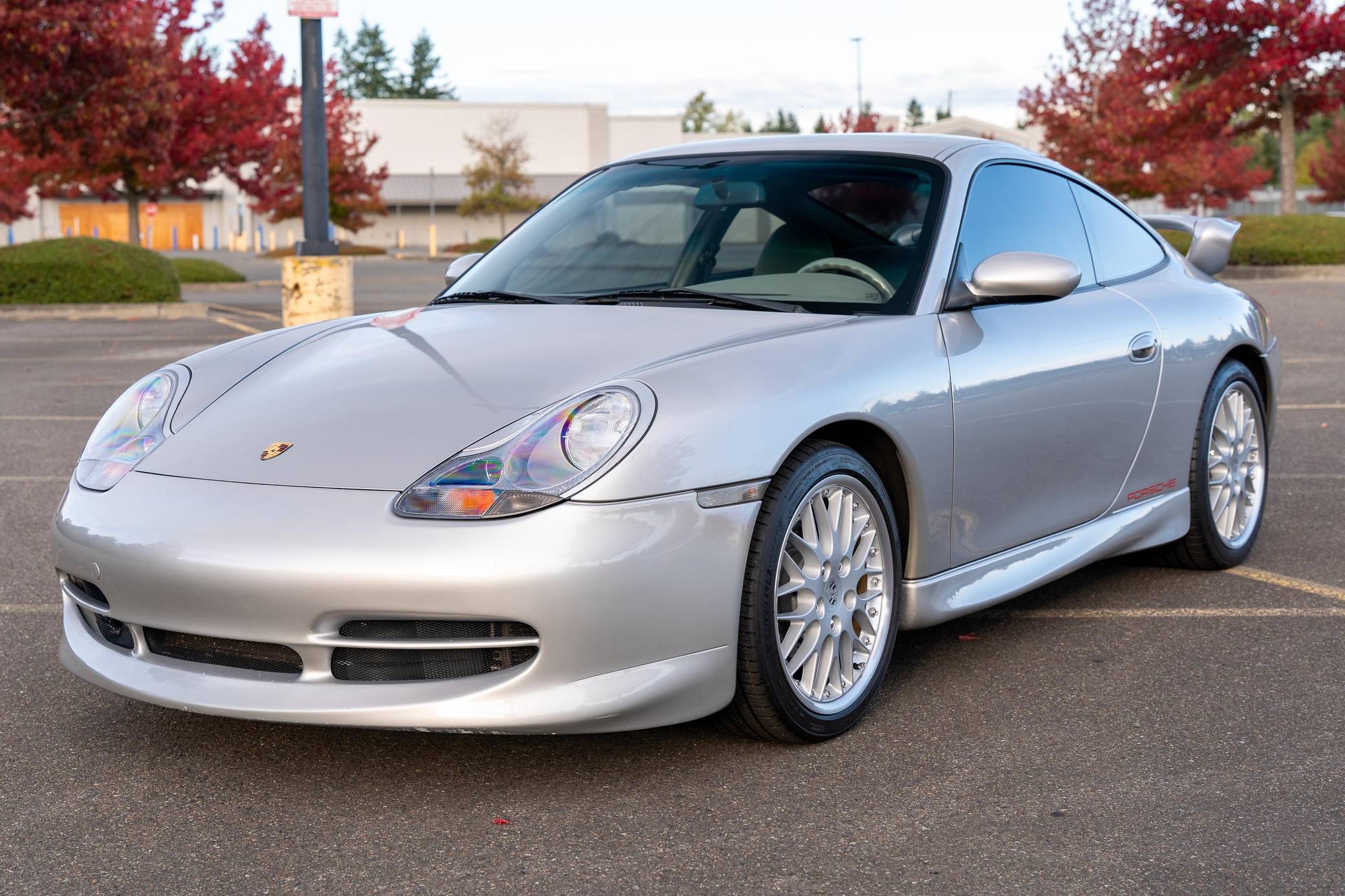
1. Porsche 996 Carrera Coupe
Estimated Price: $25,000-$60,000
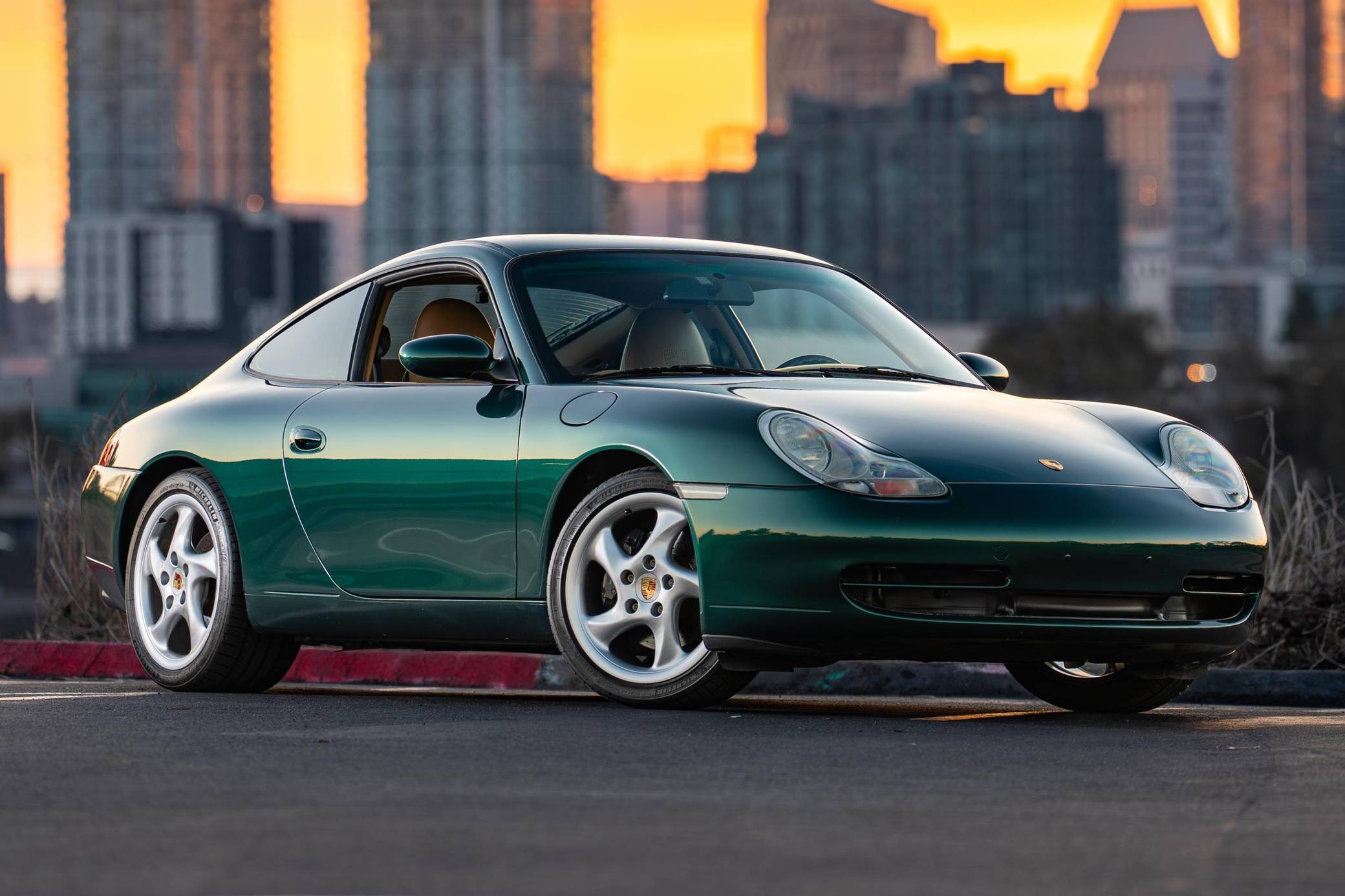
Advice against the Porsche 996 Carrera Coupe once felt almost universal. Air-cooled purists dismissed it immediately due to its water-cooled flat-six engine, while critics targeted the headlight design as a break from tradition.
Values fell quickly during the early 2000s, reinforcing the belief that this generation represented a misstep rather than a milestone. Buyers searching for safe collector choices often crossed it off their lists without hesitation. Perspective began to change as time passed. Enthusiasts started recognizing that the 996 introduced engineering foundations still used by Porsche today.
Improved chassis rigidity, stronger braking systems, and refined suspension geometry transformed driving dynamics. Owners who actually spent time behind the wheel spoke about balance, precision, and everyday usability that older generations struggled to match. Appreciation grew quietly, long before prices reflected it.
Auction momentum followed once collectors noticed how many clean examples had already disappeared. Early neglect led to heavy modification, poor maintenance, or outright destruction through track abuse. Surviving cars with original panels, factory interiors, and documented service records became harder to find each year. Scarcity, paired with growing respect for the model’s engineering role, shifted bidding behavior dramatically.
Another factor influencing auction strength came from Porsche’s own pricing trends. As air-cooled models climbed beyond reach, collectors redirected attention toward the 996 as the most accessible entry into classic 911 ownership. That shift expanded the buyer pool beyond long time purists to include first time collectors seeking authenticity without seven-figure budgets.
Auction results now reflect this reevaluation. Low-mileage manual coupes attract aggressive bidding, especially in restrained color combinations. Once criticized headlights no longer deter buyers. Instead, they mark a distinct era in Porsche history.
The 996 Carrera Coupe moved from cautionary tale to legitimate collectible through time, scarcity, and a deeper understanding of what it contributed to the brand.
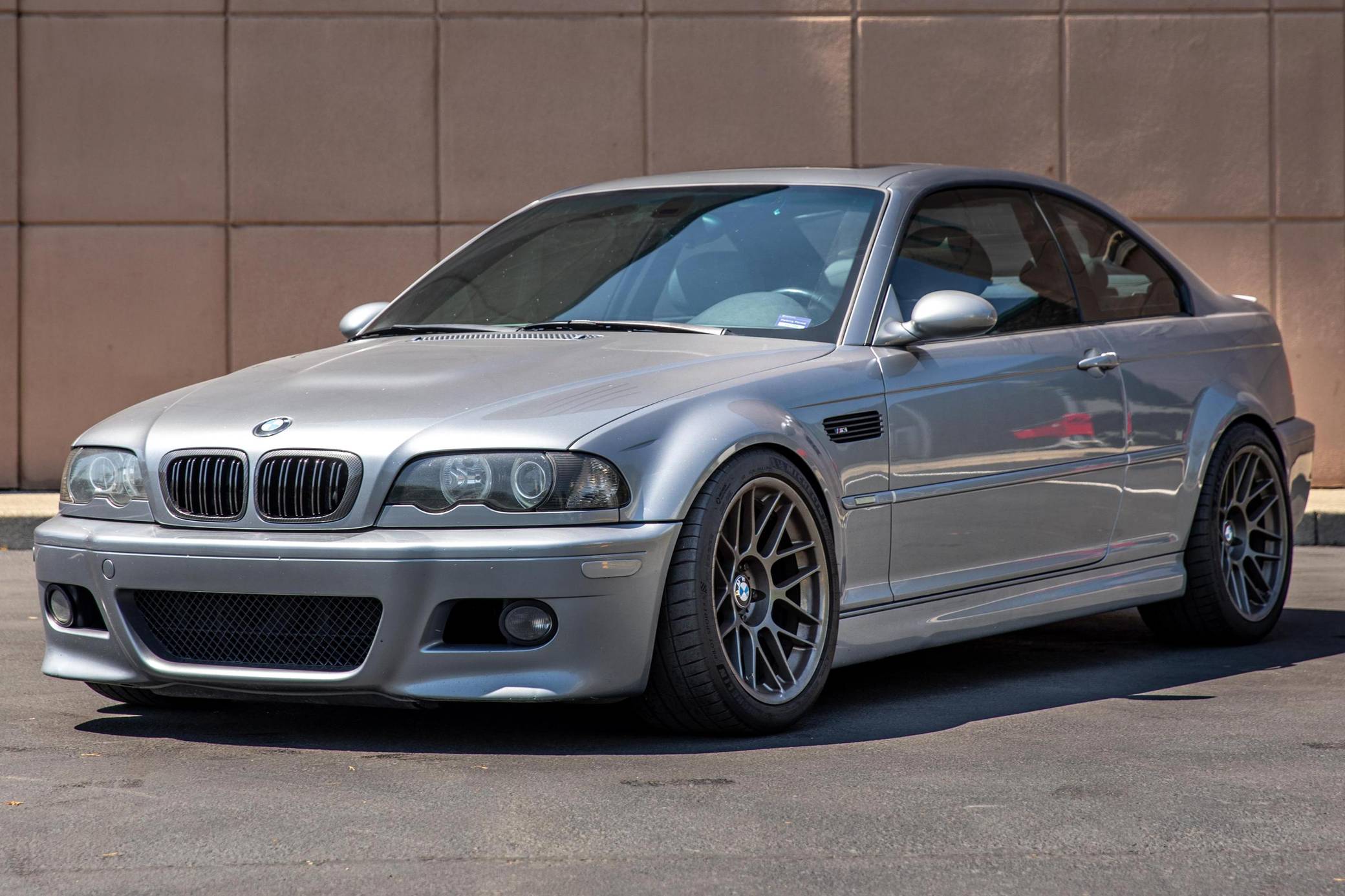
2. BMW E46 M3 Coupe
Estimated Price: $30,000-$90,000
Early commentary surrounding the BMW E46 M3 Coupe focused on concerns rather than praise. Enthusiast forums warned about potential subframe issues, maintenance costs, and rising complexity compared to earlier M models. Many collectors chose the older E30 or E36 platforms instead, assuming the E46 would depreciate endlessly due to perceived ownership risks.
What those warnings overlooked was the emotional strength of the car itself. Under the hood sat a naturally aspirated inline six engine with a character unmatched by later turbocharged replacements. Throttle response felt immediate, the powerband rewarded high revs, and the exhaust note carried a mechanical purity that later generations struggled to replicate. Drivers who experienced this combination rarely forgot it.
Auction houses began seeing change when buyers realized how few unmodified examples remained. The E46 M3 proved popular among performance enthusiasts who tracked, tuned, or altered their cars extensively. Factory-condition vehicles with original wheels, interiors, and drivetrains became rare. That rarity increased demand among collectors who value authenticity above raw performance upgrades.
Design also played a role in its resurgence. The E46 body shape aged with remarkable grace. Proportions remain balanced, aggressive without excess, and instantly recognizable. As automotive styling shifted toward heavier lines and digital interiors, the E46’s analog feel gained emotional weight among buyers seeking a purer experience.
Auction dominance followed naturally. Clean manual transmission coupes now command prices that surprise anyone who remembers their earlier depreciation. Special colors and low production specifications generate bidding wars. Once treated as a risky purchase, the E46 M3 Coupe now represents one of BMW’s most respected modern classics, prized for mechanical honesty and enduring appeal.
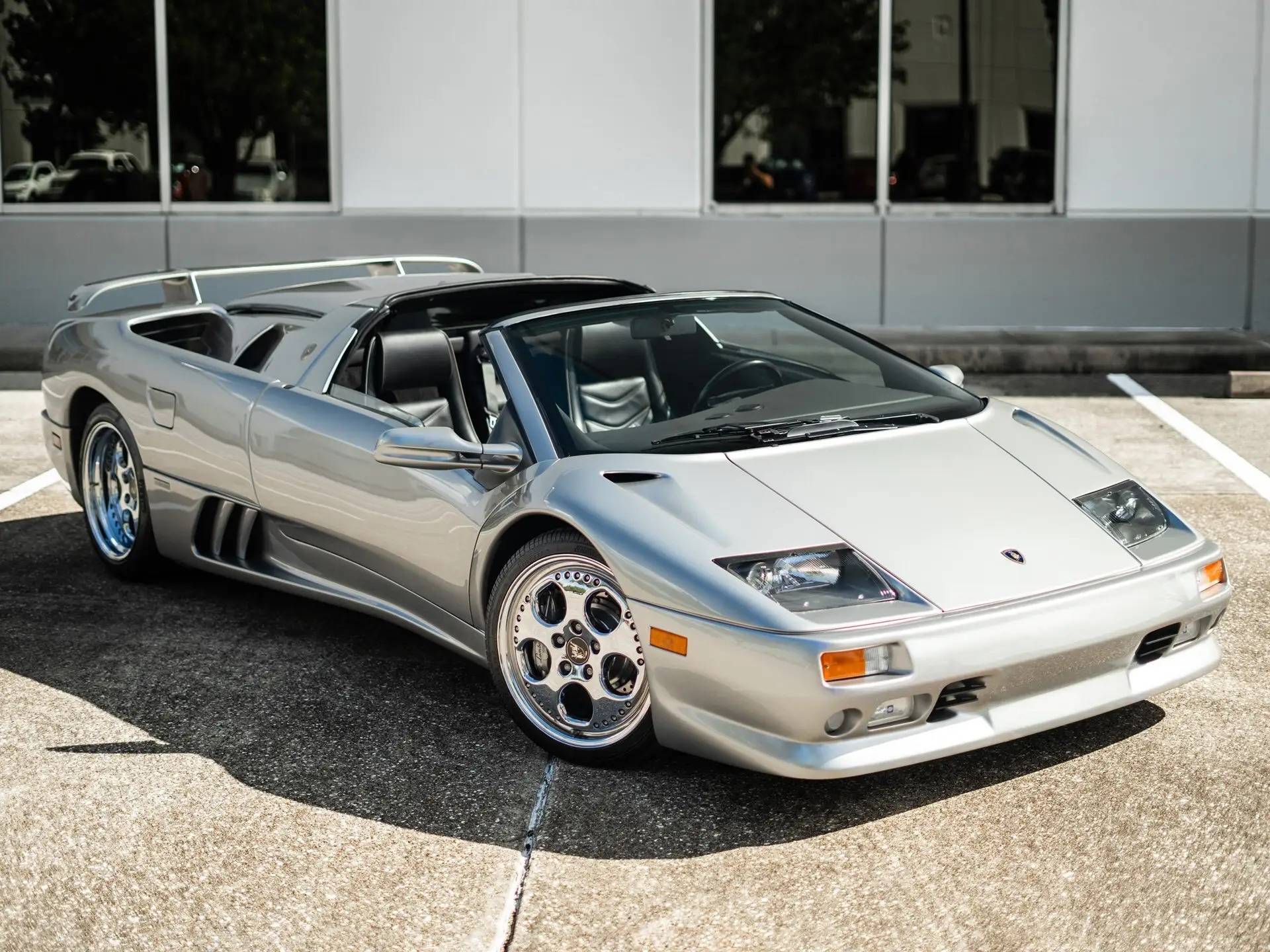
3. Lamborghini Diablo VT Coupe
Estimated Price: $250,000-$500,000
Collectors once approached the Lamborghini Diablo VT Coupe with caution and distance. Early supercar buyers raised concerns about mechanical dependability, specialised servicing, and demanding driving behaviour. Ownership stories from the period often focused on high running costs and limited technical support outside factory networks.
Reviewers argued that the car sat awkwardly between eras, lacking the mechanical simplicity of earlier models while still requiring attention associated with low-volume exotics. These views influenced market sentiment for many years and discouraged serious investment, especially as newer Lamborghini offerings promised improved usability and dealer backing.
Perspective changed as historical appreciation developed. The Diablo VT emerged as a clear turning point within the brand’s evolution. It retained dramatic styling, theatrical proportions, and a naturally aspirated twelve-cylinder engine, while introducing Four Wheel Drive technology that improved traction and driver confidence.
This mechanical addition did not reduce the car’s intensity or sense of occasion. Instead, it expanded usability without diluting character. Later Lamborghini models adopted electronic systems and refined interfaces that softened the raw nature present within the Diablo generation.
Auction specialists later identified another factor influencing desirability. A large percentage of surviving Diablo VT Coupes experienced visual or mechanical alterations during early ownership years. Custom paint finishes, aftermarket wheels, interior changes, and engine modifications reflected period tastes rather than factory intent.
As collecting standards matured, unmodified examples became increasingly scarce. Cars retaining original finishes, factory-fitted components, and documented service records gained elevated attention. Scarcity driven by preservation rather than production numbers altered valuation patterns.
Cultural influence reinforced this reassessment. The Diablo occupied a prominent position within automotive media during the nineteen nineties. It appeared in magazines, promotional material, and digital entertainment that defined aspiration for an entire generation. For many enthusiasts, the Diablo represented excess, ambition, and engineering bravado.
Attention shifted toward authenticity, mileage integrity, and historical documentation. Specialists capable of maintaining these vehicles became more established, reducing perceived ownership risk. Confidence increased among collectors who previously avoided the model.
Recent auction outcomes demonstrate this change clearly. Diablo VT Coupes now attract competitive bidding and international interest. Values align with the car’s status as a defining product of its era rather than a problematic curiosity.
The model benefits from visual drama, mechanical theatre, and a clear position within Lamborghini history. What once appeared intimidating now stands as a respected collectible shaped by rarity, preservation, and generational admiration.
Collectors also examine specification details with close care. Colour combinations offered during original production varied widely, yet conservative finishes often prove most desirable today. Interior trim condition carries weight, particularly regarding original leather quality, dashboard integrity, and switchgear preservation.
Factory-supplied wheels, exhaust systems, and suspension components strengthen credibility during inspection. Documentation such as delivery invoices, early registration records, and continuous service stamps assists buyers in confirming authenticity. Cars accompanied by period photographs and correspondence gain further credibility.
Ownership attitudes have matured alongside this scrutiny. Many collectors now prioritise careful use and preventive maintenance rather than static display. Professional storage, scheduled mechanical exercise, and sympathetic servicing protect long-term condition.
This responsible stewardship reinforces confidence within the market and supports sustained valuation growth. The Diablo VT Coupe benefits directly from this disciplined approach, allowing its reputation to rest on merit rather than outdated caution.
Such stewardship ensures continued respect for the model among collectors seeking authenticity, heritage, and enduring mechanical theatre within auction circles.
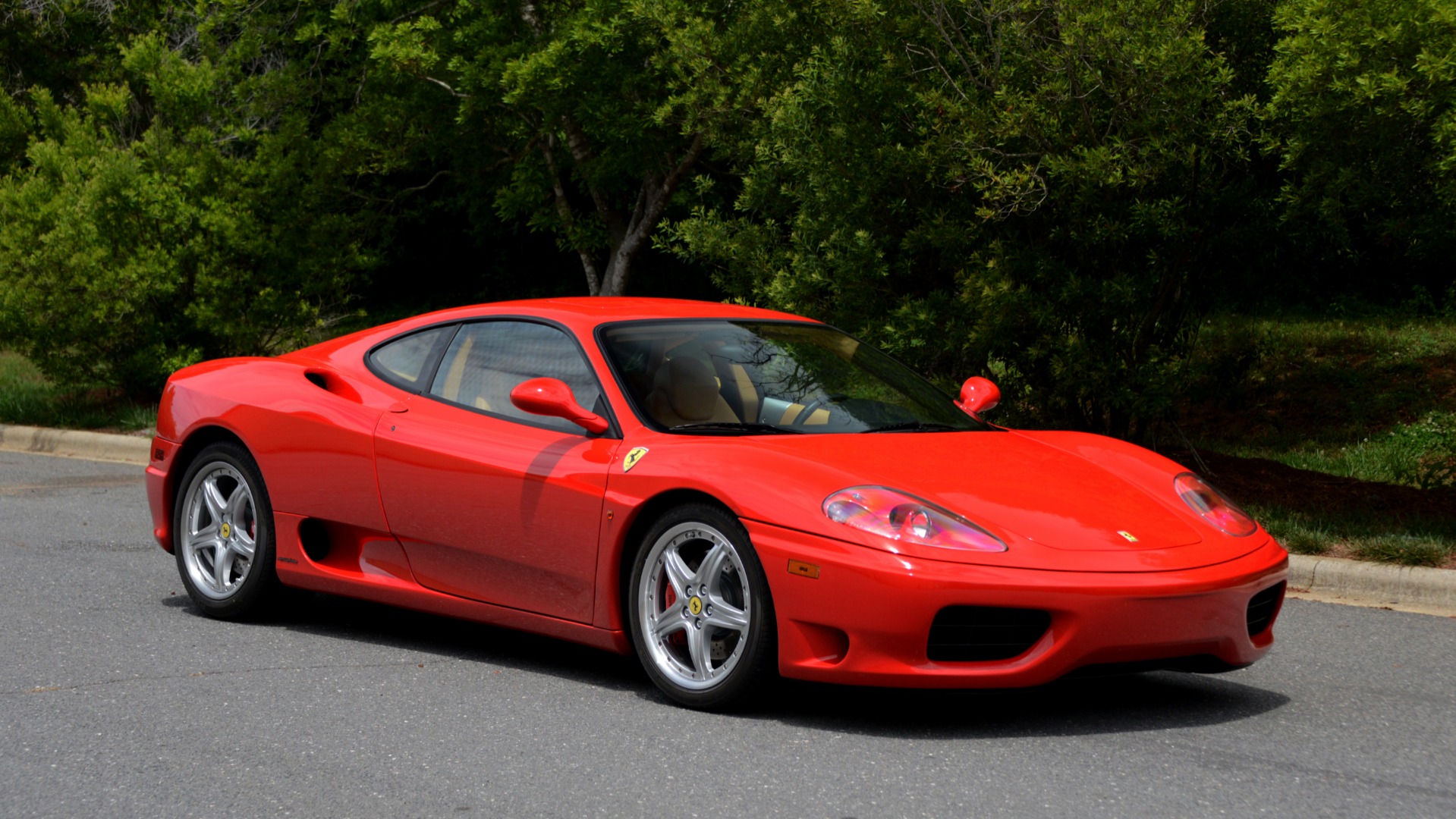
4. Ferrari 360 Modena Coupe
Estimated Price: $80,000-$180,000
For many years, the Ferrari 360 Modena Coupe existed under persistent comparison with its predecessor. Enthusiasts praised the earlier model for mechanical directness and minimalist controls, while describing the 360 as too polished. Early market depreciation strengthened the view that this Ferrari lacked lasting appeal.
Buyers seeking long-term collectability directed attention toward older models, leaving the 360 accessible yet undervalued across multiple markets. Driving experience gradually challenged that belief. The Modena introduced aluminium space frame construction that improved rigidity and reduced mass.
Chassis balance delivered predictability without removing excitement, encouraging confident driving at varied speeds. The naturally aspirated eight-cylinder engine produced linear response and a distinctive sound profile appreciated by purists. These qualities rewarded owners who valued use rather than speculation, establishing quiet loyalty within the ownership community.
Mechanical understanding improved with time. Independent specialists gained familiarity with service procedures, parts availability stabilised, and preventative maintenance strategies became widely shared. Ownership anxiety decreased as real-world reliability data replaced early rumours.
This technical confidence influenced buyer behaviour, opening interest among collectors previously discouraged by exaggerated repair stories. Auction platforms reflected this reassessment. Buyers began to value documentation quality, mileage consistency, and evidence of careful ownership.
Cars retaining factory manuals attracted heightened attention, as manual transmissions disappeared from later generations. The tactile engagement offered by the gated gearbox became central to the model’s identity within collector circles.
Cultural perception also contributed. The 360 represented Ferrari’s transition into a new production philosophy without abandoning emotional appeal. It balanced tradition with advancement in a manner appreciated more fully with historical distance. Owners who experienced the car during its release period later returned as buyers with an informed perspective and financial readiness.
Recent market performance supports this view. Ferrari 360 Modena Coupes now attract determined bidding across international venues. Interest focuses on authenticity, maintenance, transparency, and originality rather than novelty. The model benefits from engineering clarity, accessible usability, and enduring visual balance. A car once dismissed as an uncomfortable bridge now holds firm status as a respected modern Ferrari collectible.
Specification analysis now plays an important role in valuation. Exterior colour selection influences buyer interest, with traditional tones often preferred due to period accuracy. Interior wear patterns receive careful scrutiny, especially regarding seat bolsters, dashboard surfaces, and control markings.
Factory-fitted components such as exhaust systems, suspension assemblies, and electronic modules strengthen confidence during inspection. Complete tool kits, original handbooks, and early sales invoices add credibility. Ownership behaviour has also matured.
Collectors increasingly favour routine mechanical exercise and documented servicing rather than extended inactivity. Climate-controlled storage, careful detailing, and professional oversight preserve condition without erasing use history. This balanced approach supports longevity and reinforces market trust.
The Ferrari 360 Modena Coupe benefits from this disciplined stewardship. Its reputation now rests on engineering balance, driver engagement, and timeless form. As collecting standards continue to emphasise originality and care, the Modena remains well positioned among buyers seeking authentic modern Ferrari ownership experiences.
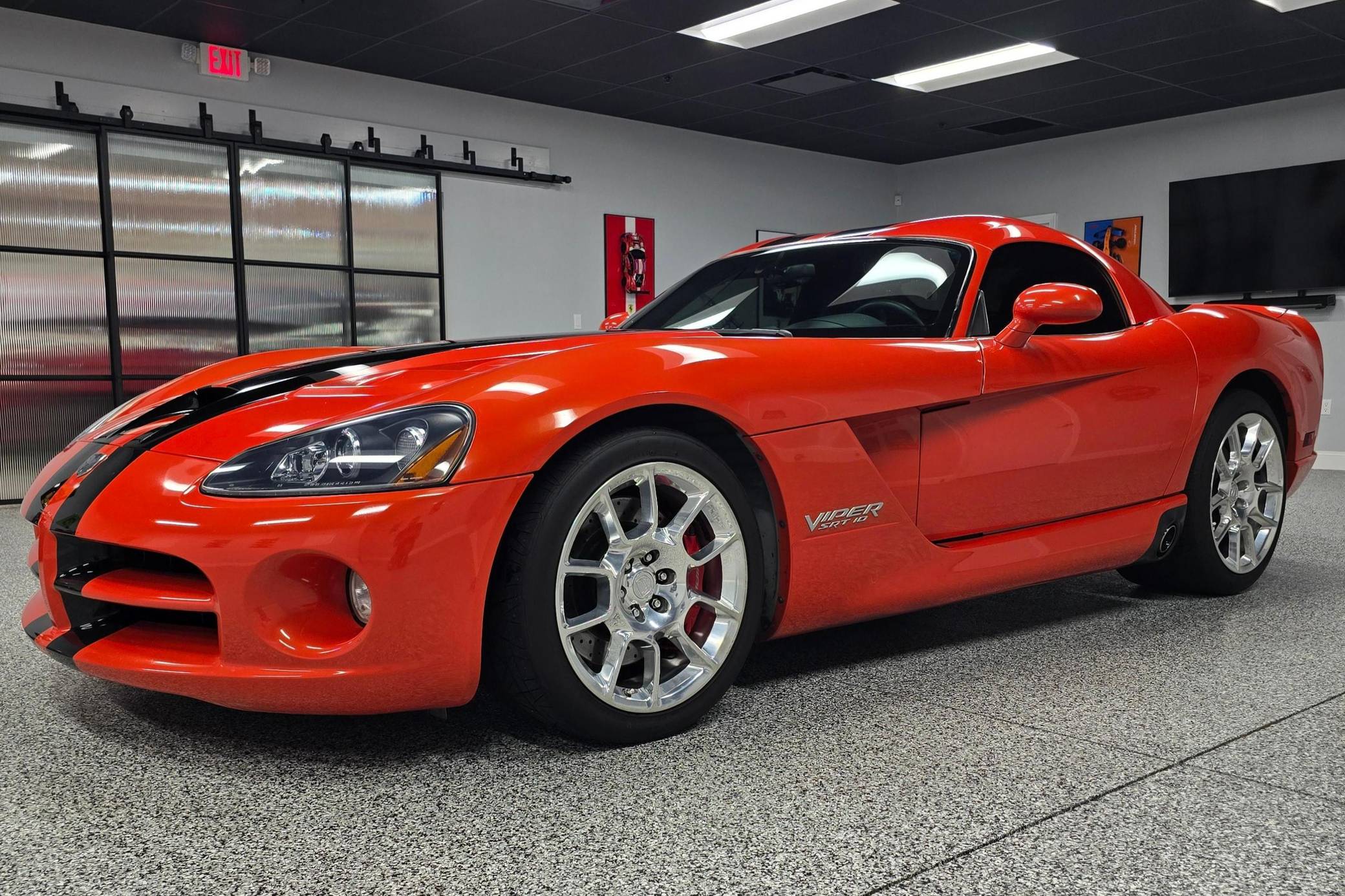
5. Dodge Viper SRT 10 Coupe (Fourth Generation)
Estimated Price: $70,000-$140,000
Early collector advice surrounding the Dodge Viper SRT 10 Coupe leaned heavily toward avoidance. Critics described it as crude, physically demanding, and poorly suited for long-term ownership. Safety aids were minimal, interior refinement lagged behind European rivals, and the driving experience demanded respect rather than forgiveness.
Many collectors preferred polished supercars that offered prestige with fewer risks, leaving the Viper parked at the edges of serious discussions. What that guidance failed to acknowledge was intent. The Viper SRT 10 Coupe existed as a deliberate rejection of refinement trends.
A massive naturally aspirated V10 engine, rear wheel drive, and a manual transmission formed the core identity. Electronic interference stayed limited, placing responsibility squarely on the driver. That honesty created a bond with owners who valued skill, restraint, and mechanical connection rather than comfort.
Auction interest began building as buyers recognized how few untouched examples remained. Vipers attracted aggressive use. Track days, power modifications, and cosmetic changes removed originality from much of the population.
Factory specification coupes with matching numbers, clean body panels, and complete records became increasingly scarce. Scarcity always attracts attention, especially when paired with an unmistakable presence.
Design appreciation also matured. Wide fenders, side exhaust outlets, and a long hood communicated intent without subtlety. What once felt excessive started to read as purposeful. Modern performance cars moved toward digital interfaces and insulated cabins, leaving the Viper standing apart as a reminder of raw engineering philosophy.
Auction rooms now tell a different story. Well-preserved SRT 10 Coupes draw competitive bidding from collectors seeking machines that demand involvement. Buyers speak openly about emotional reward rather than convenience.
The same characteristics that once discouraged ownership now justify rising values. The Dodge Viper SRT 10 Coupe transformed from a warning label to a centerpiece through authenticity and scarcity.
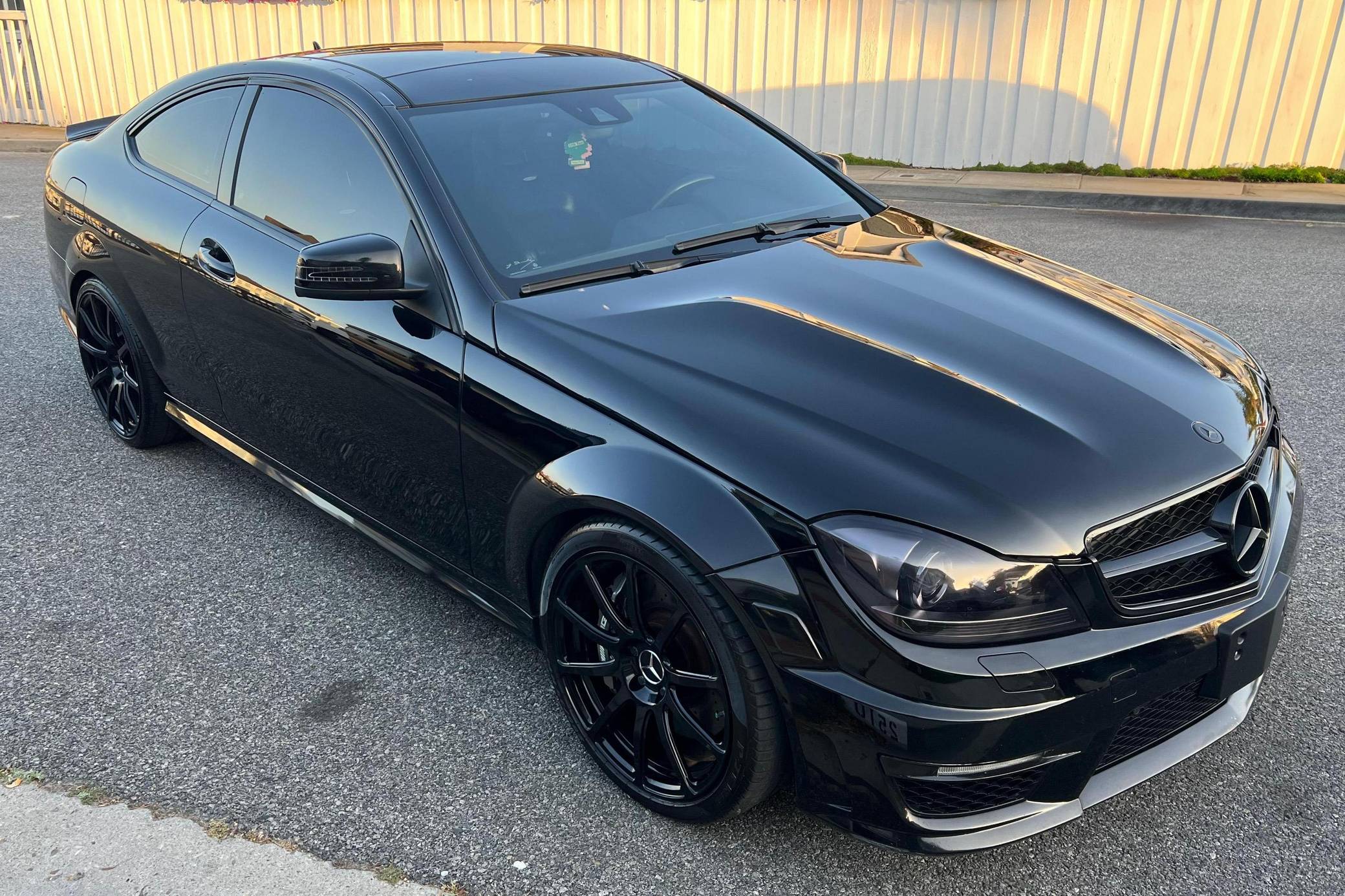
6. Mercedes Benz C63 AMG Coupe (W204)
Estimated Price: $40,000-$90,000
Collectors once hesitated to take the Mercedes-Benz C63 AMG Coupe seriously. Early depreciation suggested it would follow the path of other high-performance luxury cars that lost value rapidly. Critics argued that maintenance costs and fuel consumption would limit long-term appeal. Many assumed it would never rise beyond used performance bargain status.
Driving impressions challenged that belief long before auction prices did. The naturally aspirated V8 engine delivered instant torque and an unmistakable soundtrack. Acceleration felt effortless, and power delivery remained linear without artificial enhancement. That engine alone separated the C63 from later turbocharged successors, giving it a character that could not be recreated.
Auction dynamics shifted as buyers realized how brief that engine era truly was. Regulatory pressures ended naturally aspirated V8s in compact performance sedans and coupes. Collectors began viewing the W204 C63 as the last of its kind rather than a stepping stone. Demand rose steadily among enthusiasts seeking mechanical purity within a usable platform.
Condition played a major role. Many examples served as daily drivers, accumulating mileage and wear. Unmodified coupes with factory exhaust systems, original wheels, and documented servicing became increasingly desirable. Auction listings emphasized originality, signaling a mature collector mindset rather than impulse performance buying.
Design maturity also aided its rise. Compact proportions, restrained styling, and subtle aggression aged well. Compared to later AMG designs with heavier visual elements, the W204 appears focused and disciplined. Auction bidders respond to that balance, pushing prices higher with each sale cycle.
The Mercedes-Benz C63 AMG Coupe now occupies a respected place in collector circles. What was once dismissed as disposable performance luxury has earned recognition through engine character, limited production context, and growing scarcity.
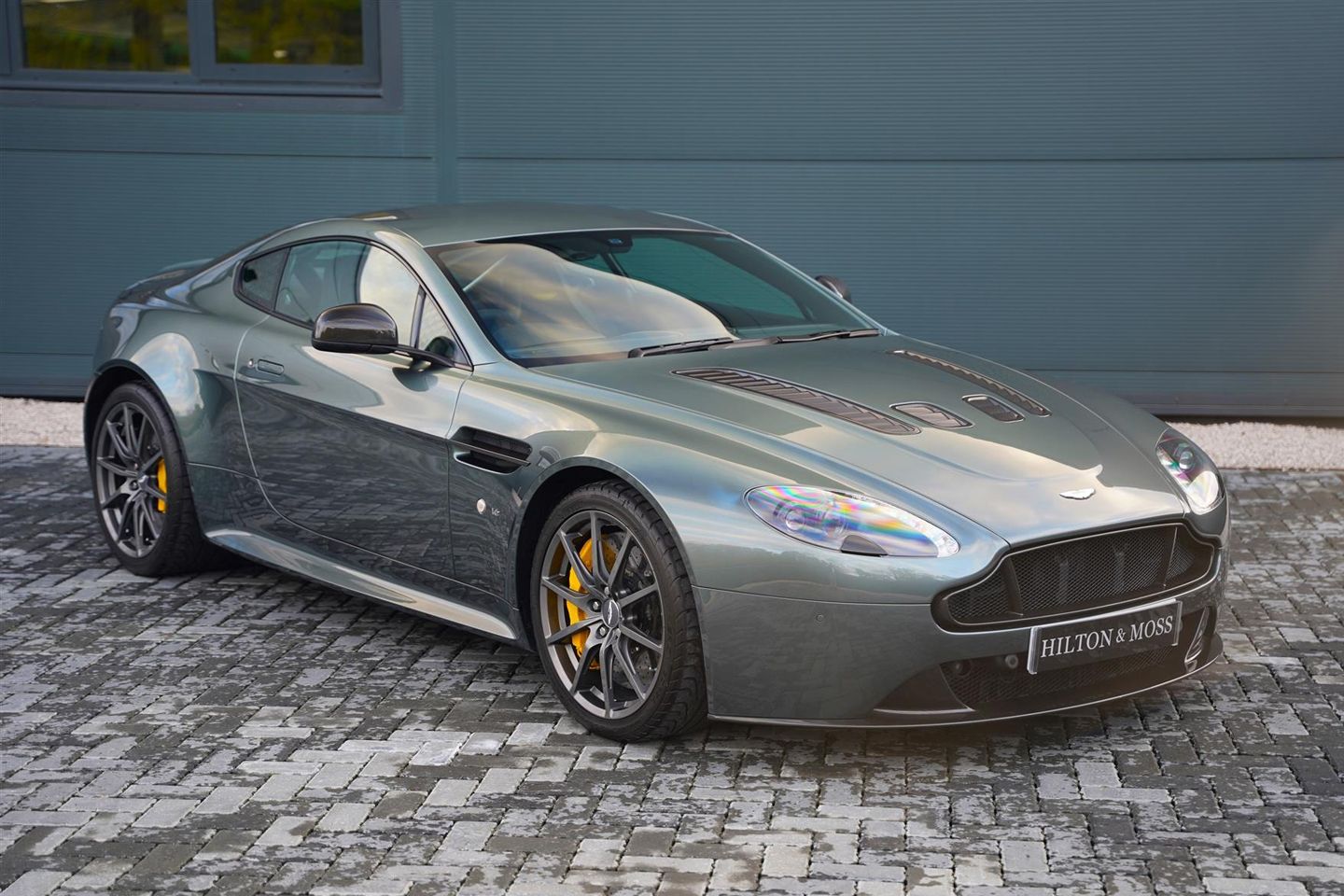
7. Aston Martin V12 Vantage Coupe (Manual)
Estimated Price: $150,000-$300,000
Early reactions to the Aston Martin V12 Vantage Coupe reflected uncertainty rather than admiration. Market observers questioned the pricing strategy at launch, especially when compared with larger Aston Martin grand tourers that offered more interior space and long-distance comfort.
For buyers focused on practicality and perceived value, the V12 Vantage Coupe appeared difficult to justify. This hesitation influenced resale behavior during its early years, causing values to remain subdued despite the car’s advanced mechanical specifications.
Driving experience gradually reshaped opinion. The placement of a naturally aspirated V12 engine within a compact body delivered a level of responsiveness and immediacy that larger models could not replicate. Power delivery felt direct and commanding, yet remained controlled enough to inspire confidence.
Manual transmission availability strengthened this connection, offering drivers full authority over gear selection and engine response. Such involvement appealed strongly to purists who valued mechanical engagement over automated convenience.
Collector awareness grew as industry direction began changing. Manual transmissions paired with twelve-cylinder engines became increasingly scarce as manufacturers adjusted product plans toward efficiency and automation.
With limited production numbers already established, the V12 Vantage Coupe gained importance as a representation of a fading engineering philosophy. Many examples entered private ownership and remained there, reducing public availability and reinforcing demand.
Design played an equally important role in shaping collector interest. Compact proportions, pronounced rear haunches, and restrained detailing created a visual identity that aged with dignity. The absence of excessive ornamentation allowed craftsmanship and proportion to speak clearly. Auction interest often centers on exterior paint selection and interior trim, with uncommon specifications attracting particular attention from discerning buyers.
Condition standards in the auction environment became strict. Cars retaining factory manuals, complete service documentation, and original driveline components achieve stronger bidding activity. Buyers approach these vehicles with a long-term view, recognizing preservation as essential to maintaining desirability. Values responded accordingly as awareness matured.
The Aston Martin V12 Vantage Coupe transitioned from an uncertain market position to a respected collector status through mechanical authenticity, limited availability, and emotional appeal. That progression demonstrates how time and changing industry priorities can redefine perception.
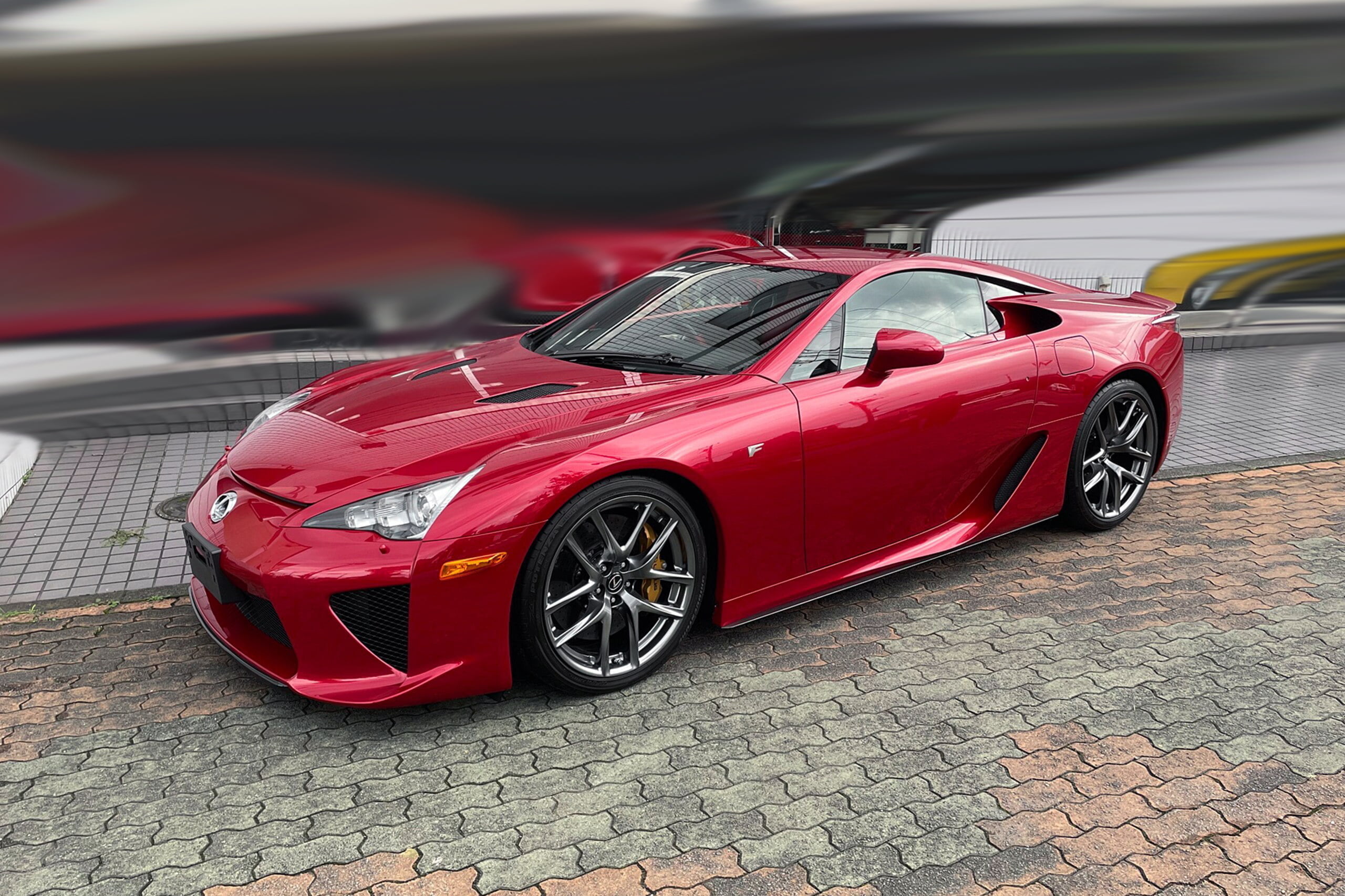
8. Lexus LFA Coupe
Estimated Price: $700,000-$1,200,000
Initial reception of the Lexus LFA Coupe revealed widespread hesitation among collectors. Pricing levels challenged expectations tied to the Lexus brand, which many buyers associated primarily with durability and comfort rather than elite performance engineering. Early commentary reflected doubt regarding long-term desirability, with assumptions that depreciation would follow once early curiosity diminished.
Engineering depth told a different story. The LFA emerged from an extended development program focused on precision rather than mass production. Carbon fiber reinforced polymer construction reduced weight while enhancing rigidity.
A naturally aspirated V10 engine developed specifically for this platform delivered immediate throttle response and a distinctive acoustic character shaped through careful tuning. Such attributes separated the LFA from conventional supercars of its era.
Market understanding changed once production limits became widely recognized. Only a small number of units reached completion, each assembled with extraordinary attention to detail. As availability narrowed, collectors began reevaluating the LFA as a technical landmark rather than a brand experiment. Auction interest increased as buyers acknowledged that replacement or replication would never occur.
Public perception also shifted through long-term ownership reports and critical reassessment. Driving impressions highlighted balance, durability, and consistency rather than dramatic theatrics. Owners spoke of confidence gained through repeated use rather than novelty appeal. Auction houses responded by emphasizing originality, delivery mileage, and complete factory documentation in listings.
Bidding patterns reflected that reassessment. Competition intensified for low-mileage examples with unmodified specifications. Buyers displayed willingness to pay premiums for cars preserved exactly as delivered. The LFA’s position strengthened as understanding deepened, supported by recognition of its engineering discipline and production restraint.