
Rotary engines carry a mixed public reputation that is partly justified and partly overstated. The Wankel design presents mechanical weaknesses that piston engines do not face. Apex seal degradation exists as a genuine concern. Oil consumption is an inherent operating trait rather than a manufacturing fault. Cold start flooding has also affected certain models.
Any claim that a rotary engine demands the same maintenance approach as a conventional four-cylinder engine ignores basic engineering realities.
At the same time, the popular belief that rotary engines are destined to fail suddenly at modest mileage lacks balance. Evidence challenging that belief exists in private garages, racing environments, aviation use, and daily road service across many countries.
Some rotary-powered vehicles have achieved mileage figures that rival or exceed those of piston-driven rivals. Competitive racing applications using Wankel technology have delivered durability that sceptics once dismissed.
Owners who respected operating requirements, applied correct servicing methods, and drove with mechanical awareness often avoided the failures they were warned to expect.
This discussion examines eight rotary engines used in specific production and competition vehicles that surpassed the reliability expectations set by critics.
These examples are supported by records rather than isolated stories centred on extreme enthusiasts or sheltered usage conditions. They demonstrate how thoughtful engineering choices, suitable operating environments, and disciplined maintenance can produce dependable outcomes.
To understand why these engines lasted, one must understand the operating needs of the rotary design. Each vehicle illustrates technical decisions that reduced wear, controlled heat, and preserved sealing integrity. These details explain how certain rotary engines delivered service lives that challenged established opinion.
Readers who have long dismissed the rotary engine as irredeemably defective may find this evidence instructive and worthy of serious consideration. Careful reading encourages technical reassessment and fair judgment among engineers, historians, reviewers, and observers.
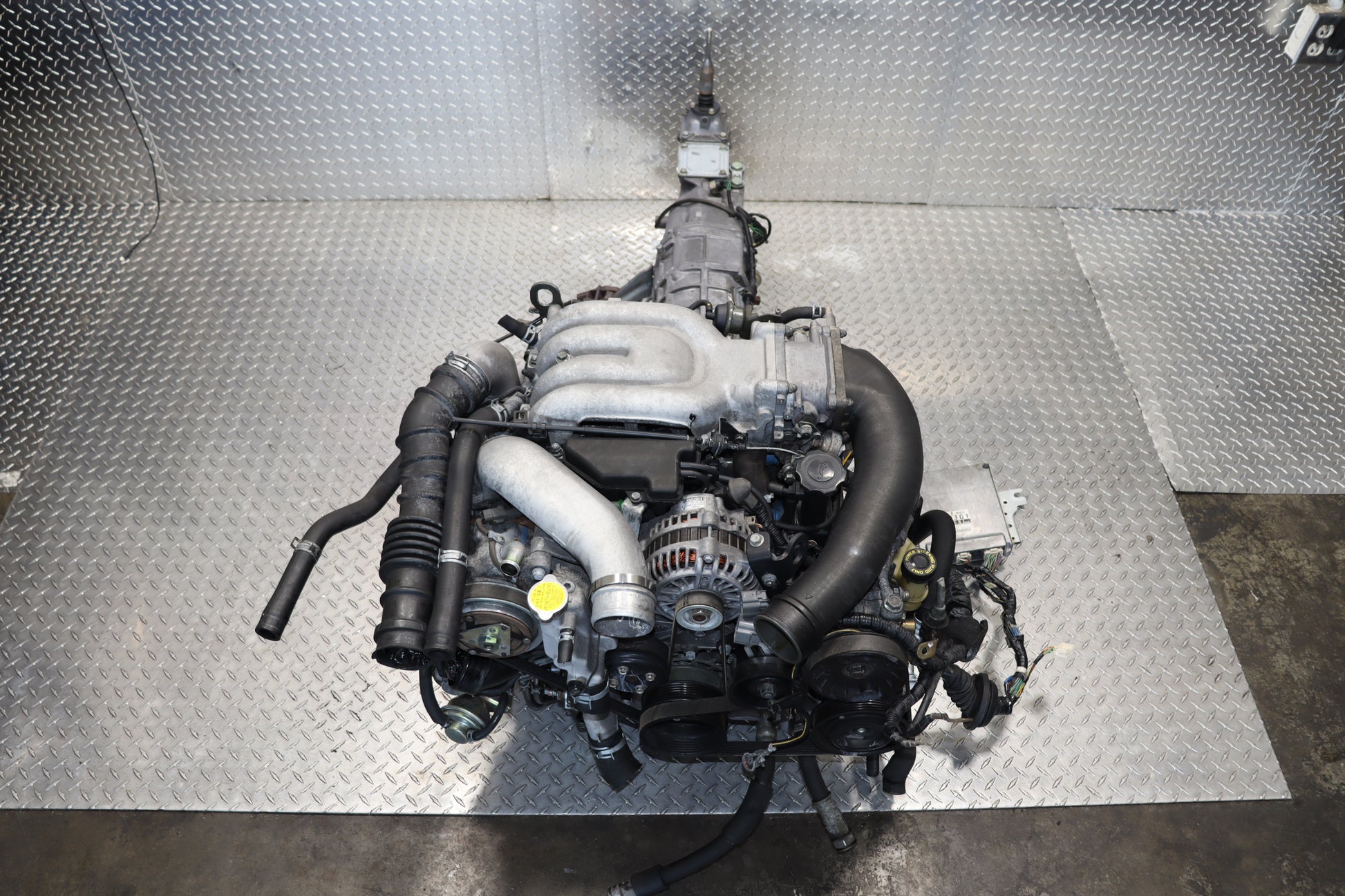
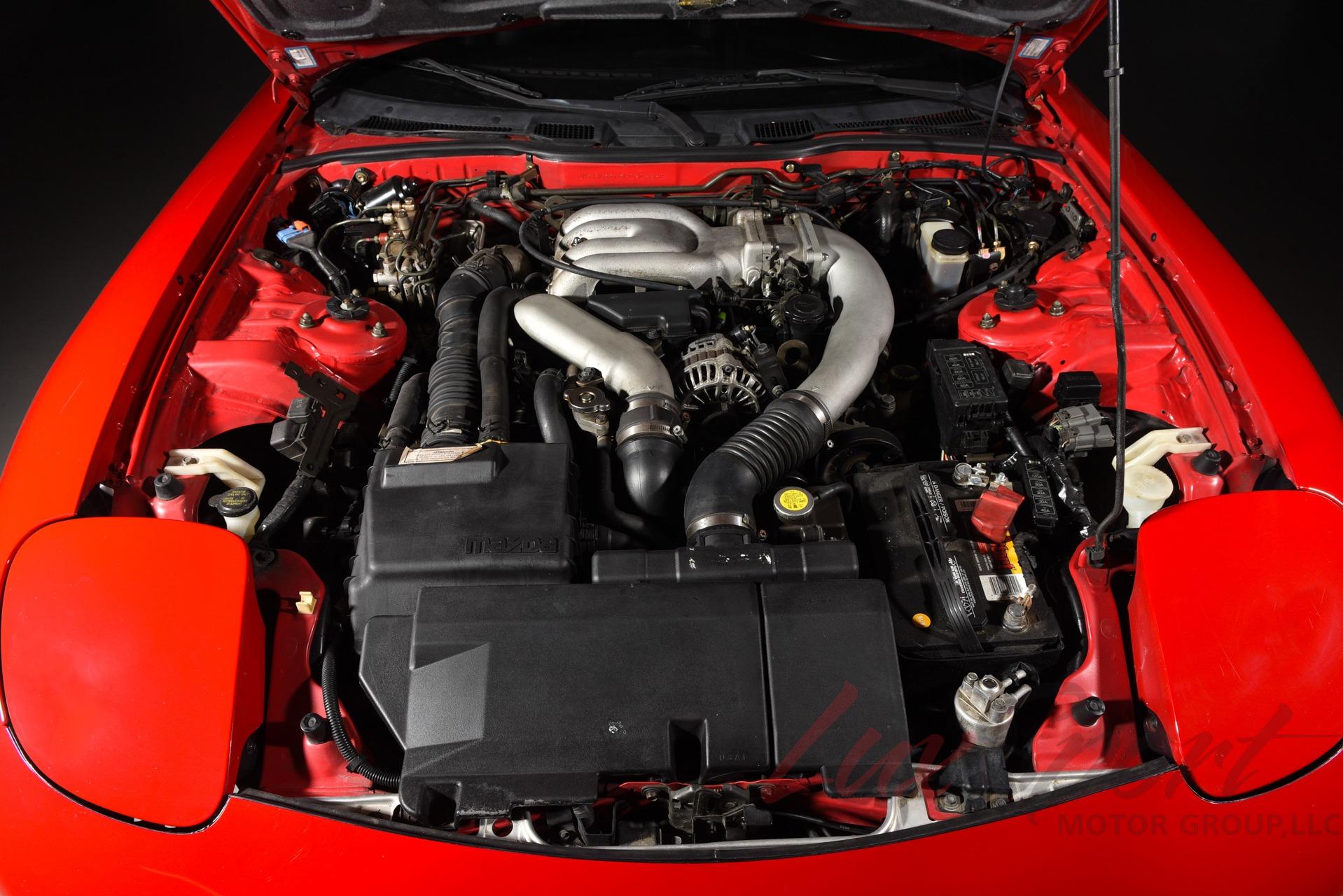
1. Mazda 13B REW Twin Turbo in the 1993 Mazda RX7 FD3S
When the Mazda RX7 FD3S entered production in 1993, early discussions around its 13B REW rotary engine focused on durability under repeated heat cycles and forced induction pressure delivery from a sequential twin turbo arrangement.
The unit used 1.3 litres of chamber displacement and produced around 255 horsepower, achieved through a staged turbocharger system rather than a single forced induction device.
The first turbocharger operates at low engine speed to improve response, while a second turbocharger engages at higher engine speed to sustain boost delivery. This arrangement required controlled coordination between intake routing channels, pressure regulation valves, electronic control units, and solenoid-based switching systems.
Airflow direction changes depending on engine demand, which places reliance on accurate calibration. At the time of release, observers questioned whether a production engine could maintain stable operation under repeated heat cycles involving multiple control points and moving parts within the induction system.
Long-term ownership records from various regions show that many FD3S units equipped with this engine have reached mileage levels between 150000 and 200000 miles. These outcomes are linked to consistent maintenance routines rather than chance. Engine warm-up before applying heavy throttle remains a standard practice among long-term owners.
Rotary units require a stable internal temperature before exposure to high load conditions, since uneven heat distribution affects rotor housing condition and sealing contact. Oil service practice plays a central role in engine lifespan. Frequent oil replacement using high-grade synthetic lubricant supports internal lubrication needs.
The rotary design consumes oil during operation as part of its sealing method, so maintaining the correct oil level remains essential. Cooling system maintenance also contributes to stable operation since temperature regulation affects housing stability and seal contact pressure.
The apex sealing system uses carbon-reinforced sealing components operating against chrome-plated rotor housing surfaces. This arrangement reflects refinement from earlier rotary generations.
Failure cases are commonly linked to overheating events or insufficient lubrication rather than inherent structural weakness within the sealing system. Excessive load application without proper warm-up increases wear rate on sealing surfaces and creates uneven thermal expansion within housing material.
Turbocharger care also influences durability. After high-speed driving, allowing the engine to idle for a short period reduces thermal concentration within turbo bearing sections. This practice assists in preventing oil residue formation that can occur when hot components are shut down immediately after heavy use.
Drivers who maintain disciplined service routines report stable performance across extended mileage use. The engine delivers smooth power delivery at high rotational speed, supported by a lightweight configuration that improves vehicle balance. The chassis layout of the FD3S reduces uneven stress distribution, which assists in maintaining steady mechanical operation under load conditions.
Records from long term use cases indicate that durability outcomes depend strongly on maintenance discipline, temperature control, and lubrication consistency. The engine demonstrates ability to maintain stable operation under extended use when operated according to its design requirements and service expectations.
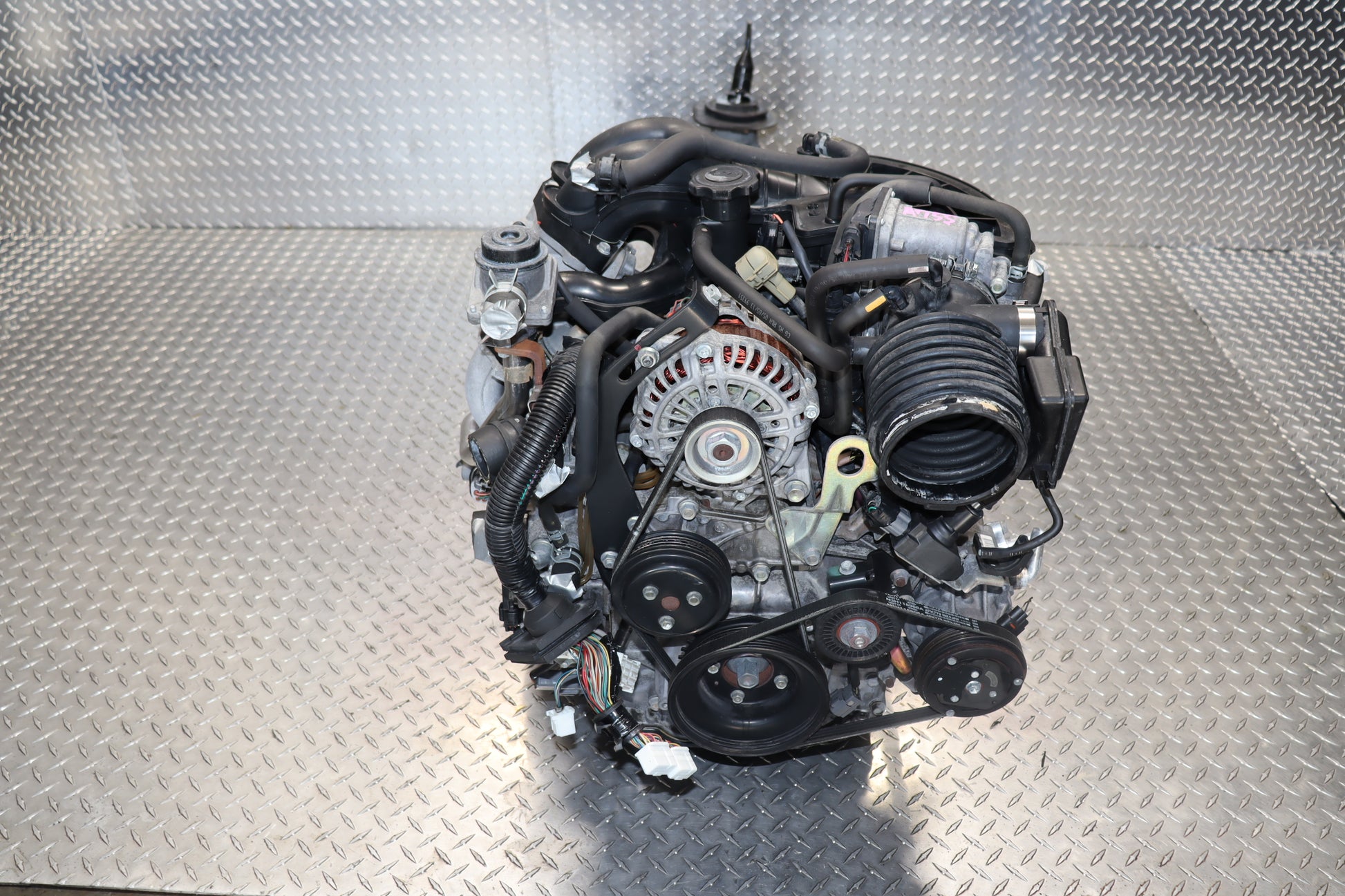
2. Mazda 13B MSP Renesis in the 2004 Mazda RX8 SE3P
The Mazda RX8 SE3P introduced the 13B MSP Renesis engine as a naturally aspirated rotary unit designed with revised emissions control and improved gas flow behaviour compared to earlier rotary systems. Early reception included concerns around cold start behaviour, oil consumption patterns, and apex seal wear observed in some early production examples.
These concerns shaped public opinion, although long-term ownership data present broader outcomes when correct maintenance practice is applied. The Renesis engine introduced side exhaust port positioning within the rotor housing instead of peripheral exhaust ports used in earlier designs.
This configuration reduces direct exposure of sealing surfaces to high-temperature exhaust flow, lowering thermal load on apex sealing components. It also improves gas evacuation timing within the combustion cycle, supporting more stable combustion conditions during standard operation.
Long-term usage records show that many RX8 units exceed 100000 miles, with several reaching above 150000 miles without major internal failure. These outcomes are strongly associated with consistent maintenance routines.
Frequent oil replacement using full synthetic lubricant is widely practiced among long term owners. Rotary engines rely on oil for internal lubrication, so oil quality and level stability remain essential for sealing condition preservation.
Cooling system care is also important. Stable engine temperature prevents distortion within rotor housing surfaces and maintains consistent sealing contact between rotor tips and housing walls. Vehicles with maintained coolant systems show more stable operation during extended mileage use compared to units with irregular temperature control.
Driving practice influences service life. Adequate warm up time before high engine speed use allows internal components to reach a stable operating condition. Short-distance driving without full temperature attainment may lead to carbon accumulation within combustion chambers, which affects combustion consistency and starting behaviour.
Manufacturers issued service guidance addressing known operational issues such as fuel flooding during cold start conditions. Recommended procedures include controlled throttle input during start sequences and methods for clearing excess fuel when required. Owners who follow these procedures report improved long-term operation compared to those applying standard piston engine habits.
Apex seal wear remains a topic of attention within this engine family. Service records show that wear rate depends strongly on lubrication practice, temperature stability, and driving routine. Engines maintained under consistent service discipline show extended operational life and stable compression retention across mileage accumulation.
The Renesis engine demonstrates that rotary architecture can support long-term operation when used according to its design requirements. Service life depends on maintenance behaviour, operating discipline, and correct thermal management rather than structural limitation alone.
Also Read: 5 Engines With Robust Water Pumps vs 5 Known for Internal Leaks and Failure
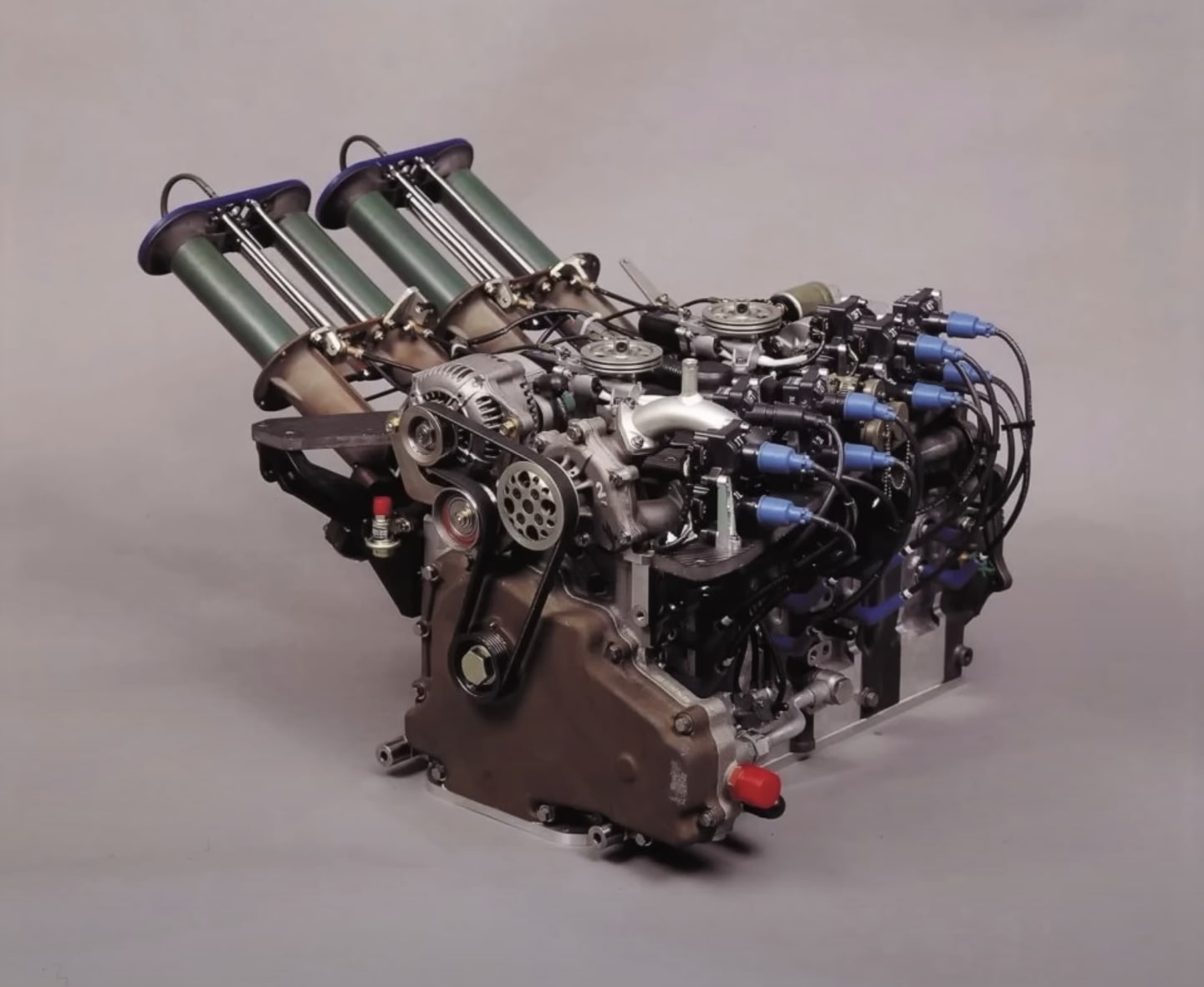
3. Mazda 26B Rotary in the 1991 Mazda 787B Le Mans Racing Car
The Mazda 787B racing car achieved recognition in endurance motorsport through its rotary-powered 26B engine during the 24 Hours of Le Mans in 1991. The engine was developed from a 13B architecture and expanded into a four rotor configuration, producing around 700 horsepower from 2.6 litres of chamber capacity. Peripheral porting was used to support airflow at very high rotational speeds, intended for racing conditions rather than road use.
Endurance racing requires continuous operation at high load for a full 24-hour duration. The rotary engine in the 787B operated throughout this period under sustained racing conditions without mechanical failure that would stop the race effort. This result challenged earlier assumptions that rotary engines could not maintain continuous operation under prolonged racing stress.
Engineering development for the 26B engine included advanced apex sealing material development using composite structures designed for continuous high temperature and friction exposure. Oil delivery systems were calibrated to supply controlled lubrication to sealing surfaces at precise rates, ensuring stable lubrication without excess that could create combustion residue or safety risk.
Cooling systems were designed specifically for endurance racing conditions rather than adapted from road vehicle systems. Thermal control allowed a stable operating temperature during extended high-speed operation. Peripheral port design supported strong airflow at elevated engine speed, allowing consistent combustion performance during race conditions.
The result at Le Mans demonstrated that rotary engines, when engineered for specific operating conditions and maintained under strict technical control, can sustain long-duration performance at a competition level. The achievement reflects engineering capability within defined parameters and does not remove the requirement for correct maintenance or operational discipline in other applications.
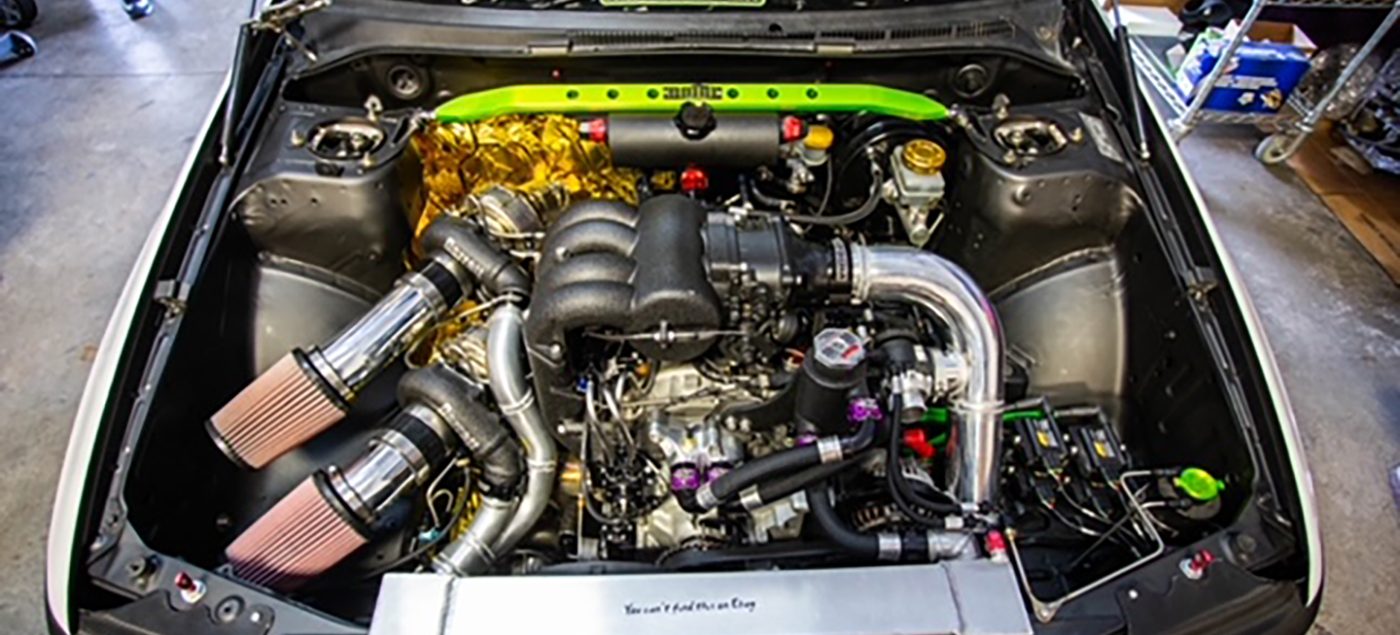
4. Mazda’s 13B in the Eunos Cosmo Type SJ (JC Series, 1990 to 1996)
Japan’s domestic market Eunos Cosmo Type SJ presented the 13B rotary in a context that was entirely contrary to the expected high-strung sports car application: a luxury grand touring coupe aimed at buyers who wanted genuine comfort and refinement alongside performance.
Operating a twin-turbocharged rotary engine in this application required demonstrating reliability under the kind of sustained highway cruising, urban stop-and-go cycling, and long-distance touring use that the sports car application context rarely demanded in the same combinations.
Mazda’s 20B twin-turbocharged three-rotor rotary in the Cosmo Type SJ represented the only production three-rotor Wankel engine ever offered in a passenger car, producing 280 horsepower from a configuration that spread combustion events across three rotors rather than two, reducing the individual thermal and mechanical load per rotor and contributing to the specific durability characteristics that made the three-rotor architecture interesting for a grand touring application.
Long-term ownership records from the Japanese domestic market Cosmo Type SJ examples document engine service histories that demonstrate reasonable longevity relative to the vehicle’s intended use pattern when maintenance protocols were followed.
Grand touring use naturally provides frequent warm-up cycles that reach full operating temperature, sustained operation at moderate RPM ranges that keep temperatures stable without excessive thermal cycling, and regular driving frequency that prevents the oil coking and seal stiffening that infrequent use on any rotary promotes.
Cosmo Type SJ survival rates in Japan’s automotive preservation community reflect an engine that performed within expectations for a luxury grand touring application when maintained correctly, challenging the assumption that rotary engines categorically fail to survive real-world use outside a narrow band of ideal conditions.
For buyers who understood that a rotary grand tourer required more attentive maintenance than a piston-engine competitor, the Cosmo delivered its intended experience with reasonable reliability across the ownership periods documented in the Japanese enthusiast community’s historical records.
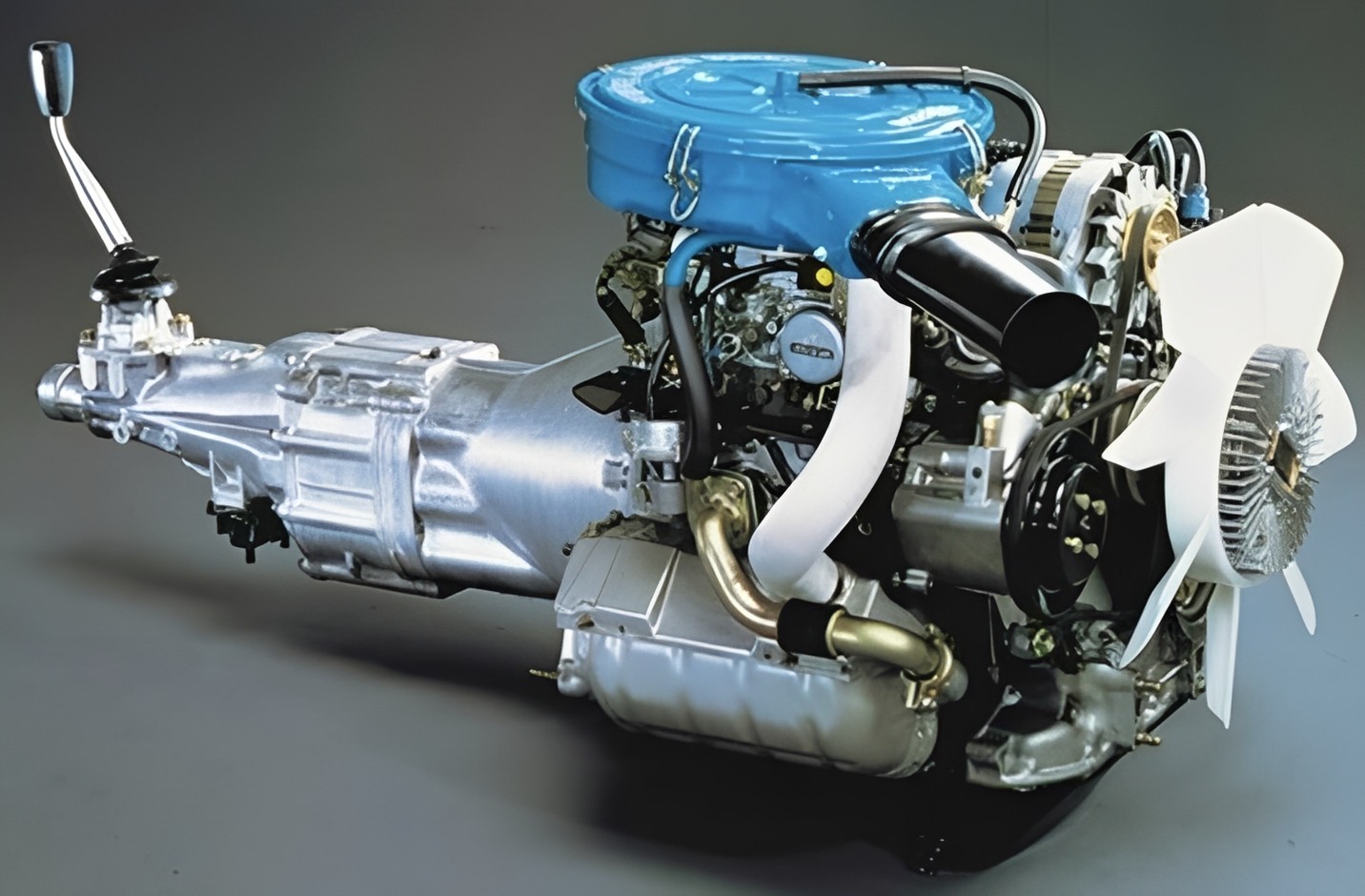
5. Mazda’s 12A in the 1978 Mazda RX-7 SA22C
First-generation RX-7 owners in the United States accumulated real-world evidence about 12A rotary reliability that the critics had not predicted when the SA22C launched in 1978. A combination of relatively conservative power output for the displacement, simpler design without turbocharging, and an owner demographic that skewed toward enthusiast maintenance practice produced a population of high-mileage 12A-powered RX-7s that demonstrated what the Wankel architecture was capable of when its specific requirements were consistently met.
Mazda’s naturally aspirated 12A in US market SA22C specification produced approximately 100 horsepower, which is a conservative output level relative to the engine’s theoretical capability. Conservative power tuning reduces thermal loading on apex seals and rotor housings, extends the service life of peripheral seals and O-rings, and reduces the entire thermal stress cycle that accumulates with every operating hour.
First-generation RX-7 owners who drove their cars consistently but not abusively found that the 12A was willing to accumulate mileage that surprised both themselves and the mechanics they occasionally consulted for service.
Documented 12A-powered SA22C examples with original or correctly rebuilt engines exceeding 150,000 miles appear in US market RX-7 communities regularly, and the pattern that separates these survivors from failed examples is the same that applies to every rotary on this list.
Consistent oil changes at 3,000-mile intervals or shorter using quality oil that meets Mazda’s specification, correct coolant maintenance, and avoidance of short trips that do not bring the engine to full operating temperature before shutdown are the non-negotiable elements of 12A service practice that long-term survivors universally demonstrate.
SA22C RX-7 rust concerns and bodywork preservation issues have claimed more examples of this vehicle than engine failure across the decades since production ended, which is perhaps the most persuasive single data point in the 12A’s reliability defense.
When the limiting factor in a vehicle’s survival rate is sheet metal rather than the powertrain, the powertrain has demonstrated the kind of relative durability that critics of the era specifically predicted would not be possible from the Wankel architecture in sustained road car use.
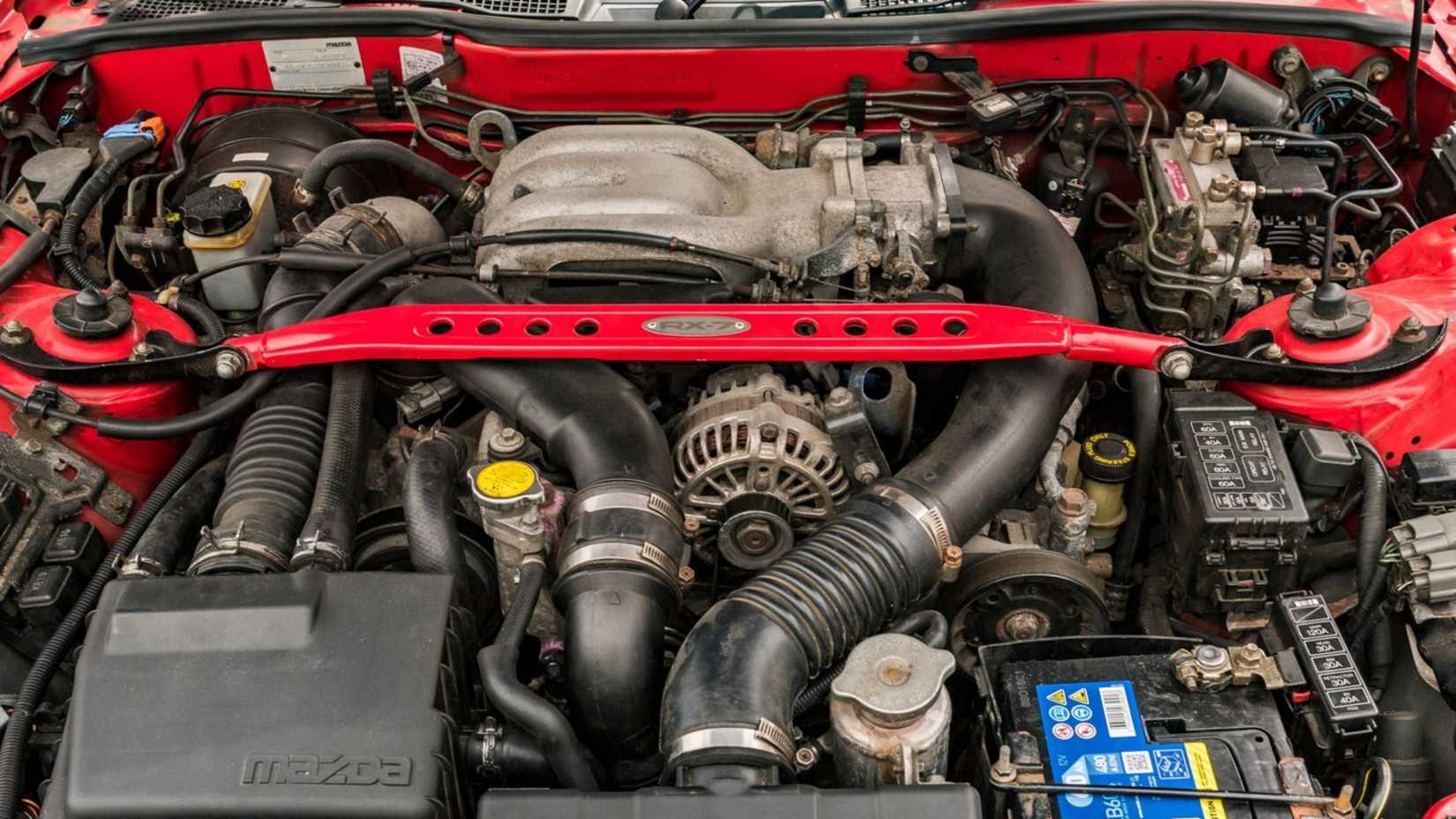
6. Mazda’s 13B in the Mazda RX-7 FB Series III (FC Precursor, 1985 to 1985)
Late second-generation RX-7 FB Series III production in 1985 used a revised 13B naturally aspirated rotary that represented refinement over the 12A in displacement, torque characteristics, and thermal management.
This engine provided an interesting intermediate data point in the rotary reliability timeline: more capable than the 12A, less thermally stressed than the twin-turbocharged applications that followed, and operated in a car whose enthusiast ownership community provided the maintenance discipline that the architecture required.
Mazda’s 13B naturally aspirated in this application produced 135 horsepower, providing meaningful performance improvement over the 12A while maintaining the thermal conservatism of natural aspiration.
Side porting rather than peripheral porting maintained reasonably low-RPM tractability that made this engine more appropriate for daily driving conditions than competition-specification porting configurations, which contributed to the 13B’s usability in a daily driver context that built positive reliability impressions among attentive owners.
FB Series III 13B examples in preserved condition demonstrate engine condition outcomes that support the durability case for the naturally aspirated 13B when maintenance was not deferred. Apex seals in well-maintained examples show wear patterns consistent with extended operation within design tolerances rather than the accelerated wear that overheating or extended oil change intervals produce in rotary engines that were not properly maintained.
RX-7 ownership community records from this generation provide some of the cleanest data on what rotary engines can sustain when ownership is thoughtful rather than negligent, because the FB enthusiast community developed extensive documentation of maintenance practice and outcomes across decades of preserving these vehicles.
That documentation consistently points to properly maintained 13B naturally aspirated engines performing within the reliability expectations that a thoughtful engineer would predict for a well-designed mechanical system operated within its design parameters.
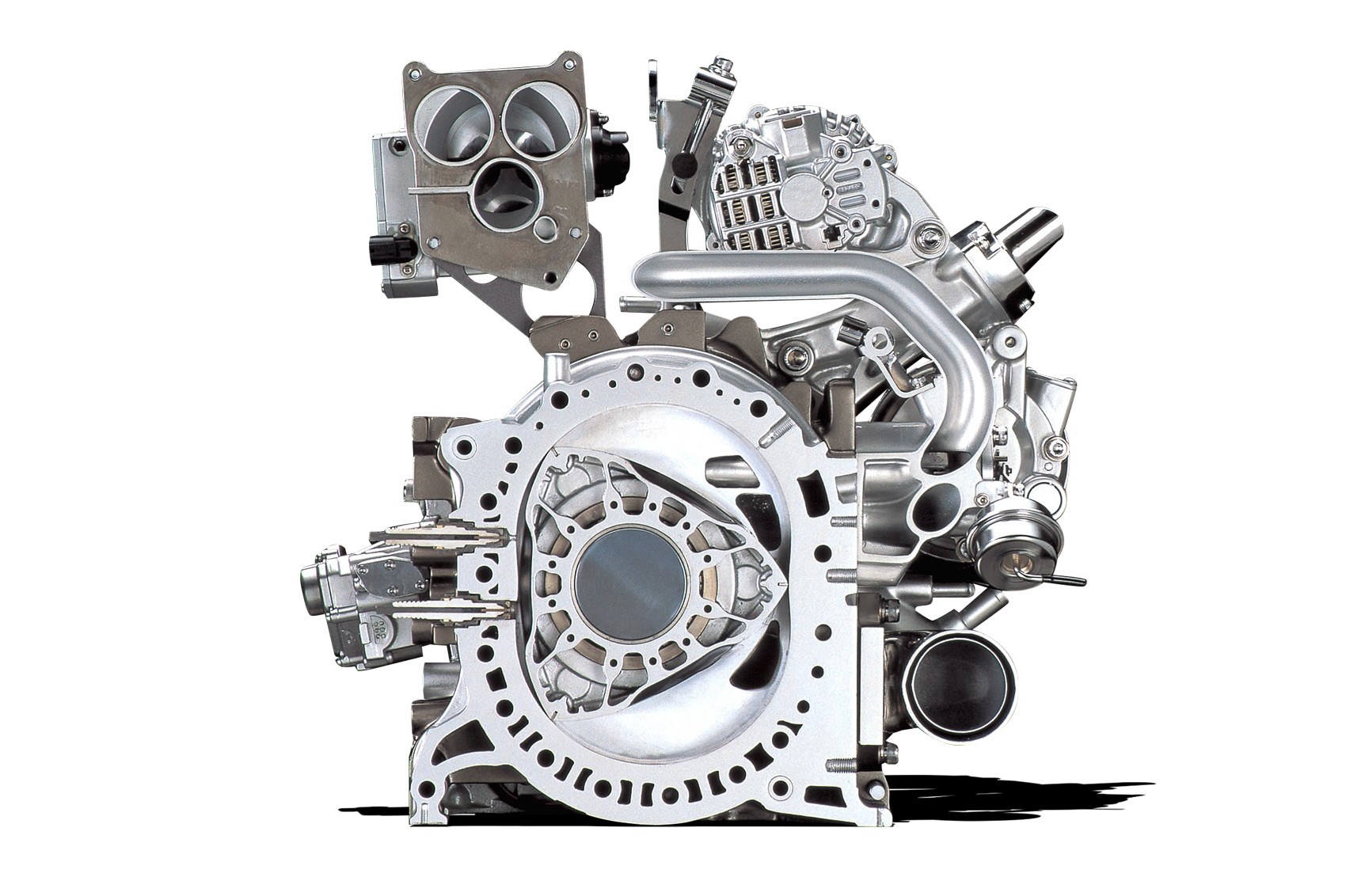
7. Mazda’s Wankel Rotary in the Mazda Carol GC360 Rotary Kei Car (First Generation, 1962 to 1969)
Mazda’s decision to offer rotary power in the Carol GC360 kei car, one of the earliest production automotive applications of the Wankel engine outside experimental and motorsport contexts, established the first real-world evidence base for production rotary engine durability under the demanding conditions of city car use.
Kei cars in Japan experience intensive stop-and-go cycling, frequent cold starts, extended low-speed operation, and the specific thermal conditions that rotary engineers identified as the most challenging for apex seal and seal interface durability.
Survival of Carol GC360 rotary examples in Japanese automotive heritage collections, combined with contemporary owner accounts from the vehicle’s production period, indicates that Mazda’s initial production rotary application was more capable of surviving real-world kei car use than the theoretical predictions of critics who viewed the Wankel as too mechanically sensitive for low-maintenance ownership application.
Mazda’s extensive pre-production development work, which included hundreds of thousands of test miles before production release, contributed to a production engine that had most of its early-development failure modes identified and addressed before any customer took delivery.
Early apex seal material development that Mazda conducted for the Carol GC360 rotary established the research foundation that all subsequent Mazda rotary engine development was built on, making this initial production application historically important beyond its immediate commercial role.
Materials that proved inadequate under production use conditions were identified and replaced during the development program, leaving the production engine with seal material that balanced durability and sealing performance at a level appropriate for genuine market use.
The Carol GC360’s rotary application validated Mazda’s core engineering thesis: that the Wankel engine’s theoretical advantages in power density, smoothness, and mechanical simplicity were achievable in a production vehicle that real customers would own and operate under real conditions.
This validation, achieved under the demanding thermal and mechanical cycling of kei car city use, established the credibility that allowed Mazda to continue investing in rotary development through the decades that produced every other engine on this list.
Also Read: 5 Engines With Heavy Duty Alternators vs 5 That Struggle With High Tech Loads
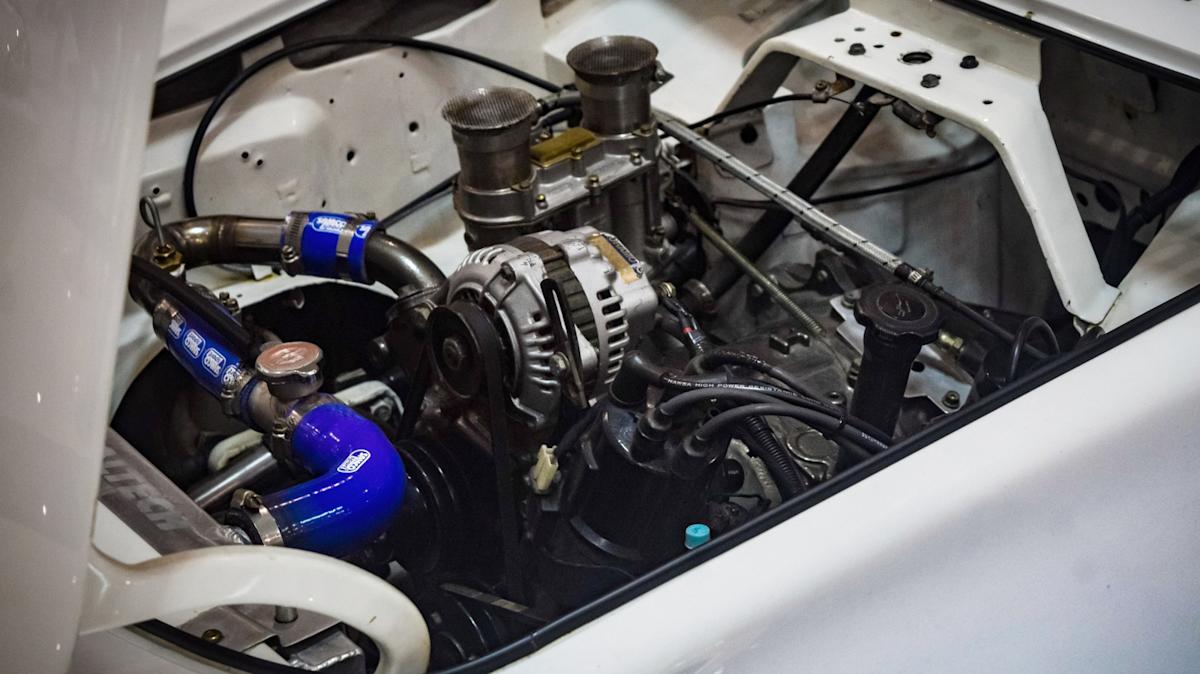
8. Mazda’s 13B-SP in the Mazda RX-8 Shinka Special Edition (SE3P, 2008)
Mazda’s Shinka Special Edition of the SE3P RX-8, produced for the Japanese domestic market in 2008, represented a late-production refinement of the Renesis platform that addressed specific reliability concerns identified through years of production experience and field data from the global RX-8 owner community.
Late-production Renesis engines benefited from seal material improvements, revised oil metering specifications, and cooling system refinements that directly addressed the failure modes that had generated the Renesis’s reputation challenges in early production years.
Late-production apex seal material in the refined Renesis used for the Shinka Special Edition demonstrated improved durability in long-term testing compared to the initial production specification, reflecting Mazda’s ongoing engineering response to field data from global RX-8 ownership.
Material composition changes that reduced sensitivity to thermal shock and improved wear characteristics under sustained high-RPM operation addressed the two most consistently cited apex seal failure contributing factors from early production data.
Cooling system refinement in late-production Renesis applications improved temperature stability during the transition from cold start to full operating temperature, reducing the thermal gradient across the rotor housing during warm-up that the apex seal expansion mismatch produces.
More stable thermal transition protects apex seal geometry during the warm-up period, which the owner reports consistently identifies as the most seal-stressing phase of cold-start-to-operating-temperature cycling.
Shinka Special Edition owners who documented their long-term engine health in Japanese domestic market enthusiast communities reported apex seal condition at high mileage that was measurably better than equivalent-age early-production Renesis examples, confirming that the engineering refinements Mazda incorporated into late-production engines produced the intended improvement in durability outcomes.
This direct comparison between early and late production Renesis examples, drawn from the same platform and operated under similar conditions, provides clear evidence that Mazda’s engineering team understood exactly what the Renesis needed to achieve its longevity potential and implemented those improvements before the model’s production ended.
